
Plant propagation is one of the most rewarding gardening skills you can learn.
There’s something incredibly satisfying about taking a single healthy stem and watching it develop into an entirely new plant.
Whether you’re filling your garden with free plants, preserving a favorite variety, starting a nursery, or simply enjoying the process, propagation opens the door to possibilities that buying mature plants never can.
When I first started taking cuttings, I thought success depended on luck.
Sometimes they rooted.
Sometimes they didn’t.
It wasn’t until I began paying attention to the small details that everything changed.
I realized successful propagation isn’t built on one secret trick.
It’s the result of dozens of small decisions that work together.
Choosing healthy parent plants.
Making clean cuts.
Using the right rooting medium.
Providing consistent moisture.
Maintaining proper temperatures.
Being patient enough to let roots develop naturally.
Over the years I’ve propagated thousands of plants, including fruit trees, berry bushes, ornamental shrubs, herbs, houseplants, and many others.
Some rooted in days.
Others took weeks.
Every success and every failure taught me something useful.
This guide brings together everything I’ve learned in one place.
If you’re completely new to propagation, it will give you a solid foundation.
If you’ve already rooted a few plants, you’ll likely find techniques that improve your consistency and help you avoid common mistakes.
Whenever a subject deserves a deeper explanation, I’ll point you to a dedicated guide that explores that topic in much greater detail.
Let’s start with the most important question.
What Is Plant Propagation?
Plant propagation is simply the process of creating new plants from existing ones.
Some plants are propagated from seed.
Others grow from bulbs, divisions, runners, offsets, or grafting.
This guide focuses on one of the most popular methods of all.
Taking cuttings.
A cutting is a portion of a healthy plant that’s removed and encouraged to grow its own root system.
Once roots develop, that cutting becomes an independent plant genetically identical to the parent.
That’s one of the biggest advantages of propagation.
Unlike seeds, which often produce plants with natural genetic variation, cuttings create exact clones of the original plant.
If you’ve found an exceptional blueberry bush, an especially productive fig tree, or a beautiful flowering shrub, propagation allows you to preserve those exact characteristics instead of hoping seedlings produce similar results.
For gardeners, homeowners, and nursery growers alike, that’s an incredibly valuable tool.
Why I Love Propagating Plants
People often ask why I spend so much time propagating instead of simply buying new plants.
The answer is easy.
Propagation gives me complete control over what I grow.
Instead of purchasing one expensive shrub, I can often grow several from a single healthy parent plant.
If a storm damages one of my favorite plants, I already have backups growing.
When I discover an outstanding variety, I can continue growing that exact plant for years.
Propagation also teaches patience.
You begin paying closer attention to how plants grow.
You notice seasonal changes.
You recognize healthy stems.
You learn what different species need to thrive.
Those observations make you a better gardener in every area, not just propagation.
And, if you’re anything like me, there’s something deeply satisfying about walking through the garden and realizing many of those plants started as nothing more than a simple cutting.
Not Every Plant Propagates the Same Way
One of the first lessons every propagator learns is that there isn’t one universal method.
Some plants root incredibly easily.
Others require more planning and patience.
A pothos cutting placed in water may produce roots in a matter of days.
A hardwood fruit tree cutting might spend several weeks quietly forming roots beneath the surface before any visible progress appears.
That’s completely normal.
The goal isn’t forcing every plant into the same process.
It’s understanding what each species needs.
Throughout PropagationWorld, you’ll find detailed guides covering specific plants and propagation techniques, but the principles you’ll learn in this guide apply to almost every cutting you’ll ever take.
Once you understand those fundamentals, adapting them to different plants becomes much easier.
Choosing the Right Parent Plant
One of the biggest mistakes beginners make happens before the pruning shears ever touch the plant.
They take cuttings from whatever stem happens to be convenient.
Unfortunately, unhealthy plants rarely produce outstanding cuttings.
If the parent plant is already struggling with drought stress, disease, insect damage, nutrient deficiencies, or poor growth, those problems often carry over into the propagation process.
Whenever I plan to take cuttings, I spend a few minutes looking over the entire plant first.
I’m searching for vigorous new growth, healthy leaves, strong stems, and plants that have been growing well for at least several weeks.
That extra attention almost always pays off later.
Strong cuttings simply have more stored energy available to build roots.
Understanding Hardwood, Softwood, and Semi-Hardwood Cuttings
You’ll hear these three terms constantly in the propagation world.
Fortunately, they’re much simpler than they sound.
Softwood Cuttings
Softwood cuttings come from fresh, flexible new growth.
These stems are usually green, bend easily, and root relatively quickly.
Many houseplants, herbs, hydrangeas, and countless ornamental shrubs are propagated this way.
The downside is that softwood cuttings lose moisture quickly, so they usually appreciate higher humidity while roots develop.
Semi-Hardwood Cuttings
Semi-hardwood cuttings fall somewhere in the middle.
The stems have started maturing but aren’t completely woody yet.
Many evergreen shrubs, camellias, hollies, citrus, and ornamental plants root well from semi-hardwood growth.
They generally require a little more patience than softwood cuttings but are often sturdier during propagation.
Hardwood Cuttings
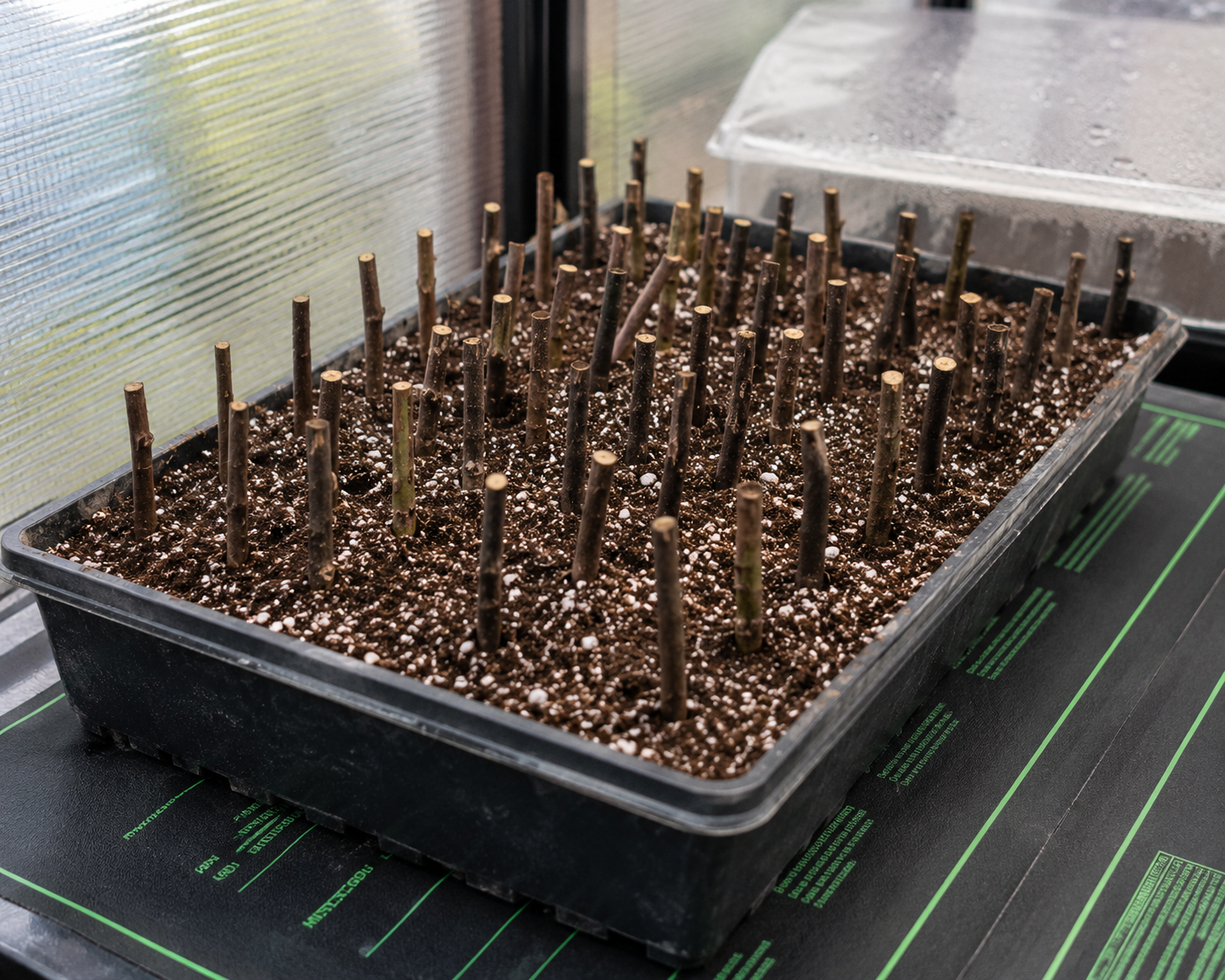
Hardwood cuttings come from fully mature dormant wood.
Berry bushes, grapes, figs, elderberries, willows, dogwoods, and many fruit trees are commonly propagated this way.
These cuttings usually don’t have leaves when collected.
Because they’re dormant, they lose far less moisture than leafy cuttings, meaning they often require less humidity during rooting.
The tradeoff is that hardwood cuttings frequently take longer to establish roots.
Patience becomes one of your most valuable tools.
Timing Makes a Bigger Difference Than Most People Realize
I’ve seen people blame rooting hormone, watering, or even the weather when the real problem was simply taking cuttings at the wrong time of year.
Plants go through natural growth cycles.
Trying to force propagation during periods when the plant isn’t biologically prepared often leads to disappointing results.
Some plants root best during active spring growth.
Others perform much better after stems begin maturing later in the season.
Hardwood cuttings are usually collected after plants enter dormancy.
Learning those seasonal patterns has dramatically increased my rooting success.
Instead of fighting against the plant’s natural rhythm, I’m working alongside it.
Start With Clean, Sharp Pruning Shears
Every successful propagation project begins with one clean cut.
A sharp blade slices through the stem with very little damage.
A dull blade crushes plant tissue, creating unnecessary stress before the cutting even reaches the propagation tray.
That’s one reason I never underestimate the importance of quality pruning shears. You can compare these affordable pruning shears for plant propagation when preparing cuttings for propagation.
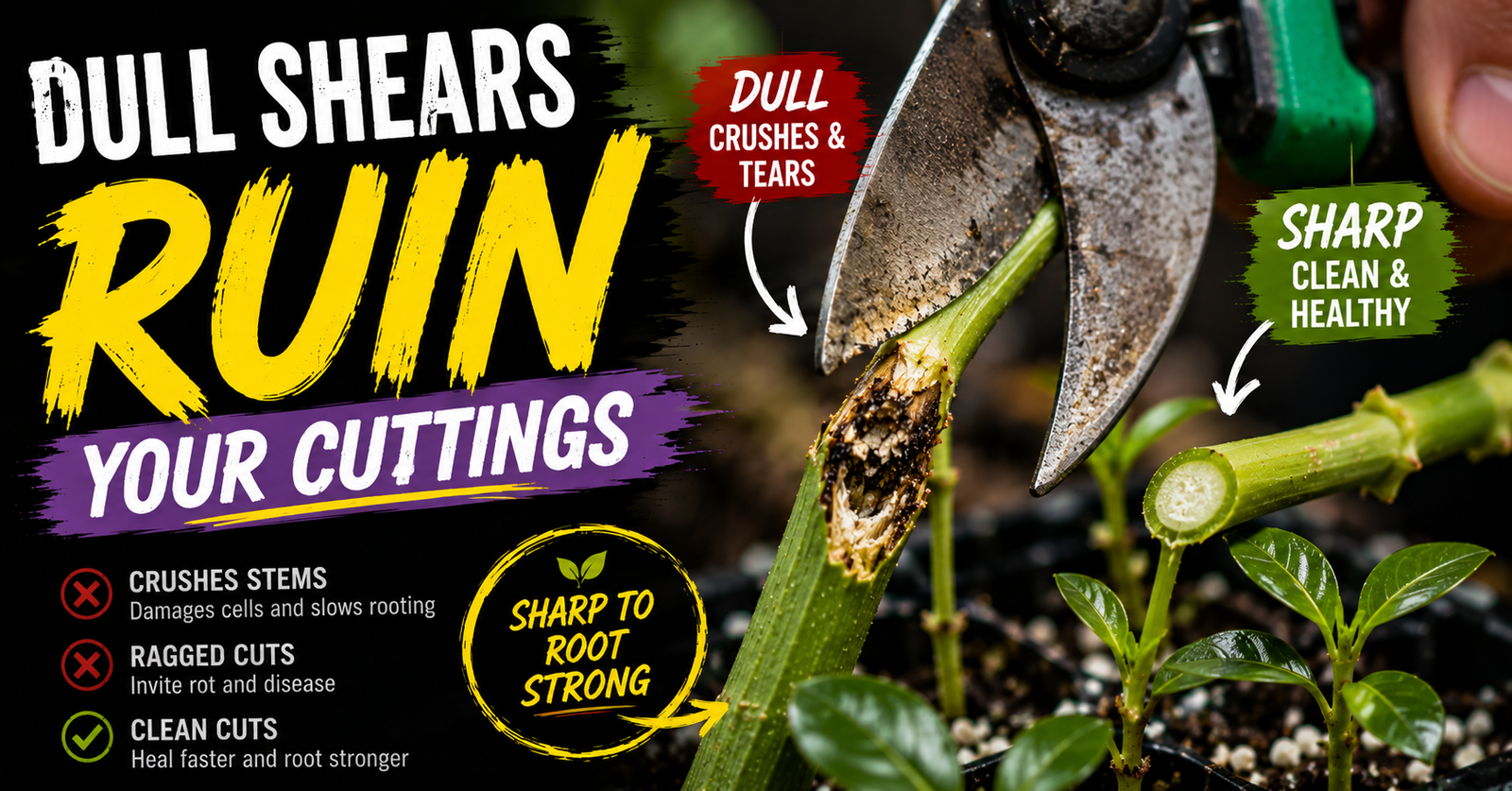
If you’re still using old, dull pruners, I’d encourage you to read why dull pruning shears can ruin otherwise healthy plant cuttings.
That single improvement can increase your success rate more than many gardeners expect.
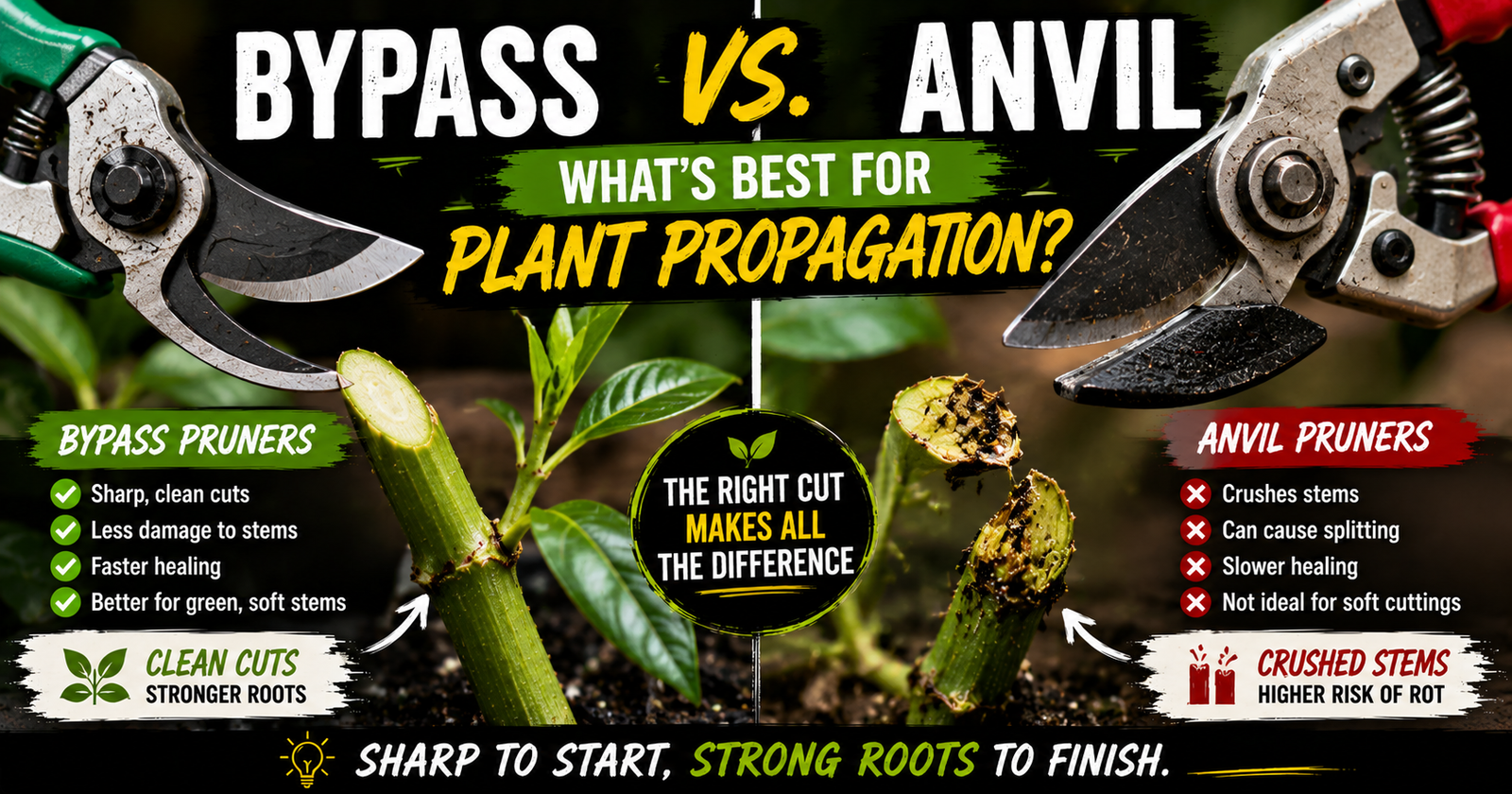
Likewise, choosing the correct style matters too. This comparison of bypass vs. anvil pruners for plant propagationexplains why I almost always reach for bypass pruners when collecting living propagation material.
Before every propagation session, I also make sure my blades are clean.
It only takes a minute, but it helps reduce the chance of spreading diseases from one plant to the next.
That simple habit has become second nature, and I wouldn’t skip it even if I’m only taking a handful of cuttings.
Should You Use Rooting Hormone?
This is probably the question I get asked more than any other.
Does rooting hormone actually work?
The short answer is yes, but not in the way many people expect.
Rooting hormone doesn’t magically force every cutting to grow roots.
Instead, it encourages root initiation on plants that naturally benefit from supplemental rooting hormones.
Many easy houseplants root perfectly well without it.
More challenging shrubs, fruit trees, and woody ornamentals often respond much better when it’s used correctly.
The important phrase there is used correctly.
Too much rooting hormone isn’t better.
Applying it incorrectly won’t improve results.
Using expired products may reduce effectiveness.

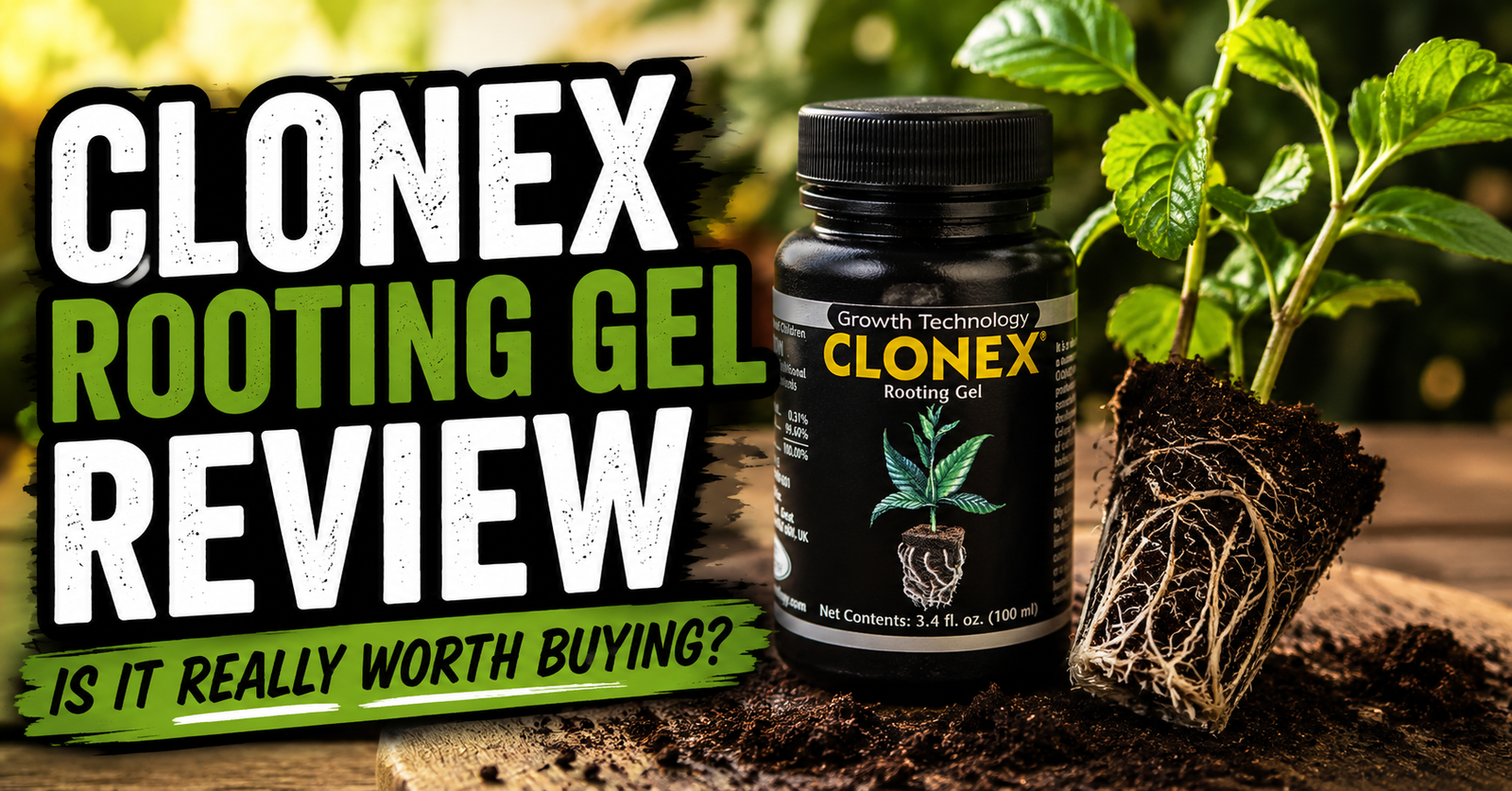
Understanding when and how to use rooting hormone has a much bigger impact than simply buying the first bottle you see. Readers comparing rooting-hormone formats can also look at Clonex rooting gel hormone as a specific gel option.
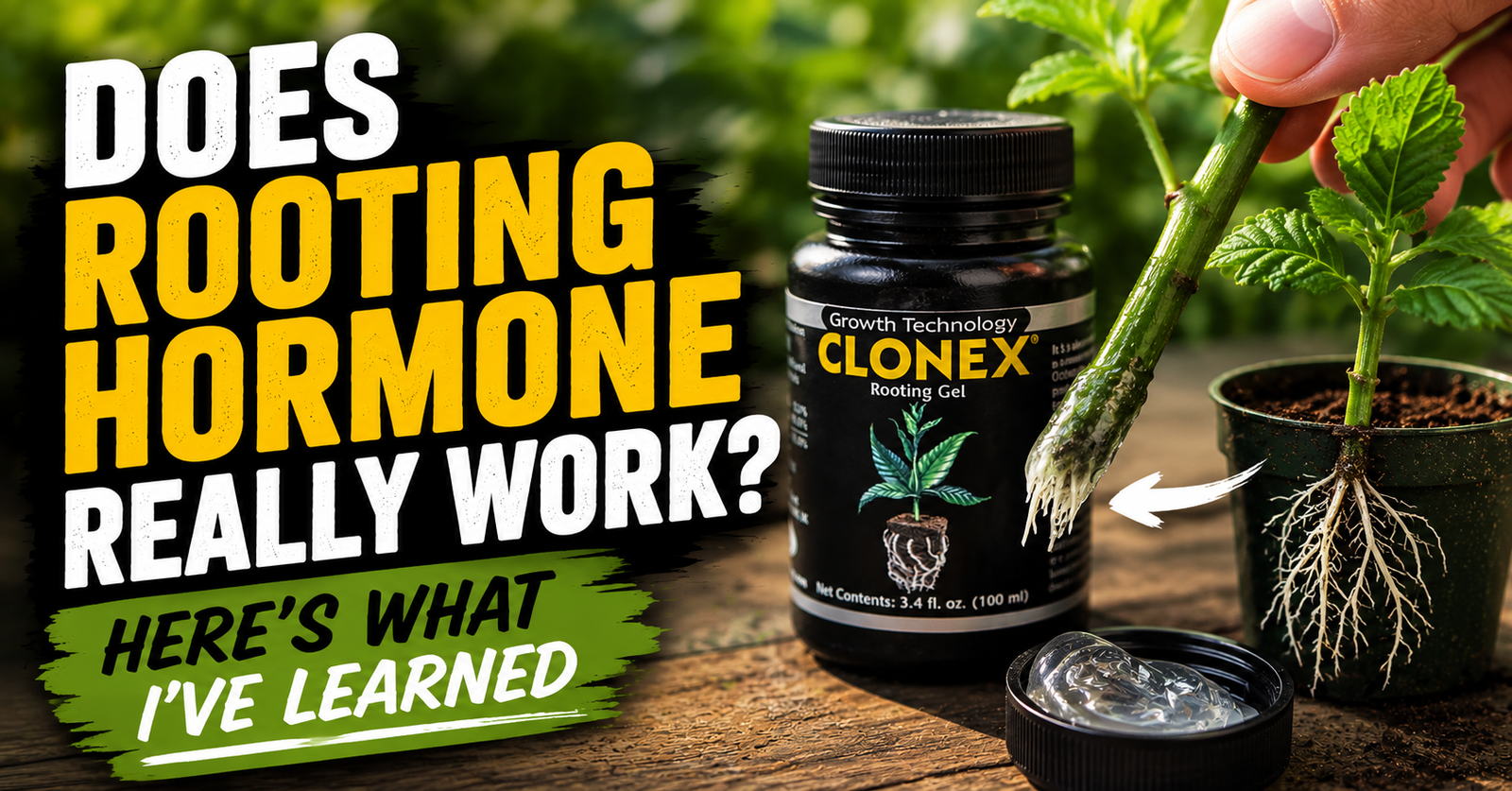
If you’re trying to decide whether it’s worth using, I put together a detailed guide explaining whether rooting hormone really works and what gardeners should realistically expect.
For anyone working with hardwood shrubs or more difficult woody plants, I almost always recommend keeping rooting hormone available because it removes one more obstacle during the rooting process.
Choosing the Right Rooting Medium
One thing propagation has taught me is that roots don’t really care what the growing medium is called.
They care about the environment it creates.
Healthy roots want moisture.
They also want oxygen.
Finding that balance is one of the biggest keys to successful propagation.
Fortunately, there are several excellent options.
Seed Starting Mix
For most gardeners, this is where I’d recommend beginning.
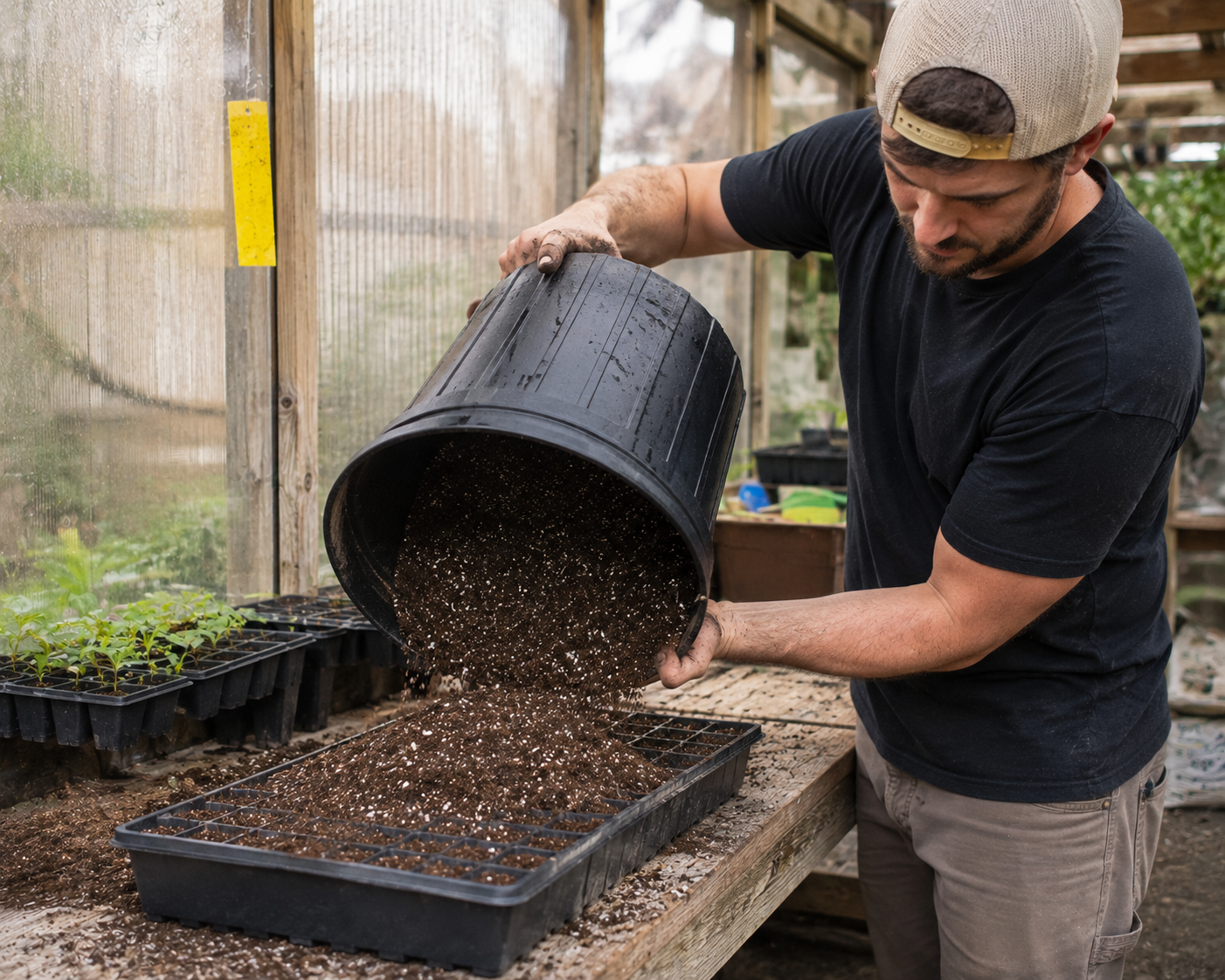
A quality seed starting mix holds moisture evenly while remaining light enough for developing roots to breathe.
It’s forgiving, easy to work with, and suitable for an enormous variety of plants.
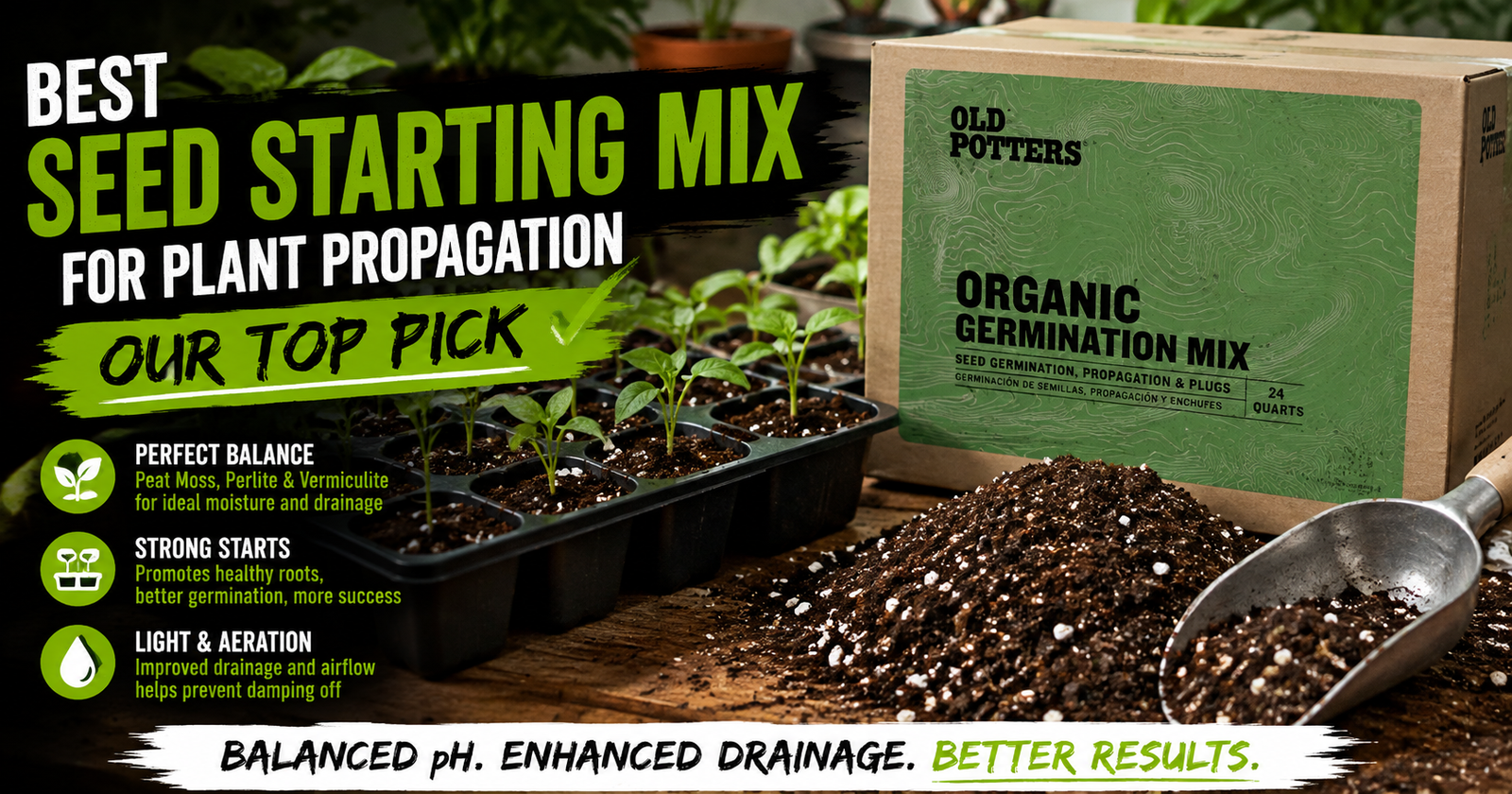
After experimenting with countless propagation media, I still find myself returning to the seed starting mix I recommend for rooting plant cuttings because it consistently provides that balance between moisture retention and drainage.
If you’re just getting started, it’s one of the easiest media to learn with.
Straight Perlite
Perlite surprises a lot of people.
It doesn’t contain nutrients.
It looks almost too simple.
Yet it’s one of my favorite propagation media for many species.
Because it’s extremely airy, roots receive outstanding oxygen while still having access to moisture.
It’s especially helpful for cuttings that dislike constantly wet conditions.
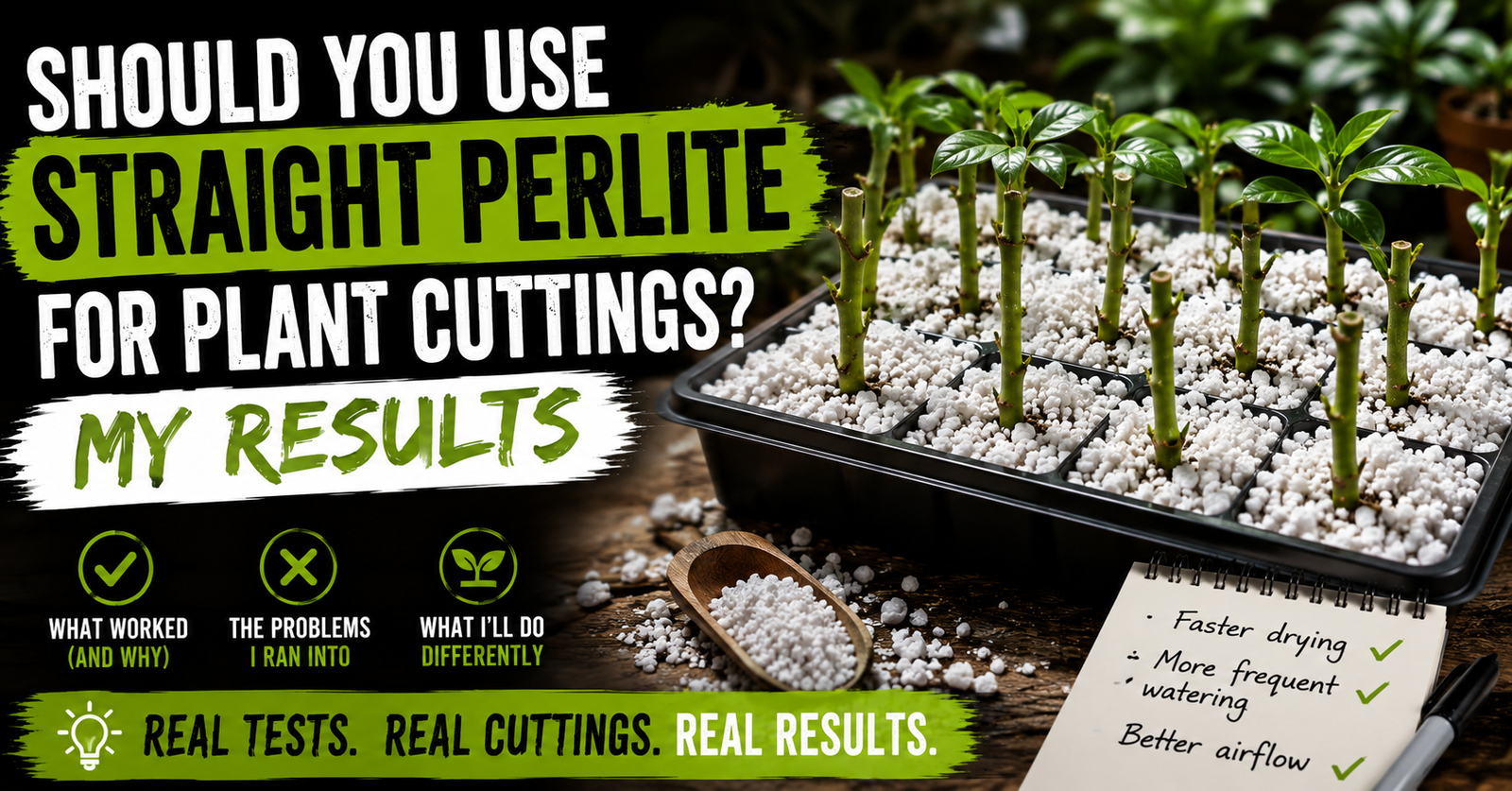
If you’ve never experimented with it, I explain the advantages in my guide to using straight perlite for rooting plant cuttings.
Water Propagation
Water propagation is probably the most recognizable method because it’s fun to watch roots develop.
For many common houseplants, it’s a perfectly reasonable option.
For many woody shrubs and fruit plants, however, I generally prefer rooting directly into a propagation medium instead.
Transitioning water roots into soil sometimes creates additional stress that can be avoided altogether.
The right choice depends entirely on the species you’re propagating.
Potting Soil
People ask about potting soil all the time.
Can it work?
Absolutely.
Is it my first recommendation?
Usually not.
Many commercial potting soils retain more moisture than fresh cuttings really need, especially if they’re designed for long-term container growing.
That’s why I generally reserve potting soil for plants that already have established root systems instead of using it for initial propagation.
Good Drainage Is Just as Important as Moisture
One mistake I made years ago was focusing entirely on watering while ignoring drainage.
The two go hand in hand.
Even perfect watering habits can’t compensate for a propagation mix that stays saturated for days.
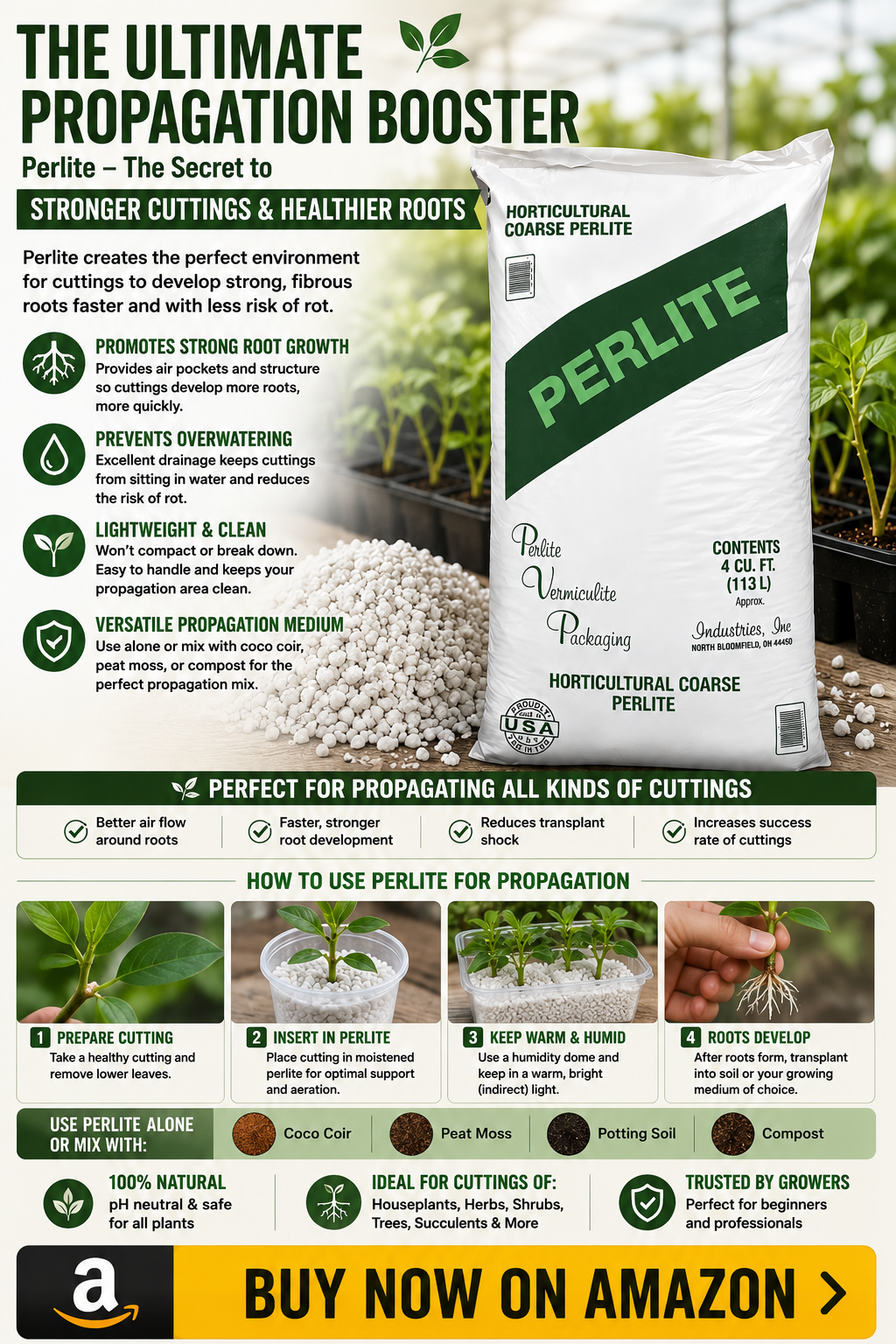
Whenever I want additional airflow around developing roots, I often incorporate perlite into the mix. For that purpose, readers can examine horticultural perlite for propagation as one way to add airflow to a propagation medium.
That simple adjustment creates more air spaces while helping excess water drain away instead of lingering around the stem.
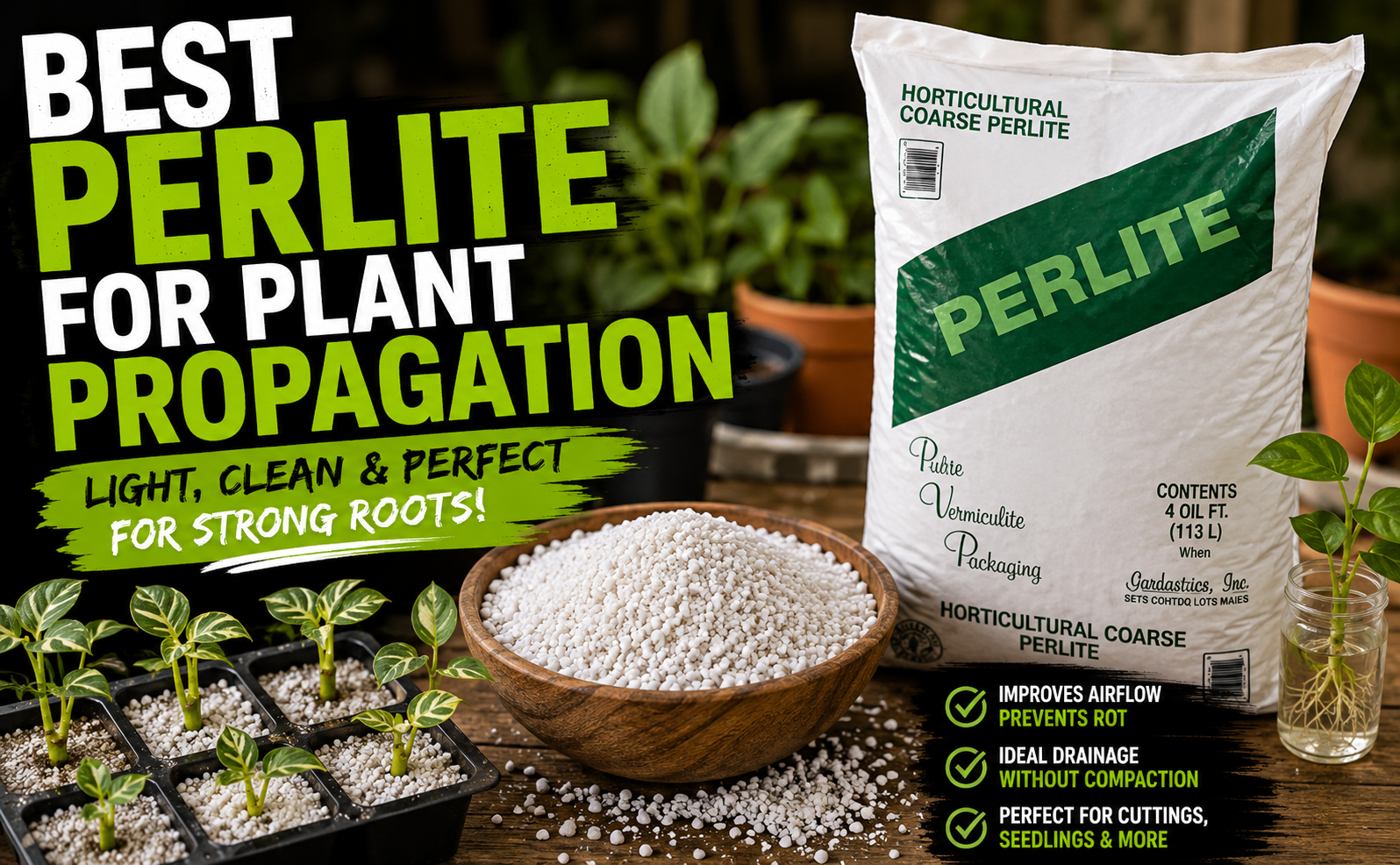
Understanding why perlite has become one of my favorite propagation materials completely changed how I build propagation mixes, especially for slower-rooting shrubs and fruit trees.
Creating the Right Environment for Rooting
Once the cuttings are prepared and placed into the propagation medium, the environment becomes the biggest factor influencing success.
This is where many gardeners unknowingly help or hurt their cuttings.
Roots don’t develop because we constantly check them.
They develop because the plant is comfortable enough to focus its energy below the surface.
That means maintaining stable conditions instead of allowing the propagation tray to swing between extremes.
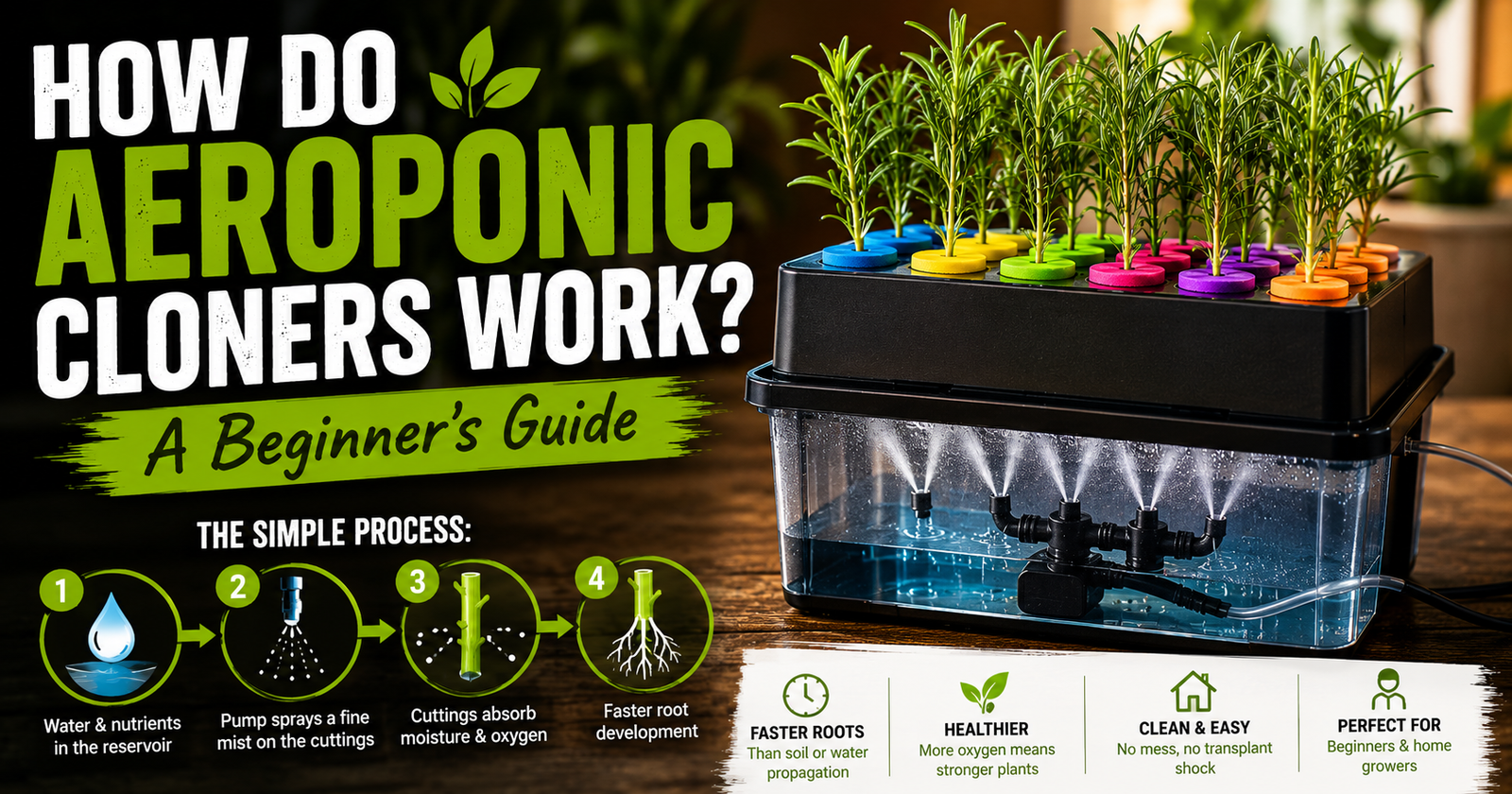
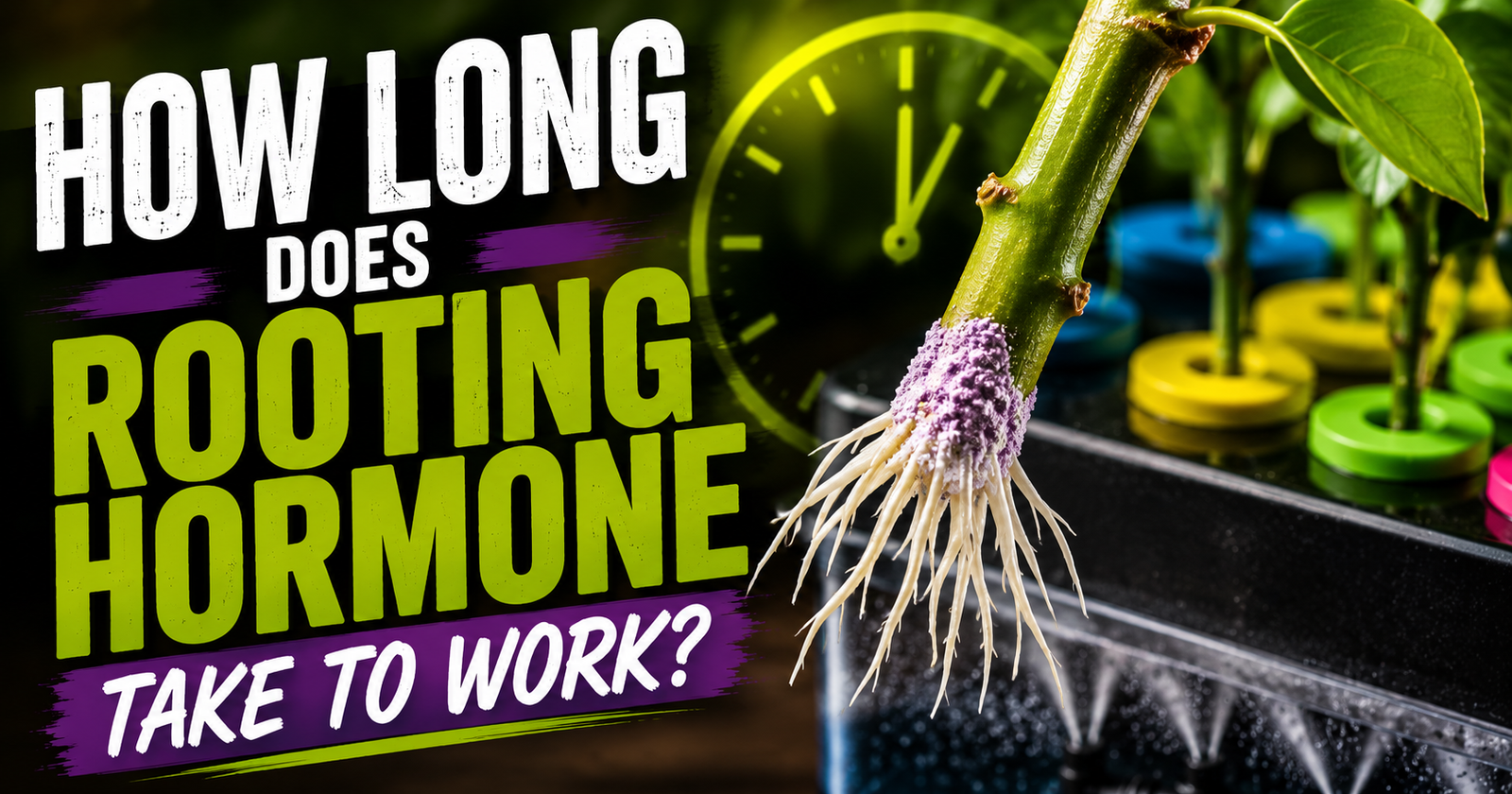
Temperature Matters More Than Most Gardeners Think
People often focus on the air temperature in the room.
The roots care much more about the temperature surrounding the base of the cutting.
If the propagation medium stays cold, root development often slows dramatically.
Everything else may look perfect.
Healthy stems.
Good moisture.
Bright light.
Yet the cutting simply sits there because temperatures aren’t encouraging root growth.
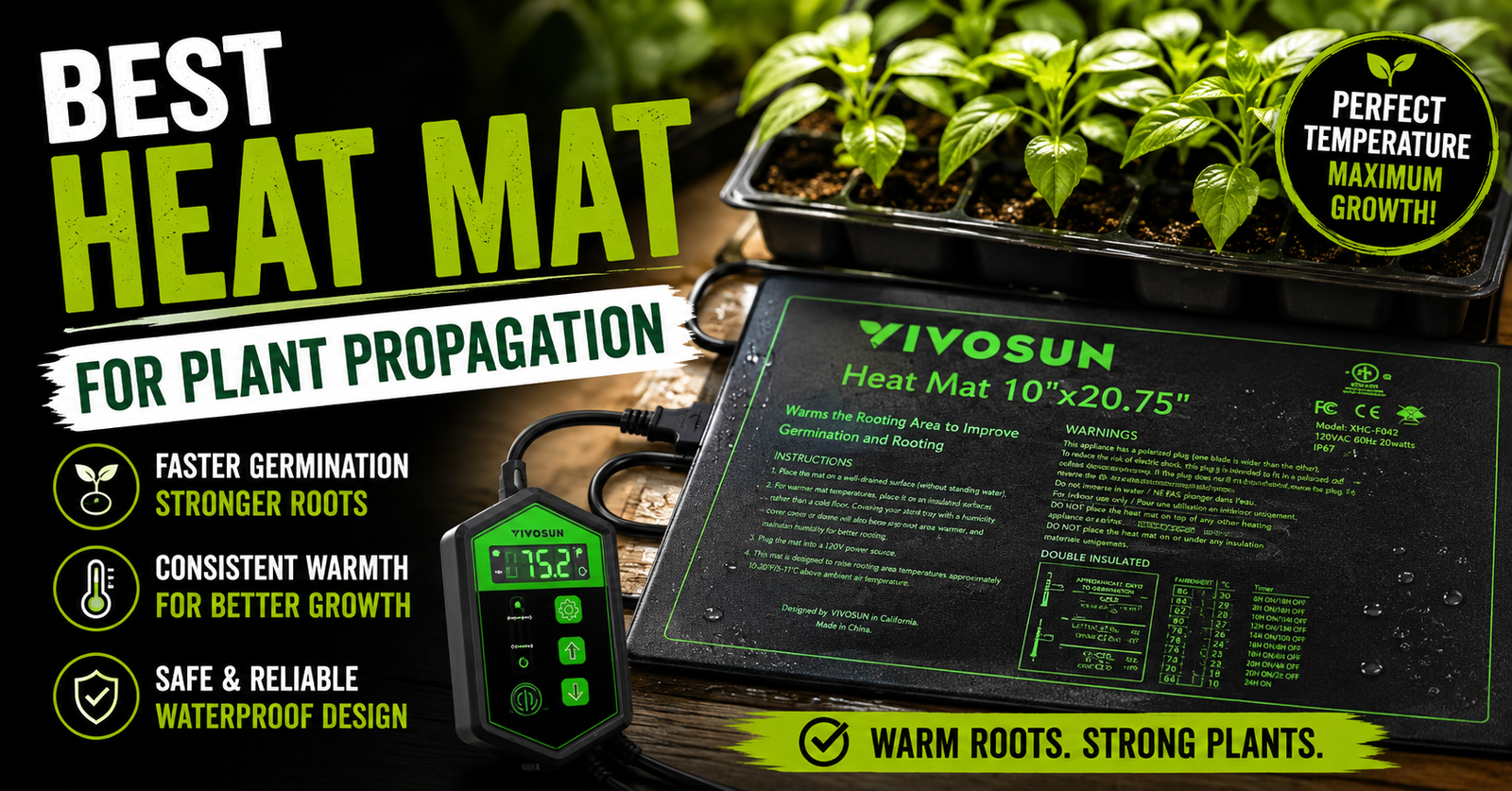
That’s one reason bottom heat has become part of my propagation routine whenever conditions are cool.
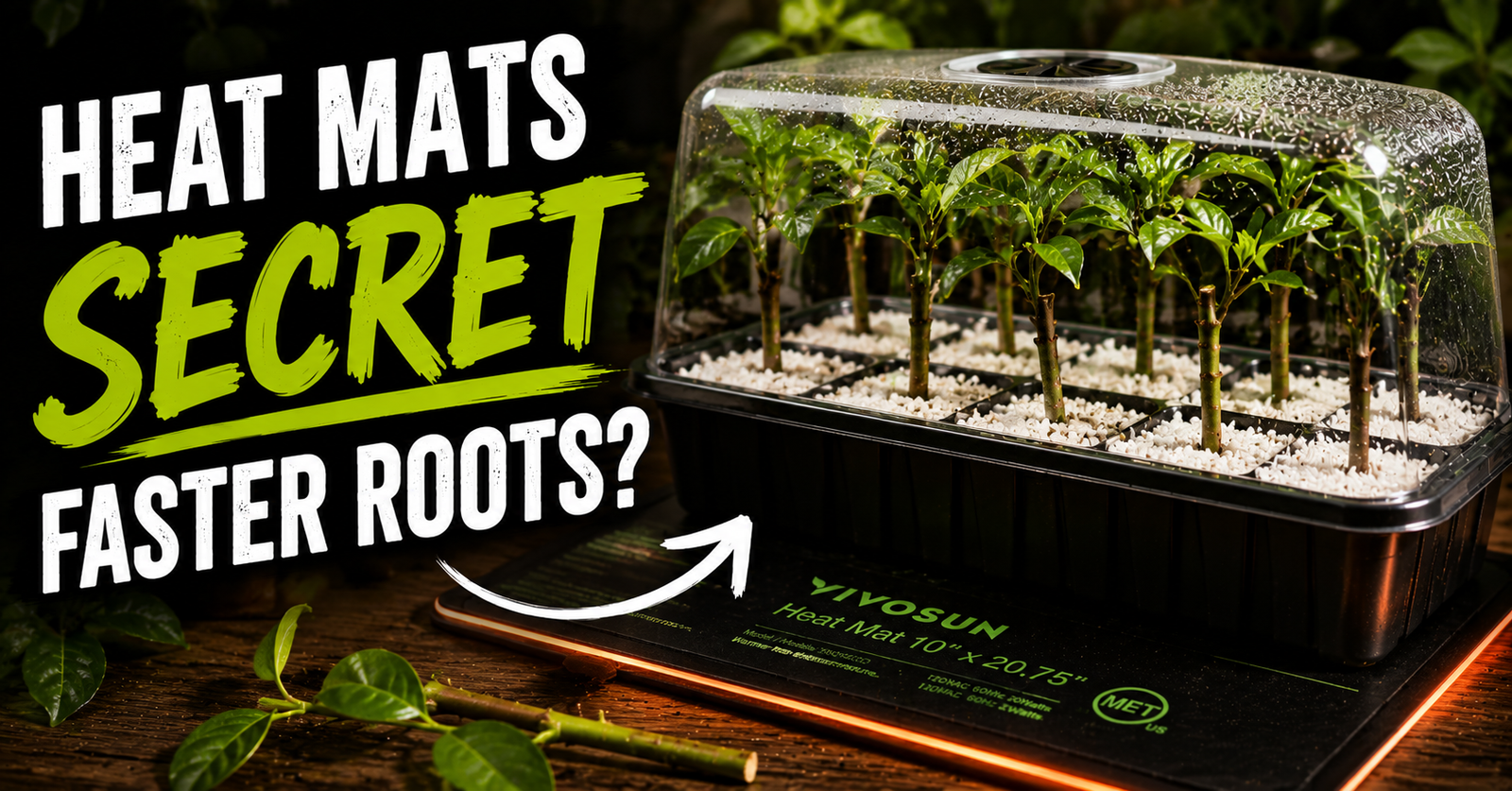
If you’ve wondered whether it’s actually worthwhile, this guide explains whether heat mats really help plant cuttings root faster and when I personally use them.
For many hardwood shrubs and fruit plants, maintaining consistent root-zone temperatures has noticeably improved rooting speed and consistency.
Humidity Helps, But Balance Is the Goal
Fresh cuttings lose moisture through their leaves every day.
Without roots to replace that water, they can wilt surprisingly quickly.
That’s where humidity becomes valuable.
Higher humidity slows moisture loss and gives the cutting more time to establish roots.
The mistake many beginners make is assuming more humidity is always better.
It isn’t.
Too much humidity combined with poor airflow creates an environment where mold, algae, and stem rot become much more likely.
Instead of trying to trap every bit of moisture, I focus on creating stable humidity with enough ventilation to keep the cuttings healthy.
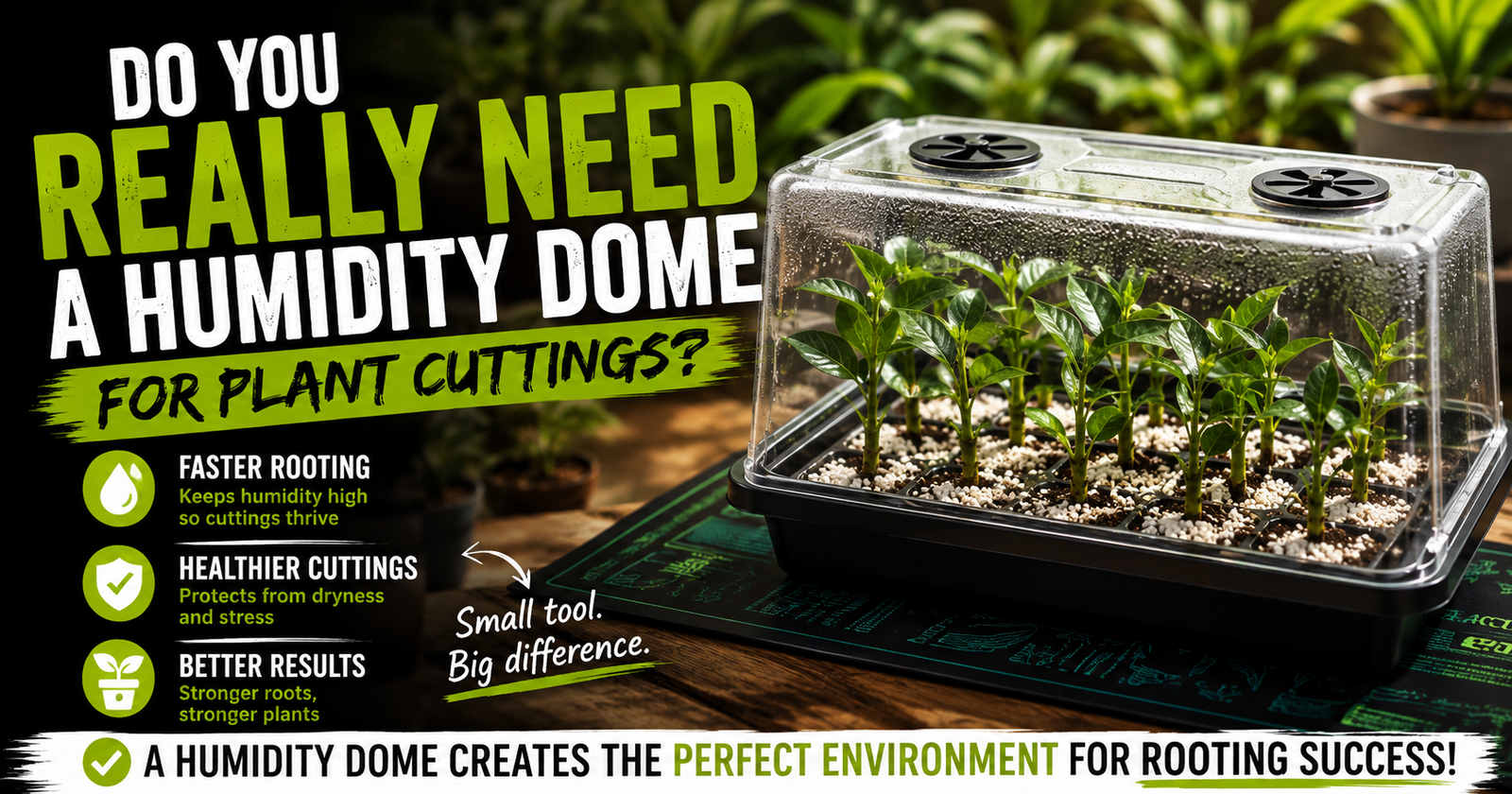
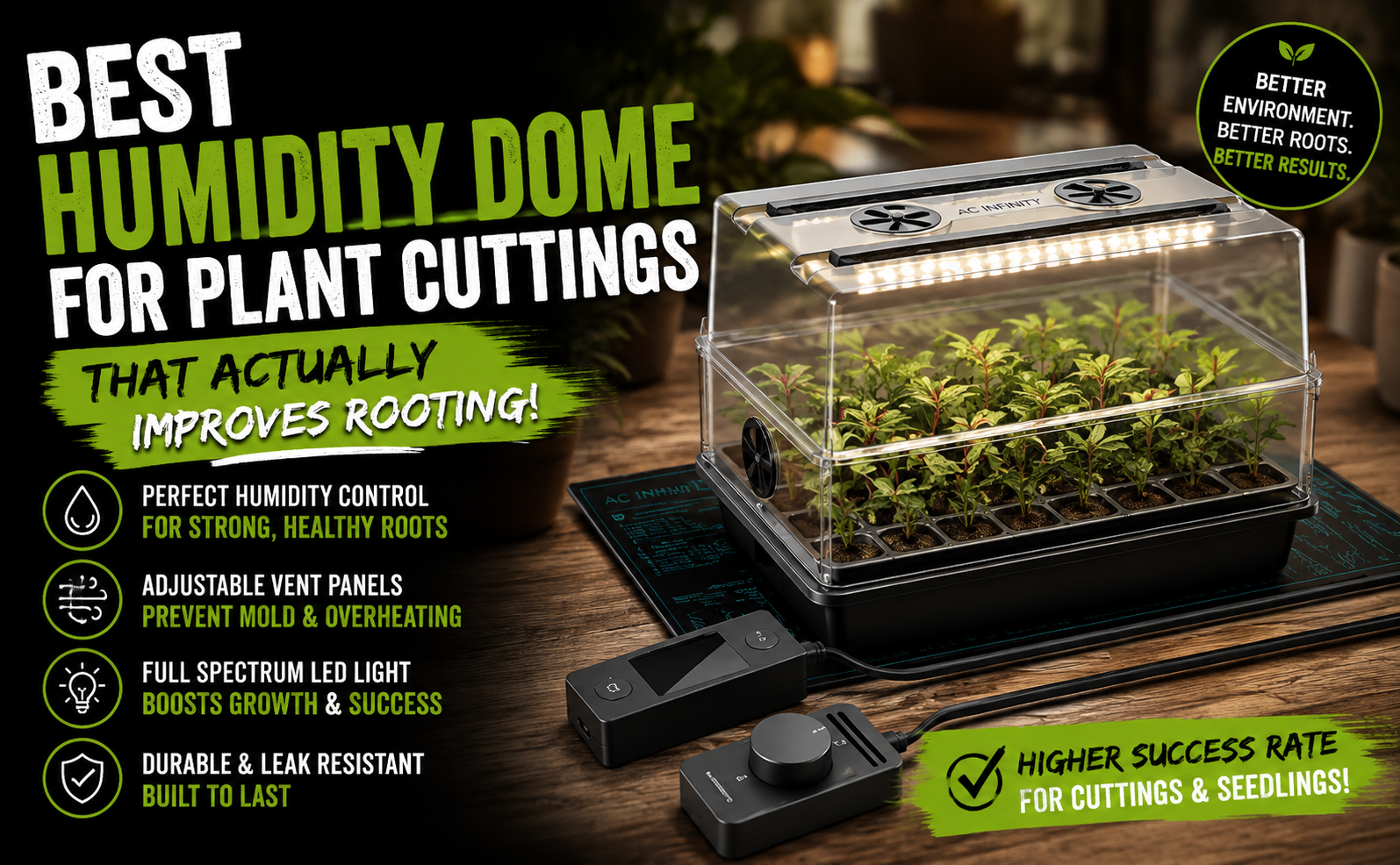
If you’re trying to decide whether you even need one, here’s my complete guide to deciding when a humidity dome is actually worth using.
Light Should Encourage Growth, Not Stress
Fresh cuttings need light.
They don’t usually need intense sunlight.
Direct afternoon sun can heat the propagation tray surprisingly fast, increase water loss through the leaves, and place unnecessary stress on stems that haven’t developed roots yet.
I’ve consistently had better results placing propagation trays in bright, indirect light.
The plants receive enough energy to remain healthy without overheating.
As roots develop, they’ll gradually become much better equipped to tolerate stronger light.
Watering Is About Observation, Not Routine
One of the best habits I’ve developed is ignoring the calendar.
Instead of watering every two or three days because that’s what my schedule says, I check the propagation tray first.
Sometimes it needs water.
Sometimes it doesn’t.
The weather changes.
Indoor humidity changes.
Different plants use water at different rates.
Successful propagation comes from responding to those changes instead of fighting them.
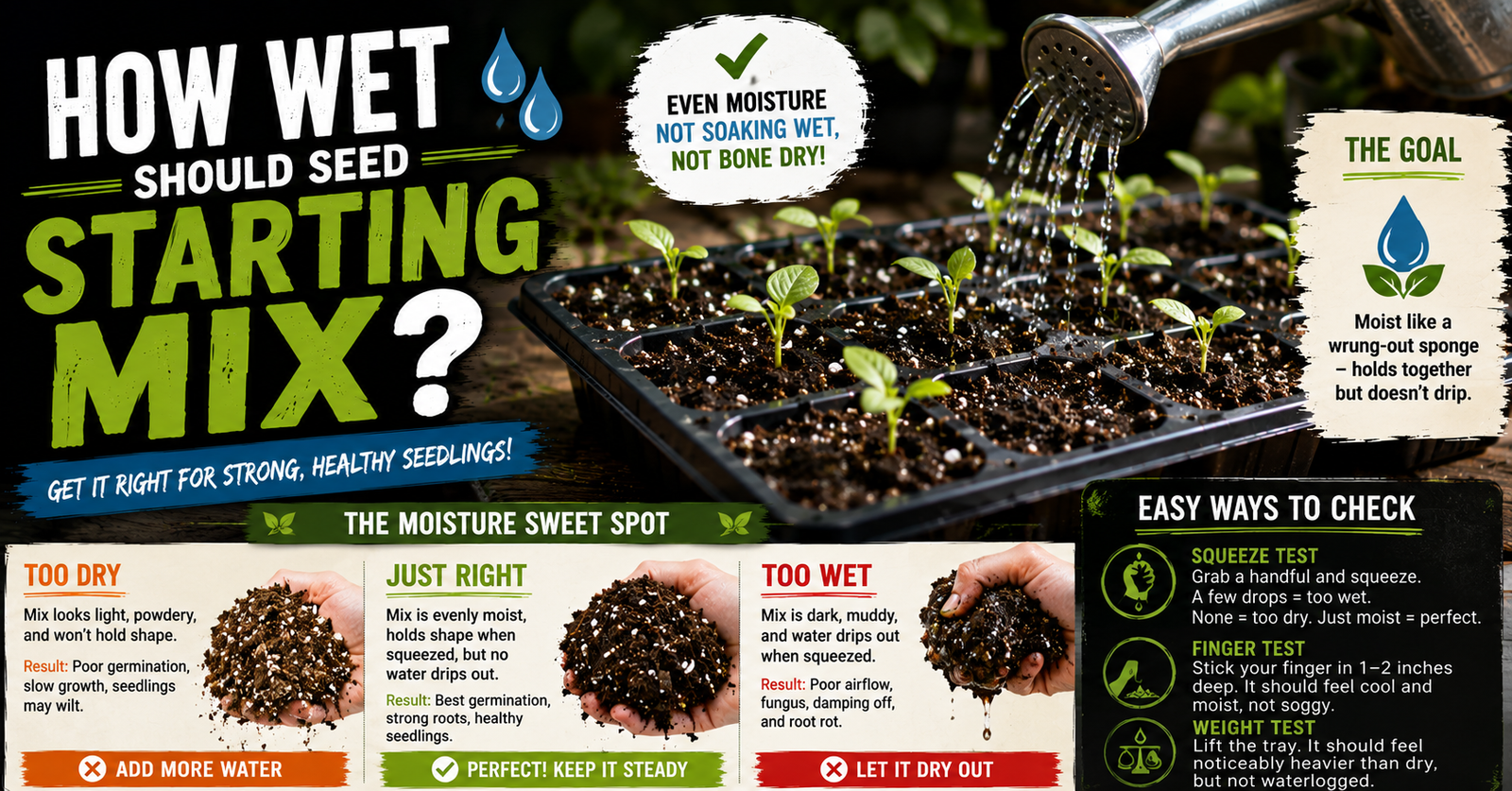
If you’re still trying to figure out what proper moisture actually looks like, this guide explains exactly how wet seed starting mix should be for healthy root development.
Learning that one skill alone has prevented countless propagation failures on my bench.
The Most Common Propagation Mistakes
If I had to name one reason cuttings fail, it wouldn’t be because gardeners don’t care enough.
It’s because several small mistakes stack together.
Each one might seem insignificant on its own.
Together, they can dramatically lower the chances of successful rooting.
The good news is that nearly all of them are easy to avoid once you recognize them.
Overwatering
This is easily the mistake I see most often.
New propagators worry about their cuttings drying out, so they water constantly.
Unfortunately, roots need oxygen just as much as they need moisture.
Propagation media that remain soaked for days create conditions where stems begin rotting instead of rooting.
The goal is evenly moist, never waterlogged.
Underwatering
The opposite problem can be just as damaging.
If the propagation medium repeatedly dries out, the cutting may lose moisture faster than it can replace it.
Without roots, it has very few reserves to fall back on.
Checking moisture regularly instead of watering on a schedule has helped me avoid both extremes.
Using the Wrong Growing Medium
Dense garden soil and heavy potting mixes often stay wetter than fresh cuttings prefer.
Roots develop much more consistently in light, airy media that provide both moisture and oxygen.
Whether I use seed starting mix, perlite, or another propagation medium depends on the plant, but I always prioritize drainage and airflow.
Taking Weak Cuttings
Healthy propagation starts with healthy plants.
If the parent plant is already struggling with insects, disease, drought stress, or nutrient deficiencies, the cuttings often struggle too.
Choosing vigorous stems is one of the easiest ways to improve your success before the propagation process even begins.
Expecting Roots Too Quickly
Patience is a propagation skill.
Some plants produce roots in a week.
Others quietly spend several weeks preparing before anything becomes visible.
I’ve learned not to judge success too early.
As long as the stem remains healthy, I usually give it more time.
Constantly Checking for Roots
This is another mistake almost everyone makes at least once.
You gently tug on the stem.
Then you check again a few days later.
Then once more the following week.
Tiny new roots are surprisingly fragile.
Repeatedly disturbing the cutting can break those roots before they’ve established themselves.
Now I leave the cuttings alone unless I have a genuine reason to inspect them.
Troubleshooting Common Problems
Even experienced propagators occasionally lose cuttings.
The important thing is learning how to identify the cause instead of assuming every failure happened for the same reason.
Over the years, I’ve found that most propagation problems fall into just a handful of categories.
Cuttings Rot Instead of Rooting
Soft, black, or mushy stems almost always indicate that conditions have stayed too wet for too long or that disease has become established.
Rather than simply replacing the cutting, I evaluate the entire setup.
The growing medium.
Drainage.
Watering habits.
Airflow.
Temperature.
Healthy propagation usually improves by correcting the environment rather than treating the symptom.
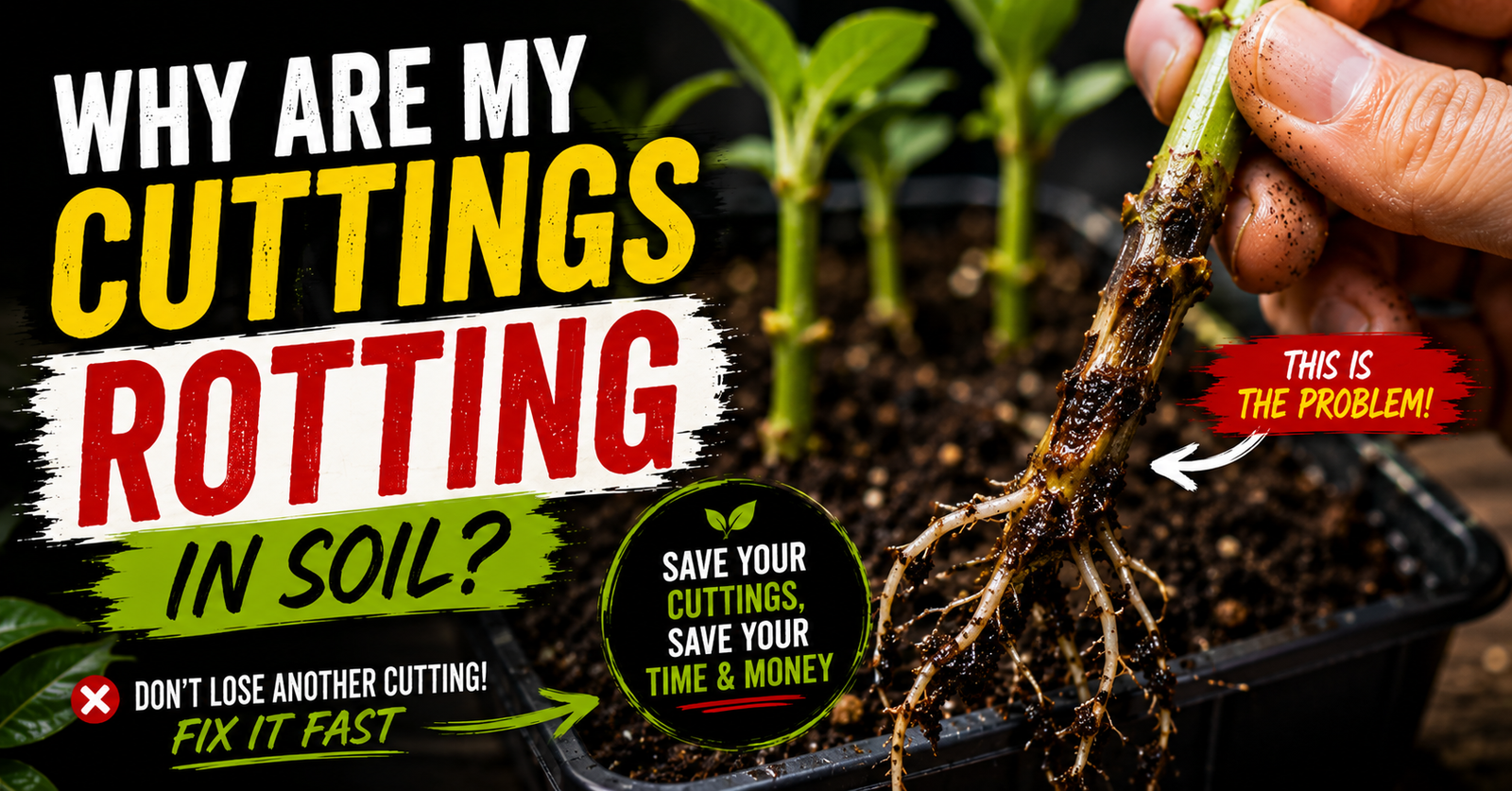
I cover this in much greater detail in my complete guide to why plant cuttings rot in soil and how to prevent it.
Healthy Cuttings Never Produce Roots
This one frustrates people because nothing appears obviously wrong.
The stems stay green.
The leaves often remain healthy.
Weeks pass without any visible progress.
When that happens, I begin working through the basics one by one.
Is the cutting from the right type of growth?
Is the temperature appropriate?
Does the propagation medium drain well?
Would rooting hormone help this particular species?
Instead of guessing, I systematically eliminate possible problems until I find the cause.
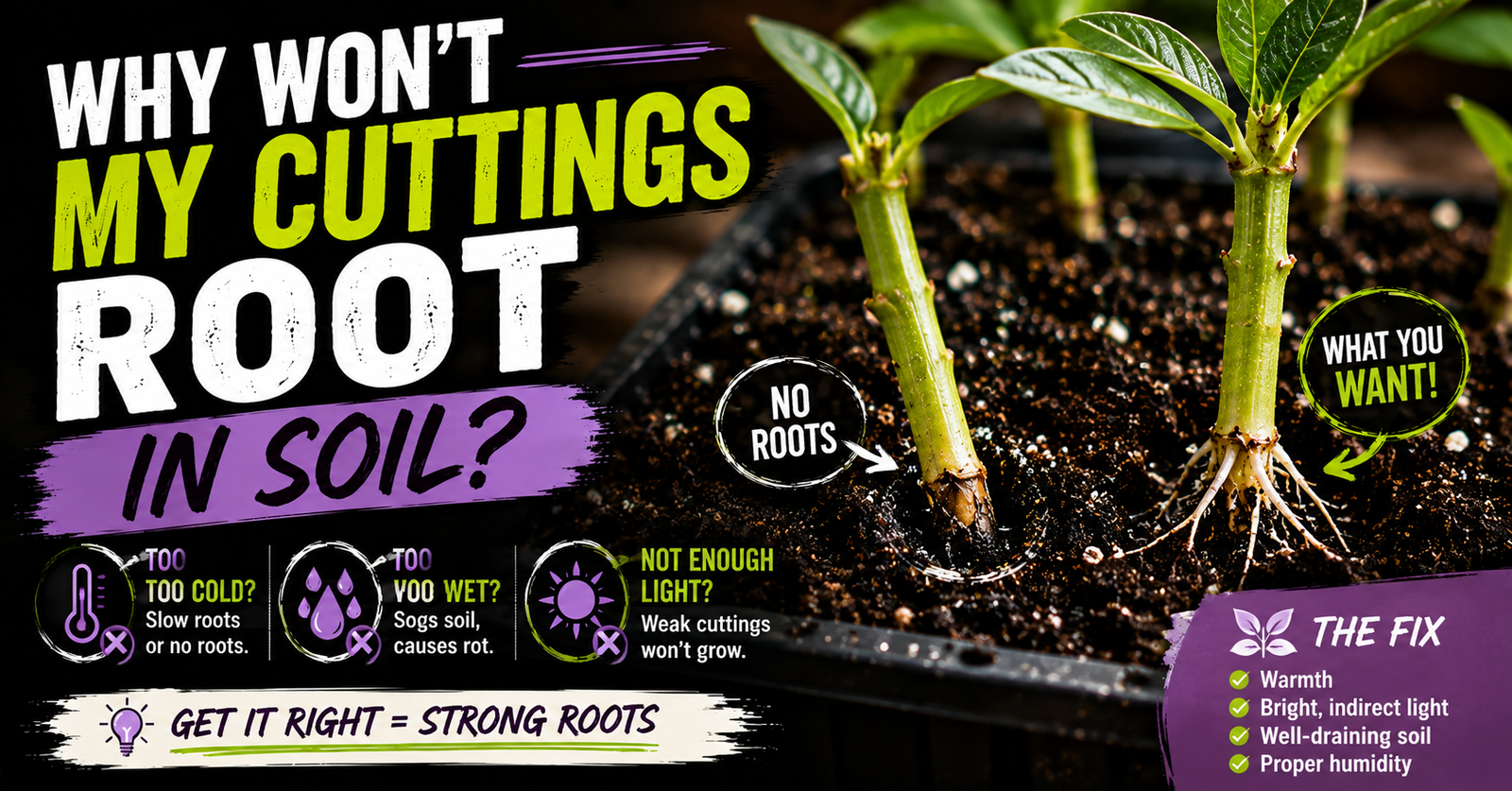
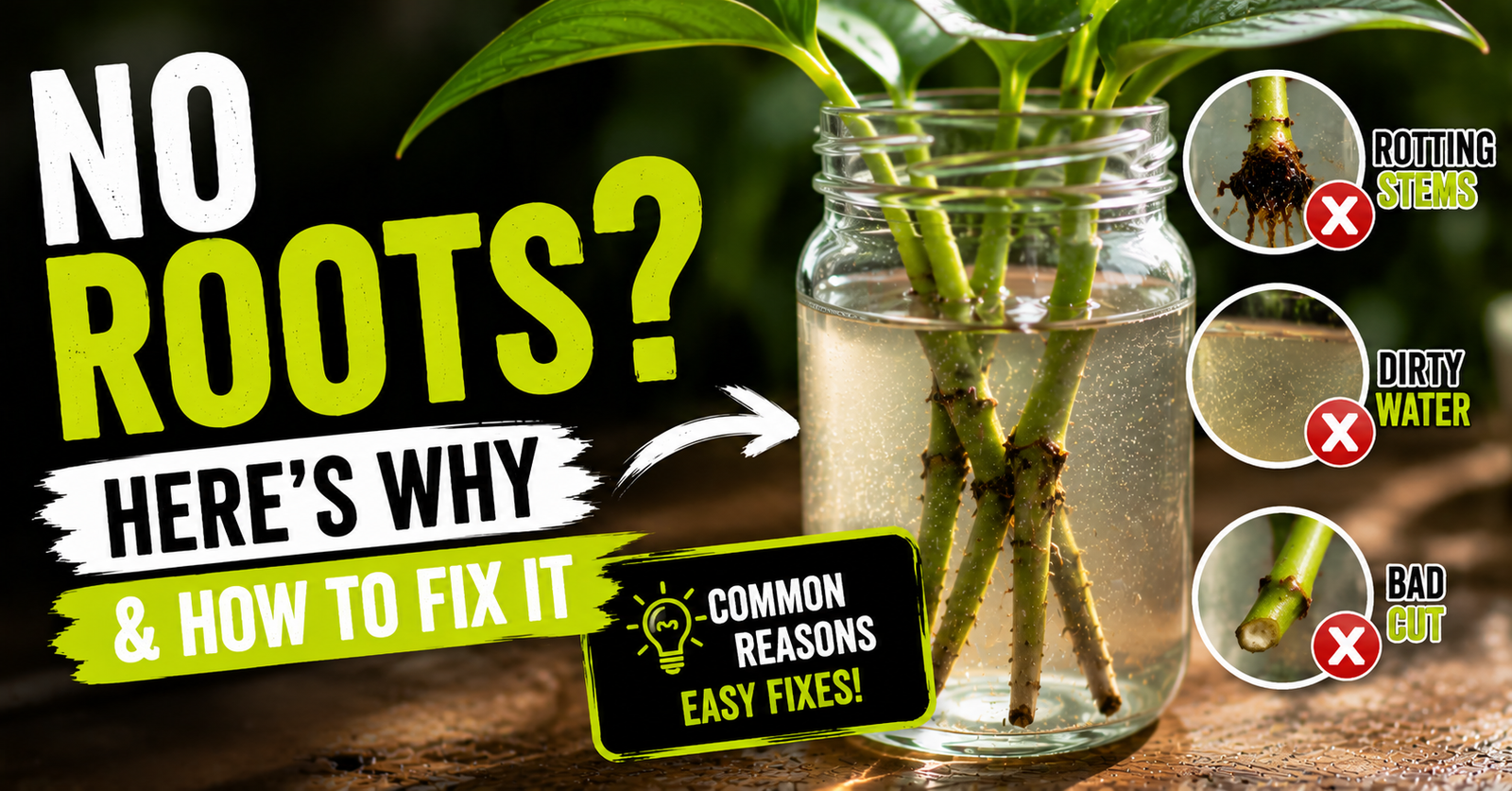
If you’re facing that situation, this troubleshooting guide explains the most common reasons cuttings refuse to root in soil.
Wilting Before Roots Develop
Wilting doesn’t always mean failure.
Fresh cuttings naturally lose water through their leaves.
Without roots, replacing that moisture is difficult.
Sometimes the solution is additional humidity.
Sometimes it’s less direct sunlight.
Sometimes the cutting simply needs more time.
The trick is resisting the urge to make five different changes at once.
Small adjustments followed by careful observation almost always produce better results than changing everything overnight.
Plant Propagation Resources
If you’ve made it this far, you already understand the fundamentals of successful propagation.
The next step is learning the finer details. Every plant is a little different, and every propagation method has its own small adjustments that improve success.
That’s exactly why I continue expanding PropagationWorld with detailed guides that explore each subject in much greater depth.
Whether you’re trying to choose the right rooting medium, troubleshoot a propagation problem, or learn how to propagate a specific plant, the articles below will help you continue building your skills.
Rooting Hormone Resources
If you’re working with woody shrubs, fruit trees, or other difficult-to-root plants, these guides explain everything you need to know about choosing and using rooting hormone correctly.
- Does Rooting Hormone Really Work?
- How to Use Rooting Hormone Correctly
- Rooting Gel vs. Powder vs. Liquid
- Can You Use Too Much Rooting Hormone?
- Does Rooting Hormone Expire?
- Homemade Rooting Hormone
- Best Rooting Hormone for Hardwood Cuttings
- Best Rooting Hormone for Softwood Cuttings
- Best Rooting Hormone for Houseplants
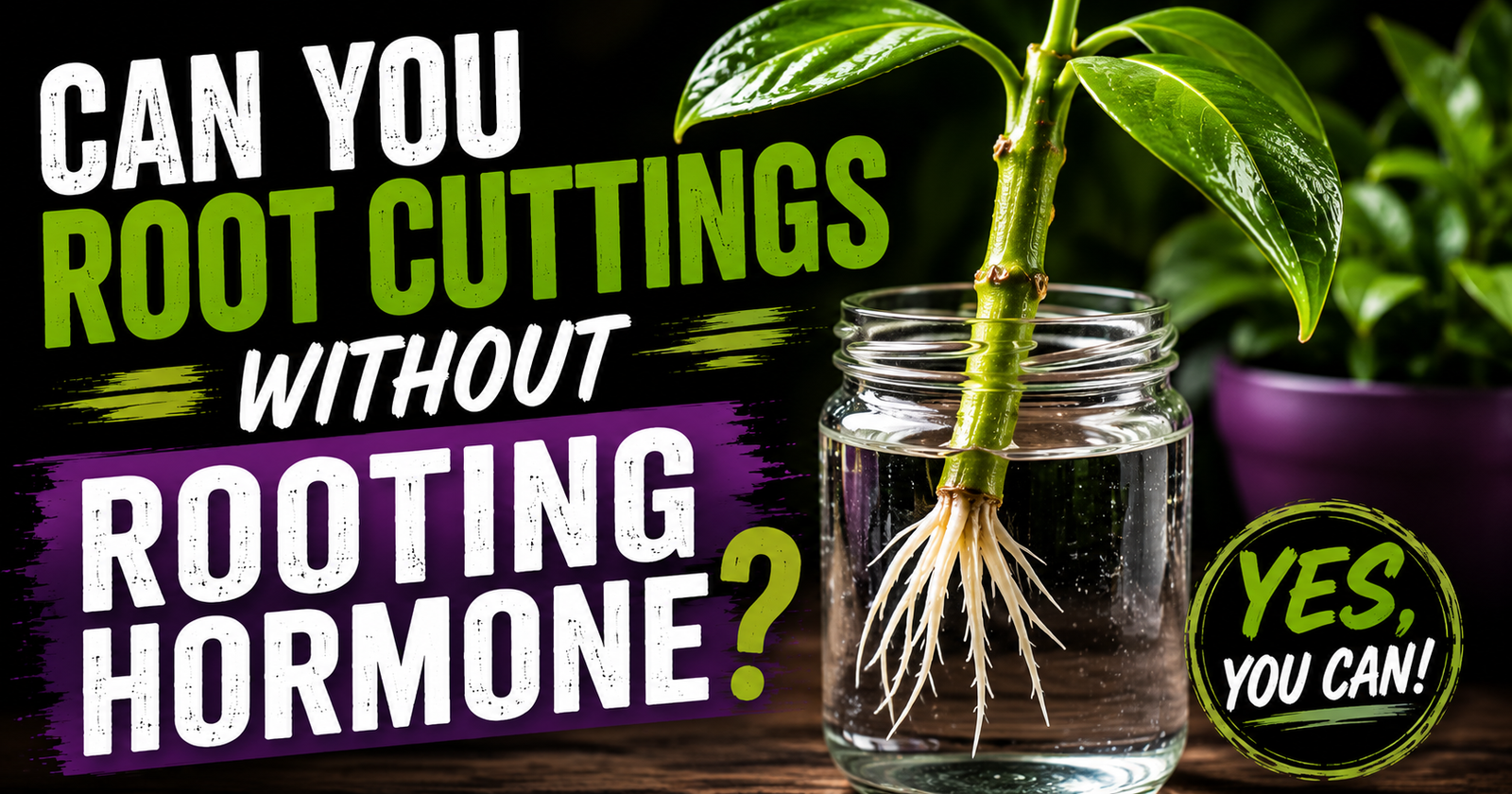
- Can You Root Cuttings Without Rooting Hormone?
- How Long Does Rooting Hormone Take to Work?
Propagation Media Resources
Choosing the right propagation medium is one of the biggest factors in successful rooting. These guides explain when and why I use each option.
- Best Seed Starting Mix for Plant Propagation
- Best Perlite for Plant Propagation
- Should You Use Straight Perlite for Plant Cuttings?
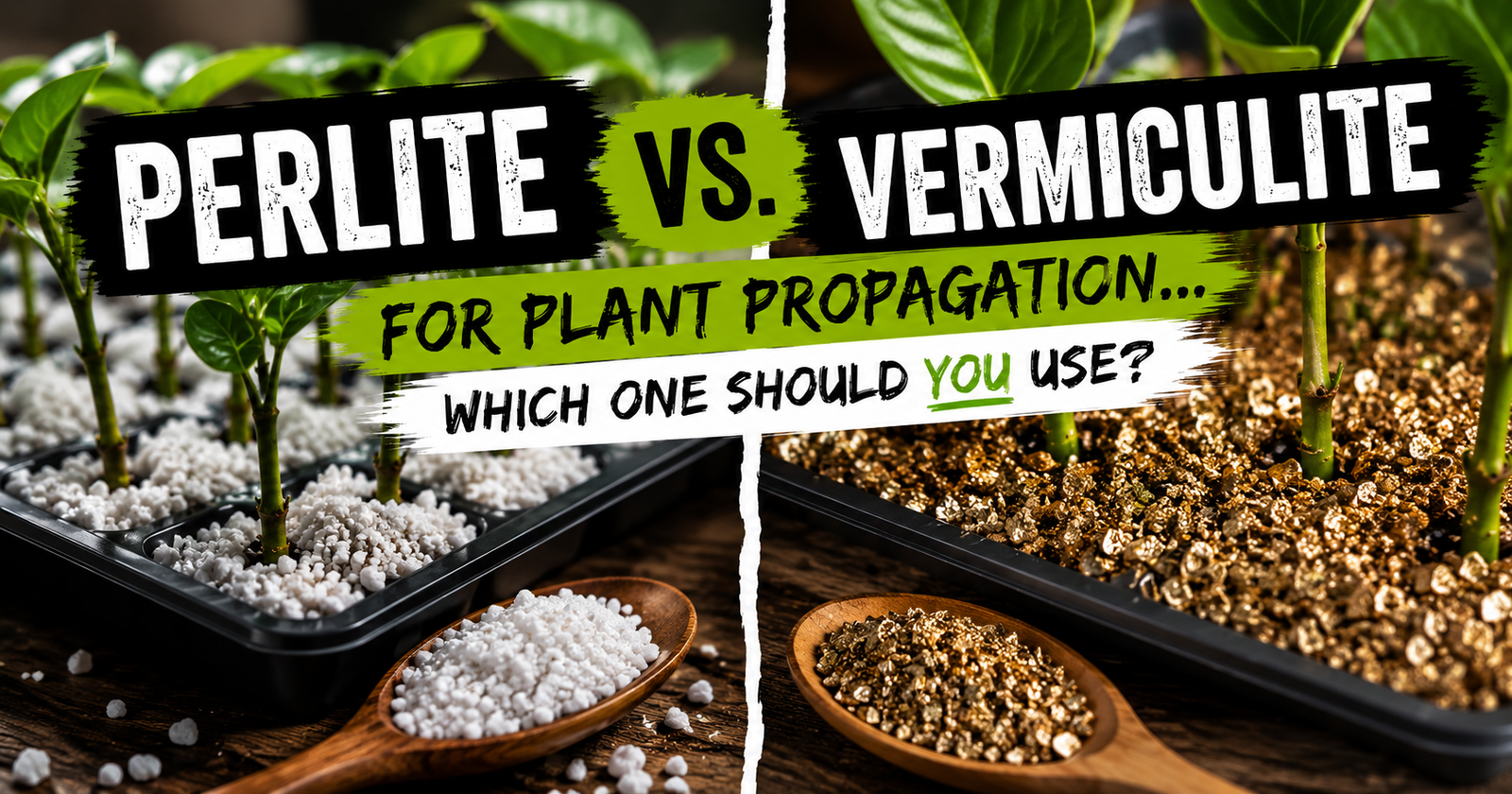
- Perlite vs. Vermiculite for Plant Propagation
- Can You Reuse Perlite?
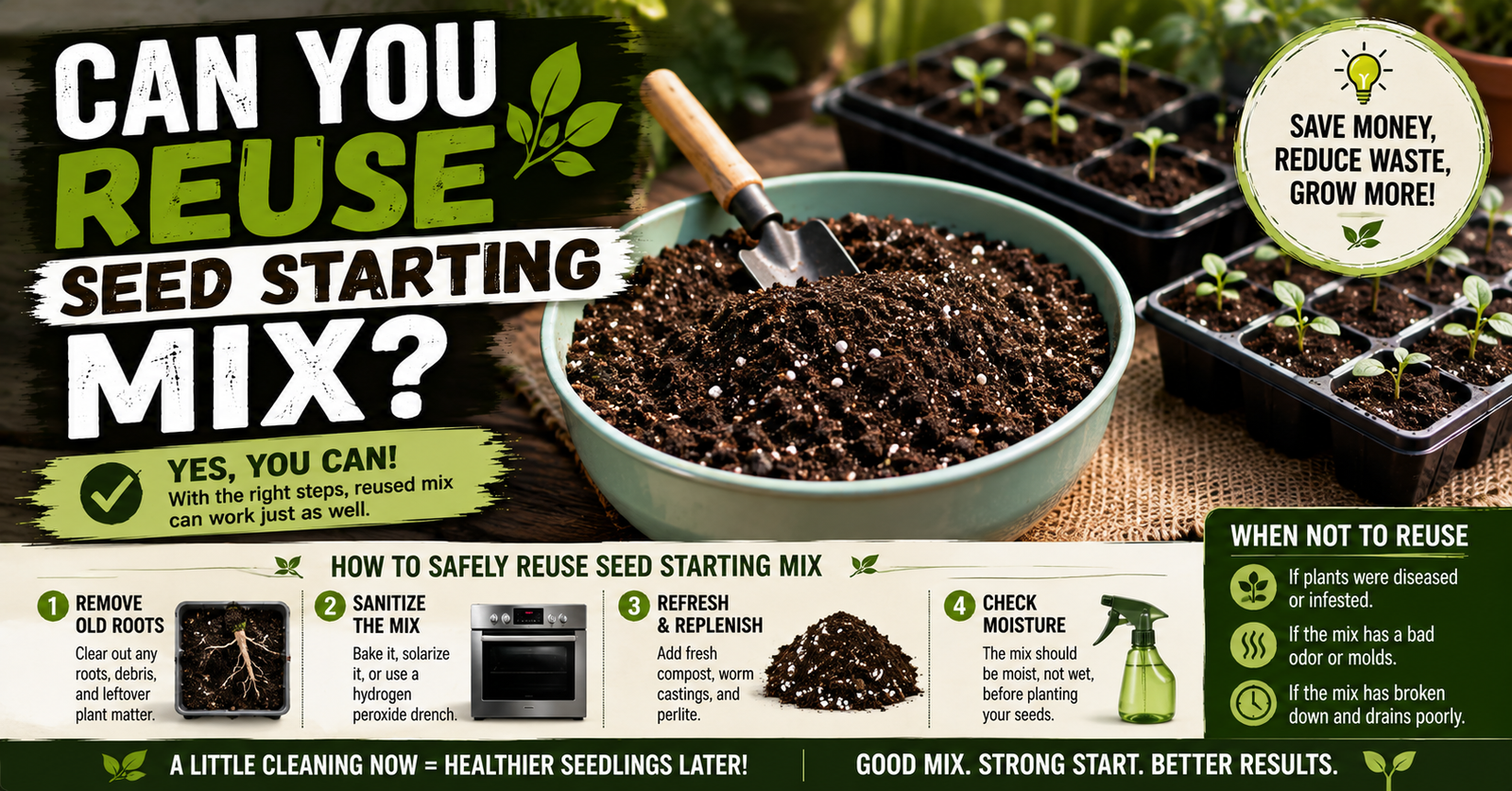
- Can You Reuse Seed Starting Mix?
- How Wet Should Seed Starting Mix Be?
- Can You Root Cuttings in Seed Starting Mix?
- Can You Use Potting Soil for Plant Cuttings?
- Seed Starting Mix vs. Potting Soil
Heat & Humidity Resources
Temperature and humidity often determine whether cuttings root quickly, slowly, or not at all.
- Best Heat Mat for Plant Propagation
- Do Heat Mats Really Help Plant Cuttings Root Faster?
- What Temperature Is Best for Rooting Plant Cuttings?
- Can a Heat Mat Get Too Hot for Plant Cuttings?
- Do You Need a Heat Mat in Summer?
- Best Humidity Dome for Plant Cuttings
- Do You Really Need a Humidity Dome?
- Can You Root Cuttings Without a Humidity Dome?
- How Long Should Cuttings Stay Under a Humidity Dome?
- Why Are My Cuttings Wilting Inside a Humidity Dome?
- How Humid Should Plant Cuttings Be?
Water Propagation Resources
Water propagation is simple for many plants, but there are several important details that improve success.
- Can You Root Plant Cuttings in Water?
- How Often Should You Change Water When Propagating Cuttings?
- Can You Add Rooting Hormone to Water?
- Water Propagation vs. Soil Propagation
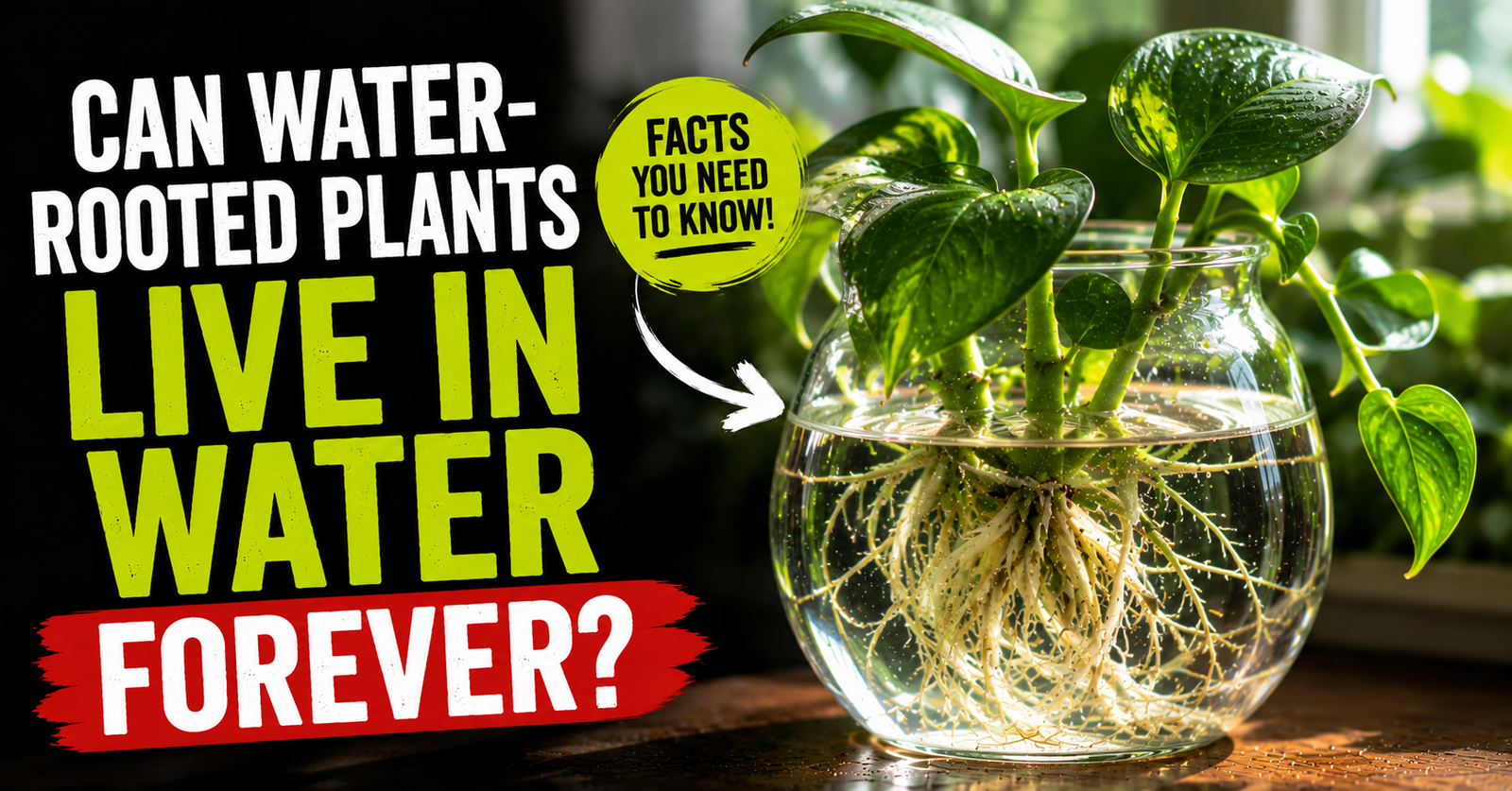
- Can Water-Rooted Plants Live in Water Forever?
- Can You Use Tap Water for Plant Propagation?
- Why Are My Water Propagation Roots Turning Brown?
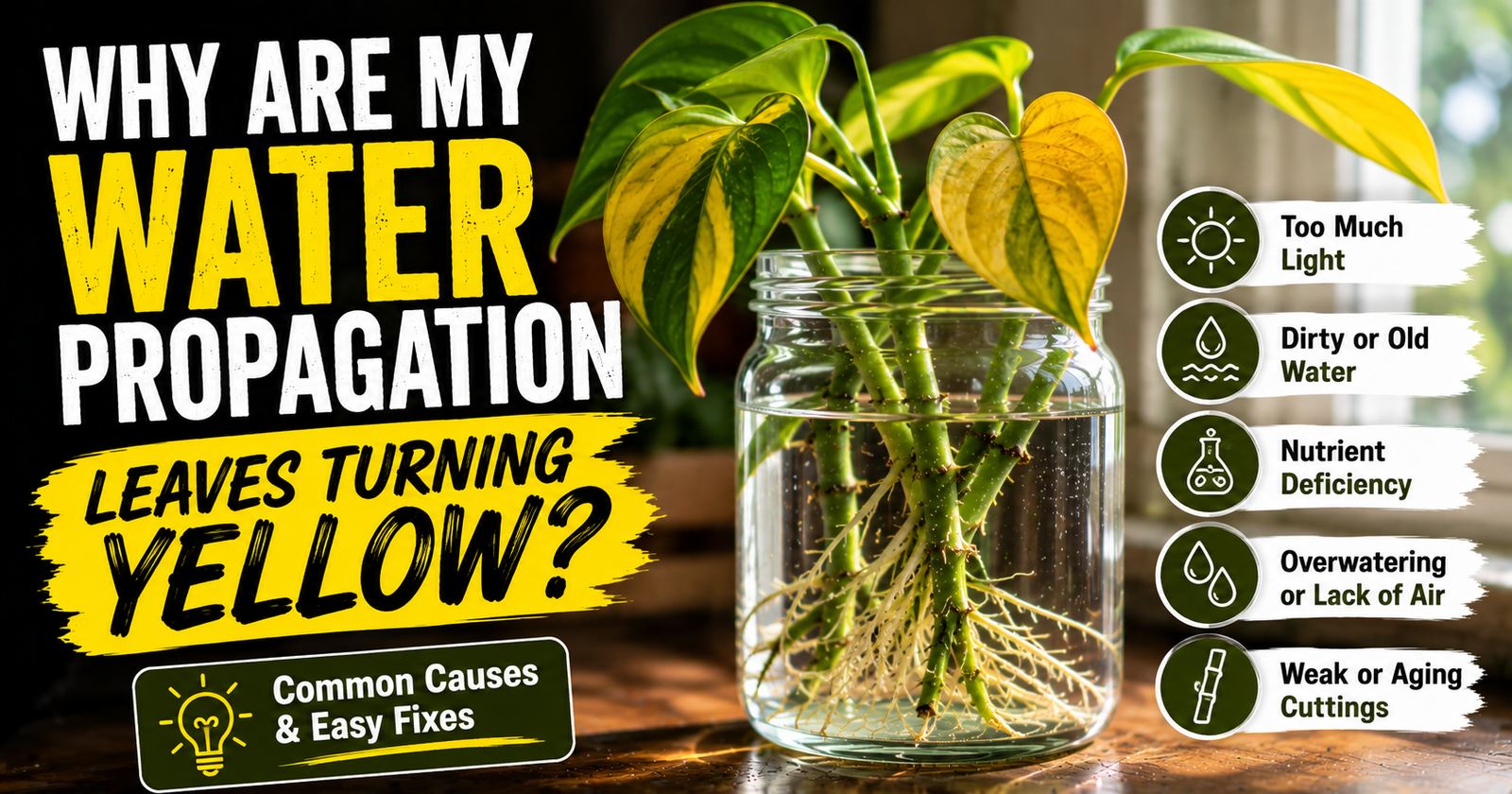
- Why Are My Water Propagation Leaves Turning Yellow?
Troubleshooting Resources
When propagation doesn’t go as planned, these articles will help you identify the cause and get back on track.
- Why Are My Cuttings Rotting in Soil?
- Why Won’t My Cuttings Root in Soil?
- Why Are My Cuttings Rotting in Water?
- Why Won’t My Cuttings Root in Water?
Propagation Tool Resources
The right tools make propagation easier, cleaner, and more consistent.
- Best Pruning Shears for Plant Propagation
- Why Dull Pruning Shears Ruin Plant Cuttings
- Bypass vs. Anvil Pruners for Plant Propagation
Keep Learning, Keep Propagating
Plant propagation is one of those skills that keeps rewarding you the more you practice it.
Every species teaches something a little different.
Every season brings new challenges.
Even after propagating thousands of plants, I’m still learning better techniques, discovering what works best for different species, and improving my success rates one cutting at a time.
My goal with PropagationWorld is to share those lessons so you can skip many of the mistakes I made early on and enjoy more successful propagation from the very beginning.
Whether you’re rooting your very first pothos cutting or building an entire nursery from hardwood fruit tree cuttings, I hope this guide has given you the confidence to get started.
Good luck with your next propagation project, and don’t forget to bookmark this guide. I’ll continue updating it with new techniques, new resources, and new in-depth tutorials as PropagationWorld grows.
About the Author
Daxon Weaver is the founder of PropagationWorld and has propagated thousands of houseplants, herbs, berry bushes, fruit trees, and ornamental shrubs. Drawing from years of hands-on experience, he created PropagationWorld to help gardeners of every skill level achieve higher success rates through practical, real-world propagation techniques instead of guesswork.