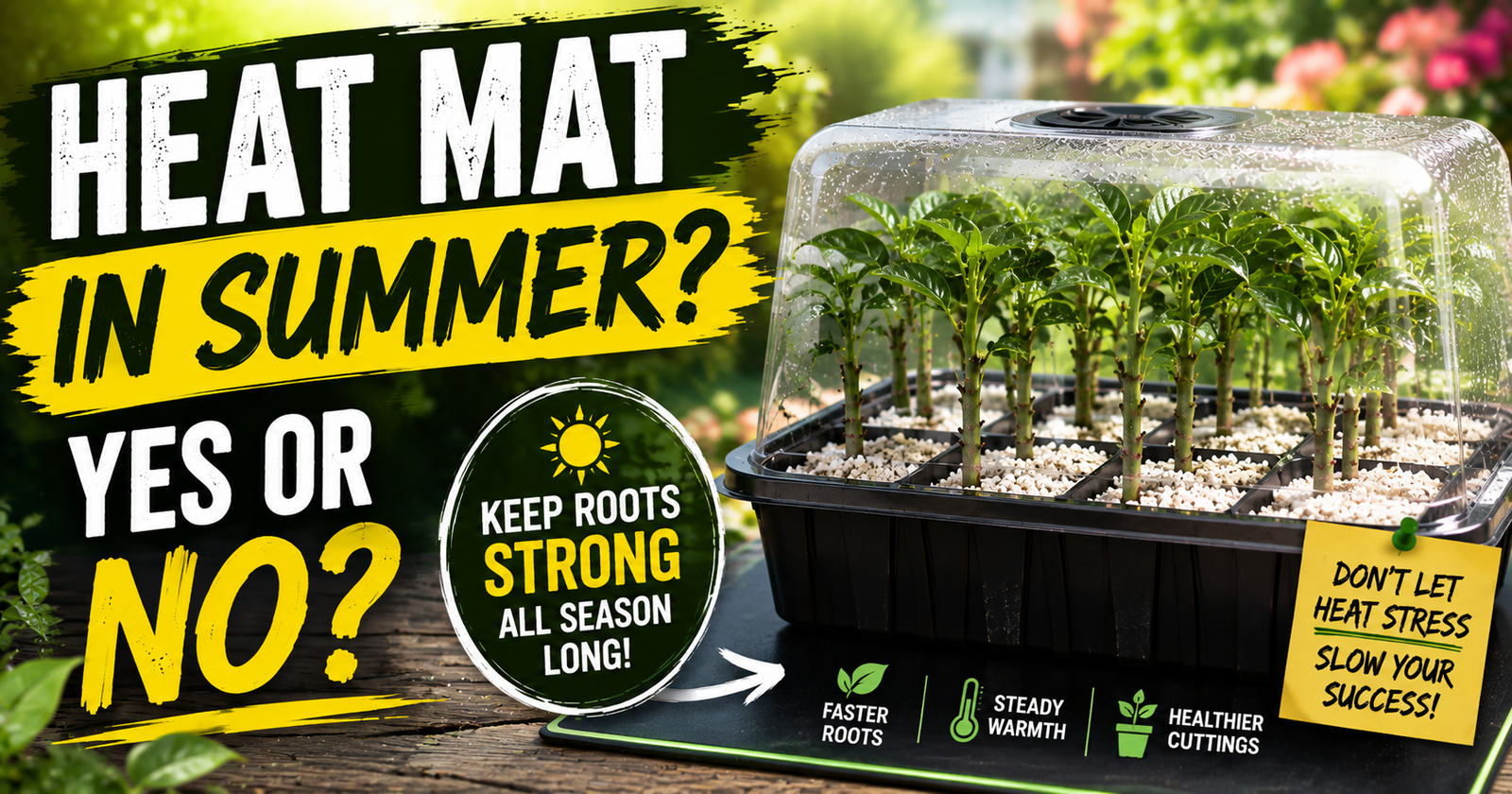
A lot of gardeners assume that once summer arrives, the propagation heat mat should be unplugged and put back on the shelf.
Sometimes that’s exactly the right decision.
Other times, turning it off too soon can actually slow your propagation efforts.
The answer depends much more on where your cuttings are rooting than what the calendar says.
A propagation tray sitting outside on a shaded patio experiences completely different temperatures than one sitting in an air-conditioned basement.
Both might be “summer.”
Only one may actually have warm roots.
That’s why I never decide whether to use a heat mat based on the season alone.
I decide based on the conditions around the propagation tray.
Summer Doesn’t Guarantee Warm Roots
This surprises a lot of people.
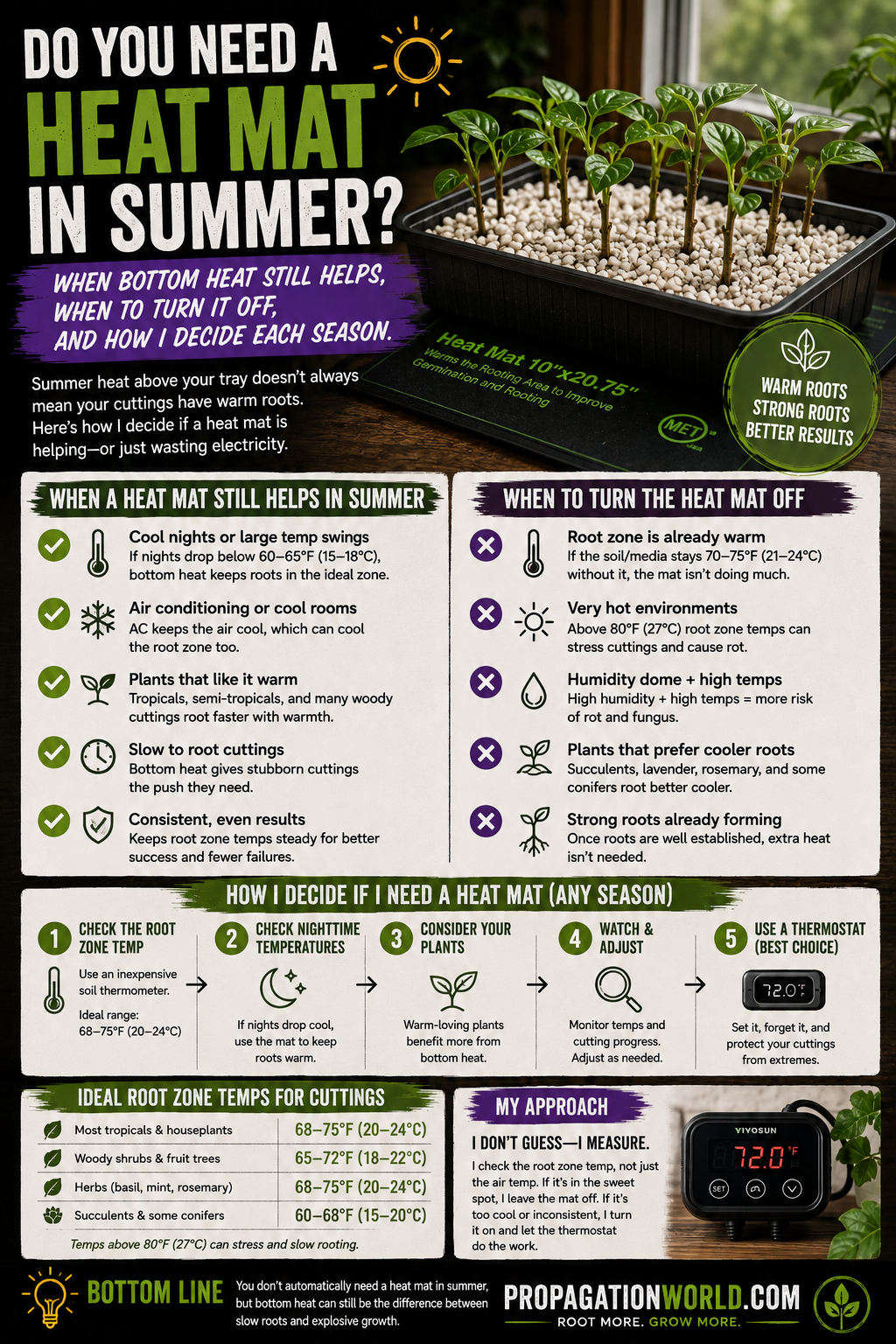
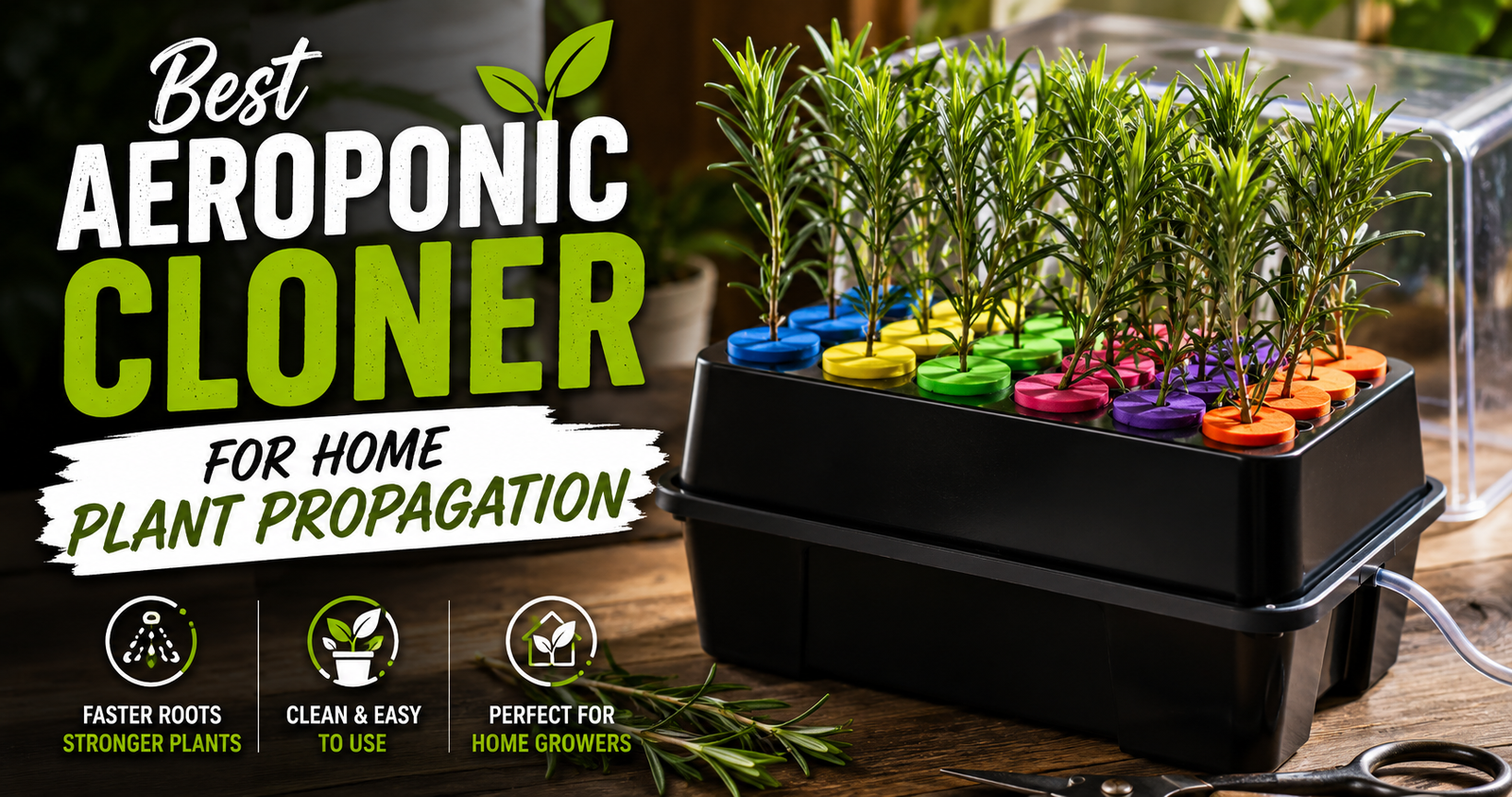
It’s 90°F outside, yet the propagation tray in an air-conditioned house may still spend much of the day sitting in temperatures that are far cooler than ideal for developing roots. For cool indoor setups, heat mats for cool indoor trays can provide consistent bottom heat when the root zone needs extra warmth.
I’ve seen gardeners stop using bottom heat simply because it was June or July.
Meanwhile, their propagation bench was tucked away in a cool garage that never became very warm.
The plants didn’t care what month it was.
They only responded to the temperatures surrounding their stems and developing roots.
That’s an important distinction.
Outdoor Propagation Is a Different Story
If I’m rooting cuttings outside during a stretch of warm, stable weather, I usually leave the heat mat unplugged.
Nature is already doing the work.
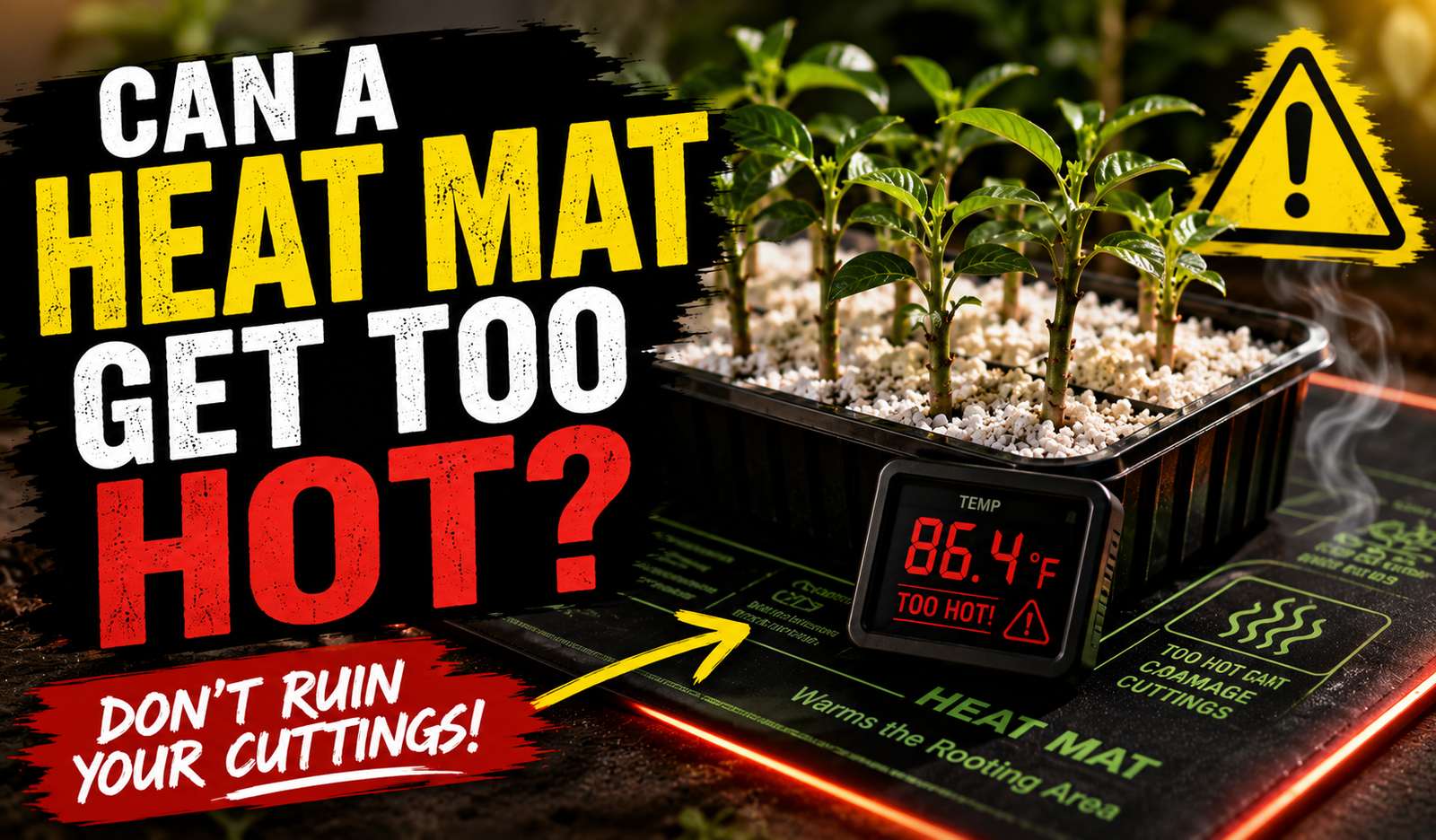
In fact, adding additional bottom heat outdoors during hot weather can create more problems than benefits. Before adding bottom heat, review how to avoid preventing excessive heat around cuttings when several warming factors overlap.
The propagation mix may dry much faster.
The trays may need constant attention.
The extra warmth often isn’t accomplishing anything useful because the root zone is already comfortably warm.
That’s one reason I don’t think of a heat mat as something that’s either always on or always off.
It’s simply another tool that I use when conditions call for it.
How I Decide
Instead of asking myself what season it is, I ask a much simpler question.
“Are the roots likely to stay warm enough without help?”
If the answer is yes, I save the electricity and leave the heat mat unplugged.
If the answer is no, I don’t hesitate to use it, even during the middle of summer.
That simple approach has served me much better than following a rigid seasonal schedule.
Every propagation area is different.
Every climate is different.
Every home is different.
The plants only care about the conditions they’re actually growing in.
A Thermostat Makes the Decision Easier
One reason I like using a thermostat-controlled setup is that it removes much of the guesswork.
Instead of wondering whether the propagation tray needs additional warmth, I can maintain a much steadier root-zone temperature whenever conditions call for it.
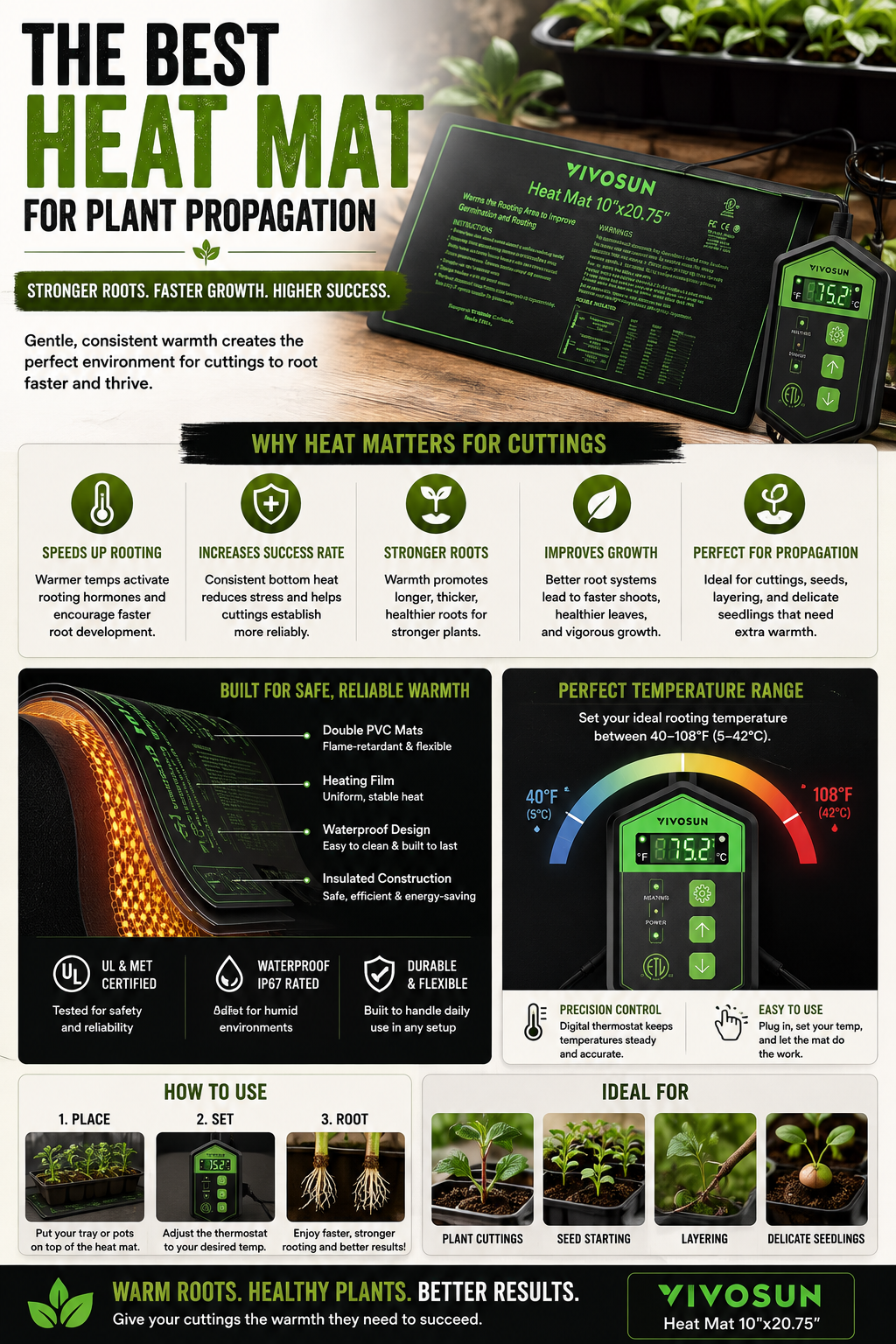
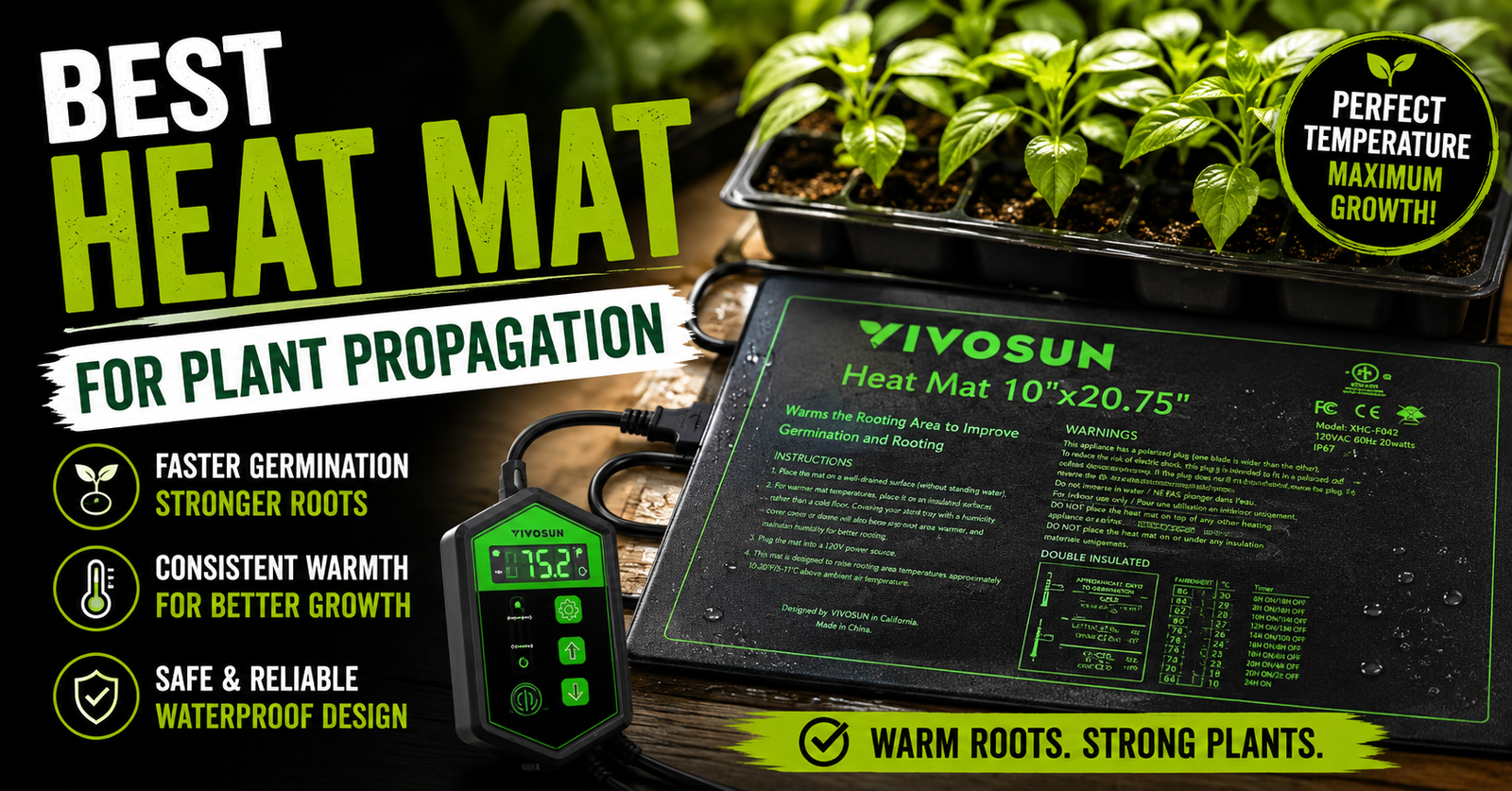
That’s why I continue recommending the propagation heat mat I use throughout the year.
Whether it’s early spring, late fall, or an unusually cool summer propagation project indoors, I know I can create the conditions I’m aiming for without constantly adjusting my setup.
Air Conditioning Changes Everything
One factor that’s easy to overlook is air conditioning.
During the hottest months of the year, many of us keep our homes much cooler than the outdoor temperature.
That comfortable indoor environment can also cool the propagation trays.
I’ve checked propagation benches that looked perfectly fine only to realize the rooting medium was much cooler than I expected because an air-conditioning vent was blowing nearby.
The room felt comfortable for me.
The cuttings were rooting much more slowly than they probably needed to.
That’s one reason I occasionally use a heat mat during the summer even though outdoor temperatures are extremely warm.
Watch the Plants Instead of the Calendar
Plants don’t own calendars.
They don’t know whether it’s June or October.
They simply respond to the conditions around them.
I’ve found that’s a much better mindset for propagation.
Rather than following seasonal rules, I pay attention to how the cuttings are behaving.
Are they staying firm?
Is the propagation mix drying at a reasonable pace?
Are roots beginning to develop as expected?
Those observations tell me far more than the month printed on a calendar ever could.
Summer Can Create a Different Problem
Interestingly, summer often presents the opposite challenge from winter.
Instead of worrying about keeping the roots warm enough, I’m often making sure they don’t become too warm.
A propagation tray sitting in direct afternoon sun can heat up surprisingly fast.
That’s especially true if it’s inside a greenhouse or against a south-facing window.
During those periods, I focus more on providing bright indirect light, good airflow, and keeping the root zone stable rather than adding more warmth.
Propagation usually rewards moderation much more than extremes.
The Rest of the Setup Still Matters
Even if the root-zone temperature is perfect, cuttings still need the basics.
Healthy stems.
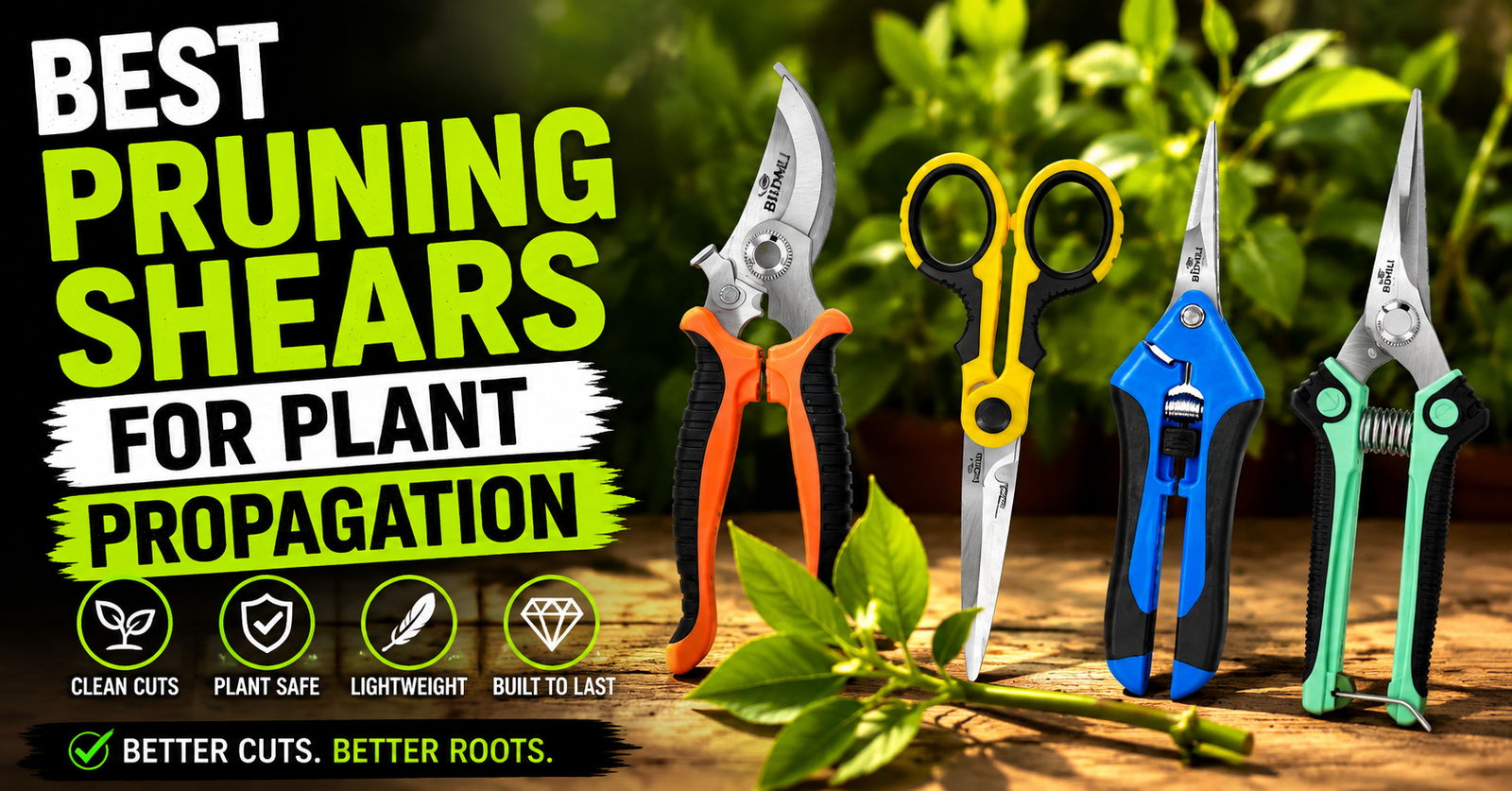
Clean pruning shears.
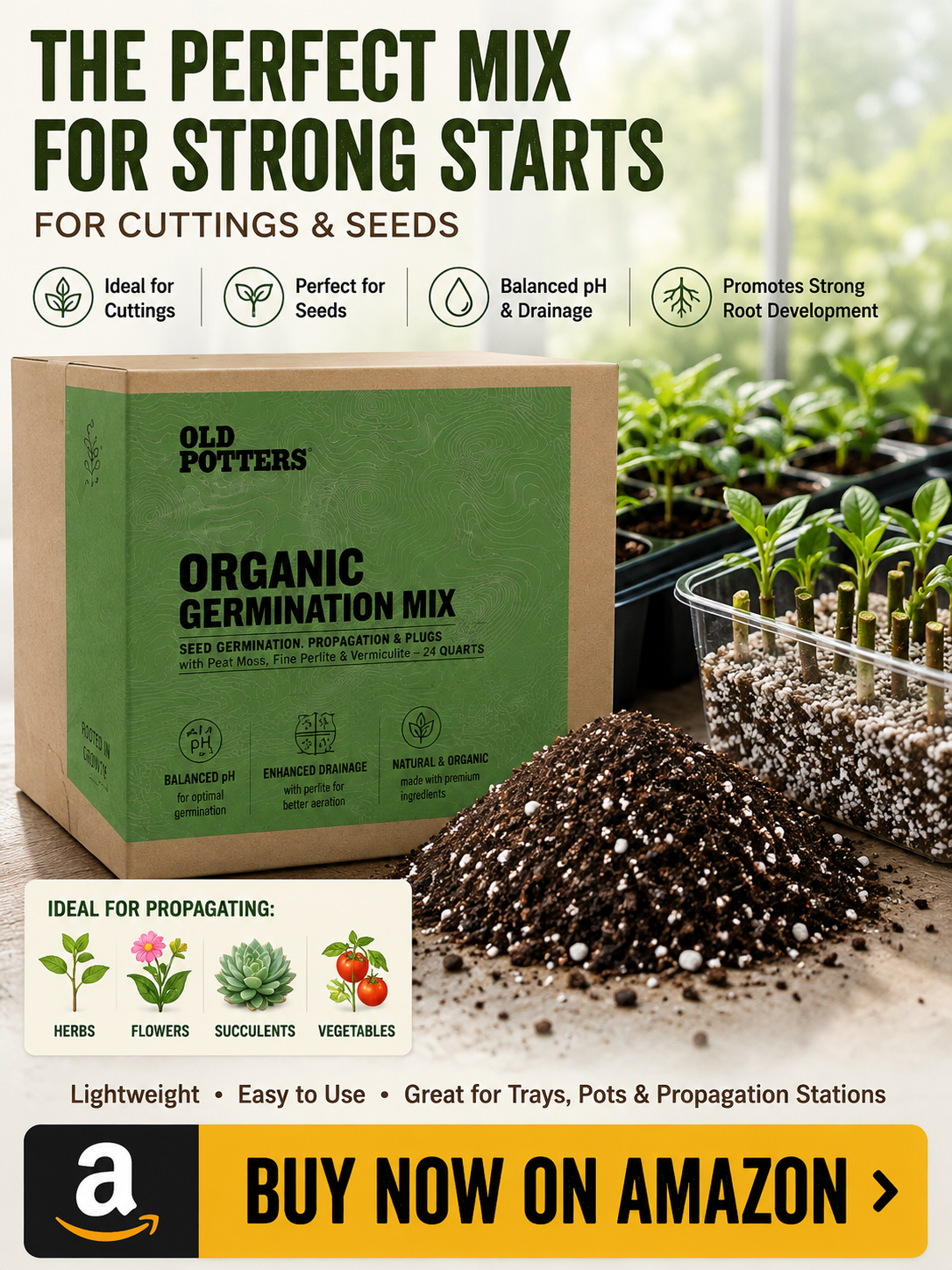
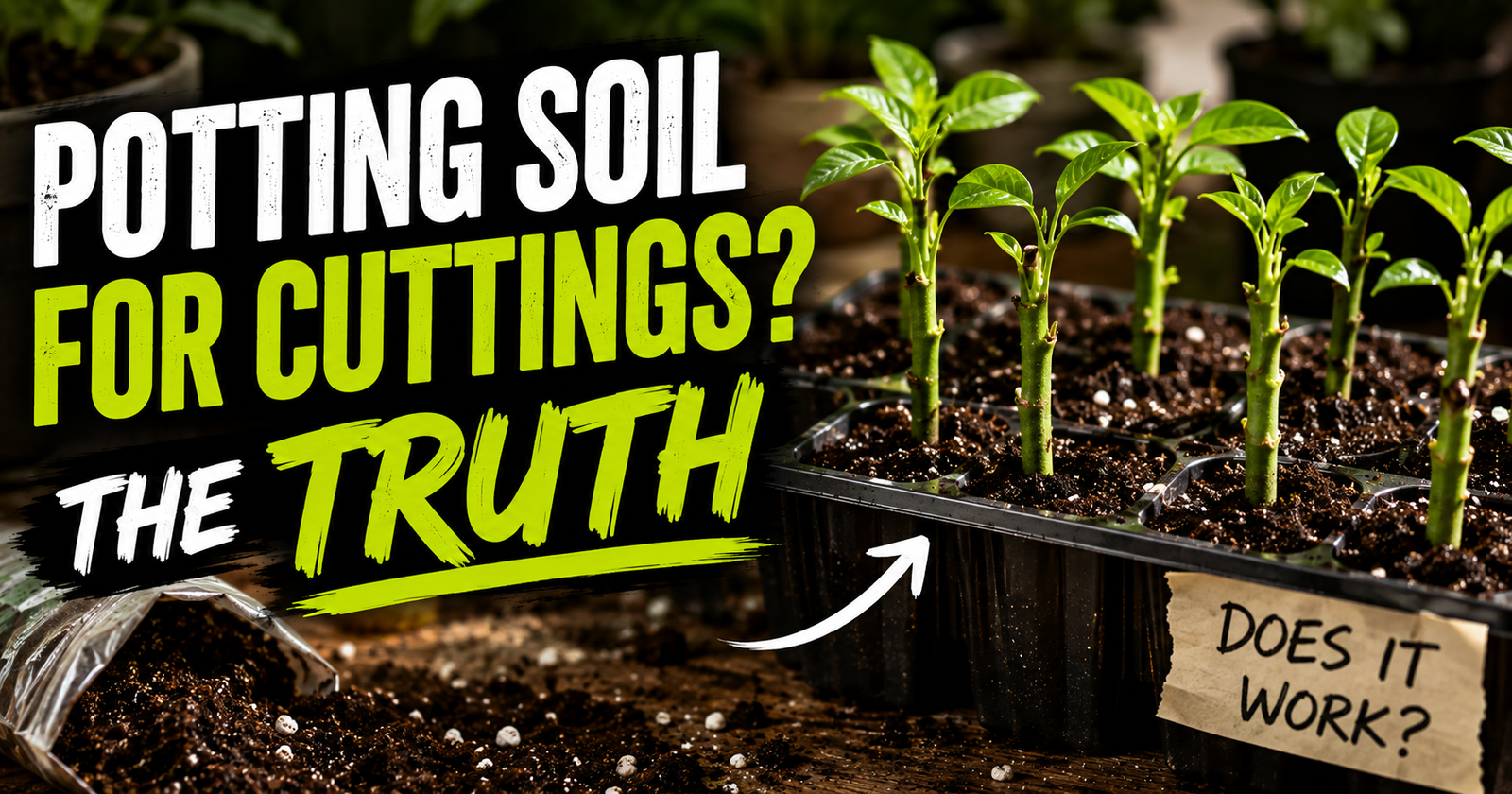
A propagation mix that drains well. Choosing the seed starting mix I use for both seedlings and cuttings on Amazon can help when you're evaluating whether the rooting medium is supporting steady propagation.
Reasonable humidity.
Those pieces all work together.
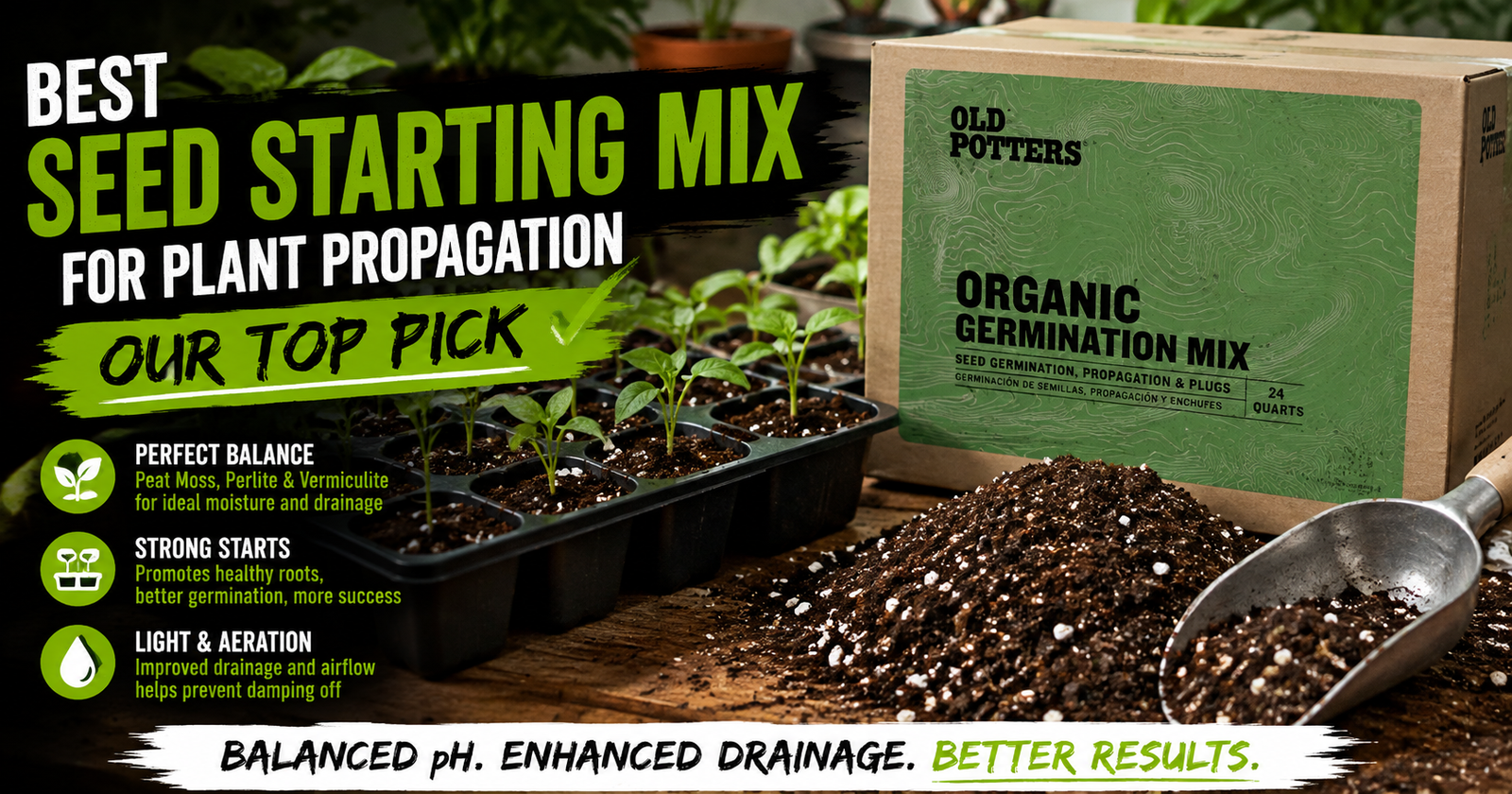
For many of my propagation projects, I also use the seed starting mix that’s become my favorite rooting mediumbecause maintaining proper moisture is just as important as maintaining proper temperature.
I’ve found that stable conditions across the entire propagation setup consistently outperform trying to optimize only one variable.
My Advice for Summer Propagation
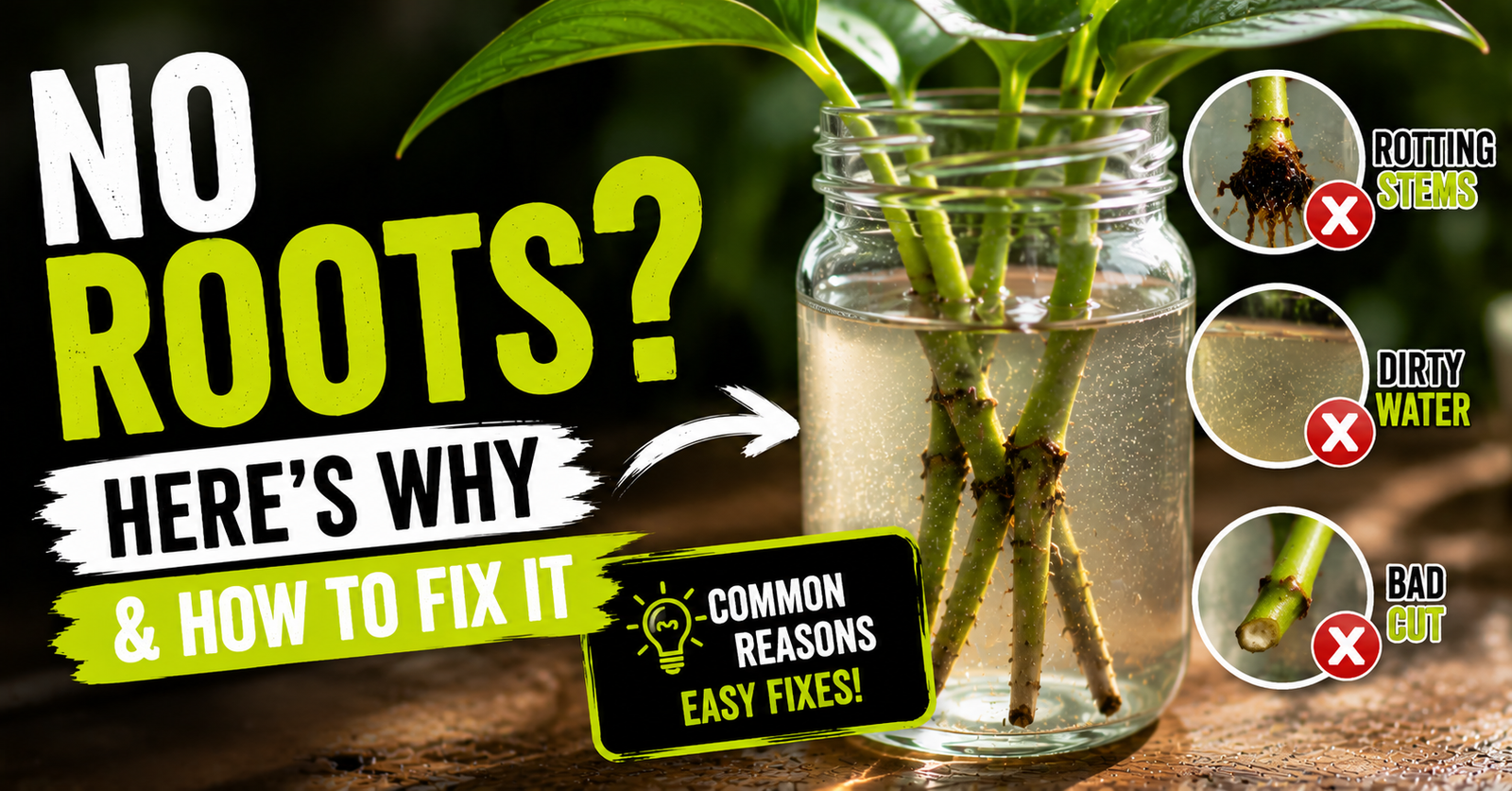
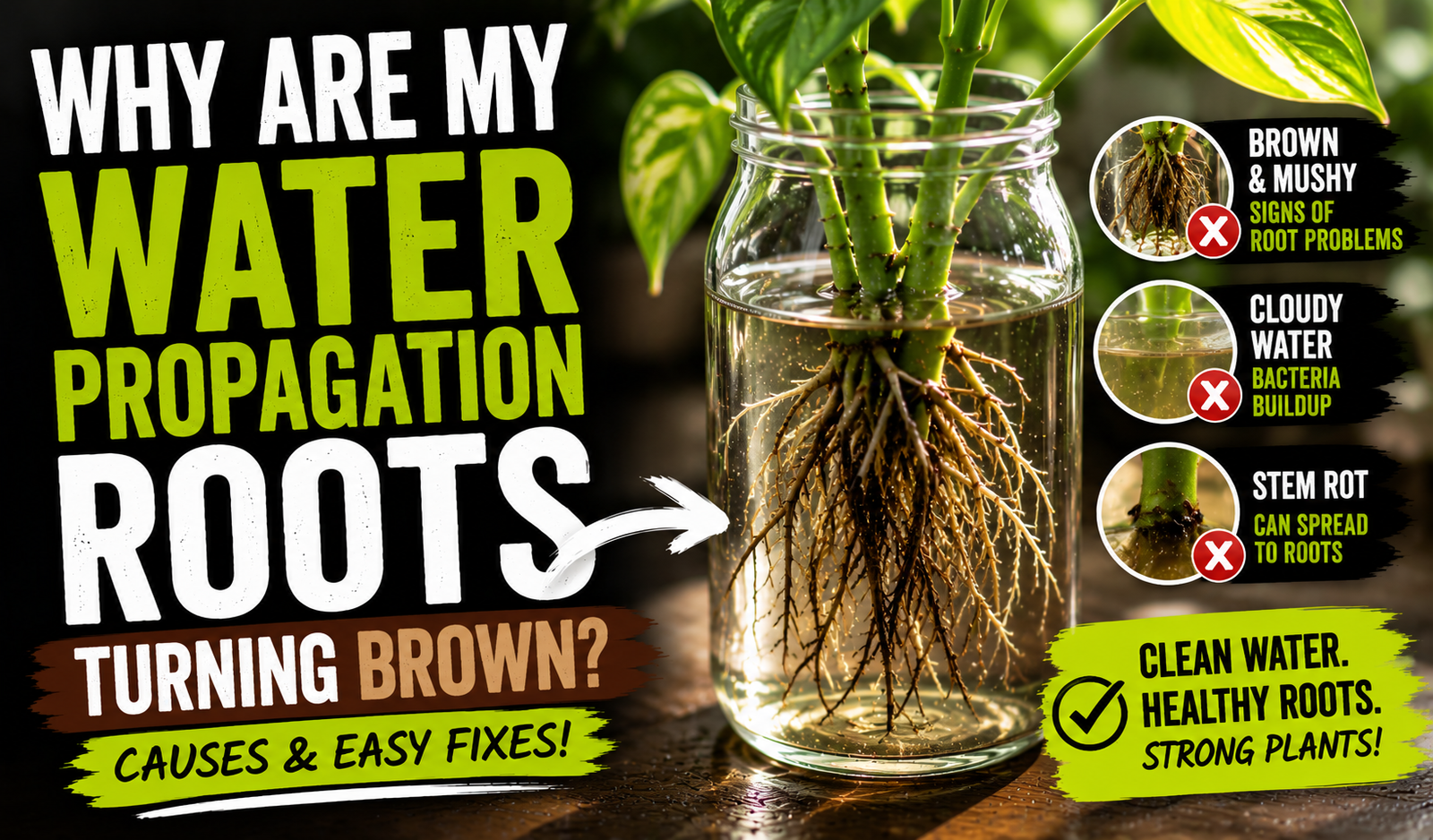
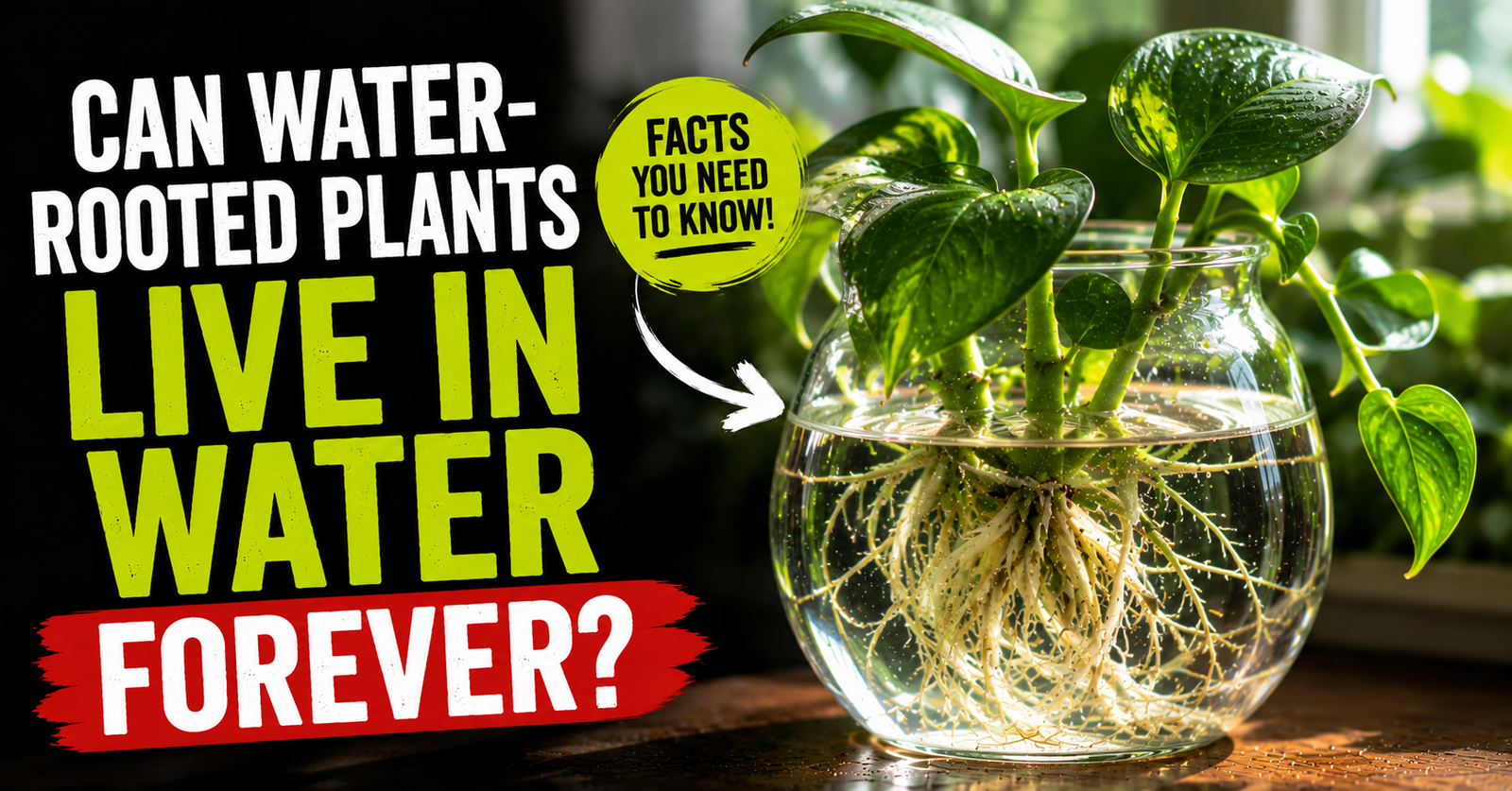
If you’re unsure whether your cuttings need bottom heat during the summer, don’t guess. Temperature is only one possibility, so compare it with the other explanations for why water cuttings may not root.
Evaluate your propagation area.
If the rooting medium is already staying comfortably warm, there’s probably no reason to plug in the heat mat.
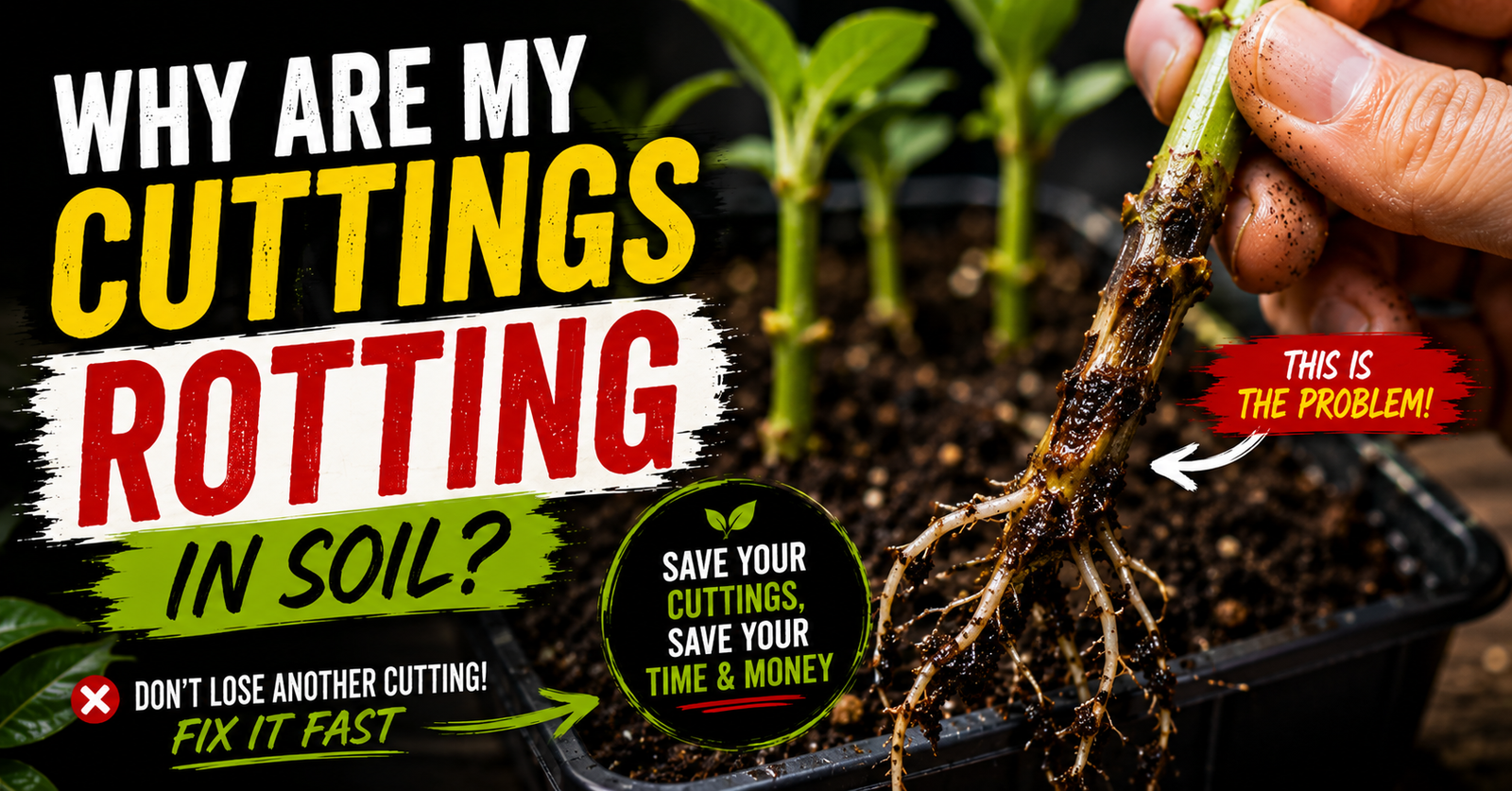
If the trays are sitting in an air-conditioned room, cool basement, or another location where the root zone stays cooler than expected, bottom heat can still be extremely helpful. Cool root zones can also affect how long cuttings remain vulnerable to rot; cool temperatures and cutting rot explains the connection.
If you’re looking for a dependable setup that you can use whenever conditions call for it, I’d recommend taking a look at the heat mat and thermostat I rely on for propagation projects on Amazon.
One thing I appreciate most is that I don’t have to think about the season.
I simply create the conditions the cuttings need, whether it’s the middle of January or the middle of July.
Frequently Asked Questions
Can summer temperatures replace a heat mat?
Many times, yes.
If your propagation trays are already staying within a good temperature range, adding bottom heat usually won’t provide much benefit.
That’s especially true for outdoor propagation during stretches of consistently warm weather.
The important thing is measuring the conditions around the cuttings instead of assuming summer automatically means warm roots.
Can I damage cuttings by using a heat mat in July?
You can if the root zone becomes too warm.
Fortunately, that’s easy to avoid by keeping trays out of intense afternoon sun, using a thermostat, and checking the propagation mix regularly.
A heat mat doesn’t have to create overheating problems.
Most issues come from combining several sources of heat without realizing how warm the tray has become.
Do tropical plants still benefit from bottom heat in summer?
Sometimes they do.
If you’re propagating tropical plants inside an air-conditioned home, the root zone may still be cooler than ideal.
In those situations, gentle bottom heat can continue supporting healthy root development even during the hottest months of the year.
Should I unplug my heat mat during a heat wave?
If your propagation area is already becoming quite warm, I usually would.
There’s rarely a reason to add more heat when the environment is already providing plenty.
During extremely hot weather, my attention shifts toward keeping temperatures stable rather than increasing them.
What’s the biggest mistake people make with heat mats?
Treating them like they’re required all year.
They’re simply another propagation tool.
Some weeks they provide a huge benefit.
Other weeks they stay unplugged.
Learning when to use them has been far more valuable than simply leaving them running every day.
Let the Conditions Make the Decision
One of the biggest improvements I’ve made as a propagator has been learning to respond to the plants instead of following rigid rules.
Sometimes that means plugging in the heat mat during the middle of summer because the propagation bench is sitting in a cool basement.
Other times it means leaving it unplugged during a warm spring because the root zone is already perfect.
Propagation becomes much less complicated once you stop asking, “What month is it?”
Instead, ask, “What do these cuttings need today?”
That simple change in thinking has helped me make better decisions throughout the year, and it’s one of the reasons my propagation setup has become much more consistent over time.
About the Author
Daxon Weaver is the founder of PropagationWorld and has propagated thousands of houseplants, herbs, berry bushes, fruit trees, and ornamental shrubs. Through years of hands-on propagation, he has learned that understanding the environment around the cutting is often more important than following the calendar, especially when deciding whether bottom heat is necessary.