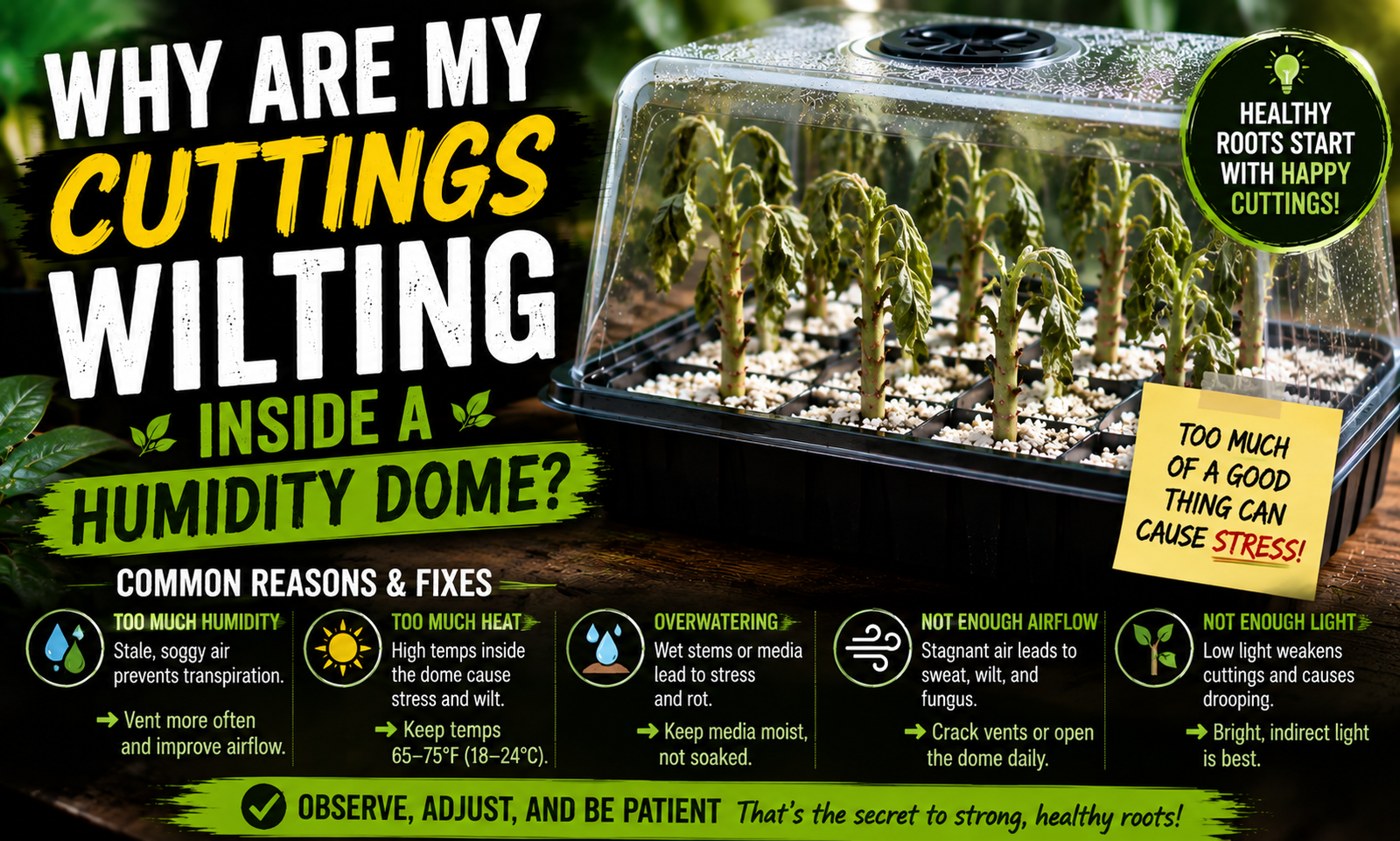
Seeing cuttings wilt inside a humidity dome is one of the most confusing experiences for new propagators.
After all, isn’t the dome supposed to prevent that?
In many cases, yes.
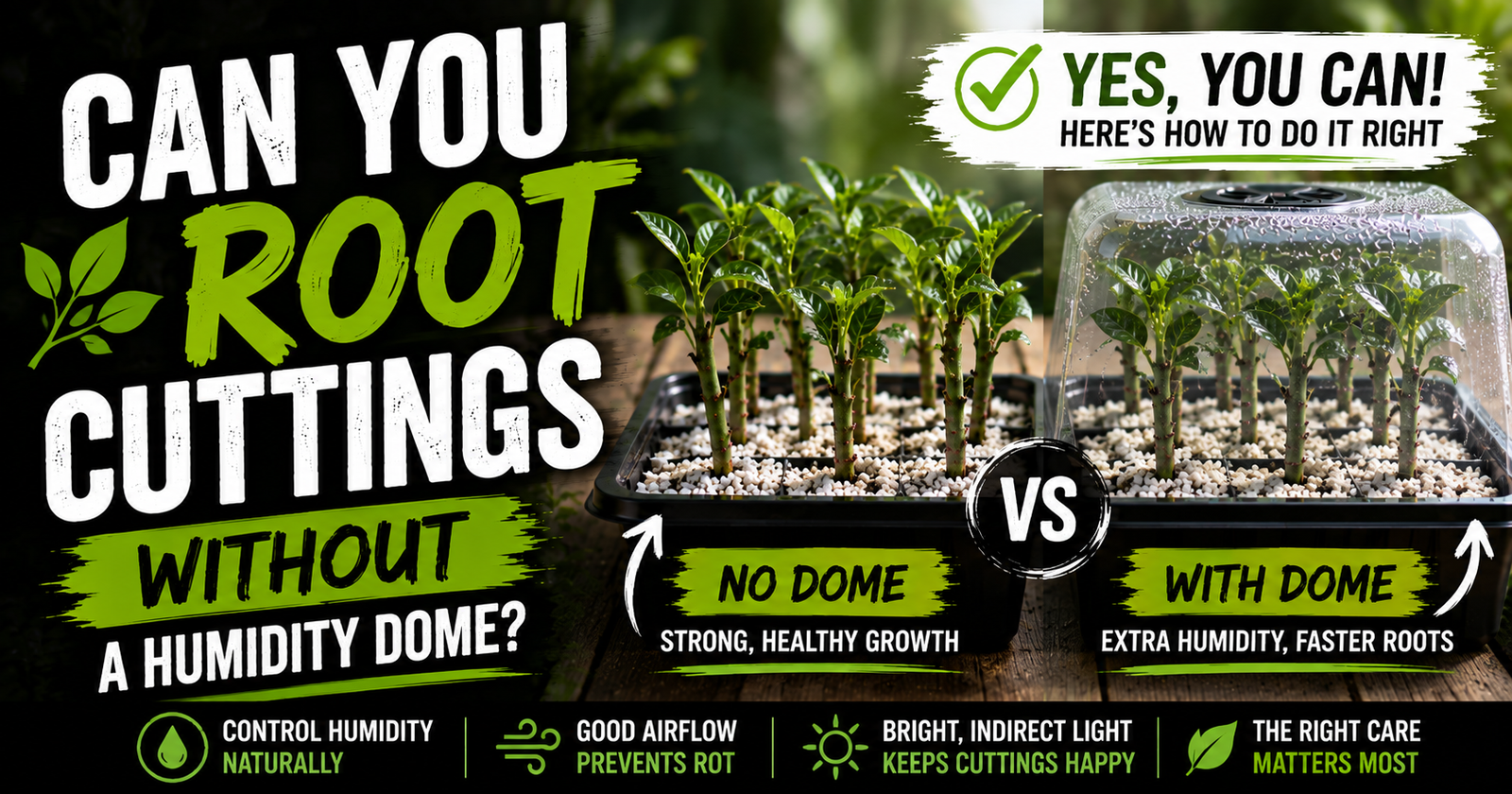
A humidity dome helps reduce moisture loss by surrounding the cuttings with humid air. Understanding when cuttings need a humidity dome can help you decide whether added humidity is solving a real propagation problem or simply creating new ones.
But that doesn’t mean it’s capable of solving every propagation problem.
I’ve seen perfectly healthy cuttings stay firm without a dome.
I’ve also seen cuttings wilt inside one.
The difference usually comes down to what’s happening beneath the surface rather than above it.
When a cutting wilts despite being surrounded by humid air, it’s often trying to tell you that something else isn’t right.
The sooner you identify the real cause, the better chance that cutting has of recovering.
The Cutting May Not Have Roots Yet
This is actually the most common explanation.
Even though the leaves are surrounded by humid air, they still lose small amounts of moisture every day.
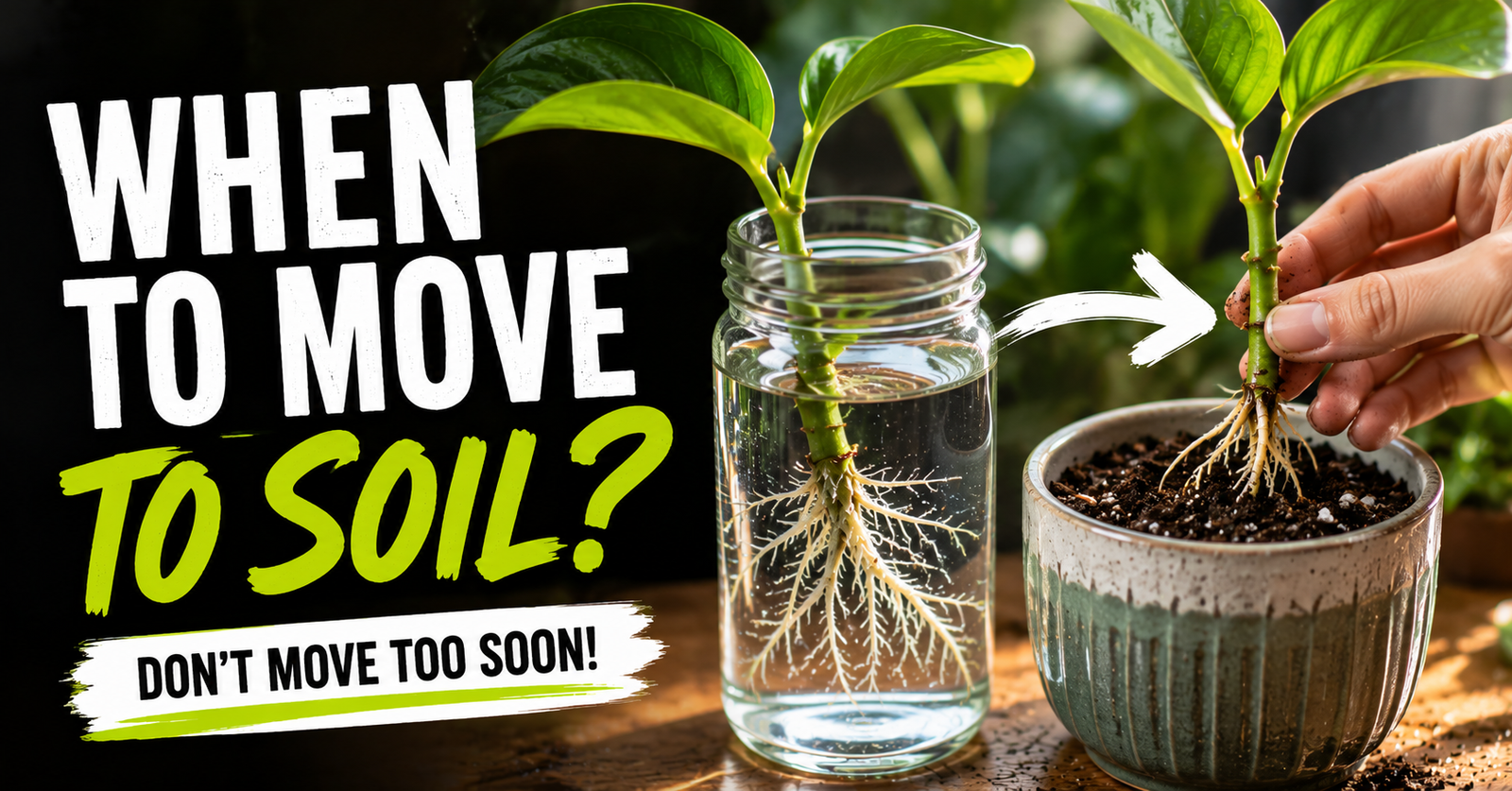
Until roots begin developing, the cutting has almost no way to replace that moisture.
Some plants handle this stage better than others.
Others wilt easily, even under excellent propagation conditions.
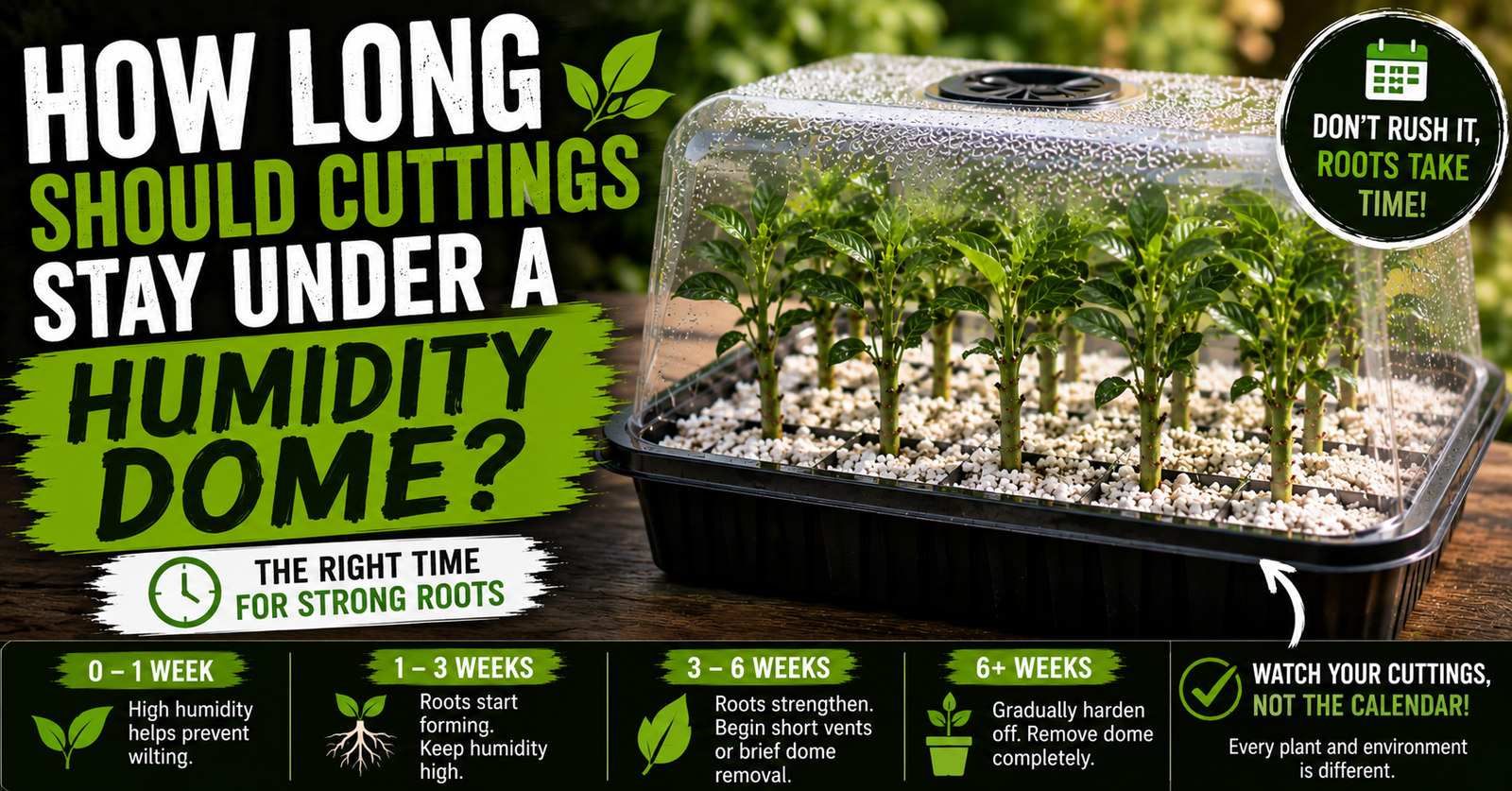
That’s one reason patience is such an important part of propagation.
Wilting doesn’t automatically mean the cutting has failed.
Sometimes it’s simply asking for more time.
Too Much Water Can Look Like Too Little
One of the easiest mistakes to make is adding more water every time a cutting starts wilting.
Ironically, that can make the problem worse.
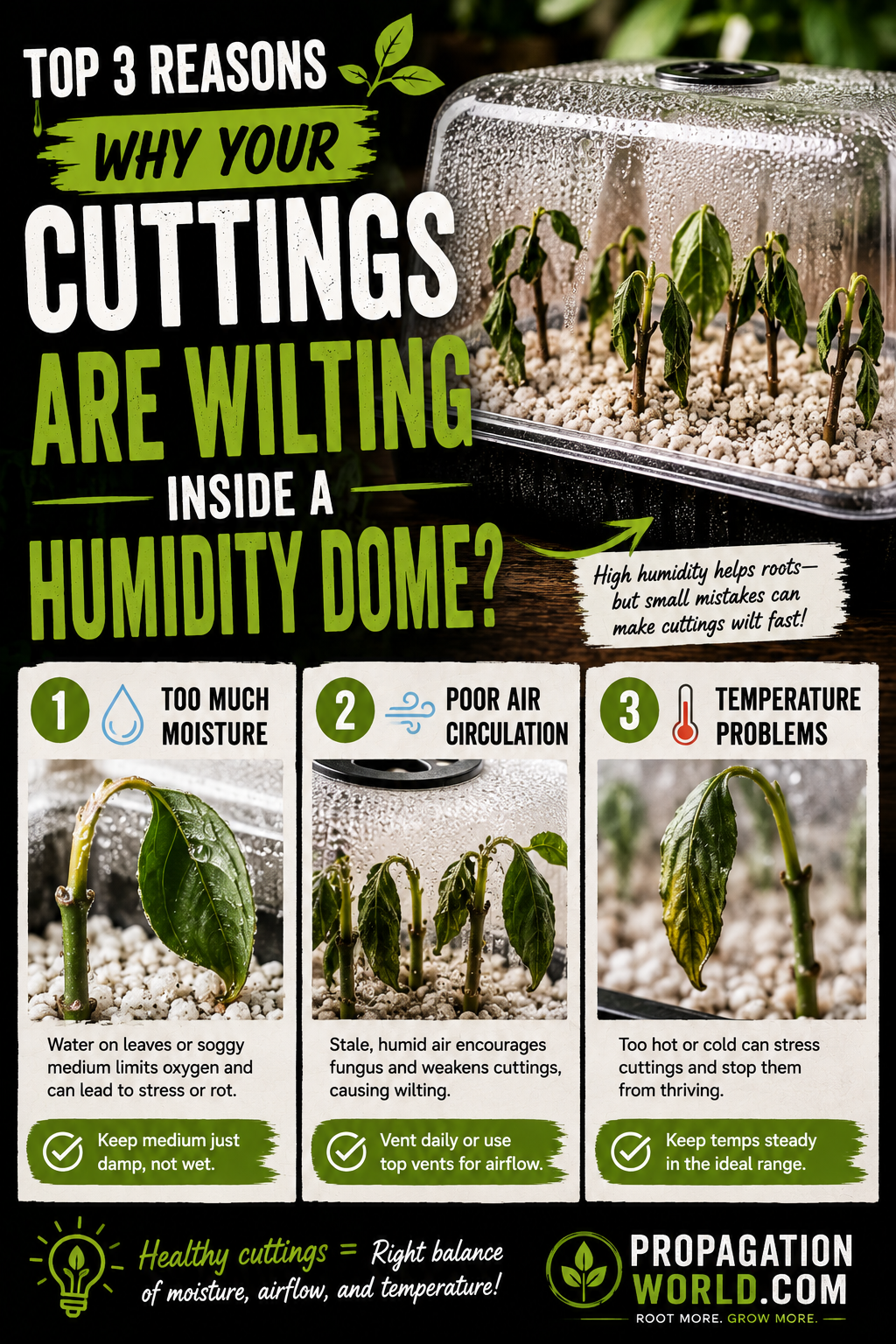
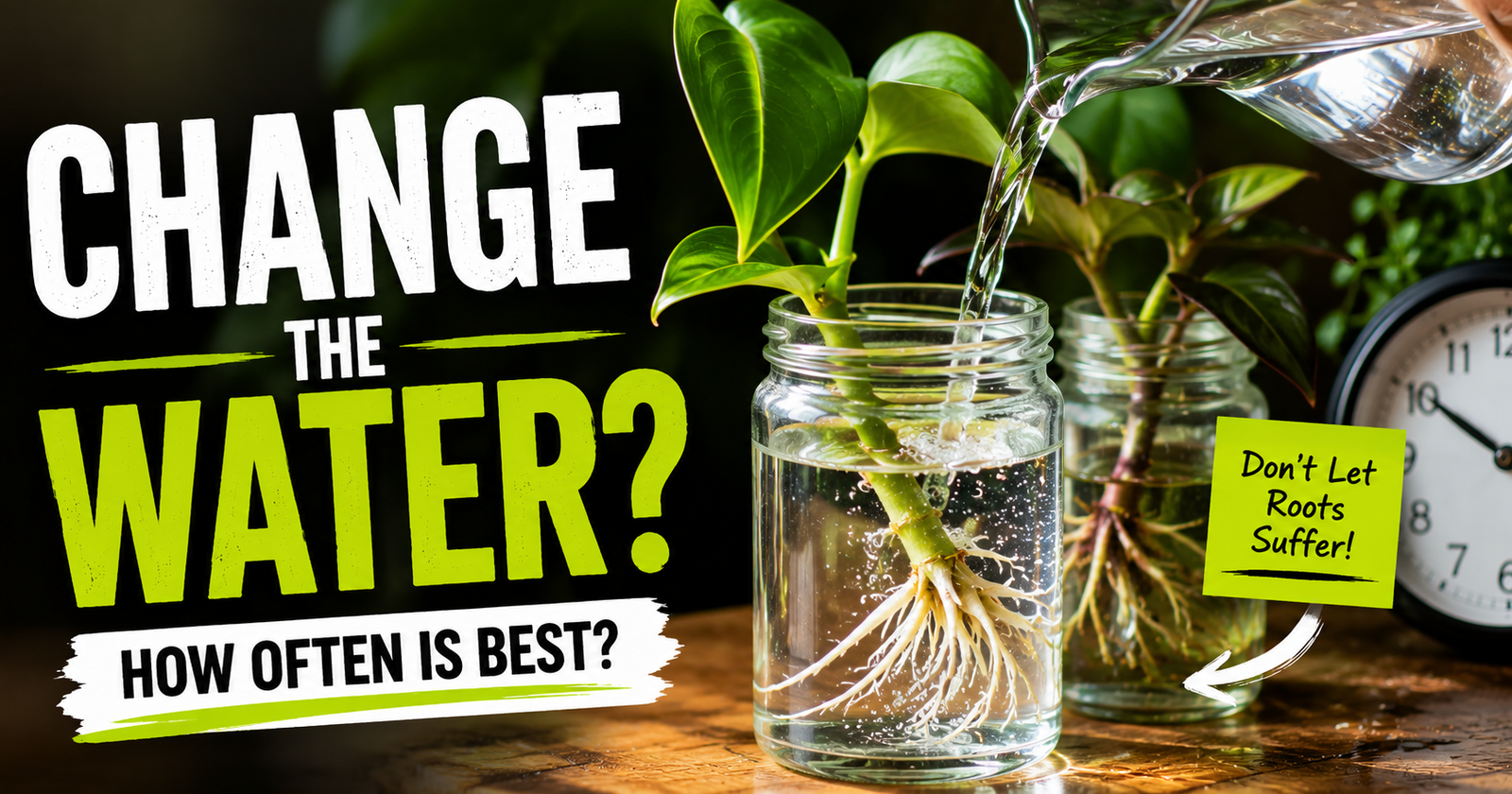
If the propagation mix stays constantly saturated, the stem receives less oxygen.
Instead of encouraging root development, overly wet conditions can begin stressing the cutting and eventually lead to stem rot.
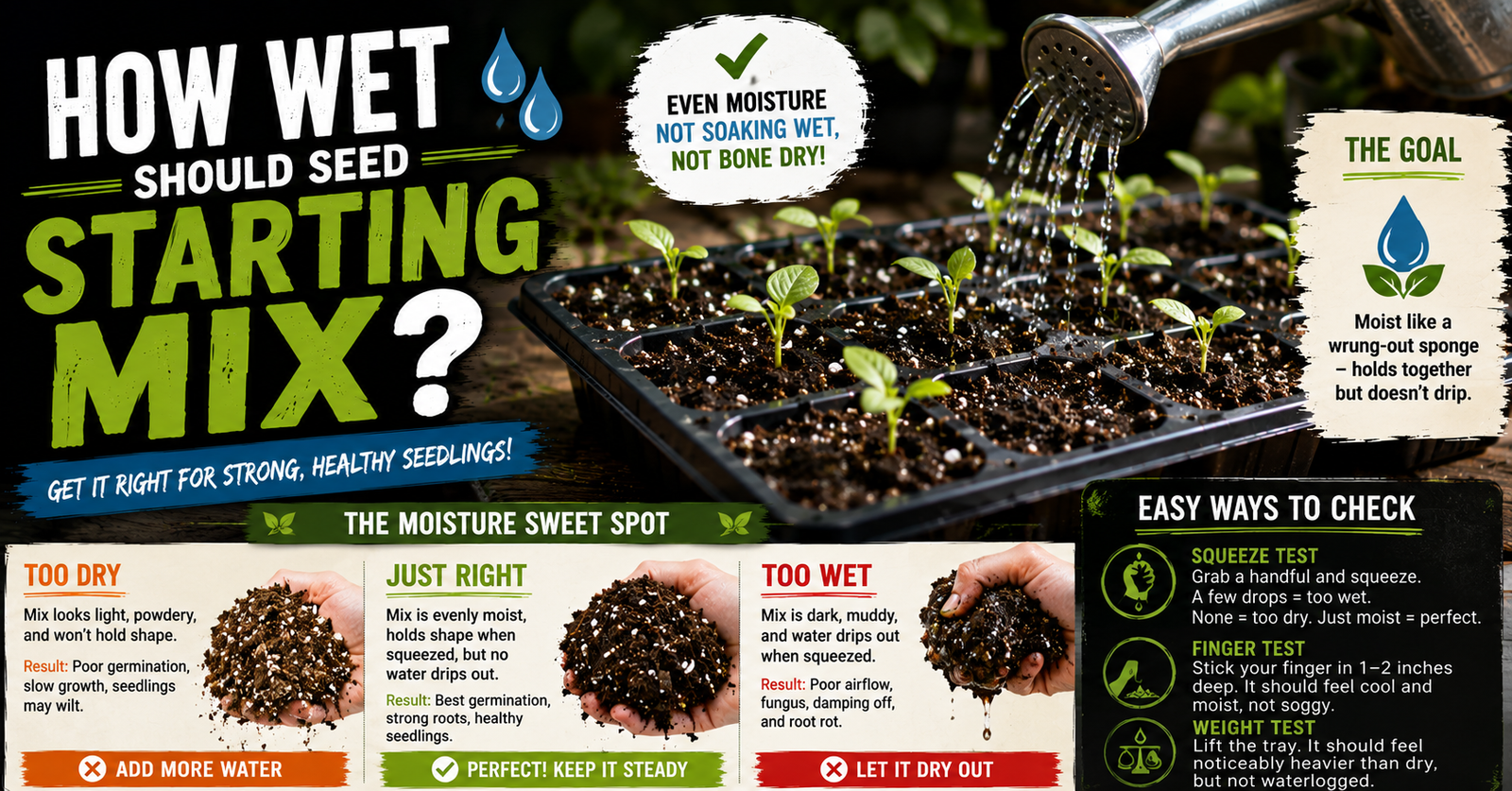
I’ve found that a lightly moist propagation mix almost always performs better than one that’s soaking wet. For practical guidance on maintaining the right moisture level for propagation mix, focus on keeping the medium moist without leaving it saturated.
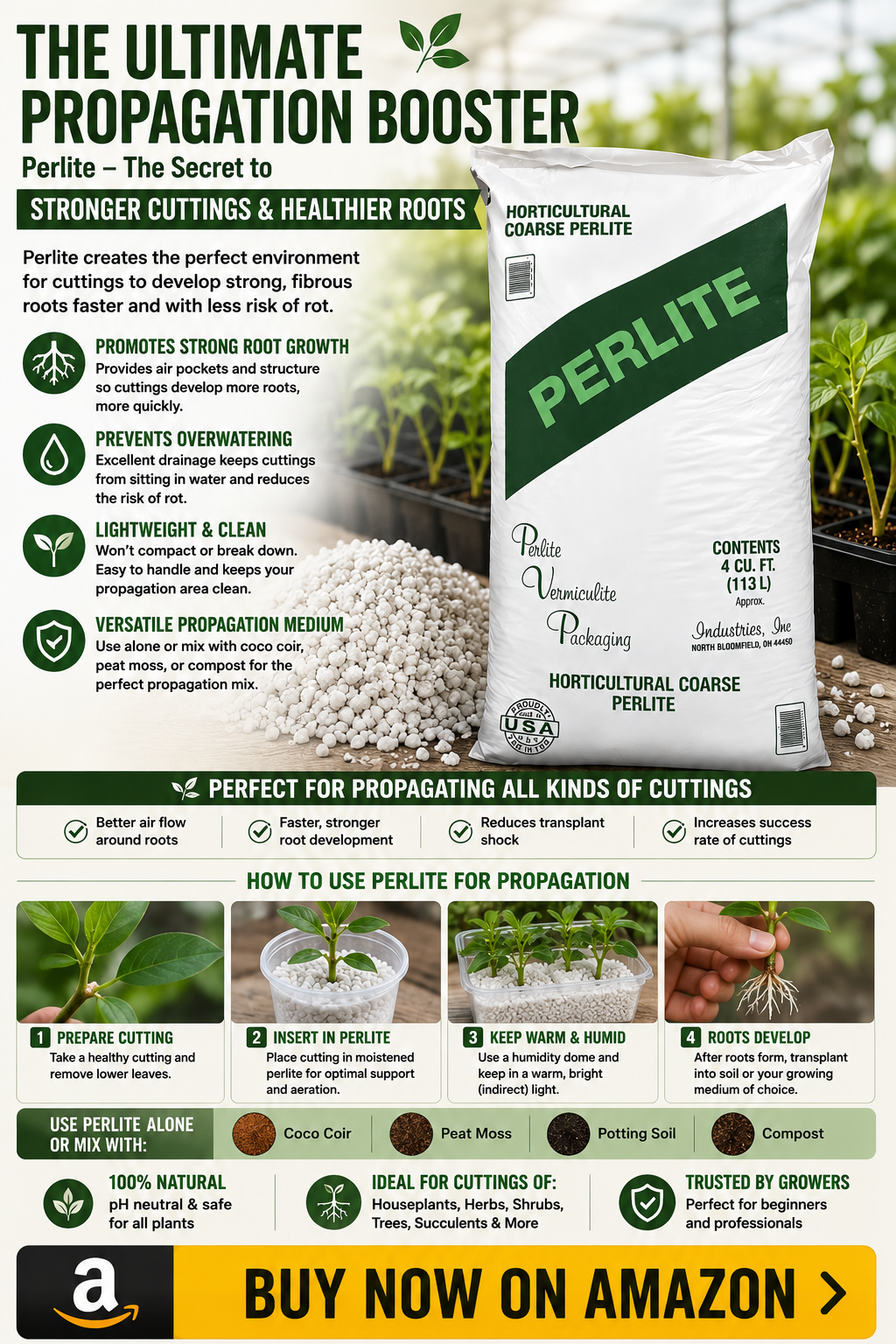
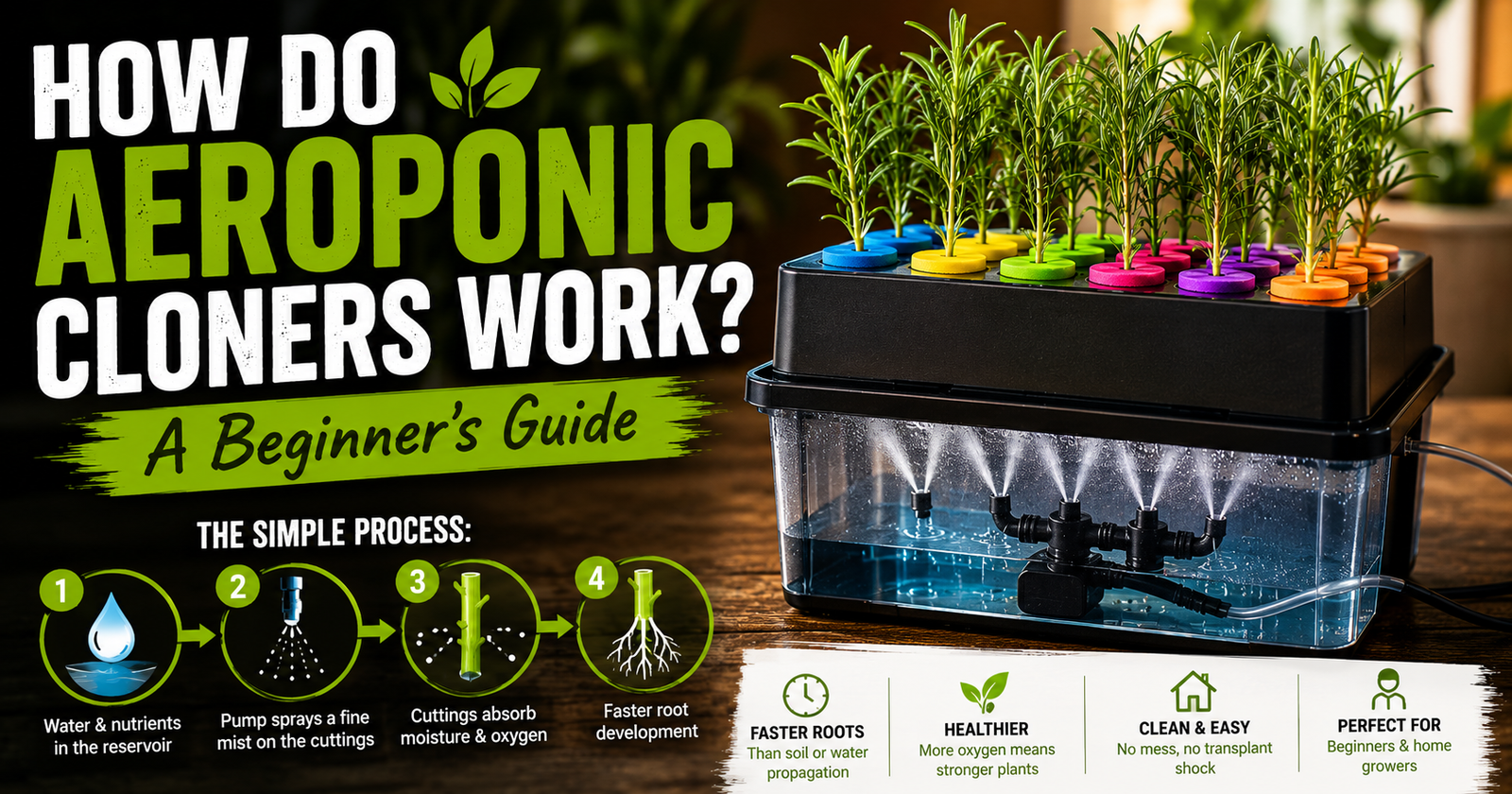
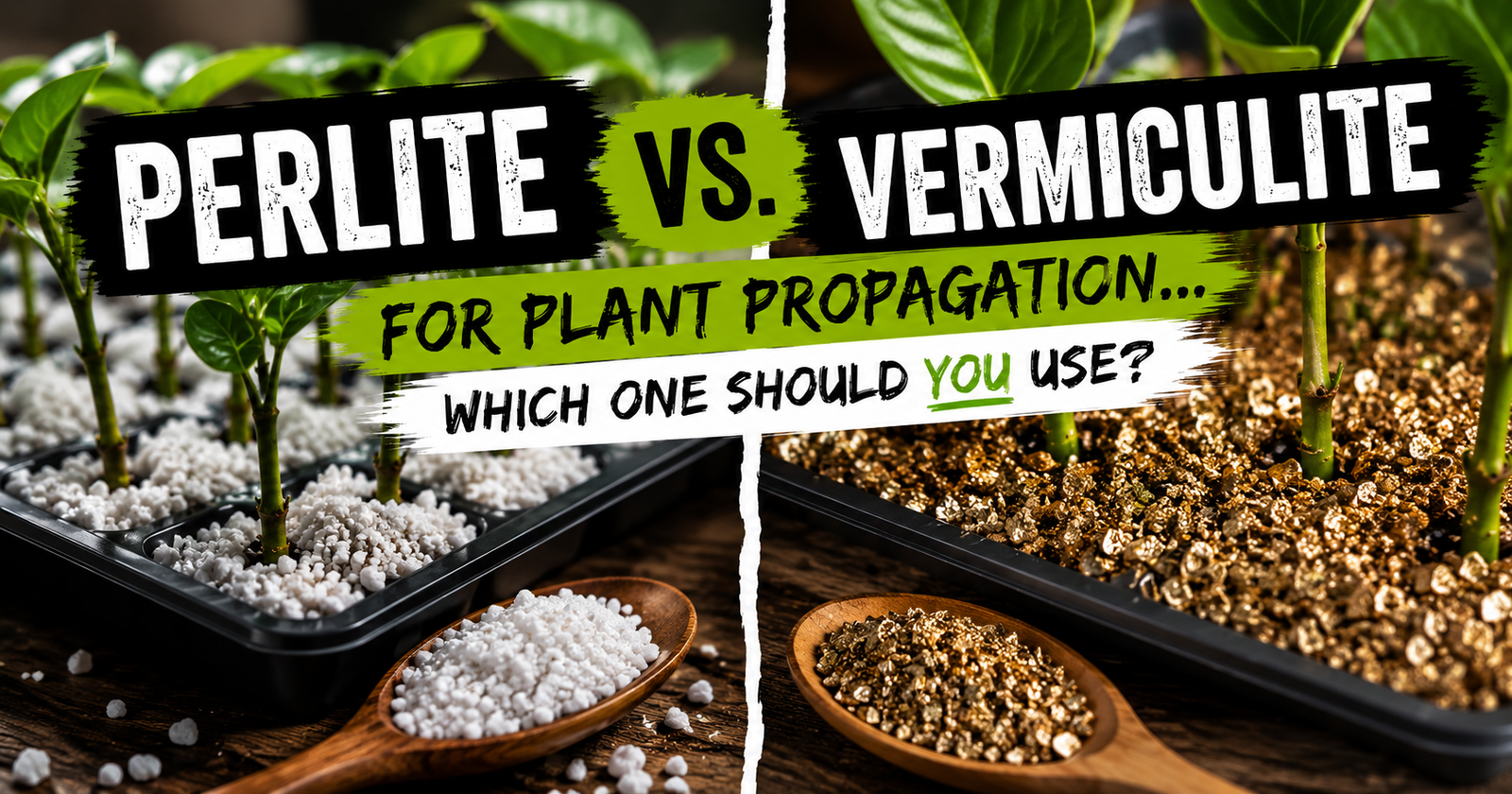
The goal isn’t keeping the cutting swimming in water. Adding an appropriate amount of horticultural perlite for propagation can support a less waterlogged rooting environment.
It’s providing enough moisture while still allowing air to reach the developing roots.
Heat Builds Up Faster Than You Think
Humidity domes trap more than moisture.
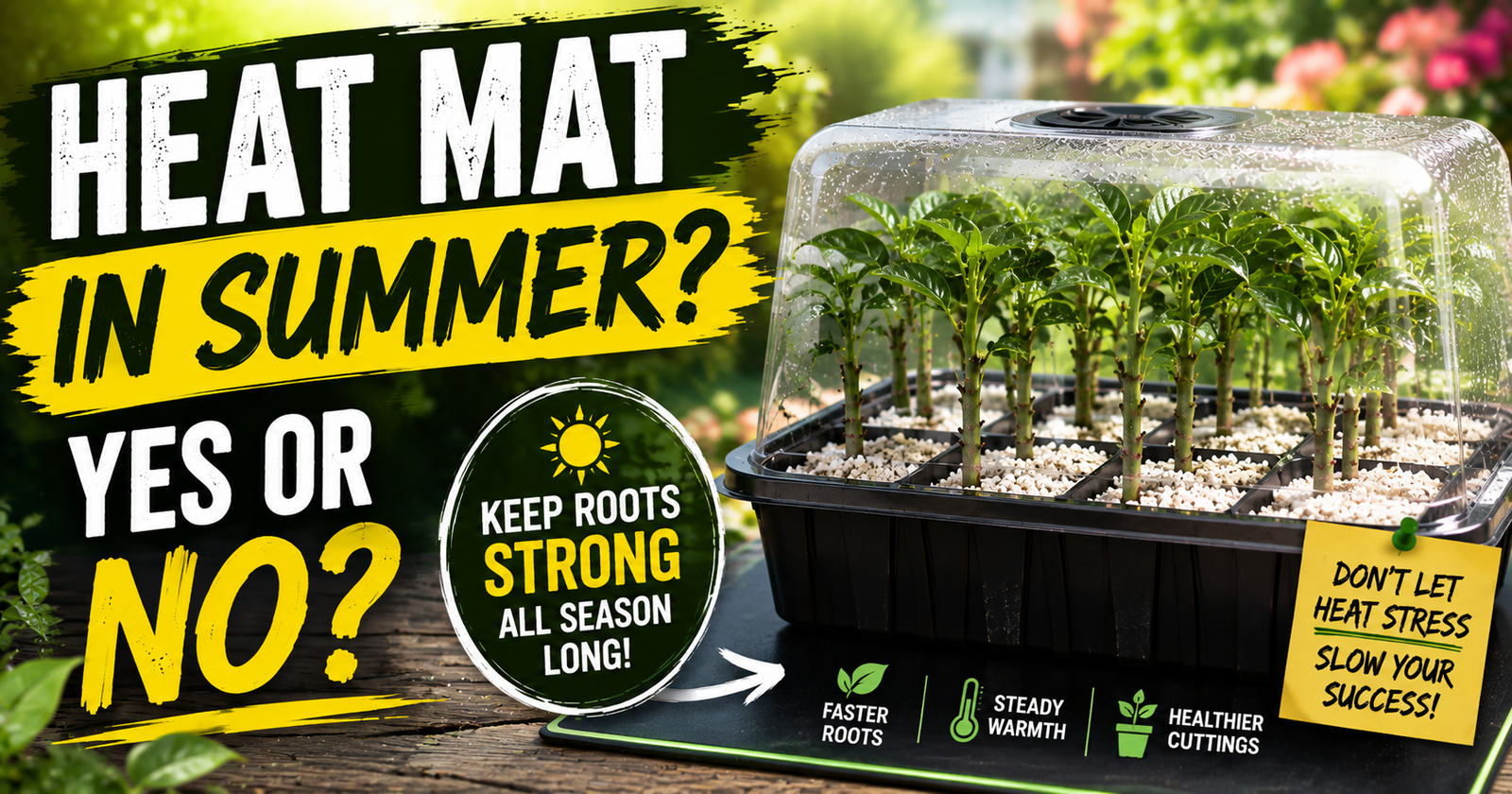
They also trap heat.
Place a propagation tray in direct afternoon sunlight and temperatures inside the dome can climb surprisingly quickly.
I’ve seen cuttings wilt because they became overheated, not because the humidity was too low.
Whenever I’m propagating indoors, I prefer bright indirect light instead of intense direct sun.
The cuttings receive plenty of light without creating unnecessary heat inside the dome.
The Dome Might Not Be the Problem
When gardeners notice wilting, the humidity dome usually gets blamed first.
More often than not, I’ve found the dome is doing exactly what it’s was designed to do.
The real issue usually lies somewhere else.
Maybe the cutting wasn’t healthy when it was taken.
Maybe the propagation mix stayed too wet.
Maybe temperatures became too warm.
Maybe the cutting simply hasn’t rooted yet.
That’s why I encourage people to evaluate the entire propagation setup instead of immediately changing one piece of equipment.
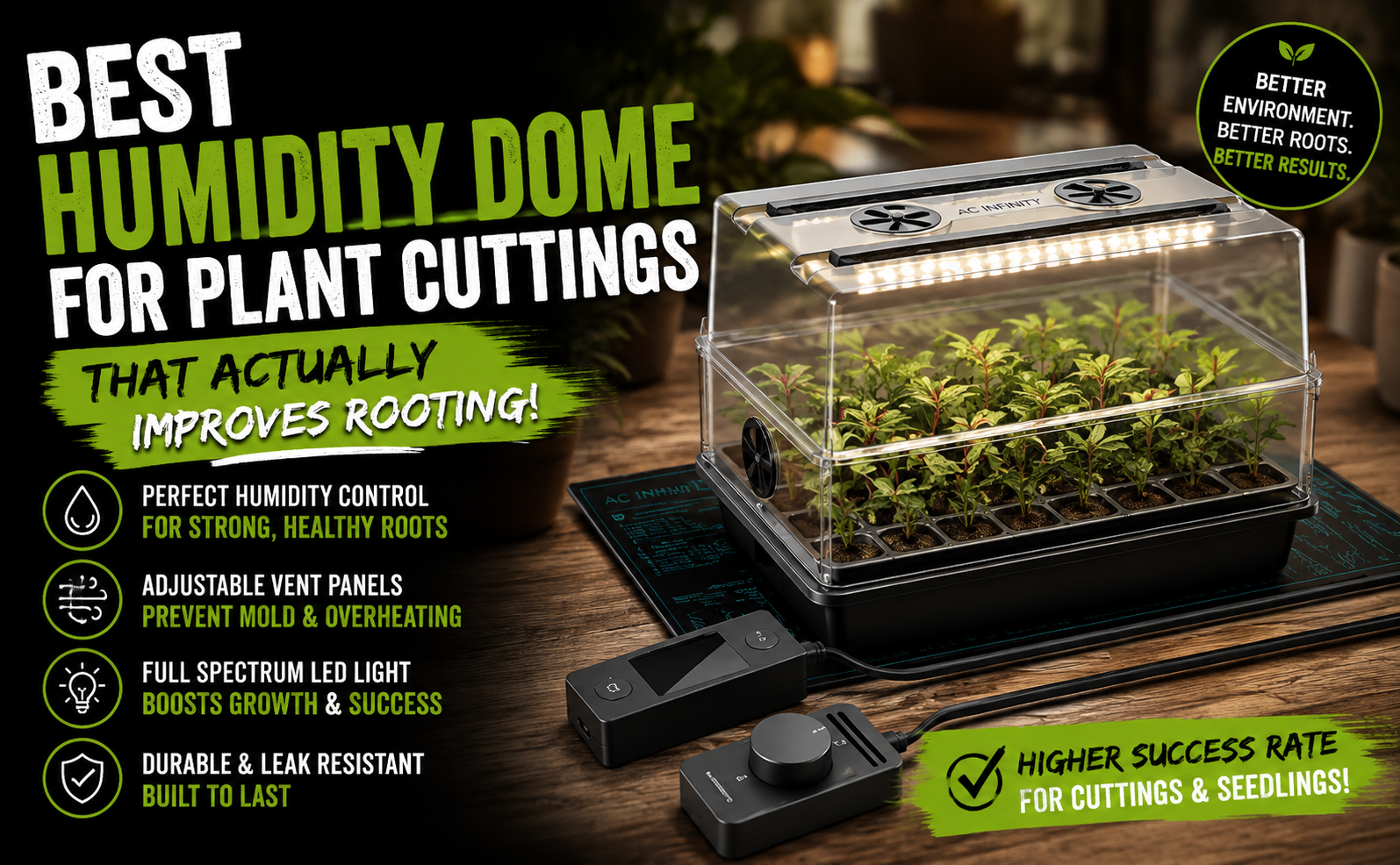
For slower-rooting shrubs and fruit plants, I’ve had excellent results using the humidity dome system I recommend for propagation because the adjustable vents allow me to balance humidity and airflow instead of trapping stale air around the cuttings.
Don’t Overreact to One Bad Day
One lesson propagation has taught me is that plants don’t always look perfect every single day.
A cutting may appear slightly wilted during the warmest part of the afternoon and look much better the following morning.
That doesn’t necessarily mean something is wrong.
Before changing your entire propagation setup, take a little time to observe what’s happening.
Is the wilting getting worse each day?
Are the stems still firm?
Is new growth beginning to appear?
Small observations often reveal much more than making several changes at once.
One adjustment at a time also makes it much easier to figure out what actually solved the problem.
Airflow Matters More Than Many People Realize
Humidity is important, but fresh air is too.
If a dome stays completely sealed for weeks, moisture can build up to the point where leaves remain constantly wet.
That creates an environment where mold, algae, and fungal problems become much more likely.
I like humidity domes with adjustable vents because I can slowly increase airflow whenever condensation becomes excessive.
The goal isn’t trapping every bit of moisture.
It’s creating a healthy balance between humidity and ventilation.
Healthy cuttings appreciate both.
Healthy Cuttings Start With Healthy Parent Plants
Sometimes the problem began before the cutting was ever placed into the propagation tray.
Weak, stressed, or diseased parent plants produce weaker cuttings.
Those cuttings often wilt more easily and take longer to establish roots.
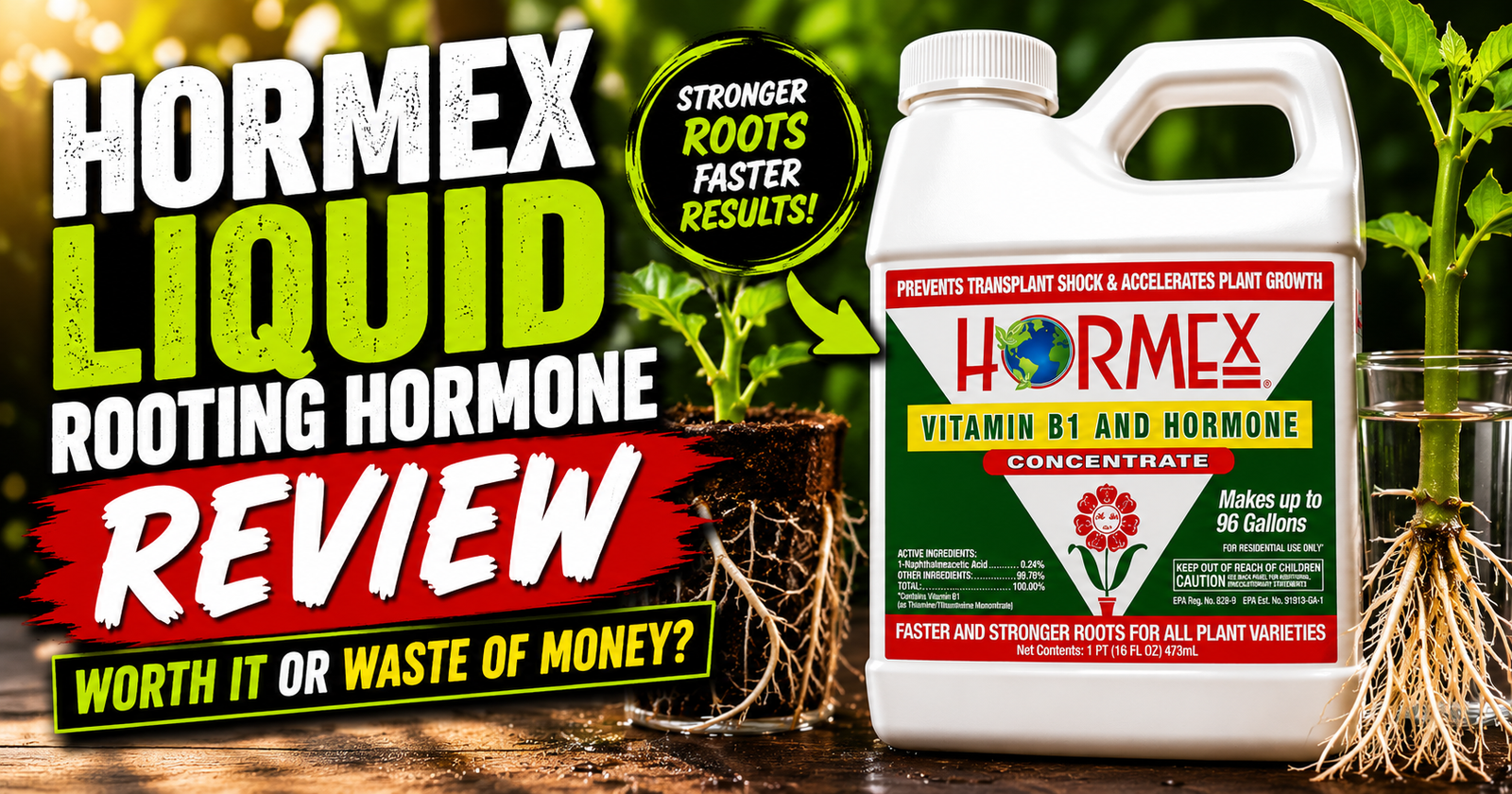
Whenever possible, I select vigorous stems with healthy leaves and avoid taking cuttings from plants that are already struggling.
That simple habit has improved my success rate far more than many people would expect.
Good propagation starts long before the humidity dome goes on.
Look Below the Surface
Whenever I troubleshoot a propagation tray, I spend just as much time looking at the rooting medium as I do the leaves.
Is it staying soggy?
Has it dried out completely?
Does it still feel light and airy?
A cutting can wilt because the growing medium is holding too much water just as easily as it can wilt because it’s become too dry.
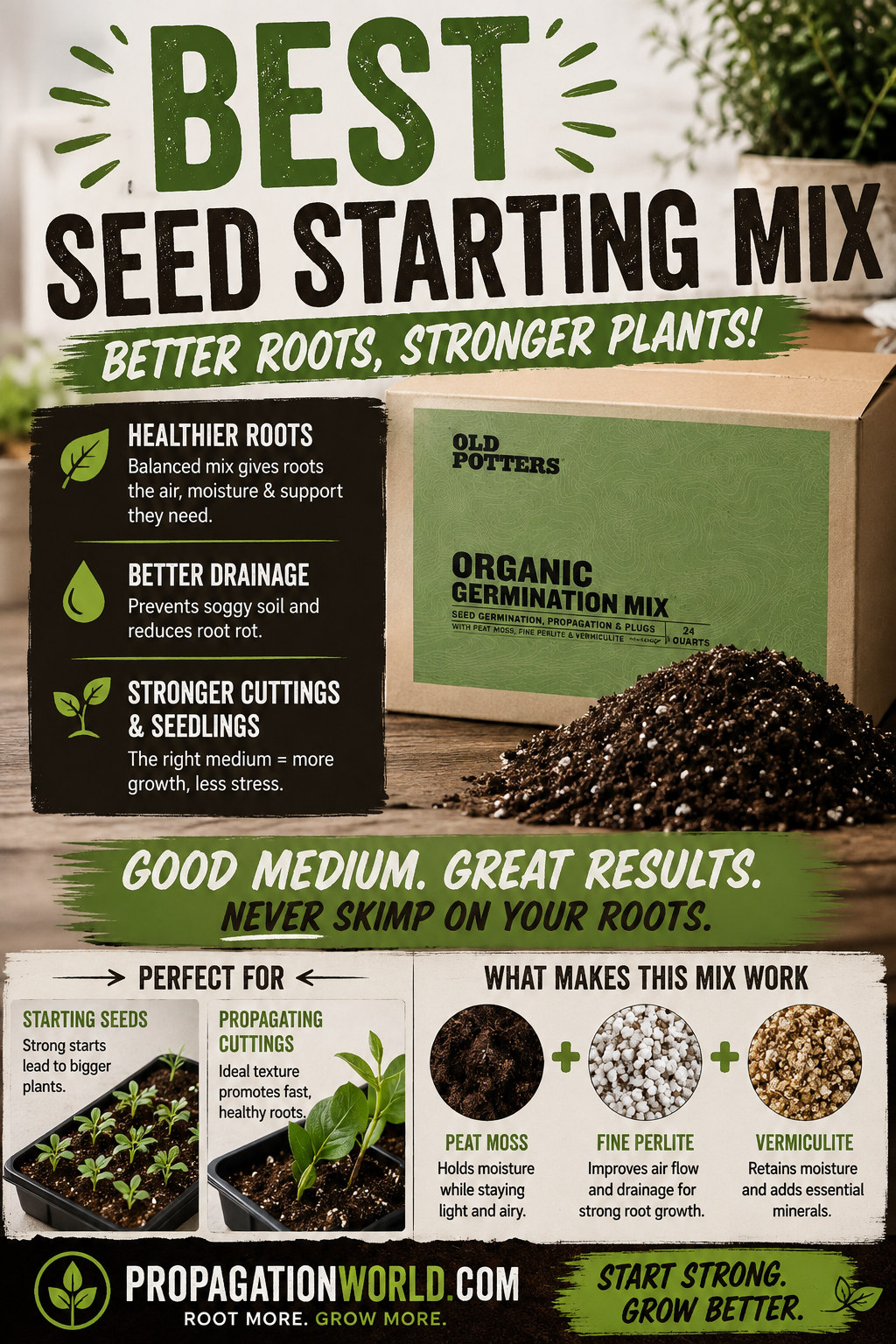
That’s one reason I prefer the seed starting mix I use for propagation.
Its balance of moisture retention and drainage makes it much easier to avoid both extremes, especially during those first few weeks while roots are forming.
My First Goal Isn’t Perfect Leaves
This may sound strange, but when I’m propagating cuttings, my first priority isn’t making the leaves look perfect every minute of the day.
It’s growing healthy roots.
Sometimes a cutting looks a little tired while it’s investing its energy below the surface.
As long as the stem remains healthy and conditions are improving, I’m willing to be patient.

If you’re using a humidity dome and want better control over airflow during that rooting period, I’d recommend checking out the adjustable propagation dome I use on Amazon.
Having adjustable vents has made it much easier to fine-tune humidity instead of guessing, especially with slower-rooting shrubs and fruit plants.
Frequently Asked Questions
Should I mist cuttings if they’re already inside a humidity dome?
Usually not very often.
One of the main reasons for using a humidity dome is to reduce how quickly moisture escapes from the leaves.
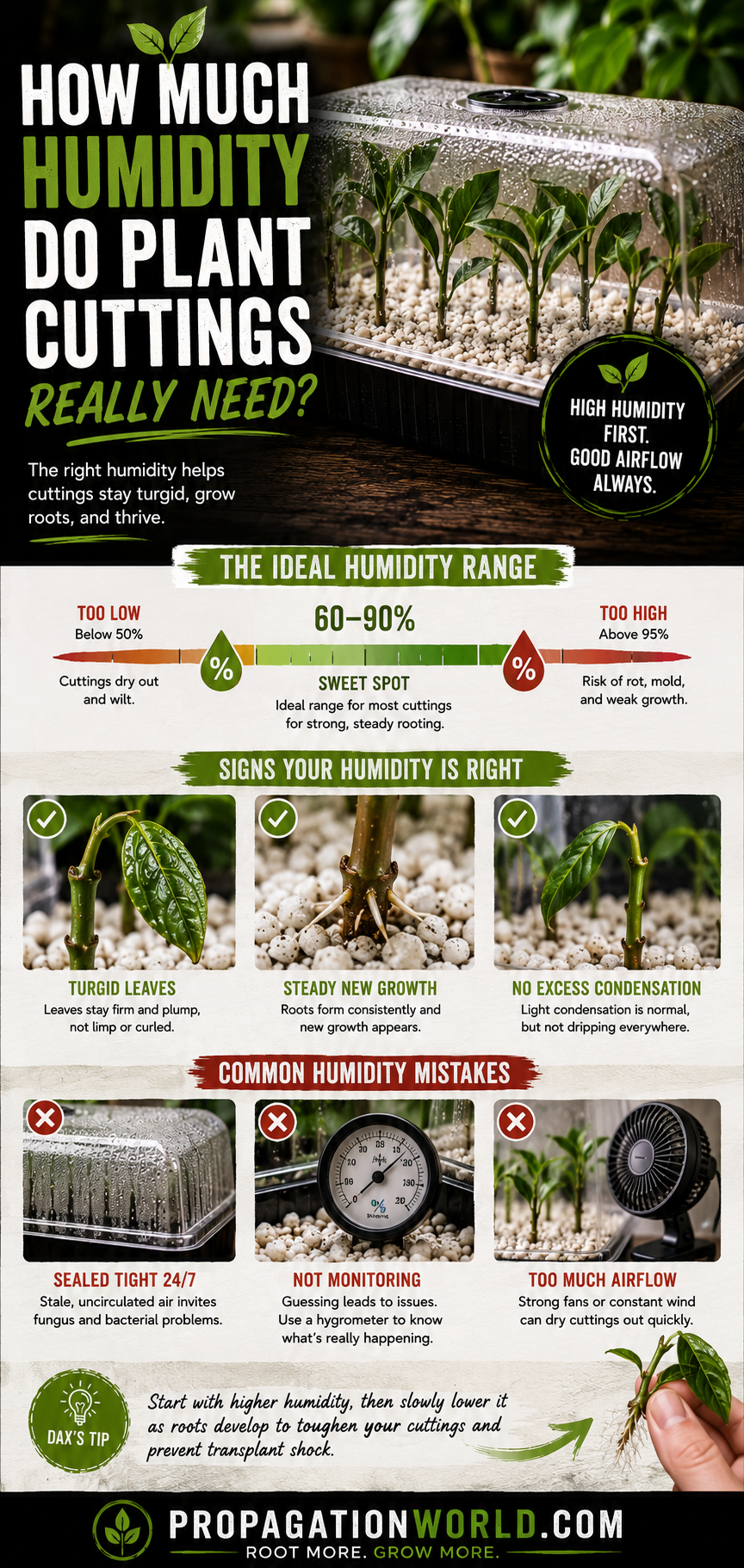
If the humidity inside the dome is already high, frequent misting usually provides very little benefit and can leave the foliage constantly wet. A closer look at how much humidity cuttings need explains why adding more mist is not always the answer.
Instead of automatically reaching for the spray bottle, I check the overall environment first.
If the leaves look healthy and the humidity is staying high, I let the dome do its job.
Can too much humidity make cuttings wilt?
Surprisingly, yes.
Excessive humidity by itself doesn’t usually cause wilting, but it can contribute to fungal problems, stem rot, and poor airflow.
Once the stem begins struggling, the leaves often wilt as a result.
That’s why I prefer creating balanced conditions instead of trying to keep the humidity at 100 percent all the time.
Should I remove wilted leaves?
It depends.
If only one older leaf is fading while the rest of the cutting looks healthy, I’ll usually leave it alone unless it starts rotting.
If several leaves are collapsing or becoming diseased, removing the damaged tissue can sometimes help improve airflow around the cutting.
More importantly, I focus on finding the reason the plant is wilting instead of simply removing the symptoms.
Can a humidity dome save a severely wilted cutting?
Sometimes, but not always.
If the cutting simply lost moisture before developing roots, increasing humidity may help it recover.
If the stem has already begun rotting or the cutting was unhealthy from the beginning, a humidity dome can’t reverse that damage.
The earlier you identify the actual cause, the better the chances of saving the cutting.
Is a little wilting ever normal?
Yes.
Especially during the first day or two after taking cuttings.
Many plants need a short adjustment period while they begin redirecting energy toward root production.
As long as the cutting doesn’t continue declining and the stem remains healthy, a small amount of temporary wilting isn’t always something to worry about.
Focus on the Cause, Not Just the Symptom
Wilting is easy to see.
Understanding why it’s happening is the part that takes a little patience.
Over the years, I’ve learned that successful propagation isn’t about reacting to every leaf that droops.
It’s about looking at the entire environment and making thoughtful adjustments instead of quick guesses.
Healthy cuttings, proper moisture, fresh air, stable temperatures, and a good rooting medium all work together.
When those pieces are in balance, the humidity dome becomes what it was always meant to be: a helpful tool that supports healthy propagation rather than a cure for every problem.
About the Author
Daxon Weaver is the founder of PropagationWorld and has propagated thousands of houseplants, herbs, berry bushes, fruit trees, and ornamental shrubs. Years of hands-on propagation have taught him that solving problems usually starts with understanding what the plant is communicating, not simply treating the symptoms.