
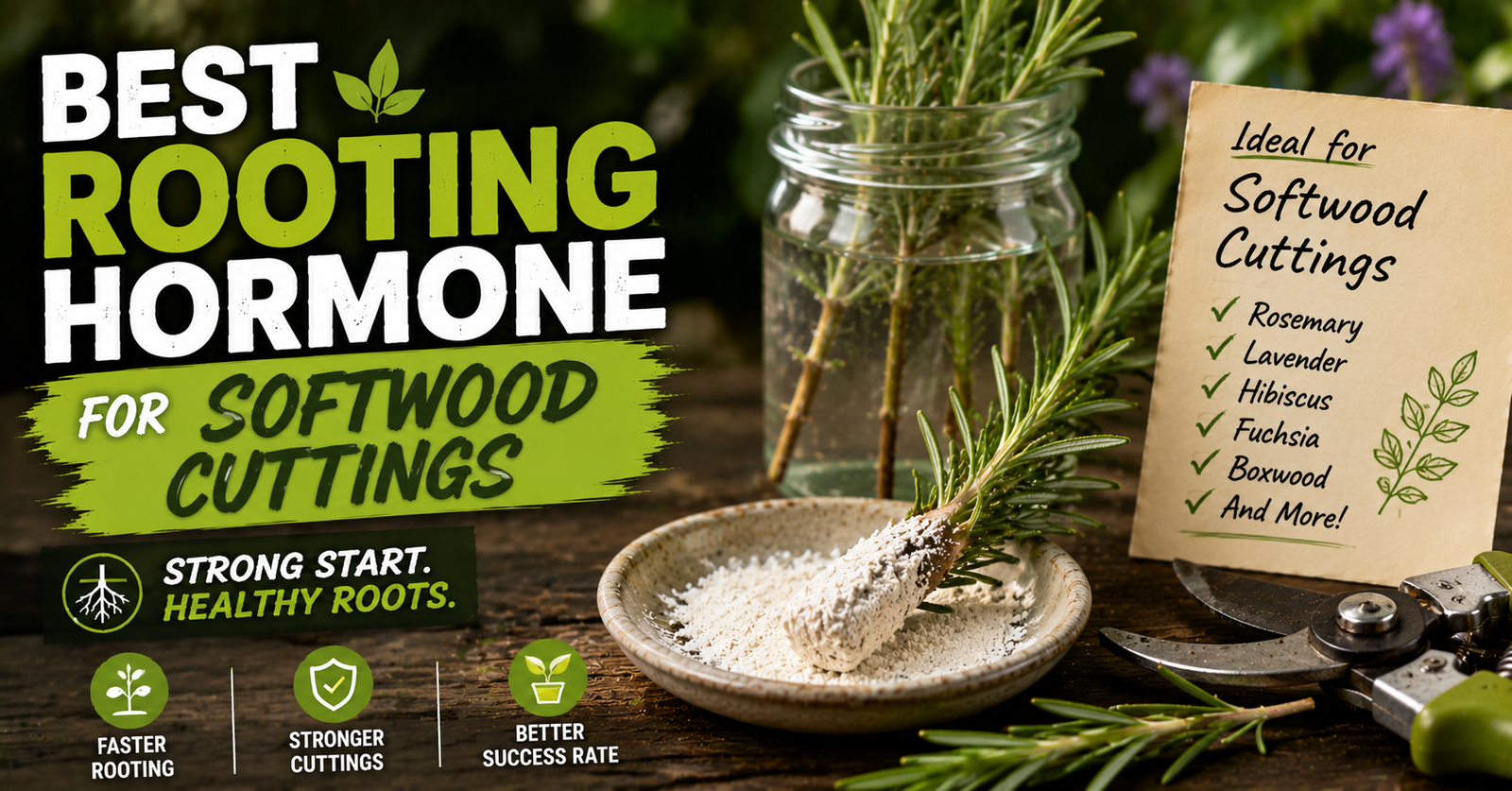
Softwood cuttings are some of my favorite plants to propagate.
Unlike hardwood cuttings taken during dormancy, softwood cuttings come from fresh, flexible growth that’s actively growing during spring and early summer. Because the stems are young and vigorous, they often root much faster than mature wood. For elderberries, elderberry cutting timing also depends on whether you are taking softwood or hardwood cuttings.
That doesn’t mean every cutting succeeds.
Softwood stems also lose moisture quickly, making them more prone to wilting before roots have a chance to form.
That’s one reason many gardeners choose to use rooting hormone.
It won’t solve every propagation problem, but it can help encourage faster root development and improve success on many plants.
The next question is deciding which type is worth buying.
Softwood cuttings are some of the quickest plants to root, but they’re also among the easiest to damage. Fresh green stems lose moisture rapidly, so taking healthy cuttings, applying rooting hormone promptly, and planting them without delay gives you the best chance of success.
Because softwood stems are tender, many gardeners prefer a rooting gel that stays evenly coated on the cutting during planting. If you’re considering Clonex, I cover its strengths in my Clonex Rooting Gel Review Is It Really Worth Buying?.
My Quick Answer
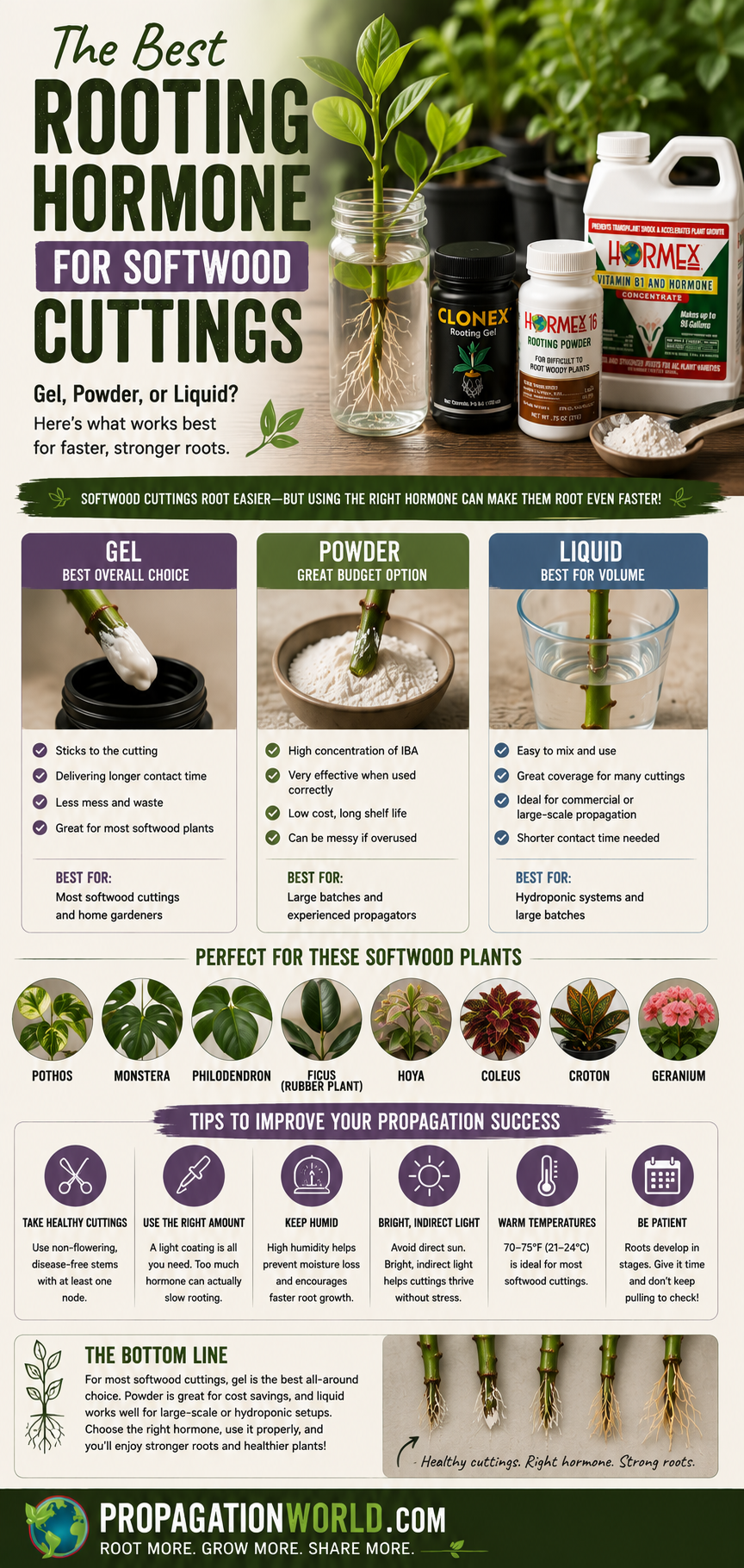
If I were propagating softwood cuttings today, I’d choose a quality rooting gel.
Fresh green stems are delicate, and I like how gel coats the cutting evenly without falling off while planting.
Rooting powder is also an excellent choice and has been trusted by gardeners for decades.
If that’s what you already own, I’d keep using it.
Liquid concentrates are another great option for gardeners who propagate regularly or want one product that can be used for several gardening tasks throughout the year.
The good news is that all three can produce excellent results when they’re used correctly.
What Are Softwood Cuttings?
Softwood cuttings are taken from fresh growth that hasn’t yet become woody.
The stems are green, flexible, and usually bend easily without snapping.
Because they’re actively growing, they naturally produce roots much faster than dormant hardwood cuttings.
Many popular landscape plants are propagated this way each spring.
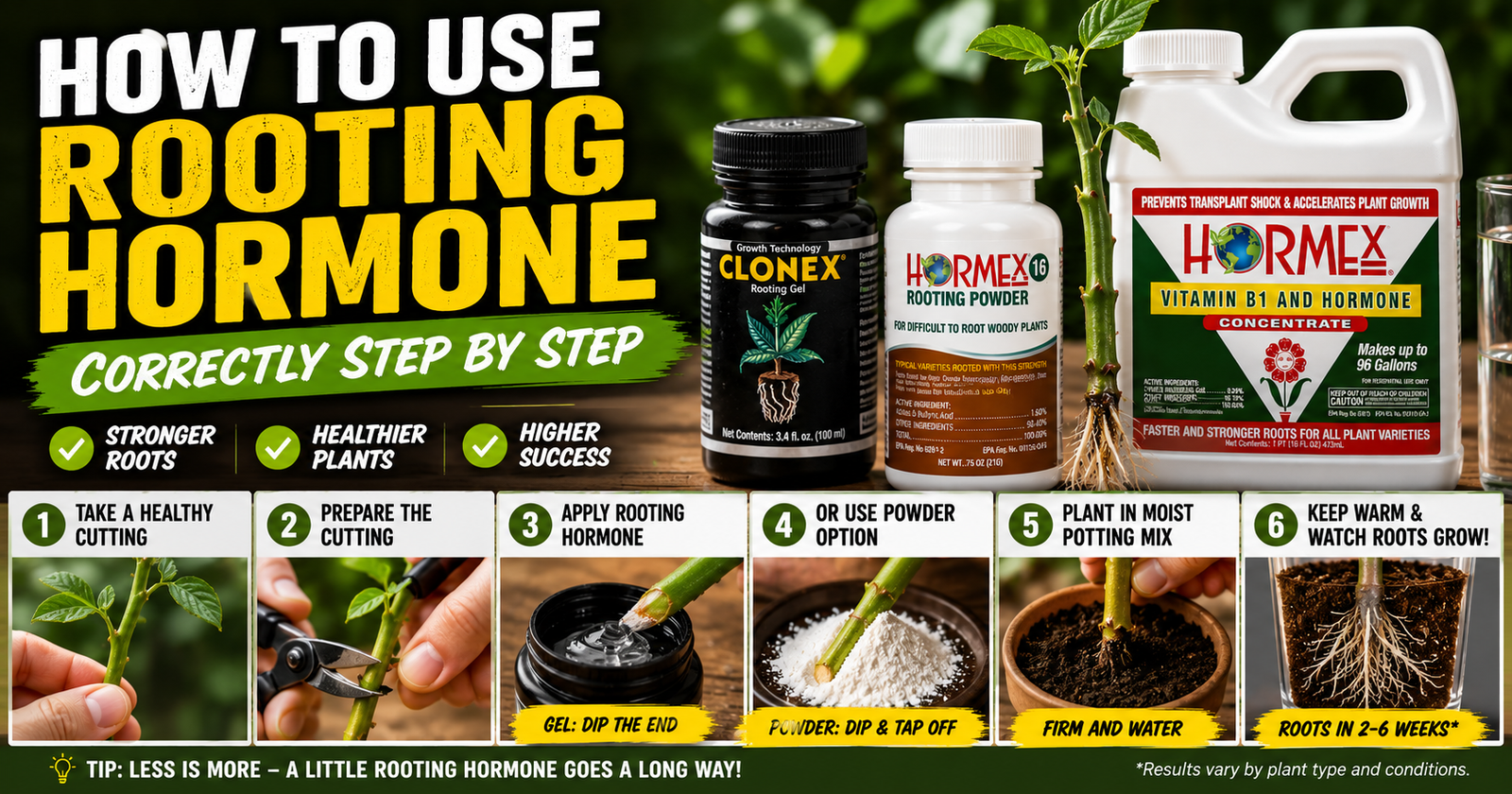
If you’re still learning the basics of using rooting hormone, it’s worth reading How to Use Rooting Hormone Correctly Step by Step before taking your first cuttings.
Getting the process right from the beginning often has a bigger impact than the product you choose.

Plants That Are Commonly Propagated With Softwood Cuttings
Many of the most popular shrubs and ornamentals root best from softwood cuttings.
Some examples include:
- Hydrangeas
- Roses
- Butterfly bush
- Weigela
- Forsythia
- Dogwood
- Spirea
- Fuchsia
- Lavender
- Abelia
- Mock orange
- Viburnum
Many perennial flowers and herbs can also be propagated from soft new growth during the growing season.
Why I Prefer Rooting Gel
When I’m working with tender green stems, rooting gel is usually my first choice.
The thick consistency sticks extremely well to fresh cuttings.
As I place the cutting into my propagation mix, very little of the product rubs off.
That’s especially helpful with softwood cuttings because the stems can be damaged if you’re repeatedly handling them.
Gel also couldn’t be much easier to use.
Dip the cutting, shake off any excess, and plant it.
No measuring.
No mixing.
No extra steps.
My Favorite Rooting Gel

If someone asked me which gel I’d recommend first, Clonex would be near the top of my list. Gardeners comparing gel options can consider Clonex rooting gel for softwood cuttings.
It’s been one of the most recognizable rooting gels for years and has earned a strong reputation among both home gardeners and commercial growers.
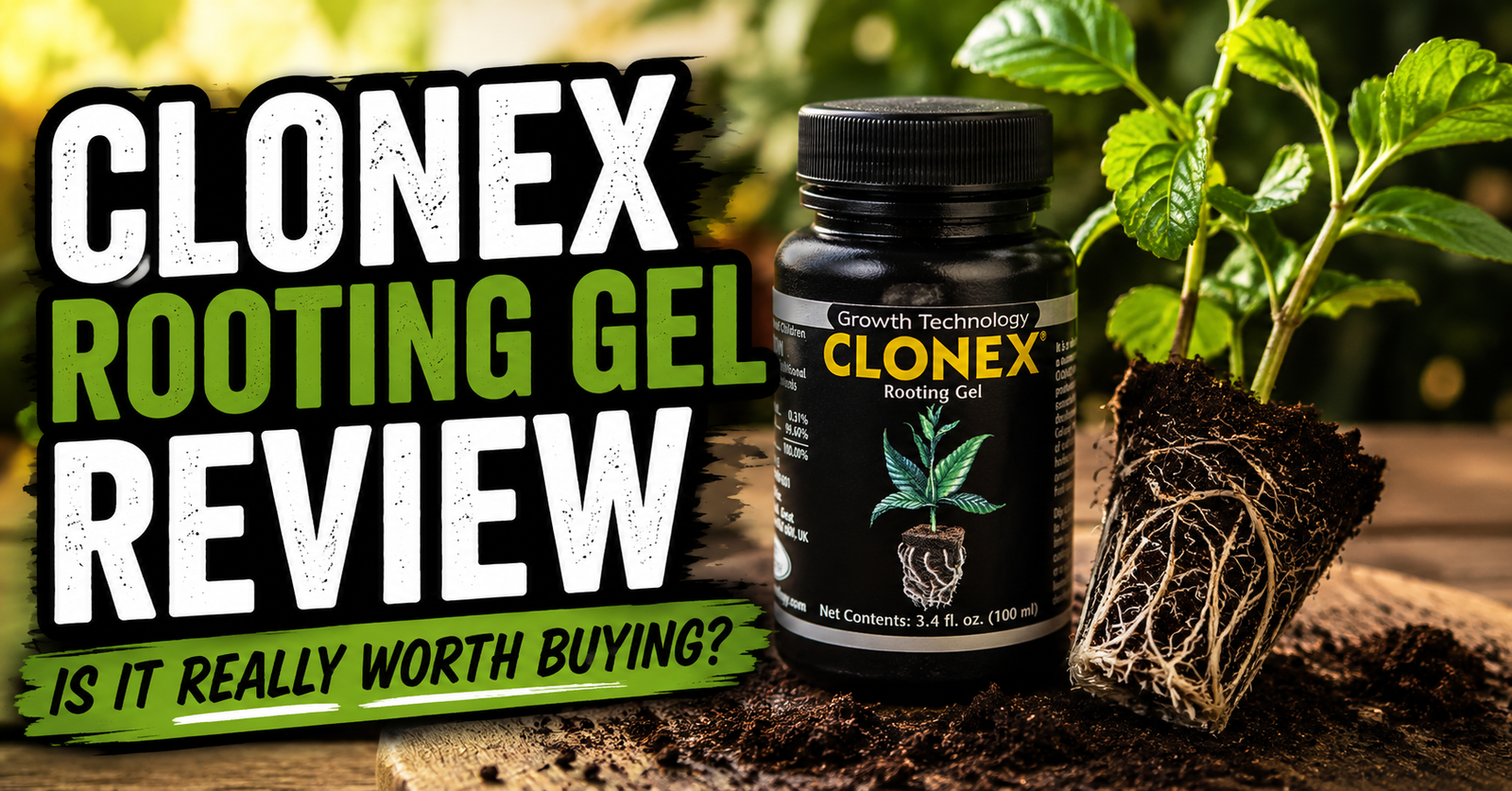
If you’re considering buying it, I wrote a complete Clonex Rooting Gel review that covers where I think it excels and when another product might make more sense.
Rooting Powder Still Deserves a Place

Even though I often reach for gel with softwood cuttings, rooting powder remains an outstanding option.
It’s affordable, easy to find, and one container can last for years if you only propagate seasonally.
For many gardeners, powder is the product they learned with, and there’s a good reason it’s remained popular for so long.
One thing I especially appreciate is how well it stores.
When kept dry and sealed, it’s ready whenever propagation season comes around again.
Don’t Overlook Rooting Powder
Even though I often recommend gel for softwood cuttings, rooting powder is still one of the best values in propagation.
It has helped gardeners root cuttings for decades, it’s easy to use, and a single container can last a very long time.
If you only take cuttings once or twice each year, powder is hard to beat.
Just remember to pour a small amount into a separate container before dipping your cuttings rather than dipping directly into the original bottle. That simple habit helps keep the remaining product clean for future use.
Liquid Rooting Hormone Makes Sense for Serious Propagators
If you spend a lot of time propagating plants, liquid rooting hormone deserves a look.
Instead of being limited to one application method, concentrates can be mixed for different gardening tasks throughout the year.
Many gardeners use them for softwood cuttings in spring, hardwood cuttings during dormancy, and even while transplanting trees and shrubs.
That versatility makes them an excellent long-term investment if propagation is something you do regularly.
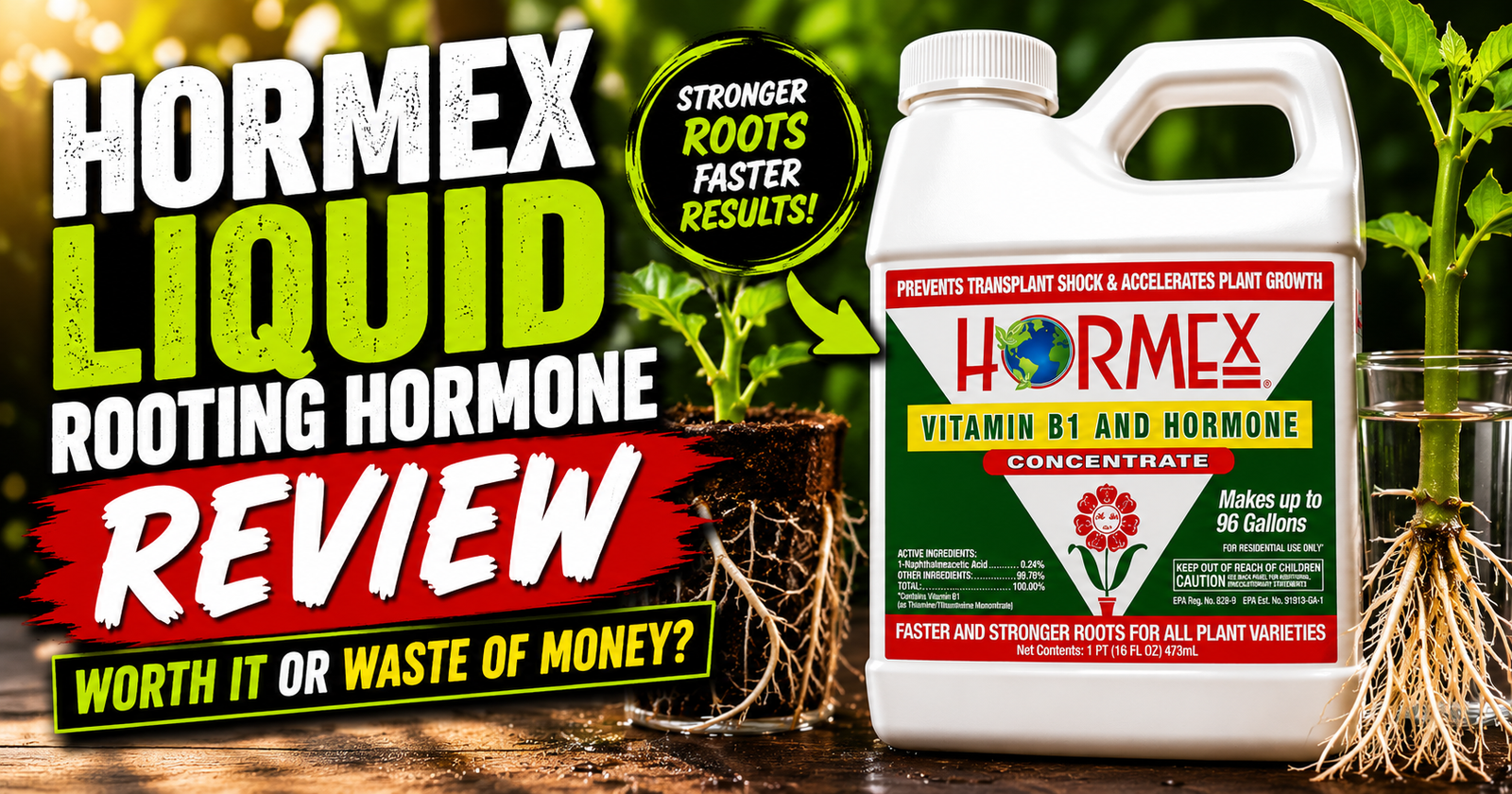
If you’re curious about that option, I shared my thoughts in this Hormex Liquid Rooting Hormone review and explain where I think it fits best.
Softwood Cuttings Need Moisture More Than Almost Anything
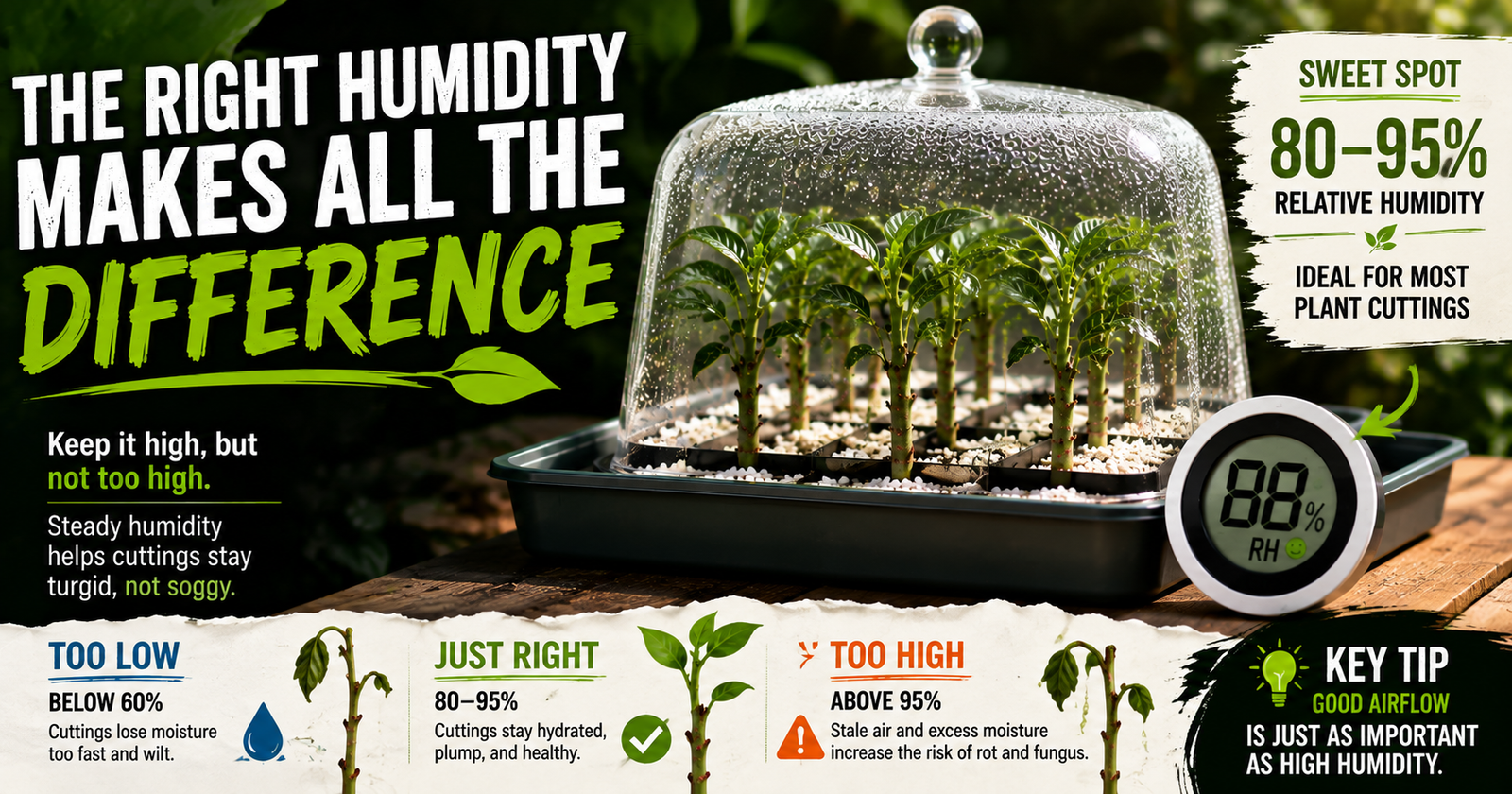
One mistake I see quite often is gardeners focusing entirely on rooting hormone while forgetting that softwood cuttings dry out incredibly fast.
Fresh green stems haven’t developed the protective outer layer that mature wood has.
Without enough humidity, they can wilt long before roots begin to form.
That’s why I always pay close attention to the environment.
Keeping cuttings in bright, indirect light with consistent moisture and high humidity will usually make a much bigger difference than switching from one rooting hormone brand to another.
Gel, Powder, or Liquid?
If I had to simplify everything into a quick recommendation, it would look like this.
Choose Gel If…
- You mostly propagate soft, green cuttings.
- You want the rooting hormone to stay on the stem during planting.
- You prefer the easiest application method.
Choose Powder If…
- You want the best value.
- You only propagate a few times each year.
- You like products with a long shelf life.
Choose Liquid If…
- You propagate plants throughout the growing season.
- You also root hardwood cuttings.
- You want one product for several propagation projects.
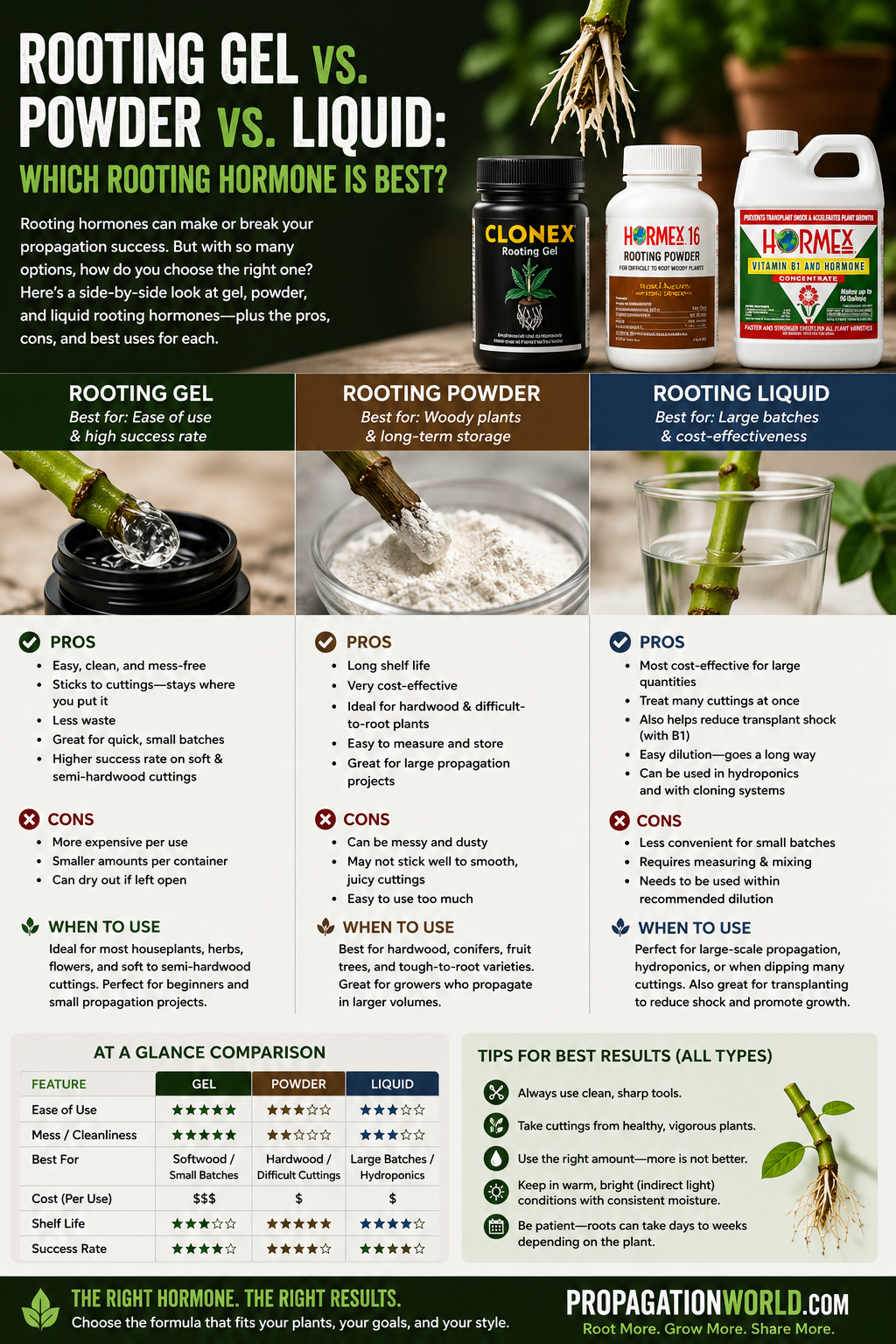
If you’re still deciding, I compared all three in Rooting Gel vs. Powder vs. Liquid Which Rooting Hormone Is Best so you can see where each one shines.
Common Mistakes With Softwood Cuttings
Even healthy softwood cuttings can fail if a few basic mistakes are made.
Waiting Too Long to Plant
Fresh cuttings should be planted as soon as possible.
Leaving them sitting in the sun or on a workbench for very long allows them to lose valuable moisture before rooting even begins.
Taking Weak Growth
Look for healthy stems that are actively growing but aren’t overly soft or damaged.
Strong parent plants almost always produce stronger cuttings.
Using Too Much Rooting Hormone
A light coating is all you need.
Covering the stem in a thick layer doesn’t increase your chances of success.
It simply wastes product and can sometimes slow rooting on sensitive plants.
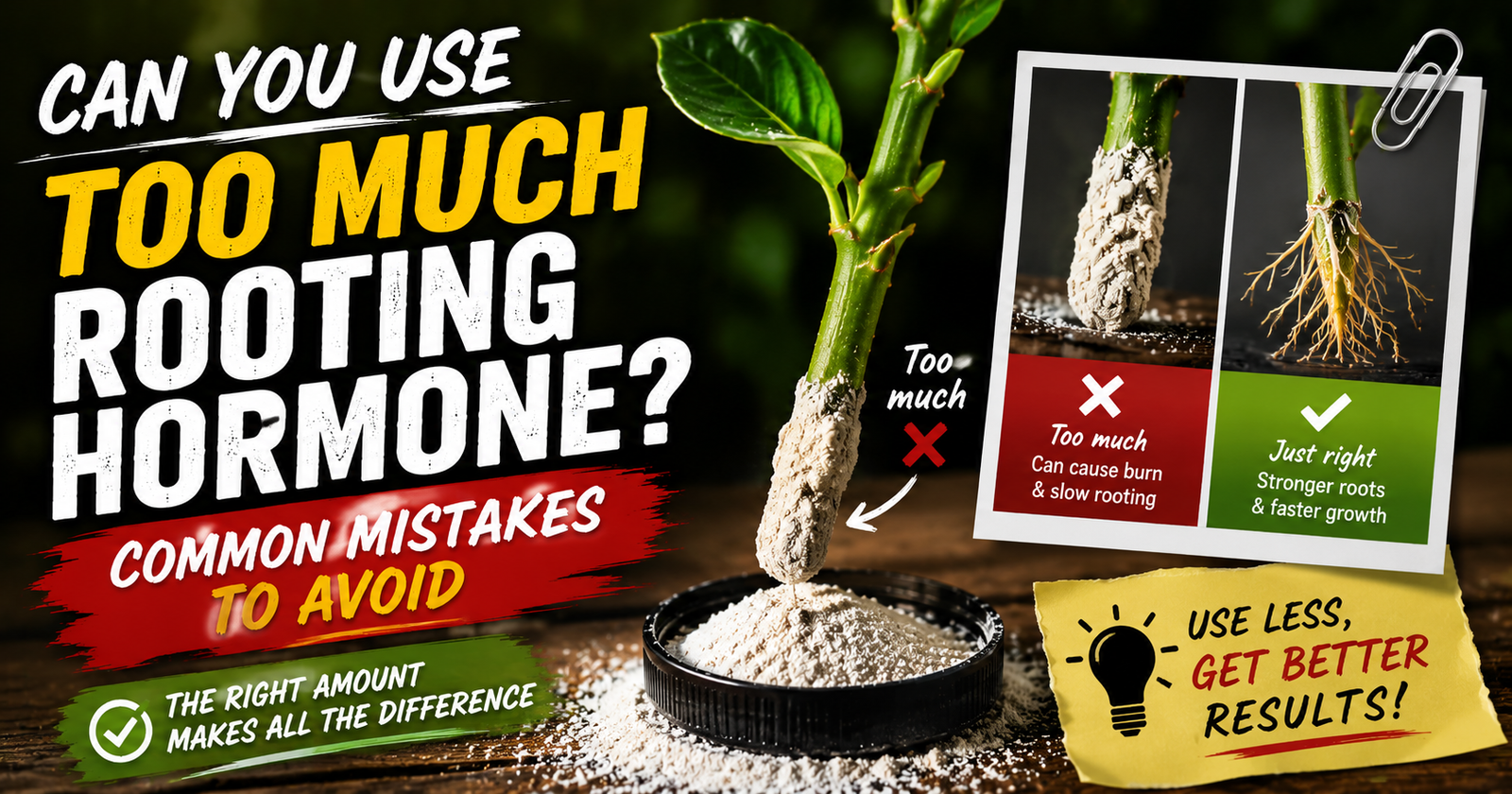
I explain why this happens in Can You Use Too Much Rooting Hormone? Common Mistakes to Avoid.
Forgetting About Humidity
This is probably the biggest reason softwood cuttings fail.
Without adequate humidity, tender stems lose water faster than they can replace it.
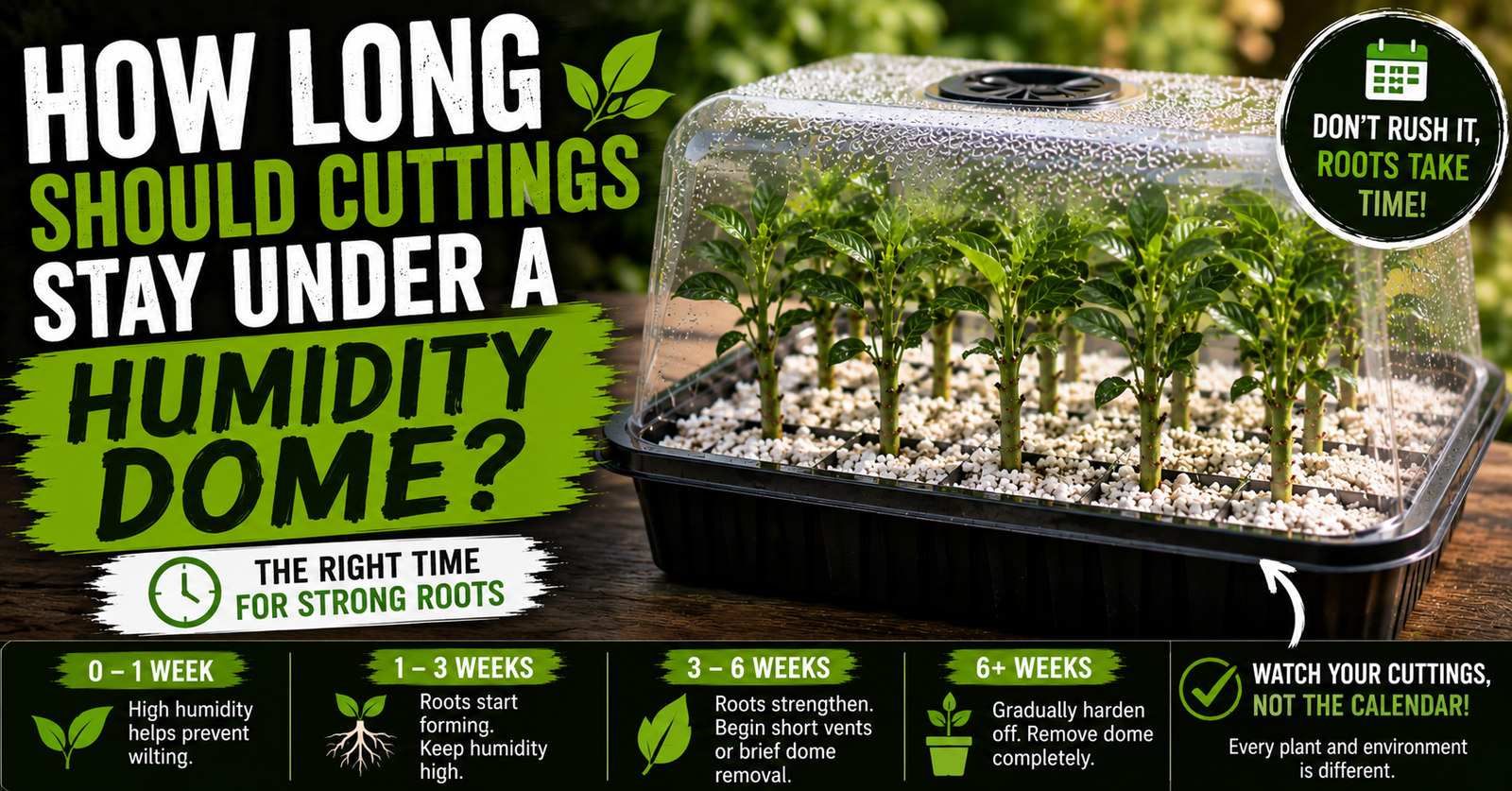
A humidity dome, plastic bag, or small propagation greenhouse can make a dramatic difference during those first few weeks.
Being Too Impatient
Softwood cuttings usually root faster than hardwood cuttings, but they still need time.
Constantly pulling them out of the propagation mix to check for roots often causes more damage than simply leaving them alone.
Sometimes the hardest part of propagation is waiting.
Frequently Asked Questions
Do softwood cuttings always need rooting hormone?
No.
Many plants root successfully without it.
However, rooting hormone often improves rooting percentages and can help encourage stronger root systems, especially on plants that are naturally a little more difficult.
Is gel better than powder?
I generally prefer gel for softwood cuttings because it clings so well to fresh stems.
That said, powder has been producing excellent results for decades and remains a fantastic choice.
When should I take softwood cuttings?
Most are taken during spring or early summer while the plant is producing fresh, flexible growth.
The exact timing depends on the species you’re propagating.
Can I root softwood cuttings in water?
Some species root extremely well in water, while others perform much better in a propagation mix.
The answer depends more on the plant than the rooting hormone itself.
My Recommendation
If I were helping a new gardener buy their first rooting hormone for softwood cuttings, I’d point them toward a quality rooting gel.
It’s simple to use, stays where it’s supposed to, and works well on many popular shrubs, flowers, and ornamental plants.
That said, powder and liquid rooting hormones are also excellent products.
The biggest difference usually isn’t the bottle you buy—it’s taking healthy cuttings, keeping them from drying out, and giving them enough time to produce a strong root system.
About the Author
Dax Weaver is the founder of Propagation World and has propagated thousands of plants through his family’s nursery. His experience includes rooting hardwood and softwood cuttings, grafting fruit trees, dividing perennials, growing plants from seed, and producing healthy nursery stock for home gardeners and landscapes. Through Propagation World, he shares practical propagation techniques, honest product reviews, and practical advice to help gardeners propagate more plants with confidence.