If you’ve ever wondered why one gardener gets roots in two weeks while yours are still sitting there doing absolutely nothing after a month, temperature may be the missing piece.
I learned this lesson the hard way.
When I first started propagating plants, I assumed room temperature was good enough for everything. Some plants proved me right. Pothos, spider plants, philodendrons, coleus, and tradescantia rooted so easily that I didn’t think much about it.
Then I started propagating hydrangeas, blueberries, roses, grapes, elderberries, figs, and other woody plants.
Suddenly, rooting wasn’t nearly as predictable.
Some cuttings rooted after a few weeks.
Others sat there for what felt like forever without producing a single root.
At first, I blamed the rooting hormone.
Then I blamed the growing medium.
I even questioned whether I had taken the cutting correctly.
The real problem was much simpler.
The rooting medium was too cold.
Once I started using bottom heat, I noticed healthier roots, faster rooting times, and much better overall success, especially during the cooler months of the year.
Today, I consider a quality propagation heat mat one of the best investments any gardener can make.
Whether you’re rooting a few houseplants on a windowsill or filling trays with hardwood cuttings inside a greenhouse, maintaining a consistent root-zone temperature can make a surprisingly big difference.
The Short Answer
A propagation heat mat gently warms the rooting medium, encouraging faster and more consistent root development. While many easy houseplants root perfectly well without one, slower-rooting shrubs, fruit plants, herbs, and hardwood cuttings often benefit from gentle bottom heat. Because results vary so much by plant difficulty, homemade treatments for cuttings can help set realistic expectations before relying on a homemade treatment.
My Favorite Heat Mat for Plant Propagation
After trying several different setups over the years, one heat mat continues earning a permanent place on my propagation bench.
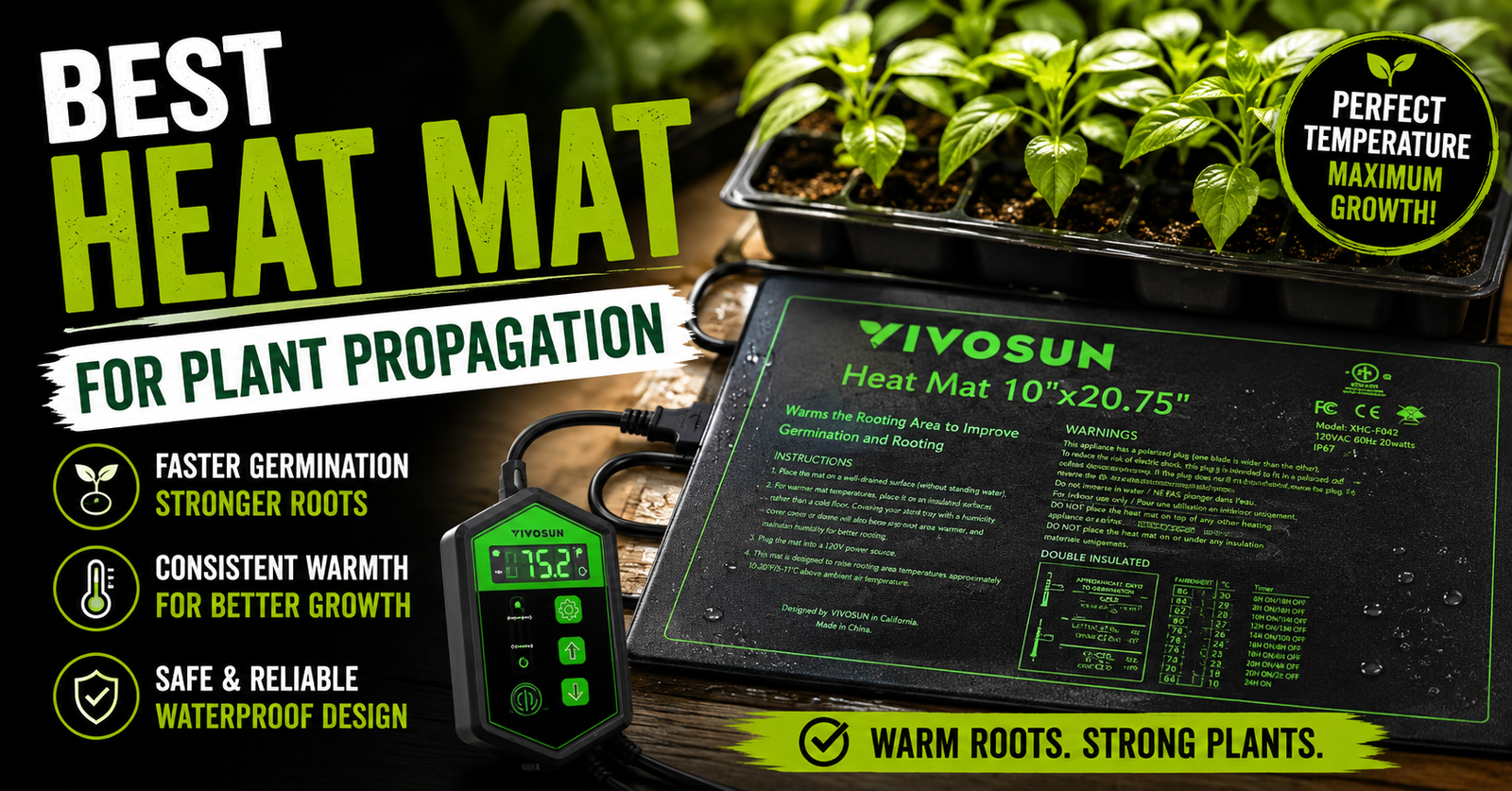
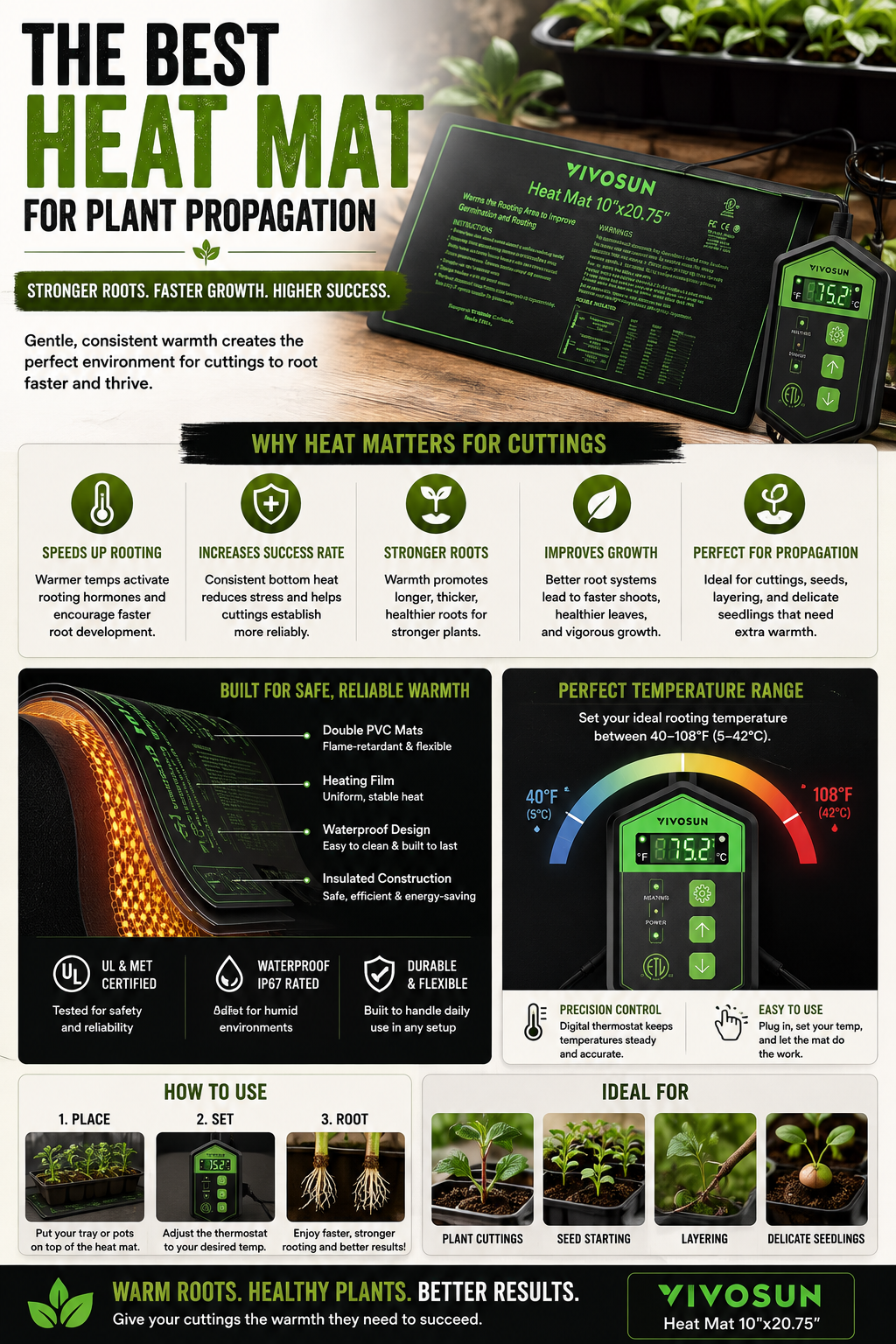
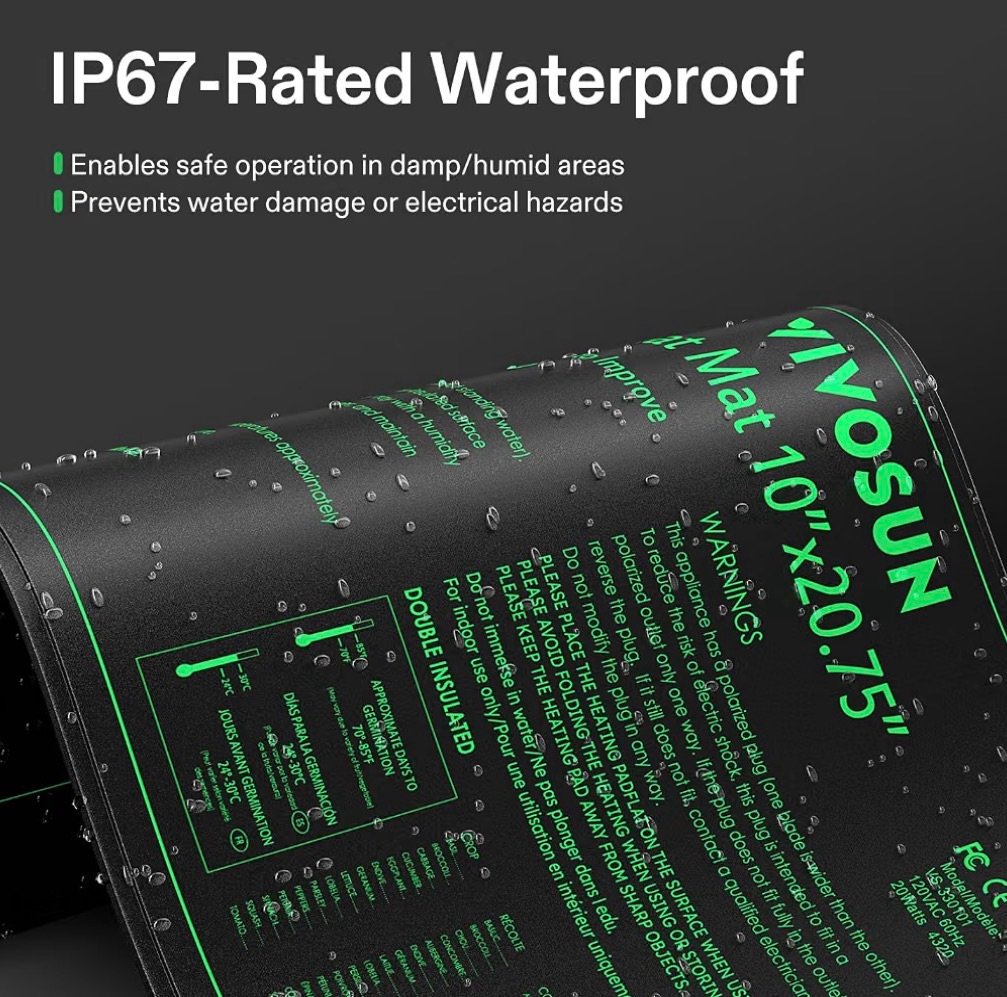
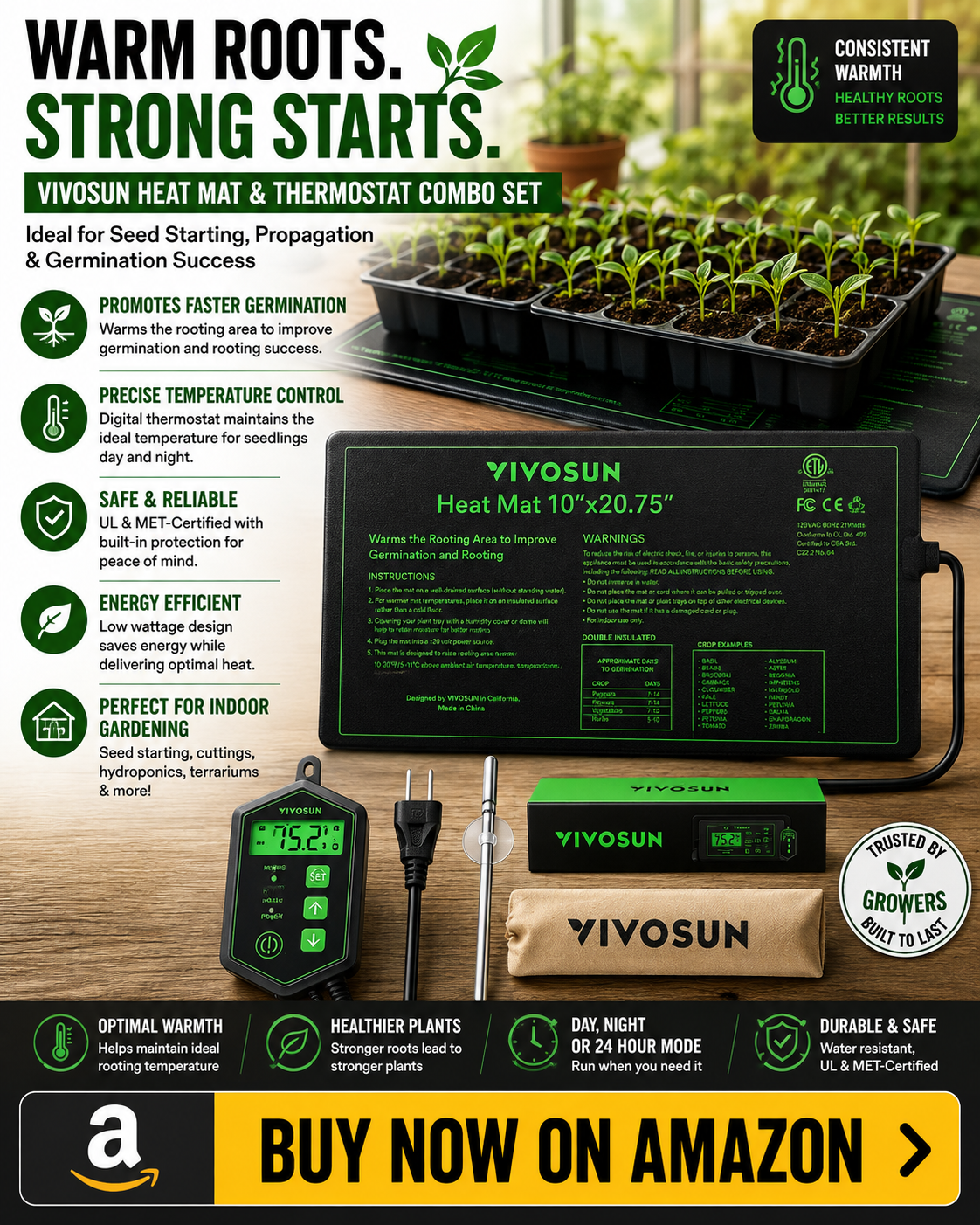
The VIVOSUN Seedling Heat Mat & Digital Thermostat Combo.

The biggest advantage isn’t simply that it gets warm.
It’s that it stays consistent.
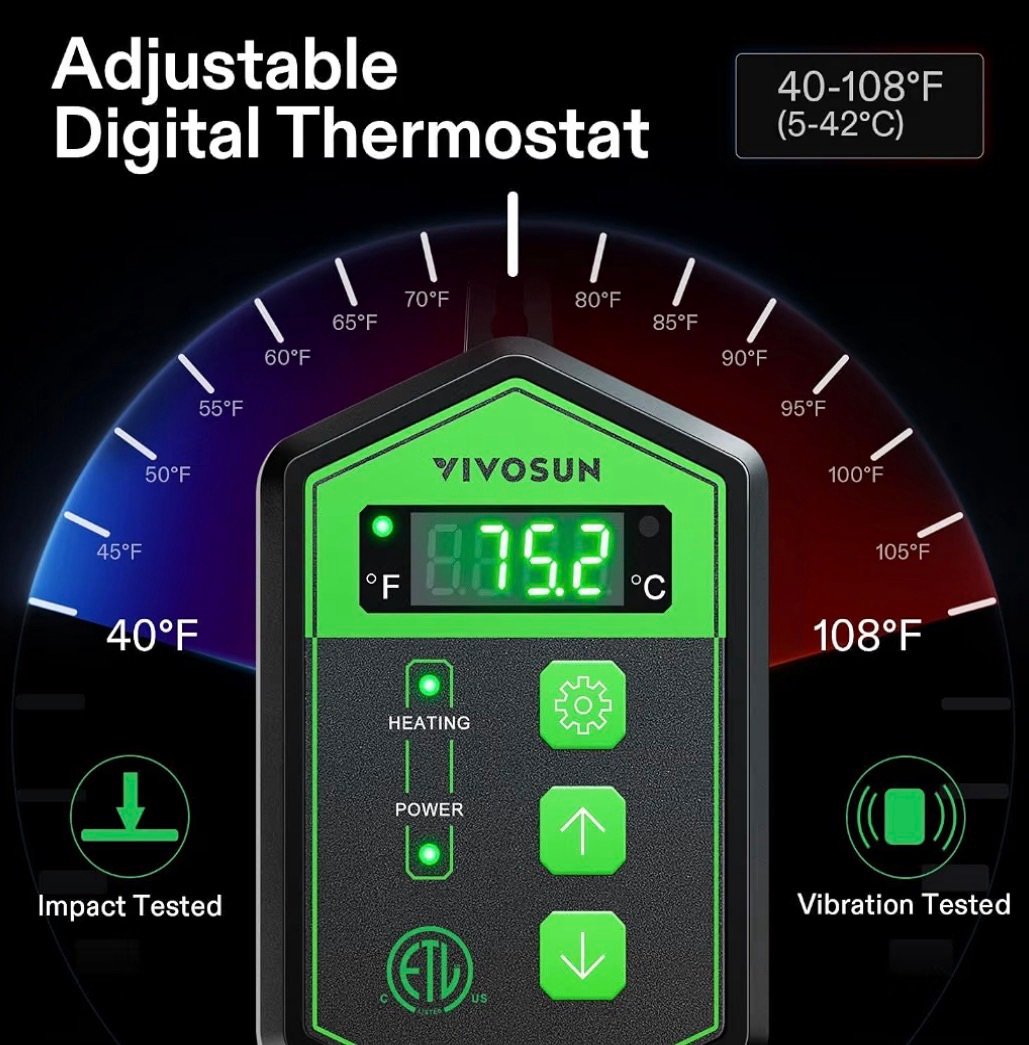
The included digital thermostat lets me set the temperature instead of guessing whether the rooting tray is getting too warm or staying too cool.
That consistency has made propagation much easier, especially during late fall, winter, and early spring when cooler temperatures naturally slow root development.
I also like that it fits standard 10 × 20 propagation trays, making it incredibly versatile whether I’m rooting ten cuttings or a hundred.
If you’re only planning to buy one propagation heat mat, this is the one I’d recommend starting with.
See Why This Is My Favorite Heat Mat for Plant Propagation
Why Bottom Heat Works
One misconception I hear fairly often is that plants only care about the temperature of the room.
In reality, the roots tell a different story.
A room can feel perfectly comfortable while the propagation tray sitting on a basement shelf or cool countertop remains much colder.
Since new roots are developing inside that propagation medium, cooler temperatures naturally slow the entire process.
Gentle bottom heat gives those developing roots a much friendlier environment without overheating the leaves or drying out the cutting.
I’ve found that this is especially helpful for woody species that naturally root more slowly than common houseplants.
The goal isn’t to make the tray hot.
The goal is to create stable conditions where roots can develop efficiently.
Plants That Benefit the Most
Some plants root so easily that a heat mat isn’t necessary.
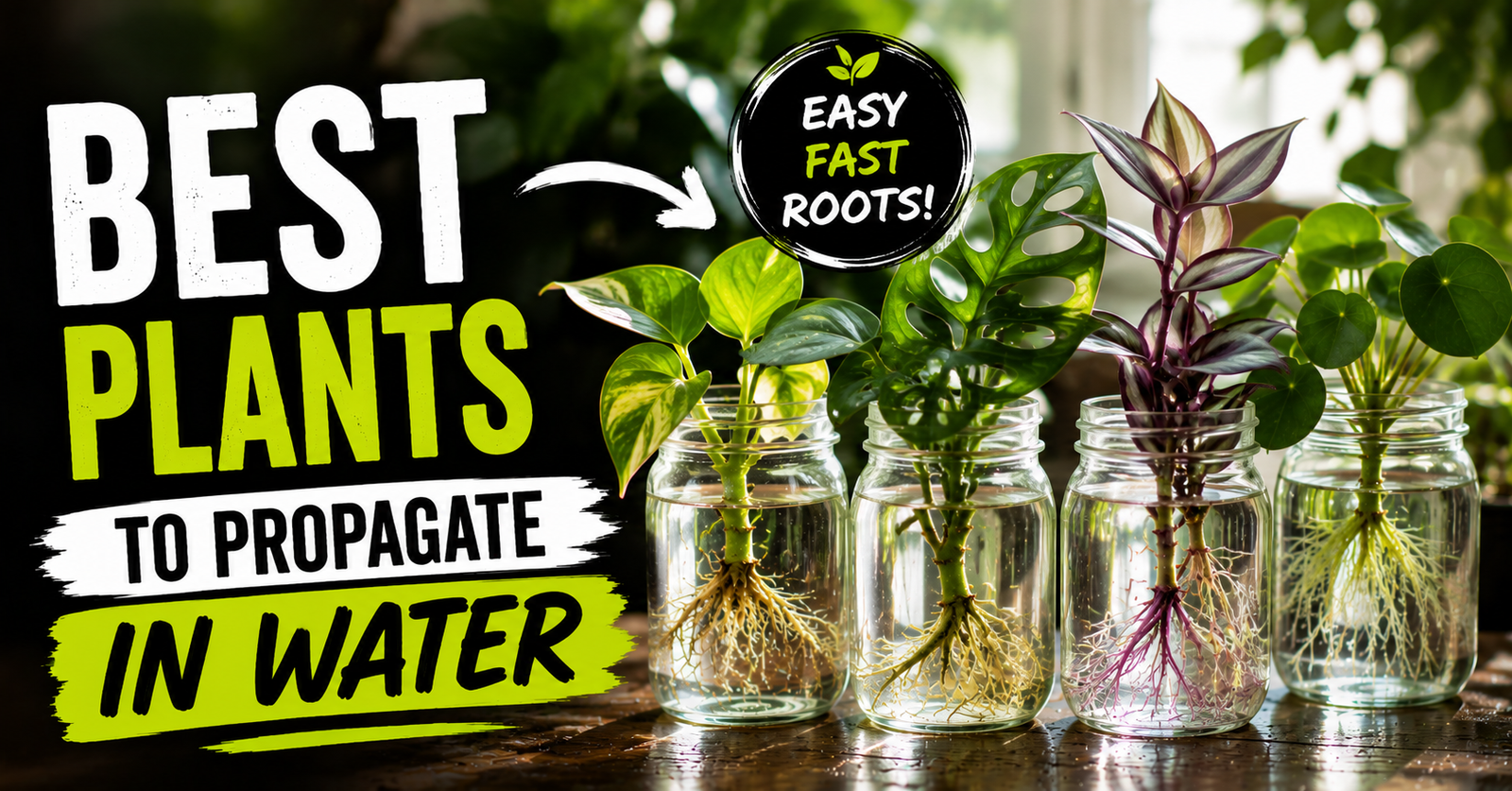
I’ve propagated countless pothos, spider plants, philodendrons, coleus, basil, mint, and tradescantia cuttings without using one.
Others are much more rewarding when the rooting medium stays warm.
Some of the plants where I notice the biggest improvement include:
- Hydrangeas
- Blueberries
- Roses
- Grapes
- Elderberries
- Fig trees
- Rosemary
- Lavender
- Citrus
- Hardwood cuttings
Those plants often root more consistently and begin producing roots sooner when bottom heat is added to the propagation setup.
A Heat Mat Won’t Fix Poor Propagation Habits
As much as I like using a heat mat, it’s important to keep realistic expectations.
A heat mat won’t save an unhealthy cutting.
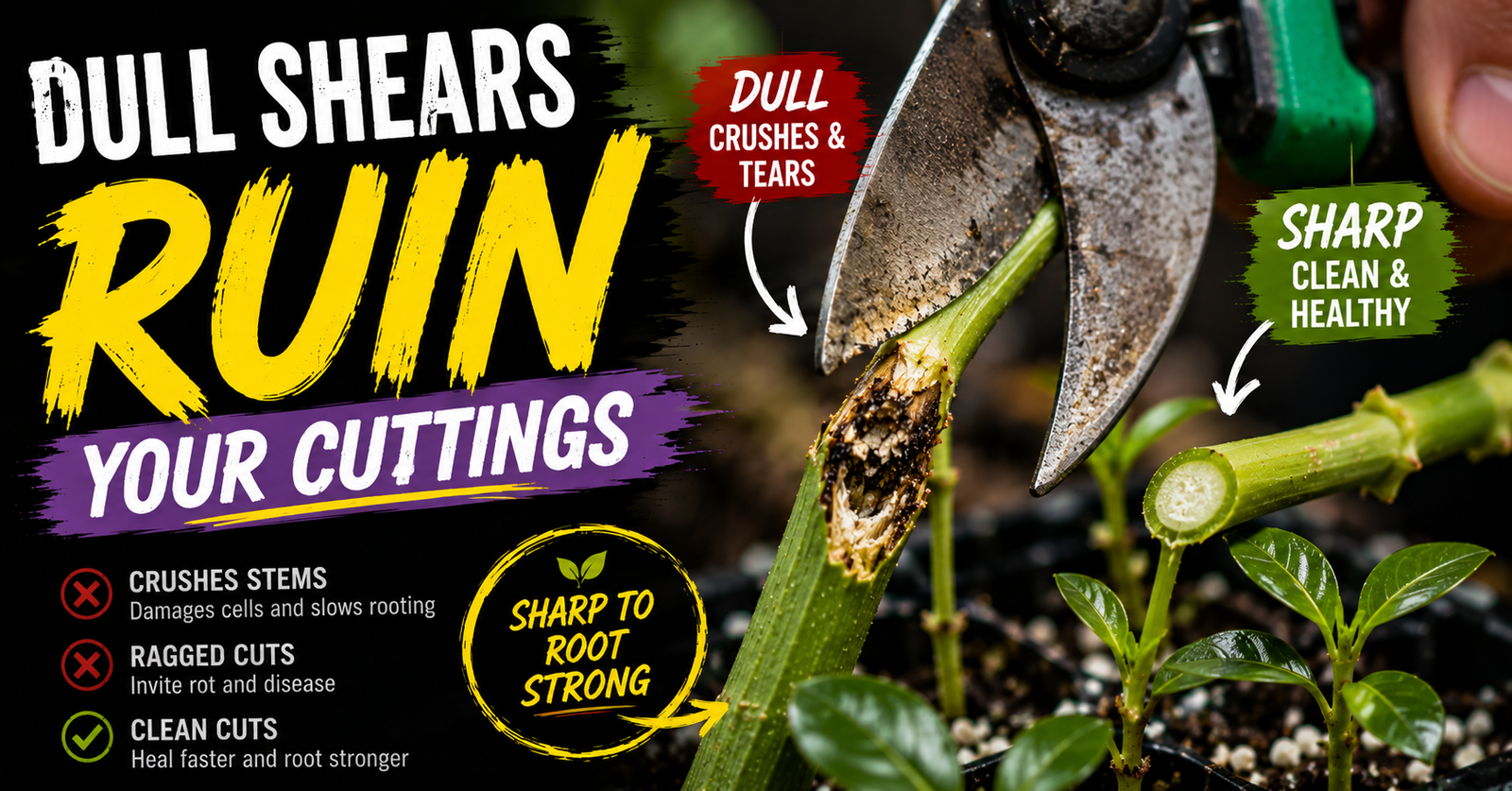
It won’t compensate for dull pruning shears.
It won’t fix dirty propagation containers.
And it certainly won’t replace patience.
Successful propagation comes from combining several good habits together.
Healthy parent plants.
Sharp pruning shears.
A clean propagation setup.
Fresh rooting medium.
Proper moisture.
Bright, indirect light.
And when conditions call for it, gentle bottom heat.
When all of those pieces come together, your chances of success improve dramatically.

Do Heat Mats Really Speed Up Rooting?
In my experience, yes.
I don’t expect miracles.
A heat mat won’t turn a plant that normally takes eight weeks to root into one that roots overnight.
That’s simply not realistic.
What I do consistently notice is steadier progress.
Cuttings tend to wake up sooner.
Root initials begin forming earlier.
Once roots appear, they often continue developing at a more consistent pace.
The biggest improvement isn’t always speed.
It’s reliability.
Instead of having half the tray rooting while the other half sits dormant, I usually see much more even results across all of my cuttings.
For anyone propagating large batches of plants, that consistency is incredibly valuable.
Why I Recommend Buying a Heat Mat With a Thermostat
If you’re shopping for your first heat mat, this is the one feature I wouldn’t skip.
Some inexpensive mats simply stay on whenever they’re plugged in.
That works, but it also means you’re guessing.
The rooting medium may be warmer than you realize during the afternoon or cooler than expected overnight.
A digital thermostat removes that uncertainty.
It automatically maintains the temperature you’ve selected instead of constantly heating the tray.
That’s one of the biggest reasons I recommend the VIVOSUN combo.
You’re buying both the heat mat and the control needed to use it properly.
See the Heat Mat and Thermostat Combo I Recommend
My Typical Heat Mat Setup
People sometimes assume propagation requires an elaborate greenhouse full of expensive equipment.
Most of the time, my setup is surprisingly simple.
I place the heat mat on a solid, level surface away from cold drafts.
A standard propagation tray sits on top.
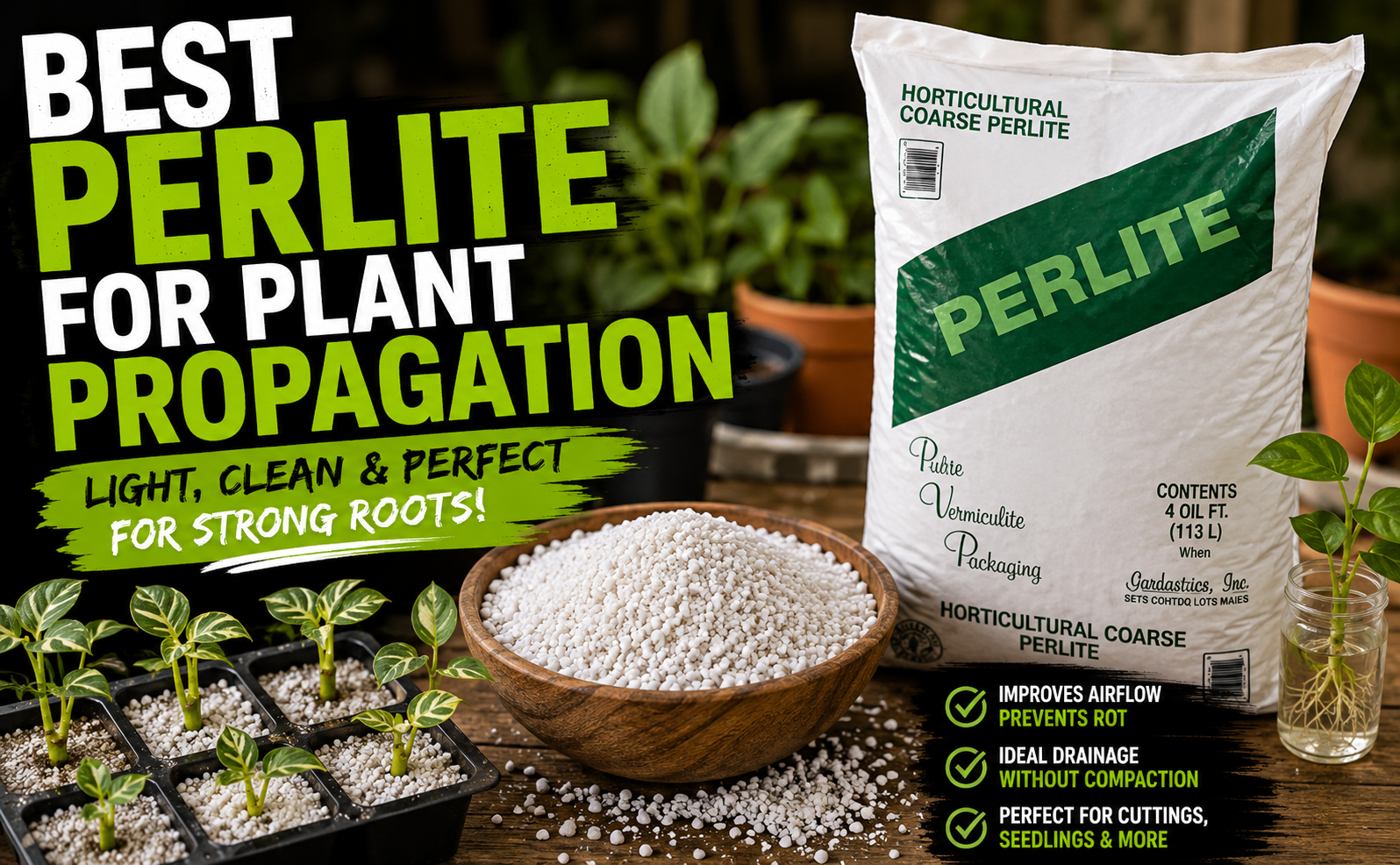
Depending on the type of cutting I’m rooting, I’ll fill the tray with perlite, a seed-starting mix, sphagnum moss, or another propagation medium. If perlite is the medium you’re considering, the best perlite for rooting cuttings explains what to look for.
After inserting the cuttings, I position the thermostat probe according to the manufacturer’s instructions so it accurately monitors the rooting medium.
From there, I simply check moisture levels, provide bright indirect light, and let the heat mat do its job.
Simple systems are often the ones you’ll actually use consistently.
Pair a Heat Mat With the Right Supplies
A heat mat is one of my favorite propagation tools, but it works even better when it’s combined with the right equipment.
For example, I always begin with clean, sharp pruning shears because a healthy cutting starts with a clean cut.
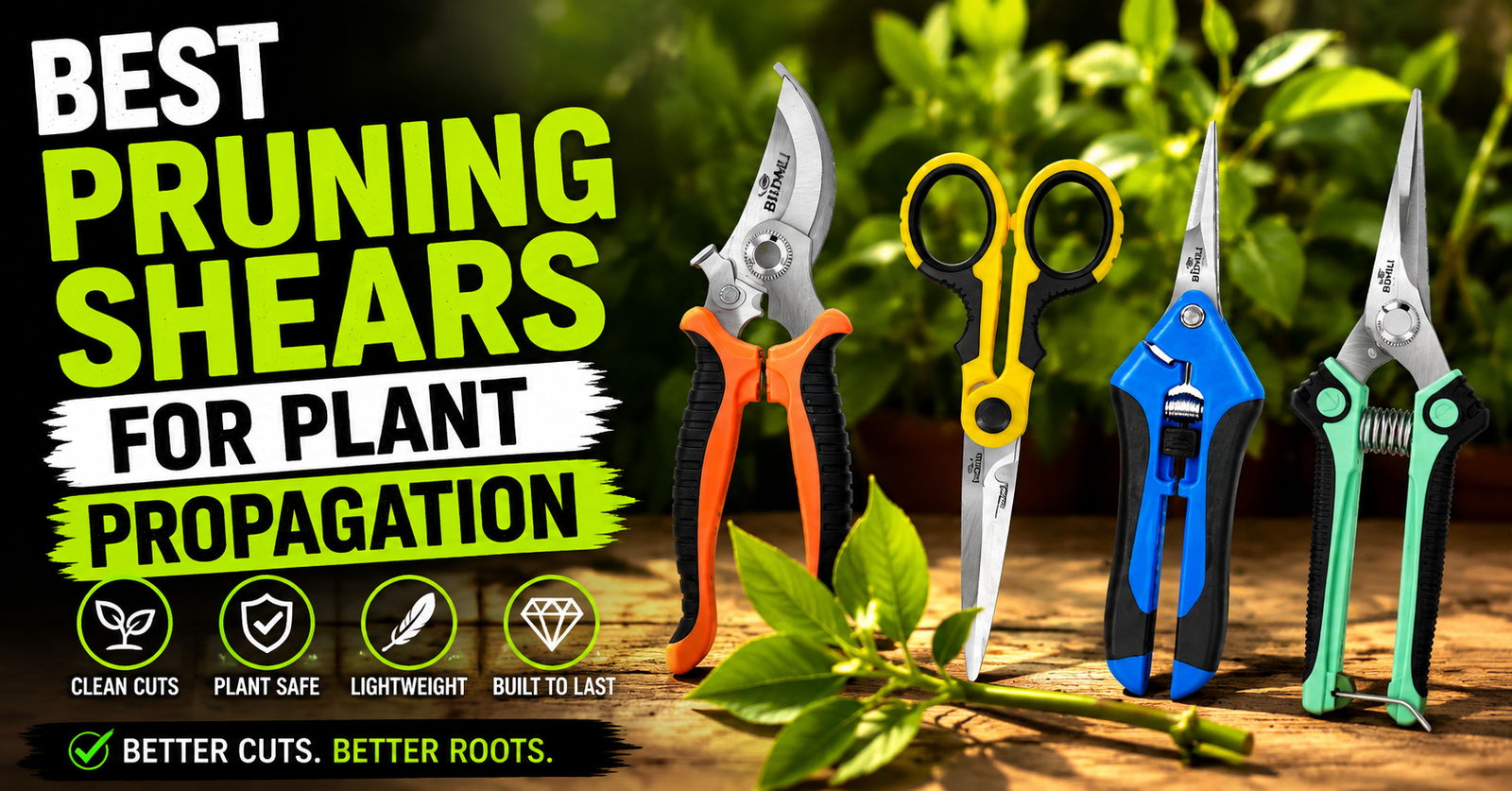
If you’re still using dull garden scissors, take a look at my favorite pruning shears for plant propagation before your next propagation project.
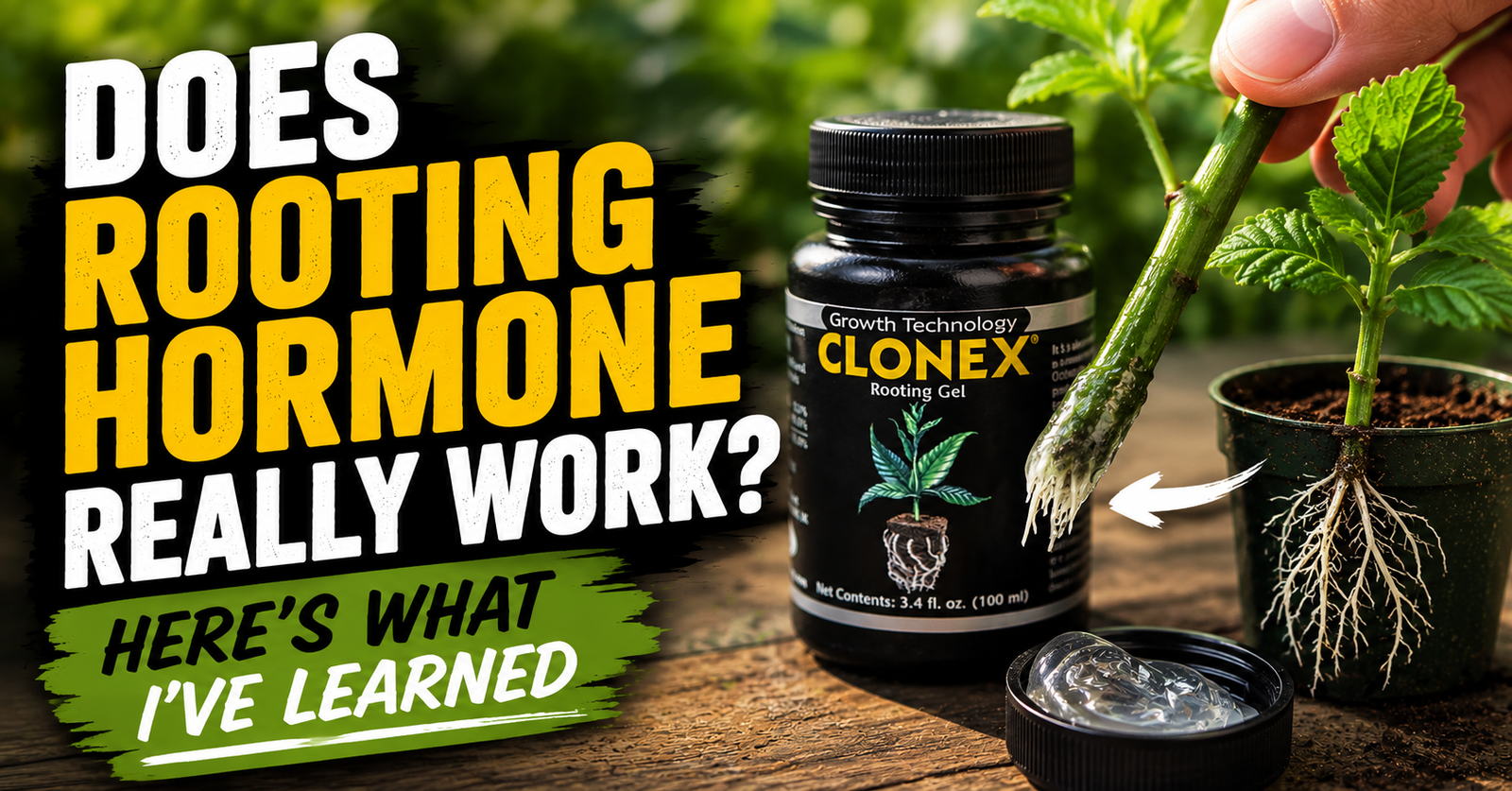
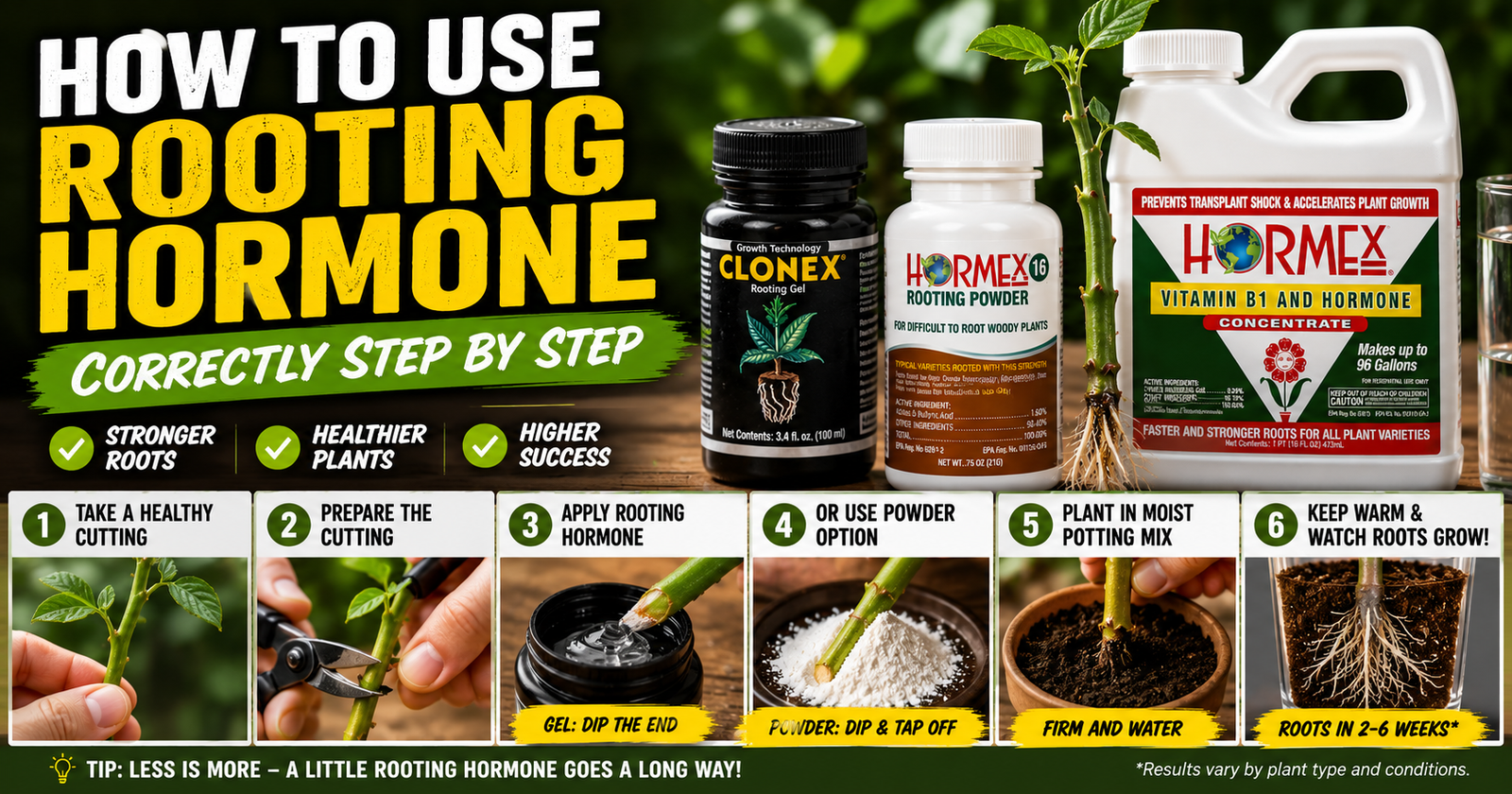
For slower-rooting plants, I also use rooting hormone whenever it makes sense.
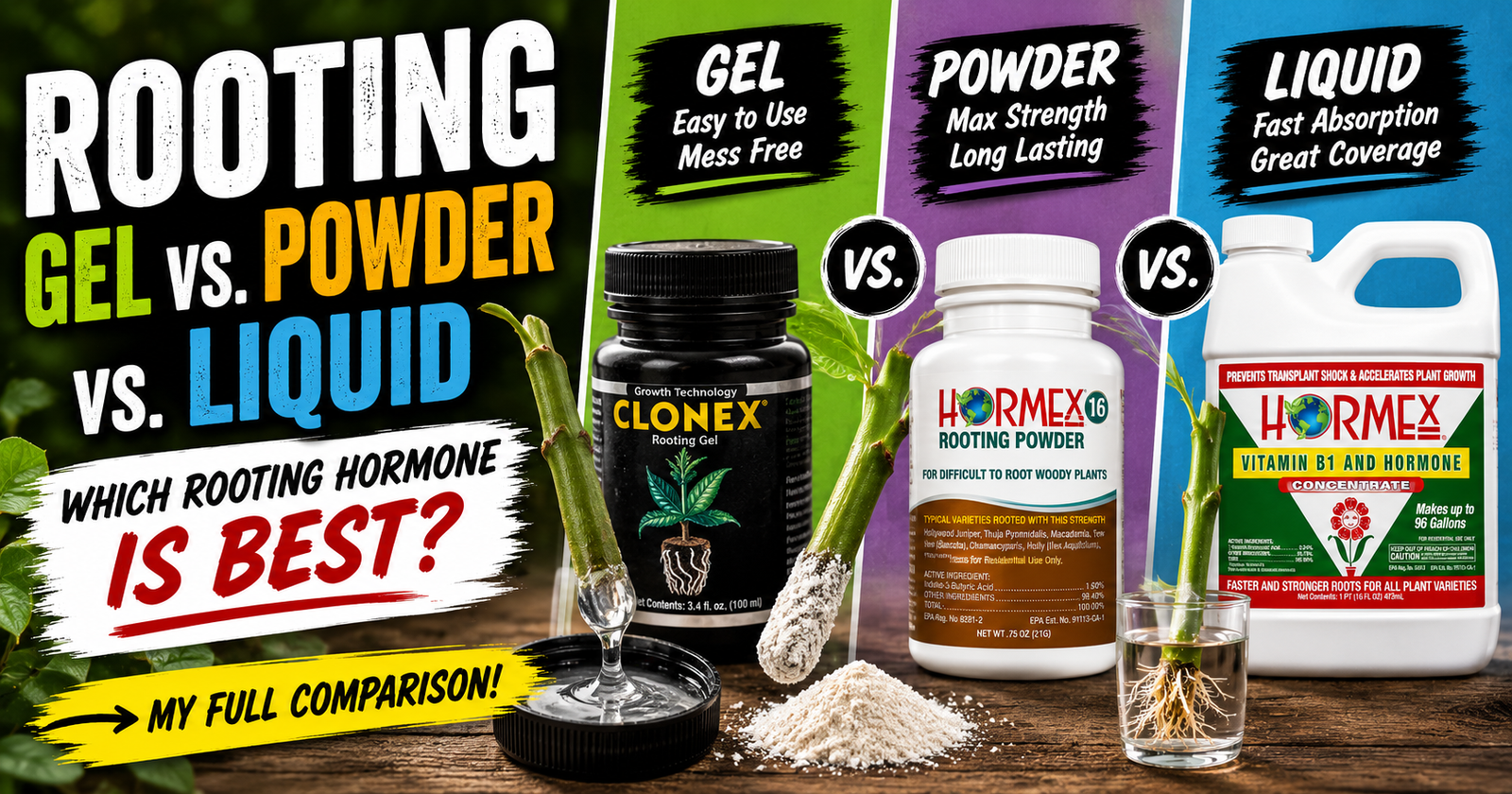
If you’re unsure which type to buy, my guide comparing rooting gel, powder, and liquid rooting hormone explains where each one performs best.
And when I’m propagating large batches at once, I often move beyond trays altogether and use my favorite aeroponic cloner for plant cuttings because it produces consistently impressive results with many species.
Each of those tools solves a different part of the propagation process, and together they create a setup that’s reliable, efficient, and enjoyable to use.
Common Heat Mat Mistakes
After helping plenty of gardeners troubleshoot propagation problems, I’ve noticed the same mistakes come up again and again.
Leaving the Heat Mat Running Without a Thermostat
More heat isn’t always better.
Consistent heat is.
Using a thermostat helps prevent unnecessary temperature swings.
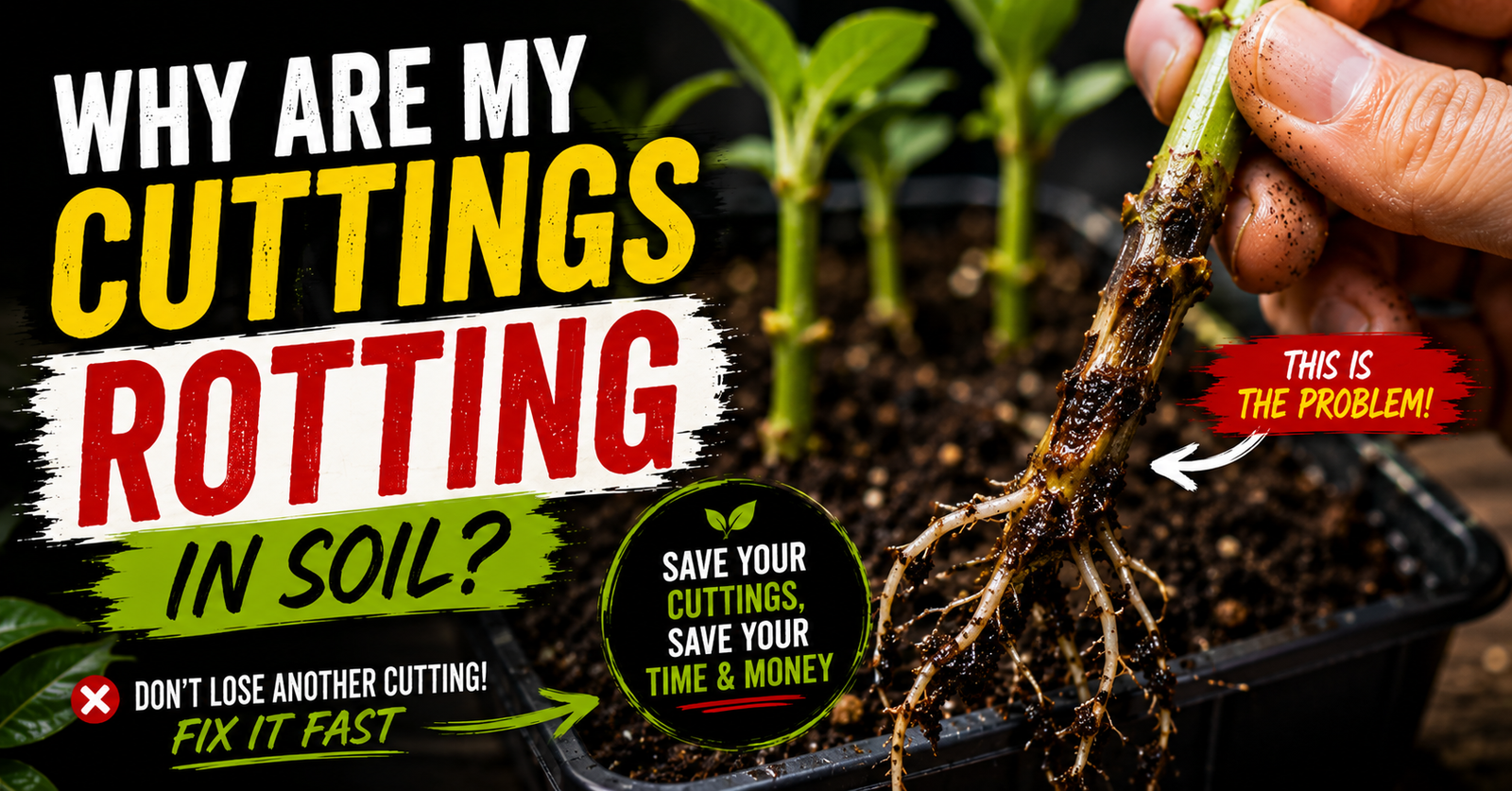
Letting the Propagation Medium Dry Out
Bottom heat can increase evaporation.
That means you’ll usually need to check moisture levels a little more often than you would without a heat mat.
The goal is lightly moist, never soaking wet.
Expecting Instant Results
A heat mat encourages better rooting conditions.
It doesn’t change how quickly a particular species naturally roots.
Patience is still part of successful propagation.
Using It for Every Plant
Some plants simply don’t need extra heat.
Easy houseplants often root perfectly well without it.
I save my heat mat for the plants that truly benefit from warmer root temperatures or for propagation during cooler seasons.
That approach keeps things simple while still giving me the biggest return from the equipment.
Frequently Asked Questions
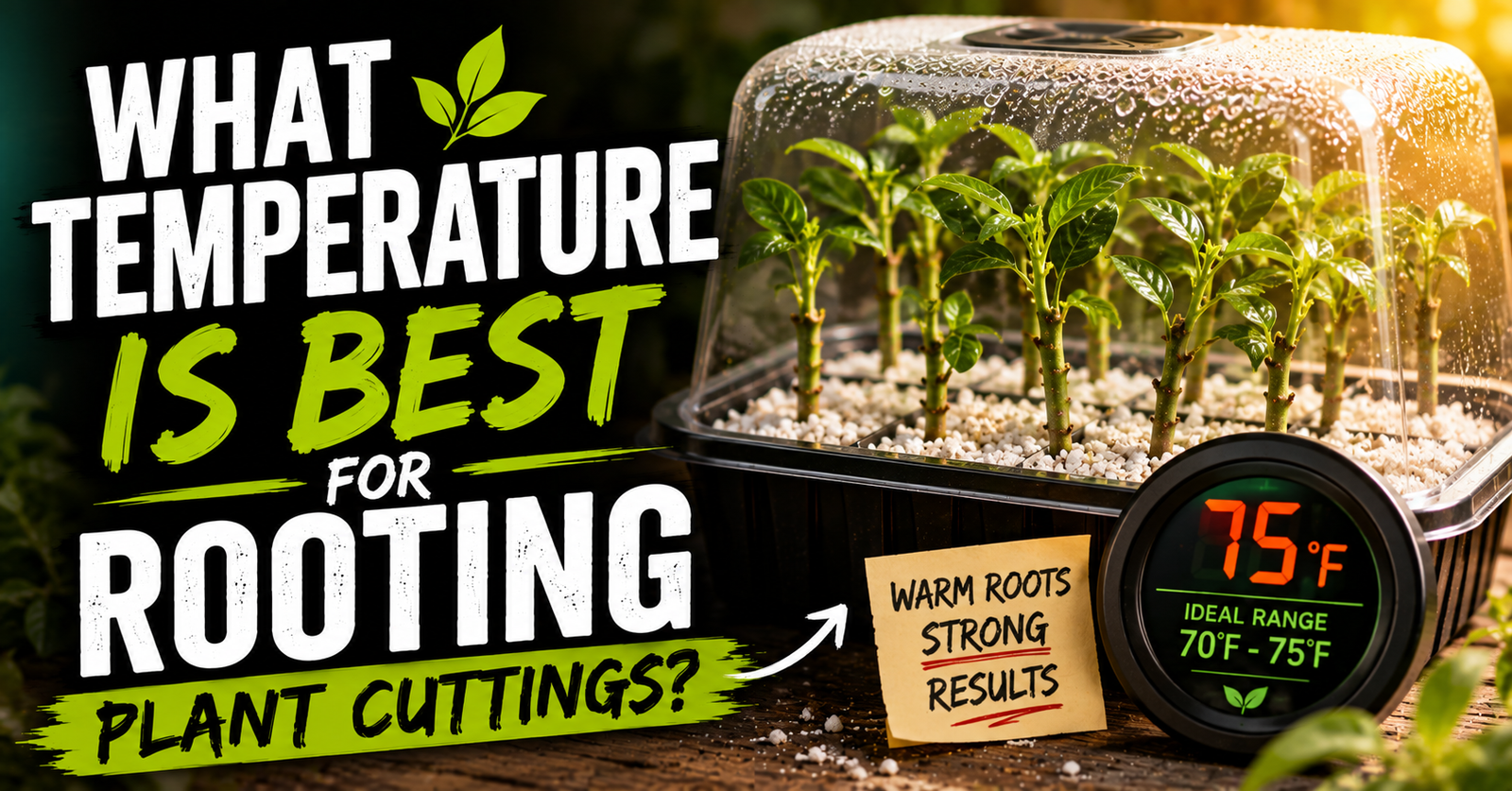
What temperature is best for rooting plant cuttings?
While the ideal temperature varies somewhat depending on the plant, I’ve found that most cuttings root best when the rooting medium stays consistently warm rather than constantly heating up and cooling down.
That’s another reason I prefer using a thermostat instead of a basic heat mat by itself.
The goal isn’t maximum heat.
The goal is stable conditions.
Can a heat mat get too hot?
Yes.
That’s exactly why I recommend buying a heat mat with a thermostat.
Without one, the rooting medium can become warmer than necessary, especially if the room itself is already warm.
Maintaining a consistent temperature is much better than allowing large swings throughout the day.
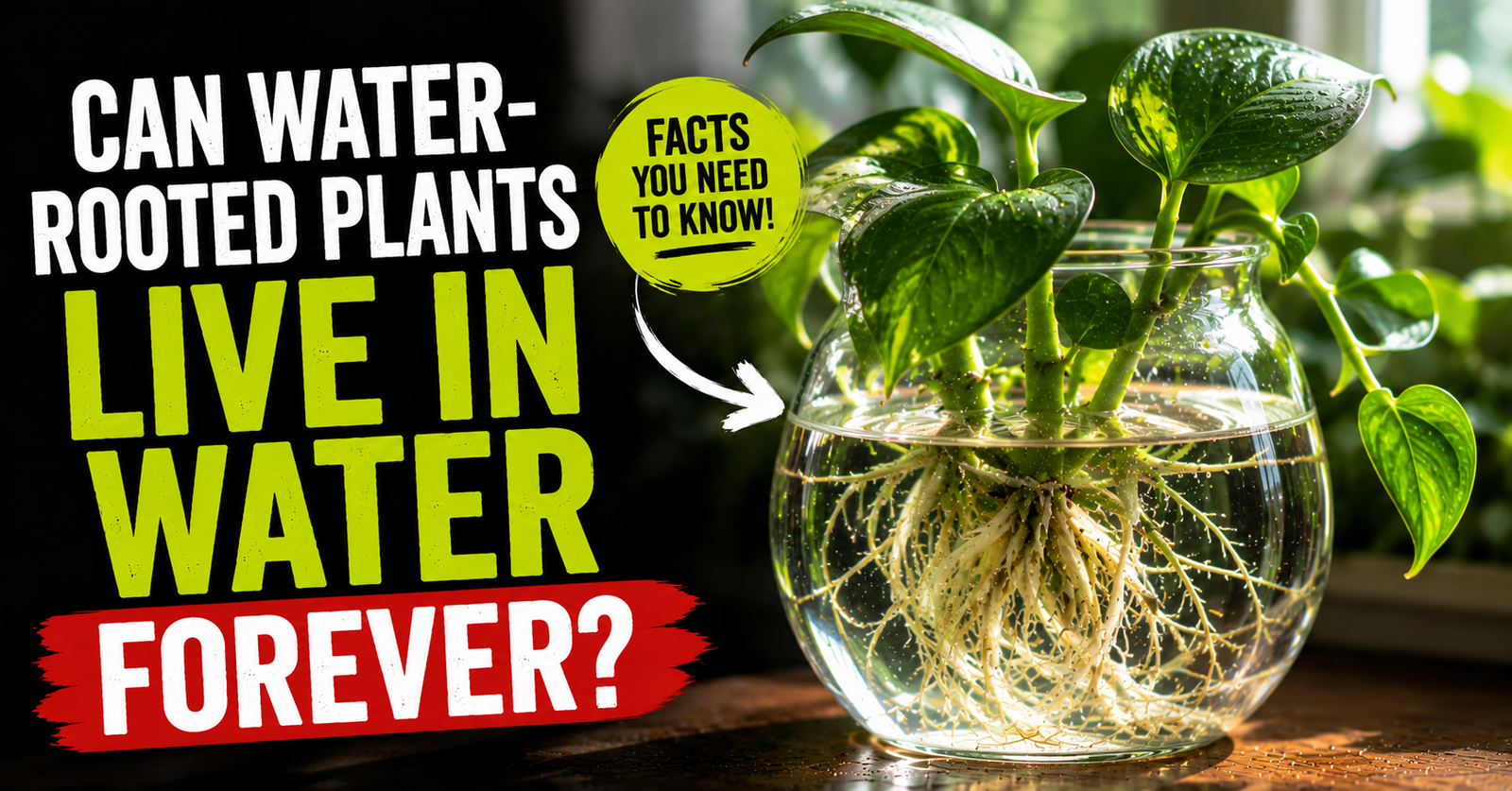
Do houseplants need a heat mat?
Many don’t.
I’ve propagated pothos, philodendrons, spider plants, tradescantia, and several herbs without using bottom heat at all.
Where I notice the biggest improvement is with slower-rooting shrubs, fruit plants, hardwood cuttings, and propagation during the cooler months of the year.
Can I leave my heat mat on all the time?
If you’re using a thermostat-controlled setup like the one I recommend, it can safely regulate itself while your cuttings are rooting.
Even then, I still check my propagation trays every day.
That gives me a chance to monitor moisture levels, inspect the cuttings, and make sure everything is progressing normally.
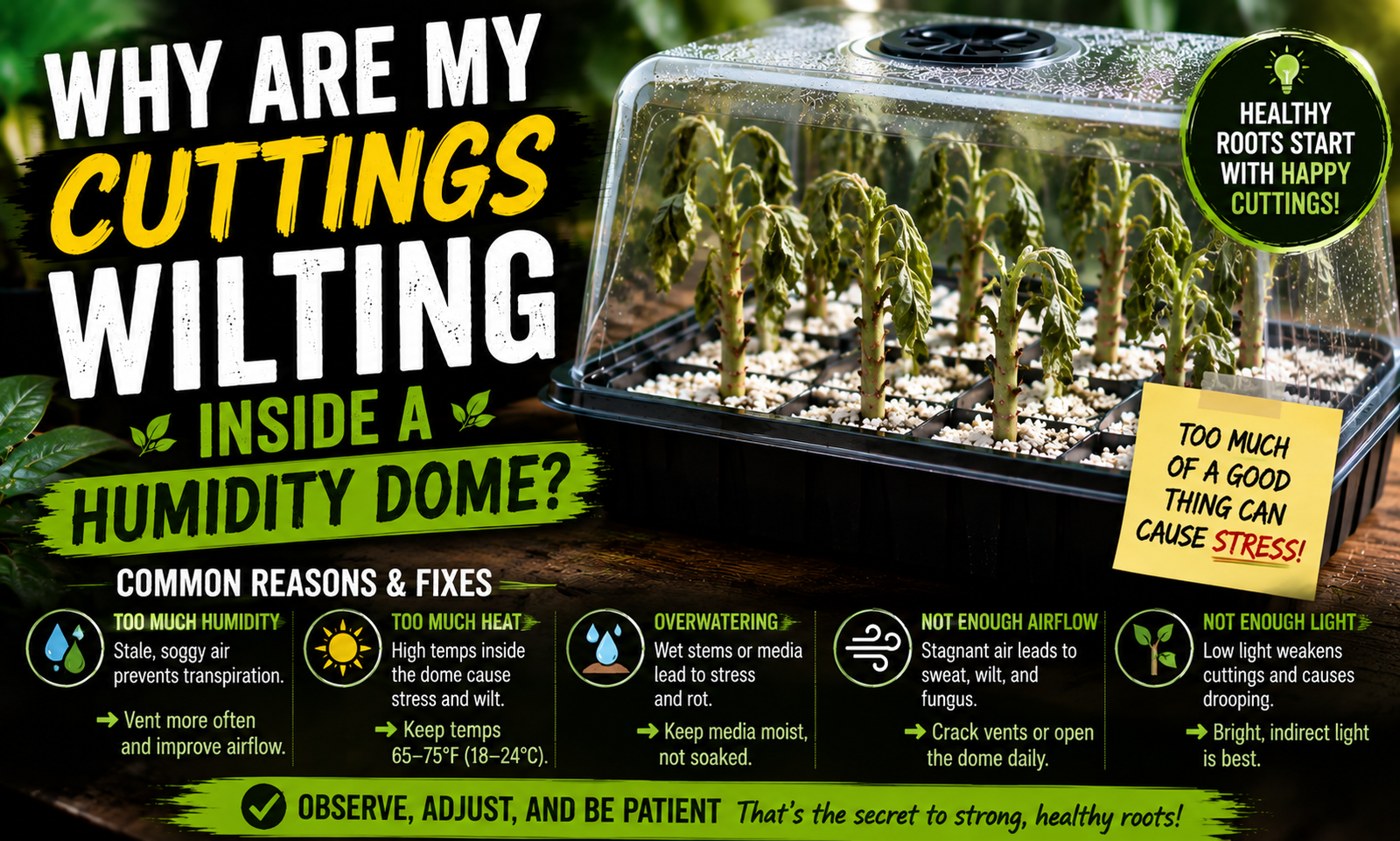
Should I use a humidity dome with a heat mat?
Many times, yes.
The two often work very well together.
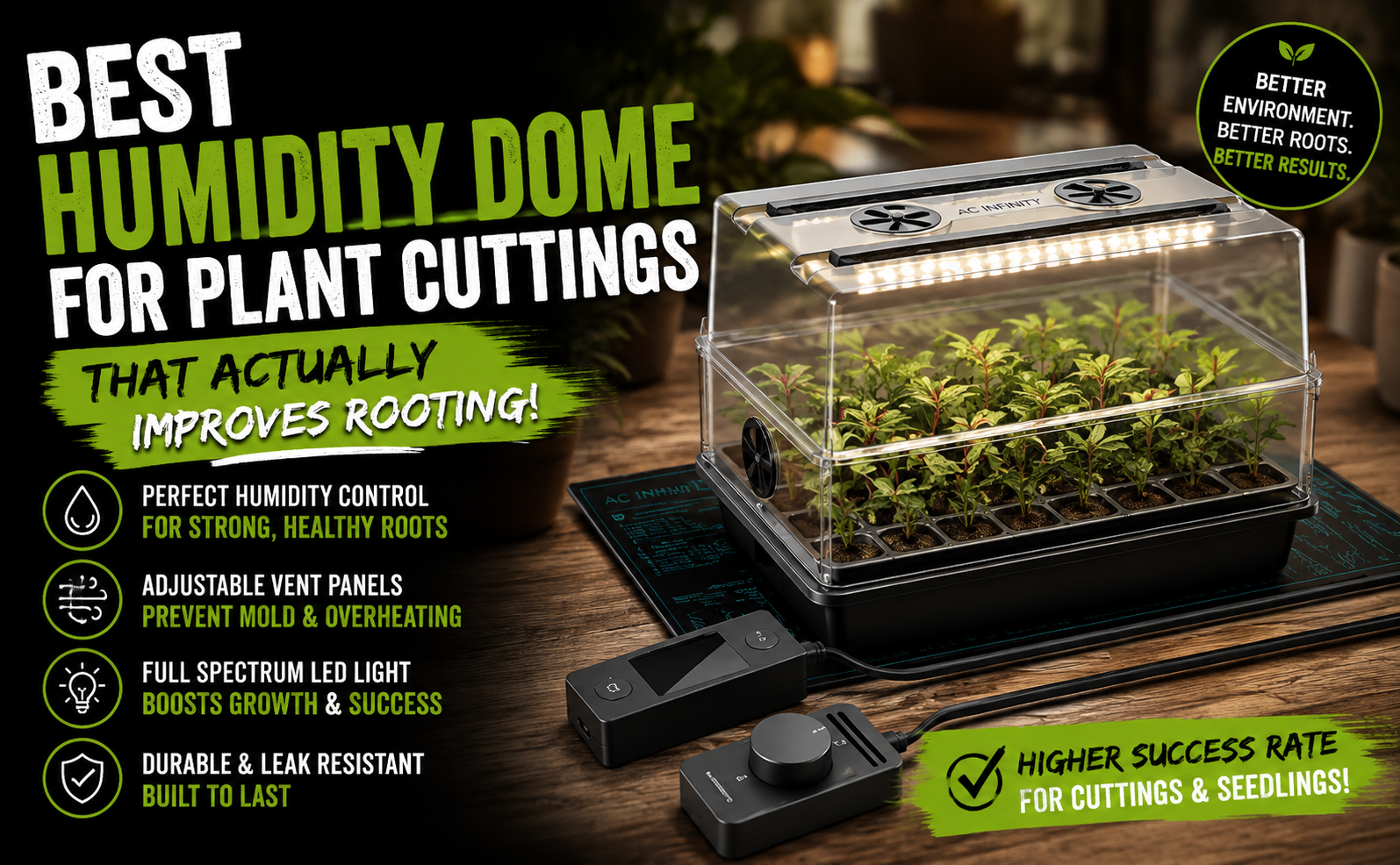
The heat mat encourages root development while the humidity dome helps reduce moisture loss through the leaves. A suitable dome can further support this balance by creating a more humid environment around the leaves; see humidity domes for plant cuttings.
That combination can be especially helpful when rooting woody shrubs or more challenging species.
Is a heat mat worth buying?
If you only propagate one pothos cutting every couple of years, probably not.
But if you regularly propagate shrubs, fruit plants, herbs, houseplants, or start seeds every spring, I think it’s one of the most useful gardening tools you can own.
Mine gets used throughout the year for far more than just propagation, which makes it an easy purchase to justify.
Build a Complete Propagation Setup
A heat mat can encourage faster, more consistent rooting, but it’s only one piece of a successful propagation system. Pairing the right temperature with proper humidity, watering, lighting, and a quality rooting medium gives your cuttings the best possible chance to thrive. For a complete walkthrough, visit The Complete Guide to Propagating Plant Cuttings.
One Tool That Quietly Improves Your Success Rate
Over the years, I’ve bought plenty of gardening tools that sounded impressive but ended up collecting dust on a shelf.
A propagation heat mat hasn’t been one of them.
It’s become one of those tools I simply expect to have available whenever I’m working with slower-rooting plants or propagating during cooler weather.
Does it guarantee success?
No.
Nothing does.
But it creates a much more favorable environment for root development, and that’s exactly what every cutting needs.
When I combine a quality heat mat with healthy cuttings, sharp pruning shears, a suitable propagation medium, and the right rooting hormone, my success rate is noticeably better than it was when I relied on room temperature alone.
If you’re serious about propagating more plants, it’s one upgrade I think you’ll appreciate every single season.
Before you decide, I’d also encourage you to compare features carefully. Some heat mats are simply heating pads, while others include the thermostat needed to maintain stable root-zone temperatures. That’s one reason I continue recommending the VIVOSUN Seedling Heat Mat & Digital Thermostat Combo. It gives you everything you need in one package instead of requiring separate purchases later.
About the Author
Daxon Weaver is the founder of PropagationWorld and has propagated thousands of plants ranging from common houseplants and herbs to fruit plants, ornamental shrubs, and trees. He enjoys testing propagation equipment, comparing gardening products, and sharing practical techniques that help gardeners root more cuttings with greater confidence and success.