
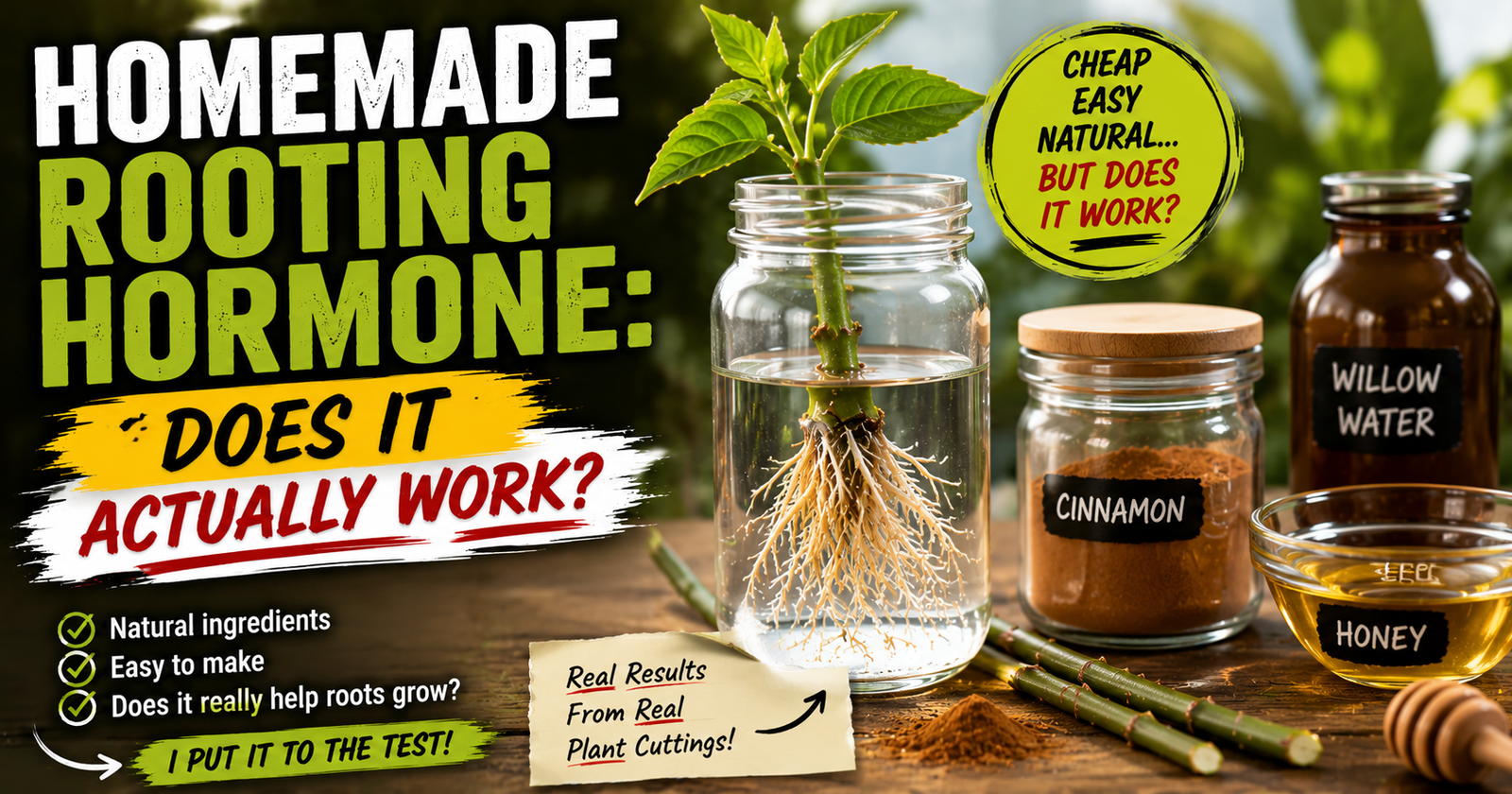
If you’ve spent any time reading gardening forums or watching propagation videos, you’ve probably come across homemade rooting hormone recipes.
Some gardeners swear by honey.
Others insist willow water is the secret.
Then there are people who recommend aloe vera, cinnamon, coconut water, or even aspirin.
At first glance, it sounds like an easy way to save money.
Why buy a commercial rooting hormone when you might already have something in your kitchen?
The truth is a little more complicated.
Some homemade alternatives may offer benefits for plant cuttings, while others have gained popularity despite having very little evidence that they actually encourage root formation.
That doesn’t mean they’re useless.
It just means it’s important to understand what they can—and can’t—do before expecting the same results as a commercial rooting hormone.
Let’s look at the most popular homemade options and whether I think they’re worth trying.
My Quick Answer
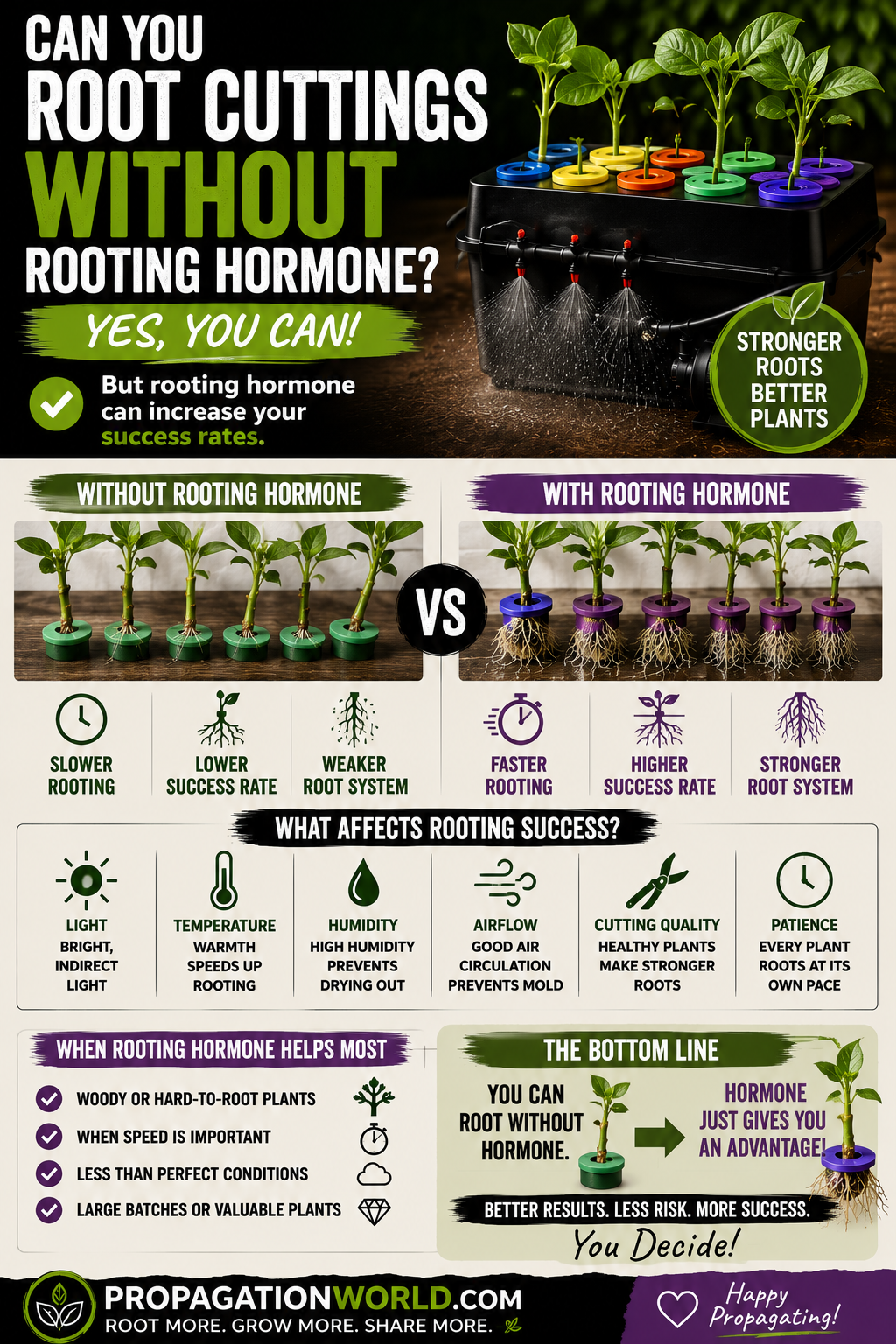
If you’re rooting easy plants like pothos, coleus, mint, or wandering dude, homemade rooting hormone may work well enough because those plants naturally root with very little encouragement. These easy-to-root plants are also good candidates when you want to Can You Root Cuttings Without Rooting Hormone? before trying a homemade alternative.
However, if you’re propagating hardwood cuttings, fruit trees, roses, hydrangeas, or other plants that are more difficult to root, I would choose a commercial rooting hormone every time. Elderberries are one example of a fruiting shrub that can be propagated from cuttings; see growing elderberries from cuttings for an overview of that process.
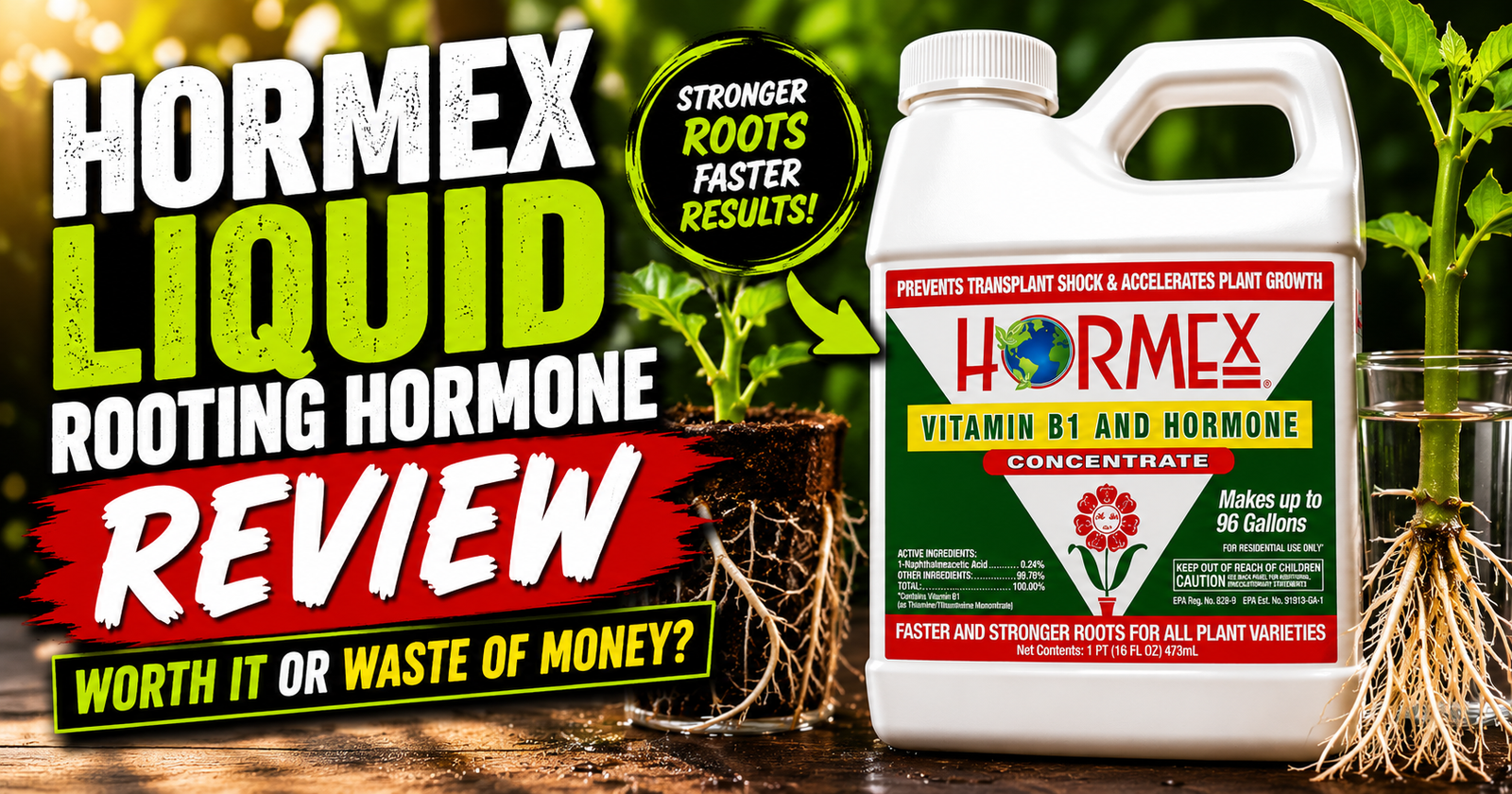
Commercial products contain carefully measured rooting hormones specifically designed to stimulate root development.
Most homemade alternatives do not.

Why Commercial Rooting Hormones Work
Before comparing homemade options, it helps to understand why commercial rooting hormones are so reliable.
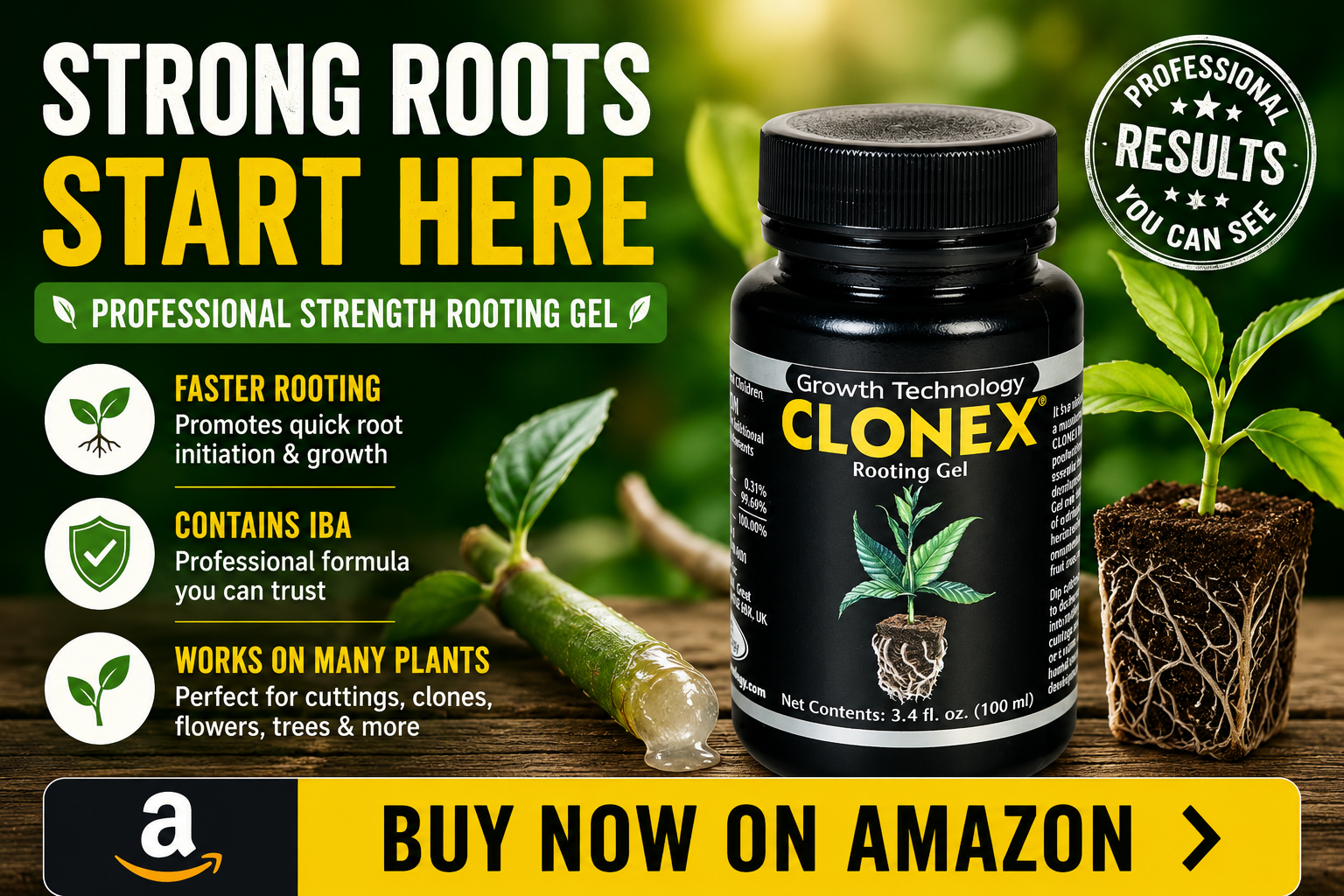
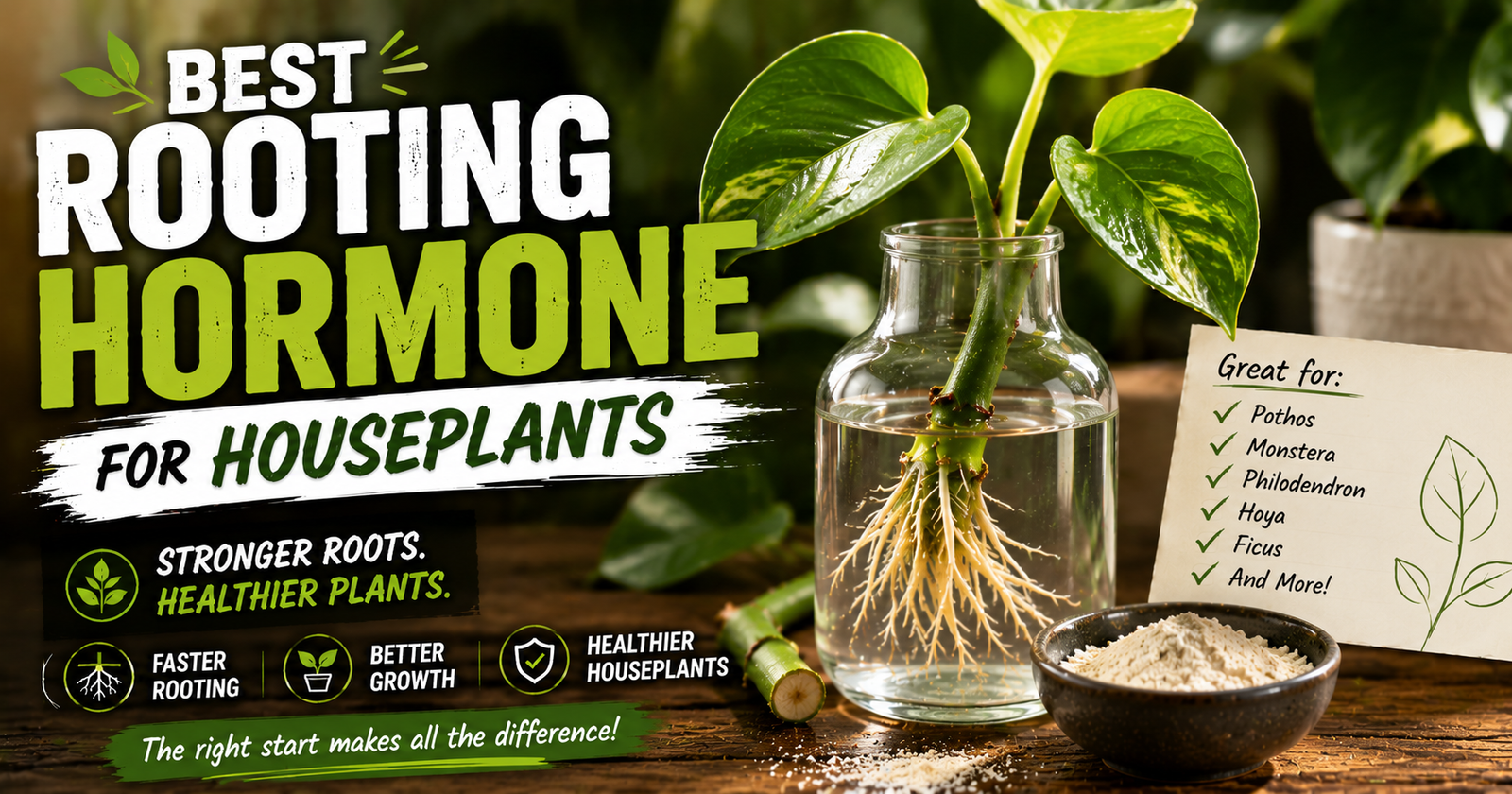
Products like rooting gels, powders, and liquid concentrates contain plant growth regulators that encourage cells near the cut end of the stem to begin producing new roots. For gardeners who prefer a ready-to-use gel, rooting gel is one commercial option to compare.
They’re designed specifically for propagation.
That doesn’t guarantee every cutting will root, but it gives many plants a much better chance.
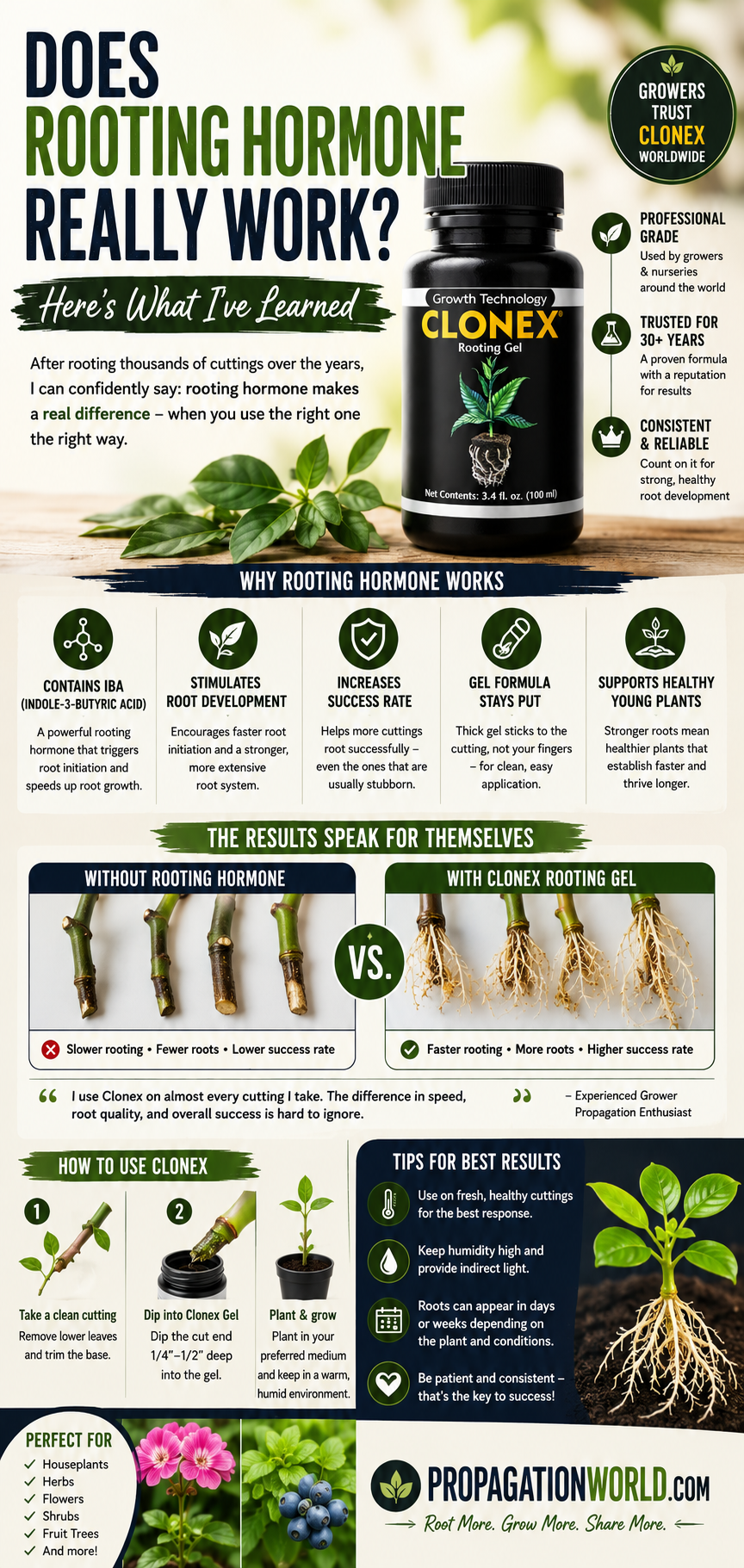
If you’d like to understand the science behind them, I explain it in Does Rooting Hormone Really Work?.
Honey
Honey is probably the most famous homemade rooting hormone.
But here’s something that surprises many gardeners.
Honey isn’t actually a rooting hormone.
It doesn’t contain the same plant growth regulators found in commercial products.
So why do people use it?
Honey has natural antimicrobial properties that may help keep the cut end of a stem cleaner while it begins healing.
That’s different from actively stimulating root production.
For easy-to-root plants, honey may work just fine because those plants were already likely to root.
For more challenging species, I wouldn’t expect honey alone to match the performance of a commercial rooting hormone.
Willow Water
If I had to choose one homemade option with the strongest reputation, it would probably be willow water.
Young willow branches naturally contain compounds involved in plant growth and healing.
Gardeners have been soaking willow stems in water for generations to create a homemade propagation solution.
Does it work?
Many gardeners believe it helps.
However, the strength of homemade willow water can vary significantly depending on the species of willow, the age of the branches, and how it’s prepared.
That’s one reason commercial rooting hormones remain much more consistent.
Aloe Vera
Fresh aloe vera gel is another popular recommendation.
Like honey, aloe isn’t considered a true rooting hormone.
Instead, gardeners often use it because it helps keep the cut surface moist while providing naturally occurring compounds that may support overall plant health.
I’ve seen many gardeners report good success with aloe on easy-to-root plants.
Whether it directly stimulates root formation to the same degree as commercial rooting hormone is far less certain.
Cinnamon
Cinnamon gets mentioned in almost every list of homemade rooting hormones.
Personally, I think it’s one of the most misunderstood.
Cinnamon isn’t a rooting hormone.
Gardeners usually use it because it may help reduce fungal problems around fresh cuttings.
That’s a useful benefit.
But preventing disease isn’t the same as encouraging new root growth.
If your goal is stronger rooting, cinnamon shouldn’t be viewed as a replacement for a true rooting hormone.
Coconut Water
Coconut water has become increasingly popular because it naturally contains nutrients and plant compounds.
Some gardeners soak cuttings in it before planting.
Could it help?
Possibly.
But like many homemade alternatives, the exact composition varies considerably from one coconut to another.
Consistency is one of the biggest challenges with nearly every DIY rooting hormone.
Commercial products remove much of that guesswork.
Aspirin
Every so often, you’ll see someone recommend dissolving an aspirin tablet in water before dipping plant cuttings.
This idea has been around for years, but it’s often misunderstood.
While aspirin contains salicylic acid derivatives that play a role in plant defense responses, it isn’t considered a rooting hormone.
Some gardeners report positive results, while others notice no difference at all.
In my opinion, there’s simply not enough consistent evidence to rely on aspirin as a substitute for a product specifically formulated for propagation.
If you already have a bottle of rooting hormone, I’d use that instead.
Which Homemade Option Works Best?
If I ranked the most popular homemade alternatives based on their reputation among gardeners, I’d probably put them in this order:
- Willow water
- Aloe vera
- Honey
- Coconut water
- Cinnamon
- Aspirin
That doesn’t necessarily mean the first one produces roots better than the others every time.
It simply reflects which options seem to have the strongest reputation for supporting propagation.
Even then, I’d still view them as alternatives for experimentation rather than replacements for commercial rooting hormones.
When Homemade Rooting Hormone Makes Sense
There are definitely situations where I’d be happy to use a homemade option.
You’re Propagating Easy Plants
Plants like pothos, coleus, mint, wandering dude, spider plants, and many succulents naturally root so easily that a homemade treatment may be all they need—or no rooting hormone at all.
You’re Experimenting
Propagation is part science and part fun.
If you enjoy testing different methods, homemade rooting hormones can be an interesting experiment.
Try taking several cuttings from the same plant.
Treat one with a commercial rooting hormone, one with a homemade alternative, and leave one untreated.
Seeing the results for yourself is often more valuable than reading someone else’s opinion.
You Don’t Have Commercial Rooting Hormone
Sometimes you’re already outside taking cuttings and simply don’t have a bottle of rooting hormone available.
Rather than postponing the project, a homemade alternative may be worth trying—especially with plants that are already known for rooting easily.
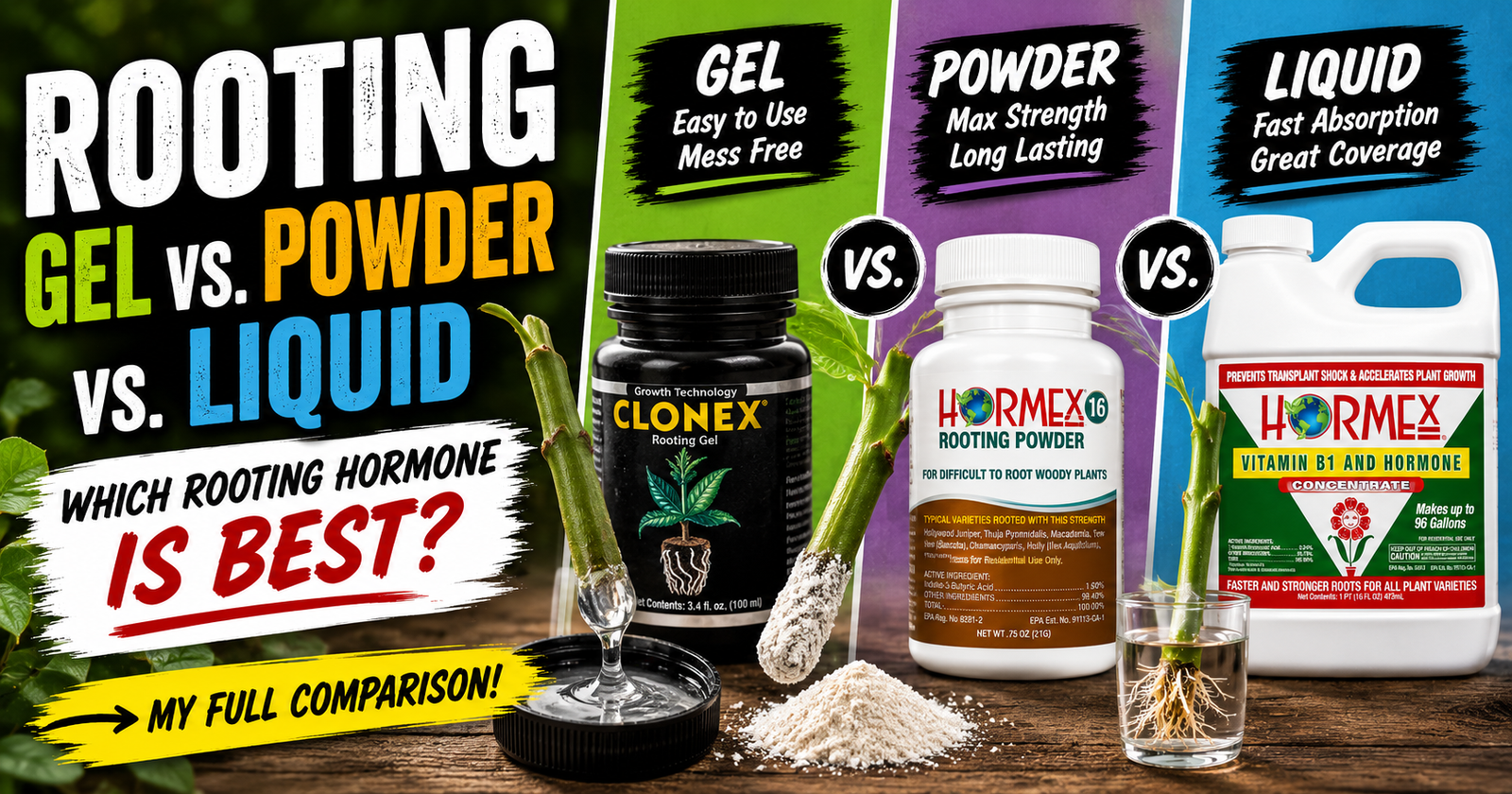
If you’re still deciding which commercial product would make the most sense for your garden, my comparison of Rooting Gel vs. Powder vs. Liquid Which Rooting Hormone Is Best? explains the strengths of each type and when I’d choose one over another.
When I’d Skip Homemade Rooting Hormone
There are also situations where I wouldn’t take the chance.
If I’m propagating something valuable or difficult to replace, I want every advantage I can get.
That includes:
- Fruit trees
- Roses
- Hydrangeas
- Japanese maples
- Camellias
- Evergreen shrubs
- Hardwood cuttings
- Rare houseplants
These plants often require more patience and have lower success rates than common houseplants.
Using a commercial rooting hormone simply gives me more confidence.
Why I Still Prefer Commercial Rooting Hormones
The biggest advantage isn’t necessarily that they’re stronger.
It’s that they’re consistent.
Every application contains the same carefully formulated concentration.
Every batch performs the same way.
That’s difficult to achieve with homemade recipes because the ingredients naturally vary.
If you’re still deciding which type to buy, I put together a comparison of rooting gel, powder, and liquid rooting hormones that explains when each one makes the most sense.
Homemade Doesn’t Mean Better
There’s a common belief that because something is natural, it must automatically be better.
I don’t think that’s always true.
Some homemade propagation methods have been passed down through generations because they genuinely help in certain situations.
Others have become popular simply because they’ve been repeated so many times online.
That doesn’t mean they’re ineffective—it just means it’s important to separate gardening tradition from proven performance.
If you’re rooting a prized plant, I’d rather rely on a product specifically designed for encouraging root development than hope a kitchen ingredient produces the same result.
When I’d Still Use Homemade Rooting Hormone
Even though I generally prefer commercial rooting hormones, I don’t think homemade options are pointless.
If I’m experimenting with easy-to-root plants, taking a few casual cuttings, or simply don’t have commercial rooting hormone available, I wouldn’t hesitate to try something like willow water or aloe vera.
The key is having realistic expectations.
On valuable plants or species that are already difficult to root, I’d much rather give myself every possible advantage by using a commercial product.
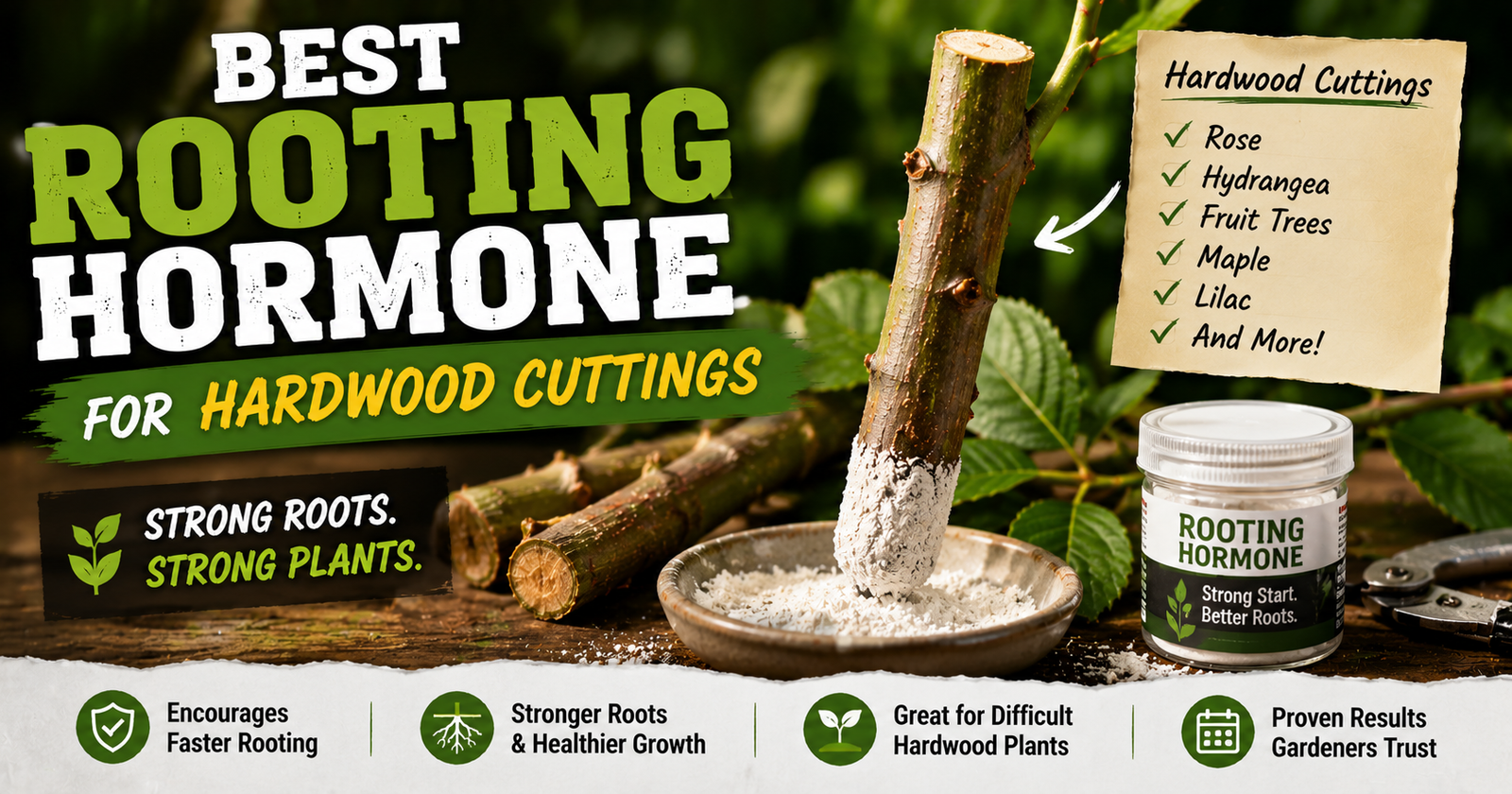
If you’re propagating woody shrubs or trees, you’ll probably want to read Best Rooting Hormone for Hardwood Cuttings before deciding whether a homemade alternative is the right choice.
Homemade Rooting Hormone Works Best With Good Propagation Conditions
Whether you decide to use willow water, honey, aloe vera, or another homemade rooting solution, the environment around the cutting is just as important as the rooting treatment itself. Healthy cuttings need consistent moisture, oxygen, clean equipment, and stable growing conditions if they’re going to develop strong roots.
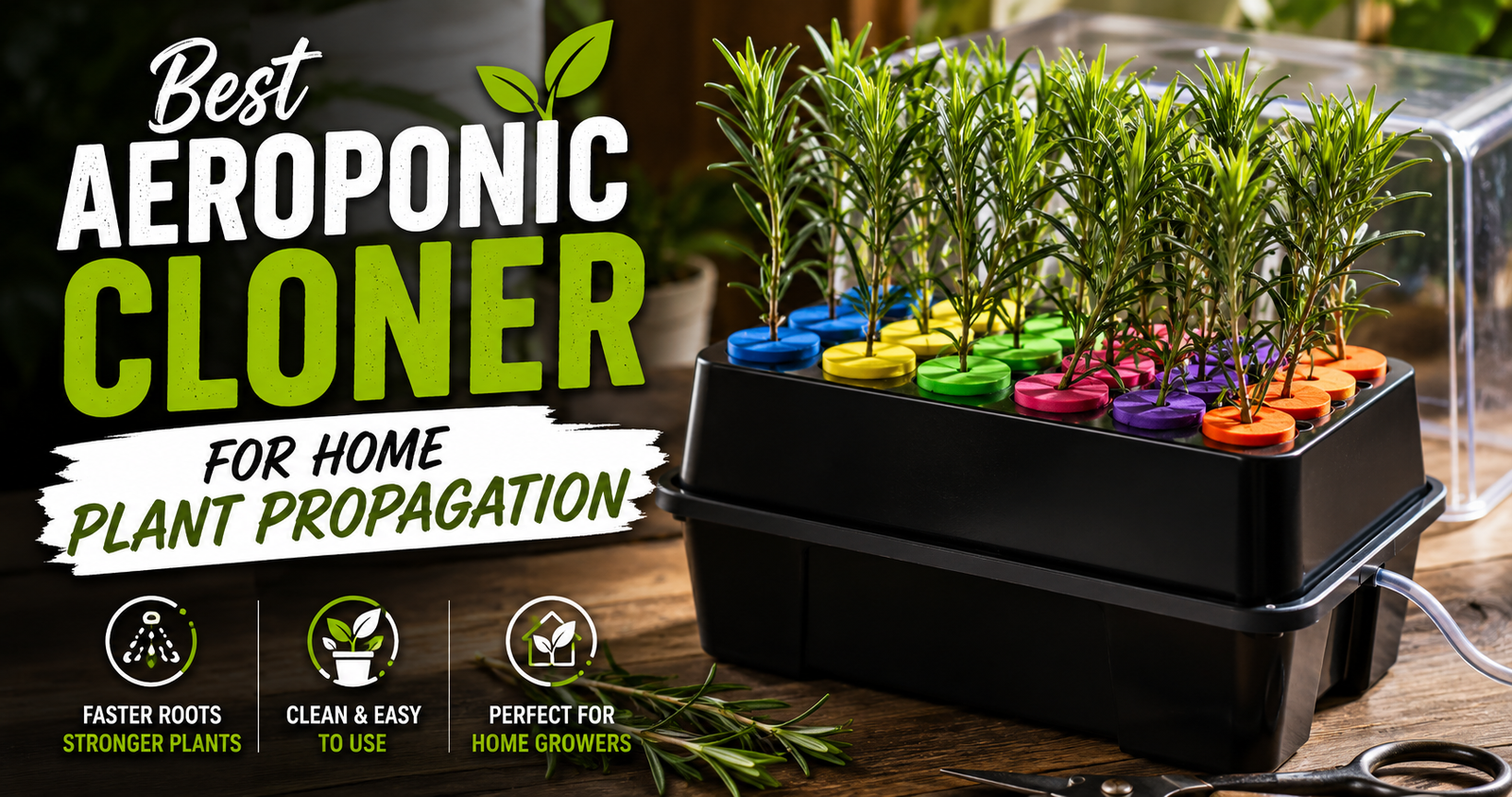
That’s one reason I like using an Aeroponic Cloner when I’m propagating multiple plants at once. It provides a controlled environment that’s much easier to manage than several jars or pots sitting around the house.
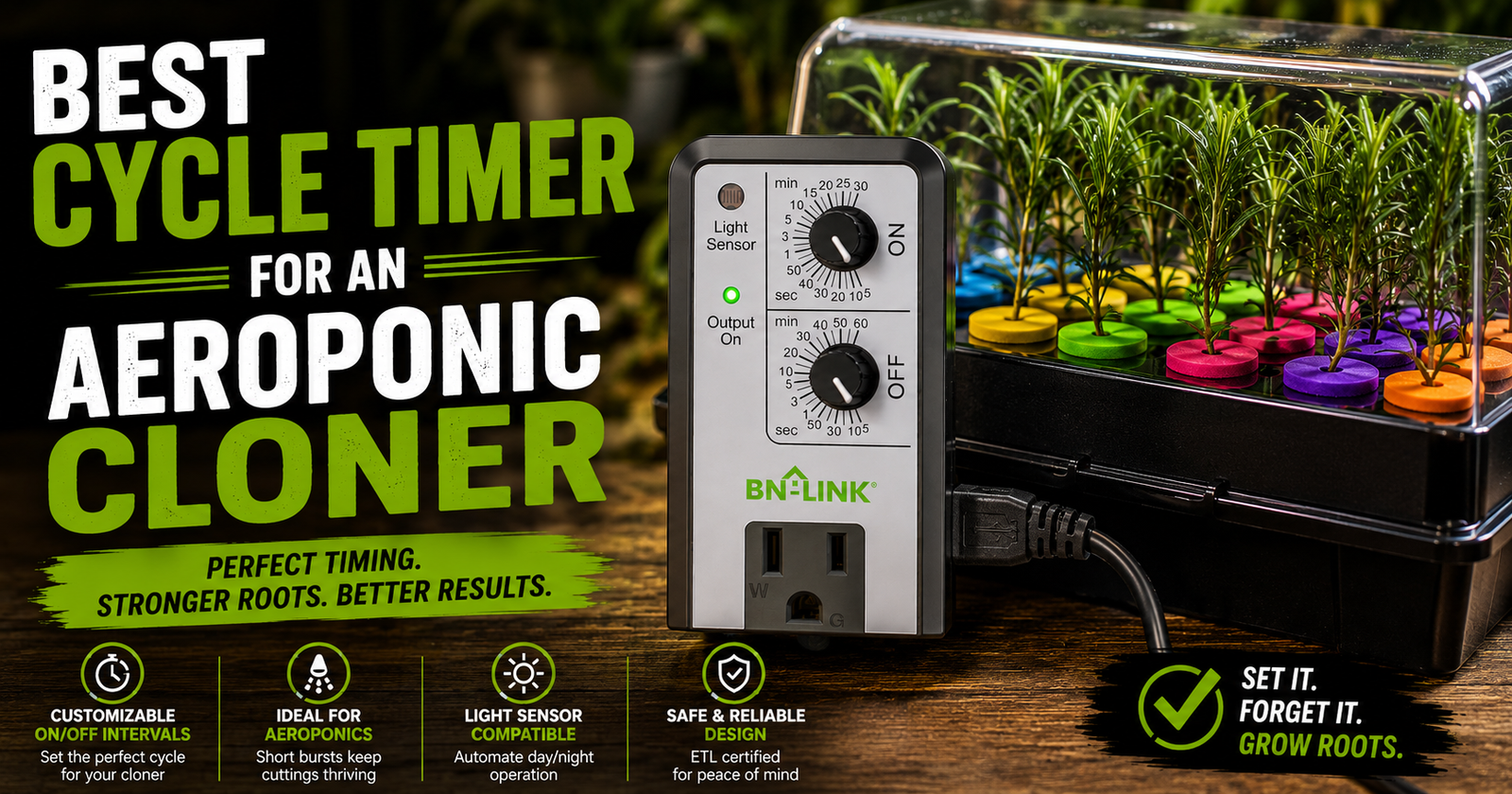
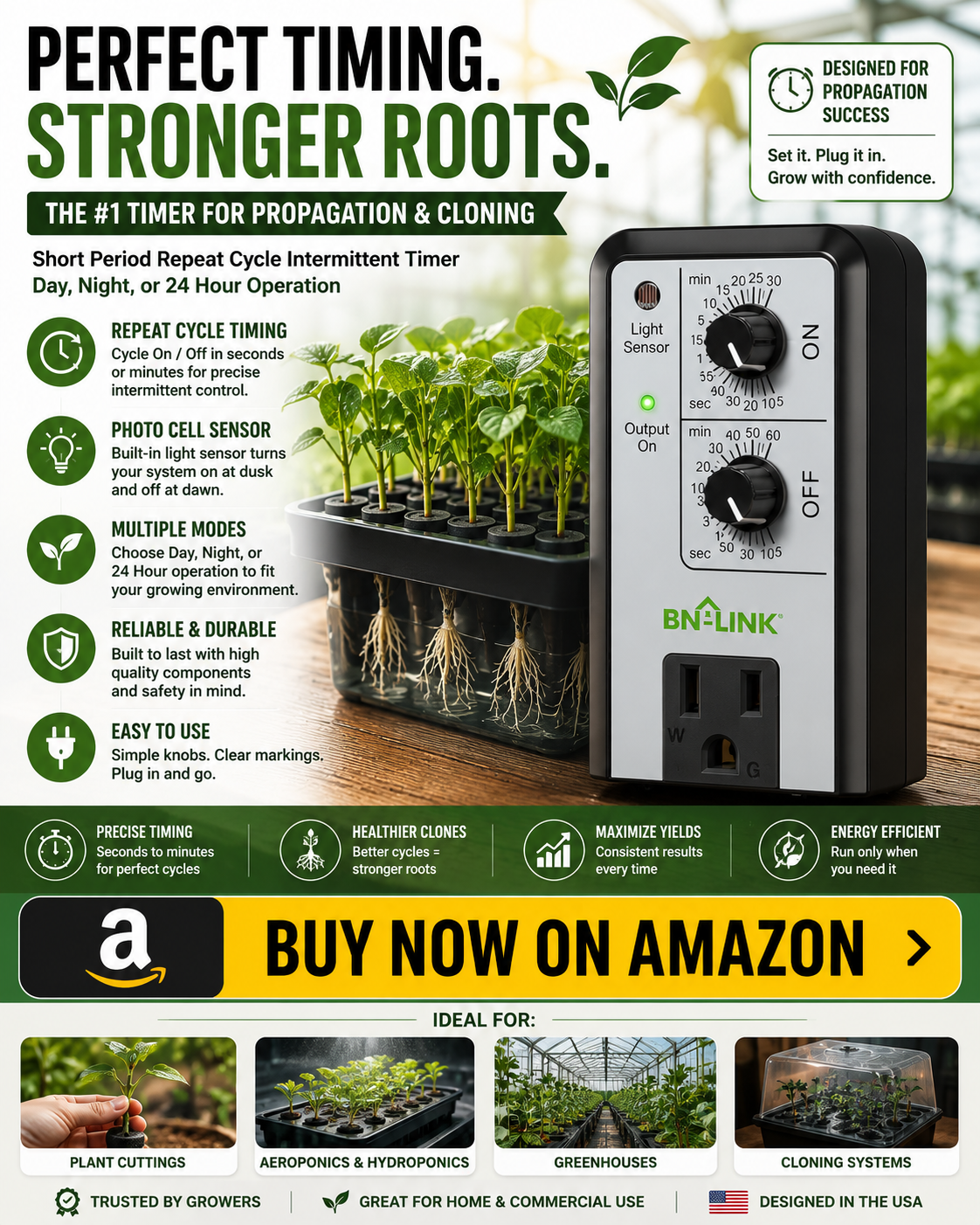
To get even more control over the rooting process, I also recommend adding the BN-LINK Short Period Repeat Cycle Timer. It allows you to adjust how often the pump runs instead of leaving it on continuously. If you’d like to learn more, my guide to the Best Cycle Timer for an Aeroponic Cloner explains how repeat cycle timers work and why they’re one of my favorite upgrades for home propagation.
Frequently Asked Questions
Is honey really a rooting hormone?
No.
Honey isn’t considered a true rooting hormone because it doesn’t contain the same plant growth regulators found in commercial products.
It may help protect fresh cuttings from certain microbes, but that isn’t the same as stimulating root growth.
Does willow water actually work?
Many gardeners have had good experiences with willow water, and it has one of the strongest reputations among homemade propagation methods.
However, its strength can vary considerably depending on how it’s prepared, making it much less consistent than commercial products.
Can I combine homemade and commercial rooting hormone?
Generally, there’s little reason to do so.
Commercial rooting hormones are already formulated to be used on their own according to the manufacturer’s instructions.
Adding homemade ingredients isn’t likely to improve their performance and may create unnecessary variables.
What’s the best homemade rooting hormone?
If you want to experiment, willow water is probably the homemade option I’d try first.
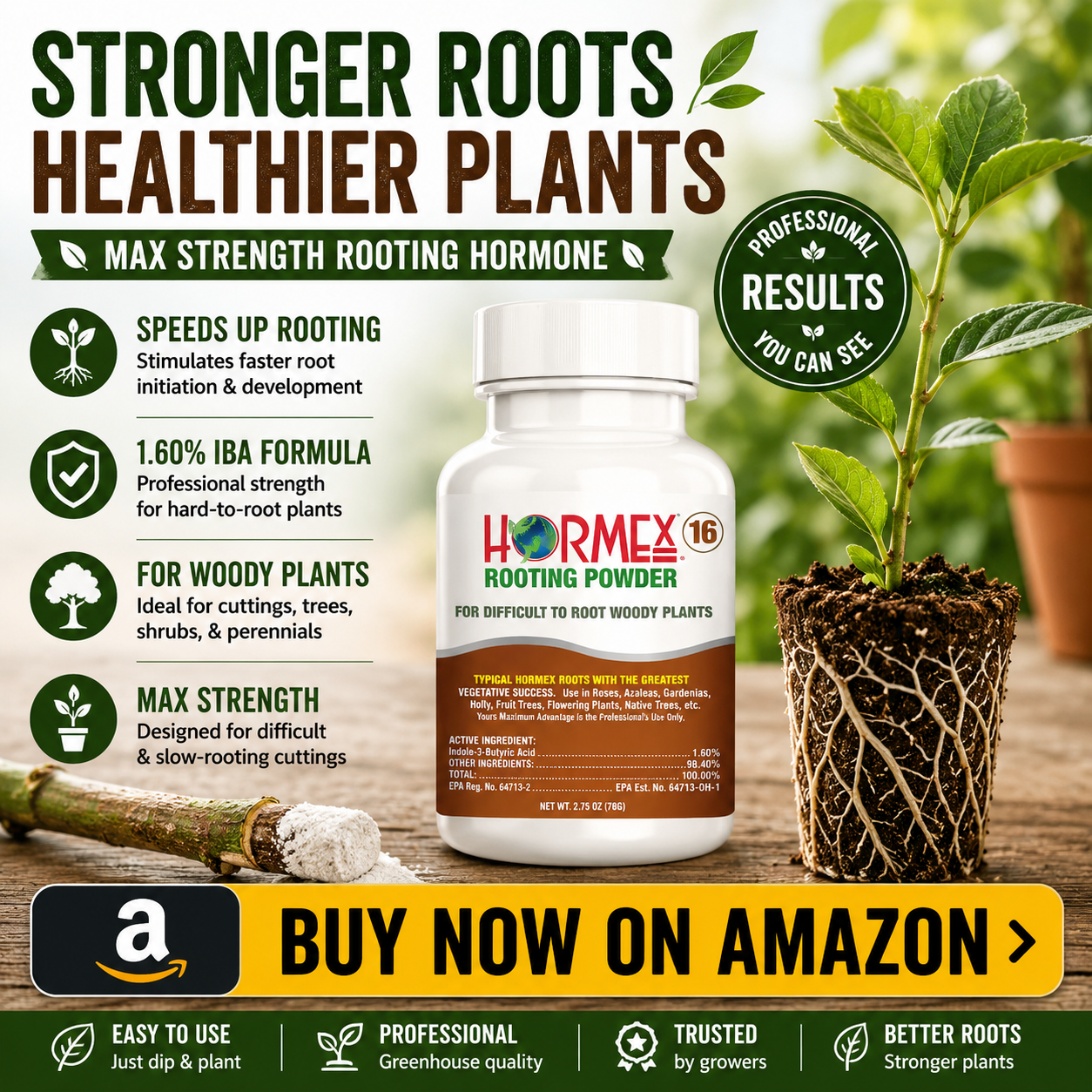
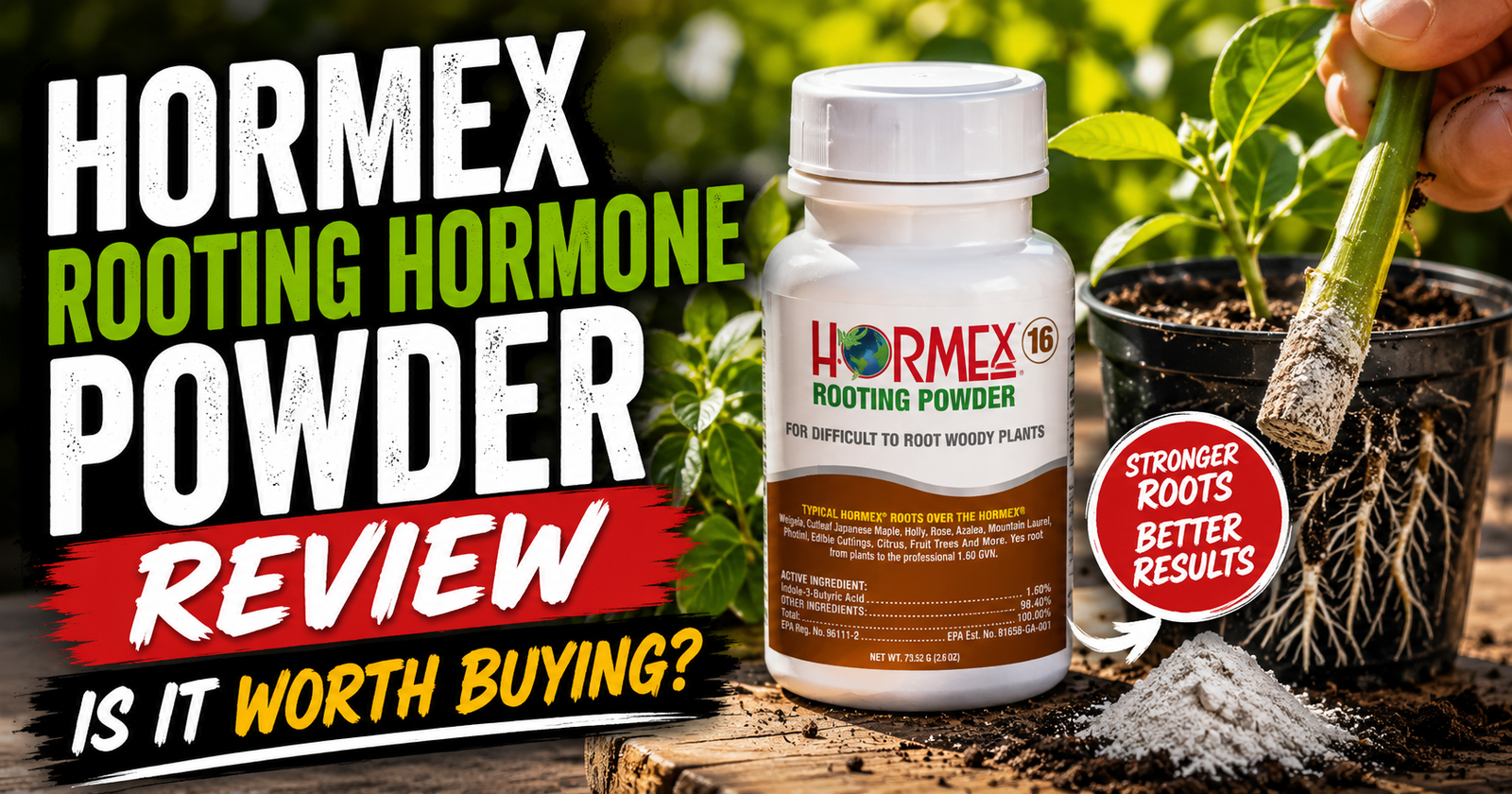
If your priority is achieving the highest possible success rate, I’d still choose a quality commercial rooting hormone instead. A powder formulation such as rooting hormone powder is another commercial option for gardeners who want a measured propagation treatment.
My Advice
I enjoy experimenting in the garden as much as anyone.
Trying homemade propagation methods can be fun, educational, and surprisingly successful with plants that root easily.
But when I’m propagating something valuable—or simply want the best chance of success—I reach for a commercial rooting hormone.
The cost is relatively small, one container lasts a long time, and I know exactly what I’m getting every time I use it.
Homemade alternatives definitely have their place.
I just don’t think they completely replace products that were specifically developed to encourage healthy, reliable root development.
About the Author
Dax Weaver is the founder of Propagation World and has spent years propagating thousands of plants through his family’s nursery. His experience includes rooting hardwood and softwood cuttings, grafting fruit trees, dividing perennials, growing plants from seed, and producing healthy nursery stock for home gardeners and landscapes. Through Propagation World, he shares practical propagation techniques, honest product reviews, and real-world advice to help gardeners propagate more plants with confidence.