
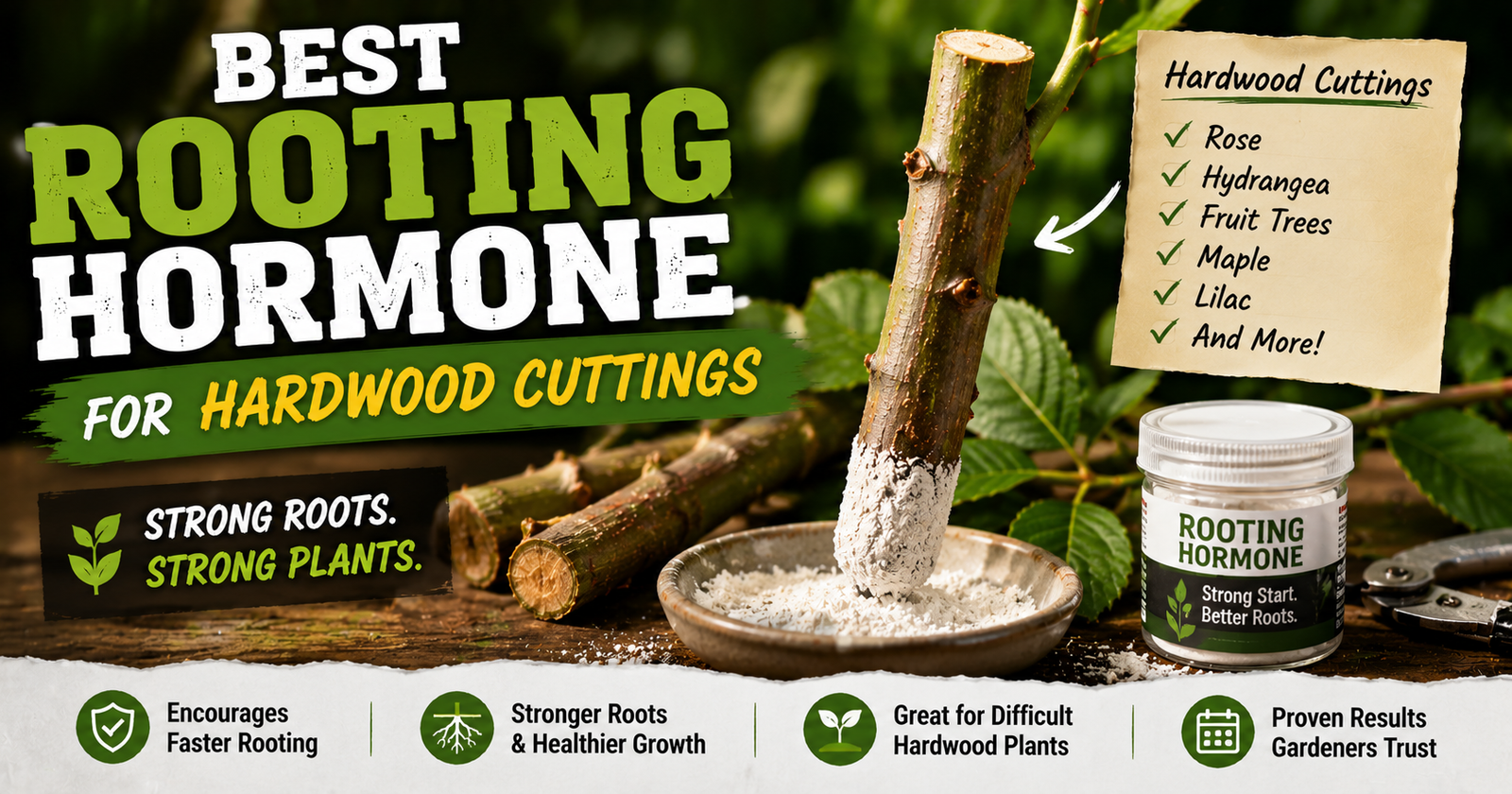
Hardwood cuttings can test your patience.
Unlike soft, green spring growth that often produces roots within a few weeks, hardwood cuttings are taken from mature, dormant stems. They’re tougher, slower to respond, and naturally more challenging to propagate. For comparison, Best Rooting Hormone for Softwood Cuttings explains how younger, actively growing stems respond differently during propagation.
That’s exactly why so many gardeners reach for rooting hormone.
While hardwood cuttings can sometimes root without it, using a quality rooting hormone often improves the chances of success and gives those dormant stems a much better opportunity to establish healthy new roots.
The challenge is deciding which product to buy.
Should you use a powder?
A gel?
Or one of the concentrated liquid formulas used by many commercial growers?
After comparing all three, I think each one has a place depending on how often you propagate and the types of plants you’re working with.
Hardwood cuttings are often slower to root than fresh spring growth, which makes choosing the right rooting hormone even more important. While no product can guarantee success, using one that’s well suited for woody stems can significantly improve your chances.
Just as important as choosing the right product is using it correctly. A light coating is usually all that’s needed, and proper planting conditions often make a bigger difference than applying extra rooting hormone. If you’re new to propagation, my guide on How to Use Rooting Hormone Correctly Step by Step walks through the entire process from taking the cutting to planting it.

My Quick Answer
If I were rooting a large batch of hardwood cuttings today, I’d choose a quality rooting powder for most situations.
It’s affordable, easy to apply, stores well for long periods, and has been trusted by nurseries and home gardeners for decades.
If I regularly propagated hardwood cuttings throughout the year or also transplanted trees and shrubs, I’d strongly consider a liquid concentrate because of its versatility.
Gel is also an excellent option, especially if you prefer an application that stays firmly attached to the stem while planting.
The good news is that all three can produce excellent results when they’re used correctly.
Why Hardwood Cuttings Are Different
Hardwood cuttings aren’t taken from fresh spring growth.
Instead, they’re collected from mature stems after the plant has gone dormant. For a specific example of how dormancy affects propagation timing, see the best time to take elderberry cuttings.
Because the wood is older and more rigid, it generally takes longer for new roots to develop.
That slower rooting process is one reason many gardeners see better success when they use rooting hormone.
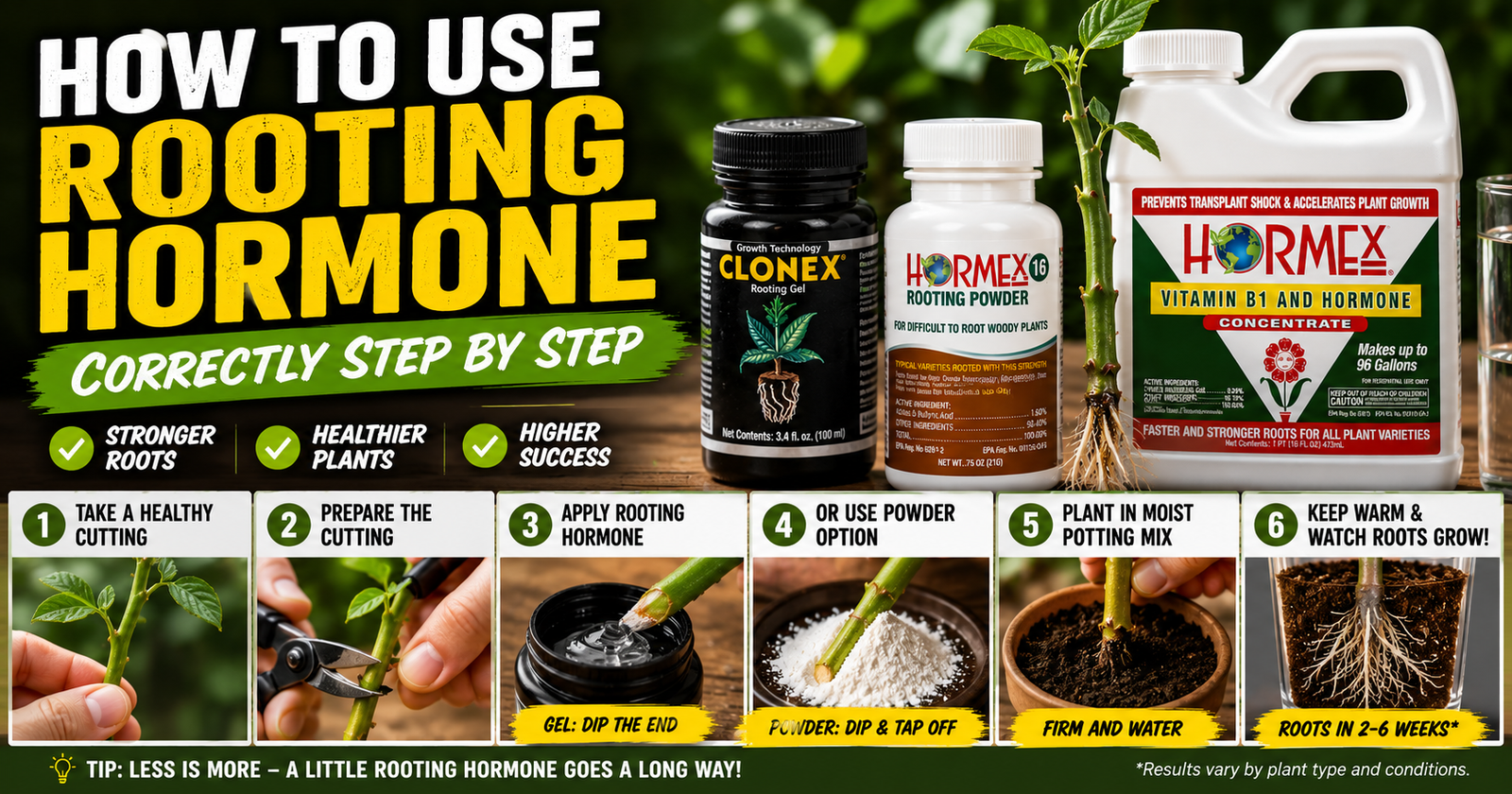
If you’re new to propagation, it also helps to understand how to use rooting hormone correctly step by step before taking your first hardwood cuttings.
Small improvements in technique often matter just as much as the product you choose.
My Top Choice for Most Gardeners
For the average home gardener, I think rooting powder strikes the best balance between performance, simplicity, and value.
A light coating is all that’s needed, one container lasts a surprisingly long time, and it works well on many woody shrubs and trees.
Another advantage is shelf life.
Because it’s dry, rooting powder generally stores exceptionally well when it’s kept cool and protected from moisture.
That’s important if you only propagate seasonally rather than every week.
My Favorite Rooting Powder
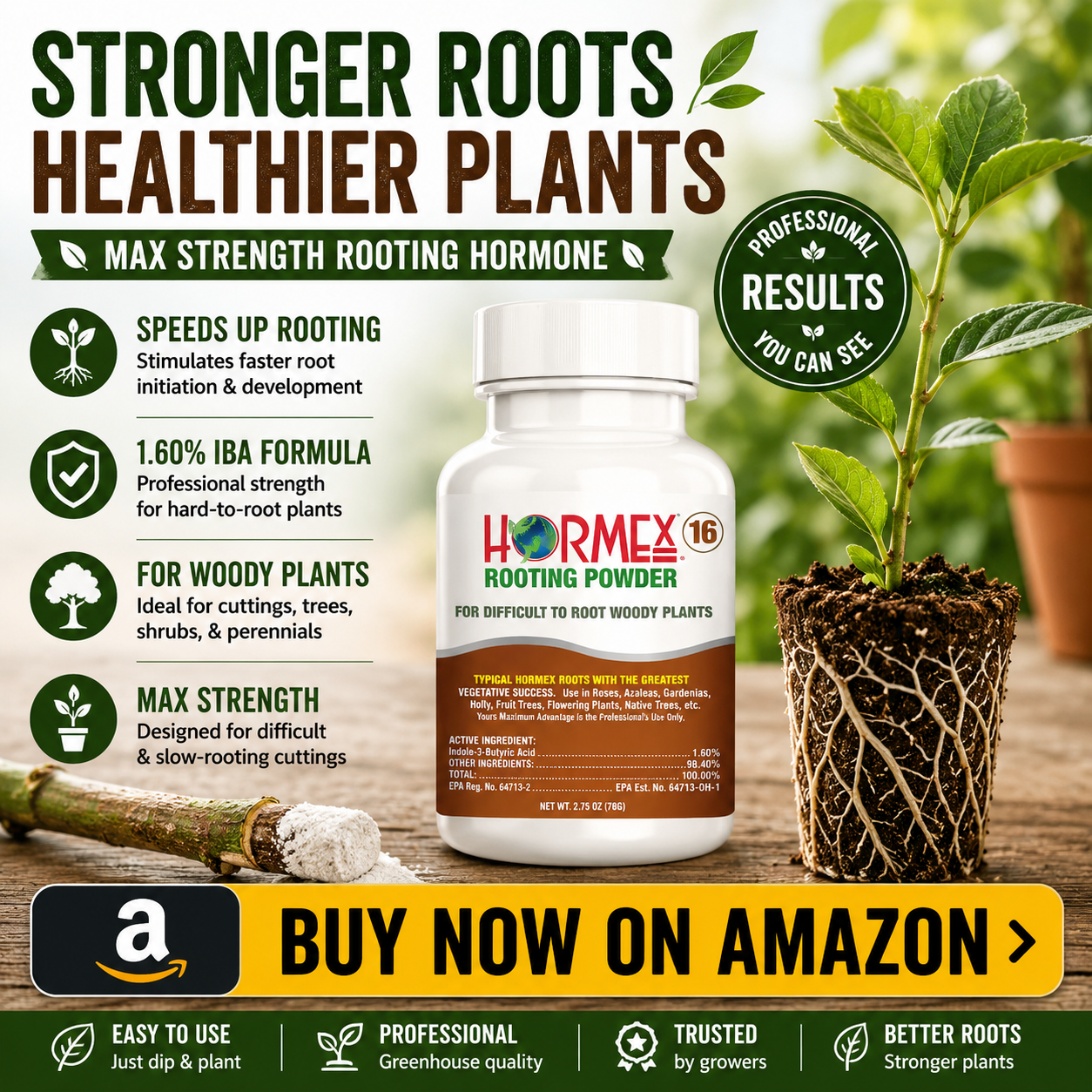
After researching several options, one product that consistently stands out is Hormex Rooting Hormone Powder.
It’s available in different strengths, making it suitable for a wide range of hardwood species, from relatively easy shrubs to more difficult woody plants.
I also appreciate that the powder is easy to apply without making propagation feel complicated.
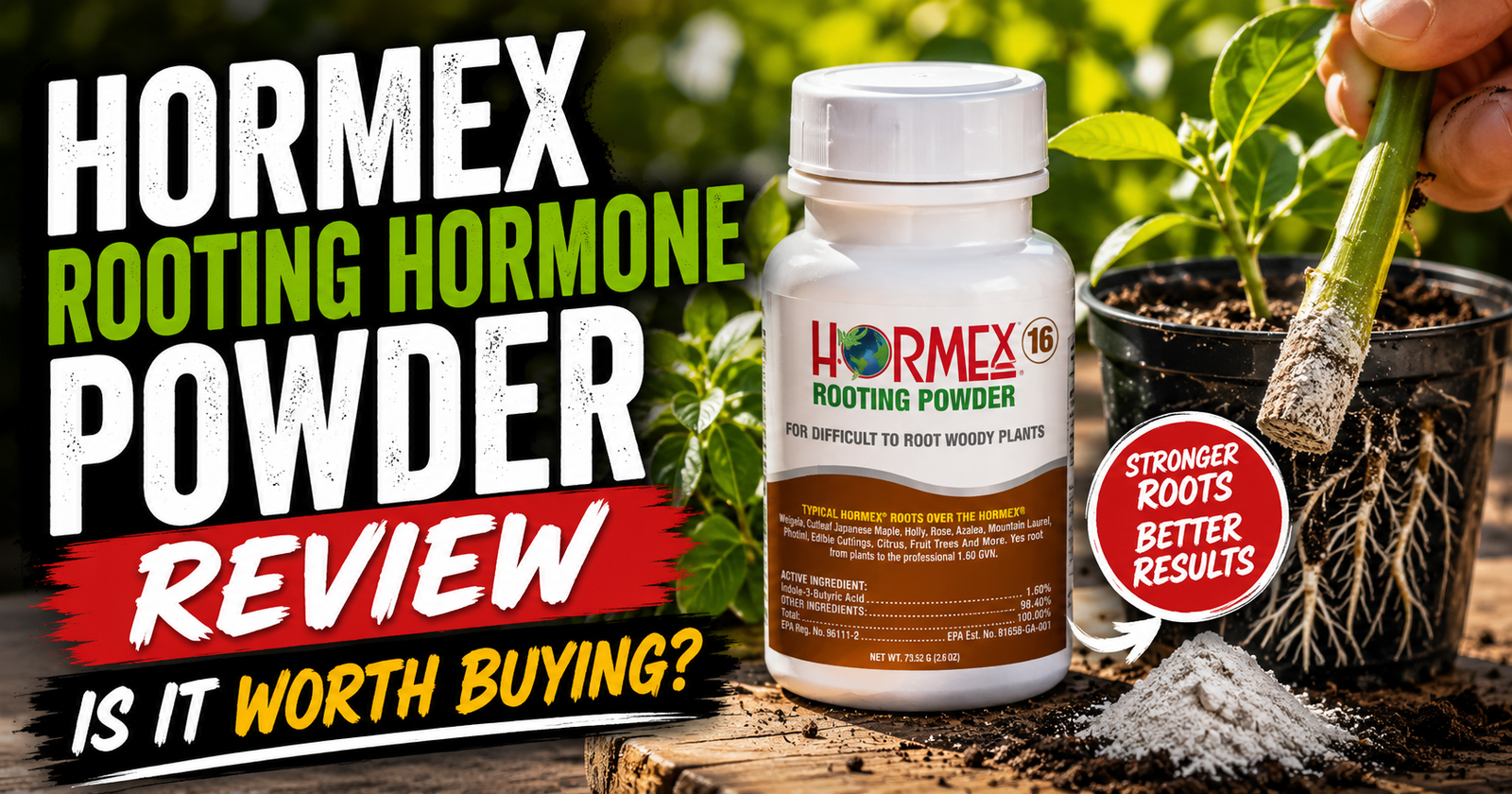
If you’d like a closer look, I put together a full Hormex Rooting Hormone Powder review covering where I think it performs best and who it’s most appropriate for.
When Gel Makes More Sense
Although powder is my first choice for most hardwood propagation projects, there are times when rooting gel deserves serious consideration.
The biggest advantage is adhesion.
Once the stem is dipped into the gel, it remains evenly coated while you move the cutting into the propagation medium.
That means less product gets rubbed off during planting.
For gardeners working with valuable cuttings where every opportunity matters, that’s a meaningful advantage.
Gel is also clean, simple to use, and requires very little preparation before you begin taking cuttings.
Liquid Rooting Hormone Has a Different Strength
Liquid concentrates aren’t usually the first product beginners buy.
In my opinion, they’re designed for gardeners who propagate regularly.
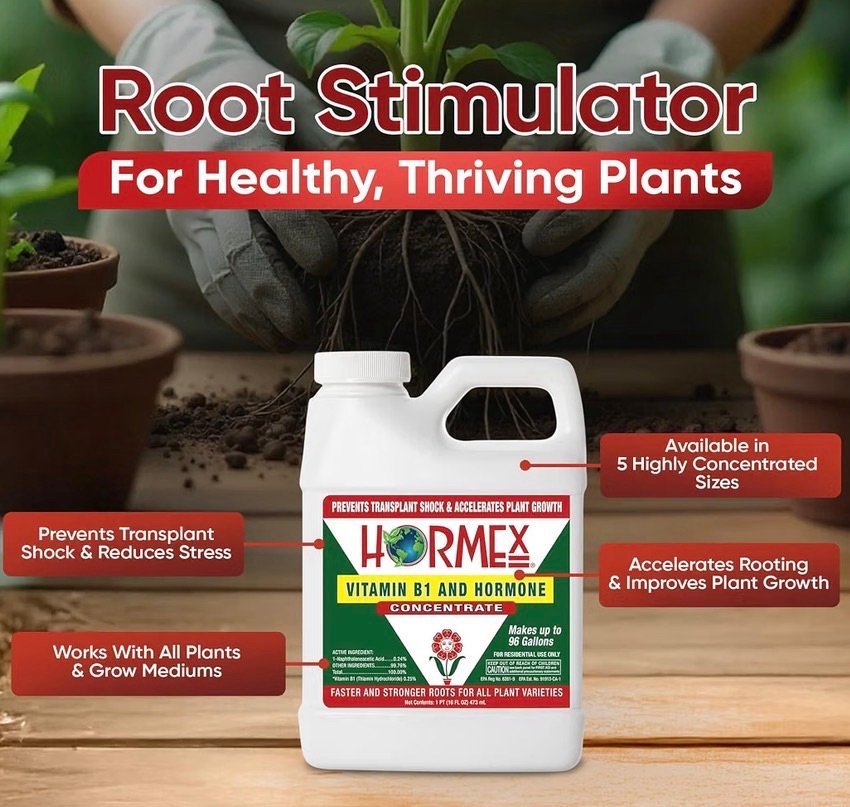
The ability to mix different amounts for different jobs makes them incredibly versatile. For gardeners who value that flexibility, Hormex liquid concentrate is a relevant option to consider.
Beyond hardwood cuttings, many gardeners also use liquid concentrates during transplanting, bare-root planting, and other gardening projects throughout the growing season.
That flexibility helps justify the higher purchase price because one bottle often lasts much longer than people expect.
Don’t Forget That Technique Matters More Than the Product
It’s easy to spend hours researching rooting hormones while overlooking the basics.
In reality, the product is only one piece of the puzzle.
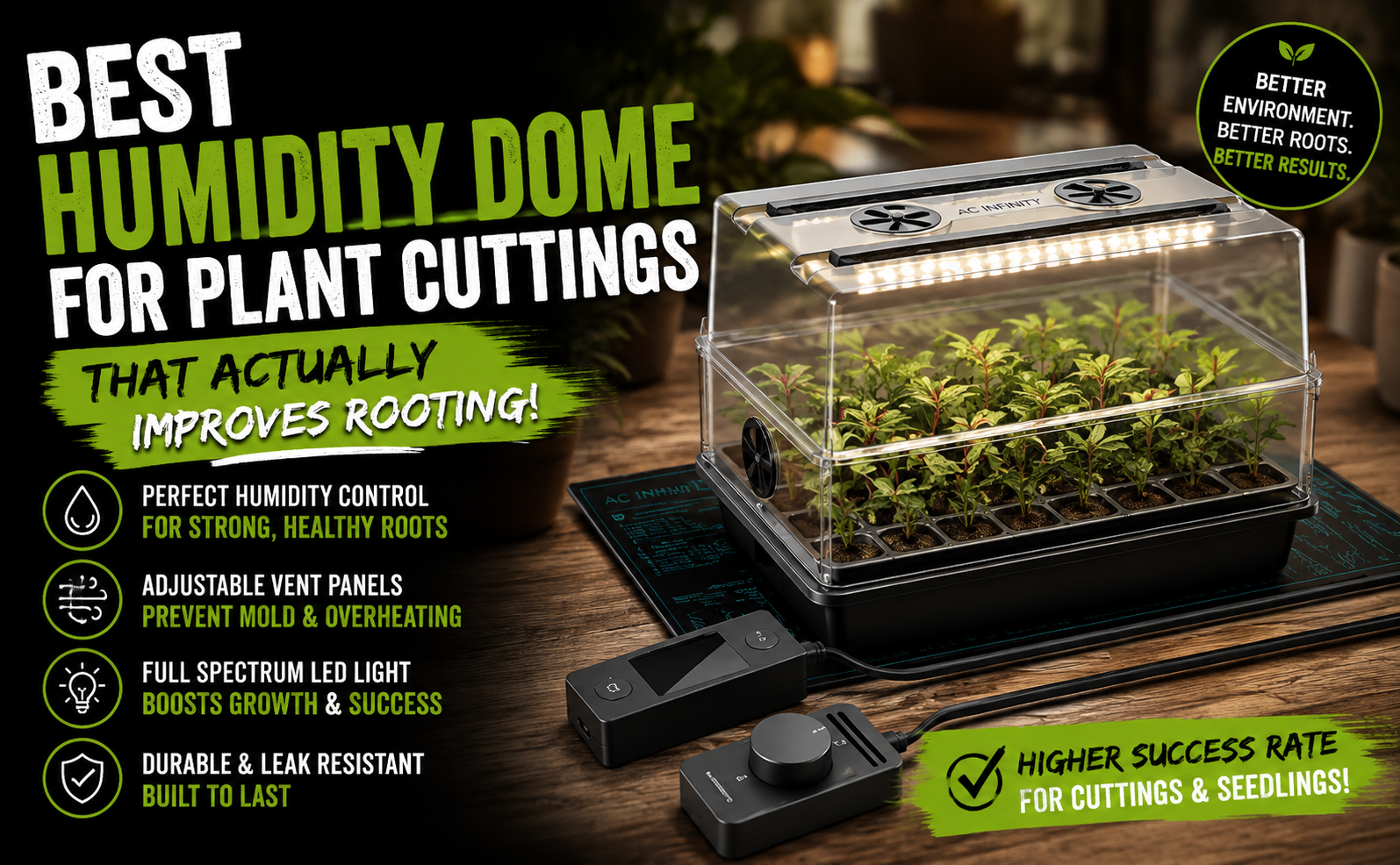
Healthy hardwood cuttings, clean pruning tools, a well-draining propagation medium, proper humidity, and patience all play a major role in whether roots develop successfully.
I’ve seen gardeners achieve excellent results with simple rooting powder because their propagation technique was excellent.
I’ve also seen expensive rooting hormones fail because the cuttings were taken at the wrong time or kept too wet.
Which Trees and Shrubs Benefit the Most?
While every species is different, hardwood cuttings are commonly used to propagate plants like:
- Grapes
- Currants
- Gooseberries
- Figs
- Mulberries
- Willows
- Dogwoods
- Forsythia
- Elderberries
- Some hydrangeas
- Many ornamental shrubs
Some of these plants root fairly easily, while others require much more patience.
Using rooting hormone won’t guarantee success, but it can improve your odds on many woody species.
Powder vs. Gel vs. Liquid for Hardwood Cuttings
If I had to summarize everything as simply as possible, here’s how I’d compare them.
Rooting Powder
Best for gardeners who want an affordable, proven option that stores well and works on a wide variety of hardwood cuttings.
Rooting Gel
Best for gardeners who want the rooting hormone to stay firmly attached to the cutting during planting.
Liquid Concentrate
Best for gardeners who propagate frequently or want one product that can also be used for transplanting and other gardening tasks.
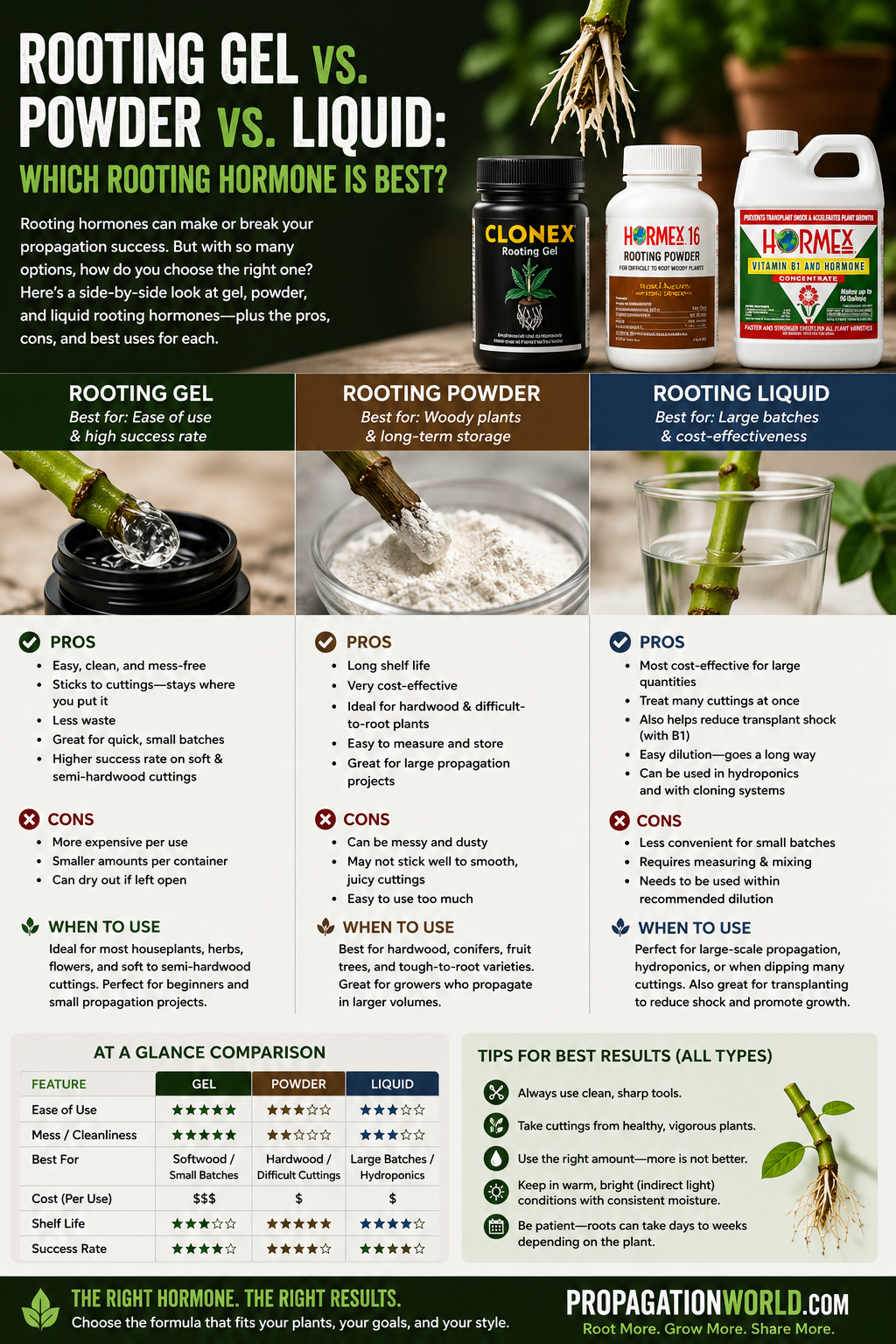
If you’re still deciding between the three, my comparison of rooting gel, powder, and liquid rooting hormone explains the strengths of each in much greater detail.
Common Mistakes With Hardwood Cuttings
Hardwood cuttings can already be challenging to root.
A few common mistakes can make them even more difficult.
Taking Cuttings at the Wrong Time
Most hardwood cuttings are taken after the plant has entered dormancy and before vigorous spring growth begins.
Timing can vary depending on the species, but waiting until the wood has fully matured usually produces better results.
Using Weak or Damaged Wood
Choose healthy stems that grew during the previous season.
Avoid branches with obvious disease, insect damage, or winter injury.
Healthy wood gives you a much better starting point.
Applying Too Much Rooting Hormone
One of the biggest myths in propagation is that more rooting hormone creates more roots.
It doesn’t.
A thin, even coating is all that’s needed.
Heavy applications simply waste product and may even work against you on sensitive plants.
Planting Into Heavy Garden Soil
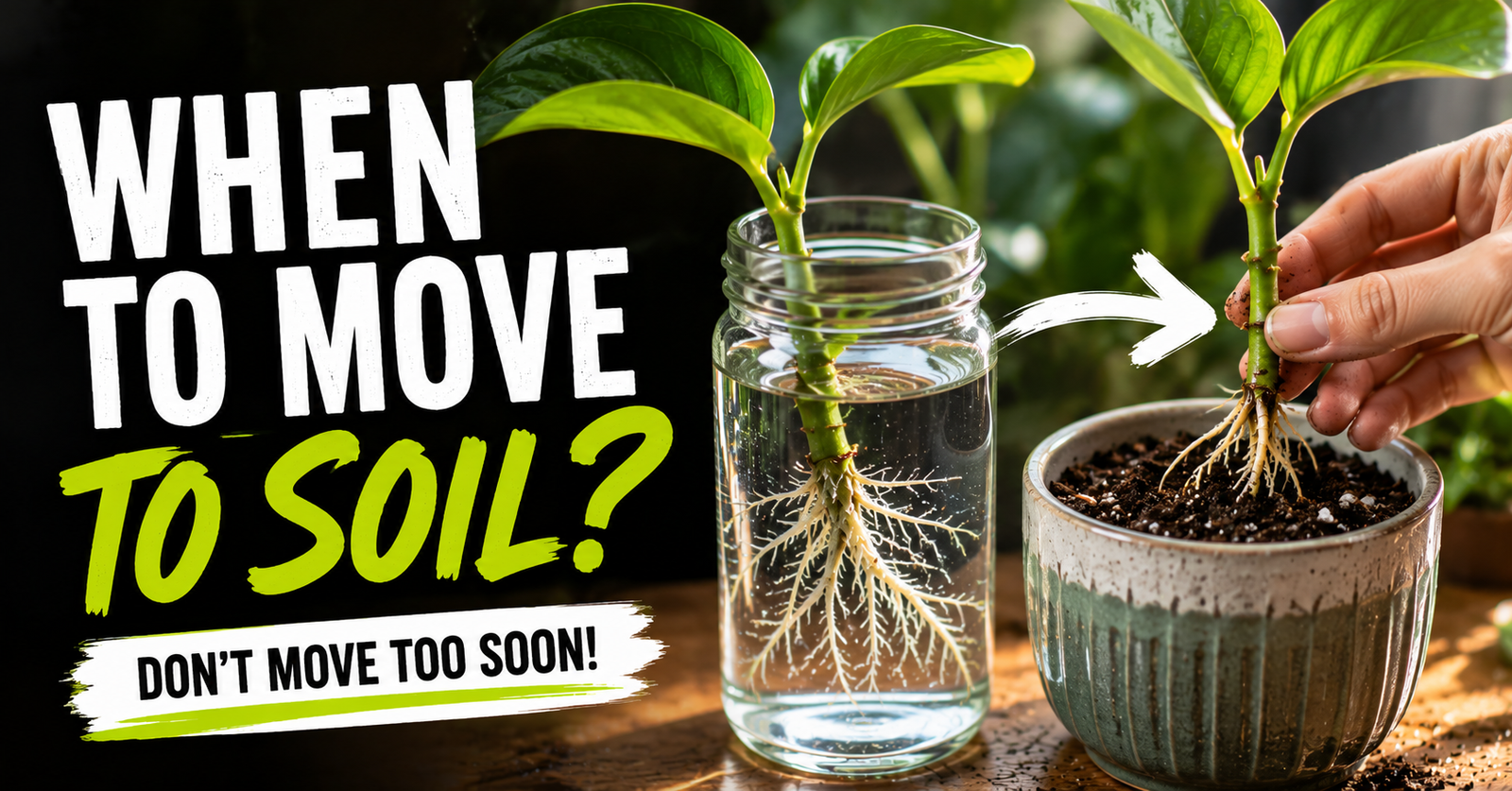
Hardwood cuttings need oxygen just as much as they need moisture.
Dense garden soil often stays too wet and can encourage rot before roots have a chance to develop.
A loose propagation mix is usually a much better choice.
Giving Up Too Soon
This may be the hardest lesson of all.
Hardwood cuttings aren’t known for being fast.
Depending on the species, several weeks—or even several months—may pass before you see significant root development.
Patience is often one of the most valuable tools in propagation.
Is Expensive Rooting Hormone Worth It?
Not always.
The best rooting hormone isn’t automatically the one with the highest price tag.
For many home gardeners, a quality rooting powder provides everything needed for successful hardwood propagation.
More expensive gels and liquid concentrates become worthwhile when their additional convenience or versatility matches the way you garden.
Buying the most expensive product doesn’t guarantee better results.
Buying the right product for your needs usually does.
Can You Root Hardwood Cuttings Without Rooting Hormone?
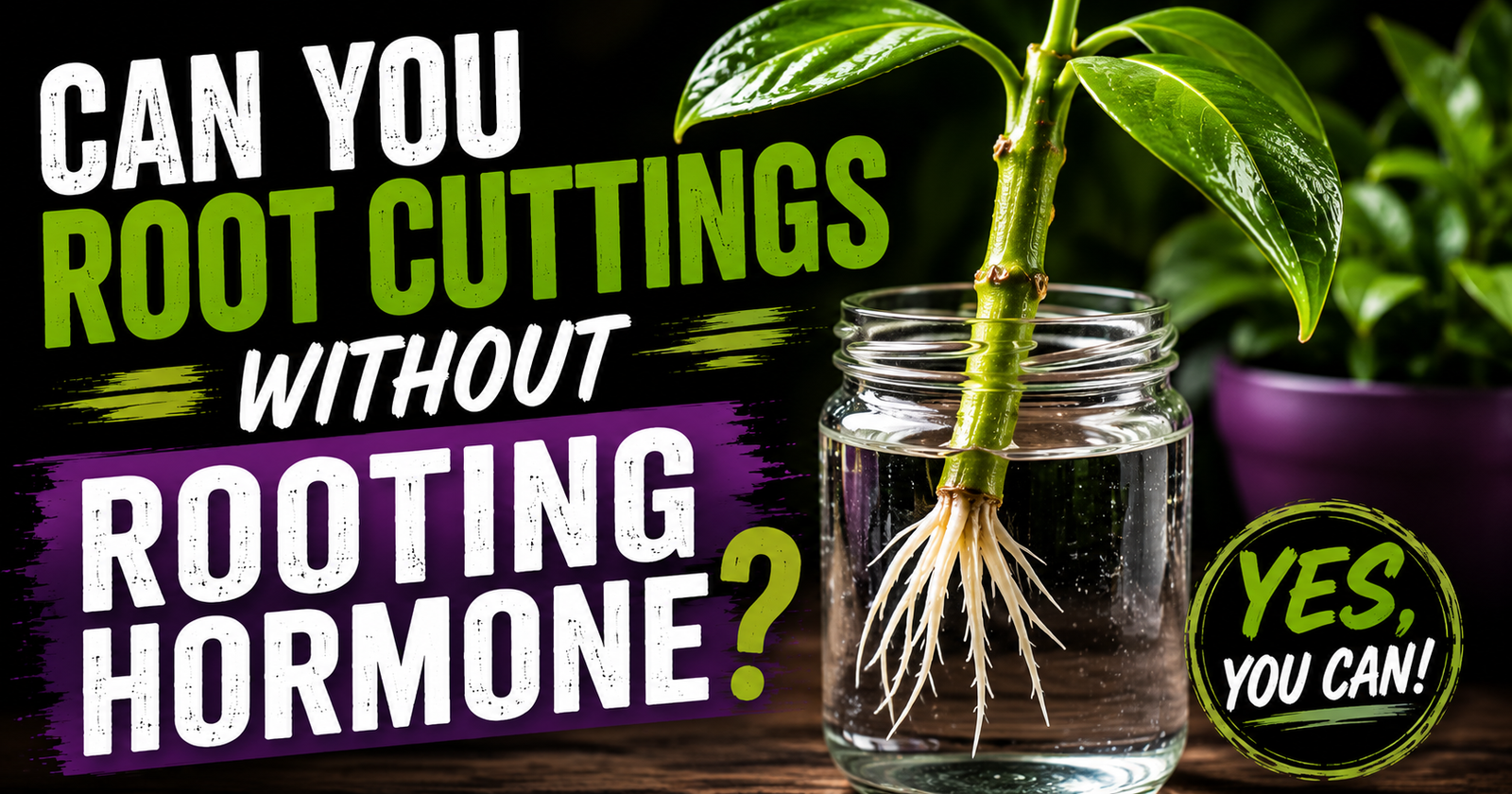
Yes, many hardwood cuttings will eventually root without any rooting hormone at all. Plants like willow, grape, fig, and some currants naturally root quite easily under the right conditions.
However, many shrubs, ornamental trees, roses, blueberries, hydrangeas, and fruit trees are much slower to develop roots. Using a quality rooting hormone helps encourage faster root formation and can improve your overall success rate, especially when propagating more difficult woody plants.
If you’re still trying to decide between a powder, gel, or liquid product, read Rooting Gel vs. Powder vs. Liquid Which Rooting Hormone Is Best? to see which type fits your propagation style.
Frequently Asked Questions
Do hardwood cuttings always need rooting hormone?
No.
Some species root readily without it.
However, many woody plants are naturally slower to develop roots, so rooting hormone often improves the chances of success.
Which type lasts the longest?
Rooting powder generally has the longest shelf life because it’s dry and less likely to become contaminated when stored properly.
Is gel better than powder for hardwood cuttings?
Neither is universally better.
Gel stays attached to the stem exceptionally well, while powder is typically more economical and stores longer.
Both can perform very well when used correctly.
Should I dip the entire cutting?
No.
Only the lower portion of the stem where new roots will form should be treated.
Applying rooting hormone higher up the stem doesn’t provide additional benefits.
Should You Use an Aeroponic Cloner for Hardwood Cuttings?
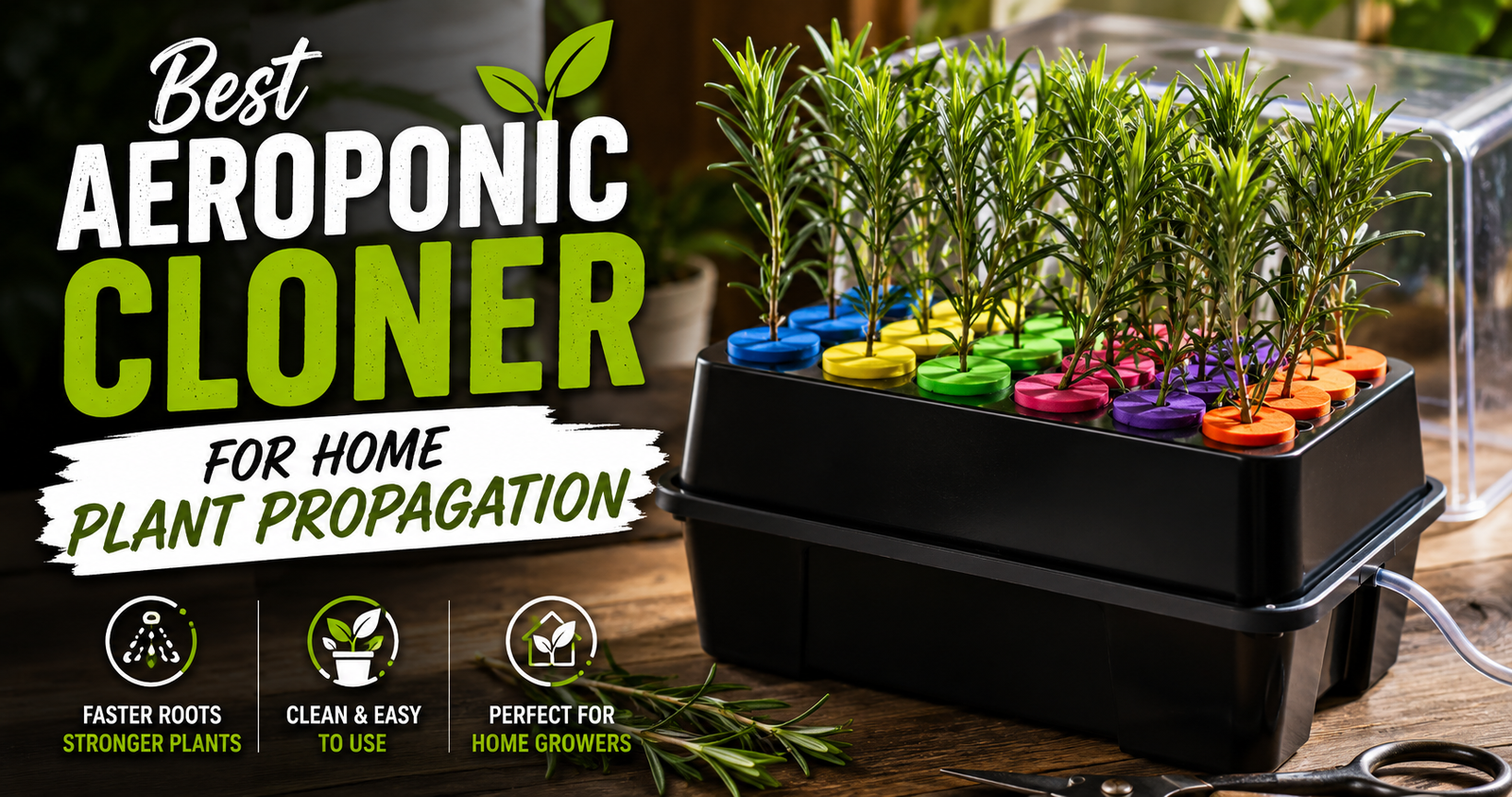
While many hardwood cuttings are traditionally rooted in pots or propagation beds, an Aeroponic Cloner can also be an excellent option for certain species. The constant supply of moisture and oxygen helps create an ideal environment while allowing you to monitor root development much more easily than you can in soil.


If you decide to use an aeroponic cloner, I recommend pairing it with the BN-LINK Short Period Repeat Cycle Timer. Being able to adjust spray intervals gives you more flexibility as you work with different hardwood species and growing conditions. I cover recommended timer settings and why I recommend this model in my guide to the Best Cycle Timer for an Aeroponic Cloner.
My Recommendation
If someone asked me to recommend one rooting hormone for hardwood cuttings, I’d start with a quality rooting powder.
It’s dependable, affordable, easy to use, and has helped gardeners propagate woody plants for decades.
That said, there’s no single perfect product for everyone.
If you frequently propagate, transplant trees and shrubs, or simply appreciate the versatility of a concentrate, a liquid rooting hormone can be an excellent investment.
And if you like the clean, secure application that only a gel provides, that’s a perfectly good choice too.
At the end of the day, healthy cuttings, good technique, and patience will have a bigger impact on your success than whether you choose powder, gel, or liquid.
About the Author
Dax Weaver is the founder of Propagation World and has propagated thousands of plants through his family’s nursery. His experience includes rooting hardwood and softwood cuttings, grafting fruit trees, dividing perennials, and producing healthy nursery stock for landscapes, orchards, and home gardeners. Through Propagation World, he shares practical propagation techniques, honest product reviews, and real-world advice to help gardeners propagate more successfully.