When I first started propagating plants, I assumed rooting hormone was the secret ingredient that guaranteed success.
If a cutting didn’t root, I figured I either needed a stronger product or I hadn’t used enough.
Over time, I realized that wasn’t true at all.
Rooting hormone is a helpful tool, but it’s only one piece of successful propagation. Healthy cuttings, proper moisture, good humidity, and the right growing conditions all matter just as much.
The good news is that using rooting hormone isn’t difficult.
Once you understand a few simple techniques—and avoid a handful of common mistakes—you’ll give your cuttings the best possible chance of developing healthy roots.
Here’s exactly how I use rooting hormone when propagating plants.
Using rooting hormone isn’t difficult, but a few small mistakes can dramatically reduce your success rate. I’ve learned that clean tools, healthy cuttings, and proper application usually matter far more than buying the most expensive rooting hormone on the shelf.
Do You Really Need Rooting Hormone?
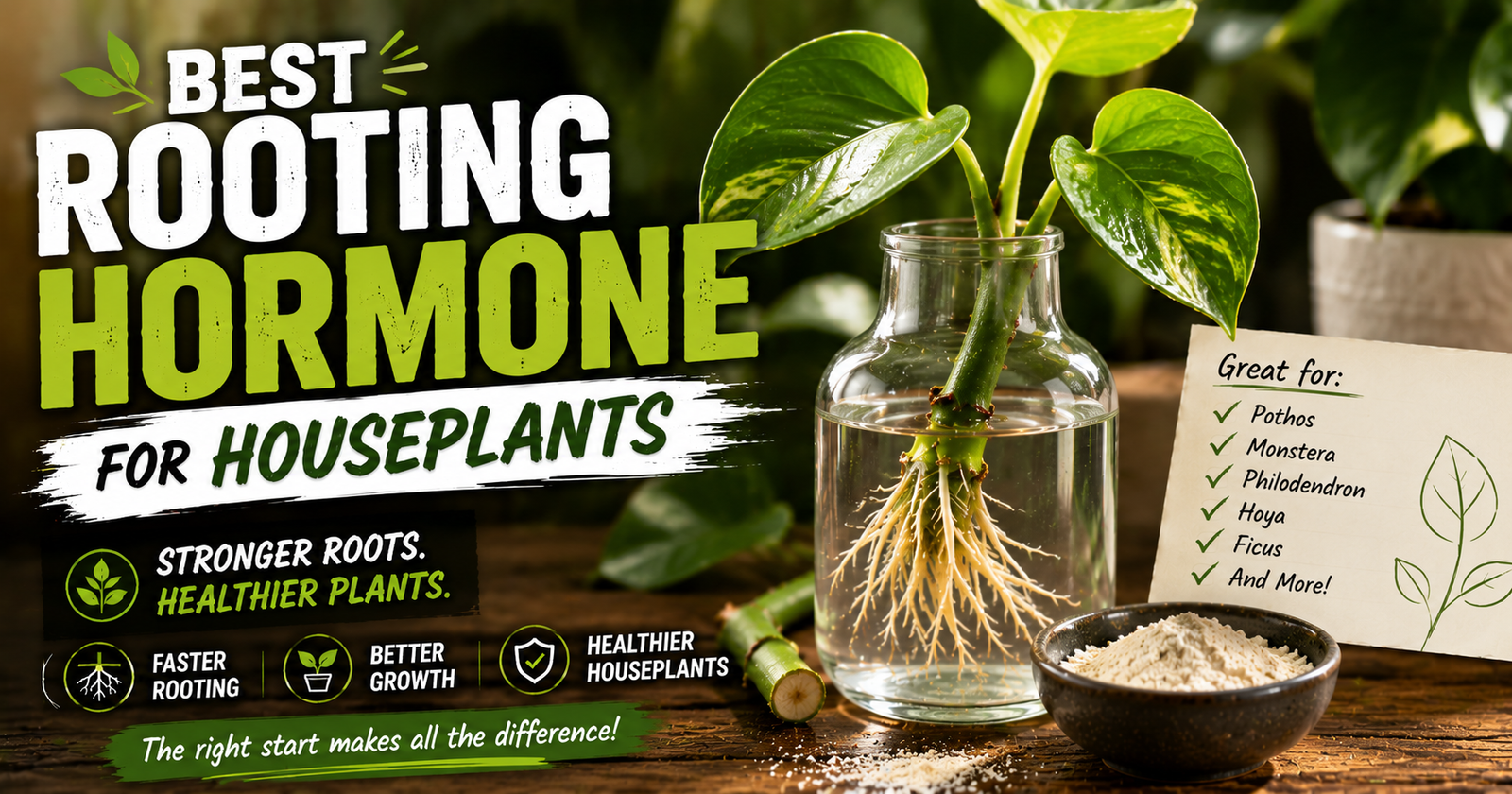
Before opening the bottle, it’s worth asking whether you even need it. The guide on how to Can You Root Cuttings Without Rooting Hormone? helps clarify when the product may be unnecessary.
Some plants root so easily that rooting hormone doesn’t make much difference.
Pothos, wandering dude, coleus, mint, and many succulents often root readily with nothing more than water or a moist propagation medium.
Other plants can be much slower and more difficult.
That’s where rooting hormone can really improve your chances of success.
Woody shrubs, fruit trees, roses, hydrangeas, and many hardwood cuttings often benefit from the extra encouragement.
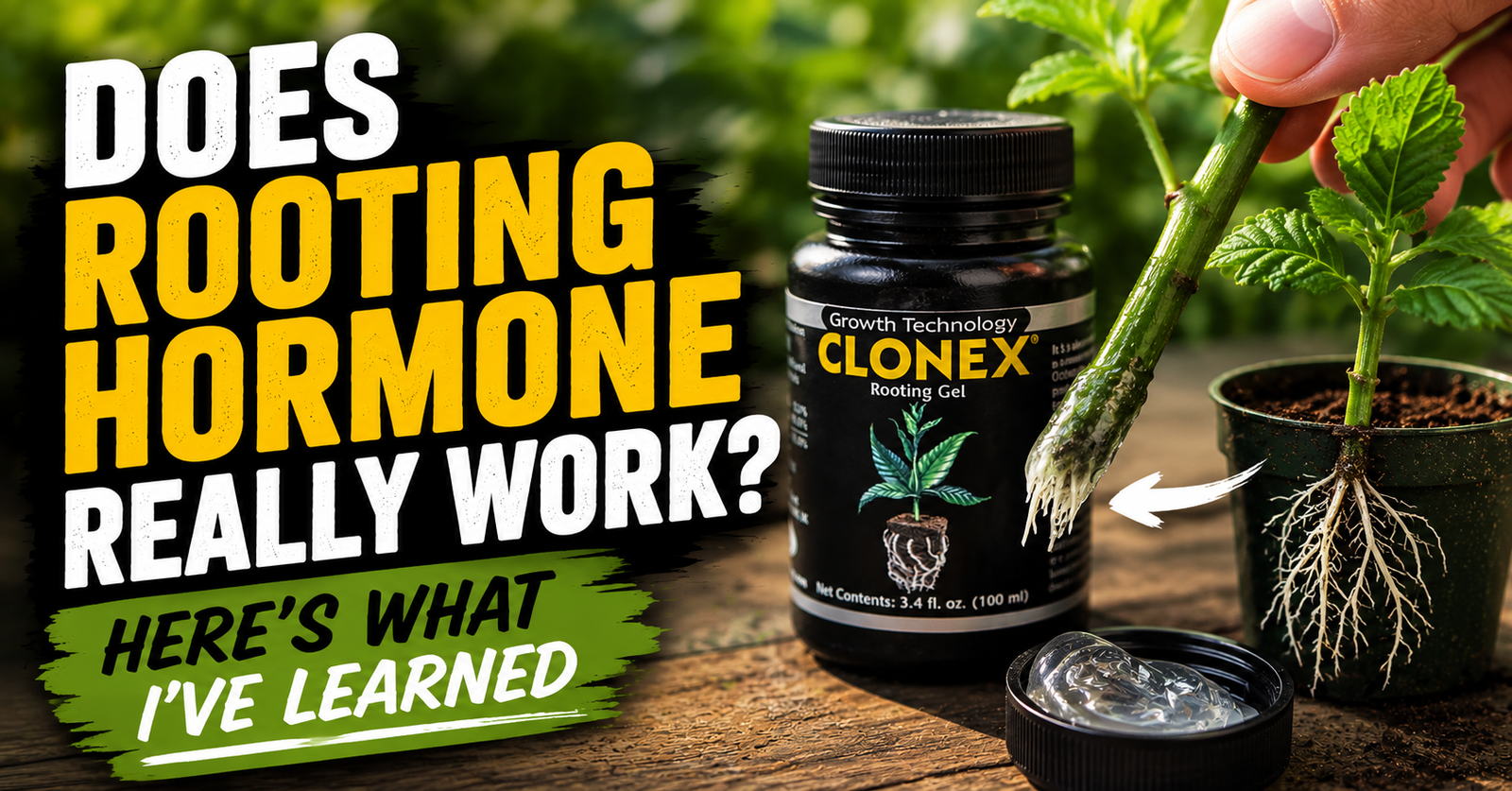
If you’re wondering how much difference it actually makes, I explain the science behind it in Does Rooting Hormone Really Work?.
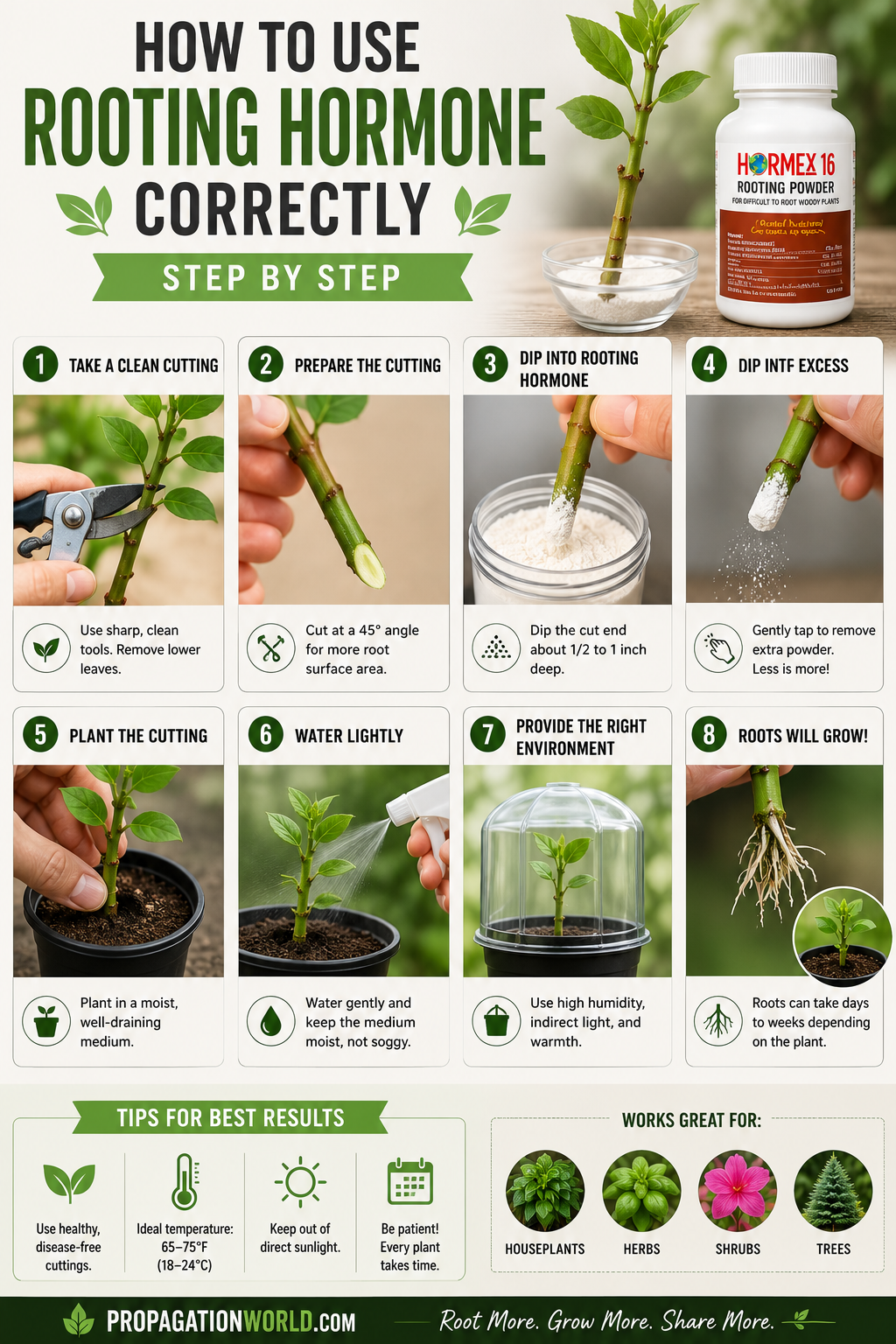
Step 1: Start With a Healthy Plant
No rooting hormone can rescue an unhealthy cutting.
Always begin with a vigorous parent plant that is free of disease, insect damage, and severe stress.
Choose healthy stems with fresh growth and avoid weak, wilted, or damaged branches whenever possible.
The healthier the cutting is when you begin, the better your chances of producing strong new roots.
Step 2: Use Clean, Sharp Pruners
One mistake I see beginners make is grabbing dull scissors from the kitchen drawer.
A dull blade crushes plant tissue instead of making a clean cut.
That damaged tissue is slower to heal and can increase the risk of rot.
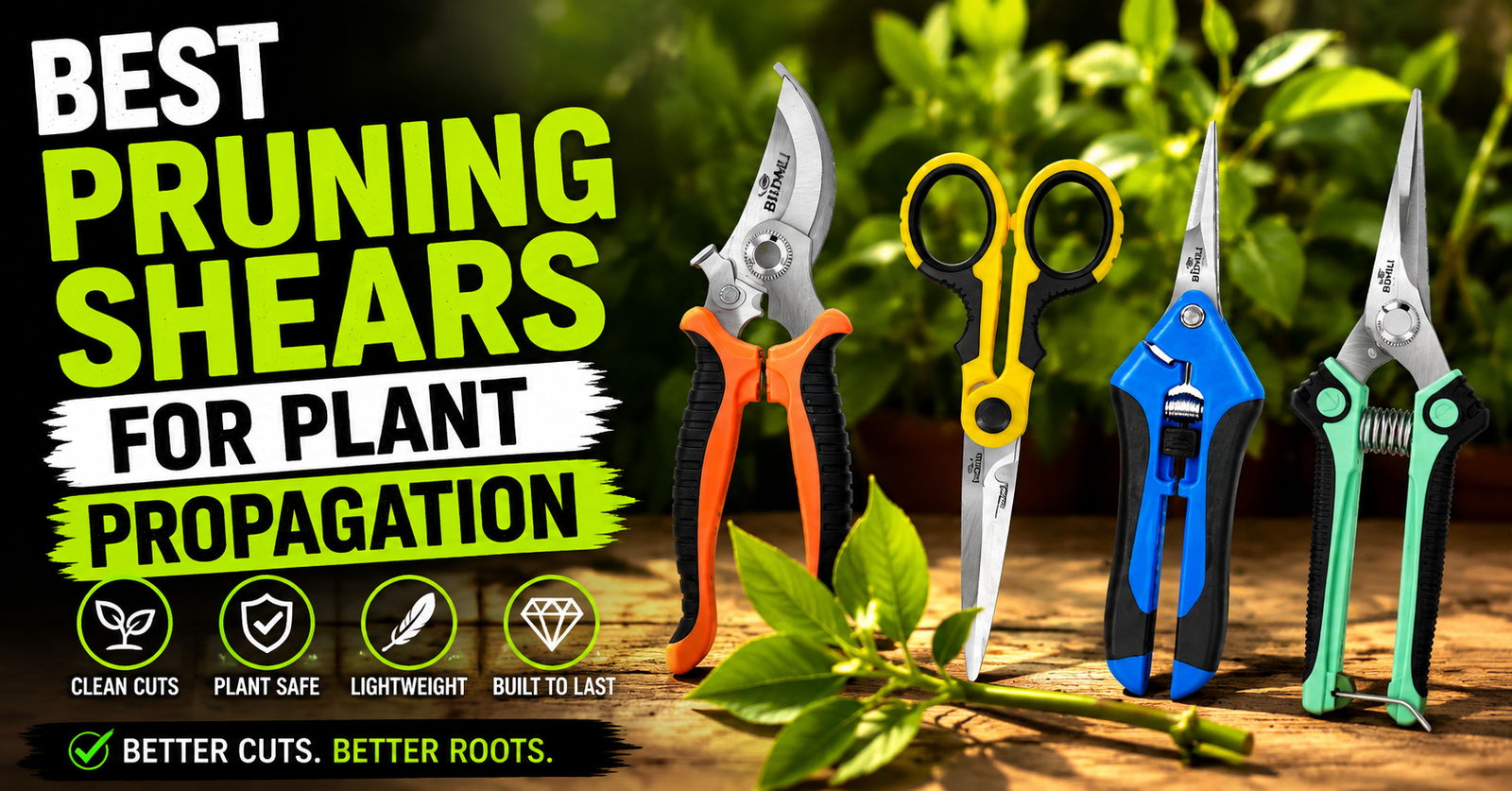
Instead, use sharp bypass pruners, a clean propagation knife, or another sharp cutting tool. If you're choosing pruners, hand pruners for trees can help you compare a nursery-tested option.
Before taking multiple cuttings, it’s also a good idea to disinfect your tools to help prevent spreading disease between plants.
Step 3: Make the Cutting
The exact length depends on the plant you’re propagating, but most cuttings are somewhere between 4 and 8 inches long.
Whenever possible, make the cut just below a leaf node.
Nodes contain the plant tissue where new roots most commonly develop.
Remove leaves that would end up below the surface of the propagation medium while leaving enough foliage at the top for the cutting to continue photosynthesis.
Step 4: Prepare the Rooting Hormone
This is one of the easiest steps to get wrong.
Never dip every cutting directly into the original container.
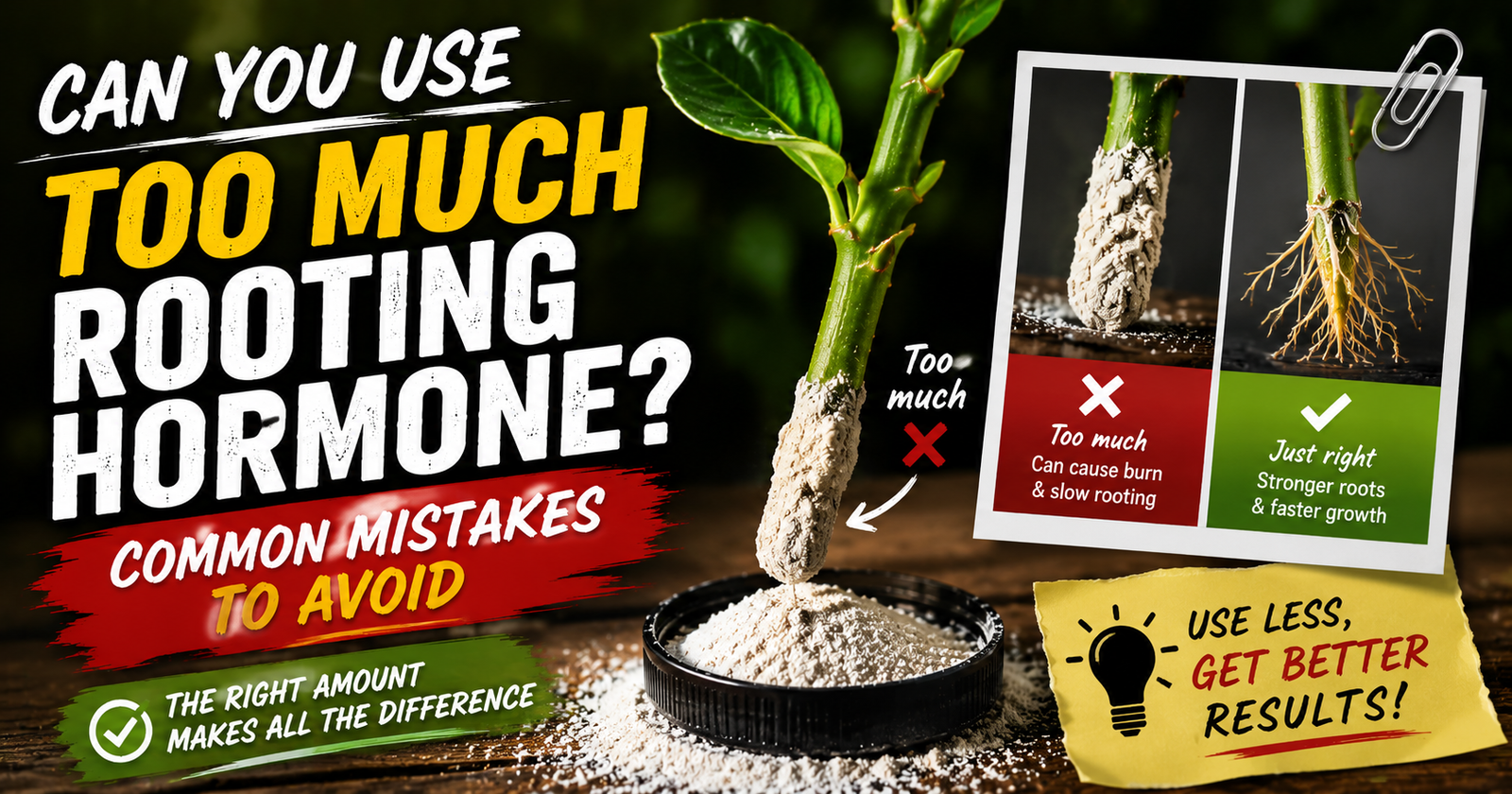
One mistake I see quite often is people assuming that more rooting hormone will produce more roots. In reality, a thin, even coating is all you need, and using excessive amounts can actually work against you on some plants. I explain why in Can You Use Too Much Rooting Hormone? Common Mistakes to Avoid
Doing so introduces moisture, dirt, and bits of plant material back into the product.
Instead, pour a small amount into a disposable cup, small dish, or another clean container.
When you’re finished, throw away any leftover rooting hormone rather than pouring it back into the bottle.
That simple habit helps keep the remaining product clean and effective.
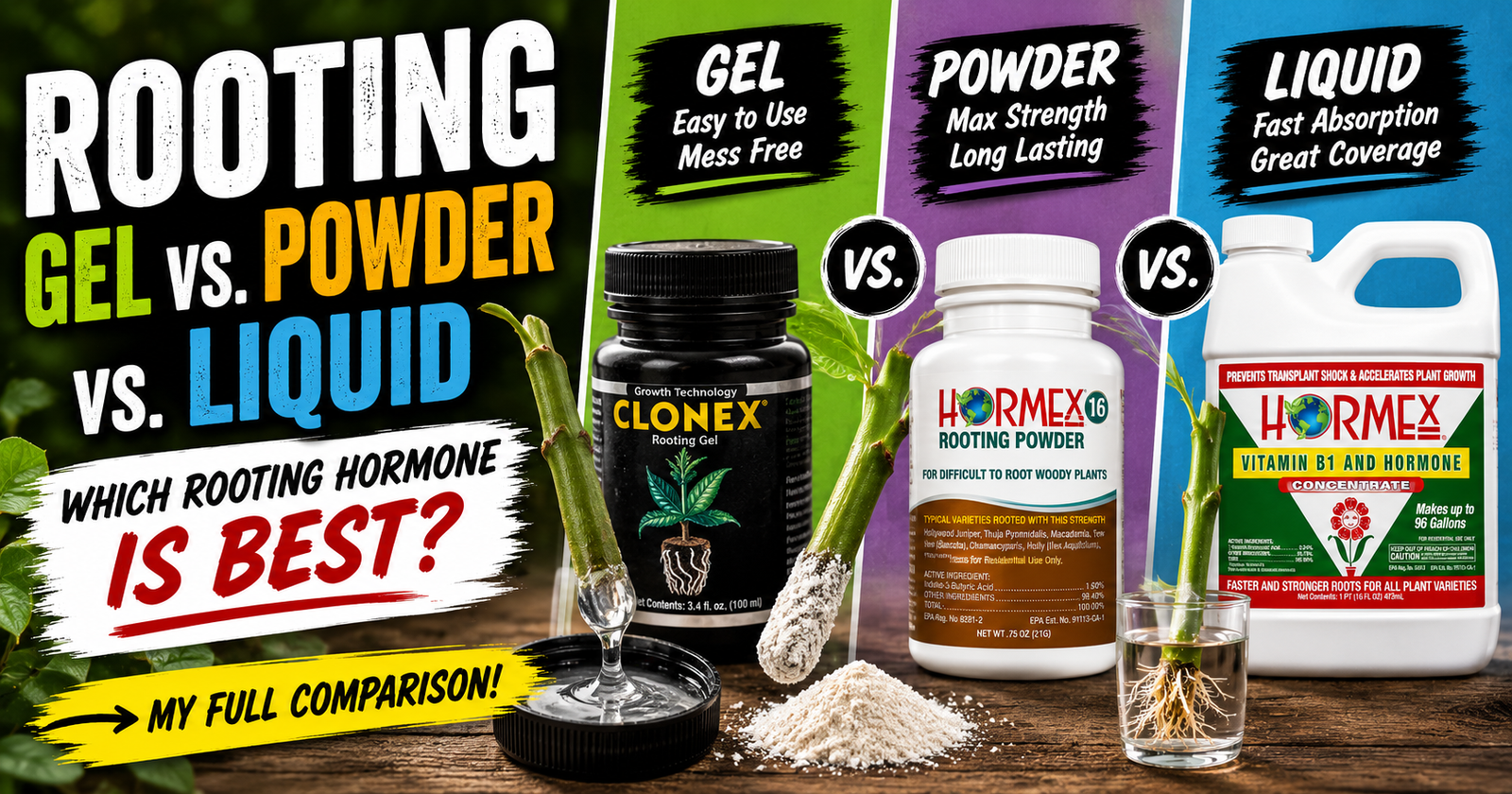
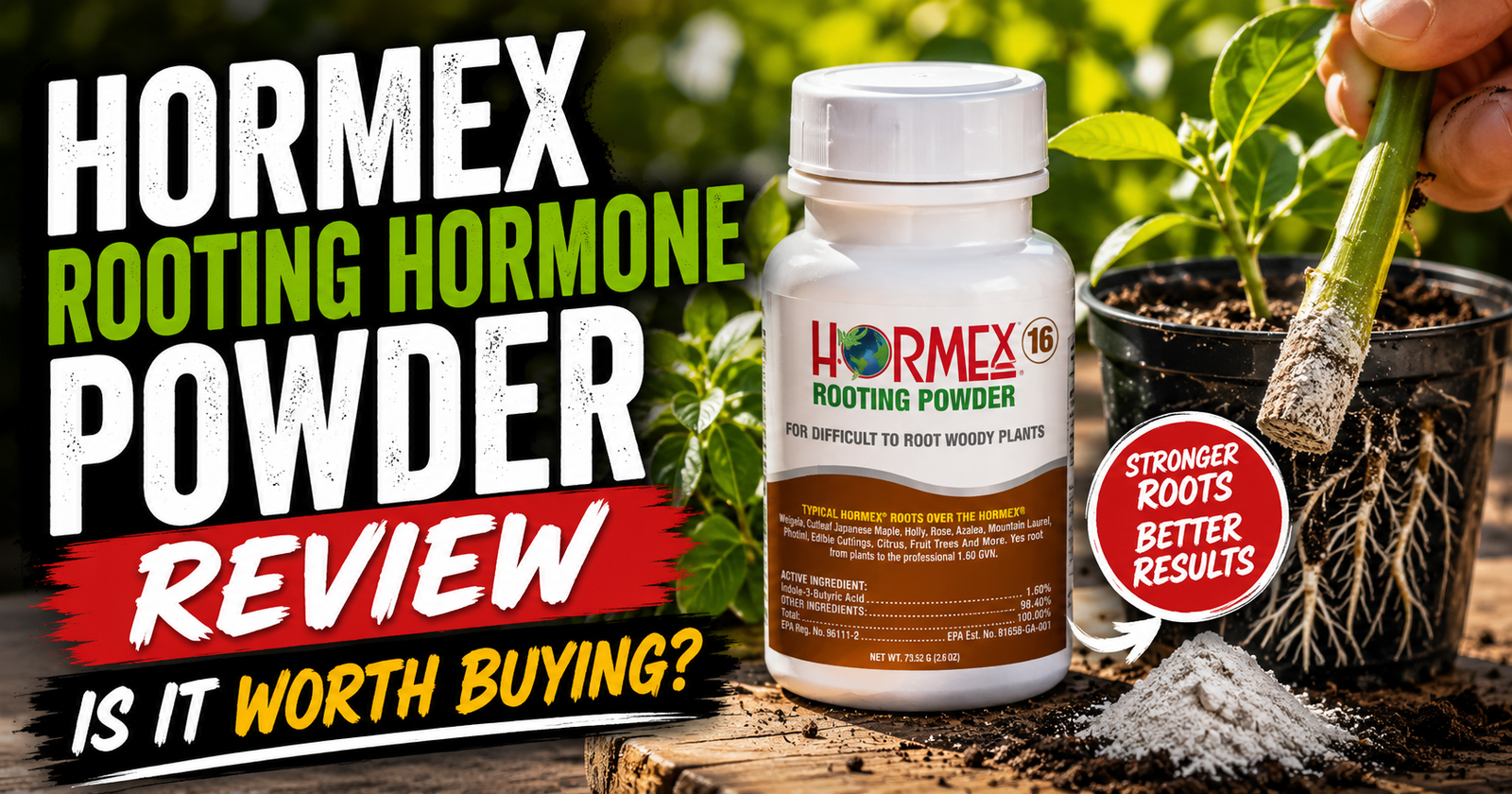
If you’re still trying to decide which type to buy, my comparison of Rooting Gel vs. Powder vs. Liquid Which Rooting Hormone Is Best? explains when each one makes the most sense.
Step 5: Apply the Rooting Hormone
How you apply it depends on the type you’re using.
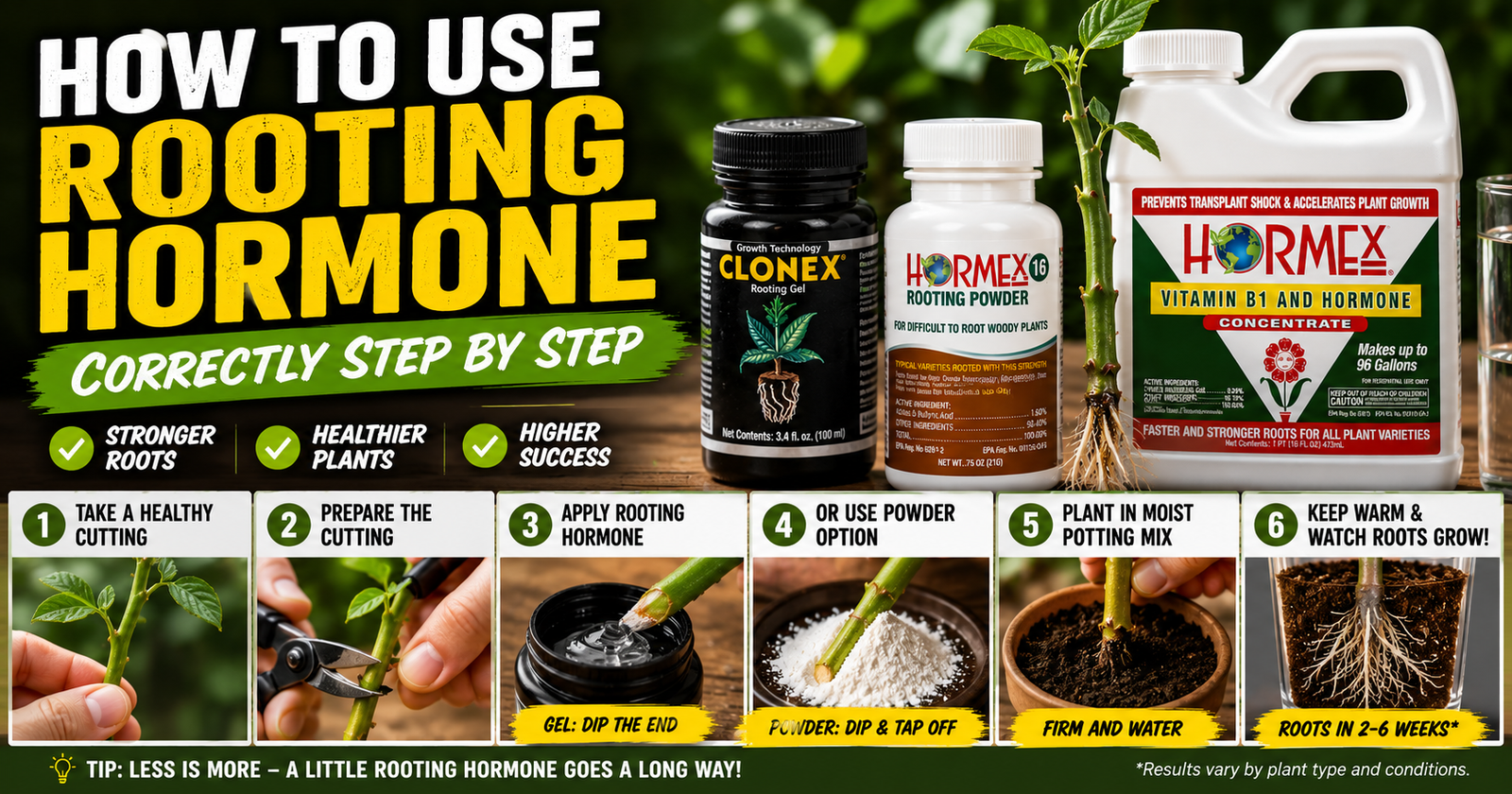
Rooting Powder
Lightly dip the freshly cut end into the powder.
Tap the stem gently to remove any excess.
You only need a thin coating.
More isn’t better.
Rooting Gel
Dip the bottom inch or two of the cutting into the gel until it’s evenly coated.
Because the gel sticks well, very little is lost during planting.
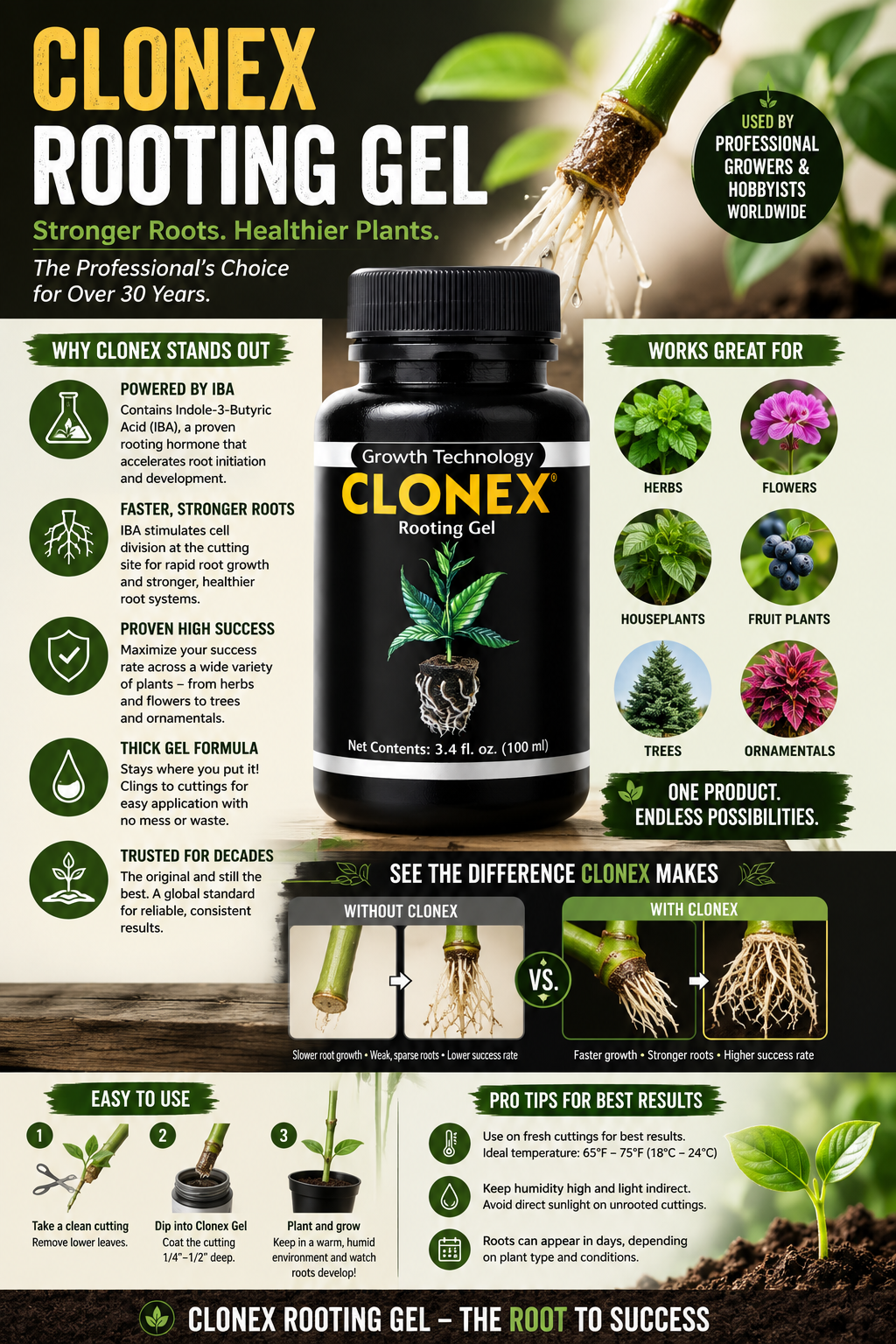
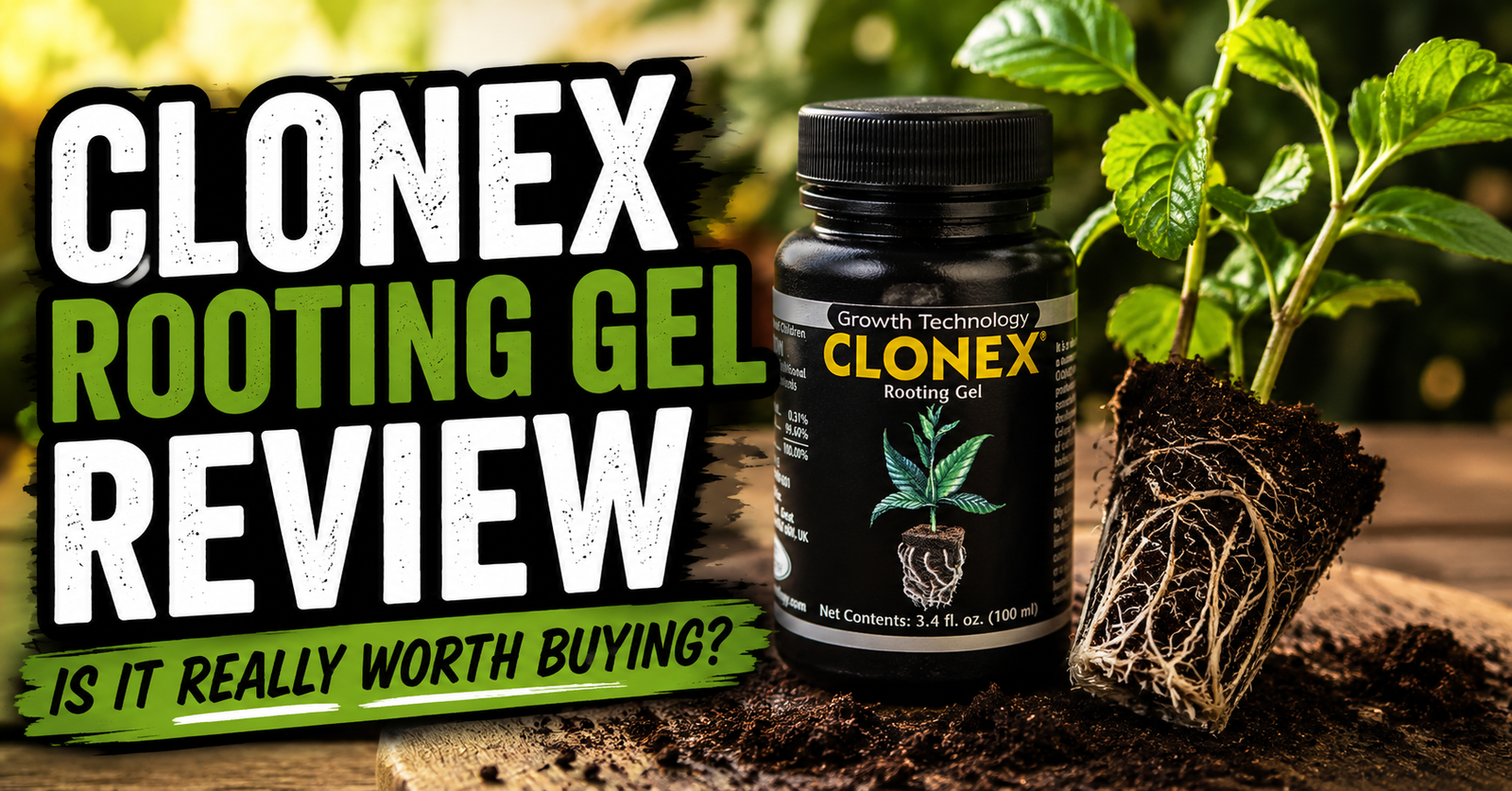
If you’re still deciding which product to buy, you can read my full Clonex Rooting Gel review.
Liquid Rooting Hormone
Liquid concentrates are typically mixed according to the label directions before use.
The proper dilution depends on what you’re propagating and how the manufacturer recommends applying it.
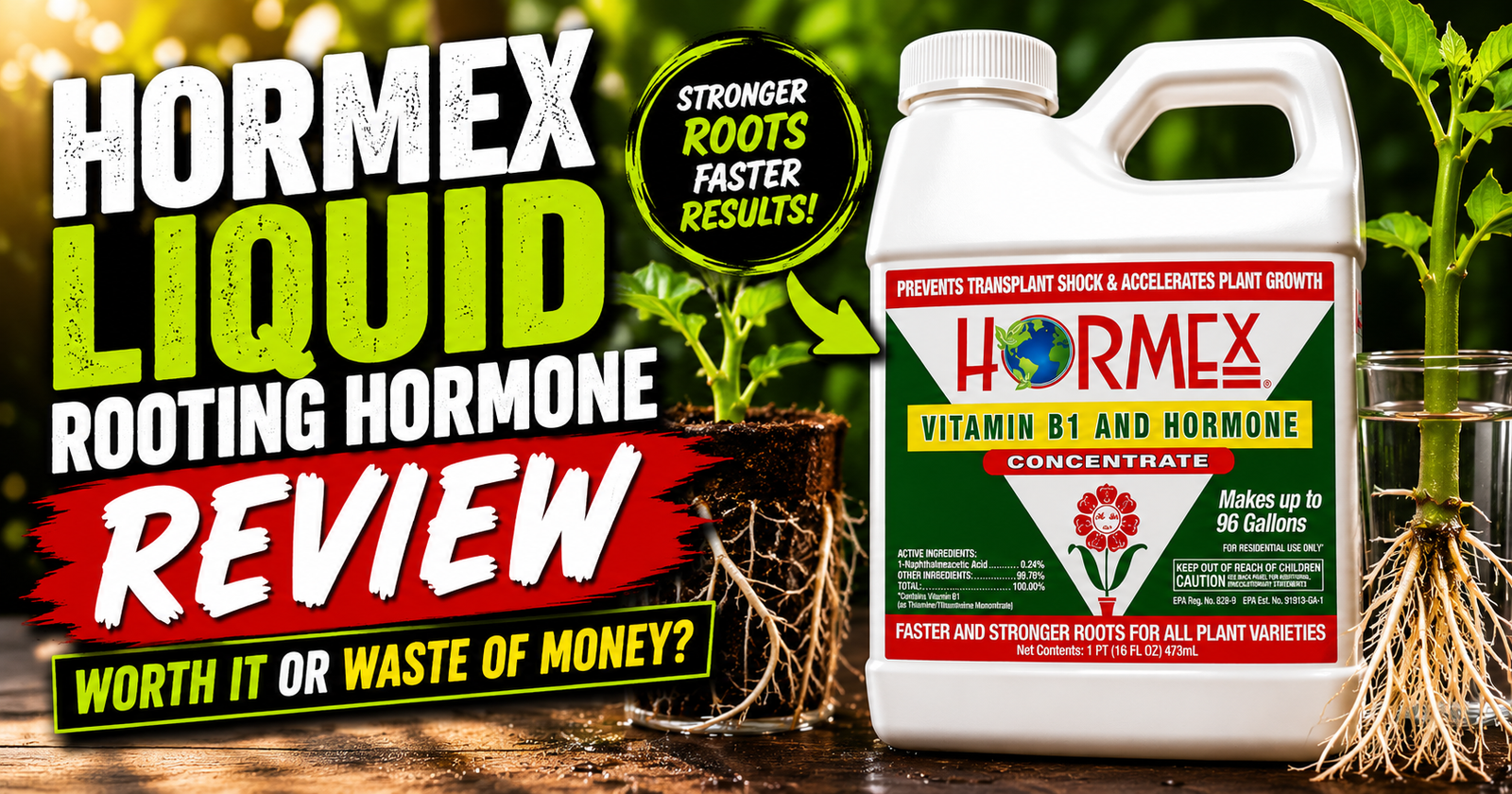
If you’re considering a concentrate, I recently reviewed Hormex Liquid Rooting Hormone and why so many serious gardeners use it.
Step 6: Make a Planting Hole First
This is probably the most overlooked step in the entire propagation process.
Don’t push the coated cutting directly into the soil.
Doing that often scrapes off much of the rooting hormone you just applied.
Instead, use a pencil, dibber, chopstick, or similar object to make a small planting hole first.
Then gently place the cutting into that hole before lightly firming the propagation medium around it.
You’ll keep much more of the rooting hormone exactly where it belongs.
Bonus: Using Rooting Hormone With an Aeroponic Cloner
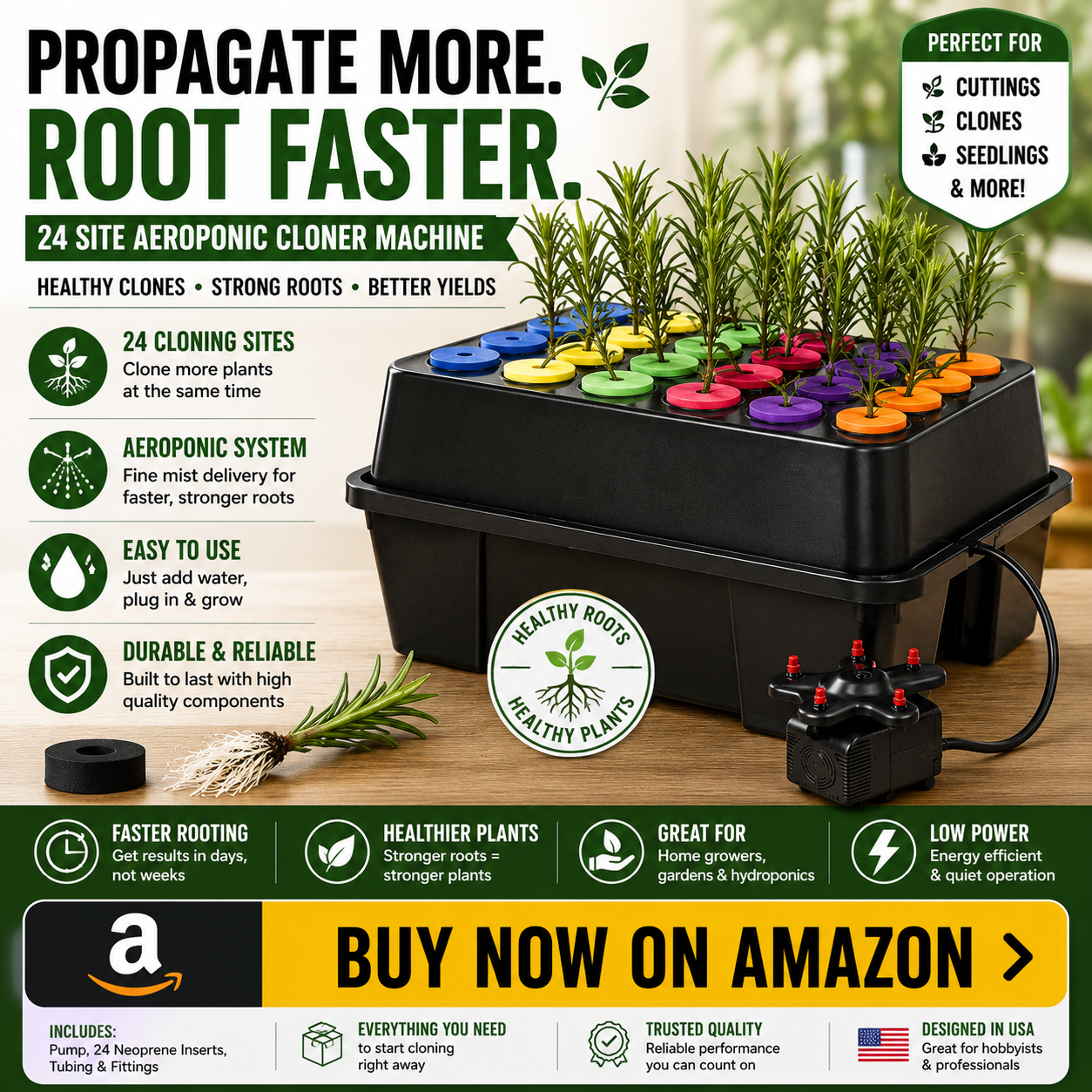
If you’re propagating more than just a few cuttings, pairing a quality rooting hormone with an aeroponic cloner can make the process much more efficient. The rooting hormone encourages root initiation, while the cloner continuously delivers moisture and oxygen to the stem, creating excellent conditions for new roots to develop. Together, they can help improve consistency across larger batches of cuttings. For larger batches, a 24-Site Aeroponic Cloner is one equipment option that fits this approach.
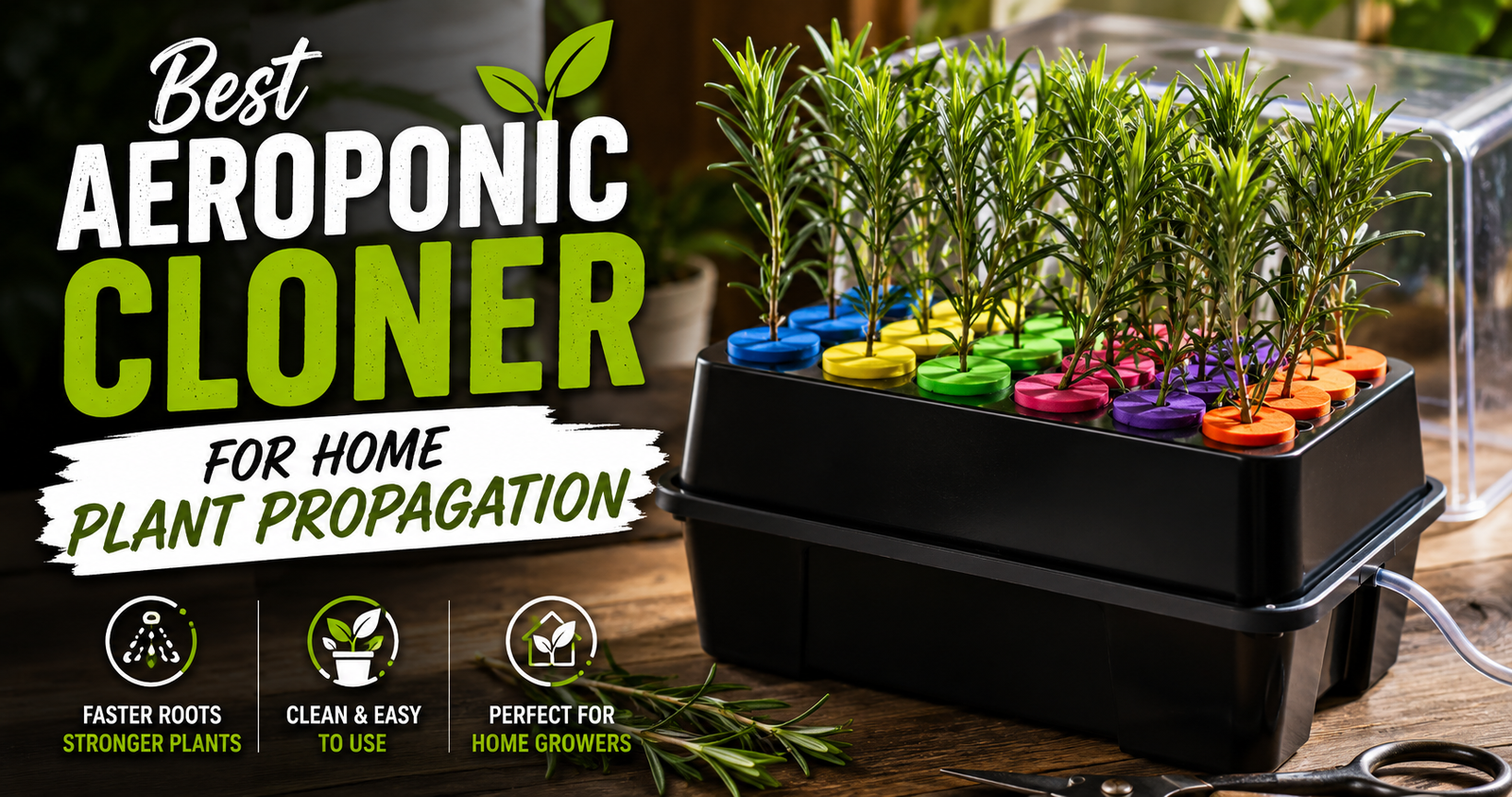
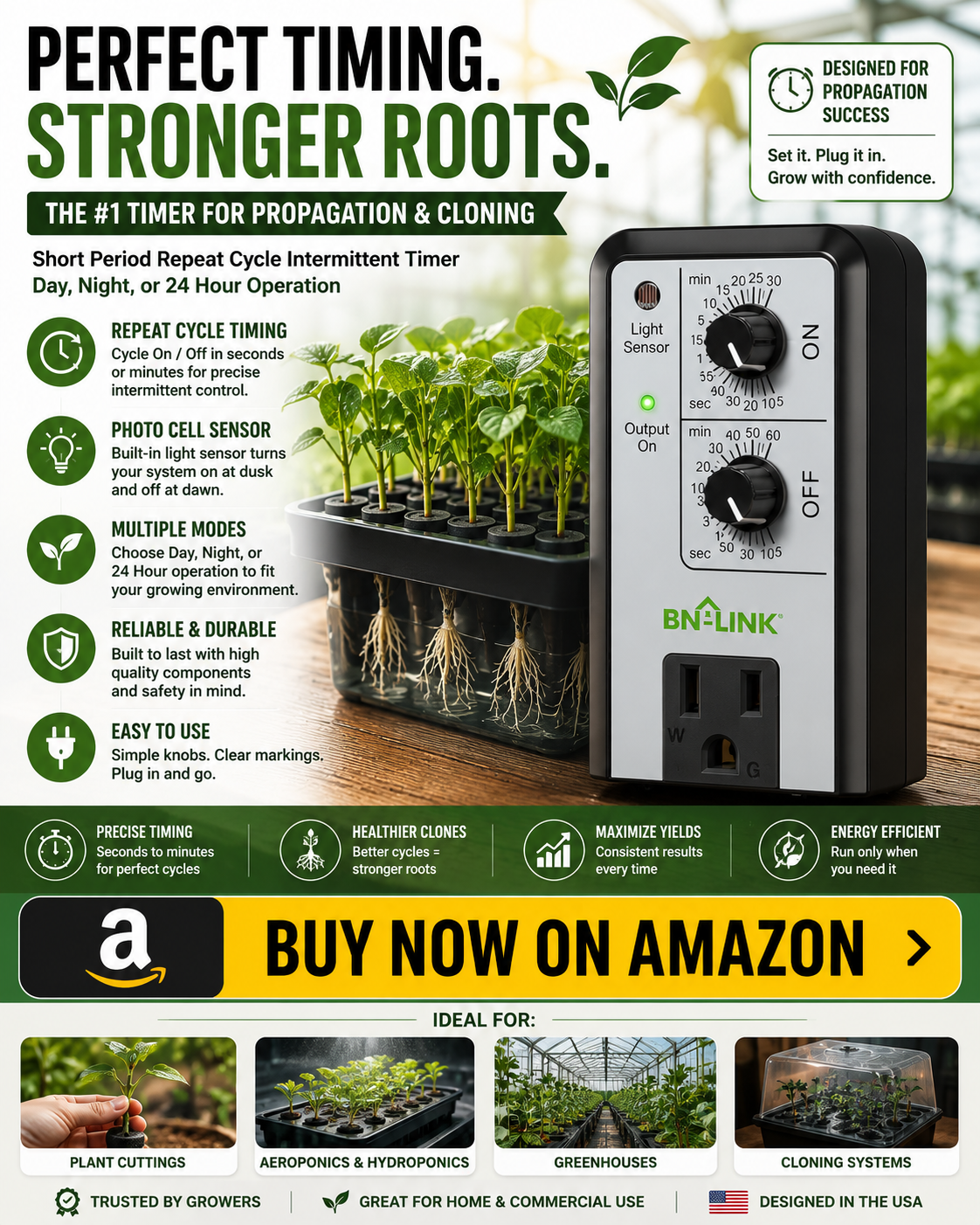
For home gardeners, I recommend reading my guide to the Best Aeroponic Cloner for Plant Cuttings if you’re considering upgrading from jars of water or propagation trays. I also recommend using a BN-LINK Short Period Repeat Cycle Timer with your cloner so you can experiment with different spray intervals instead of running the pump continuously.
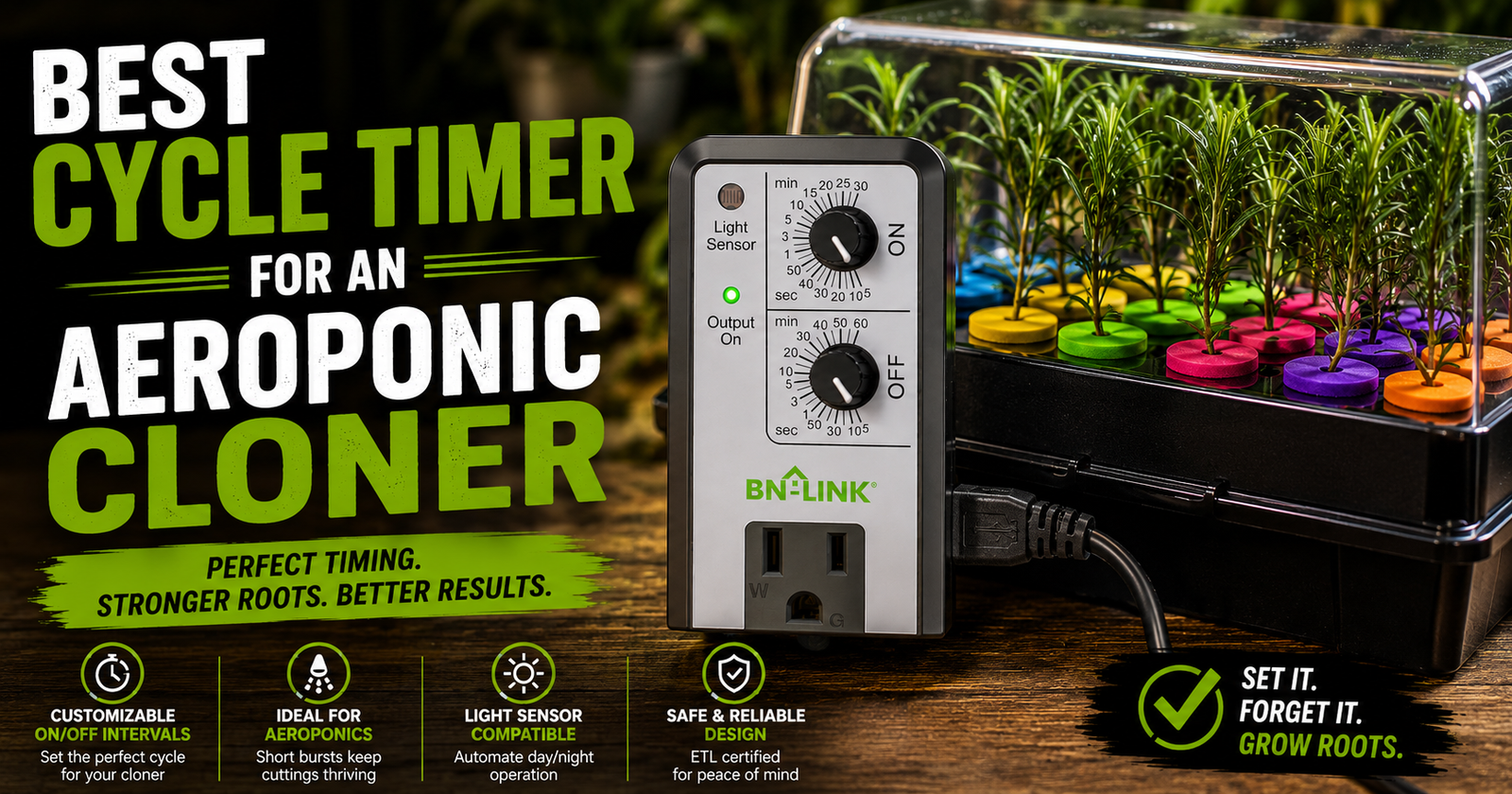
If you’d like to learn more about timer settings, why intermittent spray cycles can be beneficial, and which model I recommend, check out my guide on the Best Cycle Timer for an Aeroponic Cloner.
Step 7: Keep the Cutting in the Right Environment
Once the cutting is planted, the rooting hormone has already done its job.
From that point forward, success depends much more on the environment.
I focus on keeping:
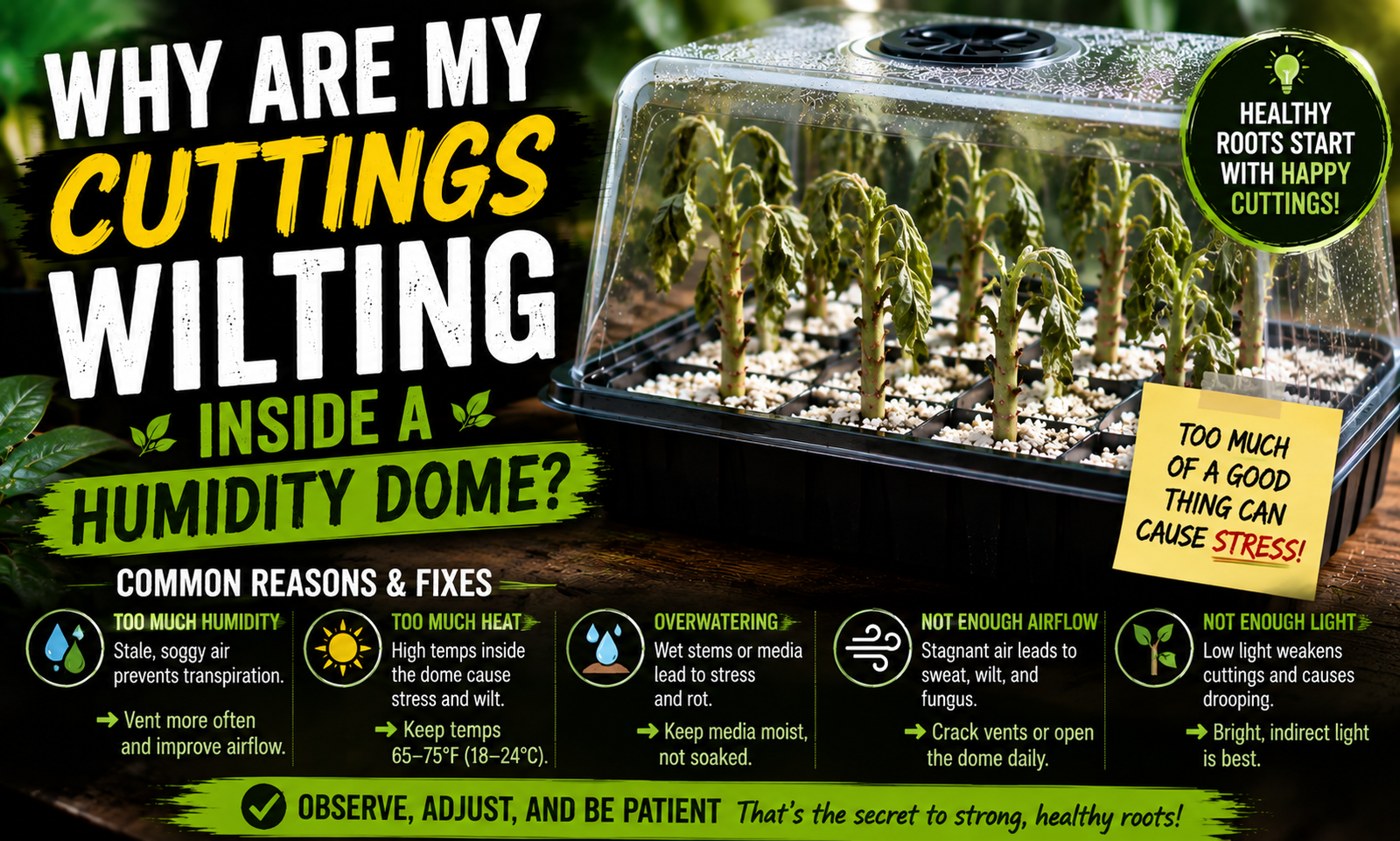
- The propagation medium lightly moist
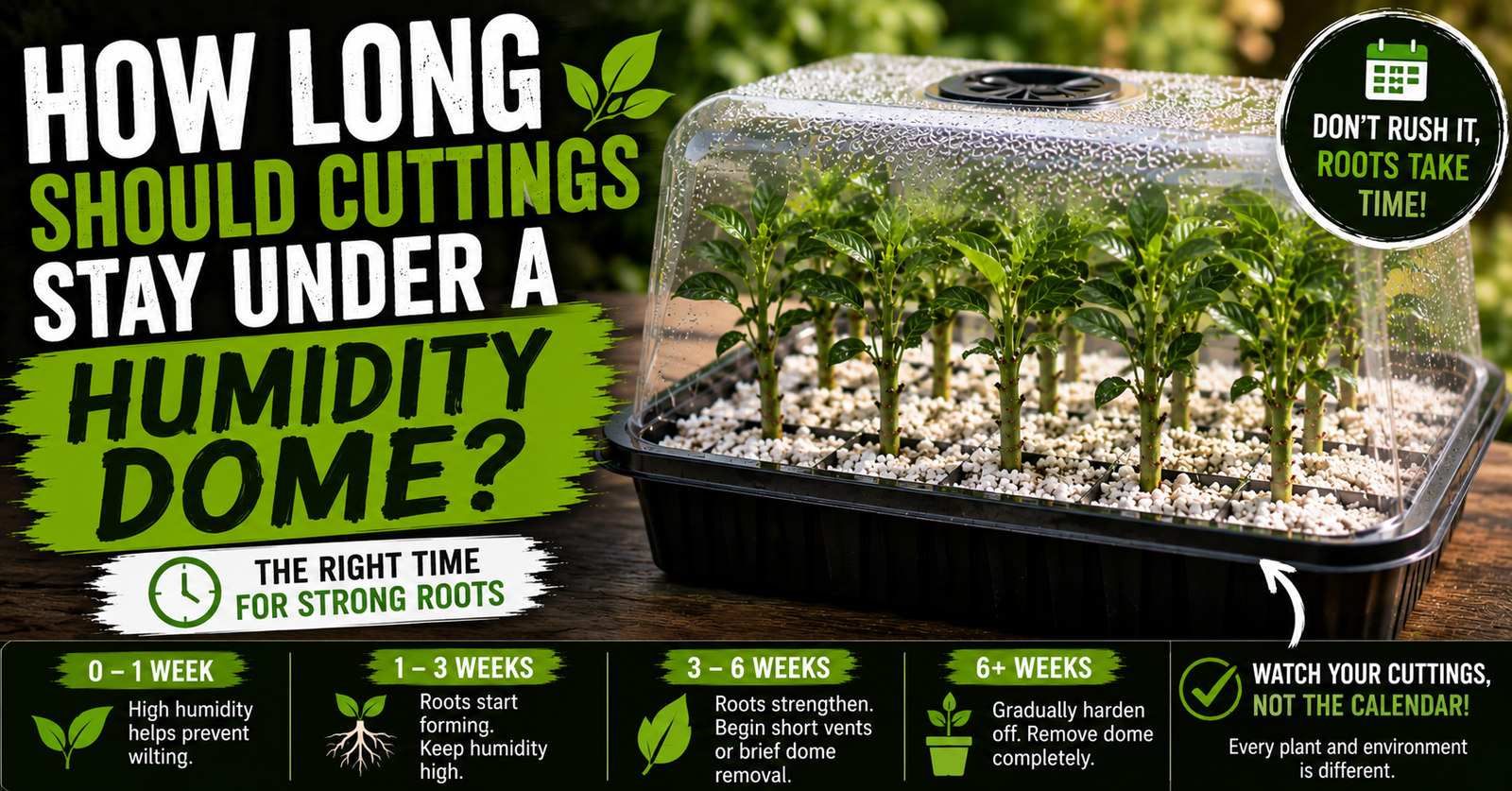
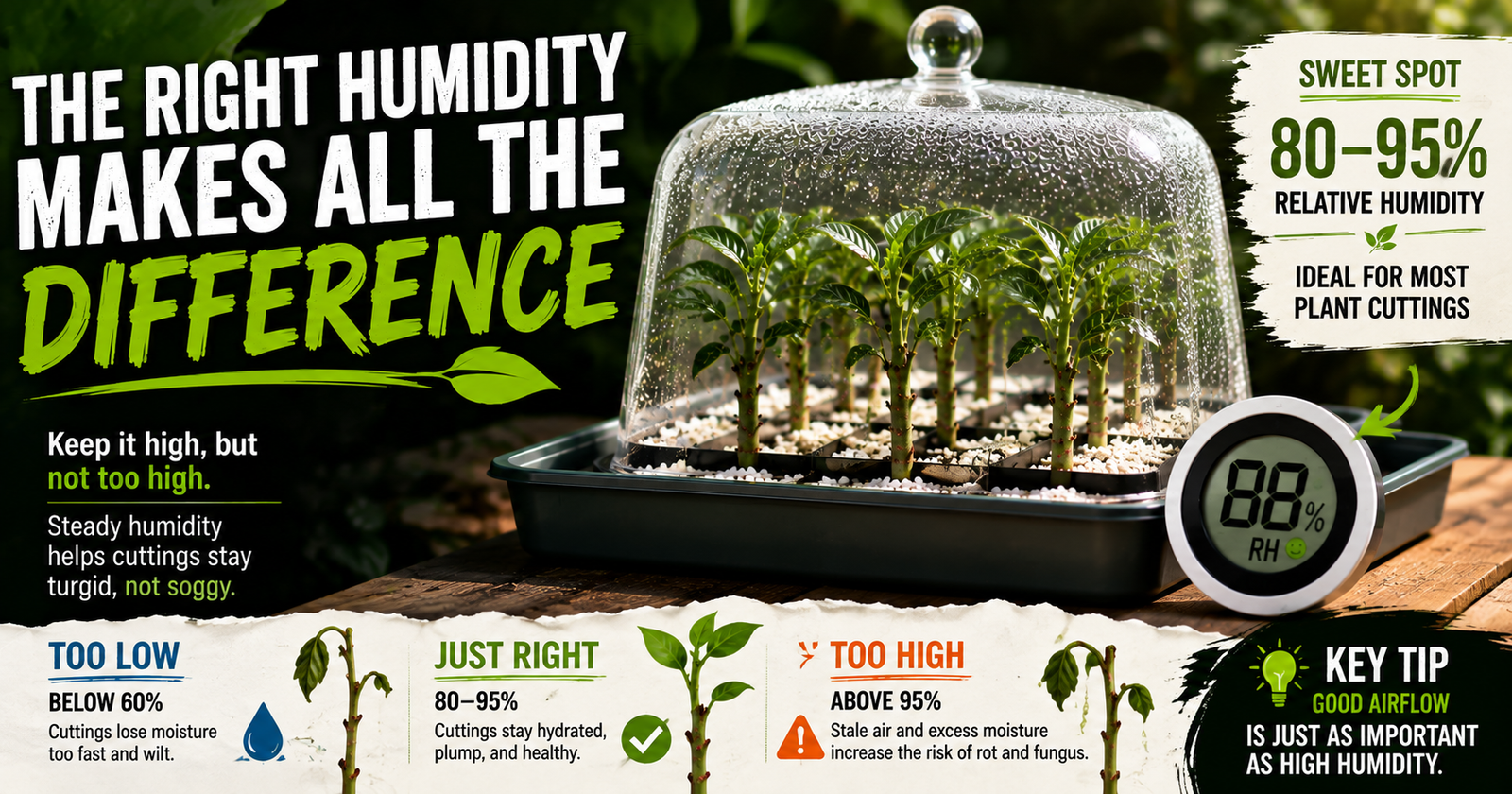
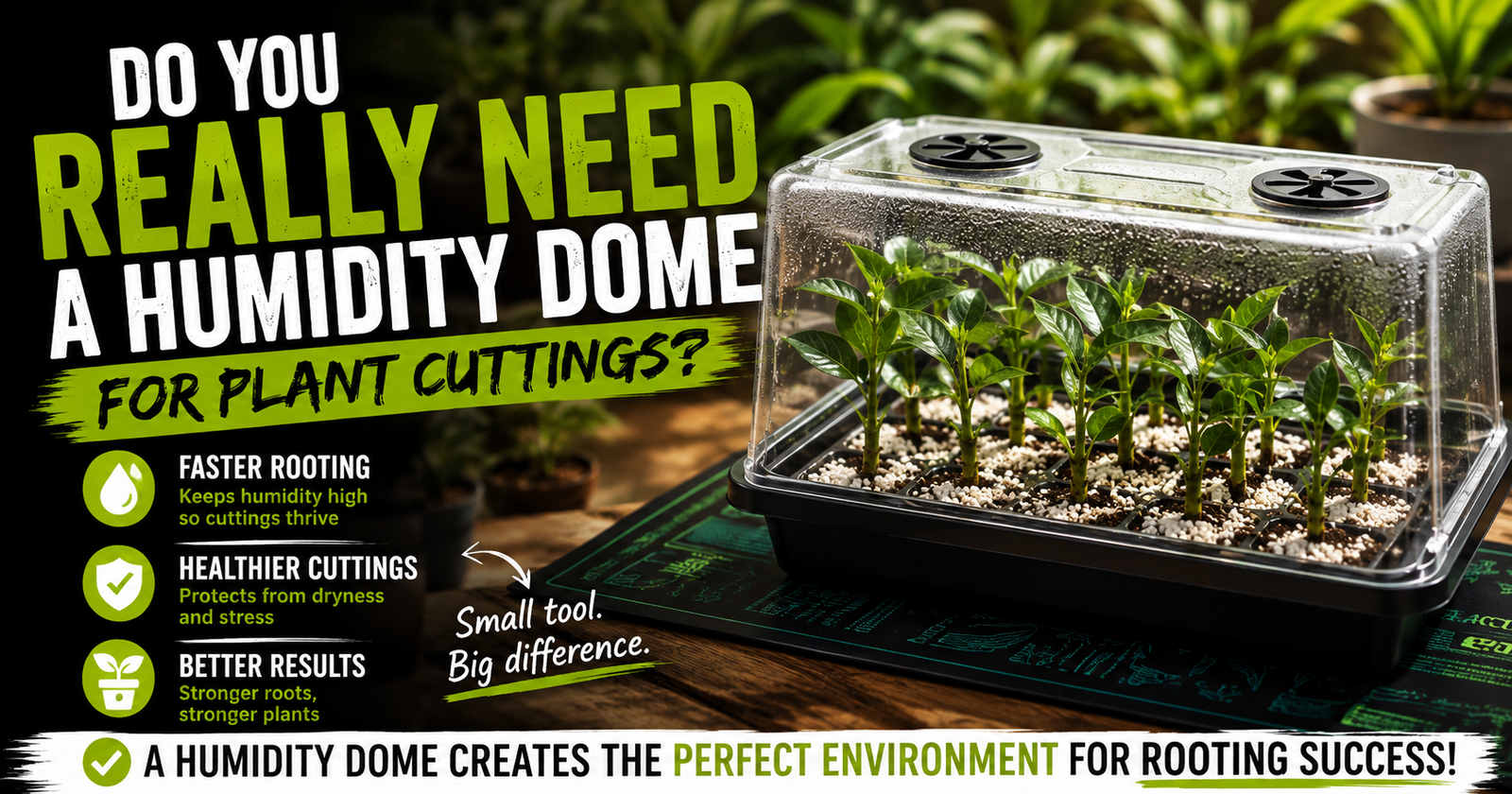
- Humidity relatively high
- Bright, indirect light
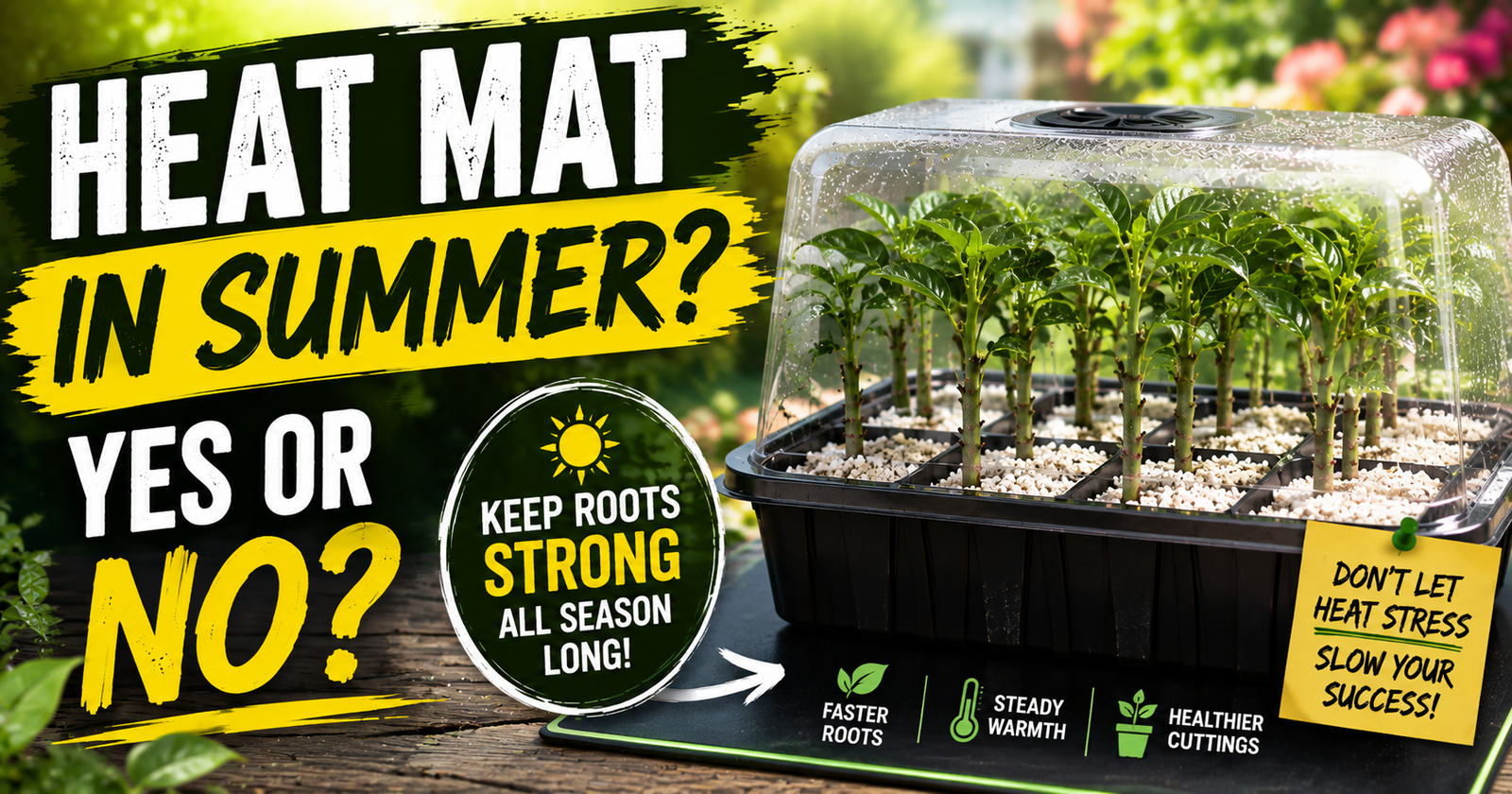
- Warm temperatures
- Good air circulation without drying the cutting out
These conditions are often far more important than which rooting hormone you chose in the first place.
Step 8: Be Patient
One of the hardest parts of propagation is simply waiting.
Every plant roots at its own pace.
Some softwood cuttings may begin producing roots within a couple of weeks, while hardwood cuttings from trees and shrubs can take several months.
Try not to disturb the cutting by pulling on it every few days to “check” for roots.
Every time you move the stem, you risk damaging tiny new roots that are just beginning to form.
Instead, let nature do its work and monitor the cutting by watching for signs of new growth.
Fresh leaves or buds are often a much better indication that rooting is happening than constantly lifting the cutting out of the propagation medium.
Does the Type of Cutting Change the Process?
The basic steps stay almost exactly the same whether you’re propagating flowers, shrubs, trees, or houseplants.
What changes is the type of stem you’re working with.
Softwood cuttings are tender and lose moisture quickly, while hardwood cuttings are slower to root but usually tolerate handling much better. Houseplants often fall somewhere in between depending on the species.
Understanding those differences helps you adjust your expectations and choose the rooting hormone that’s the best fit for the job.
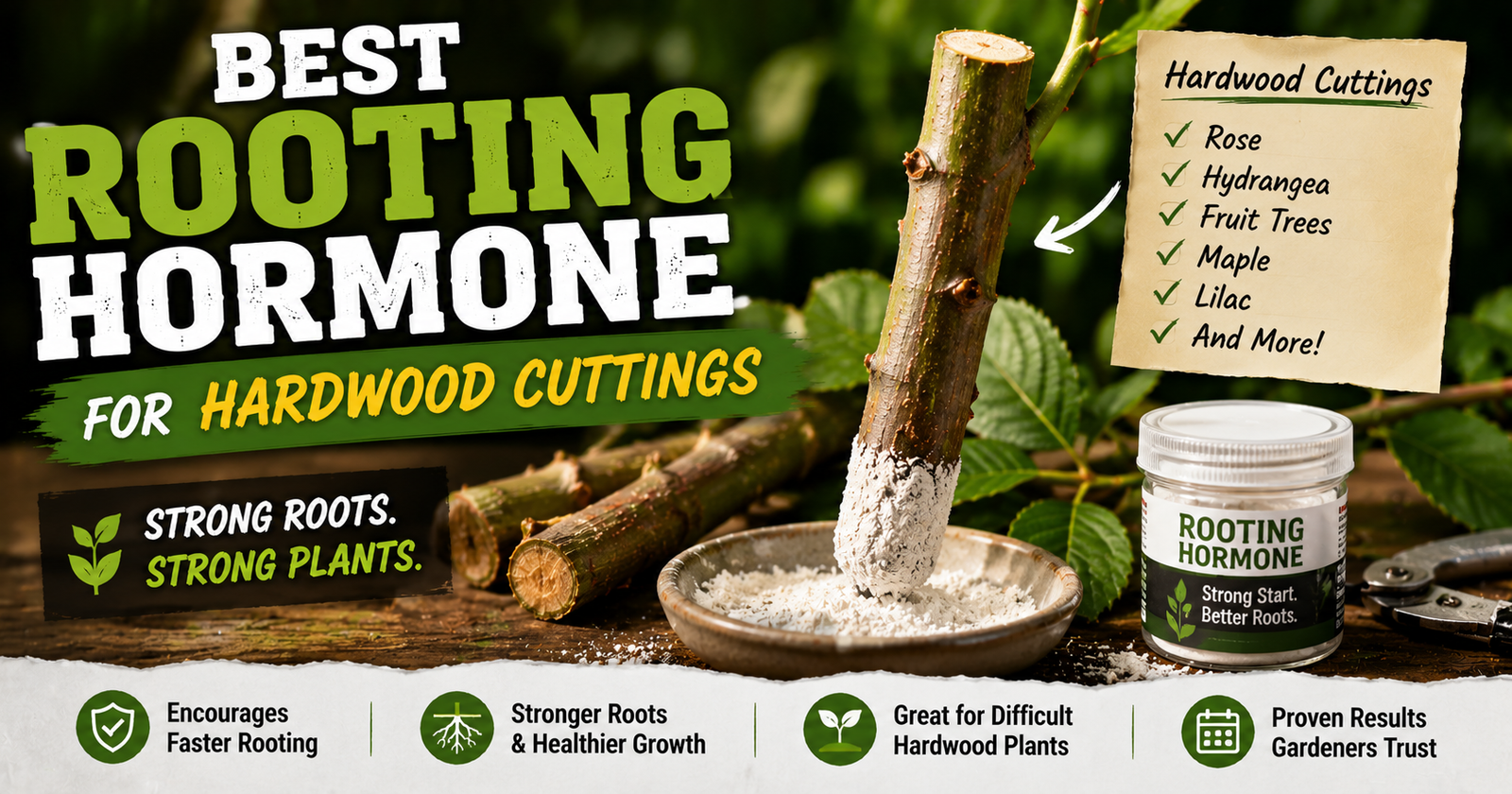
If you’re working with fresh green stems, my guide on Best Rooting Hormone for Softwood Cuttings explains which products I recommend and why. For dormant shrubs and trees, I put together a separate guide covering Best Rooting Hormone for Hardwood Cuttings
Common Mistakes That Can Ruin Your Success
Even experienced gardeners occasionally make mistakes when propagating plants.
Fortunately, most of them are easy to avoid.
Using Too Much Rooting Hormone
This is probably the biggest misconception.
Many people assume that applying extra rooting hormone will produce extra roots.
It usually doesn’t.
A light, even coating is all that’s needed.
Applying excessive amounts can actually interfere with normal root development on some plants.
Reusing Contaminated Product
Never pour unused rooting hormone back into the original bottle.
Once it’s been exposed to plant material and moisture, it’s no longer clean.
Discard the leftover amount after each propagation session.
You’ll waste a tiny bit of product, but you’ll protect the rest of the container.
Skipping the Pilot Hole
Pushing a coated cutting straight into the soil rubs much of the hormone back off.
Taking five seconds to make a planting hole first can make a noticeable difference.
Letting the Medium Stay Soggy
Rooting hormone encourages root formation.
It doesn’t prevent rot.
Waterlogged soil cuts off oxygen around the stem and creates ideal conditions for fungal diseases.
Aim for a propagation medium that’s consistently moist—not soaking wet.
Choosing the Wrong Type of Rooting Hormone
Most gardeners don’t need every type of rooting hormone.
The best one depends on how you garden.
If you’re still trying to decide, I put together a full comparison of Rooting Gel vs. Powder vs. Liquid to help you choose the right option.
Can You Use Rooting Hormone in Water?
Yes—but it depends on the product.
Some liquid rooting hormone concentrates are designed to be diluted with water and used according to the manufacturer’s instructions.
Rooting powders and gels, however, are generally intended to be applied directly to the cutting before it’s placed into a propagation medium.
If you’re propagating in water, always follow the directions provided with your specific rooting hormone.
Should You Reapply Rooting Hormone?
No.
In almost every case, rooting hormone is applied only once.
After the cutting has been planted, adding more generally won’t improve your results.
If the cutting fails to root, the problem is usually related to the plant’s health or the growing environment—not because the original application wore off.
Which Type Do I Use Most?
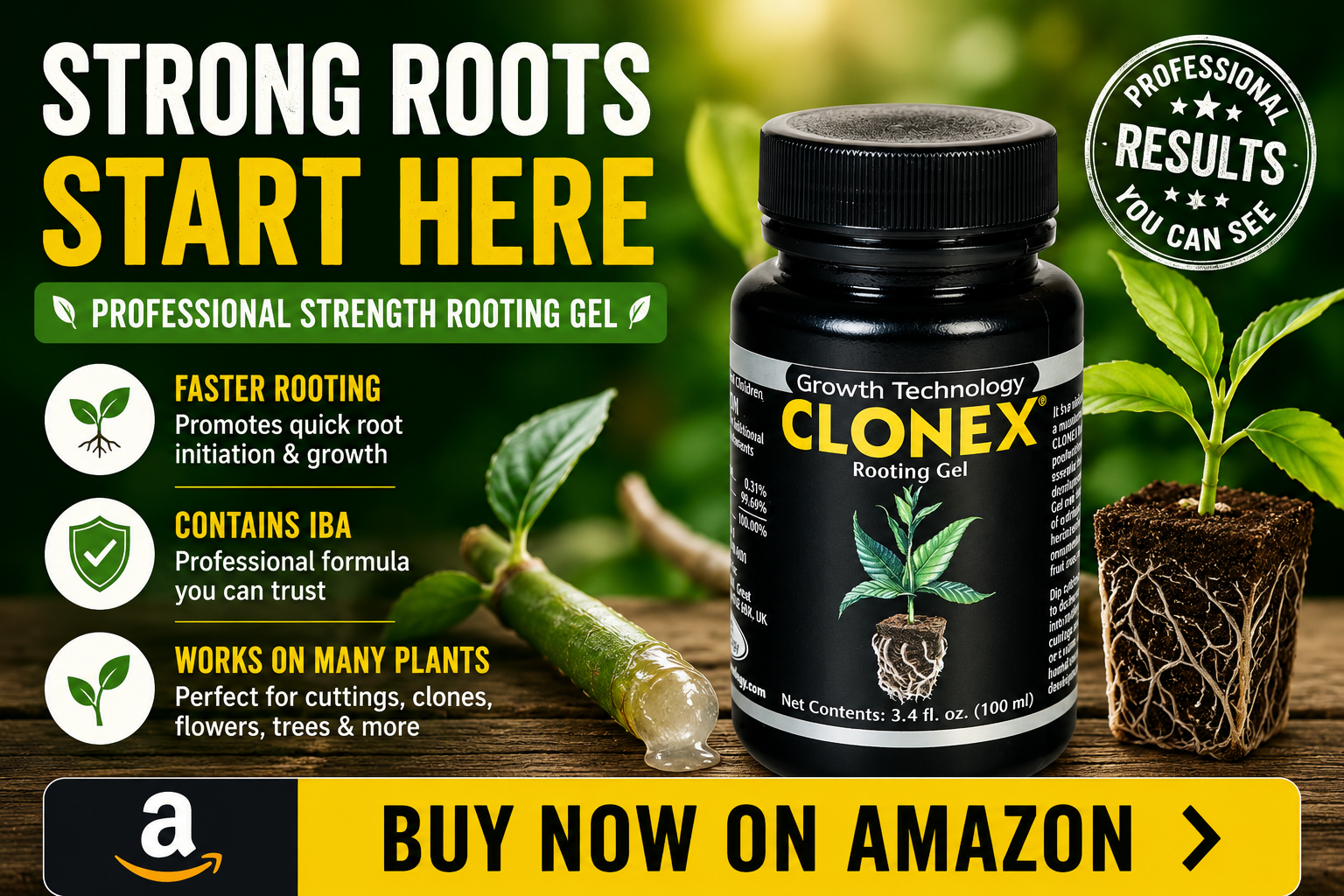
If I’m taking just a few cuttings, I like the simplicity of a rooting gel.
It’s quick, clean, and stays exactly where I put it.
For larger propagation projects involving woody shrubs or dormant cuttings, a rooting powder is still hard to beat because it’s affordable and lasts a long time.
When I’m propagating frequently throughout the season or working with transplanting as well as propagation, a liquid concentrate offers the most versatility.
Each one has its place, which is why I don’t think there’s a single “best” rooting hormone for everyone.
Different Types of Cuttings Need Different Approaches
The overall process of using rooting hormone stays remarkably similar whether you’re propagating shrubs, trees, flowers, or houseplants.
What usually changes is the type of cutting you’re working with.
Fresh softwood cuttings lose moisture much faster than dormant hardwood cuttings, while many common houseplants fall somewhere in between.
Understanding those differences often improves your success more than simply switching to another rooting hormone.
If you’re working with fresh spring growth, my guide on Best Rooting Hormone for Softwood Cuttings explains which products I recommend and why they work so well on tender new stems.
Frequently Asked Questions
How much rooting hormone should I use?
Only a thin coating is necessary.
Whether you’re using a powder or a gel, more product won’t necessarily produce better rooting.
Always follow the application instructions provided by the manufacturer.
Can you touch rooting hormone with your hands?
It’s best to avoid direct skin contact whenever possible.
Using disposable gloves or washing your hands after handling rooting hormone is a good practice, especially if you’ll be working with many cuttings.
Does every cutting need rooting hormone?
No.
Many easy-to-root plants can propagate successfully without it.
Rooting hormone is most helpful for plants that are slower or more difficult to root, or when you want to improve your overall success rate.
What happens if I don’t use rooting hormone?
Many plants will still root successfully.
However, rooting hormone can increase the likelihood of successful rooting and may encourage faster, more consistent root development on many species.
Can I use homemade rooting hormone instead?
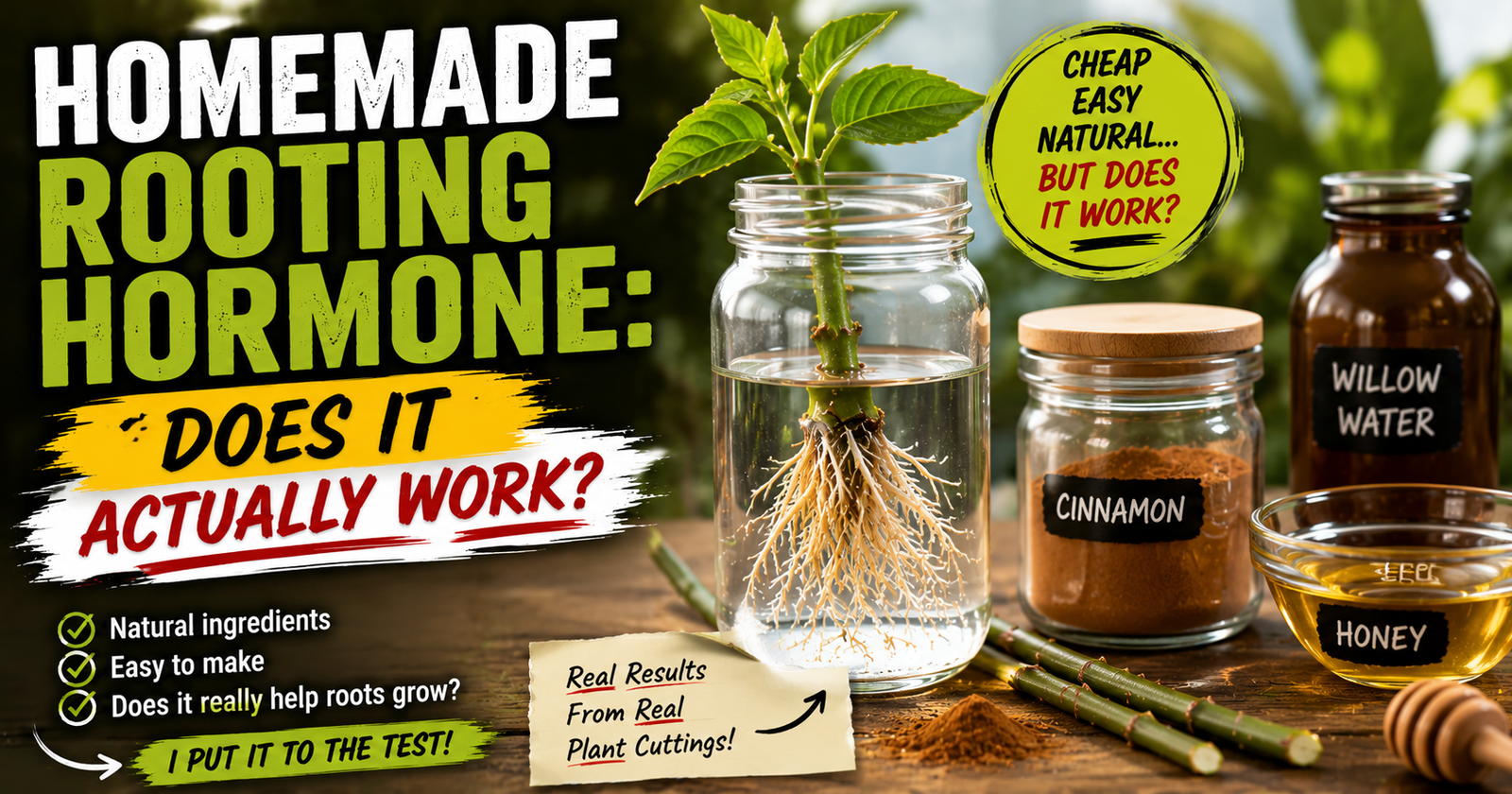
Some gardeners use honey, aloe vera, willow water, or other homemade alternatives when propagating cuttings. While these methods can sometimes work, they don’t always provide the same consistency as commercial products. If you’re thinking about trying them, read Homemade Rooting Hormone Does It Actually Work? before deciding which route to take.
My Final Advice
If there’s one lesson I’ve learned about propagation, it’s this:
Rooting hormone is a helpful tool—not a magic shortcut.
Success starts with a healthy parent plant, clean cuts, the right propagation medium, and good growing conditions.
When you combine those basics with proper use of rooting hormone, you’ll give your cuttings the best possible chance to develop strong, healthy roots.
Whether you prefer a powder, gel, or liquid concentrate, using it correctly is far more important than simply buying the most expensive product.
About the Author
Dax Weaver is the founder of Propagation World and has propagated thousands of plants through his family’s nursery. His experience includes rooting softwood and hardwood cuttings, grafting fruit trees, dividing perennials, growing plants from seed, and producing healthy nursery stock across a wide range of ornamental and edible plants. Through Propagation World, he shares practical propagation techniques, honest product reviews, and straightforward advice to help gardeners propagate more successfully.