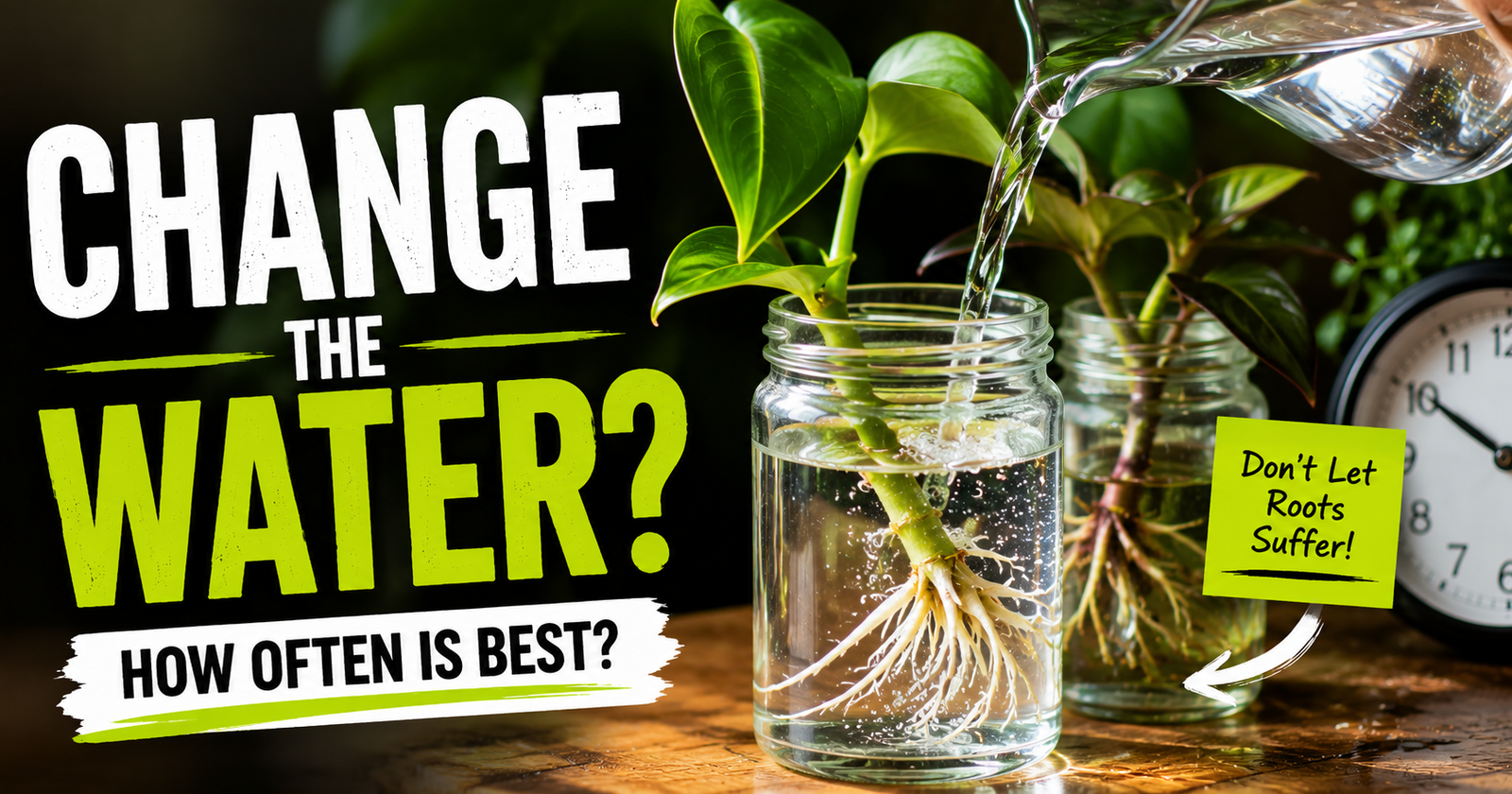
One of the most common questions beginners ask after placing a cutting in water is surprisingly simple.
How often should I change the water?
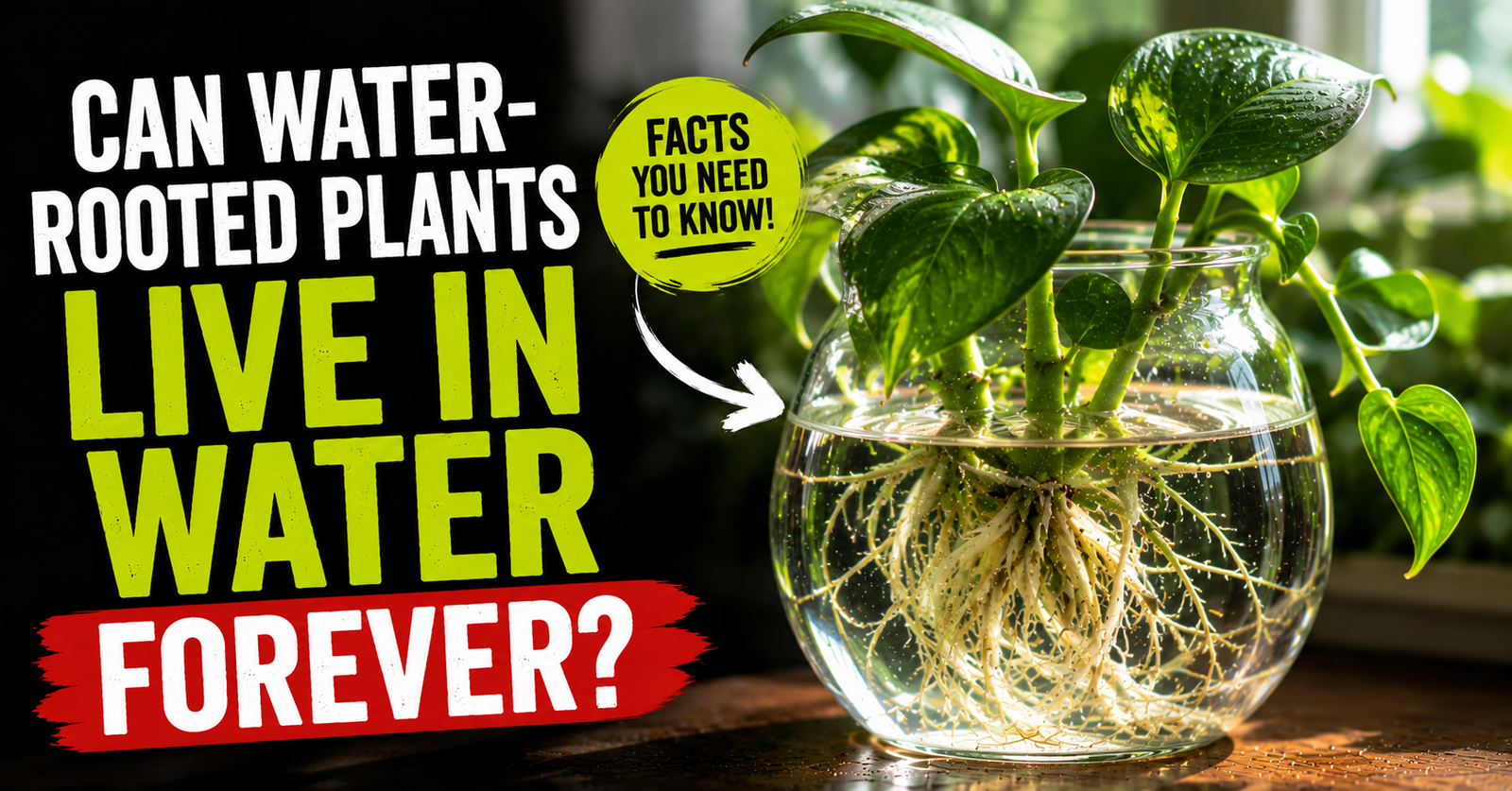
It’s easy to assume the cutting can simply sit in the same glass until roots appear, but fresh water plays a much bigger role than many people realize.
Changing the water regularly helps provide oxygen, reduces bacteria, and creates a healthier environment for new roots to develop. If clean water alone does not solve the problem, Why Won’t My Cuttings Root in Water? Common Reasons & Fixes covers the other common causes.
The good news?
You don’t need to replace it every day.
The Short Answer
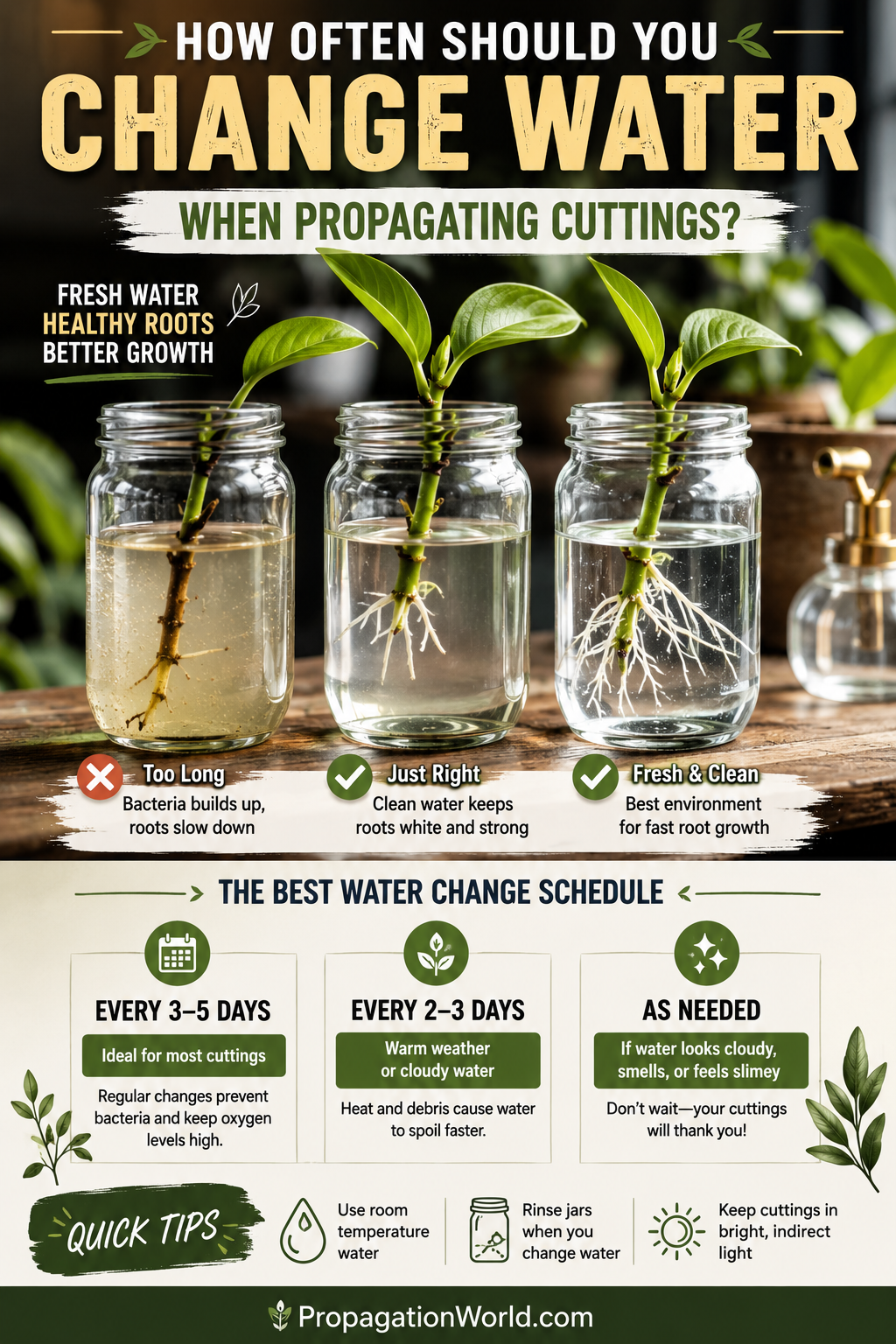
For most plant cuttings, I recommend changing the water every 3 to 7 days.
This schedule keeps the water clean without disturbing the cutting too often.
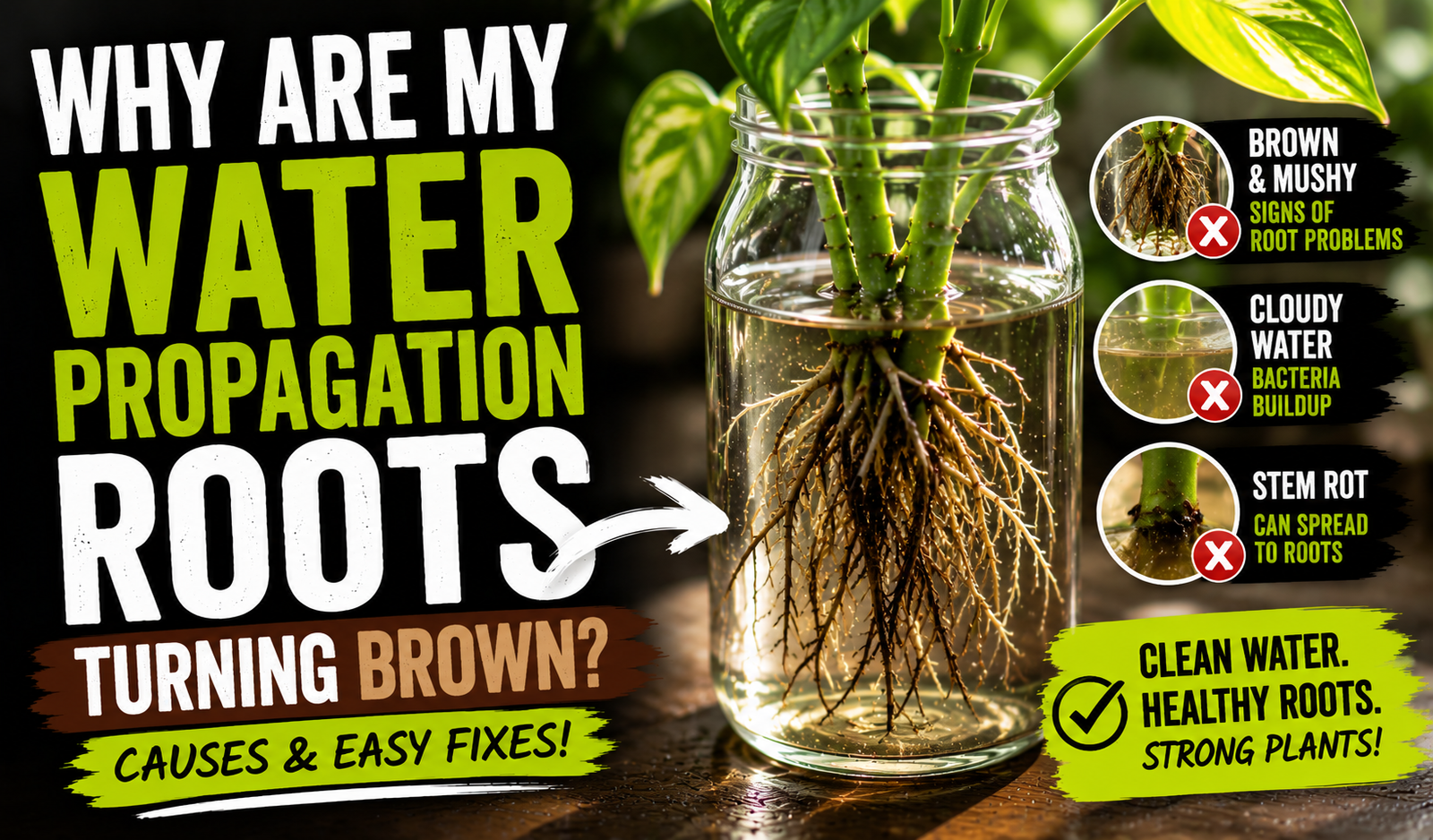
If the water becomes cloudy, develops an odor, or starts growing algae before then, don’t wait. Those changes can affect root health, and Why Are My Water Propagation Roots Turning Brown? shows what to check when roots begin changing color.
Replace it immediately.
Fresh water almost always does more good than leaving questionable water in the container.
Why Changing the Water Matters
Many people think the water is simply there to keep the cutting alive.
While that’s true, fresh water also helps create the conditions new roots need to form.
Over time, several things begin happening inside the container.
- Oxygen levels slowly decrease.
- Bacteria begin multiplying.
- Small pieces of plant tissue start breaking down.
- Algae may begin growing if the container receives direct sunlight.
None of these automatically mean your cutting will fail, but together they can slow rooting or increase the risk of stem rot.
Replacing the water regularly helps reset those conditions before they become a problem.
Can You Change the Water Too Often?
Usually, no.
Many gardeners worry they’ll “shock” the cutting by replacing the water.
In reality, most healthy cuttings tolerate fresh water just fine.
The only thing I try to avoid is constantly removing the cutting from the container and handling the developing roots.
Once roots begin forming, they’re surprisingly delicate.
If possible, gently pour out the old water while leaving the cutting in place.
What Happens If You Never Change the Water?
Sometimes you’ll get lucky.
Easy plants like pothos may still root without much attention. Elderberry cuttings offer a useful example of how water rooting can work while still raising questions about long-term growth: how elderberry cuttings root in water
But over time, stagnant water usually creates more problems than benefits.
You may notice:
- Cloudy water
- Slime forming on the stem
- Unpleasant odors
- Yellowing leaves
- Soft, mushy stems
- Slower root development
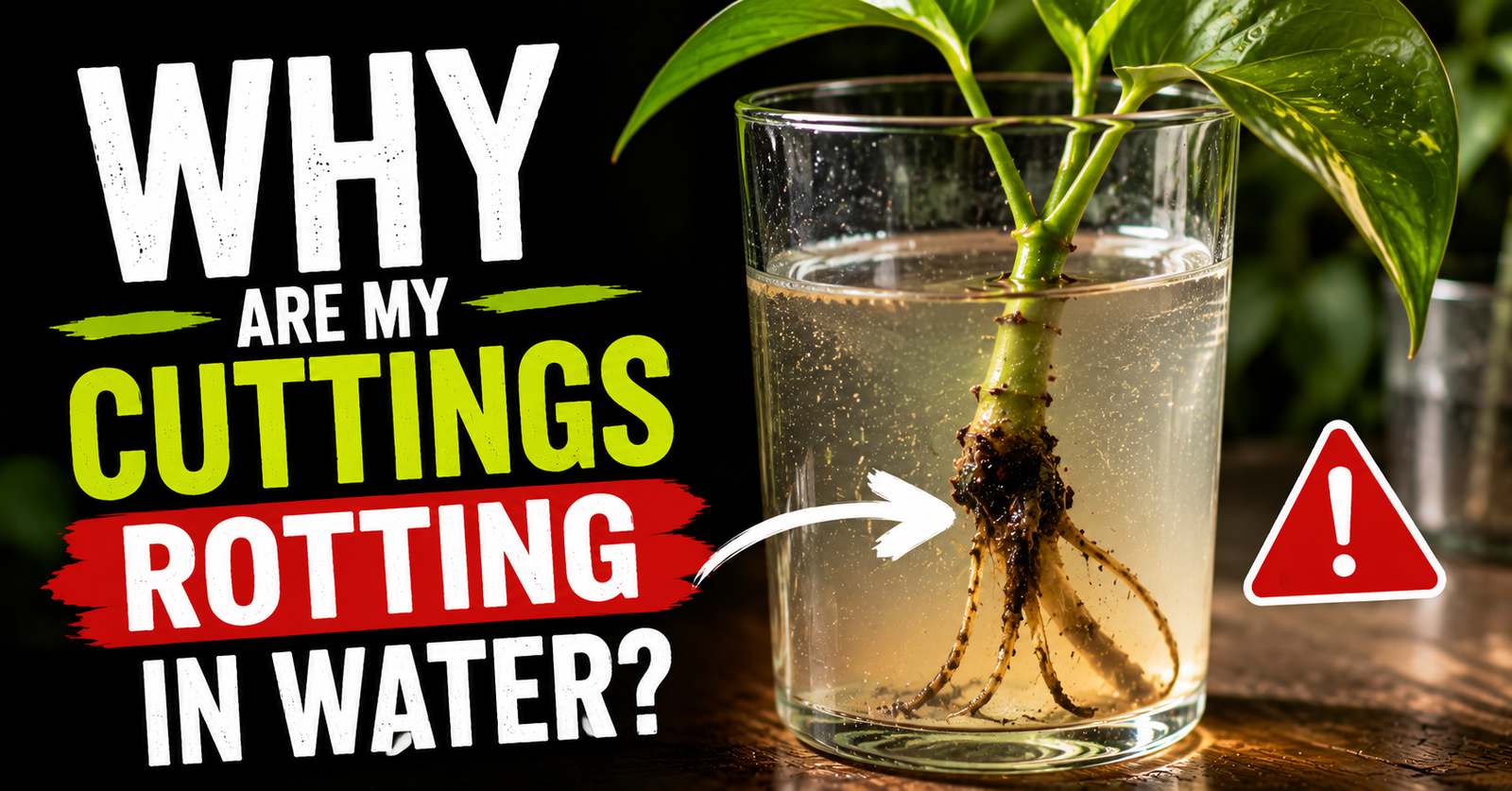
If the stem begins turning brown or black near the water line, rot has likely started developing. For a fuller explanation of the causes and warning signs, see Why Are My Cuttings Rotting in Water?.
At that point, it’s often best to remove the damaged portion and start over with a fresh cutting if possible.
Should You Top Off the Water Instead?
Not usually.
Adding more water replaces the amount that evaporated, but it doesn’t remove the bacteria, algae, or decaying plant material already present.
A complete water change is much more effective than simply topping off the container.
It only takes a minute, and your cuttings will usually benefit from the fresh water.
Does the Type of Container Matter?
It can.
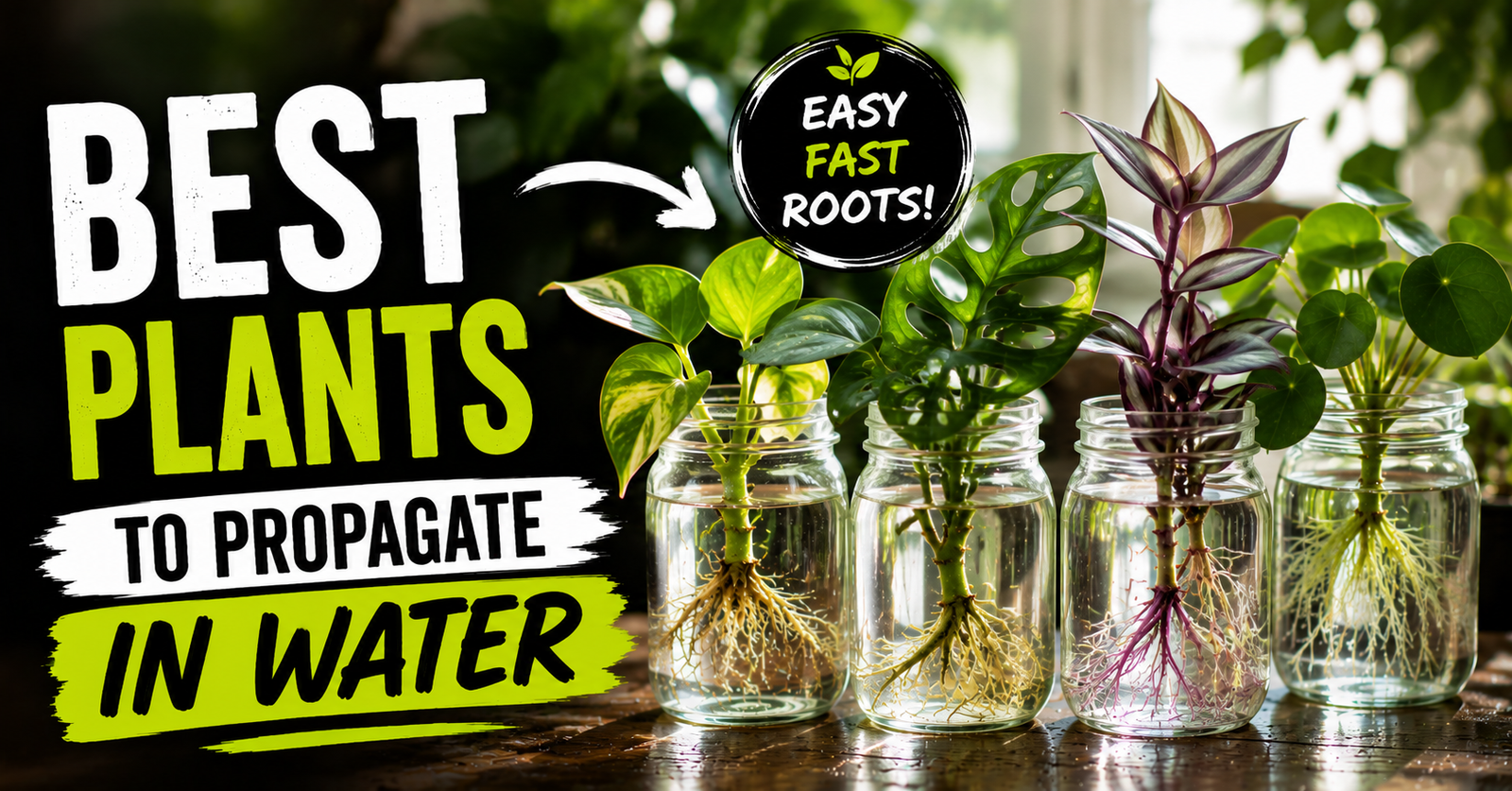
Clear jars are popular because they’re fun to watch.
Seeing tiny roots emerge is one of the best parts of propagation.
However, clear containers also allow more sunlight to reach the water, which can encourage algae growth.
Opaque containers reduce light exposure and often stay cleaner for longer.
Neither option is wrong.
Just expect to clean clear jars a little more often.
Should You Clean the Container Too?
Yes.
Whenever you change the water, take a quick look inside the jar.
If you notice slimy residue or algae beginning to build up, rinse the container thoroughly before adding fresh water.
You don’t need harsh cleaners.
Warm water and a bottle brush are usually enough.
Keeping the container clean is one of the easiest ways to prevent problems later.
Does Fresh Water Help Cuttings Root Faster?
Fresh water doesn’t magically speed up rooting.
Plants still develop roots according to their own biology.
However, clean, oxygen-rich water creates a healthier environment, allowing the cutting to focus its energy on producing roots instead of dealing with stress caused by bacteria or poor water quality.
In other words, fresh water doesn’t force faster rooting.
It simply removes obstacles that can slow it down.
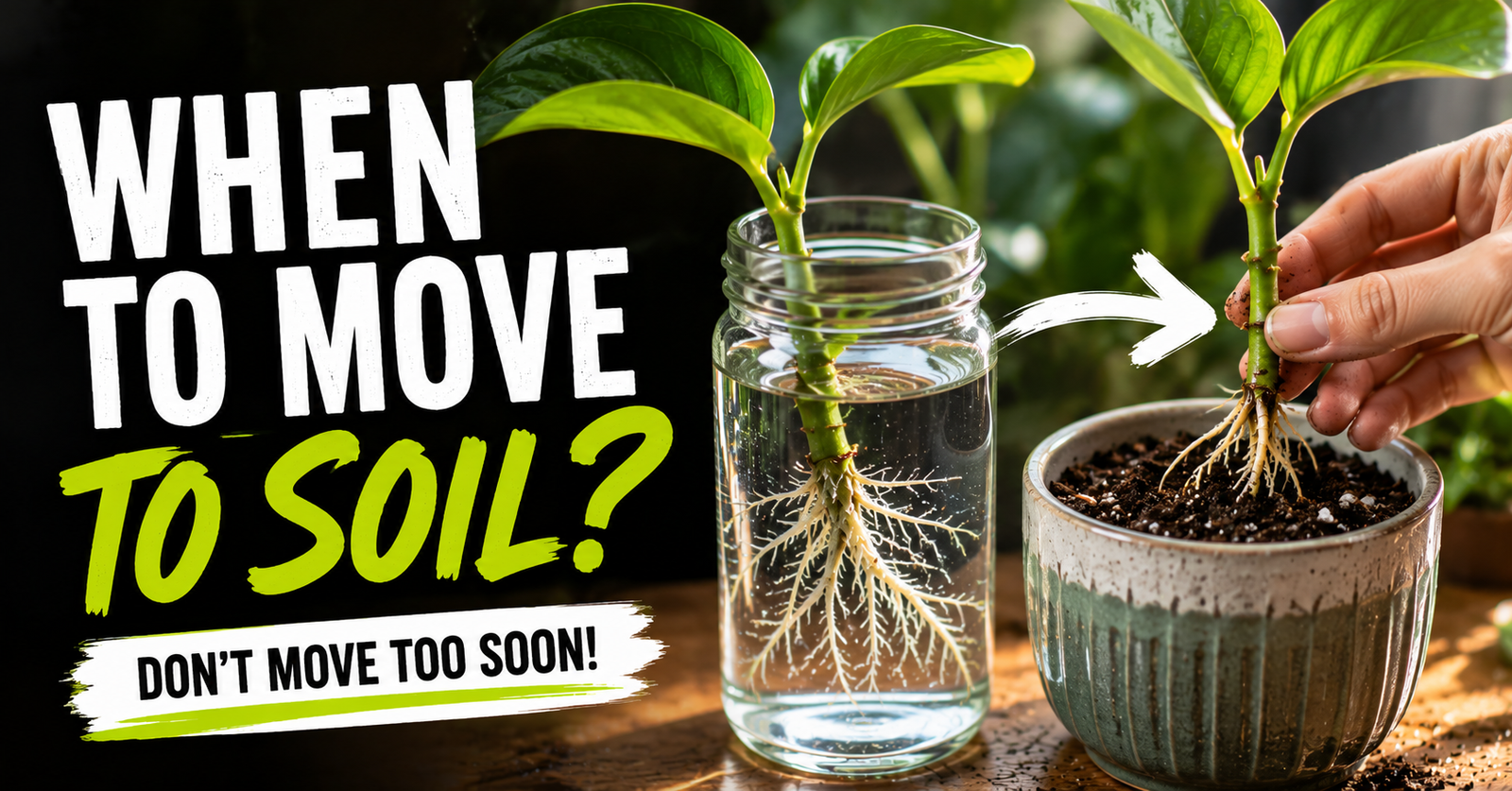
What If My Water Keeps Turning Cloudy?
Cloudy water usually means bacteria are multiplying or small pieces of plant tissue are decomposing.
The solution is normally simple.
- Replace the water.
- Clean the container.
- Remove any submerged leaves.
- Check for soft or rotting stem tissue.
- Move the cutting out of direct sunlight if algae is becoming a problem.
If the water repeatedly becomes cloudy after only a day or two, inspect the cutting closely for signs of rot.
Sometimes the cutting itself—not the water—is the source of the problem.
Is Tap Water Good Enough?
In most homes, yes.
Ordinary tap water works perfectly well for propagating many common plants.
If your local water has very high chlorine levels or is heavily softened, you may notice better results by letting tap water sit overnight before using it or by switching to filtered water.
Rainwater can also be an excellent choice if it’s collected cleanly.
That said, don’t get too caught up trying to find the “perfect” water.
Changing the water regularly is usually much more important than the type of water you use.
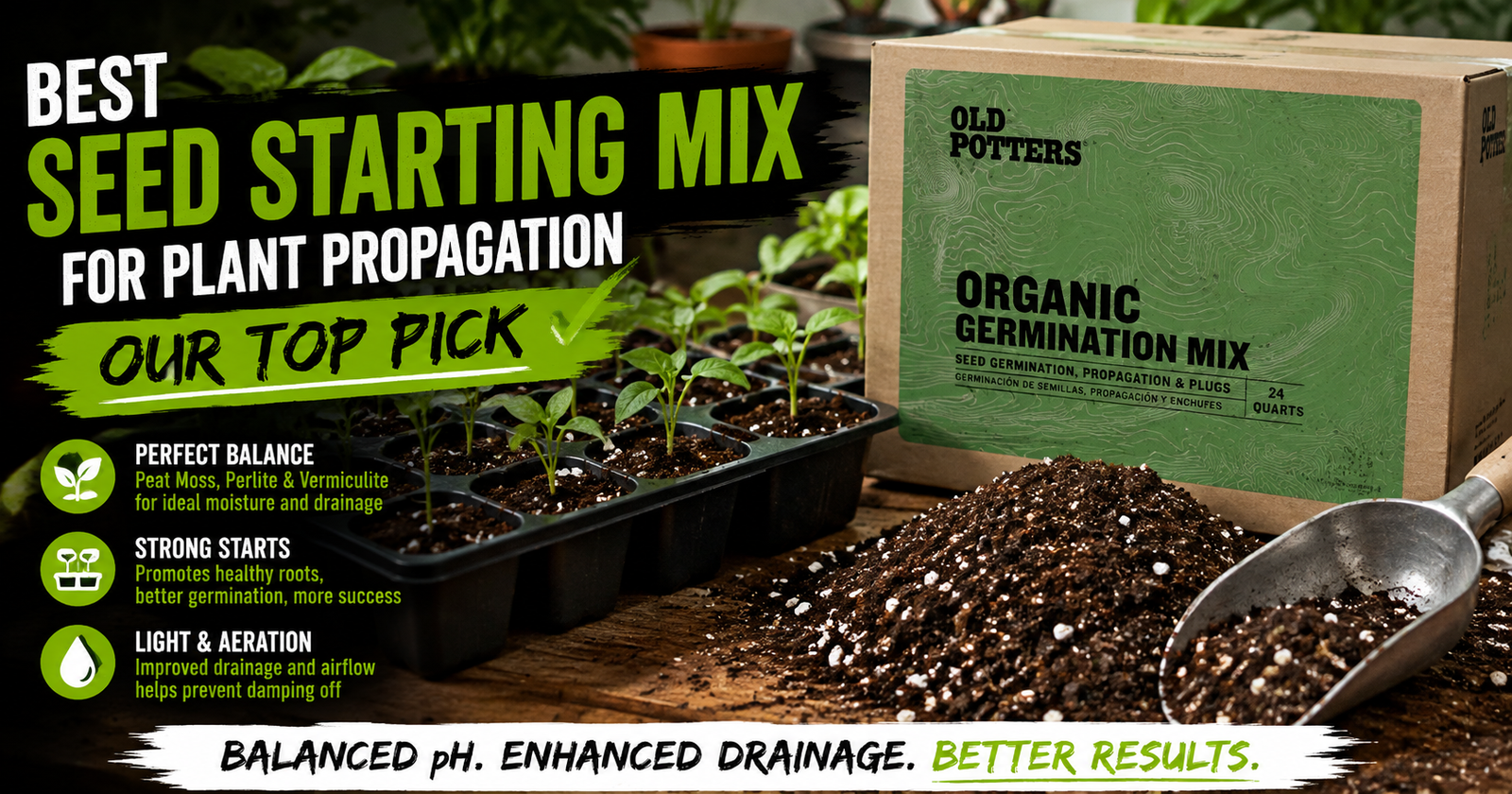
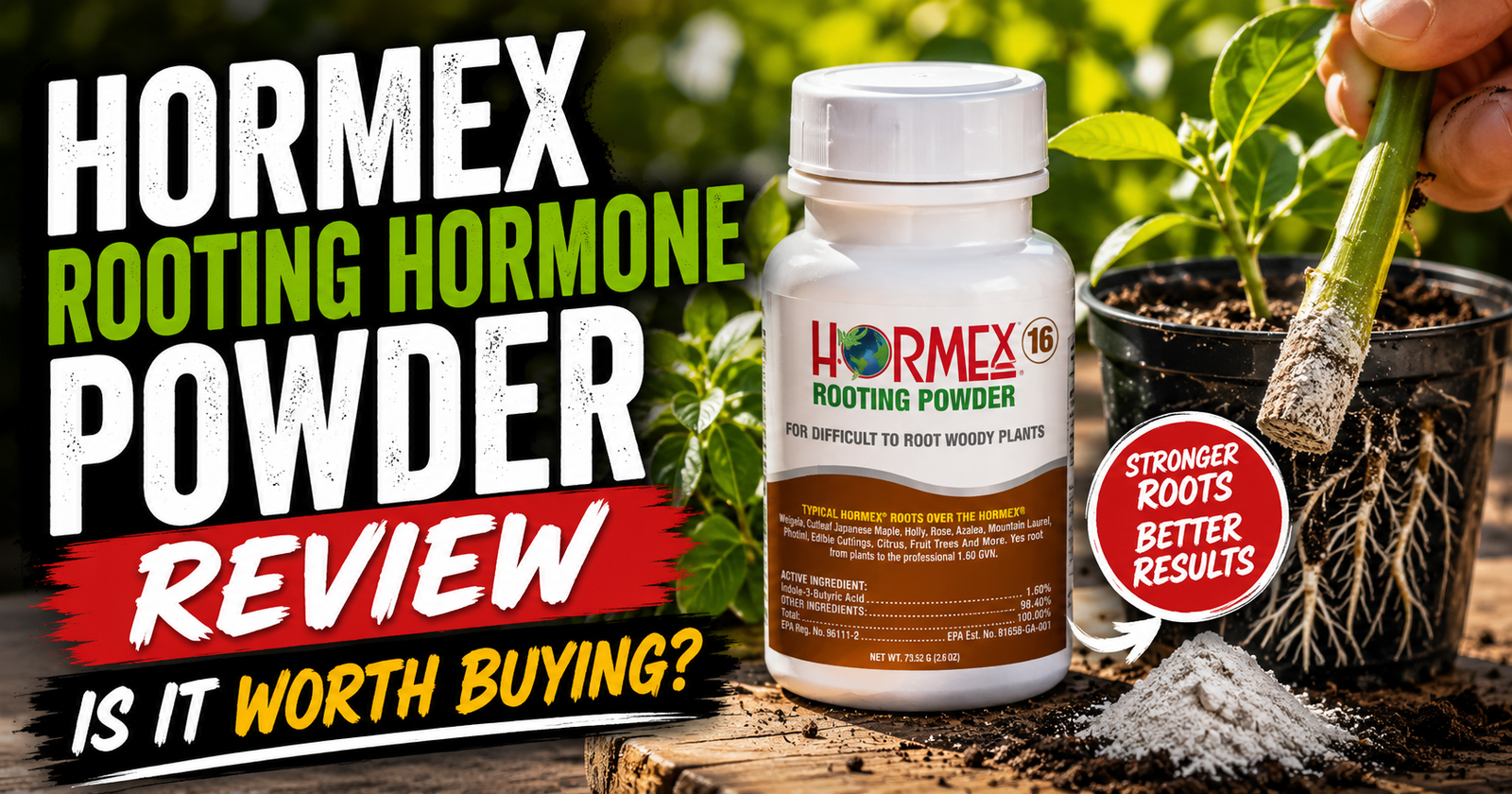
Does Changing the Water Wash Away Rooting Hormone?
This is a common concern, but for most cuttings, the answer is no.

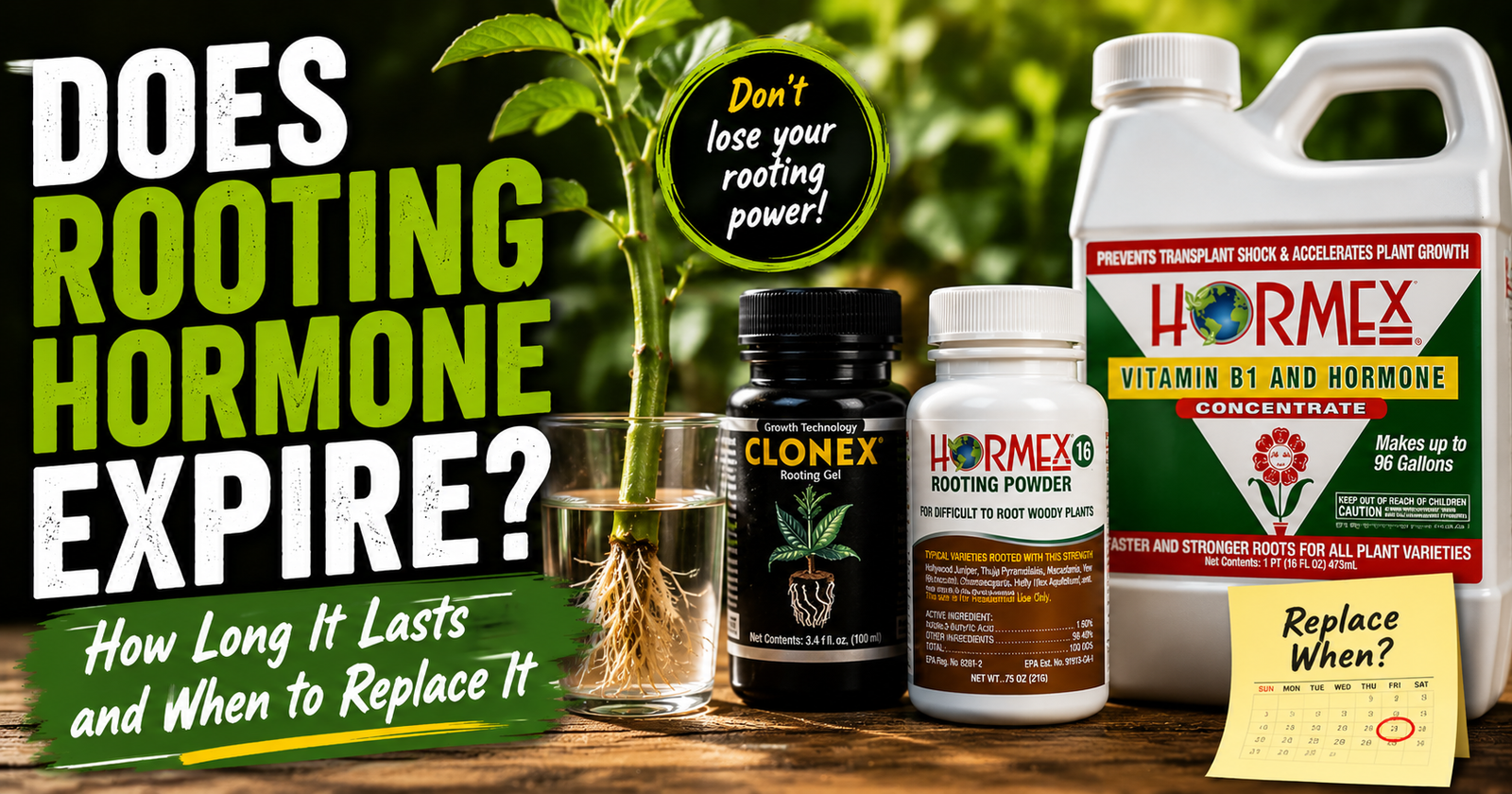
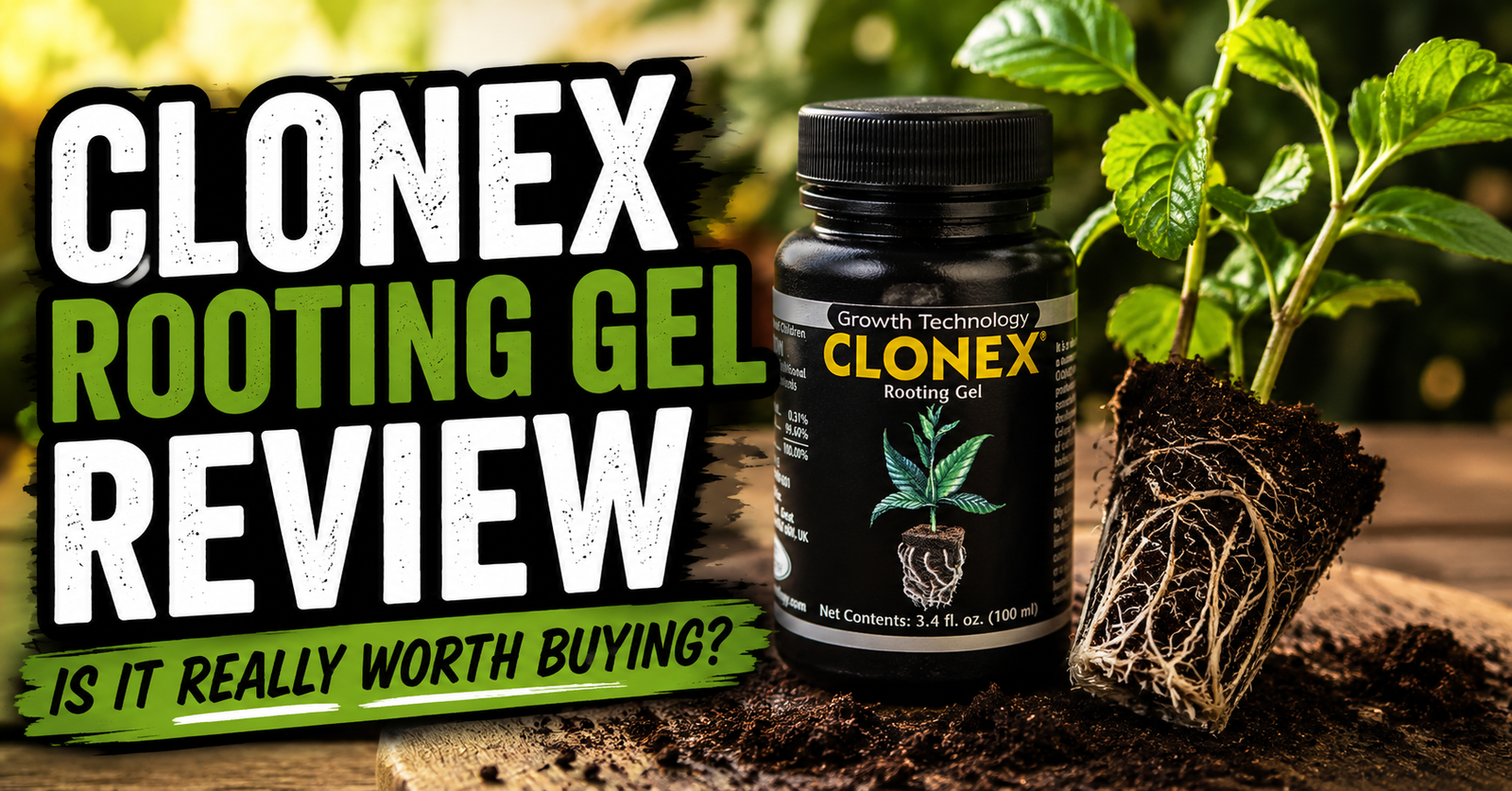
Commercial rooting hormones are typically applied to the freshly cut stem before the cutting is placed into water or another propagation medium. For readers using a gel rather than a powder or liquid, Clonex rooting gel fits this stage of preparation.
Once the hormone has had time to coat the stem and begin doing its job, changing the water later doesn’t suddenly erase its effects.
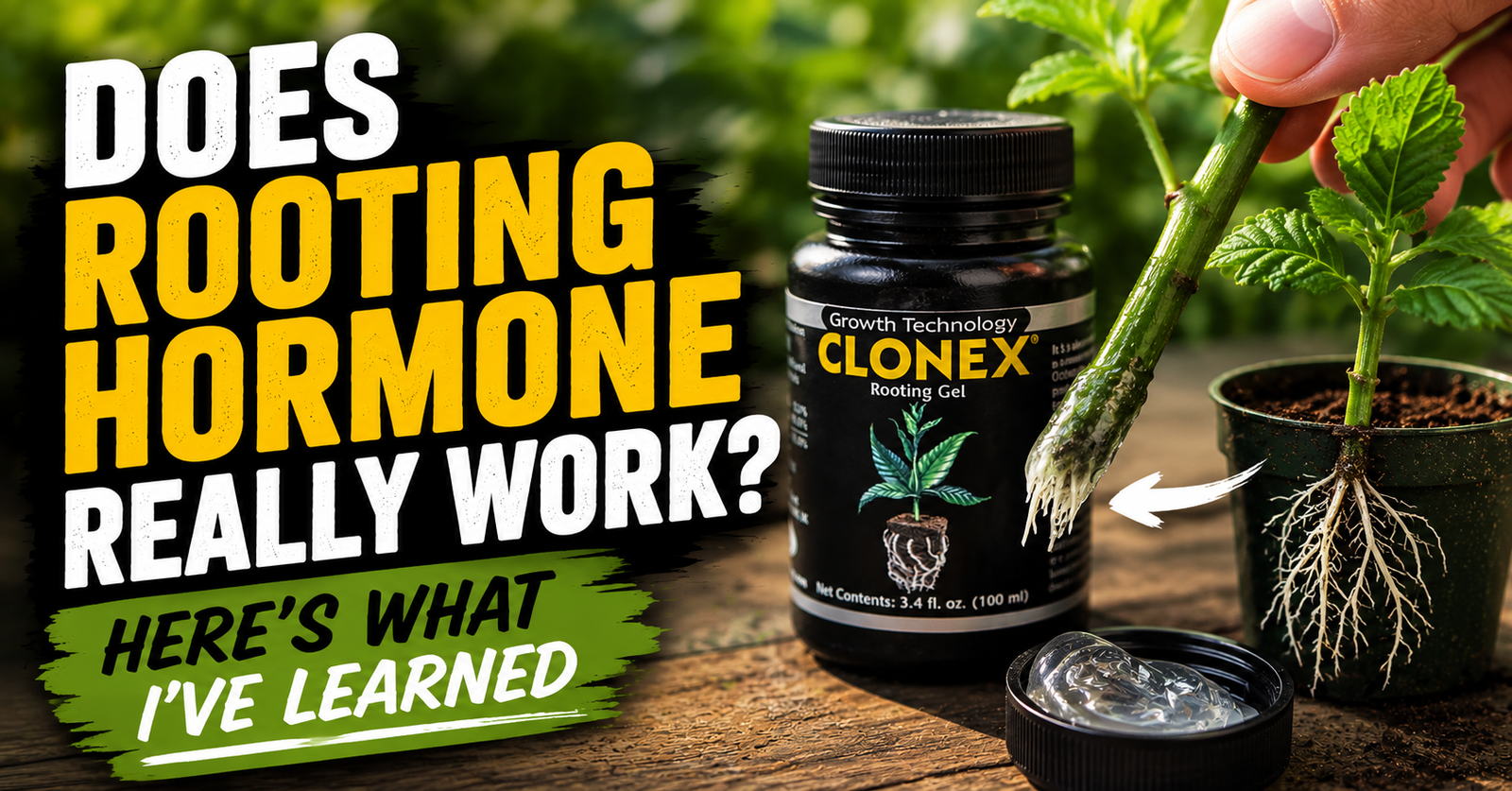
If you’re still deciding whether rooting hormone is worth using, my guide Does Rooting Hormone Really Work? What Every Gardener Should Know explains when it actually makes a difference.
Signs Your Cutting Is Healthy
Changing the water is only one part of successful propagation.
It’s also important to watch the cutting itself.
Healthy cuttings usually show several encouraging signs as they begin rooting.
These include:
- Firm, green stems
- Leaves that remain upright
- Small white root bumps forming near the nodes
- Bright white roots emerging from the stem
- New leaf growth after roots begin developing
Seeing one or more of these signs usually means your cutting is progressing normally.
Signs Something Is Going Wrong
On the other hand, there are several warning signs that deserve attention.
Watch for:
- Brown or black stems
- Mushy tissue near the water line
- Strong foul odors
- Yellow leaves falling rapidly
- Slimy buildup on the stem
- Water becoming cloudy within a day or two
If you catch these problems early, replacing the water and trimming away damaged tissue may save the cutting before the rot spreads.
Different Plants May Need Slightly Different Care
Not every plant behaves exactly the same.
Fast-rooting houseplants like pothos and tradescantia often tolerate less-than-perfect conditions remarkably well.
Woody shrubs, fruit plants, and slower-rooting species tend to be much less forgiving.
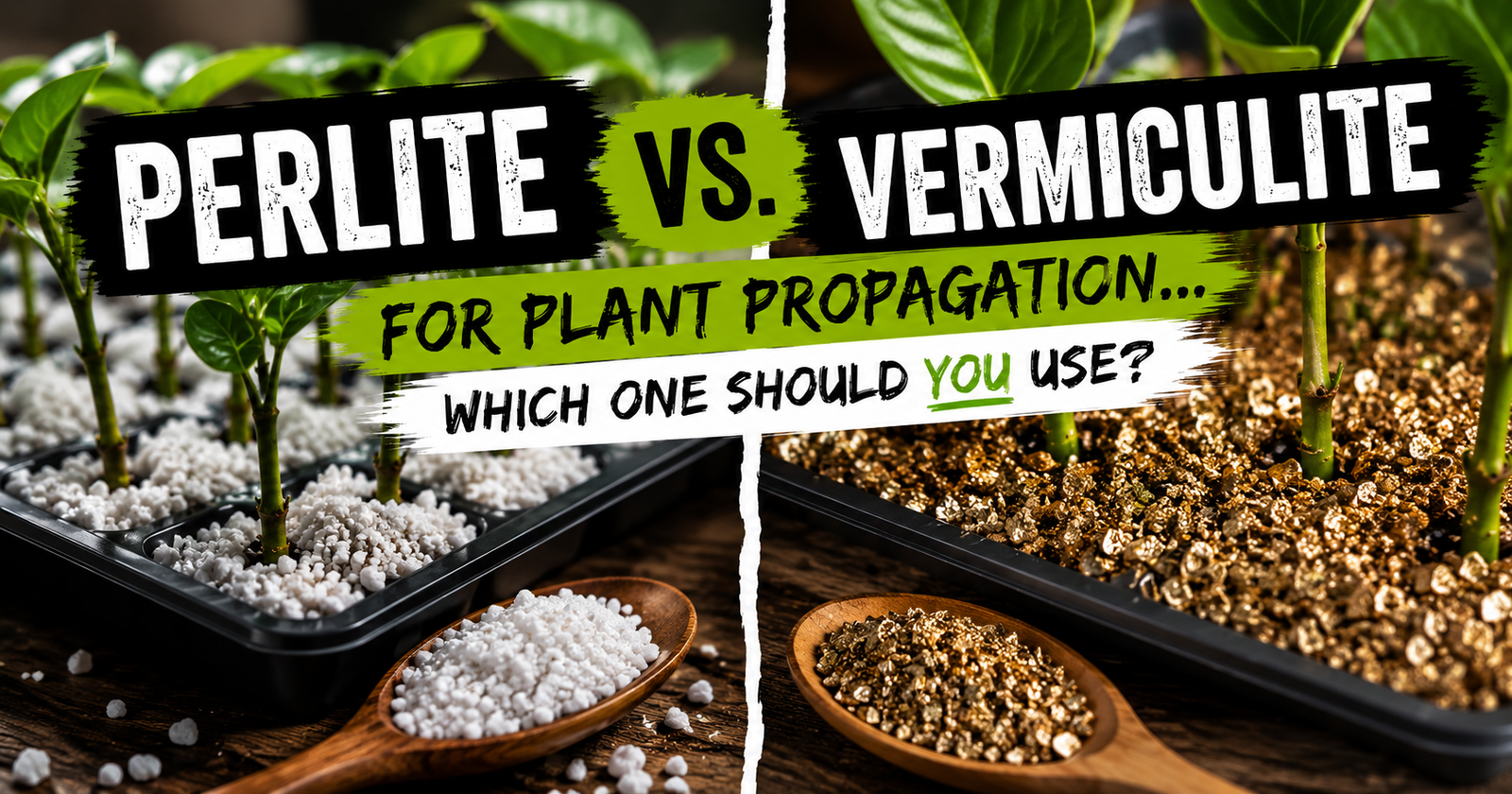
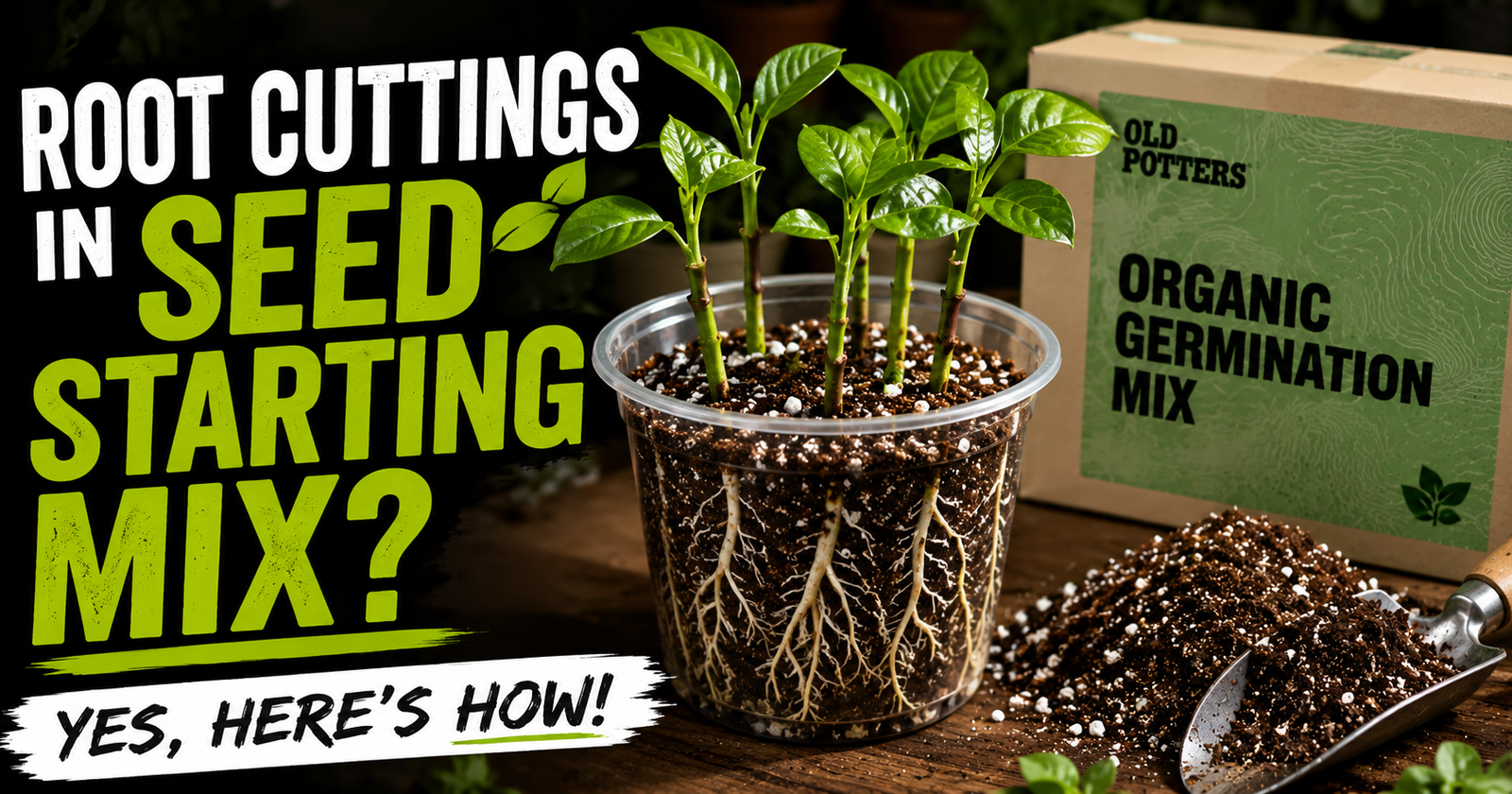
These plants often benefit from propagation methods that provide more oxygen around the stem, such as perlite, propagation mix, or aeroponic cloners.
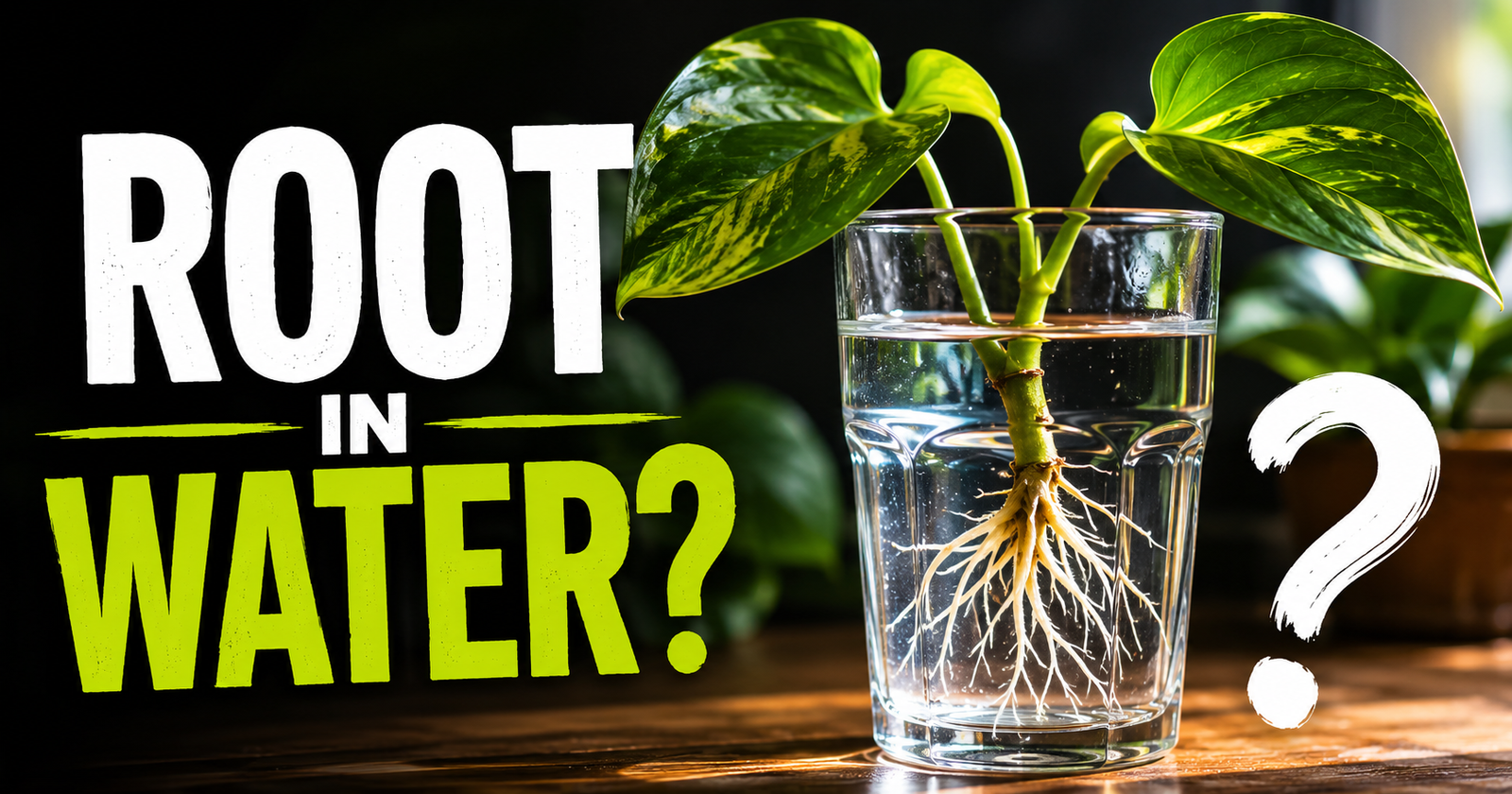
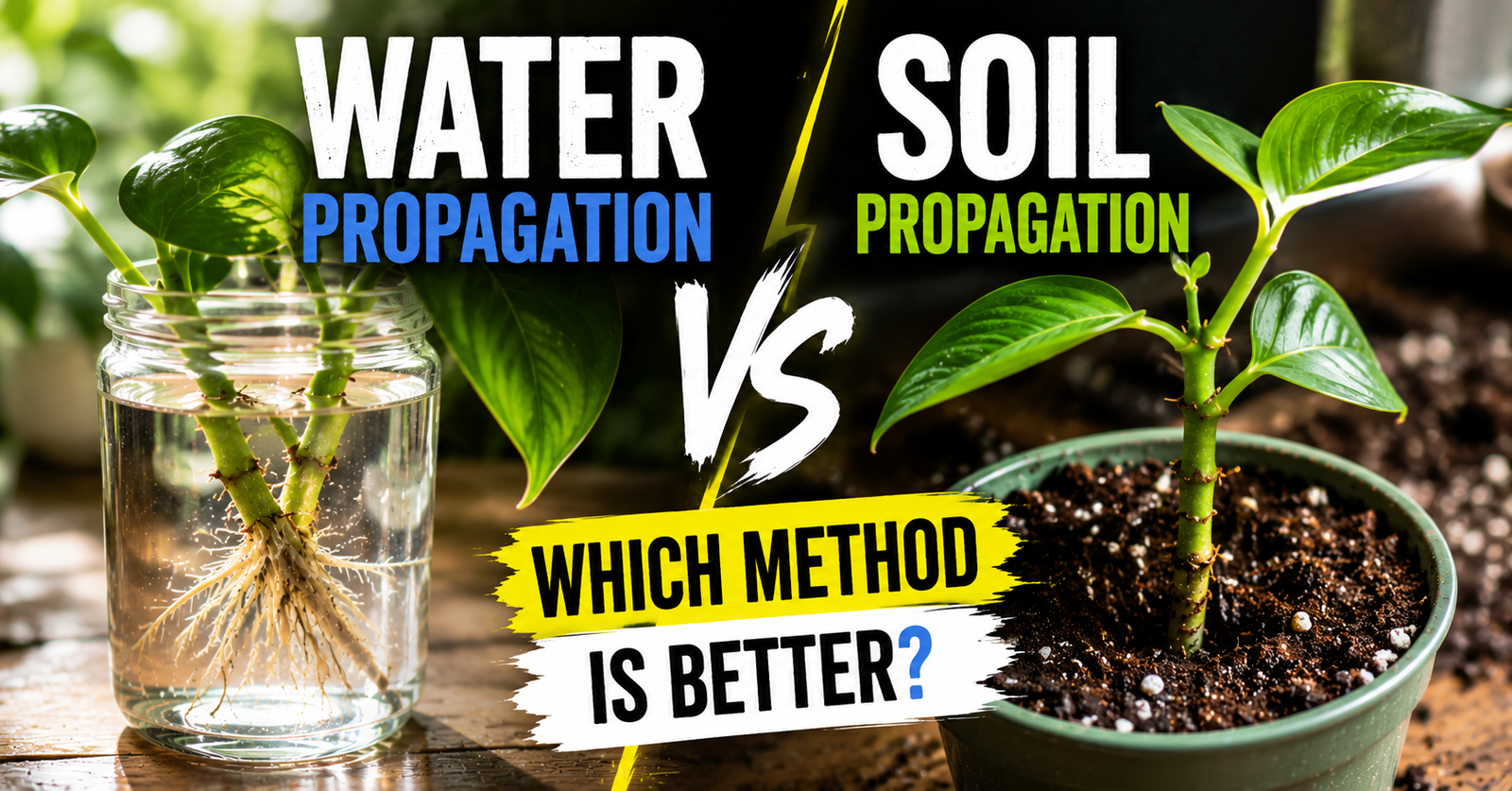
If you’re wondering whether water is even the right method for your project, Can You Root Plant Cuttings in Water?compares water propagation with other popular techniques.
A Simple Routine That Works
If you’re new to propagation, don’t overcomplicate it.
A simple routine is usually all that’s needed.
- Take a healthy cutting.
- Place at least one node underwater.
- Keep it in bright, indirect light.
- Replace the water every 3 to 7 days.
- Clean the container whenever you notice buildup.
- Be patient while the roots develop.
Following these basic steps will give most easy-to-root plants an excellent chance of success.
Fresh Water Is One of the Easiest Ways to Improve Success
Changing the water isn’t difficult, but it can make a noticeable difference over time.
Fresh water helps maintain oxygen levels, reduces bacteria, limits algae growth, and creates a healthier environment for developing roots.
Combined with a healthy cutting and good lighting, it’s one of the simplest habits you can develop to improve your propagation success.
If you remember only one thing from this guide, make it this:
Don’t wait until the water looks bad before replacing it.
Regular water changes are far easier than trying to rescue a cutting that’s already begun to rot.
Frequently Asked Questions
Can I change propagation water every day?
You can, although it’s usually unnecessary. Replacing the water every 3 to 7 days is sufficient for most plants unless it becomes cloudy or develops an odor sooner.
Should I use cold or warm water?
Room-temperature water is generally the safest choice. Extremely hot or very cold water can temporarily stress fresh cuttings.
Is cloudy water always bad?
Cloudy water usually indicates bacterial growth or decomposing plant material. It’s a good idea to replace it as soon as you notice it.
Can algae hurt my cuttings?
A small amount of algae isn’t always harmful, but excessive algae can reduce water quality and make the container more difficult to keep clean.
Why do some cuttings need more frequent water changes?
Different plants release different amounts of plant material into the water. Temperature, sunlight, and container cleanliness also affect how quickly the water becomes dirty.
Author: Dax Weaver
Dax Weaver is the founder of PropagationWorld, where he shares practical propagation methods, honest product reviews, and science-backed gardening advice to help gardeners root healthier plants with greater confidence.