
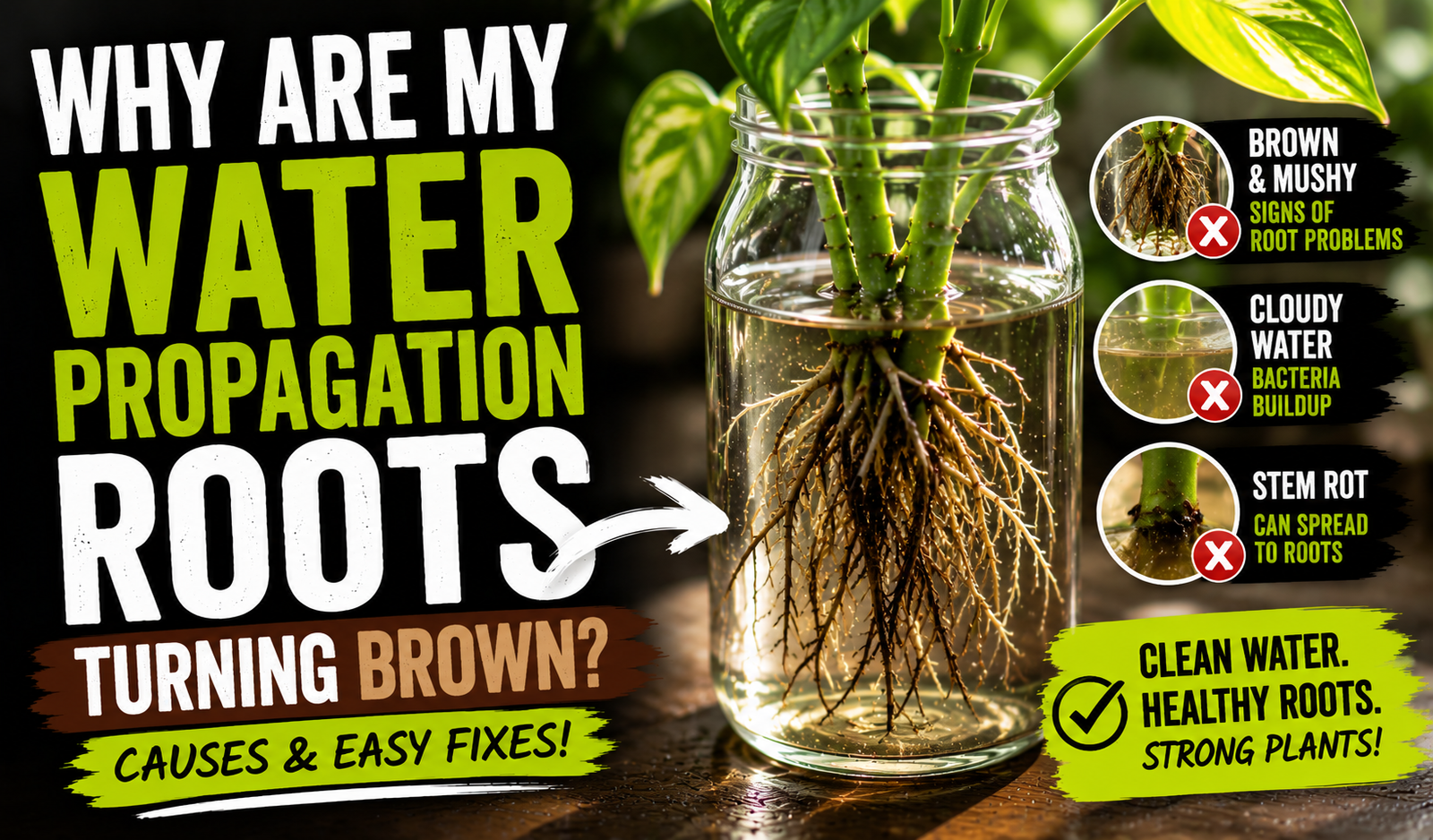
Few things are more discouraging than checking on a cutting that seemed to be doing great only to notice the roots have started turning brown.
Your first thought is usually the same one I had the first time it happened.
“Did I just kill it?”
Fortunately, brown roots don’t automatically mean your cutting is dying.
In fact, I’ve had plenty of healthy cuttings develop roots that looked tan or light brown while continuing to grow normally.
On the other hand, I’ve also seen roots turn dark brown just before the entire cutting began to rot.
The color alone doesn’t tell the whole story.
You also need to pay attention to the texture, smell, and overall condition of the cutting.
Over the years, I’ve learned that healthy roots and unhealthy roots can sometimes look surprisingly similar at first glance.
Knowing the difference can save you from throwing away perfectly healthy cuttings—or waiting too long to save one that’s actually in trouble.
In this guide, I’ll show you what causes brown roots during water propagation, when it’s completely normal, and the steps I take whenever I notice roots changing color.
The Short Answer
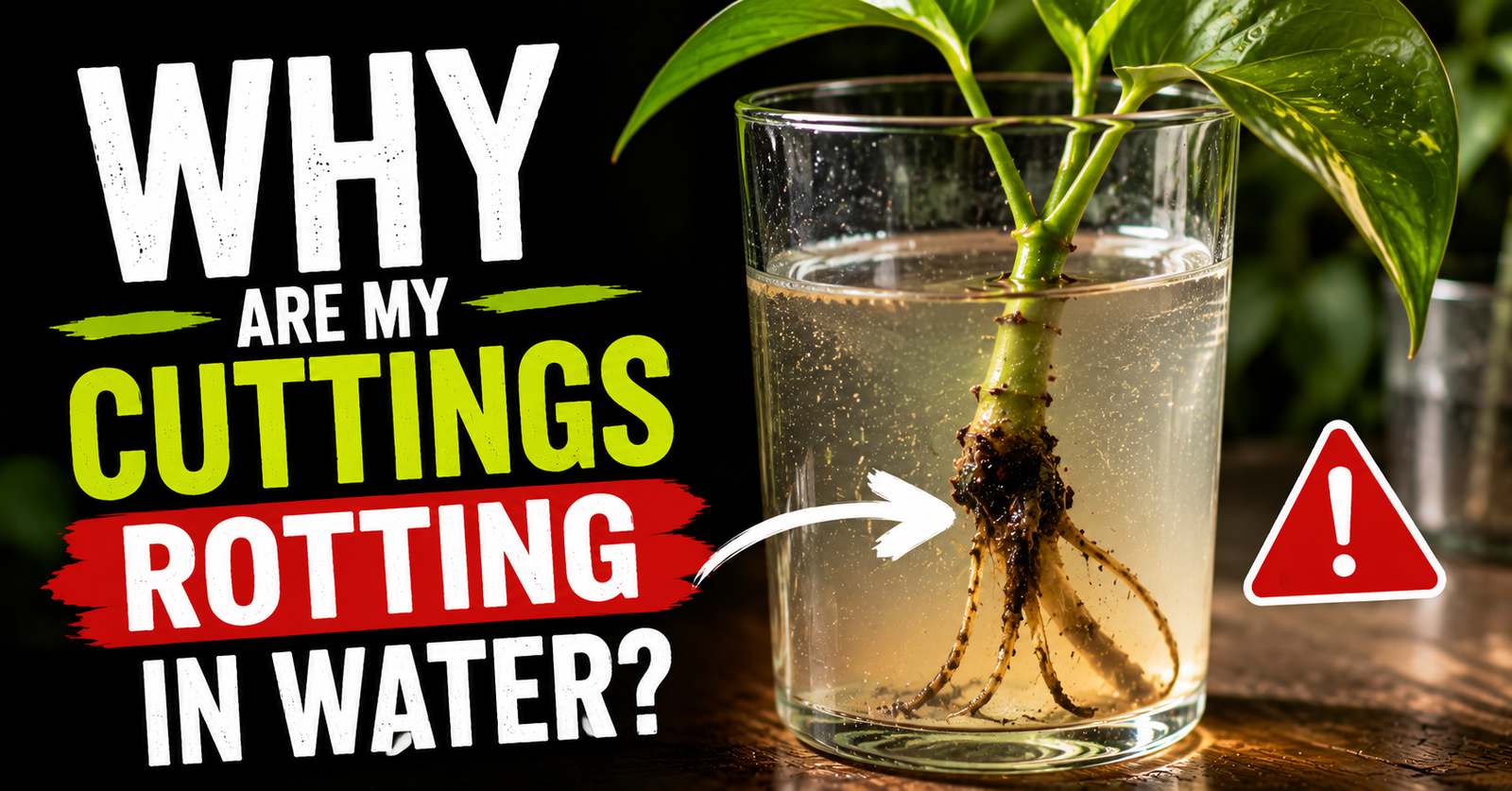
Brown roots aren’t always a problem. Healthy roots can naturally darken with age or become stained by minerals in the water. However, if the roots become dark, soft, slimy, or develop a foul smell, they’re usually beginning to rot and should be addressed immediately. When those warning signs appear, Why Are My Cuttings Rotting in Water? explains how to identify the cause and respond before the damage spreads.
Start by Looking at More Than Just the Color
Whenever someone sends me a picture of brown roots, the first thing I ask isn’t,
“What color are they?”
It’s…
“How do they feel?”
That’s because healthy roots can vary quite a bit in color.
I’ve seen perfectly healthy roots that were bright white.
Others were cream colored.
Some developed a light tan appearance after several weeks.
None of those worried me.
Texture tells me much more than color ever does.
Healthy roots should feel firm and hold together when gently handled.
Rotting roots usually feel soft, mushy, slimy, or may even fall apart when touched.
If the roots are still firm, there’s a good chance your cutting is doing just fine.
Healthy Brown Roots vs. Root Rot
One mistake I made years ago was assuming every brown root was a bad sign.
It isn’t.
As roots mature, they often become slightly darker than the bright white roots that first emerge from the stem.
Minerals in tap water can also stain roots over time, giving them a beige or light brown appearance.
Neither situation usually causes me any concern.
Root rot looks very different.
Instead of simply changing color, the roots begin breaking down.
They become soft.
Slimy.
Sometimes they even separate from the plant with very little pressure.
If I notice that happening, I know I need to act quickly.
Color might catch my attention.
Texture is what tells me whether I actually have a problem.
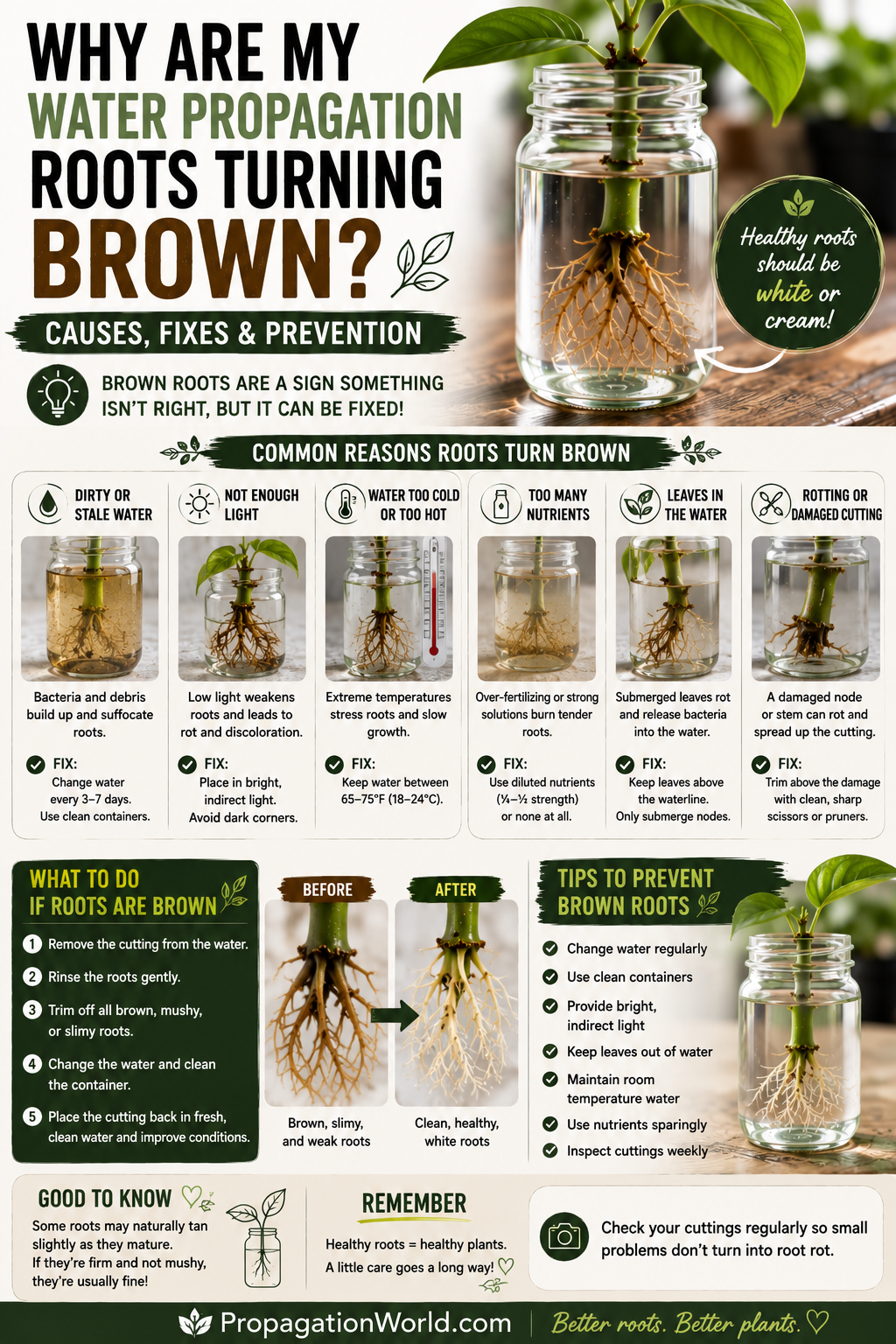
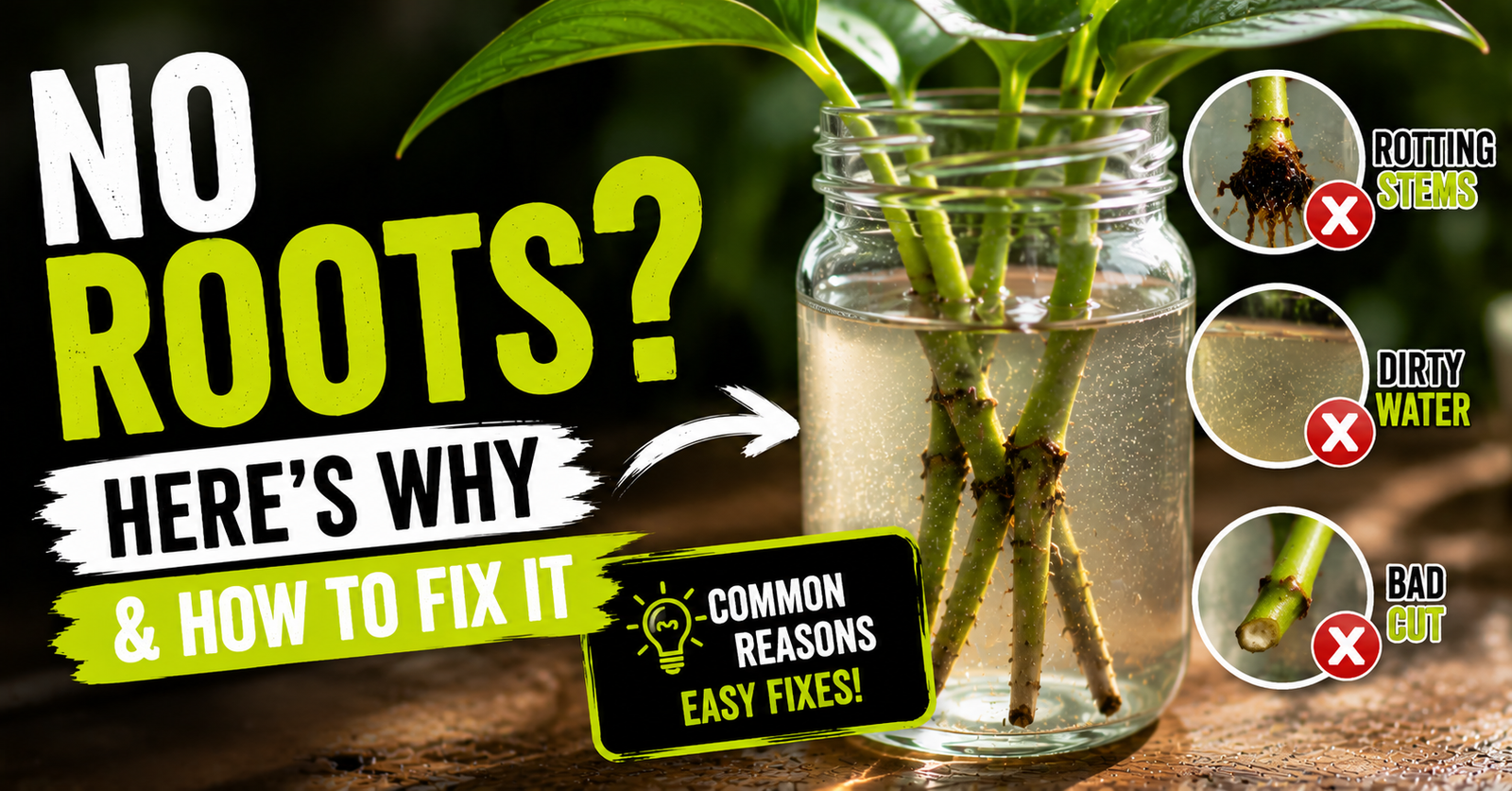
Dirty Water Is One of the Most Common Causes
If I had to pick the most common reason healthy roots start declining, this would probably be it.
Water that sits too long gradually loses oxygen.
At the same time, bacteria and algae begin multiplying.
Eventually, those microorganisms can attack delicate new roots, especially if the water has become cloudy or developed an odor.
That’s why I make changing the water part of my regular routine instead of waiting until it obviously looks dirty.
Fresh water provides oxygen and removes much of the bacteria that naturally builds up over time.
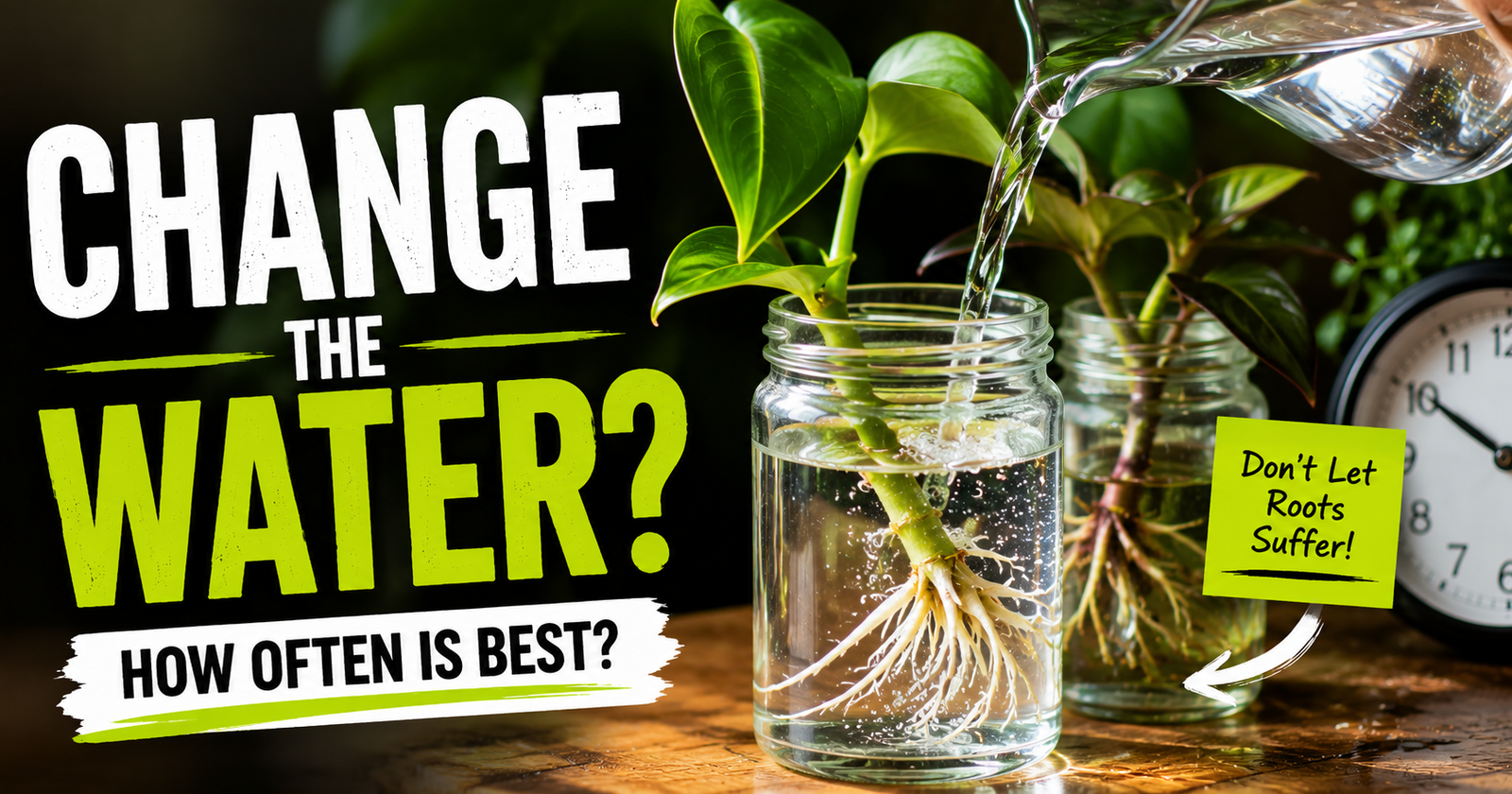
If you’re unsure how often to replace it, I explain my routine in How Often Should You Change Water When Propagating Cuttings?.
Warm Water Can Speed Up Bacterial Growth
Warm temperatures help plants grow.
Unfortunately, they also help bacteria multiply.
A propagation jar sitting in direct afternoon sunlight can become much warmer than most people realize.
That warm, stagnant water creates ideal conditions for microorganisms that damage young roots.
I still keep my cuttings warm, but I avoid letting the containers bake in direct sun.
Bright, indirect light usually gives me much healthier roots without encouraging excessive bacterial growth.
The Container Might Need a Good Cleaning
Sometimes the problem isn’t the water.
It’s the container.
I’ve reused mason jars, drinking glasses, propagation stations, and just about every type of clear container you can imagine.
One thing I’ve learned is that even if a jar looks clean, it isn’t always clean.
A thin film of algae or bacteria can build up on the inside without being immediately obvious. Over time, that buildup can affect water quality and increase the chance of root problems.
Whenever I change the water, I also take a quick look at the container itself.
If I notice any slippery film or discoloration, I wash it thoroughly before putting the cutting back.
That extra minute of cleaning is much easier than trying to save a cutting that’s starting to decline.

Some Brown Color Comes From Your Water
Not all brown roots are caused by disease.
Sometimes the roots are simply stained.
Hard water contains dissolved minerals like calcium and magnesium that can gradually leave deposits on containers and even discolor roots.
I’ve seen this happen with perfectly healthy pothos and philodendron cuttings.
The roots looked darker than normal, but they stayed firm, continued growing, and produced healthy new leaves.
If your roots are slightly tan or light brown but otherwise look healthy, I usually wouldn’t panic.
The overall condition of the cutting tells you much more than the exact shade of the roots.
Roots Need Oxygen Too
This is something that surprises a lot of gardeners.
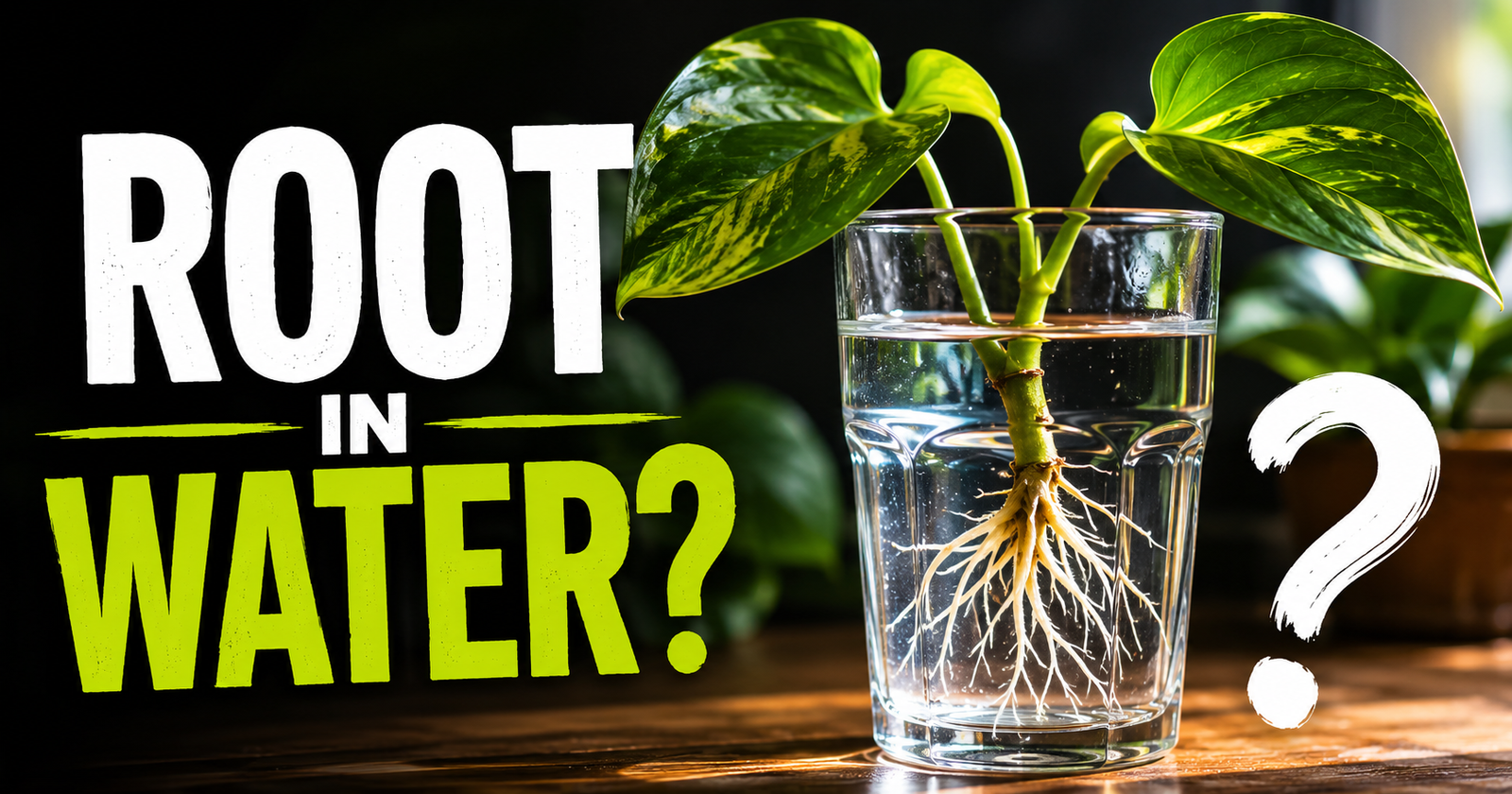
People often assume that because roots are growing in water, oxygen isn’t important. Understanding how water rooting works helps explain why healthy cuttings still need clean, oxygenated water.
The opposite is true.
Healthy roots still need oxygen to survive.
Fresh water naturally contains dissolved oxygen, but those levels gradually decrease as the water sits.
That’s one reason changing the water regularly makes such a difference.
It isn’t only about keeping things clean.
It’s also about giving developing roots access to fresh oxygen.
When oxygen becomes limited, roots become stressed and are much more likely to develop problems.
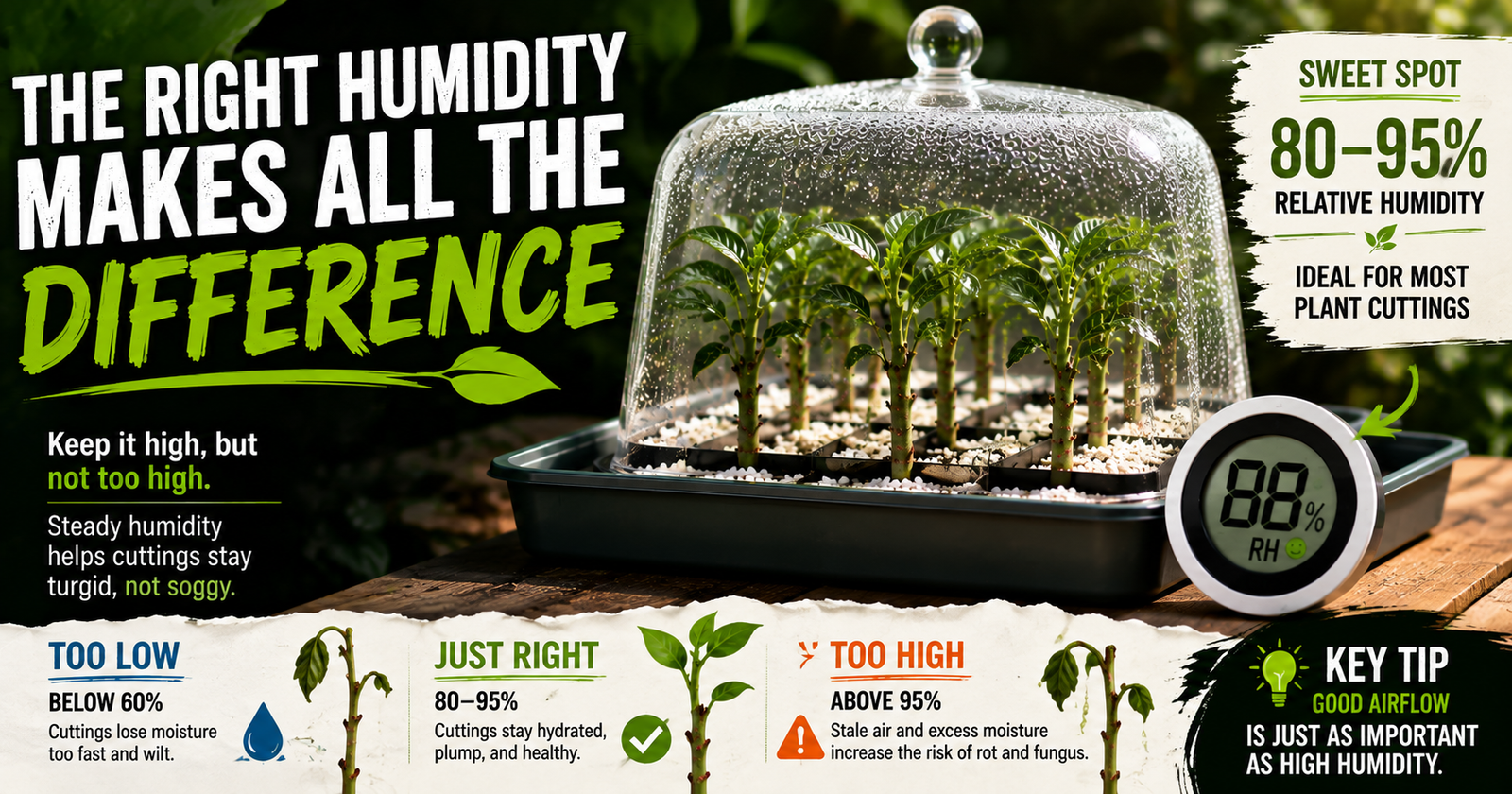
The Cutting May Be Ready for Soil
Sometimes brown roots aren’t really the problem at all.
The cutting has simply outgrown the propagation jar.
If the roots have become long, heavily branched, and tangled around each other, I start thinking about transplanting instead of trying to keep them in water indefinitely.
I’ve found that many houseplants grow much more vigorously once they’re moved into potting soil while the roots are still relatively young.
Waiting too long often means a more difficult adjustment later.
If your cutting already has a healthy root system, it may simply be telling you it’s ready for the next step.
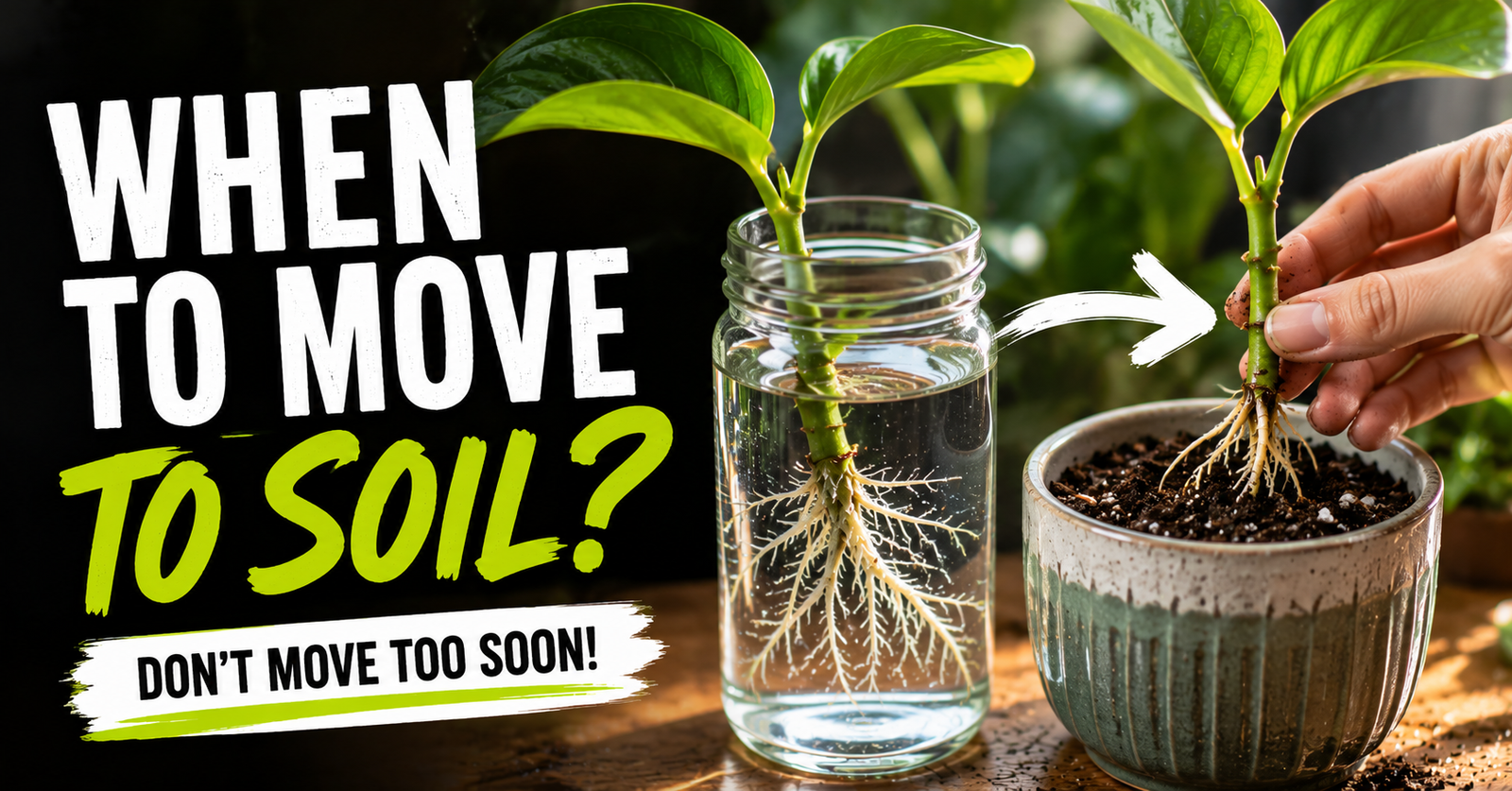
I cover exactly what I look for in When Should You Move Water-Rooted Cuttings to Soil?.
Could Rooting Hormone Cause Brown Roots?
I’ve seen people blame rooting hormone for almost every propagation problem imaginable.
In reality, it’s rarely the cause of brown roots.
When used correctly, rooting hormone doesn’t normally discolor healthy roots or damage established cuttings.
Problems are much more likely to come from poor water quality, bacterial growth, or leaving a cutting in unfavorable conditions.

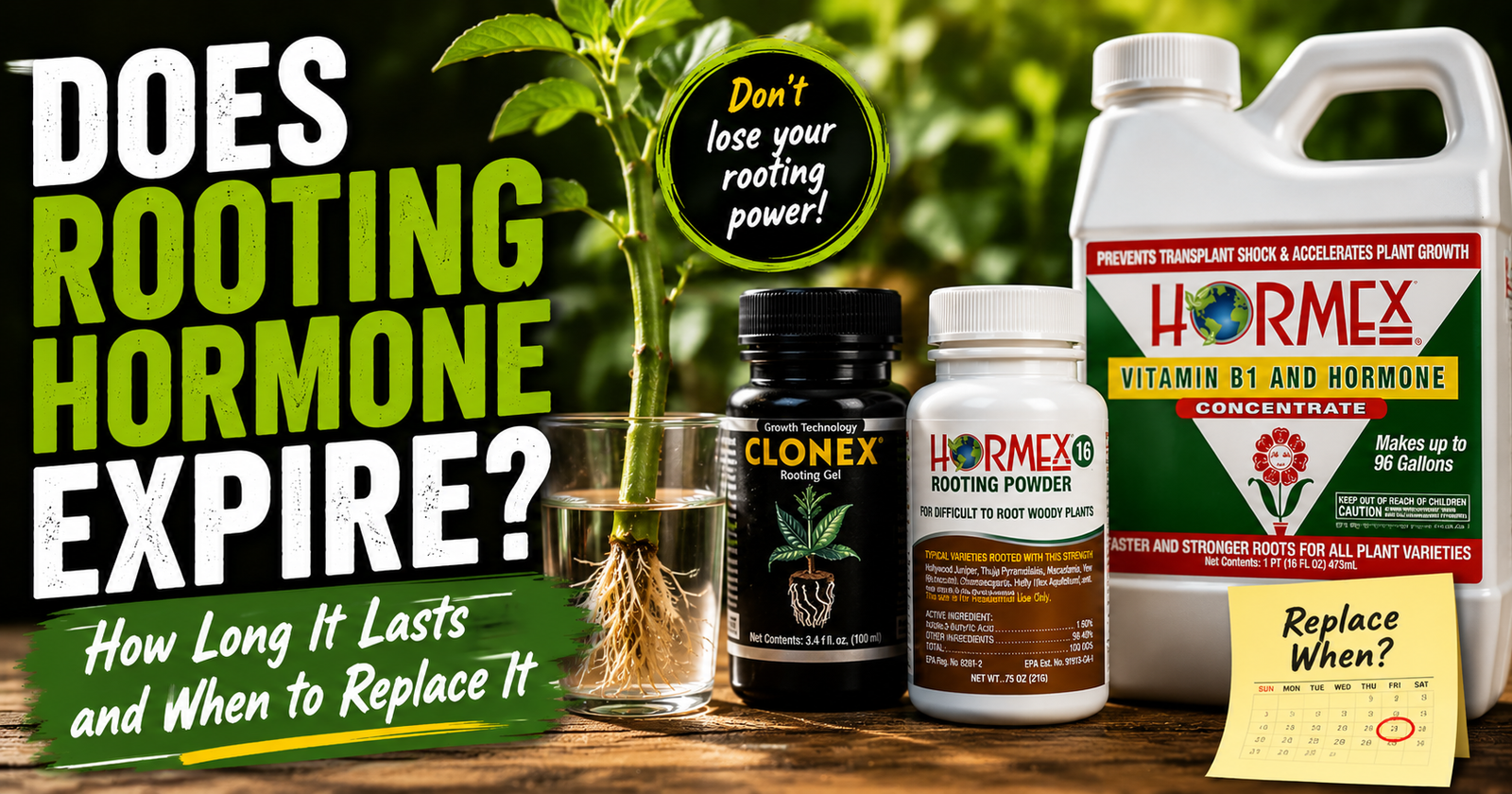
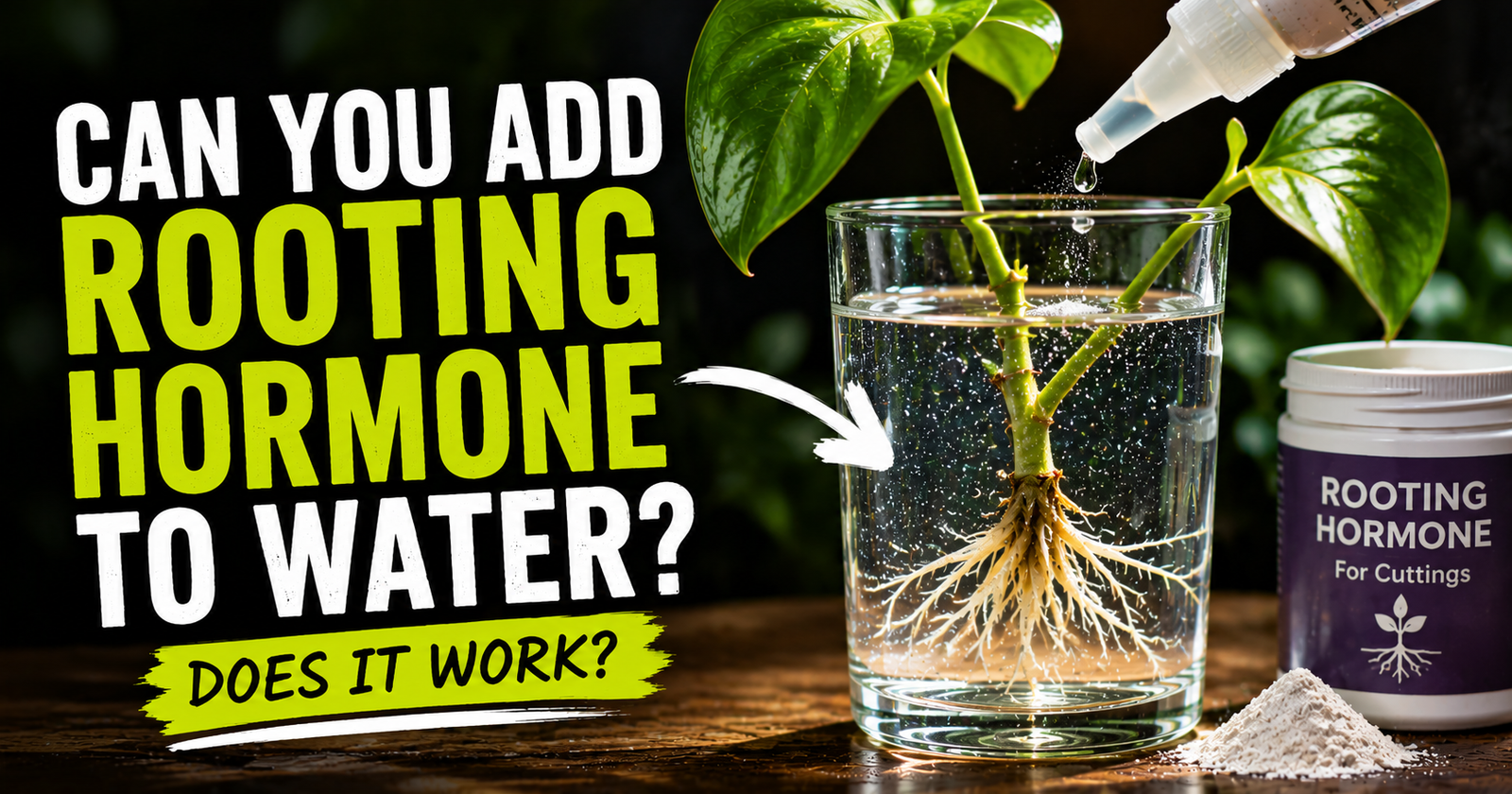
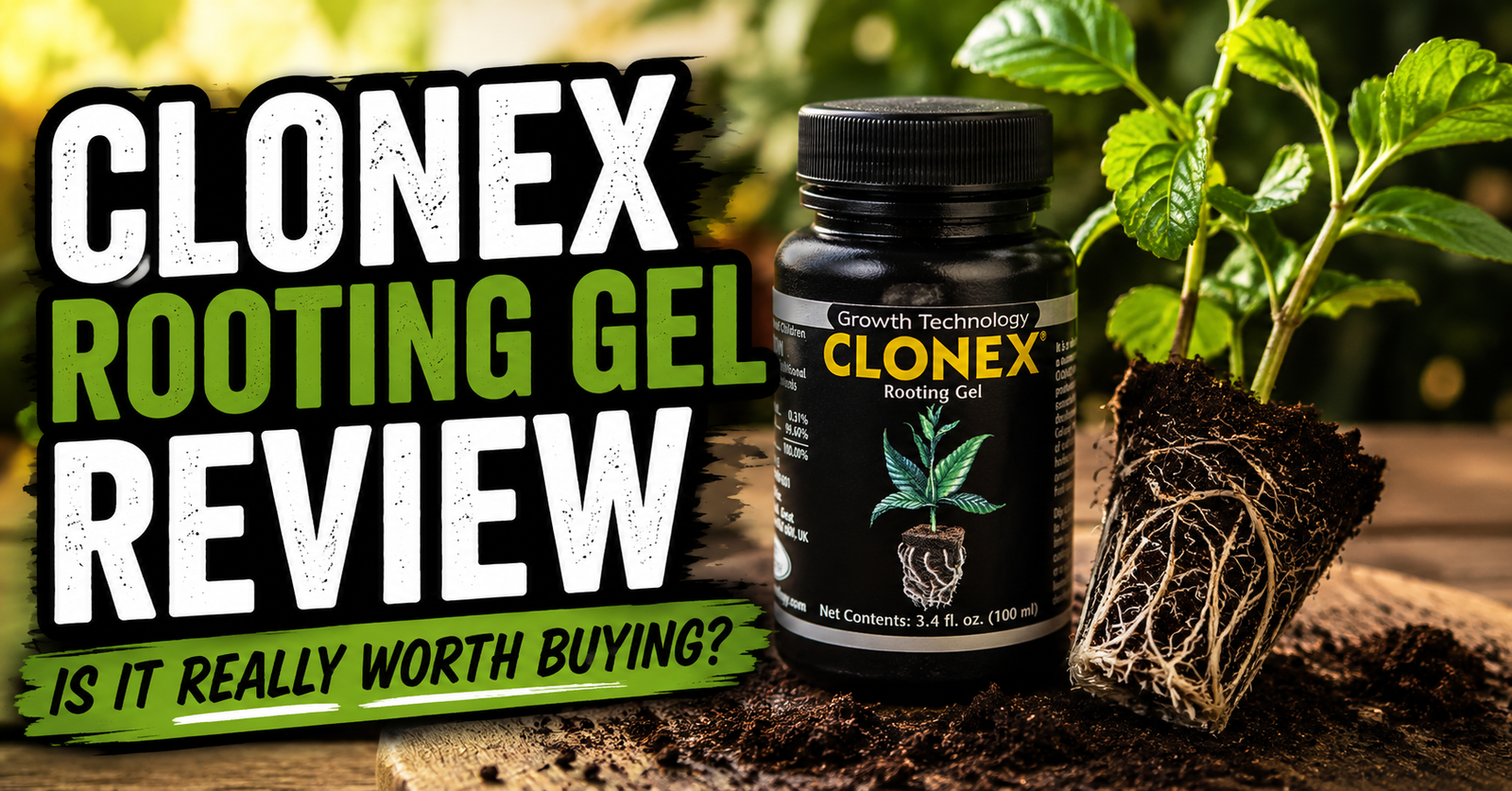
If you’re experimenting with harder-to-root plants, using a quality rooting hormone can actually improve your chances of developing a healthy root system. For growers testing rooting hormones, Clonex rooting gel is one product option to consider alongside the plant's care conditions.
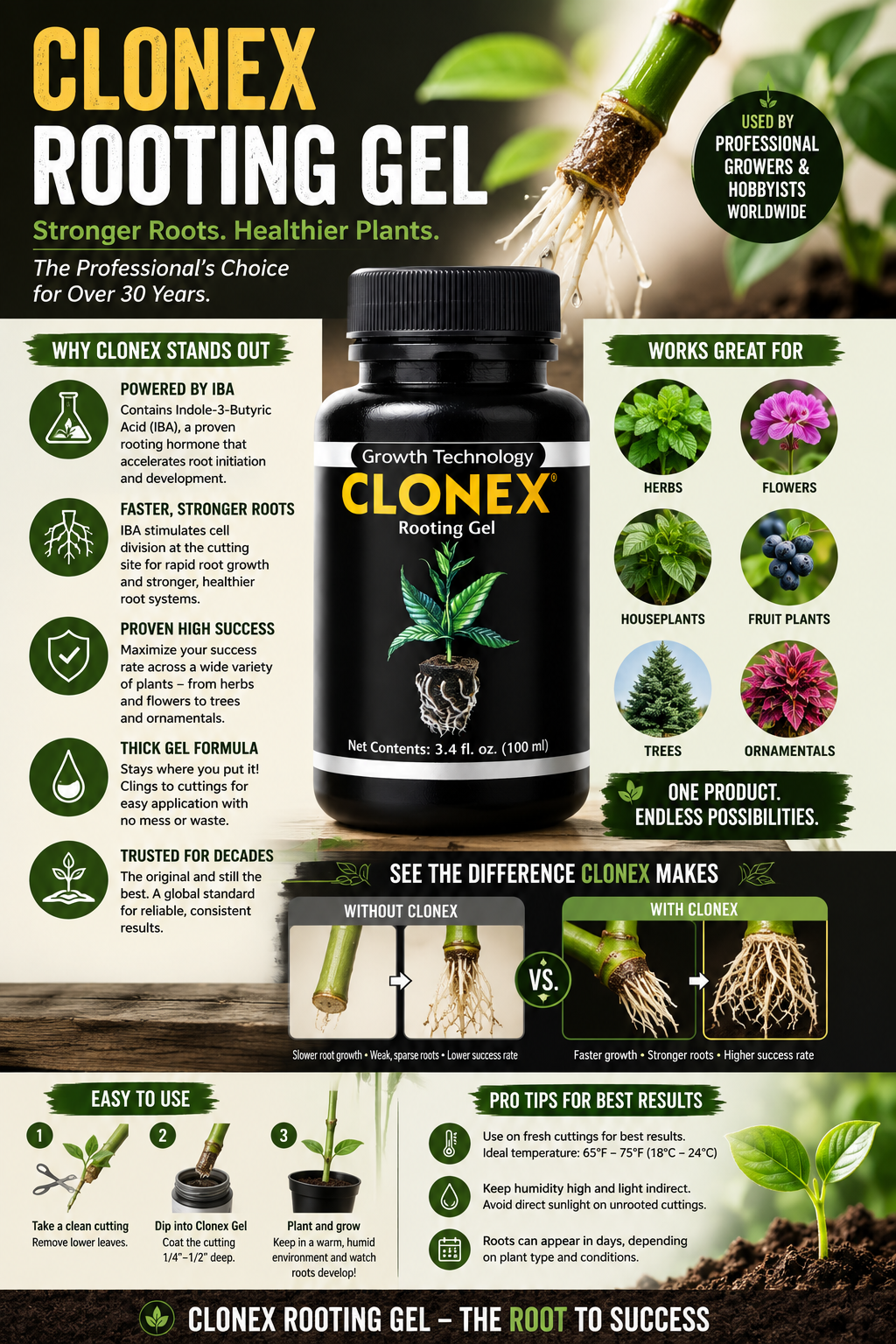
I’ve had especially good results with woody cuttings using Clonex Rooting Gel because the gel stays on the stem much better than many powders when preparing the cutting.
If you’re still deciding which type is best, my comparison of rooting gel vs. powder vs. liquid explains where each one performs best.
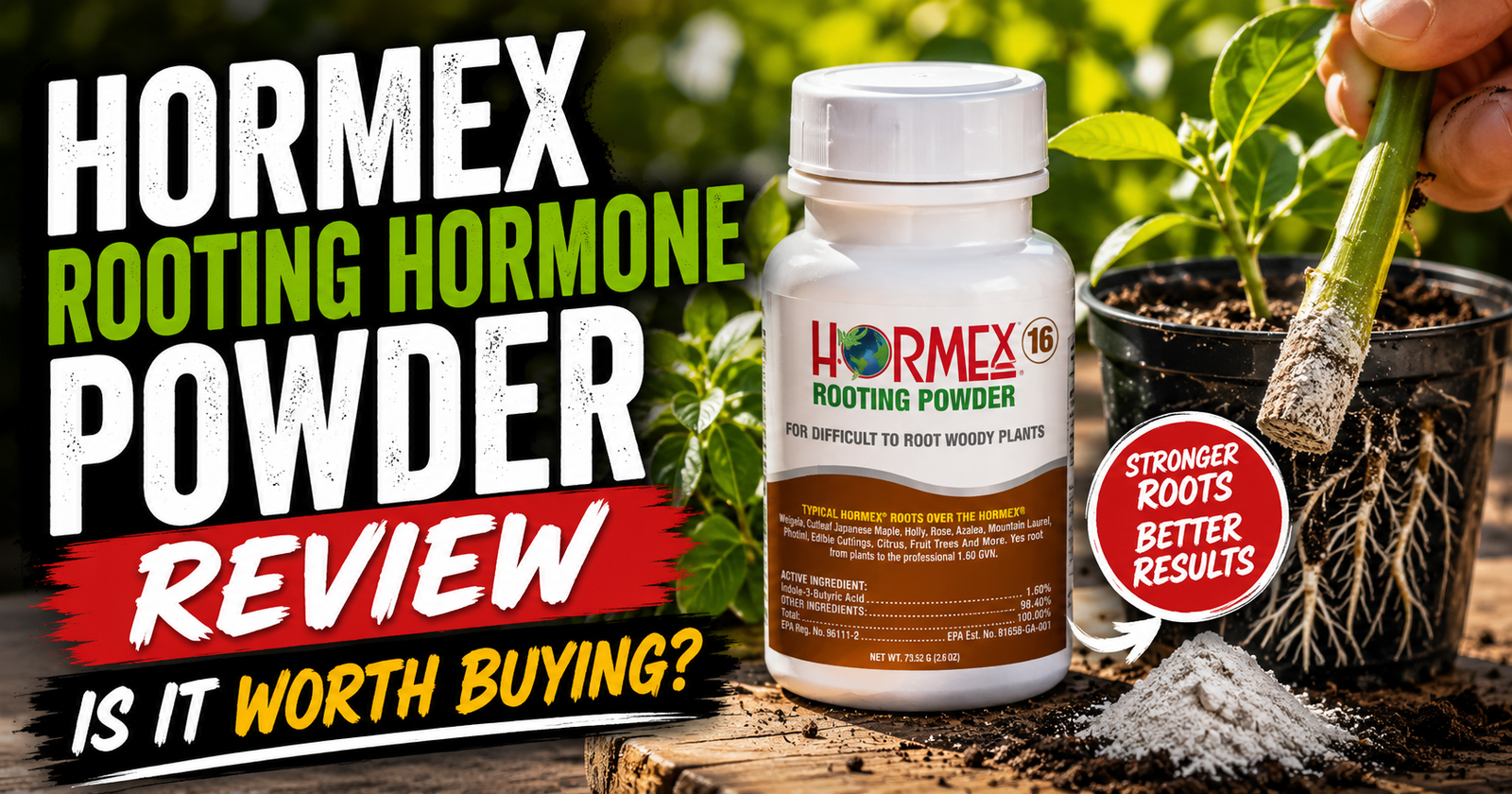
How I Decide Whether a Cutting Can Be Saved
Whenever I notice brown roots, I don’t immediately throw the cutting away.
Instead, I go through the same mental checklist every time.
- Are the roots still firm?
- Does the water smell fresh?
- Is the stem healthy?
- Is there any slimy buildup?
- Are new roots still forming?
- Is new leaf growth continuing?
If the answers are mostly yes, I usually leave the cutting alone after replacing the water.
If the roots are mushy, smell bad, or the stem has started softening, I act much more quickly.
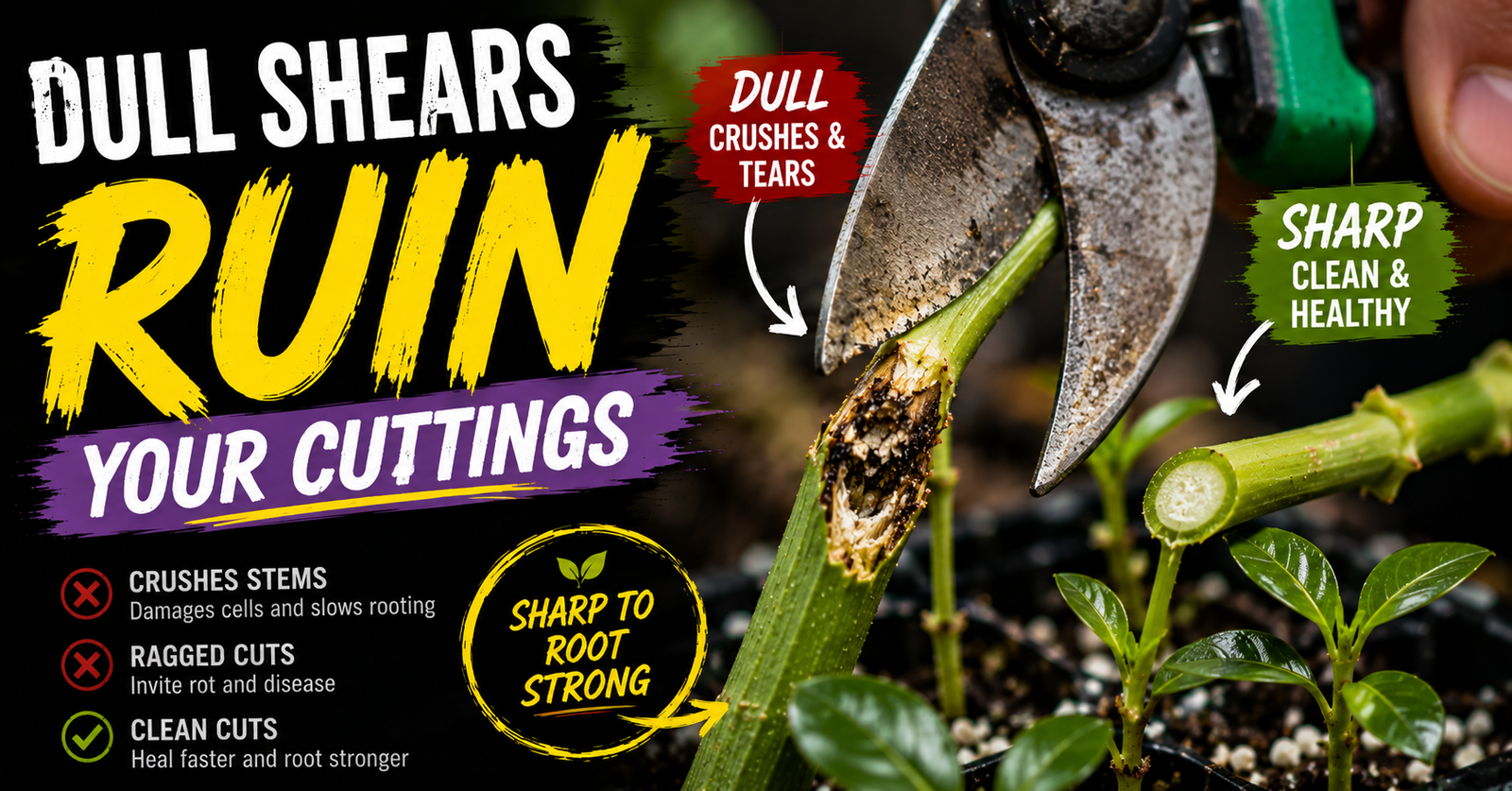
I’ll trim away any damaged roots or stem tissue using clean pruning shears, disinfect the container, refill it with fresh water, and monitor it closely over the next several days.
Catching root rot early often makes the difference between saving the cutting and starting over.
Brown Roots Don’t Always Mean Failure
One of the biggest lessons propagation has taught me is not to overreact.
It’s easy to see a little discoloration and assume the worst.
I’ve done exactly that.
Looking back, some of those cuttings were perfectly healthy.
Today I pay much more attention to the overall condition of the plant than I do to one small change in color.
Firm roots, healthy leaves, fresh growth, and a solid stem tell me far more than whether the roots are bright white or light brown.
When you learn to read those signs together instead of focusing on color alone, you’ll make much better decisions and save yourself a lot of unnecessary worry.
About the Author
Daxon Weaver is the founder of PropagationWorld.com and has propagated thousands of plants, from common houseplants to woody shrubs and fruit plants. He enjoys testing propagation techniques, comparing rooting products, and sharing practical advice that helps gardeners achieve higher success rates with every cutting.