
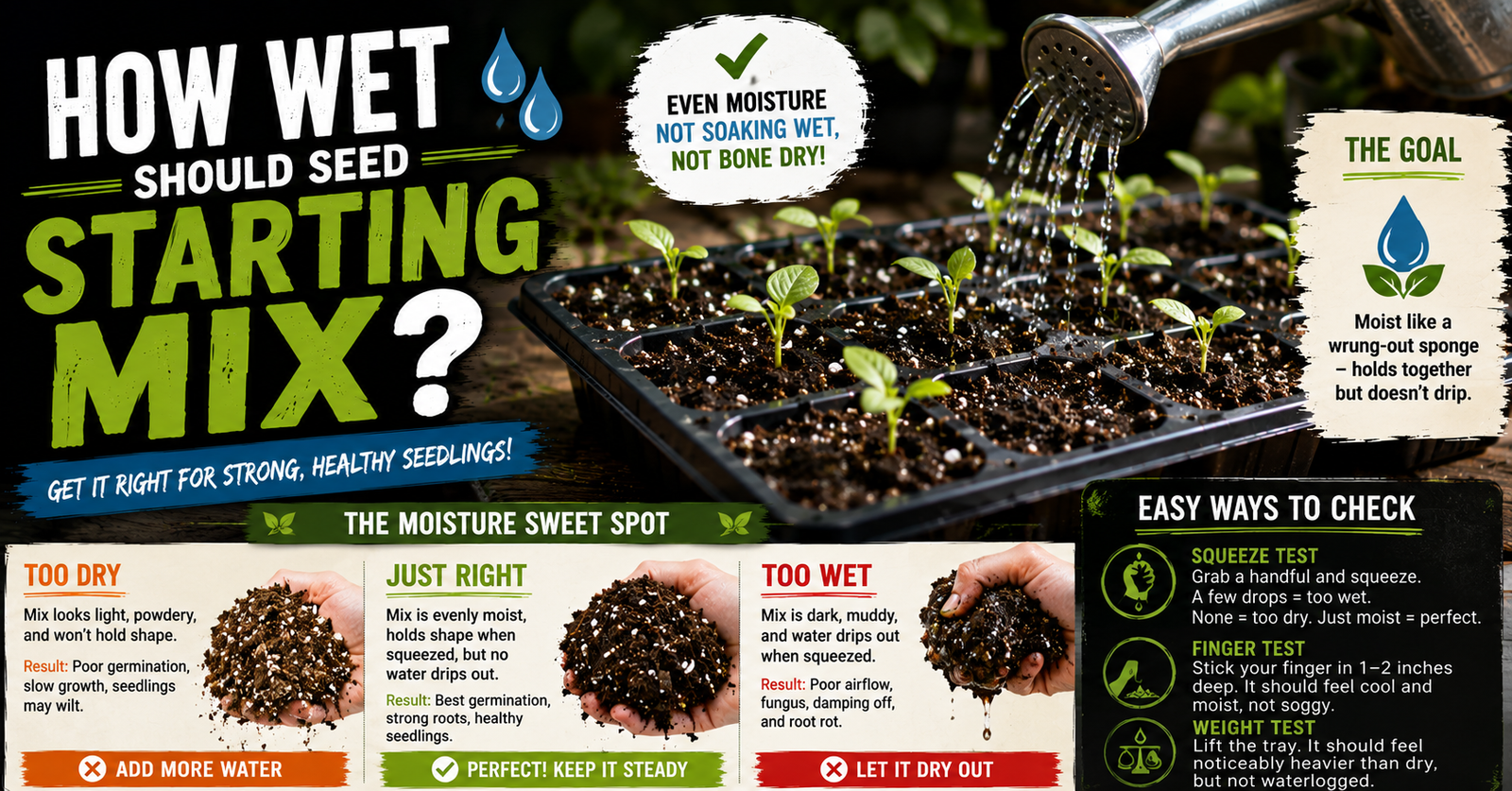
Watering is one of those propagation skills that sounds simple until you’re standing over a tray of fresh cuttings wondering whether the mix feels too dry or too wet.
Most propagation failures I see aren’t caused by forgetting to water.
They’re caused by trying to solve every problem with more water.
Fresh cuttings certainly need moisture.
Without it, roots can’t develop.
But they also need oxygen.
That’s the part many beginners don’t realize.
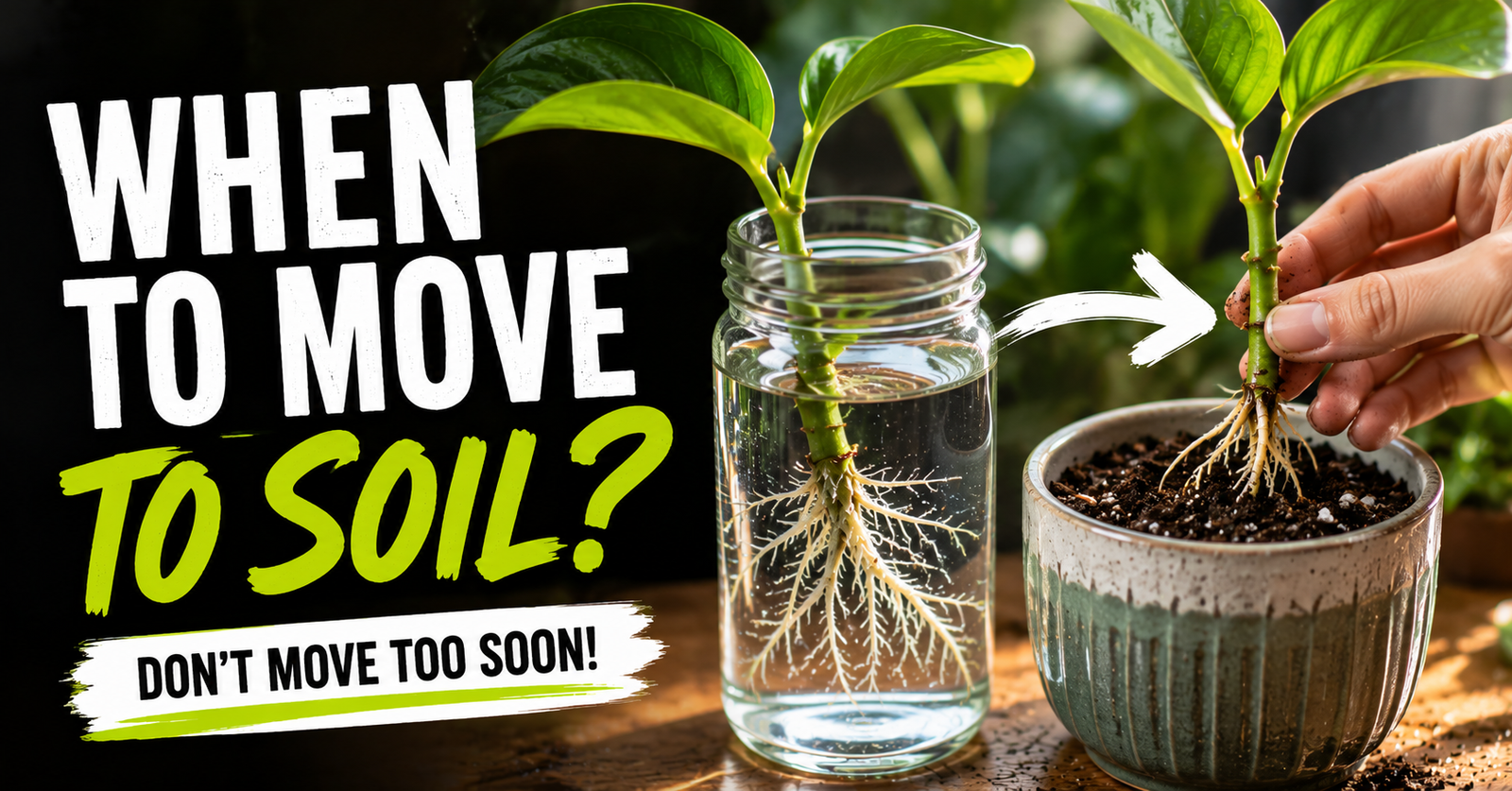
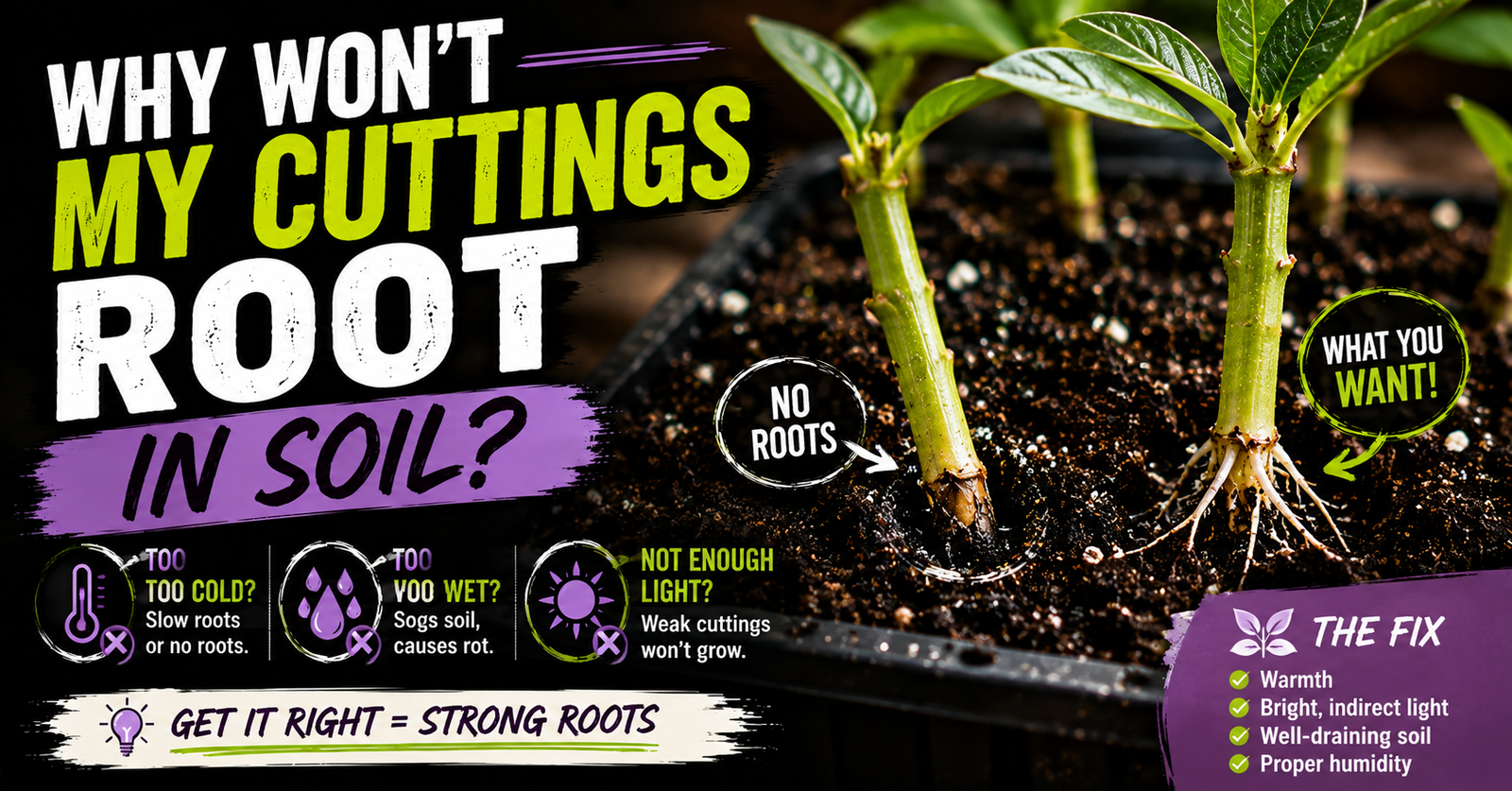
If the propagation mix stays completely saturated day after day, developing roots struggle because the tiny air pockets they depend on become filled with water. Persistent saturation is one of the first conditions to investigate when you’re dealing with cuttings rotting in soil.
I’ve found the best propagation mix doesn’t feel soaked.
It feels evenly moist.
Think of a sponge that’s been thoroughly wrung out.
It still contains plenty of moisture, but it isn’t dripping.
That’s exactly the kind of environment I try to maintain around fresh cuttings.
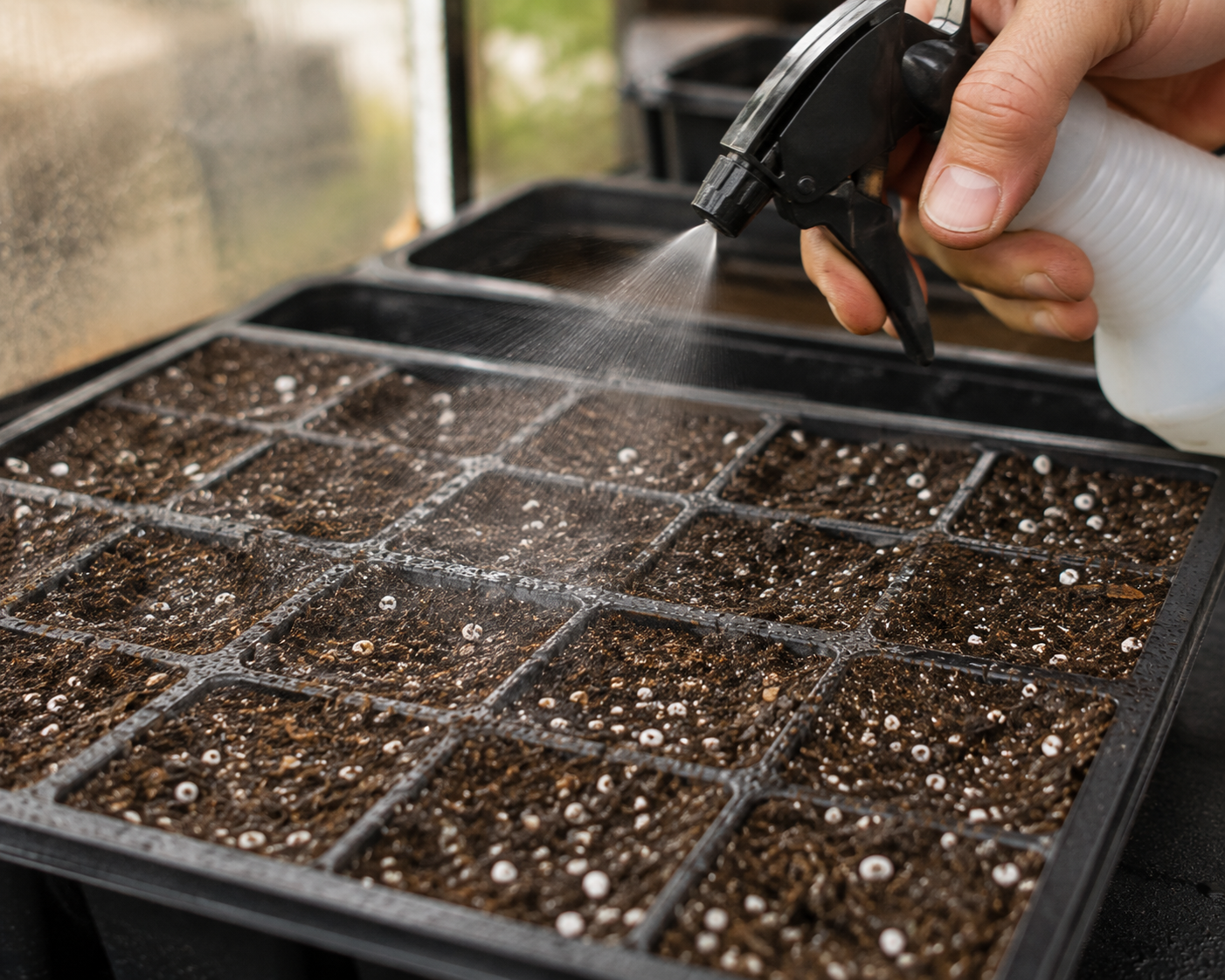
Moisture Should Be Consistent
One heavy watering followed by several days of drying out isn’t ideal.
Neither is adding water every few hours because you’re worried the cuttings might become thirsty.
Healthy propagation usually comes from consistency.
I check the propagation trays regularly instead of watering on a fixed schedule.
Some weeks they need water more often.
Other weeks they hardly need any.
The plants and the growing conditions decide.
Not the calendar.

The Growing Medium Makes a Huge Difference
It’s much easier to maintain proper moisture when the propagation mix drains well.
Dense growing media stay wet much longer than light, airy mixes.
That extra moisture may sound beneficial, but it often limits airflow around the developing roots.
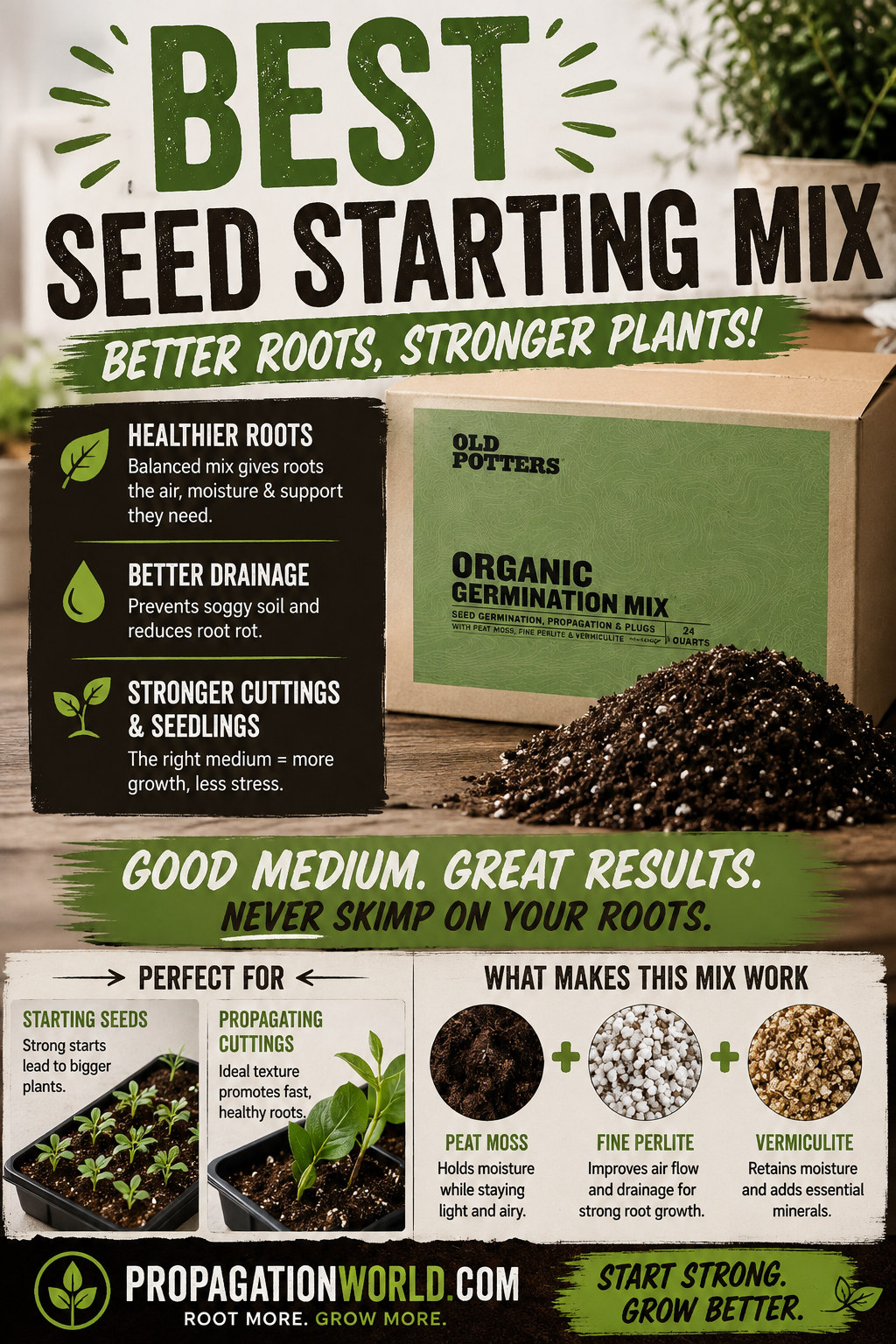
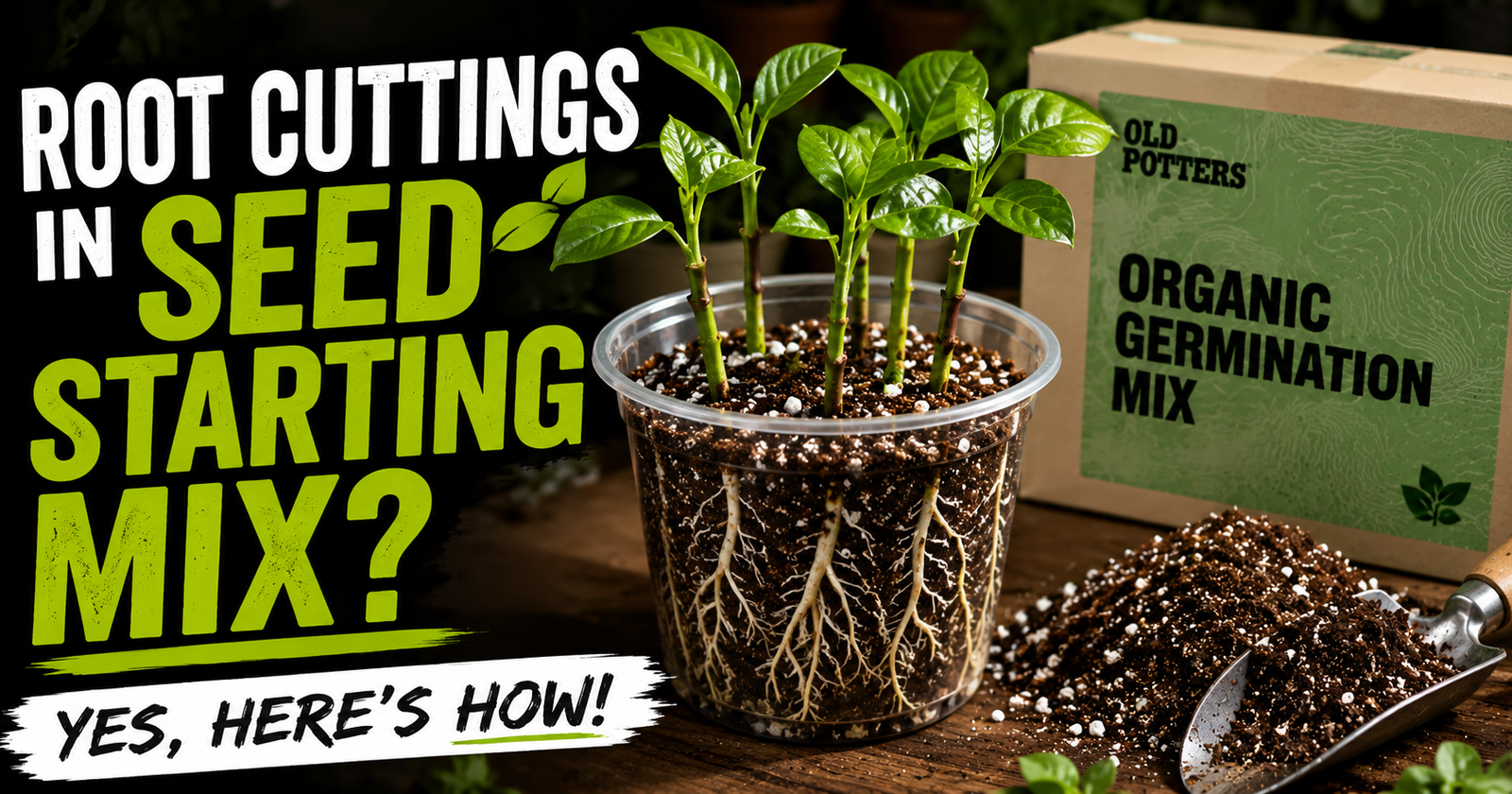
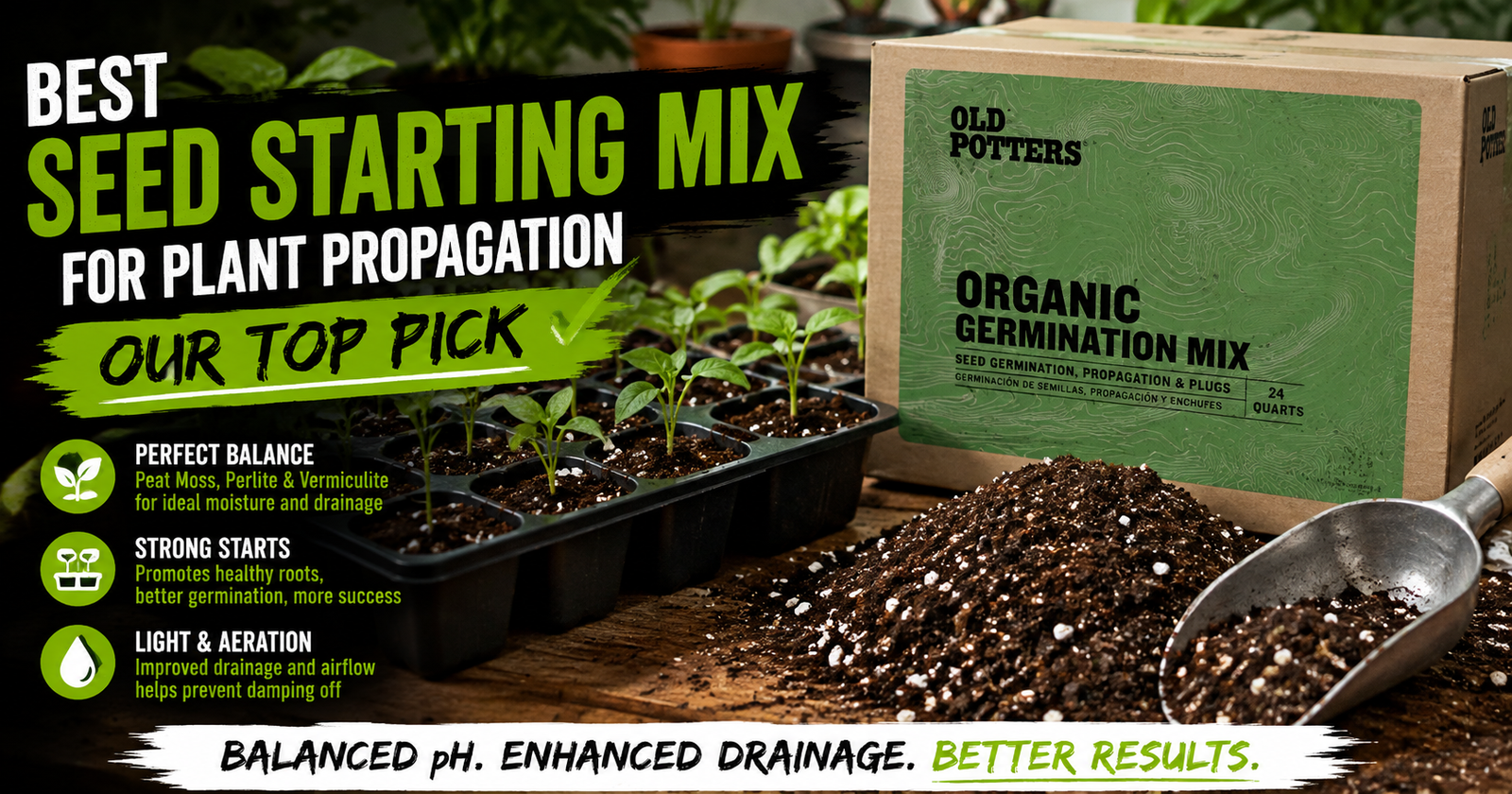
That’s one reason I continue using the seed starting mix I recommend for propagation.
It holds enough moisture to support new roots while still allowing excess water to drain away instead of lingering around the stem.
That balance makes watering much more forgiving.
Different Seasons Change Everything
A tray that stays perfectly moist during spring may dry much faster in midsummer.
Indoor heating during winter can also change how quickly propagation mix loses moisture.
Instead of following the same watering routine all year, I adjust to the conditions.
Warm temperatures, moving air, and lower humidity usually mean I’ll check the trays a little more often.
Cooler conditions often allow the mix to stay moist much longer.
Learning to adapt to those changes has been much more useful than trying to follow a rigid watering schedule.
Don’t Let the Surface Fool You
One mistake I made years ago was judging the entire tray by the very top layer of the propagation mix.
The surface often dries first.
A quick glance can make the tray look completely dry even though the mix underneath is still holding plenty of moisture.
Now I check a little deeper before reaching for the watering can.
That simple habit has helped me avoid overwatering more times than I can count.
The surface doesn’t always tell the whole story.
A Little Too Dry Is Usually Better Than Constantly Soggy
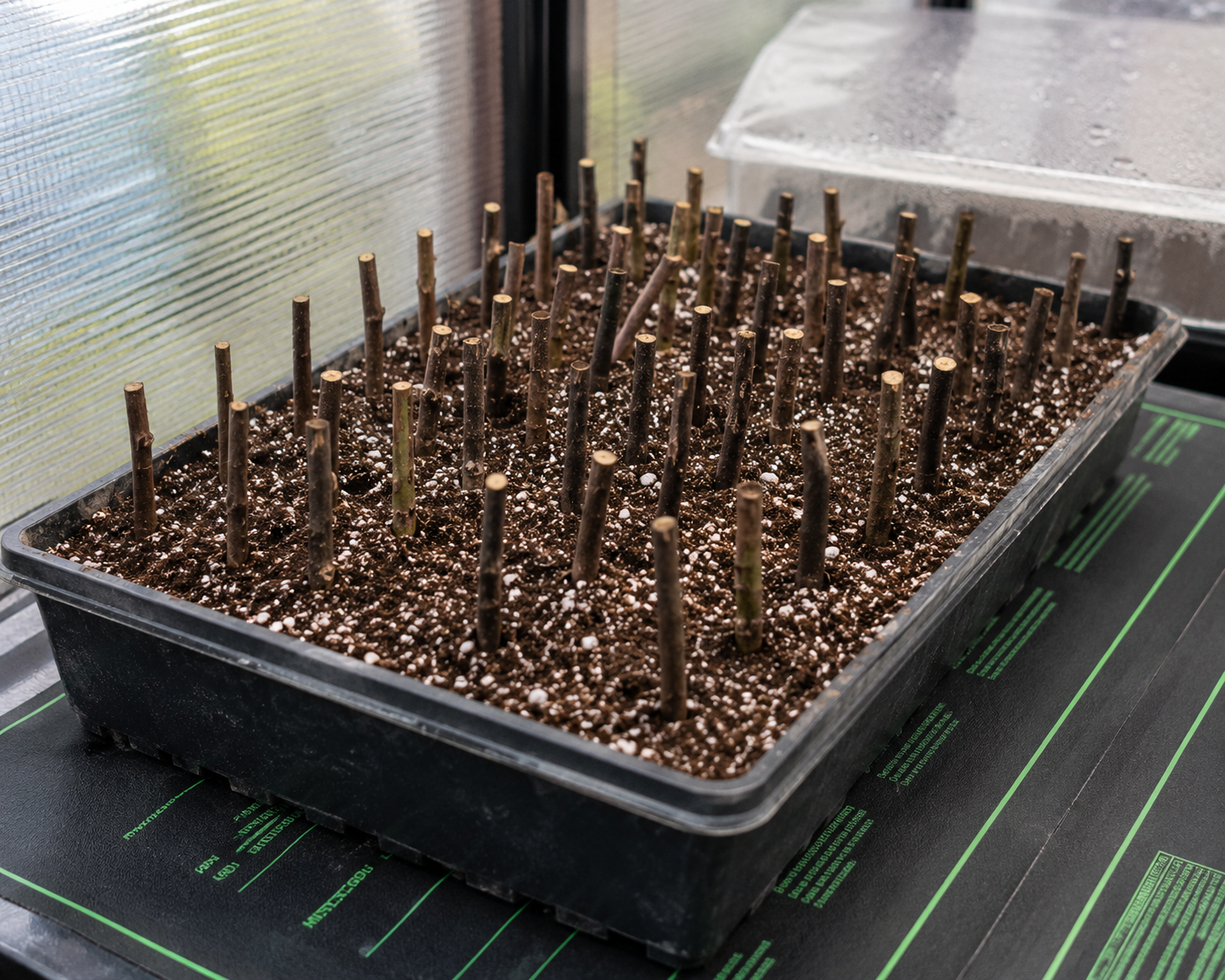
If I have to choose between propagation mix that’s slightly on the dry side or constantly waterlogged, I’ll choose slightly drier almost every time.
That might sound surprising.
After all, fresh cuttings need moisture.
They do.
But they also need oxygen.
Roots don’t develop well in media that stay saturated for long periods.
A lightly moist propagation mix still contains water while leaving room for air to move around the stem.
That balance is one of the biggest reasons healthy root systems develop more consistently.
I’ve found it’s much easier to add a little water than it is to reverse the damage caused by weeks of overwatering.
Bottom Watering Has Worked Well for Me
Whenever practical, I like watering from the bottom instead of pouring water directly over the cuttings.
The propagation mix absorbs what it needs through the drainage holes while the stems and leaves stay relatively undisturbed.
It also encourages moisture to move evenly throughout the tray instead of creating pockets that are soaking wet beside areas that remain dry.
I don’t bottom water every propagation project, but it’s a technique that’s given me consistently good results over the years.
Drainage Is Just as Important as Watering
Sometimes gardeners blame themselves for watering too much when the real problem is the growing medium.
Even careful watering can’t compensate for propagation mix that drains poorly.
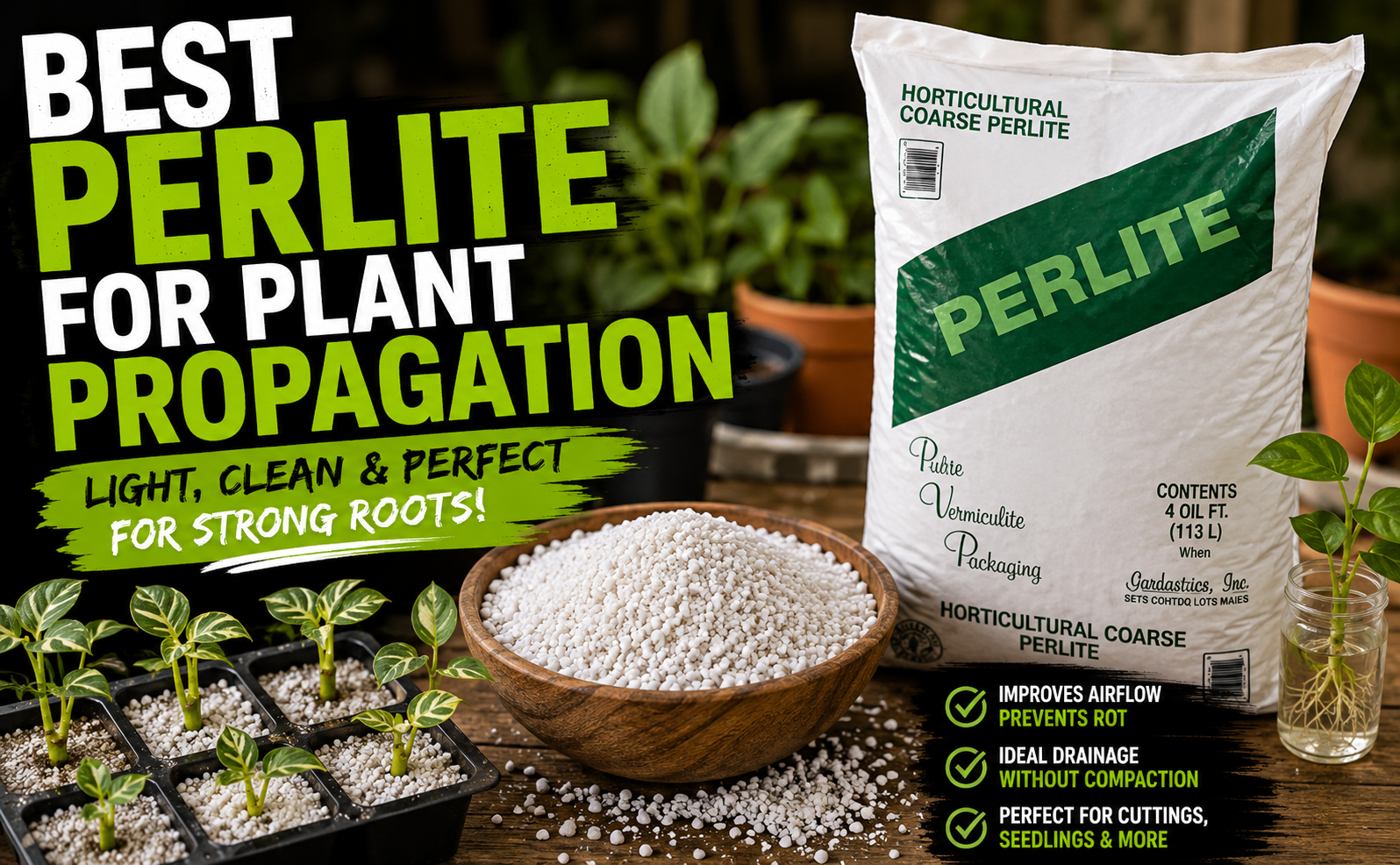
That’s one reason I occasionally blend additional perlite into my propagation media, especially when rooting plants that dislike constantly wet conditions.
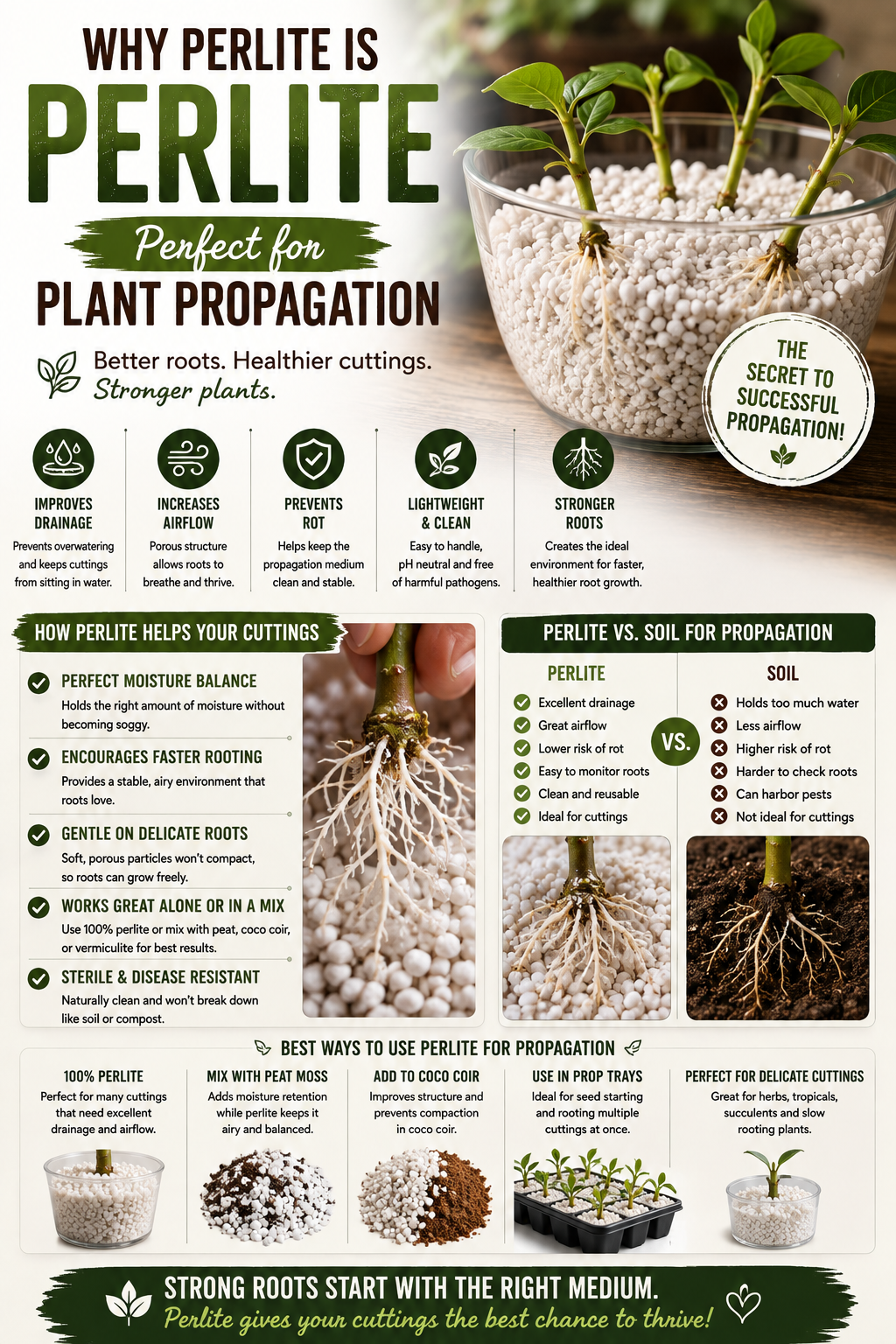
If you’ve never tried that approach, here’s the propagation perlite I recommend and why I keep it on hand.
Improving drainage has solved more propagation problems for me than simply changing how often I watered.
My Watering Routine Today
These days I don’t water because the calendar says it’s time.
I water because the propagation tray needs it.
Some mornings I simply check the trays and walk away.
Other days they need attention.
That flexibility has produced much healthier cuttings than sticking to a fixed schedule.
The plants set the pace.
I’m simply responding to what they need instead of trying to force them into a routine that may not fit the current conditions.
Let the Mix Do Its Job
One thing I’ve learned is that good propagation media make watering much easier.
When the mix drains properly and holds moisture evenly, I spend much less time worrying about whether every cutting has exactly the right amount of water.

If you’re ready to upgrade your propagation setup, I’d recommend taking a look at the seed starting mix I use on Amazon.
A quality mix won’t eliminate every watering mistake, but it gives you a much larger margin for error, and that’s something every propagator can appreciate.
Frequently Asked Questions
Should seed starting mix feel wet every day?
No.
It should feel evenly moist, not soaked.
A propagation tray that stays dripping wet day after day is much more likely to develop stem rot than one that is simply kept consistently moist.
I check the moisture regularly instead of assuming it needs water every day.
How can I tell if my propagation mix is too wet?
The mix may look shiny, feel muddy, or stay saturated for several days after watering.
You may also notice algae beginning to form on the surface or the stems becoming soft near the base.
Those are signs that the mix isn’t drying enough between waterings or isn’t draining as well as it should.
Is it okay if the top of the mix dries out?
Yes.
The surface often dries first, especially in warm rooms or under grow lights.
That doesn’t automatically mean the entire tray needs water.
I usually check below the surface before watering because the mix underneath often remains perfectly moist.
Can I use a spray bottle instead of watering?
A spray bottle can be useful immediately after inserting fresh cuttings or lightly moistening the surface.
For ongoing care, though, I prefer watering the propagation mix itself rather than relying only on misting.
Roots develop in the growing medium, so that’s where consistent moisture matters most.
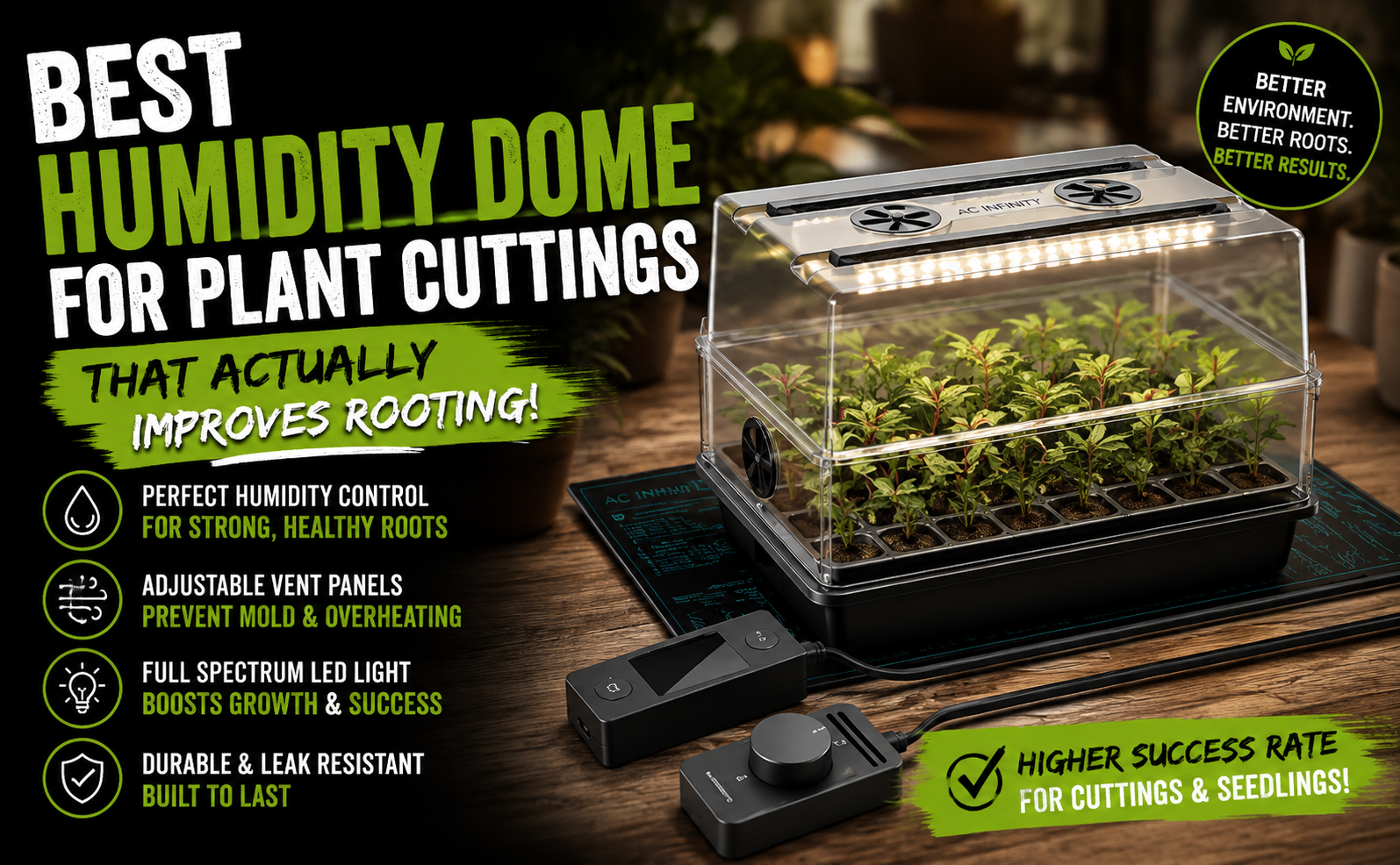
Does a humidity dome reduce how often I need to water?
Usually, yes.
Because a humidity dome slows evaporation, the propagation mix often stays moist longer than it would in open air.
That doesn’t mean you should stop checking it.
It simply means watering is often needed less frequently.
Successful Watering Is About Observation
If I could give one piece of advice to someone learning propagation, it would be this.
Don’t water because you’re nervous.
Water because the propagation mix actually needs it.
That mindset changed the way I propagate plants.
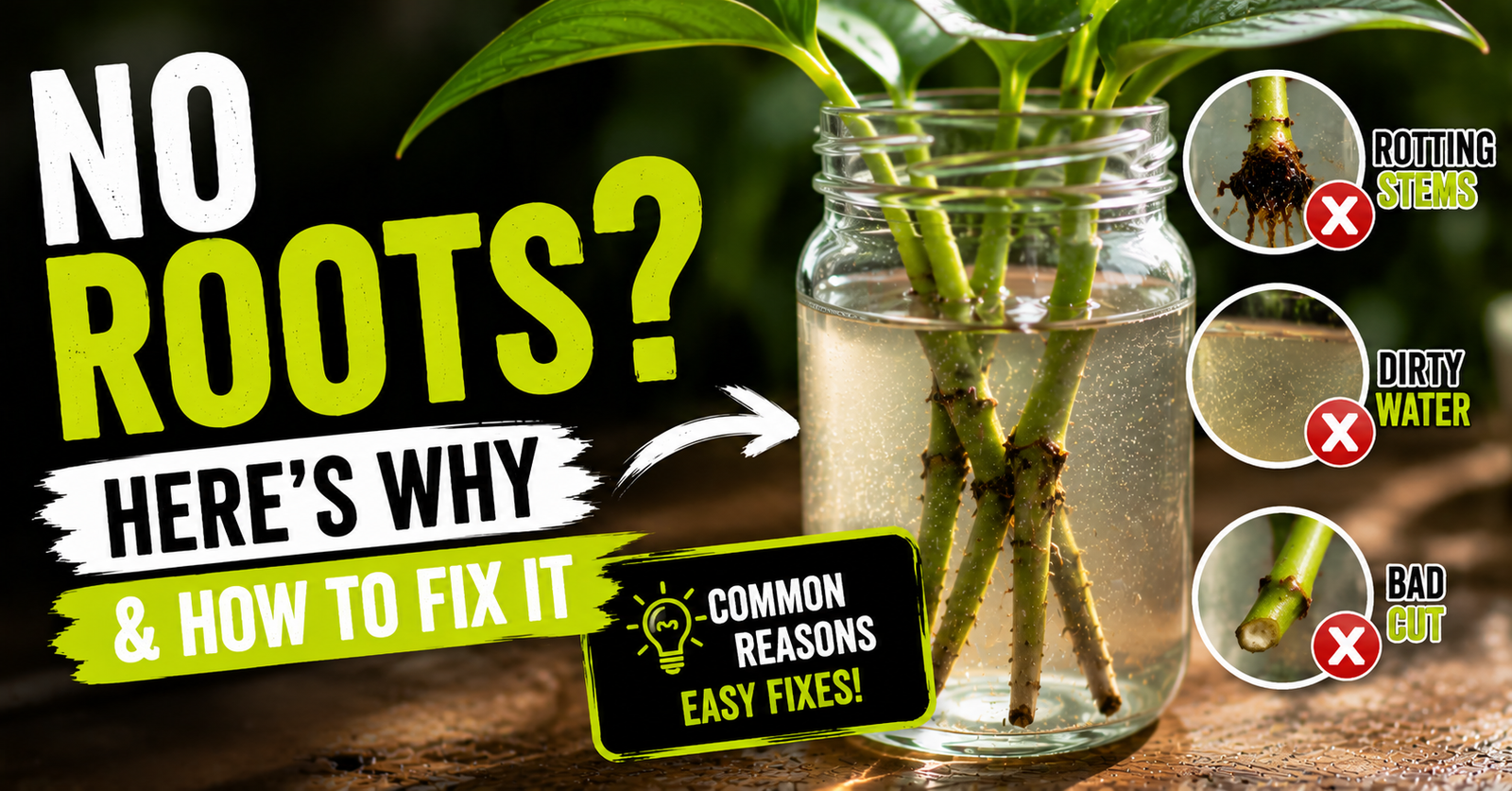
Instead of constantly wondering whether the cuttings are getting enough water, I pay attention to the growing medium, the leaves, and the overall environment. The same habit of checking several factors at once is useful when diagnosing rooting problems.
Over time, those small observations become second nature.
They’re far more reliable than any fixed watering schedule, and they’ve helped me grow healthier, stronger root systems in everything from houseplants to hardwood fruit tree cuttings.
About the Author
Daxon Weaver is the founder of PropagationWorld and has propagated thousands of houseplants, herbs, berry bushes, fruit trees, and ornamental shrubs. Years of hands-on propagation have taught him that successful rooting often depends on mastering the simple fundamentals, and proper moisture is one of the most important.