
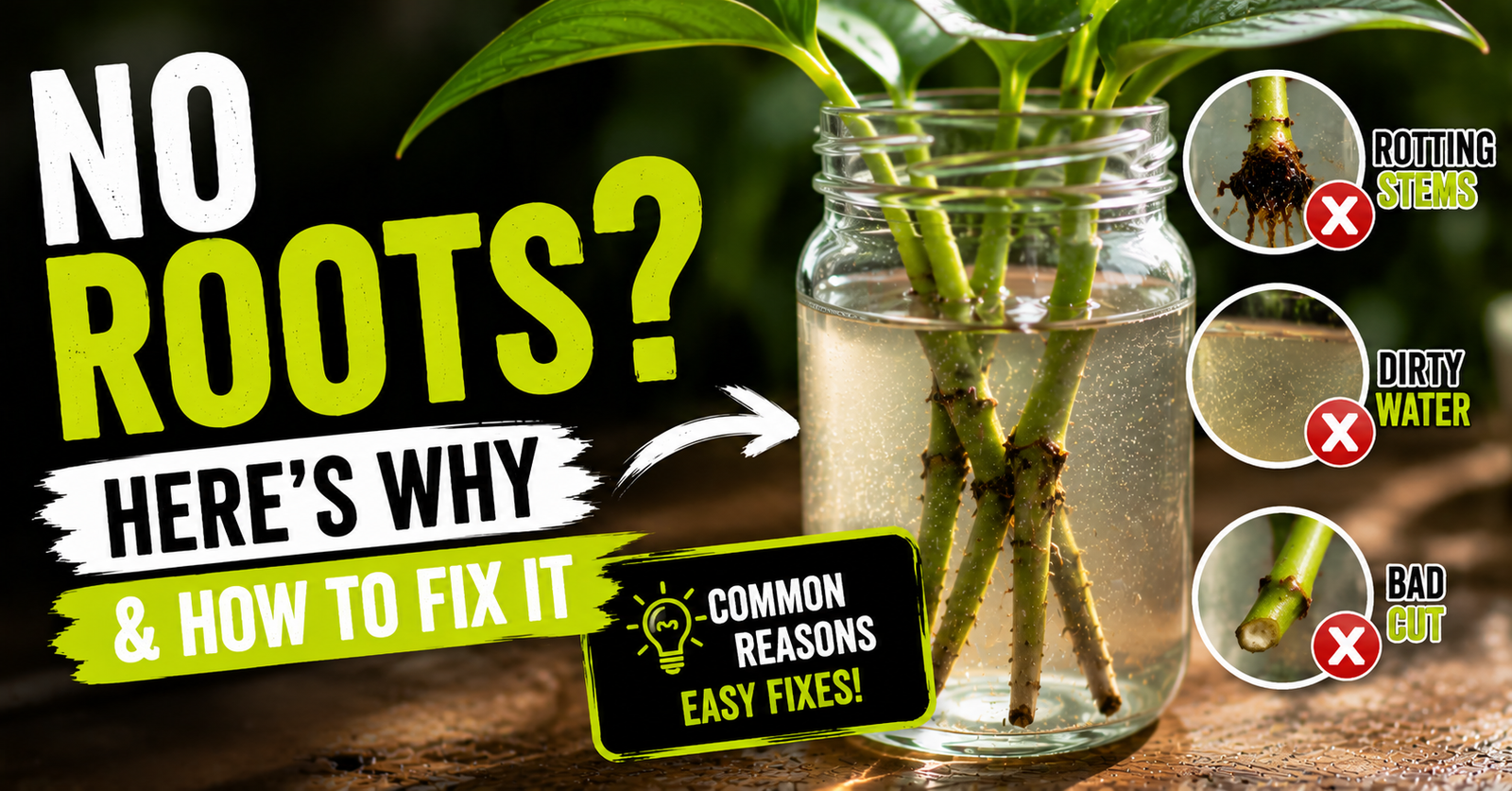
One of the most frustrating parts of plant propagation is staring at a cutting for weeks and wondering if anything is happening.
The leaves still look healthy.
The stem hasn’t rotted.
But no roots ever appear.
If you’ve found yourself changing the water every few days, moving the jar from window to window, and checking for roots every morning, you’re definitely not alone.
I’ve been there more times than I’d like to admit.
Over the years, I’ve learned that when a cutting refuses to root, it’s usually not because propagation “doesn’t work.”
There’s almost always a reason.
Sometimes it’s the wrong plant.
Sometimes it’s the wrong cutting.
Sometimes it’s simply a matter of giving the cutting a little more time.
The good news is that most rooting problems are surprisingly easy to fix once you know what to look for.
In this guide, I’ll walk through the most common reasons cuttings fail to root in water and the changes that have made the biggest difference in my own propagation success.
The Short Answer
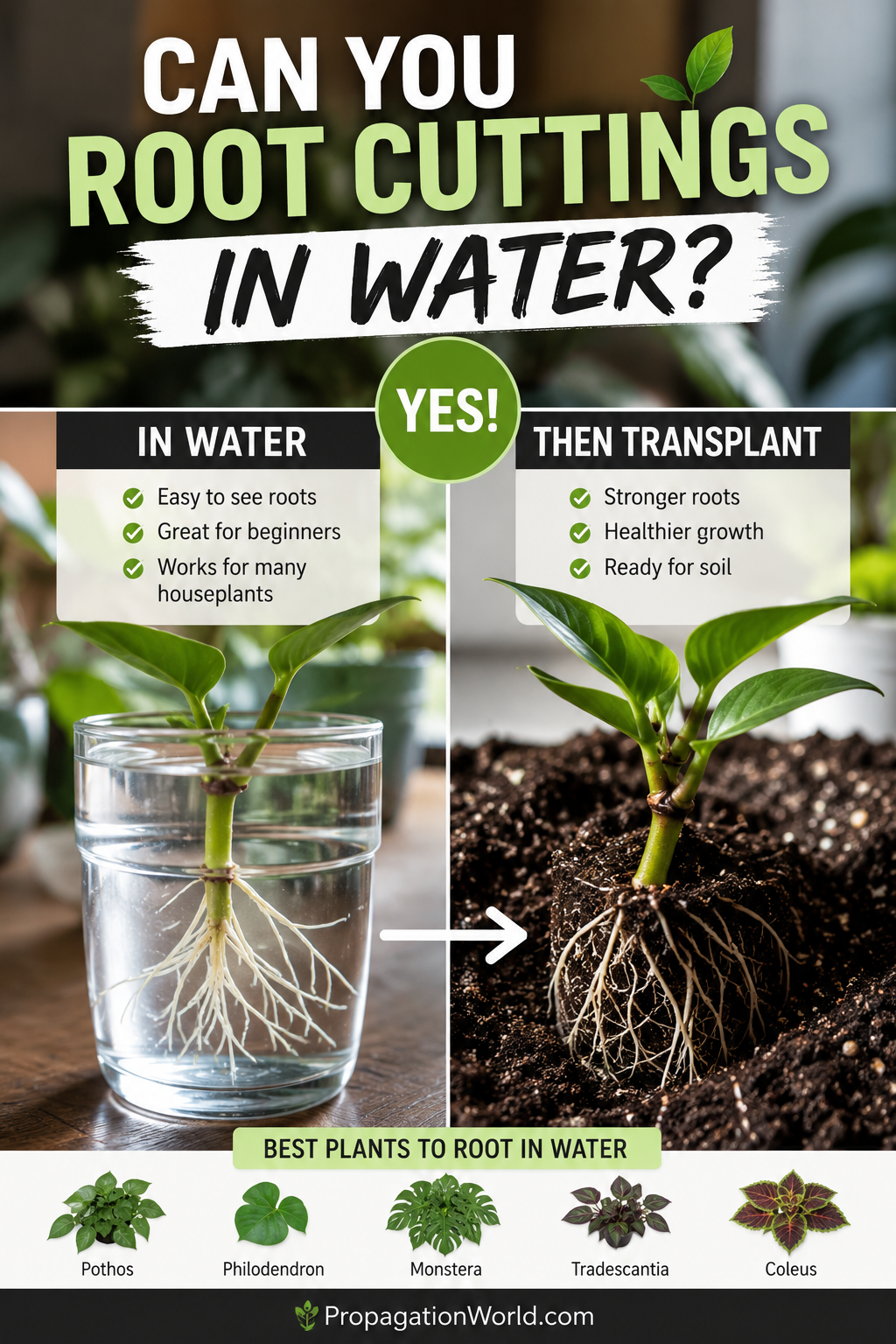
Most plant cuttings fail to root because they don’t include a healthy node, were taken from unhealthy or dormant growth, aren’t receiving enough light, or simply aren’t good candidates for water propagation. In many cases, improving the cutting or choosing a better propagation method solves the problem. Before troubleshooting failed cuttings, review the water propagation basics to confirm whether this method suits your plant.
Start With One Important Question
Before assuming you’ve done something wrong, ask yourself one simple question.
Should this plant even be propagated in water? A list of the Best Plants to Propagate in Water can help you choose a better candidate before troubleshooting further.
This sounds obvious, but it’s one of the biggest mistakes I see beginners make.
After successfully rooting something easy like pothos, many people assume every plant behaves the same way. For a specific example, elderberry propagation in water explains what to expect when propagating elderberry cuttings in water.
Then they try a blueberry cutting.
Or a rose.
Or a fruit tree.
Weeks pass without a single root, and they assume they’ve failed.
In reality, they simply chose a plant that usually performs much better in a propagation mix than in a glass of water.
That’s why understanding the plant is every bit as important as understanding the propagation method.
Your Cutting Doesn’t Have a Node
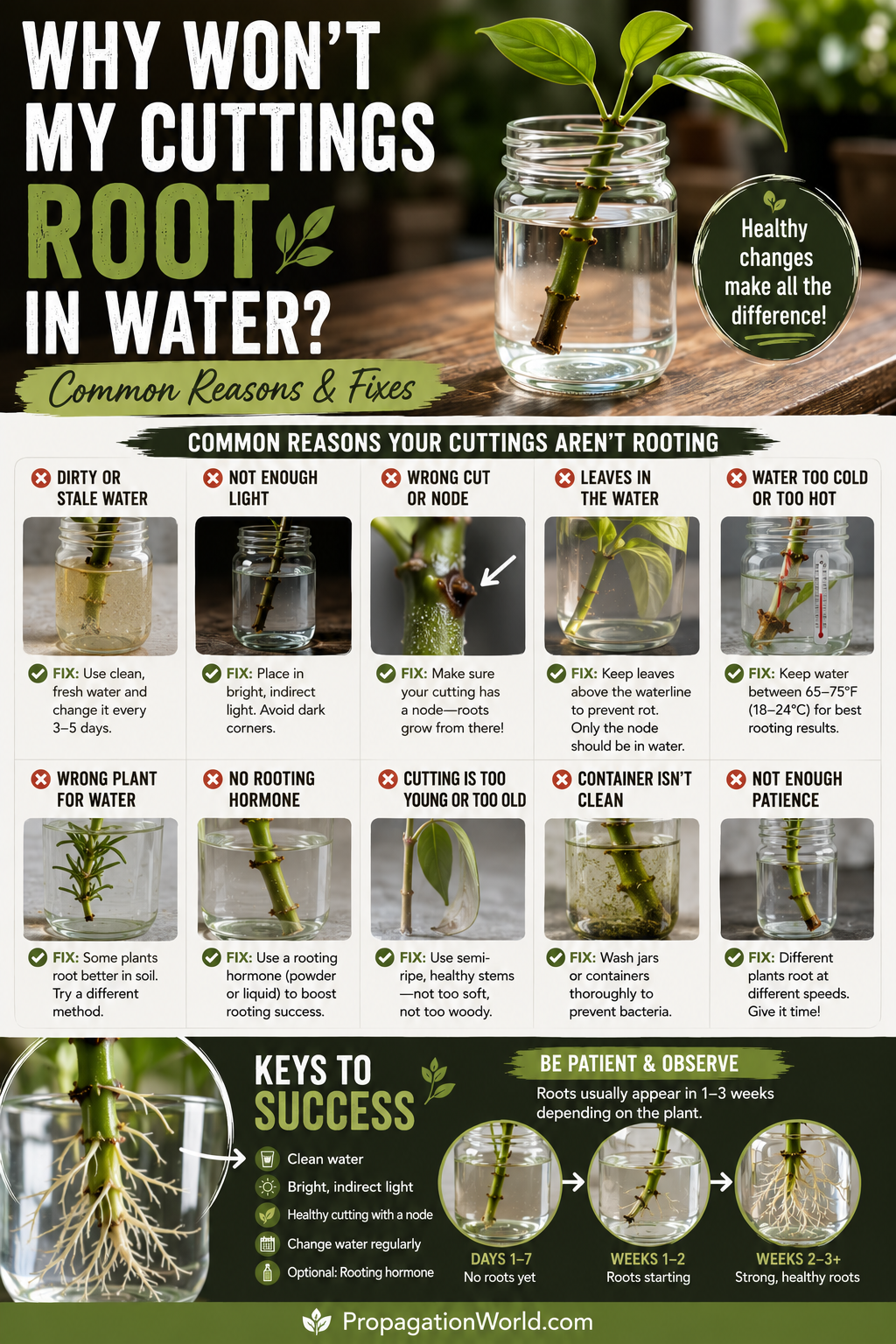
If I had to guess the number one reason cuttings never root, this would probably be it.
Roots almost always develop from nodes.
A node is the point on a stem where leaves, branches, or buds emerge.
Without one, most stem cuttings simply don’t have the tissue needed to produce new roots.
I’ve seen countless monstera leaves sitting in jars of water that looked perfectly healthy but never rooted because the node was accidentally left behind on the parent plant.
Before placing any cutting into water, double-check that you’ve actually included at least one healthy node.
That one detail makes all the difference.
The Cutting Came From Old or Dormant Growth
Not all stems have the same ability to produce roots.
Fresh, actively growing stems are usually much more willing to root than older woody growth.
If I’m propagating during spring or early summer, I almost always choose the newest healthy growth I can find.
Those stems have more active cells, more stored energy, and generally respond much faster.
Older woody stems aren’t impossible to root.

They simply require more patience and often benefit from rooting hormone or a different propagation method altogether. For cuttings that benefit from rooting hormone, Clonex rooting gel is one option to consider.
You’re Trying to Propagate the Wrong Part of the Plant
This mistake is more common than people realize.
Some plants root from stem cuttings.
Others are propagated from leaves.
Some produce offsets.
Others grow from divisions.
Taking the wrong part of the plant can leave you waiting forever for roots that will never appear.
Before making a cutting, it’s worth spending a minute confirming you’re using the propagation method that matches your plant.
One clean cut in the right location is far more valuable than several cuts in the wrong place.
The Water Isn’t Being Changed Often Enough
Fresh water does much more than keep the container looking clean.
It also replenishes oxygen around the stem.
That’s important because developing roots need oxygen just as much as they need moisture.
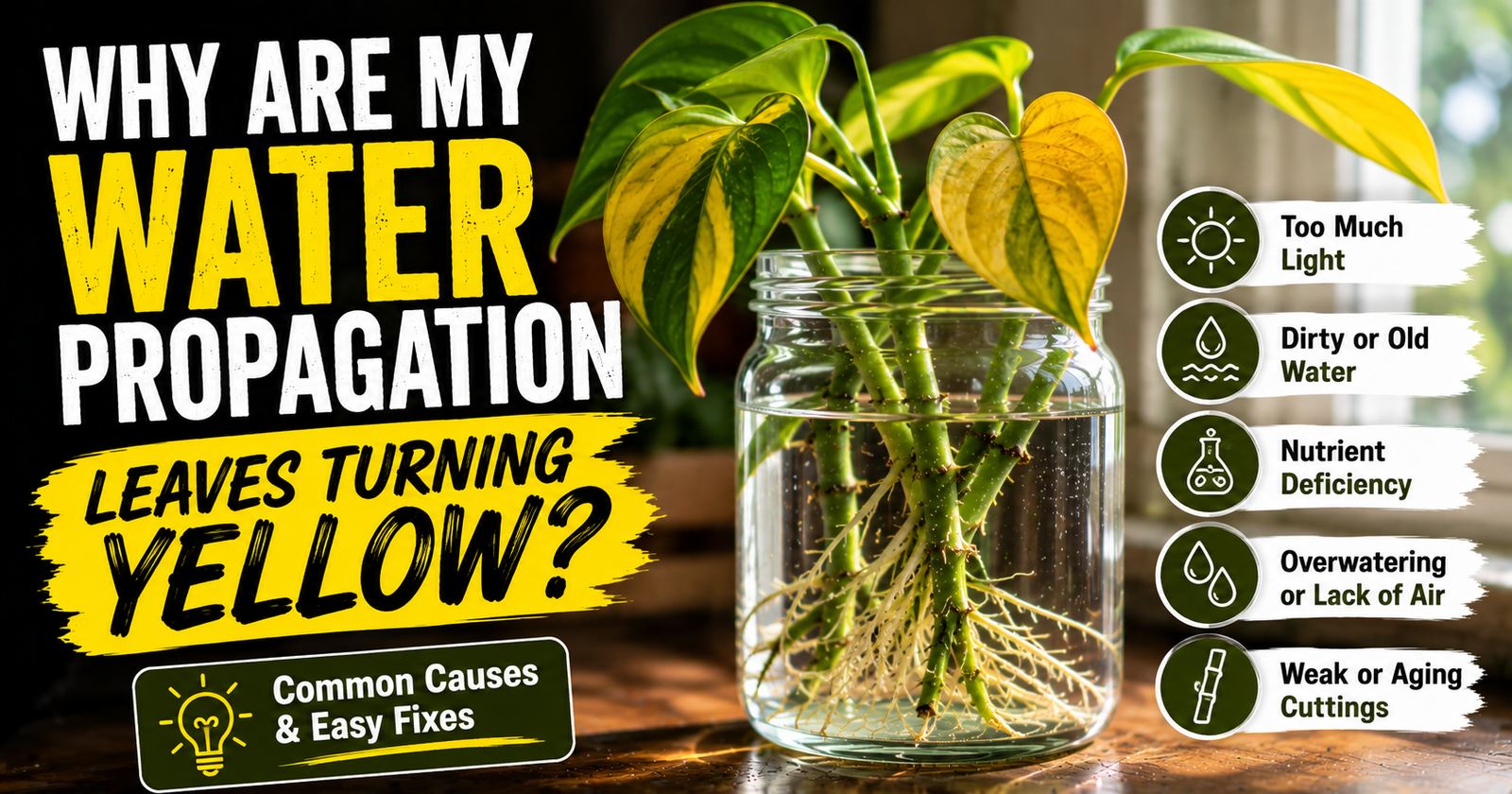
As the water sits, oxygen levels gradually decrease while bacteria and algae begin multiplying. If you’ve ever noticed cloudy water, a slimy film inside the container, or an unpleasant smell, those are all signs it’s time for fresh water. Poor water conditions can affect more than root development, so compare them with water quality and yellow leaves.
I normally replace the water every few days, and even sooner if it starts looking dirty.
It only takes a minute, but it’s one of the simplest ways to improve your rooting success.
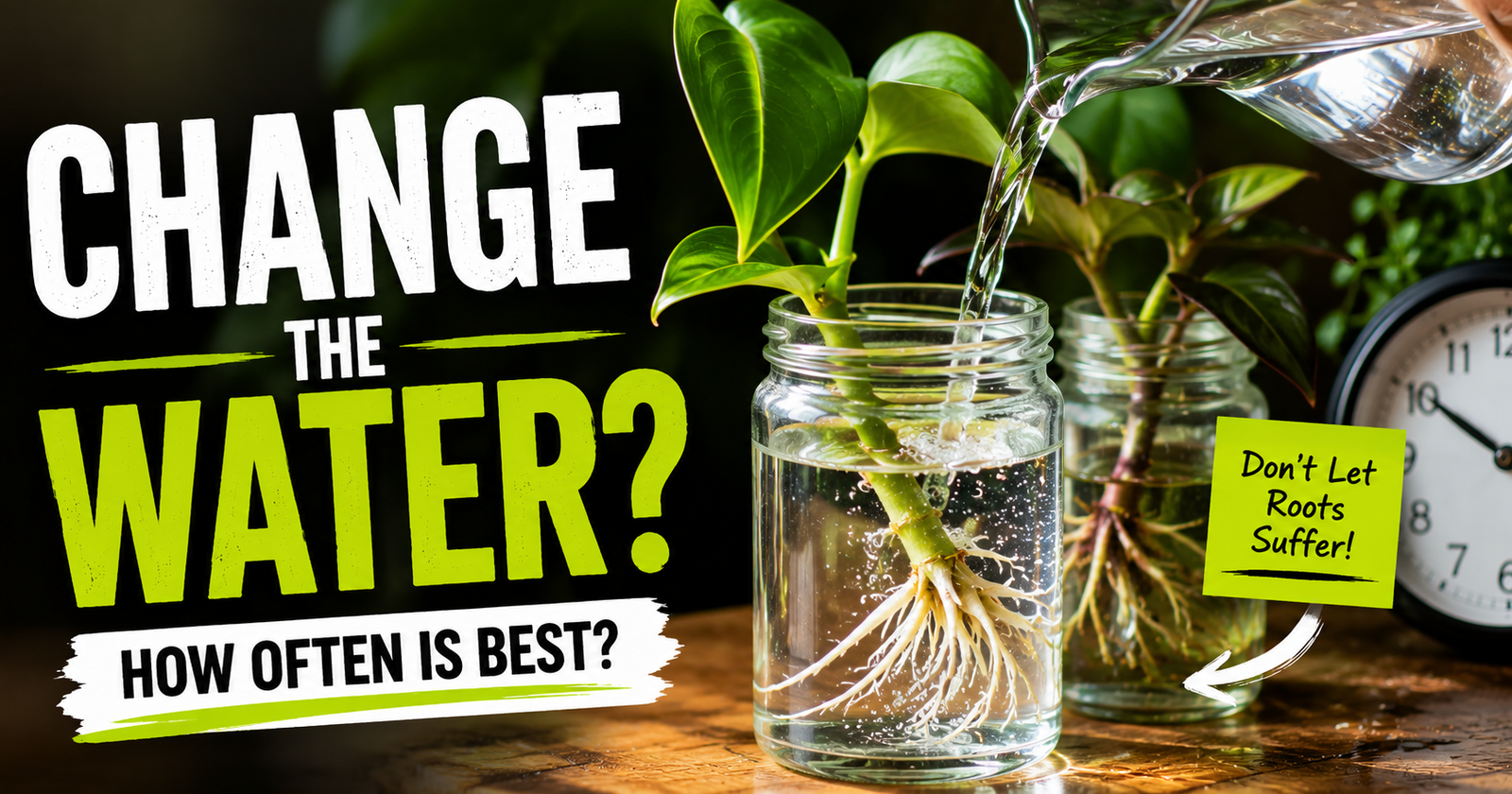
If you’re unsure how often to do this, I cover it in more detail in my guide on how often to change water when propagating cuttings.
The Cutting Isn’t Getting Enough Light
Light is one of those things that’s easy to overlook because the cutting usually stays green for quite a while.
A stem can remain alive without producing roots if it isn’t receiving enough energy from light.
That doesn’t mean you should place it in blazing afternoon sun, though.
Too much direct sunlight often causes a cutting to lose water faster than it can replace it, leading to wilting or unnecessary stress.
I’ve had the best success placing cuttings near a bright window where they receive plenty of indirect light throughout the day.
If I have to choose between too little light and too much direct sun, I’ll choose bright indirect light every time.
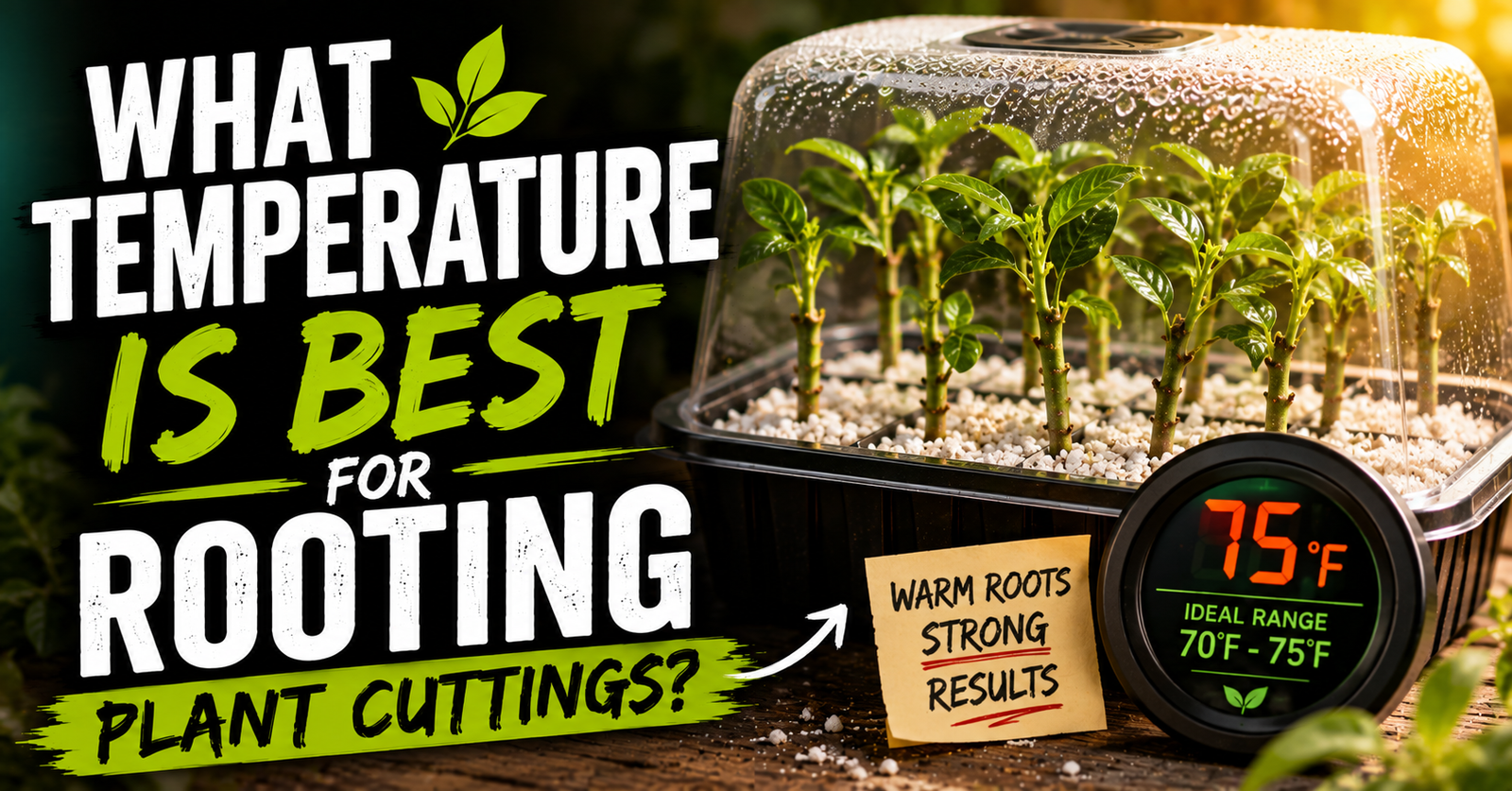
The Water Temperature Is Too Cold
Most tropical houseplants root much faster when they’re warm.
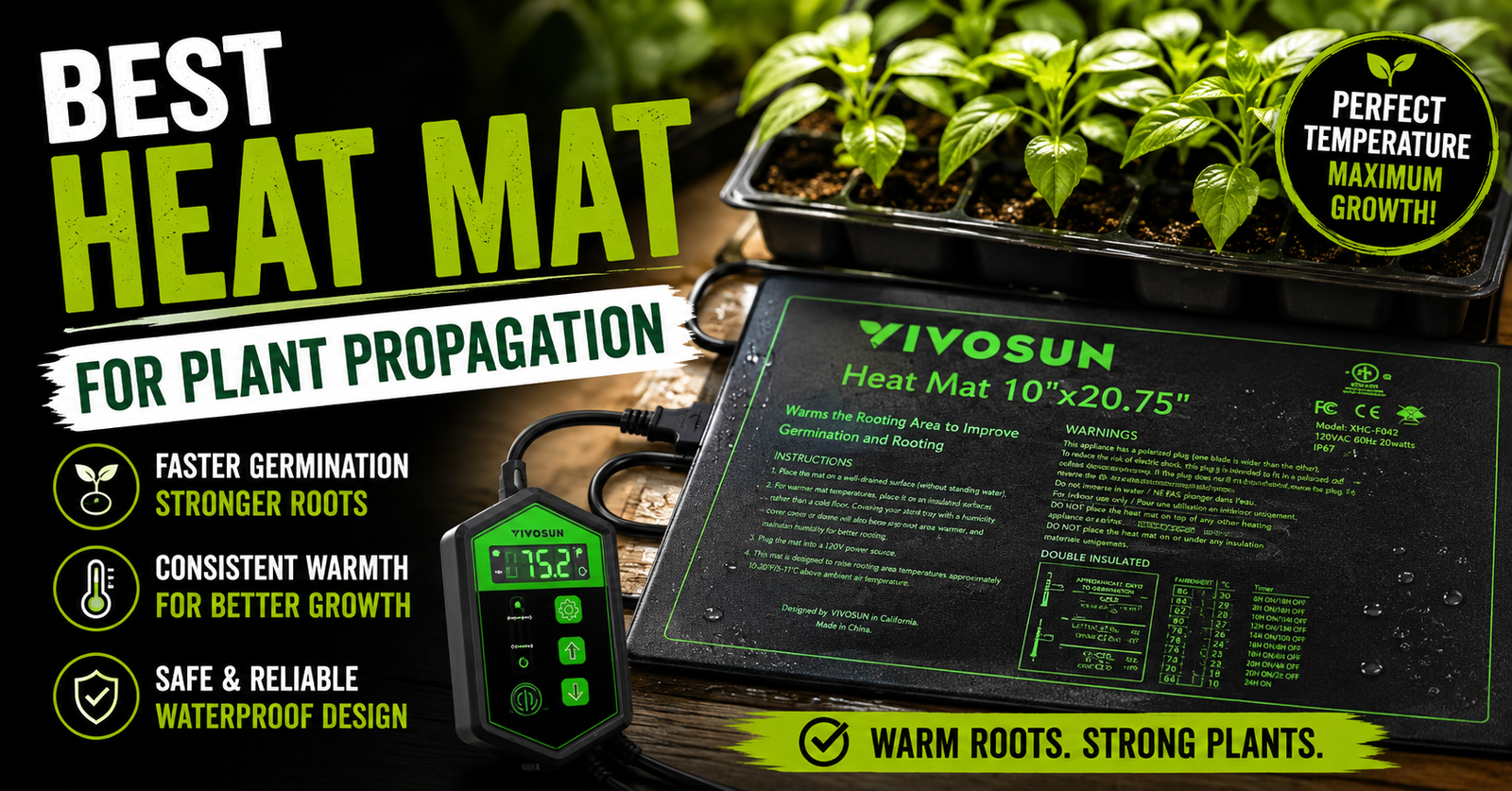
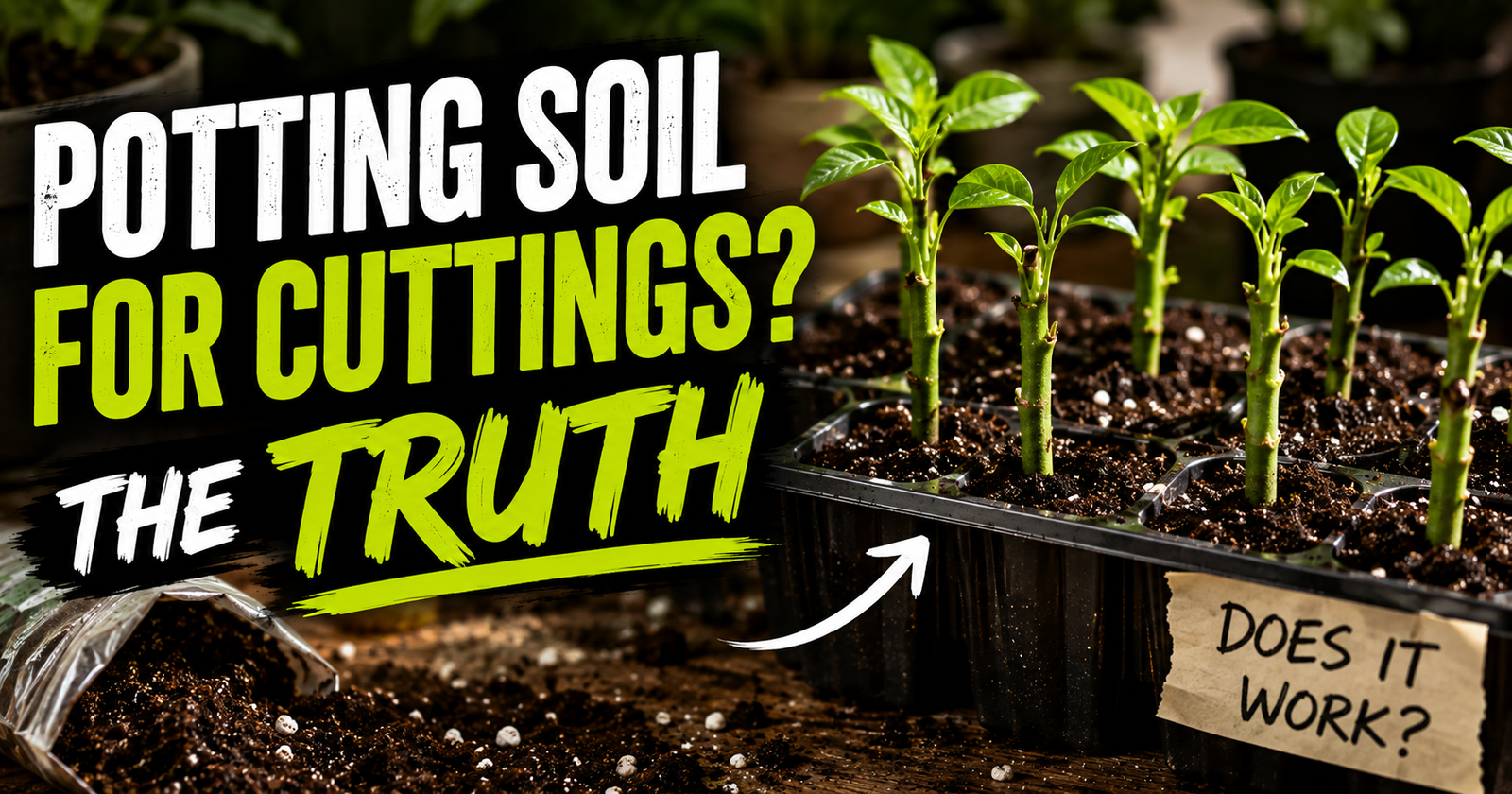
If your propagation jar is sitting on a cold windowsill during winter or in an air-conditioned room, don’t be surprised if rooting slows dramatically. For a more consistent root-zone temperature, heat for cold propagation setups can help reduce the slowdown caused by chilly conditions.
I’ve noticed this many times with pothos and philodendrons.
The exact same cutting that roots in two weeks during summer might take a month or longer in cooler conditions.
That doesn’t necessarily mean anything is wrong.
The plant is simply growing more slowly.
Keeping cuttings in a comfortably warm room often makes a noticeable difference.
You’re Checking for Roots Too Often
I’ll admit this is one I struggled with when I first started propagating.
It’s tempting to pull the cutting out every day just to see if tiny roots have appeared.
Unfortunately, those tiny white roots are incredibly delicate.
Every time you remove the cutting, you increase the chance of damaging new root tips before they’ve had a chance to establish themselves.
Now I mostly leave my cuttings alone.
I’ll change the water, give the stem a quick visual inspection, and put it right back.
A little patience usually produces much better results than constant checking.
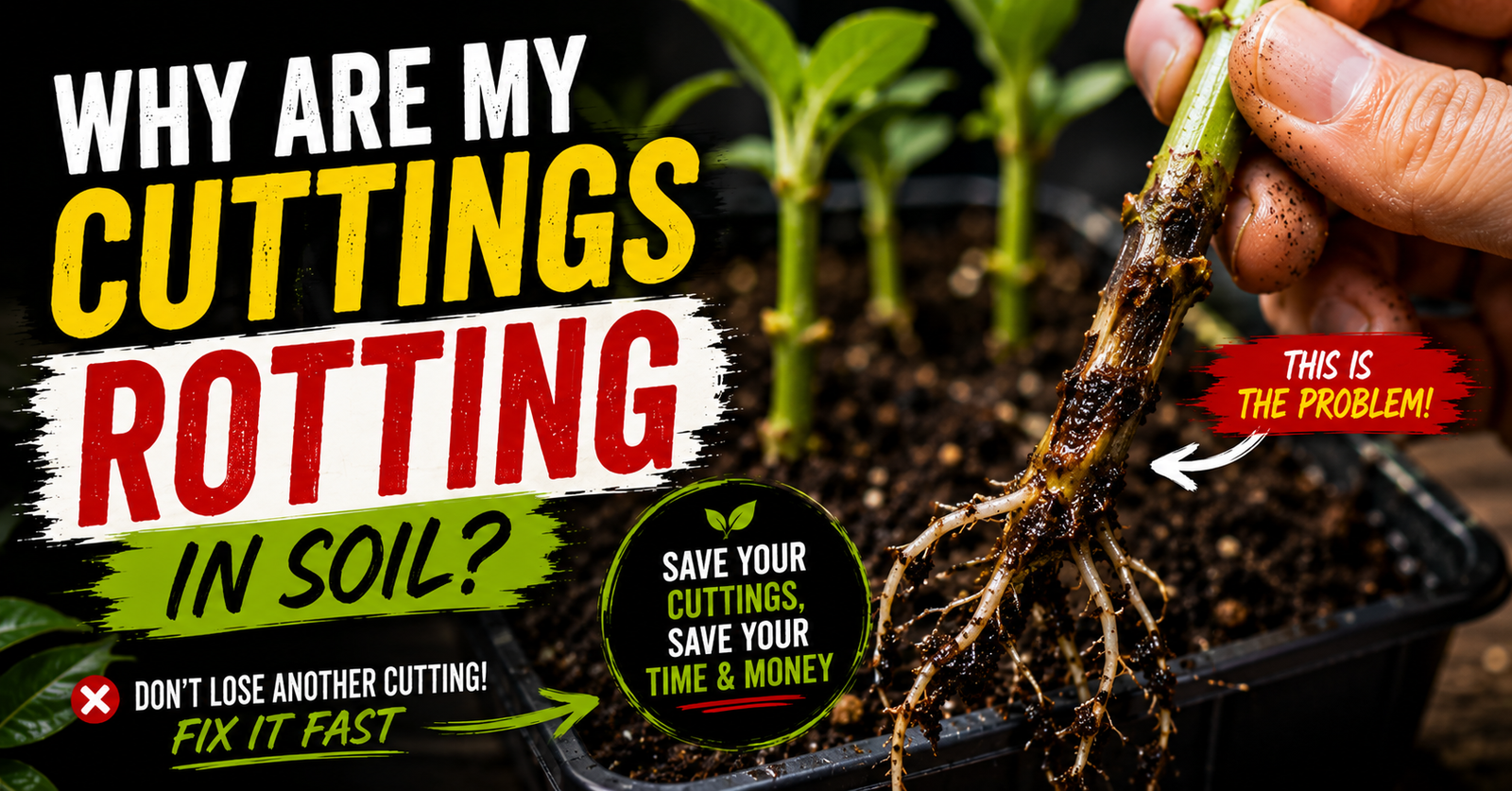
The Cutting Is Starting to Rot
Rot is one of the quickest ways to lose an otherwise healthy cutting.
The first signs are usually easy to recognize.
The stem may become soft, dark, mushy, or develop an unpleasant smell.
Once rot begins spreading through the stem, it’s difficult to reverse.
If I notice it early enough, I’ll usually trim the cutting back to healthy tissue with clean pruning shears and place the healthy section into fresh water.
If the rot has spread too far, it’s often better to start over with a new cutting.
Healthy stems feel firm.
Soft stems are rarely a good sign.
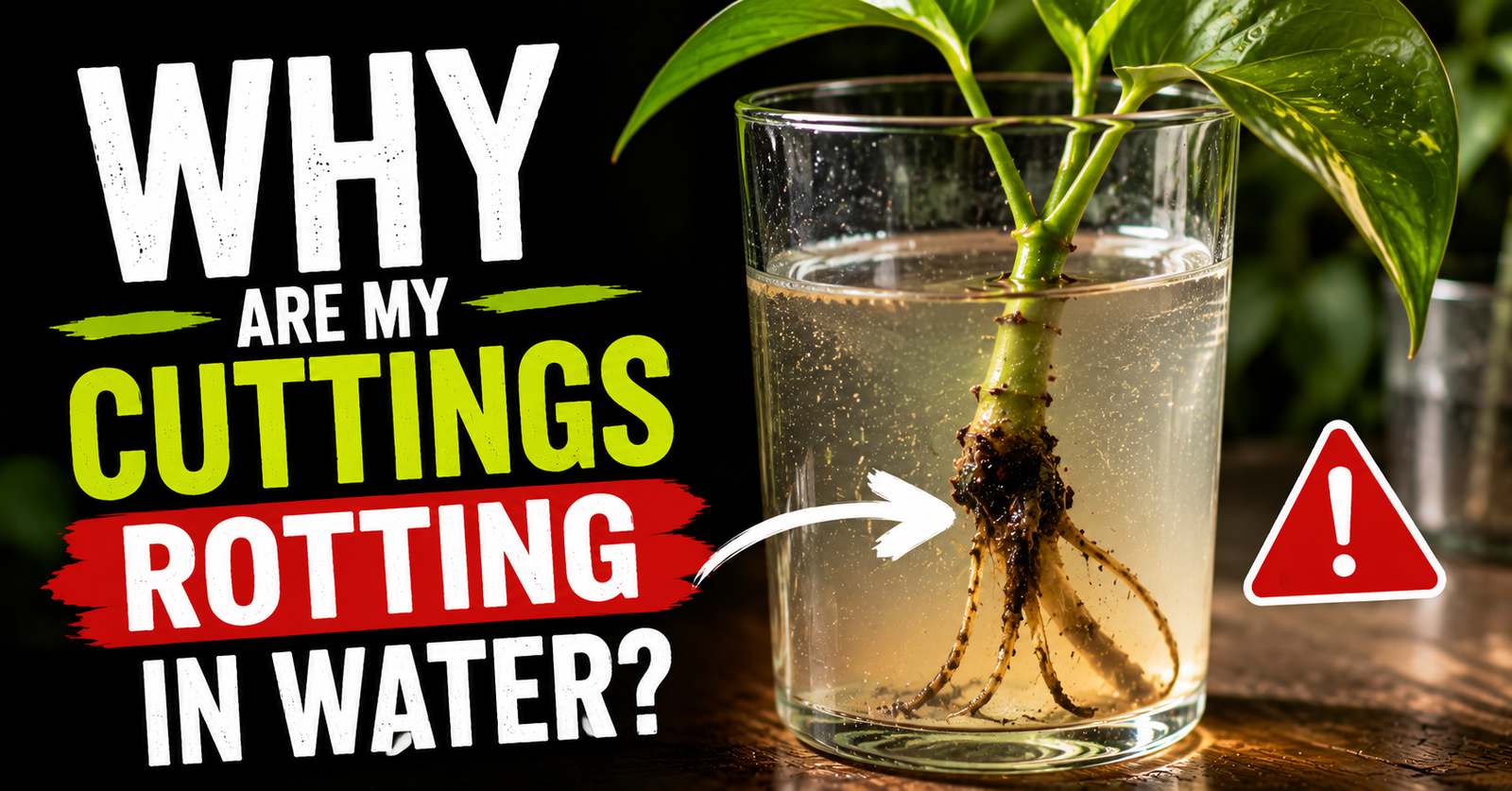
If stem rot is something you’re dealing with, my article on why cuttings rot in water goes into much more detail about the causes and how to prevent it.
You’re Expecting Roots Too Quickly
Social media has created some unrealistic expectations.
You’ll often see videos showing roots appearing overnight or massive root systems developing in just a few days.
Real life usually isn’t like that.
Some plants really are incredibly fast.
Tradescantia and basil can surprise you with roots in about a week.
Others naturally take four, six, or even eight weeks before much happens.
That doesn’t mean the cutting has failed.
As long as the stem remains healthy and firm, I try not to rush the process.
Patience is part of successful propagation.
The Plant Simply Doesn’t Like Water Propagation
Sometimes the answer is surprisingly simple.
The plant just prefers another method.
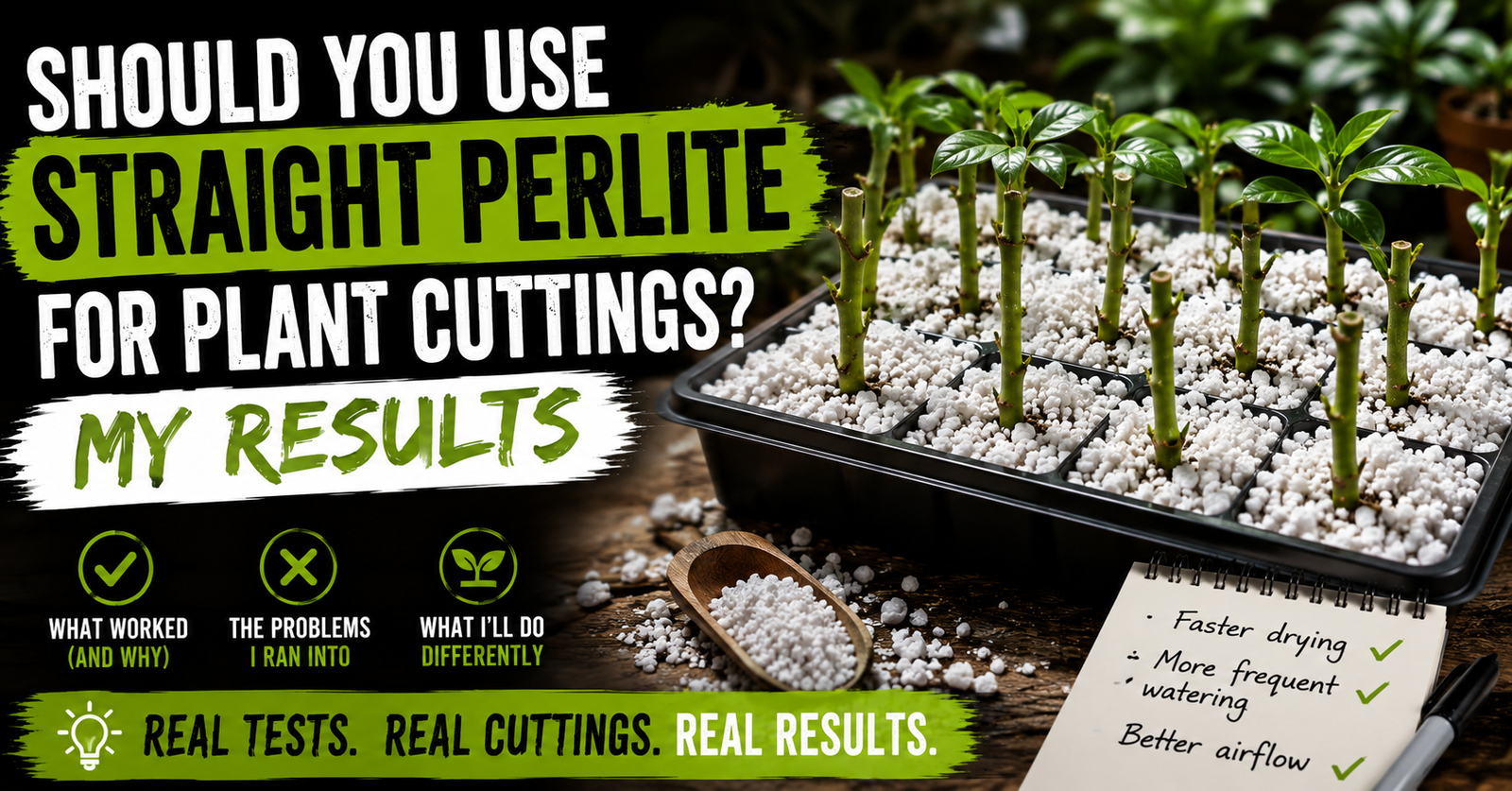
I’ve experimented with plenty of species that technically can root in water but consistently perform better in perlite, sphagnum moss, or a quality propagation mix.
Blueberries are a good example.
Hydrangeas often root more reliably in a propagation medium.
Many woody shrubs fall into the same category.
Water propagation is a fantastic technique, but it isn’t the right solution for every plant.
Knowing when to switch methods can save weeks of frustration.
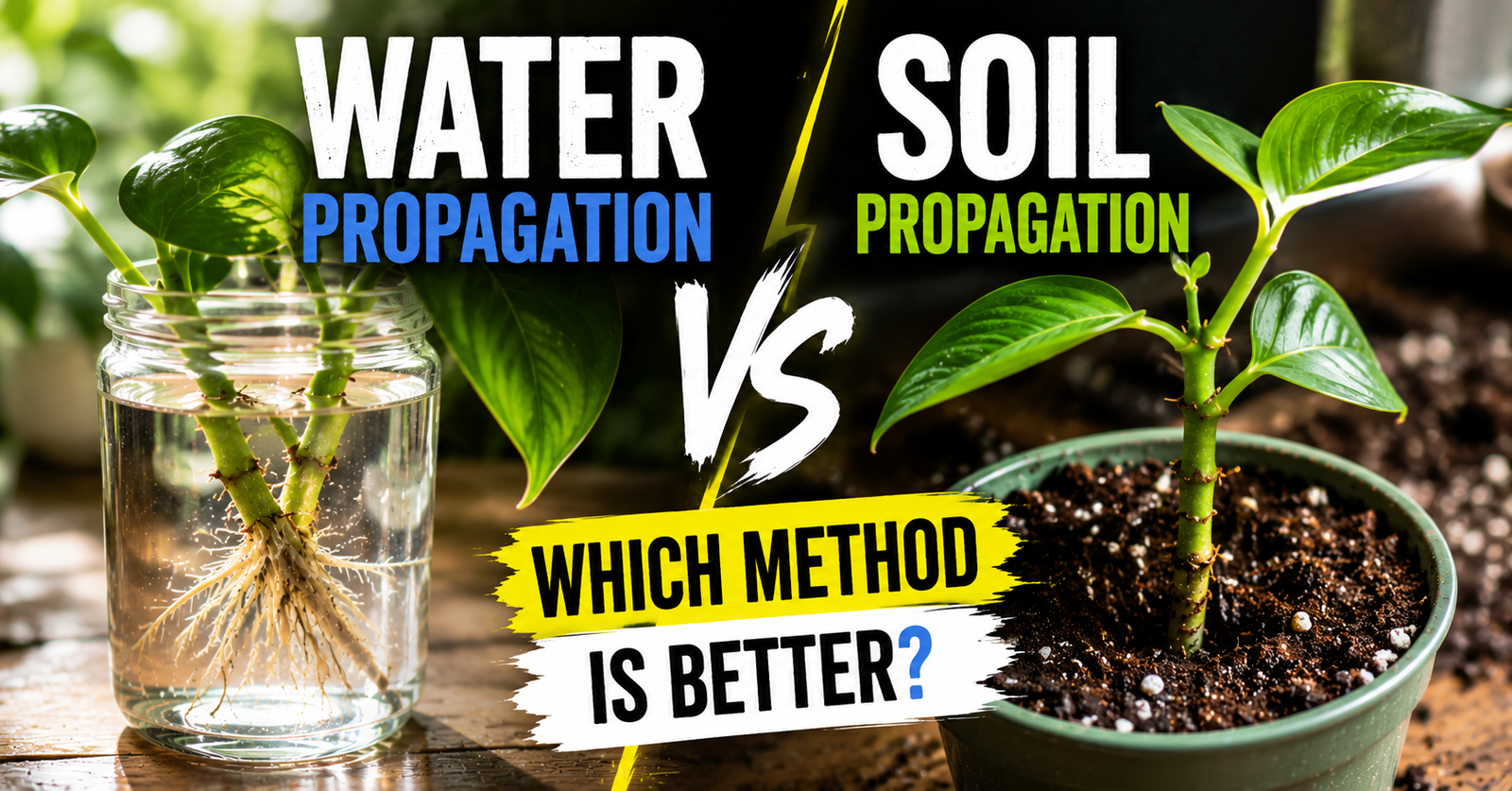
As I explain in my comparison of water propagation vs. soil propagation, matching the propagation method to the plant almost always leads to better results.
Could Rooting Hormone Help?
This is another question I get asked all the time.
The honest answer is that it depends entirely on what you’re trying to propagate.
If you’re rooting pothos, tradescantia, spider plants, basil, or mint, rooting hormone usually won’t make much difference. Those plants naturally produce roots so readily that adding rooting hormone often doesn’t noticeably speed things up.
On the other hand, slower plants with thicker or woodier stems can benefit from it.
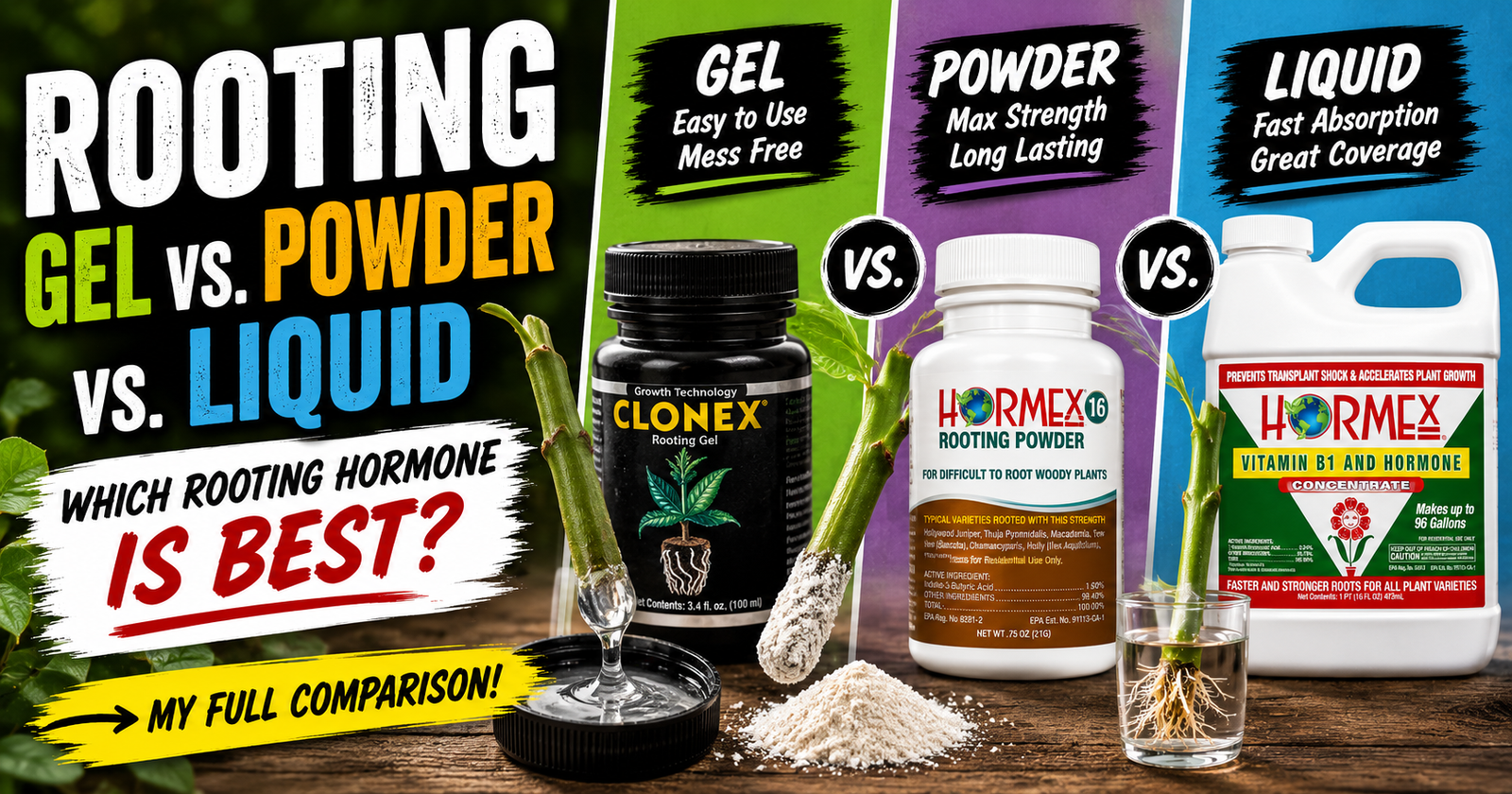
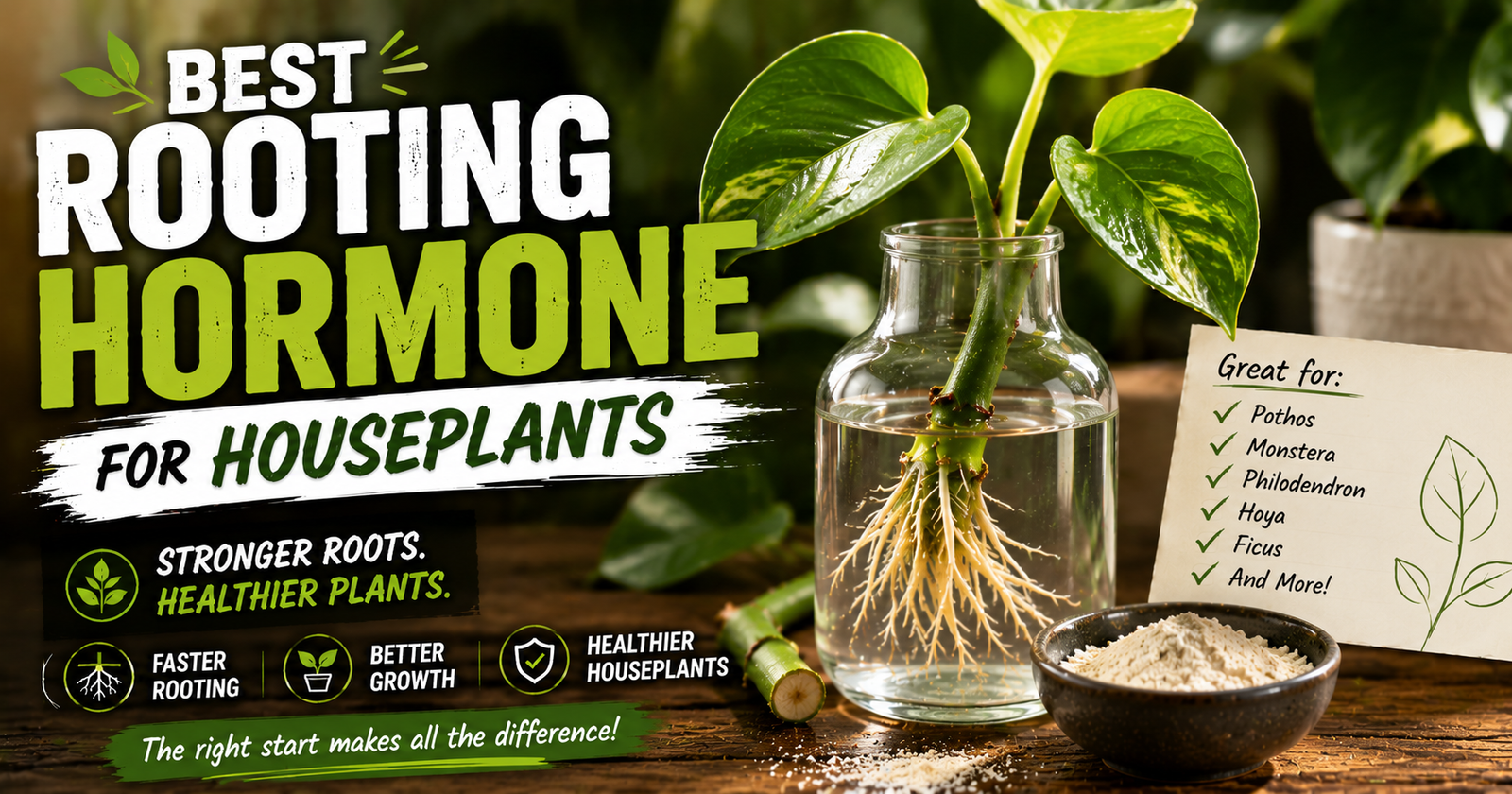
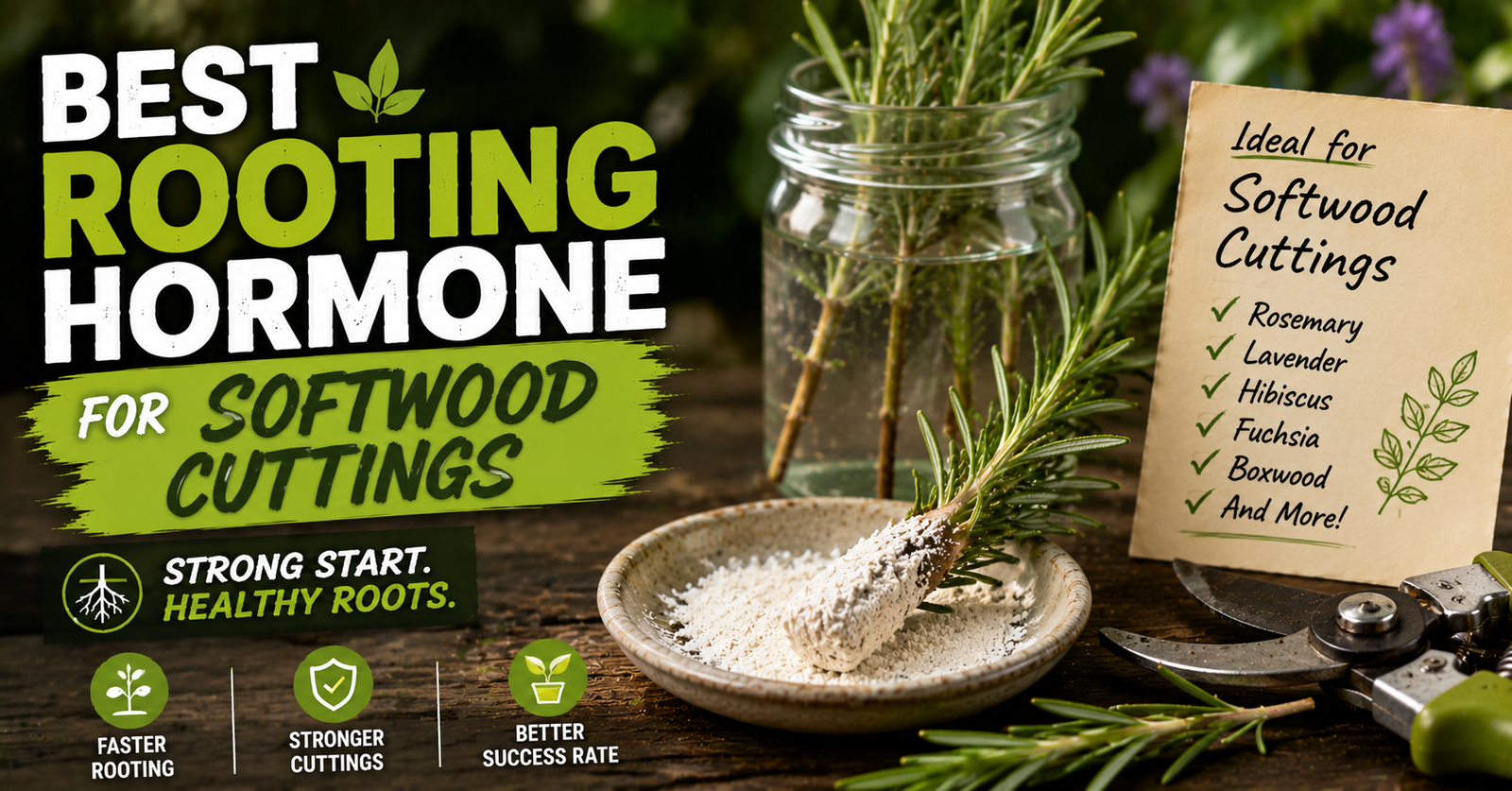
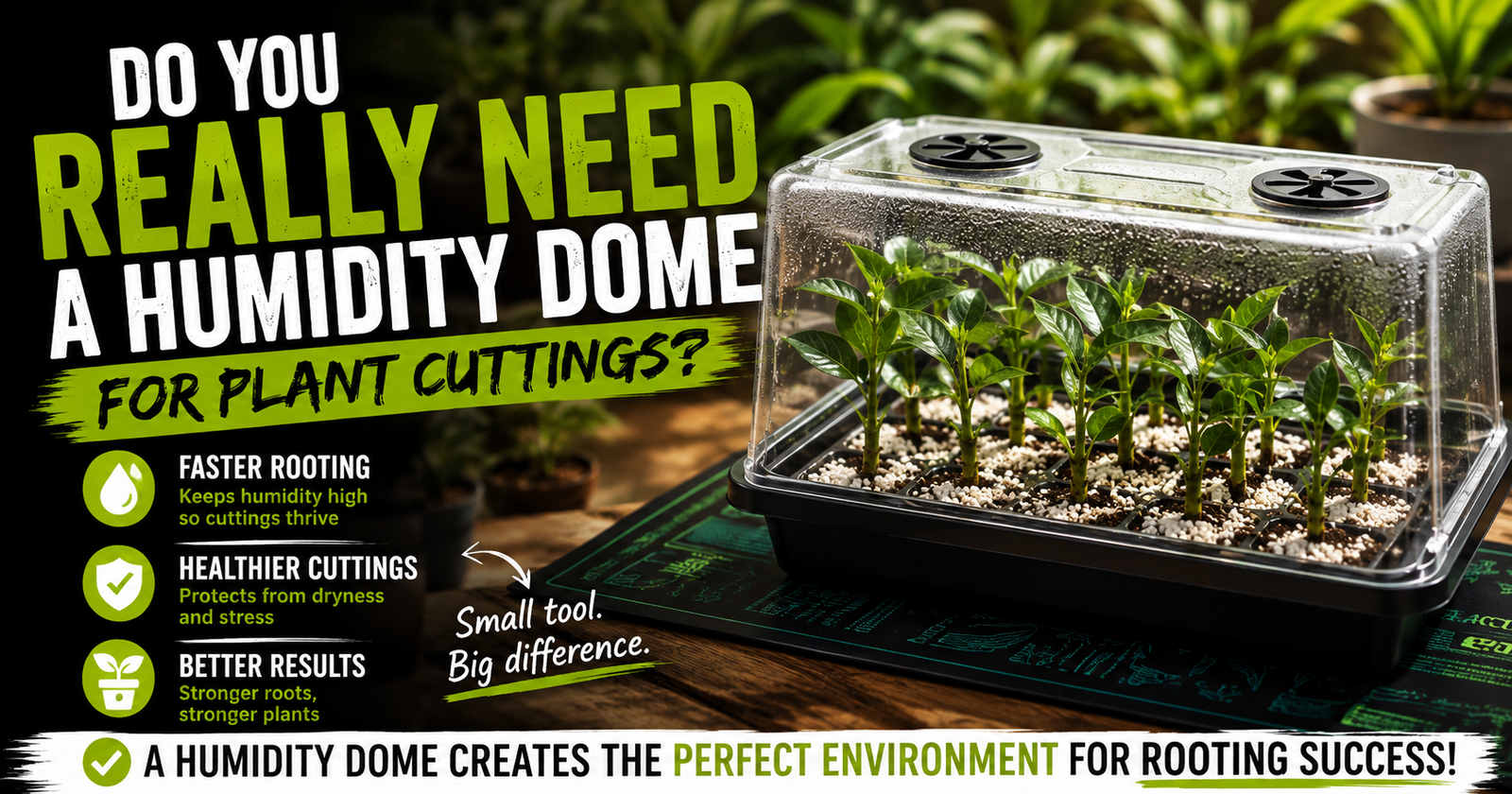
I’ve seen rooting hormone improve success rates on plants like rosemary, rubber plants, hydrangeas, and many ornamental shrubs. When hormone can help, comparing the main rooting hormone formats makes it easier to choose a product that suits the cutting.
Just remember that rooting hormone isn’t magic.
It won’t compensate for a cutting without a node, unhealthy plant material, dirty water, or a species that simply doesn’t like being propagated in water.
Think of it as something that can improve your odds rather than guarantee success.
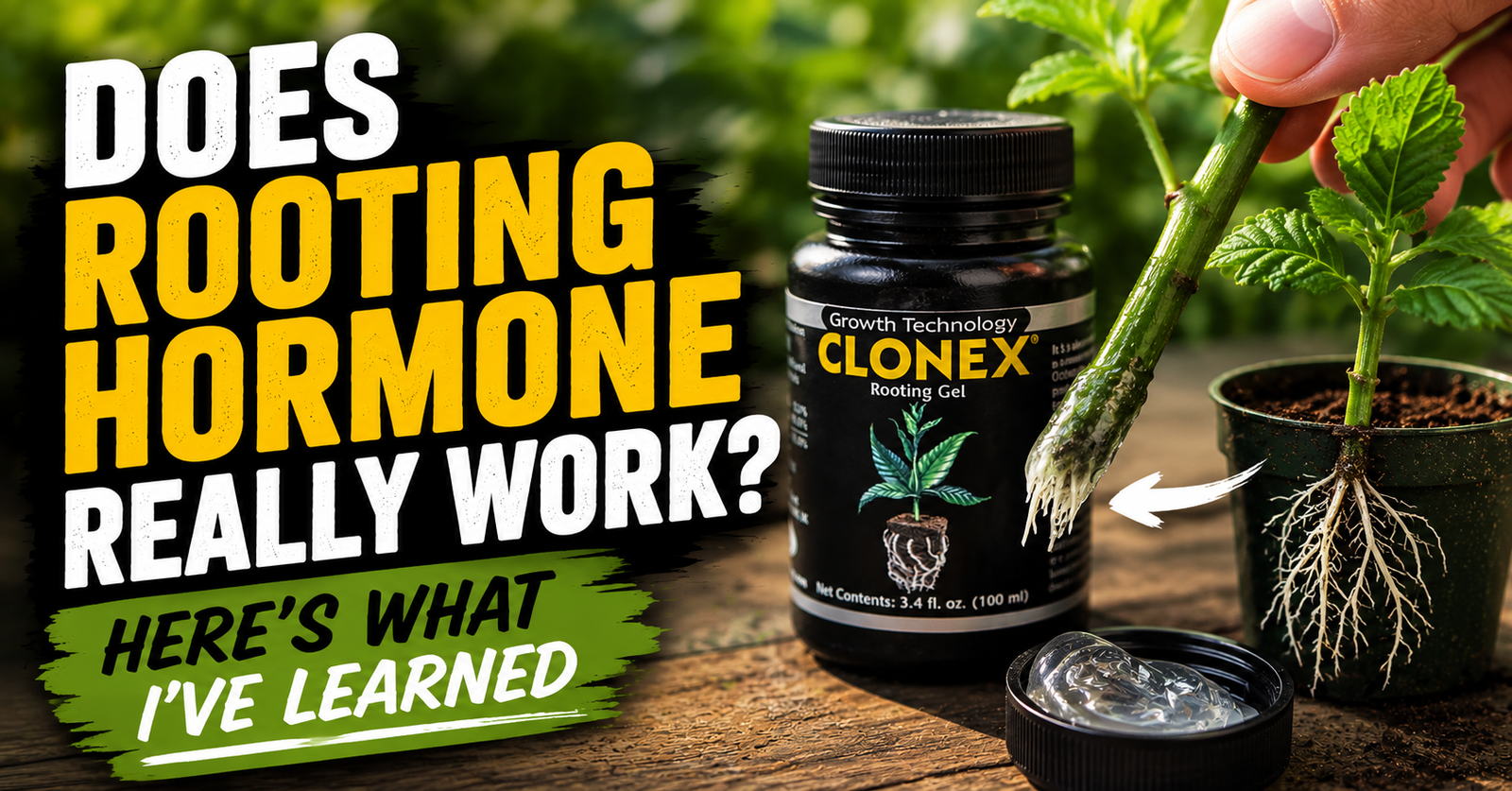
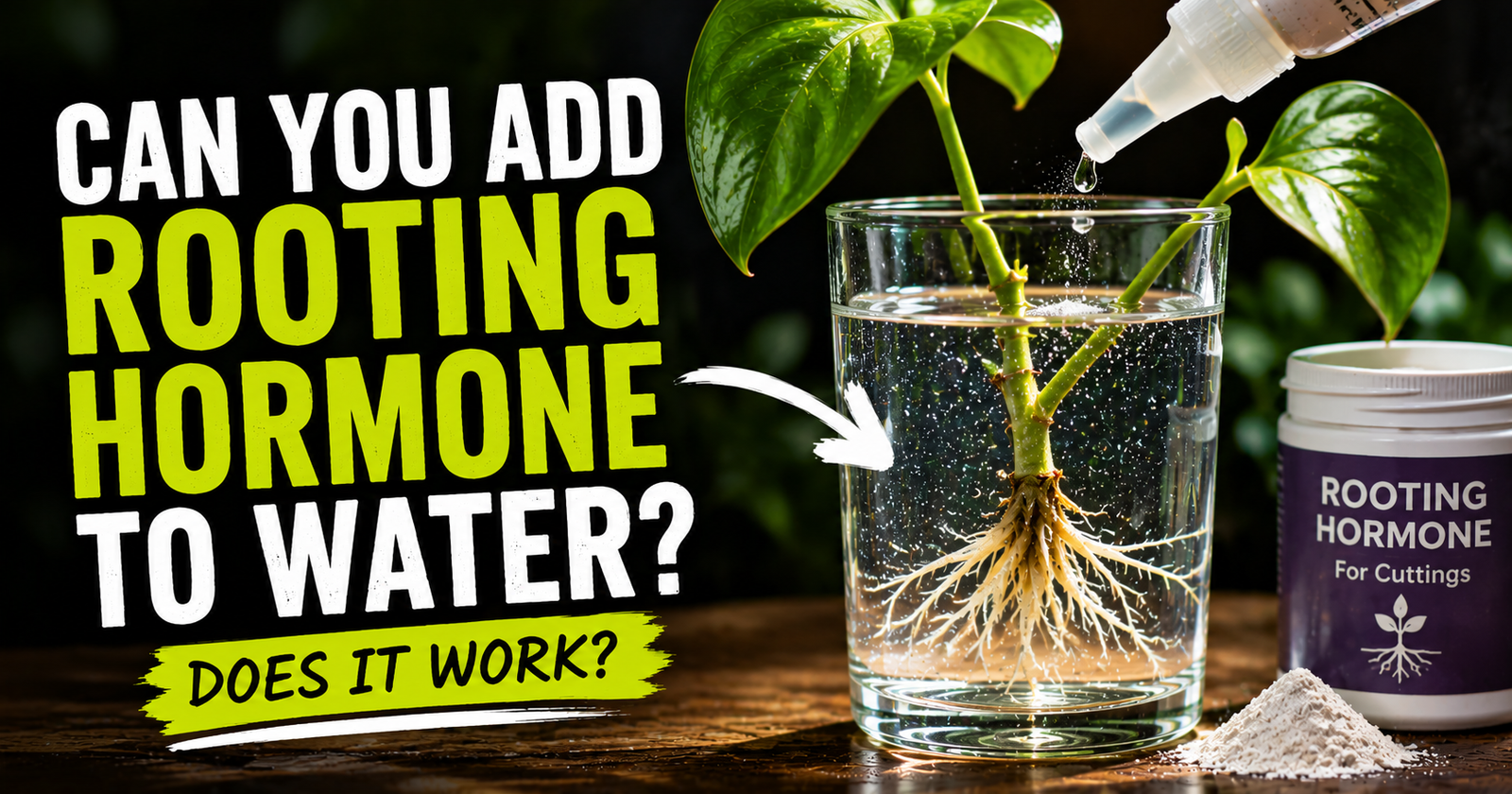
If you’re wondering whether it’s worth using for your particular plant, my article on whether rooting hormone really works explains when I use it and when I don’t.
When Should You Give Up on a Cutting?
This is probably the hardest question to answer because every plant grows at its own pace.
I’ve had cuttings that looked like they were doing absolutely nothing for over a month before they suddenly started producing roots.
I’ve also had cuttings that looked healthy for weeks but were quietly declining the entire time.
Instead of watching the calendar, I pay attention to the cutting itself.
If the stem is still firm, the leaves remain healthy, and there’s no sign of rot, I’ll usually keep waiting.
Healthy cuttings often surprise you.
However, if the stem becomes soft, black, mushy, or develops a foul smell, the chances of recovery become much lower.
At that point, I normally start over with a fresh cutting rather than hoping the damaged one recovers.
Propagation rewards patience, but it also rewards knowing when it’s time for a fresh start.
My Go-To Checklist When a Cutting Won’t Root
Whenever one of my cuttings refuses to root, I work through the same checklist before changing anything.
- Did I include at least one healthy node?
- Is this actually a plant that roots well in water?
- Is the stem still firm and healthy?
- Am I changing the water every few days?
- Is the cutting receiving bright, indirect light?
- Is the room warm enough for active growth?
- Am I simply expecting roots too soon?
- Would this species perform better in a propagation mix instead?
Most of the time, one of those questions leads me to the answer.
I’ve learned that successful propagation isn’t usually about finding some secret trick.
It’s about eliminating the small problems that prevent healthy roots from developing.
Frequently Asked Questions
Why is my cutting still alive but not growing roots?
This usually means the cutting is surviving but doesn’t yet have the conditions it needs to produce roots.
The most common reasons are insufficient light, cool temperatures, missing nodes, or trying to propagate a species that naturally roots very slowly.
As long as the stem remains firm and healthy, don’t assume it’s failed.
Some plants simply require more patience than others.
Should I recut the stem if it isn’t rooting?
Sometimes.
If the bottom of the stem looks dark, soft, or damaged, trimming it back to healthy tissue can give the cutting another chance.
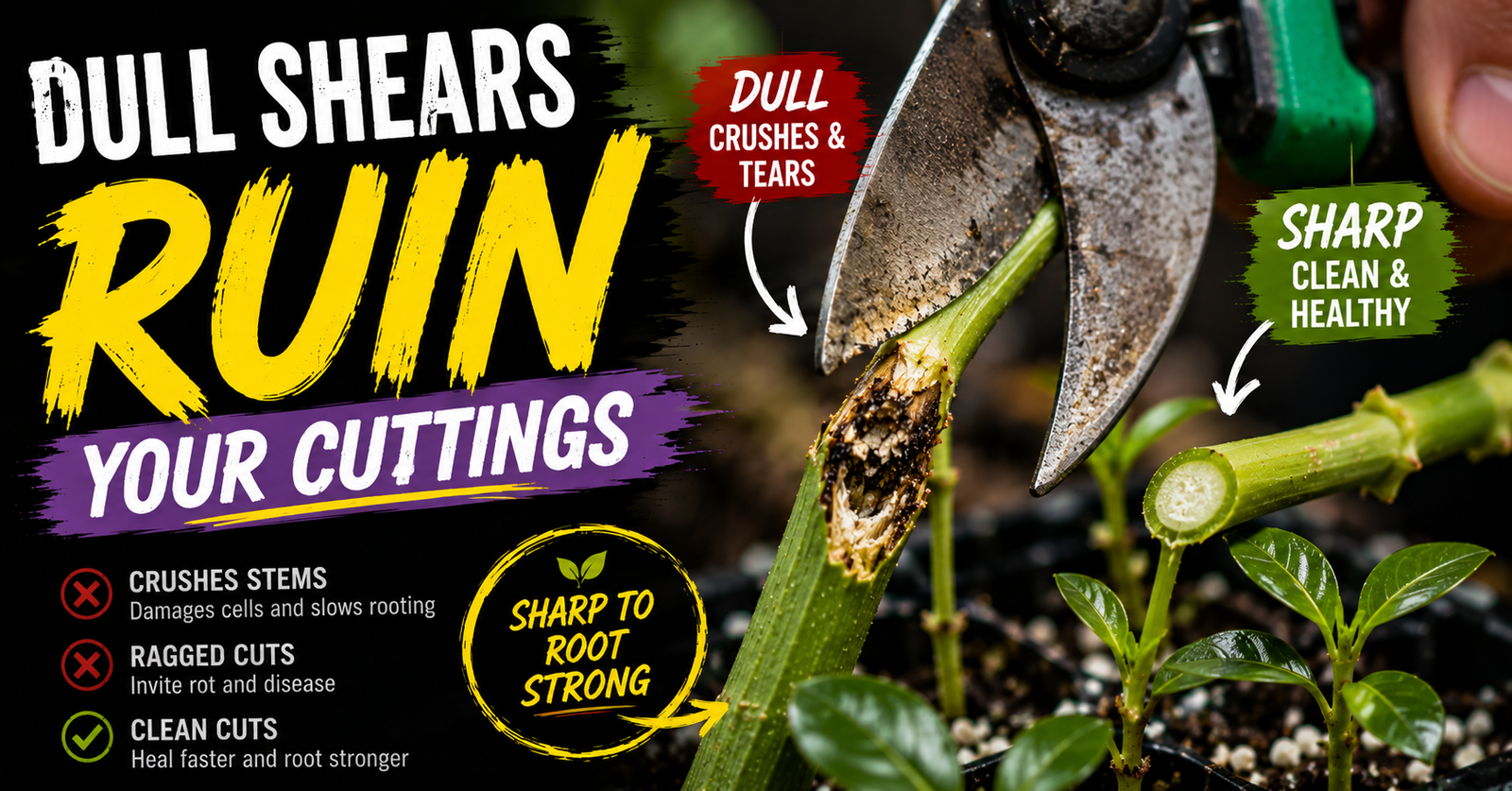
Make the cut just below a healthy node using clean, sharp pruning shears before placing it back into fresh water.
If the stem still looks healthy, though, I usually leave it alone rather than making unnecessary cuts.
Can I add fertilizer to help roots grow?
No.
Fresh cuttings don’t need fertilizer before they have roots.
In fact, adding fertilizer too early can increase algae growth and sometimes stress the cutting.
I wait until the plant has developed a healthy root system and has been transplanted into potting soil before feeding it.
Does moving the cutting to a different window help?
Sometimes it does.
If the cutting isn’t getting enough bright, indirect light, moving it closer to a brighter window can encourage faster rooting.
Just avoid placing it in intense afternoon sunlight, which can overheat the cutting before roots have developed.
Can I save a cutting that’s starting to rot?
Sometimes.
If the rot is limited to the very bottom of the stem, you may be able to cut away the damaged section and restart the propagation using healthy tissue.
If the rot has spread through most of the stem, it’s usually better to discard it and begin with a fresh cutting.
Final Thoughts
One thing propagation has taught me is that plants don’t all follow the same rules.
Some seem eager to produce roots the moment they touch water.
Others require patience, ideal conditions, or an entirely different propagation method.
When a cutting won’t root, I try not to assume I’ve failed.
Instead, I start asking questions.
Did I choose the right part of the plant?
Does this species actually root well in water?
Am I giving it enough light?
Is the water clean?
More often than not, the answer is something simple that can be corrected.
Once you understand what each plant needs, propagation becomes much more predictable and a whole lot more enjoyable.
About the Author
Daxon Weaver is the founder of PropagationWorld.com and has propagated thousands of plants ranging from common houseplants to shrubs, fruit plants, and ornamental trees. Through years of hands-on experience, he enjoys helping gardeners improve their success rates with practical, easy-to-follow propagation advice.