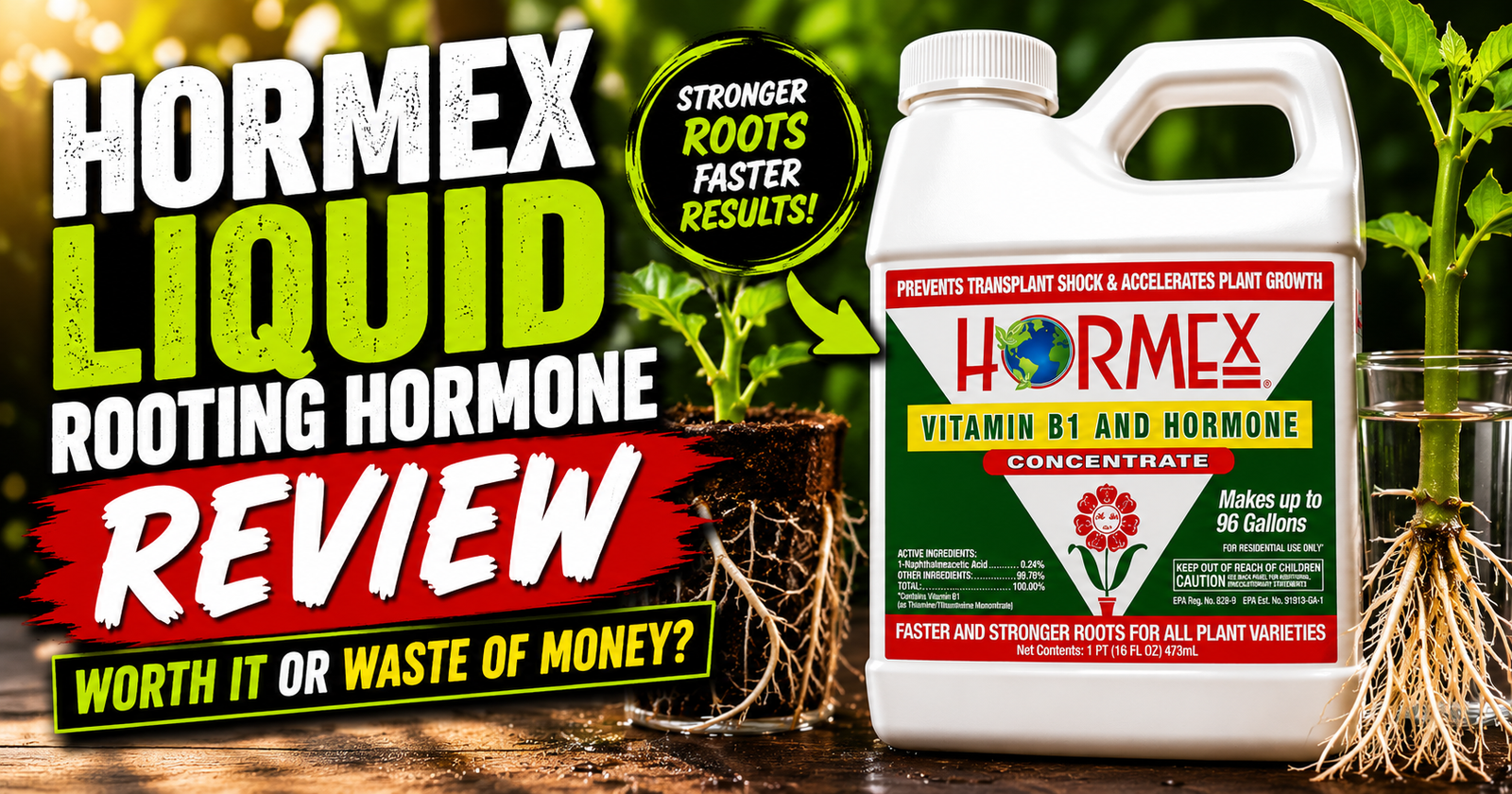
When most people think about successful plant propagation, they focus on rooting hormone, humidity, watering, or temperature. Once cutting quality is addressed, comparing the available rooting hormone choices can help you choose a product that fits your propagation routine.
The pruning shears rarely get much attention.
I used to think the same way.
As long as the stem came off the plant, I figured the cutting had everything it needed.
After propagating thousands of plants, I’ve completely changed my mind.
The quality of that very first cut affects everything that happens afterward.
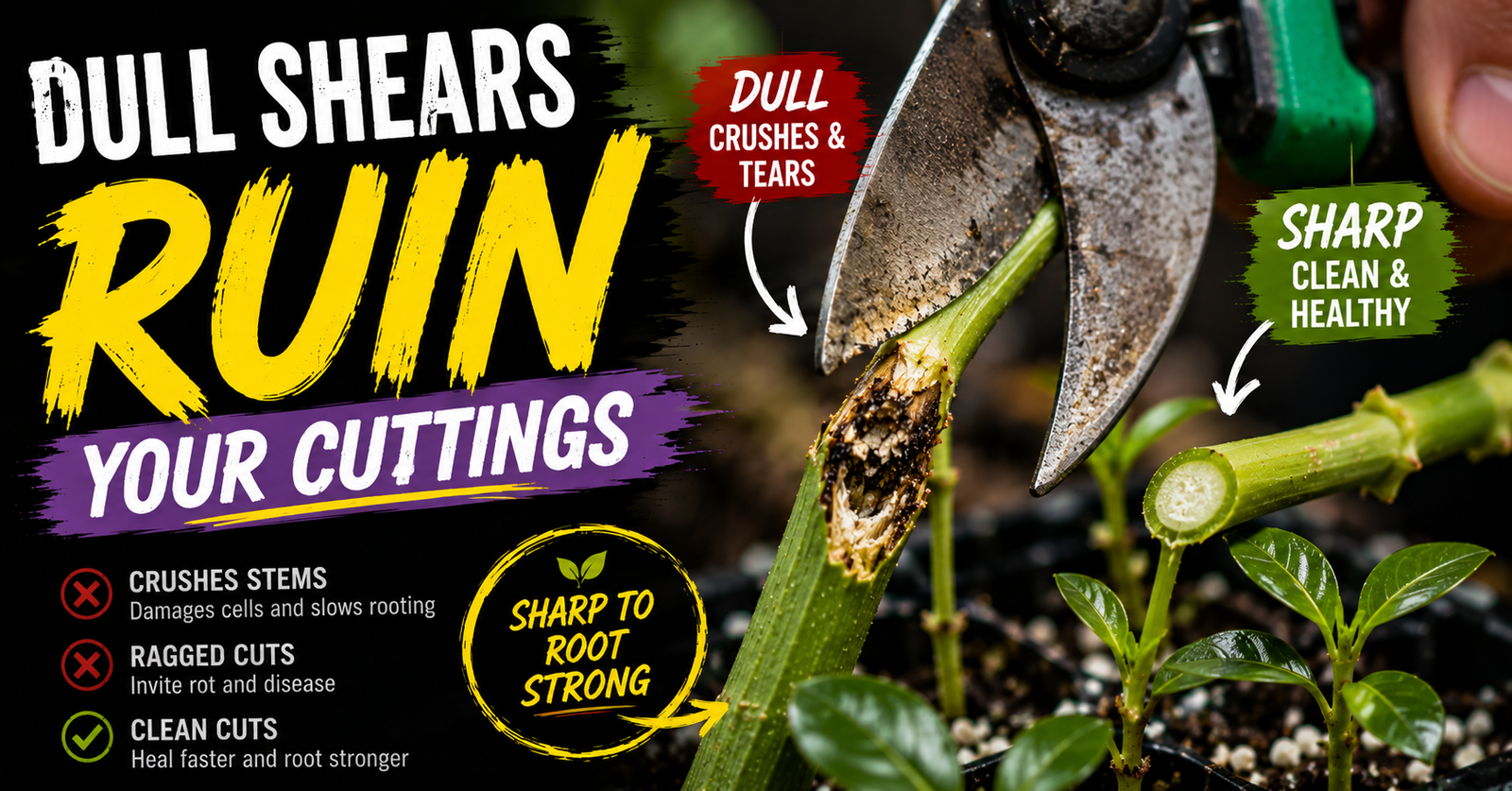
A sharp pair of pruning shears creates a clean wound that the cutting can begin sealing almost immediately.
A dull blade does something very different.
Instead of slicing cleanly, it crushes and tears plant tissue.
That extra damage forces the cutting to spend more energy repairing itself before it can begin producing healthy new roots.
It’s a small detail that can have a surprisingly large impact on propagation success.
Clean Cuts Heal Faster
Every cutting starts with a wound.
The cleaner that wound is, the easier it is for the plant to protect itself.
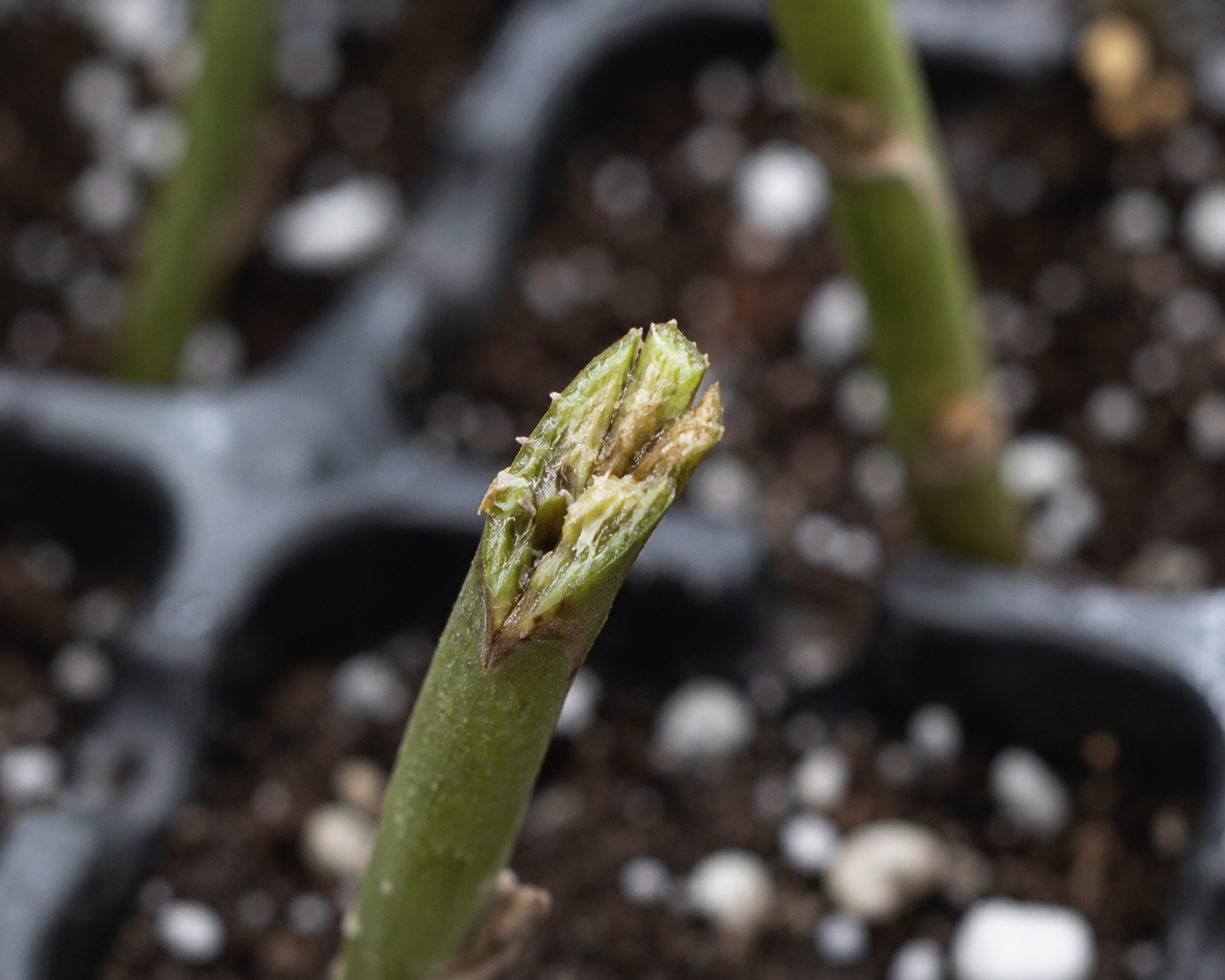
When the stem is crushed instead of cleanly sliced, more cells are damaged than necessary.
That damaged tissue can dry out more quickly, become stressed, or create additional entry points for disease.
I’ve noticed that sharp shears consistently leave healthier-looking cuttings that remain firm during the rooting process.
It’s one of those improvements that’s easy to overlook until you’ve compared both side by side.
Dull Blades Increase Stress
Fresh cuttings are already dealing with a major change.
They’ve just been separated from the parent plant and have no functioning roots.
The last thing they need is additional unnecessary damage.
A dull blade forces the cutting to recover from a rough wound while also trying to produce new roots.
That’s asking a lot from a stem that’s already under stress.
Reducing that stress wherever possible has become one of the biggest themes in my propagation routine.
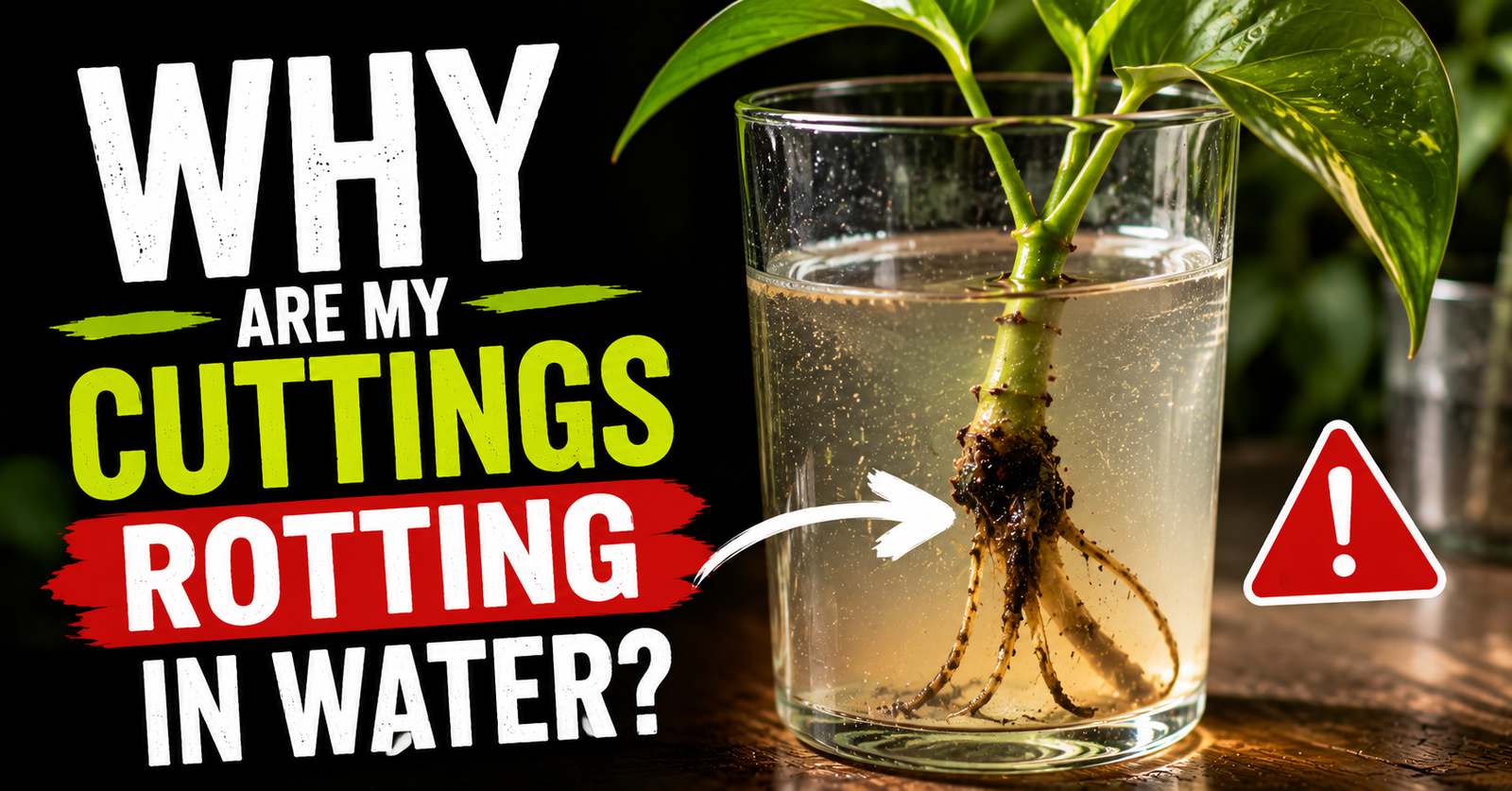
Disease Has More Opportunities
Crushed plant tissue doesn’t automatically become infected.
But damaged tissue often provides more places where fungi and bacteria can establish themselves.
That’s especially true in propagation trays where humidity is intentionally kept higher than normal.
Healthy propagation isn’t just about encouraging roots.
It’s also about reducing opportunities for problems before they begin.
Clean cuts help accomplish exactly that.
The Pruning Shears I Reach For Most
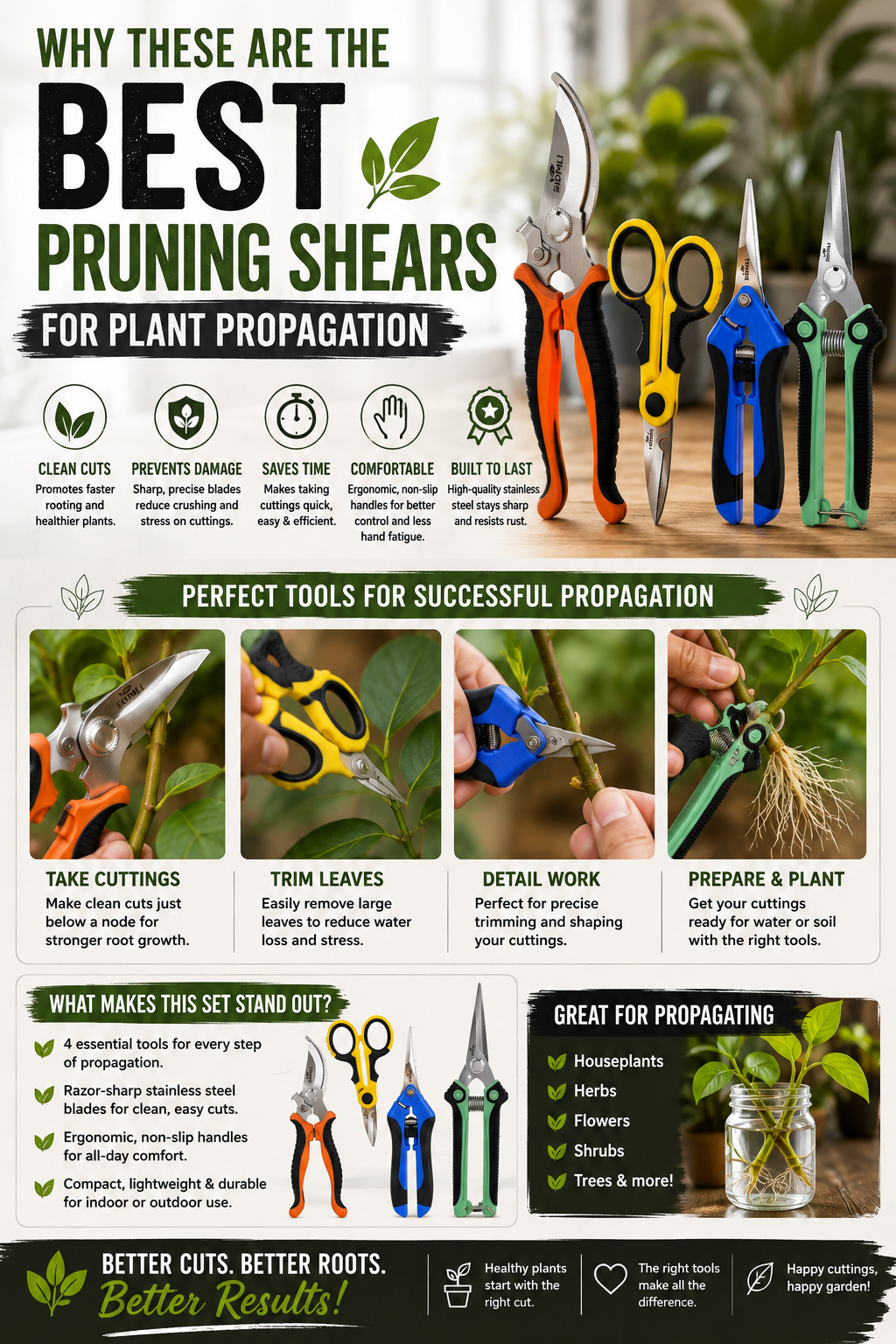
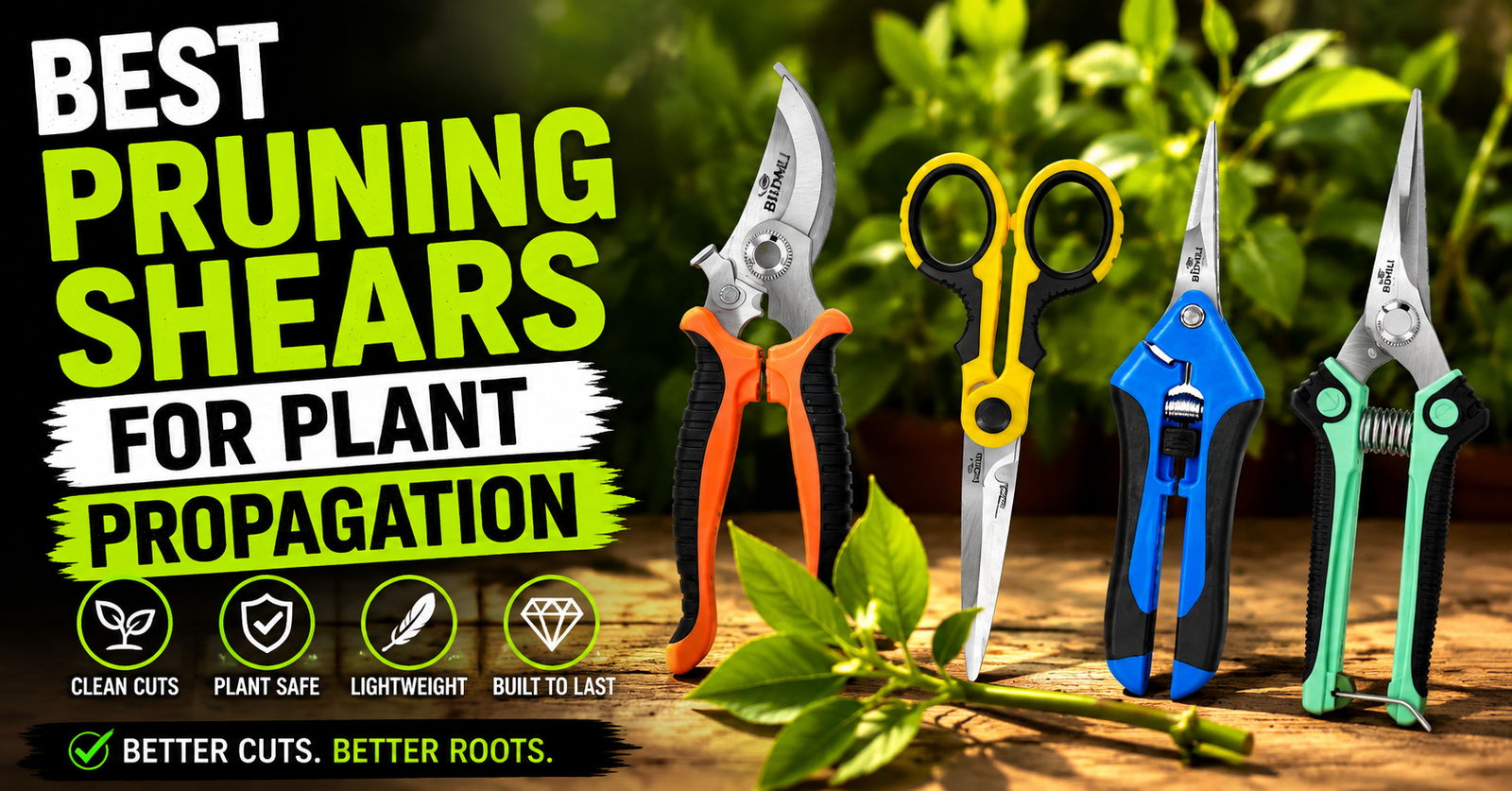
After trying quite a few different pairs over the years, I eventually settled on the pruning shears I recommend for plant propagation.
What I appreciate most isn’t just how sharp they are. Comparing effective pruning tools can make it easier to choose shears that maintain clean cuts over repeated use: effective pruning tools
It’s that they continue making clean, precise cuts with very little effort.
That means less crushed tissue, less strain on the plant, and a better start for every cutting I take.

Sharp Shears Stay Sharp Because They’re Maintained
Even the best pruning shears eventually lose their edge.
That’s completely normal.
What matters is recognizing when it’s time to sharpen them instead of continuing to force them through stems.
I’ve made that mistake before.
You squeeze harder.
The stem bends instead of cutting cleanly.
The blade finally works its way through, leaving a ragged wound behind.
That tiny moment of frustration is exactly what I’m trying to avoid when taking propagation cuttings.
A few minutes of maintenance saves countless headaches later.
Every Plant Deserves the Same Clean Cut
It doesn’t matter whether I’m propagating blueberries, hydrangeas, figs, pothos, or roses.
The goal is always the same.
Create the cleanest cut possible.
Plants may differ in how quickly they root, but every one of them benefits from minimizing unnecessary damage at the moment the cutting is taken.
That’s one propagation habit that has stayed consistent no matter what species I’m working with.
Sharp Blades Make Propagation More Enjoyable
One thing people rarely mention is how much easier sharp shears make the entire process.
Instead of fighting through woody stems, the blades glide through with very little effort.
Cuts become quicker.
More accurate.
Less tiring on your hands.
When I’m collecting dozens or even hundreds of cuttings, that difference becomes very noticeable by the end of the day.
It’s one of those improvements that benefits both the gardener and the plant.
Don’t Forget to Keep Them Clean Too
Sharp blades are only part of the equation.
Clean blades matter just as much.
Plant sap, dirt, and residue build up surprisingly quickly during propagation sessions.
That buildup can make cuts less precise and increase the chance of transferring problems from one plant to another.
Cleaning the blades regularly has become part of my routine, not something I only remember after I’m finished.
It’s one of the easiest habits you can develop, and it takes very little time.
A Good Pair Pays for Itself
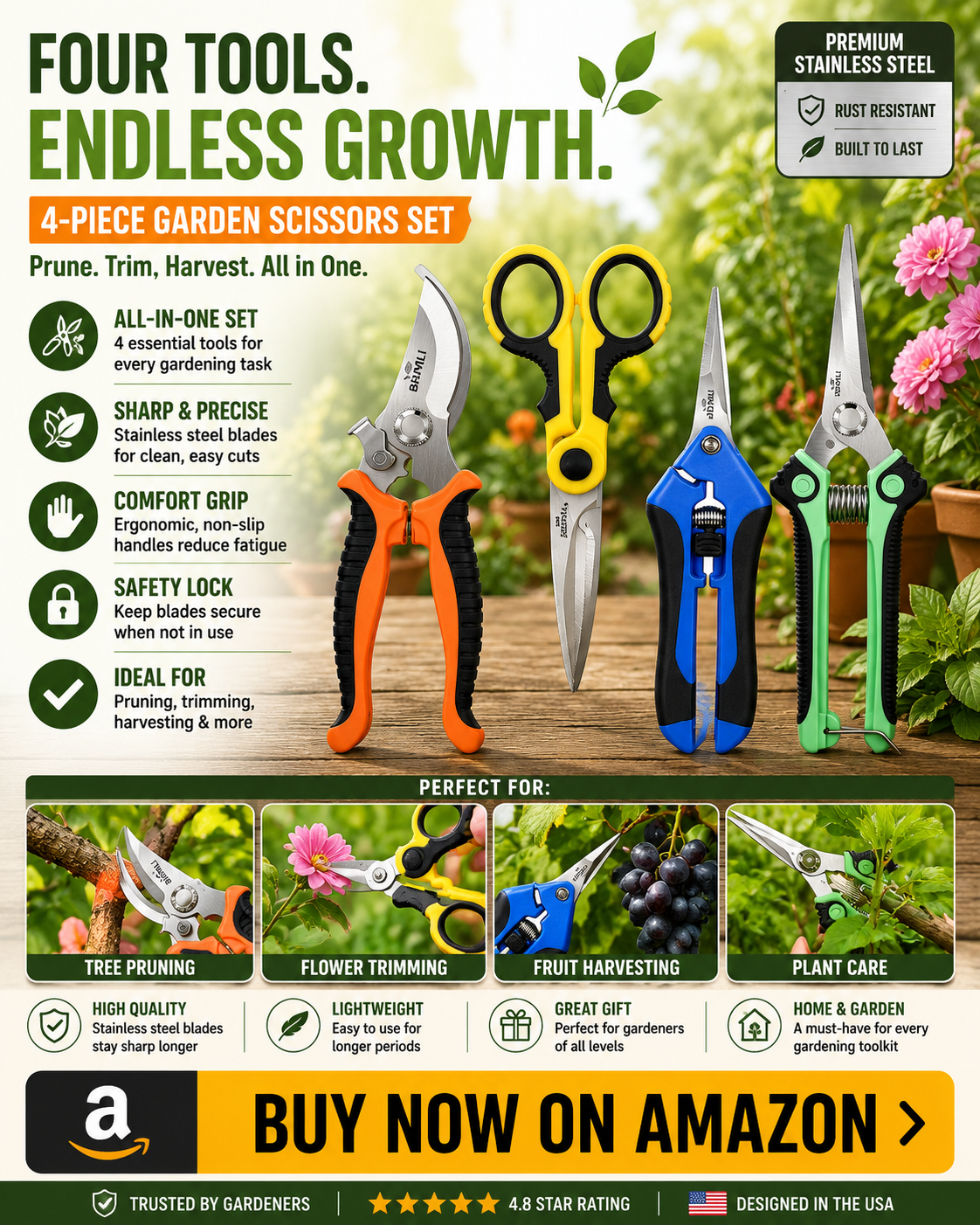
I’ve learned that quality pruning shears aren’t really an expense. A a four-tool propagation pack may also be useful when building a practical propagation toolkit.
They’re an investment that gets used season after season.
Whether I’m taking five cuttings or five hundred, I know I’m giving each stem the best possible start.
If you’re still using dull, worn-out pruners, I’d recommend checking out the pruning shears I use for propagation on Amazon.
The cleaner cuts, reduced effort, and healthier propagation results have made them one of the most valuable tools on my propagation bench, and I wouldn’t want to go back to using dull blades again.
Frequently Asked Questions
Can dull pruning shears prevent cuttings from rooting?
Not by themselves.
However, they can make rooting much more difficult.
A crushed stem has to repair additional damage before it can devote energy to producing roots.
Healthy cuttings have a much better chance when the initial cut is clean and smooth.
How often should pruning shears be sharpened?
That depends on how often you use them and what you’re cutting.
If I notice myself squeezing harder than usual or the blades start tearing stems instead of slicing through them, it’s time for maintenance.
I don’t wait until they’re completely dull.
Keeping them sharp is much easier than restoring a neglected edge.
Is it okay to use scissors instead of pruning shears?
Sometimes, for very soft stems.
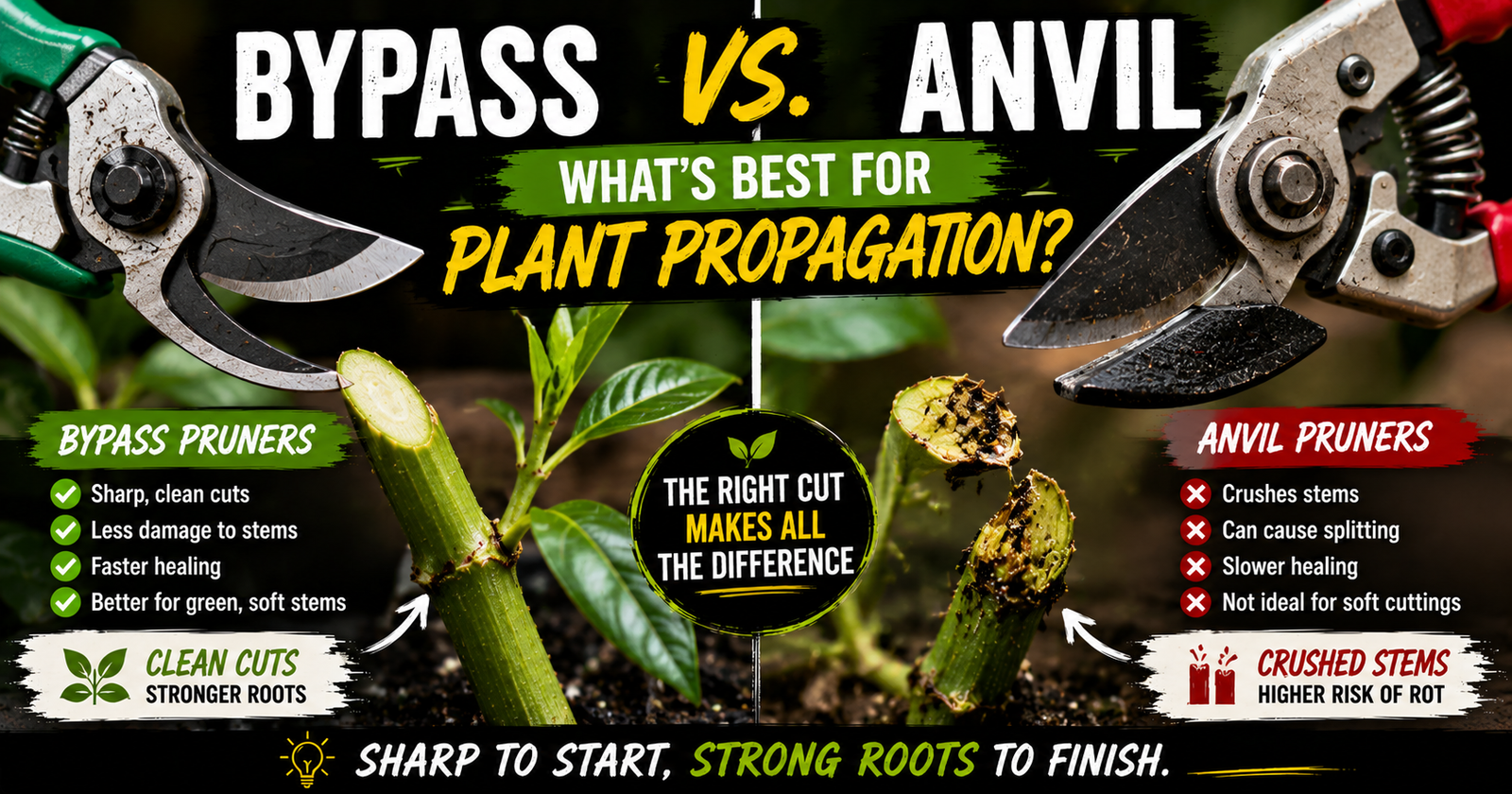
For thicker stems, woody shrubs, and fruit plants, I strongly prefer quality pruning shears. For thicker stems, understanding choosing bypass pruners for cuttings can help you avoid unnecessary crushing during preparation.
They’re designed to make cleaner cuts with much less crushing, which is exactly what fresh cuttings need.
Should I disinfect pruning shears between plants?
Absolutely.
This is one of the simplest habits you can develop.
Cleaning the blades between different plants helps reduce the chance of transferring fungal diseases, bacteria, or viruses from one plant to another.
It only takes a minute and can prevent a lot of future problems.
Can expensive pruning shears really make a difference?
They won’t magically make every cutting root.
What they often provide is better blade quality, cleaner cuts, improved comfort, and longer-lasting sharpness.
Those improvements add up over hundreds or even thousands of cuttings.
For anyone who propagates regularly, I’ve found they’re well worth the investment.
Every Great Cutting Starts With One Great Cut
Propagation is full of small details that seem insignificant until you add them together.
Sharp pruning shears.
Healthy parent plants.
Clean tools.
Proper moisture.
Good propagation media.
Stable temperatures.
Each one improves the odds just a little.
When those small advantages begin stacking together, propagation becomes far more consistent than relying on luck.
That’s why I never overlook the very first step anymore.
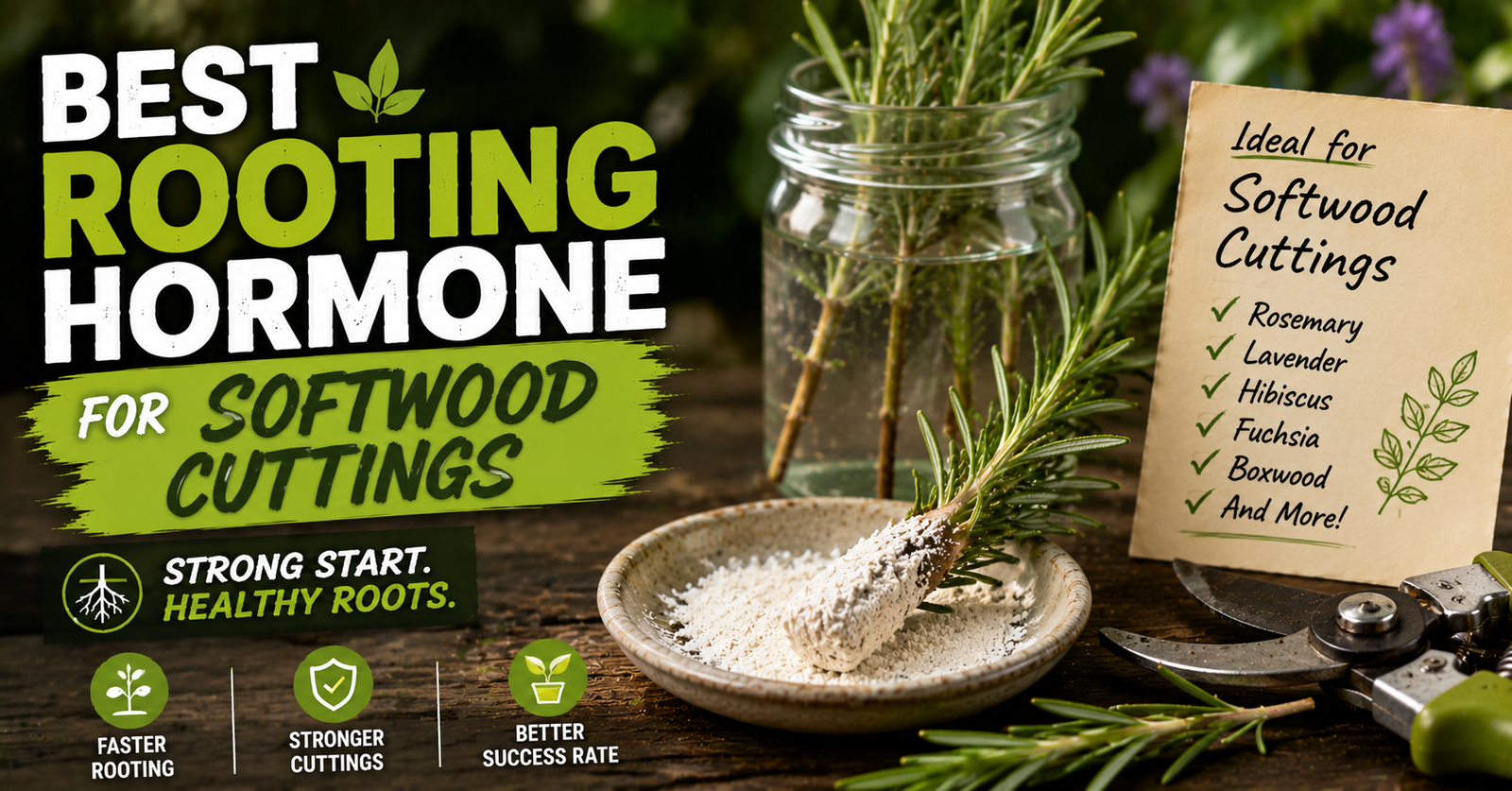
A clean cut doesn’t guarantee success, but it gives every cutting the strongest possible start, and that’s exactly what I’m trying to achieve every time I head out to collect propagation material. After giving a cutting that strong start, choosing a rooting hormone may help encourage healthy root development.
About the Author
Daxon Weaver is the founder of PropagationWorld and has propagated thousands of houseplants, herbs, berry bushes, fruit trees, and ornamental shrubs. Years of hands-on propagation have shown him that the smallest details, including the quality of the very first cut, often have the biggest impact on long-term rooting success.