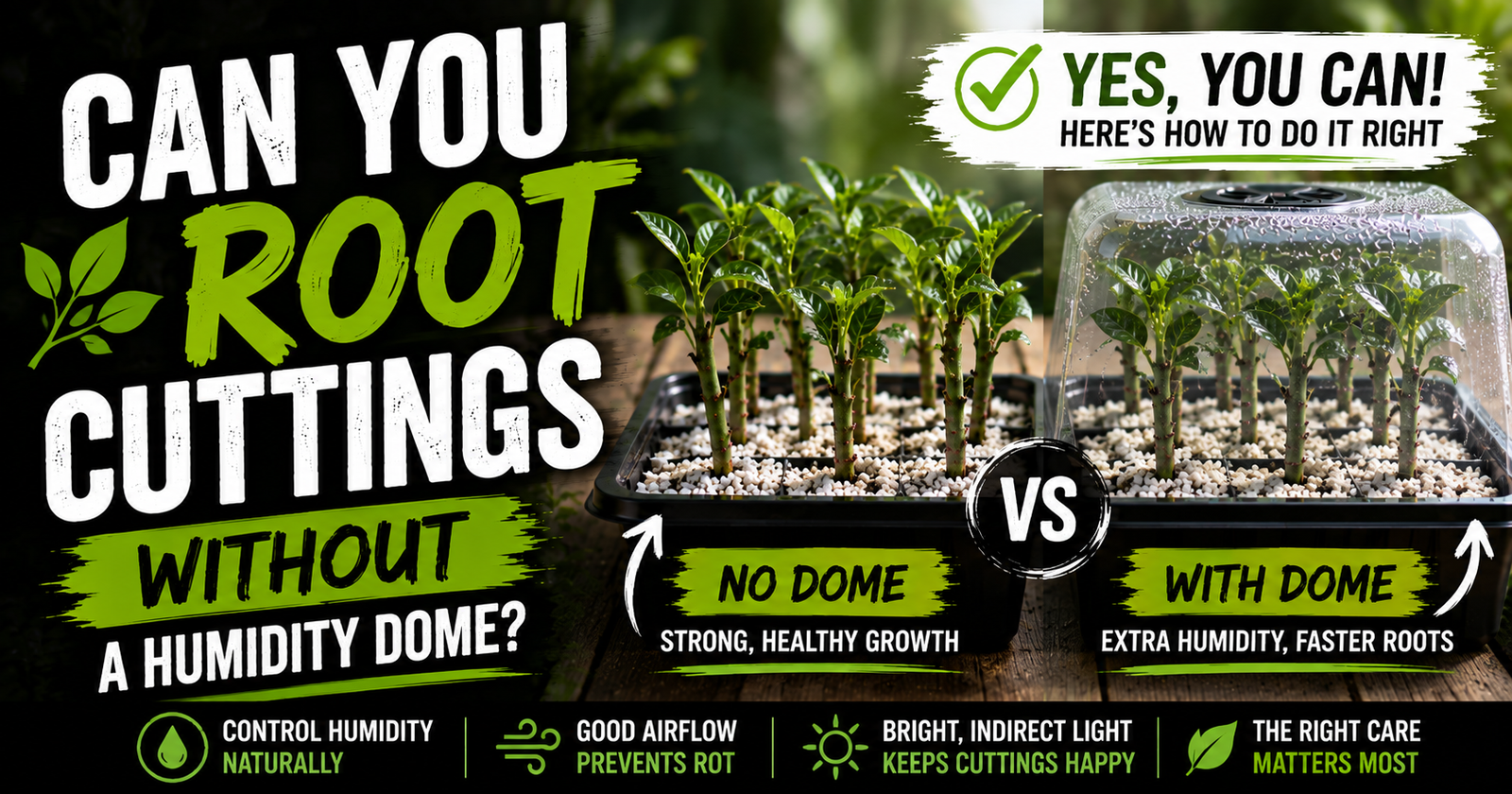
Take a look around any propagation bench online and you’ll probably notice clear plastic humidity domes everywhere.
It’s easy to come away thinking they’re mandatory.
The truth is a little more encouraging.
I’ve rooted plenty of cuttings without one.
I’ve also rooted plenty with one.
The difference wasn’t whether a plastic dome happened to be sitting over the tray.
The difference was whether the cutting needed extra help holding onto moisture while it was trying to grow roots.
That’s the part many beginners miss.
Fresh cuttings don’t have roots yet.
Until they develop them, they’re living almost entirely on the moisture already stored inside their stems and leaves.
Anything that slows water loss gives the cutting a better chance to survive long enough to produce roots.
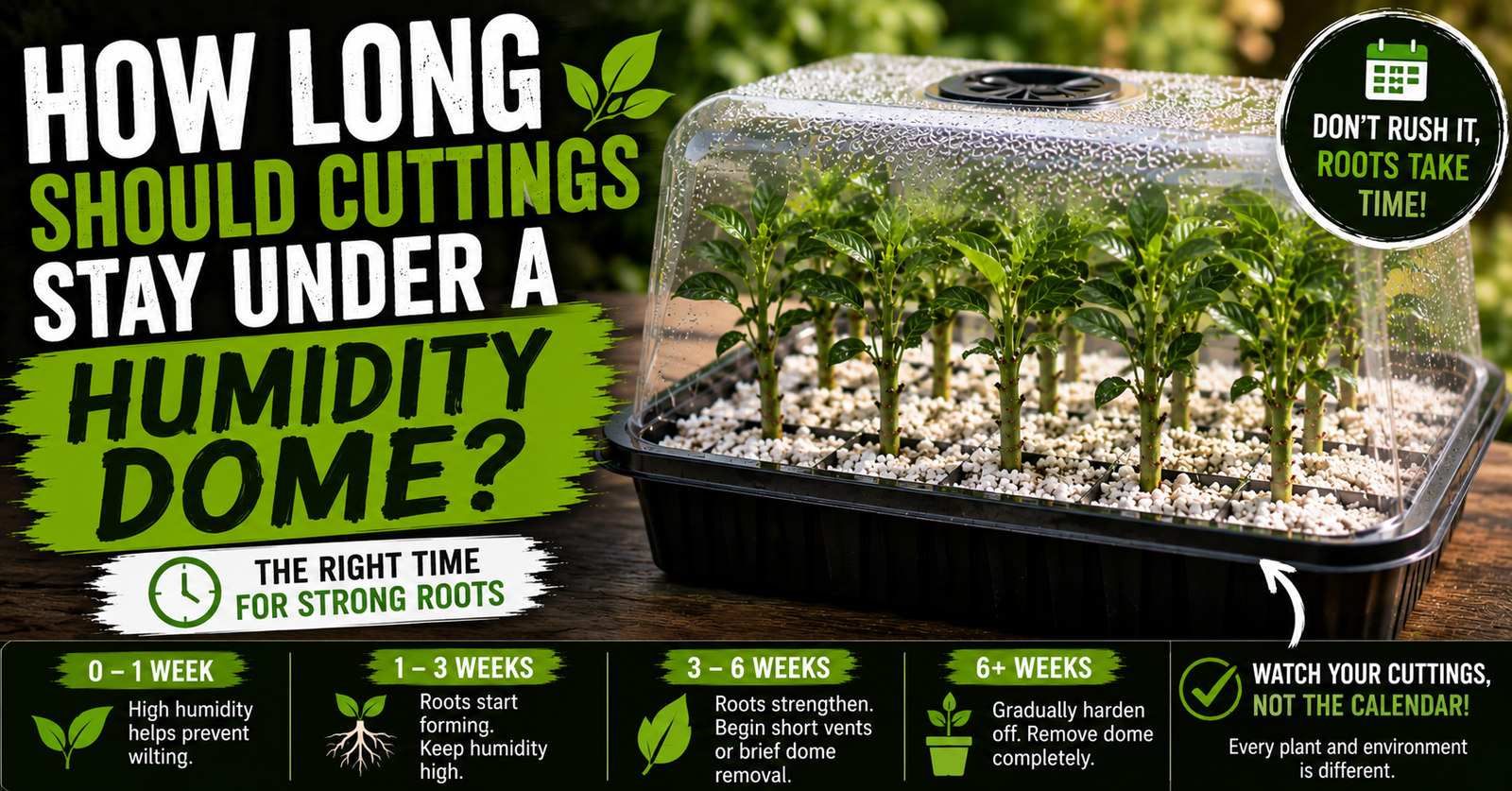
That’s exactly where a humidity dome can make a noticeable difference.
Some Plants Barely Need One
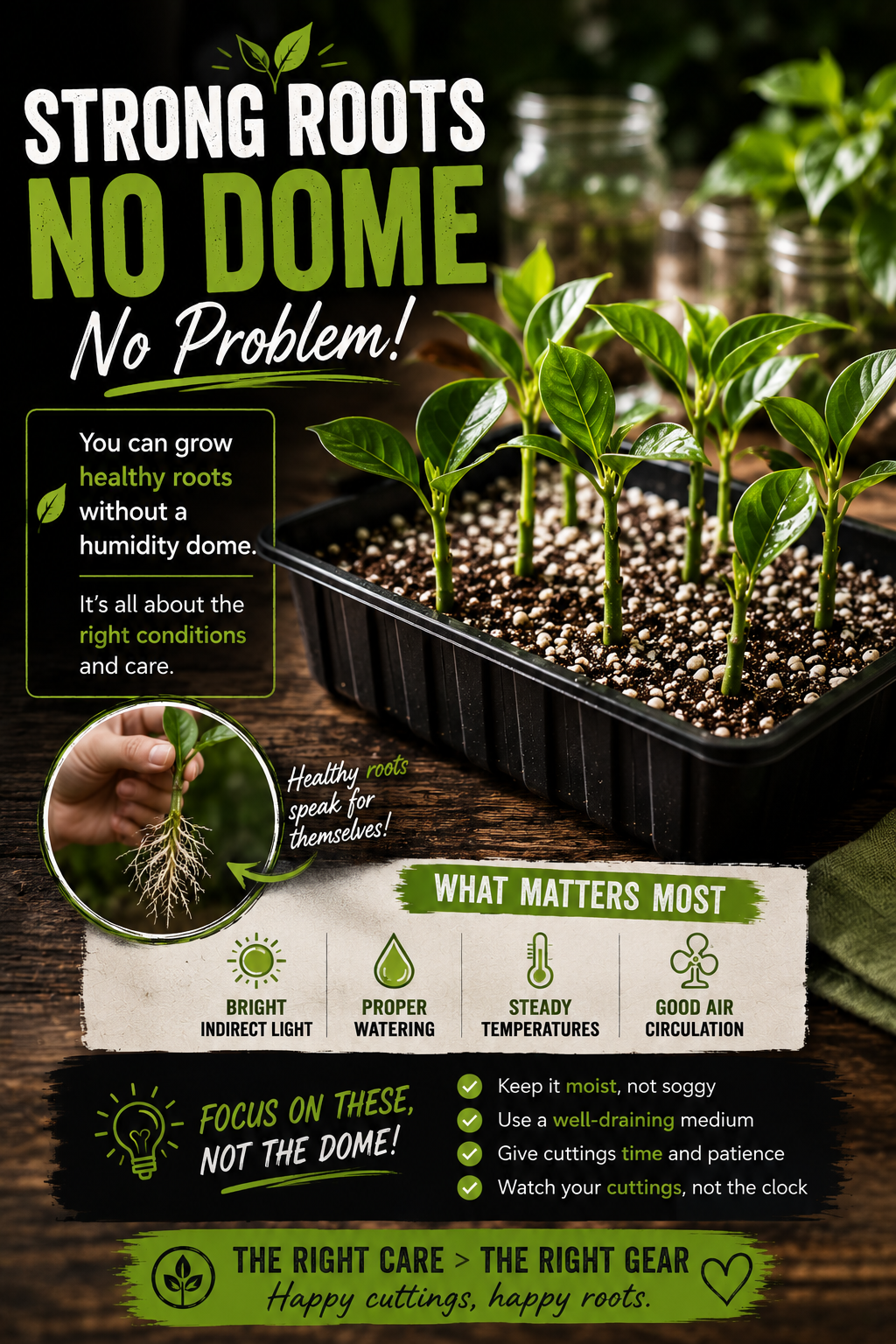
Not every cutting is equally demanding.
I’ve propagated herbs, pothos, wandering dude, spider plants, and several other easy houseplants without covering them at all.
As long as they were watered properly and kept out of harsh sunlight, many rooted without much trouble.
Those plants naturally tolerate lower humidity much better than many woody shrubs or tropical species.
That’s one reason you’ll hear completely different opinions about humidity domes.
People are often talking about completely different kinds of plants.
Others Benefit Almost Immediately
Woody ornamentals, fruit plants, and many tropical cuttings usually appreciate the extra humidity.
Without roots, they’re constantly losing moisture through their leaves.
If that moisture disappears faster than the stem can replace it, the cutting begins struggling before roots ever have a chance to form.
Creating a more humid environment slows that process considerably.
It’s one of the simplest ways I’ve found to reduce stress during those first critical weeks of propagation.
I Don’t Automatically Use One
One thing that’s changed over the years is that I no longer reach for a humidity dome simply because I’m taking cuttings.
Instead, I ask myself a few simple questions.
How quickly does this plant usually wilt?
How long does it typically take to root?
How dry is the surrounding air?
If I’m propagating hardwood cuttings without leaves, I often don’t need a dome at all.
If I’m rooting soft leafy cuttings during the middle of winter with the furnace running, I’ll almost certainly use one.
Understanding the plant has become much more valuable than following the same routine every time.
The Humidity Dome I Trust Most
When I do decide a propagation project needs extra humidity, I want equipment that gives me control instead of trapping excessive moisture.
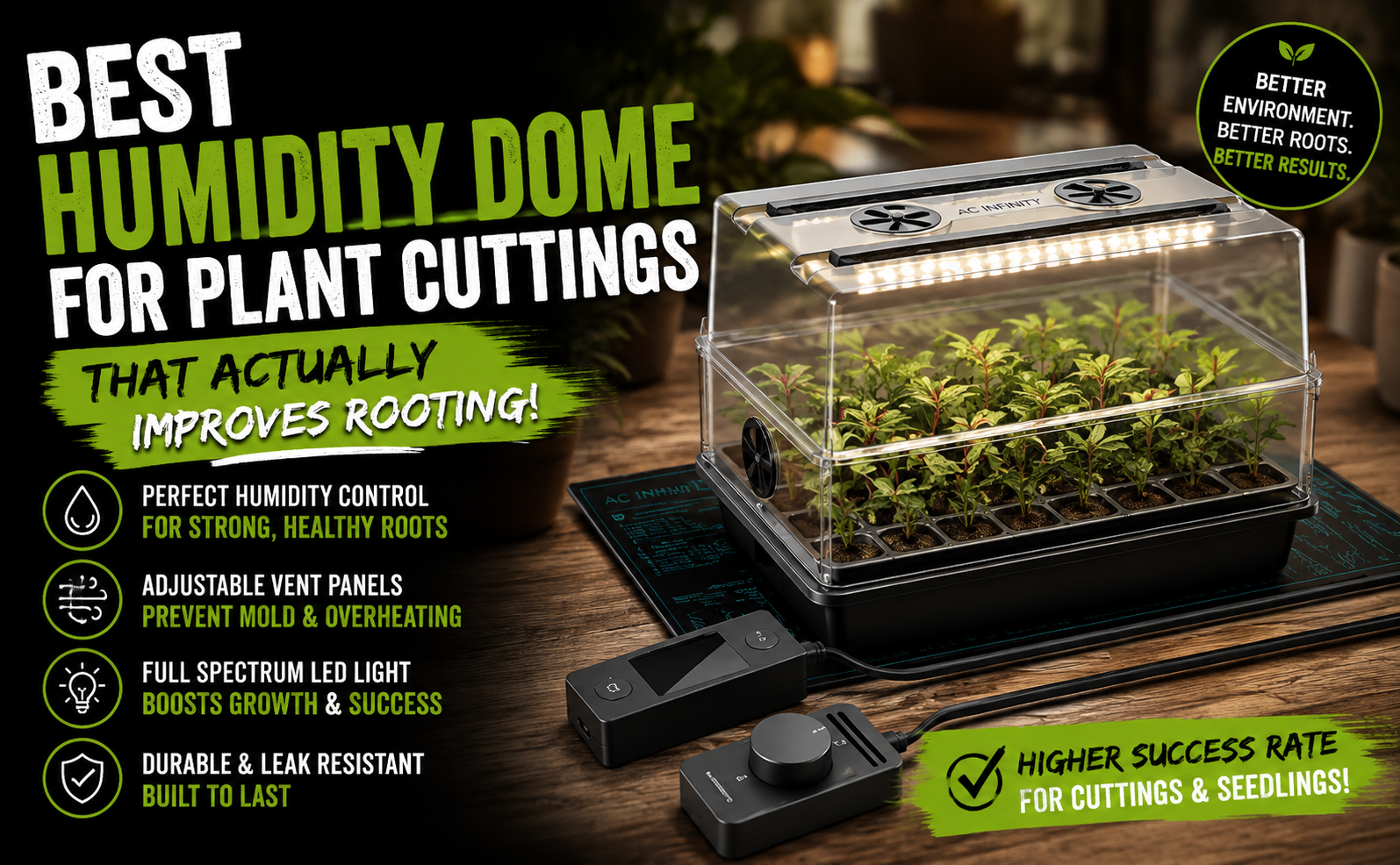
That’s why I eventually settled on the humidity dome system I recommend for rooting plant cuttings.
The adjustable vents make it much easier to fine-tune conditions instead of creating a sealed environment that stays constantly wet. Knowing when to open dome vents can make the transition to normal airflow much easier on developing cuttings.
That flexibility has been especially helpful for slower-rooting shrubs and fruit plants that spend several weeks developing roots.
Too Much Humidity Can Cause Problems Too
When gardeners first learn that humidity helps prevent cuttings from drying out, it’s easy to assume the goal is keeping the air as humid as possible.
I’ve found that isn’t the case.
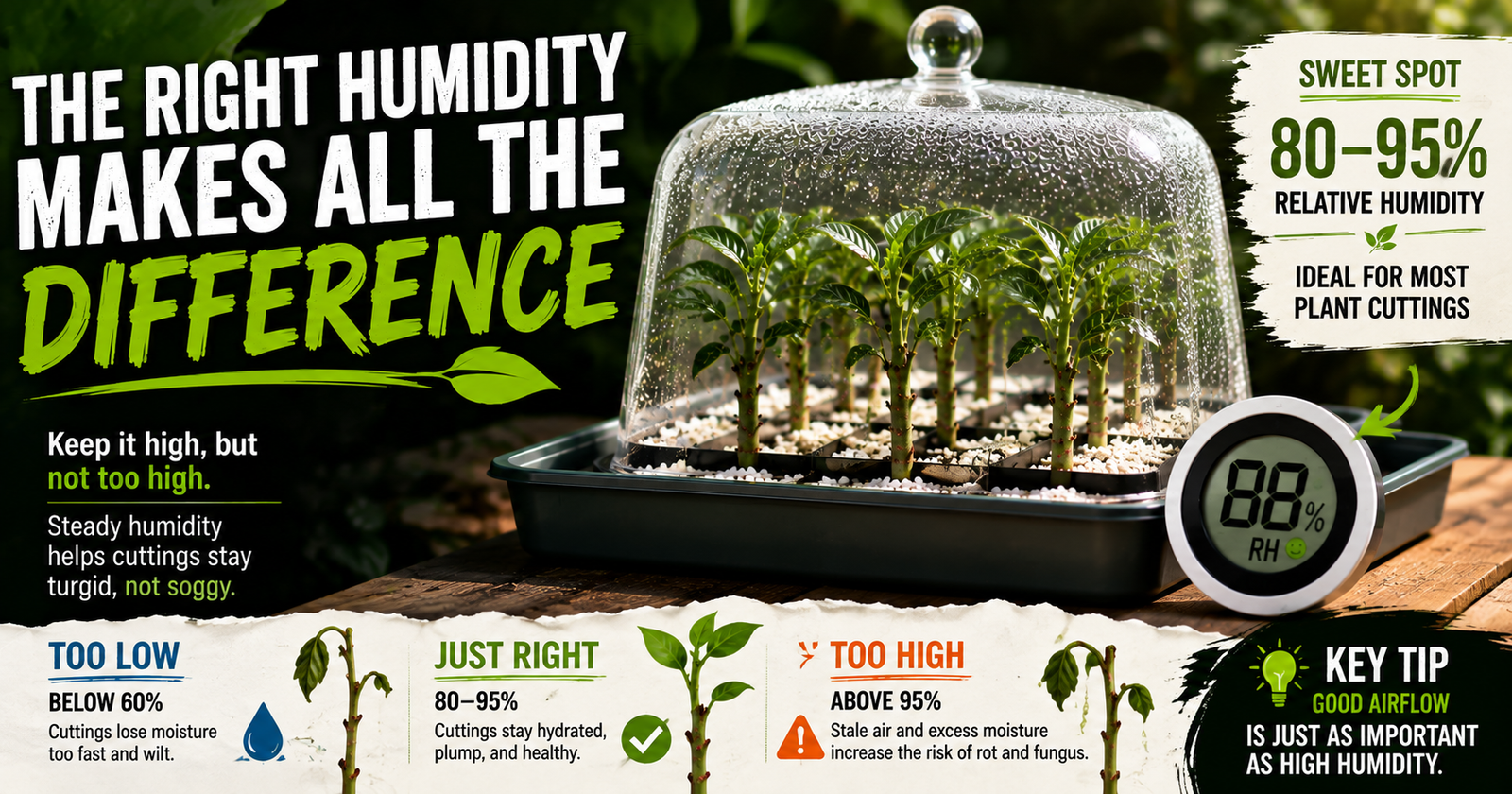
A humidity dome should reduce moisture loss.
It shouldn’t create an environment where stale, saturated air never changes.
If condensation is constantly dripping from every surface and the leaves stay soaking wet day after day, I start thinking about increasing airflow instead of adding more humidity.
Plants still need fresh air.
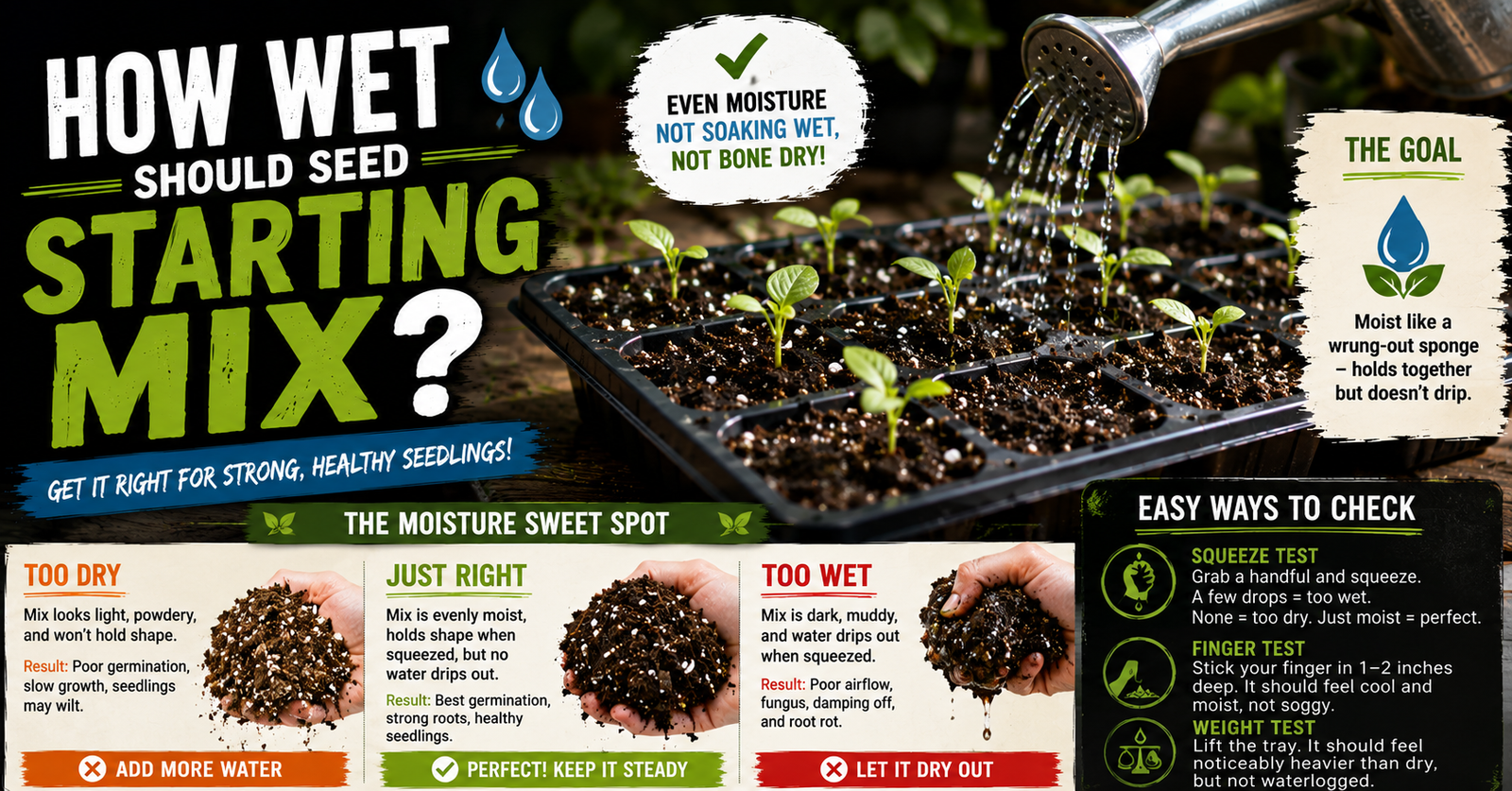
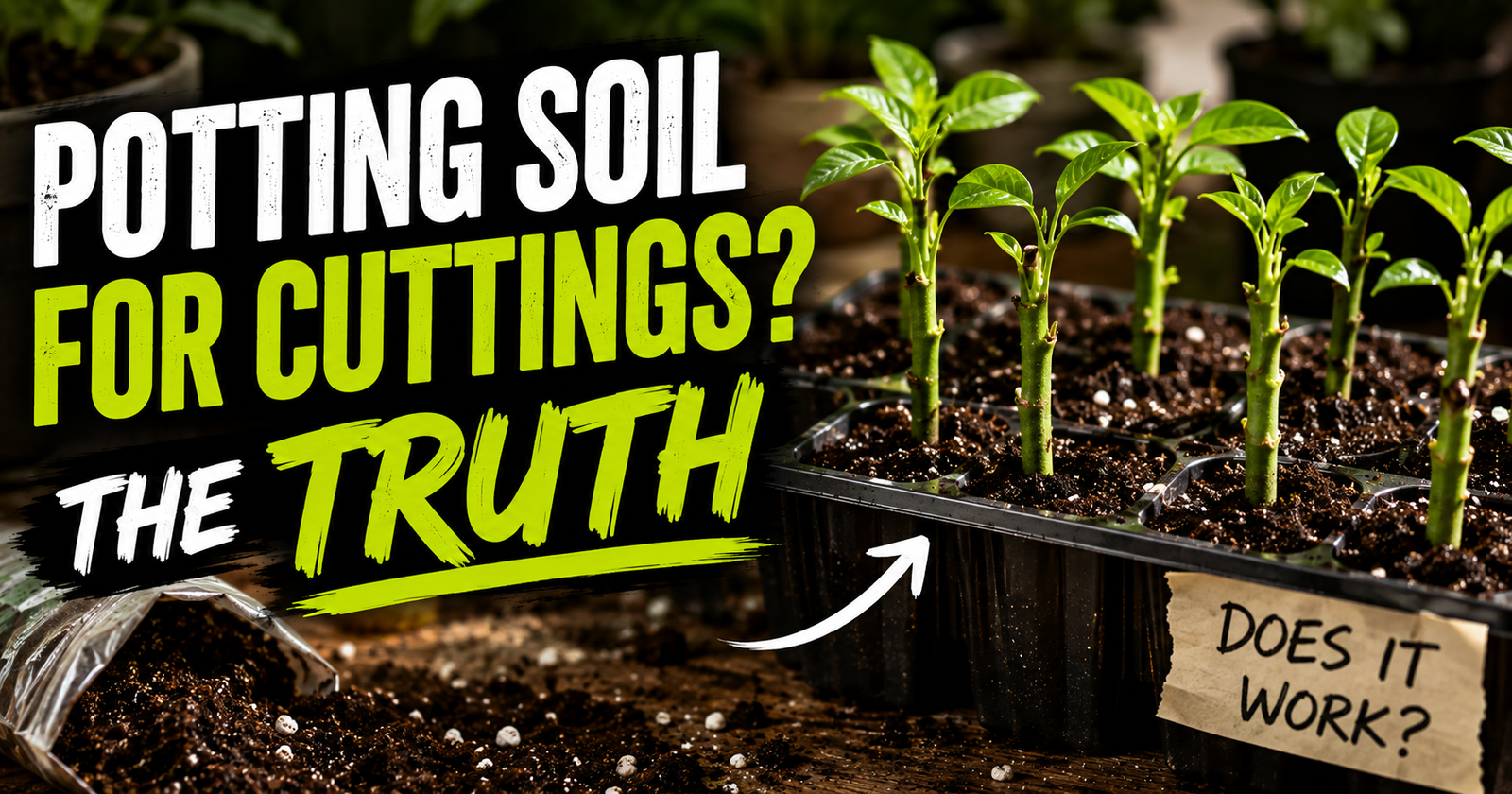
The trick is finding the balance between slowing water loss and allowing enough air exchange to keep the growing environment healthy. The same principle applies to balancing moisture in the propagation mix, where moisture and air need to remain in balance around developing roots.
A Dome Isn’t a Substitute for Good Propagation Practices
I’ve seen gardeners place a tray under a humidity dome and assume the rest of the setup doesn’t matter anymore.
Unfortunately, it doesn’t work that way.
A dome won’t compensate for unhealthy cuttings.
It won’t fix waterlogged propagation media.
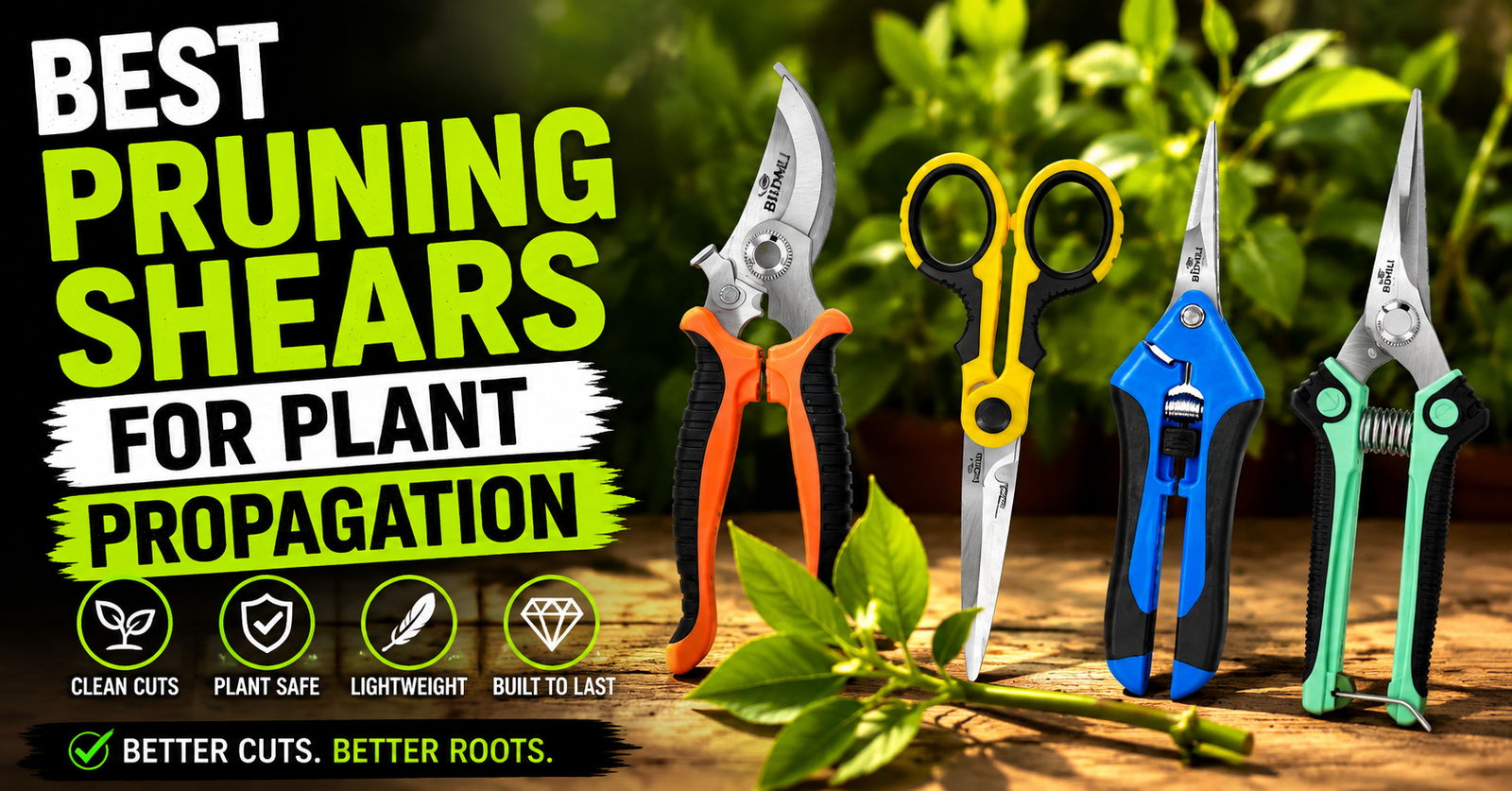
It won’t make dull pruning shears cut more cleanly.
Think of it as one part of a complete propagation system rather than the entire system itself.
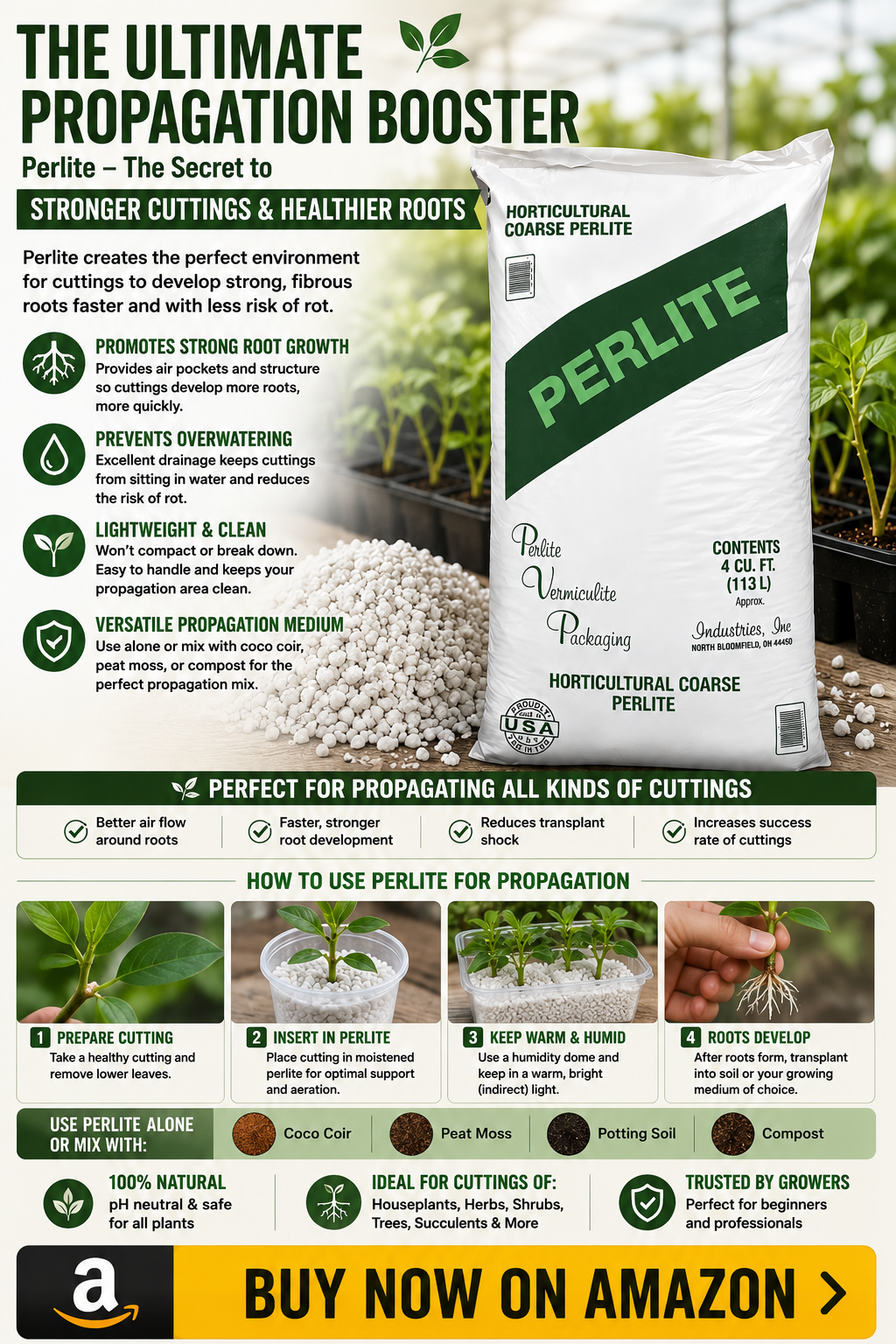
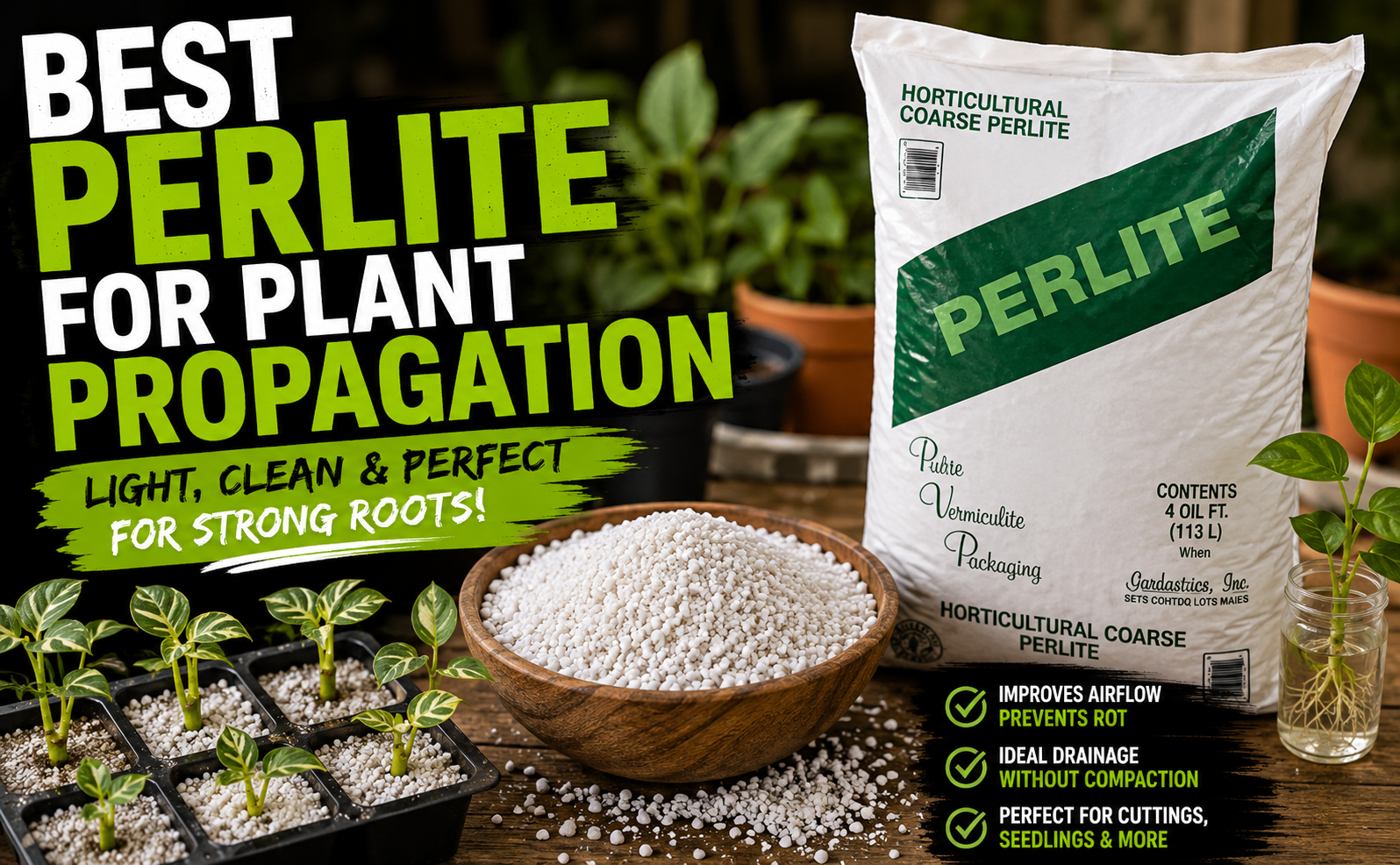
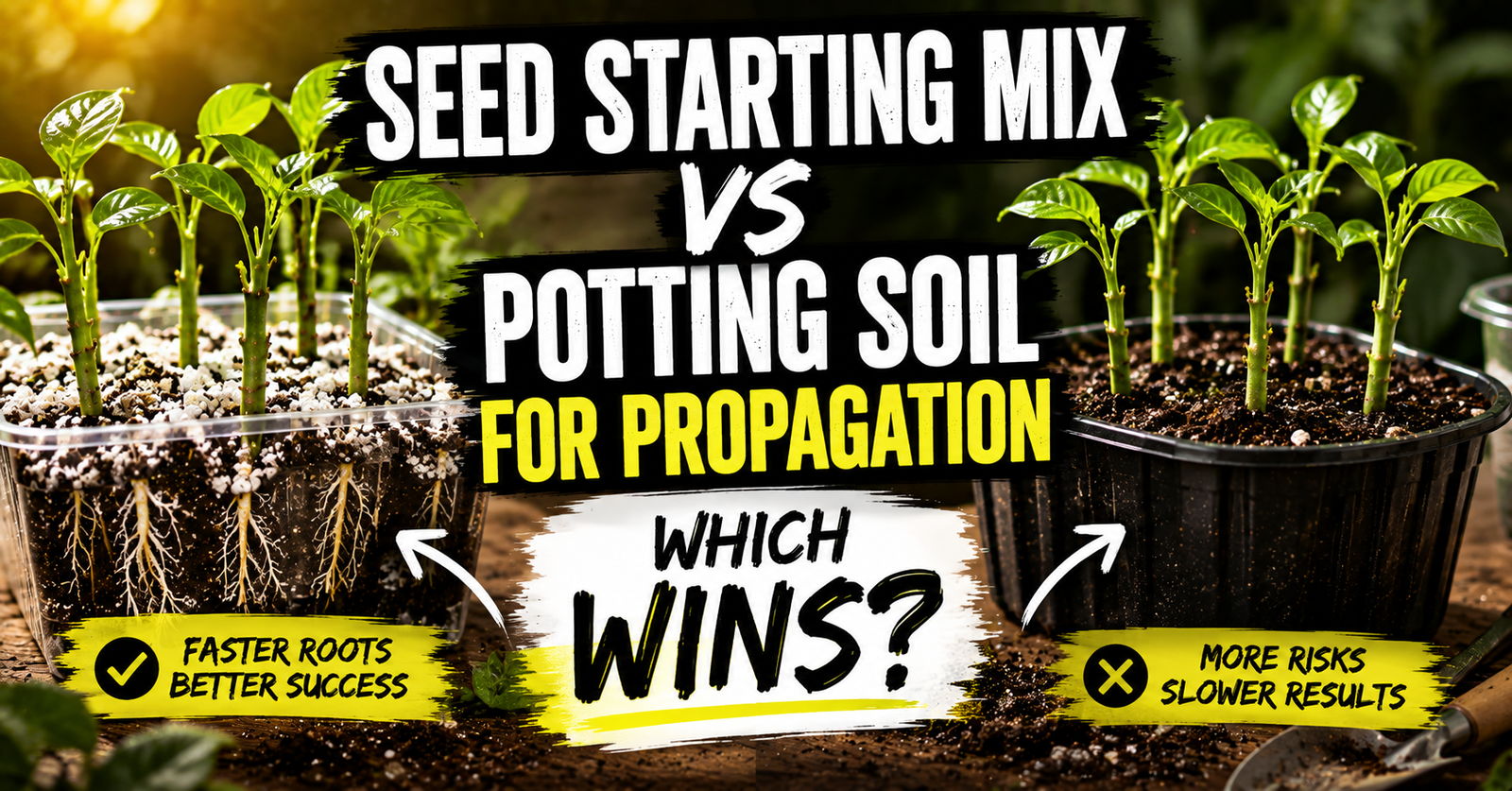
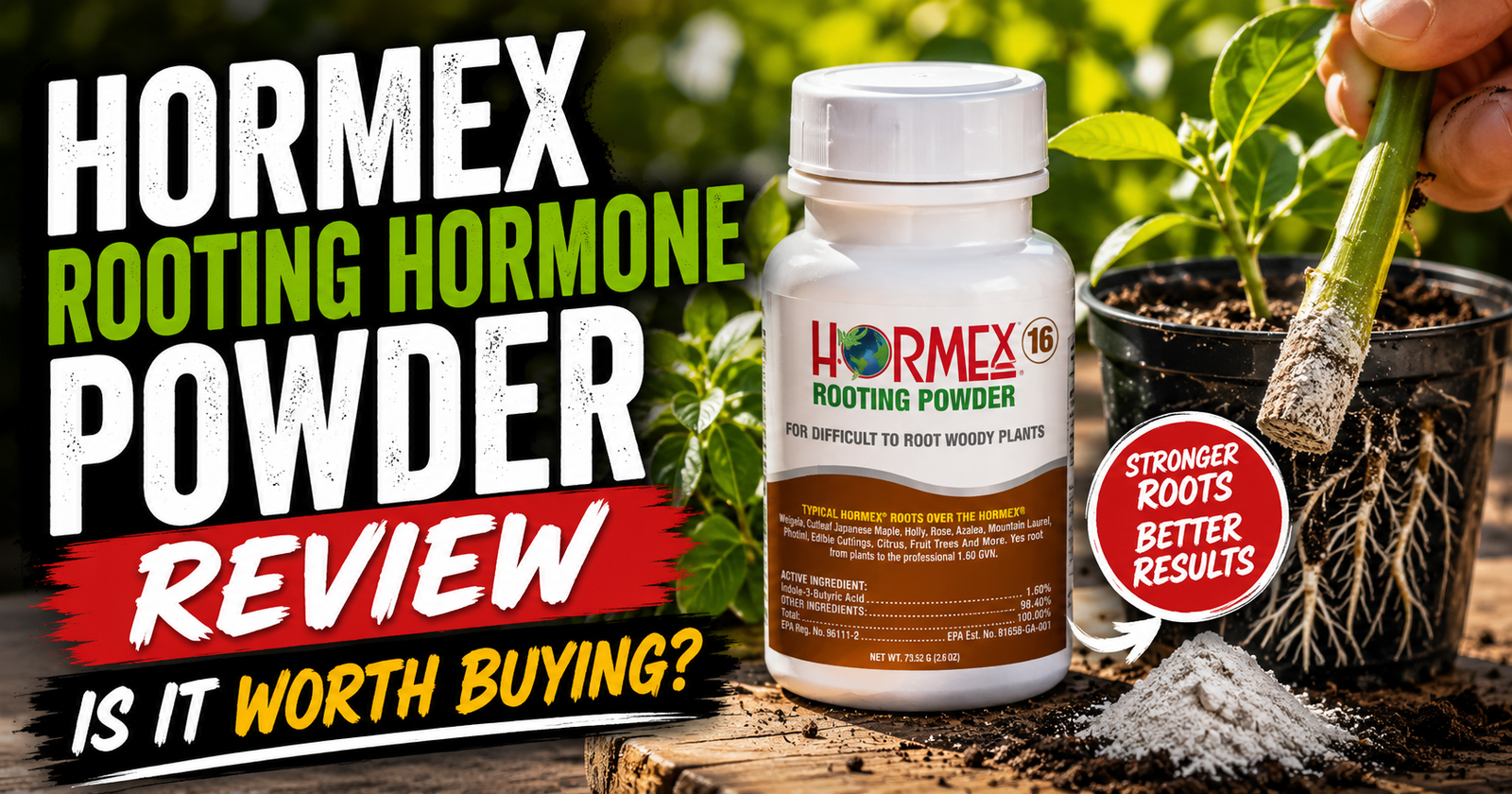
Healthy parent plants, clean cuts, appropriate moisture, and a well-draining rooting medium are still doing most of the heavy lifting. For a more open rooting medium, horticultural perlite for rooting cuttings may be useful when preparing cuttings.
The dome simply helps protect the cuttings while roots begin to develop.
I Sometimes Skip the Dome Entirely
There are times when the humidity dome stays on the shelf.
If I’m propagating leafless hardwood cuttings, many of them lose very little moisture because there aren’t any leaves actively transpiring.
During periods of naturally high humidity outdoors, I often don’t need one either.
The environment is already providing much of what the dome would have added.
That’s one reason I encourage gardeners to think about their conditions instead of following rigid rules.
The best propagation setup changes depending on the plant, the season, and the environment.
My Favorite Combination
For slower-rooting shrubs, fruit trees, and ornamental plants, I’ve found one combination that consistently produces dependable results.
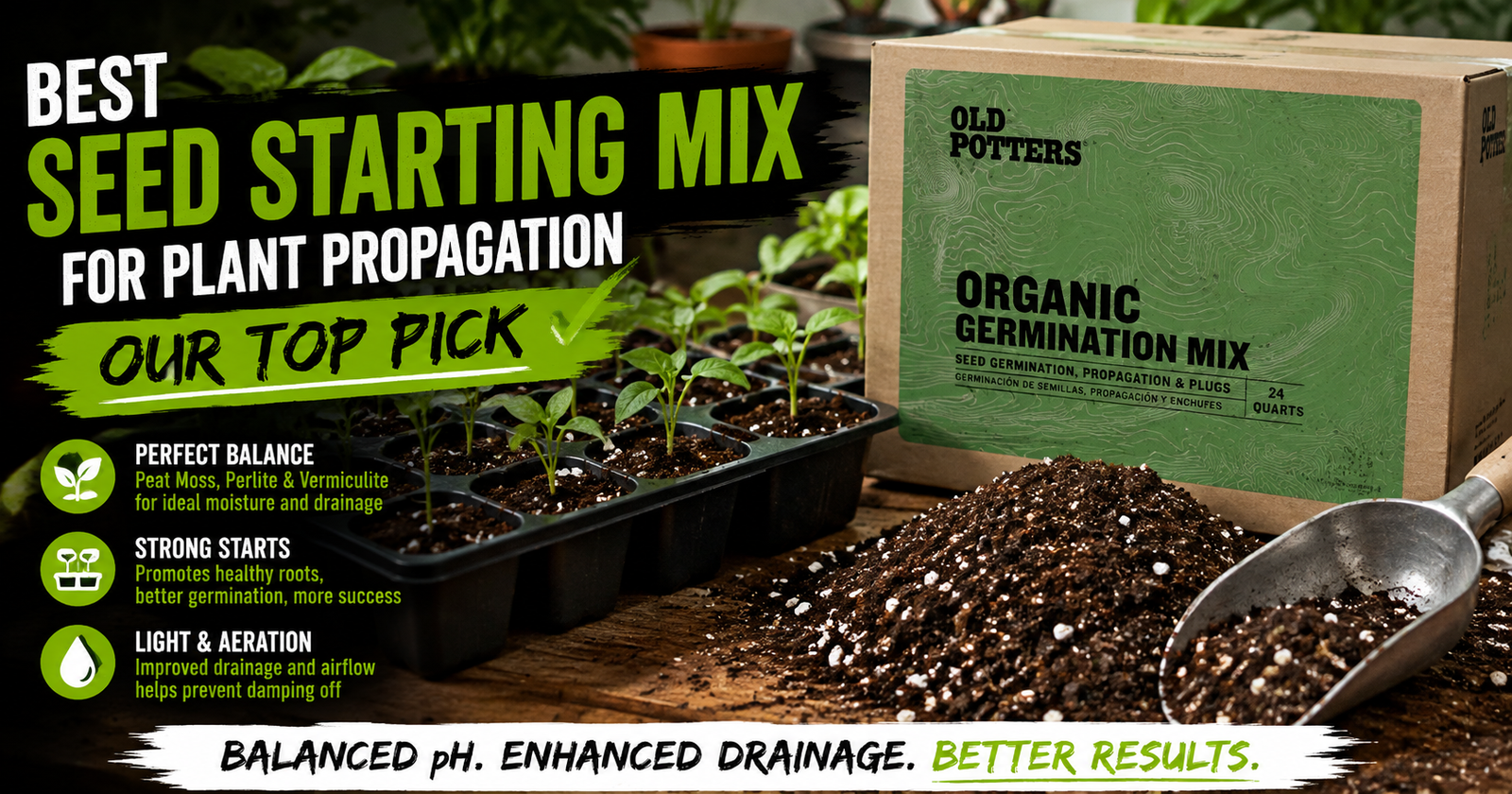
A quality propagation mix.
Gentle bottom heat when temperatures call for it.
And a humidity dome that allows adjustable airflow.
Those three pieces work together extremely well because each one solves a different problem.
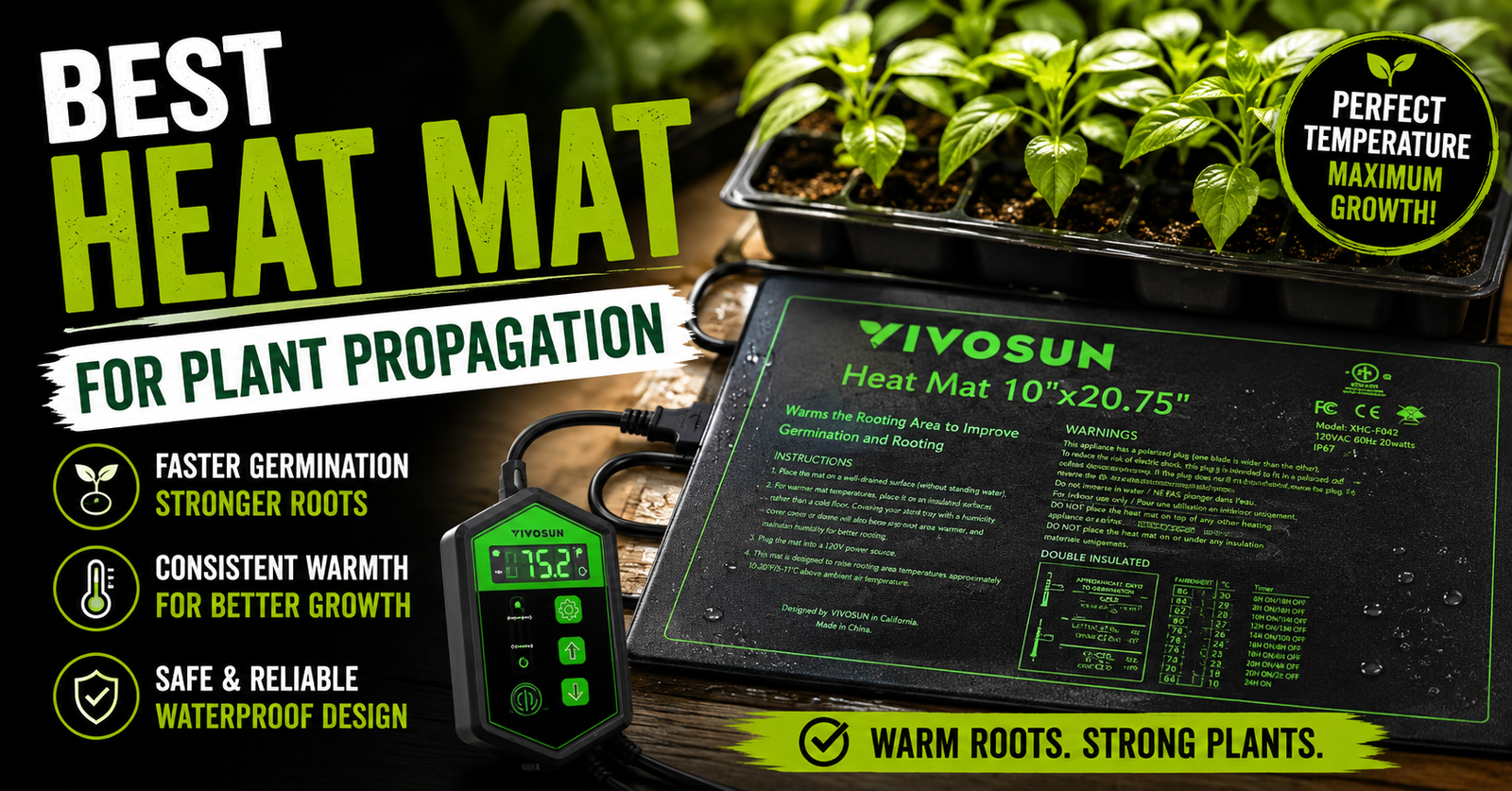
When I know cooler temperatures may slow root development, I’ll often pair the dome with the heat mat I use throughout the propagation season.
The dome helps protect the leaves while the heat mat creates a more stable environment beneath the tray.
Neither tool replaces the other.
Together, they create conditions that are much easier for fresh cuttings to handle.
Buy One Only If It Solves a Problem
I never recommend buying gardening equipment simply because everyone else owns it.
I buy tools because they solve problems.
If your cuttings regularly wilt before roots develop, a humidity dome can make a noticeable difference.
If your propagation area already stays naturally humid and your cuttings root beautifully without one, you may not need it at all.
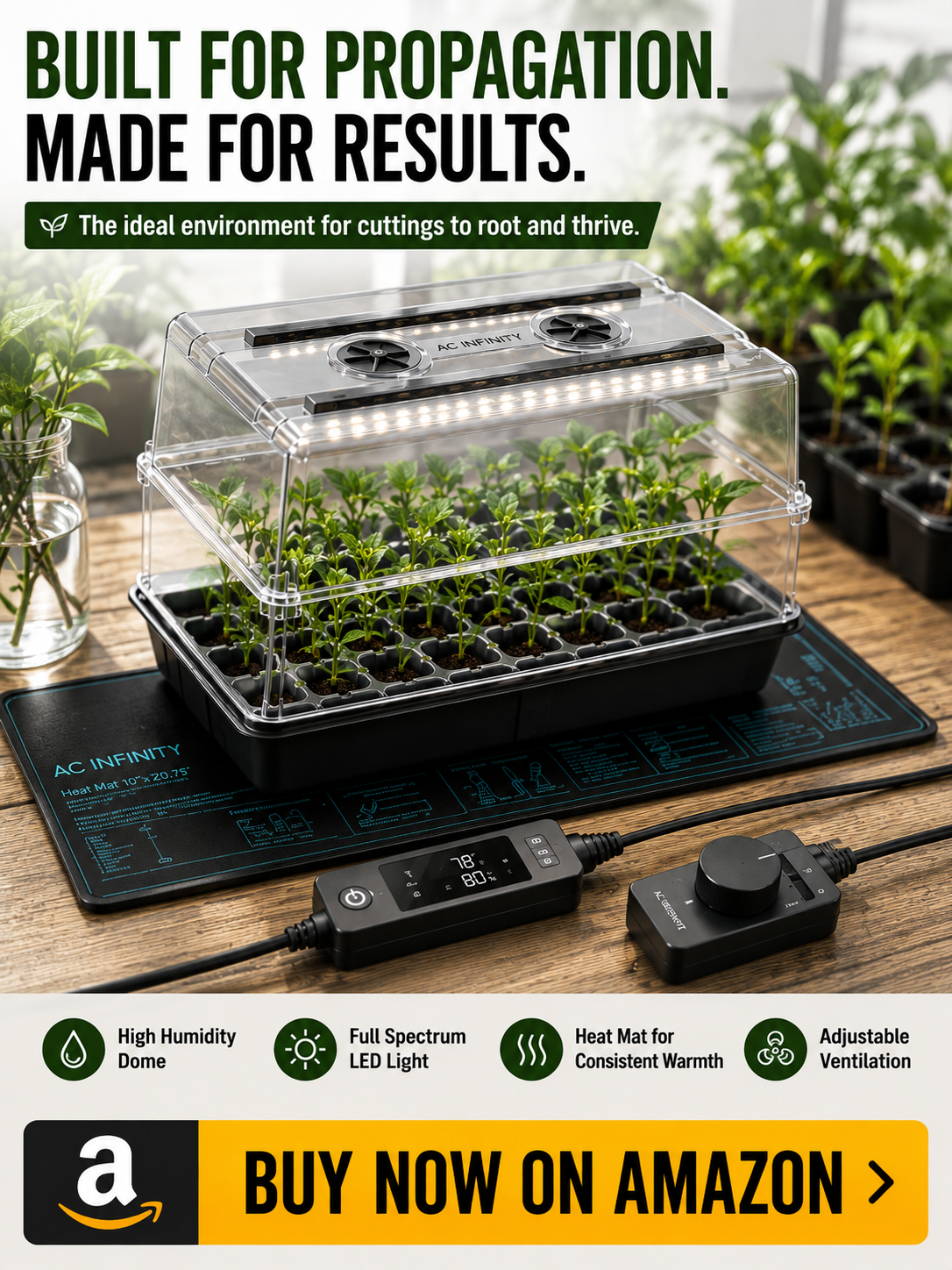
If you decide your propagation setup would benefit from one, I’d recommend taking a look at the adjustable humidity dome I use on Amazon.
I like having adjustable vents because they let me respond to the plants instead of locking me into one humidity level for every propagation project.
Frequently Asked Questions
Will cuttings always root faster with a humidity dome?
Not always.
A humidity dome doesn’t directly make roots grow faster.
Its biggest advantage is helping cuttings retain moisture while they don’t yet have roots to replace the water they’re losing.
When the cutting stays healthier during that stage, rooting often becomes more consistent.
Can I make my own humidity dome?
Absolutely.
I’ve seen gardeners use clear storage totes, plastic cake containers, clear cups, and even large freezer bags over small pots.
Many homemade options work surprisingly well.
The important part isn’t spending a lot of money.
It’s creating a humid environment while still allowing fresh air to circulate.
Should I remove the humidity dome every day?
I usually do for at least a few minutes.
Opening the vents or briefly lifting the dome allows fresh air to enter and helps prevent stale, overly damp conditions from developing.
Exactly how often depends on the plant, the surrounding humidity, and how much condensation is collecting inside.
Are humidity domes only useful indoors?
No.
Indoor propagation is where I use them most often because heating and air conditioning can dry the air considerably.
Outdoors, especially during naturally humid weather, I often find they aren’t needed.
The environment is already providing many of the same benefits.
Can too much humidity kill cuttings?
It can contribute to problems.
Constantly saturated air combined with poor airflow can encourage mold, fungal growth, and stem rot.
That’s why I prefer adjustable humidity domes instead of completely sealed containers.
They give me the flexibility to increase ventilation whenever the cuttings need it.
A Humidity Dome Is a Tool, Not a Requirement
One thing propagation has taught me is that very few tools are absolutely required.
Humidity domes aren’t an exception.
Some cuttings root beautifully without one.
Others become much easier to propagate when extra humidity is available.
Instead of asking whether every propagation project needs a dome, I now ask whether this propagation project would benefit from one.
That small change has helped me make better decisions and avoid unnecessary equipment purchases while still giving more challenging plants the conditions they need to succeed.
About the Author
Daxon Weaver is the founder of PropagationWorld and has propagated thousands of houseplants, herbs, berry bushes, fruit trees, and ornamental shrubs. Through years of practical experience, he has learned that matching the propagation setup to the needs of the plant consistently produces better results than relying on the same method for every cutting.