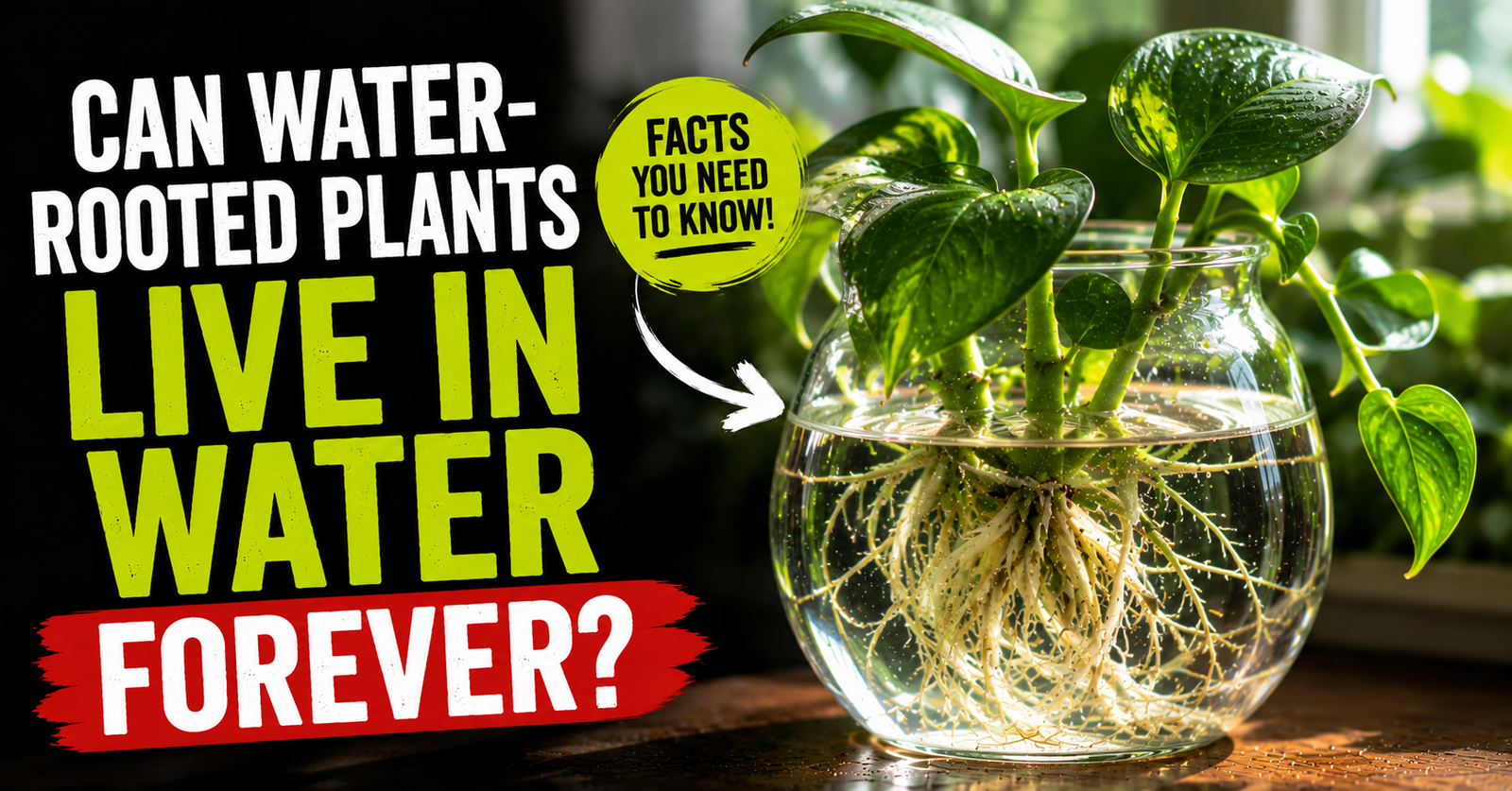
One of the most common questions I hear after someone successfully roots a cutting is surprisingly simple.
“Do I actually have to plant it now?”
I understand why people ask.
Watching white roots grow inside a glass jar is fun. It’s satisfying to see the progress every day, and there’s something appealing about displaying rooted cuttings on a windowsill. That visible progress is one reason starting plants in water appeals to so many beginners.
Sometimes they even look healthier than the parent plant.
So it’s natural to wonder whether soil is really necessary at all.
The answer isn’t a simple yes or no.
Some plants can live in water for years with very little trouble.
Others may survive for quite a while but slowly decline because they’re missing nutrients or developing a root system that’s better suited for water than potting mix.
Then there are plants that really should be transplanted as soon as they have a healthy set of roots.
Over the years, I’ve left plenty of cuttings sitting in jars much longer than I intended. Some continued growing just fine. Others looked healthy for a while before gradually slowing down.
Those experiences taught me that whether a plant can stay in water permanently depends much more on the species than on the propagation method itself. Choosing among species that propagate well in water is an important first step before deciding how long to keep a cutting in water.
In this guide, I’ll explain which plants can remain in water, which ones I always move into soil, and how I decide when it’s time to transplant.
The Short Answer
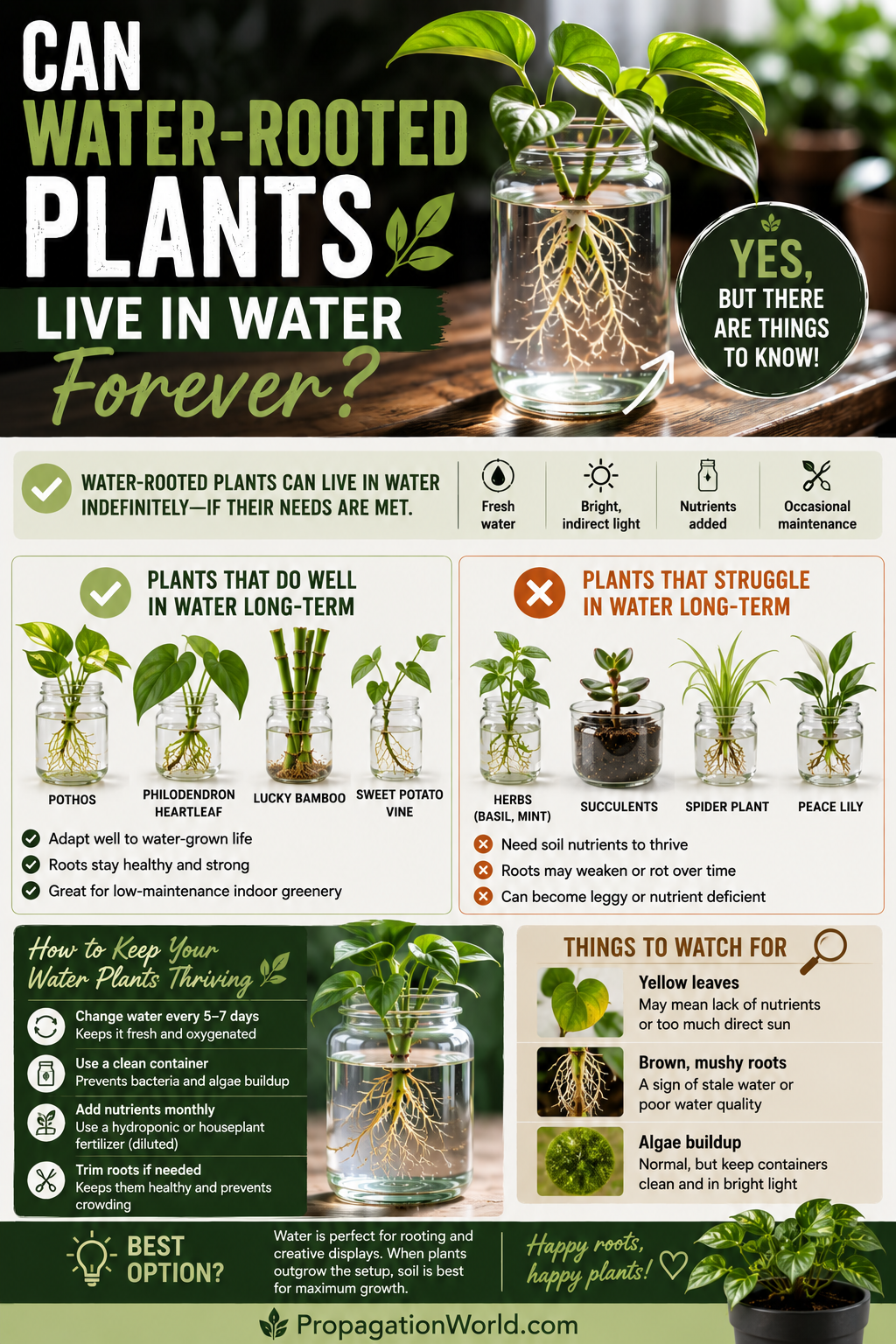
Yes, some plants can live in water for years if they’re given clean water, enough light, and the nutrients they need. However, most houseplants grow better after being transplanted into potting soil because it provides better long-term support, oxygen, and access to nutrients. The guide to how often to refresh propagation water explains how to maintain cleaner conditions while roots are developing.
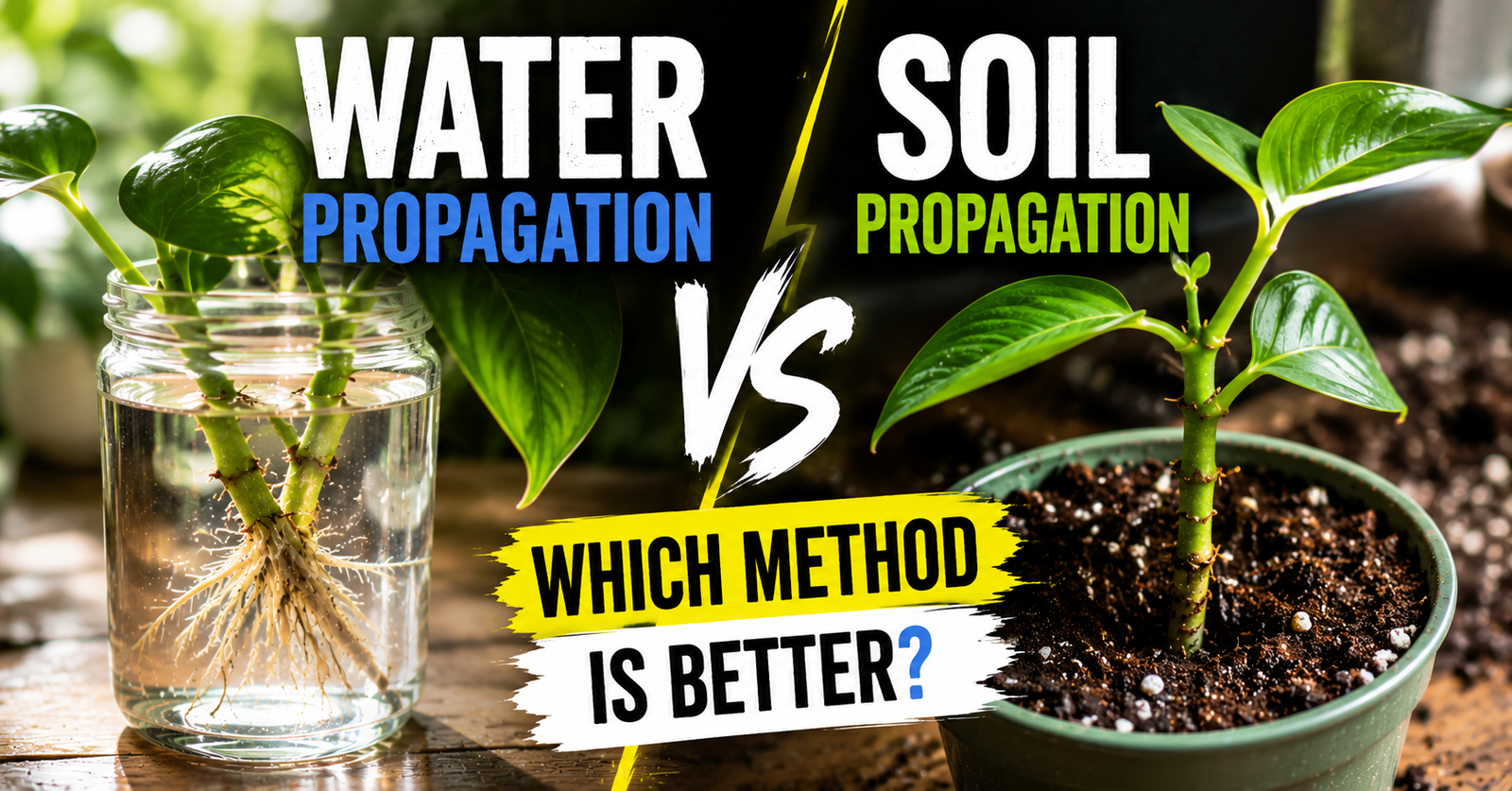
For most of the plants I propagate, I treat water as a temporary rooting environment rather than a permanent home. That temporary approach is easier to evaluate by comparing the long-term tradeoffs in Water Propagation vs Soil Propagation – Which Method Is Better?.
Water Propagation and Growing in Water Aren’t the Same Thing
This is where a lot of confusion begins.
People often use the phrase water propagation to describe two completely different things.
The first is propagation.
That’s simply using water to encourage a cutting to produce roots before transplanting it into soil.
The second is growing a mature plant in water long-term.
Those are very different goals.
A cutting that successfully develops roots in a jar isn’t automatically prepared to spend the rest of its life there.
Many plants produce what are commonly called water roots during propagation.
These roots are excellent at absorbing oxygen and moisture directly from water, but they aren’t always the same roots the plant would produce in potting soil.
That’s one reason transplanting becomes more difficult if a cutting spends months sitting in water before being planted.
The longer those water roots develop, the more adjustment the plant often has to make later.
That’s why I usually move most cuttings into soil before they become heavily rooted.
Why Some Plants Thrive in Water While Others Don’t
Plants evolved in very different environments.
Some naturally grow in wetlands, along streams, or in constantly damp tropical forests where their roots experience abundant moisture throughout the year.
Others evolved in loose, airy soils where oxygen moves freely around the root system.
Trying to grow both types the same way rarely produces the best results.
That’s why you’ll see one plant thriving in a vase while another slowly declines under nearly identical conditions.
Whenever I’m deciding whether to leave a plant in water, I ask myself one simple question.
Would this plant naturally spend its life with its roots submerged?
If the answer is no, I usually plan on transplanting it sooner rather than later.
Plants That Can Live in Water for a Long Time
There are quite a few plants that adapt surprisingly well to life in water.
Some won’t grow quite as fast as they would in potting soil, but they’ll often stay healthy for years with proper care.
The key is understanding that even these plants still have basic needs.
Fresh water alone isn’t enough forever.
Most eventually benefit from nutrients, regular water changes, and plenty of bright, indirect light.
Here are some of the plants I’ve had the best luck keeping in water.
Lucky Bamboo
Lucky bamboo is probably the classic example.
In fact, many people don’t even realize it can be grown in soil because they’ve only ever seen it in decorative glass containers.
As long as the water stays clean and the roots remain healthy, lucky bamboo can live for years this way.
I usually recommend changing the water every week or two and rinsing the container occasionally to prevent algae from building up.
Pothos
Pothos surprises a lot of people.
It can live in water for a very long time.
I’ve kept pothos cuttings in jars for months while waiting to pot them, and they continued producing new leaves without much trouble.
The catch is that growth usually slows over time unless the plant receives nutrients.
If your goal is a large, vigorous houseplant, I still think potting soil is the better long-term choice.
If your goal is an attractive cutting displayed in a vase, pothos is hard to beat.
Heartleaf Philodendron
Heartleaf philodendrons behave much like pothos.
They tolerate life in water surprisingly well and make beautiful display plants in clear glass containers.
Over time, though, you’ll usually notice slower growth unless nutrients are added.
For that reason, I generally consider water a temporary home rather than a permanent one.
Spider Plant
Spider plant babies often stay healthy in water while they’re developing roots.
Can they remain there longer?
Yes.
Would I leave them there permanently?
Probably not.
Once those young plants have established a healthy root system, I almost always transplant them into soil where they’ll grow faster and produce their own baby plantlets much sooner.
Tradescantia
Tradescantia is another excellent candidate.
It roots incredibly quickly and tolerates water well.
I’ve even used long vases filled with colorful tradescantia cuttings as temporary decorations around the house.
Eventually, though, I still move them into soil if I want vigorous long-term growth.
Plants I Always Move Into Soil
Some plants simply perform better once they’re planted.
Could they survive in water for a while?
Sure.
Would I intentionally leave them there?
Not if my goal is a healthy, long-lived plant.
These are some of the plants I transplant as soon as they’ve developed a solid root system.
Monstera
Monstera cuttings root beautifully in water.
In fact, it’s one of my favorite ways to monitor root development because the thick white roots are easy to see.
Once those roots reach a couple of inches long, though, I move them into potting mix.
Monsteras become large, heavy plants that appreciate the stability, nutrients, and airflow that soil provides.
Rubber Plant
Rubber plants are slower to root than pothos, so it’s tempting to leave them sitting in water once roots finally appear.
I resist that temptation.
They establish themselves much better after being transplanted into a quality potting mix while the roots are still relatively young. The right growing medium matters even before transplanting, and choosing potting soil for cuttings explains why ordinary potting soil may not always be ideal for fresh cuttings.
Fiddle Leaf Fig
Fiddle leaf figs can root in water, but they definitely aren’t plants I’d leave there forever.
Their long-term growth is simply much stronger in soil.
Once the cutting has enough roots to support itself, I transplant it and let it continue growing normally.
Herbs
Basil, mint, oregano, lemon balm, and many other herbs root very well in water.
That’s one reason they’re so enjoyable to propagate.
However, if your goal is harvesting fresh herbs for cooking, they belong in soil.
They’ll produce larger plants, stronger stems, and far more leaves after transplanting than they typically will in a glass of water.
Why Growth Eventually Slows Down
One question I’ve noticed over the years is why a cutting seems to do great for the first month or two and then suddenly stops growing.
Usually, nothing is actually wrong.
The plant has simply reached the point where water alone isn’t providing everything it needs.
Soil does much more than hold a plant upright.
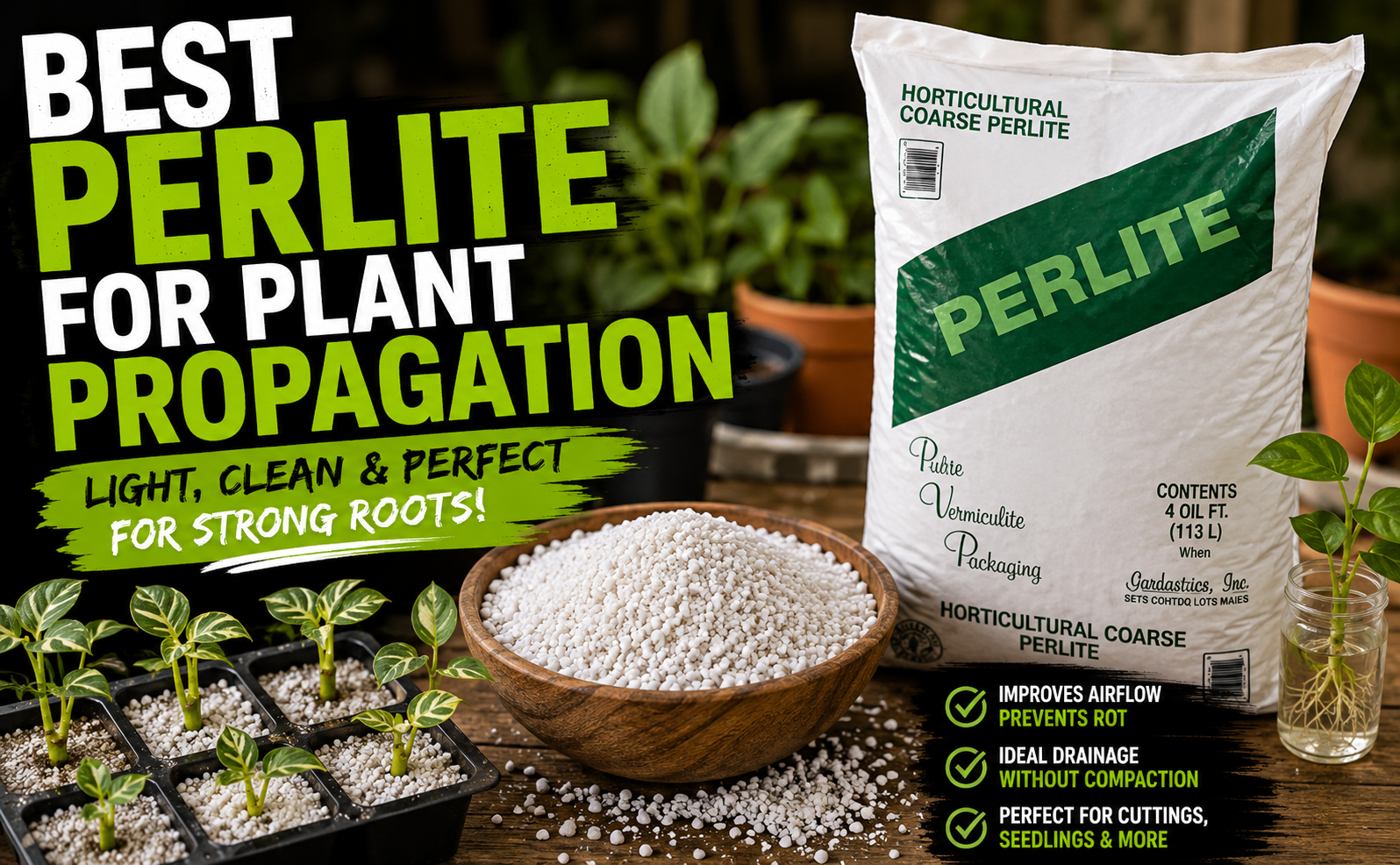
It supplies nutrients, stores moisture while still allowing oxygen to reach the roots, and provides a stable environment where beneficial microorganisms can thrive. For a medium that focuses on moisture and oxygen without soil, compare this with straight perlite as a rooting medium.
A glass of plain water can’t do all of those things.
That’s why many water-rooted plants survive but don’t necessarily thrive over the long term.
They continue living, but they often produce fewer leaves, slower growth, and smaller overall plants than identical plants growing in potting soil.
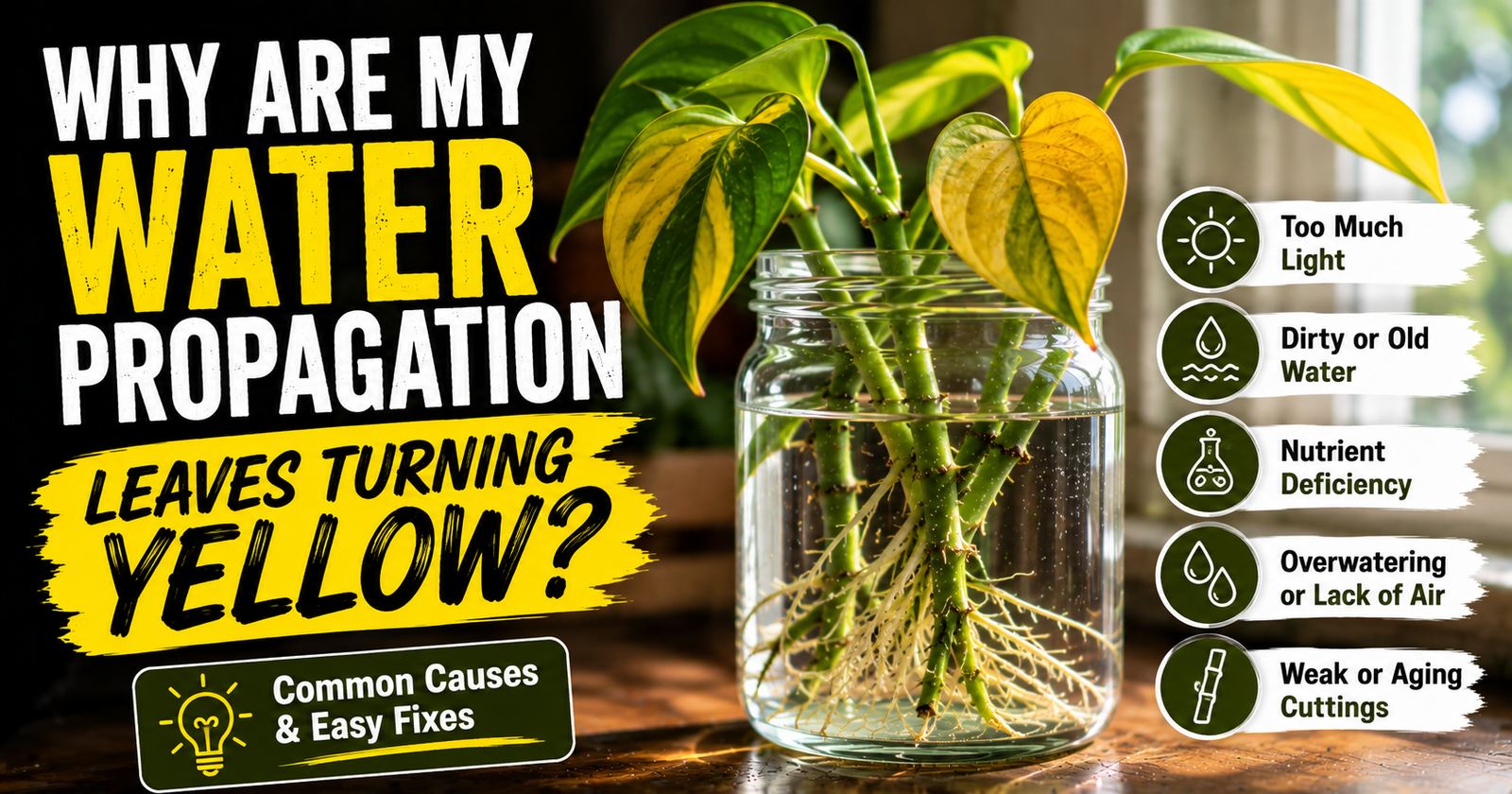
When I notice growth slowing significantly, that’s usually my signal that it’s time to either transplant the cutting or begin treating it more like a hydroponic plant with appropriate nutrients rather than plain water alone. If a cutting has stayed in water for a long time, nutrient-related leaf yellowing can help you separate nutrient issues from normal aging.
Can You Add Plant Food to the Water?
Yes, but it depends on what stage the plant is in.
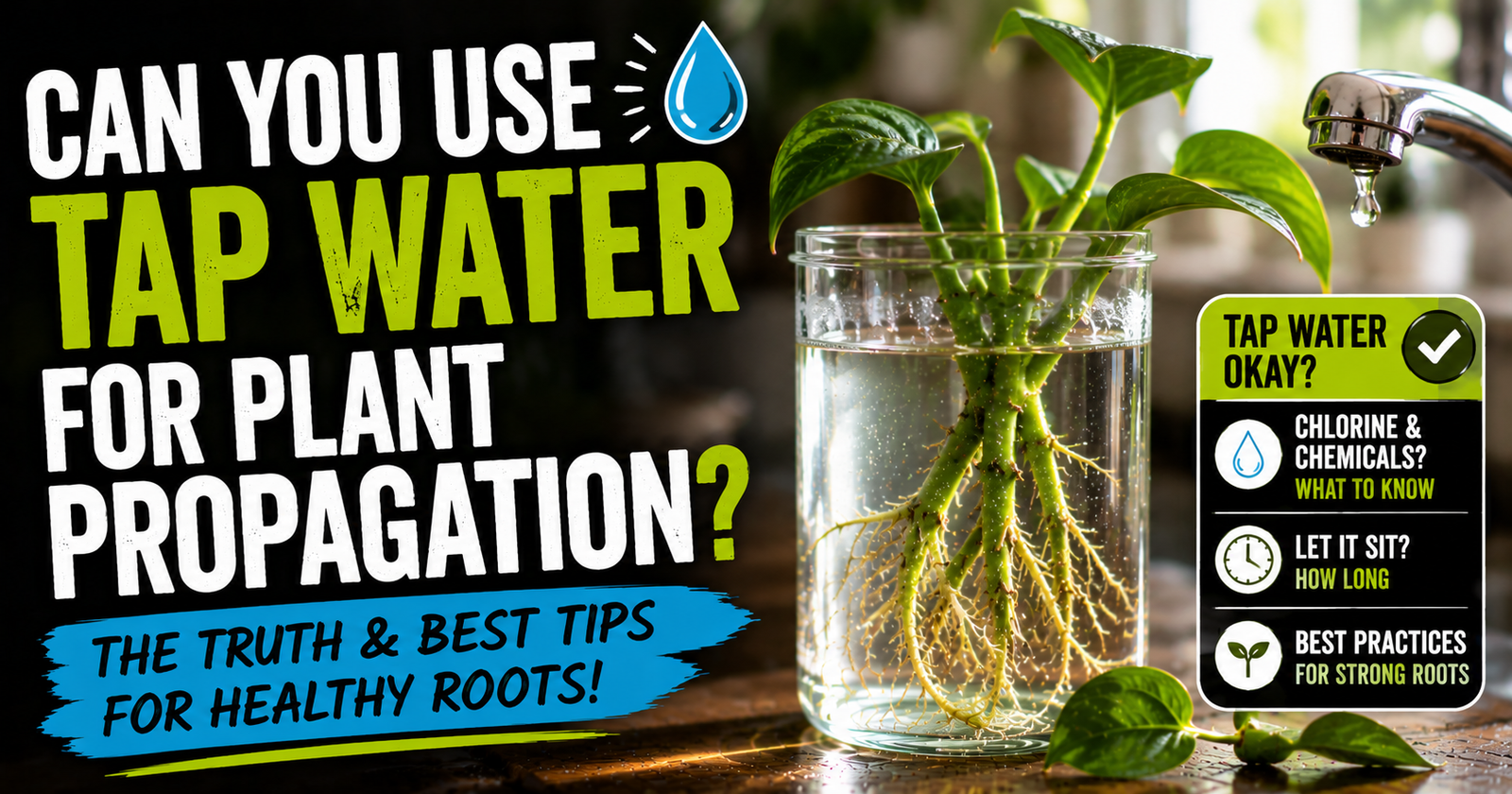
Fresh cuttings that are still trying to produce their first roots don’t need fertilizer. Before adding anything else, the right water for cuttings can help you choose a simple starting point for water propagation.
In fact, adding nutrients too early can sometimes encourage algae growth or create other problems before the cutting has even established itself.
Once a plant has developed a healthy root system and you’re intentionally growing it in water for the long term, nutrients become much more important.
At that point, plain water no longer supplies everything the plant needs to continue producing healthy leaves and new growth.
For cuttings that are still in the propagation stage, I skip fertilizer entirely and focus on keeping the water fresh.
Once roots are established, that’s when I start thinking about long-term nutrition instead.
How Long Should You Leave a Cutting in Water?
This is one of those questions where there’s no perfect calendar answer.
I’ve seen people say every cutting should be transplanted after two weeks.
Others insist you should wait until the roots completely fill the jar.
Neither approach works for every plant.
Instead, I pay attention to the roots themselves.
For most houseplants, I like seeing several healthy white roots that are roughly 2 to 3 inches long.
At that point, the cutting usually has enough of a root system to support itself after transplanting without spending so much time in water that it struggles to adapt to soil later.
Some plants reach that stage in ten days.
Others may need a month or longer.
The species always determines the timeline.
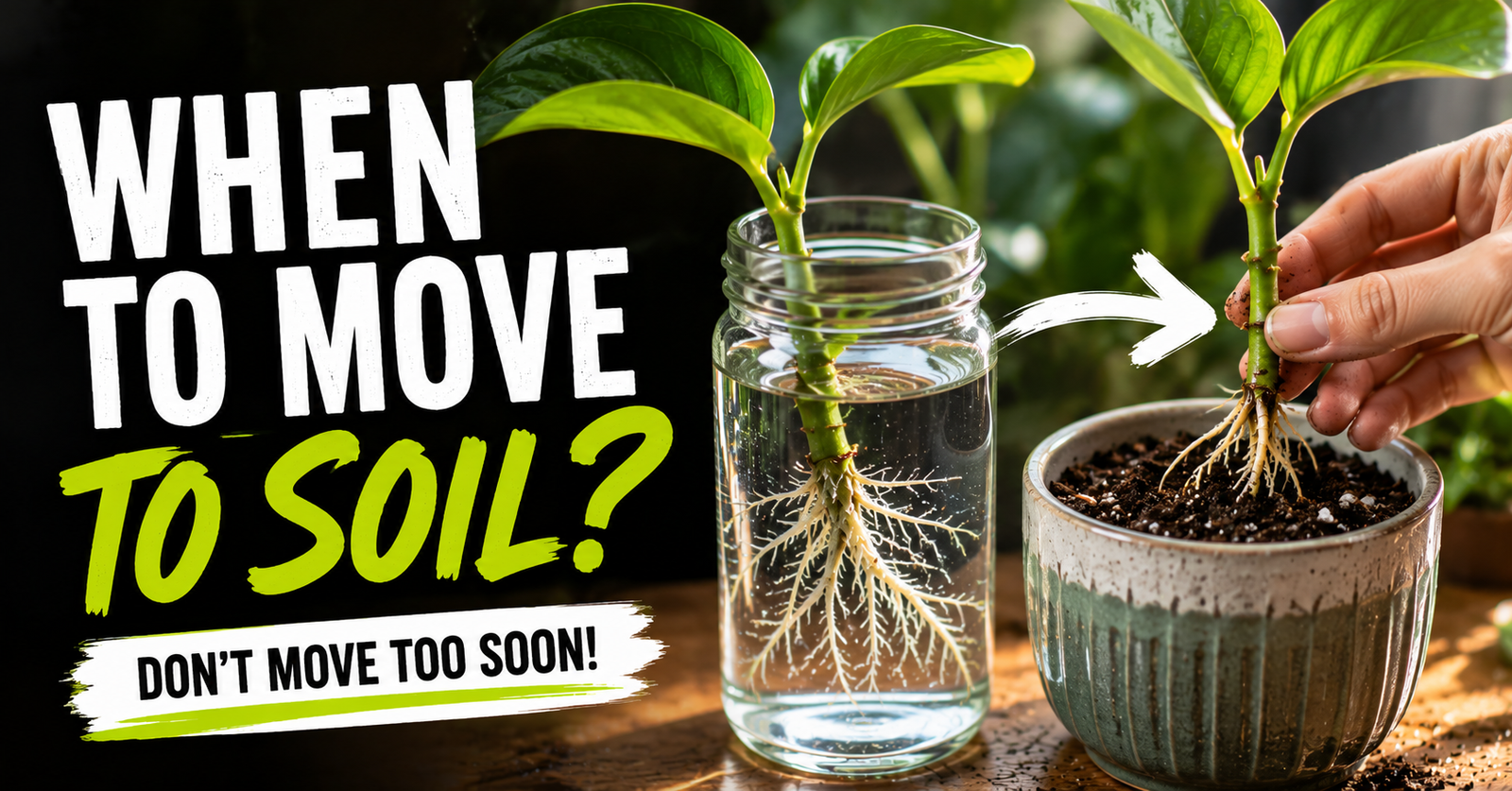
If you’re wondering exactly what root system I look for before transplanting, I explain it in more detail in when to move water-rooted cuttings to soil.
Signs It’s Time to Move Your Plant Into Soil
Rather than watching the calendar, I watch the plant.
These are the signs I look for before transplanting.
- Several healthy white roots have formed.
- Most roots are about 2 to 3 inches long.
- New roots are beginning to branch.
- The cutting still looks healthy and firm.
- New leaves are beginning to grow.
When I see those signs together, I know the cutting has a good chance of adapting successfully to potting soil.
Waiting another month usually doesn’t improve the outcome very much.
What Happens If You Leave a Cutting in Water Too Long?
Fortunately, most plants won’t suddenly die because you forgot about them for a few extra weeks.
I’ve done it myself.
Sometimes much longer than I’d planned.
The biggest issue isn’t that the plant stays in water.
It’s that the roots become increasingly specialized for growing in water.
When you finally transplant those mature water roots into soil, the plant often experiences more transplant shock than it would have if you’d moved it earlier.
Growth may slow temporarily.
Some older water roots may even die back while the plant produces new roots that are better suited for life in potting mix.
That’s completely normal.
It doesn’t necessarily mean the transplant failed.
It simply means the plant is adjusting to a very different environment.
The sooner you make that transition after the cutting has developed a healthy root system, the easier it usually is.
My Routine After a Cutting Has Rooted
Over the years, my routine has become pretty simple.
Once I notice several healthy roots developing, I decide what my goal is.
If I simply wanted another houseplant, I transplant it into a quality potting mix and continue caring for it like any other plant.
If I want an attractive display on a shelf or desk, I may leave it in water for a while longer and enjoy watching the roots develop.
Either approach works.
The important thing is understanding that those are two different goals.
One is focused on propagation.
The other is focused on decoration.
Knowing which one you’re trying to achieve makes every decision afterward much easier.
Frequently Asked Questions
Can pothos live in water forever?
It can live in water for a very long time.
I’ve kept pothos cuttings growing happily in water for months.
However, if your goal is a large, fast-growing plant, potting soil usually produces much better long-term growth.
Can monstera stay in water permanently?
It can survive for quite a while, but I wouldn’t recommend it as a permanent growing method.
Monsteras become large plants that benefit from the nutrients, stability, and airflow provided by a quality potting mix.
Can spider plants live in water forever?
Spider plant babies can remain in water while they’re rooting, but I transplant them once they’ve developed a healthy root system.
They grow much faster in soil and begin producing their own offsets sooner.
Will water roots turn into soil roots?
Not exactly.
Many water roots gradually adapt after transplanting, while the plant also produces new roots that are better suited for growing in soil.
That’s why it’s common to see a short adjustment period after moving a cutting from water into a pot.
Is it okay to grow plants in glass jars?
Absolutely.
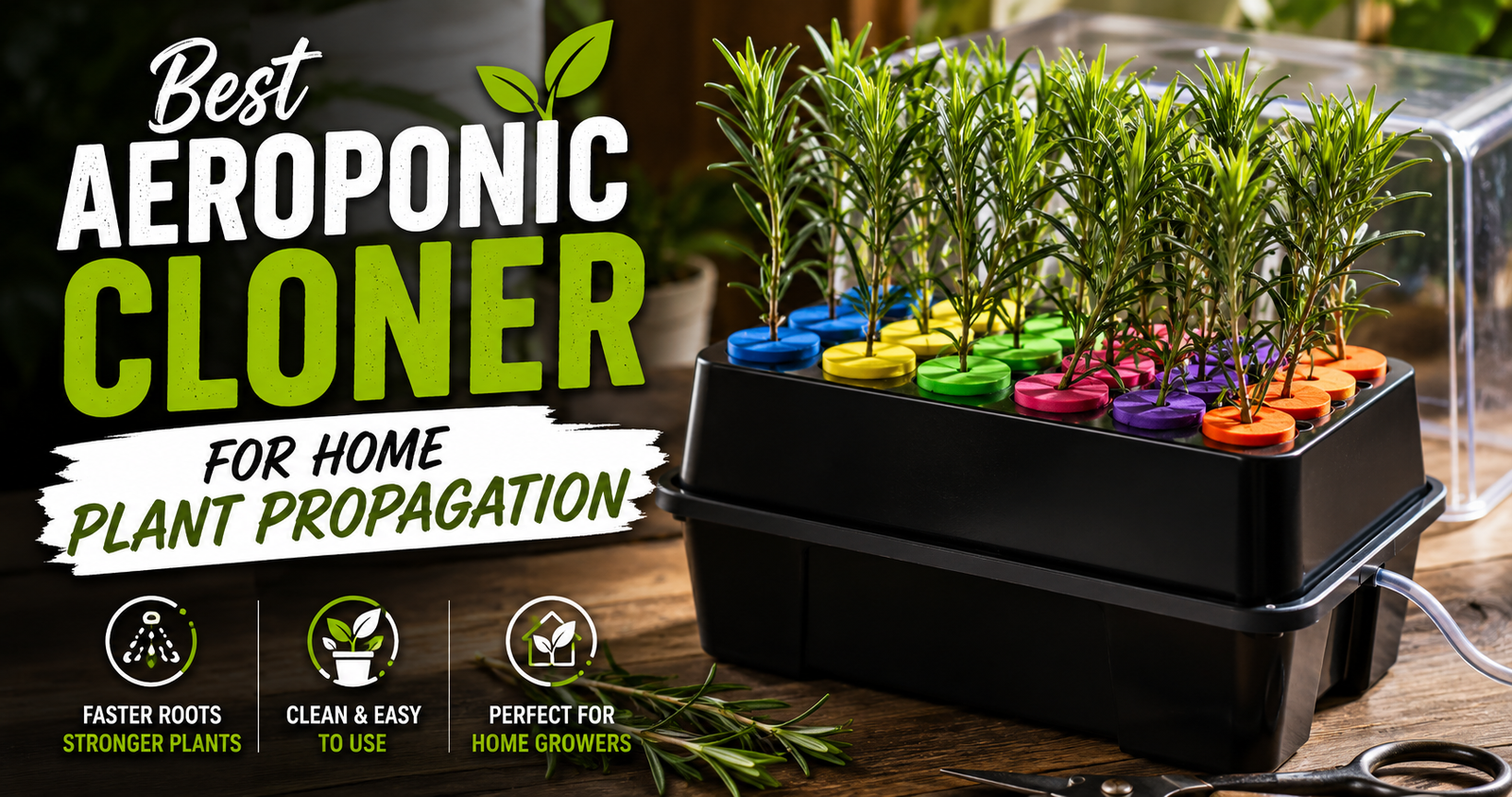
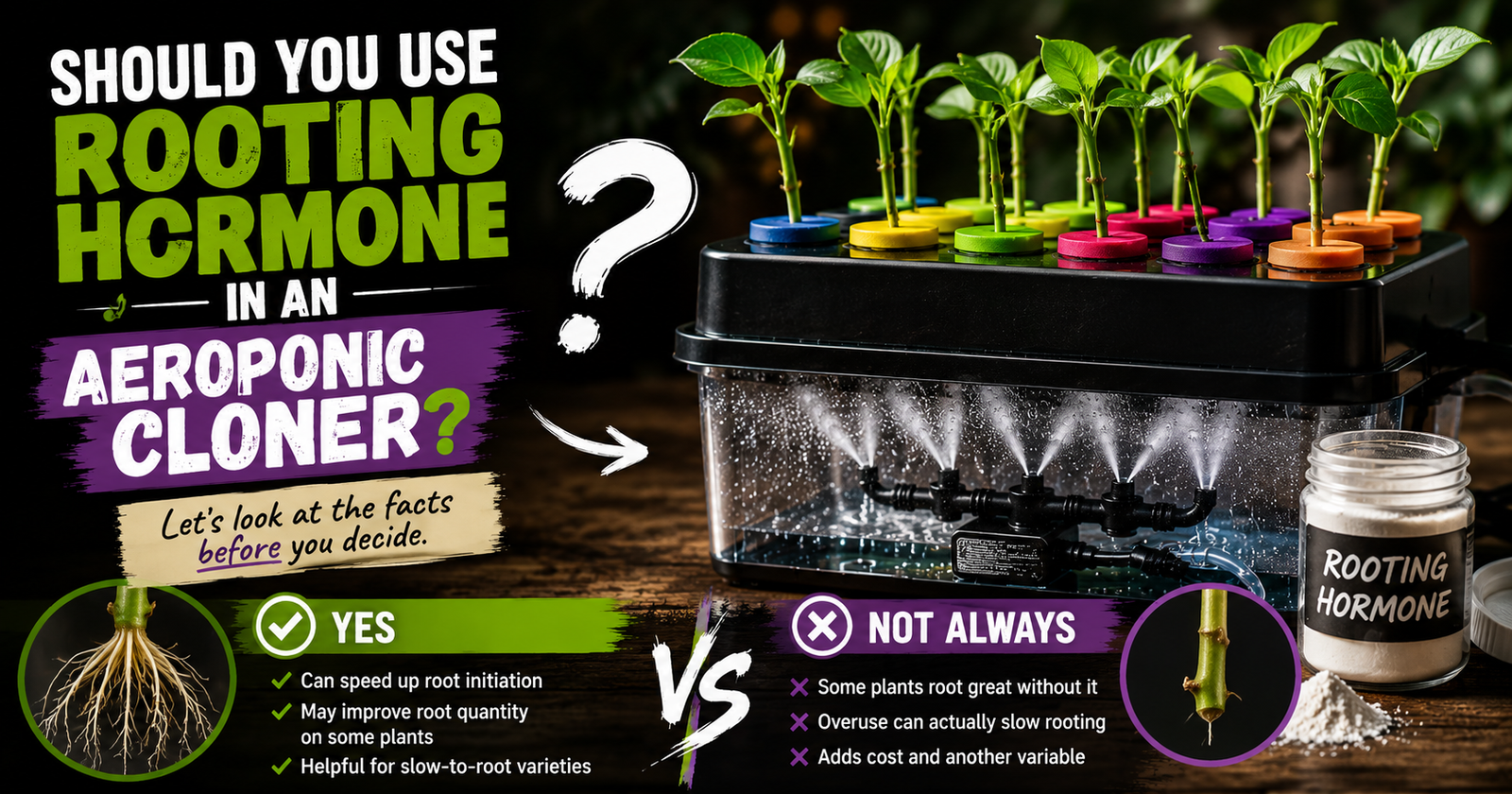
Glass jars work extremely well for propagation because they’re inexpensive, easy to clean, and let you monitor root development. For larger batches of cuttings, an aeroponic option for rooting can provide more consistent conditions than individual jars.
For permanent growing, though, remember that the plant will eventually need nutrients if it’s going to stay healthy in water.
Do plants grow faster in water or soil?
For most houseplants, I’ve found that roots often appear faster in water, but the overall plant grows larger and stronger after it’s transplanted into soil.
Water is excellent for starting a cutting.
Soil is usually better for growing a mature plant.
What I’ve Learned After Leaving More Than a Few Plants in Jars
If there’s one thing years of propagation have taught me, it’s that water is an excellent place to start a plant, but it’s not always the best place to grow one.
Some species are perfectly happy living in water for years, especially when they’re given clean water and proper nutrients.
Others are simply waiting for you to move them into soil so they can really take off.
That’s why I don’t think of water as the finish line.
I think of it as the first step.
Watching roots appear through the side of a glass jar never gets old, but seeing that same cutting become a full, thriving plant a few months later is even more rewarding.
If your goal is long-term success, don’t be afraid to transplant once the roots are ready. Your future plant will usually thank you for it.
About the Author
Daxon Weaver is the founder of PropagationWorld.com and has propagated thousands of plants, from easy houseplants and herbs to ornamental shrubs and fruit plants. He enjoys testing different propagation methods, comparing products, and sharing practical advice that helps gardeners grow more plants with greater success.