Walk through the pruning section of almost any garden center and you’ll usually notice two main styles of hand pruners.
Bypass pruners.
Anvil pruners.
At first glance, they seem almost identical.
Both cut stems.
Both fit comfortably in one hand.
Both claim to make pruning easier.
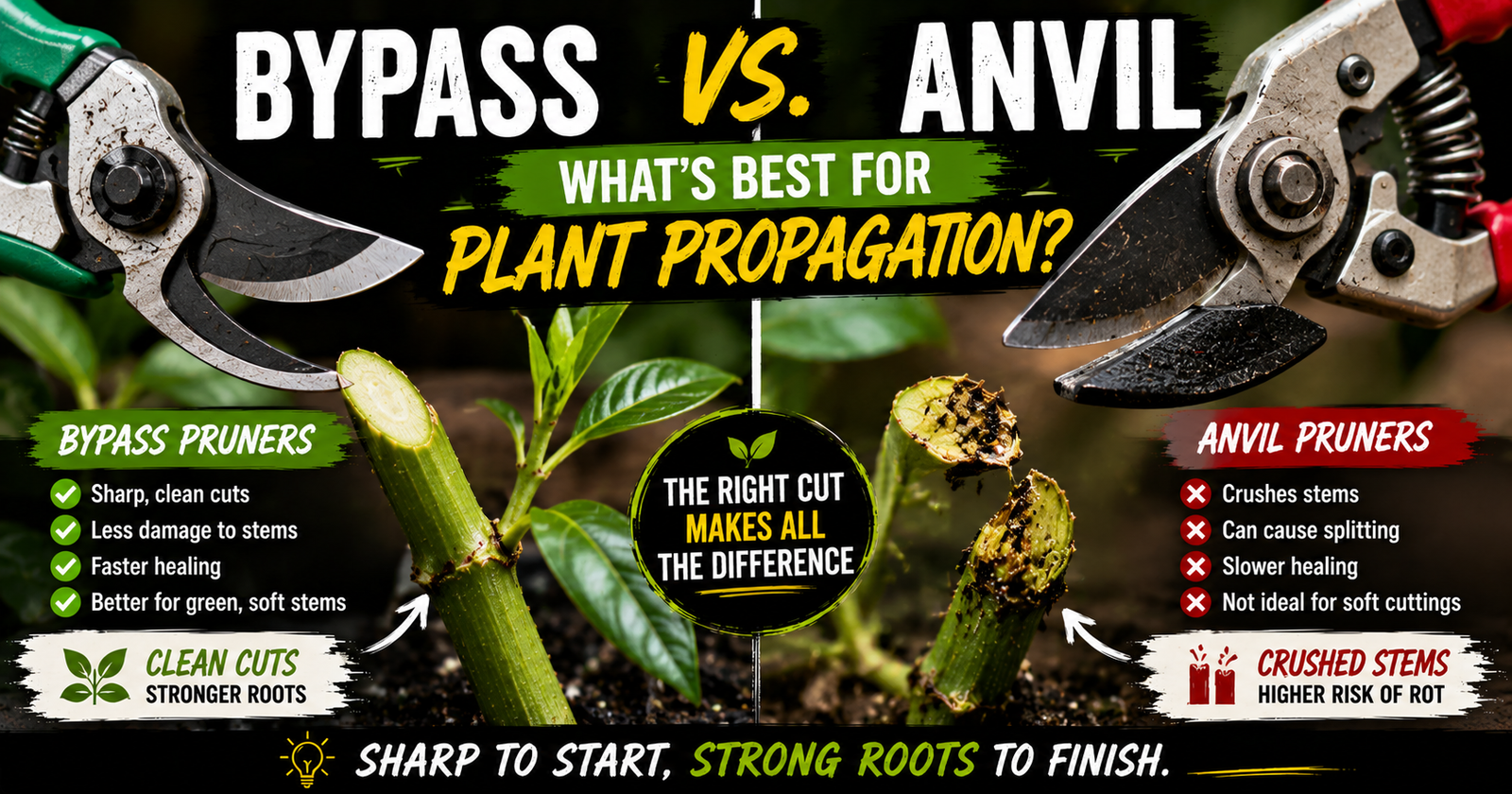
For propagation, though, they behave very differently.
I’ve used both over the years, and after taking thousands of cuttings, I almost always reach for one style first.
The reason has very little to do with convenience.
It has everything to do with giving fresh cuttings the cleanest possible start.
How Bypass Pruners Work
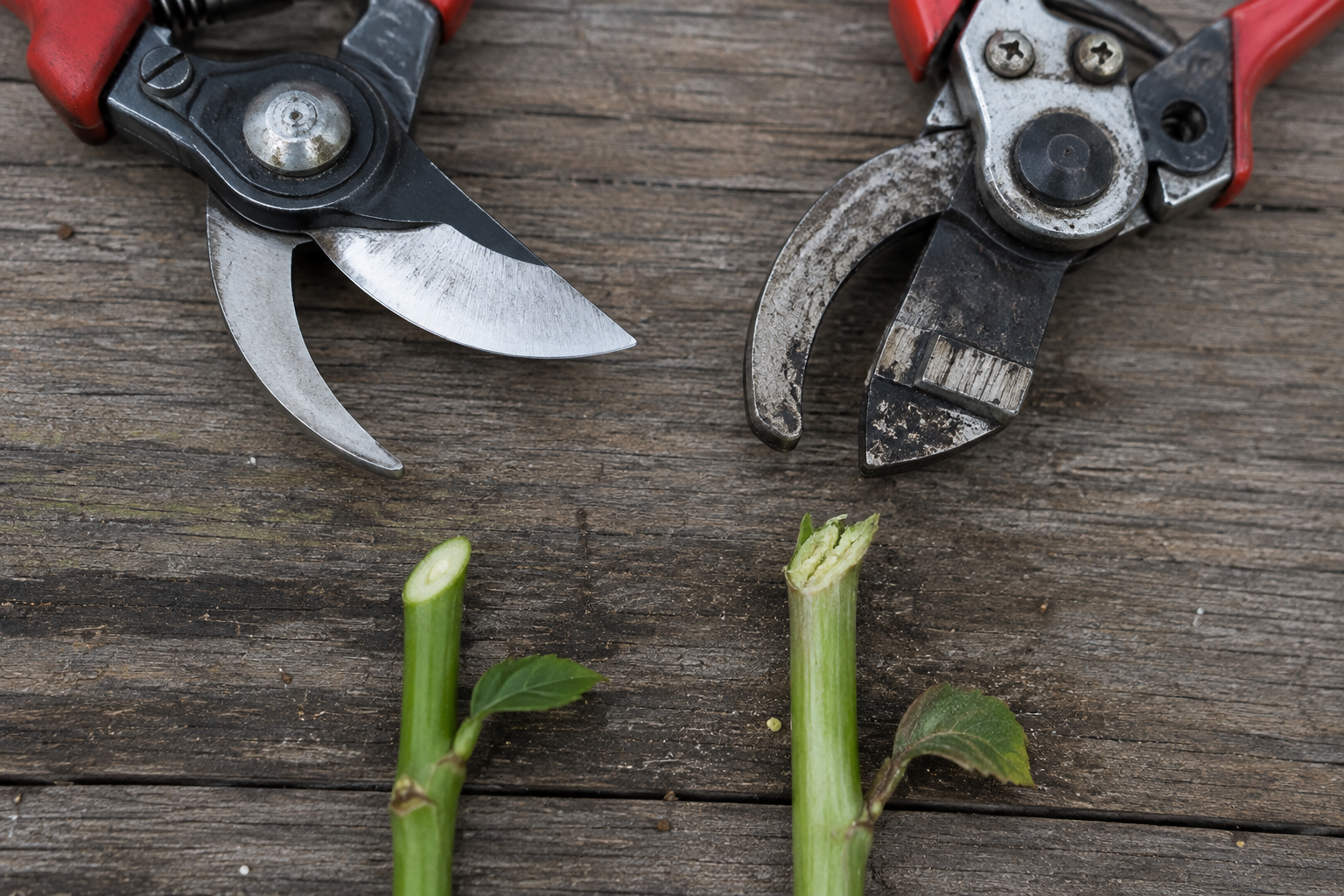
Bypass pruners operate much like a pair of scissors.
A sharp curved blade slides cleanly past another curved blade, slicing through the stem instead of crushing it.
That slicing action creates a smooth, precise cut with very little damage to the surrounding tissue.
For propagation, that’s exactly what we’re trying to achieve.
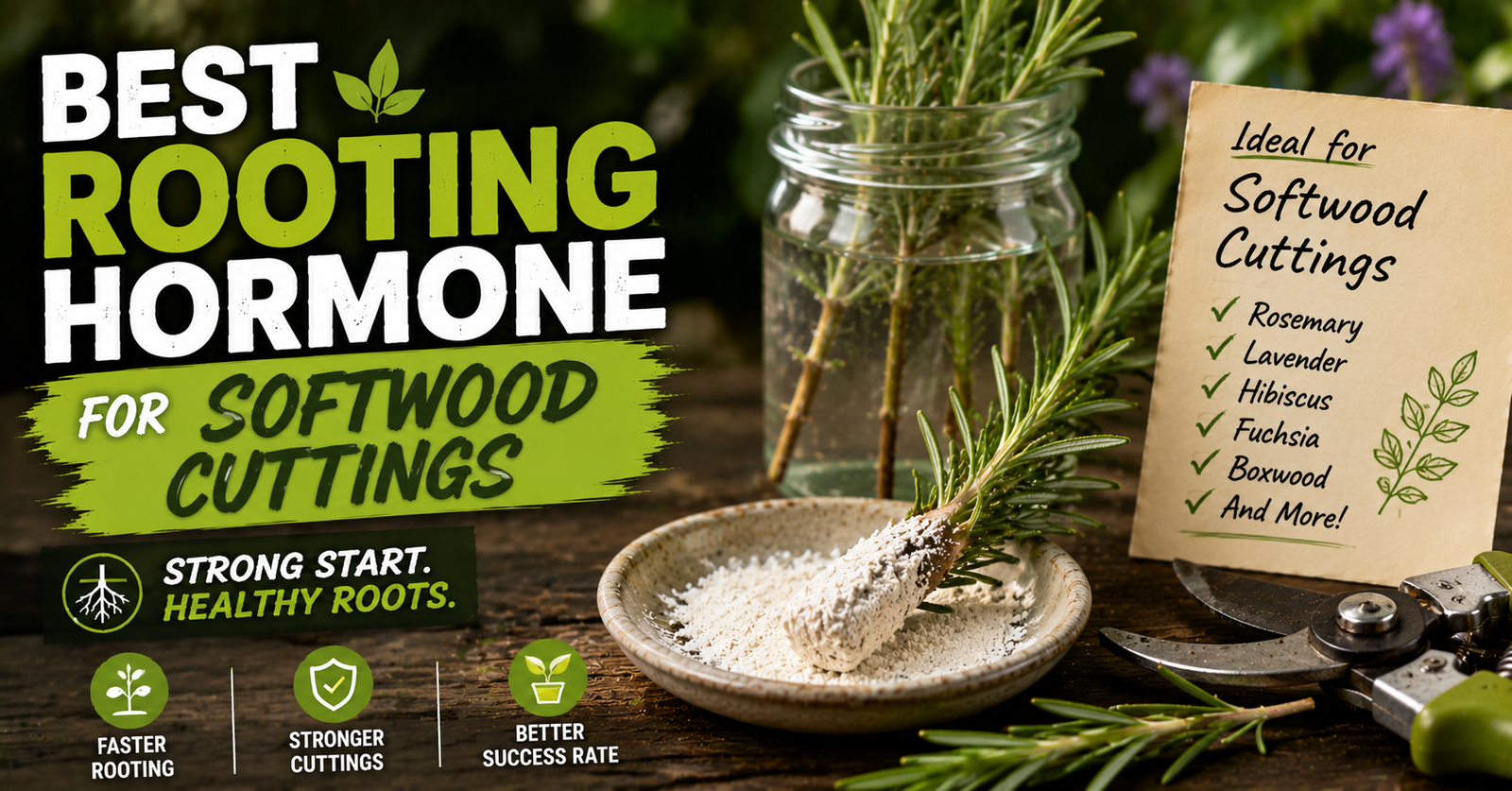
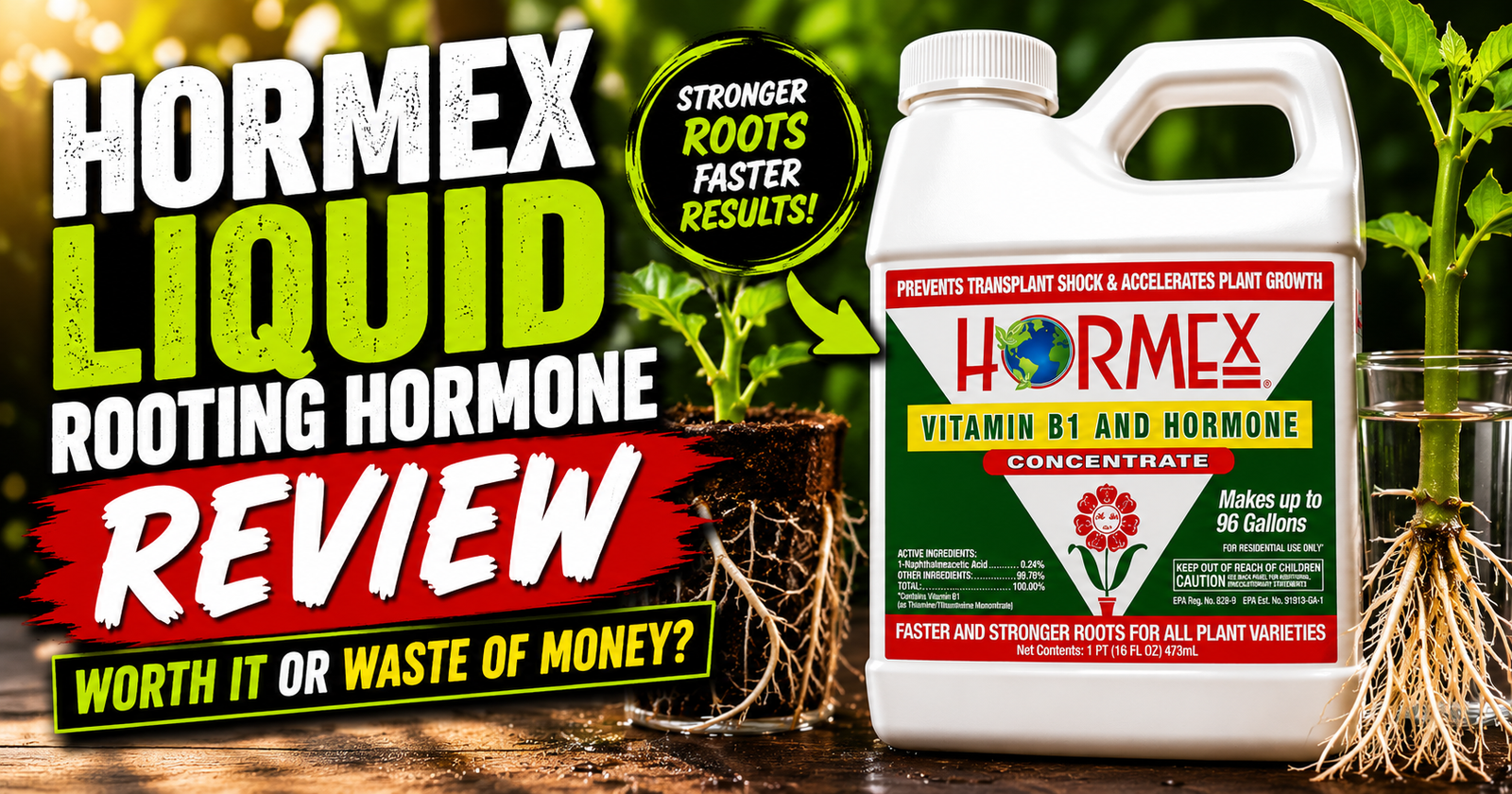
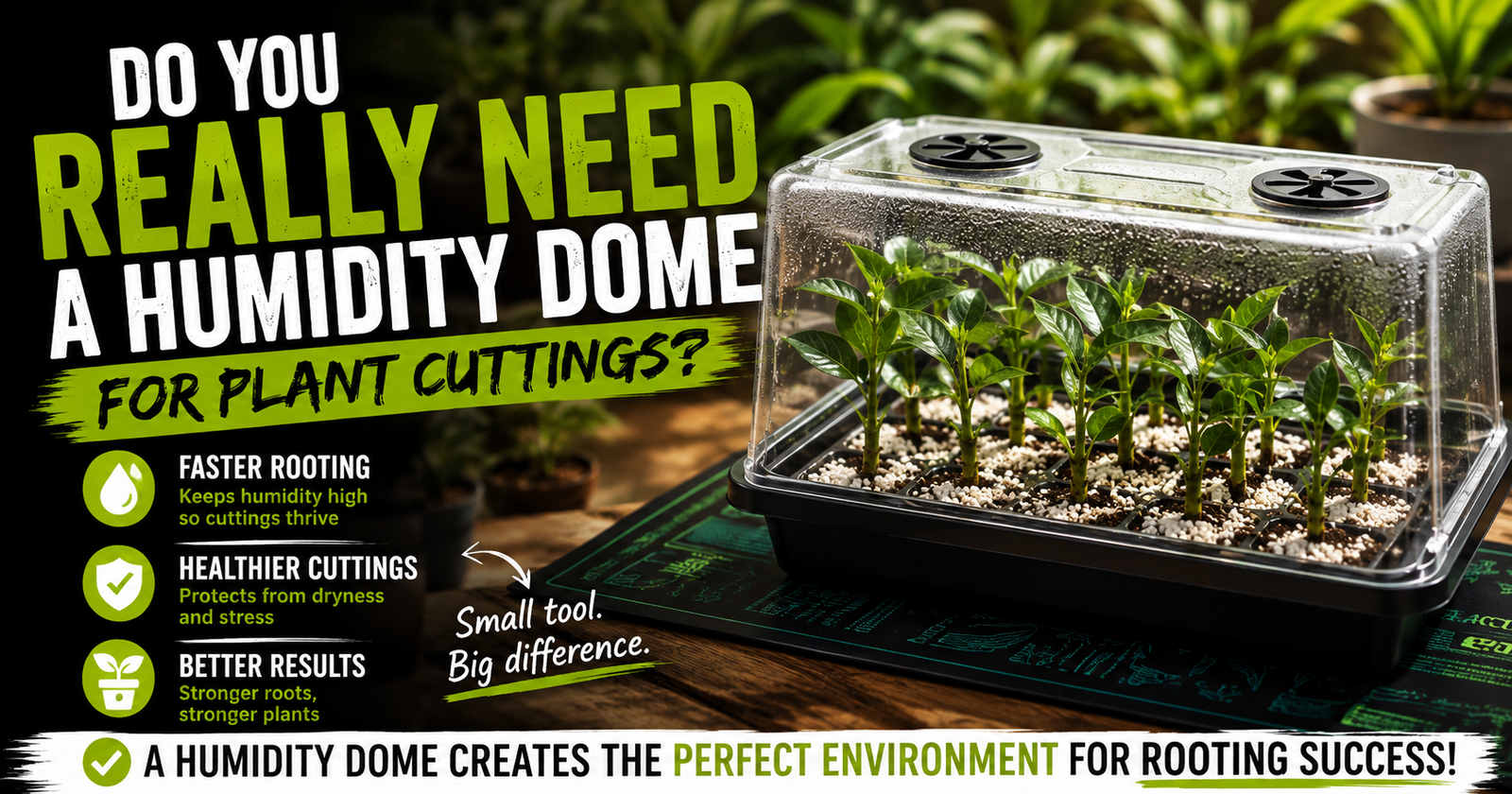
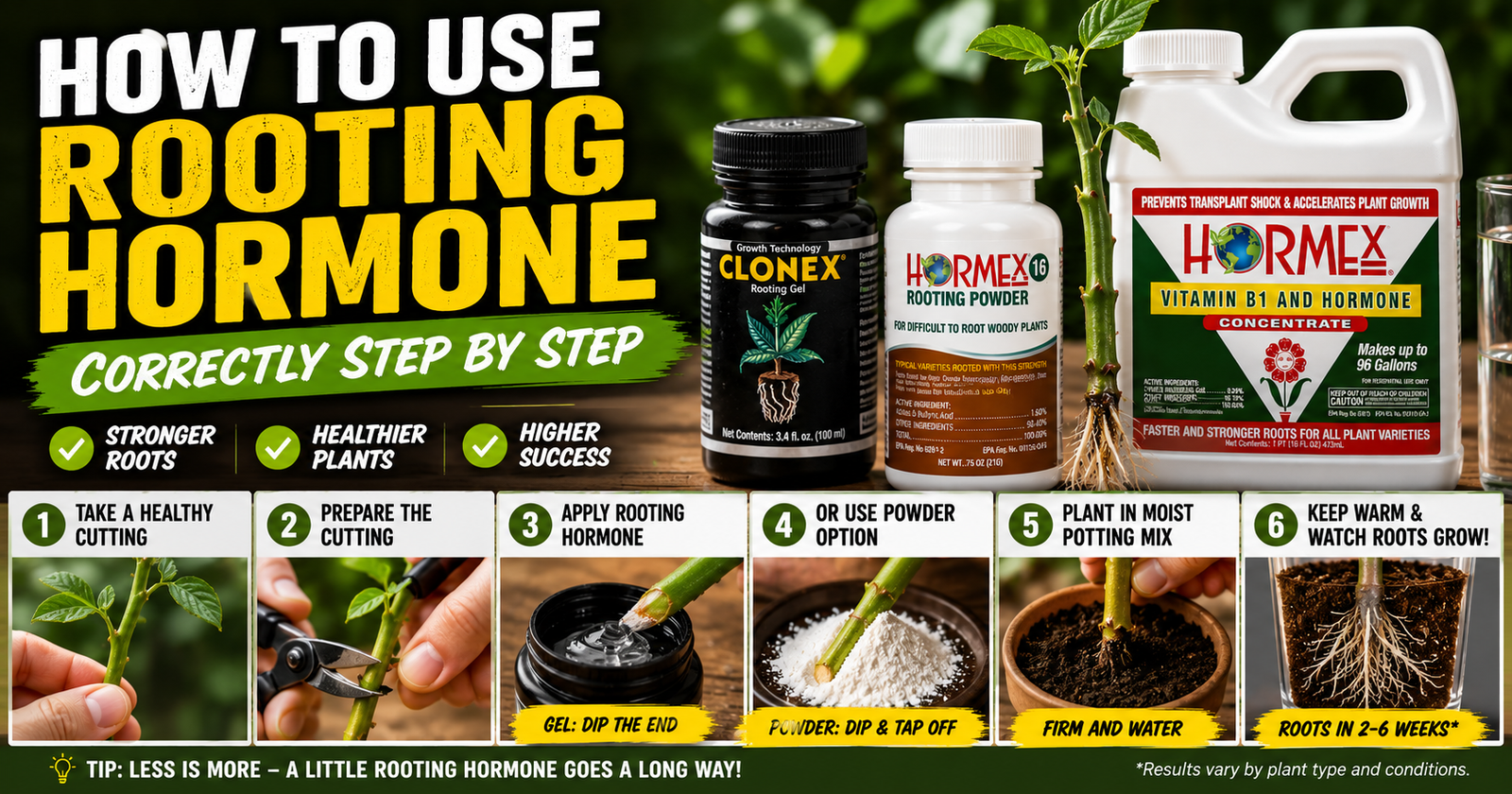
Fresh cuttings already have enough work to do producing new roots. Once the cut is clean, rooting hormone for softwood cuttings can support the next stage of root development.
The less unnecessary damage we create during that first cut, the better.

How Anvil Pruners Work
Anvil pruners use a different design.
Instead of two blades passing each other, one sharp blade closes against a flat surface called the anvil.
They’re excellent for cutting dry, dead, or very hard wood because they generate a lot of cutting power.
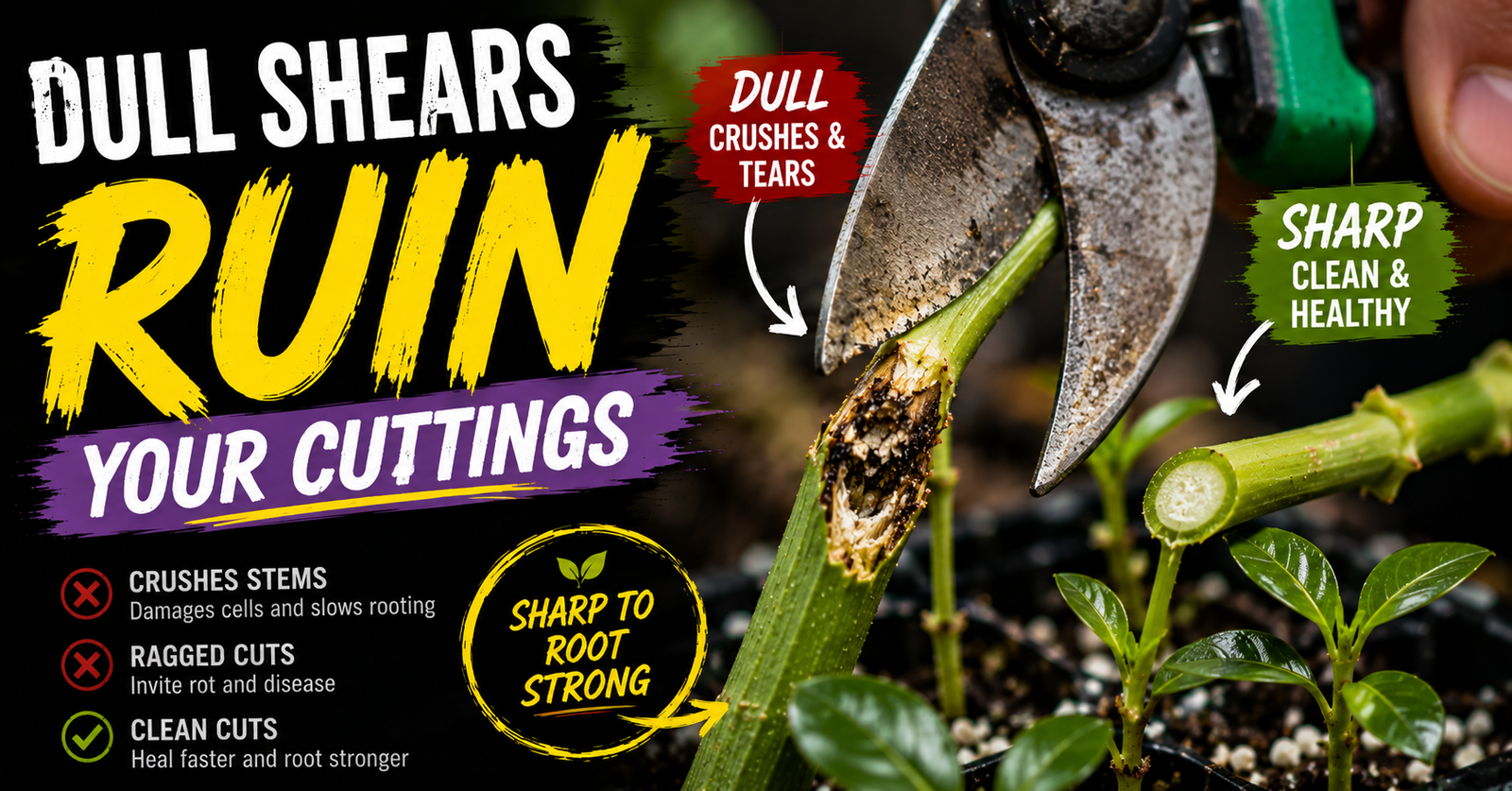
The downside is that they often compress softer stems before slicing completely through them.
That extra pressure can bruise living tissue.
When you’re pruning dead branches, that usually isn’t a concern.
When you’re preparing propagation cuttings, it becomes much more important.
Why I Prefer Bypass Pruners
Most propagation involves living stems that need to stay as healthy as possible.
A clean slice heals faster than a crushed stem.
That’s one reason bypass pruners have become my standard choice for taking cuttings.
Whether I’m propagating berry bushes, fruit trees, shrubs, herbs, or houseplants, I want the stem to experience as little damage as possible. For berry-bush examples, timing for elderberry cuttings can matter just as much as the quality of the cut.
Cleaner cuts reduce stress and give the cutting a better opportunity to focus on producing roots instead of repairing unnecessary injury.
The Pair I Continue Reaching For
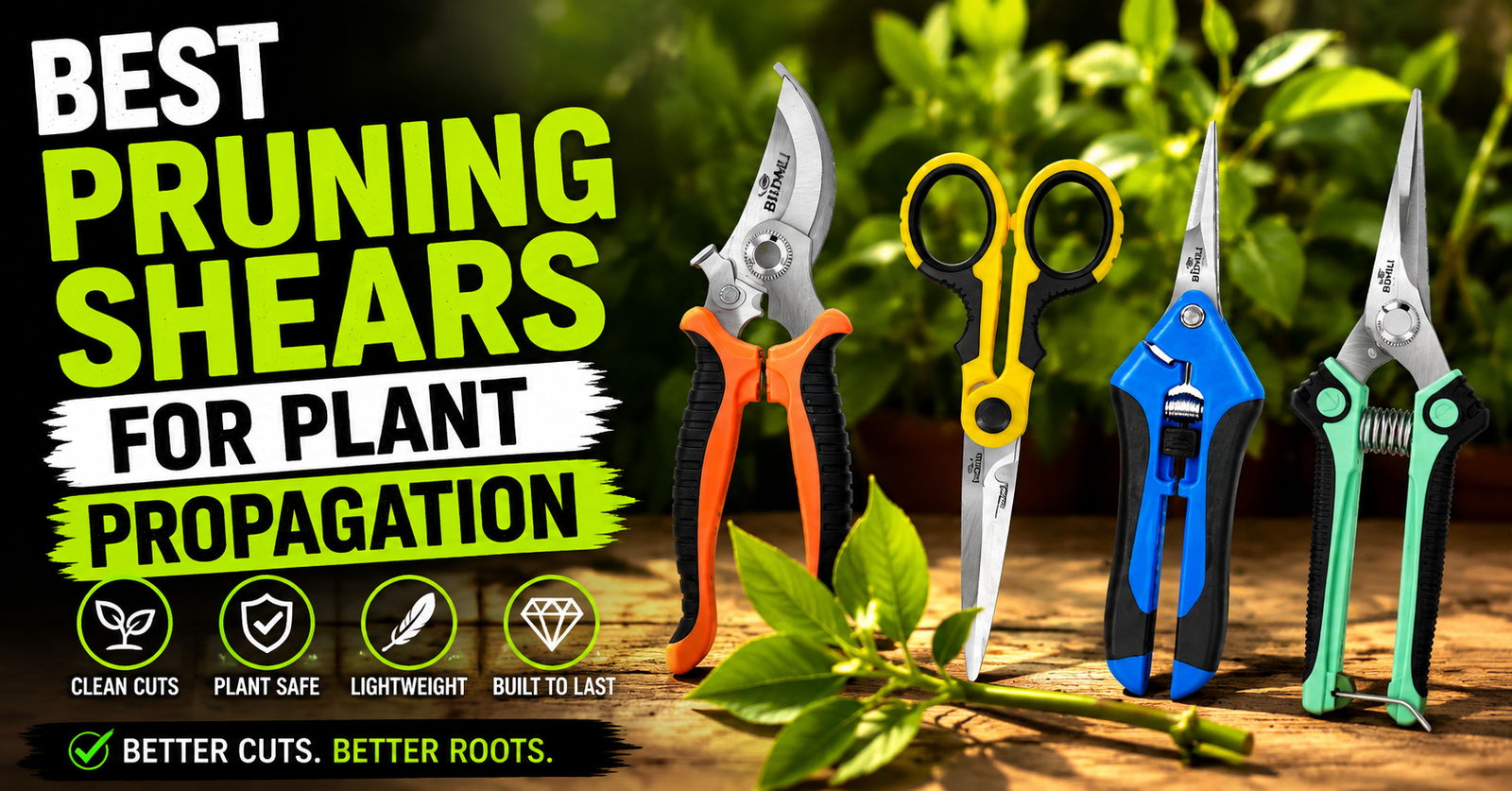
After trying numerous gardening pruners over the years, I eventually settled on the pruning shears I recommend for propagation work.
Their bypass design produces consistently clean cuts, and they’ve remained one of the most-used tools on my propagation bench.
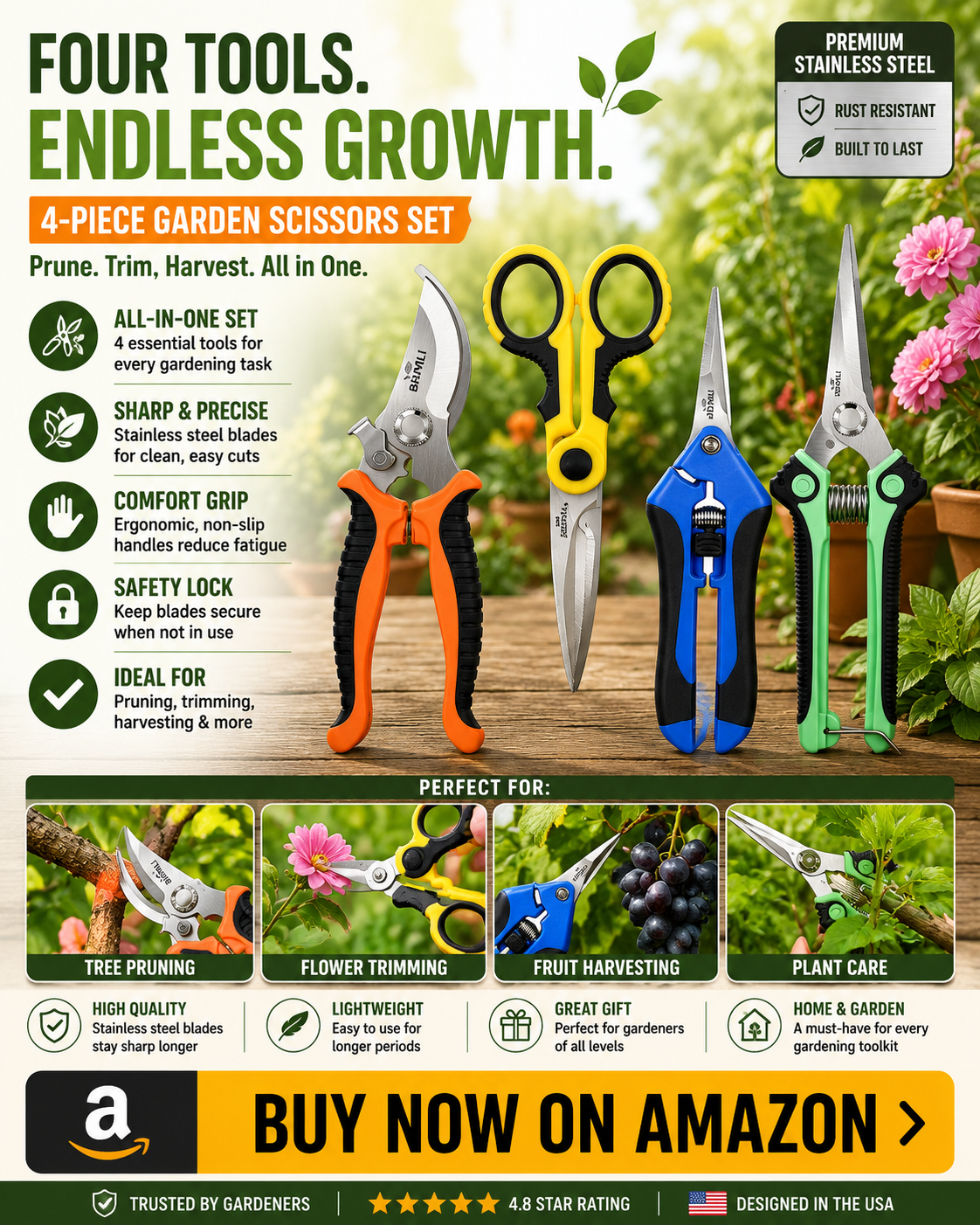
Good pruning shears don’t guarantee successful rooting, but they remove one obstacle before the propagation process even begins. A four-tool propagation kit can help keep essential propagation tools together when preparing cuttings.

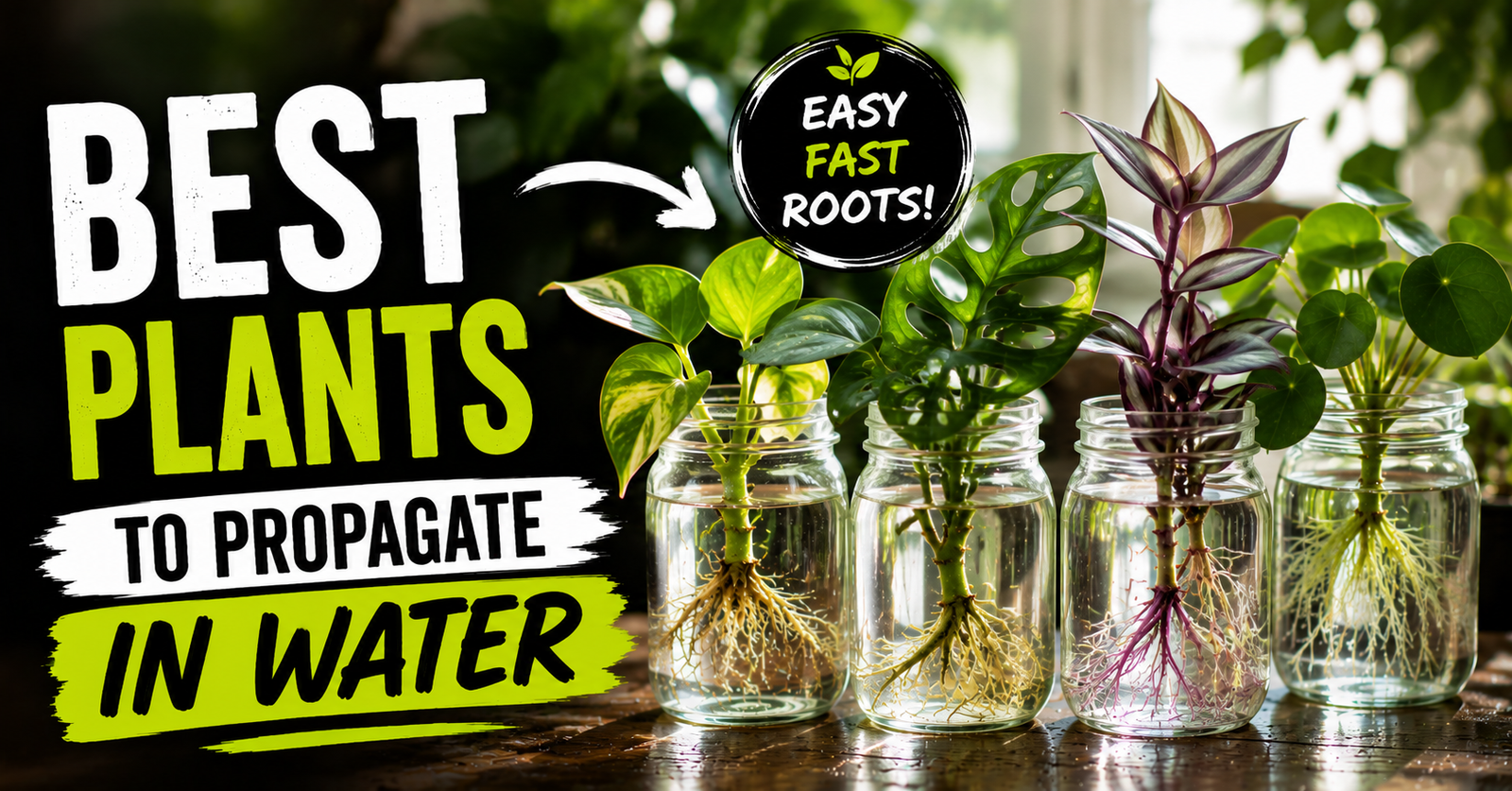
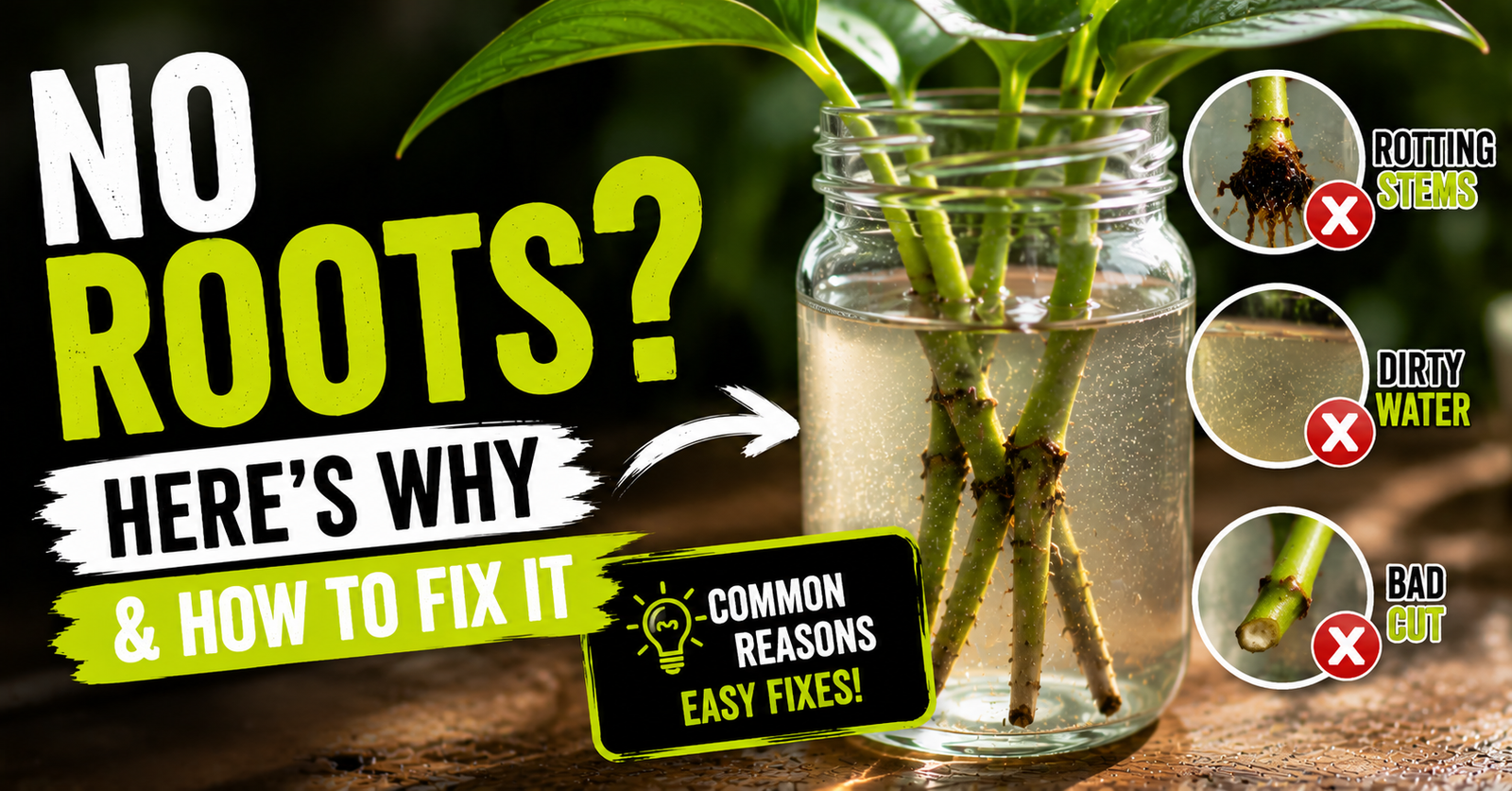
When I Actually Use Anvil Pruners
This article probably makes it sound like I never touch anvil pruners.
That’s not true.
They absolutely have a place in the garden.
If I’m cutting dead branches, removing dry canes, or working through older woody material that I’m not planning to propagate, an anvil pruner can make the job much easier.
The extra leverage is helpful.
The slight crushing effect simply doesn’t matter because the tissue is already dead or being removed permanently.
The important part is using the right tool for the job instead of expecting one style to excel at everything.
Sharpness Matters More Than Style Alone
A sharp anvil pruner will often outperform a dull bypass pruner.
That’s something worth remembering.
Choosing the correct style is important, but maintaining the blade is just as important.
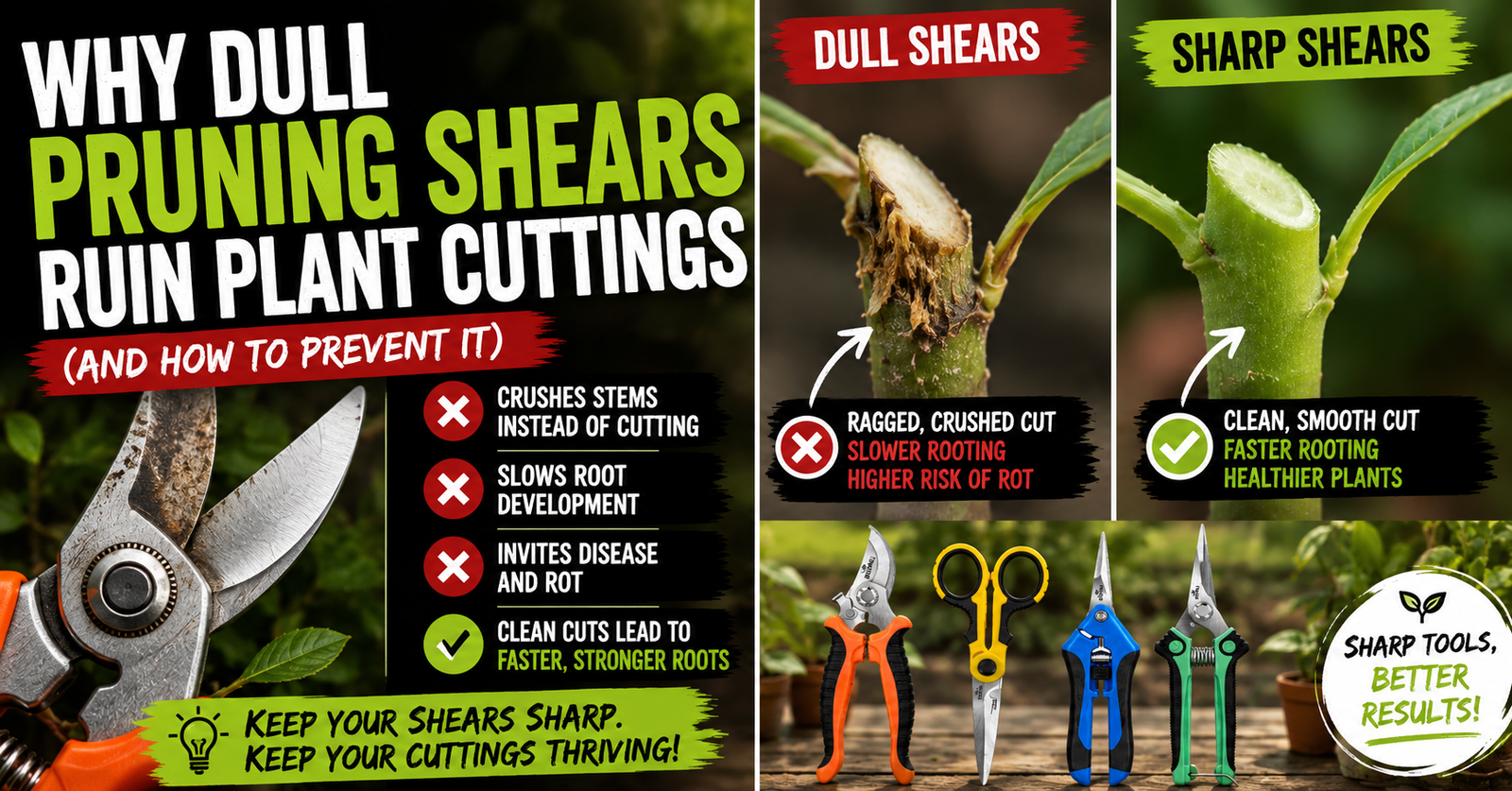
Even the best bypass pruners can begin tearing stems if they’ve become dull from months of use. That tearing is a key reason to understand what dull blades do to stems before relying on older pruners for propagation.
That’s why I sharpen and clean mine regularly instead of waiting until they become difficult to use.
Good maintenance protects the plants just as much as buying the right tool in the first place.
Comfort Is More Important Than People Think
If you’re only taking a few cuttings each year, nearly any quality pruner will probably feel comfortable enough.
But if you’re collecting dozens or even hundreds of cuttings, hand fatigue becomes very real.
I’ve learned to pay attention to things like grip design, spring tension, and how naturally the pruners fit in my hand.
A comfortable tool makes it much easier to make consistent, accurate cuts from the first cutting to the last.
That’s something you don’t always appreciate until you’ve spent an afternoon propagating shrubs or fruit trees.
Clean Cuts Give Everything Else a Better Chance
People often ask what single tool has improved my propagation success the most.
The truth is there isn’t one.
Healthy propagation comes from several good decisions working together.
Healthy parent plants.
Sharp pruning shears.
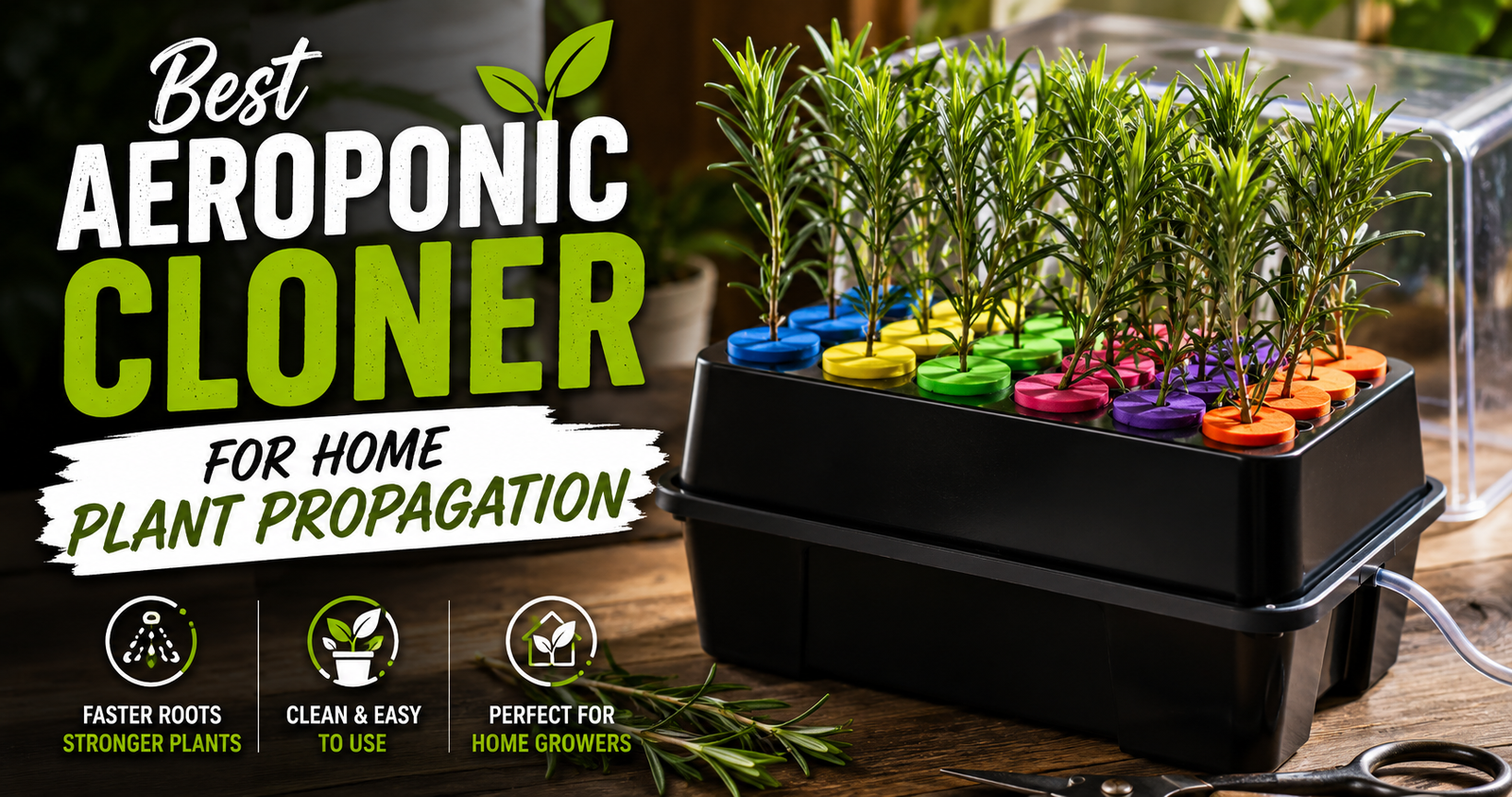
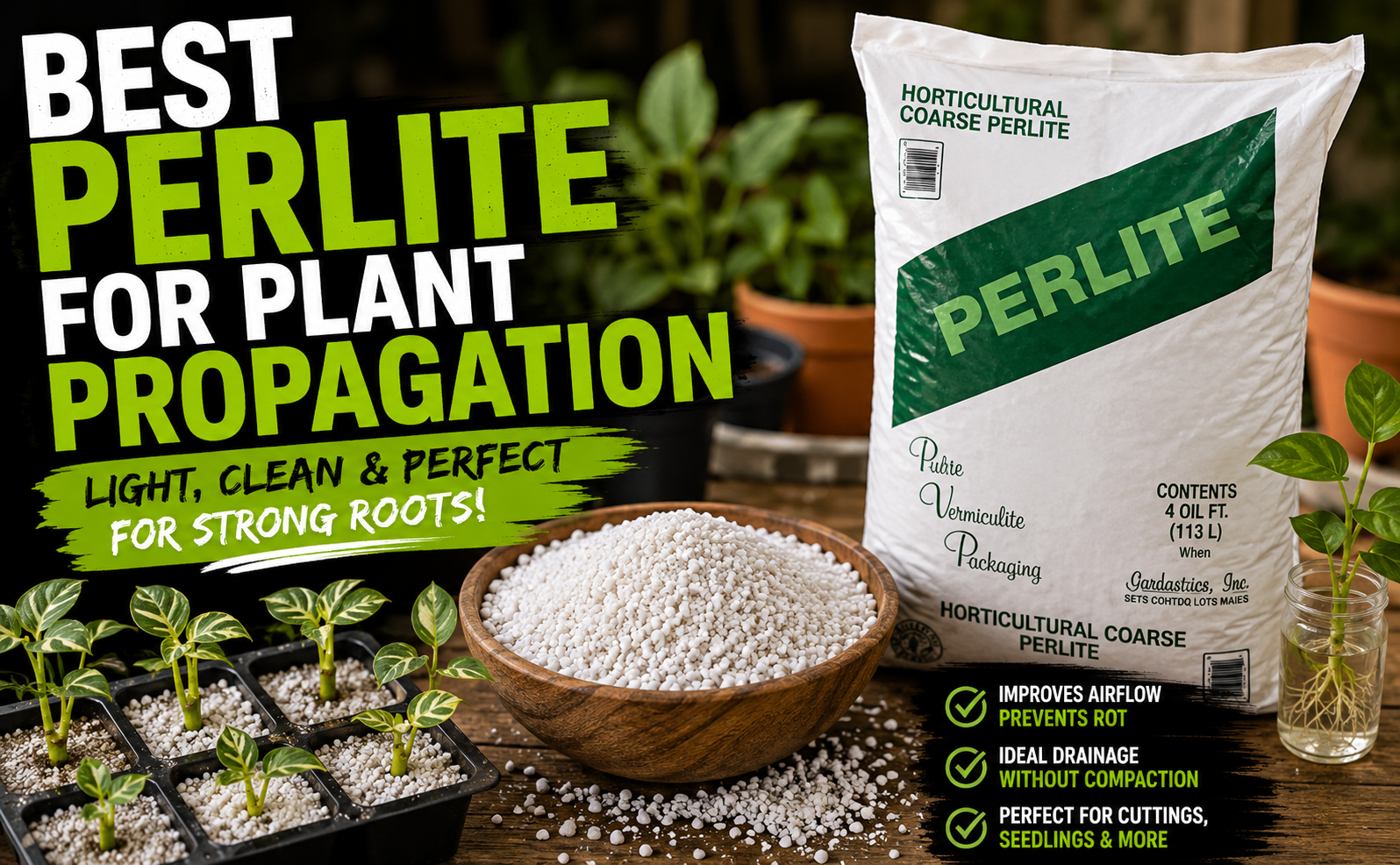
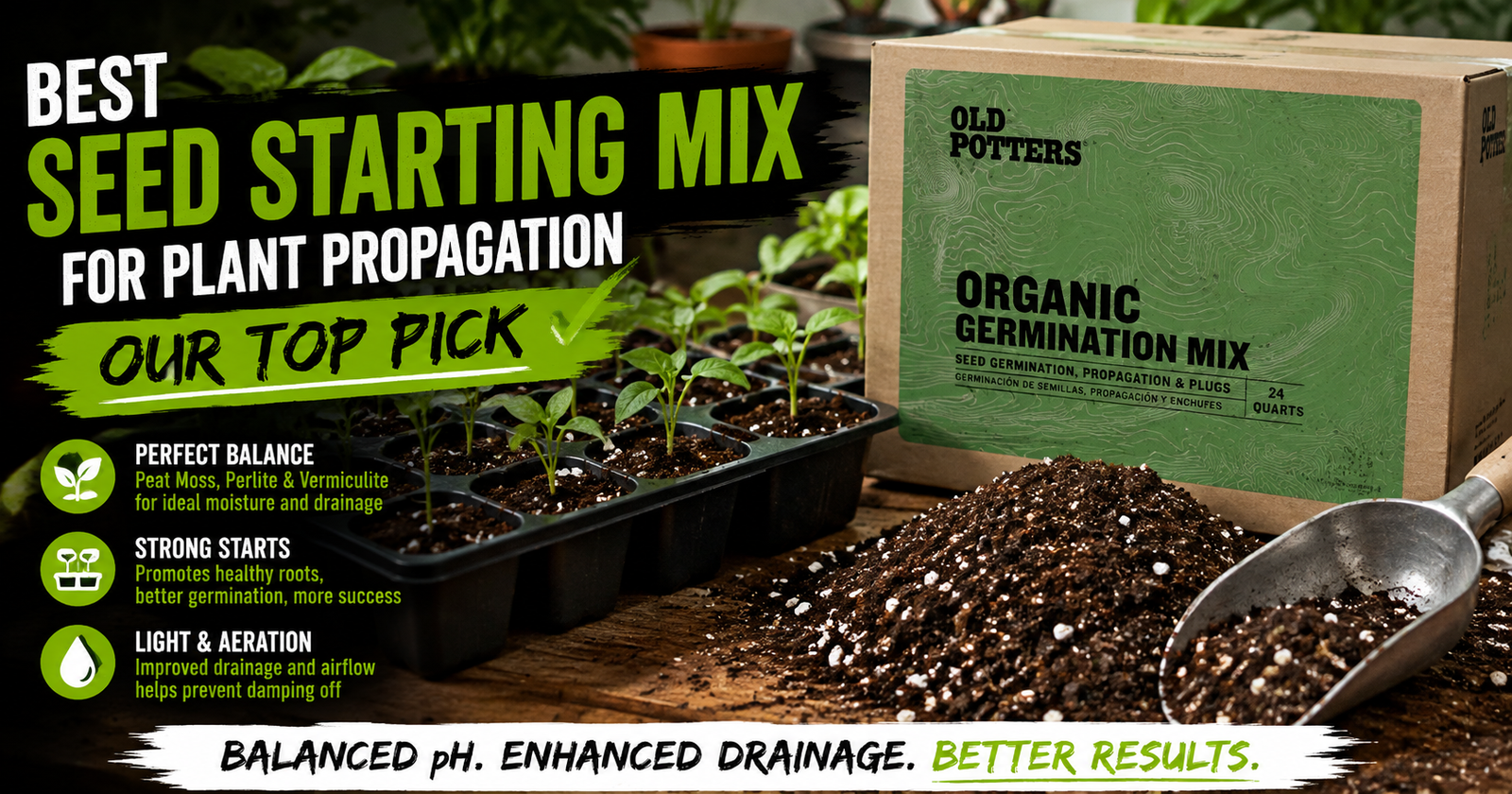
Quality propagation media.
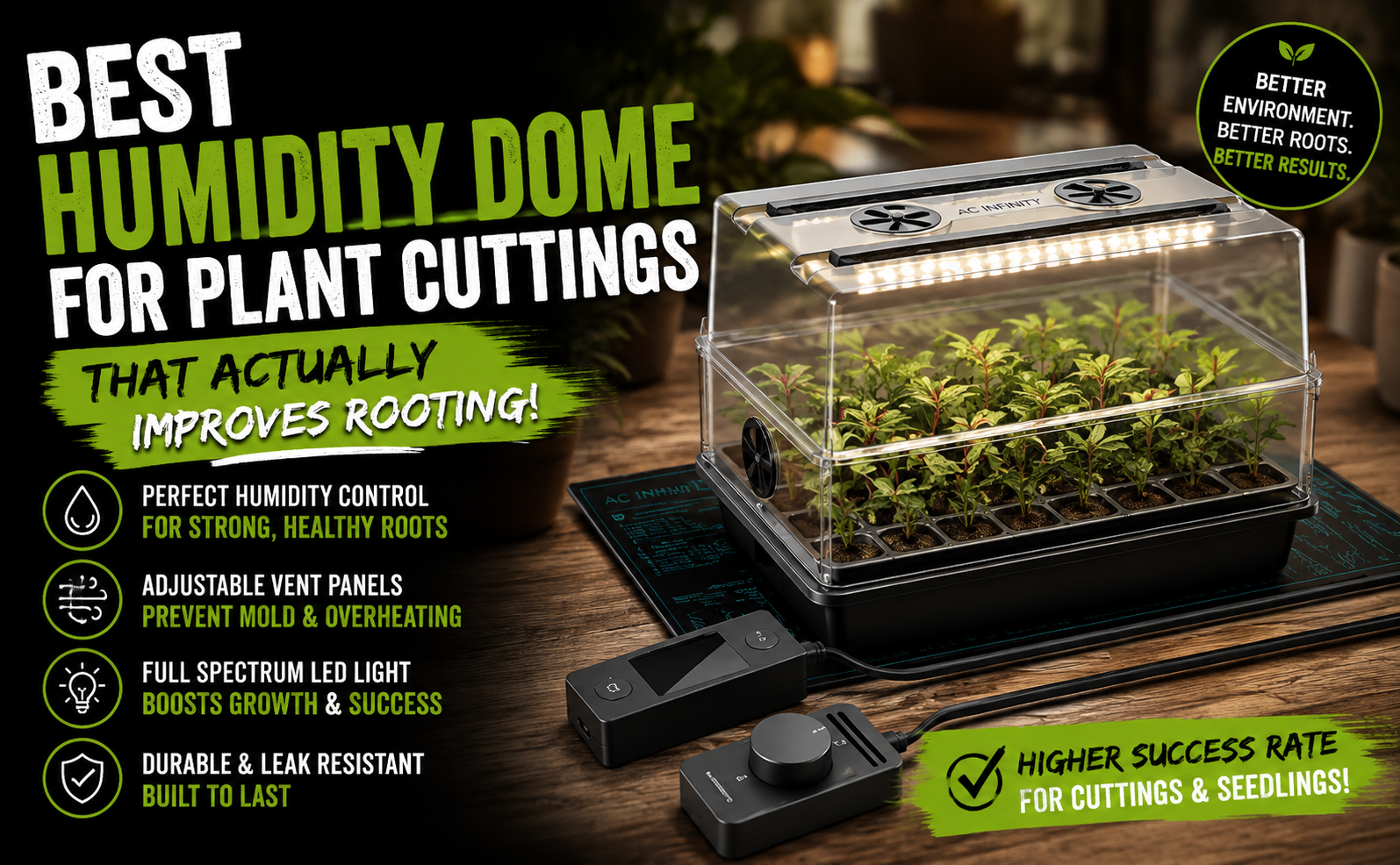
Proper moisture.
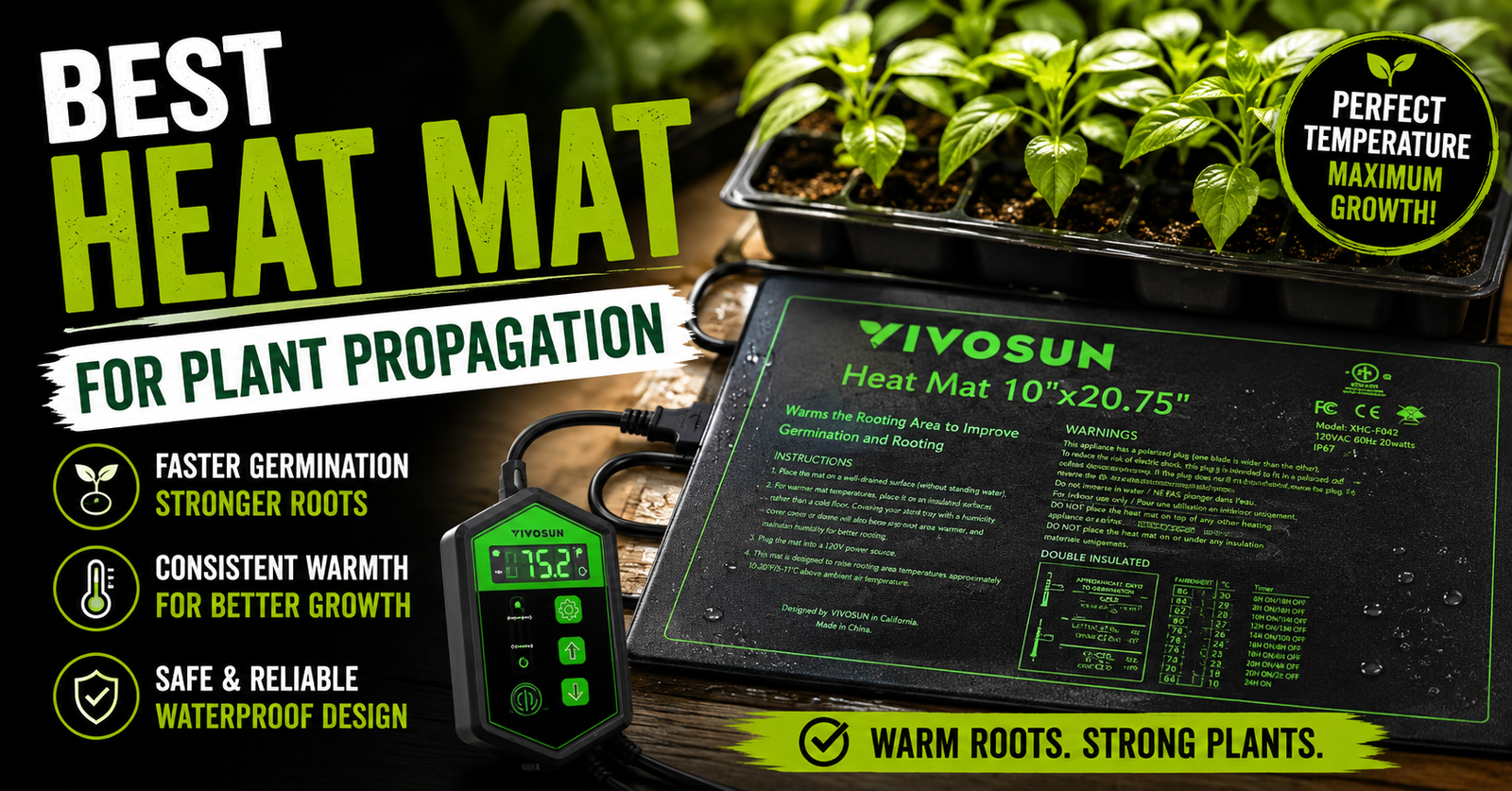
Stable temperatures.
Each one contributes a little.
A clean cut won’t guarantee roots, but it removes one unnecessary obstacle before the propagation process even begins.
That’s exactly what I’m trying to accomplish every time I prepare a new batch of cuttings.
My Recommendation for Most Gardeners
If someone asked me to recommend only one style of hand pruner for propagation, I’d choose bypass pruners every single time.
They’re simply better suited for cutting living stems with minimal damage.
If you’re looking for a dependable pair that has served me well through thousands of cuttings, I’d recommend checking out the pruning shears I use for propagation on Amazon.
They’re one of the few gardening tools I reach for almost every time I head outside because I know they’ll make the clean, precise cuts that healthy propagation depends on.
Frequently Asked Questions
Are bypass pruners always better for living plants?
For propagation, I believe they usually are.
Their scissor-like cutting action produces a cleaner cut with less crushing of the stem.
That gives fresh cuttings a healthier starting point while reducing unnecessary stress.
For routine pruning of living plants, they’re also my preferred choice most of the time.
Can anvil pruners damage soft stems?
They can.
Because the blade closes against a flat anvil, softer stems may be compressed before they’re completely cut.
That extra pressure isn’t usually a problem for dead wood, but it can bruise living tissue that you’re hoping will produce new roots.
What size pruning shears work best for propagation?
I prefer a compact hand pruner with narrow blades that can easily reach small stems.
Large loppers and heavy-duty pruners are excellent for bigger branches, but they’re unnecessary for most propagation work.
The more control I have over the cut, the happier I am.
Should I clean pruning shears after every propagation session?
Yes.
Plant sap, moisture, and bits of plant tissue build up surprisingly quickly.
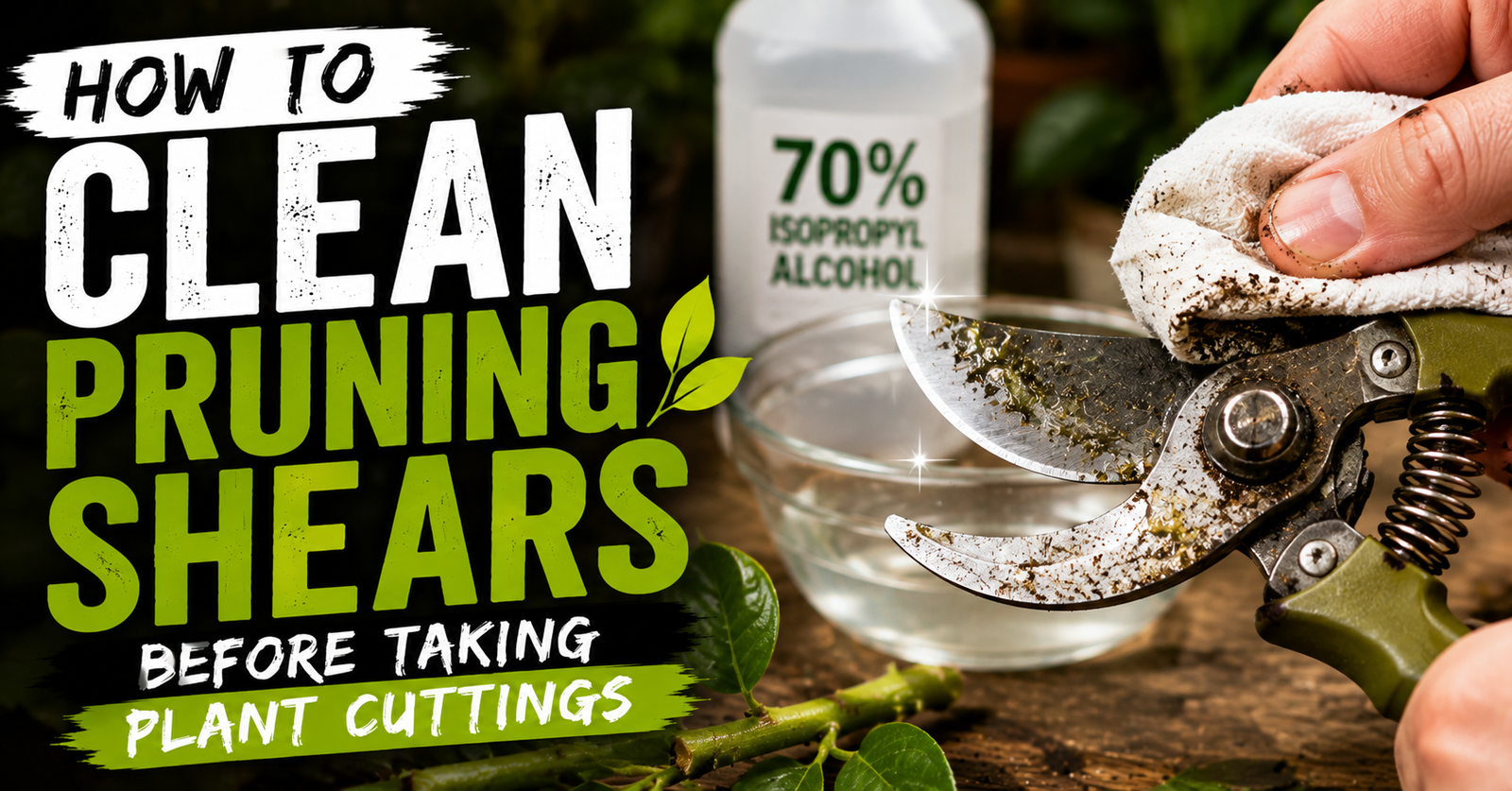
Cleaning the blades after each session helps keep them cutting smoothly and reduces the chance of carrying problems into the next batch of cuttings. A simple guide to sanitizing pruning tools can help protect the next batch of cuttings.
It’s one of the easiest maintenance habits you can develop.
Will expensive pruning shears last longer?
In many cases, yes.
Higher-quality steel usually stays sharp longer, replacement parts are often available, and the overall construction tends to hold up much better over years of regular use.
That doesn’t mean you need the most expensive pair on the market.
It simply means buying a quality tool once is often cheaper than replacing inexpensive pruners every season.
Choose the Tool That Gives Your Cuttings the Best Start
When someone asks whether they should buy bypass or anvil pruners for propagation, my answer is simple.
If your goal is taking healthy living cuttings, bypass pruners are almost always the better choice.
They’re designed to make the clean, smooth cuts that developing roots appreciate.
Anvil pruners still have an important place in the garden, especially for dead or very hard wood.
They’re just not the tool I reach for when I’m collecting propagation material.
Making that one choice has helped improve the quality of every cutting I take, and it’s a decision I rarely have to think about anymore.
About the Author
Daxon Weaver is the founder of PropagationWorld and has propagated thousands of houseplants, herbs, berry bushes, fruit trees, and ornamental shrubs. Years of hands-on propagation have shown him that giving every cutting a clean, precise start is one of the simplest ways to improve long-term rooting success.