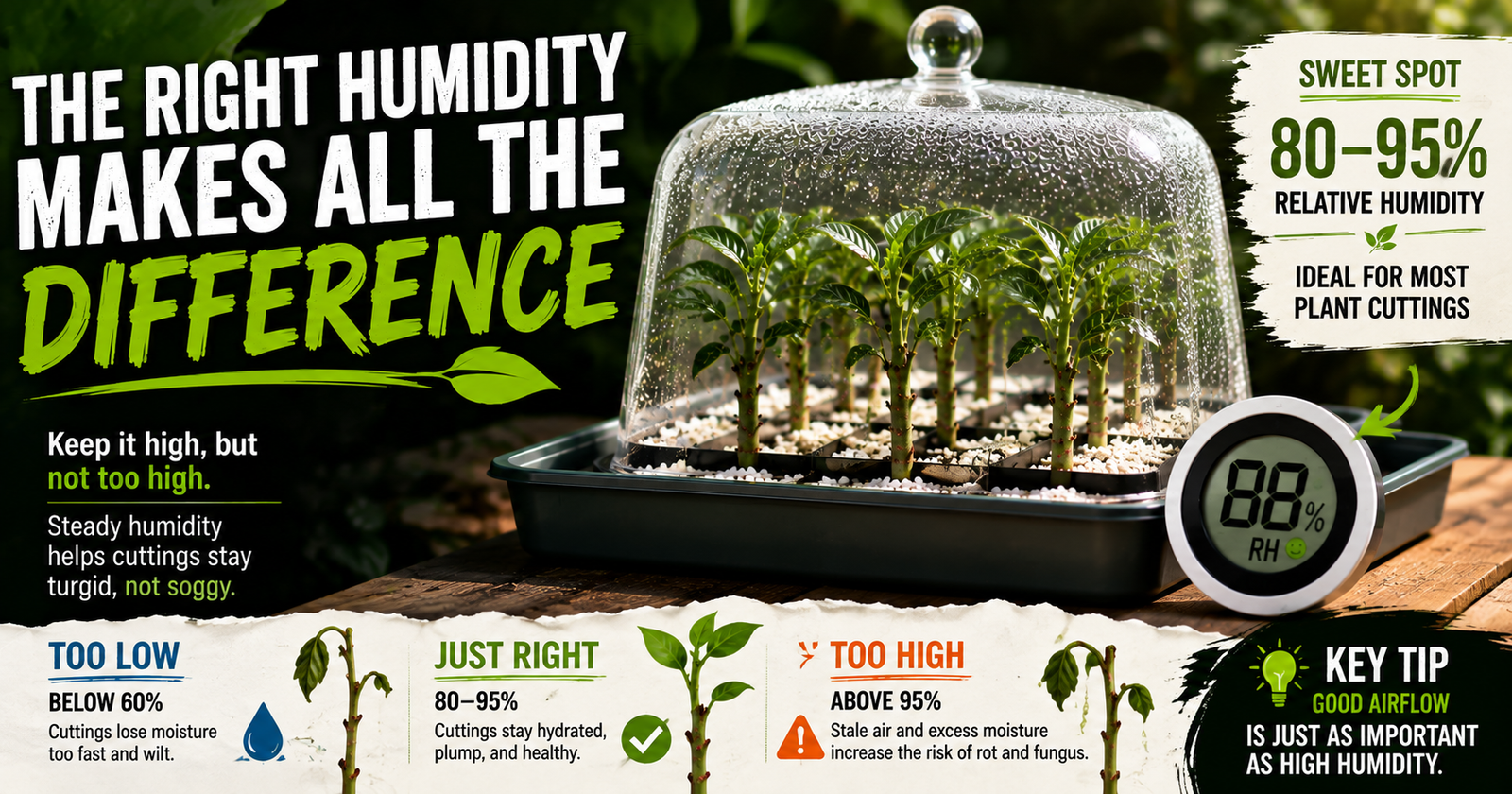
Humidity plays a much bigger role in plant propagation than many people realize.
Fresh cuttings don’t have a functioning root system yet.
That means every drop of water lost through the leaves matters.
The challenge is finding the balance.
Too little humidity allows the cutting to dry out before roots develop.
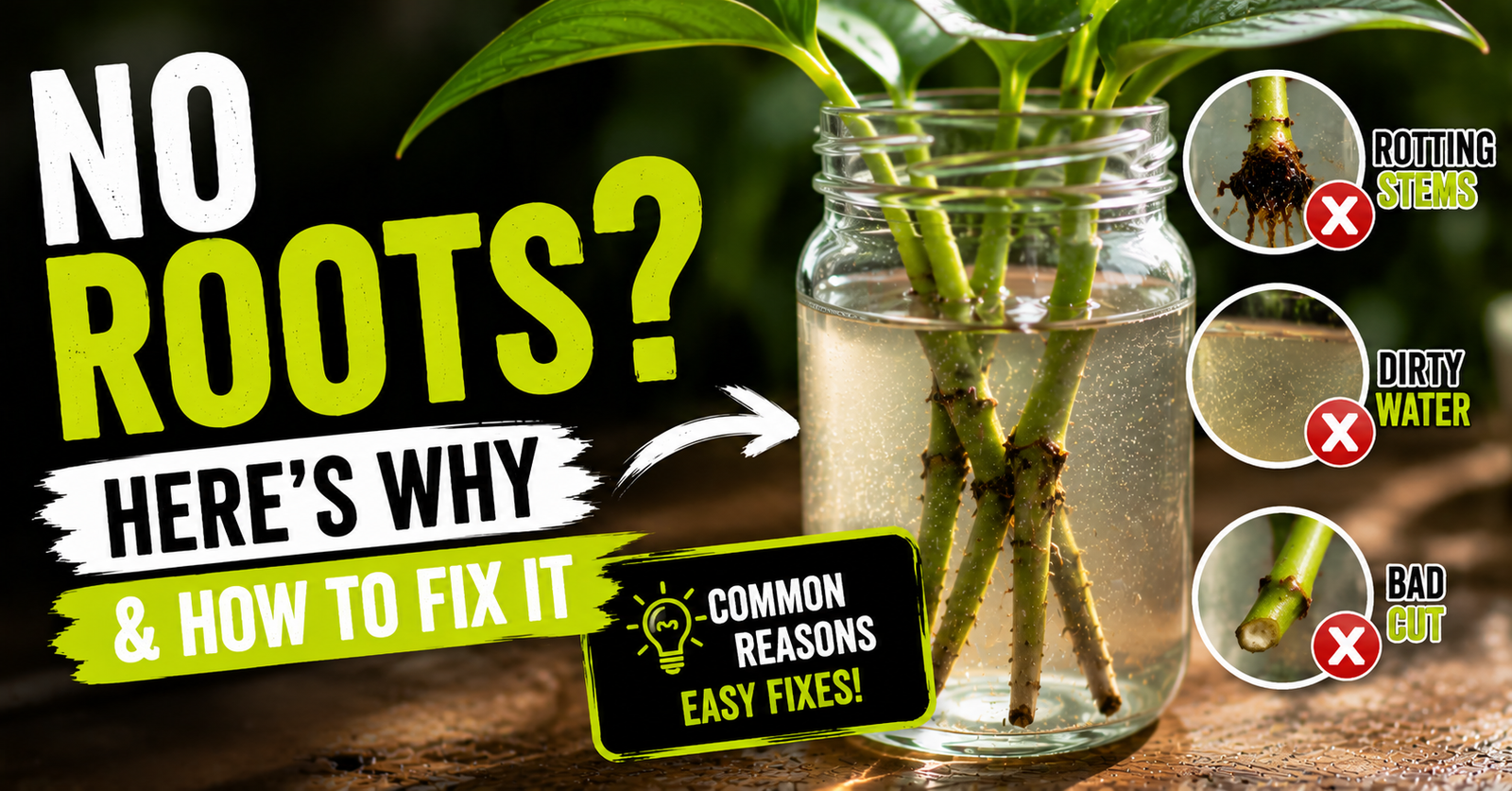
Too much humidity can create stale conditions that encourage mold, algae, and disease.
The goal isn’t chasing the highest humidity possible.
The goal is creating an environment where the cutting loses moisture slowly while still receiving enough fresh air to stay healthy.
That difference completely changed how I approach propagation.
More Humidity Isn’t Always Better
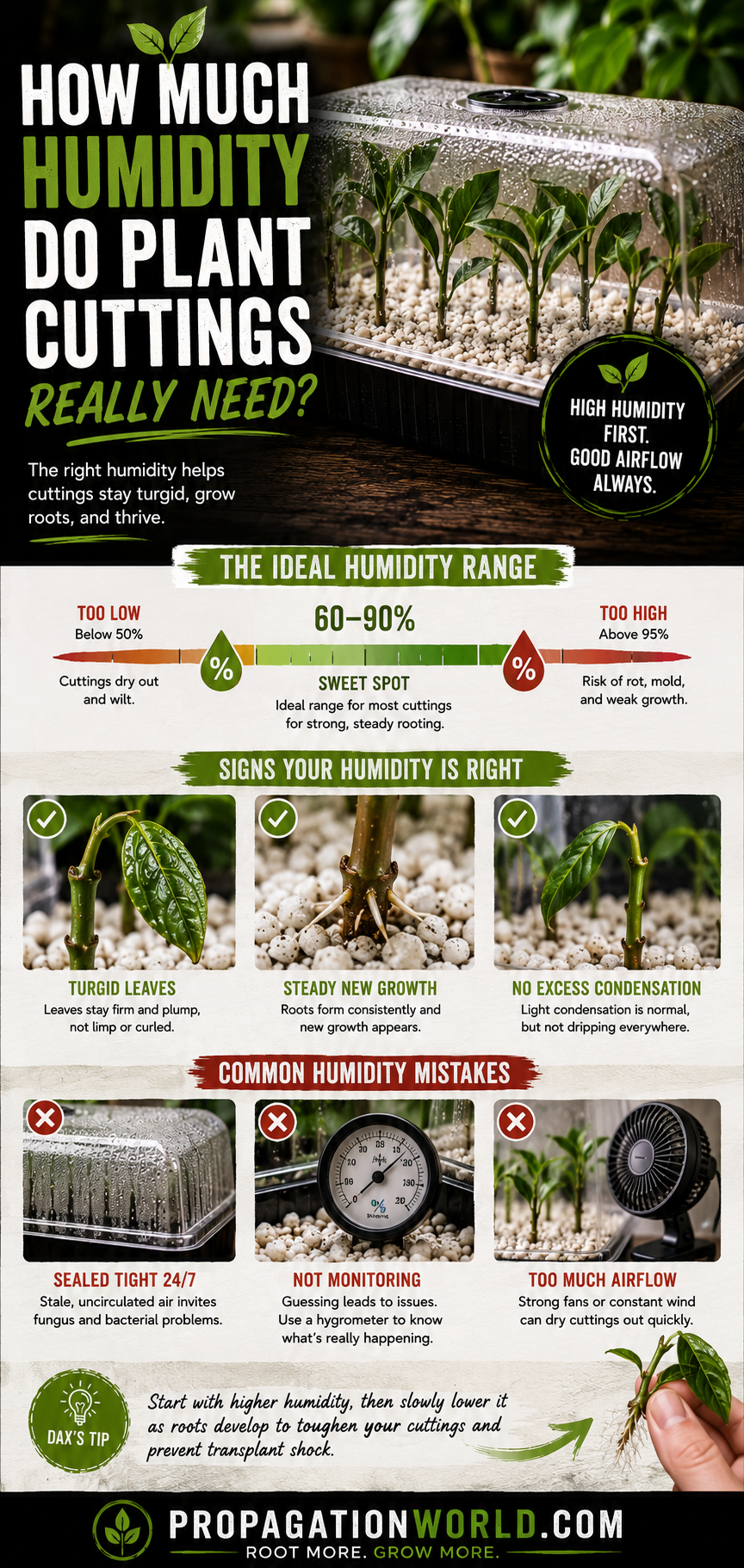
One of the biggest misconceptions I see is the idea that propagation should happen in nearly 100 percent humidity.
While extremely high humidity can be helpful immediately after taking some softwood cuttings, keeping conditions that wet for weeks often creates a different set of problems.
Constant condensation.
Poor airflow.
Wet leaves.
Greater chances of fungal issues.
Instead of trying to create a tropical rainforest inside the dome, I aim for stable humidity that keeps the cuttings firm without leaving everything dripping wet.
Healthy propagation is usually about balance, not extremes.
Different Plants Have Different Needs
Not every cutting responds the same way.
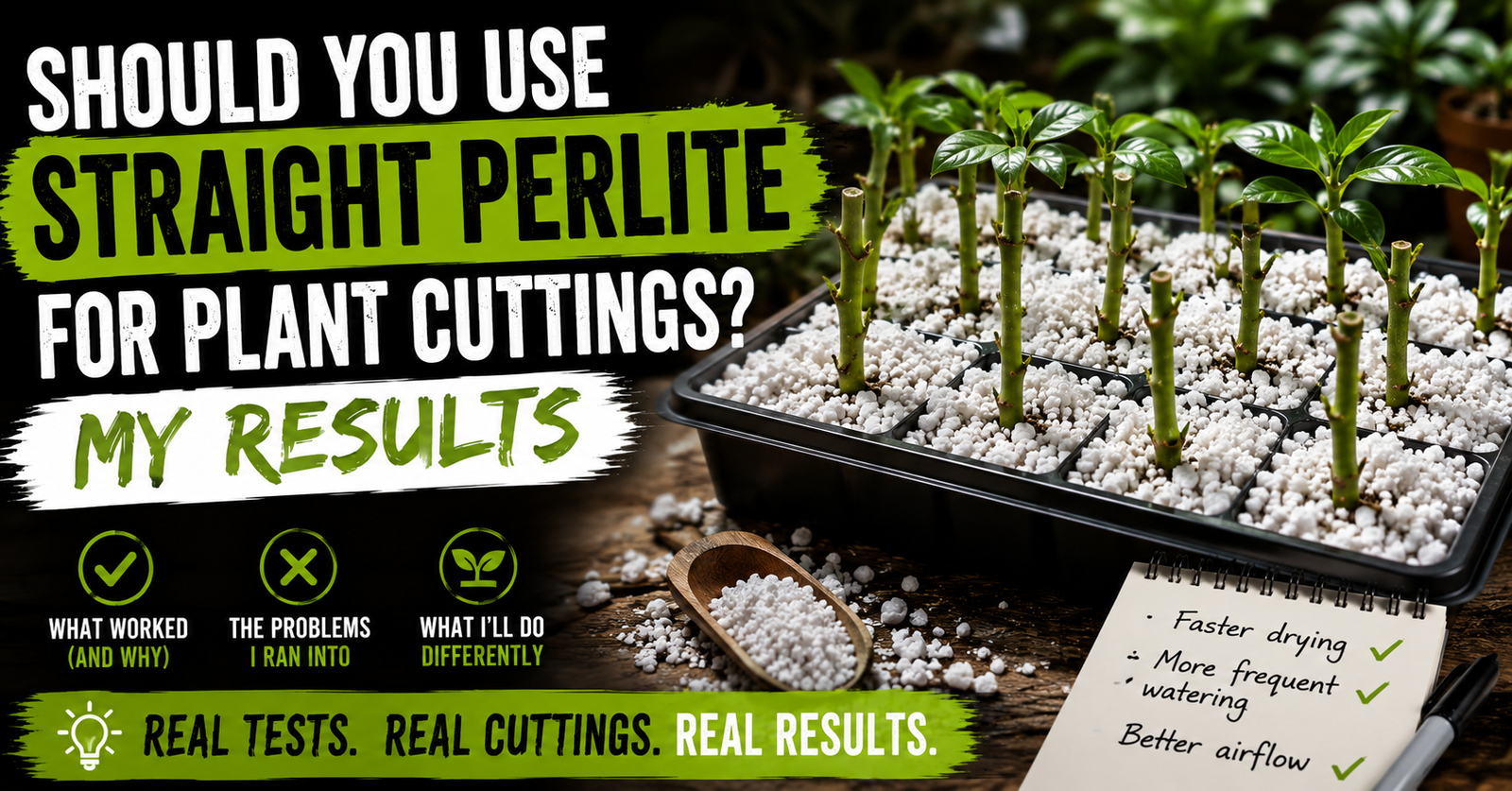
Leafless hardwood cuttings often require much less humidity because they aren’t losing much water through transpiration.
Soft leafy cuttings are a different story.
They can lose moisture surprisingly quickly while waiting for roots to develop.
Tropical plants often appreciate higher humidity than many temperate shrubs.
That’s one reason I avoid using the exact same propagation setup for every project.
Understanding the plant almost always produces better results than following one universal rule.
Watch the Plant Instead of Chasing Numbers
People often ask me what humidity percentage they should maintain.
While humidity meters can certainly be useful, I spend more time watching the plants themselves.
Are the leaves staying firm?
Is excessive condensation collecting inside the dome?
Does fresh air seem to be circulating well?
Those observations tell me much more than a single humidity reading ever could.
Healthy plants are usually the best indicator that the environment is close to where it should be.
Why Adjustable Vents Make Such a Difference
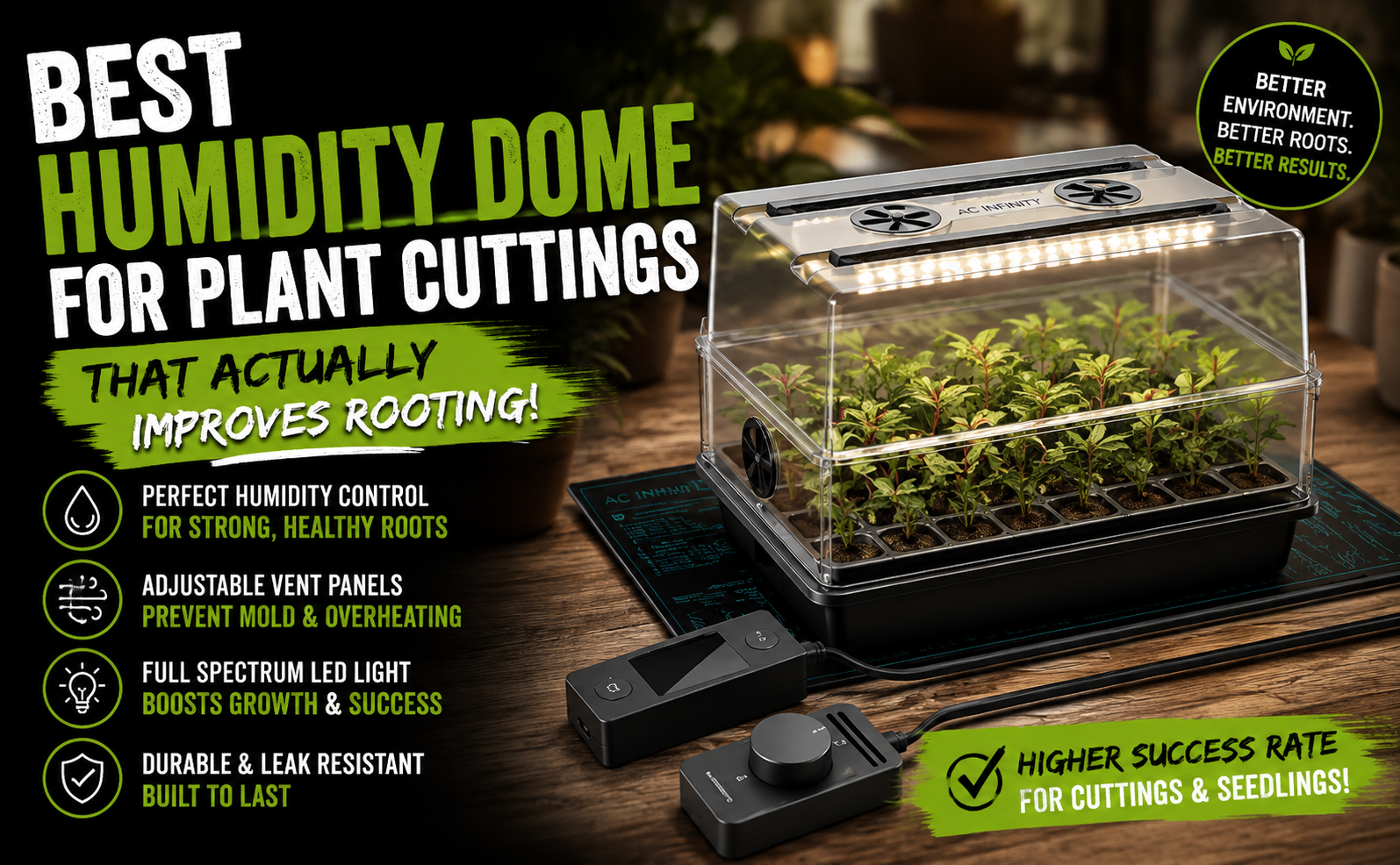
Over time, I’ve become a big fan of propagation domes that allow humidity to be adjusted instead of trapping the same conditions every day.
As cuttings begin producing roots, I gradually increase ventilation rather than exposing them to a sudden change.
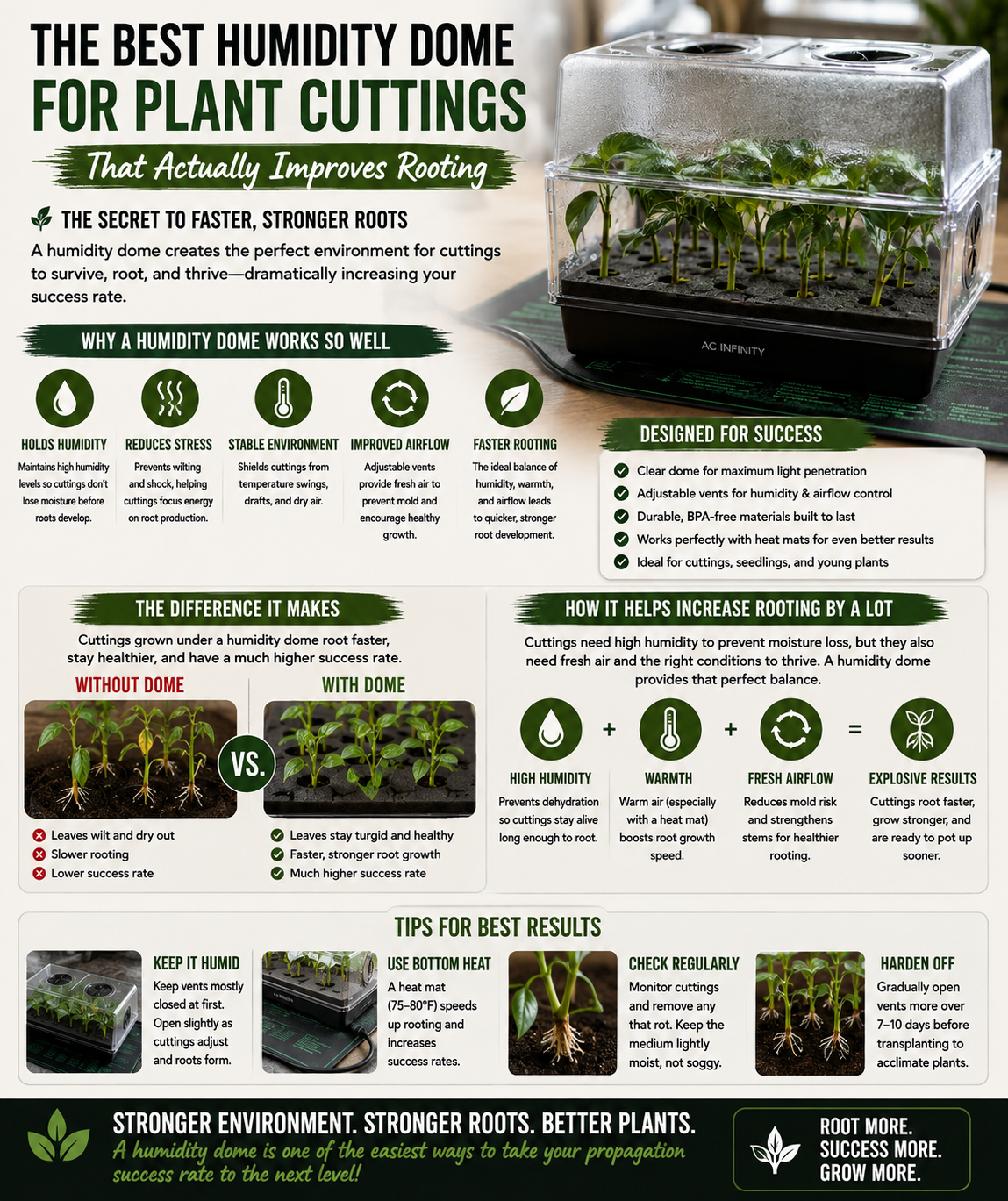
That’s one reason I continue recommending the humidity dome I use for propagation.
The adjustable vents make it easy to fine-tune the environment as the cuttings mature instead of forcing every propagation project into the exact same humidity level.
Humidity and Temperature Work Together
Humidity is only one part of the propagation environment.
Temperature has a huge influence on how that humidity behaves.
A warm propagation tray loses moisture much faster than a cool one.
At the same time, warmer air inside a humidity dome can hold more moisture, which means condensation may appear and disappear throughout the day.
That’s why I never evaluate humidity by itself.
I look at the entire setup.
If temperatures are staying consistent, it’s much easier to maintain stable humidity as well.
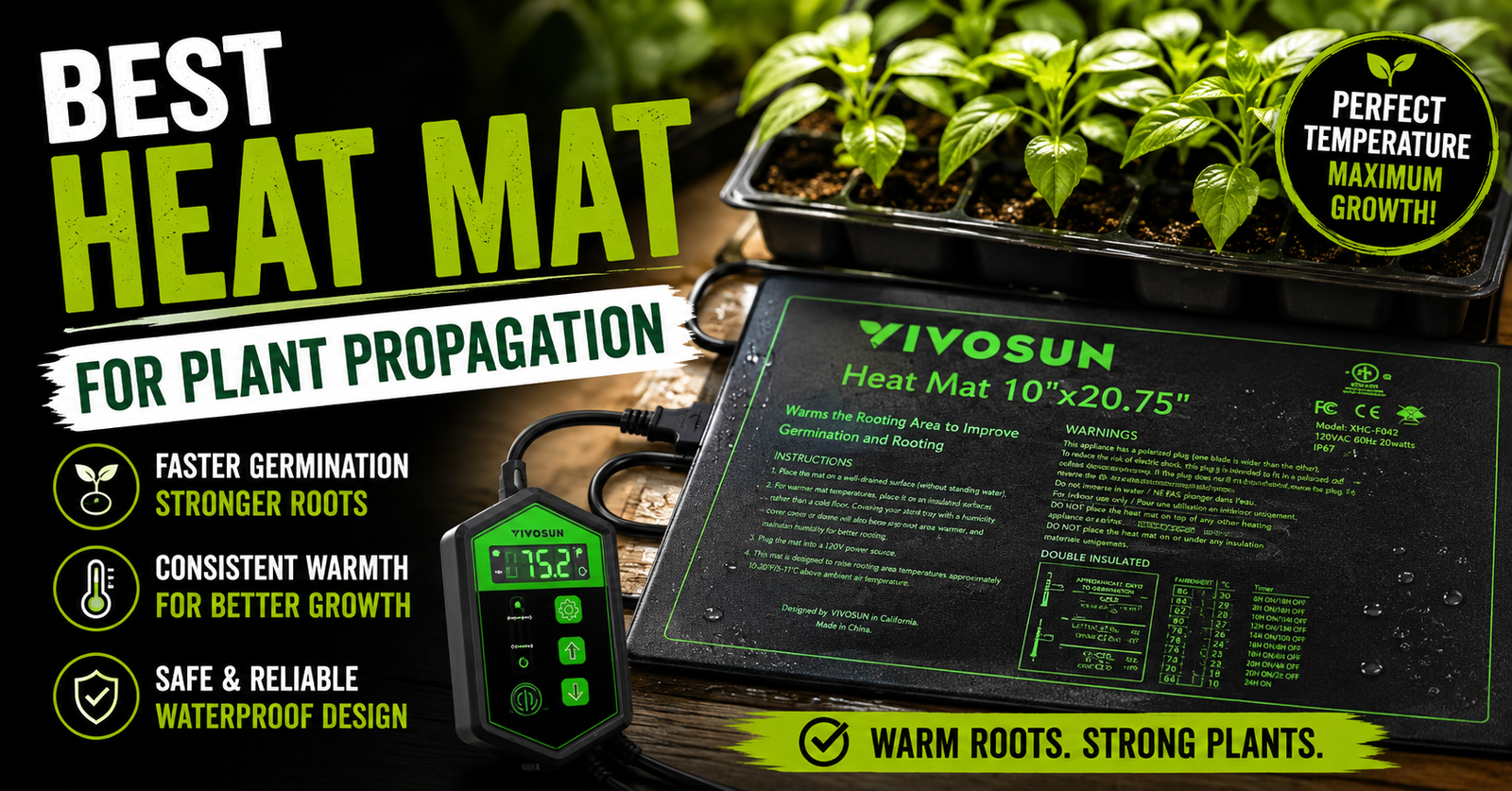
During cooler parts of the year, I often pair my humidity dome with the propagation heat mat I trust for rooting cuttings because steady root-zone temperatures help create a much more predictable environment overall.
Don’t Worry if Conditions Aren’t Perfect
One thing propagation has taught me is that plants are more forgiving than many gardeners believe.
I’ve never had a humidity dome maintain the exact same conditions every minute of every day.
The humidity rises after watering.
It changes when I open the vents.
It shifts with the weather.
That’s perfectly normal.
What matters is avoiding dramatic swings that repeatedly stress the cuttings.
A stable range is far more valuable than chasing a perfect number that constantly changes anyway.
Small Adjustments Beat Big Changes
When something doesn’t look quite right, I rarely make major changes all at once.
If condensation is excessive, I might crack the vents open a little.
If the leaves begin losing firmness, I may reduce the airflow slightly.
Those small adjustments give me a chance to see how the cuttings respond before changing something else.
Propagation rewards patience.
Making several changes at once often makes troubleshooting much more difficult because you never know which adjustment actually solved the problem.
Humidity Isn’t a Substitute for Healthy Roots
It’s easy to focus so much on humidity that we forget the real goal.
The dome isn’t there to keep the leaves alive forever.
It’s there to support the cutting while roots are developing.
Once those roots begin supplying water to the plant, humidity becomes much less important.
That’s why I think of a humidity dome as temporary support rather than a permanent growing environment.
Everything we do should help the cutting become independent as quickly as it’s ready.
Creating the Right Environment Is Easier Than You Think
Successful propagation doesn’t require laboratory conditions.
It requires paying attention.
Healthy cuttings.
Good airflow.
Reasonable moisture.
Stable temperatures.
Appropriate humidity.
When those pieces come together, rooting becomes much more predictable.
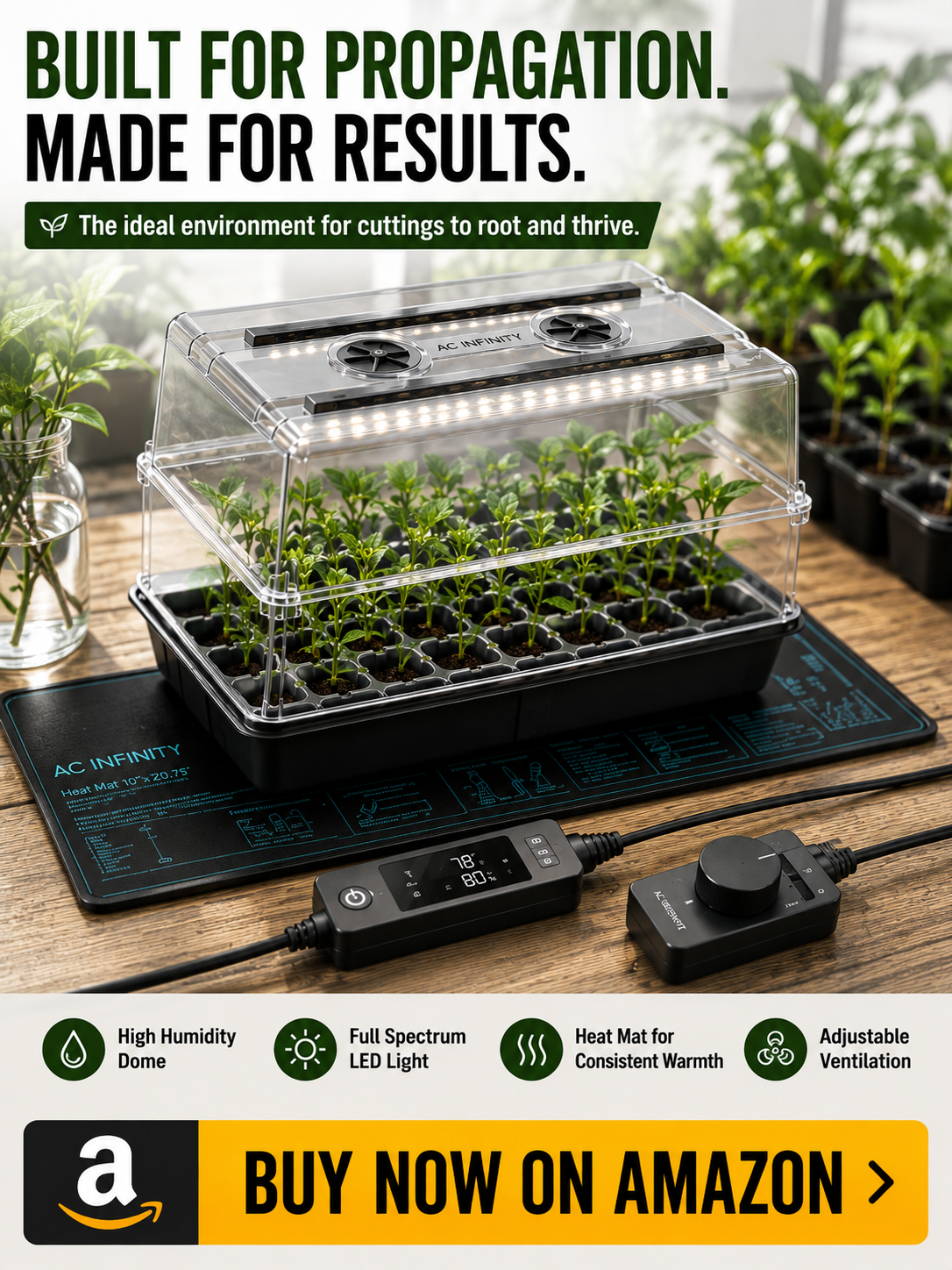
If you’re looking for a propagation setup that makes controlling humidity much easier, I’d recommend checking out the adjustable humidity dome I use on Amazon.
Being able to fine-tune airflow instead of relying on a completely sealed dome has made a noticeable difference in the consistency of my propagation projects, especially with slower-rooting shrubs and fruit trees.
Frequently Asked Questions
Is 100% humidity best for plant cuttings?
Not usually.
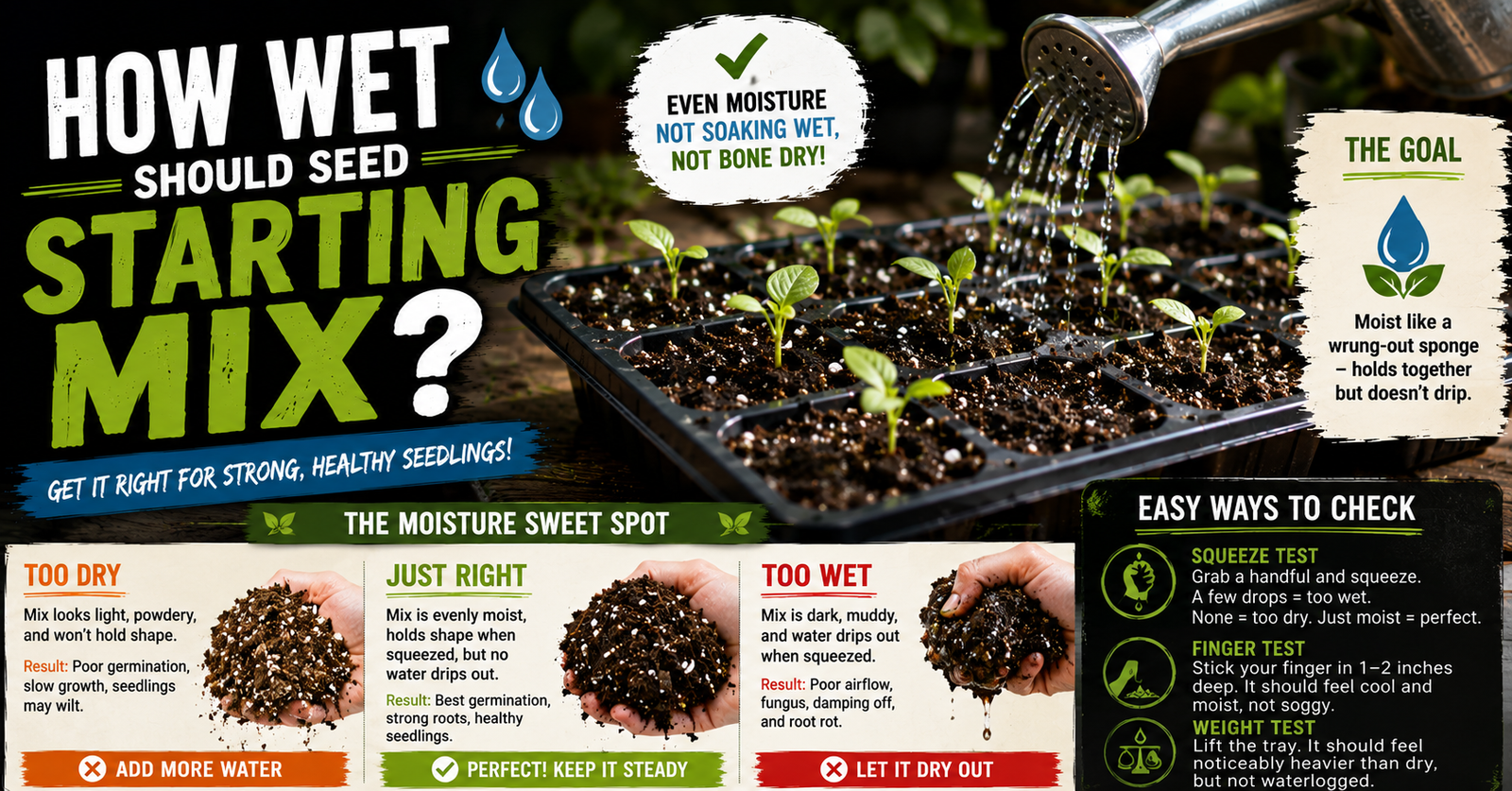
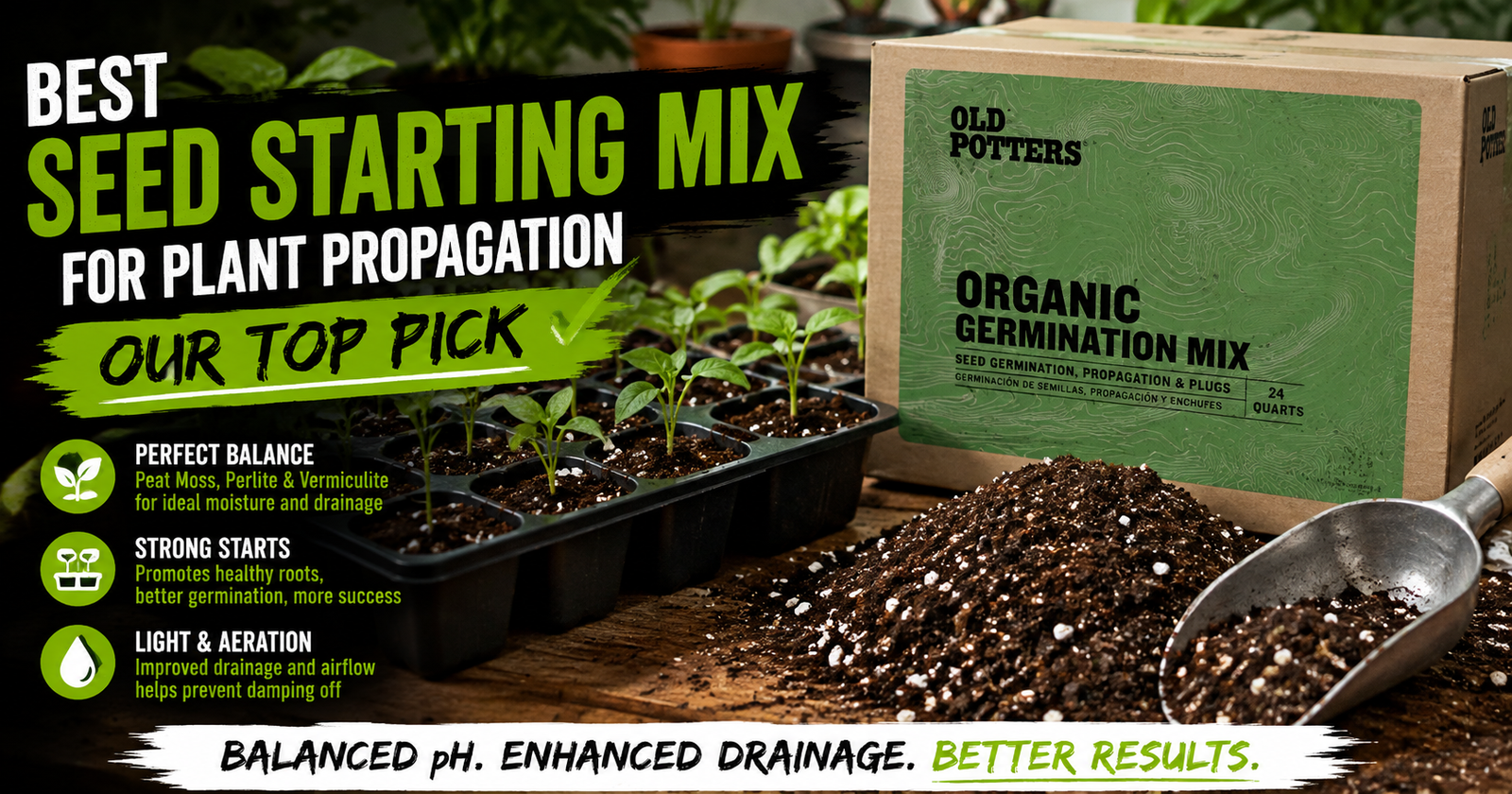
Very high humidity can be helpful immediately after taking fresh cuttings, but maintaining nearly 100% humidity for long periods often creates problems with condensation, poor airflow, and fungal growth. Humidity is only one part of the moisture equation, so controlling moisture in seed starting mix can help keep the growing medium from staying overly wet as well.
I aim for an environment that keeps the cuttings from drying out while still allowing fresh air to circulate.
That balance has consistently produced healthier plants for me than trying to maximize humidity.
Should hardwood cuttings have the same humidity as leafy cuttings?
No.
Hardwood cuttings without leaves generally need much less humidity because they’re losing very little moisture.
Leafy softwood cuttings and many tropical plants usually benefit from much higher humidity until they begin developing roots.
The amount of foliage on the cutting often tells me more than the type of plant.
Can I have too much condensation inside a humidity dome?
Yes.
A light film of moisture on the inside of the dome is perfectly normal.
Large droplets constantly dripping onto the leaves or propagation mix usually tell me it’s time to increase ventilation a little.
The goal is humid air, not a miniature rainstorm inside the dome.
Should I buy a hygrometer?
If you enjoy monitoring your propagation setup, a hygrometer can certainly be helpful.
Personally, I treat it as a guide instead of the final answer.
Healthy, firm leaves and steady root development tell me much more than a single humidity reading.
Plants often communicate their needs better than instruments do.
Does humidity matter after roots develop?
It becomes much less important.
Once a cutting has established a healthy root system, it can replace the water it’s losing through its leaves.
That’s when I gradually increase ventilation and eventually remove the humidity dome altogether so the plant can adapt to normal growing conditions.
Healthy Propagation Is All About Balance
If there’s one lesson I’ve carried from years of propagating plants, it’s that balance almost always beats extremes.

The wettest propagation mix isn’t the best. A well-chosen medium matters too, so you may want to see the seed starting mix I use for both seedlings and cuttings on Amazon.
The hottest propagation tray isn’t the best.
And the most humid propagation dome isn’t the best either.
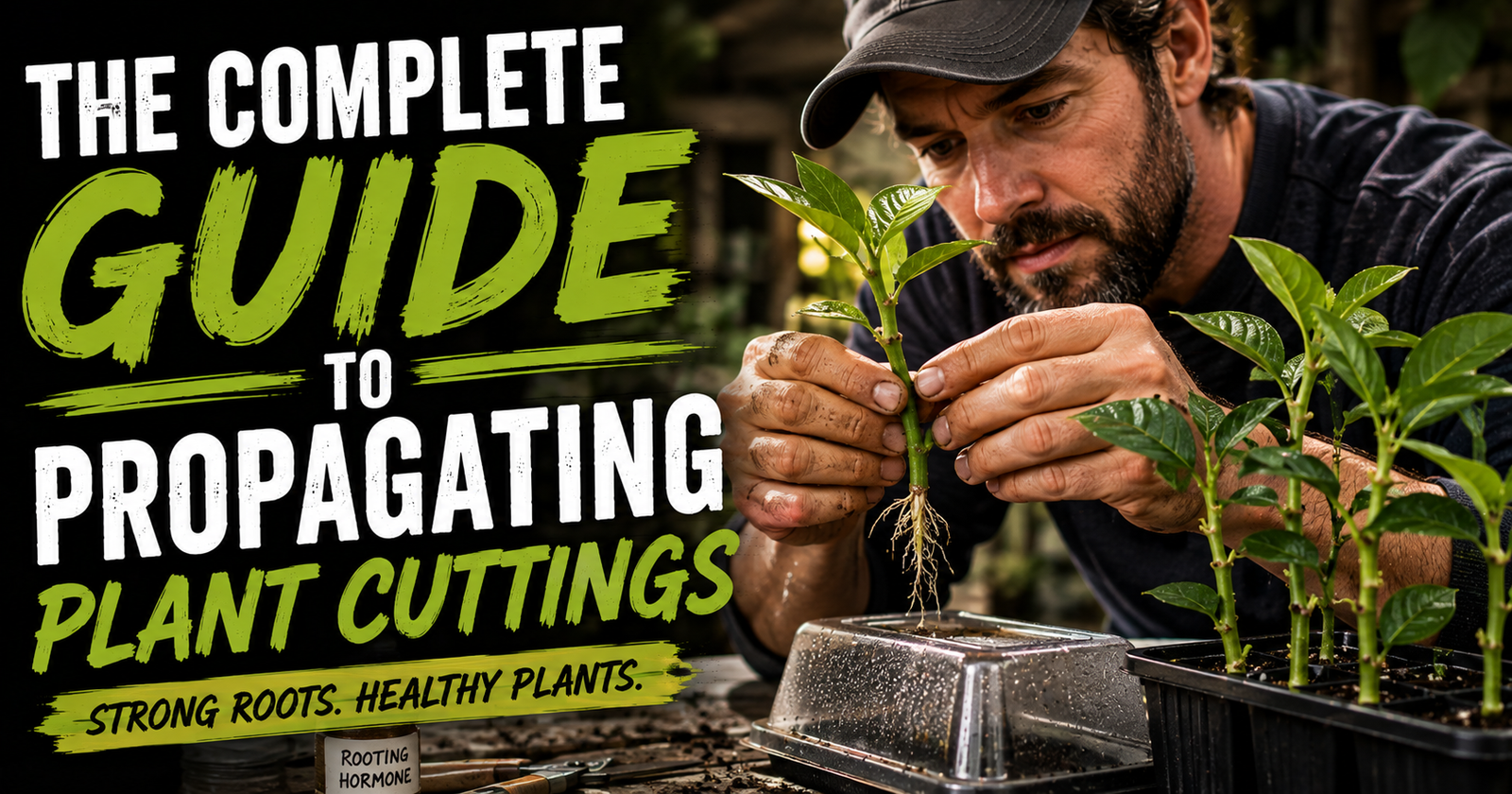
Instead of trying to maximize one factor, I focus on creating an environment where every part of the propagation setup works together. That balanced approach is also central to the complete propagation setup guide.
When the humidity is appropriate, temperatures stay consistent, and the cuttings are healthy, roots usually follow.
That’s a much more dependable strategy than chasing perfect numbers or relying on a single piece of equipment.
About the Author
Daxon Weaver is the founder of PropagationWorld and has propagated thousands of houseplants, herbs, berry bushes, fruit trees, and ornamental shrubs. His hands-on experience has shown that successful propagation is rarely about one perfect setting. It’s about creating balanced conditions that help plants develop strong, healthy roots.