One of the first questions gardeners ask after deciding to use rooting hormone isn’t whether it works.
It’s which type they should buy.
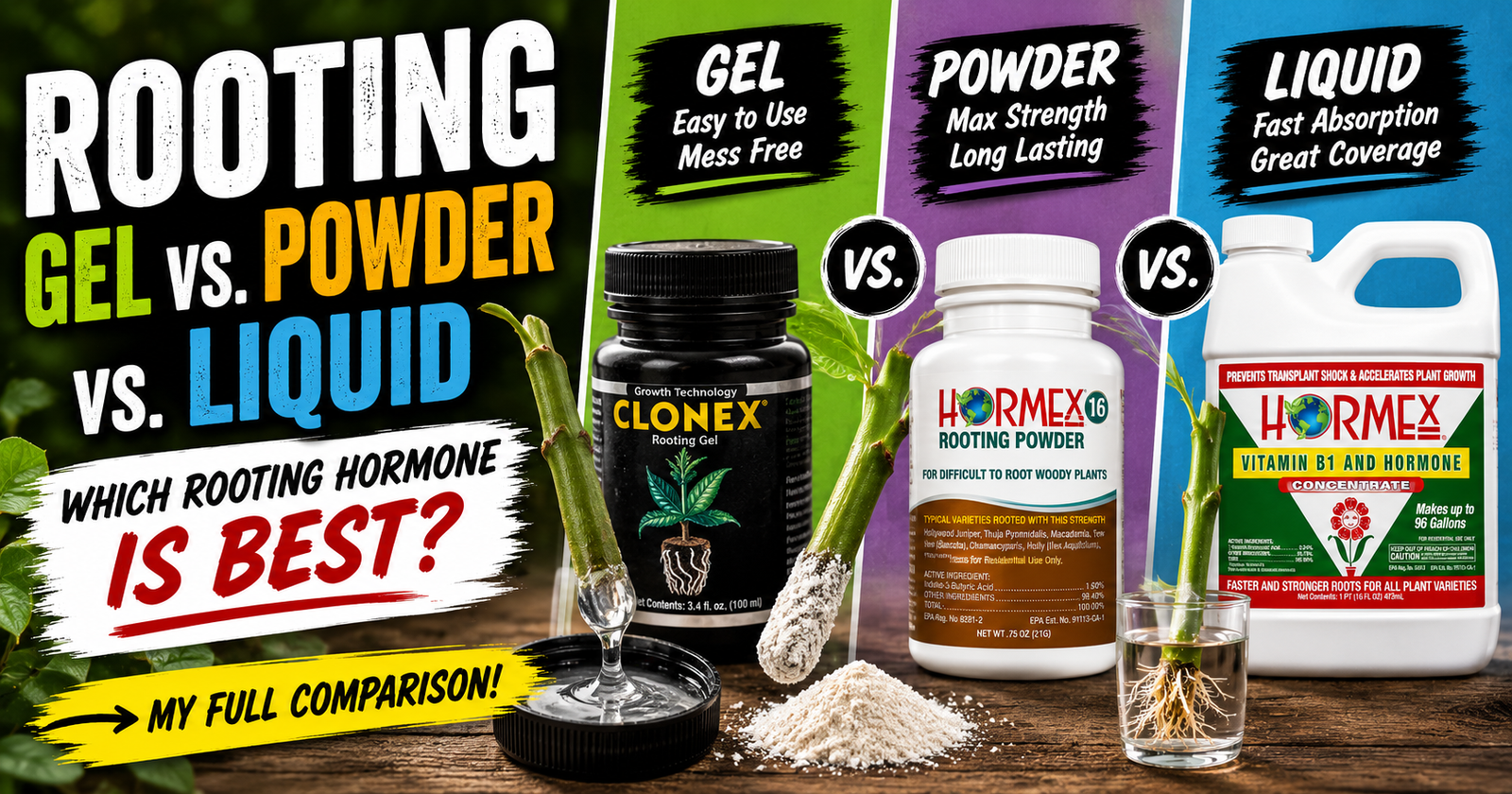
Walk into a garden center or browse online, and you’ll quickly find three main options:
- Rooting gel
- Rooting powder
- Liquid rooting hormone
At first glance, they all promise the same thing—better rooting success.
So is there actually a difference?
The short answer is yes.
All three can encourage root development, but they each have strengths, weaknesses, and situations where they make more sense than the others. Whichever format you choose, How to Use Rooting Hormone Correctly Step by Step can help you use it properly.
After researching each type and comparing how they’re used, I don’t think there’s one rooting hormone that’s perfect for every gardener.
The best choice depends on what you’re propagating, how often you propagate, and what matters most to you. Houseplant growers can apply those criteria with this guide to the Best Rooting Hormone for Houseplants.
My Quick Answer
If I had to summarize everything in one paragraph, here’s how I’d break it down.
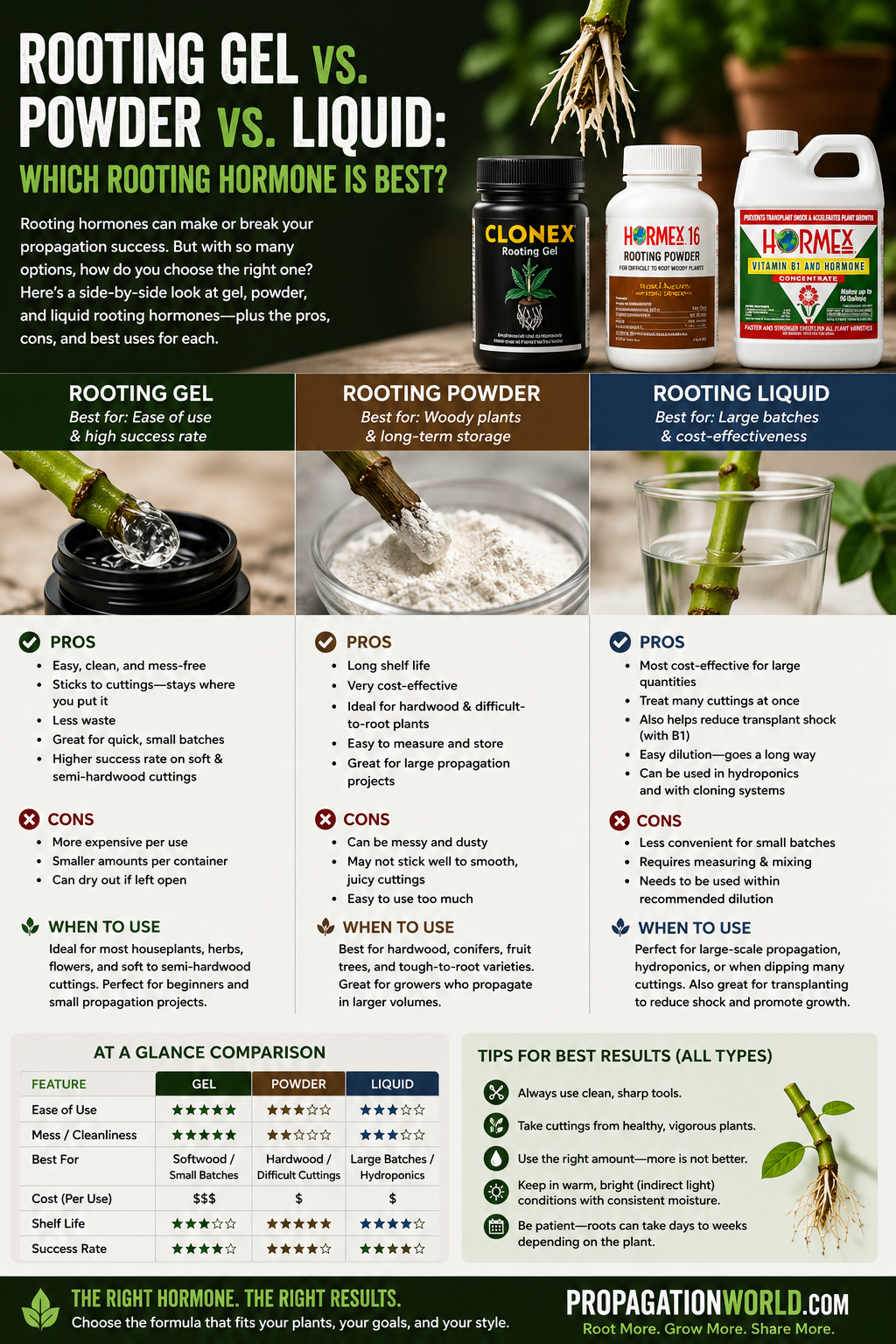
Choose rooting gel if you want the easiest application and maximum contact with the cutting.
Choose rooting powder if you’re looking for the most affordable option that still performs well on woody plants.
Choose liquid rooting hormone if you regularly propagate plants, transplant shrubs, or want one product that can serve multiple purposes throughout the year.
All three can work extremely well.
The trick is choosing the one that fits the way you actually garden.
What All Three Have in Common
Before talking about the differences, it’s important to understand that gel, powder, and liquid rooting hormones all have the same basic goal.
They’re designed to encourage new root development on plant cuttings.
They don’t magically force roots to appear overnight.
They don’t save unhealthy cuttings.
And they don’t replace good propagation practices.
Instead, they simply help healthy cuttings begin producing roots more efficiently.
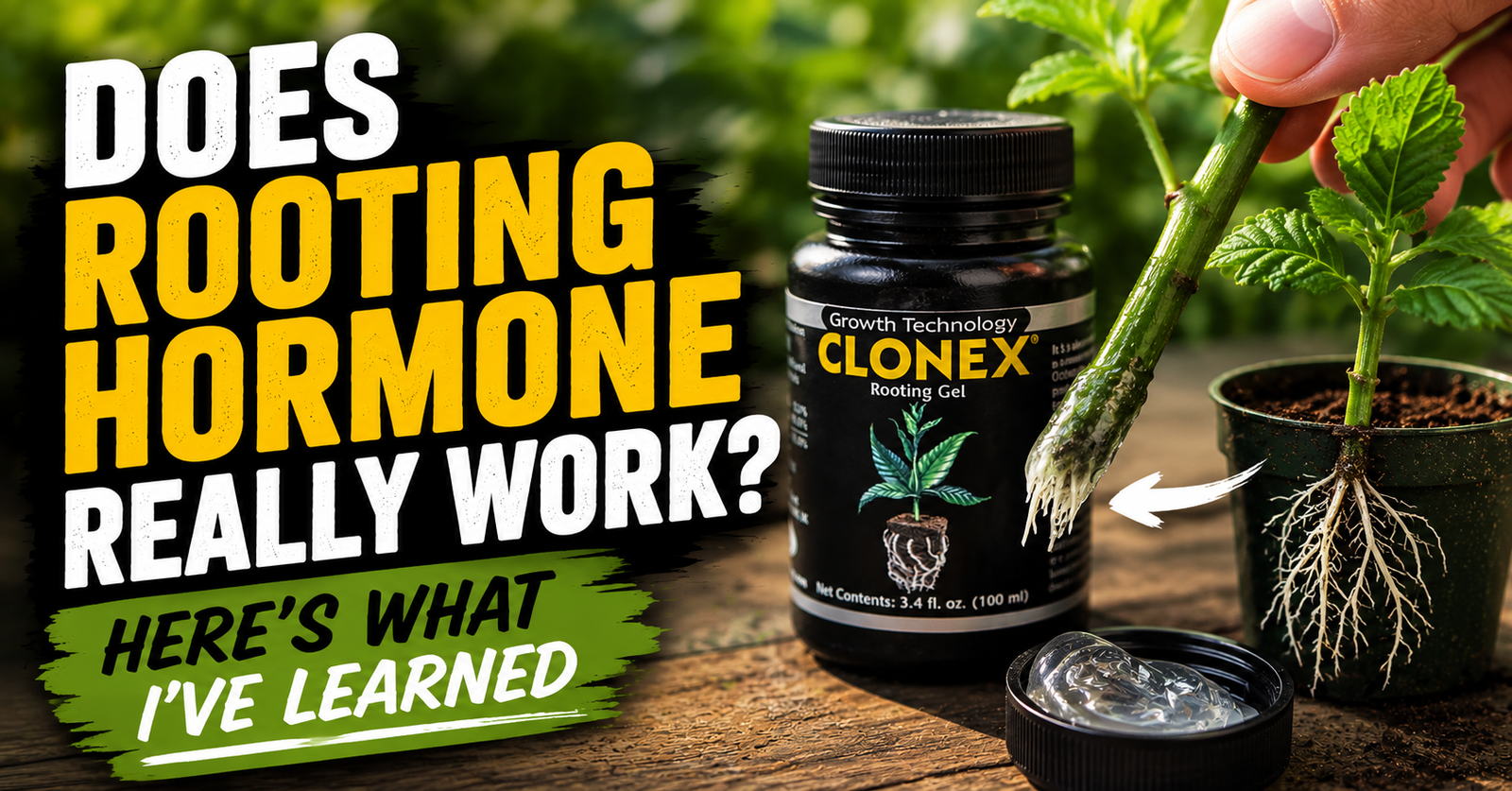
If you haven’t already, I recommend reading Does Rooting Hormone Really Work? where I explain exactly how rooting hormones work and why some plants benefit more than others.
Rooting Gel
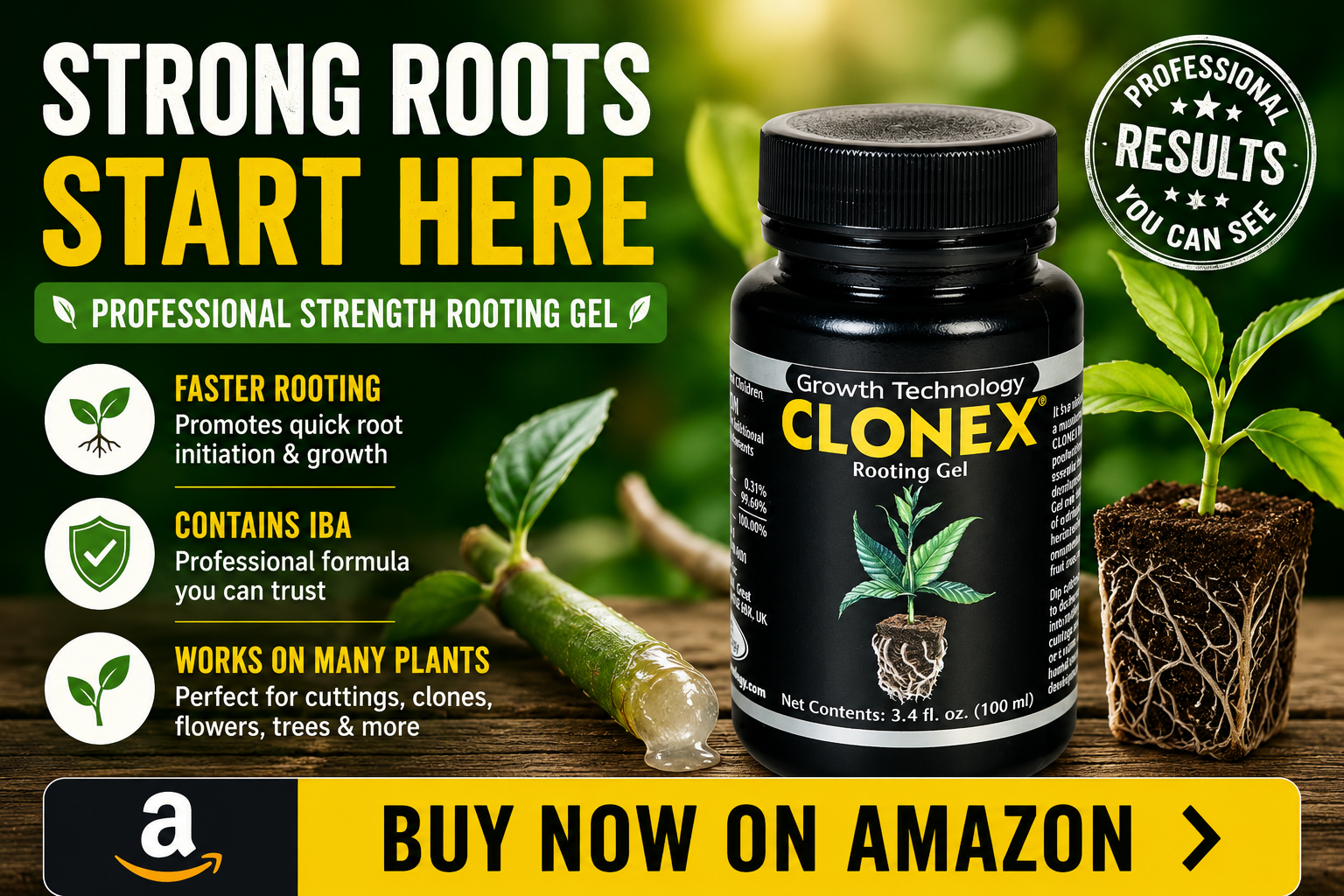
For many home gardeners, rooting gel is probably the easiest product to use.
The thick consistency coats the freshly cut stem and stays in place while you insert the cutting into your propagation medium.
That may not sound like a big advantage until you’ve used powder.
With gel, very little of the rooting hormone gets rubbed off during planting.
That means more of it stays exactly where you applied it.
I especially like rooting gel for fresh spring growth because it clings so well to tender stems during planting. If most of your propagation involves new growth from shrubs and ornamental plants, you’ll probably appreciate my guide on Best Rooting Hormone for Softwood Cuttings.
What I Like About Rooting Gel
- Excellent coverage on the cutting
- Less product rubs off
- Clean, simple application
- Great for valuable cuttings
- Popular with home gardeners
Drawbacks
- Usually more expensive than powder
- Can dry out if the container isn’t sealed properly
- Costs more upfront
For gardeners who propagate fairly often, I think gel offers one of the best combinations of convenience and performance.
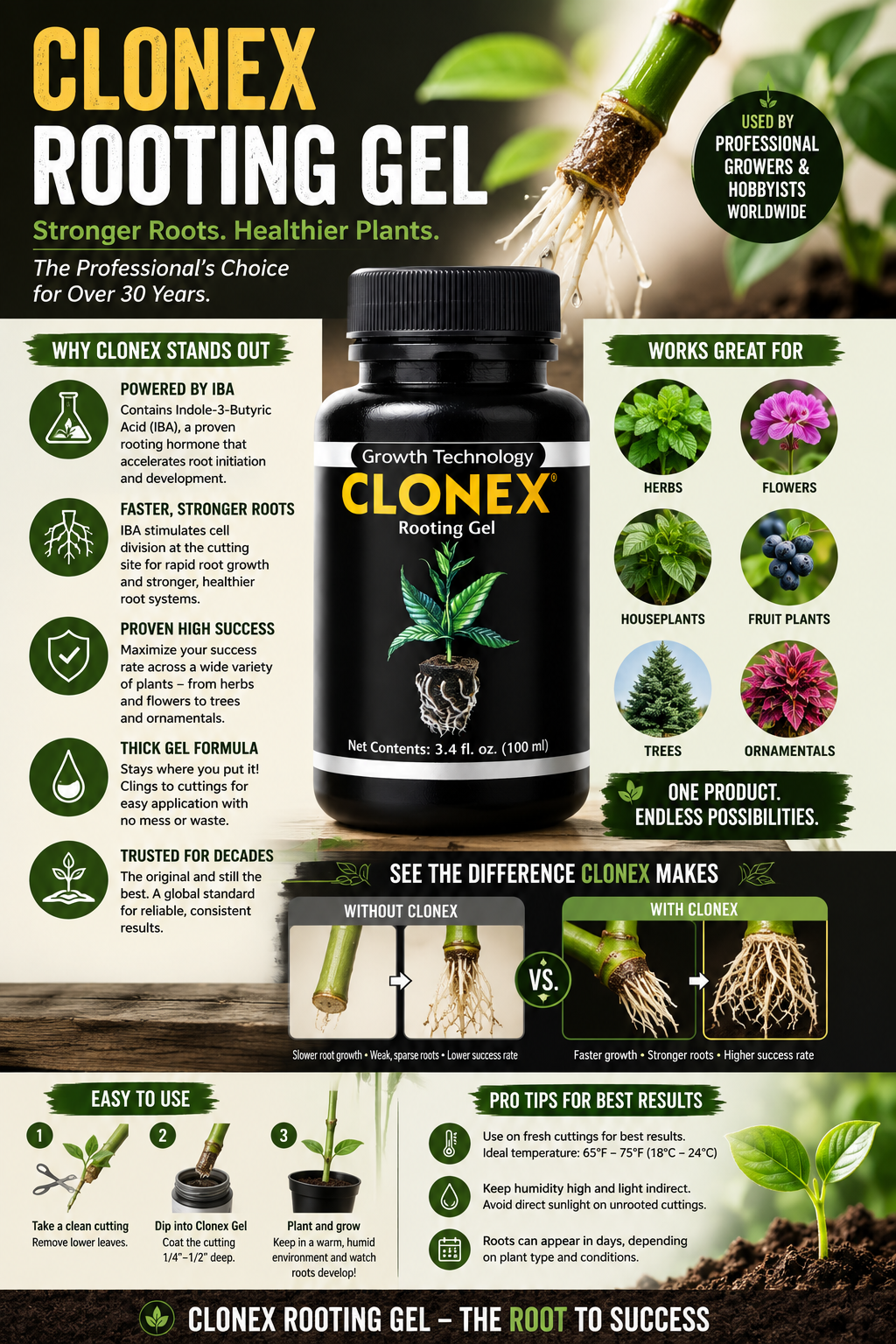
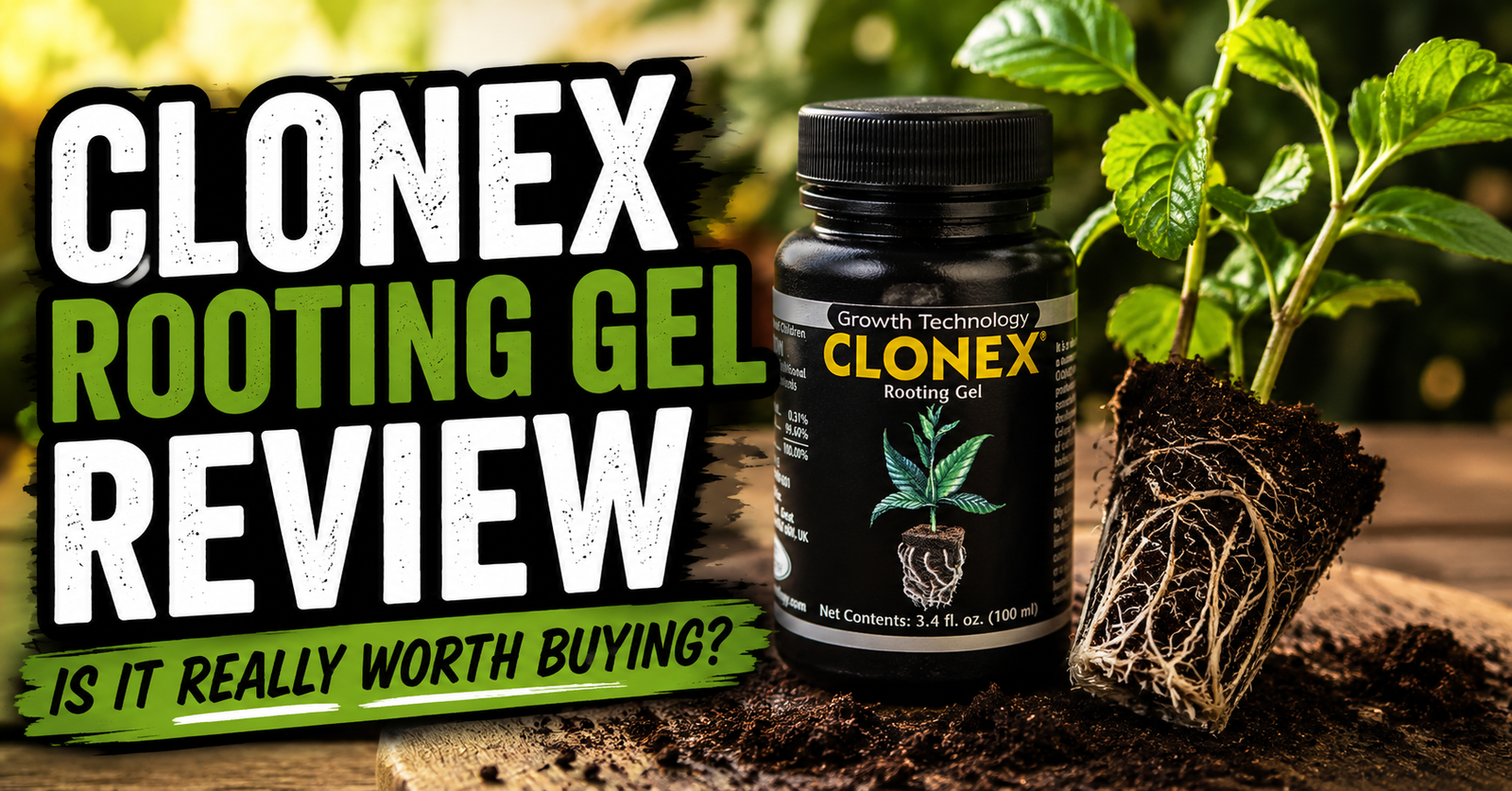
If you’re considering one, I recently wrote a full Clonex Rooting Gel review that covers where I think it shines and where it doesn’t.
Rooting Powder
Rooting powder has been around for decades.
It’s affordable, simple, and incredibly common.
Many commercial nurseries built their propagation programs using nothing but rooting powder.
There’s a reason it’s still sold everywhere today.
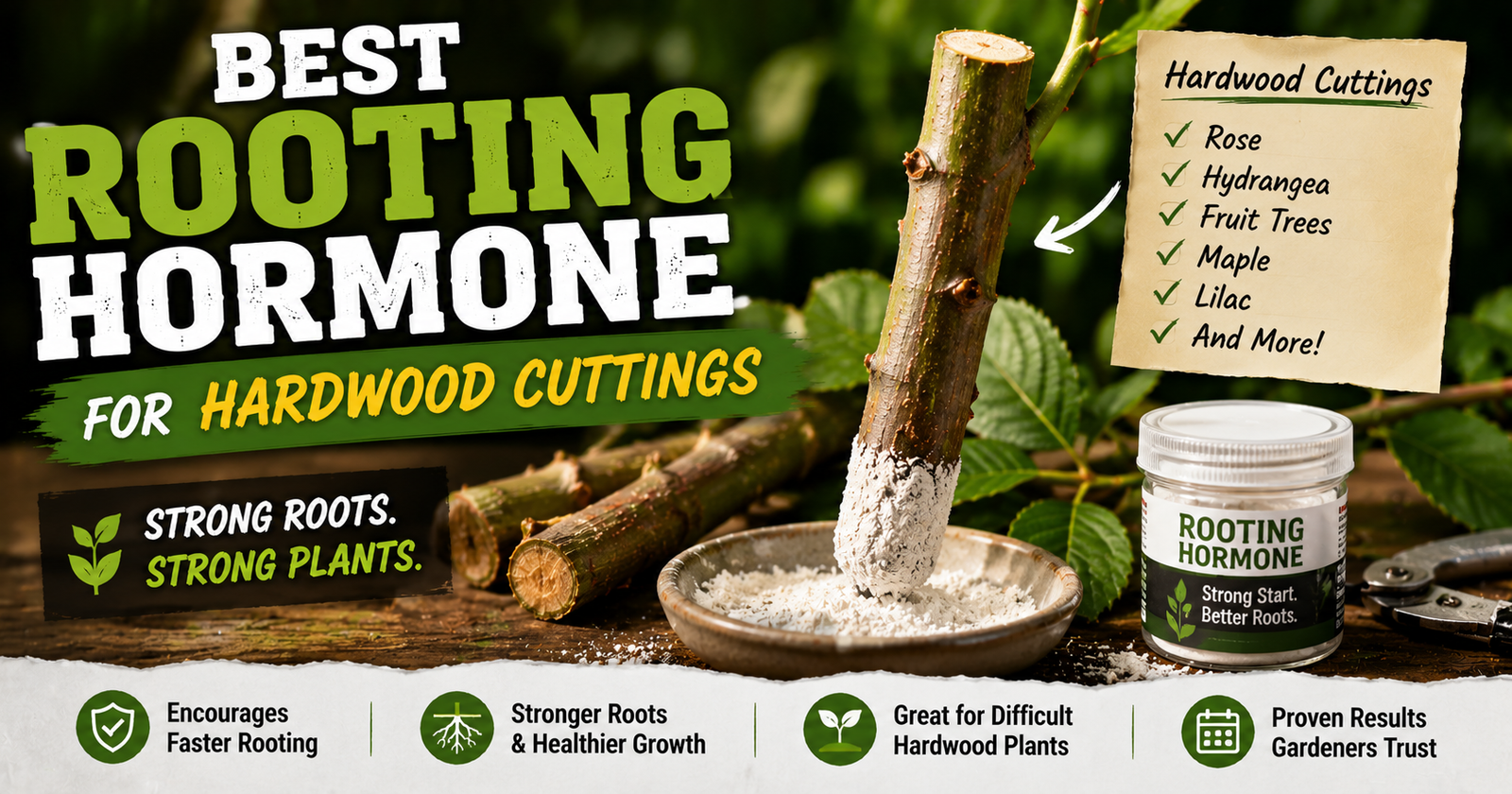
Rooting powder also continues to be one of my favorite options for dormant woody plants because of its simplicity and long shelf life. If that’s primarily what you propagate, you’ll likely find Best Rooting Hormone for Hardwood Cuttingshelpful.
What I Like About Rooting Powder
The biggest advantage is value.
A single container lasts a surprisingly long time because each cutting only needs a very light coating.
It’s also easy to store as long as moisture stays out of the container.
For gardeners propagating lots of woody shrubs or hardwood cuttings, rooting powder remains a very dependable option.
Drawbacks
Its biggest weakness is that it doesn’t always stay on the cutting.
As you insert the stem into the propagation medium, some of the powder often gets scraped off.
Moisture is another concern.
If you repeatedly dip damp cuttings into the original bottle, you can contaminate the remaining powder and shorten its shelf life.
Those problems are easy to avoid by pouring a small amount into a separate container before you begin.
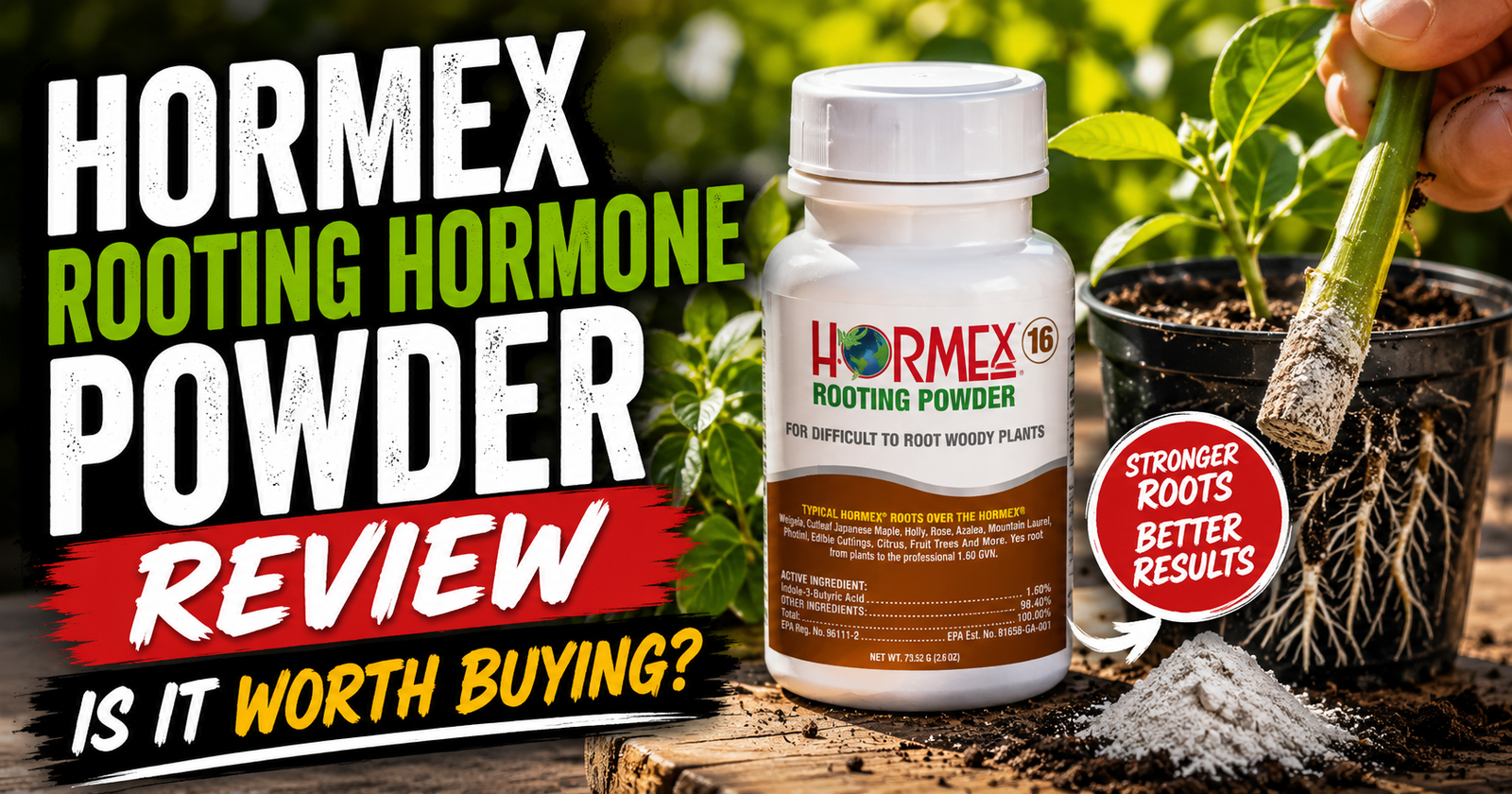
If you’re interested in a traditional rooting powder, I’ve also reviewed Hormex Rooting Hormone Powder in much greater detail.
Liquid Rooting Hormone
Liquid rooting hormones are probably the least talked about of the three, but they’re also the most versatile.
Unlike powders and gels that are primarily designed for dipping cuttings, liquid concentrates often have several different uses depending on how they’re mixed.
That flexibility is what makes them especially popular among serious gardeners and professional growers.
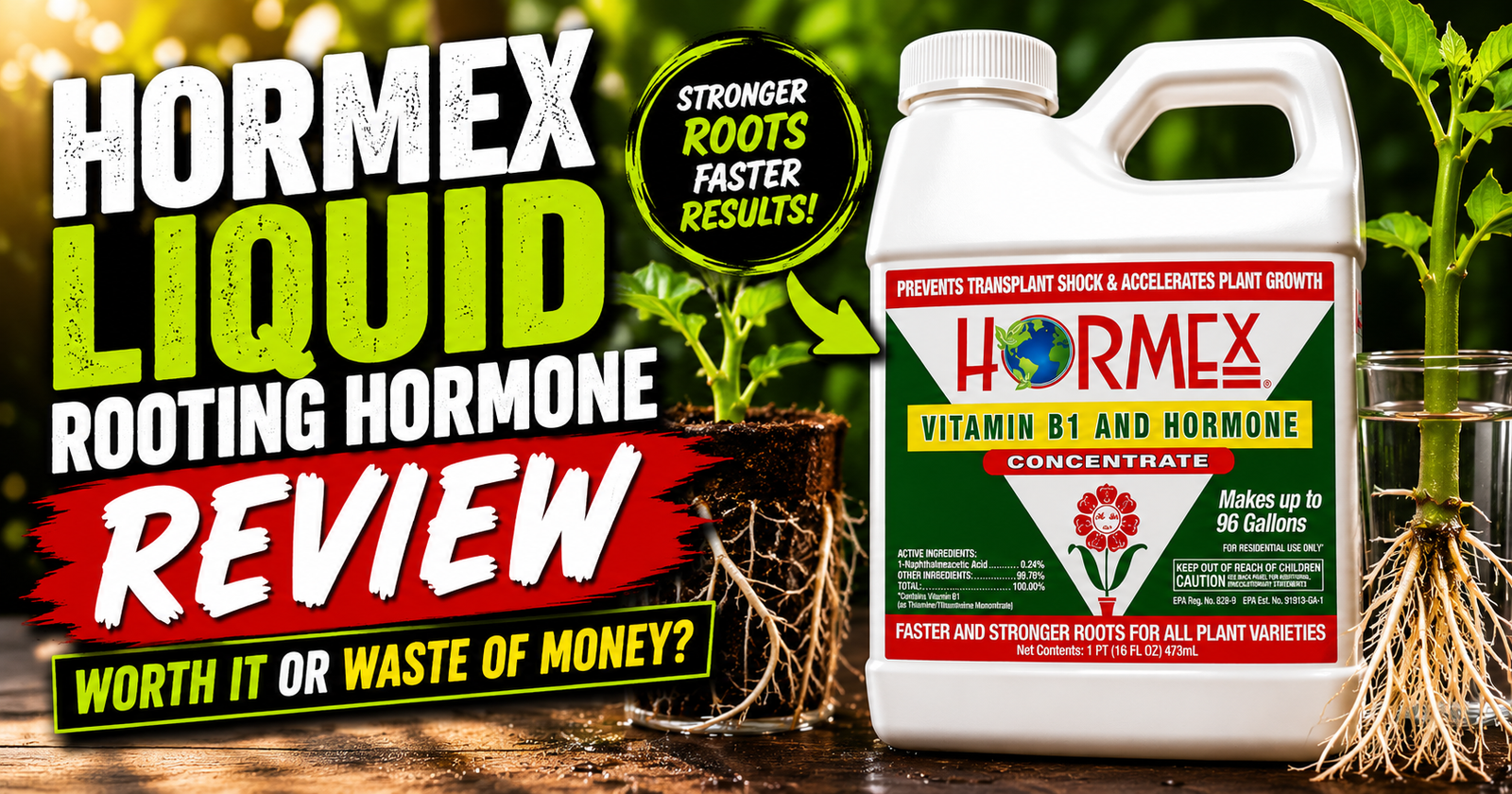
One advantage people sometimes overlook is how versatile liquid concentrates can be. They’re often used for much more than cuttings, making them a good investment if you propagate throughout the growing season. I go into much more detail in my Hormex Liquid Rooting Hormone Review.
What I Like About Liquid Rooting Hormone
- Extremely versatile
- One bottle lasts a very long time
- Useful beyond propagation
- Great for transplanting
- Popular in nursery production
Because it’s concentrated, you’re mixing only small amounts at a time.
That higher purchase price often ends up being spread across months—or even years—of gardening.
Drawbacks
For casual gardeners, it may simply be more product than you need.
It also requires mixing, making it slightly less convenient than opening a bottle of powder or gel and immediately getting to work.
If you’d like to learn more, I also put together a detailed review of Hormex Liquid Rooting Hormone Concentrate and why so many serious growers rely on it.
Which One Produces the Best Results?
This is probably the question everyone wants answered.
The honest answer is that there isn’t a clear winner.
If you use a quality product correctly and provide the right growing conditions, all three forms of rooting hormone can significantly improve rooting success on many types of plants.
What usually matters more than the form is:
- Taking healthy cuttings
- Making clean cuts
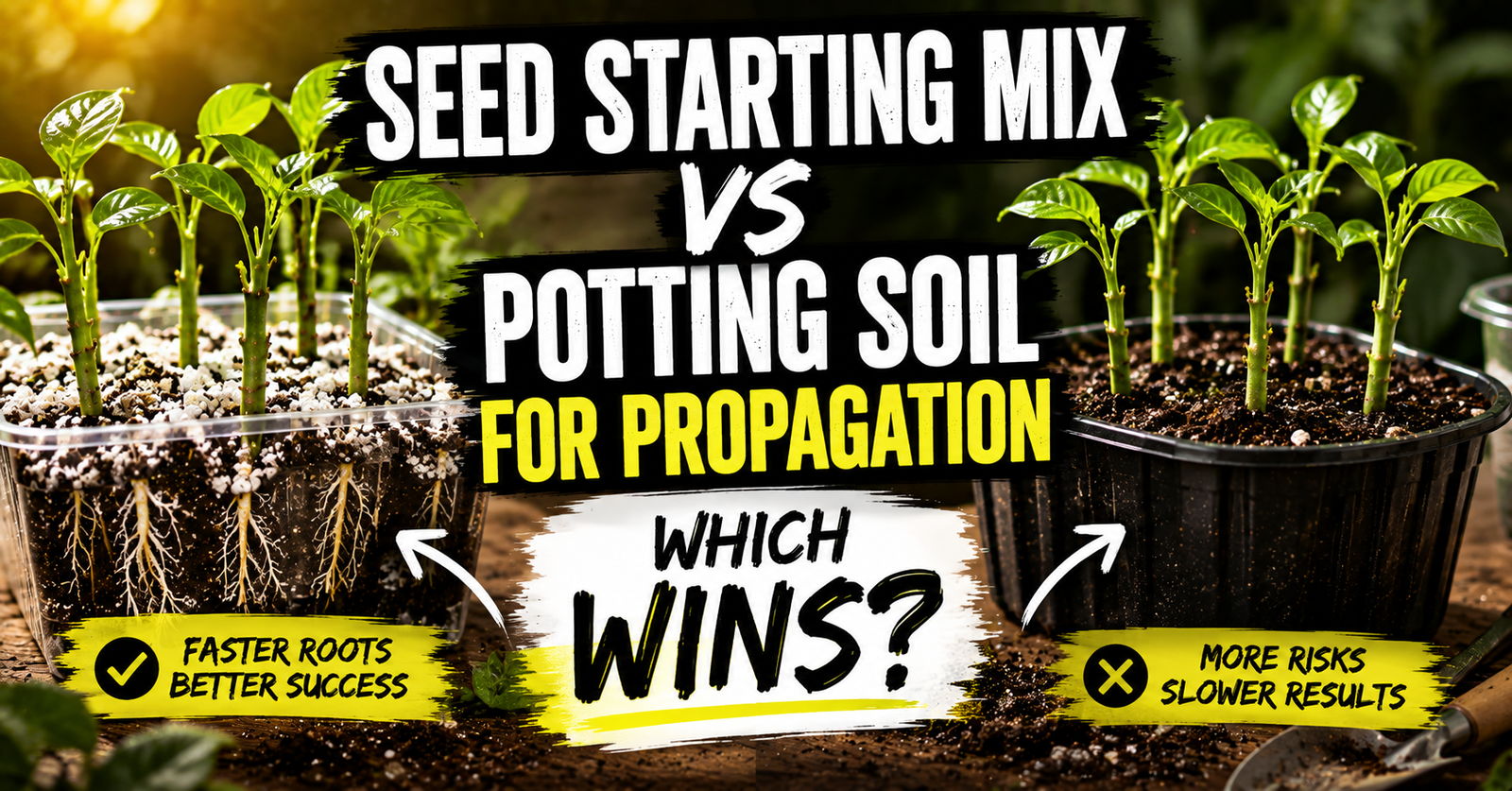
- Using an appropriate propagation medium
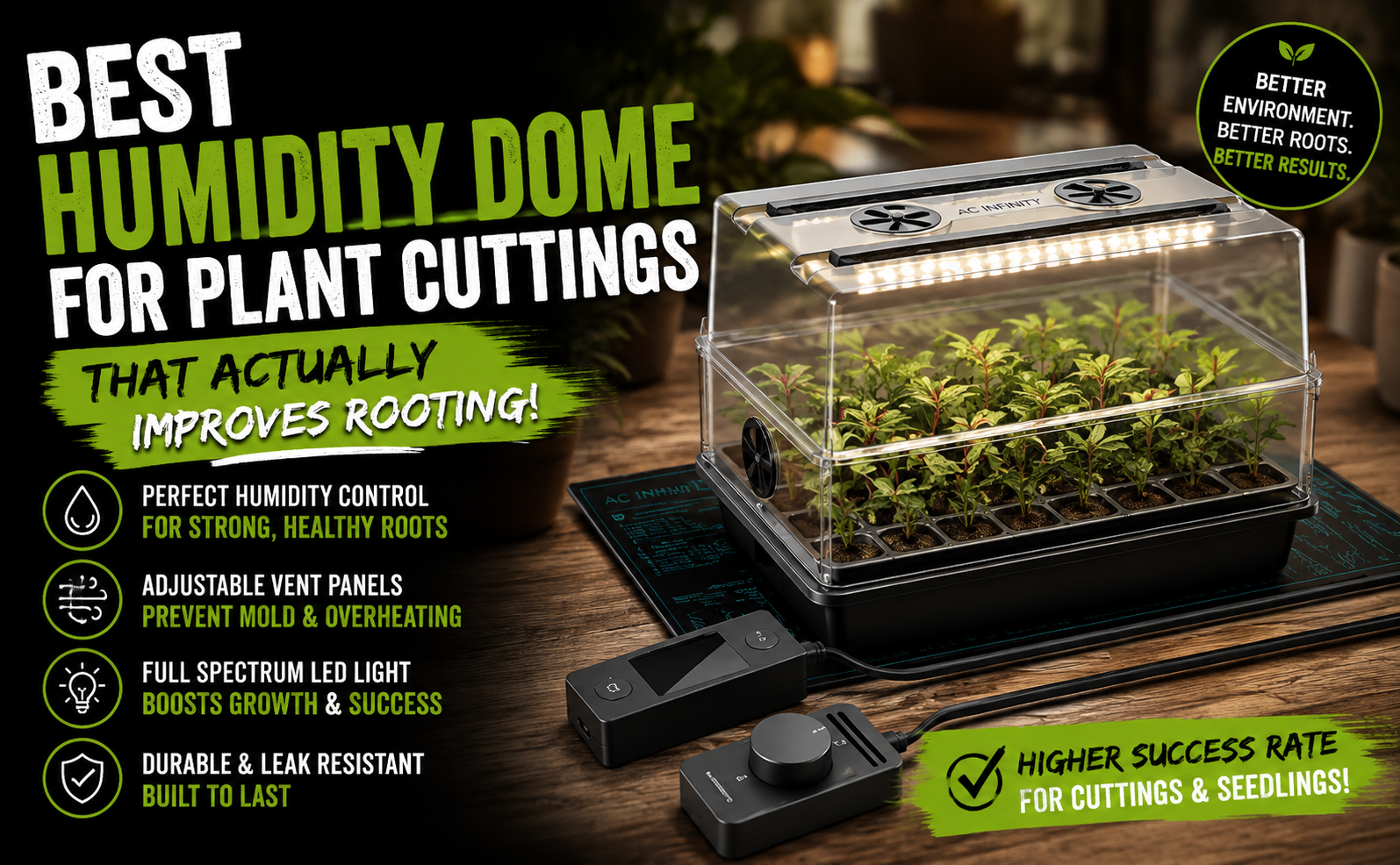
- Providing the right humidity
- Keeping temperatures consistent
- Avoiding overwatering
A premium rooting gel won’t save a poor cutting.
Likewise, a simple rooting powder can produce excellent results when the rest of your propagation setup is dialed in.
Which Rooting Hormone Is Best for Beginners?
If you’ve never propagated plants before, I usually recommend starting with either a gel or a powder.
Both are straightforward to use and don’t require any mixing before you get started.
Gel tends to be a little cleaner because it clings to the stem, while powder is usually the more budget-friendly option if you’re experimenting with propagation for the first time.
Once you start propagating more often, you can always decide if a liquid concentrate makes sense for the way you garden.
Which Is Best for Hardwood Cuttings?
Hardwood cuttings can be slower to root than softwood cuttings, so many gardeners choose a rooting hormone to improve their chances of success.
Personally, I think both powder and liquid concentrates make excellent choices for hardwood propagation.
Powder is quick and easy for dipping dormant cuttings, while a liquid concentrate offers additional flexibility if you’re already using it for transplanting and other propagation tasks.
Which Is Best for Softwood Cuttings?
Softwood cuttings are generally easier to root, but they can also be more delicate.
Because of that, many gardeners appreciate rooting gel since it coats the stem evenly and stays in place while the cutting is inserted into the propagation medium.
That said, powder also performs very well on many softwood plants when applied properly.
Which Is Best for Houseplants?
If your main goal is propagating pothos, philodendrons, monsteras, hoyas, or other common houseplants, I don’t think you need to overcomplicate things.
A rooting gel is often the easiest option for occasional propagation because it’s simple to apply and creates very little mess.
If you regularly propagate dozens of houseplants throughout the year, a liquid concentrate may offer better long-term value thanks to its versatility.
Which One Offers the Best Value?
This depends on how many plants you propagate.
If you’re only rooting a few cuttings every spring, rooting powder is probably the most economical choice.
The container lasts a long time, and the upfront cost is relatively low.
If you propagate every month, liquid concentrate becomes much more attractive.
Although it costs more initially, the concentrate stretches surprisingly far because you only mix what you need.
For many gardeners, that means a single bottle can last for years.
Gel falls somewhere in the middle.
It’s usually more expensive than powder but offers a very convenient application that many gardeners are happy to pay for.
Common Mistakes When Using Any Rooting Hormone
No matter which type you choose, a few simple mistakes can reduce your chances of success.
Dipping Directly Into the Original Container
It’s tempting to dip every cutting straight into the bottle, but that can introduce moisture and plant material into the remaining product.
Instead, pour a small amount into a separate container and discard any leftover after you’re finished.
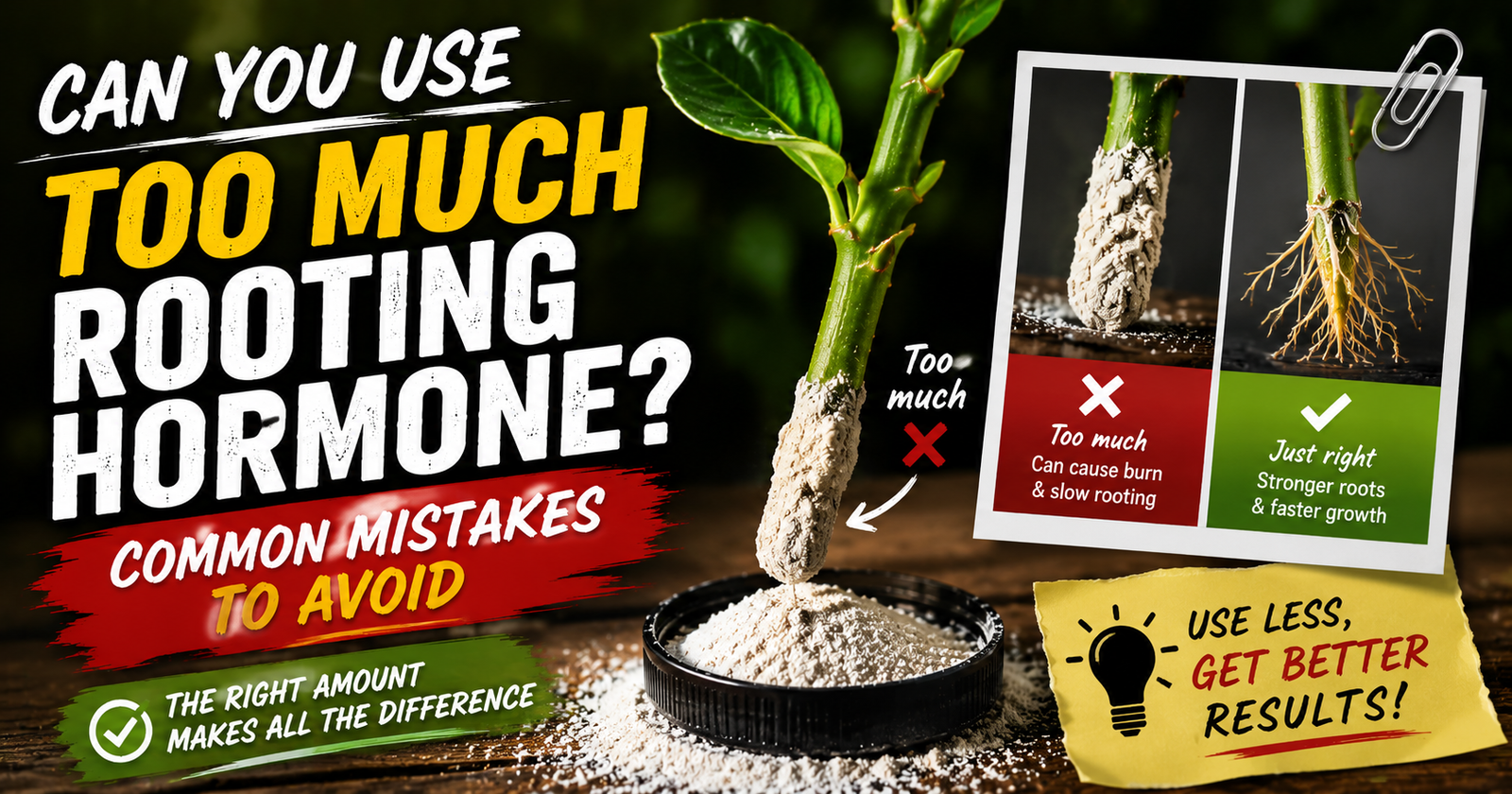
Using Too Much
More rooting hormone doesn’t mean faster rooting.
A light, even application is usually all that’s needed.
Excess product can actually work against you in some cases.
Forgetting the Pilot Hole
When using powder or gel, make a small planting hole before inserting your cutting.
This helps prevent the rooting hormone from being scraped off as the cutting goes into the propagation medium.
Ignoring the Rest of the Environment
Even the best rooting hormone can’t make up for poor propagation conditions.
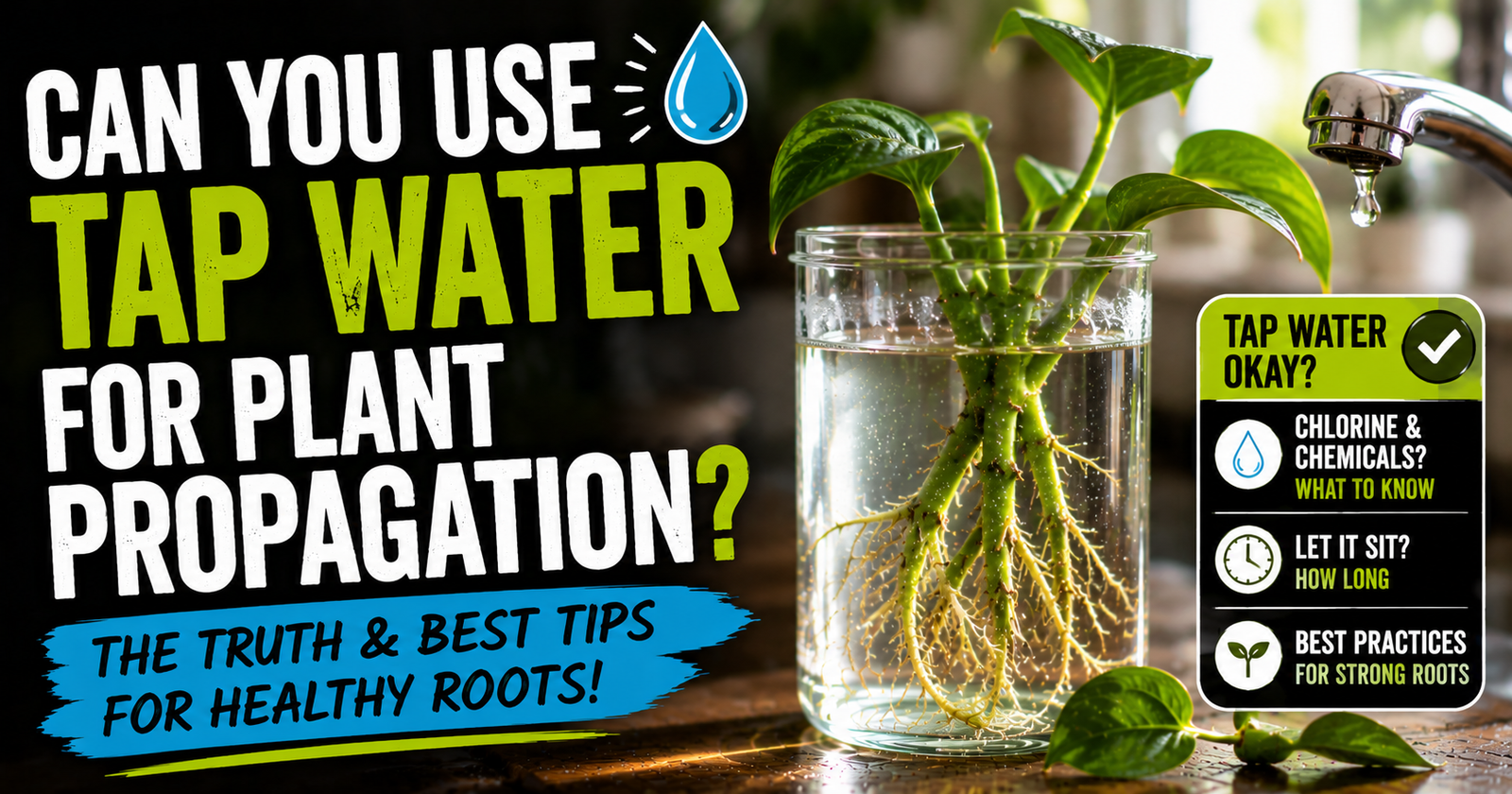
Humidity, moisture, temperature, light, and a clean propagation medium all play major roles in successful rooting.
So Which One Would I Choose?
If I only rooted a few cuttings each year, I’d probably buy a good rooting powder and call it a day.
It’s inexpensive, effective, and has a long shelf life when stored properly.
If I mainly propagated valuable houseplants or wanted the cleanest, easiest application, I’d lean toward a quality rooting gel.
But if I were propagating plants all season long, transplanting shrubs and trees, or managing a nursery, I’d invest in a liquid concentrate.
The ability to use one product for multiple gardening tasks—and the fact that one bottle can last such a long time—makes it hard to ignore.
Ultimately, there isn’t a wrong choice.
All three forms have earned their place in the gardening world because they work. The best rooting hormone is the one that matches your propagation style, your budget, and the types of plants you enjoy growing.
Which One Do I Reach for Most Often?
People sometimes expect there to be one perfect rooting hormone for every plant, but that’s honestly not how I garden.
If I’m taking softwood cuttings during spring, I usually reach for a rooting gel because it stays attached to tender stems so well.
When I’m propagating hardwood cuttings from dormant shrubs and trees, I often choose a rooting powder because it’s economical, stores exceptionally well, and has produced reliable results for decades.
For indoor plants, rooting gel is still usually my first choice because it’s clean, easy to apply, and works well on soft green stems.
If you’re trying to match a rooting hormone to a specific project, I’ve also written dedicated guides covering Best Rooting Hormone for Softwood Cuttings and Best Rooting Hormone for Hardwood Cuttings.
Which One Would I Buy?
If I could only keep one rooting hormone on the shelf, my answer would depend entirely on the type of propagation I planned to do.
For mostly indoor plants and soft green cuttings, I’d choose a quality rooting gel because it’s clean, simple to use, and stays attached to the stem during planting.
If I were focusing on dormant shrubs, trees, grapes, or other woody plants, I’d probably keep a rooting powder on hand because it’s economical, dependable, and stores well for years.
For gardeners who propagate all season long or work with a wide variety of plants, a liquid concentrate offers the most flexibility and can often handle several propagation jobs with one bottle.
If you’re just getting started and aren’t sure whether you even need rooting hormone, it’s worth reading Does Rooting Hormone Really Work? What Every Gardener Should Know before making a purchase.
Is There Anything Else That Can Help Me Have Better Success?
No matter which type of rooting hormone you decide to use, the environment around the cutting is just as important as the product itself. Healthy moisture levels, good oxygen exposure, and stable conditions all contribute to successful rooting.
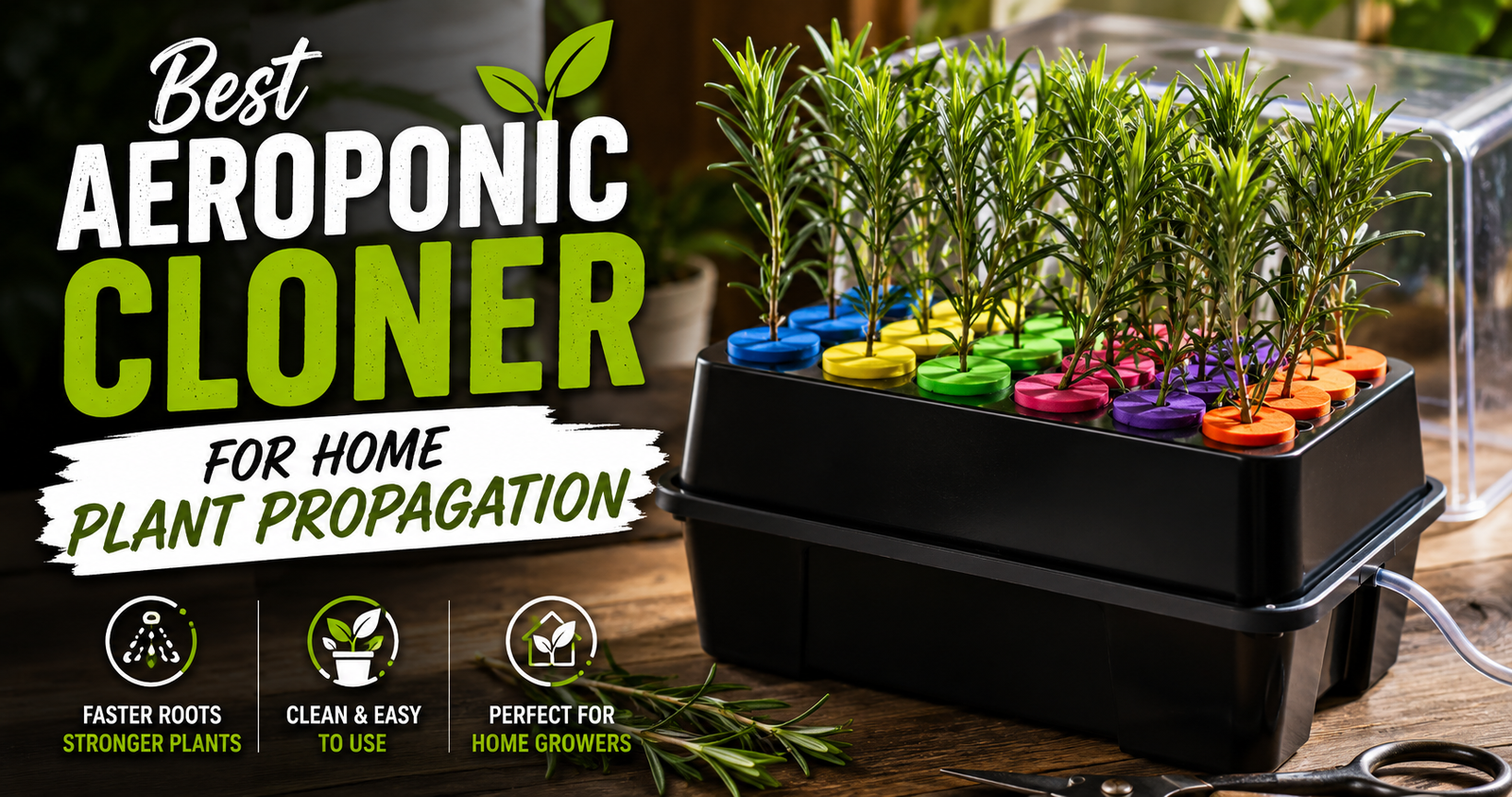
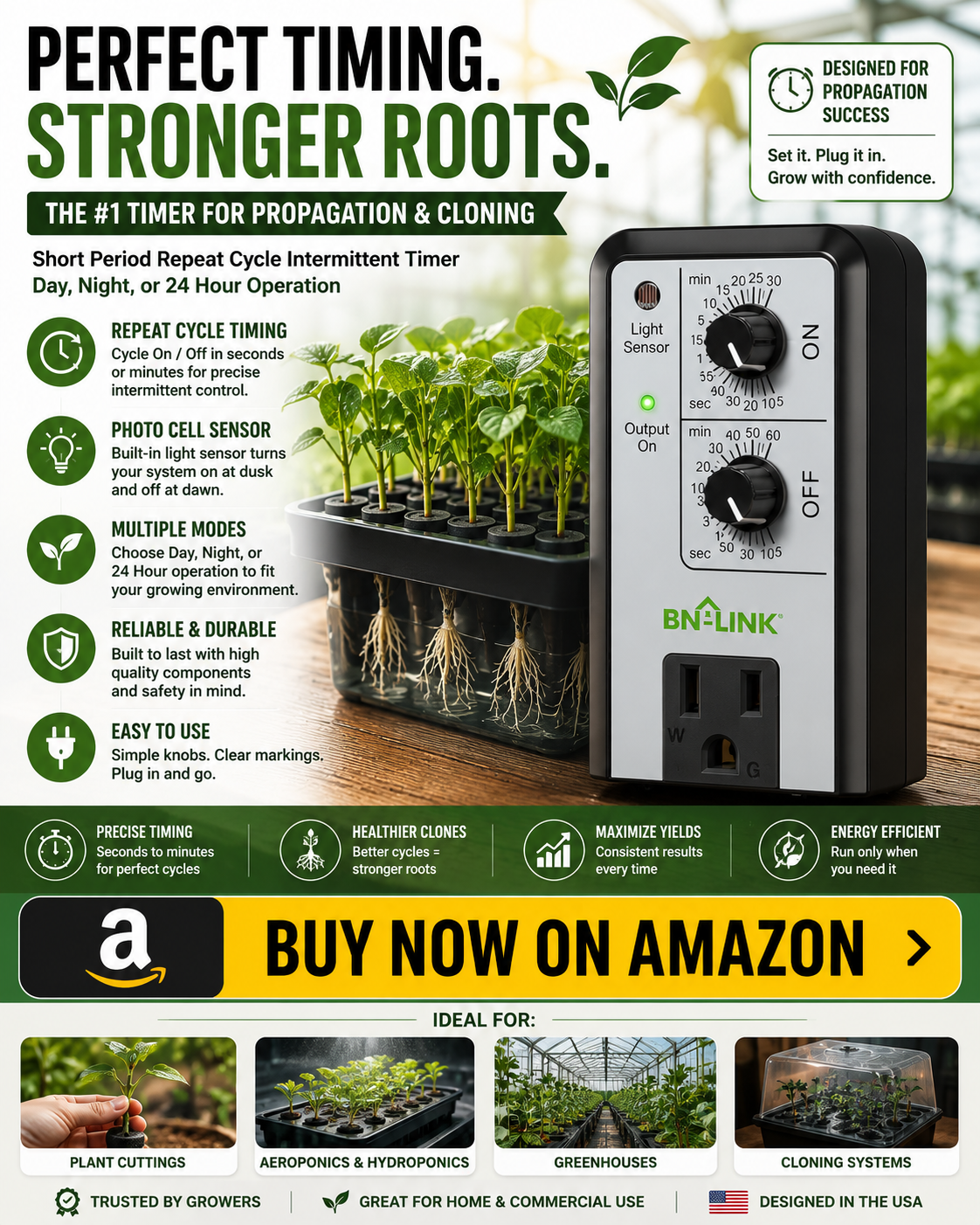
If you’re propagating dozens of cuttings at once, an Aeroponic Cloner can simplify the entire process by automatically misting the stems while exposing them to plenty of oxygen. Pairing it with a BN-LINK Short Period Repeat Cycle Timer gives you even greater control by allowing you to adjust how often the pump runs.
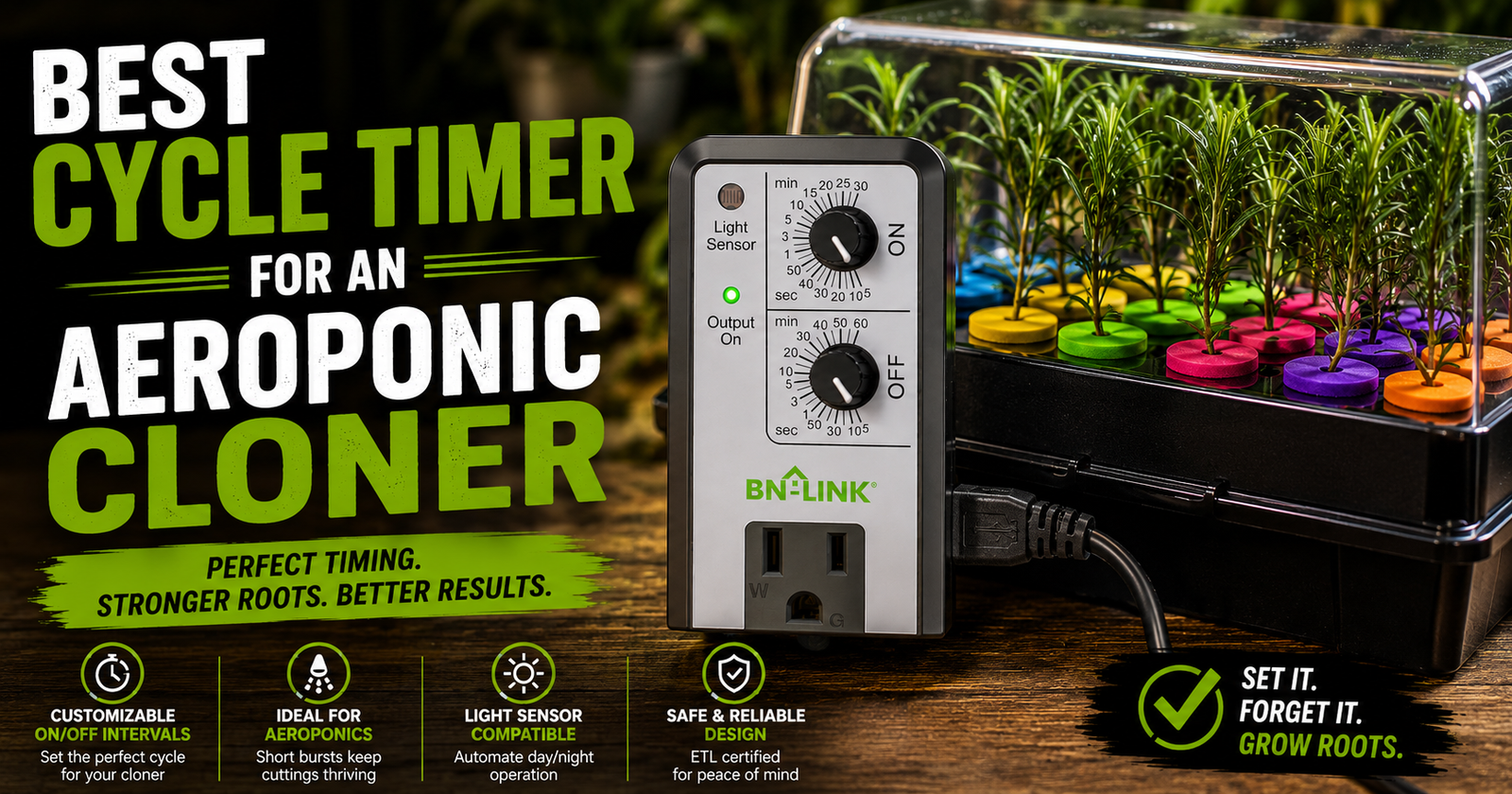
I explain exactly how those timers work, recommended starting intervals, and why they’re one of my favorite propagation upgrades in my guide to the Best Cycle Timer for an Aeroponic Cloner.
Frequently Asked Questions
Is rooting gel better than rooting powder?
Not necessarily. Rooting gel stays on the cutting more effectively, while rooting powder is usually less expensive and stores well for long periods. Both can produce excellent results when used correctly.
Does liquid rooting hormone work better?
Liquid rooting hormone isn’t automatically more effective than gel or powder. Its biggest advantage is versatility. In addition to propagation, many liquid concentrates can also be used during transplanting and in other gardening applications.
Can I switch between different types?
Yes. Many gardeners keep more than one type on hand and choose the one that best fits the project. For example, you might use a gel for delicate houseplant cuttings and a liquid concentrate when transplanting shrubs.
Which type lasts the longest?
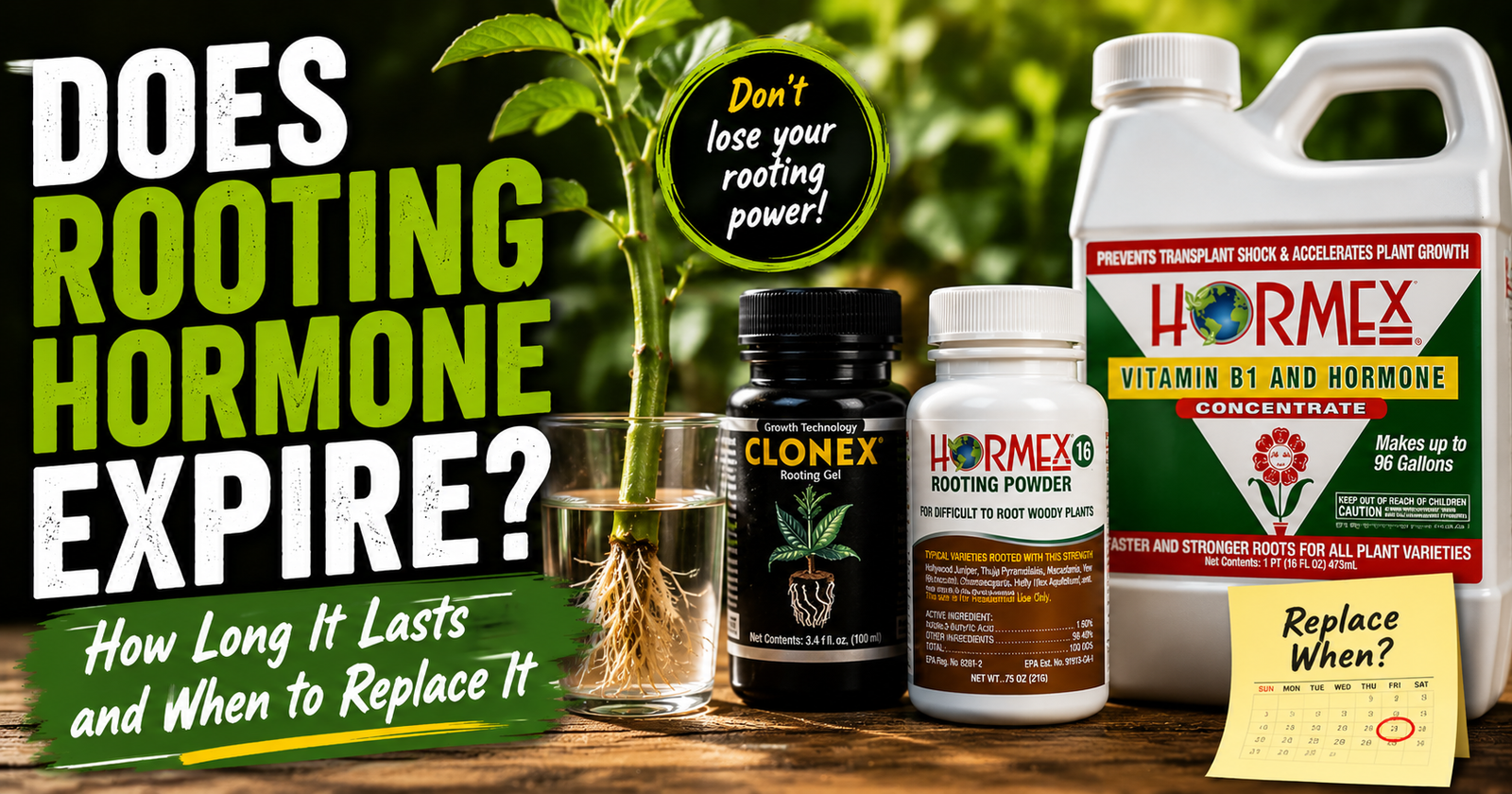
While storage conditions matter, rooting powders generally have the longest shelf life because they’re less susceptible to contamination than gels or liquids. Keeping any rooting hormone sealed, cool, and dry will help it remain effective longer. If you’re unsure whether an older container is still usable, my article Does Rooting Hormone Expire? How Long It Lasts and When to Replace It explains what to look for.
About the Author
Dax Weaver is the founder of Propagation World and has spent years propagating thousands of plants at his family nursery. His experience includes rooting hardwood and softwood cuttings, grafting fruit trees, dividing perennials, and growing healthy nursery stock for customers across a wide variety of plants. Through Propagation World, he shares practical propagation techniques, honest product reviews, and straightforward advice to help gardeners propagate with confidence.