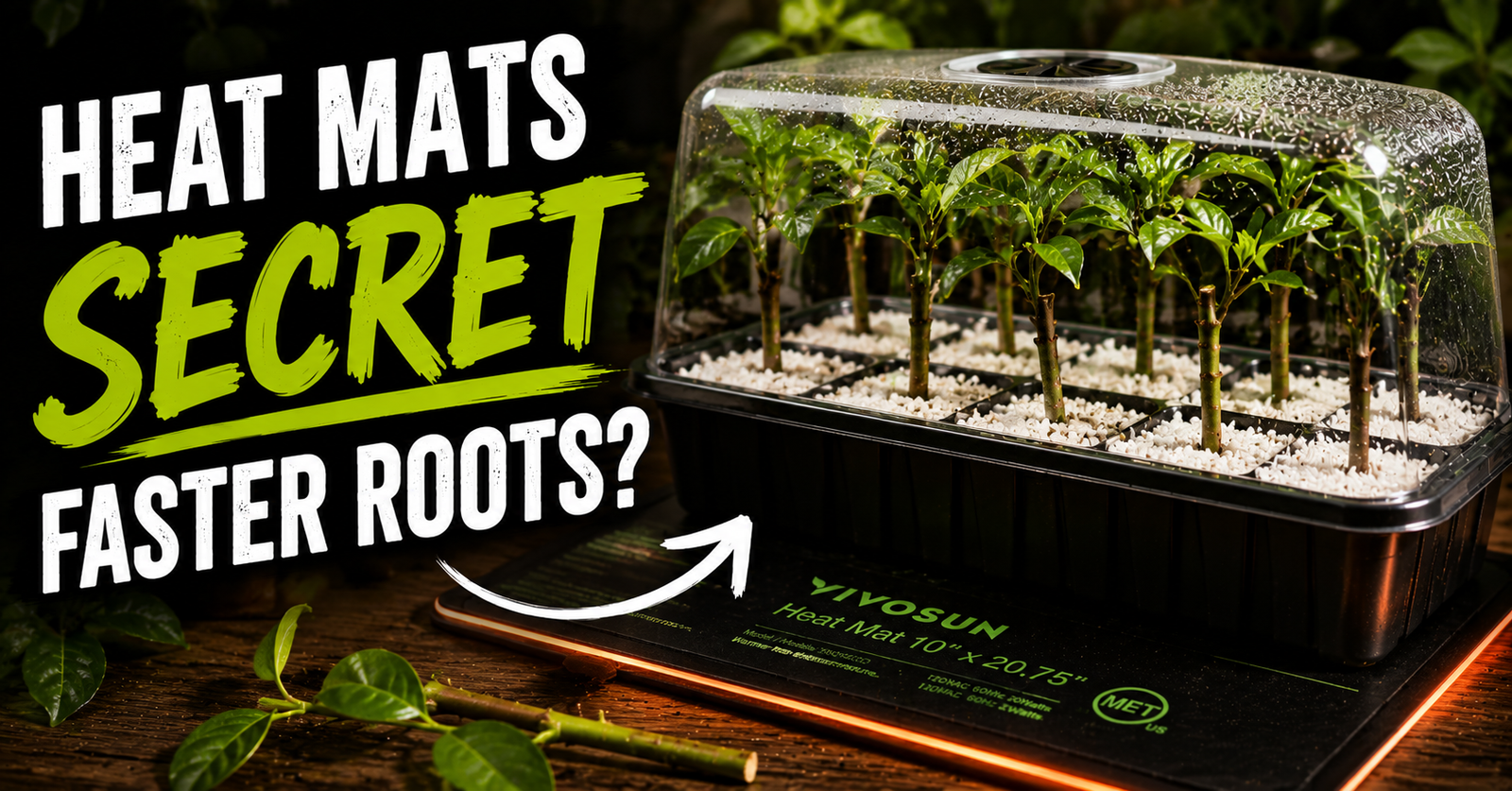
Plug in a propagation heat mat and you’ll often hear claims that your cuttings will root twice as fast.
That sounds great.
It also raises an important question.
Is it actually true, or is it just another gardening gadget making big promises?
The honest answer is a little more interesting than a simple yes or no.
A heat mat doesn’t magically force roots to appear.
It doesn’t rescue unhealthy cuttings.
It doesn’t replace good propagation habits.
What it can do is create a much more consistent environment where roots have a better chance to develop, especially when temperatures aren’t cooperating.
I’ve found that’s where bottom heat really shines.
Not because it’s dramatic.
Because it’s dependable.
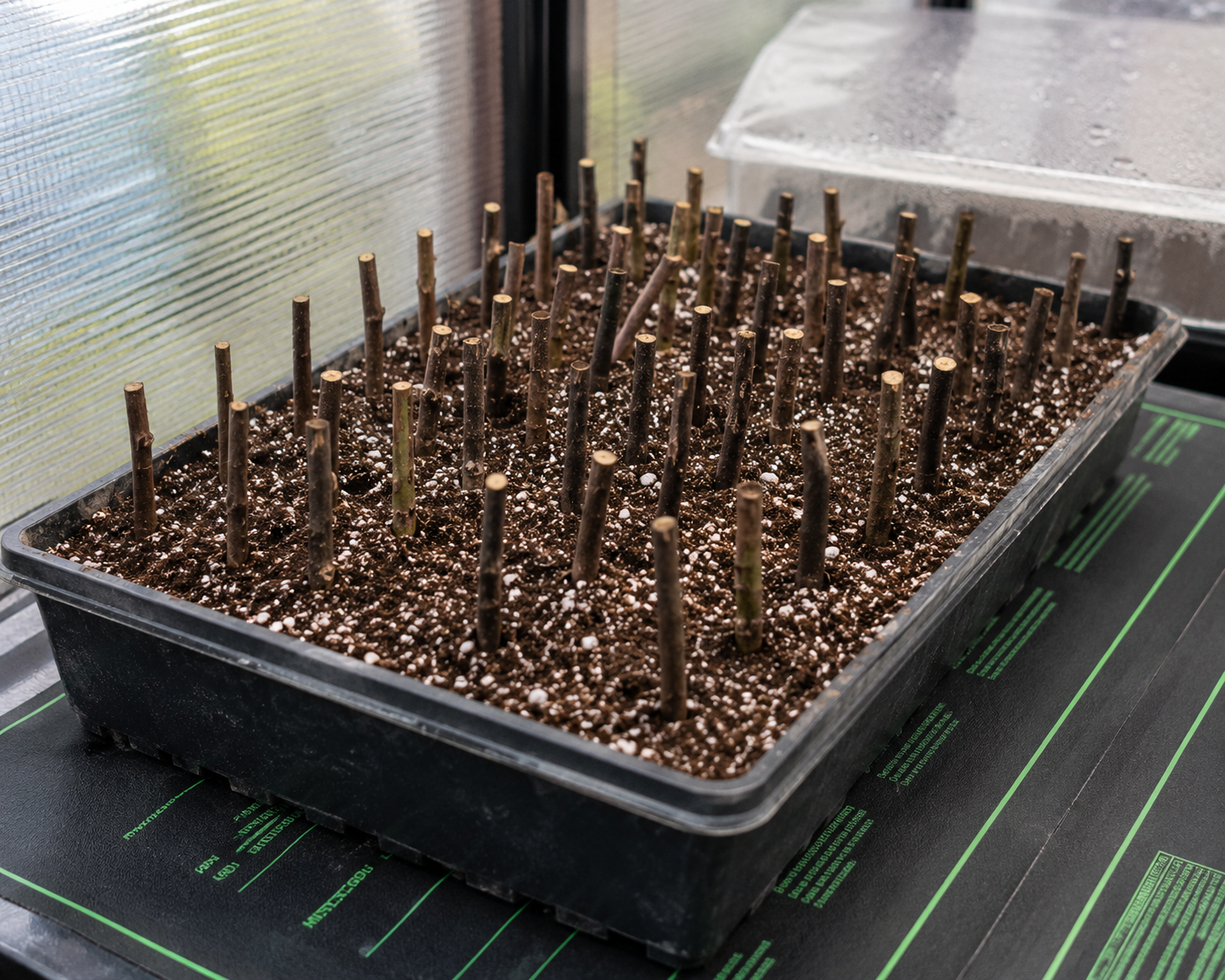
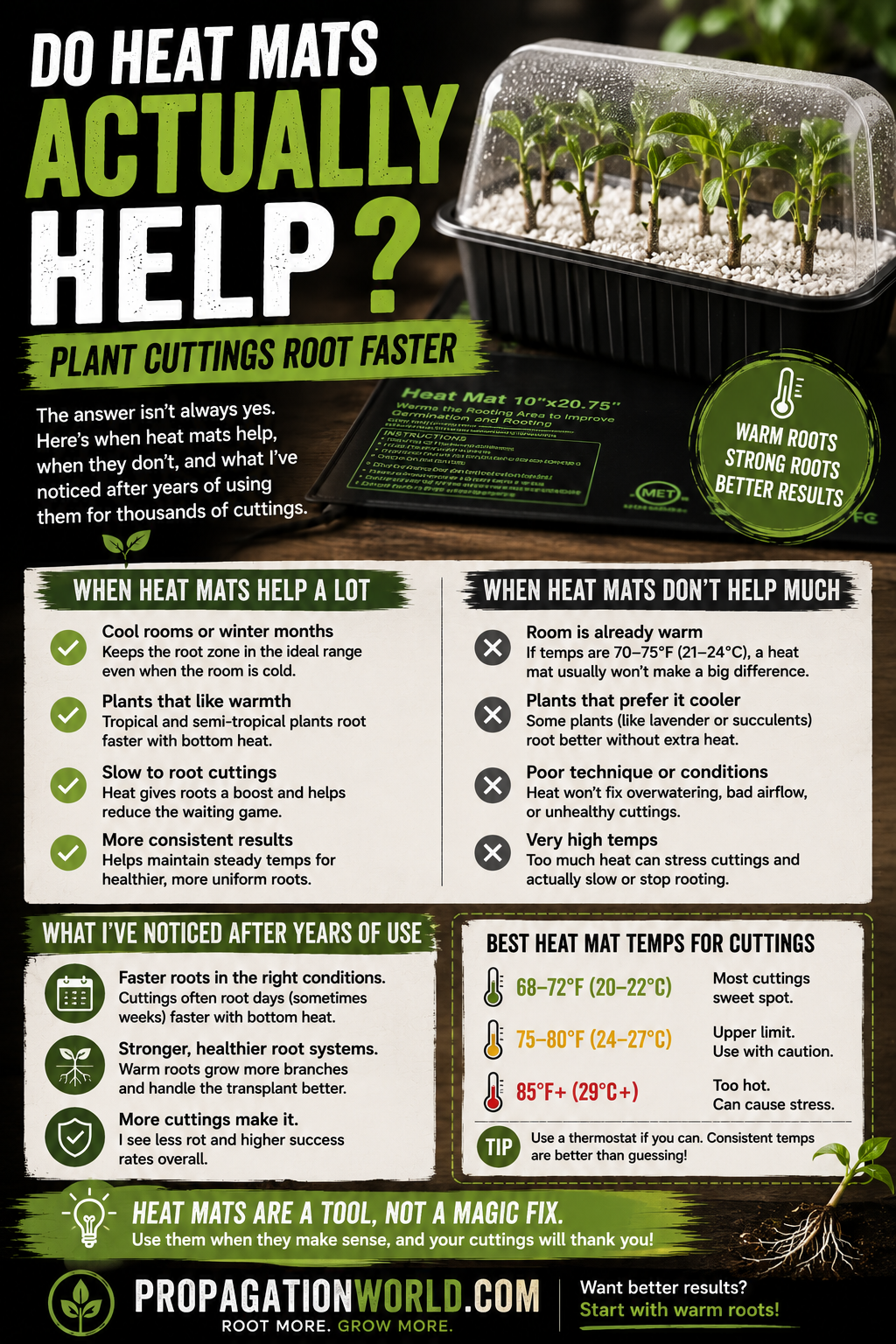
Roots Care More About Temperature Than Most People Realize
The leaves and stems are easy to see, so it’s natural to focus all of our attention there.
The roots are where the real work is happening.
Or, in the case of fresh cuttings, where the work is trying to happen.
Developing roots are surprisingly sensitive to temperature.
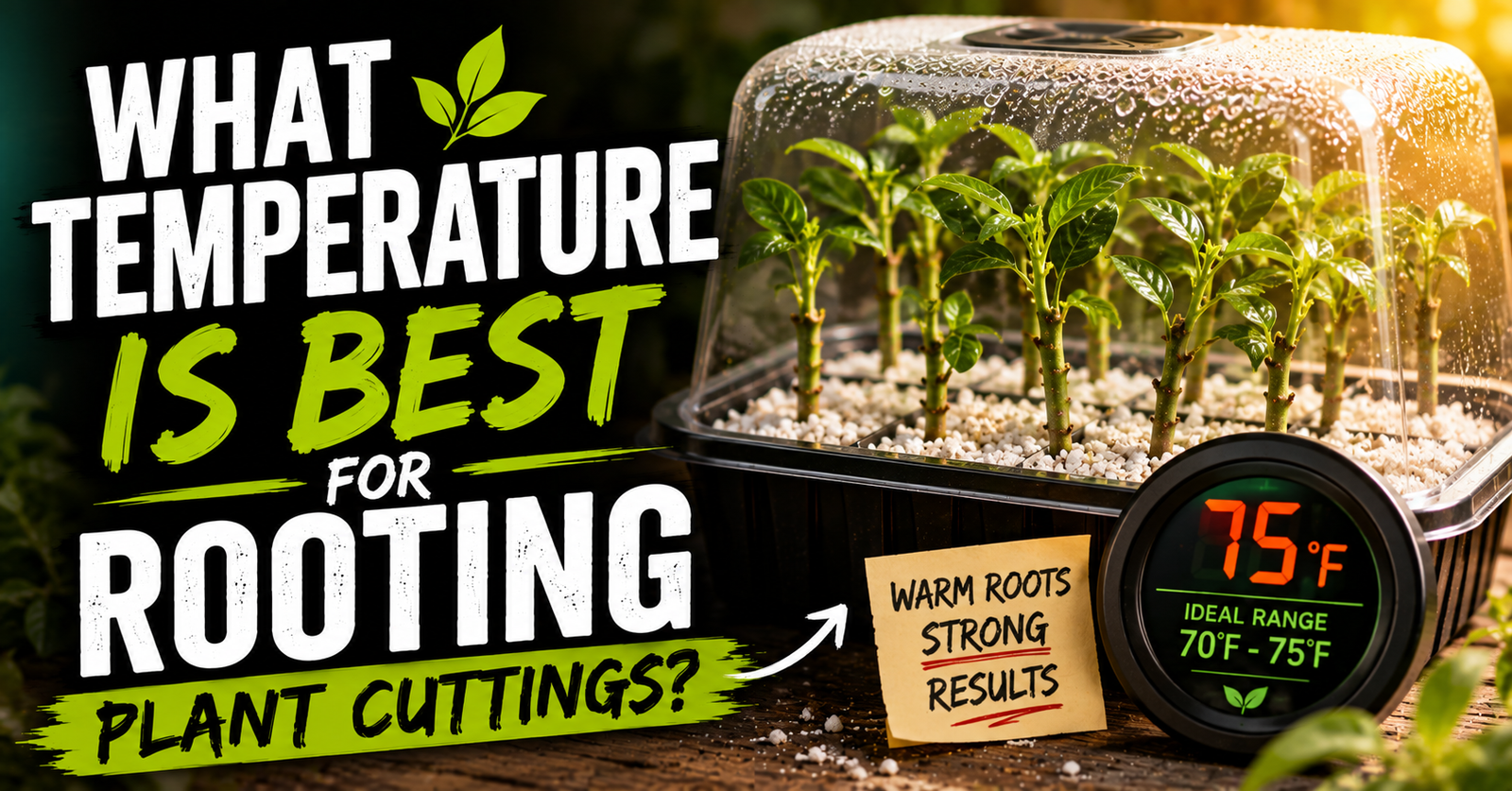
If the rooting medium stays cool for long periods, many plants simply slow down. Understanding ideal rooting temperatures helps explain why even modest cooling can delay root development.
They aren’t necessarily unhealthy.
They’re just waiting for better conditions.
That’s one reason I pay much more attention to the temperature around the roots than I used to.
Keeping the root zone consistently warm often matters more than warming the entire room.
When I Notice the Biggest Difference
There are times when I honestly don’t bother using a heat mat.
If I’m propagating outside during late spring and the weather is consistently warm, nature usually does the work for me. The same temperature-based approach can help you decide whether using a heat mat during summer is actually necessary: using a heat mat during summer.
Indoor propagation is a different story.
Basements.
Garages.
Spare bedrooms.
Even greenhouses during cool nights can allow propagation trays to lose warmth much faster than people expect.
That’s when a heat mat starts earning its place.
Instead of the rooting medium warming up during the day and cooling dramatically every night, the temperature stays much more stable.
Plants appreciate consistency.
I’ve found propagation does too.
The One I Continue Using
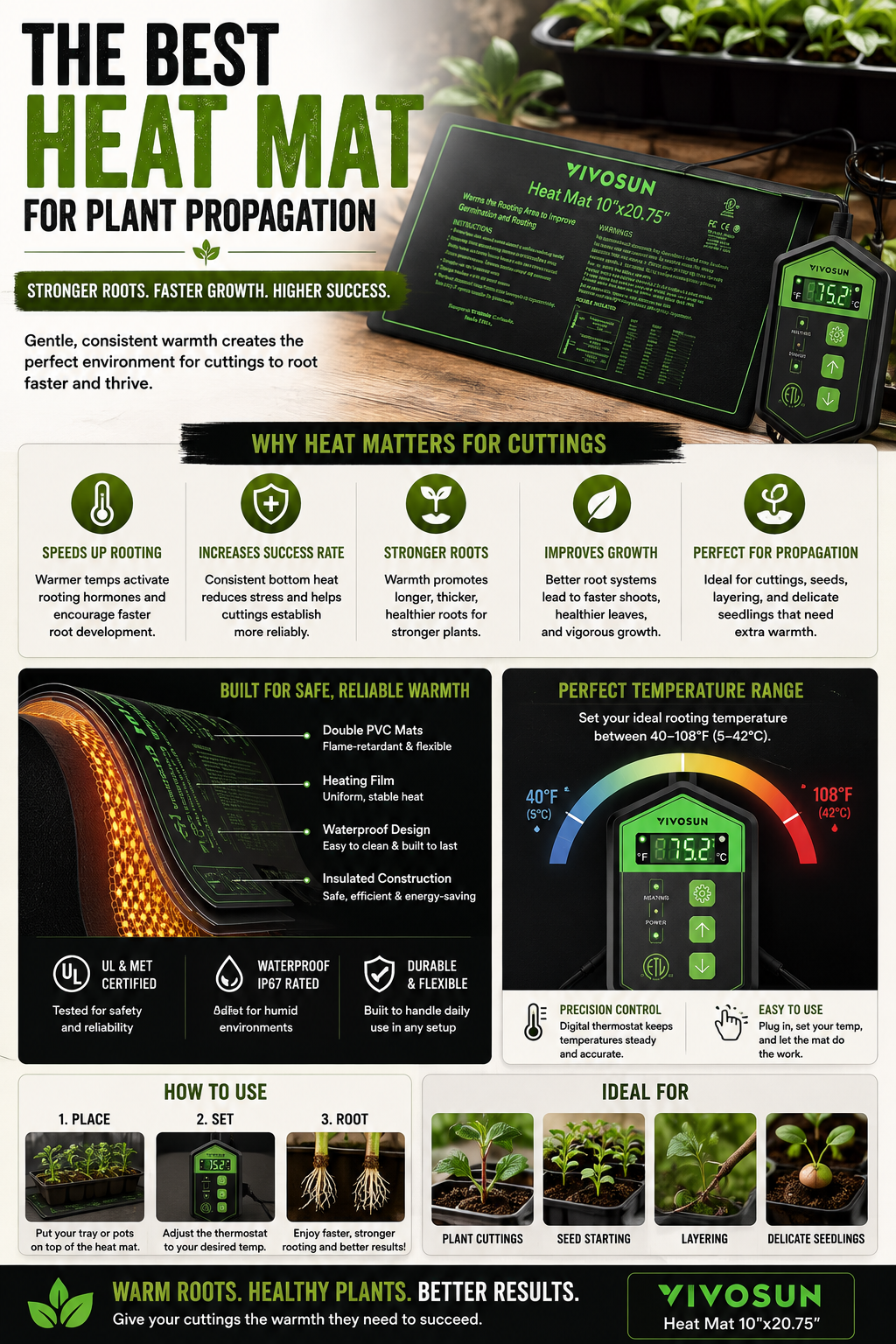
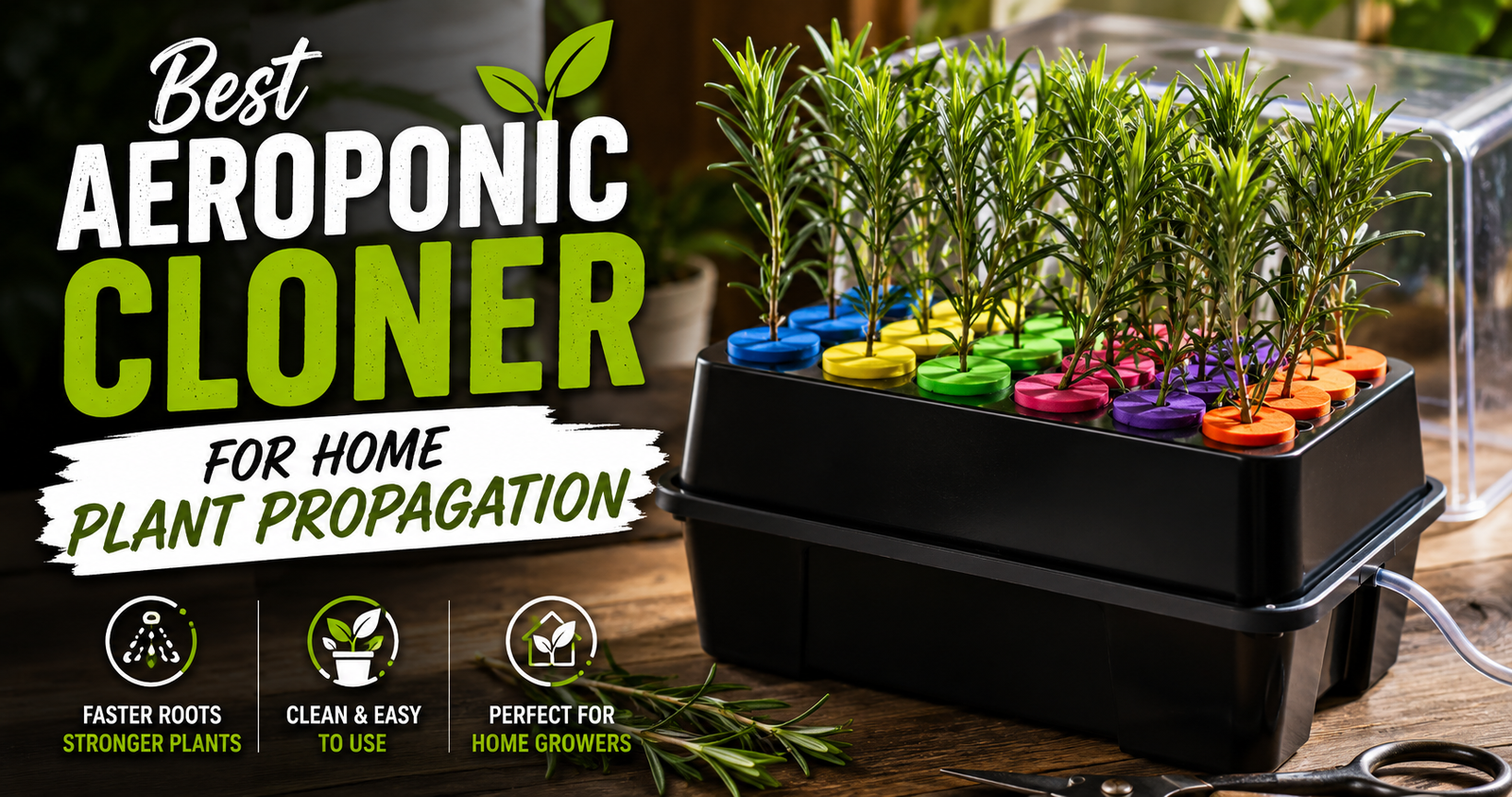
There are dozens of heat mats on the market, but after trying several setups, I keep coming back to the propagation heat mat I recommend for rooting cuttings.
What I like most isn’t that it gets hot.
It’s that it stays consistent.
The included thermostat lets me maintain a steady root-zone temperature instead of guessing, and that’s made propagation much more predictable throughout the cooler months.
It’s one of those tools that quietly does its job without needing constant attention.
Faster Isn’t Always the Best Way to Measure Success
When gardeners talk about heat mats, the conversation almost always revolves around speed.
“How many days faster?”
“How much quicker?”
Personally, I think that’s looking at the wrong measurement.
I’d rather have healthy roots than fast roots.
I’ve had cuttings root a few days earlier in poor conditions only to struggle after transplanting.
I’ve also had slightly slower cuttings develop dense, vigorous root systems that took off the moment they were potted up.
If a heat mat gives me stronger, more consistent roots, I’m happy.
If it also saves a little time, that’s simply a bonus.
The Secret Is Under the Soil, Not Above It
Most people naturally pay attention to the leaves.
If the leaves look healthy, they assume everything is going well.
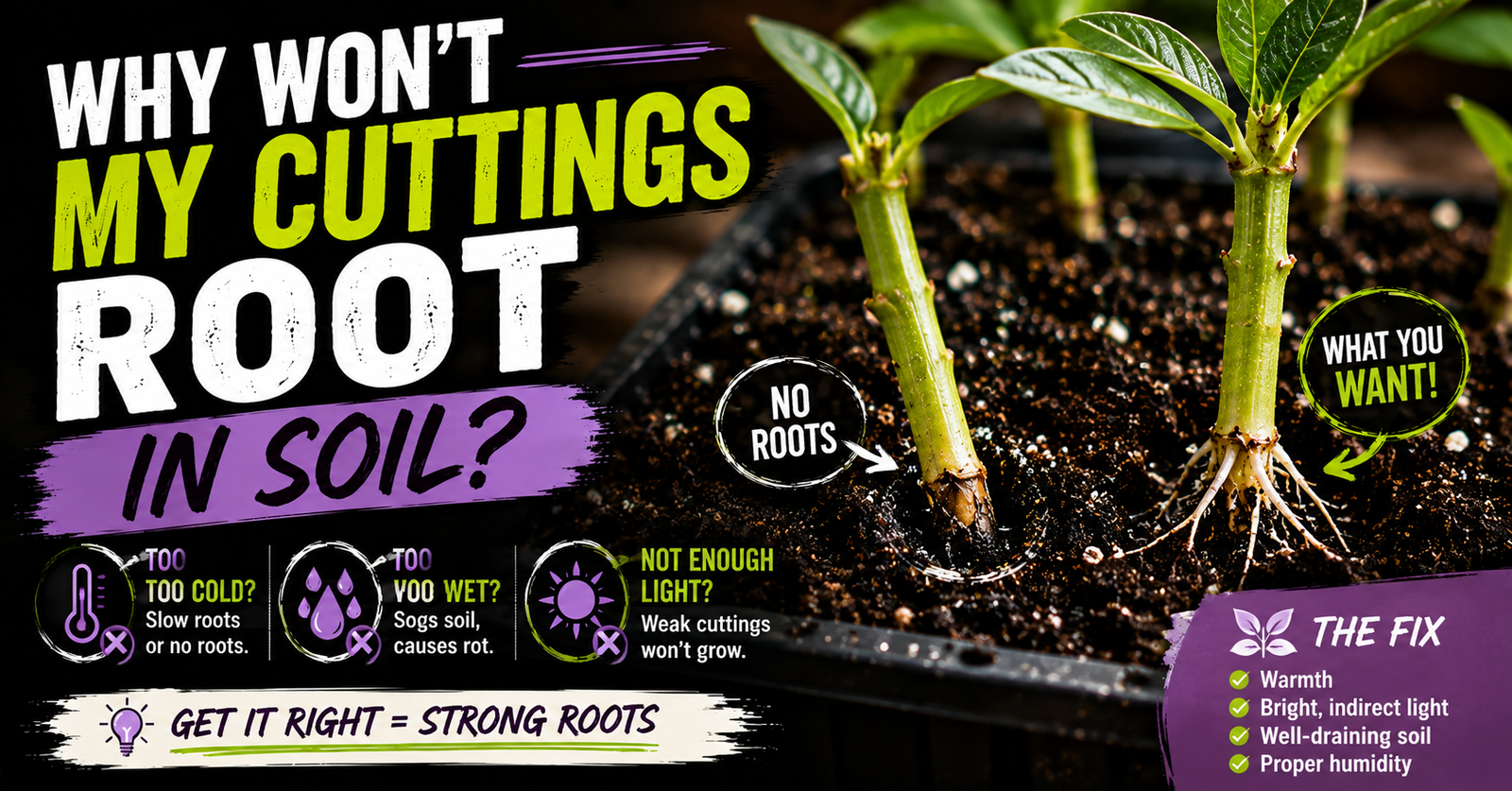
When propagating cuttings, the real action is happening where you can’t see it.
Down around the stem.
That’s where tiny root initials are trying to form.
Those developing roots are surprisingly sensitive to cold temperatures.
If the propagation mix stays chilly for long periods, many cuttings simply slow down.
They’re not necessarily unhealthy.
They’re just waiting for better conditions before investing energy into new roots.
That’s exactly what a heat mat helps provide.
Instead of the root zone warming up during the afternoon and cooling dramatically overnight, it stays much more stable.
Plants appreciate consistency.
Roots do too.
Some Plants Benefit More Than Others
One thing I’ve noticed is that not every plant responds the same way.
Easy houseplants like pothos or wandering dude usually don’t need much encouragement.
Give them decent conditions and they’ll often root anyway.
Woody shrubs are another story.
Hydrangeas.
Blueberries.
Grapes.
Roses.
Elderberries.
Many fruit trees.
Those plants often spend much longer developing roots, especially when temperatures are on the cool side.
That’s where bottom heat has made the biggest difference in my own propagation projects.
I don’t expect miracles.
I simply notice healthier, more consistent rooting when the root zone stays warm instead of constantly fluctuating.
When I Reach for a Heat Mat
I don’t use one every day of the year.
During late spring and much of the summer, nature usually provides all the warmth my propagation trays need.
Where a heat mat really earns its place is during early spring, late fall, winter, or anytime I’m propagating indoors.
Basements and garages often stay much cooler than people realize.
Even a bright window can have a surprisingly cold windowsill.
Those cooler conditions can slow rooting much more than most gardeners expect.
That’s when I pull out the propagation heat mat I rely on most.
The built-in thermostat keeps the rooting medium much more consistent, and I spend far less time wondering whether temperature is holding my cuttings back.
Faster Isn’t the Only Thing I Notice
People love asking how many days a heat mat saves.
Honestly, I don’t keep a stopwatch beside my propagation trays.
What I pay attention to is consistency.
The cuttings seem less stressed.
Root development is more even across the tray.
Instead of one cutting rooting quickly while another seems to stall for no obvious reason, I tend to see more uniform progress.
To me, that’s a much bigger advantage than simply shaving a few days off the calendar.
Healthy, vigorous roots are worth far more than rushed roots that struggle after transplanting.
Warm Roots Don’t Mean Hot Roots
This is one of the biggest misconceptions about propagation heat mats.
Some gardeners assume that if a little warmth is good, a lot of warmth must be even better.
Plants don’t work that way.
The goal isn’t to make the rooting medium hot.
The goal is to keep it comfortably warm and, more importantly, consistent.
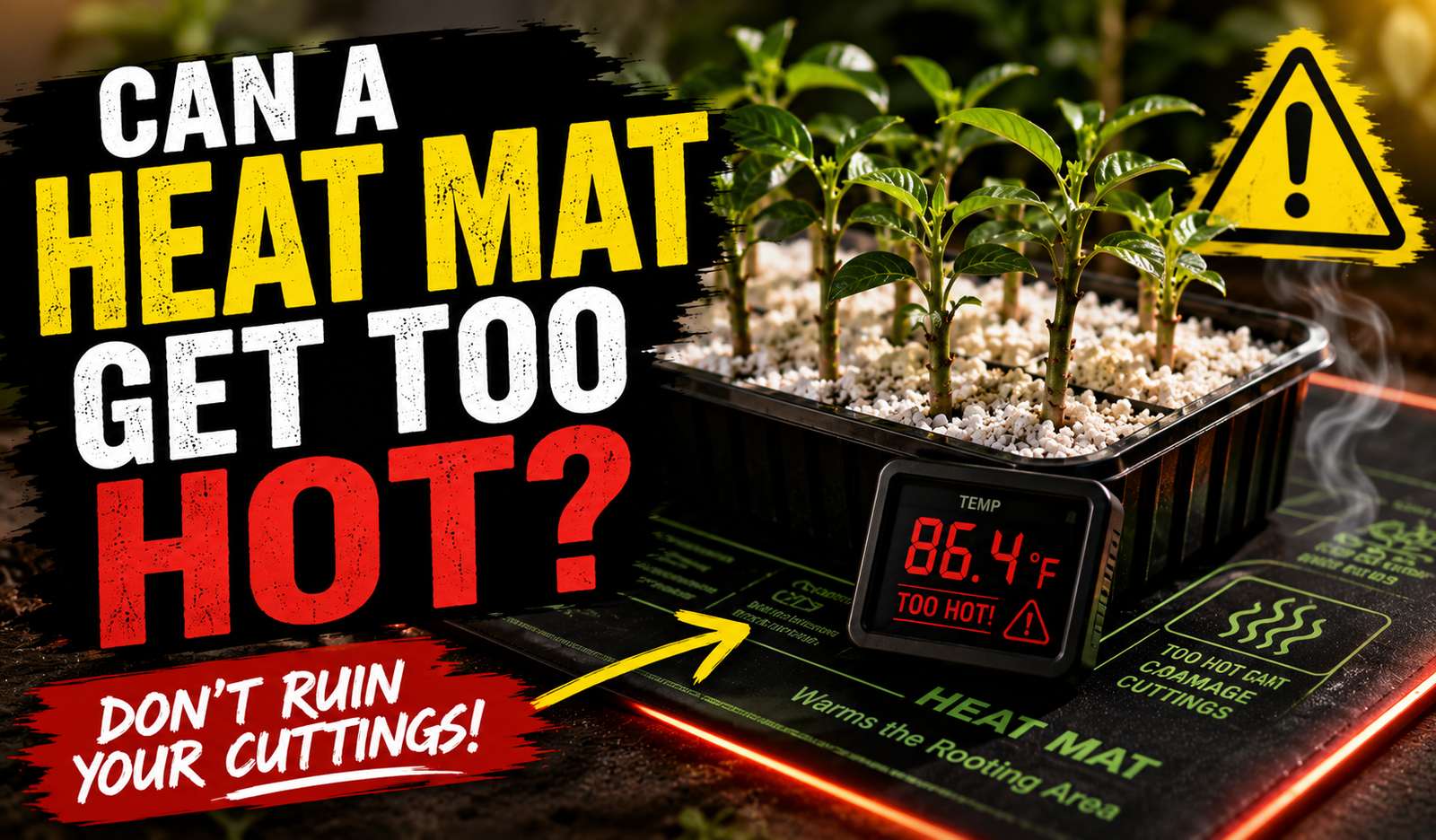
Too much heat can dry out the propagation mix much faster than expected. Understanding heat mat overheating risks can help you keep the rooting mix from drying out too quickly.
It can also place unnecessary stress on fresh cuttings that are already working hard to produce roots.
That’s one reason I prefer using a heat mat with a thermostat instead of one that simply stays on full power all day.
Maintaining a stable temperature has given me much better results than chasing the warmest possible conditions.
A Heat Mat Won’t Fix Other Problems
I sometimes see disappointed gardeners blame a heat mat because their cuttings still failed.
In reality, the heat mat may have had nothing to do with it.
If the cutting was unhealthy to begin with, no amount of bottom heat can fix that.
If the stem stayed soaking wet for weeks, warmer soil isn’t going to prevent stem rot.
If the cutting dried out because humidity was too low, the extra warmth may actually make moisture loss happen faster.
A heat mat is only one part of the propagation setup.
It works best when everything else is working with it.
Healthy parent plants.
Clean pruning shears.
A light propagation mix.
Good humidity.
Reasonable lighting.
When those pieces come together, bottom heat becomes much more effective.
My Favorite Combination
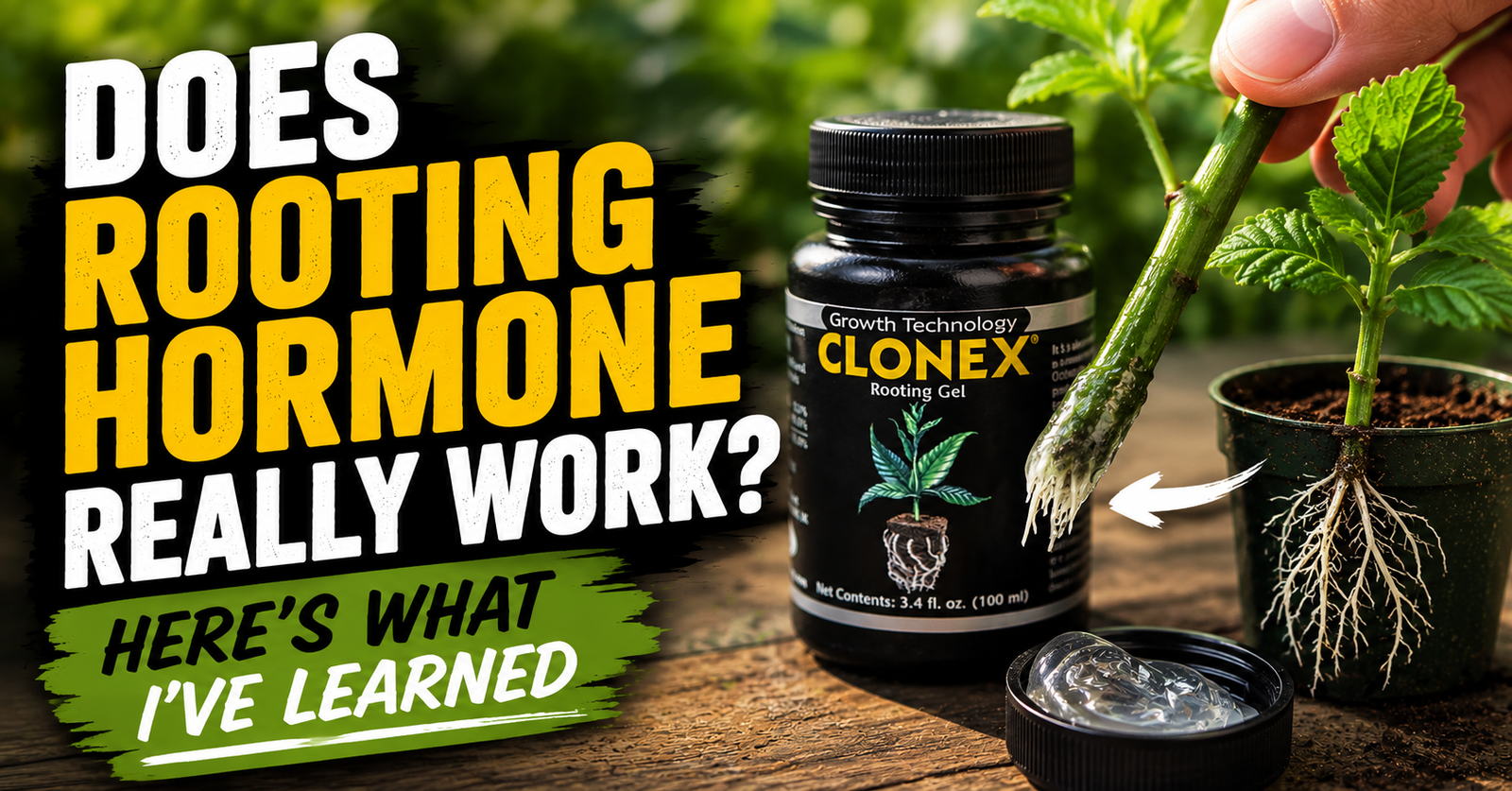
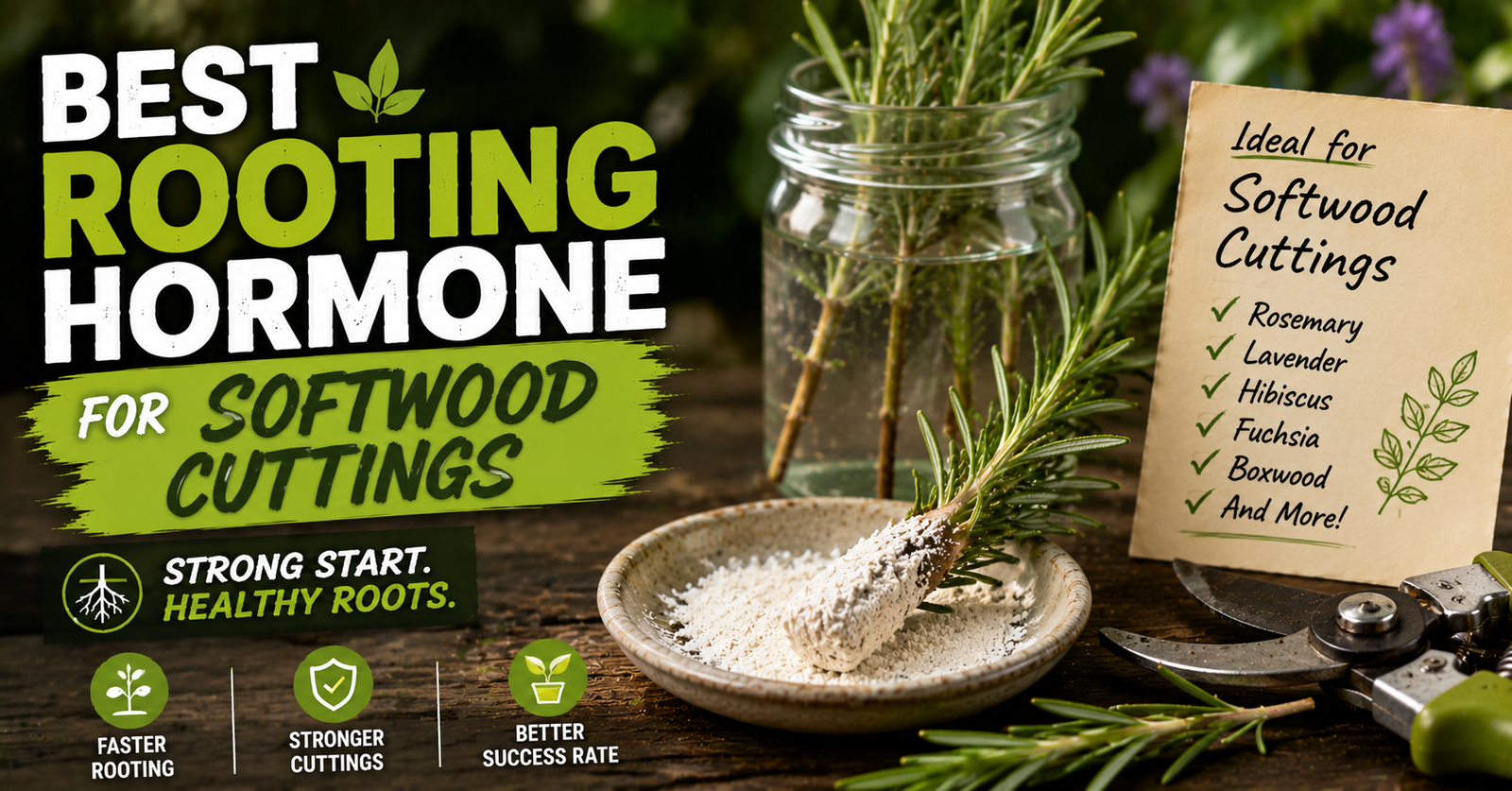
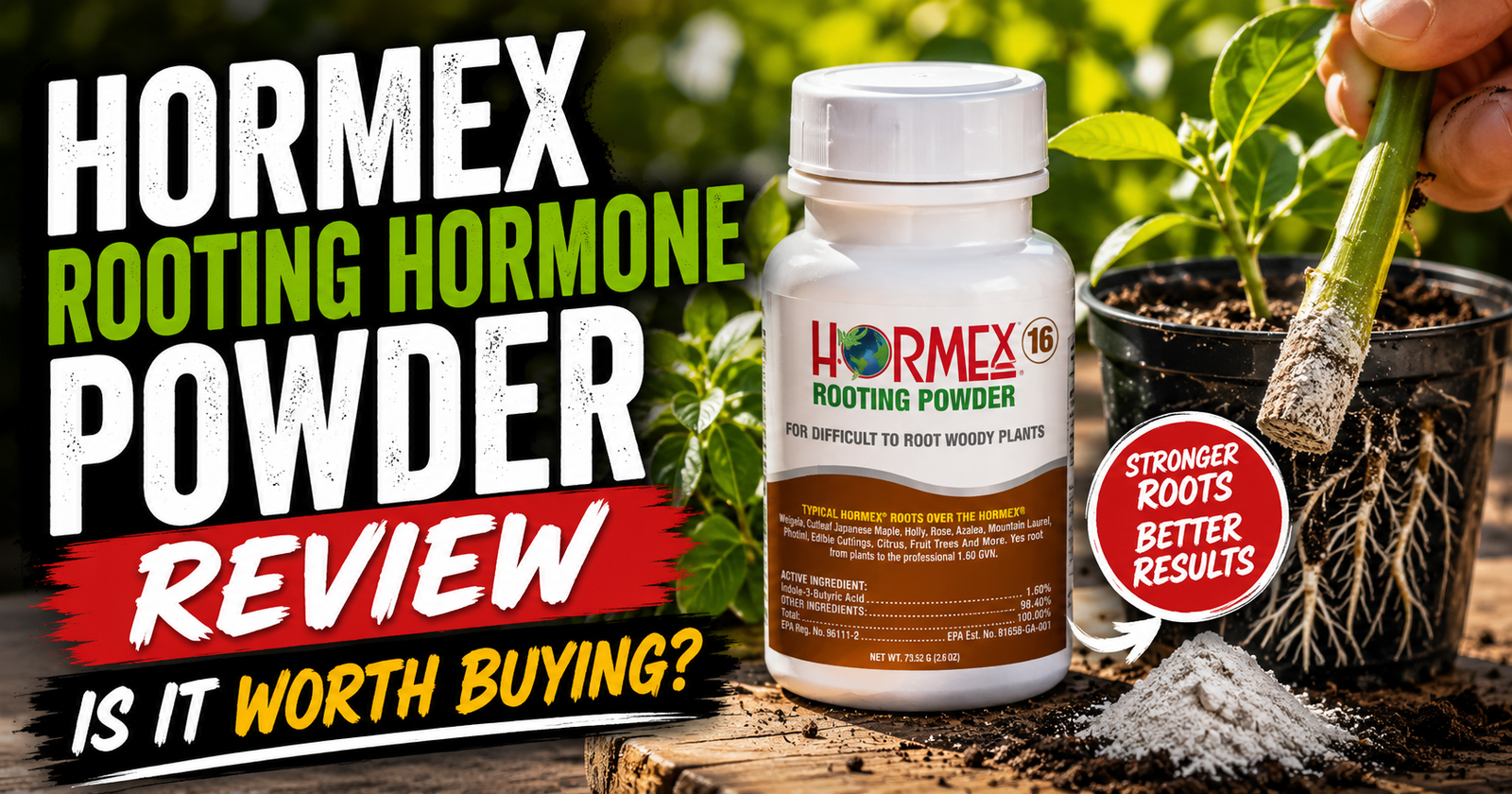
If I’m rooting plants that normally take several weeks, I almost always combine several tools instead of relying on only one. One of those tools may be rooting hormone, but its benefits depend on the cutting and the conditions, as rooting hormone’s role in propagation explains.
The heat mat keeps the root zone consistently warm.
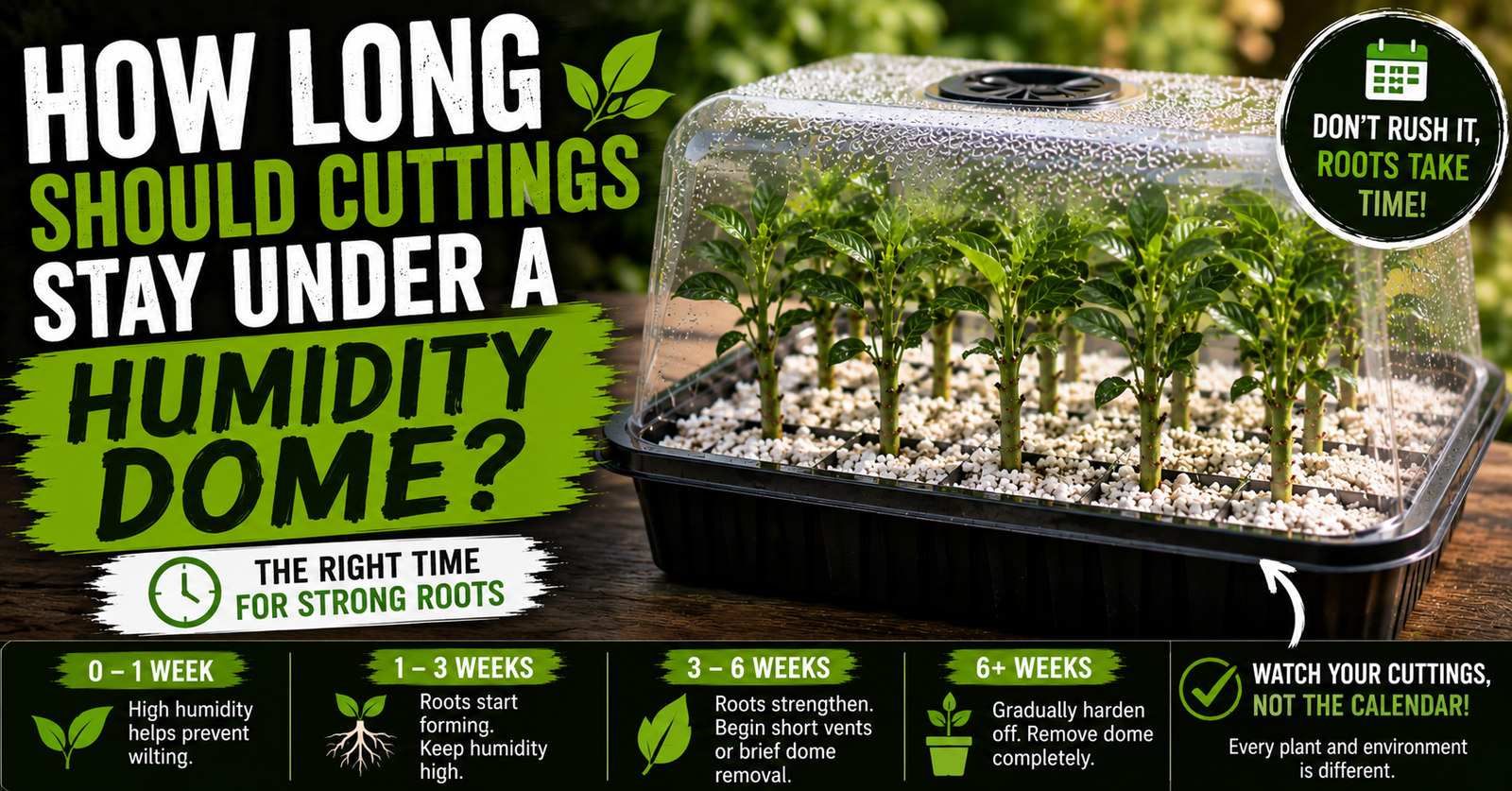
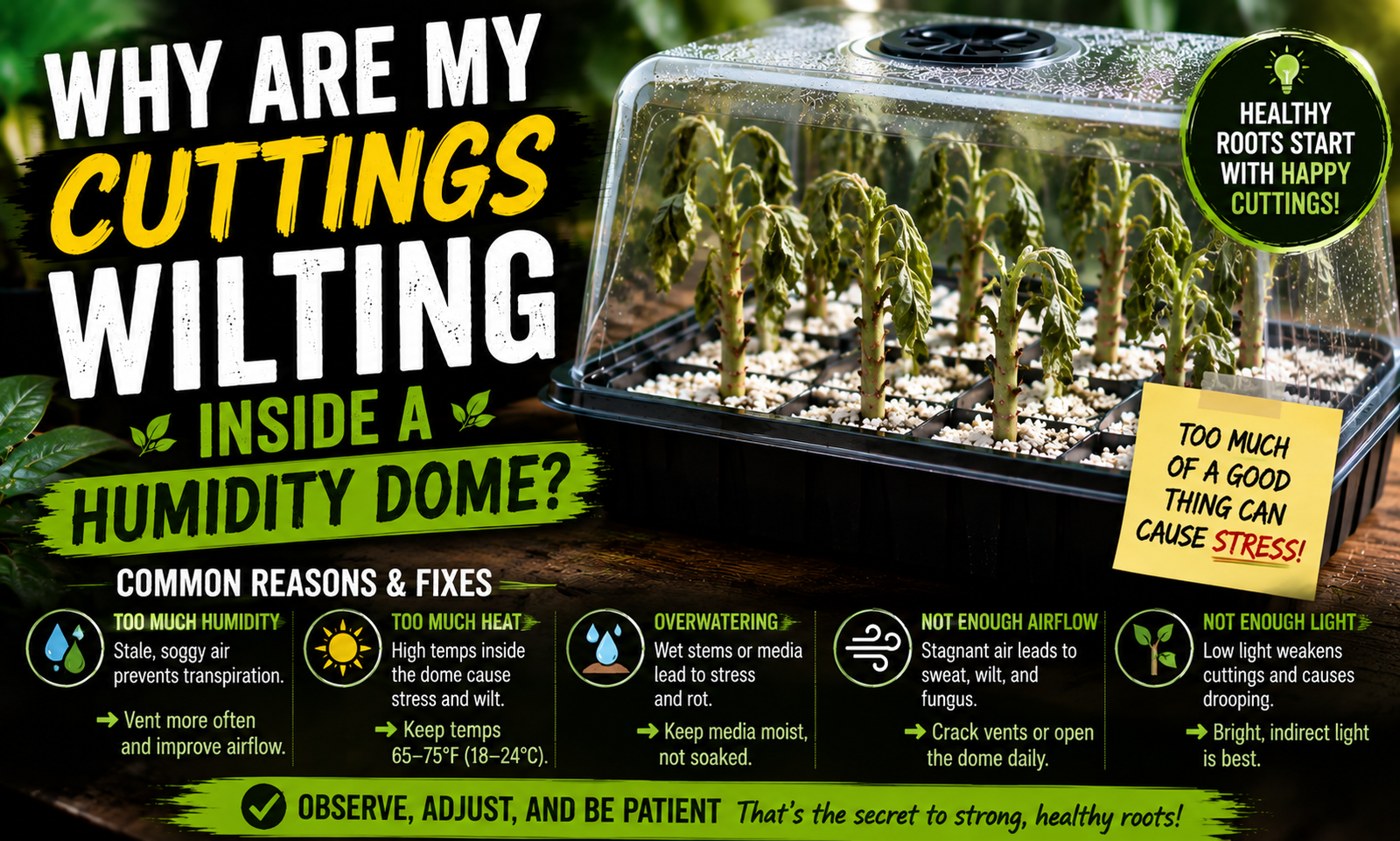
A humidity dome slows moisture loss through the leaves.
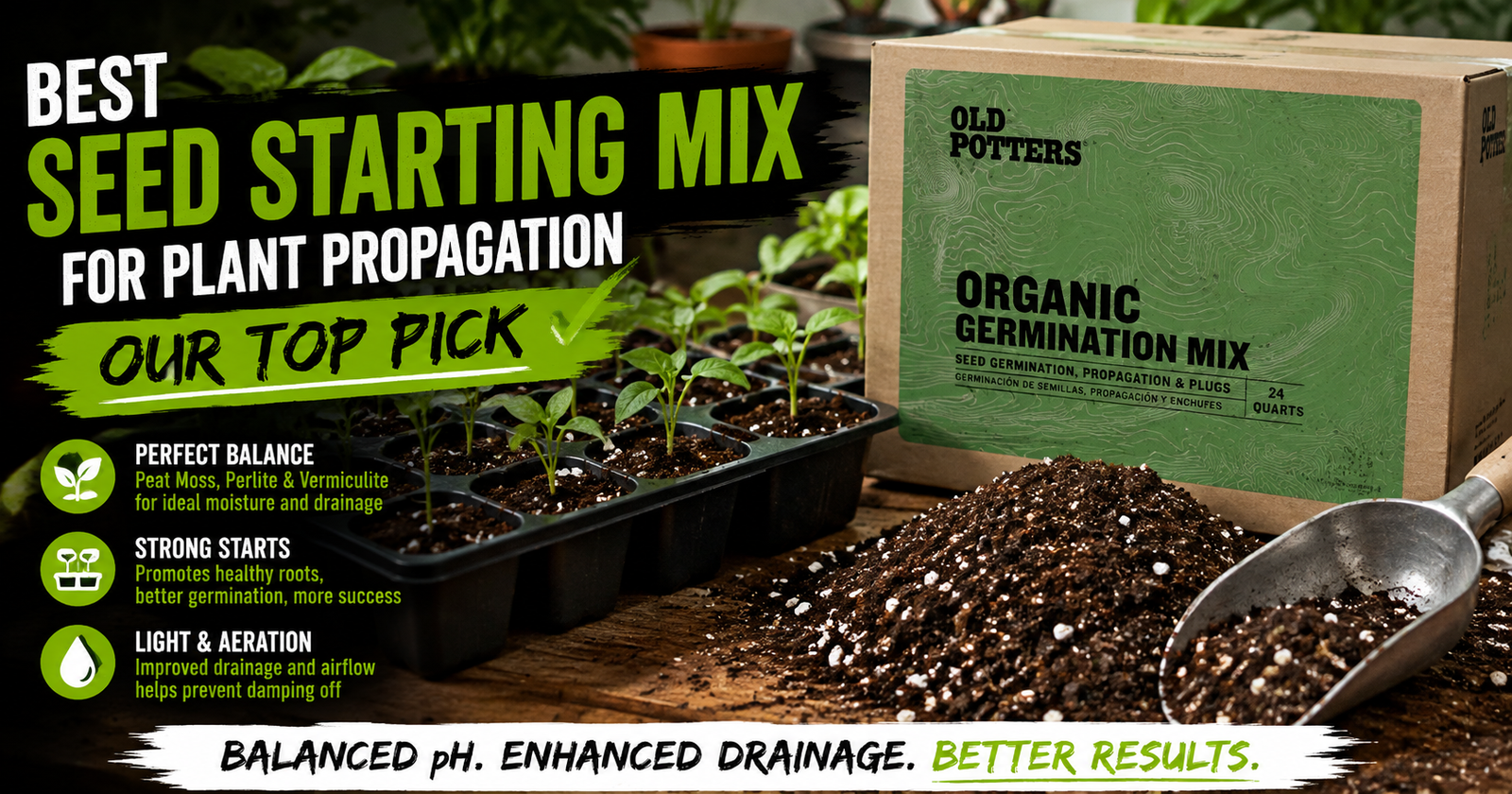
A quality propagation mix gives developing roots the drainage and airflow they need.
Each piece supports the others.
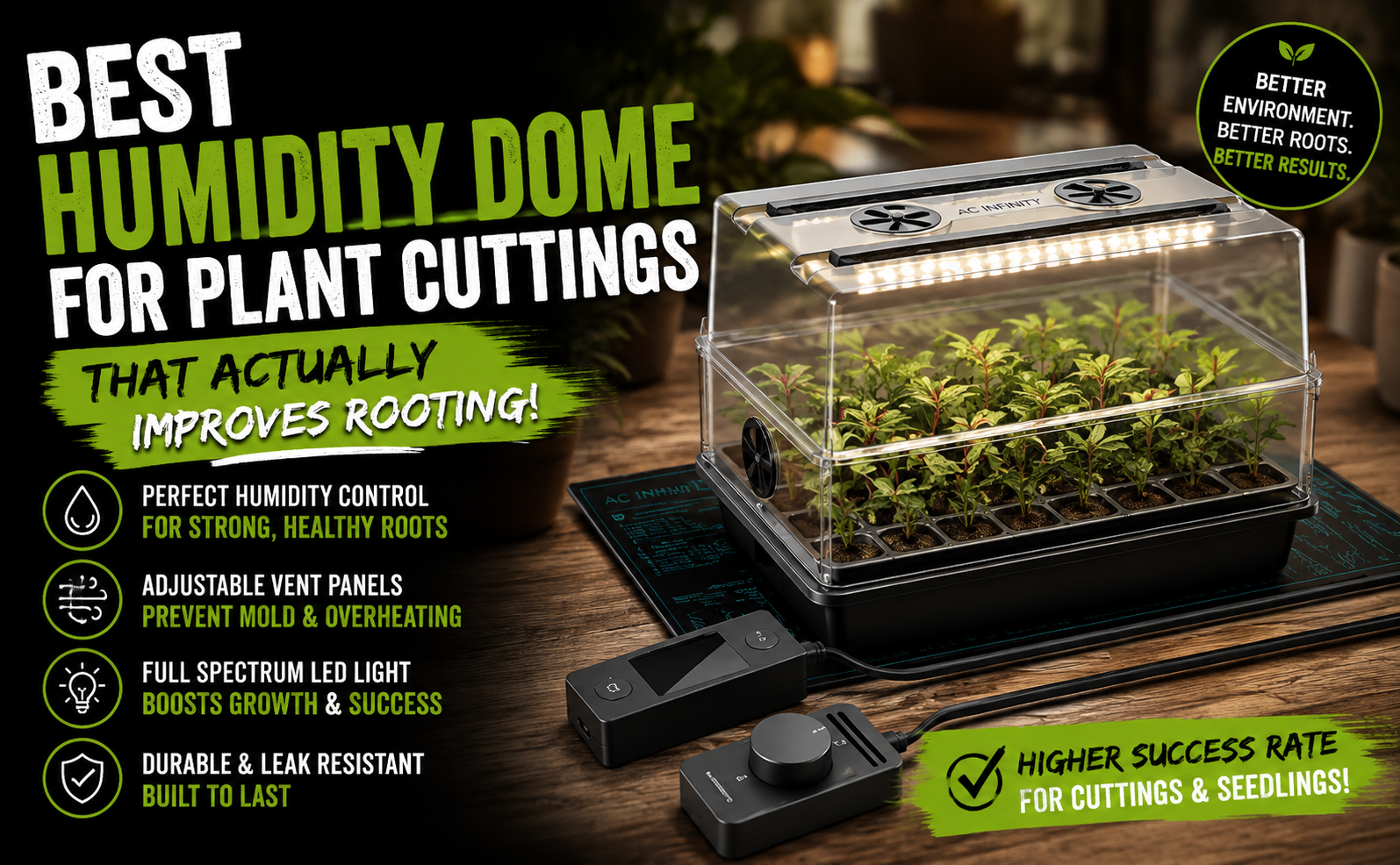
For many of my shrub and fruit tree cuttings, I’ve found that the humidity dome system I use most often pairs especially well with bottom heat because the two create a much more stable rooting environment.
That’s really what I’m trying to accomplish.
Not faster propagation.
More reliable propagation.
Is a Heat Mat Worth Buying?
If you only root a couple of pothos cuttings every summer, probably not.
Nature can often do the job just fine.
If you enjoy propagating regularly, especially indoors or during cooler parts of the year, I think a heat mat is one of the smartest upgrades you can make.
It quietly removes one of the biggest variables that affects root development.
Instead of hoping temperatures stay favorable, you know the root zone is remaining much more consistent.
If you’re thinking about adding one to your propagation setup, I’d recommend checking out the heat mat and thermostat I use for my own propagation trays on Amazon.
It’s become one of those tools I don’t think much about anymore because it simply works every time I need it.
Sometimes Doing Less Produces Better Results
One thing propagation has taught me is that gardeners often try to help their cuttings too much.
More water.
More fertilizer.
More sunlight.
More heat.
Sometimes the best improvement isn’t adding more.
It’s creating steadier conditions.
That’s exactly how I think about a heat mat.
It isn’t there to force roots into growing.
It’s there to remove unnecessary stress so the plant can root at its own pace.
That subtle difference has changed the way I approach propagation, and it’s one reason I continue using bottom heat year after year.
Frequently Asked Questions
Do all plant cuttings need a heat mat?
No.
Many common houseplants root perfectly well without one, especially during warm weather.
If your propagation area naturally stays at a comfortable temperature, a heat mat may not provide much additional benefit.
Where I notice the biggest improvement is with woody shrubs, berry bushes, fruit trees, and indoor propagation during cooler months.
Those situations tend to benefit much more from consistent bottom heat.
Can a heat mat stay on all the time?
It can, but I prefer letting a thermostat control it.
Without one, the rooting medium may become warmer than necessary depending on the room temperature and the time of year.
A thermostat takes the guesswork out of the process and keeps conditions much more stable.
That’s one reason I specifically chose a heat mat system that includes one instead of buying the mat by itself.
Should I put the heat mat in direct sunlight?
Usually not.
If the tray is already sitting in strong sun, the heat from the sunlight and the heat mat together can warm the rooting medium much more than intended.
Bright, indirect light is usually a much safer choice for most plant cuttings.
It gives the leaves enough light to stay healthy without creating unnecessary heat stress.
Will a heat mat dry out my propagation mix faster?
Yes, it often will.
That’s completely normal.
Warm growing media lose moisture more quickly than cooler ones.
Because of that, I check my propagation trays a little more often whenever the heat mat is running.
I don’t automatically water more.
I simply monitor the moisture more closely.
There’s a big difference.
Is a heat mat only for seeds?
Not at all.
That’s one of the biggest misconceptions I hear.
Seedling heat mats became popular because they’re excellent for germinating seeds, but they work just as well for many propagation projects.
I’ve used mine for woody shrubs, fruit trees, herbs, and countless houseplants over the years.
It probably spends more time rooting cuttings than germinating seeds.
One Small Upgrade That Keeps Paying Off
Some gardening purchases end up sitting on a shelf after the excitement wears off.
A propagation heat mat hasn’t been one of them.
Every spring.
Every fall.
Every cool spell.
It comes back out.
Not because I expect miracles.
Because I know it helps create a more stable environment for developing roots.
When you start stacking those small advantages together, healthier cuttings, cleaner tools, a quality propagation mix, proper humidity, and consistent root-zone temperatures, propagation starts feeling much more predictable.
That’s what keeps me using a heat mat season after season.
About the Author
Daxon Weaver is the founder of PropagationWorld and has propagated thousands of houseplants, herbs, berry bushes, fruit trees, and ornamental shrubs. Through years of hands-on propagation, he has learned that consistent growing conditions often matter more than expensive equipment, and bottom heat has become one of the most reliable tools in his propagation setup.