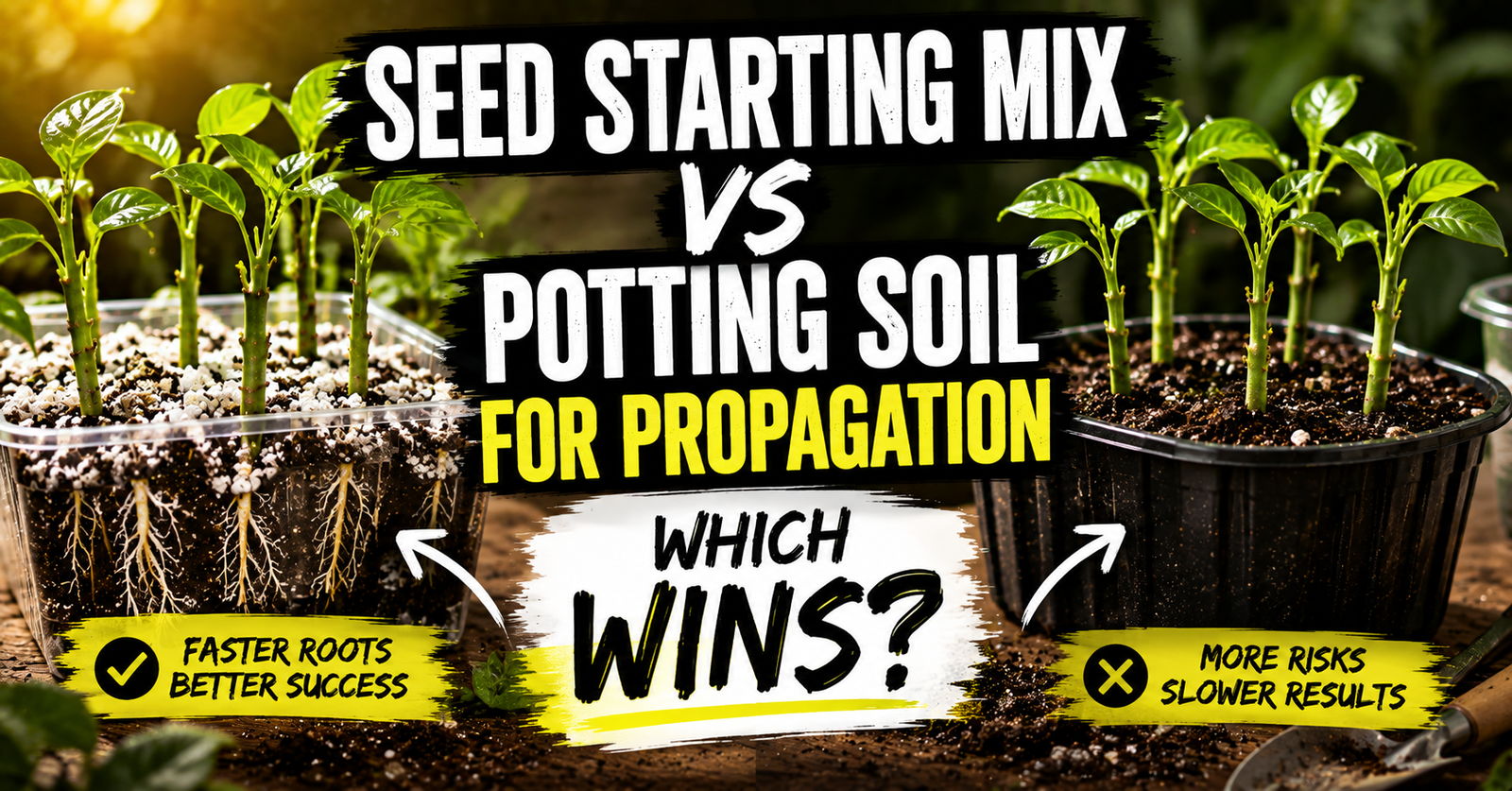
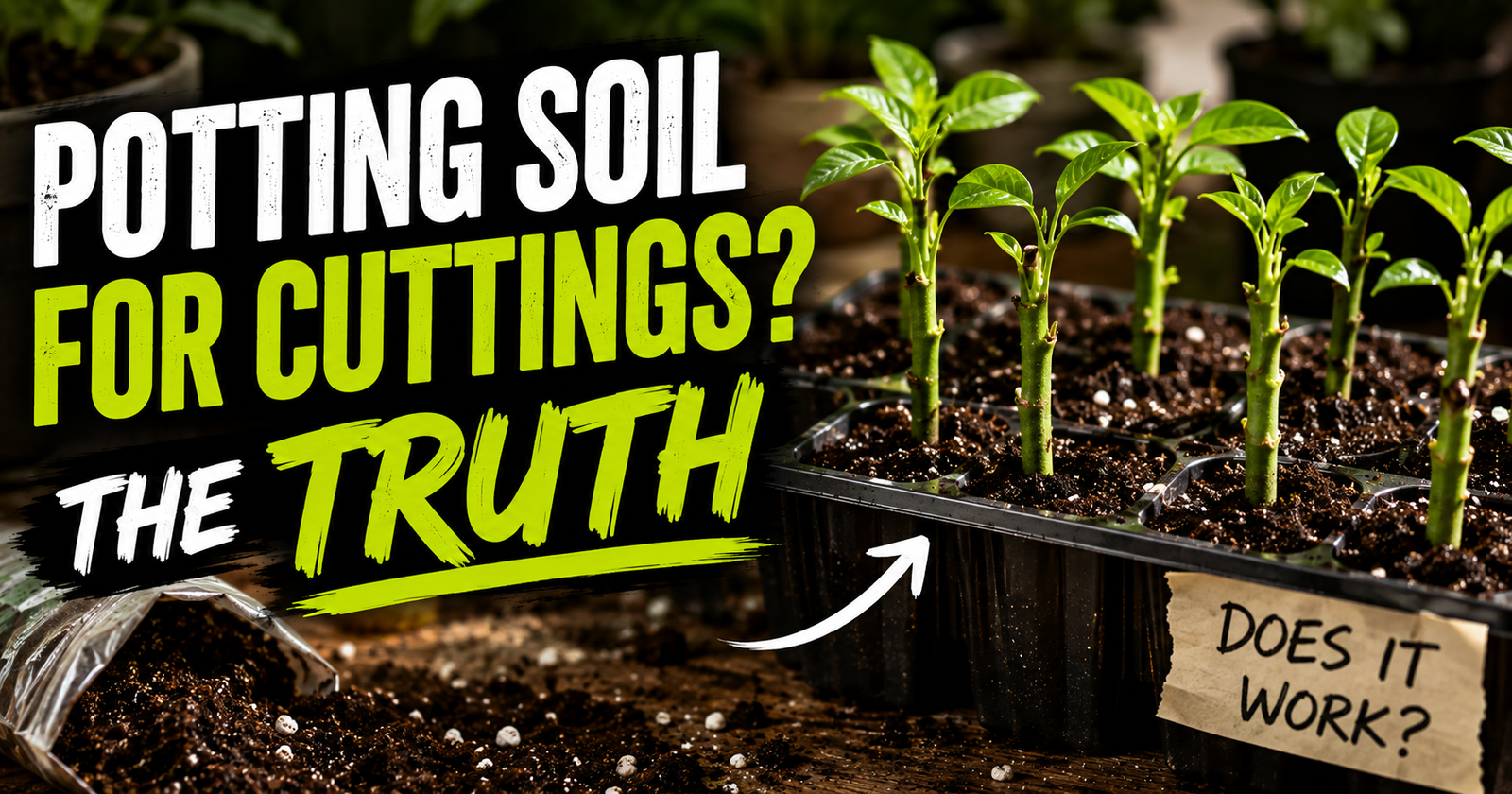
A few years ago, if someone had handed me two unmarked containers and asked which one held seed starting mix and which one held potting soil, I probably couldn’t have told you.
To me, dirt was dirt.
If plants grew in it, surely cuttings could root in it.
It seemed like common sense.
The more I propagated, though, the more I realized that wasn’t true at all.
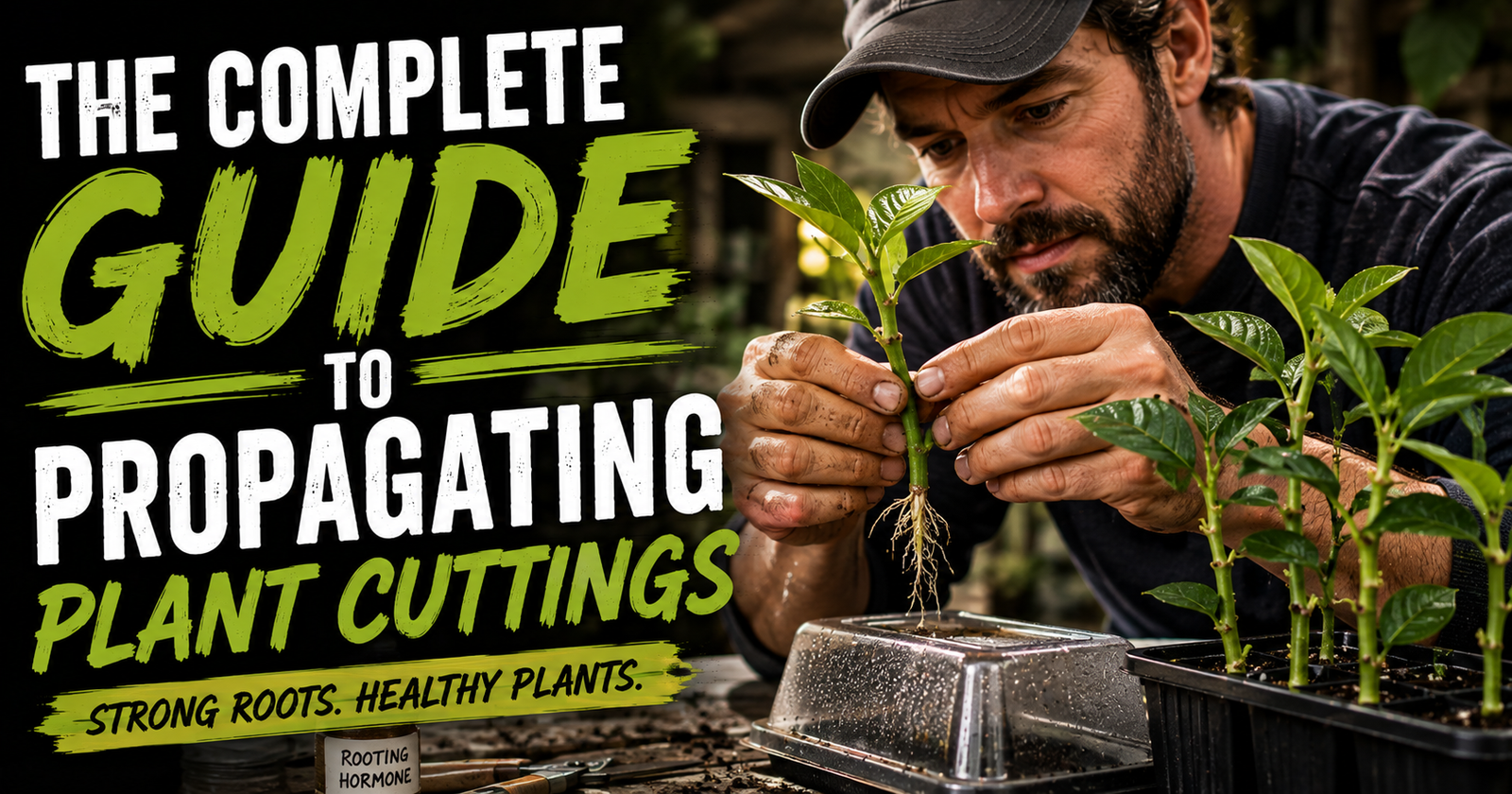
Growing a mature plant and growing brand-new roots are completely different challenges.
A healthy tomato plant in a patio container already has thousands of roots doing all the hard work.
A fresh cutting has absolutely none.
It’s trying to stay alive while building an entirely new root system from scratch.
That changes what the growing medium needs to do.
After propagating thousands of cuttings over the years, I’ve used everything from ordinary potting soil to homemade mixes and professional propagation media.
Both seed starting mix and potting soil have their place.
But when my goal is producing healthy roots instead of simply growing a plant, one consistently performs better.
They’re Designed for Different Jobs
One reason gardeners become confused is because these products often sit side by side at the garden center.
It’s easy to assume they’re interchangeable.
They’re really not.
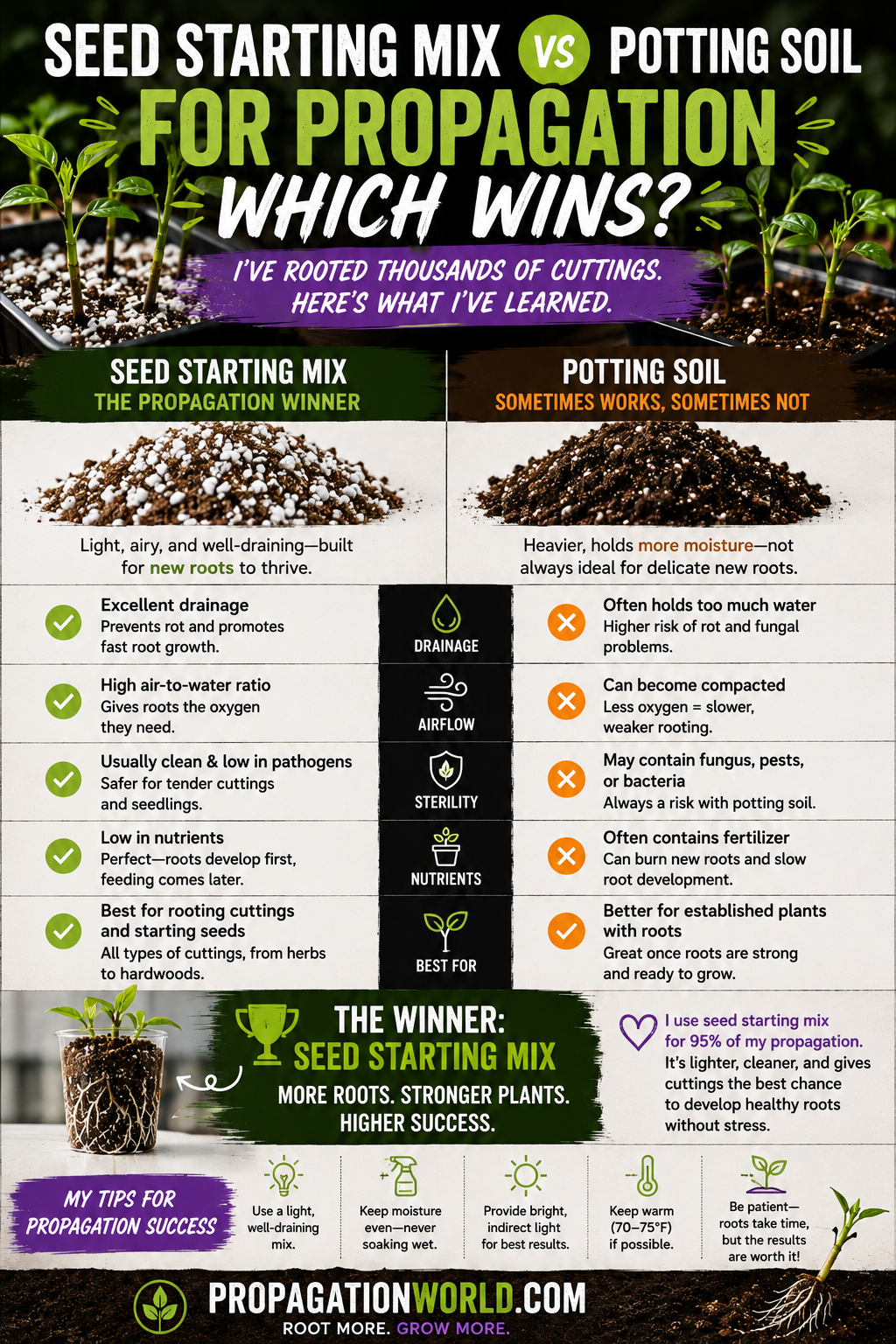
Potting soil is designed to support established plants over weeks, months, and sometimes years.
It usually contains richer organic materials, nutrients, and ingredients intended to feed growing plants.
Seed starting mix has a very different purpose.
Its primary job is creating an environment where delicate roots can form easily.
That means lighter texture.
Better aeration.
More consistent moisture.
Those characteristics happen to be exactly what fresh cuttings need during the earliest stages of propagation.
Which One Do I Reach For?
If I’m propagating cuttings, I almost always start with seed starting mix.
It’s simply more forgiving.
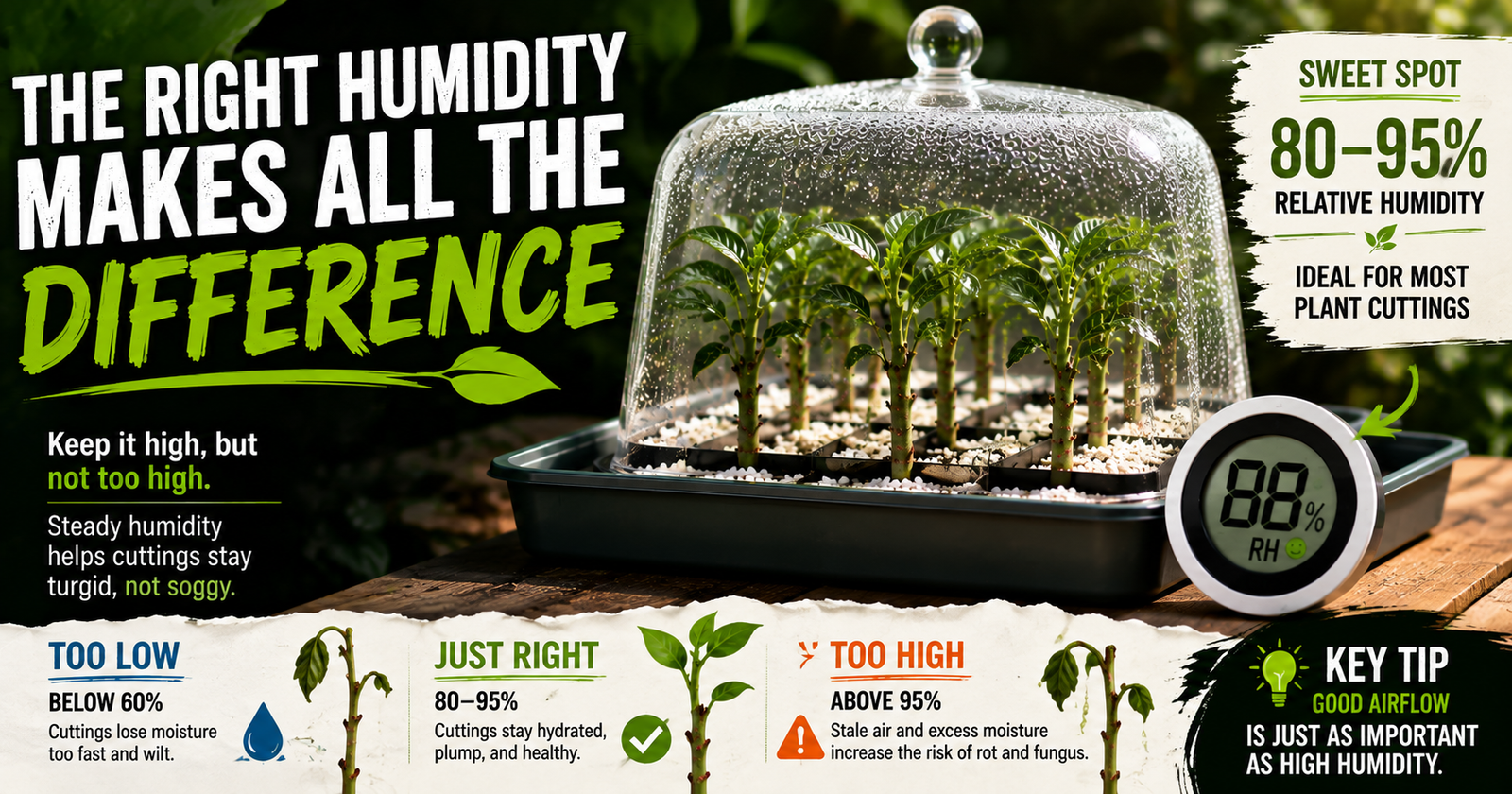
The lighter texture allows oxygen to move through the rooting medium much more easily than many ordinary potting soils.
That extra airflow has helped me avoid countless problems with stem rot over the years.
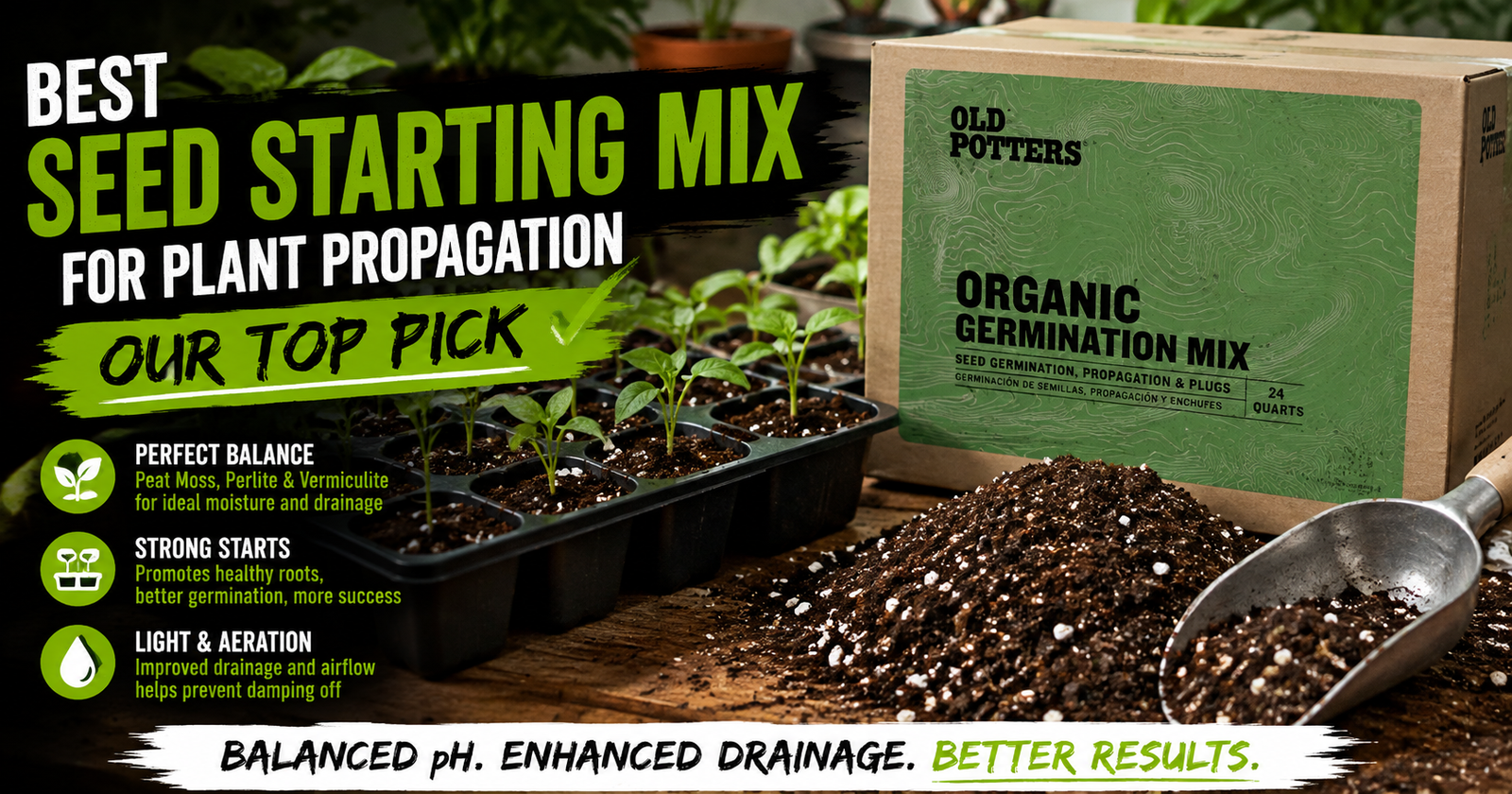
When gardeners ask what I personally buy, I usually recommend the seed starting mix I’ve had the best luck with for propagation because it already contains a balanced blend of peat moss, fine perlite, and vermiculite.
Instead of guessing whether my homemade mix has enough drainage, I know exactly what I’m working with every time I fill a propagation tray.
Potting Soil Isn’t the Villain
I don’t want this article to sound like potting soil is somehow “bad.”
It isn’t.
I use plenty of it.
Just not for the first stage of propagation.
Once a cutting develops a healthy root system, potting soil becomes much more useful.
At that point the plant is ready for a richer environment where those new roots can continue expanding.
In other words, I think of seed starting mix as the nursery.
Potting soil is the next home.
Both play an important role.
I just don’t like asking one product to do the other’s job.
The Difference Became Obvious After Repeating It Enough Times
One propagation project doesn’t prove very much.
Neither does two.
But after years of rooting hydrangeas, roses, blueberries, figs, elderberries, grapes, herbs, and countless houseplants, certain patterns become difficult to ignore.
The cuttings rooted in lighter propagation media generally stayed healthier while waiting for roots.
I dealt with less stem rot.
Less compacted growing media.
Fewer trays that stayed waterlogged after watering.
Those small improvements don’t always jump out during your first experiment.
Over dozens or hundreds of propagation trays, however, they become impossible to overlook.
That’s why I still reach for seed starting mix today, even though I have shelves full of potting soil nearby.
Can You Root Cuttings in Potting Soil Successfully?
Yes.
I’ve done it.
Many gardeners have.
The important word is can.
Not should.
There are plenty of easy-to-root plants that don’t seem to care very much what they’re growing in.
I’ve rooted mint, basil, pothos, spider plants, and wandering dude in ordinary potting soil without much trouble.
Those plants naturally produce roots so readily that they forgive a lot of mistakes.
The conversation changes when you start working with slower-rooting shrubs, berry bushes, fruit trees, and woody ornamentals.
Those cuttings may spend several weeks, or even months, developing roots.
The longer they remain without roots, the more important the rooting environment becomes.
That’s where a lighter propagation mix has consistently given me better results.
The Biggest Difference Isn’t What Most People Think
Most gardeners assume the biggest difference between these two products is fertilizer.
It isn’t.
For me, it’s airflow.
Fresh roots need oxygen every bit as much as they need moisture.
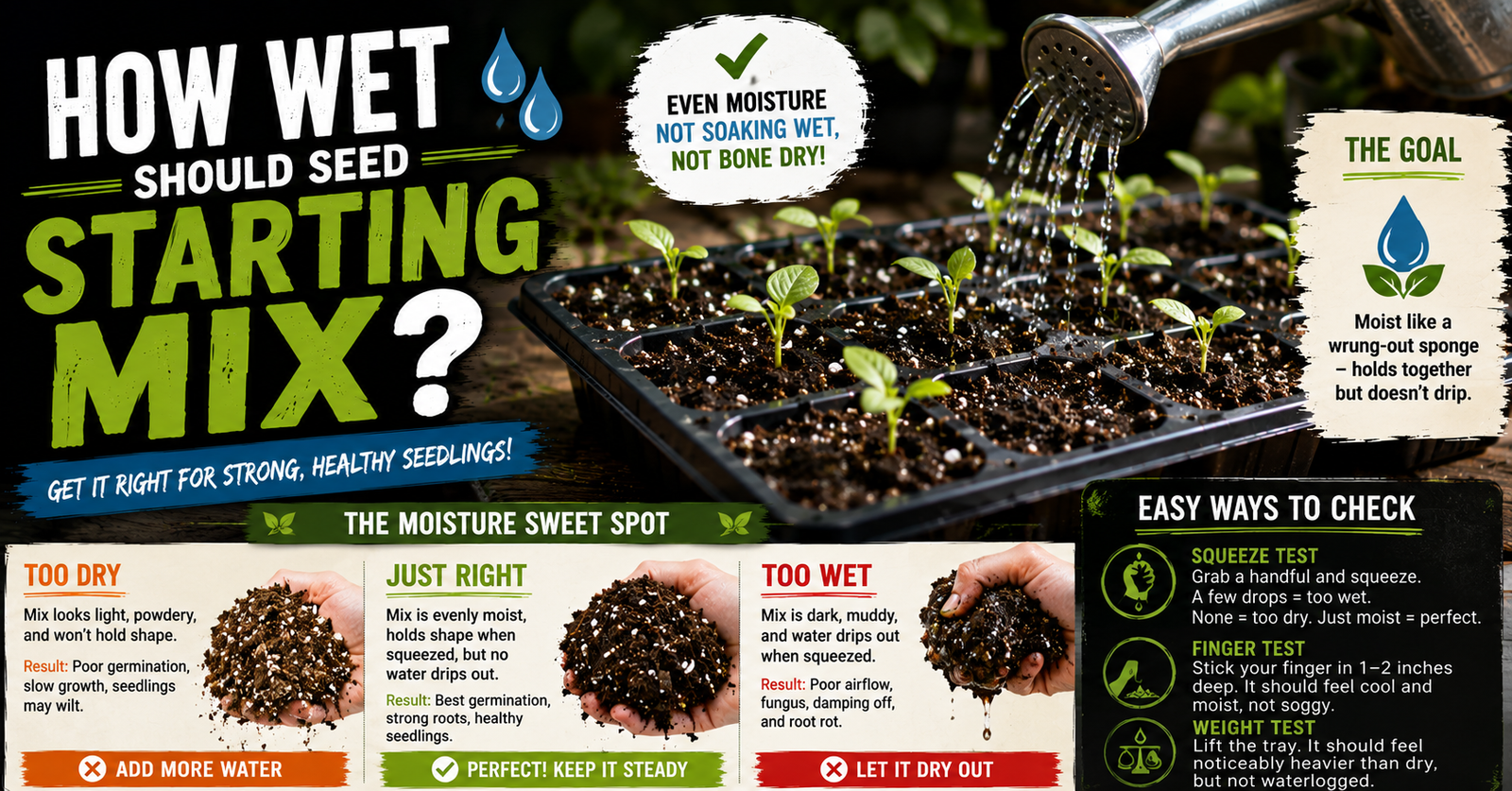
When a propagation mix becomes dense or remains saturated for long periods, oxygen becomes limited around the stem. Understanding how wet seed starting mix should be can help you avoid the oxygen problems caused by overly saturated media.
That’s when problems often begin.
A lighter seed starting mix creates thousands of tiny air pockets throughout the container.
Those spaces help water drain while still leaving enough moisture available for developing roots.
Once I understood that, I stopped thinking about propagation media as “soil.”
I started thinking about it as the environment where roots are trying to survive.
That small change in perspective completely changed how I propagated plants.
I Still Improve Ready-Made Mixes Sometimes
Even when I buy a quality propagation mix, I don’t assume every plant needs exactly the same thing.
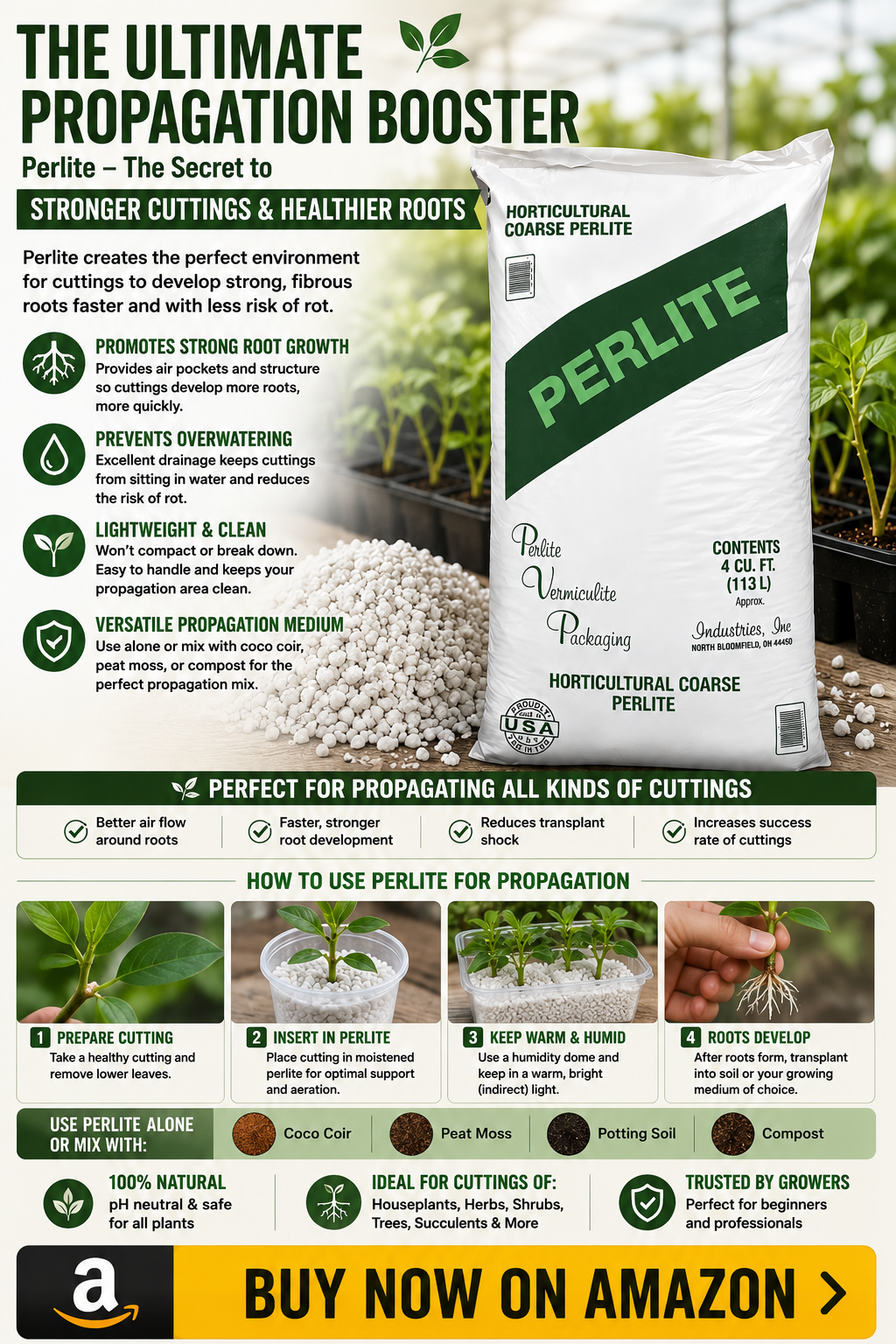
For cuttings that are especially sensitive to excess moisture, I’ll often mix in a little additional perlite.
It only takes a few minutes, but the added drainage has helped me avoid many problems with stem rot.
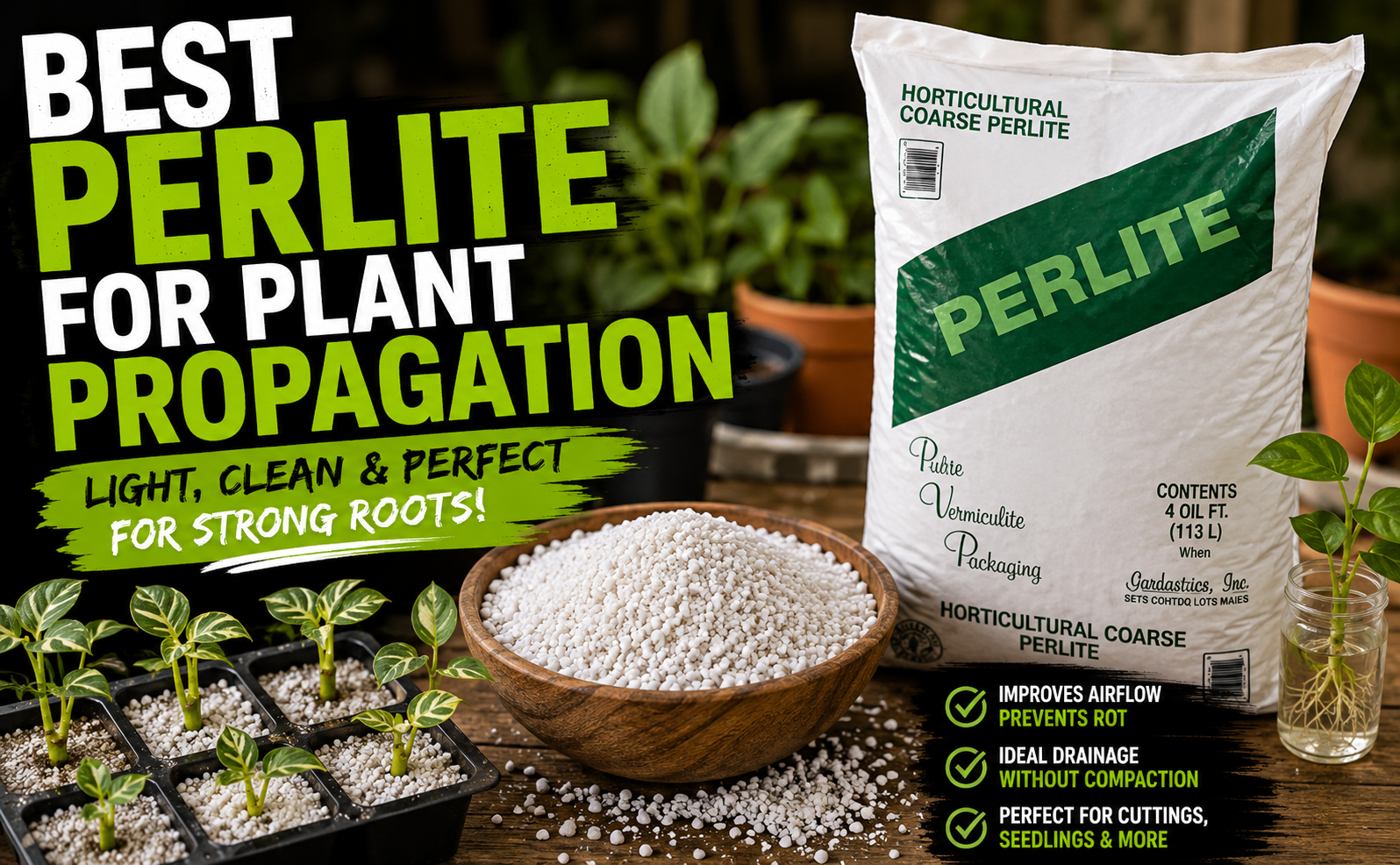
If you’ve never experimented with that approach, I’d encourage you to read why I use so much perlite when propagating plants.
It’s one of the simplest upgrades I’ve made to my propagation routine, and it benefits far more than just cuttings.
What I Buy Today
These days, I don’t even think about grabbing potting soil when I’m planning to propagate.
I automatically reach for propagation media instead.
Not because it’s trendy.
Because after years of experimenting, it has consistently produced healthier roots with fewer losses.
If I’m only taking one or two easy cuttings, using whatever I already have is perfectly reasonable.
But if I’m filling propagation trays with valuable shrubs, fruit plants, or dozens of cuttings at once, I want to give them every advantage I can.
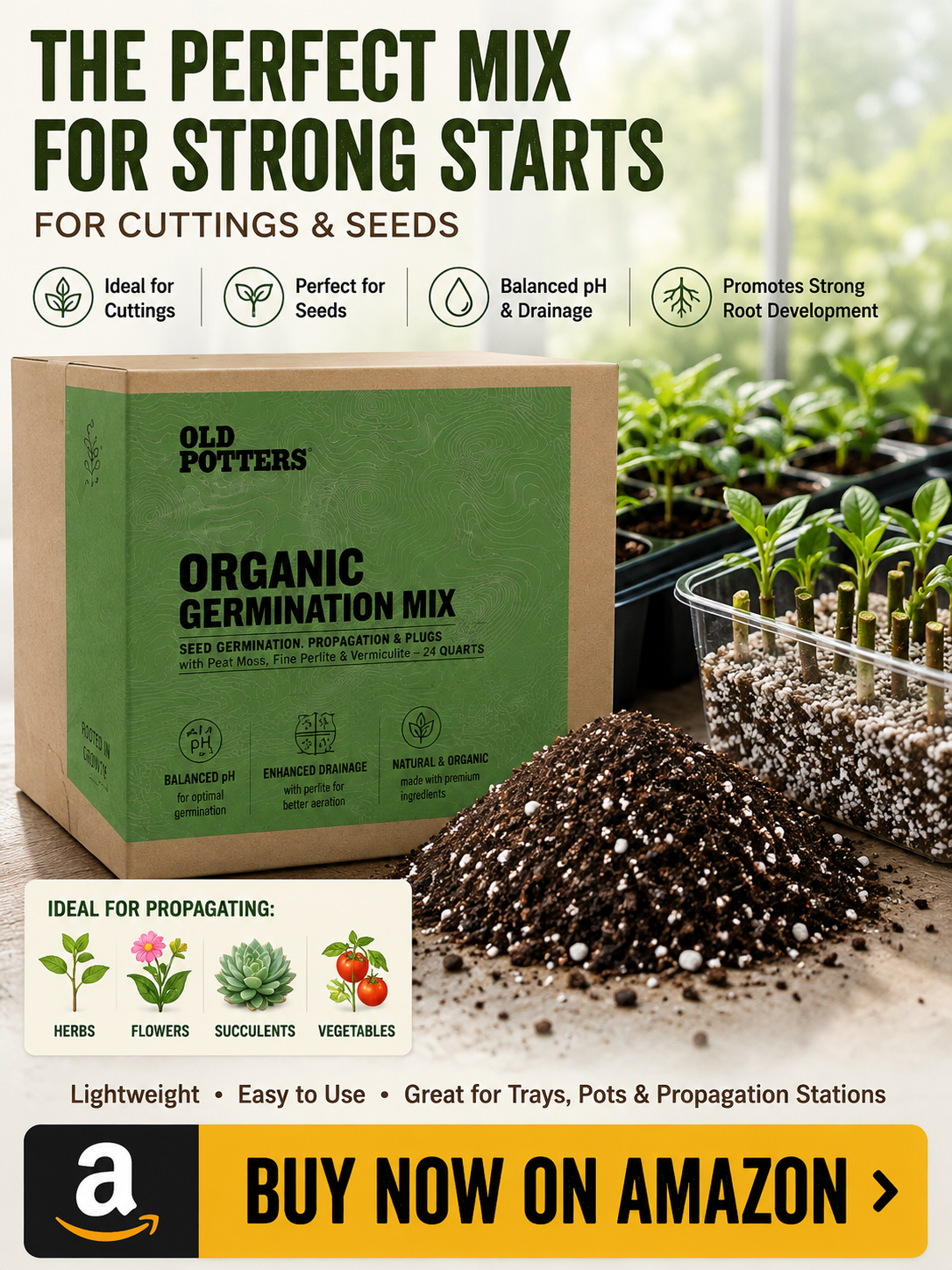
That’s why I keep the propagation mix I trust for both seeds and cuttings on Amazon on hand throughout the growing season.
It’s one of those products that quietly improves your results without adding any extra work.
One Piece of Advice I’d Give Every Beginner
If you’re just getting started with propagation, don’t get discouraged if your first few cuttings fail.
Almost every gardener loses cuttings while learning.
I certainly did.
What matters is paying attention to why they failed.
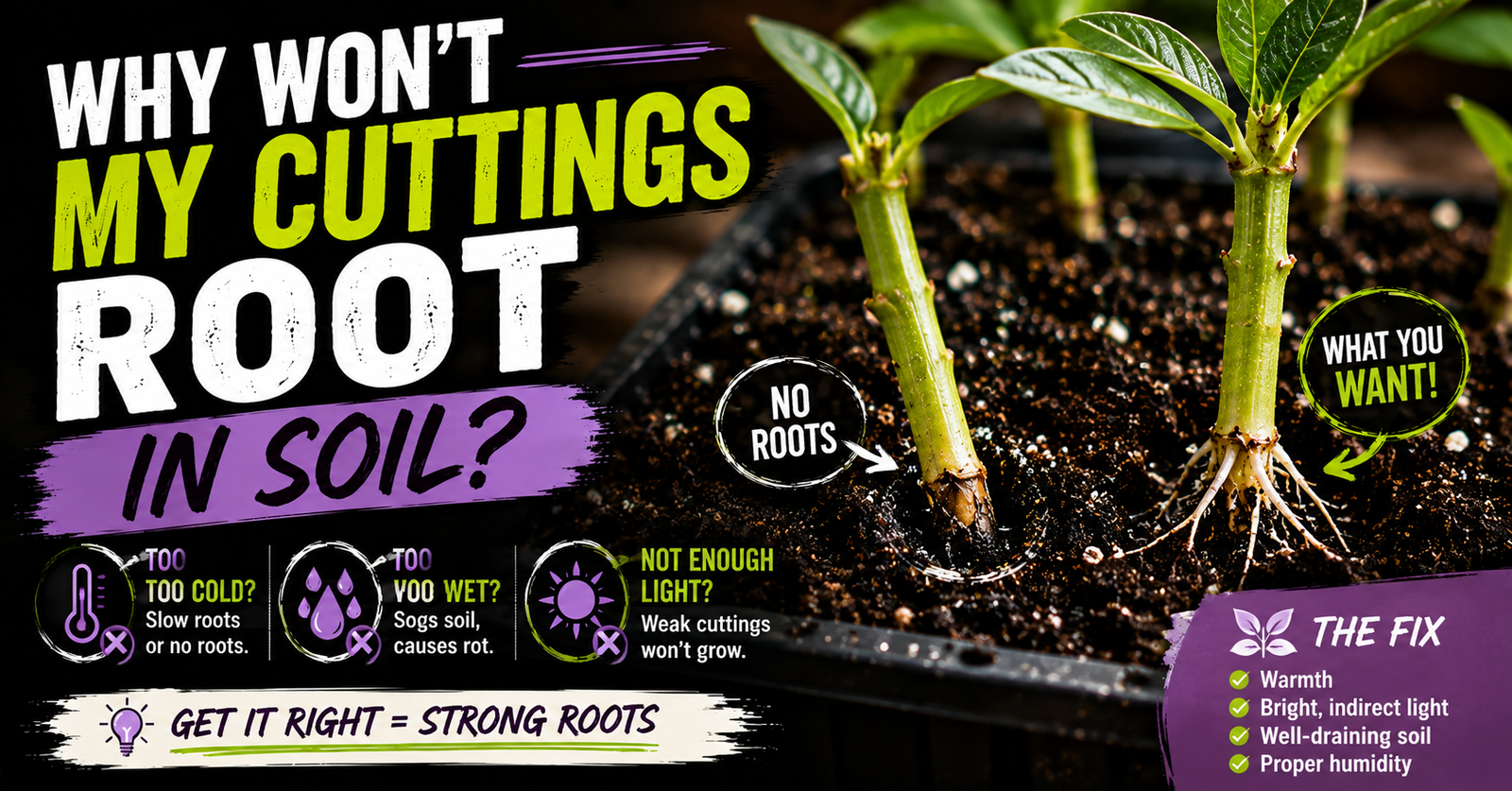
Was the medium staying too wet?
Did the cutting dry out?
Was the stem healthy when you took it?
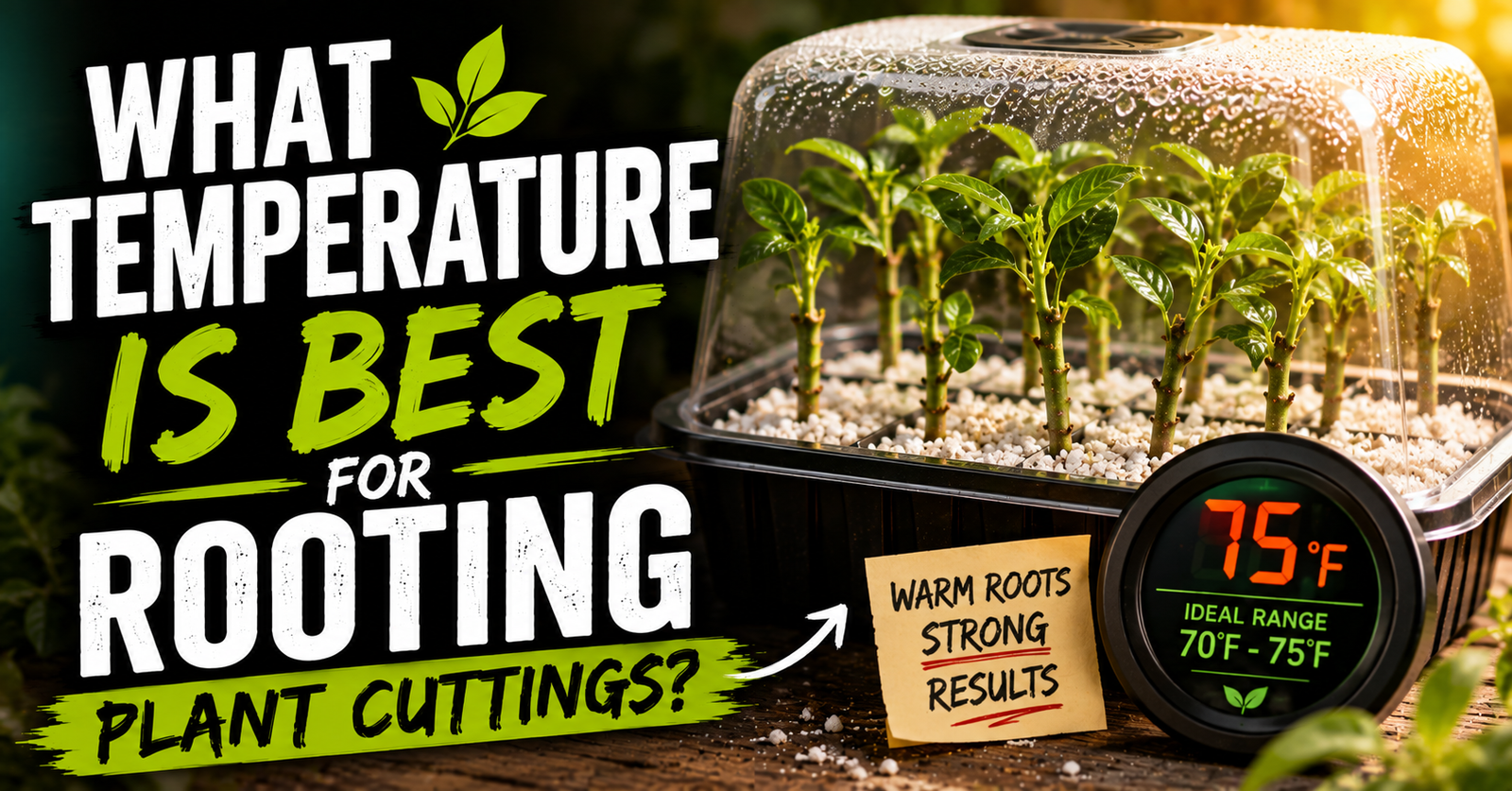
Did temperatures stay too cool?
Every unsuccessful cutting teaches you something that makes the next batch better.
Looking back, many of my biggest improvements didn’t come from buying expensive tools.
They came from understanding how small changes, like switching to a lighter propagation mix, could completely change the environment around developing roots.
Once I understood that, propagation stopped feeling unpredictable and started feeling much more consistent.
Frequently Asked Questions
Which drains better, seed starting mix or potting soil?
In most cases, a quality seed starting mix drains better.
That’s one of the reasons it’s so useful for propagation.
The lighter texture allows water to move through the mix more easily while still holding enough moisture around developing roots.
Many potting soils are intentionally designed to stay moist longer because they’re meant to support established plants rather than fresh cuttings.
Can I mix seed starting mix and potting soil together?
Absolutely.
I’ve done it many times.
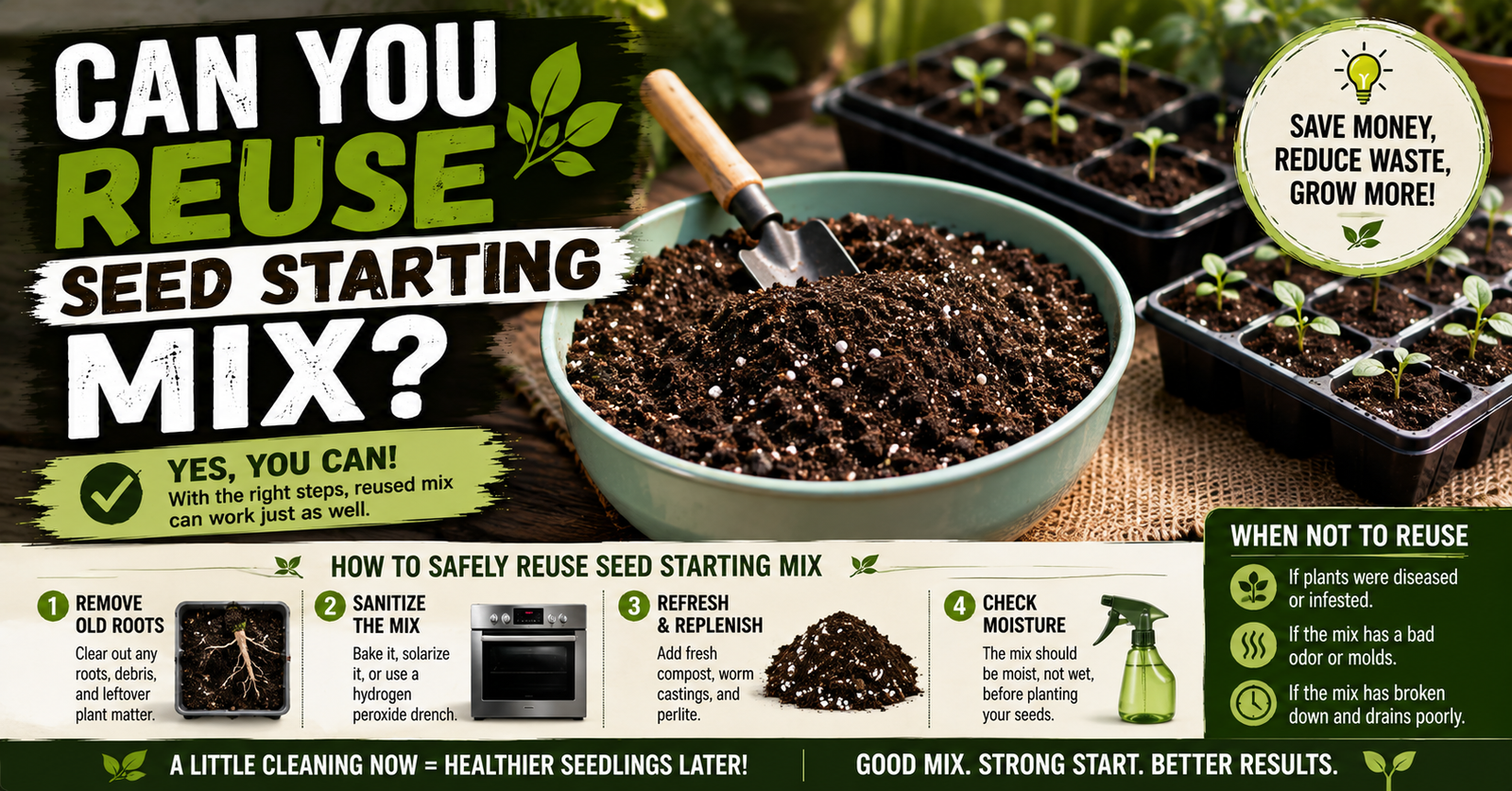
If I have leftover potting soil, I’ll often lighten it by mixing in seed starting mix and, depending on the plant, sometimes a little extra perlite. Before reusing leftover media, consider whether its condition makes it suitable for another propagation project: reusing leftover propagation mix.
That approach lets me improve drainage without wasting materials I already have.
Gardening isn’t always about buying something new.
Sometimes it’s about making better use of what you already own.
Which one is better for woody cuttings?
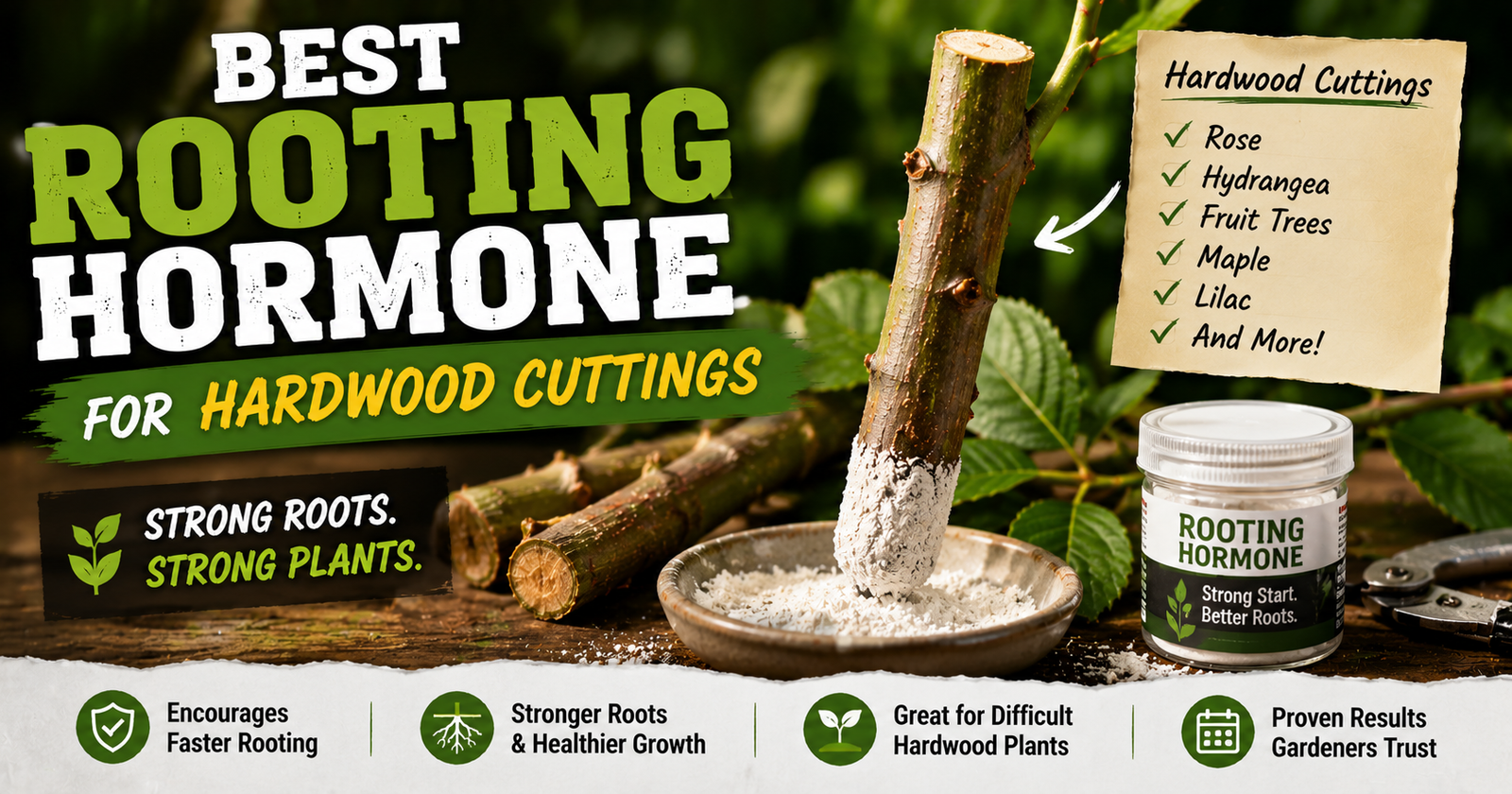
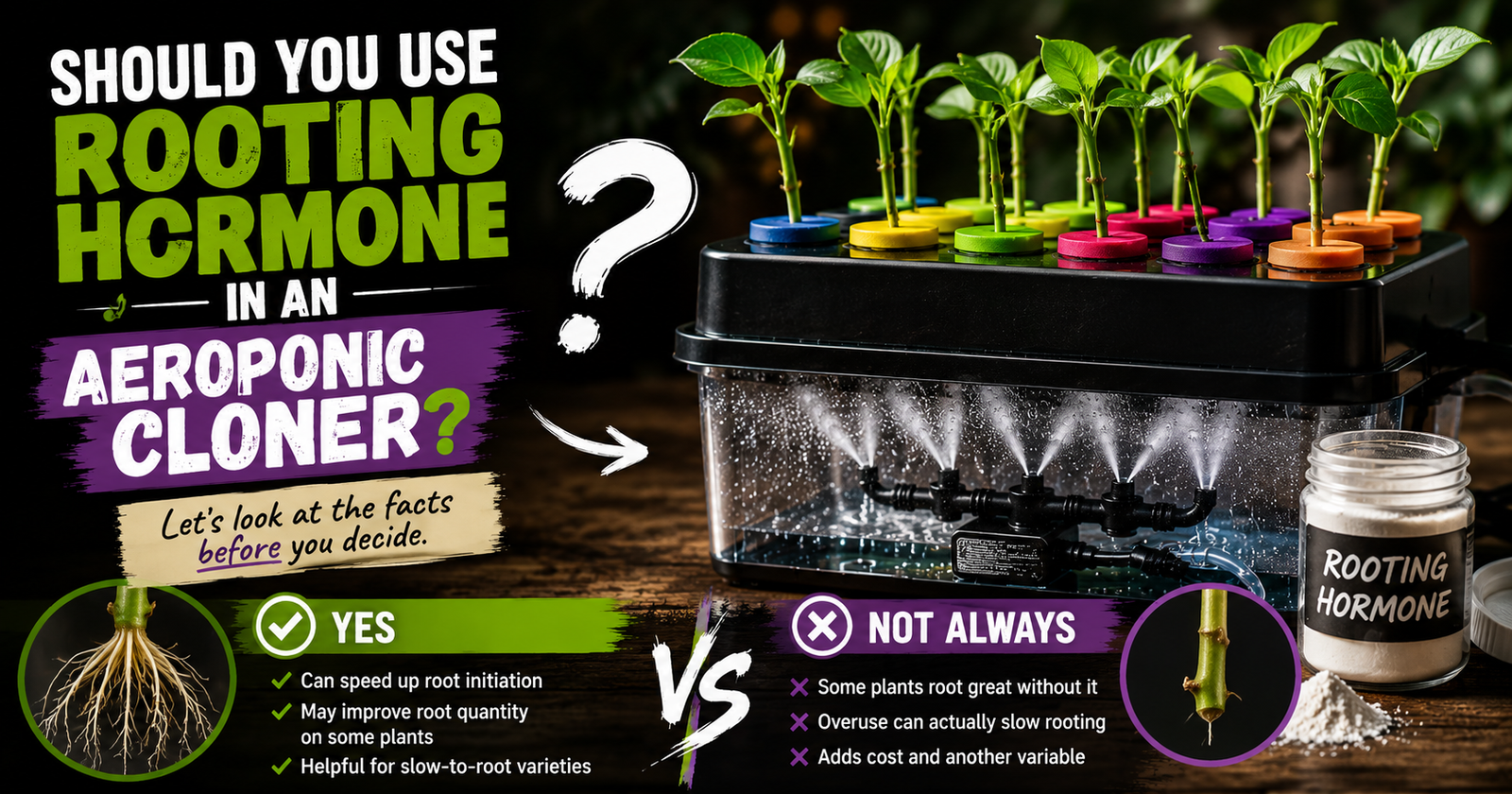
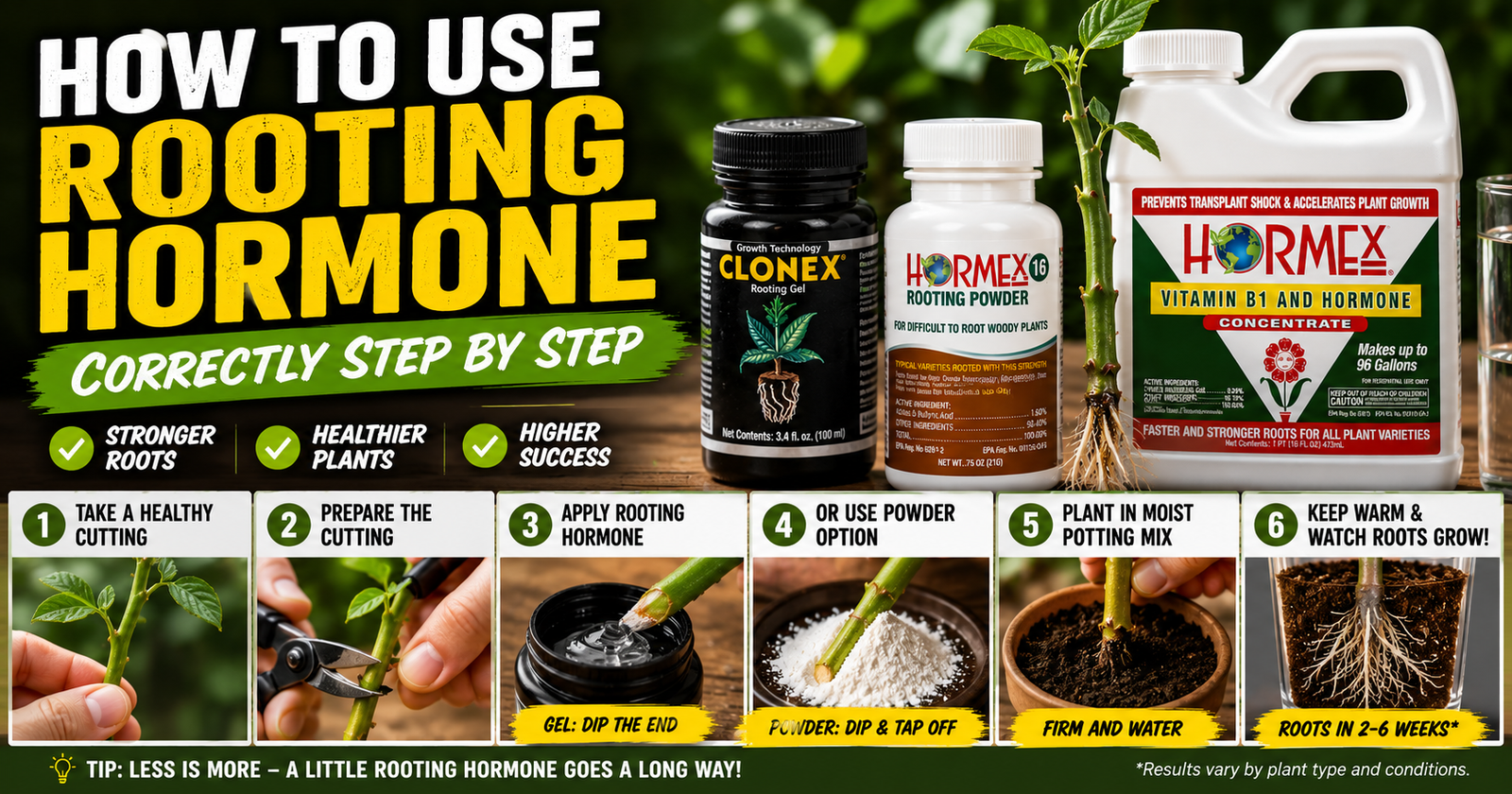
For hydrangeas, roses, blueberries, grapes, elderberries, figs, and many other woody plants, I’d choose seed starting mix almost every time. For these slower-rooting woody plants, pairing the right propagation mix with an appropriate product can improve your chances, so see rooting hormone for woody cuttings.
Those plants often spend much longer developing roots than easy houseplants.
Because of that, they benefit from a rooting medium with excellent drainage and plenty of airflow around the stem.
Over the years, that’s where I’ve seen the biggest difference between the two products.
Should I transplant rooted cuttings into potting soil?
Yes.
Once a cutting has developed a healthy root system and starts producing new growth, I usually move it into a quality potting soil.
At that stage, the plant’s needs have changed.
It’s no longer trying to produce its first roots.
Now it’s trying to grow into a healthy, established plant.
That’s exactly what potting soil was designed to support.
Is buying a propagation mix really worth it?
For me, absolutely.
When I first started propagating, I tried using whatever soil happened to be in the garage.
Sometimes it worked.
Sometimes it didn’t.
Once I switched to a propagation mix designed for young roots, my results became much more predictable.
That consistency alone has made it worth every penny.
My Choice After Years of Propagating Plants
If someone handed me a fresh cutting today and asked me to choose between ordinary potting soil and a quality seed starting mix, I wouldn’t have to think very long.
I’d choose the propagation mix.
Not because potting soil can’t work.
Because I’ve simply seen better results with a lighter rooting medium over too many propagation projects to ignore.
Healthier roots.
Fewer losses to stem rot.
Better drainage.
More consistent success across everything from easy houseplants to slower-rooting shrubs and fruit plants.
That’s enough evidence for me.
If you’re planning to root more than a handful of cuttings this year, I think you’ll appreciate starting with a mix that’s built specifically for propagation.
About the Author
Daxon Weaver is the founder of PropagationWorld and has spent years propagating thousands of houseplants, herbs, berry bushes, fruit trees, and ornamental shrubs. Through hands-on experience and countless propagation experiments, he enjoys helping gardeners understand not just what works, but why it works, so they can grow healthier plants with greater confidence.