
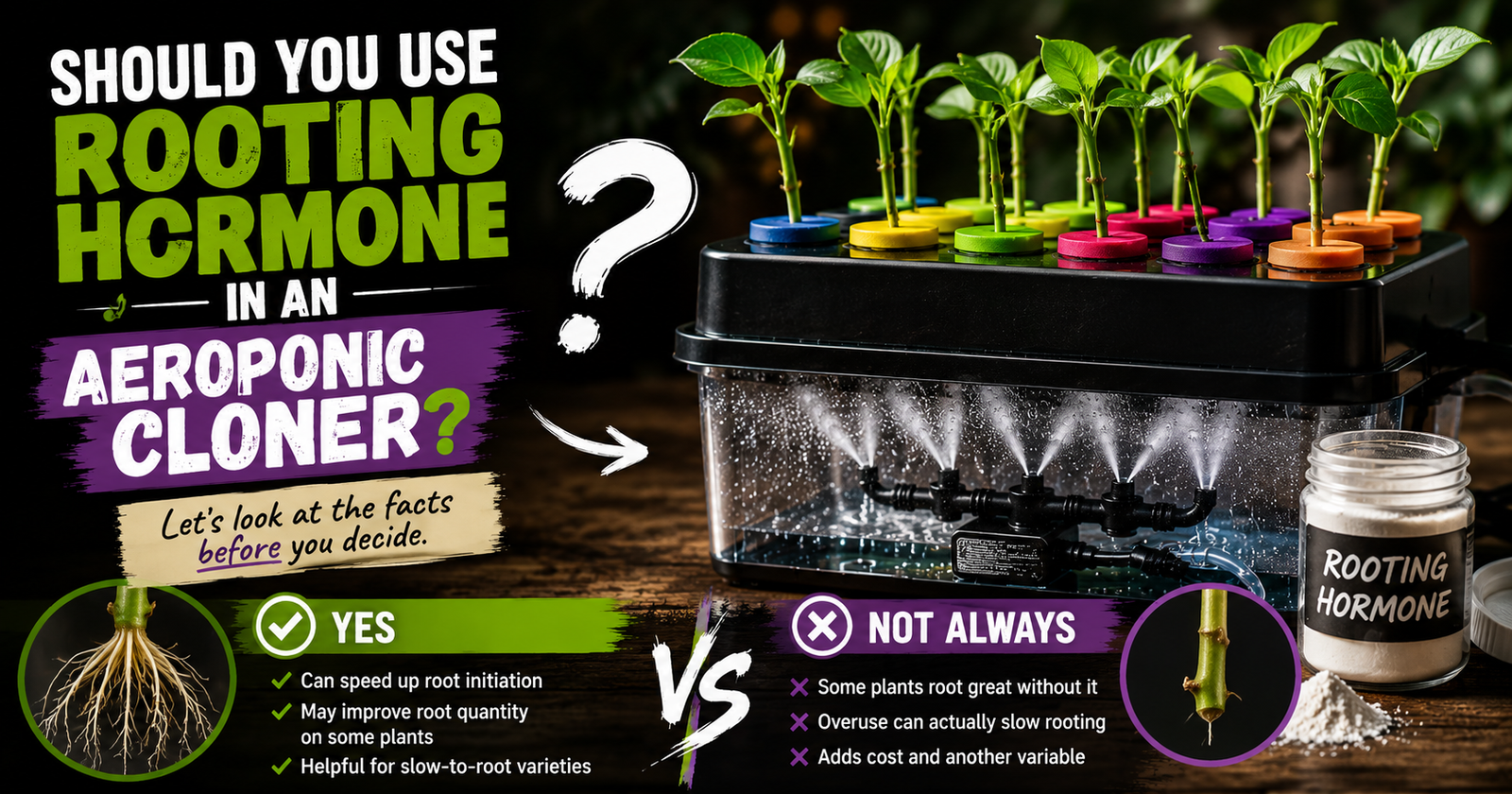
One of the biggest questions new aeroponic cloner owners ask is whether rooting hormone is actually necessary.
After all, aeroponic cloners are designed to create an ideal rooting environment. They provide consistent moisture, excellent oxygen exposure, and stable conditions that often produce roots much faster than traditional propagation methods.
So, if the cloner is already doing such a great job, does rooting hormone still make a difference?
The short answer is sometimes.
Many easy-to-root plants don’t require rooting hormone at all. Others respond noticeably better when you use one, especially woody shrubs, fruit plants, roses, and slower-rooting species. The differences between gel, powder, and liquid formulas are outlined in Rooting Gel vs. Powder vs. Liquid: Which Rooting Hormone Is Best?, which can help you choose the right option for a specific plant.
Instead of asking whether rooting hormone is always necessary, I think the better question is:
Will rooting hormone improve the success rate for the specific plant I’m propagating?
In many cases, the answer is yes.
If you’re still shopping for equipment, I recommend reading my guide to the Best Aeroponic Cloner for Plant Cuttingsbefore getting started. A quality cloner creates the ideal environment, while rooting hormone gives certain plants an extra boost during the rooting process.
What Does Rooting Hormone Actually Do?
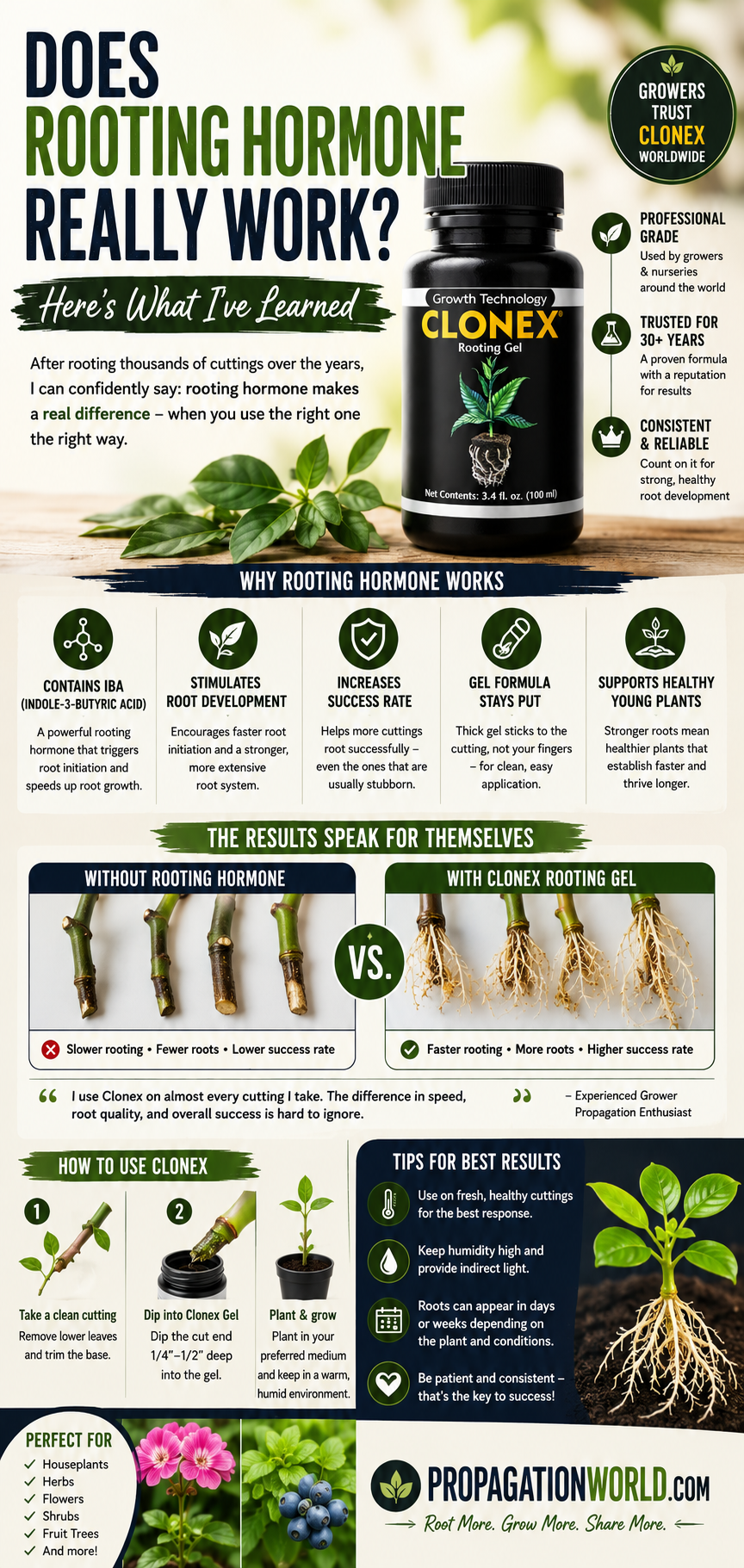
One of the biggest misconceptions about rooting hormone is that it magically creates roots. The evidence behind what rooting hormone can and cannot do is examined in Does Rooting Hormone Really Work? What Every Gardener Should Know.
It doesn’t.
Rooting hormone simply encourages the plant to begin producing roots more quickly and more consistently.
Most commercial rooting hormones contain synthetic auxins, which are plant hormones that naturally occur in healthy plants. These hormones help stimulate root initiation at the cut end of a stem.
The aeroponic cloner and the rooting hormone perform two completely different jobs.
The rooting hormone encourages root formation.
The aeroponic cloner provides the moisture and oxygen those developing roots need to grow.
That’s why the two products complement each other so well.
Why Aeroponic Cloners Don’t Replace Rooting Hormone
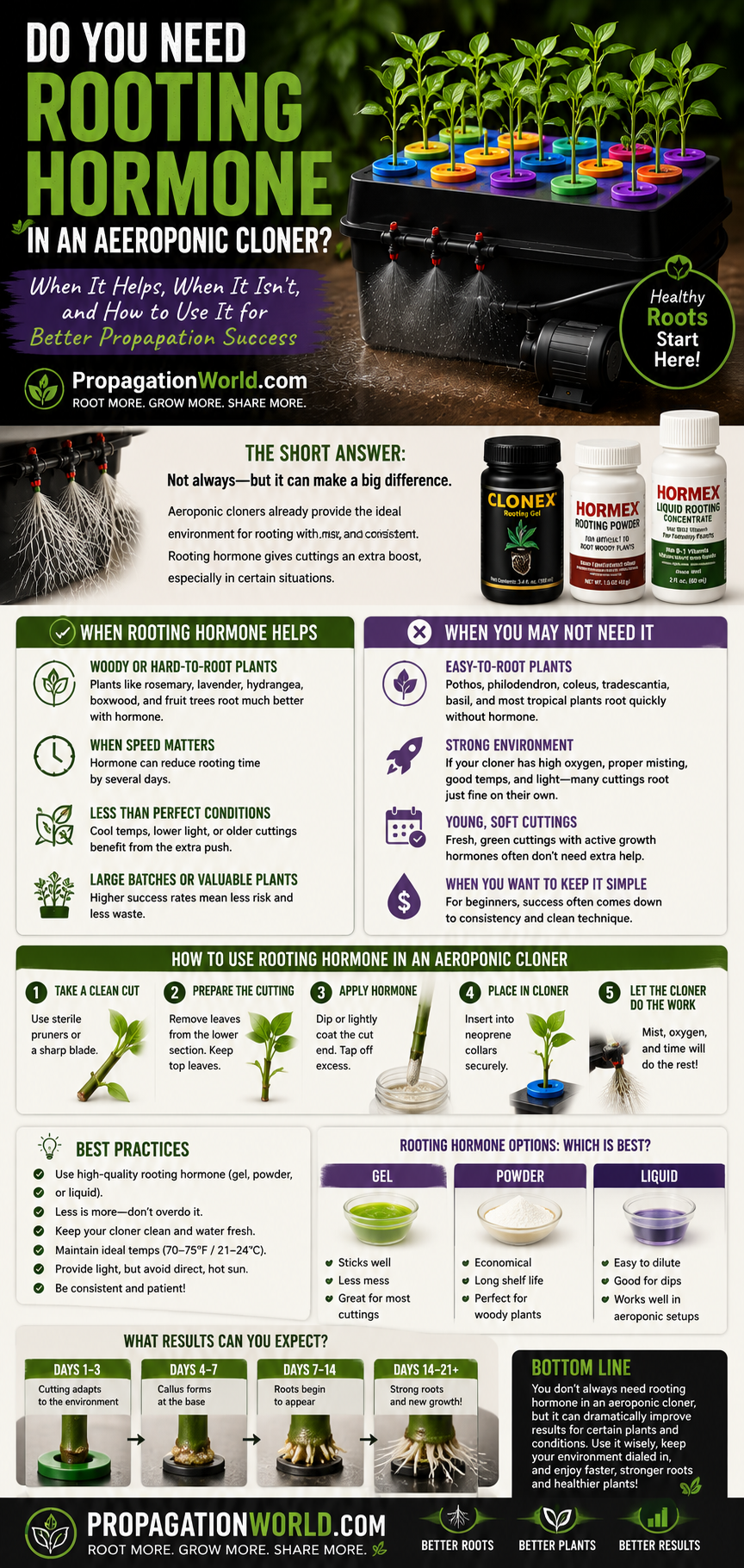
Because aeroponic cloners are so effective, many beginners assume they eliminate the need for rooting hormone.
That’s not really how the process works.
Think of it this way.
An aeroponic cloner creates an excellent environment.
Rooting hormone prepares the cutting itself.
Even under perfect environmental conditions, some plants naturally root more slowly than others. Woody shrubs, hardwood cuttings, and many fruiting plants often benefit from the additional hormonal stimulation that rooting products provide. Elderberry cuttings provide one practical example of propagating a woody fruiting shrub from a stem cutting: elderberry cuttings
In other words, the cloner improves the environment.
The rooting hormone improves the cutting’s ability to respond to that environment.
Plants That Usually Don’t Need Rooting Hormone
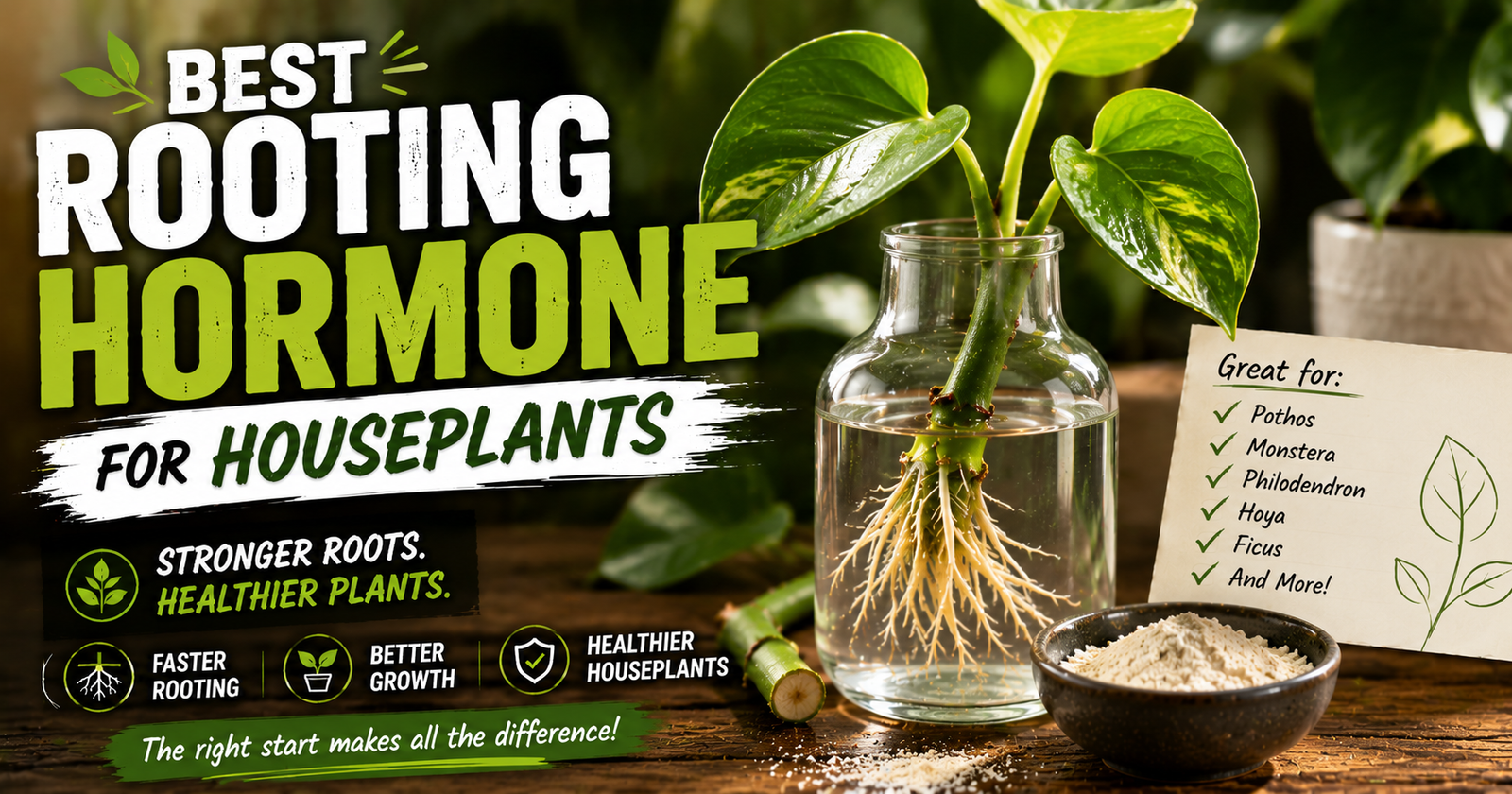
Some plants are naturally eager to produce roots.
In many cases, these plants will root successfully inside an aeroponic cloner without any rooting hormone at all.
Examples include:
- Pothos
- Tradescantia
- Coleus
- Spider plants
- Mint
- Basil
- Swedish ivy
- Wandering Jew
- Philodendron
That doesn’t mean rooting hormone won’t help.
It simply means many gardeners achieve excellent results without it.
If you’re only propagating these types of plants, you may decide rooting hormone isn’t necessary.
Plants That Often Benefit From Rooting Hormone
This is where rooting hormone really begins to shine.
Many woody and semi-woody plants naturally take longer to develop roots.
Giving them a quality rooting hormone before placing them into an aeroponic cloner often increases consistency.
Examples include:
- Roses
- Hydrangeas
- Blueberries
- Elderberries
- Grapes
- Figs
- Azaleas
- Camellias
- Dogwoods
- Fruit trees
- Ornamental shrubs
These plants already appreciate the oxygen-rich environment inside an aeroponic cloner.
Adding rooting hormone simply gives them another advantage during the earliest stages of root development.
Which Type of Rooting Hormone Works Best in an Aeroponic Cloner?
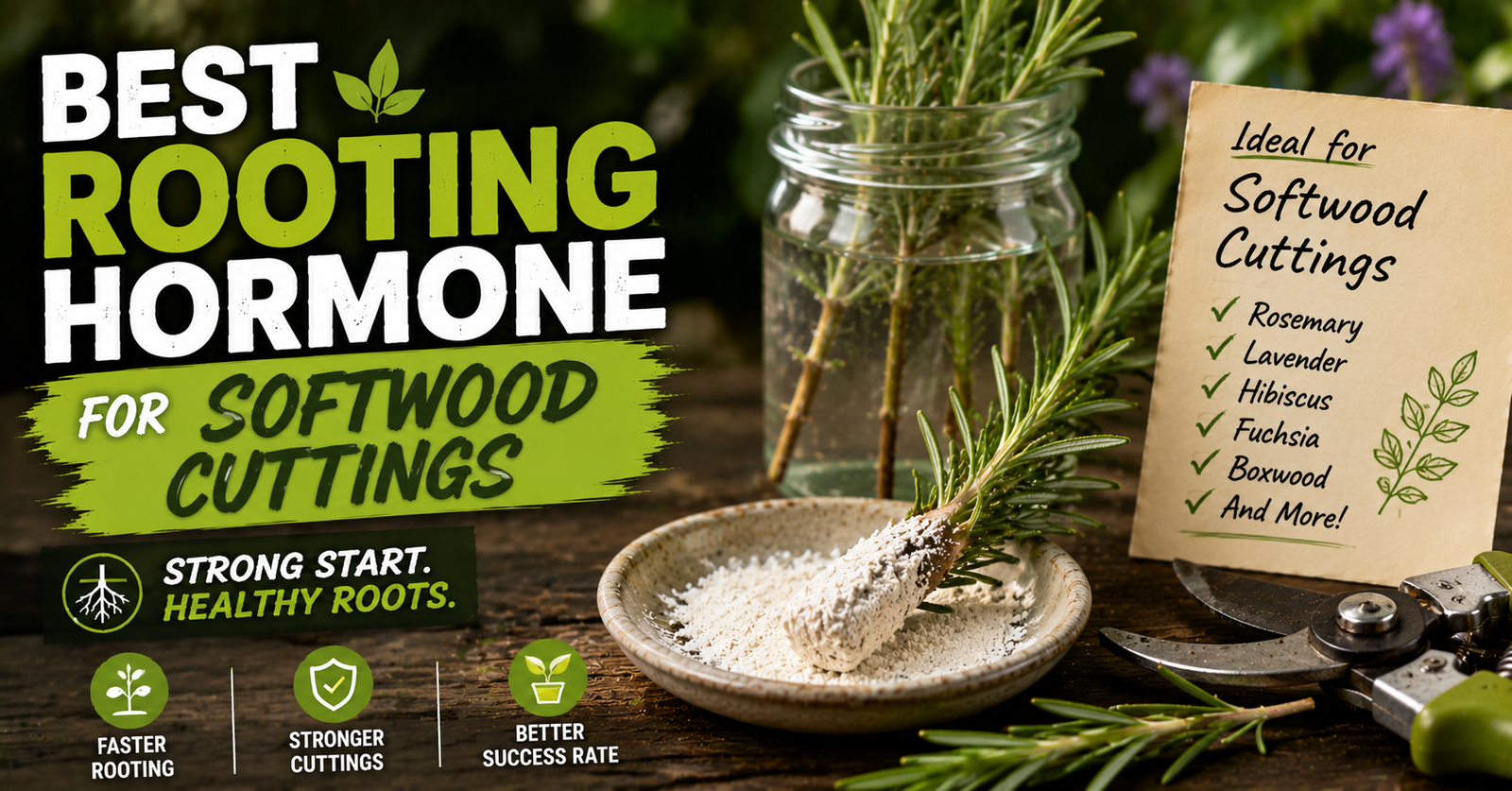
The good news is that all three major types of rooting hormone can work well inside an aeroponic cloner.
The best choice usually depends on the plant you’re propagating and your personal preference.
Rooting Gel
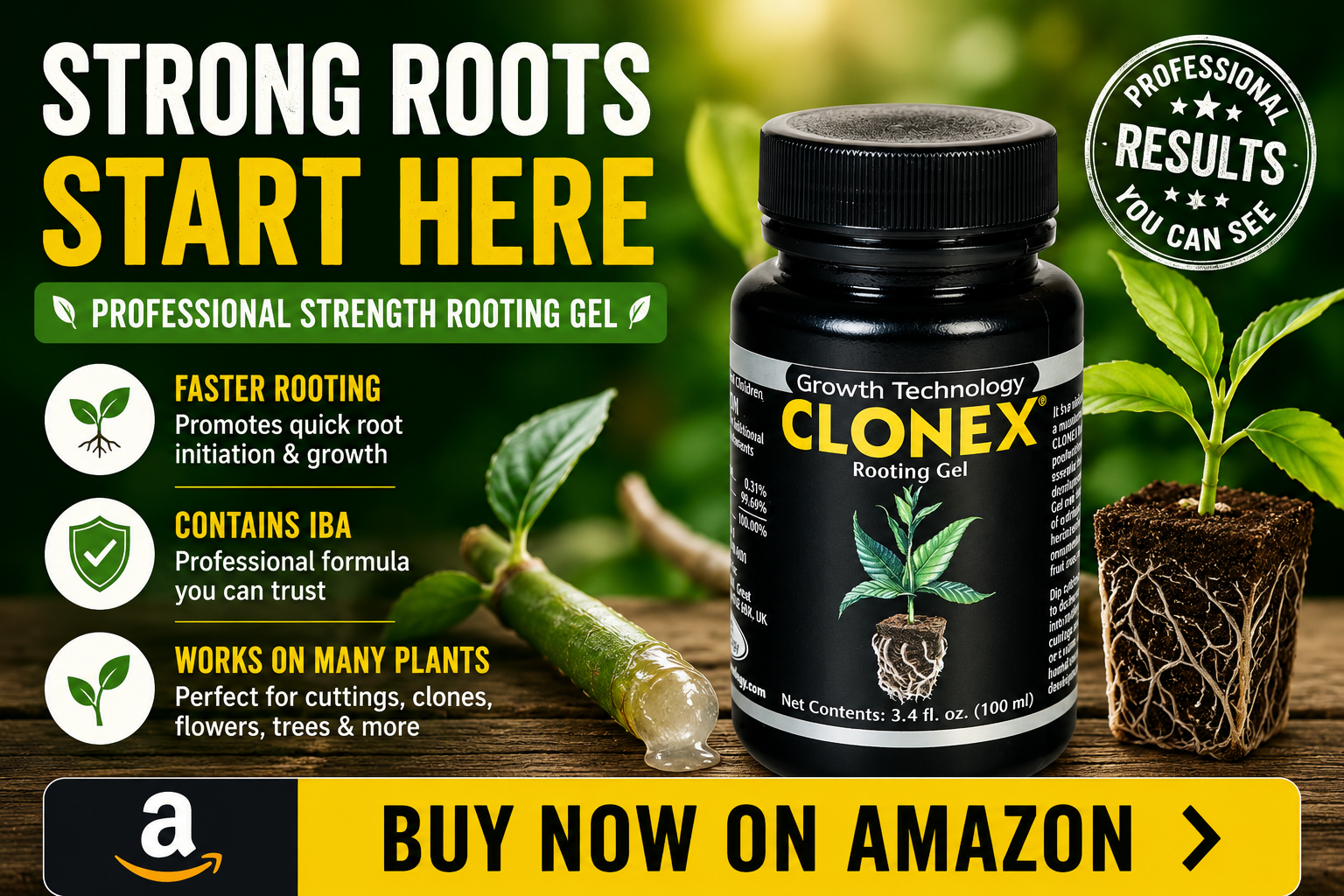
Rooting gel is my favorite option for aeroponic cloners.
Because the gel coats the freshly cut stem, it stays in place well as you insert the cutting into the neoprene collar. That means more of the rooting hormone remains where it’s supposed to be instead of falling off during handling.
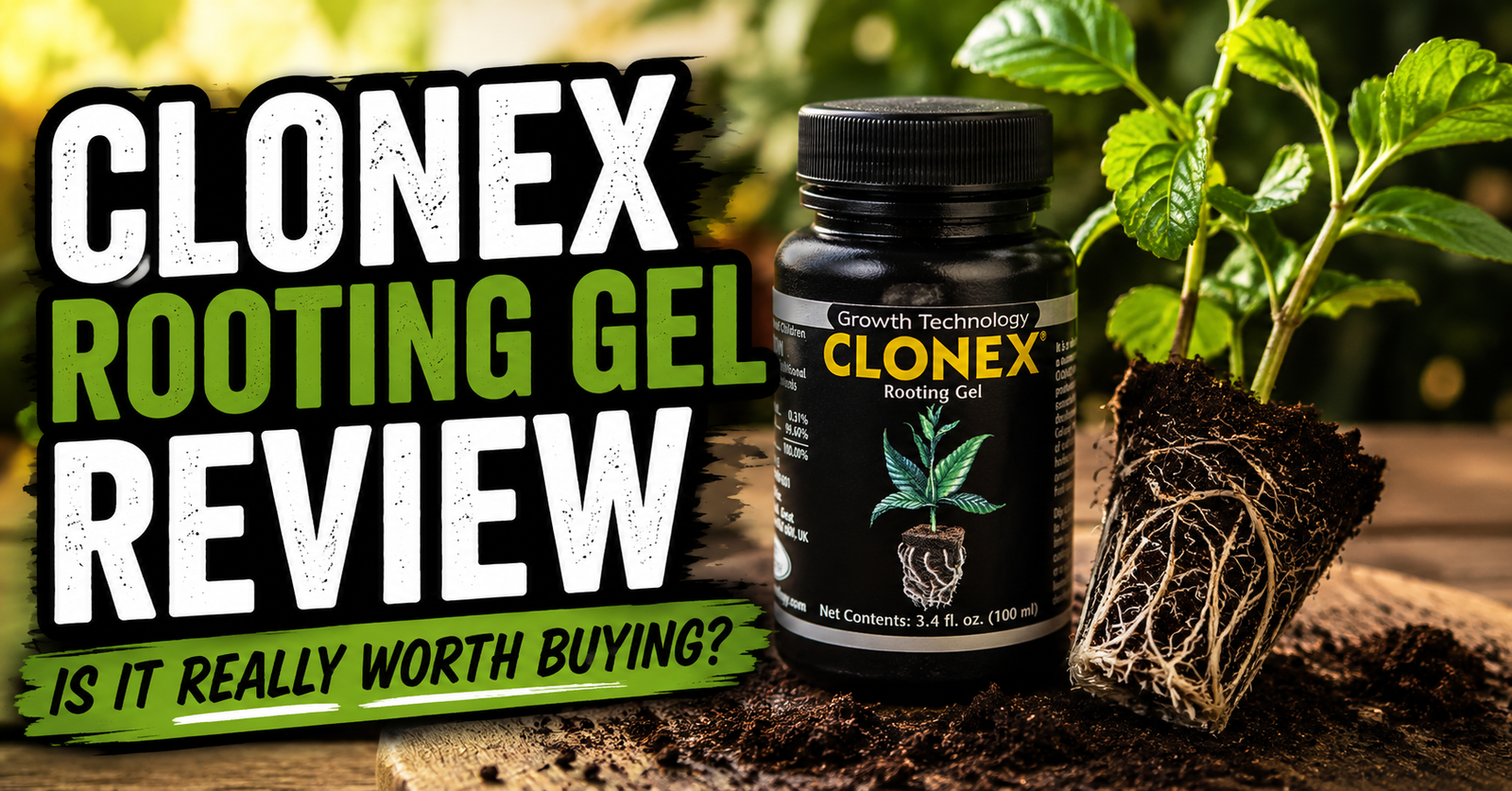
If you’re looking for a premium rooting gel, my review of Clonex Rooting Gel – Is It Really Worth Buying? explains why it’s one of the most popular choices among gardeners.
Rooting Powder
Rooting powder has been around for decades and remains one of the most affordable options.
After lightly moistening the cut stem, you dip it into the powder and gently tap off any excess before placing it into the collar.
Too much powder isn’t better. In fact, a heavy coating can actually reduce contact between the stem and the plant tissue that’s trying to develop new roots.
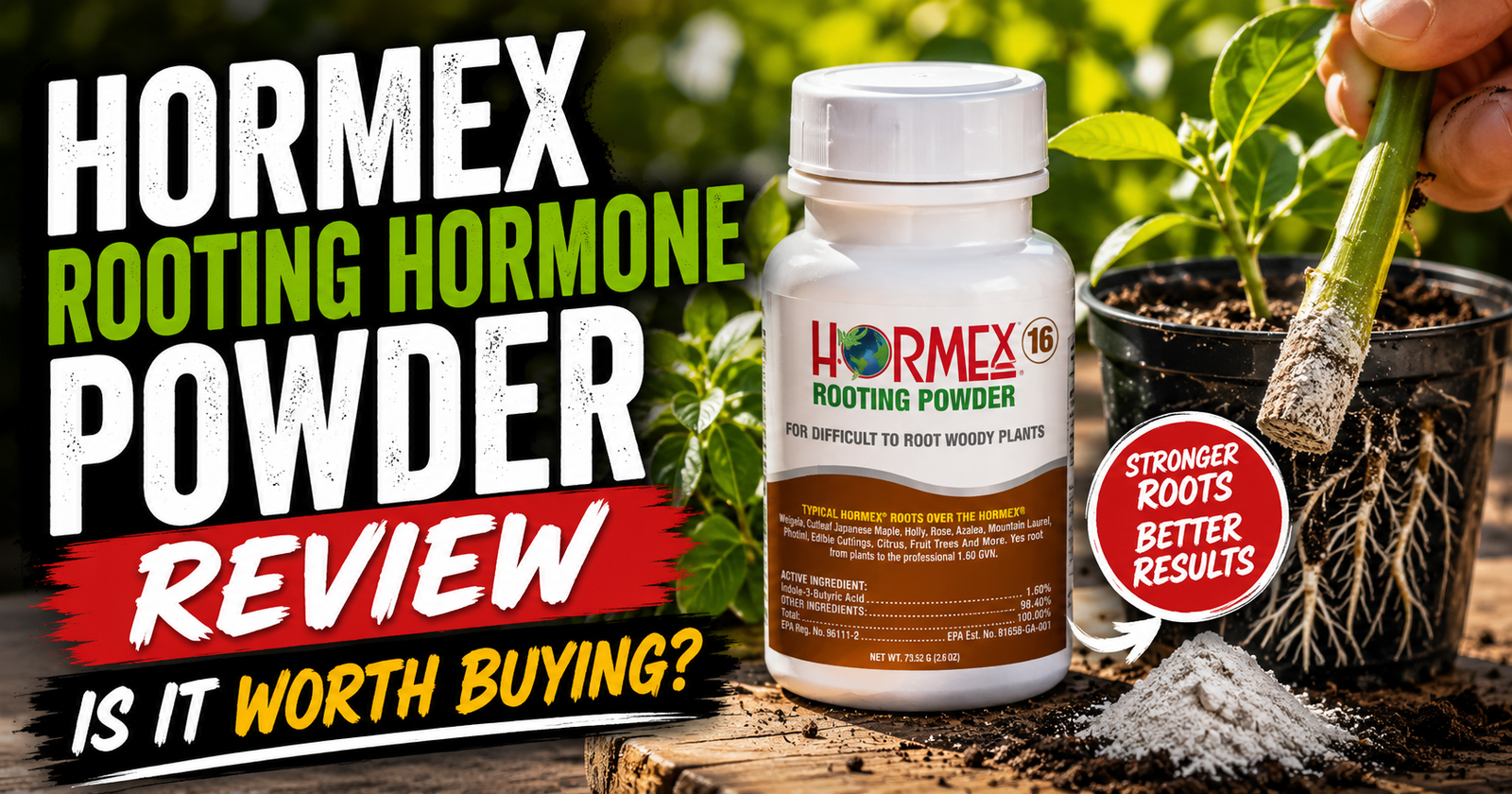
If you’re considering a powder, you can read my review of Hormex Rooting Hormone Powder – Is It Worth Buying?to see where it performs best.
Liquid Rooting Hormone
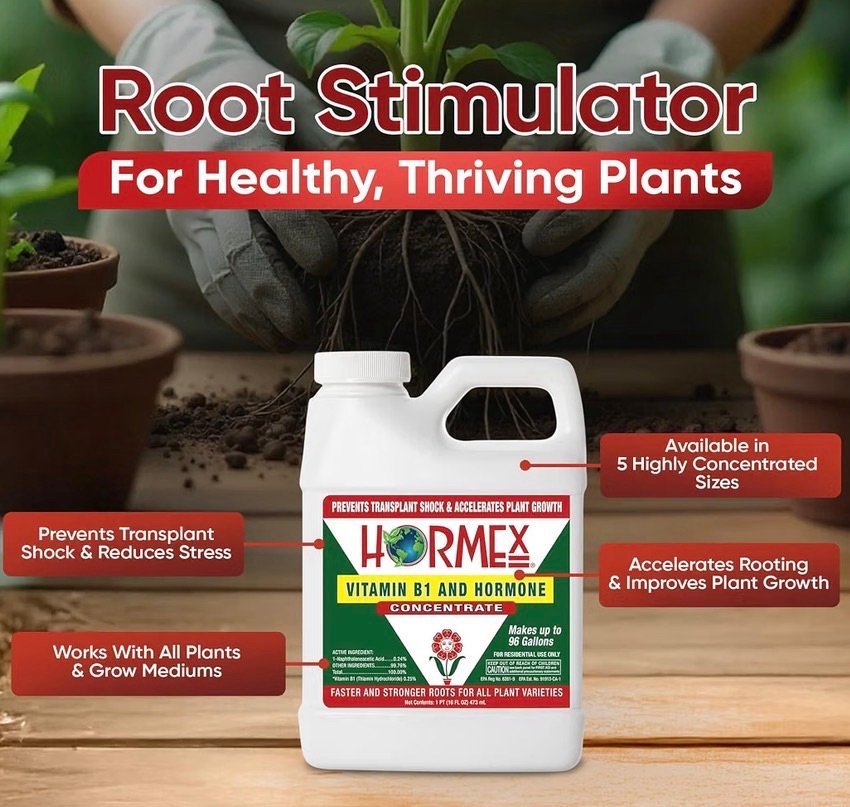
Liquid rooting hormones are another excellent option, especially if you’re preparing a large number of cuttings at once.
Some liquid products are used at full strength by dipping the cutting directly into the solution, while others are diluted according to the manufacturer’s instructions.
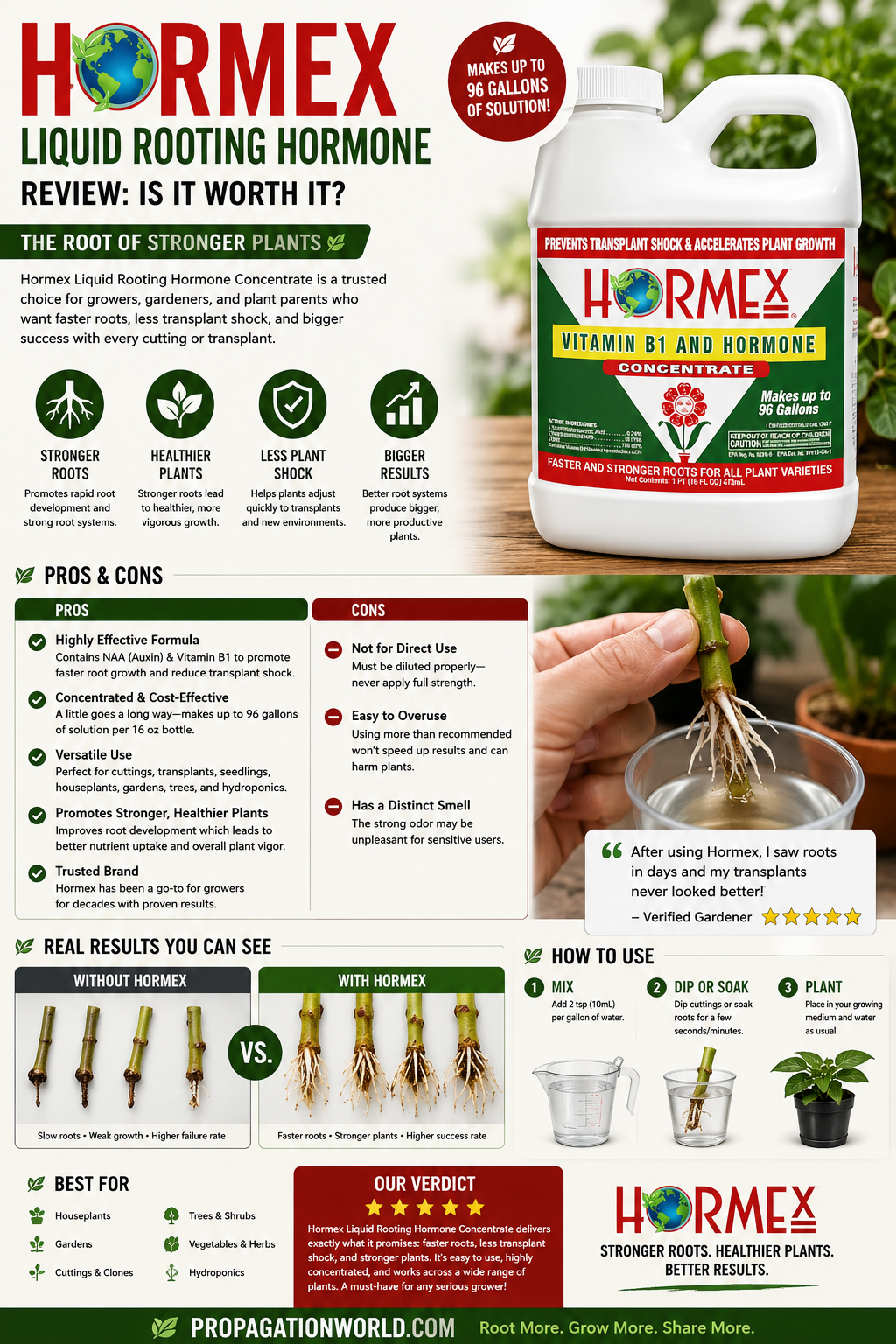
If you’re interested in liquid formulas, I reviewed Hormex Liquid Rooting Hormone and explain which situations it’s best suited for.
How to Use Rooting Hormone in an Aeroponic Cloner
Using rooting hormone with an aeroponic cloner is simple, but a few small details can improve your results.
1. Start With a Healthy Cutting
Choose a vigorous stem from a healthy parent plant.
Avoid weak, damaged, diseased, or flowering stems whenever possible, since they’re usually slower to root.
2. Make a Fresh Cut
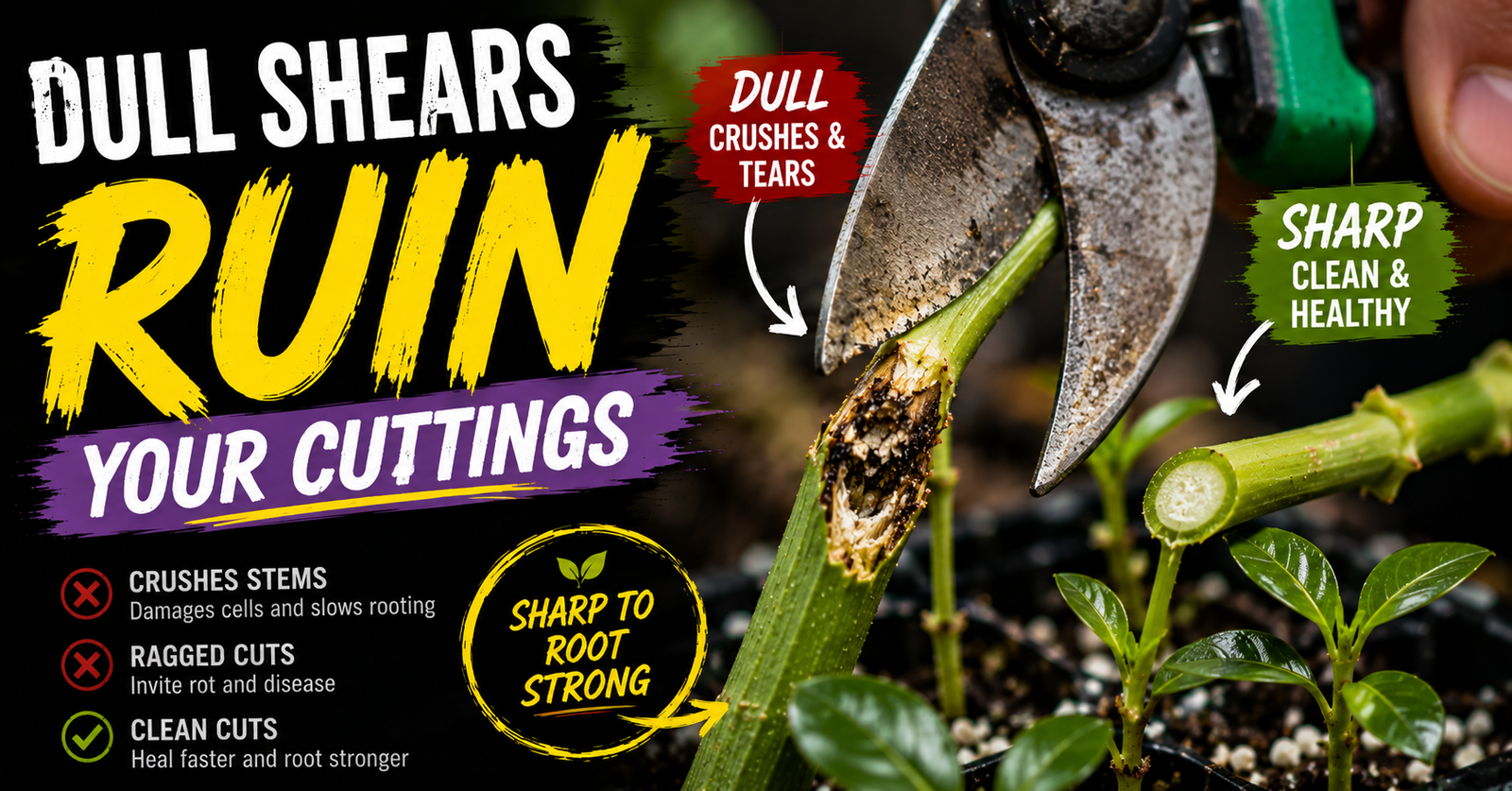
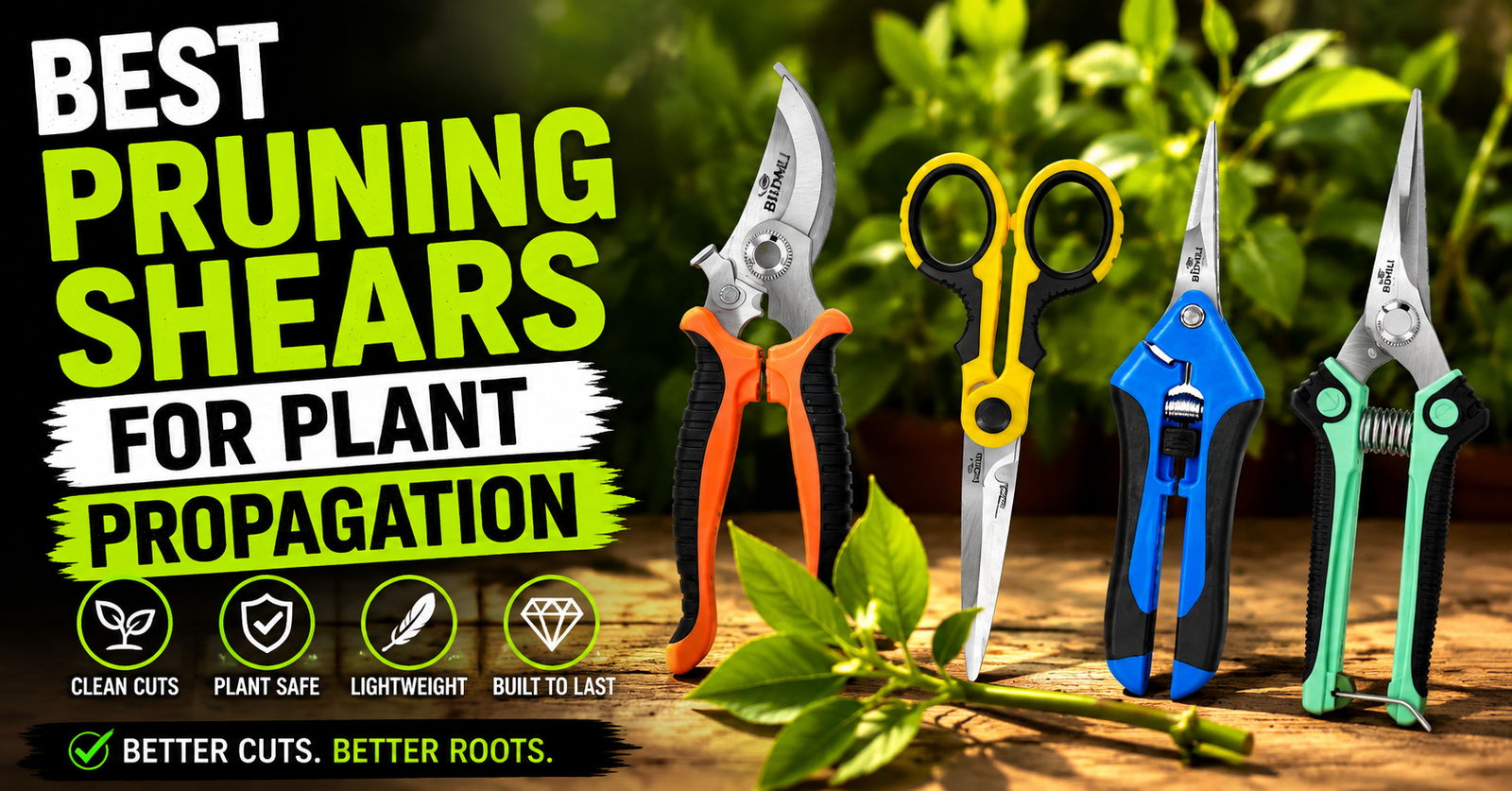
Using clean, sharp pruners, make a fresh cut just below a leaf node.
This is where many plants naturally produce new roots.
3. Apply the Rooting Hormone
Apply your gel, powder, or liquid according to the product directions.
Only the lower portion of the stem needs to be treated.
There’s no benefit to coating the entire cutting.
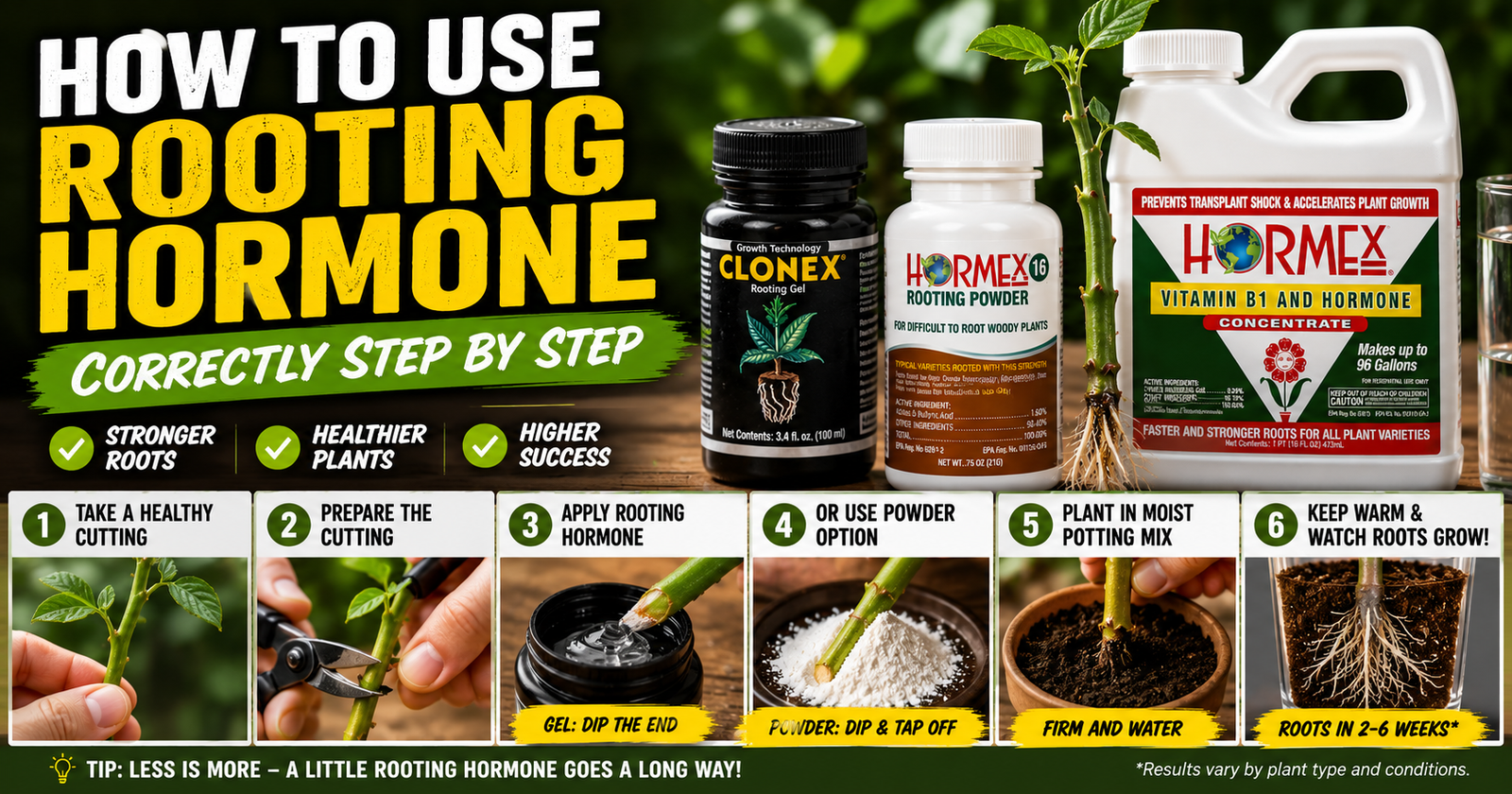
If you’re unsure about the proper technique, my guide on How to Use Rooting Hormone Correctly Step by Step covers the entire process in detail.
4. Place the Cutting Into the Collar
Insert the cutting into the neoprene collar so the treated portion of the stem hangs inside the spray chamber.
Make sure the cutting is secure without being squeezed too tightly.
5. Let the Cloner Do the Work
Once the pump starts cycling, the environment inside the cloner provides the moisture and oxygen the developing roots need.
At this point, patience becomes your biggest job.
Avoid constantly removing the cuttings to inspect them, as unnecessary handling can damage delicate new roots.
Can the Water Wash the Rooting Hormone Off?
This is probably the most common concern people have.
Fortunately, it’s usually not a problem.
By the time your aeroponic cloner begins spraying, the rooting hormone has already come into contact with the freshly cut stem. Root initiation begins very early in the propagation process, so the hormone doesn’t need to remain visibly coated on the stem for weeks.
Gel products generally adhere the best, but powders and liquids have been used successfully by gardeners for many years as well.
As long as you apply the hormone correctly before placing the cutting into the cloner, the spray cycle isn’t likely to wash away all of its benefits.
Can You Use Too Much Rooting Hormone?
Yes.
This is one of the easiest mistakes for beginners to make.
More rooting hormone does not mean faster rooting.
Applying excessive amounts can actually interfere with healthy root formation and waste product at the same time.
Whether you’re using a gel, powder, or liquid, always follow the application directions provided by the manufacturer.
If you’d like a deeper explanation, I cover the common mistakes and warning signs in Can You Use Too Much Rooting Hormone?.
Should You Use a Cycle Timer Too?
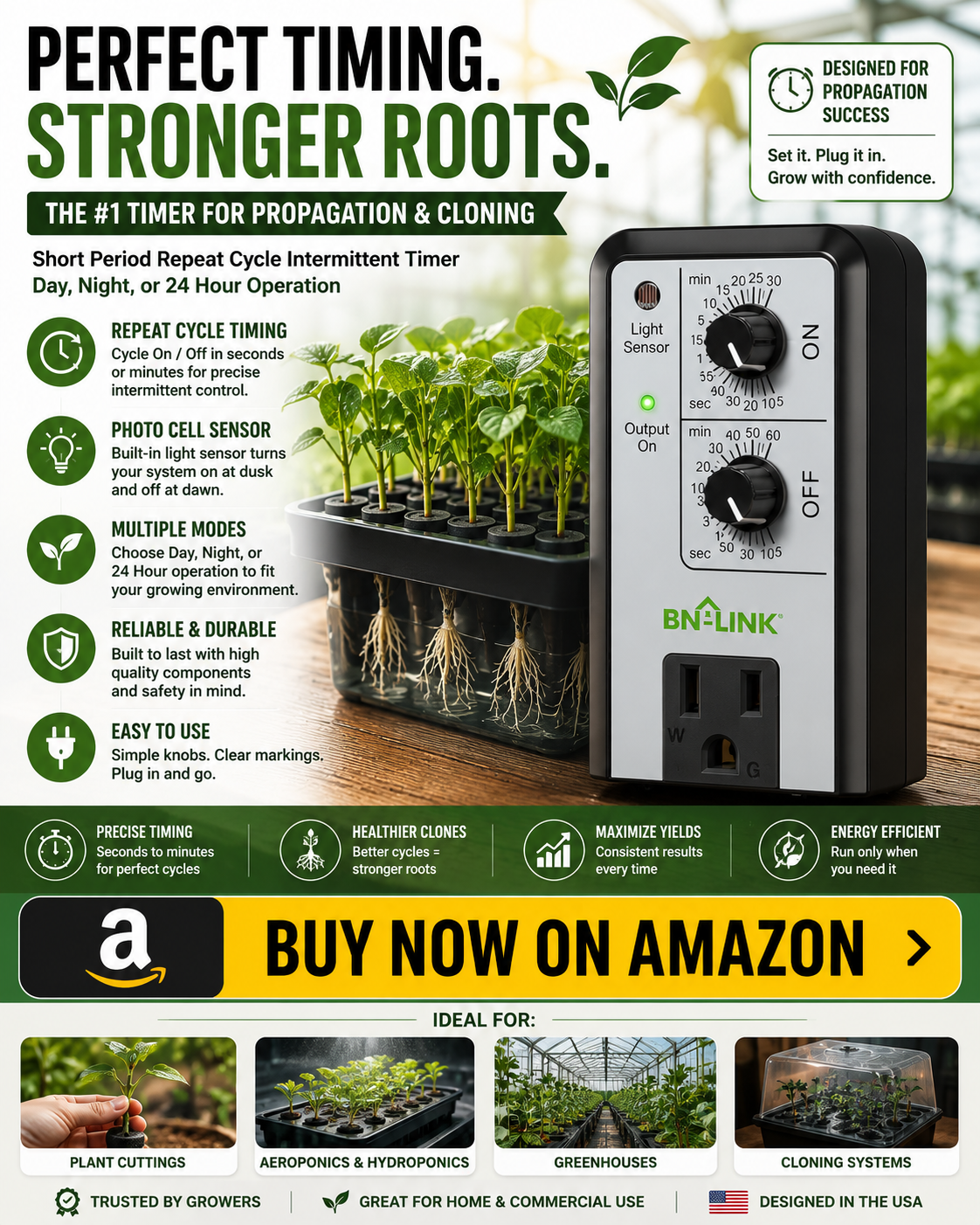
If you’re using an aeroponic cloner, I believe a repeat cycle timer is one of the best upgrades you can make.
While many cloners are designed to run continuously, a repeat cycle timer allows you to experiment with short on-and-off spray intervals instead. Some gardeners prefer this approach because it gives the stems brief periods surrounded by humid, oxygen-rich air between spray cycles.
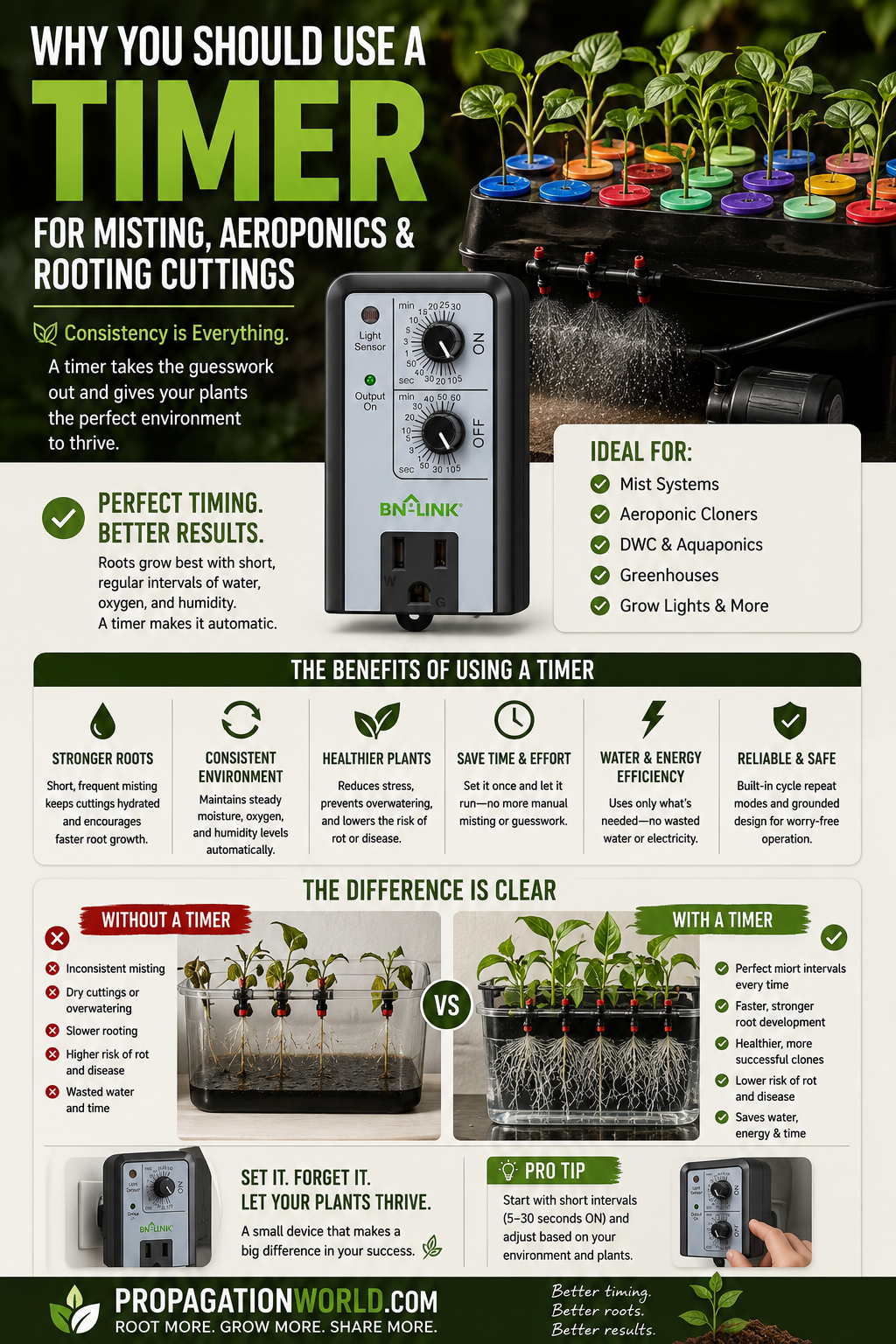
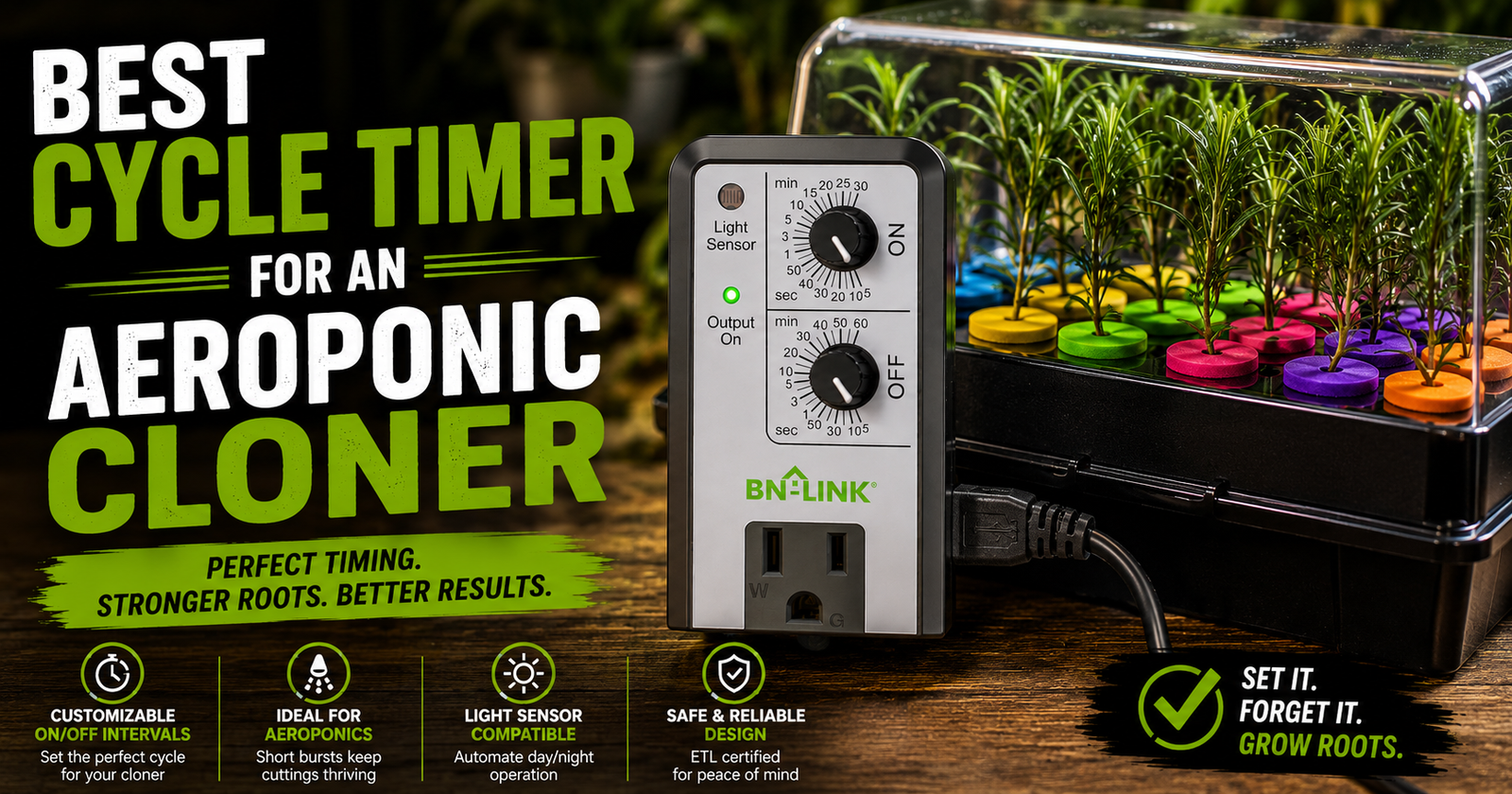
I use and recommend the BN-LINK Short Period Repeat Cycle Timer, and you can learn more about it in my guide to the Best Cycle Timer for an Aeroponic Cloner.
My Recommendation
If I’m propagating an easy houseplant like pothos or tradescantia, I’m perfectly comfortable skipping rooting hormone.
But when I’m working with roses, blueberries, hydrangeas, grapes, figs, elderberries, or other woody plants, I almost always use it.
An aeroponic cloner already provides one of the best rooting environments you can create at home. Adding the appropriate rooting hormone simply stacks the odds even more in your favor.
Neither one replaces the other.
Instead, they work together.
The rooting hormone encourages the cutting to begin producing roots, while the aeroponic cloner provides the moisture and oxygen those new roots need to grow into a healthy plant.
Frequently Asked Questions
Can you use Clonex in an aeroponic cloner?
Yes. Clonex Rooting Gel is one of the most commonly used rooting hormones with aeroponic cloners because the gel adheres well to freshly cut stems before they’re placed into the neoprene collars.
Is rooting hormone required in an aeroponic cloner?
No. Many plants root successfully without it. However, woody shrubs, fruit plants, and slower-rooting species often benefit from using a rooting hormone.
Does the spray wash the rooting hormone off?
Generally, no. Once the hormone has been applied to the fresh cut, it has already begun interacting with the plant tissue. Normal spray cycles don’t eliminate its effectiveness.
Is gel, powder, or liquid better?
All three can work well. Gel is often preferred because it stays on the stem more easily during handling, but powders and liquids are also effective when used correctly.
Can I reuse rooting hormone?
No. Never return unused gel, powder, or liquid that has contacted a cutting back into the original container. Doing so can contaminate the entire product.
Author: Dax Weaver
Dax Weaver is the founder of PropagationWorld.com and has propagated thousands of plants using traditional methods, rooting hormones, and modern aeroponic cloners. His goal is to help home gardeners understand the science behind successful propagation while recommending practical tools and techniques that actually improve results.