One of the biggest mistakes I see beginners make isn’t taking bad cuttings.
It’s waiting too long to plant them.
After watching those first tiny white roots appear, it’s easy to become attached to the glass of water. Every day the roots seem a little longer, and before you know it, weeks or even months have passed.
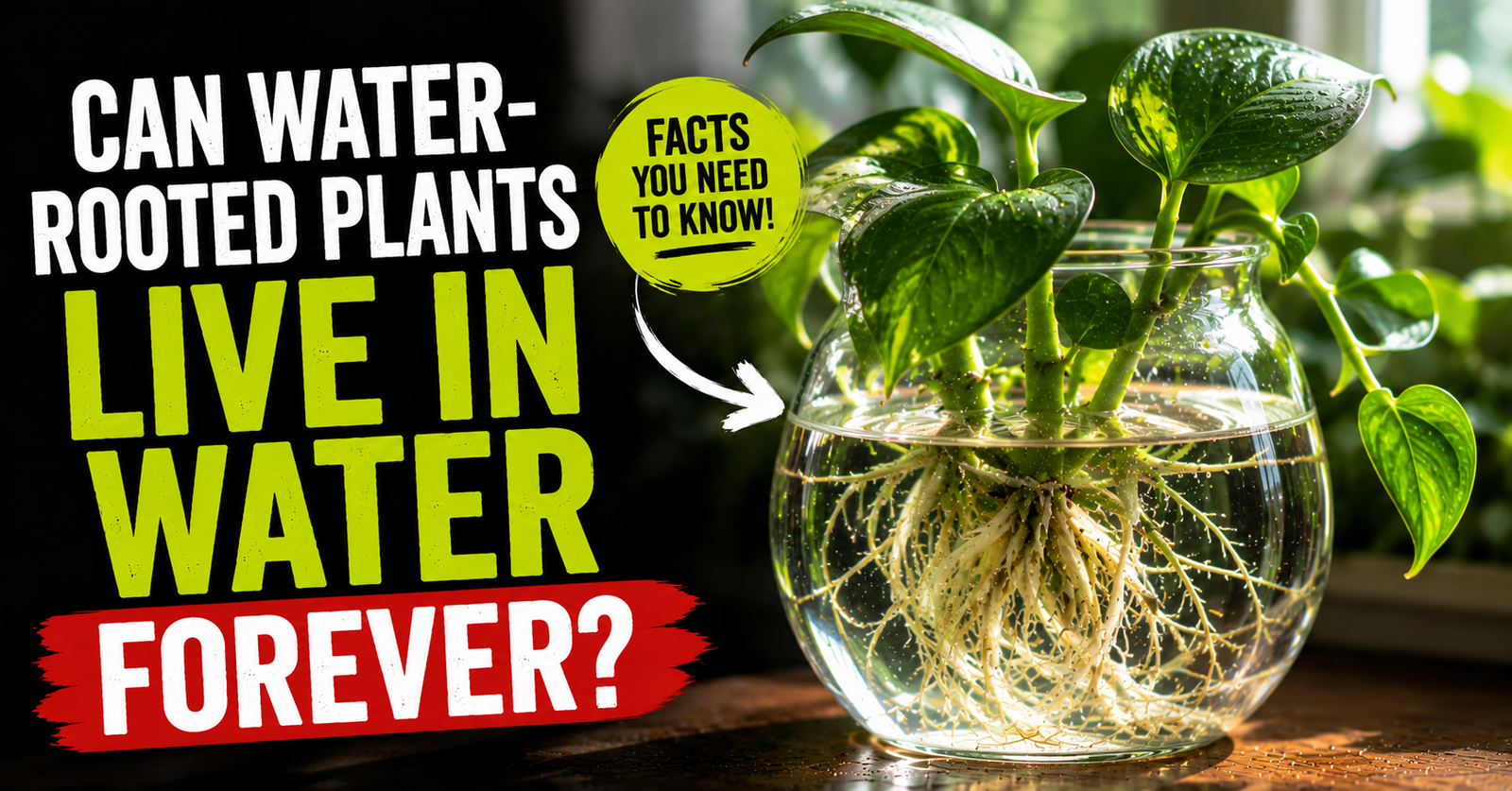
While watching roots grow is one of the most enjoyable parts of propagation, leaving a cutting in water indefinitely isn’t usually the best long-term plan. There are exceptions to that general rule, and Can Water-Rooted Plants Live in Water Forever? looks at which plants can remain in water for years.
Knowing when to move your cutting into soil can make the difference between a thriving new plant and one that struggles for weeks after transplanting.
The good news is that you don’t need to guess.
There are several signs that tell you when it’s time.
The Short Answer
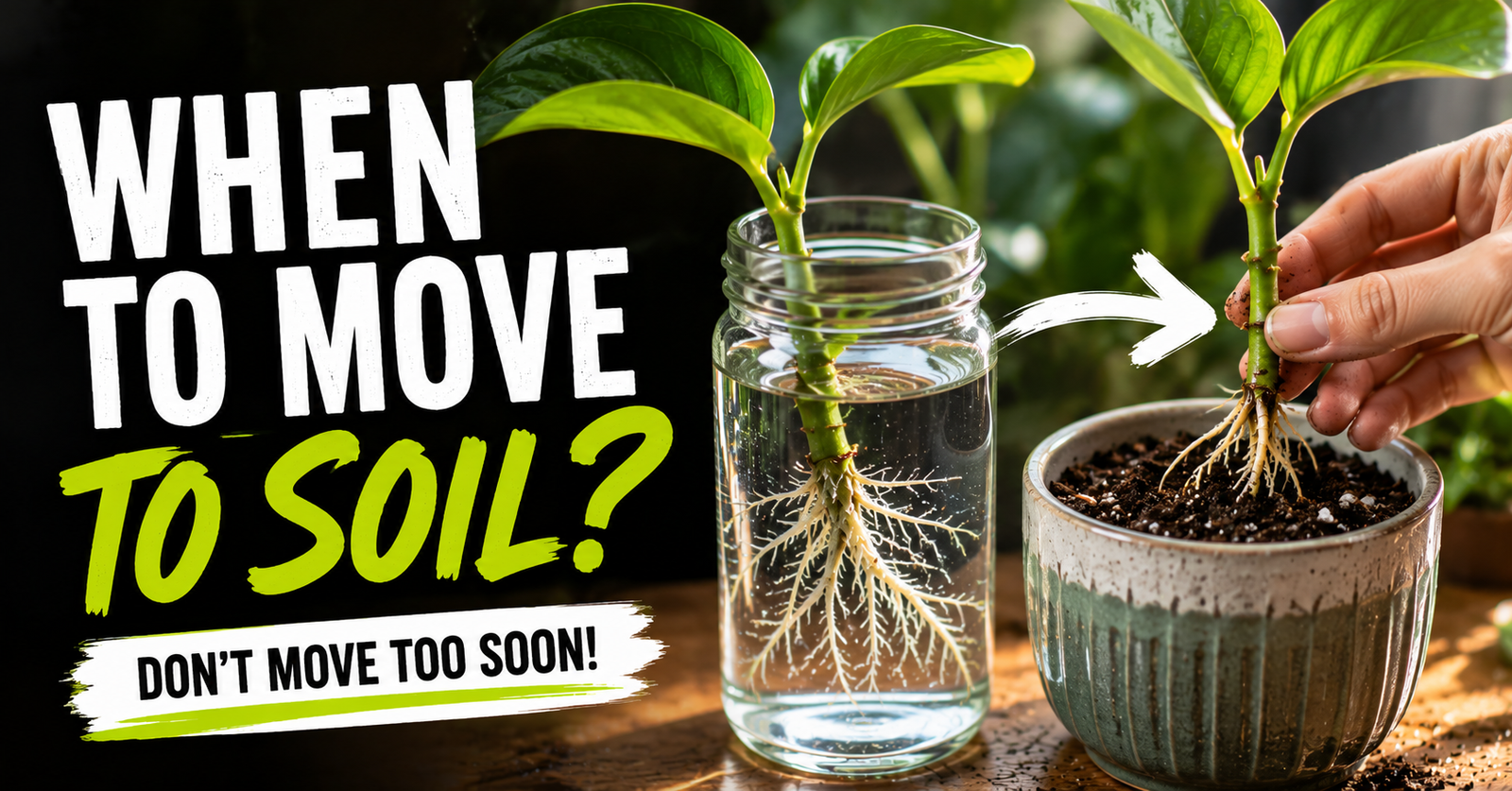
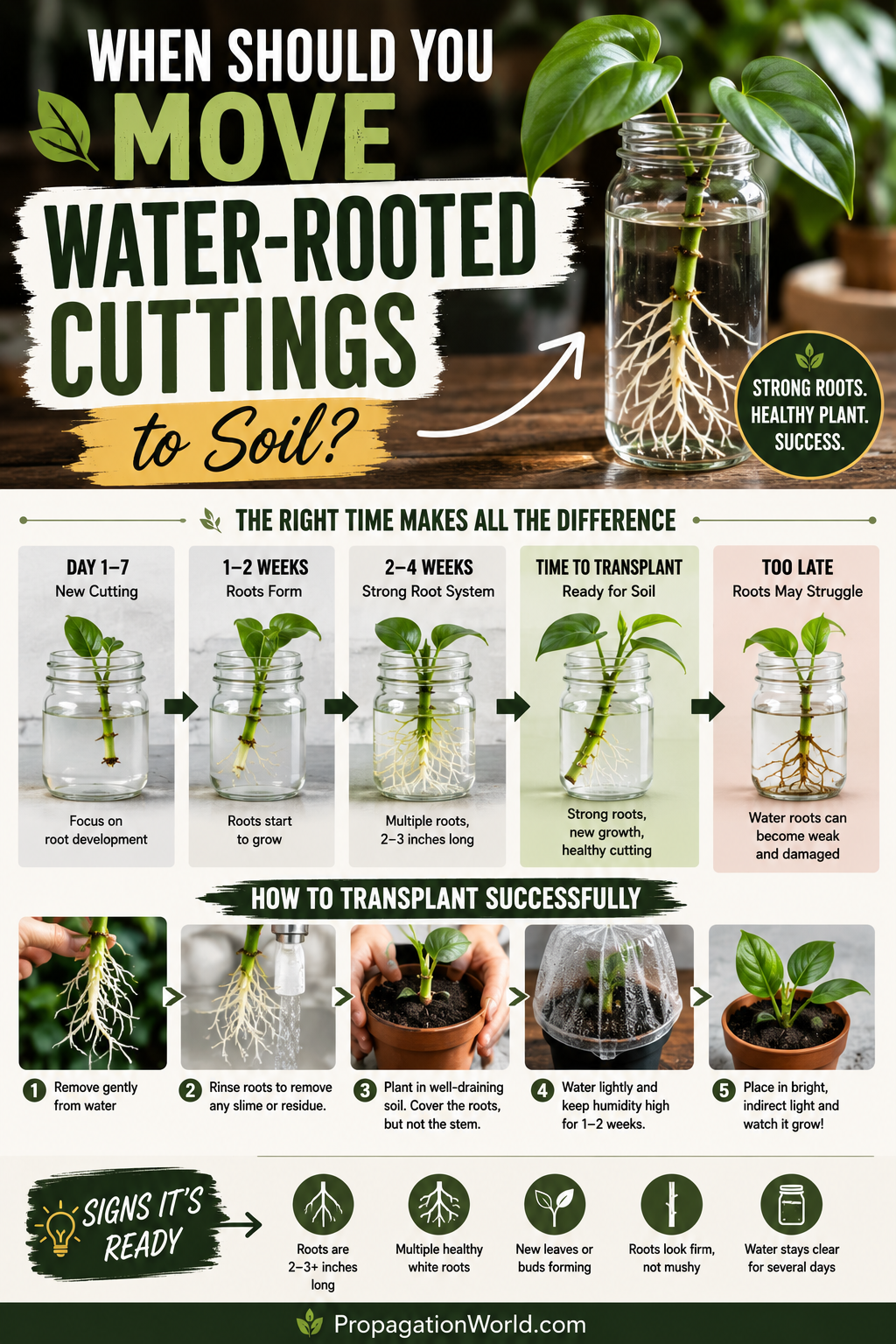
For most plants, I transplant water-rooted cuttings once they have developed multiple healthy roots that are roughly 2 to 3 inches long.
More importantly than the exact length, I want to see a healthy root system beginning to branch rather than just one long root.
Strong, branching roots adjust to soil much better than a single thin root.
If you transplant too early, the cutting may not have enough roots to support itself.
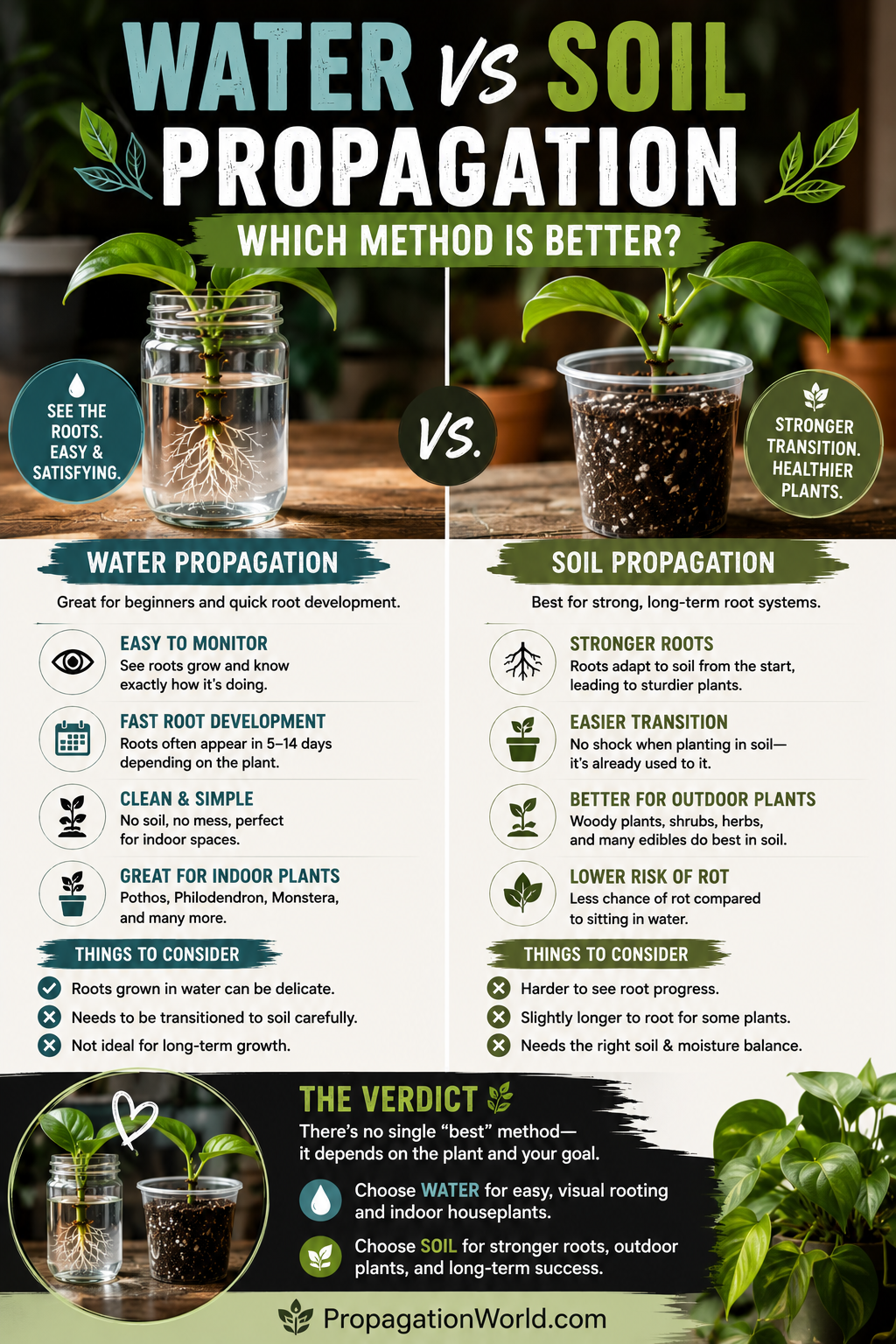
If you wait too long, the roots become increasingly adapted to living in water, making the transition to soil more difficult. The differences between Water Propagation vs Soil Propagation – Which Method Is Better? also explain why timing matters during transplanting.
Why You Shouldn’t Leave Cuttings in Water Forever
Many beginners assume that longer roots always mean a healthier plant.
Unfortunately, that’s not always true.
Roots that grow entirely in water develop differently than roots growing in soil.
Water provides constant moisture, so the plant never needs to search for water the way it does in potting mix.
As a result, water roots are often more delicate and less efficient at adapting once transplanted.
The longer a cutting stays in water, the bigger that adjustment can become.
That’s why I generally prefer moving healthy cuttings into soil sooner rather than later.
Don’t Focus Only on Root Length
One of the biggest misconceptions in propagation is that there’s a magic number.
Some people say one inch.
Others insist on six inches.
In reality, root quality matters much more than root length.
When I check a cutting, I’m looking for things like:
- Several healthy white roots
- New side roots beginning to branch
- Firm stems
- Healthy green leaves
- No signs of rot
A cutting with several branching two-inch roots is usually much better prepared for transplanting than one with a single six-inch root.
Different Plants Grow at Different Speeds
Not every plant follows the same timeline.
Some species develop transplant-ready roots surprisingly quickly.
Others need considerably more time.
For example, pothos, tradescantia, basil, and coleus often produce usable roots within just a couple of weeks.
Woody shrubs and slower-growing species may need several weeks—or even months—before they’re ready.
Rather than watching the calendar, I pay much closer attention to the roots themselves.
That’s usually a far better indicator than the number of days the cutting has spent in water.
Signs Your Cutting Is Ready for Soil
Several clues tell me a cutting is likely ready for transplanting.
Some of the most reliable include:
- Multiple white roots have formed.
- The roots have started branching.
- New leaves are beginning to grow.
- The cutting remains firm and upright.
- The roots look healthy rather than thin or translucent.
When I see most of these signs together, I’m usually comfortable making the move to soil.
Signs You Should Wait a Little Longer
Sometimes patience is still the better option.
I usually wait if:
- Only one small root has formed.
- The roots are extremely short.
- The stem still appears weak.
- The leaves continue wilting every day.
- New growth hasn’t started yet.
Giving the cutting another week often makes transplanting much easier.
How to Move Water-Rooted Cuttings Into Soil
Transplanting isn’t complicated, but being gentle makes a big difference.
Here’s the routine I follow.
1. Choose a Well-Draining Potting Mix
Avoid heavy garden soil.
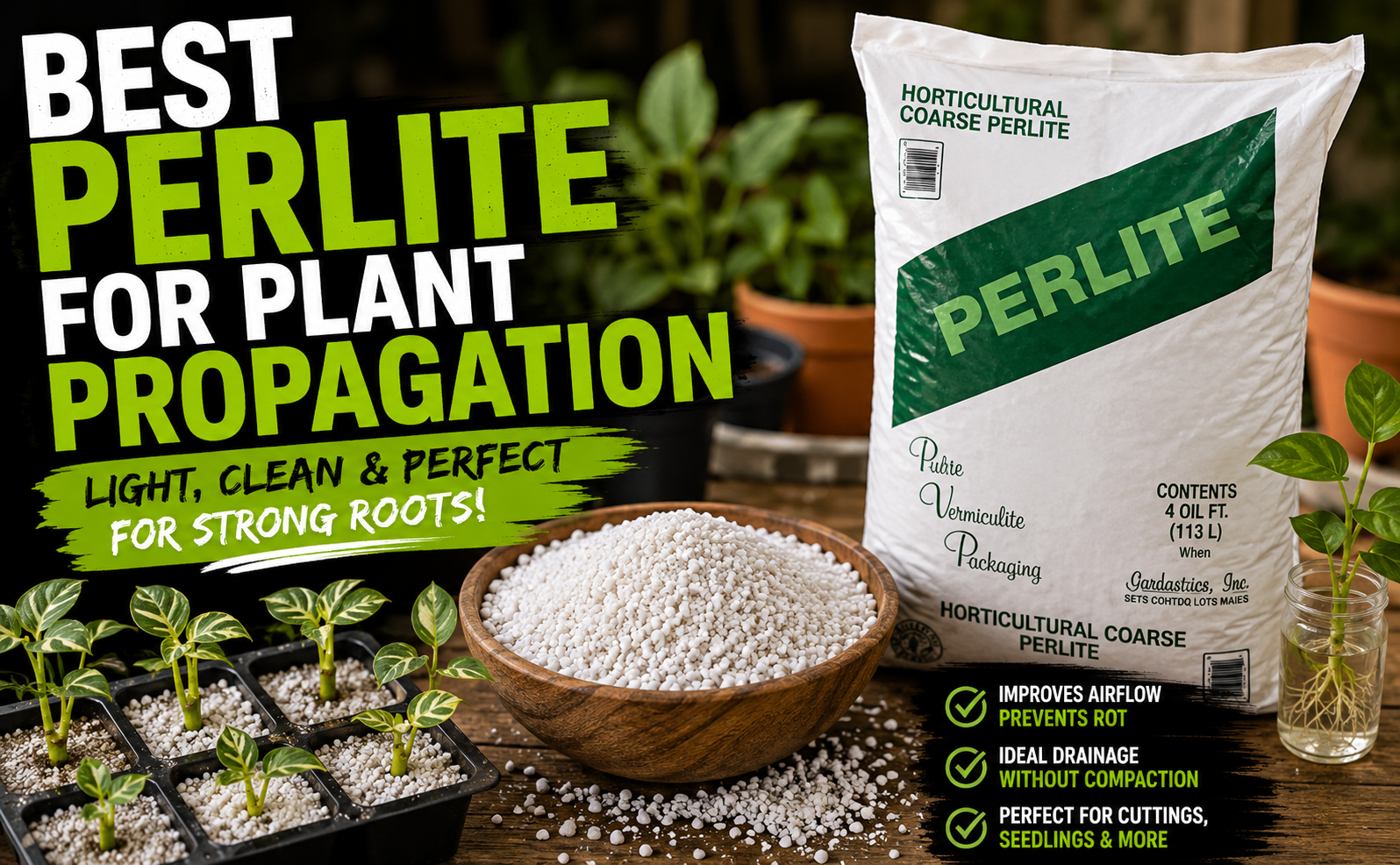
Instead, use a quality potting mix that holds moisture while still allowing plenty of air around the roots.
Young roots need both water and oxygen to continue developing.
2. Pre-Moisten the Soil
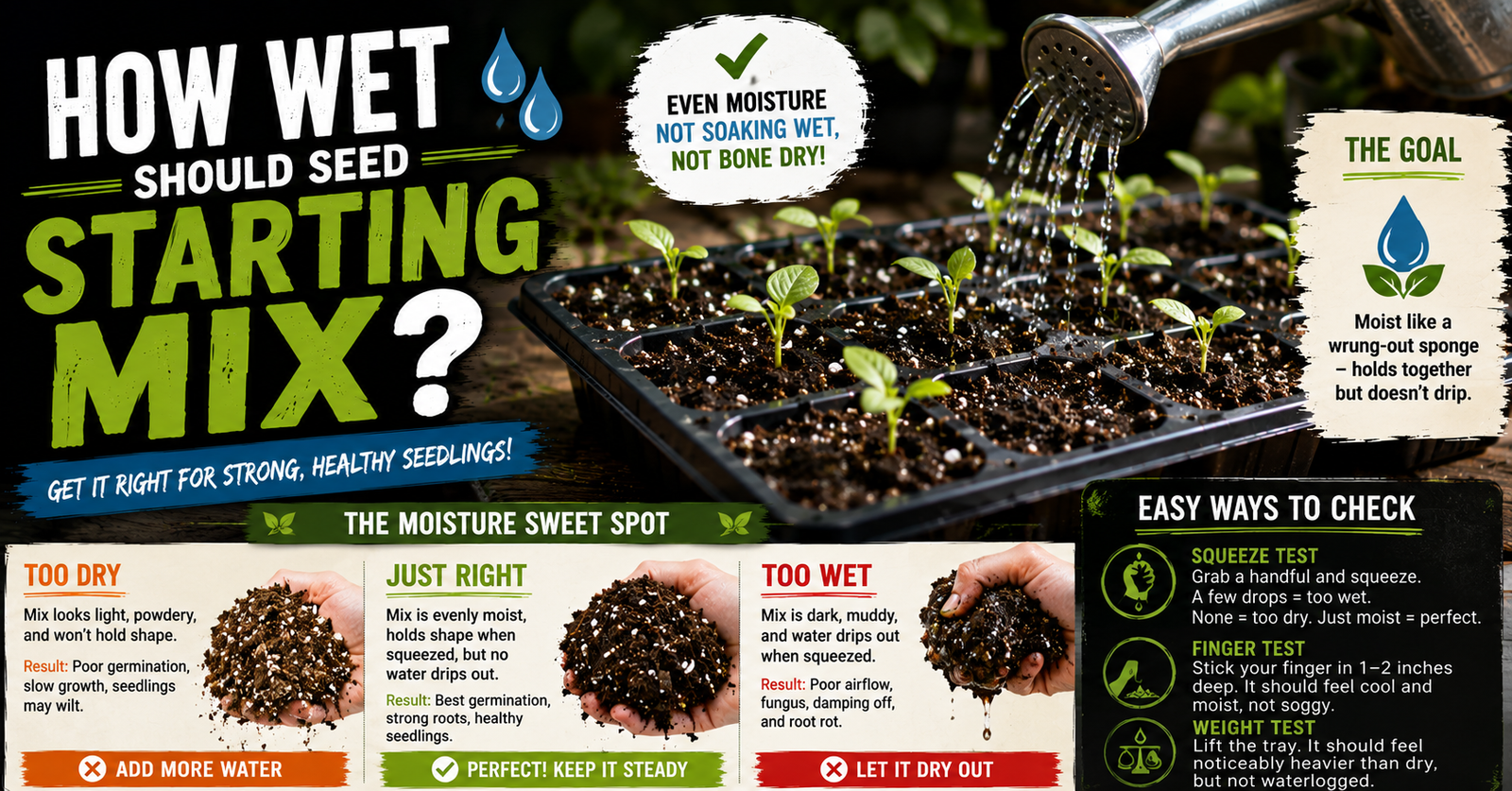
I like to lightly water the potting mix before planting.
Moist soil settles around the roots more easily and helps reduce transplant shock.
It should feel damp—not soaking wet.
3. Handle the Roots Carefully
Water roots are much more fragile than established soil roots.
Instead of pulling or twisting them into place, gently lower the cutting into the planting hole and lightly firm the soil around it.
If a root breaks, don’t panic.
Small amounts of damage usually aren’t fatal, but it’s always better to disturb them as little as possible.
4. Water Immediately After Planting
Once the cutting is in its pot, water thoroughly.
This helps eliminate air pockets and brings the soil into close contact with the roots.
For the first week or two, I keep the soil consistently moist while the plant adjusts to its new environment.
5. Keep It Out of Harsh Sunlight
Freshly transplanted cuttings don’t need intense afternoon sun.
Bright, indirect light is usually the safest choice during the transition.
Once you see healthy new growth, you can slowly begin moving the plant toward the light conditions it will eventually receive.
Will the Plant Go Into Shock?
Sometimes.
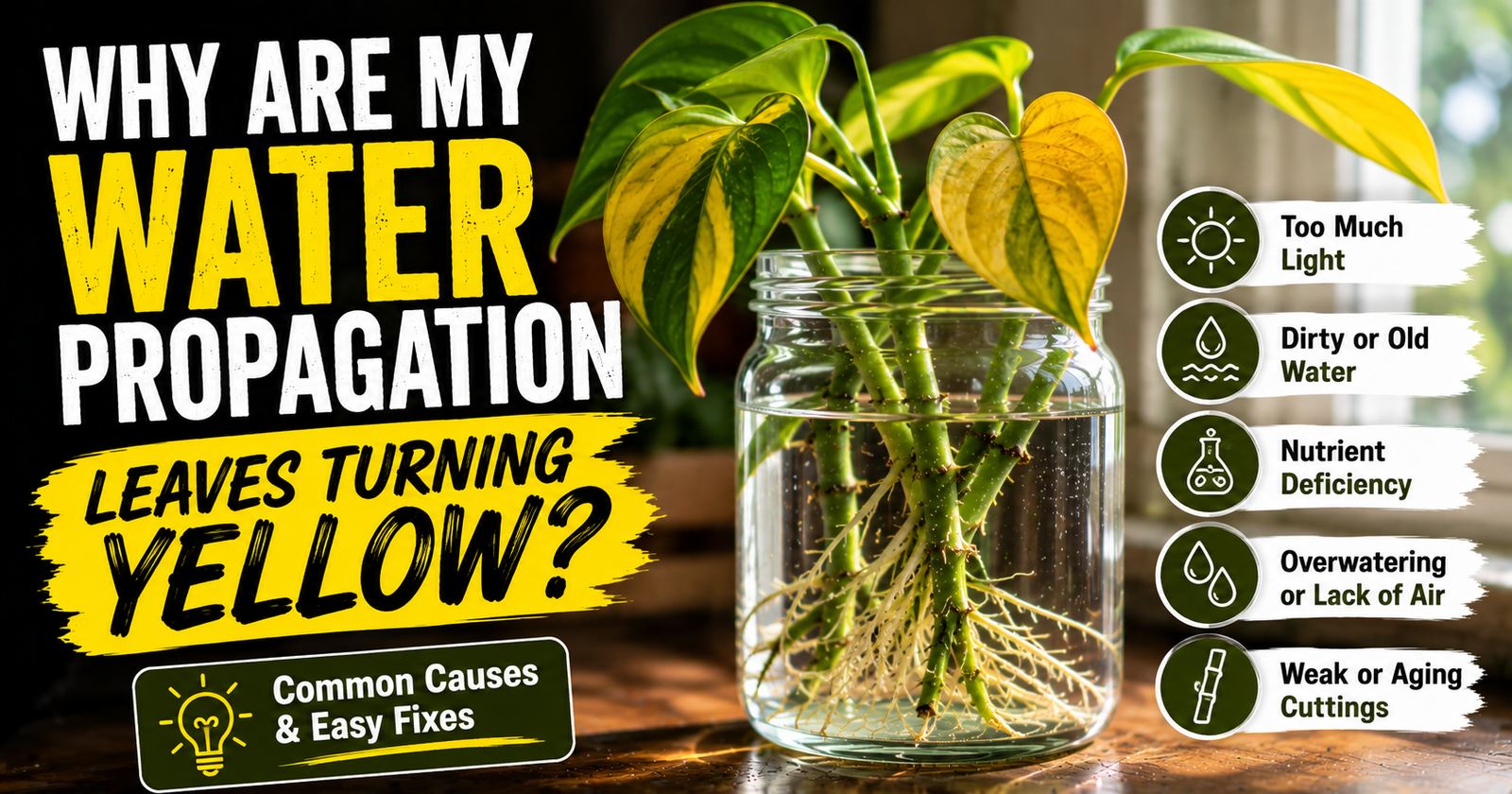
Even perfectly healthy cuttings may look a little unhappy for a few days after moving into soil. Temporary stress after potting can include discoloration, so see yellow leaves after transplanting before assuming the cutting is failing.
A small amount of wilting or slower growth isn’t unusual.
The plant is adapting from an environment where water surrounded the roots all the time to one where it has to actively absorb moisture from the soil.
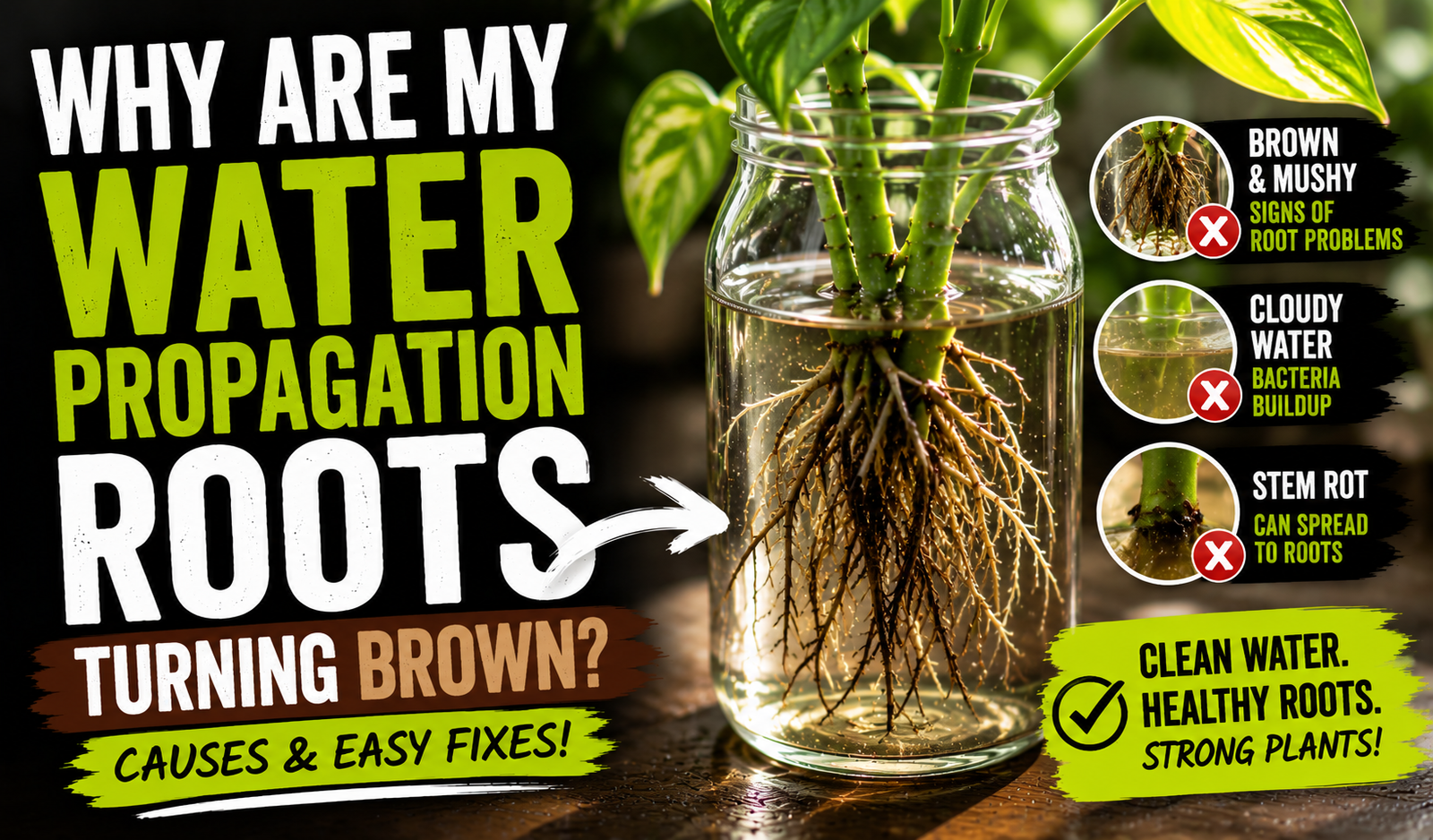
As long as the leaves remain mostly healthy and the stem stays firm, I usually give the plant time rather than assuming something has gone wrong. A firm stem and healthy leaves are helpful context when evaluating brown propagation roots and you're deciding whether the cutting is actually in trouble.
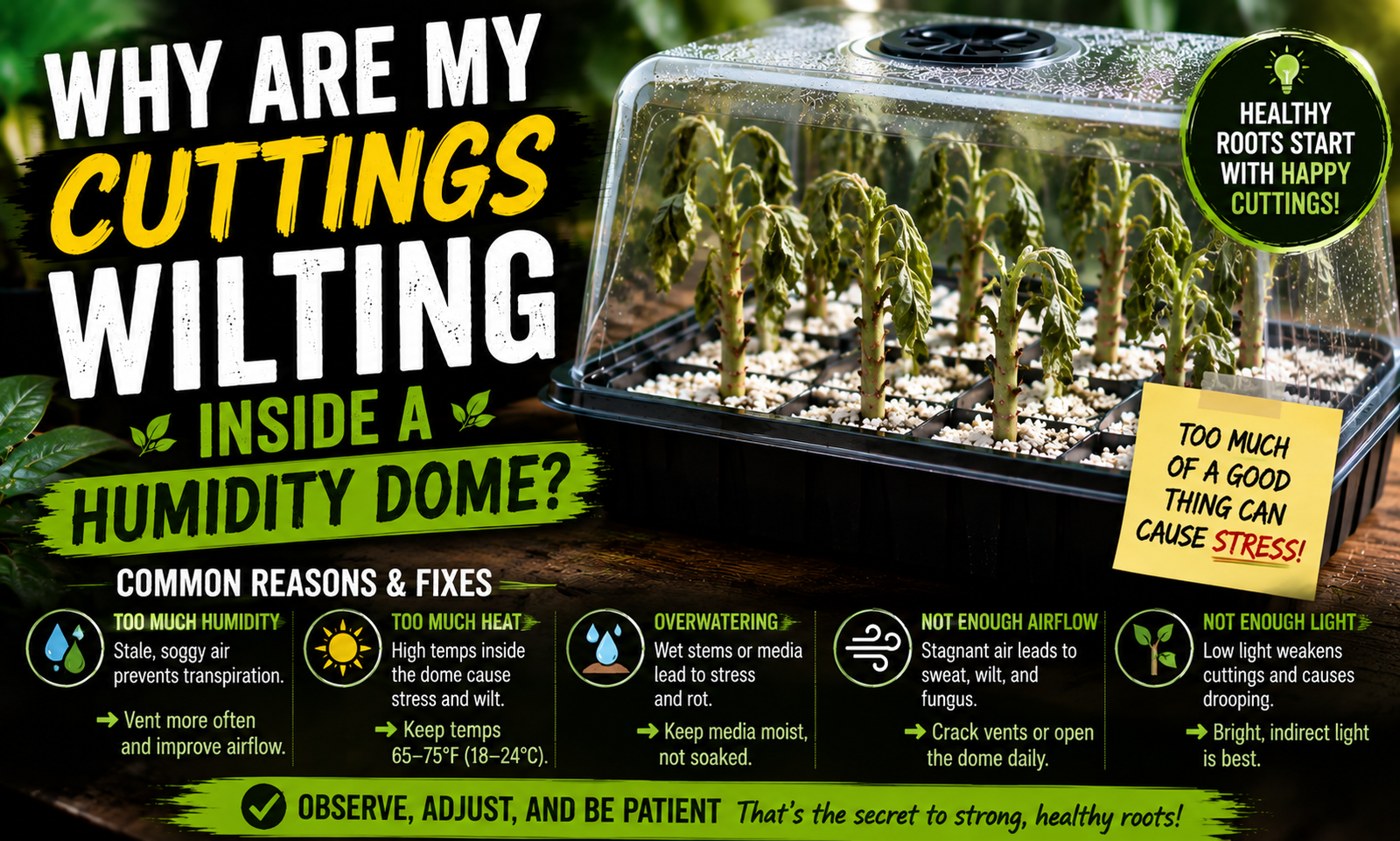
How Long Does the Adjustment Take?
Every plant is different, but many water-rooted cuttings settle into soil within one to three weeks.
During that time, the plant gradually replaces many of its water roots with roots that are better suited for growing in potting mix.
This is one reason I avoid fertilizing immediately after transplanting.
The plant already has enough to adjust to.
Once I notice fresh new leaves or stronger growth, I know it’s adapting successfully.
Common Mistakes After Transplanting
The days after transplanting are often more important than the transplant itself.
Here are a few mistakes I see beginners make regularly.
Letting the Soil Dry Out
Freshly transplanted cuttings don’t have a large root system yet.
If the soil dries completely, those young roots can quickly become stressed.
Keeping the Soil Soaking Wet
The opposite extreme isn’t good either.
Constantly saturated soil reduces oxygen around the roots and can lead to rot.
Aim for evenly moist soil rather than muddy conditions.
Moving the Plant Into Full Sun
A cutting that spent weeks indoors in water isn’t ready for six hours of hot afternoon sunshine.
Introduce brighter light gradually.
Fertilizing Too Soon
Many people assume fertilizer helps the cutting recover faster.
In reality, newly transplanted roots are often sensitive.
I normally wait until I see clear signs of new growth before feeding the plant.
Constantly Digging It Up
It’s tempting to check the roots every few days.
Try not to.
Every time you disturb the cutting, you interrupt the very process you’re waiting for.
If the leaves remain healthy, trust the roots to do their job underground.
Can Some Plants Stay in Water Permanently?
A few can.
Plants like lucky bamboo are commonly grown in water for years with proper care.
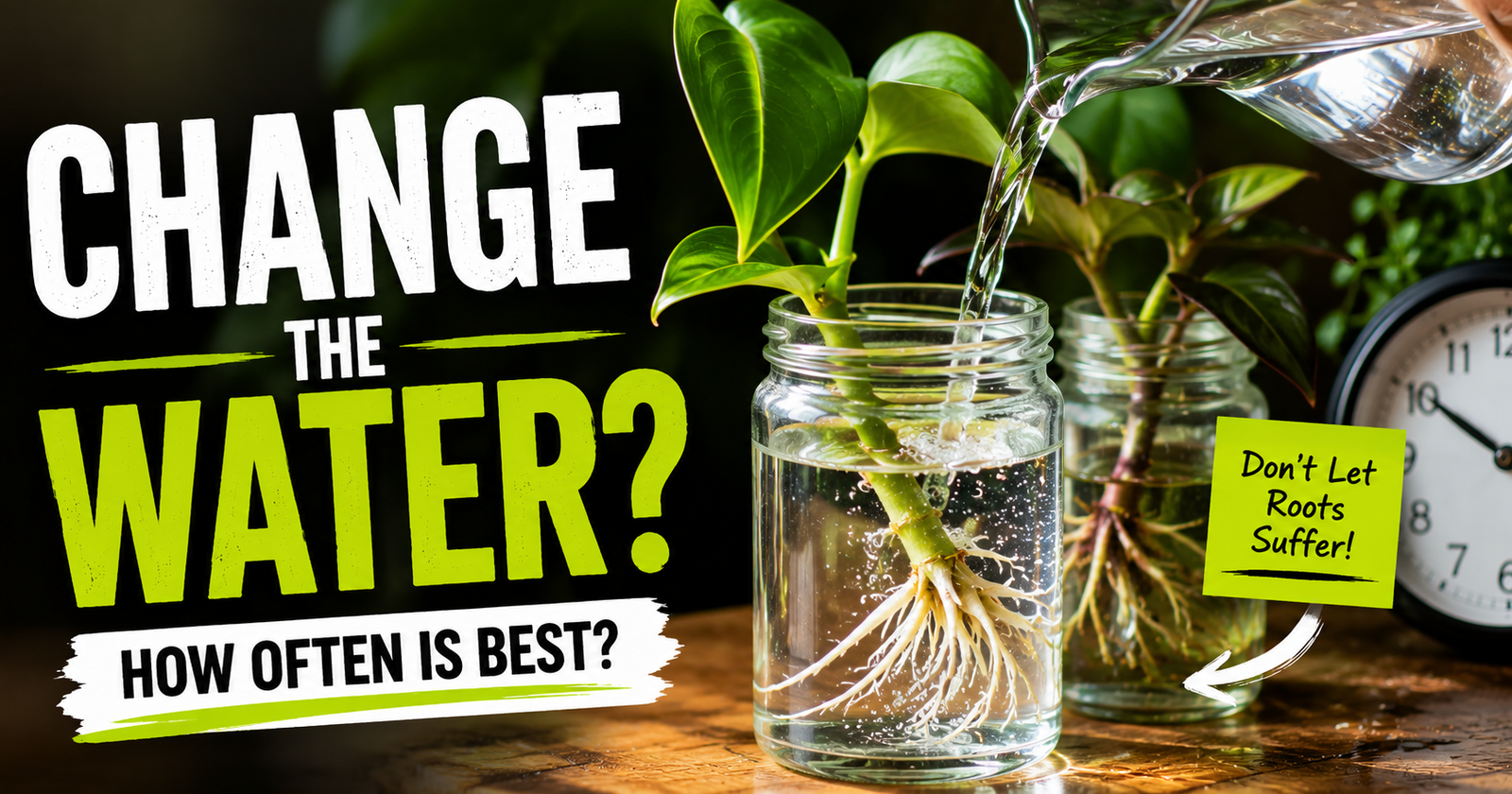
Others, including pothos and philodendron, can also survive for surprisingly long periods if you regularly replace the water and provide nutrients. A practical water-change schedule for cuttings can help keep those long-term water-growing setups healthier.
However, surviving isn’t always the same as thriving.
Most plants eventually perform better in soil because it provides better access to nutrients, support, and a healthier long-term root environment.
If You’re Unsure, Watch the Plant—Not the Calendar
One lesson I’ve learned after propagating hundreds of cuttings is that plants don’t read calendars.
Some develop transplant-ready roots in ten days.
Others may need over a month.
Instead of counting days, I pay attention to the roots, the leaves, and the overall health of the cutting.
Healthy branching roots and active new growth tell me far more than the number of weeks it’s been sitting on a windowsill.
The Best Time to Move Is Before the Roots Become Overgrown
Waiting until the roots completely fill the jar usually isn’t helping the plant.
By that point, it’s often become extremely comfortable growing in water, making the transition to soil more challenging.
I generally have the best success by transplanting once several healthy roots have formed, but before they become long, tangled, and crowded.
Making the move at that stage gives the plant the best opportunity to establish itself quickly and continue growing.
Frequently Asked Questions
Can I transplant as soon as I see roots?
I usually wait until several healthy roots have formed. A single tiny root often isn’t enough to support the cutting after it’s moved into soil.
Are longer roots always better?
Not necessarily. Healthy branching roots are usually more important than extremely long roots.
Should I trim the water roots before planting?
No. Healthy roots should generally be left intact unless they’re damaged or rotting.
Why is my cutting wilting after transplanting?
A small amount of wilting is common while the plant adjusts to growing in soil. Keep the soil evenly moist and avoid harsh sunlight during the transition.
Can I move water-rooted cuttings directly into the garden?
I usually recommend potting them first. Giving the cutting time to establish a stronger root system before facing outdoor weather often leads to much better results.
Author: Dax Weaver
Dax Weaver is the founder of PropagationWorld, where he shares practical propagation techniques, honest equipment reviews, and science-backed gardening advice to help home gardeners grow more plants with confidence. After rooting thousands of cuttings over the years, he enjoys helping others avoid common mistakes and improve their propagation success.