
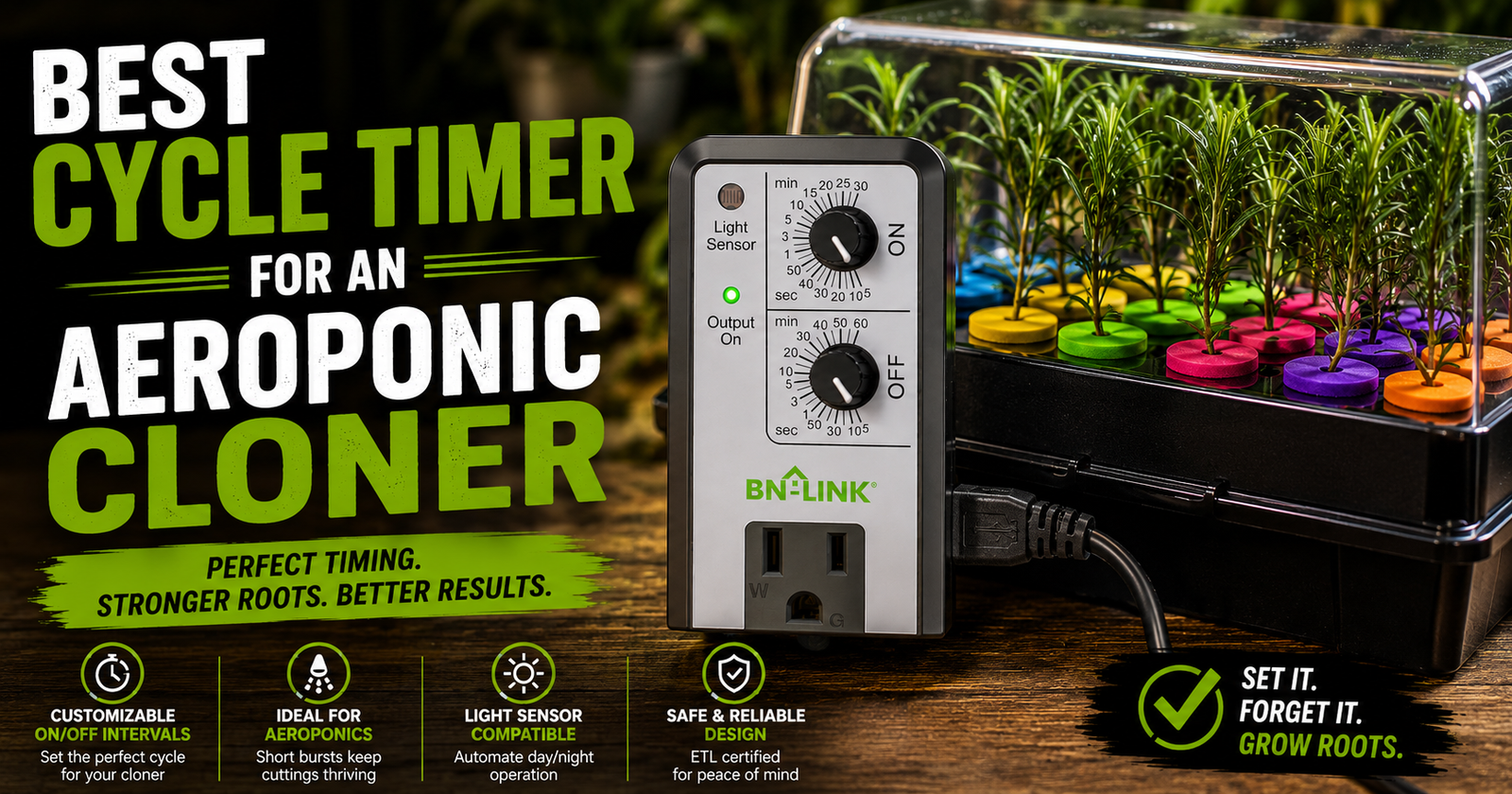
When most people buy their first aeroponic cloner, they plug it in, fill the reservoir with water, add their cuttings, and let it run continuously.
After all, that’s exactly how most manufacturers intend them to be used.
And honestly, for many plants, continuous spraying works just fine.
But after propagating a wide variety of plants over the years, I’ve found that constantly running the pump isn’t always the best approach.
Some cuttings thrive with nonstop misting, while others seem to perform better when they have short periods between spray cycles. Those breaks allow fresh oxygen to circulate around the stems while still keeping them consistently moist. To understand why those pauses help developing roots, read the science behind aeroponic cloners.
That’s where a repeat cycle timer becomes one of the smartest upgrades you can make.
Instead of letting your pump run 24 hours a day, a cycle timer automatically turns it on and off using intervals that you choose.
It’s a simple device, but it gives you much greater control over the environment inside your aeroponic cloner.
If you’re serious about propagating cuttings, I think it’s one of the best accessories you can add to your setup.
My Favorite Cycle Timer
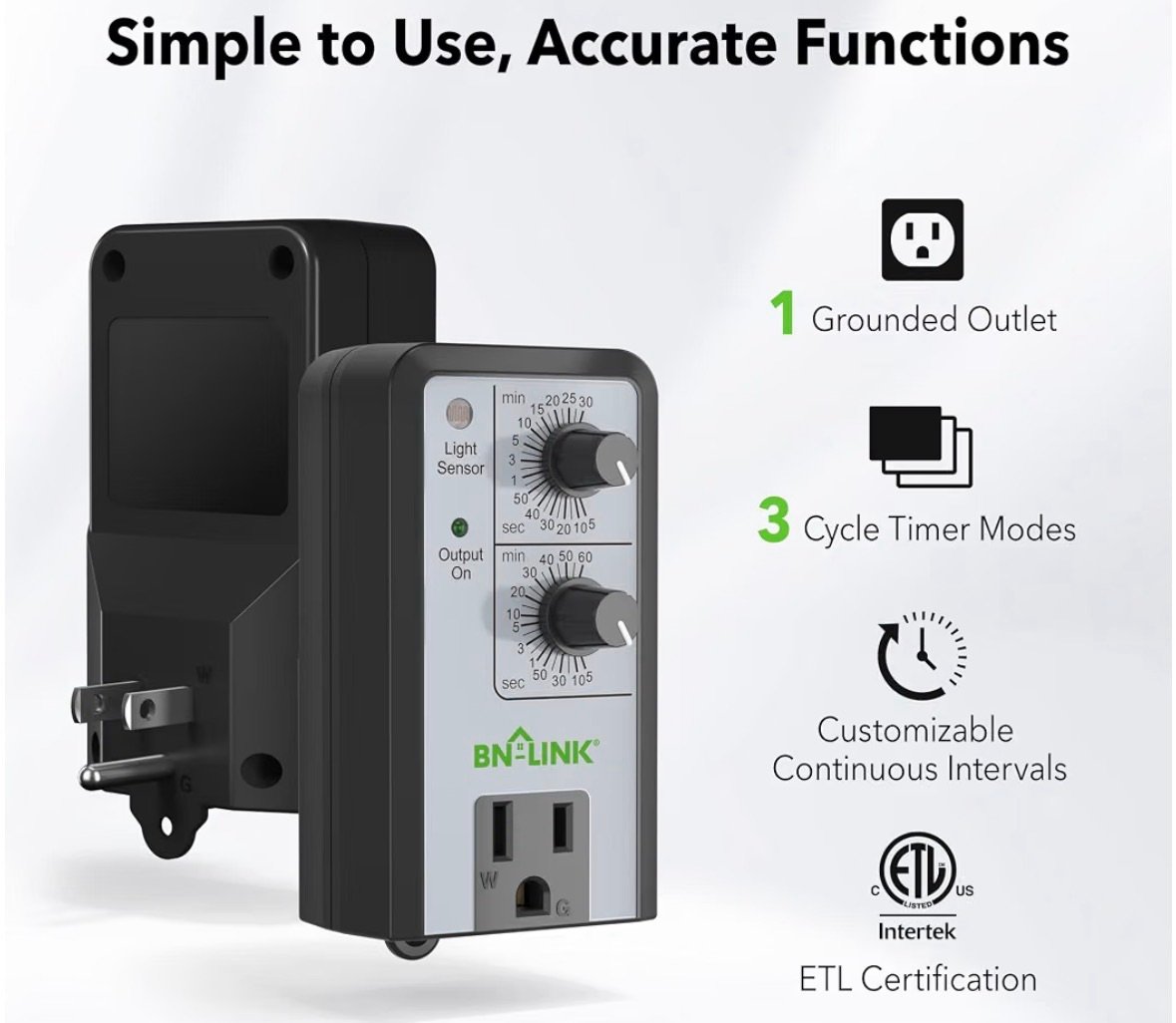
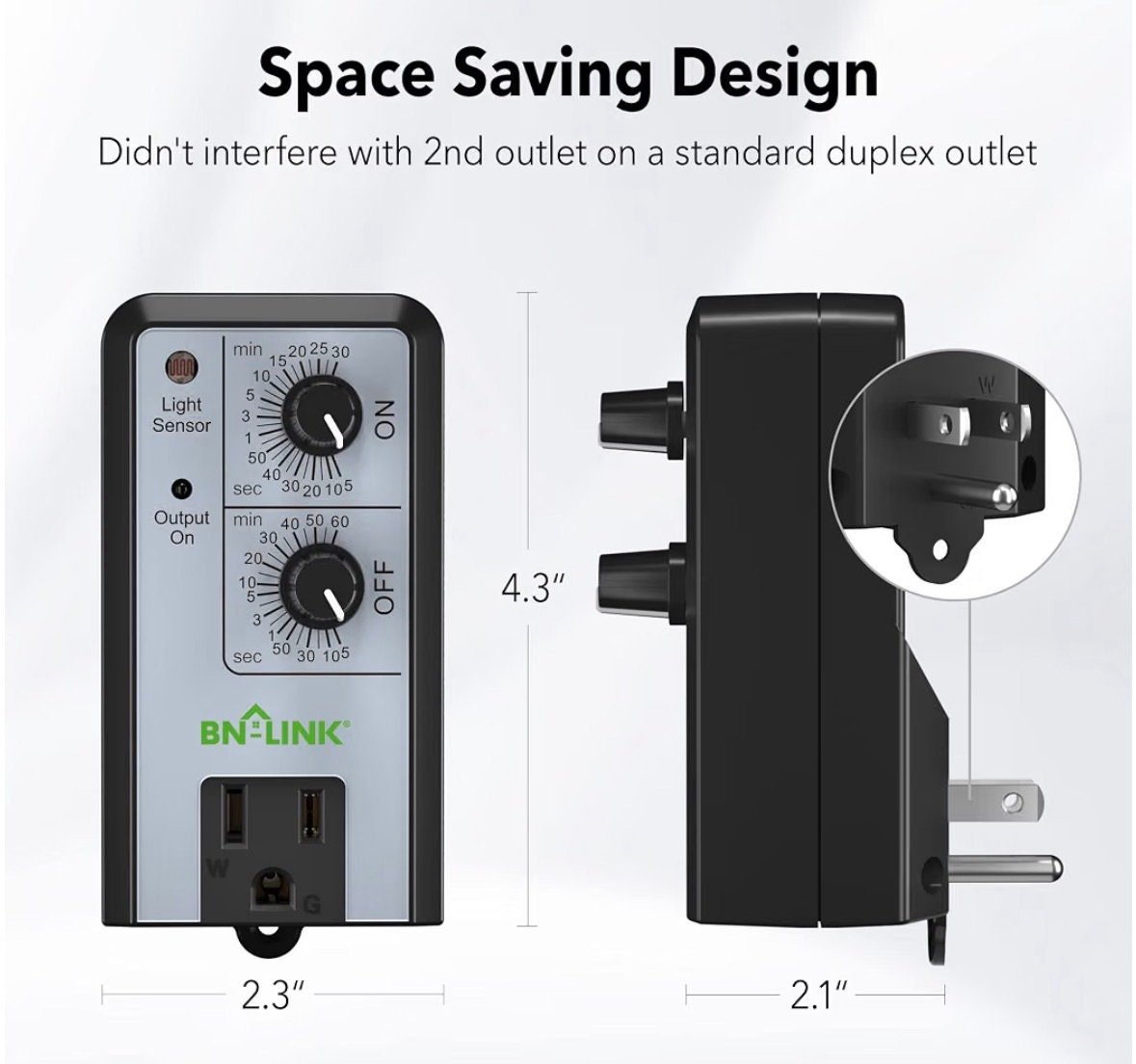
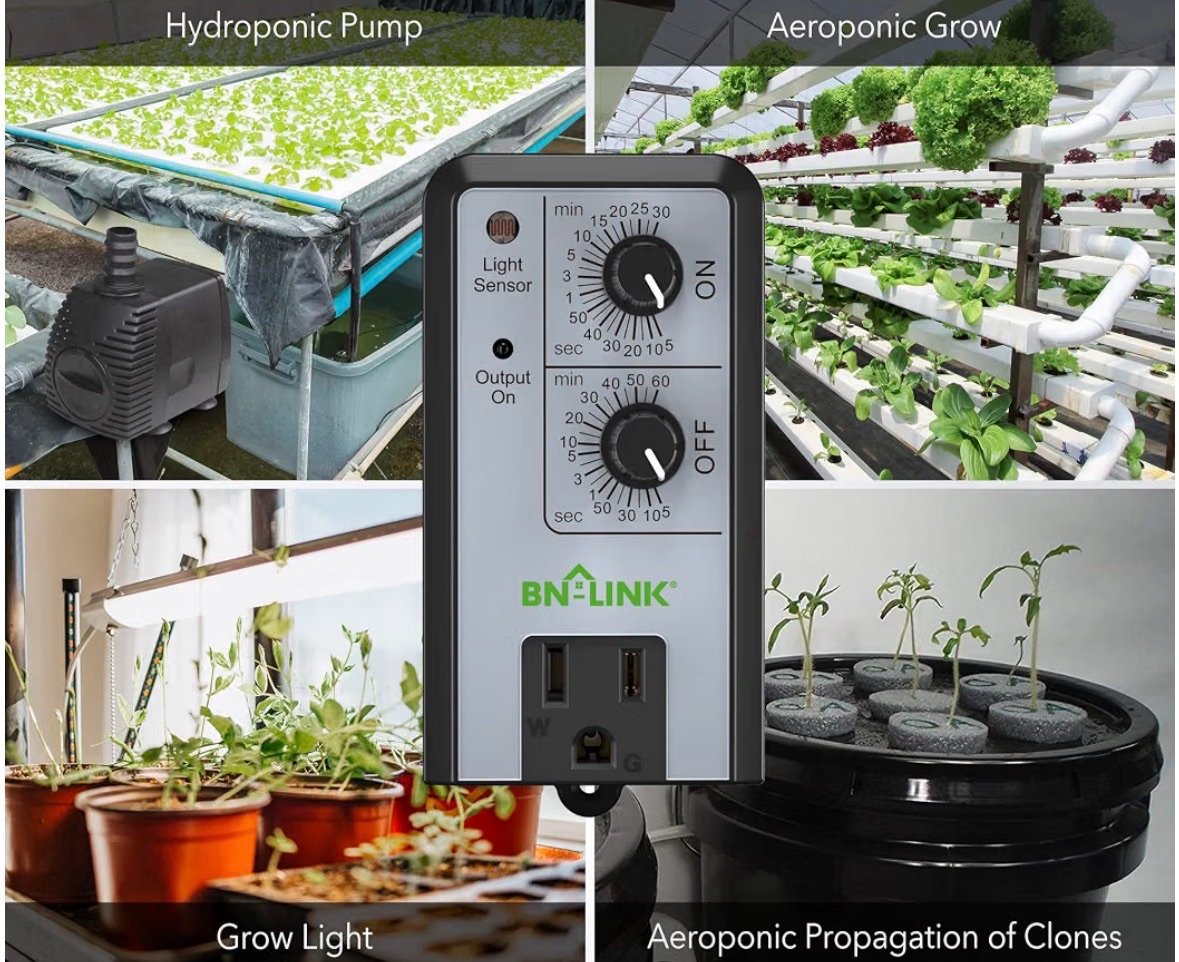
After looking through numerous interval timers designed for hydroponic and propagation systems, the one I recommend for most home gardeners is the BN-LINK Short Period Repeat Cycle Timer.
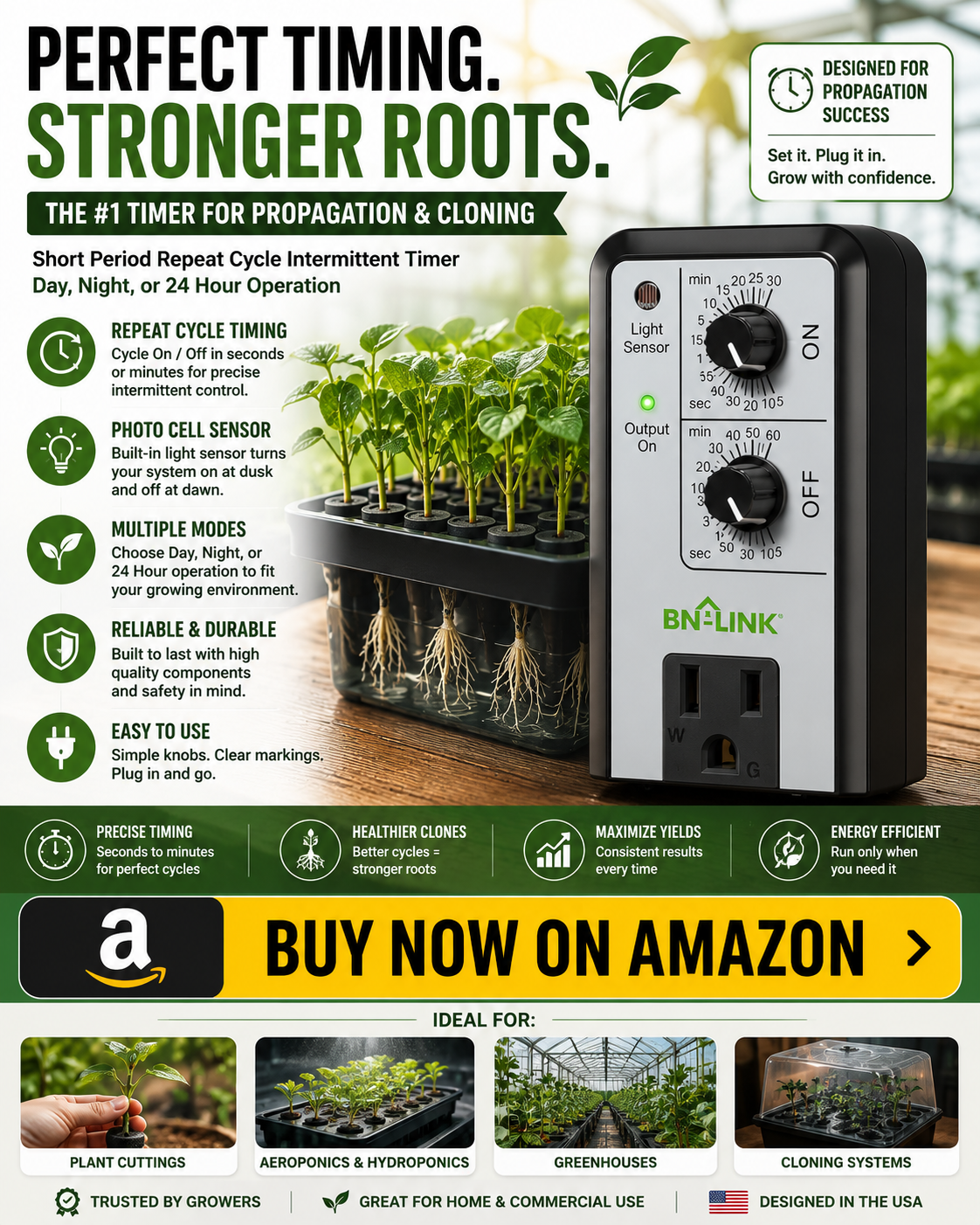
Unlike a standard household timer that only turns equipment on and off at certain times of day, this timer is specifically designed for repeating short cycles.
That makes it ideal for aeroponic cloners.
Some of the features I like include:
- Adjustable repeating on and off cycles
- Day, night, or 24-hour operation
- Short interval settings measured in seconds or minutes
- Easy programming
- Standard electrical outlet
- Reliable operation
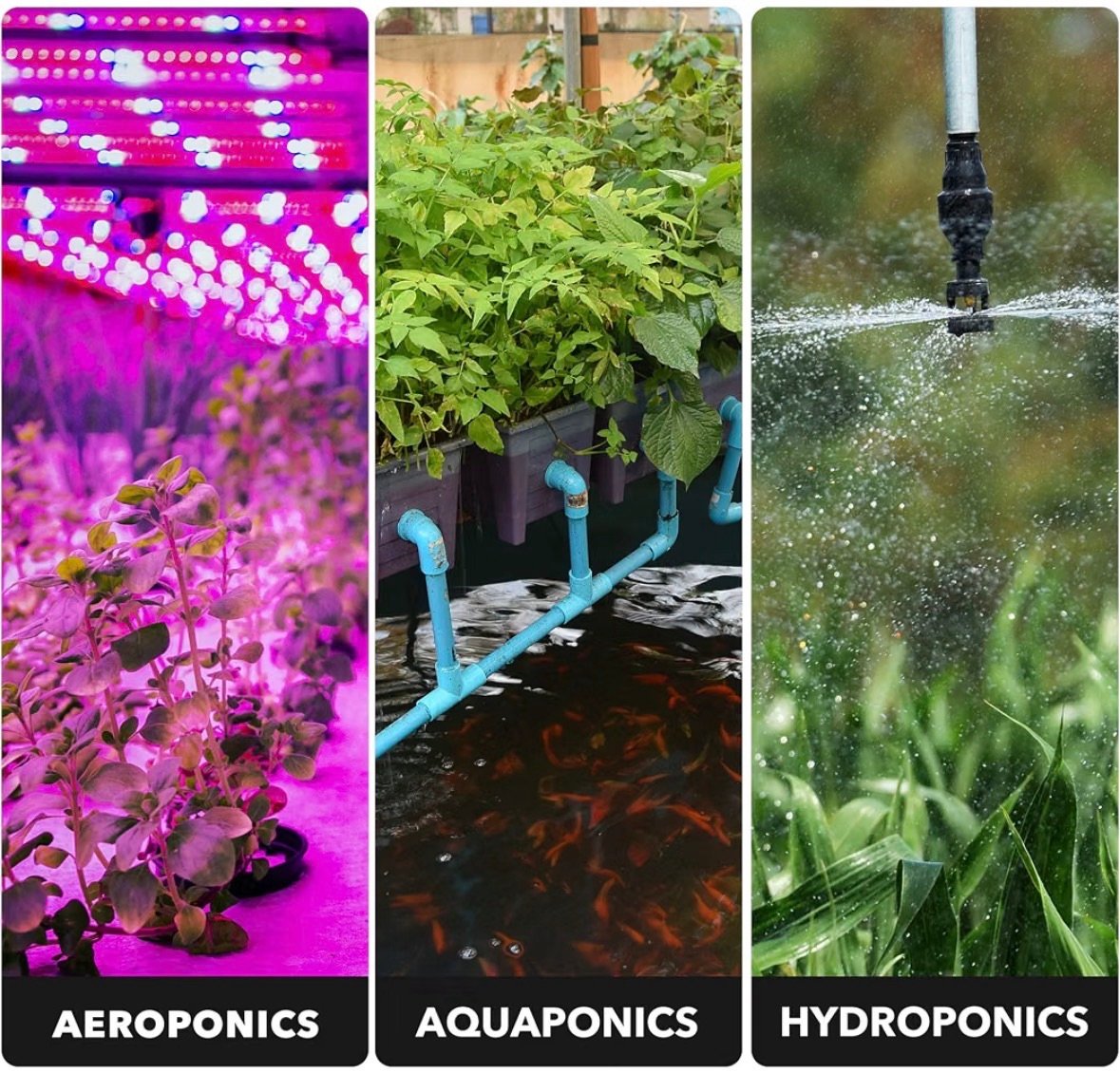
- Suitable for hydroponics, aquaponics, and aeroponic propagation systems
It’s one of those products that isn’t flashy, but once you start using it, you quickly realize how useful it is.
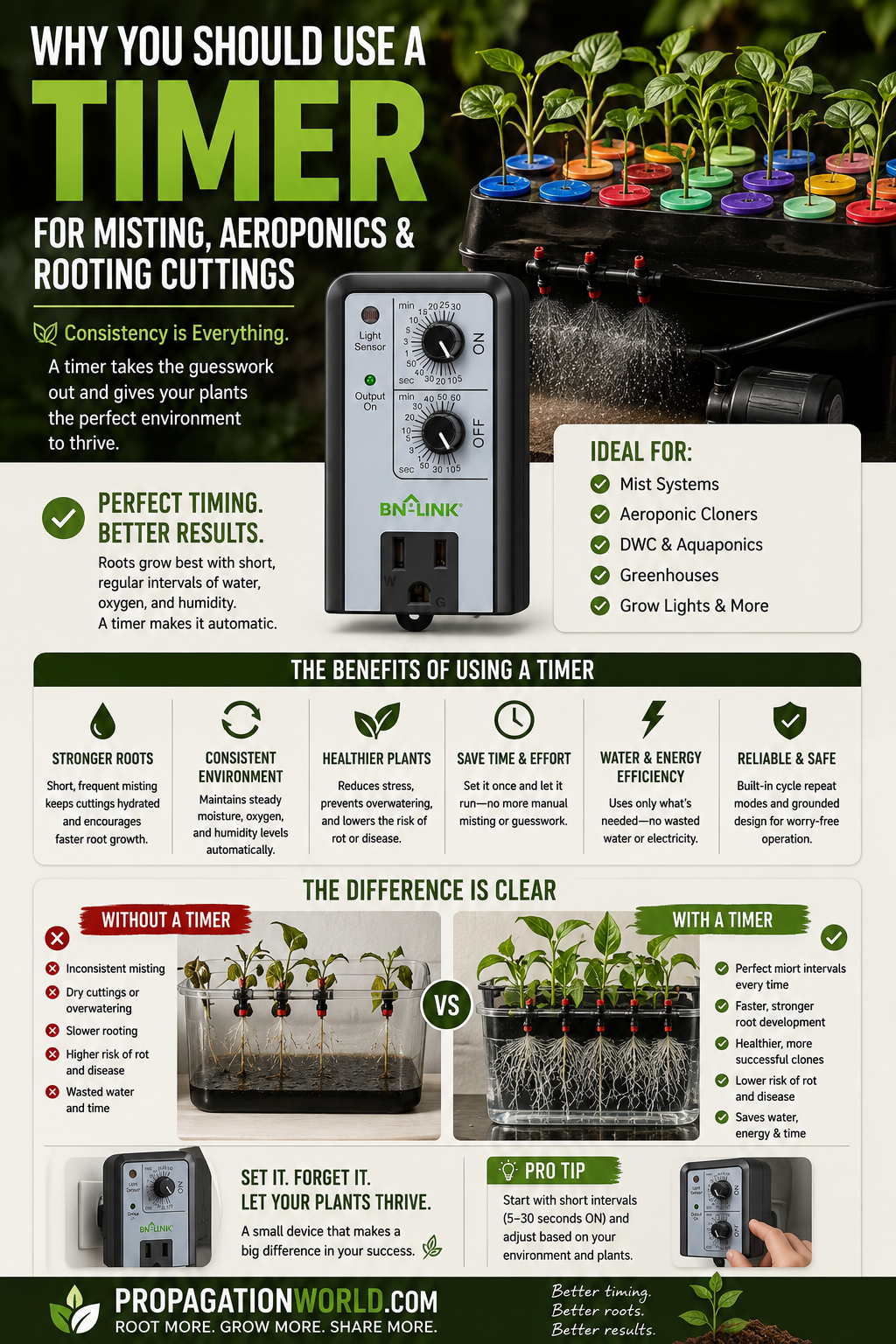
Why Use a Cycle Timer Instead of Running the Pump Continuously?
This is probably the most common question I hear.
The short answer is that every plant is different.
Continuous spraying certainly keeps cuttings moist.
But moisture isn’t the only thing new roots need.
They also need oxygen.
Allowing short breaks between spray cycles gives the stems an opportunity to remain moist while still being exposed to fresh air inside the propagation chamber.
For some species, that combination can create an even better rooting environment.
It’s also worth remembering that constantly running a water pump means it never gets a chance to rest.
While quality pumps are designed for extended operation, reducing unnecessary runtime may help decrease wear over time.
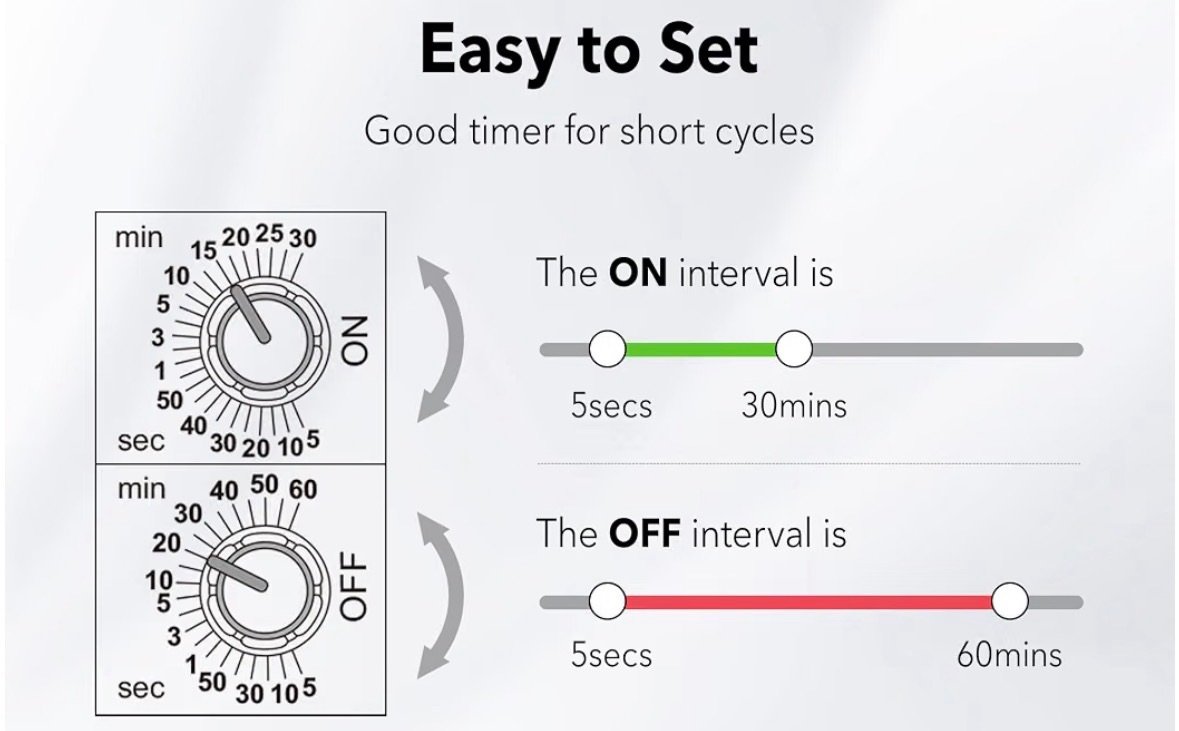
How a Repeat Cycle Timer Works
Unlike a standard plug-in timer that simply turns equipment on at 8:00 AM and off at 8:00 PM, a repeat cycle timer performs the same short cycle over and over again.
For example, you might choose:
- 15 minutes on
- 15 minutes off
The timer repeats that schedule automatically throughout the day.
Or perhaps:
- 5 minutes on
- 10 minutes off
Again, the timer continues repeating that pattern until you change the settings.
That’s exactly what makes it so useful for aeroponic propagation.
Instead of manually plugging and unplugging the pump—or letting it run around the clock—you can create a consistent cycle that better matches the needs of your plants.
Does Every Plant Need the Same Spray Cycle?
No.
One of the biggest mistakes beginners make is assuming there’s a single perfect timer setting.
Unfortunately, propagation isn’t that simple.
Different plants respond differently.
Environmental conditions also play a major role.
Some of the things that influence your ideal spray schedule include:
- Plant species
- Stem thickness
- Humidity
- Air temperature
- Water temperature
- Air movement
- Root development stage
A freshly cut hydrangea may not behave the same way as a pothos cutting.
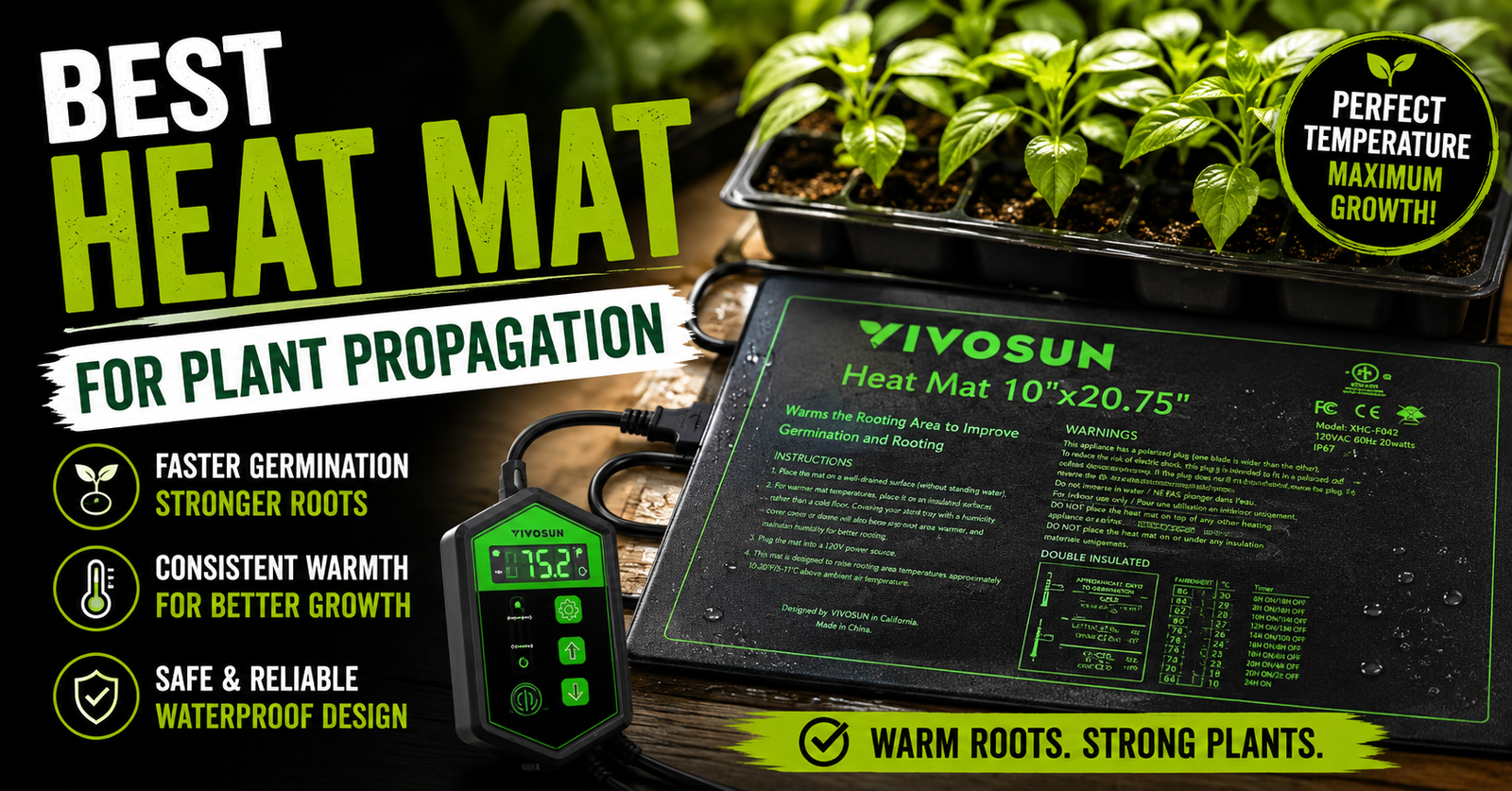
Likewise, conditions inside a cool basement are very different from those in a warm greenhouse. In cooler spaces, consistent root-zone warmth can help create a more stable environment for developing roots.
That’s why I encourage gardeners to think of timer settings as a starting point rather than an exact recipe.

My Starting Point
People often ask what schedule I would begin with.
If I were setting up a new aeroponic cloner, I’d probably start around:
- 15 minutes on
- 15 minutes off
From there, I’d watch the cuttings closely.
If they appear too wet, I’d increase the off time slightly.
If they begin drying out, I’d shorten the off interval.
The nice thing about using a repeat cycle timer is how easy it is to experiment until you find what works best for your particular plants and growing environment.
Why This BN-LINK Timer Stands Out
There are plenty of inexpensive timers on the market.
Most aren’t designed for aeroponic systems.
Many standard household timers only switch equipment on and off once or twice each day.
That isn’t what we need.
We need something capable of repeating short cycles continuously.
That’s exactly what this timer was built to do.
Some reasons I like it include:
Extremely Flexible
Whether you want short bursts measured in seconds or longer intervals measured in minutes, this timer provides far more flexibility than a traditional outlet timer.
Simple to Program
Nobody wants to spend an hour reading an instruction manual.
After a few minutes, most gardeners can understand how to set repeating intervals and adjust them whenever necessary.
Built for This Type of Equipment
Although it’s commonly used in hydroponics and aquaponics, it also works exceptionally well with aeroponic cloners because the operating principle is exactly the same.
Perfect Pairing With an Aeroponic Cloner
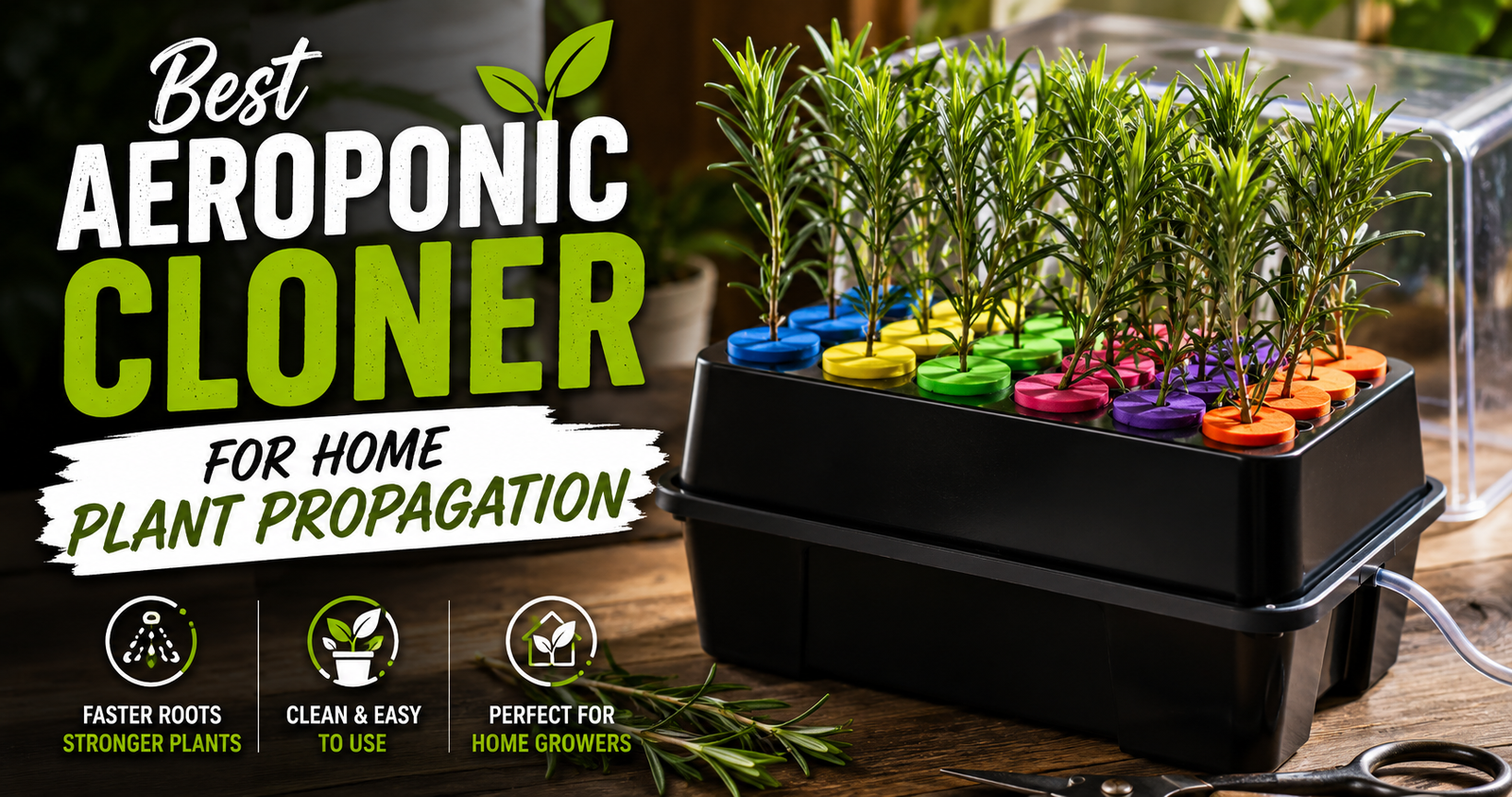
If you’re planning to buy both pieces of equipment, this timer pairs perfectly with the 24-Site Aeroponic Cloner Machine that I recently reviewed.
The cloner provides an excellent environment for rooting cuttings.
The timer simply gives you much greater control over how often that environment is refreshed.
Together, they create a propagation setup that’s much more versatile than running the cloner continuously.
Common Timer Settings for Aeroponic Cloners
One of the first questions people ask after buying a repeat cycle timer is:
“What settings should I use?”
Unfortunately, there isn’t a universal answer.
The ideal spray cycle depends on the plants you’re propagating, the surrounding environment, and even the stage of root development.
Instead of copying someone else’s settings exactly, I recommend starting with a reasonable interval and then adjusting based on how your cuttings respond.
Here are a few examples that many home gardeners use as a starting point.
15 Minutes On / 15 Minutes Off
This is usually where I suggest beginning.
It provides frequent moisture while still allowing the stems short periods of exposure to fresh air between spray cycles.
For many common propagation projects, it’s an excellent balance.
10 Minutes On / 10 Minutes Off
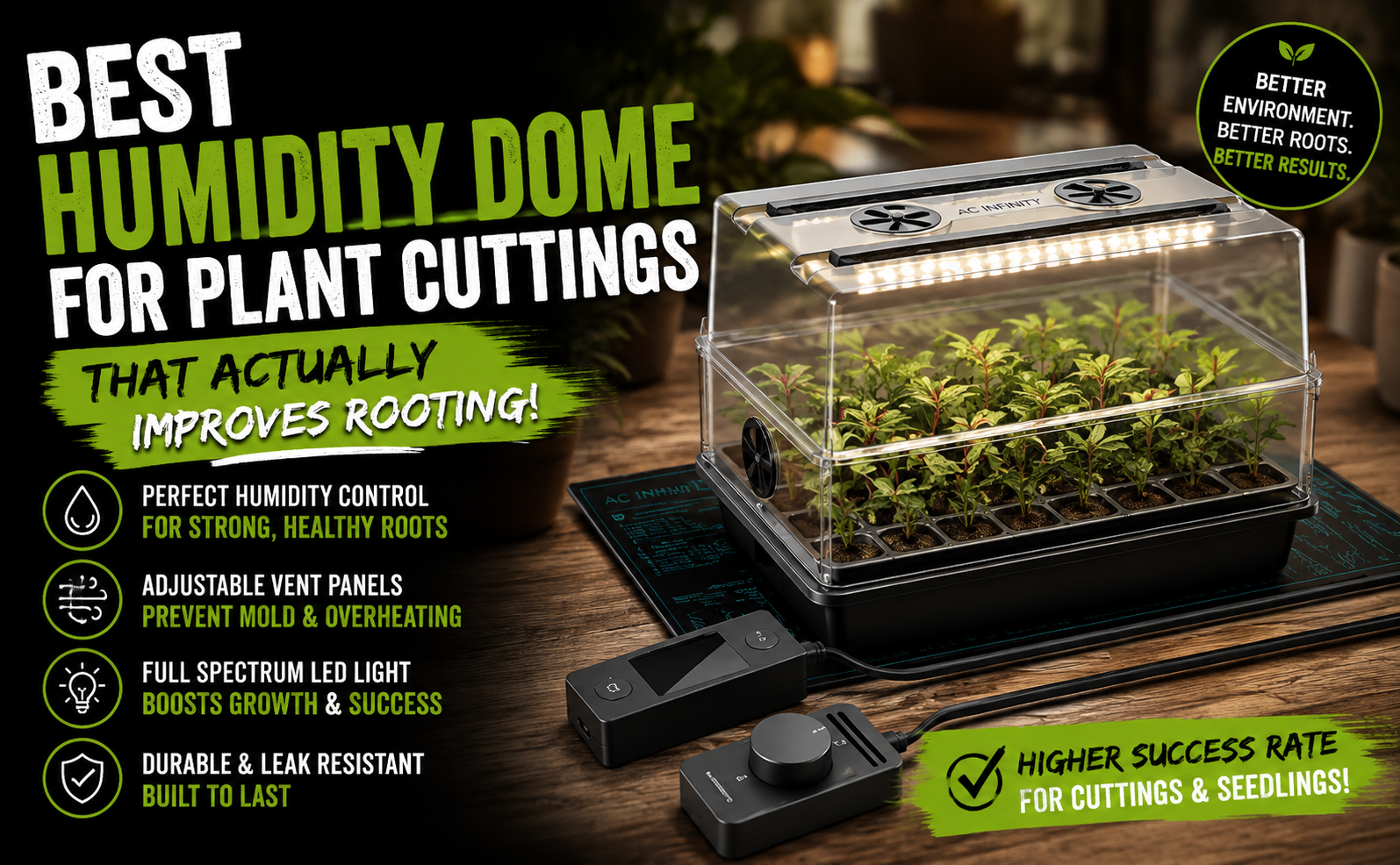
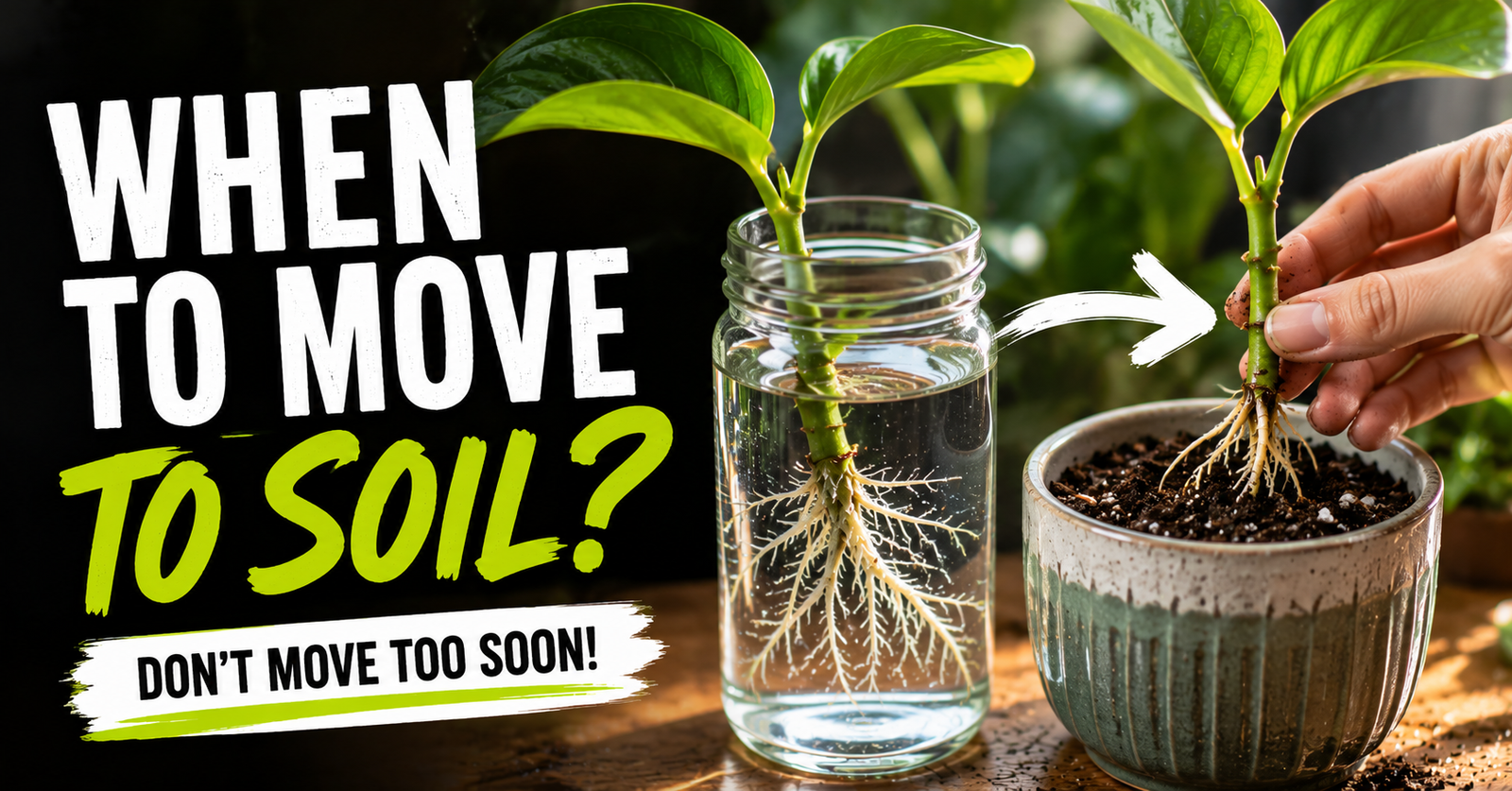
If your propagation area tends to be warmer or less humid, shortening both the on and off periods may help maintain more consistent moisture around the cuttings. When environmental humidity is difficult to maintain, humidity dome guidance explains how a dome can help cuttings retain moisture while they root.
5 Minutes On / 15 Minutes Off
Some gardeners prefer shorter bursts of mist followed by longer rest periods.
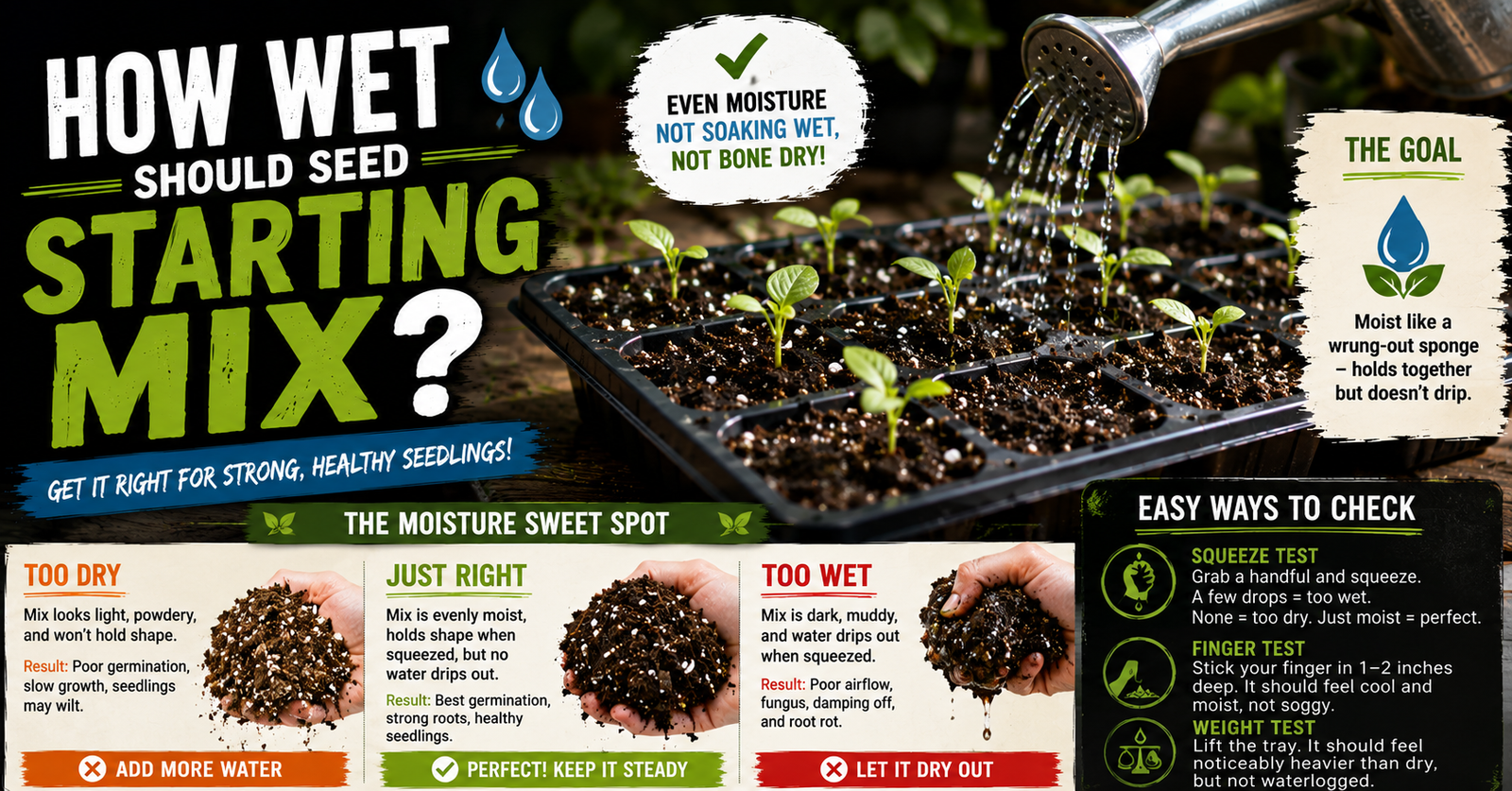
This can work well when humidity is already fairly high and you want to avoid keeping stems constantly saturated. The same concern applies to soil-based propagation, where avoiding constantly saturated propagation mix helps support healthier rooting conditions.
The important thing is not chasing the “perfect” number.
Watch your plants.
Healthy cuttings usually tell you whether your settings are working.
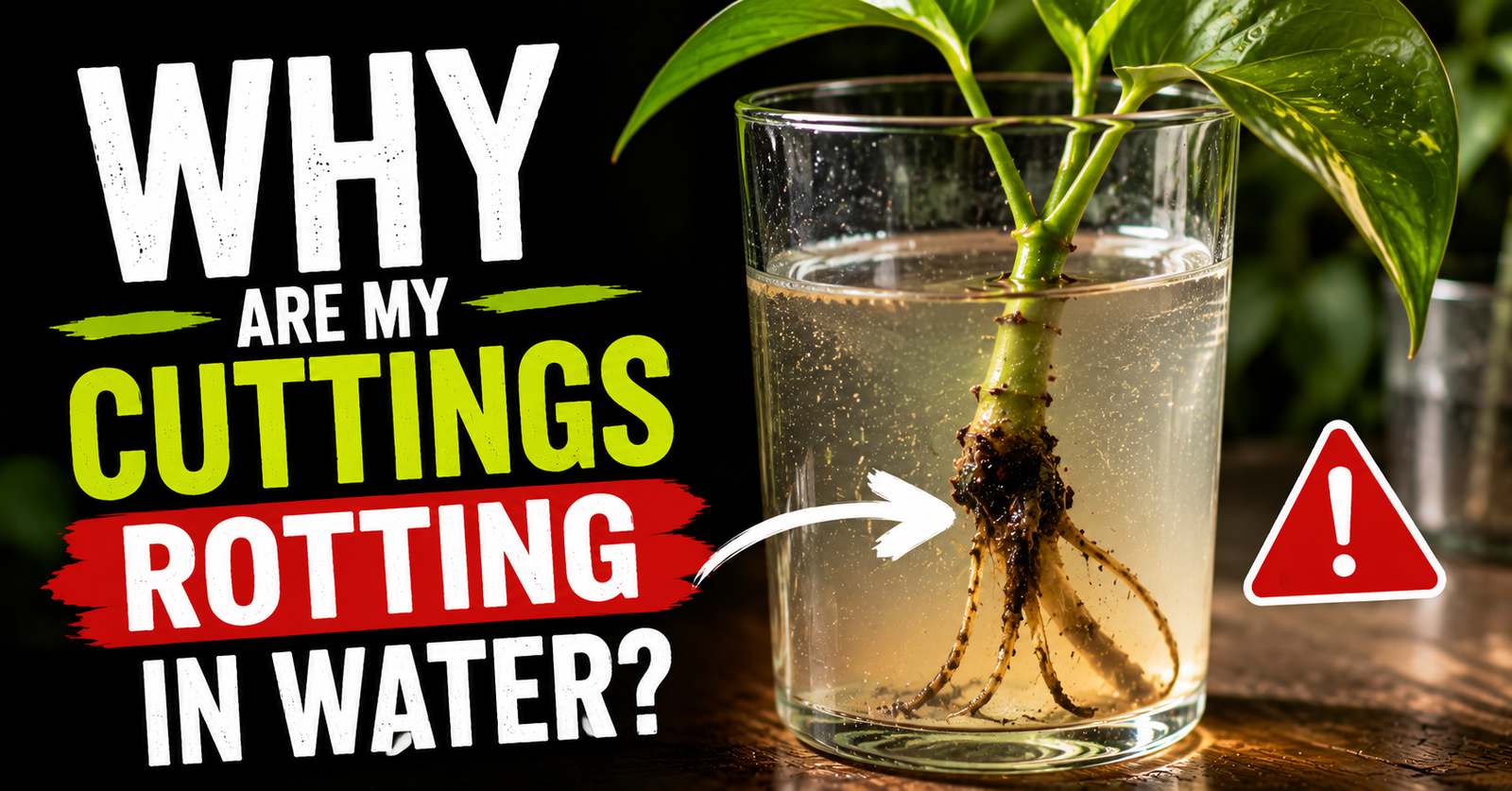
Can a Timer Help Prevent Stem Rot?
I believe it can—but it’s not a miracle cure.
Stem rot is usually caused by a combination of factors rather than one single problem. A closer look at why water cuttings rot can help separate the contributing issues and address them early.
Some of the most common causes include:
- Dirty equipment
- Warm water
- Poor air circulation
- Diseased cuttings
- Weak parent plants
- Excessive moisture
Running the pump continuously doesn’t automatically cause stem rot.
However, on some species, constantly soaking the lower stem may contribute to conditions where rot is more likely to develop.
Using a repeat cycle timer gives you the ability to experiment with shorter spray periods and longer rest intervals while still keeping the stems adequately hydrated.
Think of the timer as another tool for fine-tuning your propagation system rather than a guaranteed solution.
Can a Timer Improve Root Growth?
In some situations, yes.
Roots need both moisture and oxygen.
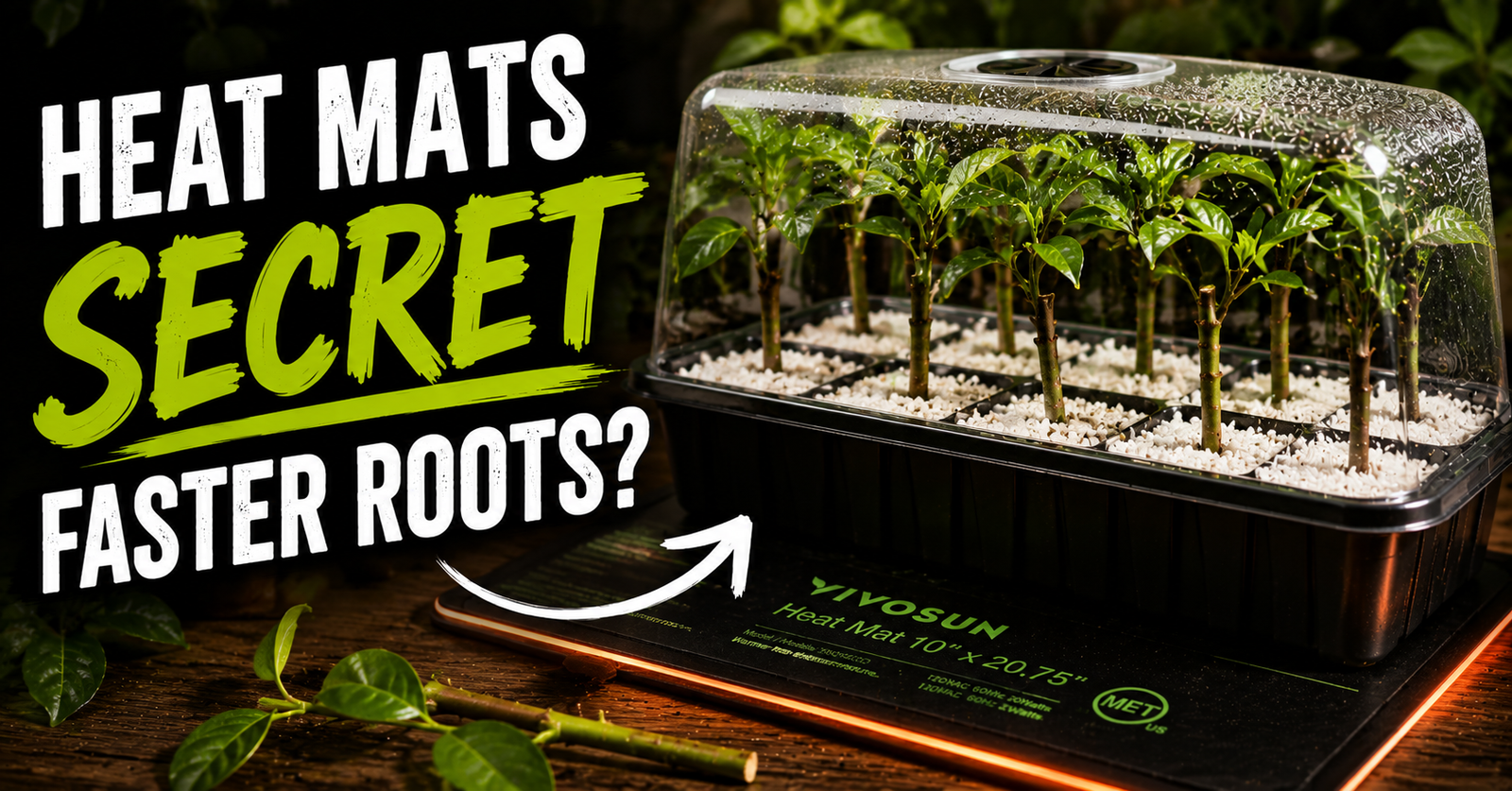
An aeroponic cloner already does an excellent job of providing both, but adjusting the spray cycle lets you tailor the environment more closely to the plants you’re growing. Temperature is another part of a consistent rooting environment, and how heat mats affect rooting explains when bottom heat can help.
Some gardeners notice little difference between continuous operation and timed cycles.
Others find that certain plants develop healthier roots when the stems have brief pauses between misting.
The only way to know for sure is to observe your own plants and adjust as needed.
Does Using a Timer Save Electricity?
Yes, although that usually isn’t the primary reason I recommend one.
If your pump runs only part of each hour instead of continuously, it naturally uses less electricity over time.
For most home gardeners, the savings won’t be dramatic because these pumps are relatively small.
The bigger advantage is reducing unnecessary runtime while giving yourself more control over the propagation environment.
If the timer also helps extend the life of your pump by reducing total operating hours, that’s an added bonus.
Other Great Uses for a Repeat Cycle Timer
One thing I like about this BN-LINK timer is that it isn’t limited to aeroponic cloners.
Once you own one, you’ll probably find several other uses for it around your propagation area.
Some common applications include:
- Hydroponic drip systems
- Aquaponic pumps
- Propagation misting systems
- Humidifiers with timed intervals
- Small circulation pumps
- Greenhouse misting systems
- DIY propagation projects
That versatility makes it a worthwhile investment even if you eventually upgrade or change your propagation setup.
Common Mistakes to Avoid
Adding a timer is simple, but there are still a few mistakes that can reduce its effectiveness.
Changing Settings Too Often
It’s tempting to adjust the timer every day.
Try not to.
Give your cuttings enough time to respond before making major changes.
Propagation requires patience.
Ignoring Water Temperature
Even the best timer can’t compensate for water that’s too warm.
Keep an eye on reservoir temperature, especially during the summer months.
Forgetting to Check the Pump
A timer can’t help if the pump isn’t operating properly.
Every few days, verify that all spray nozzles are working and that water is reaching every cutting evenly.
Using Poor Quality Cuttings
A repeat cycle timer improves the environment around the cutting, but it can’t fix unhealthy plant material.
Always start with vigorous, disease-free stems whenever possible.
Frequently Asked Questions
Can I use a regular outlet timer instead?
Not usually.
Most standard outlet timers are designed to switch power on and off once or twice per day. Aeroponic cloners benefit from short, repeating intervals throughout the day, which is exactly what a repeat cycle timer is designed to provide.
Is 15 minutes on and 15 minutes off the best setting?
It’s an excellent starting point, but not necessarily the best setting for every plant or every growing environment. Use it as a baseline and adjust based on how your cuttings respond.
Will using a timer slow down rooting?
Not necessarily.
Many gardeners use repeat cycle timers without seeing any reduction in rooting speed. In some cases, intermittent cycles may even produce healthier root development, depending on the plant and growing conditions.
Can I leave the timer running all the time?
Yes.
Once it’s programmed, the timer is designed to repeat the selected cycle automatically. Just remember to check your water level, pump, and spray pattern regularly to ensure everything continues operating as expected.
Is this timer difficult to program?
Not at all.
Like any electronic timer, there is a short learning curve, but once you understand the controls, changing your cycle settings only takes a minute or two.
My Final Recommendation
If you’re serious about getting the most out of your aeroponic cloner, I think a repeat cycle timer is one of the smartest upgrades you can make.
The BN-LINK Short Period Repeat Cycle Timer gives you precise control over how often your pump runs, allowing you to experiment with different spray intervals instead of relying on continuous operation.
Combined with a quality cloner like the 24-Site Aeroponic Cloner Machine, it creates a flexible propagation system that’s capable of handling everything from common houseplants to shrubs, berries, fruit trees, and ornamental flowers.
While no timer can guarantee better rooting on every plant, having the ability to fine-tune your misting schedule gives you another valuable tool for improving consistency and learning what works best in your own growing environment.
For anyone building a dedicated propagation setup, this is an accessory I would buy right alongside the cloner rather than waiting until later.
Author: Dax Weaver
Dax Weaver is the founder of PropagationWorld.com and enjoys helping home gardeners propagate more plants through practical techniques, honest equipment reviews, and real-world growing experience. From rooting hormone and aeroponic cloners to propagation methods and troubleshooting, his goal is to make plant propagation easier and more successful for gardeners of every skill level.