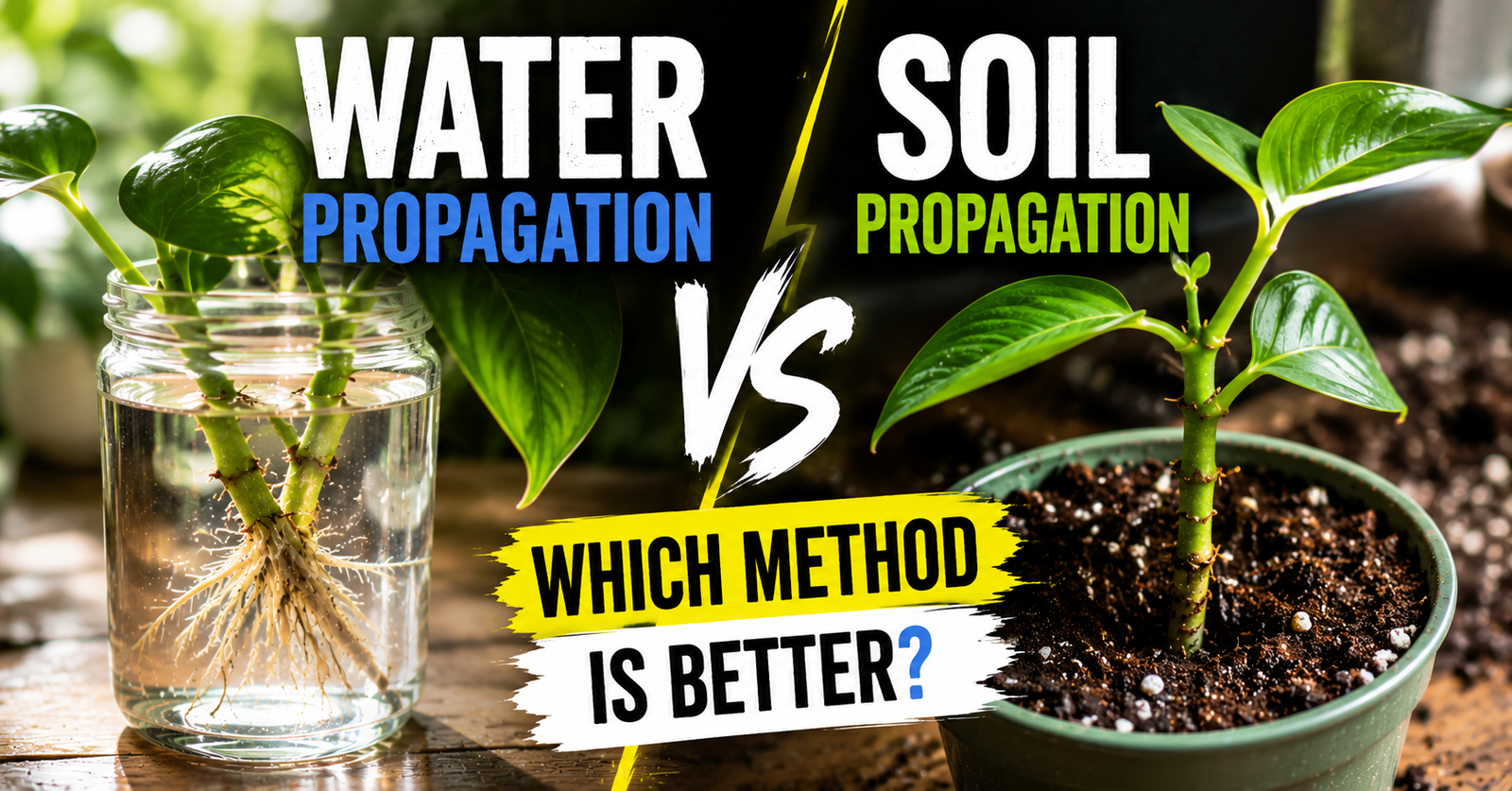
One of the first questions I hear from new gardeners is whether they should root their cuttings in a glass of water or plant them directly into soil.
It’s a fair question.
If you’ve spent any time on social media, you’ve probably seen jars full of pothos cuttings sitting on sunny windowsills with long white roots hanging through crystal-clear water.
It makes water propagation look like the obvious choice.
But then you’ll watch an experienced grower stick the same type of cutting directly into a pot of propagation mix without ever touching water.
So who’s right?
After propagating thousands of cuttings over the years, I’ve learned that neither method is automatically better. That choice also depends on whether you want to keep the plant growing in water permanently, which Can Water-Rooted Plants Live in Water Forever? examines.
The best choice depends on the type of plant you’re propagating, your experience level, your growing conditions, and what you’re hoping to accomplish.
Some plants absolutely love rooting in water. Elderberry water propagation offers a species-specific example of how this method can work: how elderberry cuttings root.
Others almost seem to fight it.
Understanding why makes propagation much less frustrating.
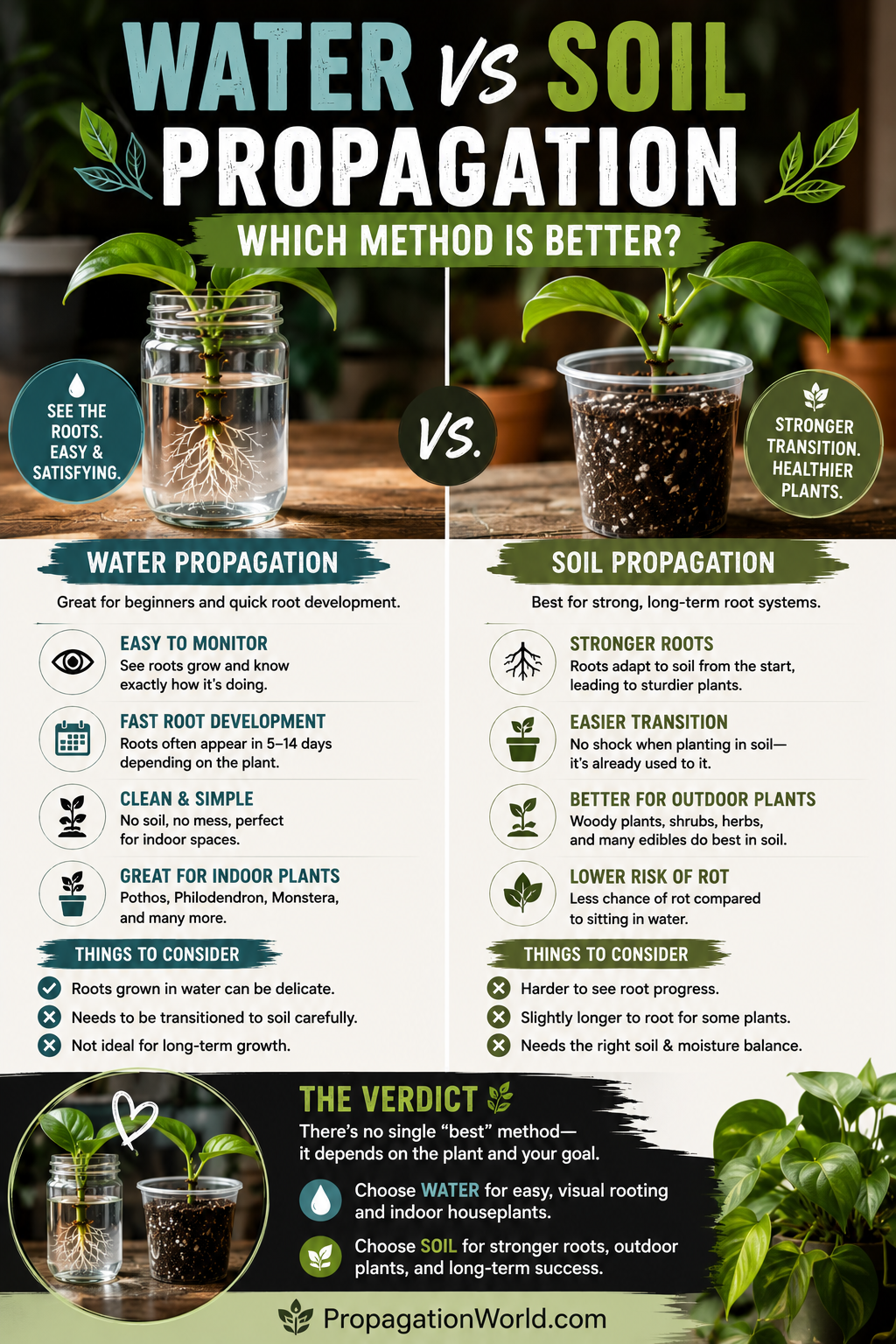
The Short Answer
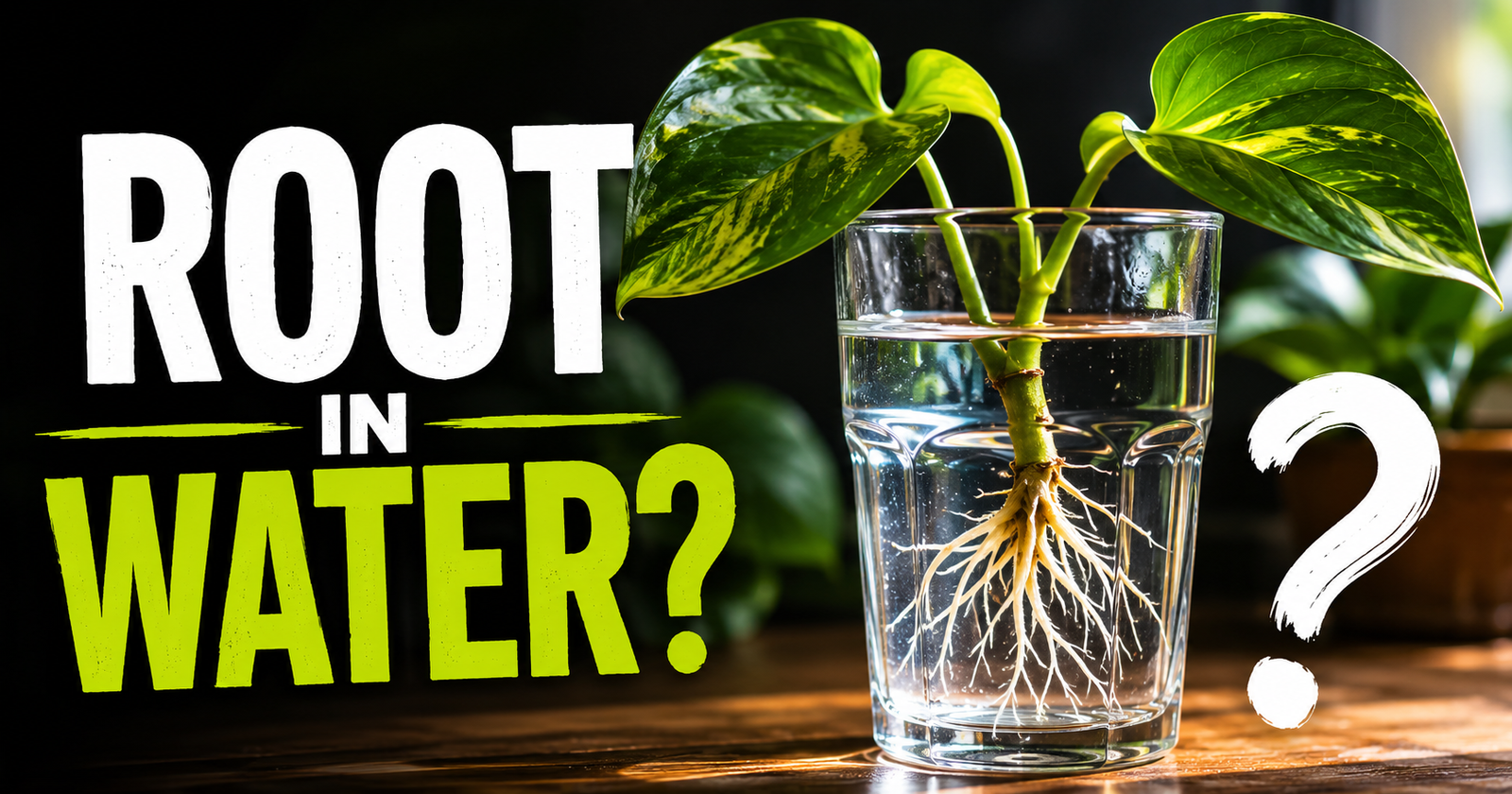
If you’re propagating common houseplants like pothos, philodendrons, tradescantia, or herbs like basil and mint, water propagation often works extremely well and lets you easily monitor root development. For a closer look at suitable candidates and the rooting process, Can You Root Plant Cuttings in Water? explains which plants can successfully grow roots in water.
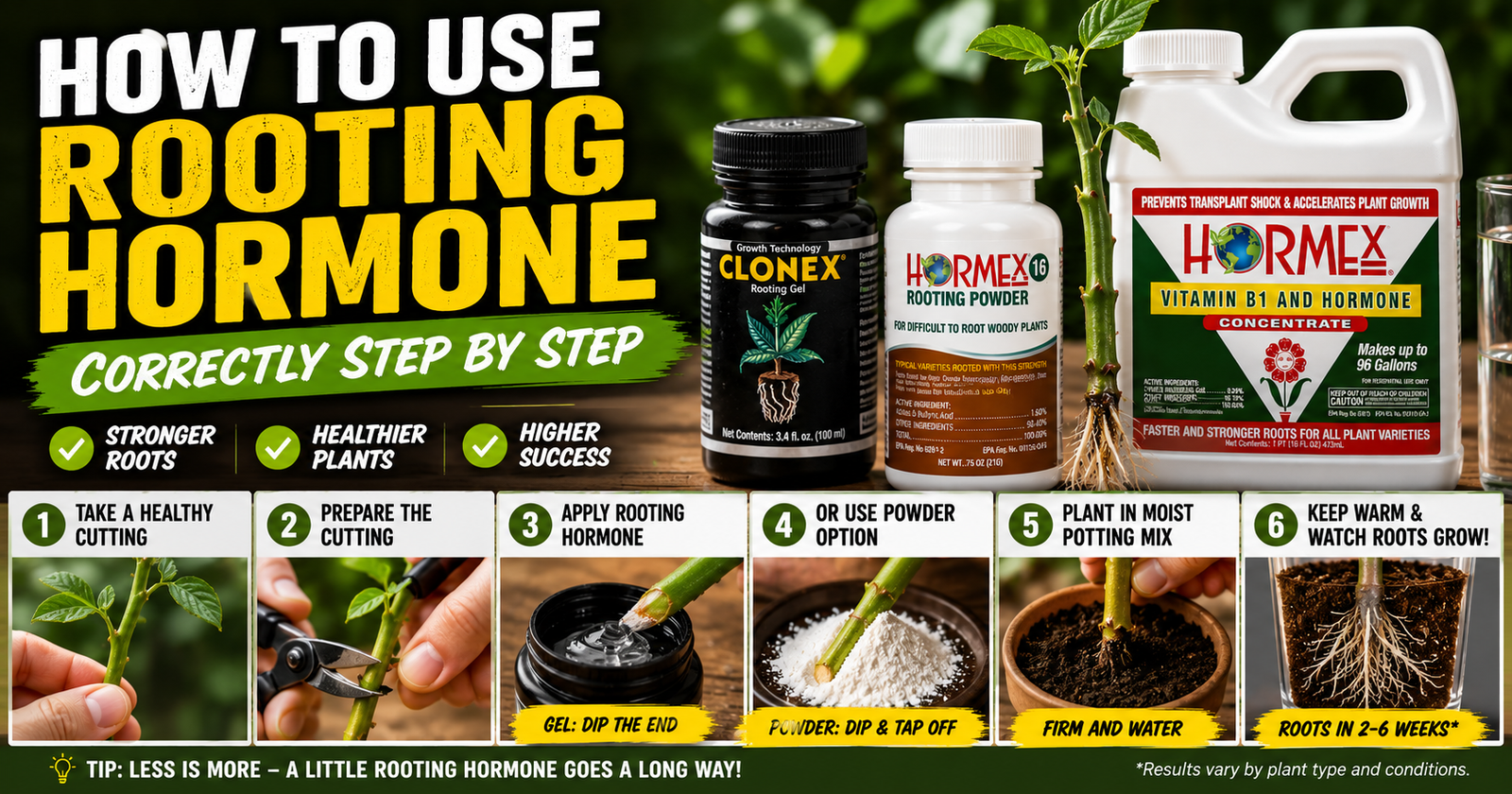
For many shrubs, trees, fruit plants, and woody ornamentals, however, I usually recommend rooting directly in a well-aerated propagation medium because the roots develop in conditions much closer to where they’ll spend the rest of their lives. Once you’ve chosen the propagation medium, How to Use Rooting Hormone Correctly Step by Step shows how to prepare and treat the cutting before planting.
Neither method is perfect.
Both have advantages.
The goal is choosing the method that gives that particular plant the highest chance of success.
Why There Isn’t One Best Method
One mistake I made years ago was trying to force every cutting to root the same way.
If pothos rooted easily in water, I figured blueberries, roses, hydrangeas, and fruit trees should too.
That assumption cost me a lot of cuttings.
Plants evolved differently.
Some naturally produce roots quickly whenever a stem touches moisture.
Others require very specific combinations of warmth, oxygen, humidity, and hormone activity before they’ll even consider producing roots.
That’s why experienced propagators choose the method based on the plant—not based on personal preference.
How Water Propagation Works
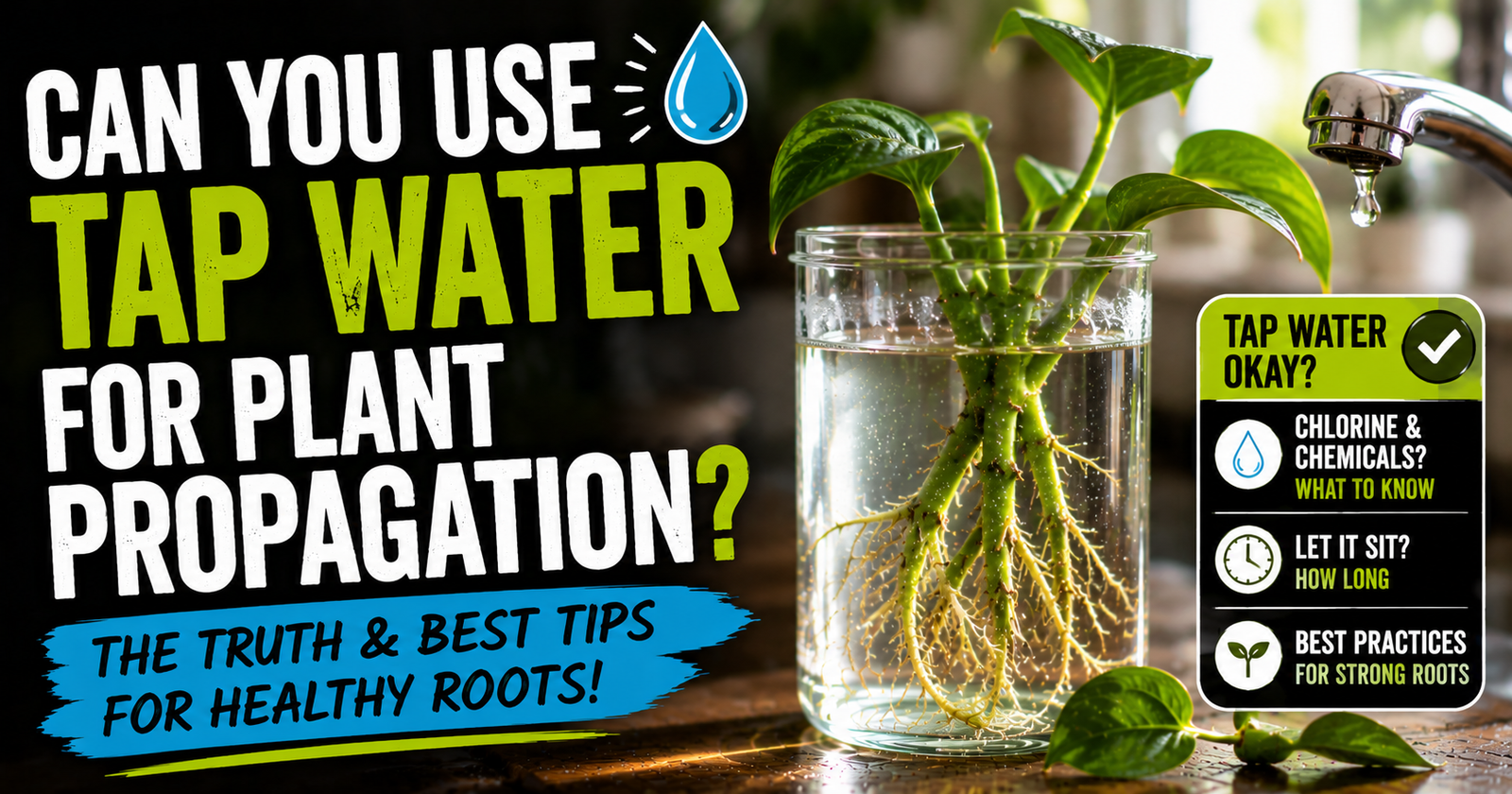
Water propagation is exactly what it sounds like.
Instead of placing a cutting into soil or propagation media, the cut end sits in clean water while new roots develop.
The node remains underwater while the leaves stay above the surface.
As long as the cutting stays healthy, roots gradually emerge from the node.
One of the biggest reasons beginners love this method is because you can actually watch everything happen.
There’s something incredibly satisfying about checking the jar every morning and seeing tiny white roots getting a little longer each day.
It’s also much easier to notice problems early because the roots remain completely visible.
How Soil Propagation Works
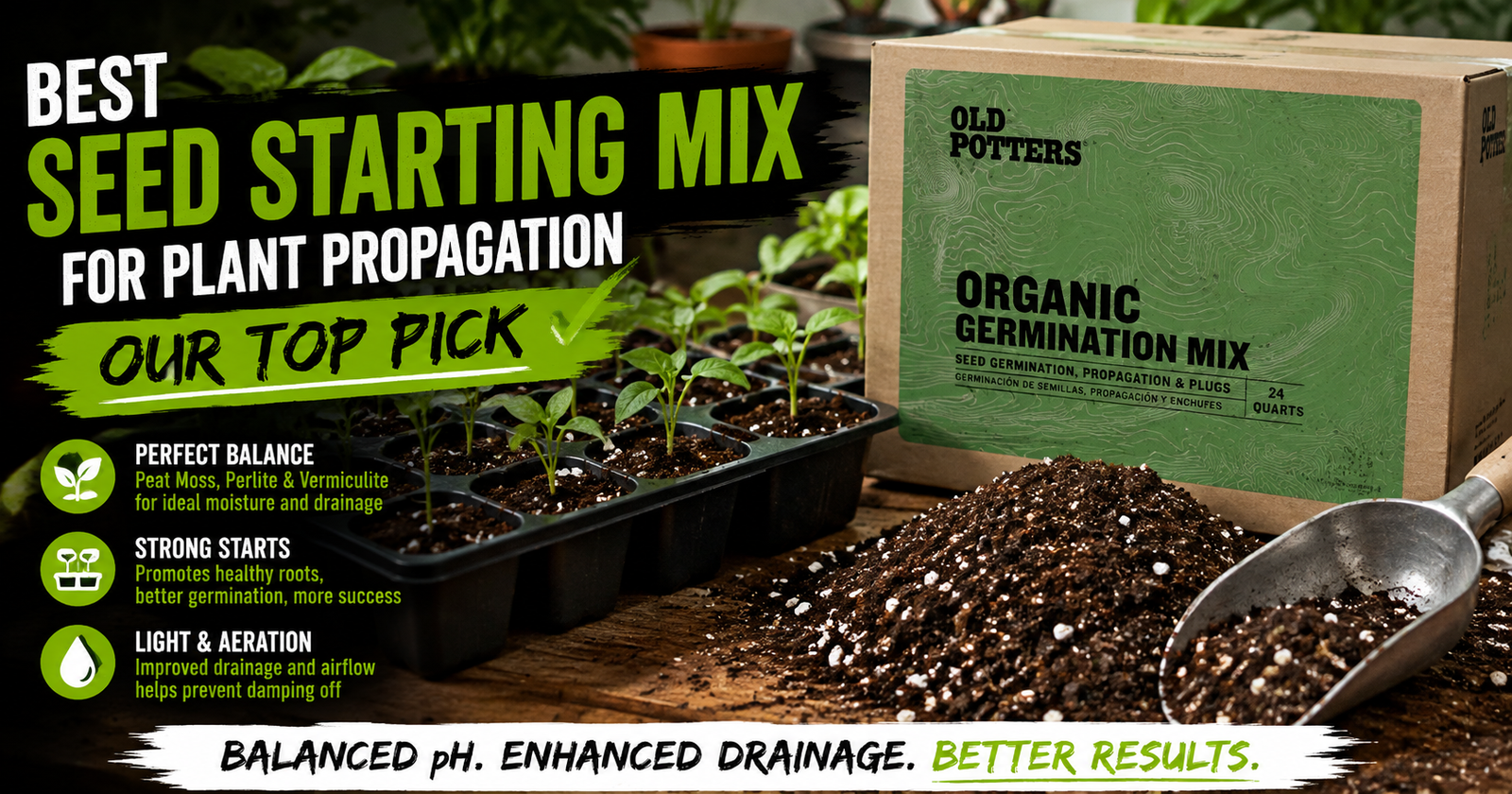
Despite the name, soil propagation rarely means digging a hole in your backyard. A suitable medium, such as the seed starting mix I use for both seedlings and cuttings on Amazon, can provide the airy, moisture-holding conditions many cuttings need.
Instead, most gardeners use light, airy propagation media that hold moisture while allowing plenty of oxygen around the stem.
Depending on the plant, that might include:
- High-quality potting mix
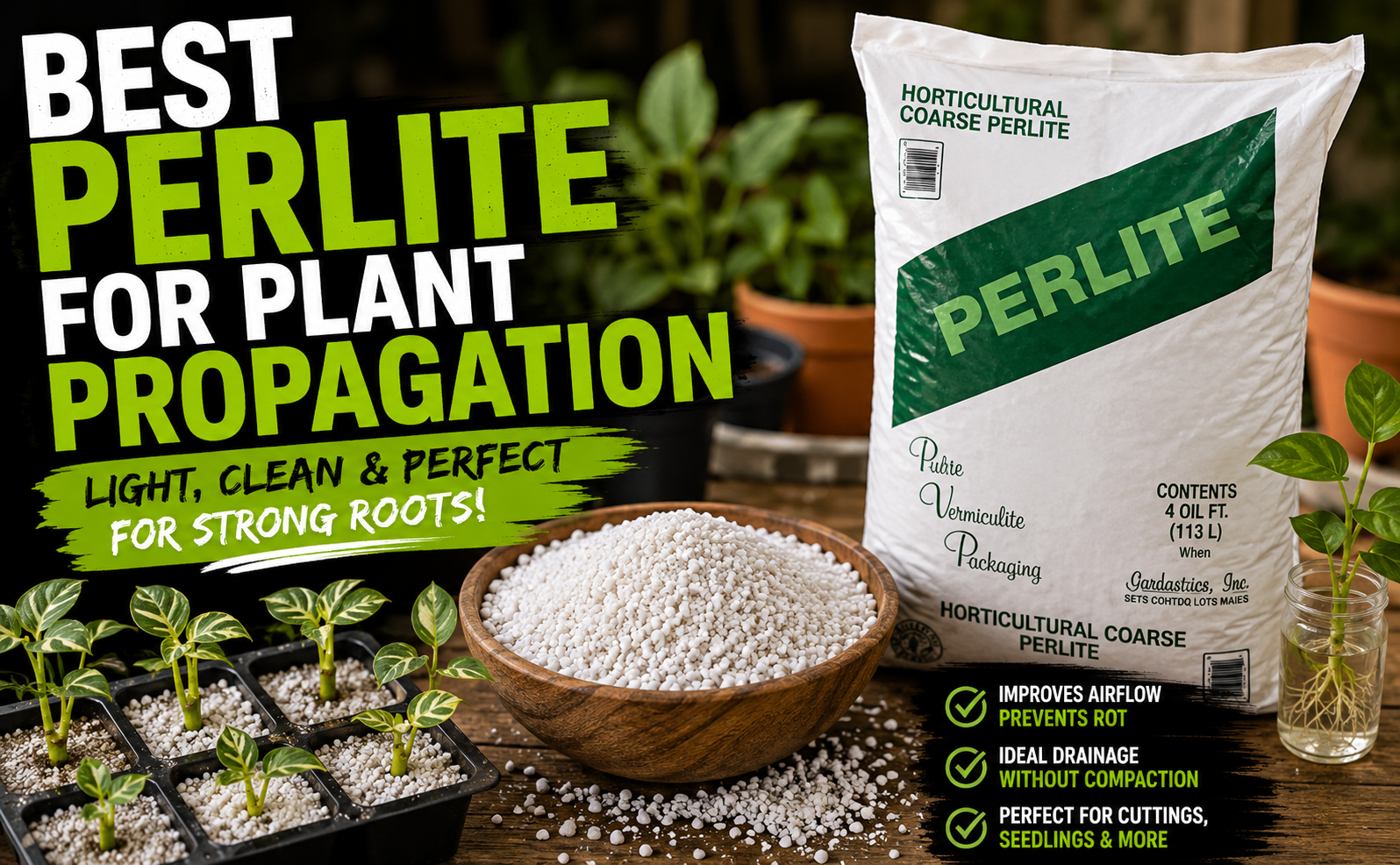
- Perlite
- Vermiculite
- Coco coir
- Sand
- Specialized propagation blends
Unlike water propagation, you can’t see what’s happening underground.
That uncertainty makes many beginners nervous.
The downside is that you’re trusting the roots are developing out of sight.
The upside is that those new roots are already adapting to the environment they’ll continue growing in after transplanting.
The Biggest Advantages of Water Propagation
I completely understand why water propagation has become so popular.
In fact, it’s still the method I recommend to many beginners because it’s simple, inexpensive, and gives you immediate feedback.
Some of the biggest advantages include:
You Can See the Roots Develop
This is probably the biggest benefit.
Instead of wondering whether your cutting is doing anything, you can literally watch the roots emerge and grow.
That makes it much easier to know:
- Whether the cutting is still healthy
- When roots first appear
- How quickly they’re growing
- When it’s time to transplant
Being able to see the roots also makes propagation much more enjoyable.
It’s one of the reasons so many people fall in love with propagating plants in the first place.
It’s Incredibly Affordable
You don’t need special equipment.
A clean glass.
Fresh water.
Healthy cuttings.
That’s enough to get started.
For someone just learning propagation, it’s hard to beat that simplicity.
Water Makes It Easy to Catch Problems Early
When roots are visible, problems usually are too.
If the stem starts turning brown…
If the water becomes cloudy…
If algae begins growing…
If roots start darkening…
You’ll notice long before the cutting is buried beneath soil.
That gives you an opportunity to correct the issue before it’s too late.
It’s Great for Learning
When I first started propagating plants, water taught me more than any book could.
Watching roots develop helped me understand:
- where roots actually emerge
- how fast different species root
- what healthy roots look like
- how cuttings respond to light and temperature
It’s almost like having a live classroom on your windowsill.
There’s More Than One Way to Propagate Plants
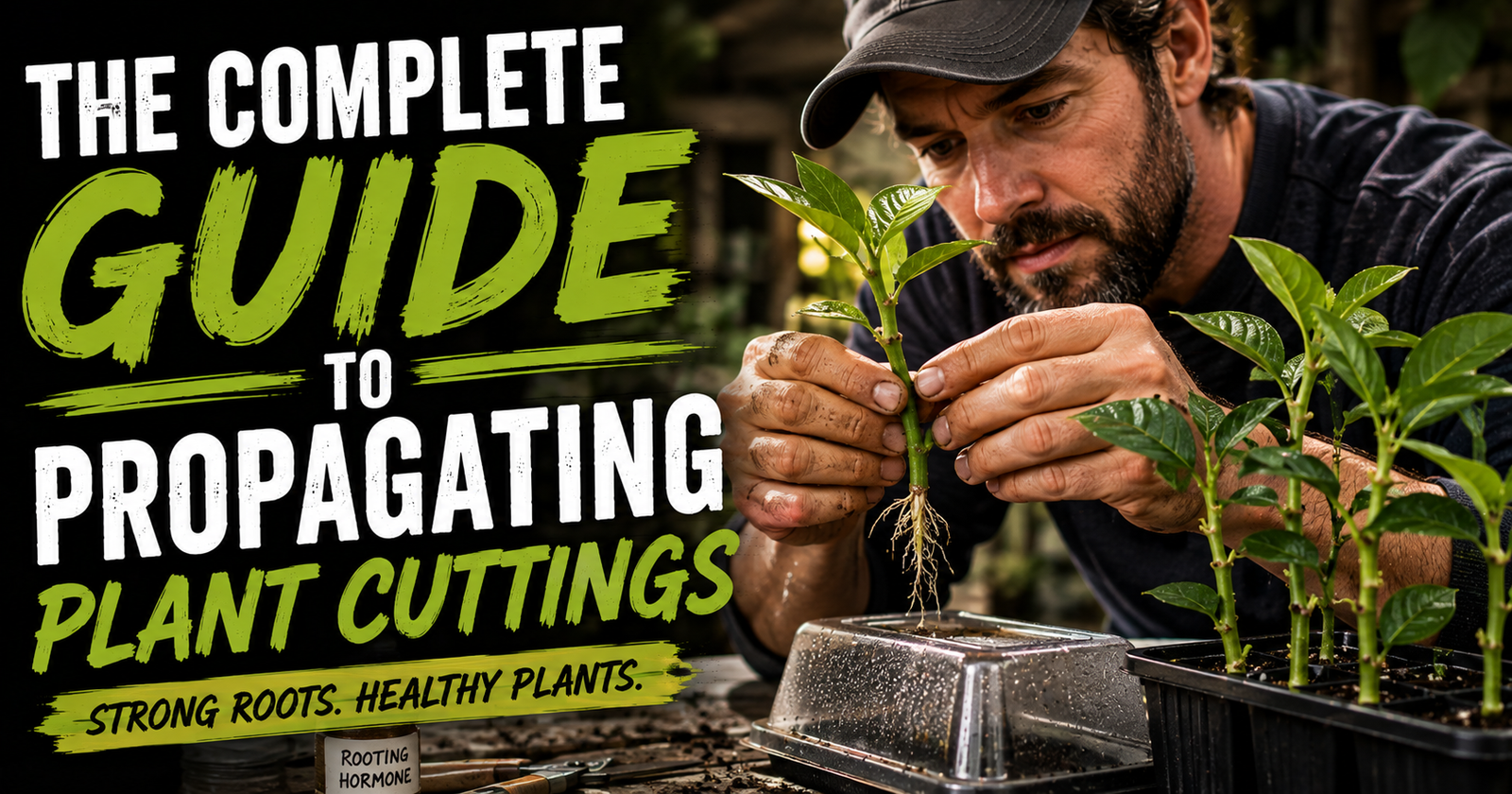
Choosing between water and soil is an important decision, but it’s just one part of successful propagation. Everything from selecting healthy cuttings to creating the right growing environment influences your results. If you want to understand how all of those pieces work together, read The Complete Guide to Propagating Plant Cuttings.
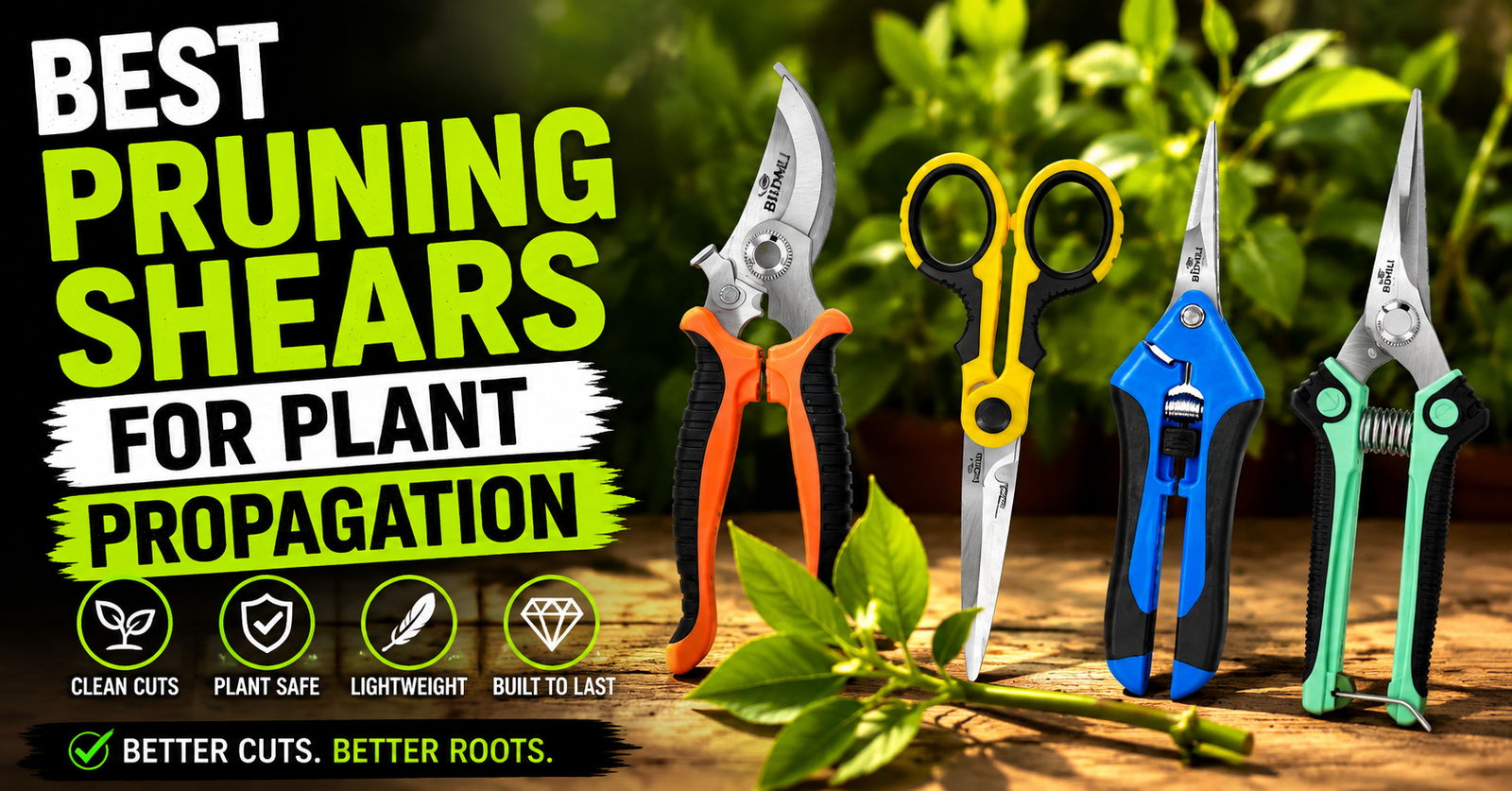
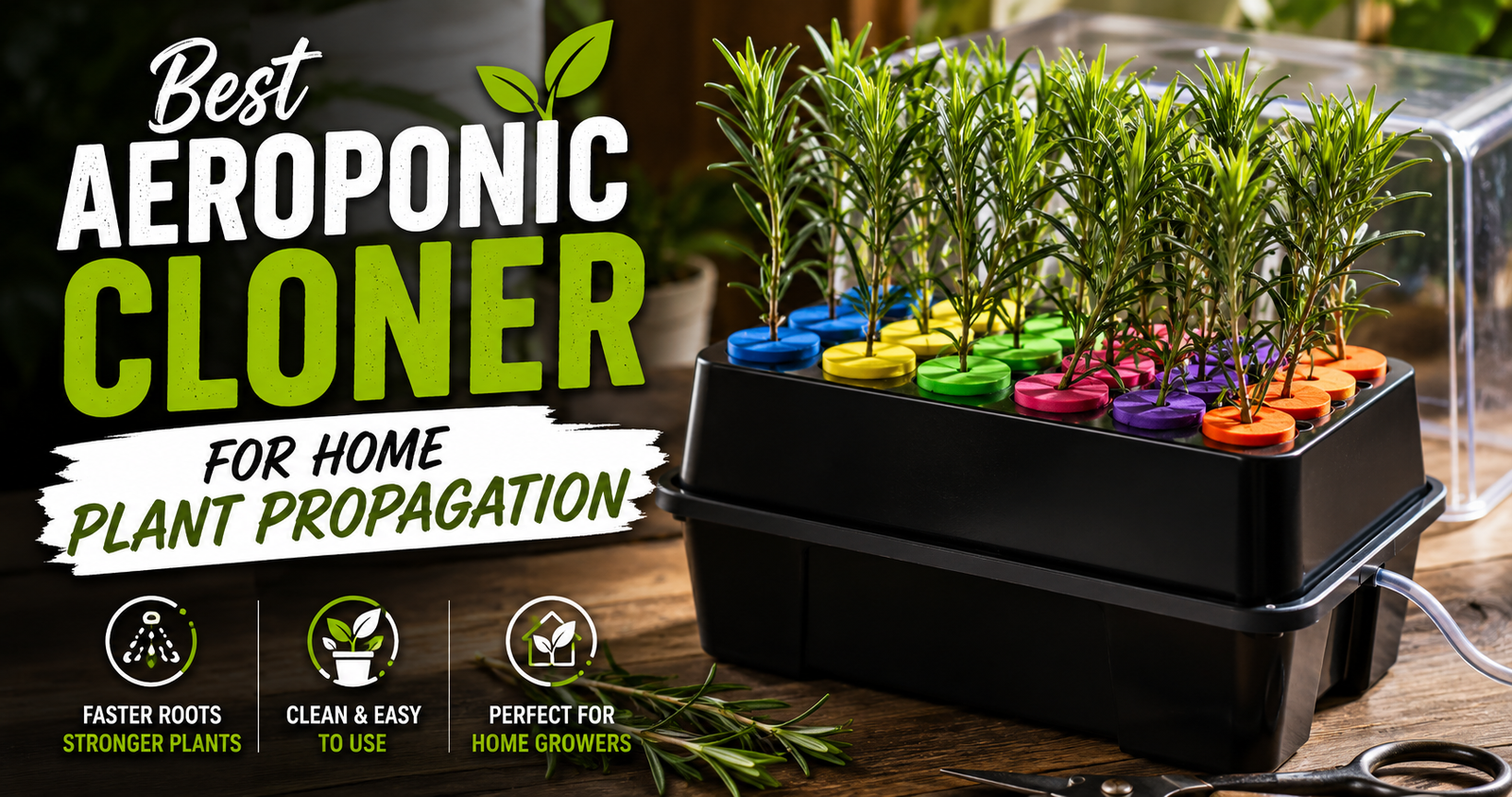
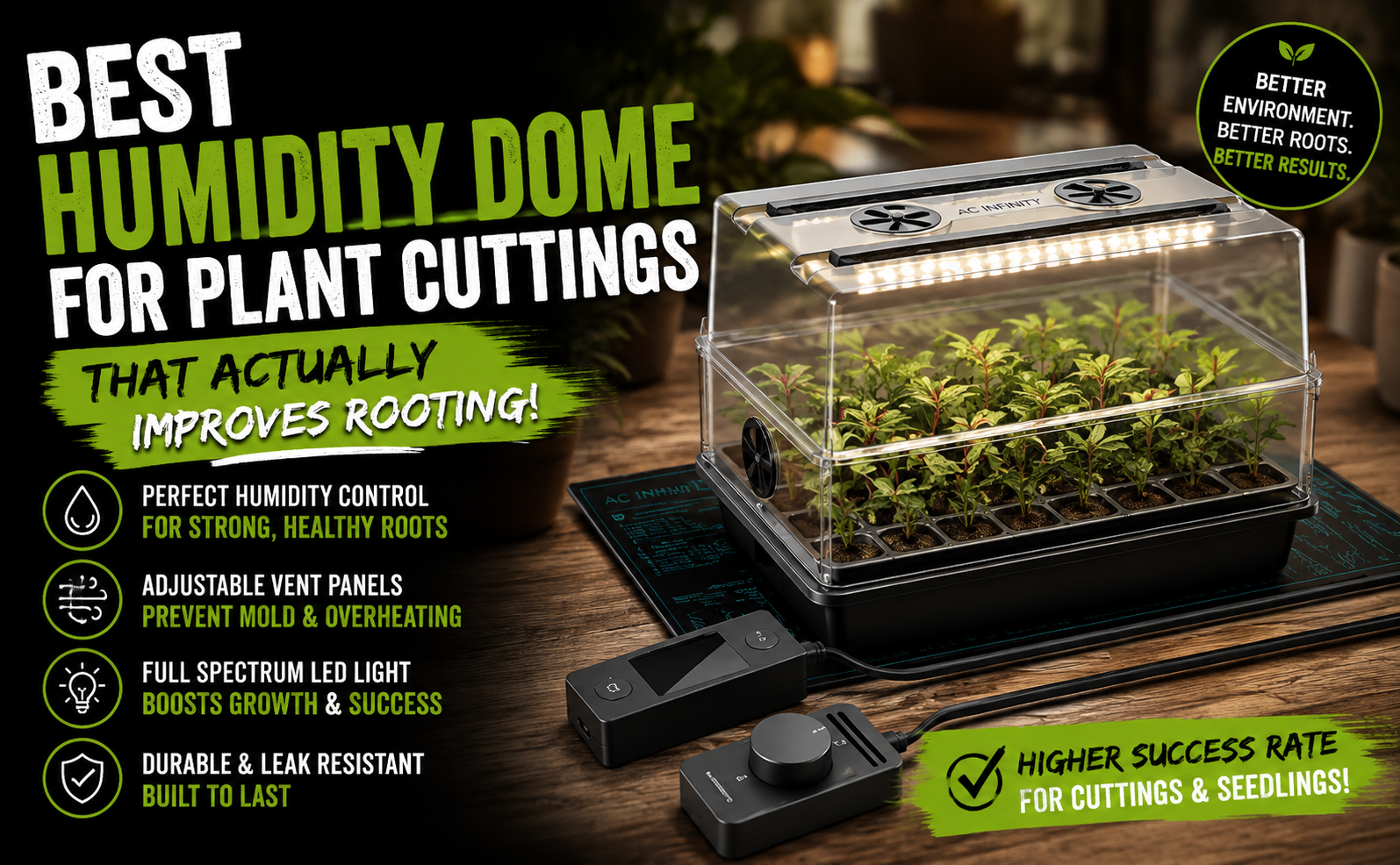
The Disadvantages of Water Propagation
As much as I enjoy rooting plants in water, it certainly isn’t perfect.
There are a few drawbacks every gardener should understand.
Water Roots Aren’t Soil Roots
This is probably the biggest limitation.
Roots that develop underwater are built for constant access to moisture.
Once they’re transplanted into soil, many of those roots have to adapt—or be replaced entirely.
That’s why some cuttings look stressed for a week or two after transplanting.
It’s completely normal.
Some Plants Simply Don’t Like Water
I’ve learned this lesson the hard way.
You can keep trying to root certain woody plants in water over and over, but they’ll continue disappointing you.
Blueberries…
Fruit trees…
Many roses…
Numerous hardwood shrubs…
These often perform far better in propagation media that contain plenty of oxygen.
Sometimes changing the propagation method makes a much bigger difference than changing the rooting hormone.
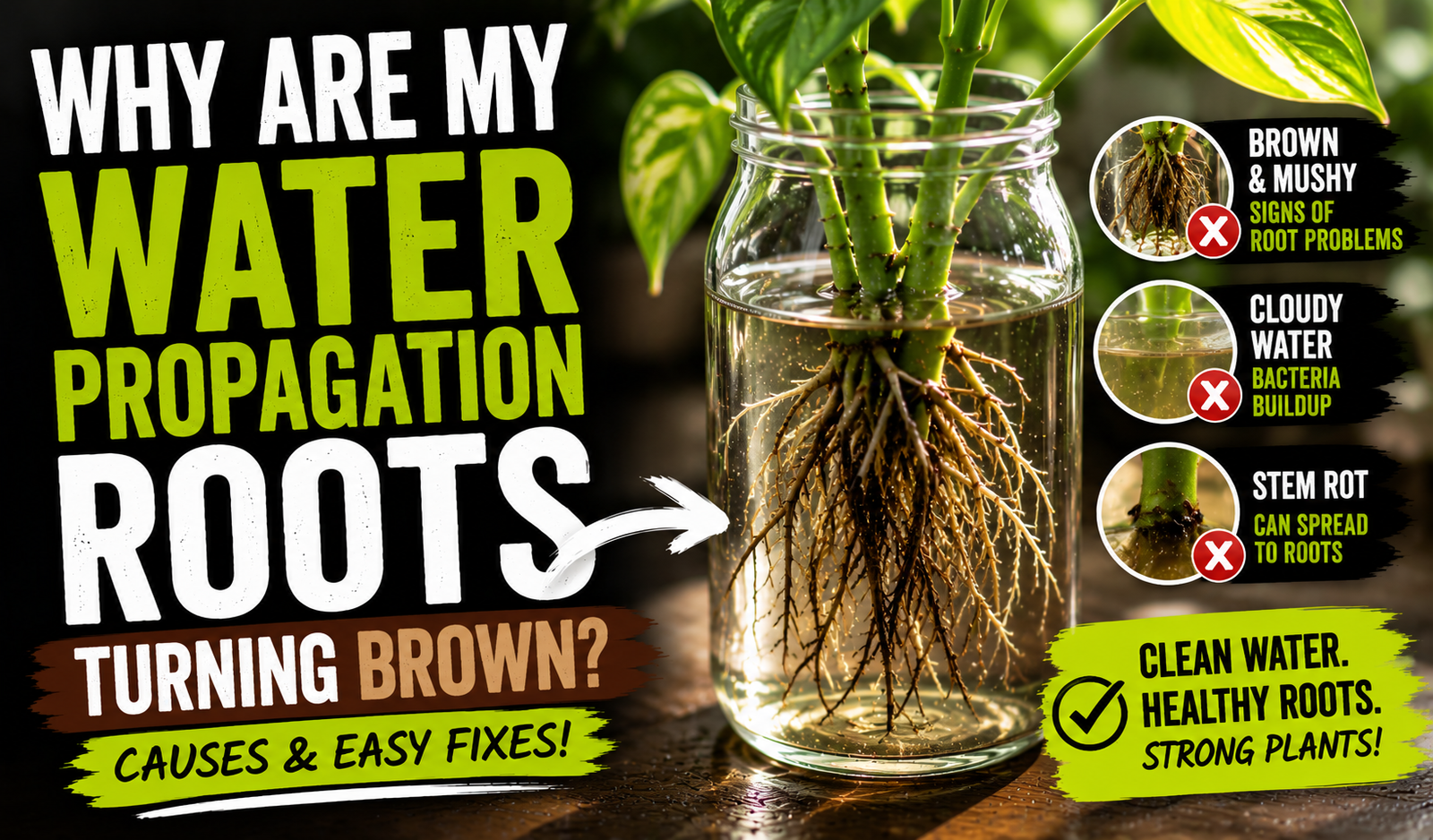
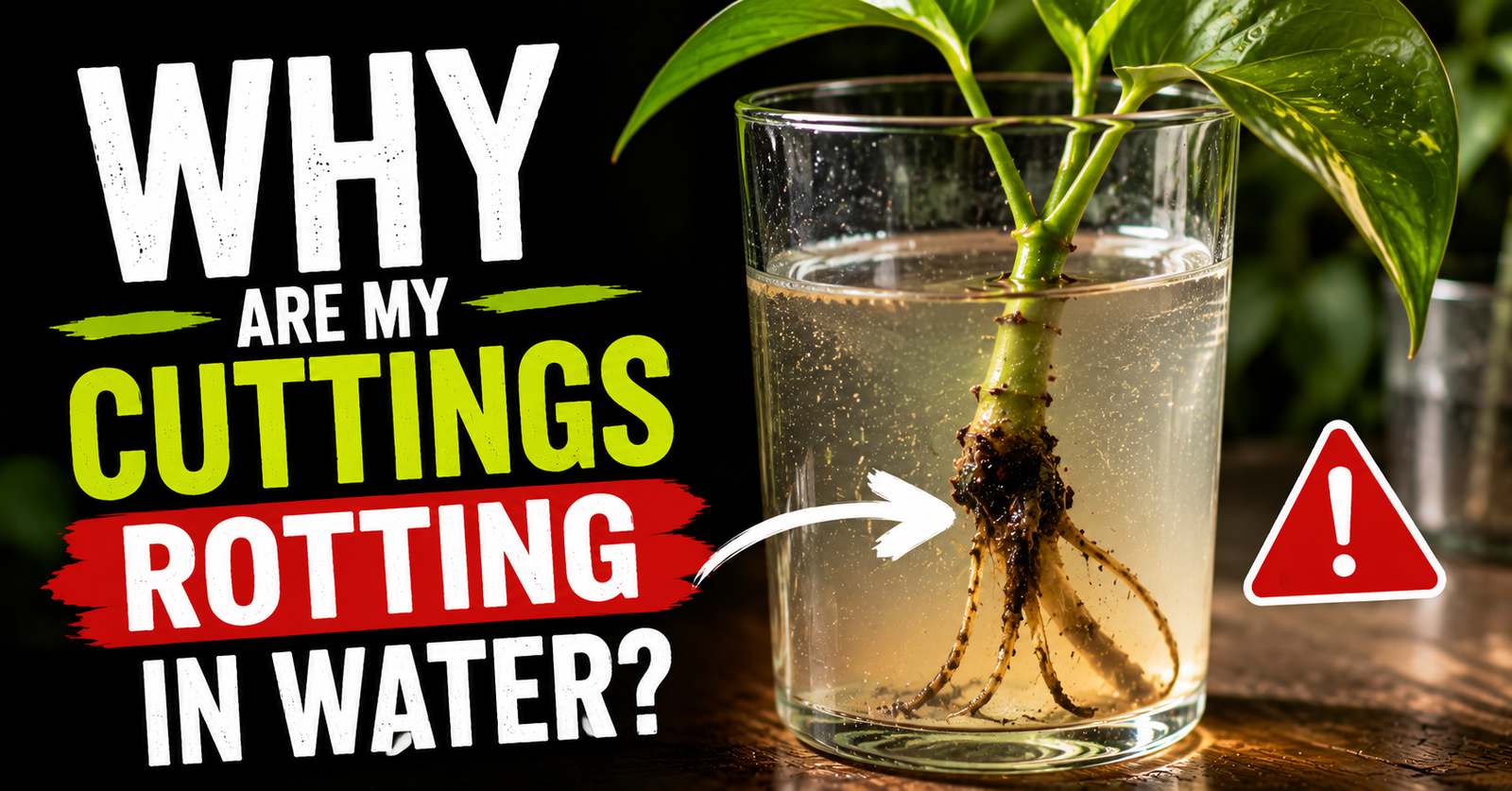
Bacteria Can Become a Problem
Standing water naturally changes over time.
Oxygen decreases.
Bacteria multiply.
Algae begins growing.
If the water isn’t replaced regularly, stem rot becomes much more likely.
That’s why changing the water consistently is one of the easiest ways to improve success.
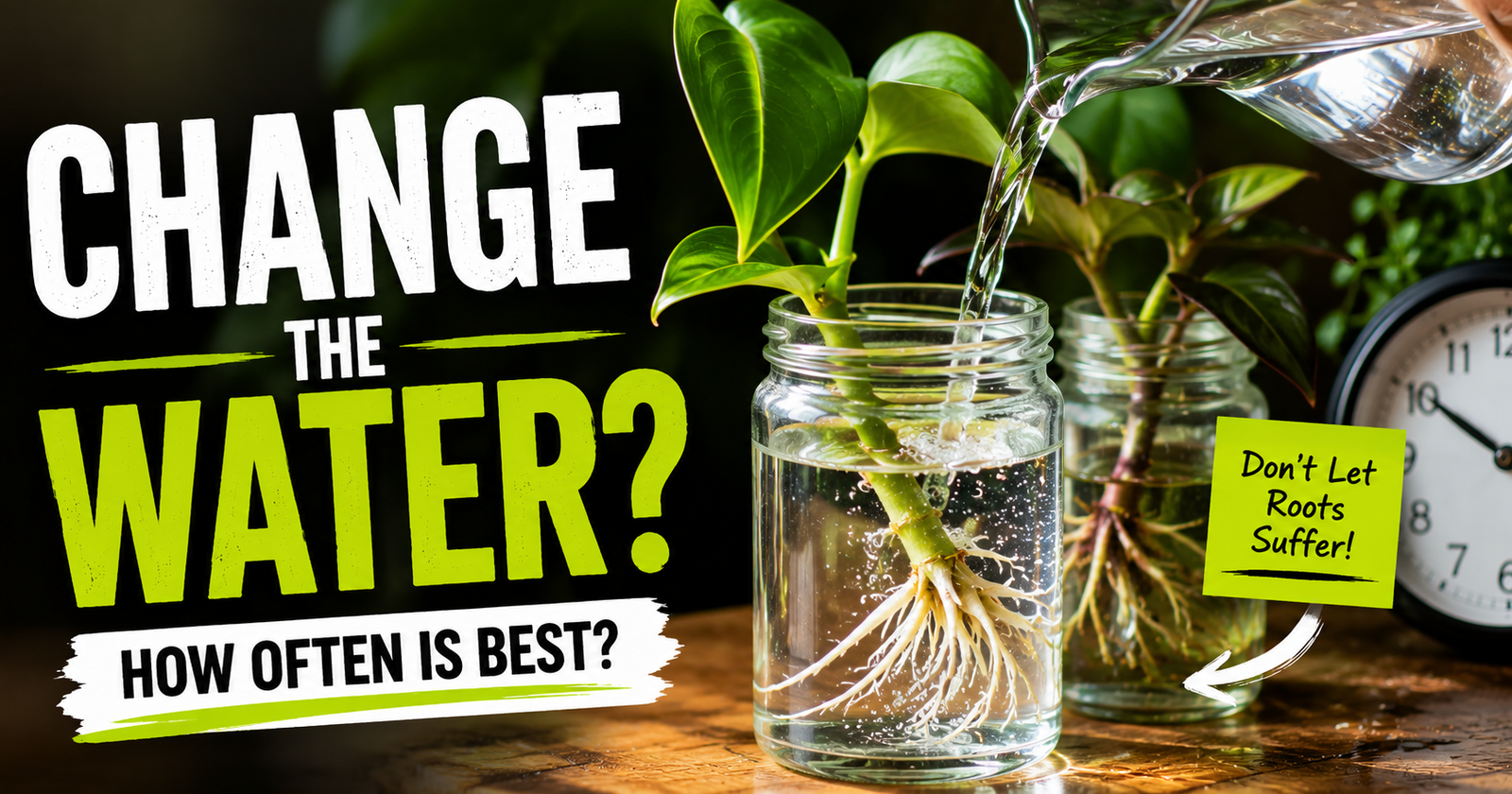
I discuss this in much greater detail in How Often Should You Change Water When Propagating Cuttings? because clean water is one of the simplest things you can control.
Eventually You’ll Still Need Soil
Many people think water propagation eliminates transplanting.
It usually doesn’t.
For most plants, water is simply the first step.
Eventually you’ll still need to move those rooted cuttings into potting mix where they can continue growing long term.
The Biggest Advantages of Soil Propagation
Although water propagation gets most of the attention online, I honestly spend a large portion of my own propagation projects rooting directly in propagation media.
There are several reasons why.
The Plant Doesn’t Experience a Major Transition Later
One of the biggest advantages is that the roots develop exactly where they’ll continue growing.
There’s no dramatic adjustment from water roots to soil roots.
Once the cutting establishes itself, it simply keeps growing.
Oxygen Levels Are Usually Better
Healthy propagation media contain thousands of tiny air pockets.
Those pockets deliver oxygen directly to developing roots.
Many species actually prefer this environment over constantly sitting in water.
That’s especially true for woody plants.
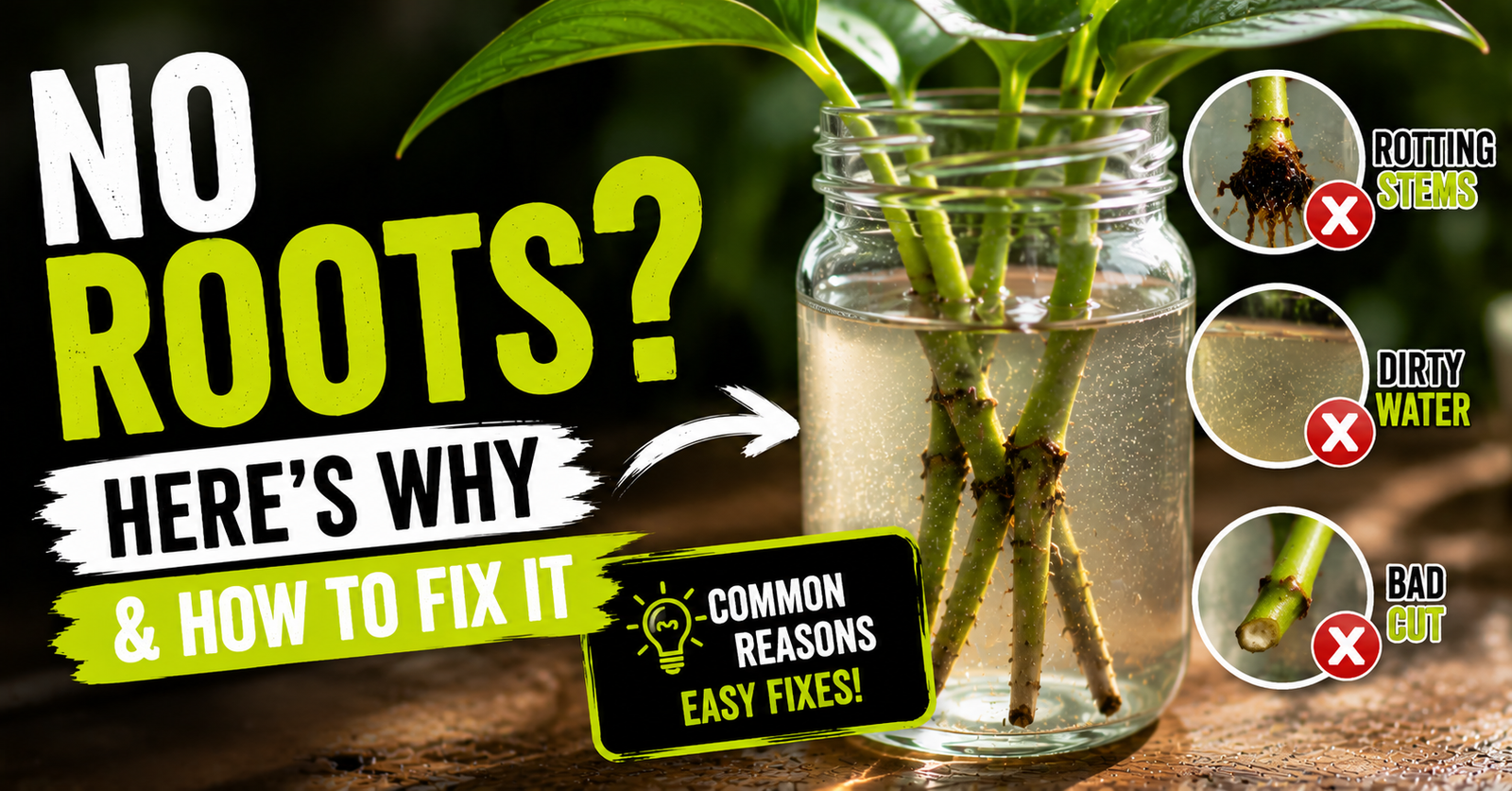
Less Chance of Stem Rot
Assuming the media drains well, many cuttings experience fewer bacterial problems than they do in stagnant water.
That’s one reason commercial nurseries rarely root large numbers of woody cuttings in jars of water.
Instead, they rely on carefully controlled propagation media with excellent drainage and humidity.
Better Long-Term Root Systems
One thing I’ve consistently noticed over the years is that cuttings rooted directly in propagation media often develop thicker, stronger root systems from the beginning.
Instead of producing delicate water roots that later have to adjust, they immediately begin building roots suited for growing in soil.
That often results in faster growth after the cutting becomes established.
The Downsides of Soil Propagation
Of course, no method is perfect.
Soil propagation has its own disadvantages.
You Can’t See What’s Happening
This is easily the biggest challenge.
For weeks, you simply have to trust the process.
The cutting might be growing beautiful roots.
Or nothing could be happening at all.
Until you notice new growth—or gently feel resistance when tugging the stem—you really won’t know.
That uncertainty frustrates many beginners.
Watering Takes More Attention
With water propagation, it’s obvious when the container needs fresh water.
Propagation media require a little more judgment.
Too dry, and the cutting may never root.
Too wet, and oxygen disappears, increasing the risk of rot.
Finding that balance takes a little practice, but once you learn it, it becomes second nature.
It Can Feel Less Rewarding at First
Let’s be honest.
Watching roots grow inside a clear glass is fun.
Waiting several weeks while staring at a pot of soil isn’t nearly as exciting.
The reward comes later, when you discover the cutting has developed a strong root system and begins putting on vigorous new growth.
That moment makes the patience worthwhile.
Which Method Produces Stronger Roots?
This is probably the question I’m asked most often.
The honest answer is that it depends on what you mean by “stronger.”
Water propagation often produces roots faster on plants that naturally root well in water.
Soil propagation often produces roots that adapt to long-term growth more quickly because they’ve been developing in that environment from the beginning.
Neither root system is automatically better.
They’re simply adapted to different conditions.
Think of it this way.
Water roots are designed for an environment where moisture is constantly available.
Soil roots are designed to search through tiny spaces filled with both moisture and oxygen.
That’s why a cutting that’s thriving in a jar of water can still look stressed after it’s moved into a pot.
The plant isn’t dying.
It’s adjusting.
Which Method Is Faster?
Again, there isn’t a universal answer.
For easy houseplants, water propagation often appears faster because you can actually see the roots.
Sometimes those roots emerge within a week or two.
With soil propagation, those same roots may be forming at a similar pace—you just can’t see them.
For woody shrubs and trees, I’ve often found that rooting directly in propagation media is actually faster because the plant never has to transition from water roots to soil roots later.
When people compare methods, they sometimes forget to include that adjustment period.
A water-rooted cutting might spend two extra weeks adapting after transplanting, while a soil-rooted cutting simply keeps growing.
Which Method Has the Higher Success Rate?
If someone handed me a random cutting and didn’t tell me what plant it came from, I couldn’t answer that question honestly.
The species matters more than the method.
For example, I’d happily root:
- Pothos in water
- Philodendron in water
- Tradescantia in water
- Basil in water
- Mint in water
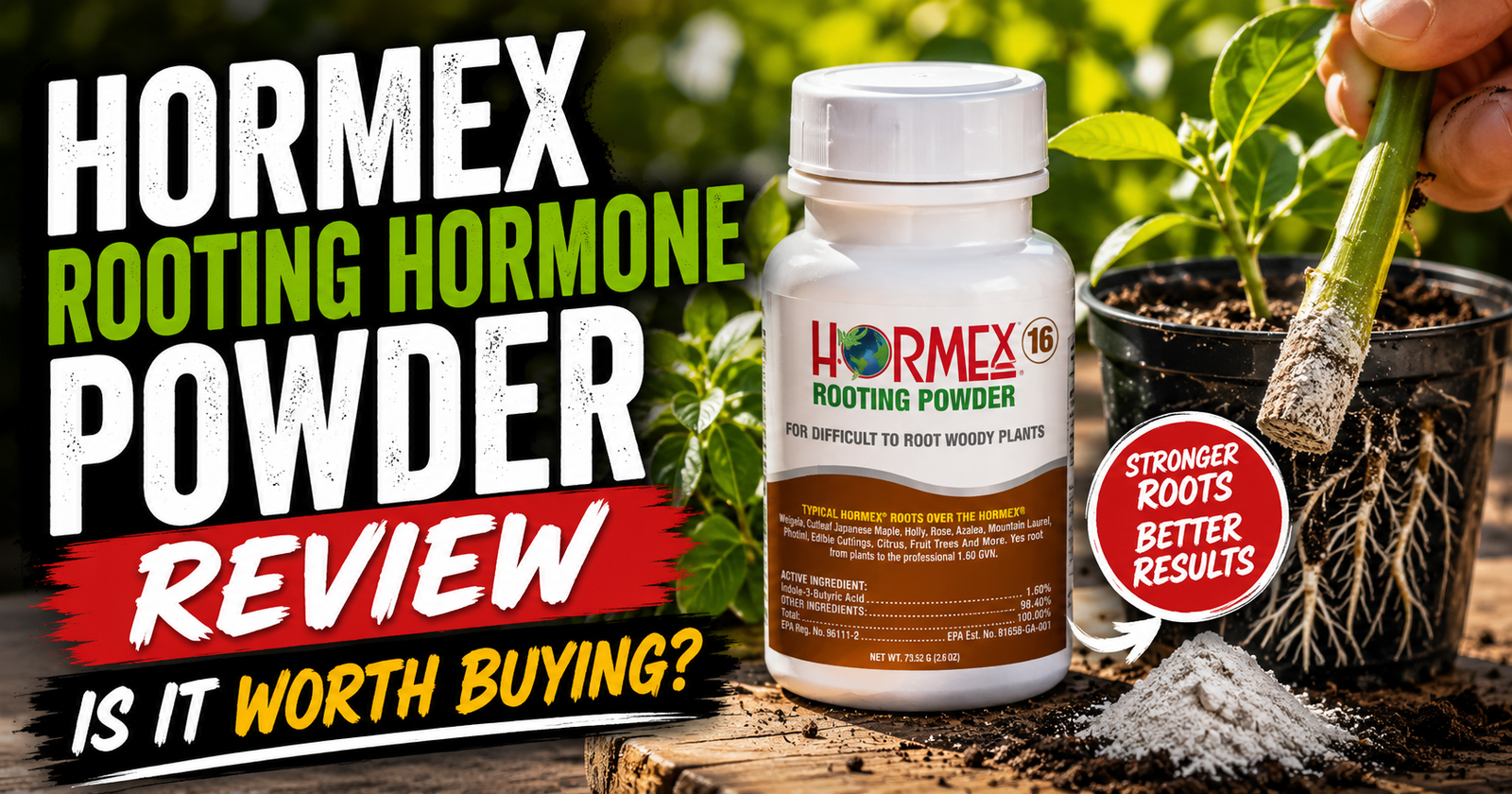
On the other hand, if someone gave me hardwood blueberry cuttings or fruit tree cuttings, I’d almost certainly skip the water entirely and reach for propagation media instead. When those cuttings also need help producing roots, Hormex powder for hardwood cuttings is worth evaluating alongside the right propagation medium.
Choosing the right method for the specific plant is usually far more important than choosing the method you personally prefer.
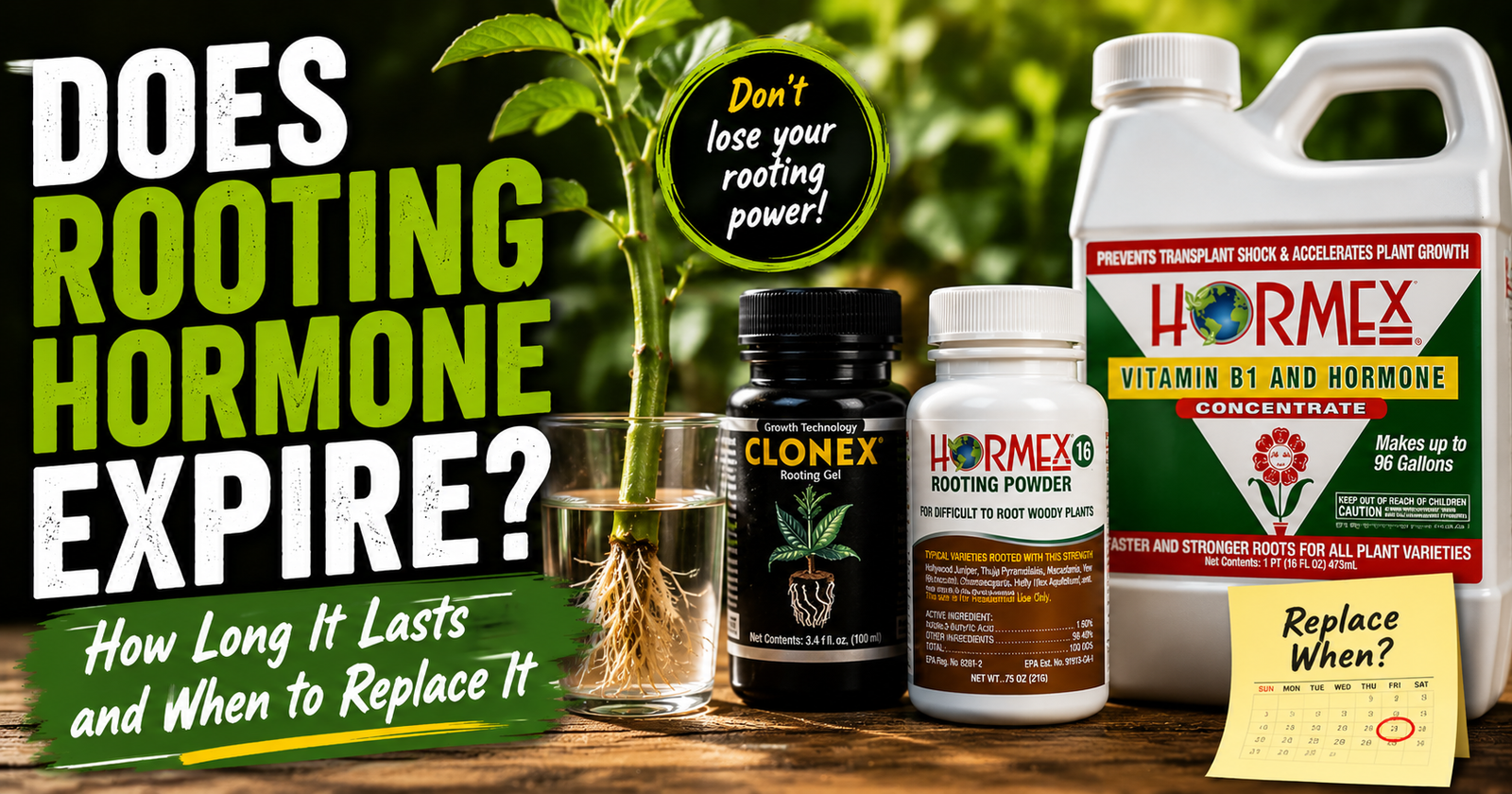
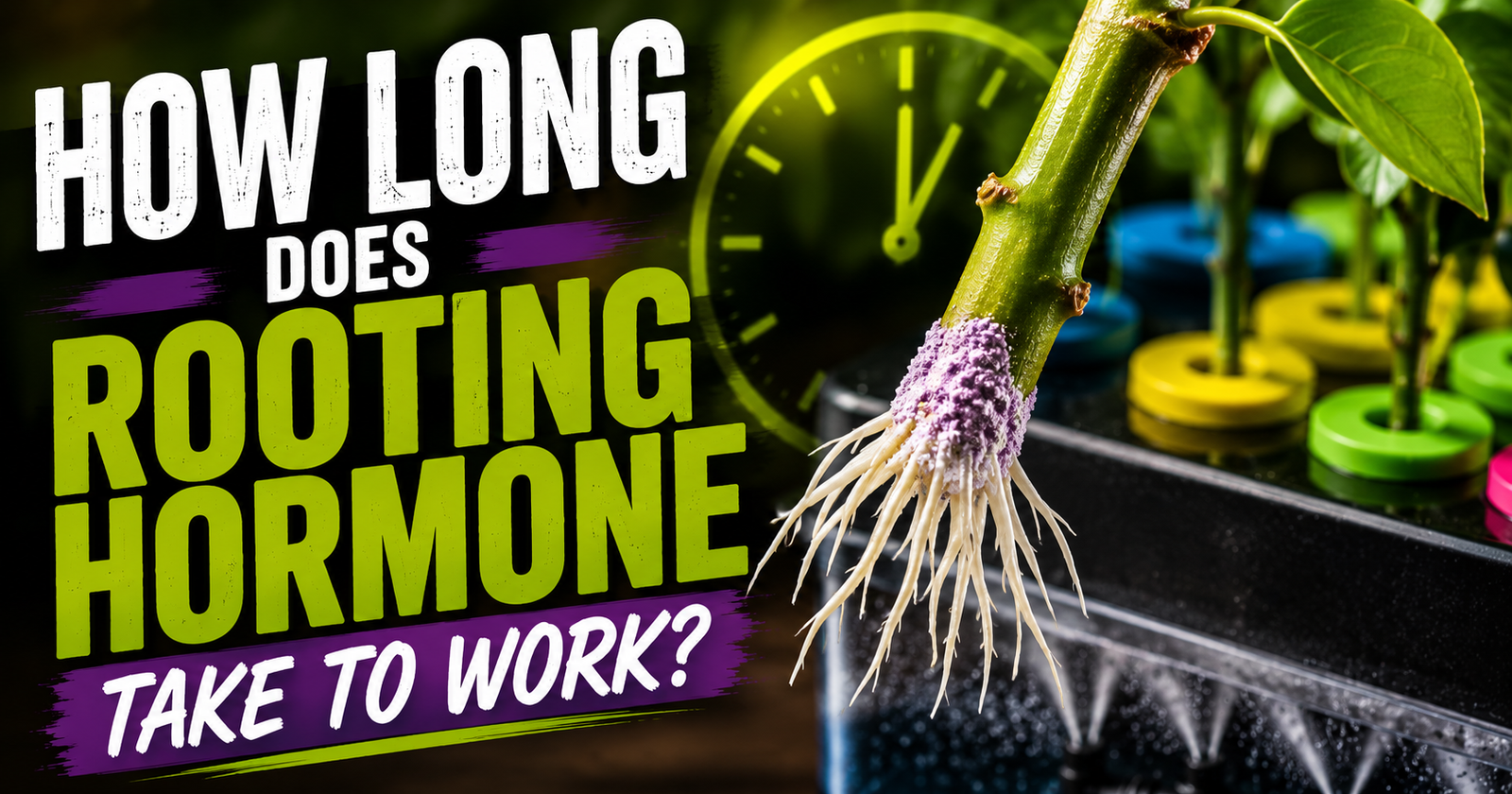
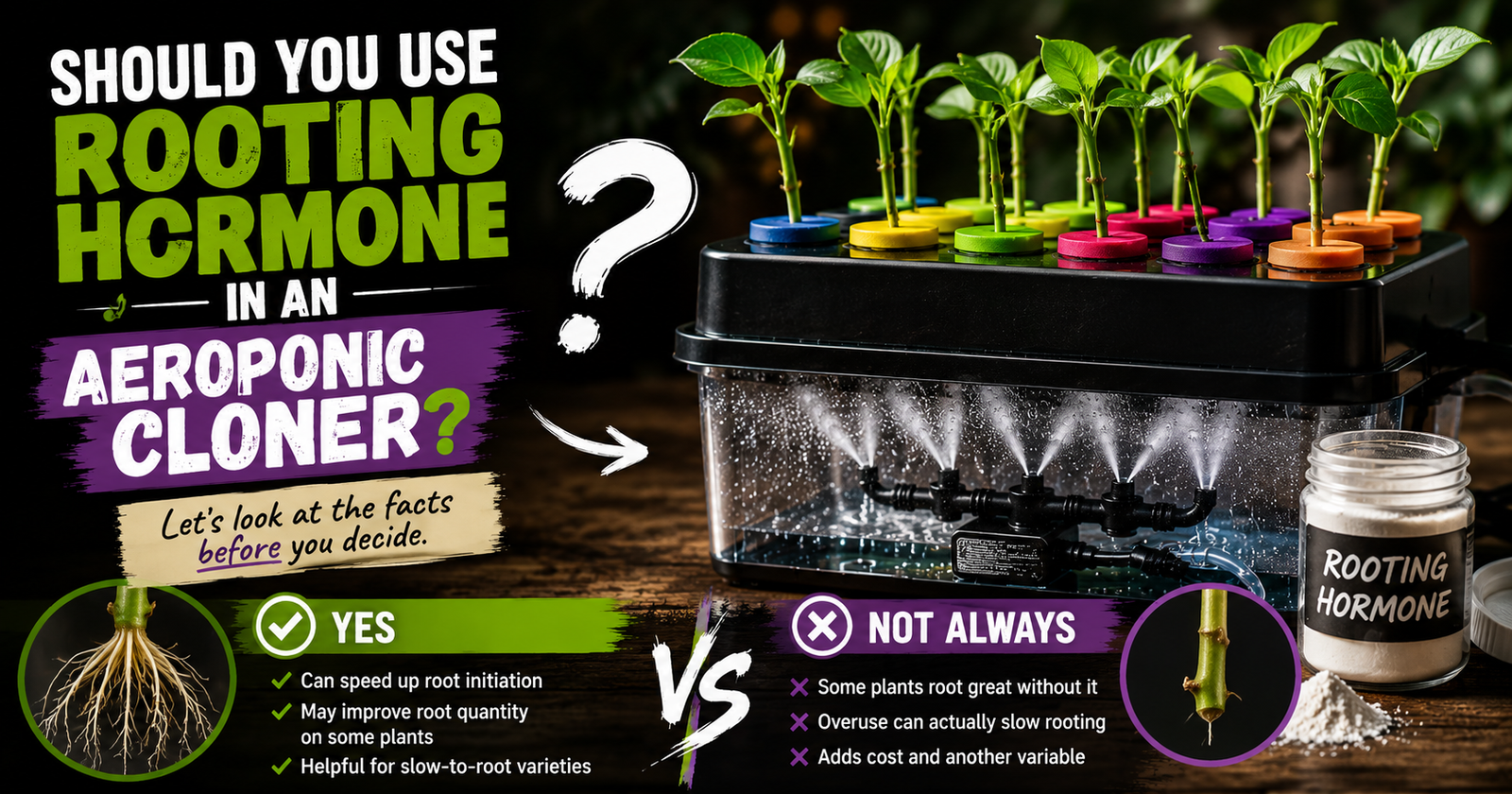
What About Rooting Hormone?
Rooting hormone often gets pulled into this debate, but it’s really a separate decision. If you decide to use a rooting aid, Clonex rooting gel hormone is one option to evaluate alongside the propagation method.
Its job is to encourage root formation.
It doesn’t automatically make water propagation better than soil propagation.
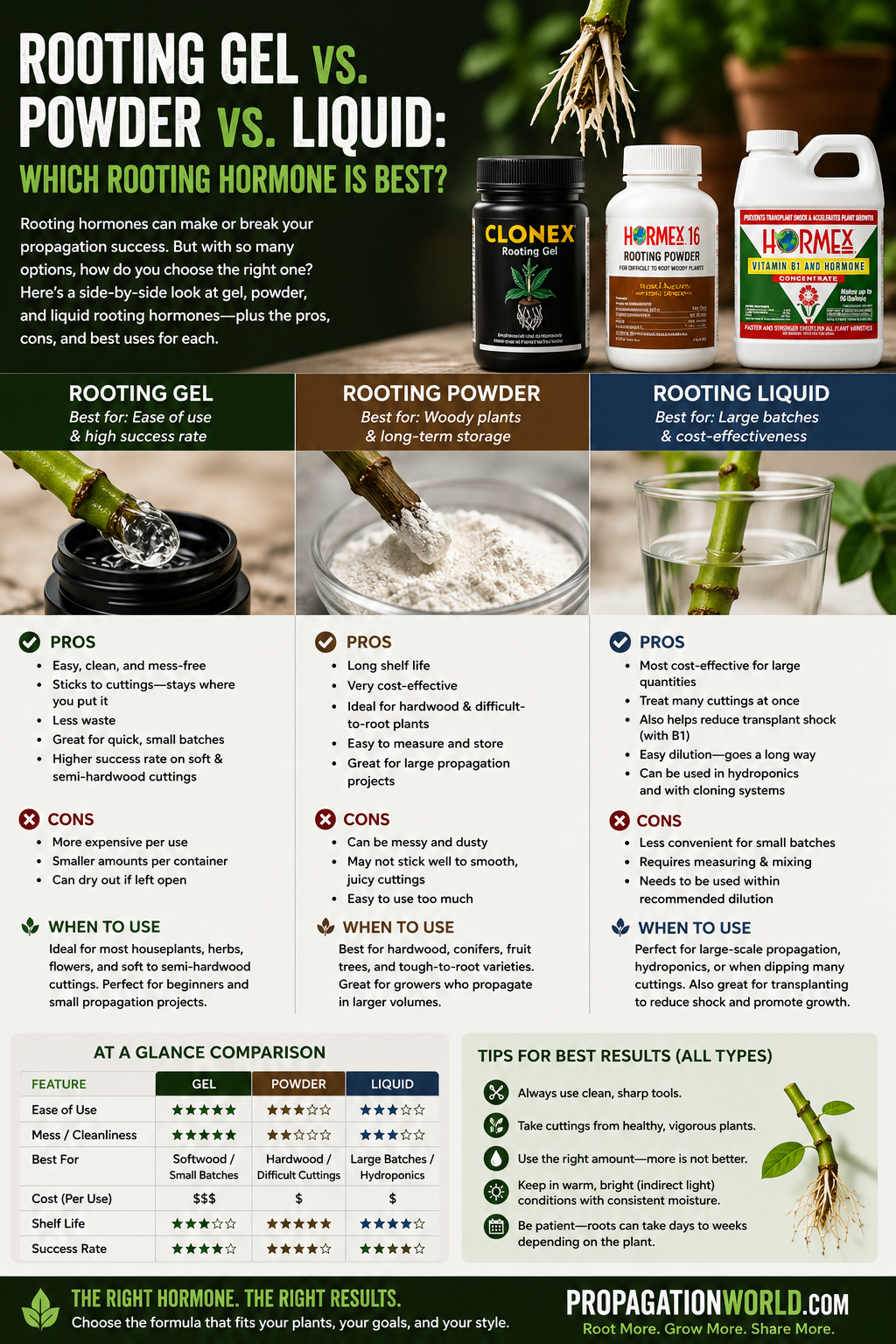
For many easy houseplants, I don’t use rooting hormone at all. When you do decide to use one, the differences between hormone types clarifies how gel, powder, and liquid compare.
For slower, more difficult species, I often do.
The key is using it correctly.
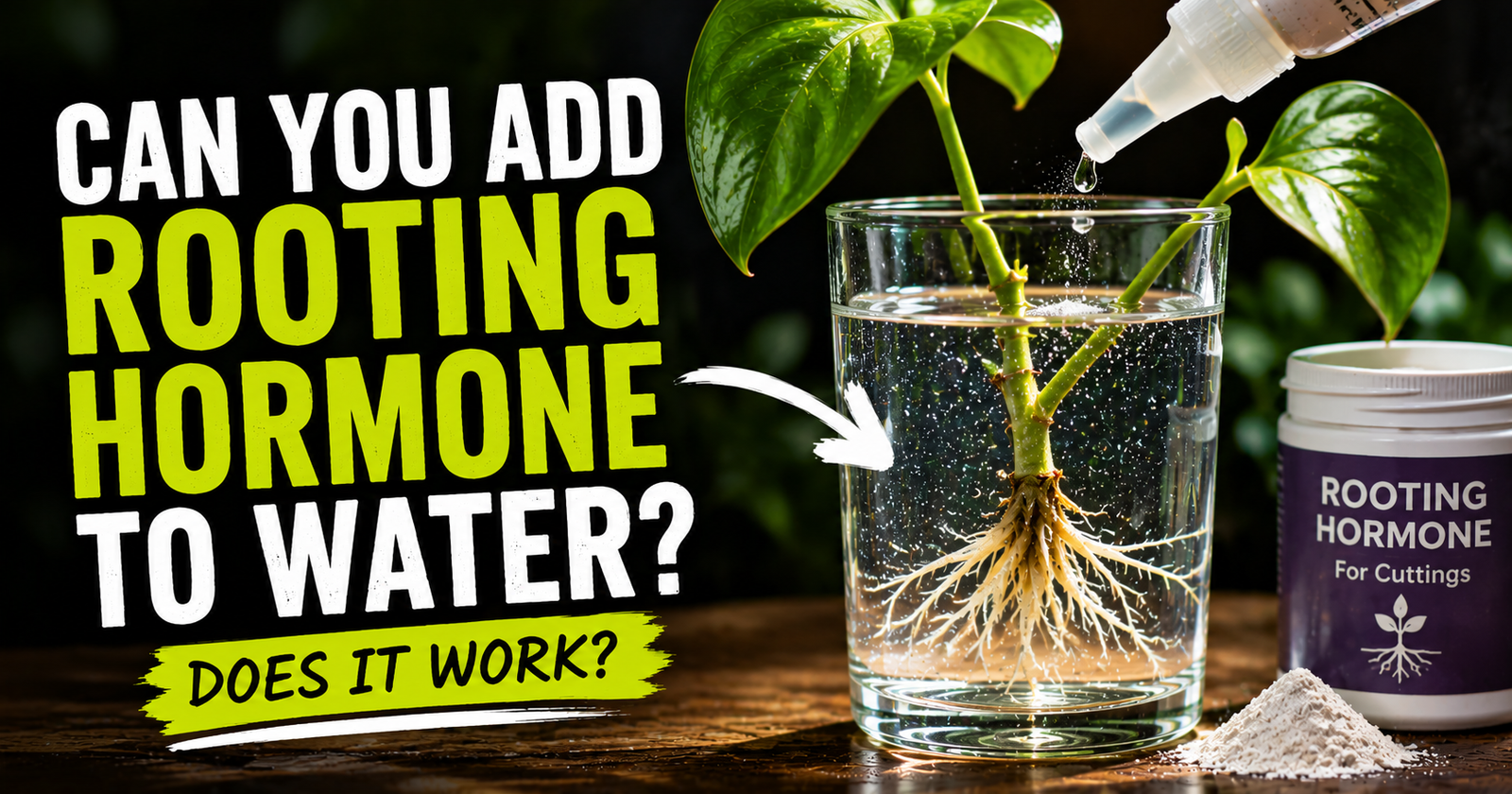
If you’ve wondered whether adding rooting hormone directly to your propagation jar helps, my article Can You Add Rooting Hormone to Water? explains why that’s usually not the best approach.
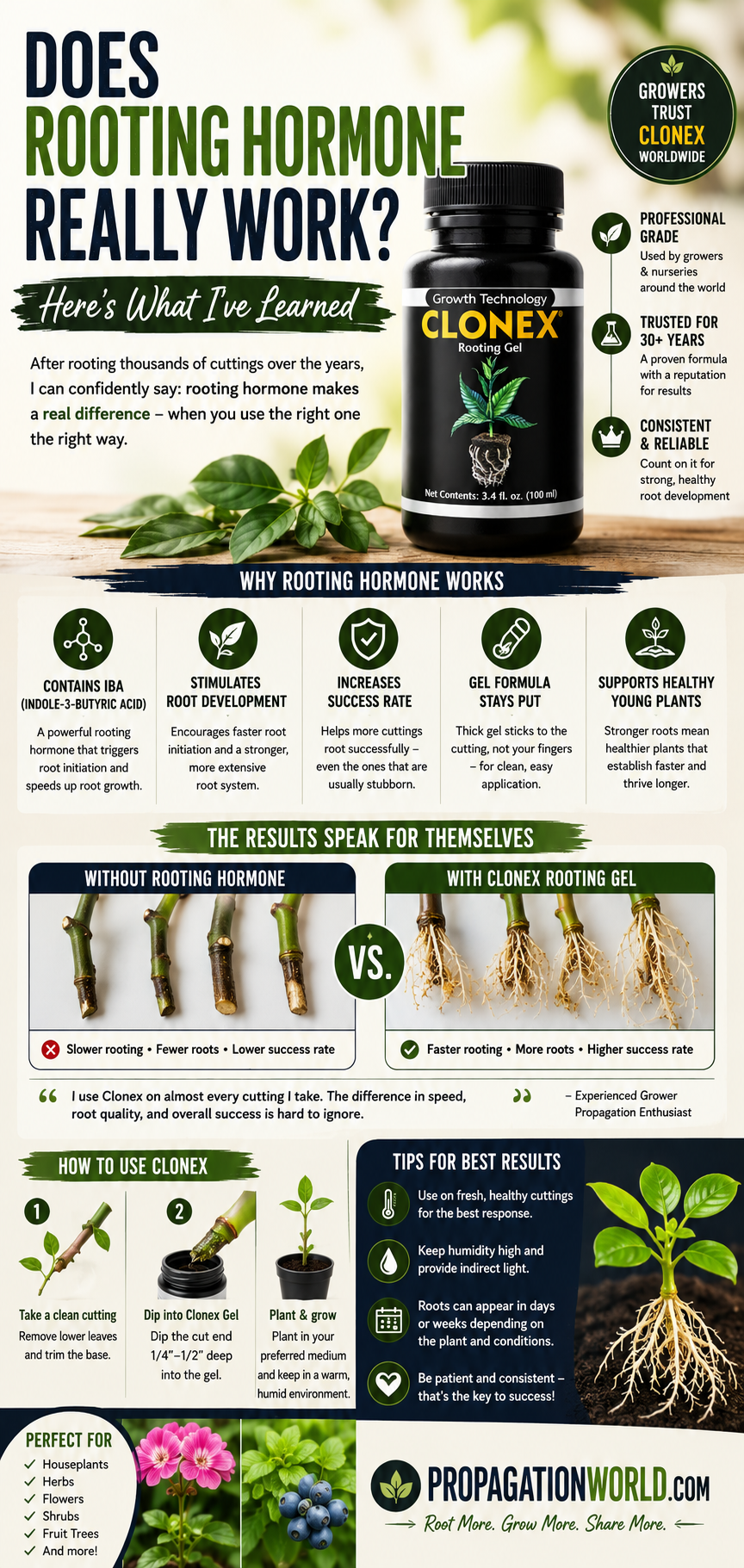
I also go into much more detail in Does Rooting Hormone Really Work? What Every Gardener Should Know if you’re trying to decide whether it’s worth buying in the first place.
My Personal Routine
After years of experimenting, my approach has become pretty simple.
If I’m propagating common houseplants for fun, I usually start with water.
It’s enjoyable to watch the roots develop, it’s inexpensive, and it’s a great way to monitor progress.
If I’m propagating shrubs, trees, vines, or plants that are known to be more difficult, I almost always start them directly in propagation media.
That eliminates the need for the roots to completely adjust later and generally gives me stronger long-term results.
In other words, I don’t have a favorite method.
I have a favorite method for each plant.
Common Mistakes With Both Methods
Regardless of which method you choose, I see the same mistakes repeated over and over.
Taking Weak Cuttings
Propagation starts with the parent plant.
A stressed, diseased, or damaged stem rarely produces great results.
Healthy cuttings almost always outperform unhealthy ones.
Ignoring the Node
Many beginners accidentally place a stem in water without including a node.
Since most roots develop from nodes, that cutting may sit for weeks without producing anything.
Always identify where the node is before making your cut.
Using Too Much Direct Sun
Cuttings need light, but harsh afternoon sun often creates more stress than growth.
Bright, indirect light is usually the safest option while roots are developing.
Being Too Impatient
I’ve definitely been guilty of this myself.
Pulling cuttings out to check for roots every few days or constantly disturbing them usually slows things down rather than speeding them up.
Plants work on their own schedule.
Sometimes the best thing you can do is leave them alone.
Assuming Every Failure Means You Did Something Wrong
This is probably the biggest lesson propagation has taught me.
Not every cutting survives.
Even experienced growers occasionally lose cuttings despite doing everything correctly.
Sometimes the parent plant wasn’t healthy.
Sometimes the timing wasn’t ideal.
Sometimes the species simply isn’t easy to propagate.
Rather than getting discouraged, I treat every failed cutting as information that helps me improve the next one.
So…Which Method Do I Recommend?
If you’re just getting started and you’re propagating common houseplants, I’d recommend water propagation.
It’s simple, inexpensive, and incredibly satisfying because you can watch the entire process unfold.
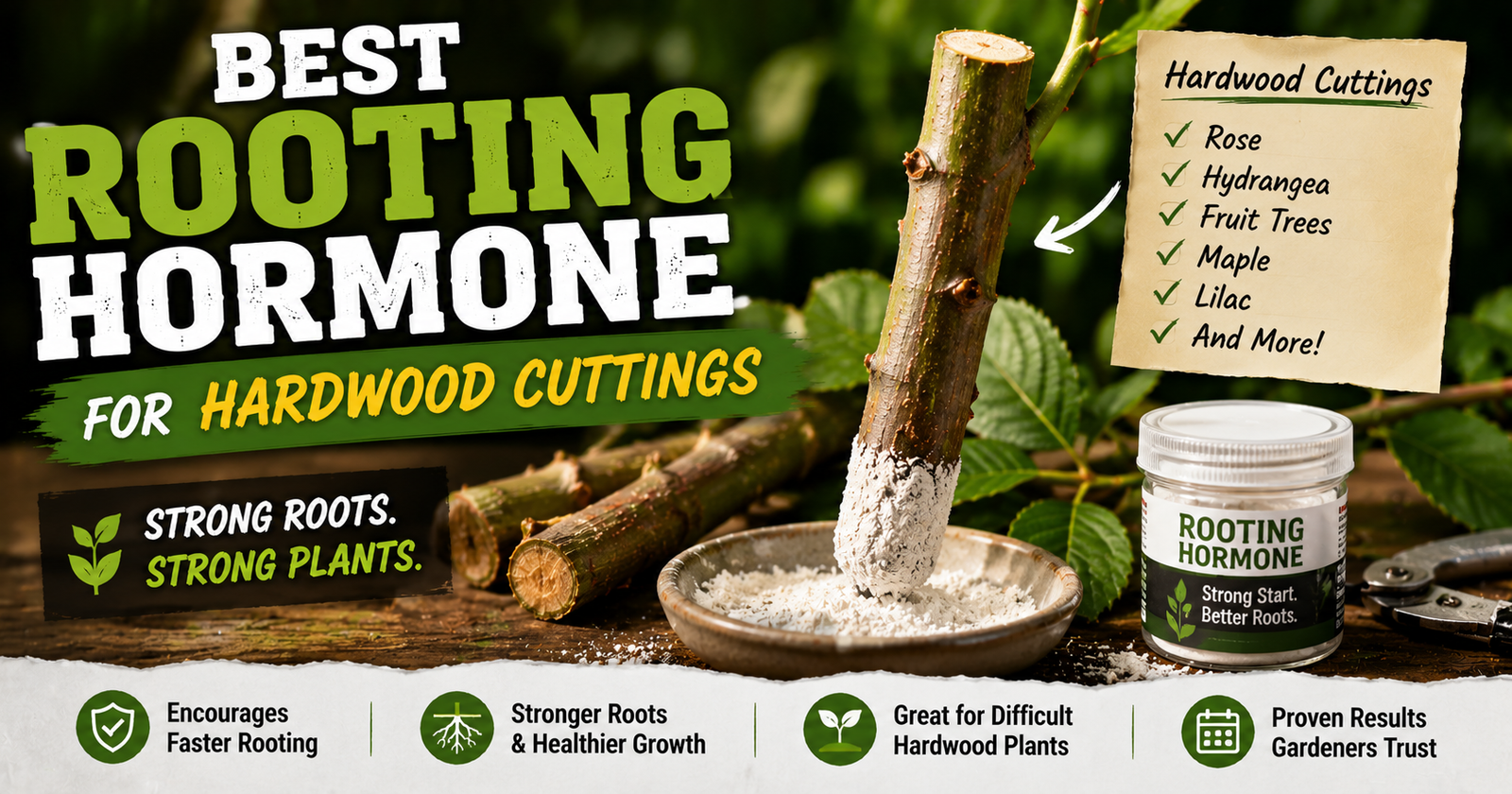
If you’re working with woody shrubs, fruit plants, ornamental trees, or species that are known to be more challenging, I’d lean toward rooting them directly in a quality propagation medium. Because these plants can be slower to establish, it is worth pairing the right medium with an appropriate rooting hormone for hardwood species.
Neither method is universally better.
The best propagators aren’t loyal to one technique.
They’re willing to use whichever method gives that particular plant the greatest chance of success.
Once I stopped trying to force every cutting into the same process, my success rate improved dramatically.
Frequently Asked Questions
Is water propagation easier than soil propagation?
For many beginners, yes. Water propagation is simple to set up and lets you watch root development, making it easier to know how the cutting is progressing.
Does water propagation produce weaker roots?
Not necessarily, but water roots are adapted to living underwater. After transplanting, many plants gradually develop new soil roots that are better suited for long-term growth in potting mix.
Can every plant be propagated in water?
No. Many common houseplants root extremely well in water, but numerous woody shrubs, trees, and fruit plants usually have better success in propagation media.
Which method is best for beginners?
If you’re propagating easy houseplants, I generally recommend starting with water. It’s inexpensive, forgiving, and a great way to learn how cuttings develop.
Can I switch from water to soil later?
Absolutely. In fact, that’s exactly what most gardeners do. The key is transplanting once the cutting has developed a healthy, branching root system instead of waiting until the roots become long and tangled.
Author: Dax Weaver
Dax Weaver is the founder of PropagationWorld, where he shares practical propagation methods, honest product reviews, and years of hands-on experience helping gardeners root healthier plants. After propagating thousands of cuttings—from easy houseplants to challenging woody shrubs—he’s learned that choosing the right method for the plant almost always matters more than following a one-size-fits-all approach.