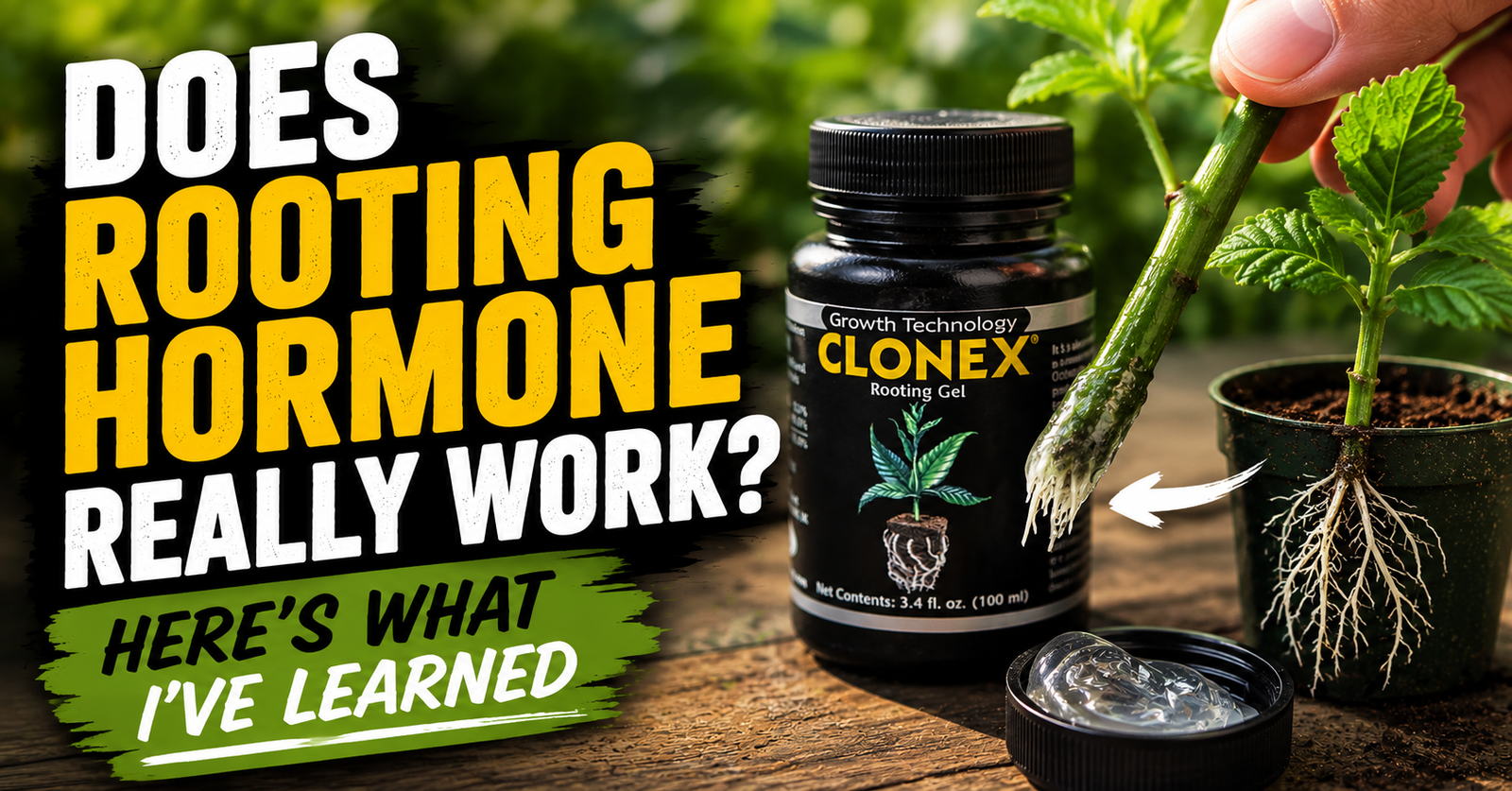
If you’ve spent any amount of time researching plant propagation, you’ve probably seen rooting hormone recommended over and over again.
Some gardeners won’t take a single cutting without it.
Others insist it’s a complete waste of money.
So who’s right?
After years of propagating plants and looking into the science behind rooting hormones, I’ve found that the truth is somewhere in the middle.
Rooting hormone isn’t magic.
It won’t save unhealthy cuttings, fix poor propagation techniques, or make impossible plants suddenly easy to root.
But when it’s used correctly on the right plants, it absolutely can improve your chances of success.
Understanding what rooting hormone actually does—and what it doesn’t do—is the key to deciding whether it’s worth using for your own propagation projects. Once you know whether it is worthwhile, this guide shows how to How to Use Rooting Hormone Correctly Step by Step during propagation.
The Short Answer
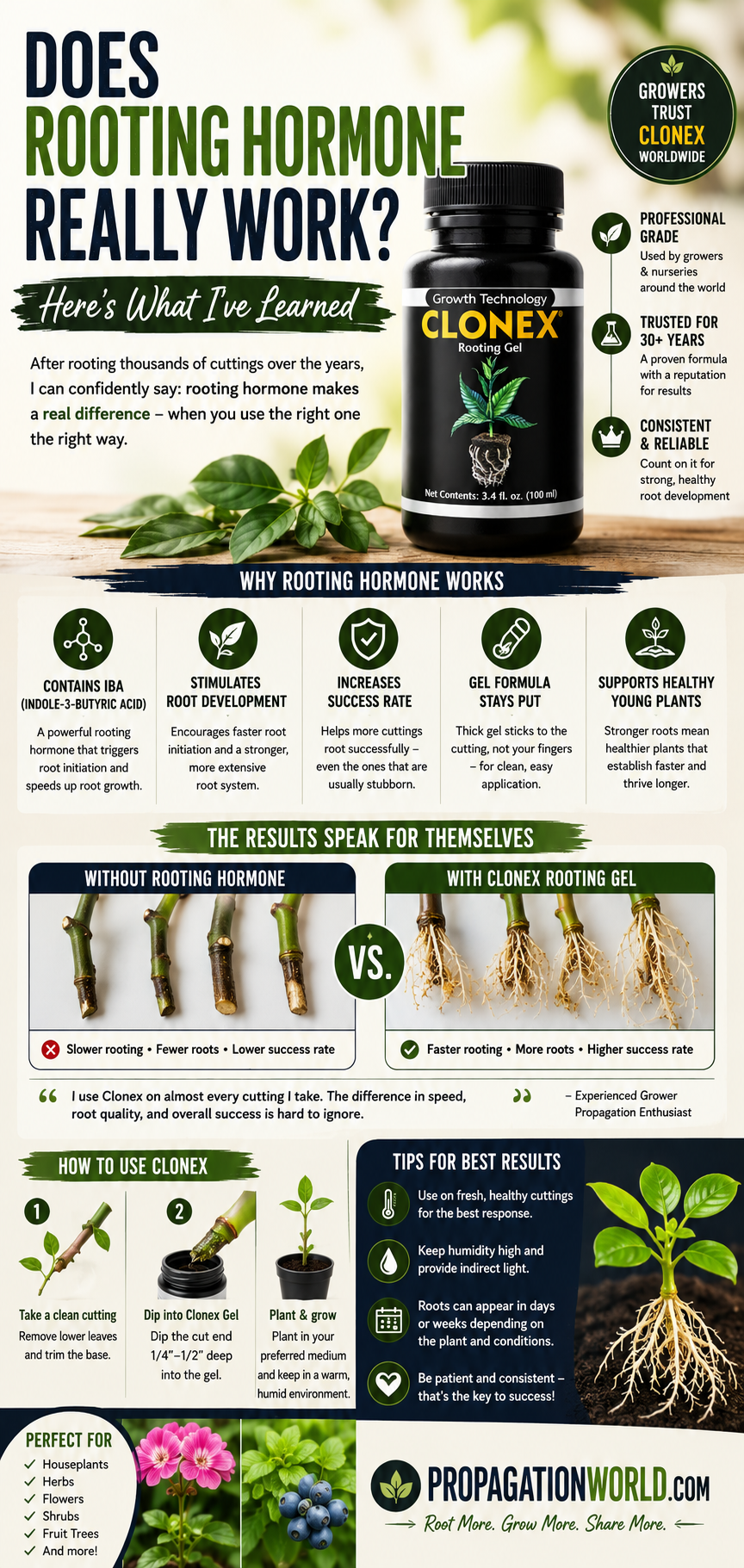
Yes, rooting hormone really does work.
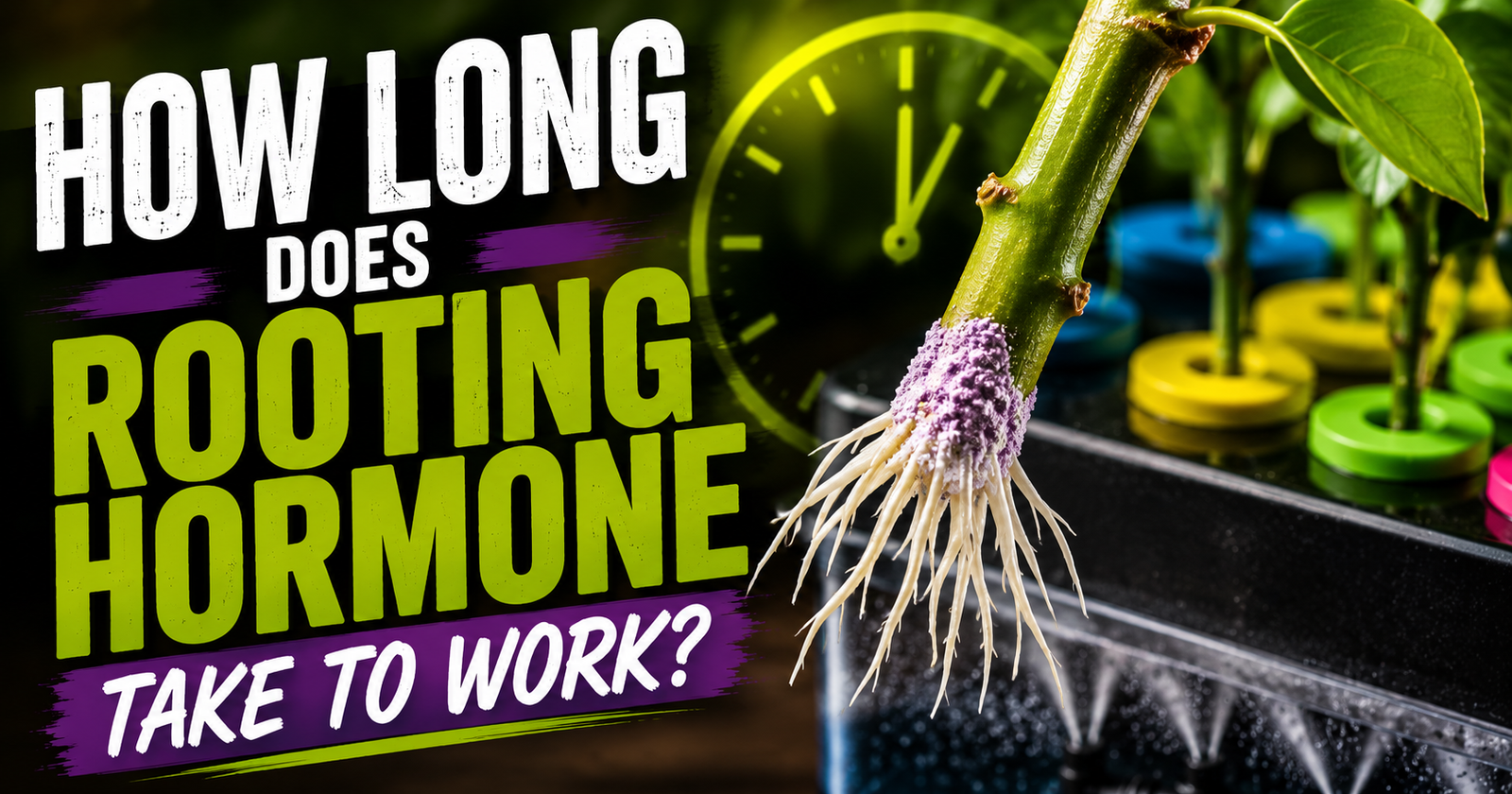
There are decades of horticultural research showing that synthetic rooting hormones can increase rooting success, encourage faster root development, and improve the number and quality of roots on many species of plants. The expected timeline behind that faster development is explained in How Long Does Rooting Hormone Take to Work?.
The important part is the phrase many species.
Not every plant responds the same way.
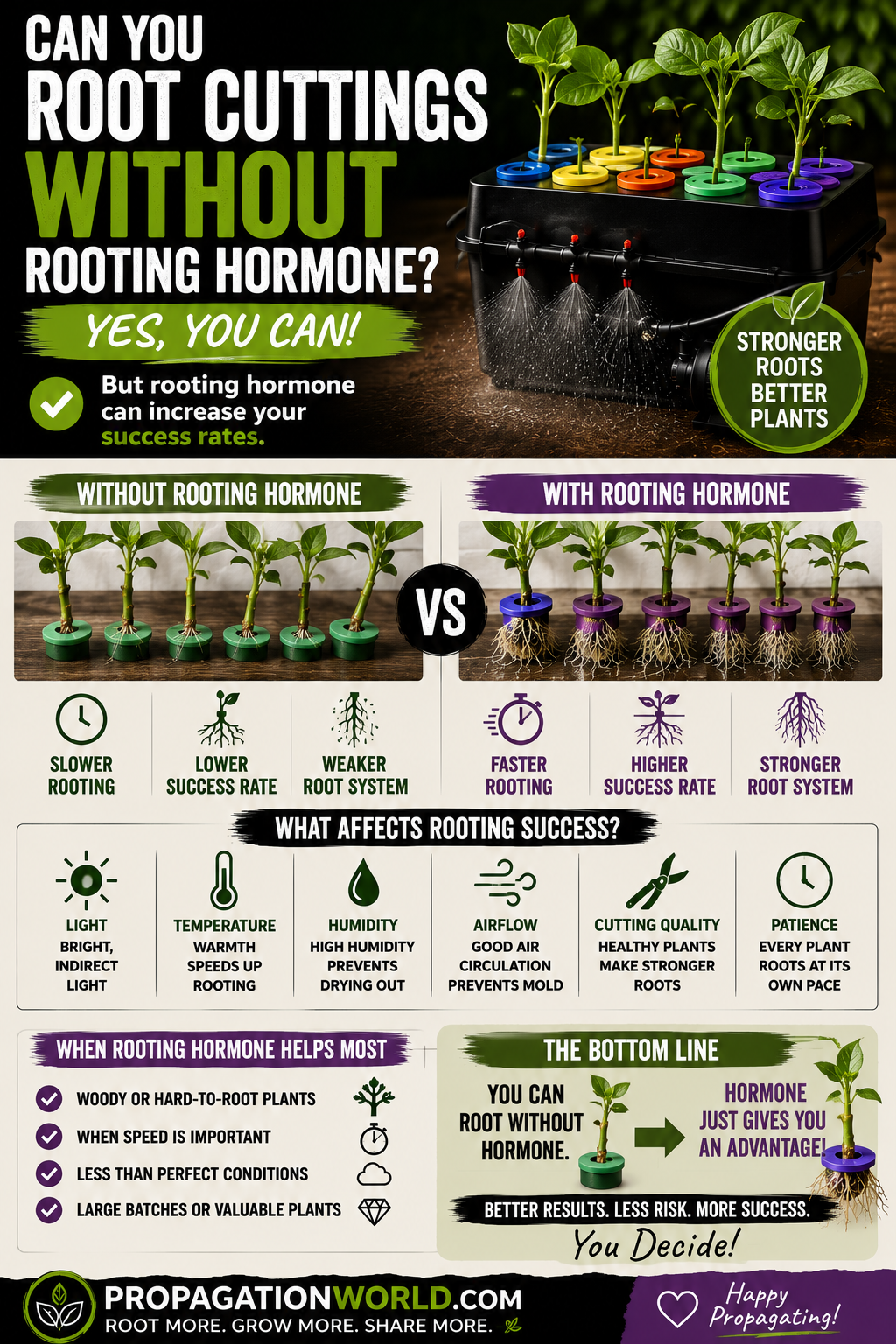
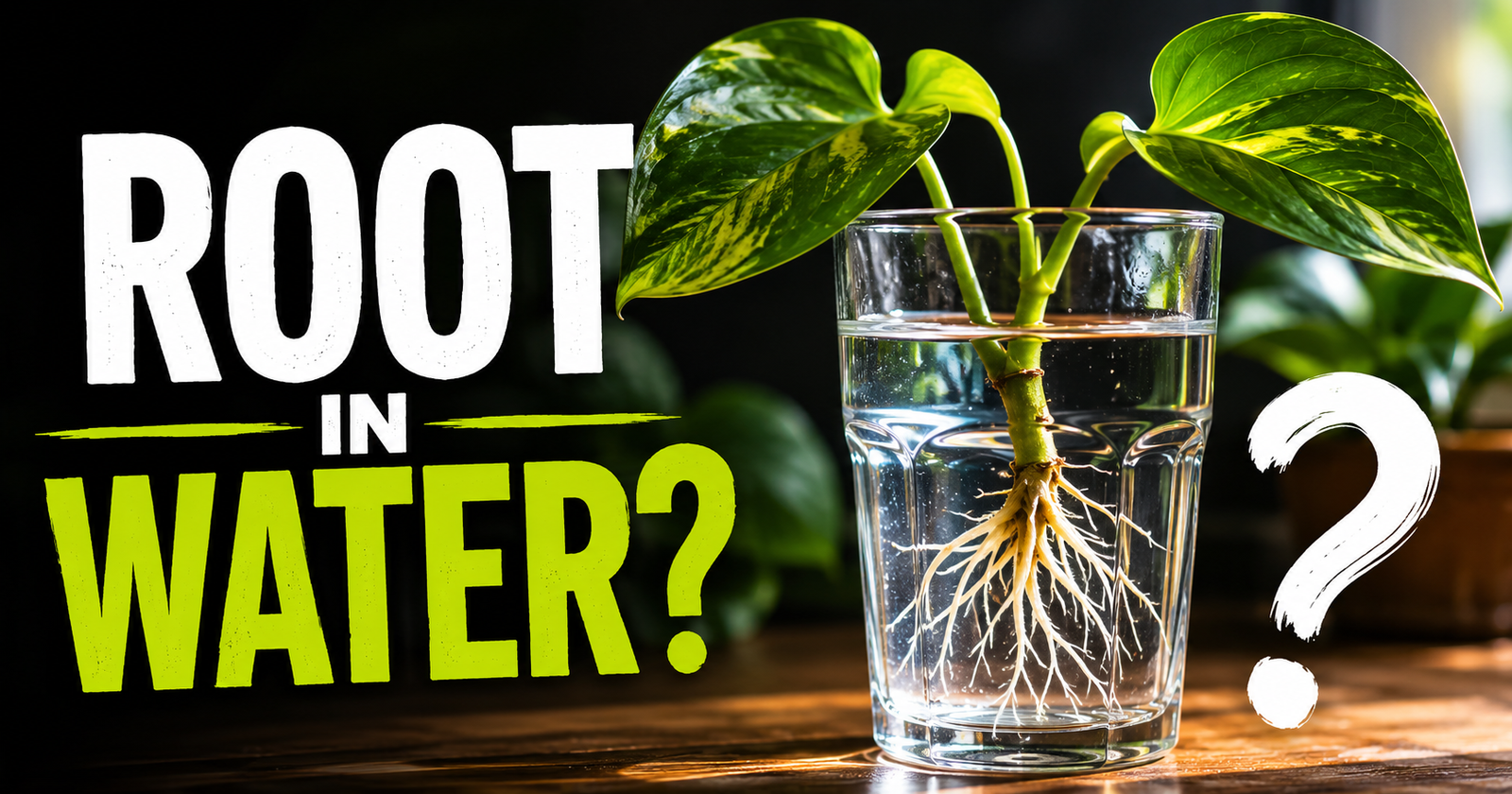
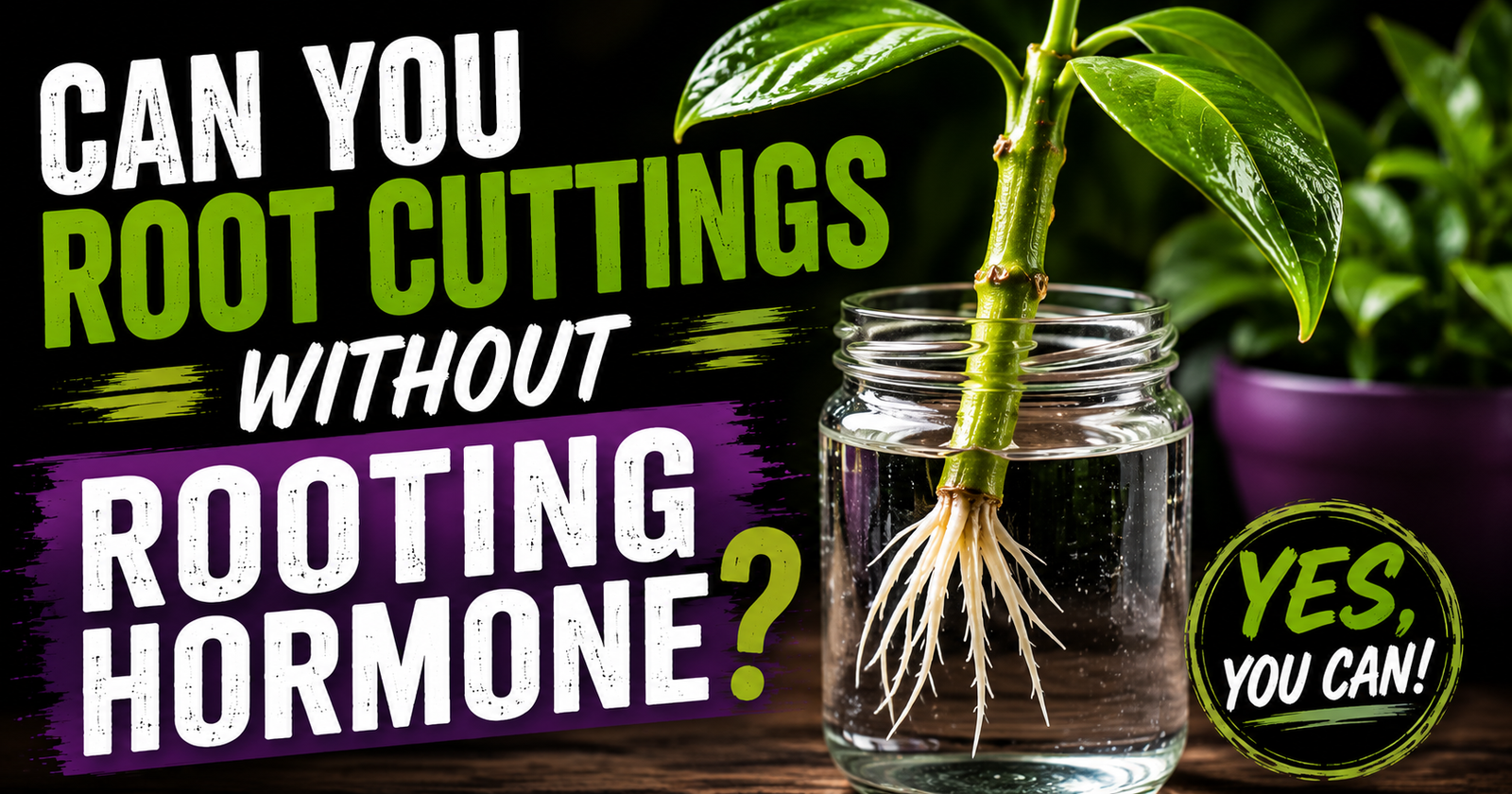
Some plants naturally root so easily that adding rooting hormone makes little difference. The guide on Can You Root Cuttings Without Rooting Hormone? explains which plants can often succeed without supplemental hormone.
Others are notoriously difficult to propagate without it.
That’s why you’ll hear completely different opinions from different gardeners—they’re often growing completely different plants.
What Is Rooting Hormone?
Despite the name, rooting hormone isn’t some mysterious chemical that forces plants to grow roots.
It simply gives the cutting additional amounts of hormones that plants already produce naturally.
Whenever you make a fresh cutting, the plant immediately begins trying to heal the wound.
Part of that healing process involves producing natural hormones called auxins, which help trigger new root formation.
Commercial rooting hormones simply provide additional auxins right where the cutting needs them most.
Think of it like giving the plant a head start rather than asking it to do all the work on its own.
Why Some Cuttings Root Without Any Help
One of the biggest misconceptions is that every cutting needs rooting hormone.
That simply isn’t true.
Some plants almost seem determined to survive.
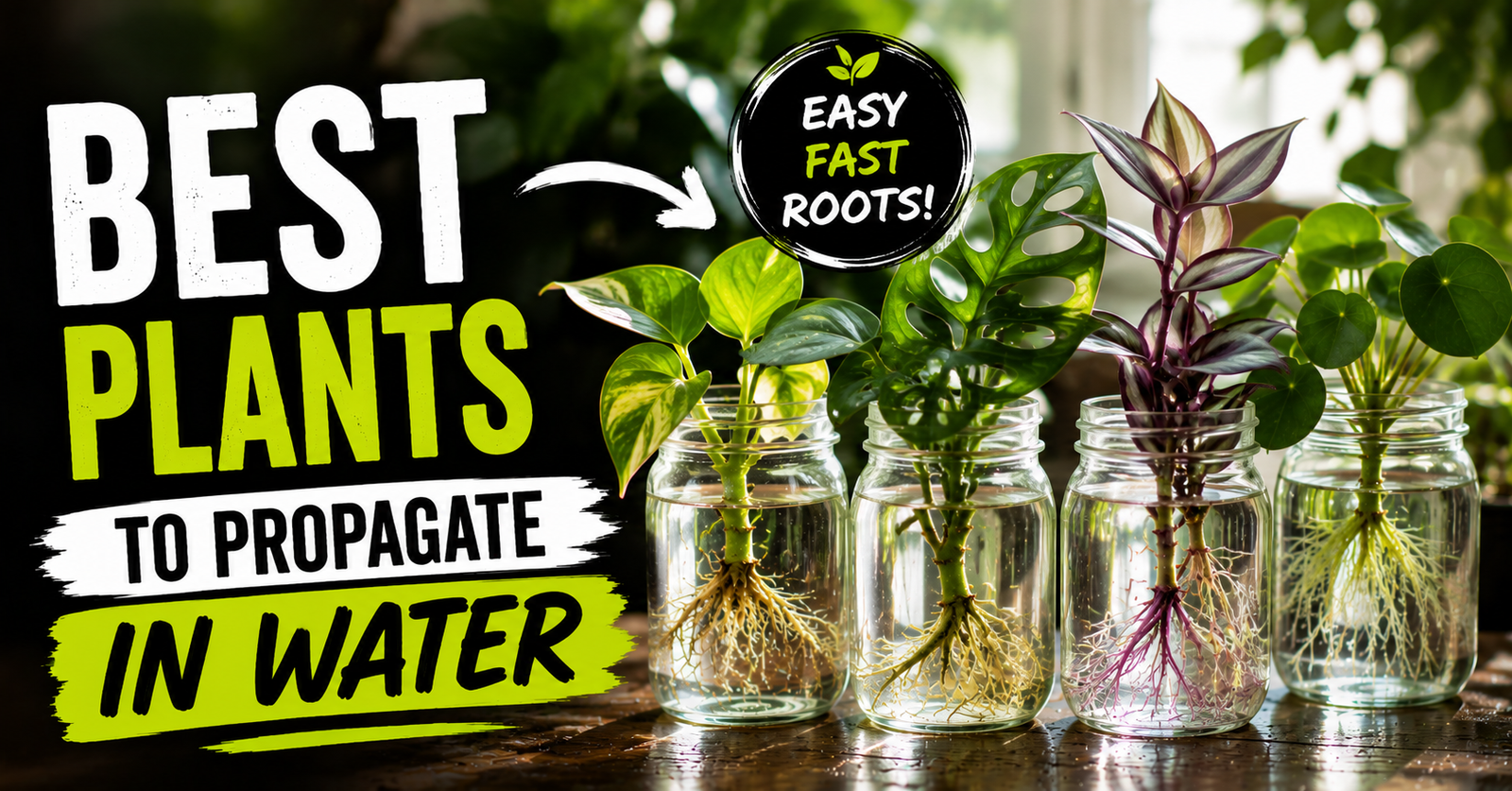
Take cuttings from pothos, coleus, mint, wandering dude, or many philodendrons, and they’ll often produce roots in nothing more than a glass of water.
These plants naturally produce enough hormones to root with very little encouragement.
Using rooting hormone may still help slightly, but you probably won’t notice a dramatic difference.
That’s one reason some gardeners believe rooting hormone doesn’t work.
They’re testing it on plants that hardly need it in the first place.
Want to Learn the Entire Propagation Process?
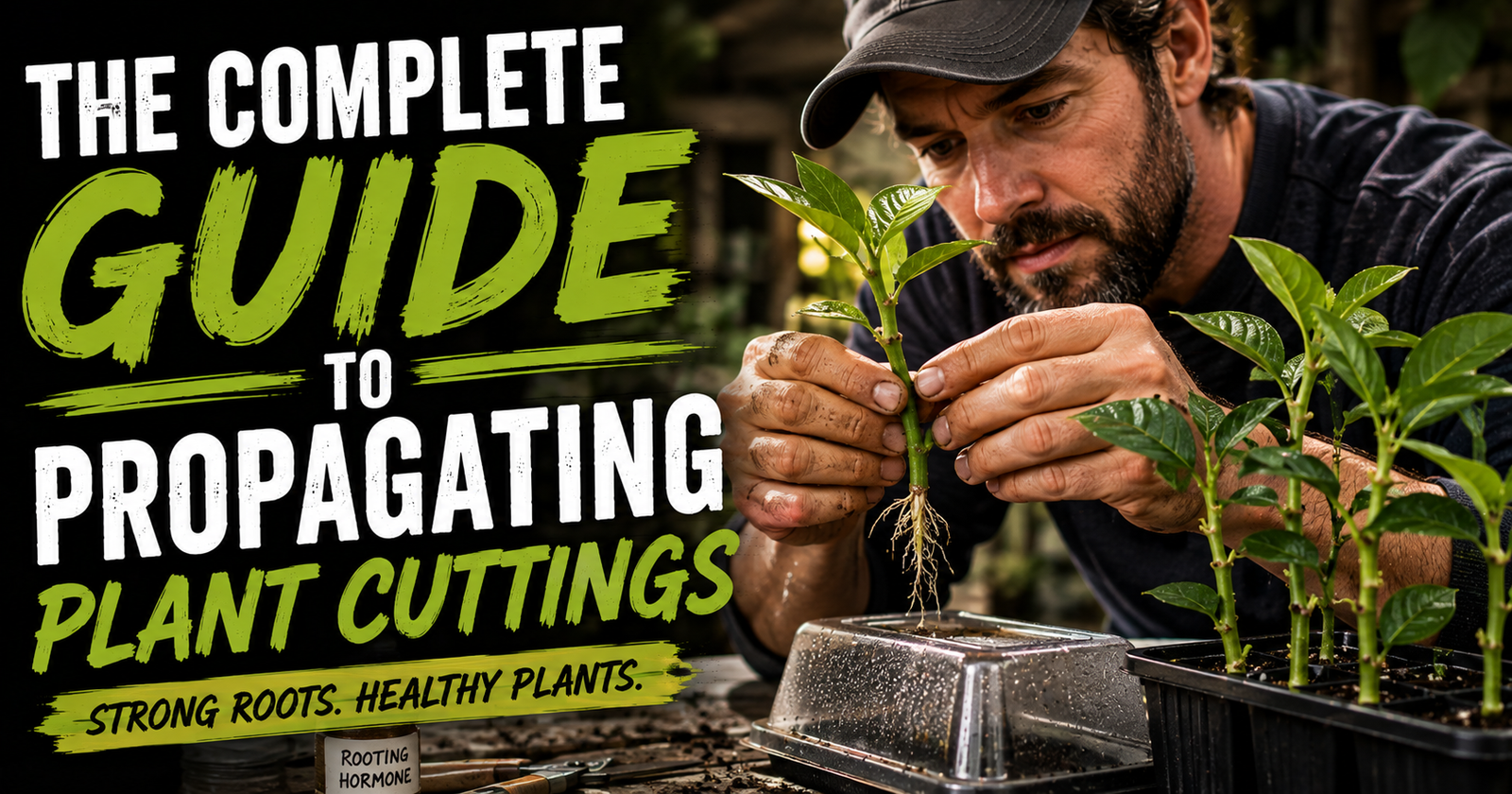
Rooting hormone is only one piece of successful plant propagation. The health of the parent plant, the rooting medium, temperature, humidity, watering, and even the way you make the initial cutting all play an important role in whether new roots develop. If you’d like to see how all of those pieces fit together, read The Complete Guide to Propagating Plant Cuttings for a step-by-step walkthrough from start to finish.
Where Rooting Hormone Makes the Biggest Difference
The real value of rooting hormone starts showing up when you’re propagating plants that are naturally slower or more difficult to root.
I’ve found it’s especially useful for things like:
- Hardwood cuttings
- Semi-hardwood shrubs
- Roses
- Fruit bushes
- Ornamental shrubs
- Some evergreen plants
- Woody vines
- Certain trees
These plants often take much longer to develop roots naturally.
Giving them additional rooting hormone during those first few weeks can improve both the speed of rooting and the overall success rate.
For gardeners who regularly propagate woody plants, it can be one of the simplest ways to increase success.
Healthy Cuttings Still Matter More Than Anything Else
This is probably the biggest mistake I see beginners make.
They buy rooting hormone expecting it to compensate for poor cuttings.
Unfortunately, it doesn’t work that way.
A cutting that’s already stressed, diseased, dried out, or taken from unhealthy growth isn’t likely to become a healthy new plant simply because you dipped it into rooting hormone.
Successful propagation still starts with:
- Healthy parent plants
- Sharp, clean pruning tools
- Fresh cuttings
- Proper moisture
- High humidity
- Good sanitation
- The correct growing medium
Rooting hormone improves good propagation practices.
It doesn’t replace them.
Rooting Hormone Isn’t an Instant Root Maker
Another myth is that rooting hormone somehow causes roots to appear overnight.
If only propagation were that easy.
Even with rooting hormone, your cuttings still need time.
Some plants root in a week or two.
Others may take several months before they produce enough roots to support new growth.
What rooting hormone often improves isn’t just speed—it’s consistency.
Instead of only a few cuttings surviving, you may end up with many more healthy, well-rooted plants.
For anyone propagating dozens or hundreds of cuttings, that difference can be significant.
Why Professional Growers Almost Always Use It
There’s a reason commercial nurseries rely on rooting hormones.
When you’re propagating hundreds or thousands of plants every season, even a modest improvement in rooting success has a huge impact.
Imagine rooting 1,000 cuttings.
If rooting hormone improves success by only 10–20%, that could mean dozens or even hundreds of additional saleable plants by the end of the season.
Those numbers add up quickly.
Professional growers aren’t using rooting hormone because it’s trendy.
They’re using it because improving propagation efficiency is good business.
For home gardeners, the same principle applies on a smaller scale.
If you’re propagating a rare shrub, favorite rose, or fruit plant, increasing your odds of success is often worth the small investment.
Gel, Powder, or Liquid… Does It Matter?
This is another common question.
The good news is that all three forms can work.
The biggest differences come down to convenience and how they’re applied.
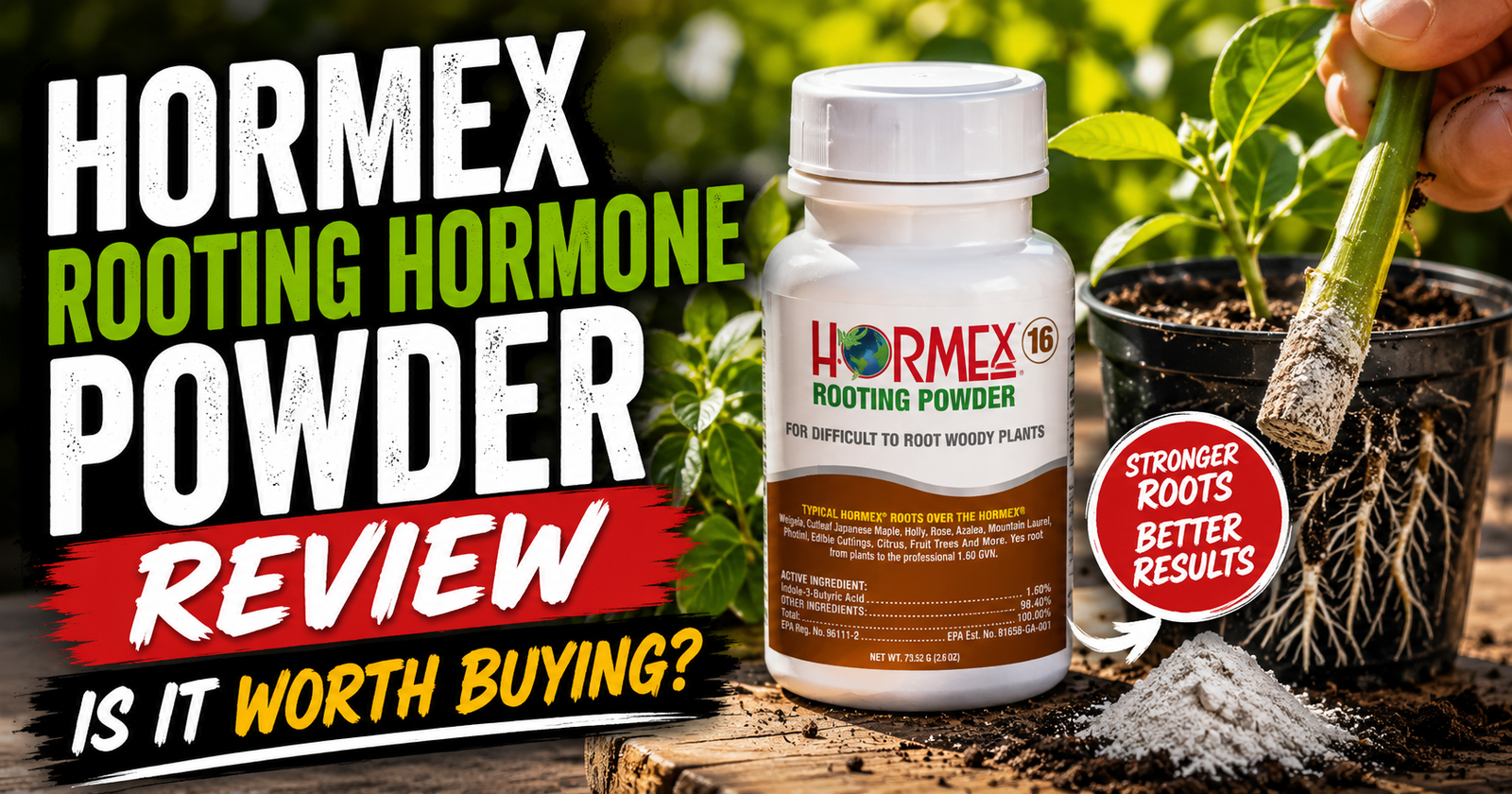
Powders are inexpensive and widely available.
Liquids are often diluted before use and are popular in commercial settings.
Gels coat the cutting evenly and tend to stay in place during planting, which is one reason they’ve become so popular among both hobbyists and professionals.
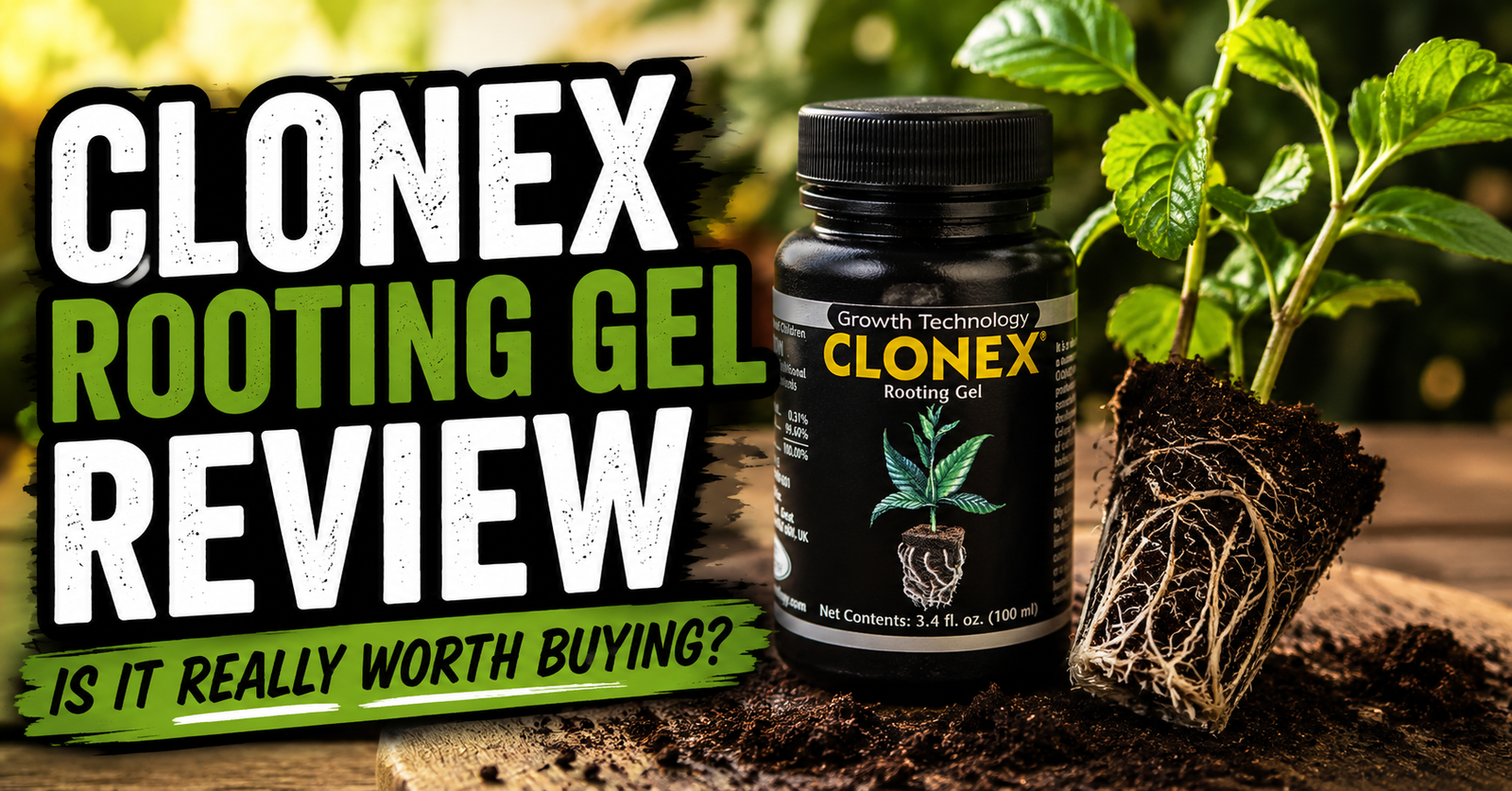
If you’re curious why so many gardeners prefer gel formulations, I put together a detailed review of Clonex Rooting Gel where I break down exactly what I like, where it shines, and when I think it’s worth the extra cost.
What Does the Research Actually Say?
One thing I wanted to know before writing this article was whether rooting hormone was backed by actual research or simply one of those gardening products that has become popular through word of mouth.
The good news is that researchers have been studying plant propagation for decades.
Across many different species, studies have consistently shown that applying the correct amount of rooting hormone can improve one or more of the following:
- Higher rooting percentages
- Faster root initiation
- More roots per cutting
- Stronger root systems
- Better transplant survival
The keyword there is can.
Researchers also found that the results depend on several factors, including the species being propagated, the health of the cutting, the time of year, and the concentration of rooting hormone being used.
In other words, rooting hormone isn’t guaranteed to produce identical results on every plant.
But the overall body of research clearly supports its use for many ornamental plants, shrubs, fruit crops, and woody species.
Can Rooting Hormone Hurt Your Plants?
Used correctly, rooting hormone is generally very safe.
Problems usually happen when people assume that more is better.
Applying a thick coating or repeatedly dipping the same cutting into contaminated product doesn’t improve rooting—it can actually create problems.
Instead, follow a few simple habits:
- Apply only a thin coating to the cut end.
- Pour a small amount into a separate container instead of dipping directly into the original bottle.
- Throw away any leftover product you’ve poured out.
- Keep the original container tightly sealed between uses.
These simple steps help prevent contamination and keep the product effective for much longer.
Choosing the Right Type of Rooting Hormone
One thing I didn’t realize when I first started propagating plants was that rooting hormone doesn’t just come in one form.
You’ll find powders, gels, and liquid concentrates, and each one has situations where it makes more sense than the others.
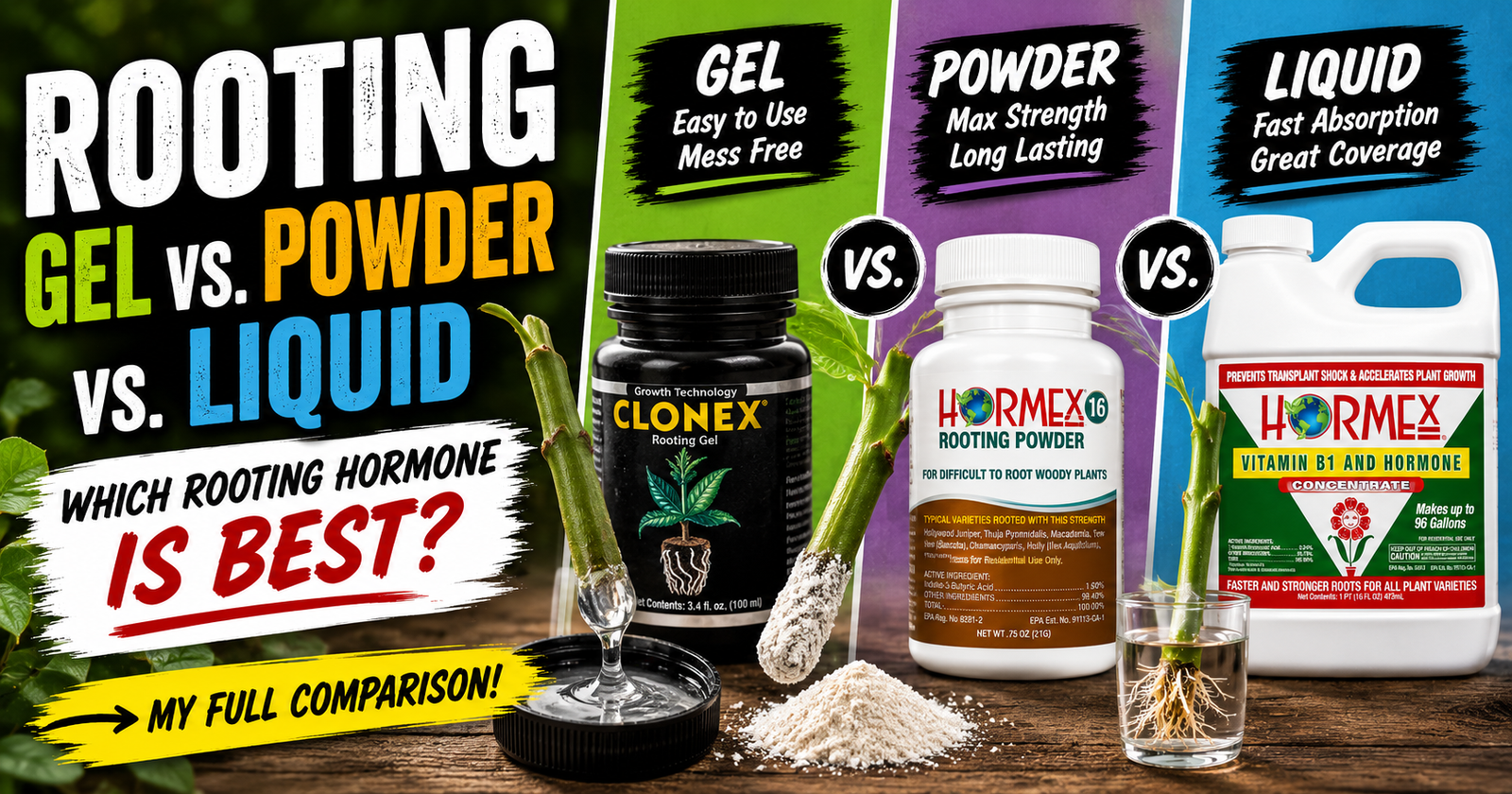
If you’re still trying to decide which style is right for you, my article on Rooting Gel vs. Powder vs. Liquid Which Rooting Hormone Is Best? explains the strengths of each type and when I’d choose one over another.
Common Reasons People Think Rooting Hormone Doesn’t Work
If you’ve ever read gardening forums, you’ve probably seen comments like:
“I tried rooting hormone and it didn’t do anything.”
Sometimes that’s true.
But many of those disappointing experiences have little to do with the rooting hormone itself.
Here are some of the biggest reasons propagation fails.
The Cutting Was Already Too Old
Fresh cuttings generally root better than stems that have been sitting around for hours or were taken from old, woody growth at the wrong time.
Timing matters.
If you’re working with fresh spring growth instead of dormant wood, my guide on Best Rooting Hormone for Softwood Cuttings explains which products I recommend and why they work so well on tender new stems.
The Plant Naturally Doesn’t Root Easily
Some species are simply stubborn.
Even professional propagators accept that certain plants have lower success rates.
Rooting hormone may improve your odds, but it won’t completely overcome the biology of a difficult plant.
Poor Growing Conditions
I’ve seen perfectly healthy cuttings fail because they were left in direct afternoon sun, allowed to dry out, or planted in heavy garden soil.
Most cuttings need:
- Bright, indirect light
- High humidity
- Consistent moisture
- Good air circulation
- A light, well-draining rooting medium
Without those conditions, rooting hormone can only do so much.
The Wrong Expectations
This may be the biggest issue of all.
Some gardeners expect every treated cutting to survive.
Propagation doesn’t work that way.
Even experienced nursery growers lose cuttings.
The goal isn’t perfection.
The goal is increasing your success rate over time.
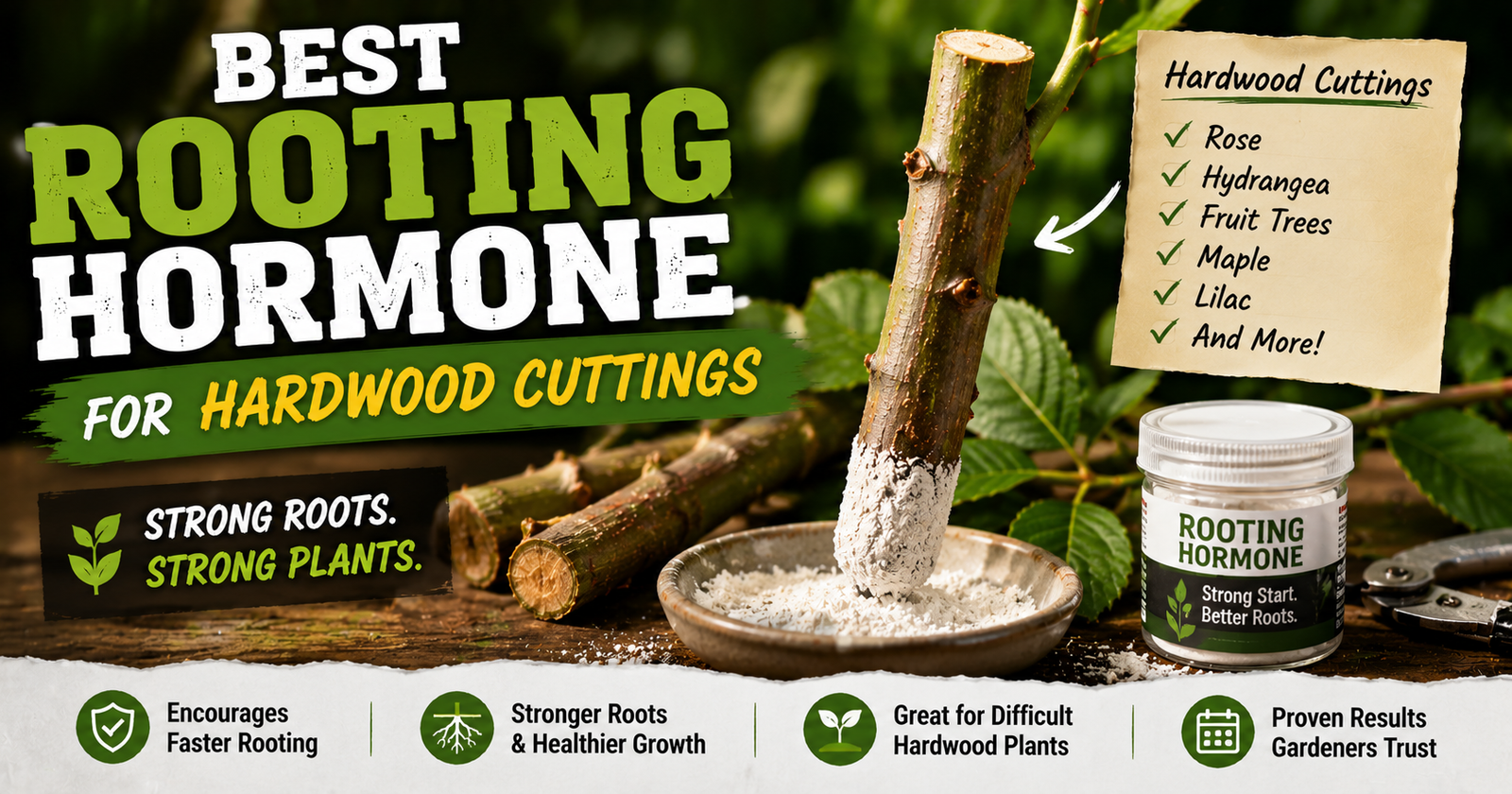
If you’re propagating dormant shrubs or trees, you may also find Best Rooting Hormone for Hardwood Cuttingshelpful since it focuses specifically on woody stems that are naturally slower to root.
Homemade Rooting Hormone vs. Commercial Products
There’s no shortage of homemade rooting hormone recipes online.
You’ll find recommendations for:
- Honey
- Cinnamon
- Aloe vera
- Willow water
- Apple cider vinegar
- Coconut water
Some of these ingredients may offer mild antimicrobial properties or contain naturally occurring plant compounds.
Willow water, for example, contains naturally occurring substances that have long been associated with plant growth and wound responses.
That said, homemade mixtures don’t provide the consistent concentrations of rooting hormones found in commercial products.
If you’re simply experimenting with easy-to-root plants, homemade methods can be a fun project.
But if I’m propagating valuable fruit trees, ornamental shrubs, or plants that are difficult to replace, I’d rather use a product formulated specifically for encouraging root development.
Is Buying Rooting Hormone Worth It?
For me, the answer depends entirely on what you’re trying to propagate.
If you’re taking a few pothos cuttings once a year, you probably don’t need to spend the money.
Those plants practically root themselves.
But if you enjoy propagating shrubs, berries, roses, hydrangeas, figs, or fruit trees on a regular basis, I think rooting hormone is one of the more worthwhile tools you can keep on the shelf.
You’re already investing time into selecting healthy cuttings, preparing your propagation trays, watering them, and waiting weeks—or sometimes months—for results.
Spending a little extra to improve your odds often makes good sense.
If you’re looking for a gel formulation that’s widely trusted by both home gardeners and commercial growers, you can read my complete Clonex Rooting Gel review where I cover the pros, cons, and situations where I think it’s worth buying.
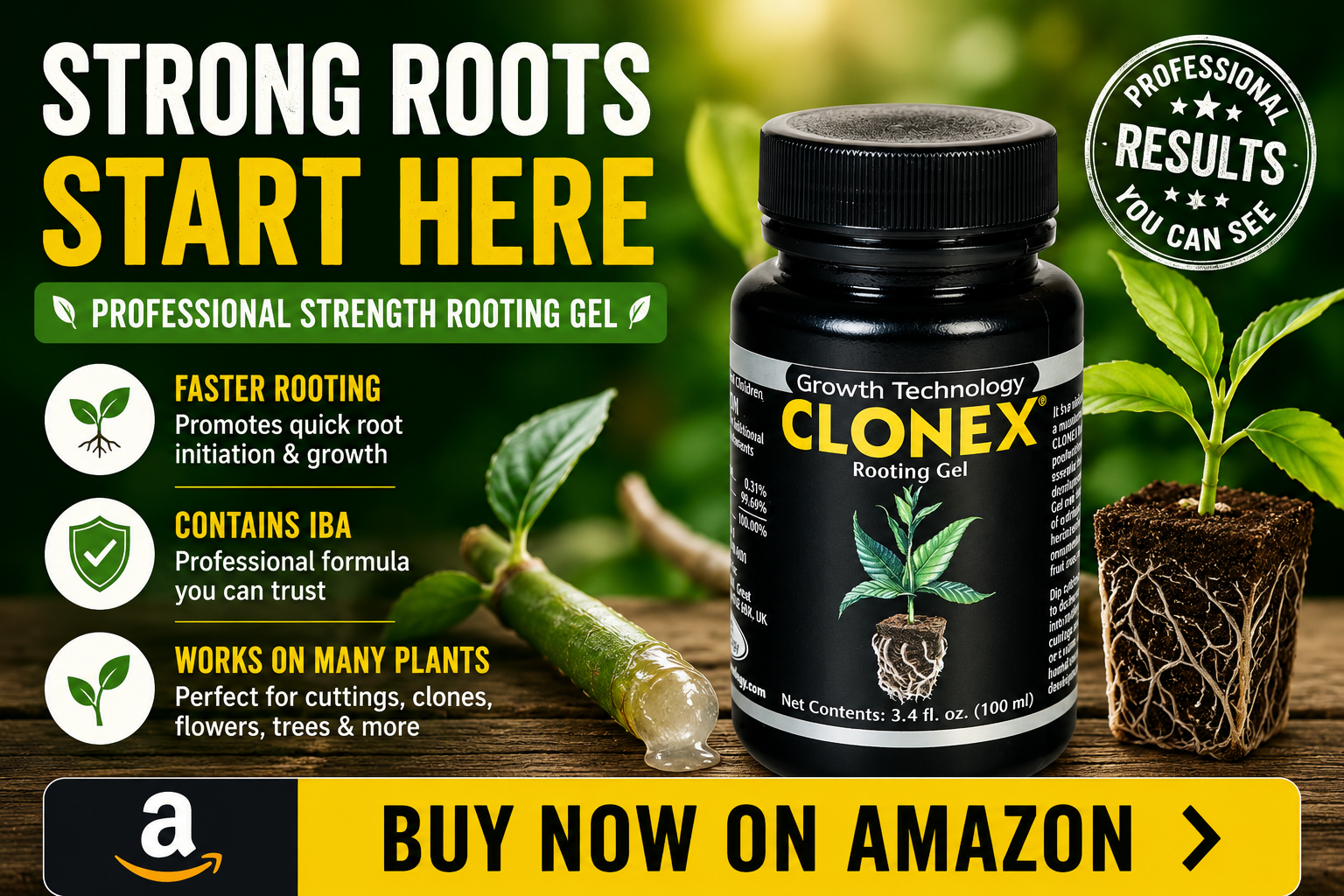
If you decide it’s the right fit for your propagation projects, you can also check today’s price for Clonex Rooting Gel on Amazon.
Does Rooting Hormone Have a Shelf Life?
One question I hear surprisingly often is whether an old bottle of rooting hormone still works.
Like many gardening products, rooting hormones don’t last forever. Exposure to moisture, heat, sunlight, and contamination can all reduce their effectiveness over time.
If you’ve had the same container sitting on a shelf for years, it’s worth checking whether it’s still in good condition before using it on valuable cuttings.
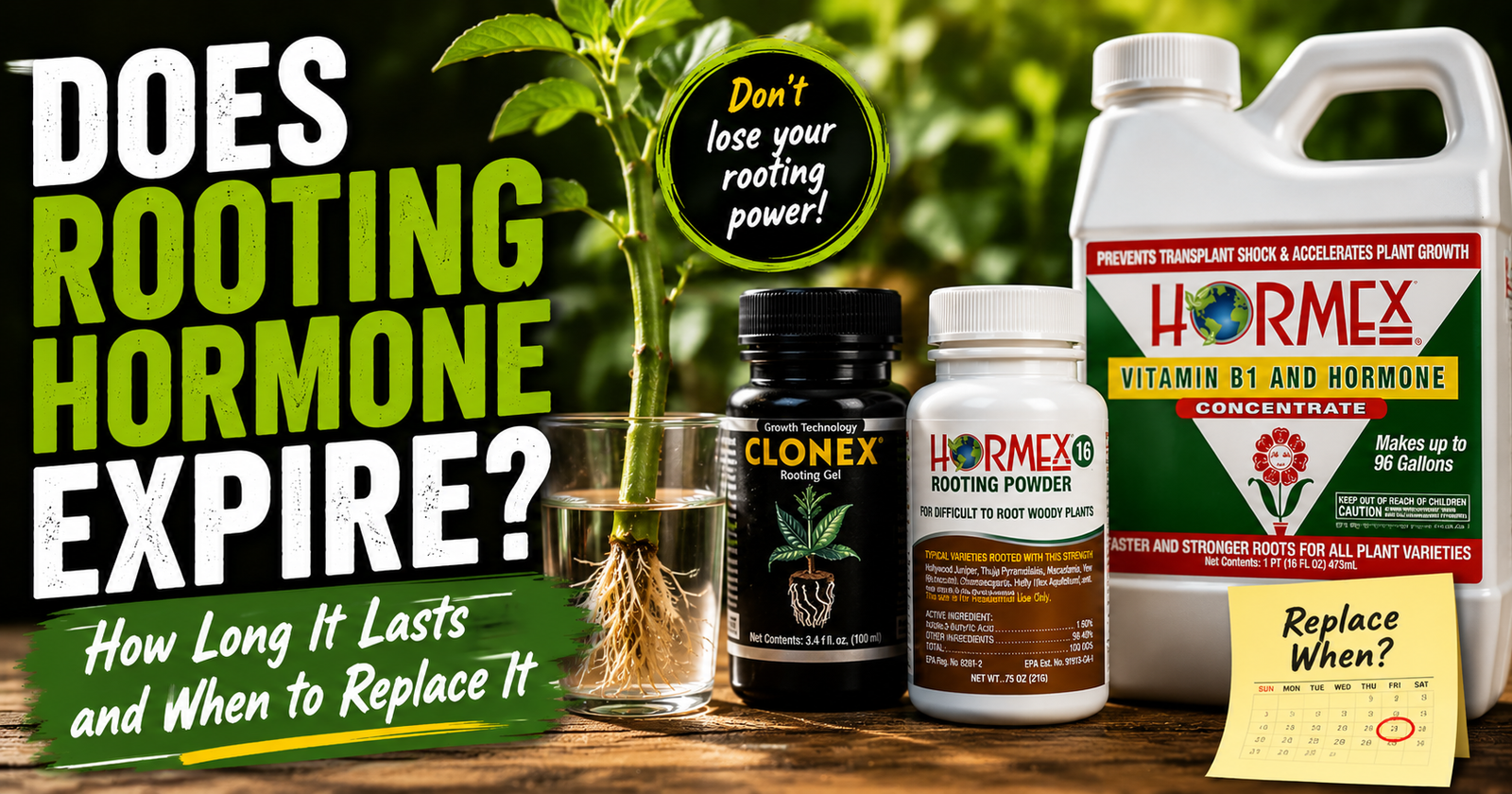
I cover storage tips, expiration dates, and the warning signs to watch for in Does Rooting Hormone Expire? How Long It Lasts and When to Replace It.
Frequently Asked Questions
Does rooting hormone guarantee success?
No. It improves the chances of successful rooting for many plants, but healthy cuttings and proper growing conditions are still the biggest factors.
Is rooting hormone necessary?
Not always. Many soft-stemmed houseplants root readily without it. Rooting hormone becomes much more valuable for woody shrubs, trees, and plants that naturally root more slowly.
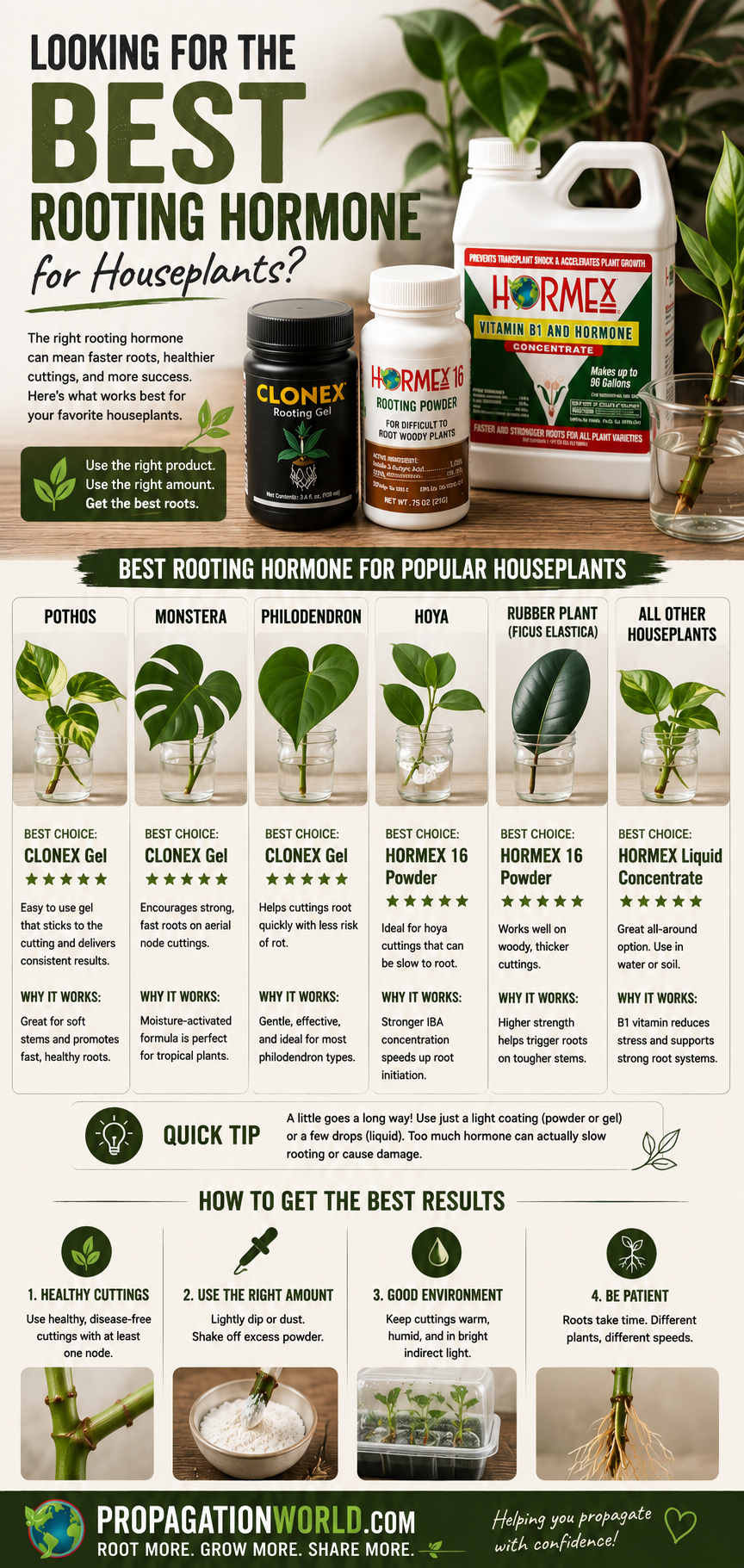
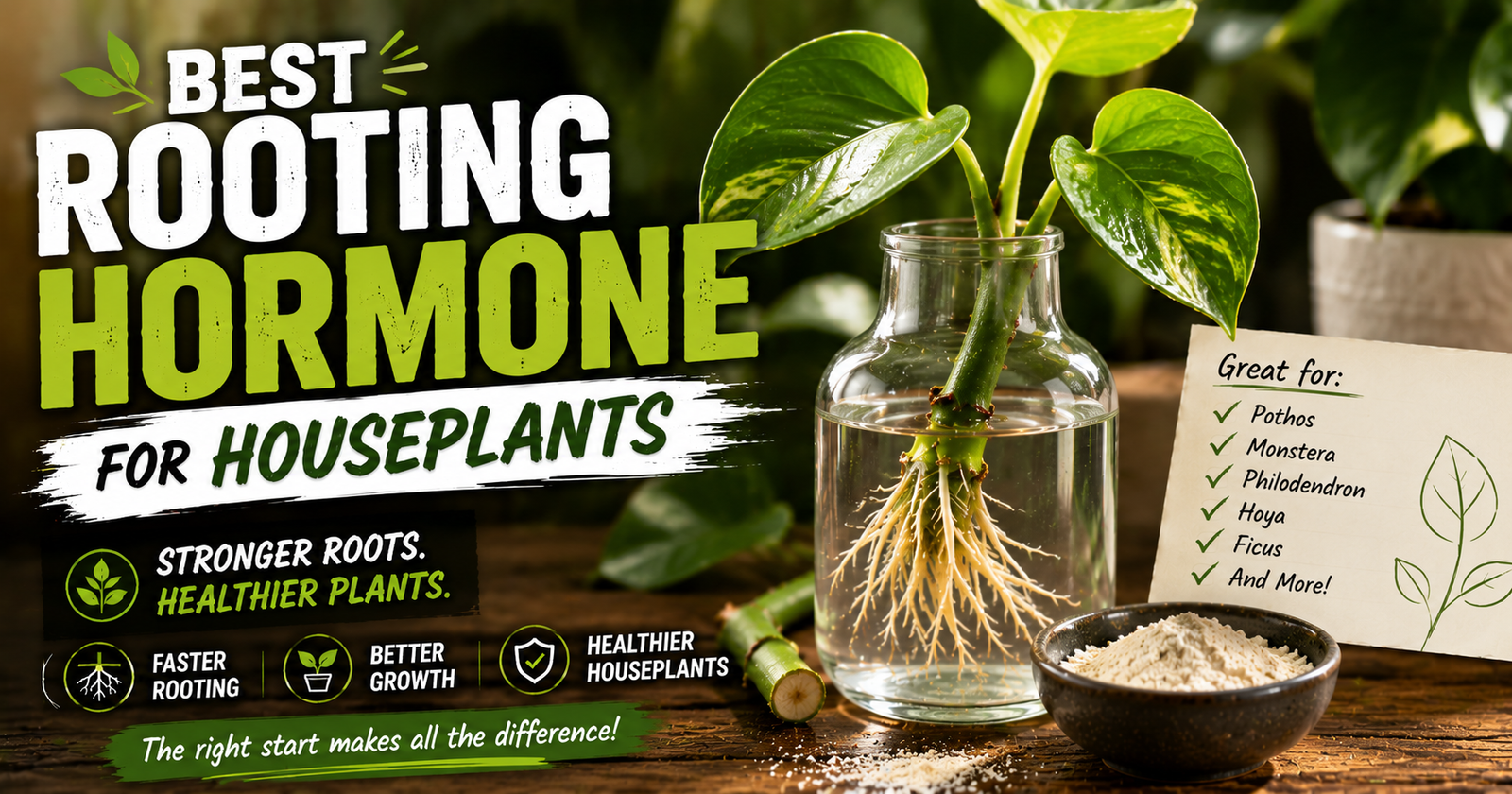
If most of your propagation happens indoors, my guide on Best Rooting Hormone for Houseplants walks through which products I recommend for popular indoor plants and why.
Can you use rooting hormone in water?
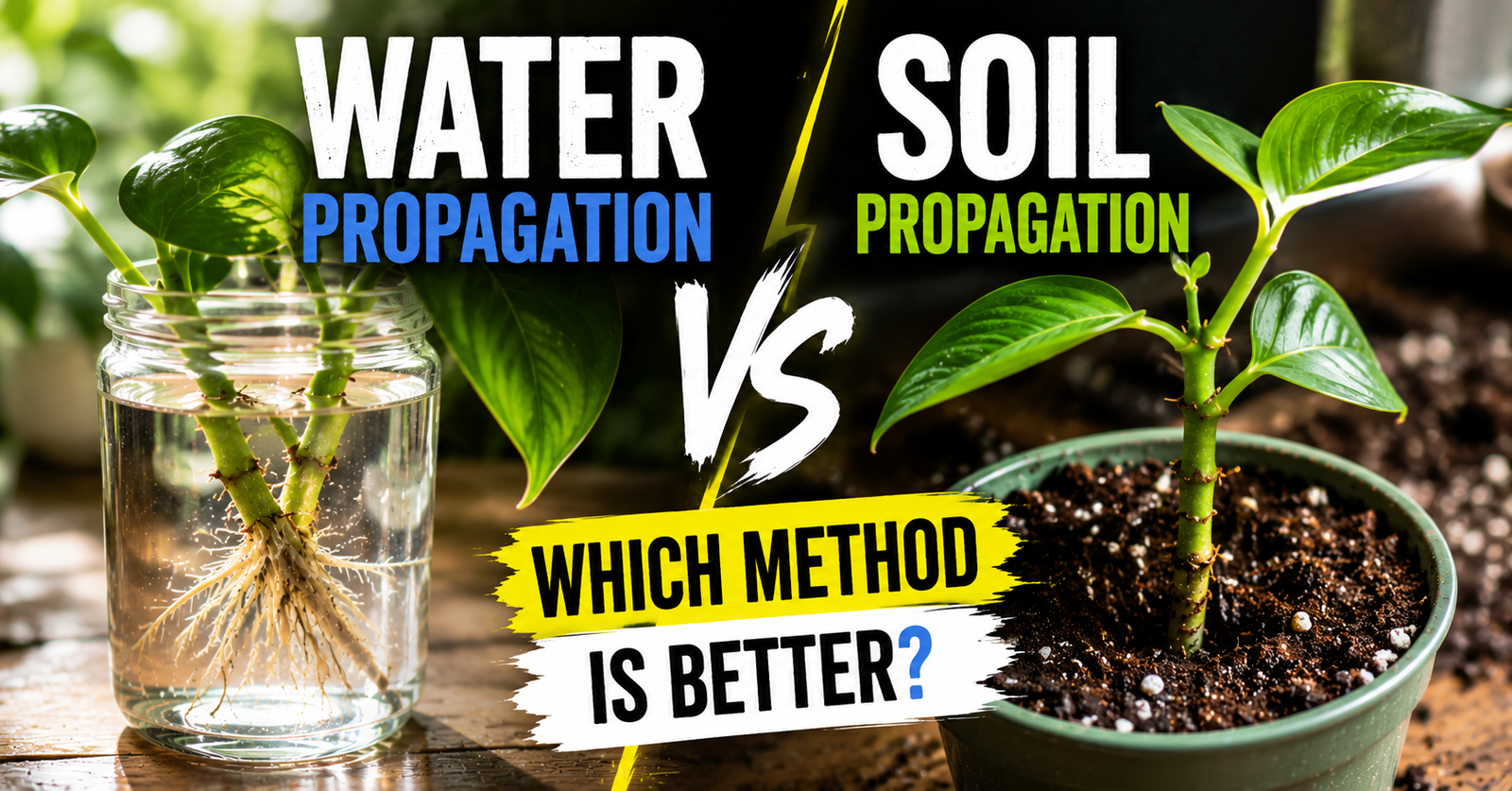
You can, but most commercial rooting hormones are designed for cuttings that will be inserted into a rooting medium rather than left in water.
Does rooting hormone make roots grow faster?
In many cases, yes. It can help initiate root development sooner and often encourages more extensive root systems, although results vary by plant species.
Is homemade rooting hormone as effective as commercial products?
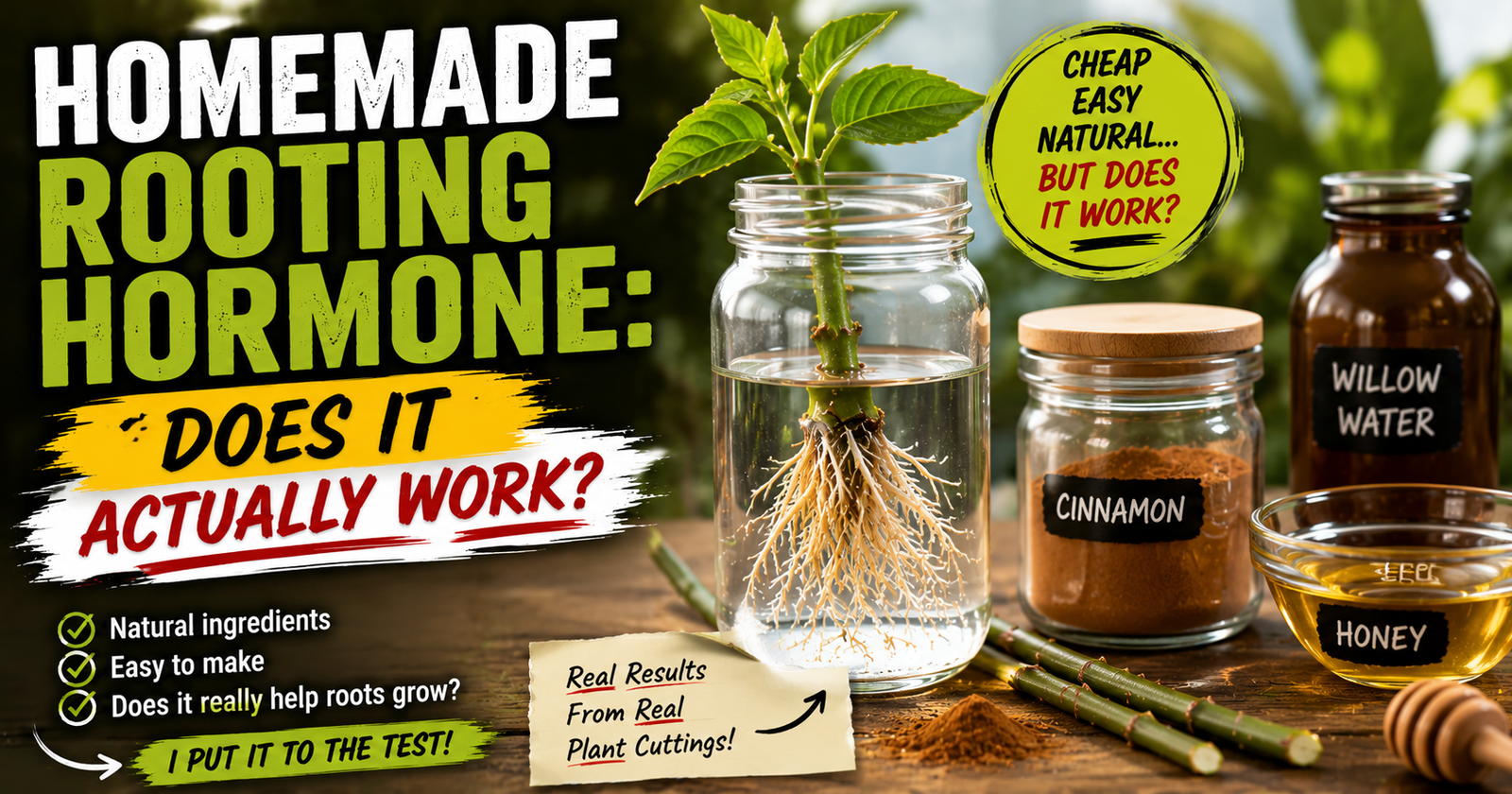
Homemade options like honey, aloe vera, cinnamon, and willow water have become popular among gardeners, but they don’t always perform as consistently as commercial rooting hormones. If you’re deciding whether homemade alternatives are worth trying, I compared the most common options in Homemade Rooting Hormone Does It Actually Work?.
Is Rooting Hormone Worth Using?
After spending years propagating plants and looking into both the science and the practical side of rooting hormones, I don’t see them as miracle products—and I don’t think they need to be.
Their job isn’t to perform magic.
Their job is to give healthy cuttings a better opportunity to produce strong roots.
Sometimes the improvement is dramatic.
Sometimes it’s barely noticeable.
The difference usually comes down to the plant you’re growing and the care you provide afterward.
If propagation is becoming more than an occasional hobby, rooting hormone is one of those inexpensive tools that can quietly improve your results over time. Used alongside good propagation practices, it can make the process more consistent and a lot less frustrating.
What Else Can I Get To Help Me Have Better Success?
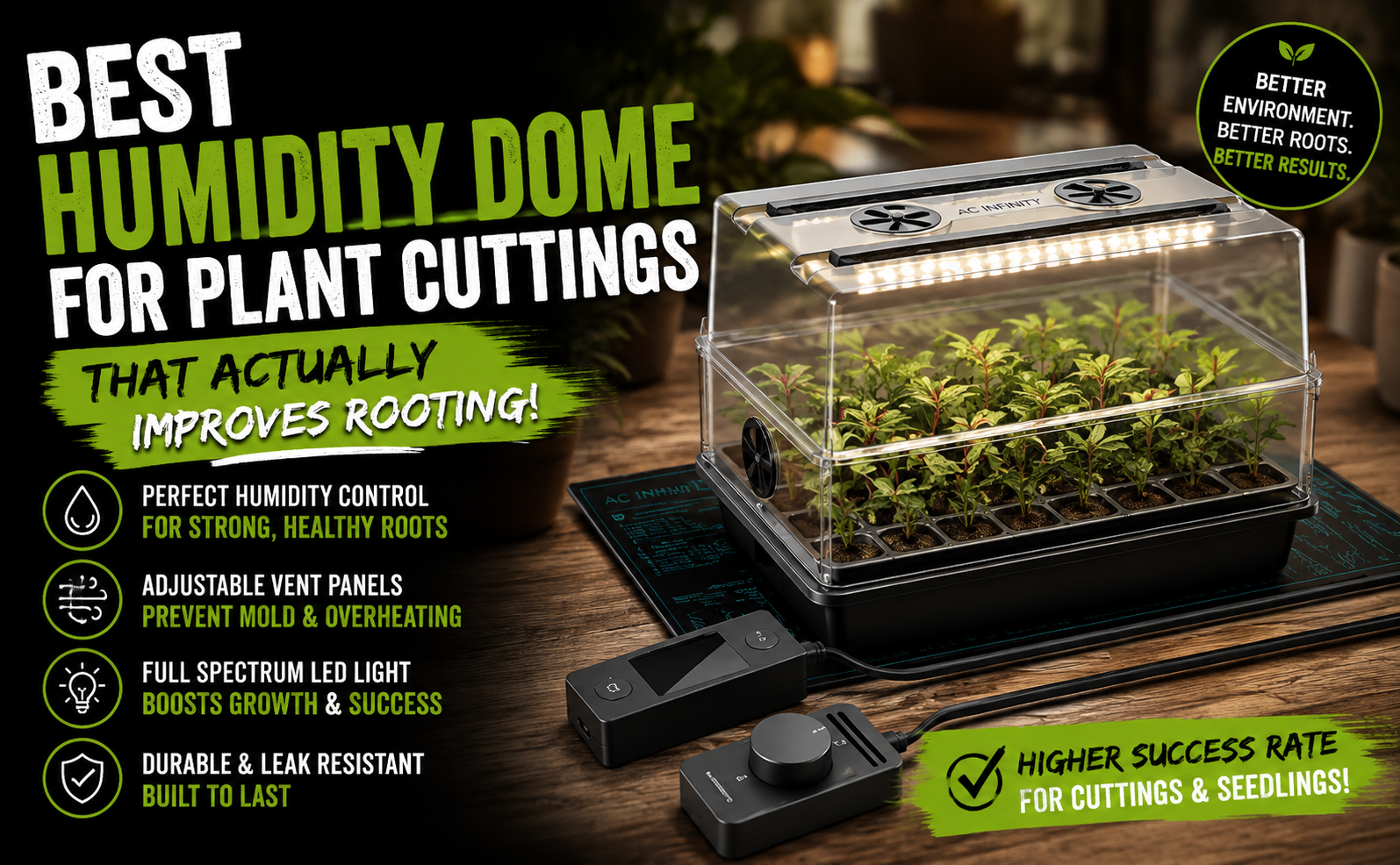
Rooting hormone is only one piece of the propagation puzzle. Even the best hormone can’t compensate for poor environmental conditions. Successful propagation also depends on consistent moisture, adequate oxygen around the cutting, clean equipment, and healthy plant material.
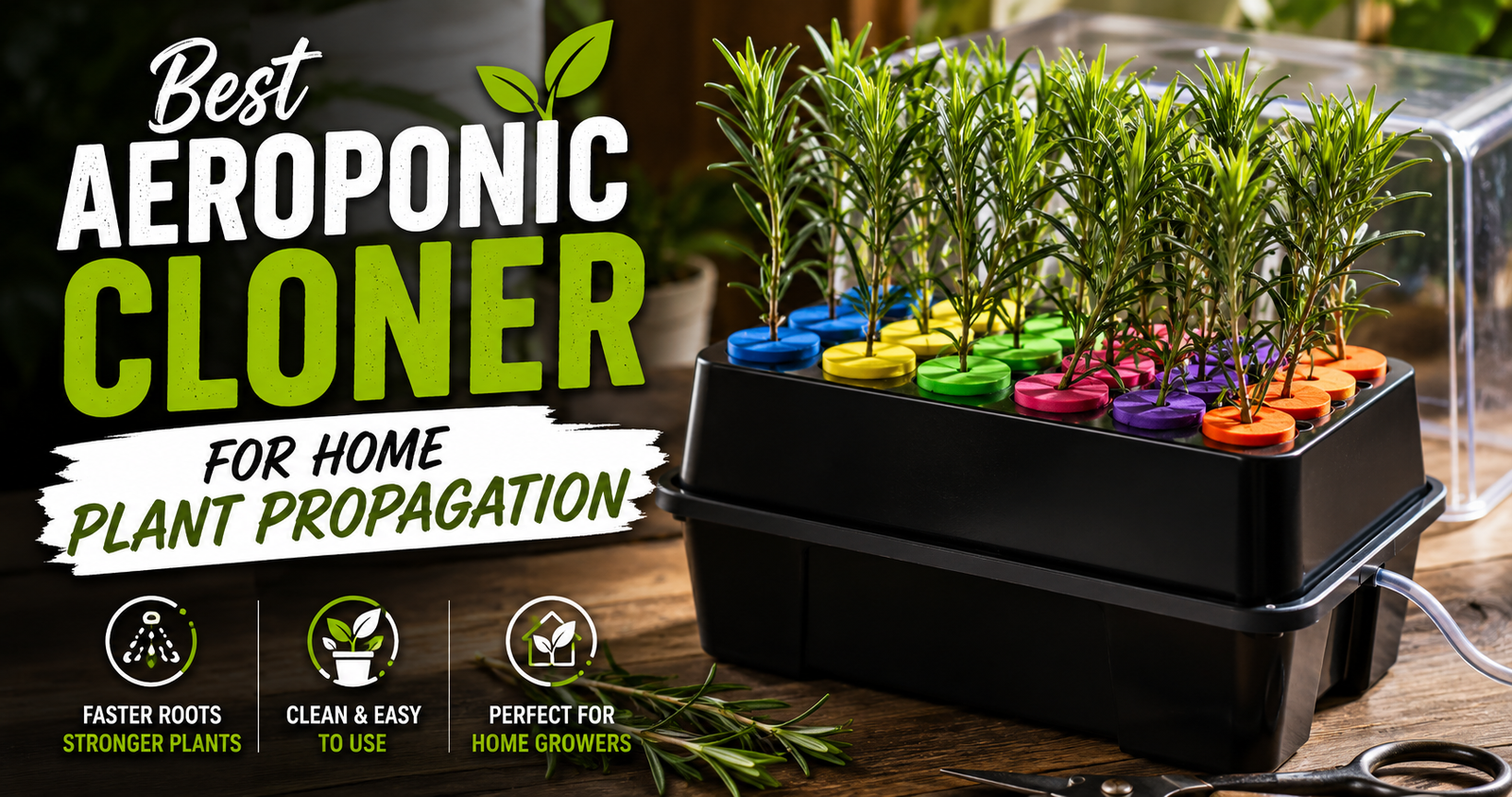
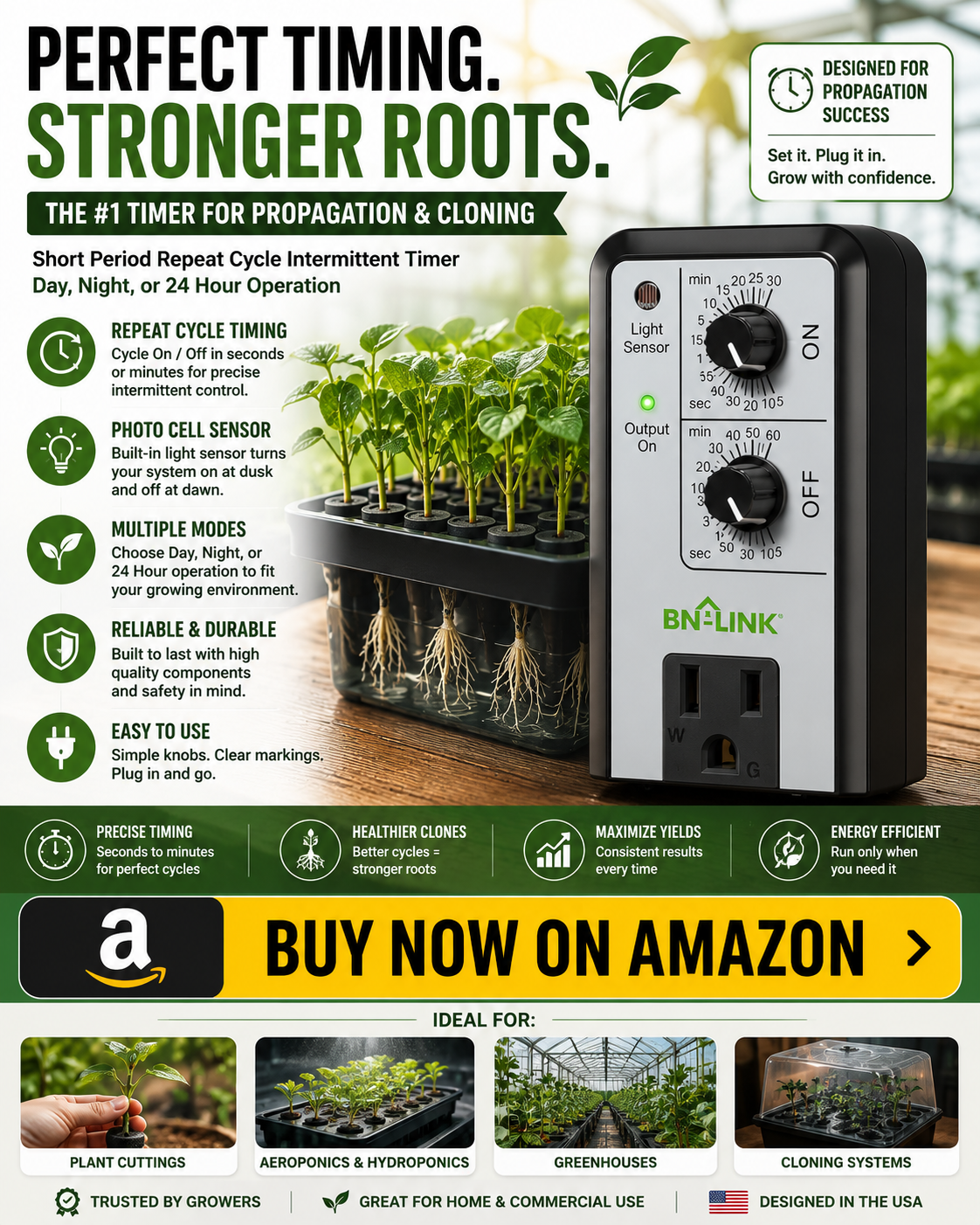
If you’re looking for one of the easiest ways to improve those conditions, consider using an Aeroponic Cloner. I also recommend adding a BN-LINK Short Period Repeat Cycle Timer so you can experiment with intermittent spray cycles rather than running the pump continuously. I cover everything you need to know in my guide to the Best Cycle Timer for an Aeroponic Cloner.
About the Author
Dax Weaver is the founder of Propagation World and has spent years propagating thousands of plants through hands-on work at his family nursery. His experience includes rooting softwood and hardwood cuttings, grafting fruit trees, dividing perennials, growing plants from seed, and producing healthy nursery stock across a wide range of species. Through Propagation World, he shares practical propagation techniques, honest product reviews, and real-world advice to help gardeners grow with confidence.