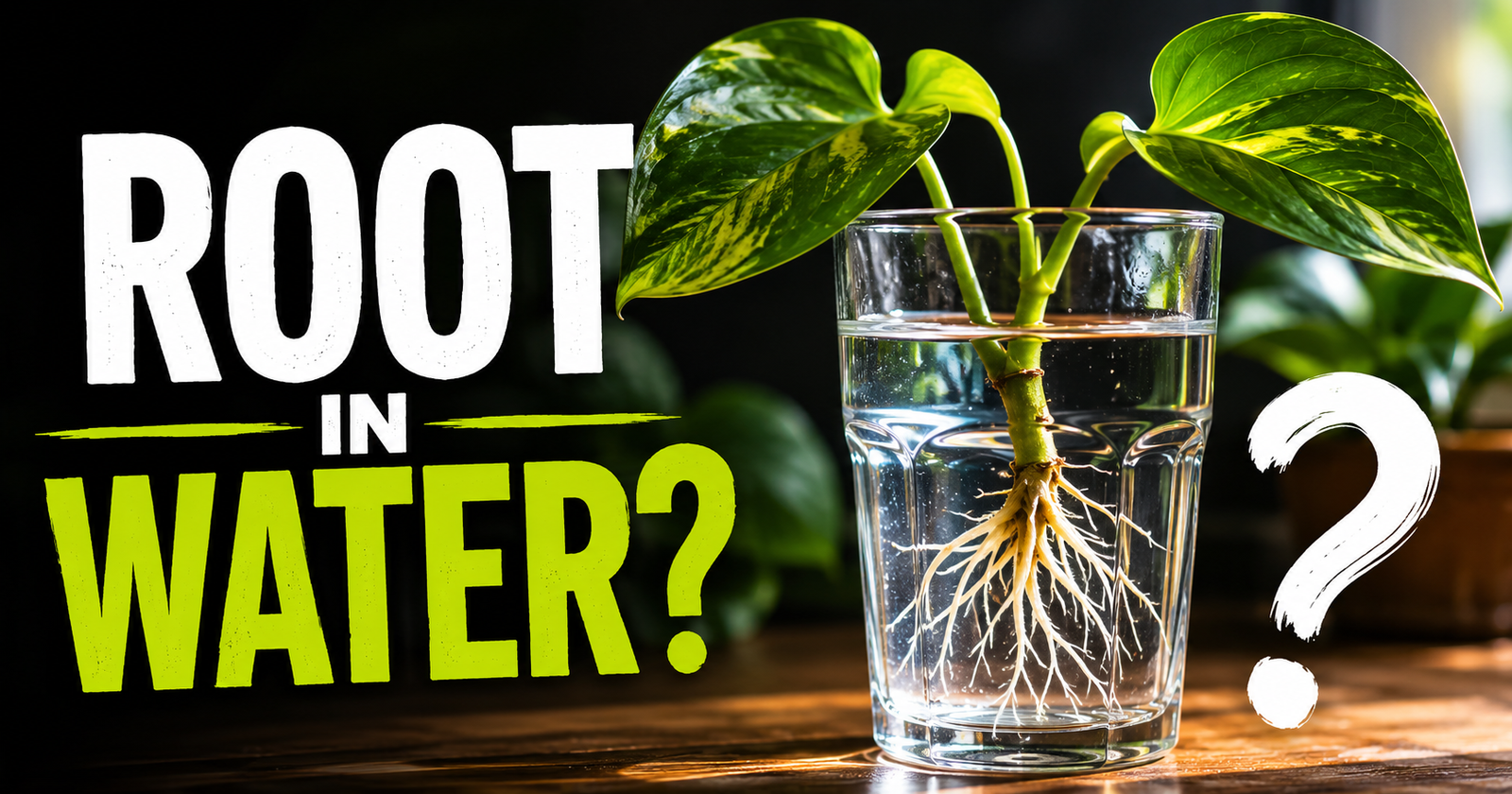
Water propagation is one of the easiest and most satisfying ways to grow new plants. Keeping the water fresh is an important part of the process, as explained in How Often Should You Change Water When Propagating Cuttings?.
There’s something exciting about watching tiny white roots slowly emerge from a cutting sitting in nothing more than a glass of water. It’s inexpensive, requires very little equipment, and lets you actually see the rooting process instead of wondering what’s happening beneath the soil.
But can every plant be propagated this way?
Not quite.
While many plants root beautifully in water, others struggle or fail completely. Understanding which plants are good candidates—and knowing when water isn’t the best choice—can save you a lot of frustration. When water is not the ideal environment, Water Propagation vs Soil Propagation – Which Method Is Better? compares both methods to help you choose a better starting medium.
The good news is that if you’re just getting started with propagation, water rooting is one of the easiest methods to learn.
Yes, Many Plants Can Root in Water
The short answer is yes.
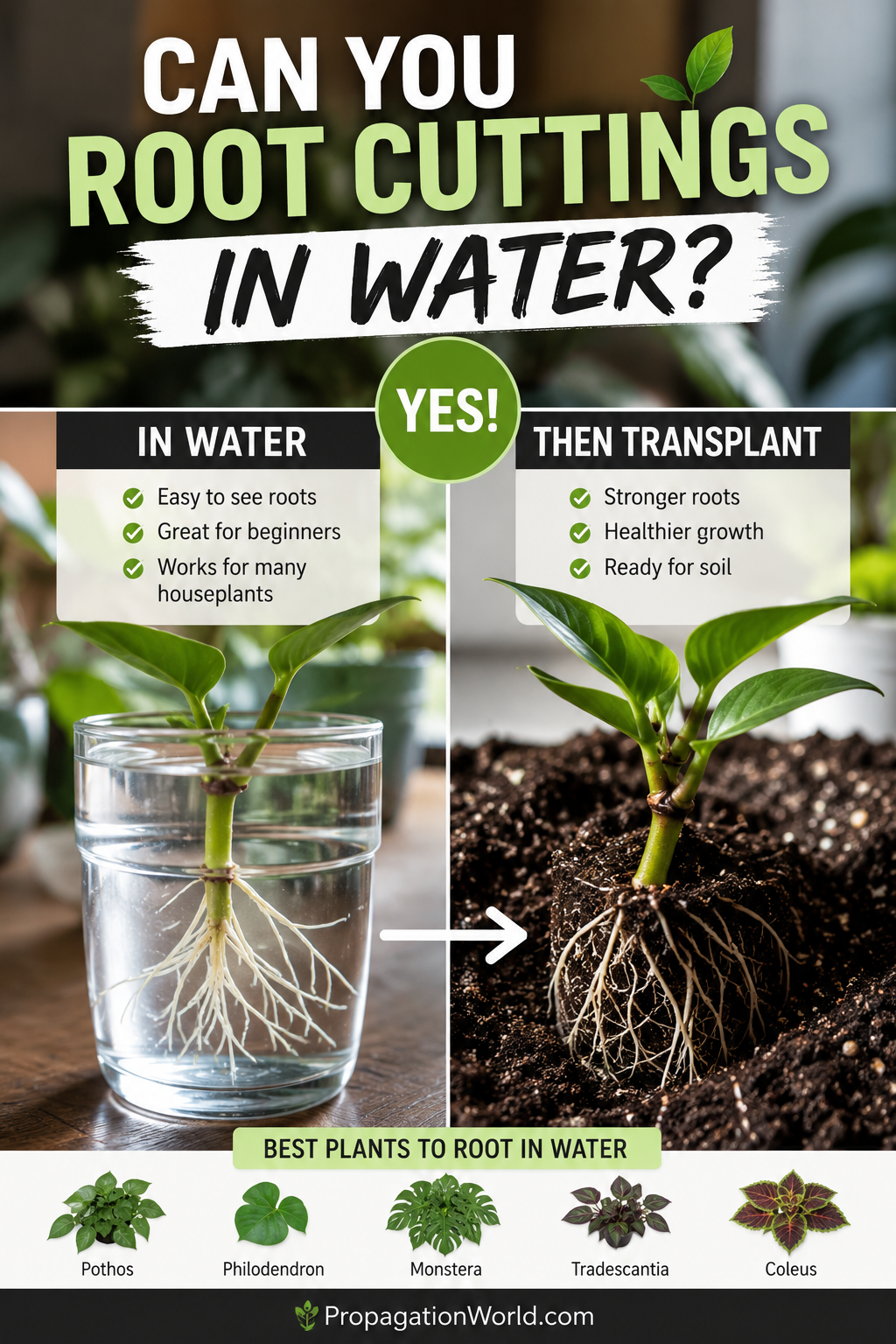
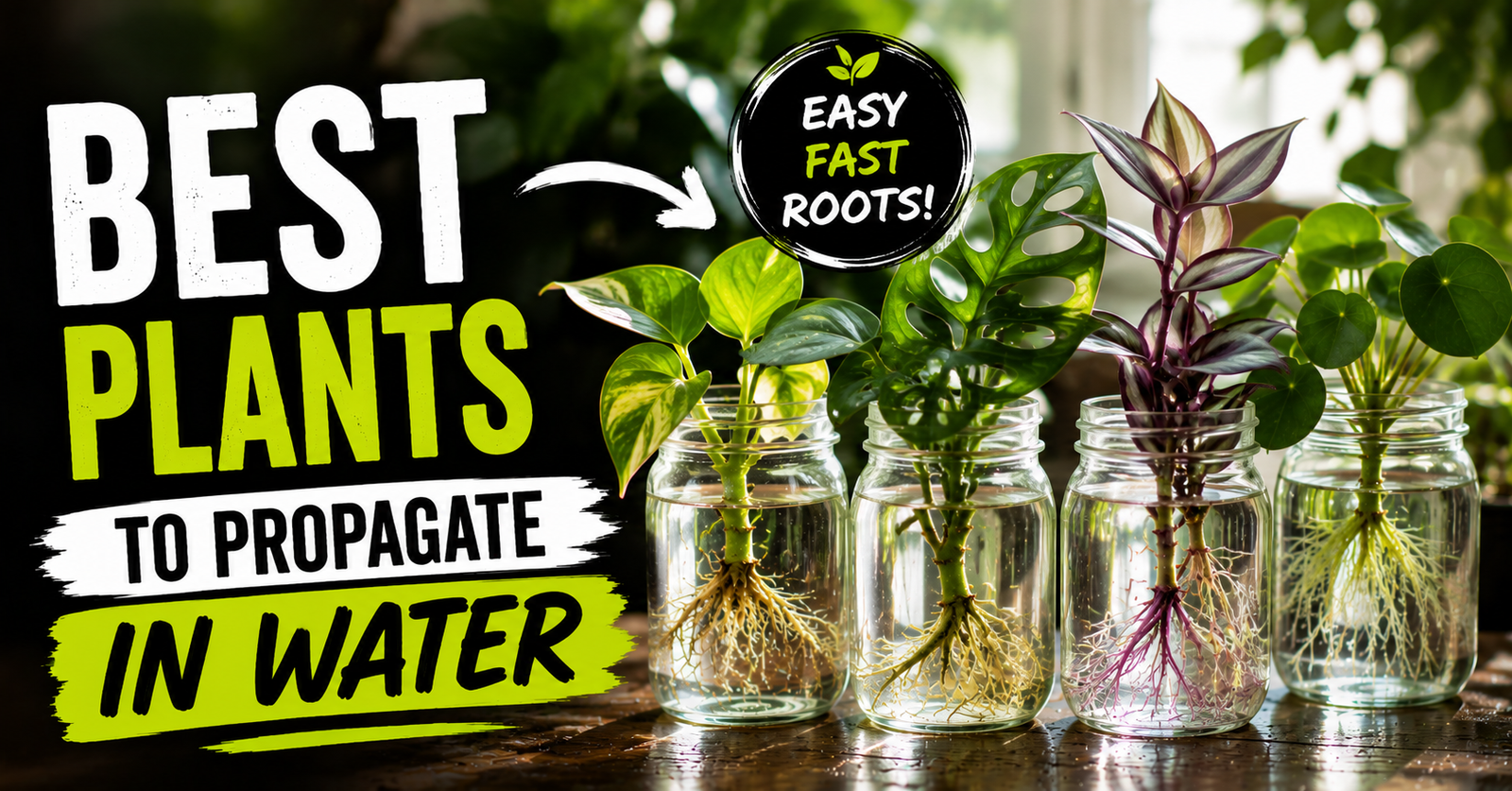
Many common houseplants, herbs, and even some shrubs will produce healthy roots in plain water. For practical examples of plants that tend to perform well in this setting, see Best Plants to Propagate in Water.
Plants naturally contain hormones that trigger root development after a stem is cut. As long as the cutting stays healthy and receives enough oxygen, moisture, and light, new roots can often develop without any soil at all.
This is why water propagation has become so popular with beginner gardeners.
It’s simple.
It’s inexpensive.
And it’s fascinating to watch.
Why Water Propagation Works
When you place a fresh cutting into clean water, several things begin happening.
The cut end seals itself.
The plant starts producing new cells near the cut.
Eventually, those cells begin forming root tissue.
As long as the stem remains healthy and receives enough oxygen, the roots continue growing until the cutting can support itself.
Contrary to what many people believe, the water itself doesn’t create the roots.
The plant does.
The water simply keeps the cutting hydrated while that process takes place.
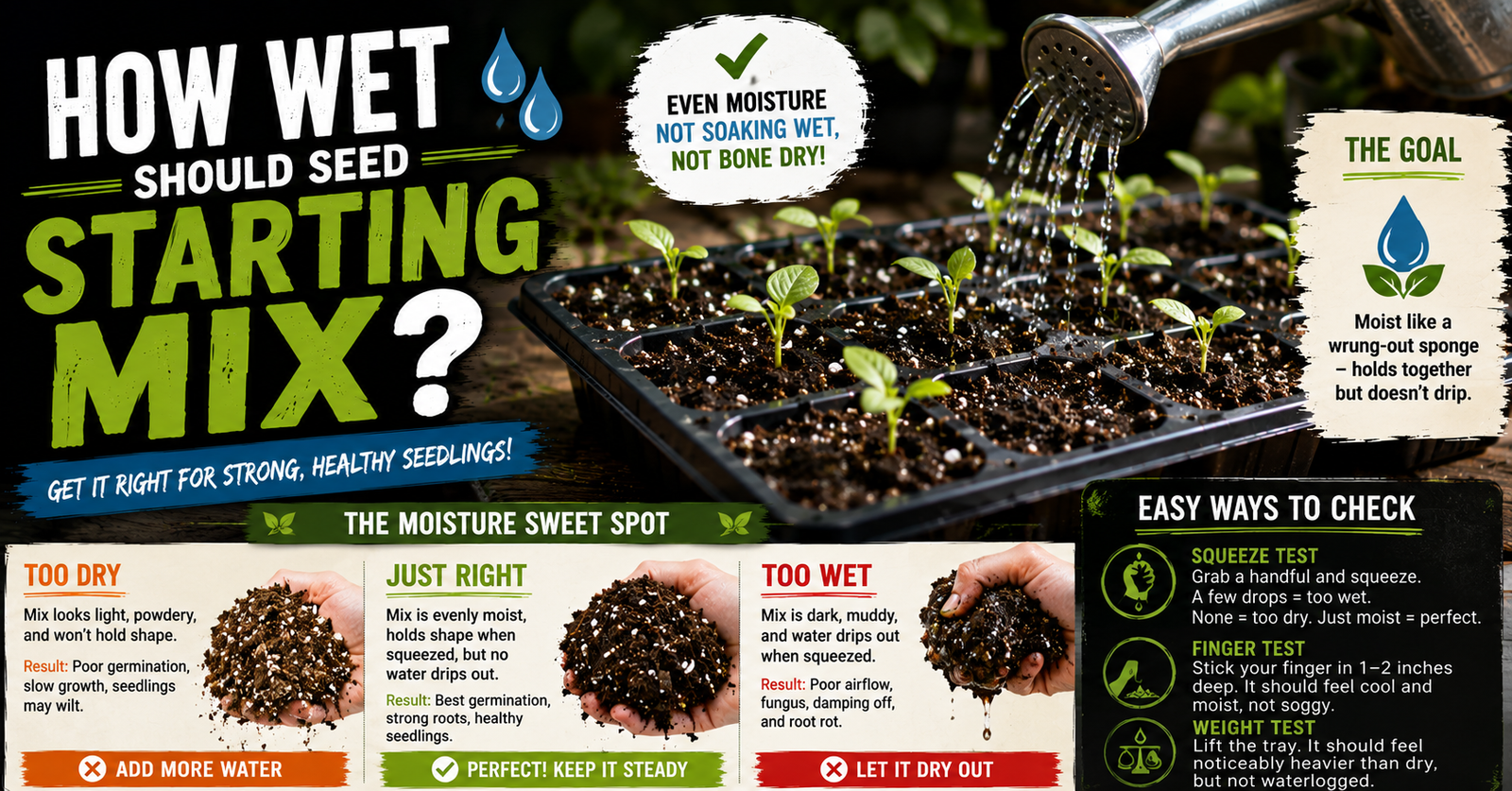
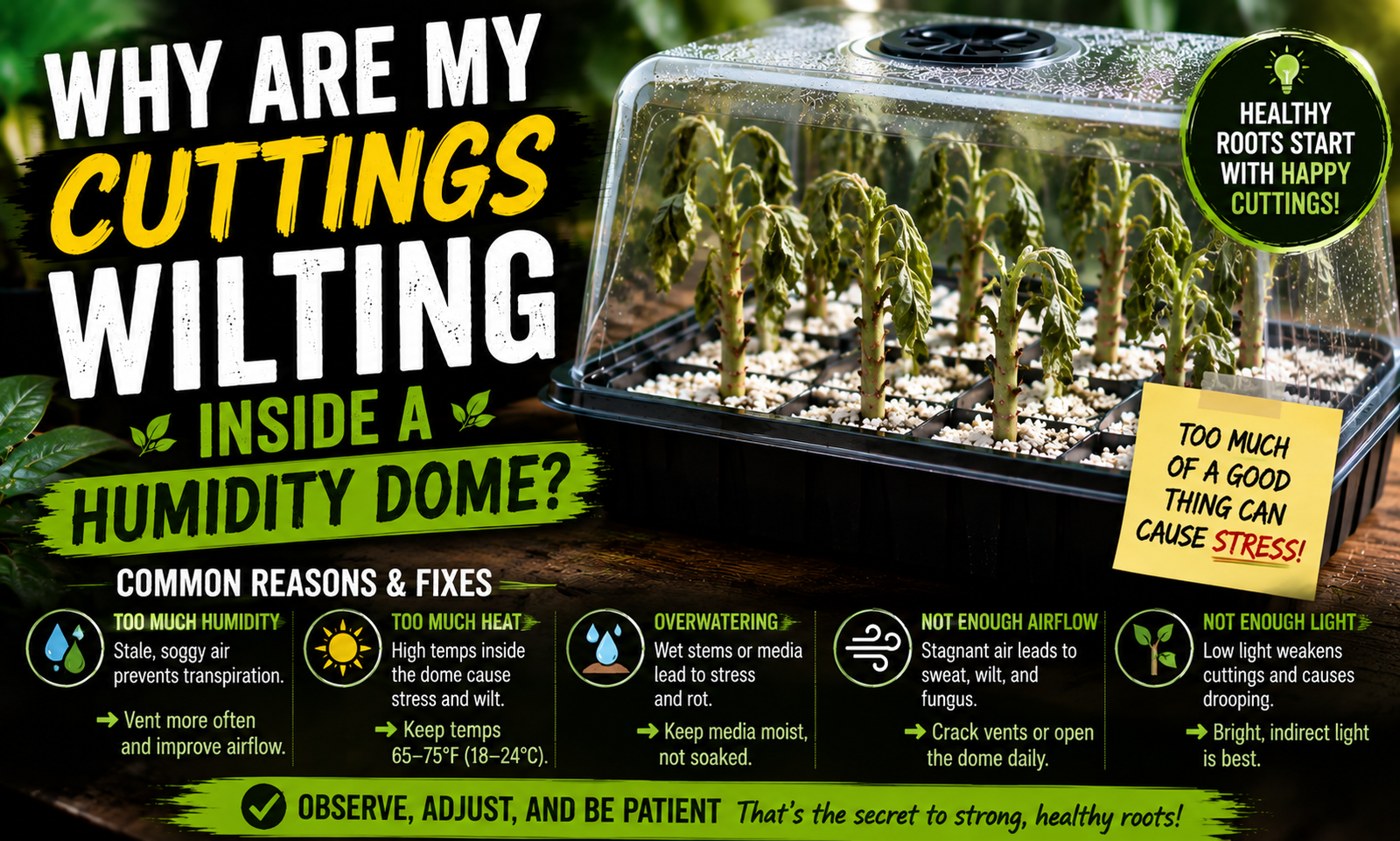
Plants That Root Well in Water
Some plants seem almost designed for water propagation.
These are excellent choices if you’re new to taking cuttings.
Some of the easiest include:
- Pothos
- Philodendron
- Monstera
- Tradescantia
- Spider Plant
- Coleus
- Mint
- Basil
- Swedish Ivy
- Lucky Bamboo
Many gardeners see roots begin forming within one to three weeks depending on growing conditions.
Plants That Don’t Root Well in Water
Water propagation isn’t ideal for every plant. Elderberry cuttings can root in water, though soil may produce a healthier long-term plant: elderberry cuttings in water
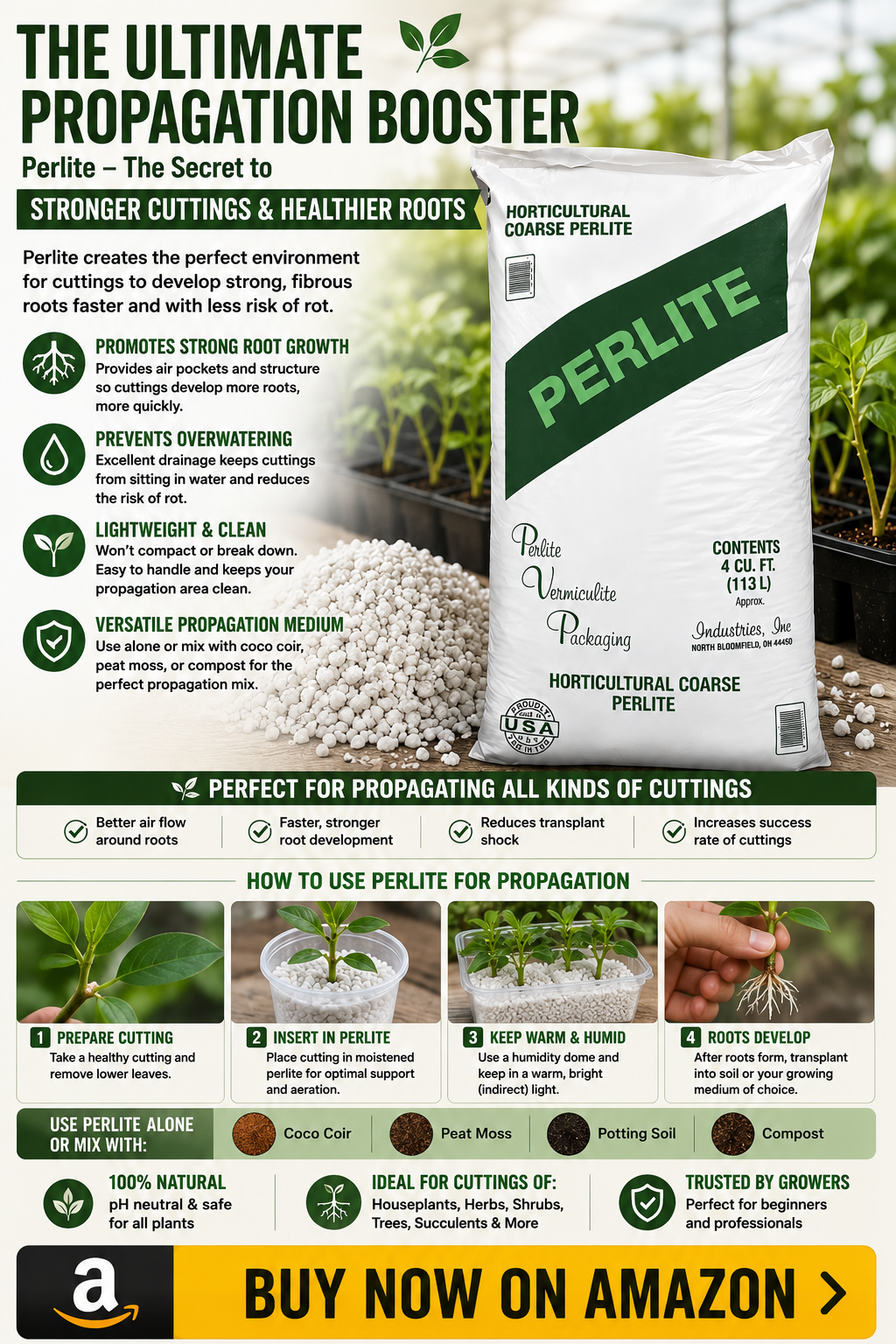
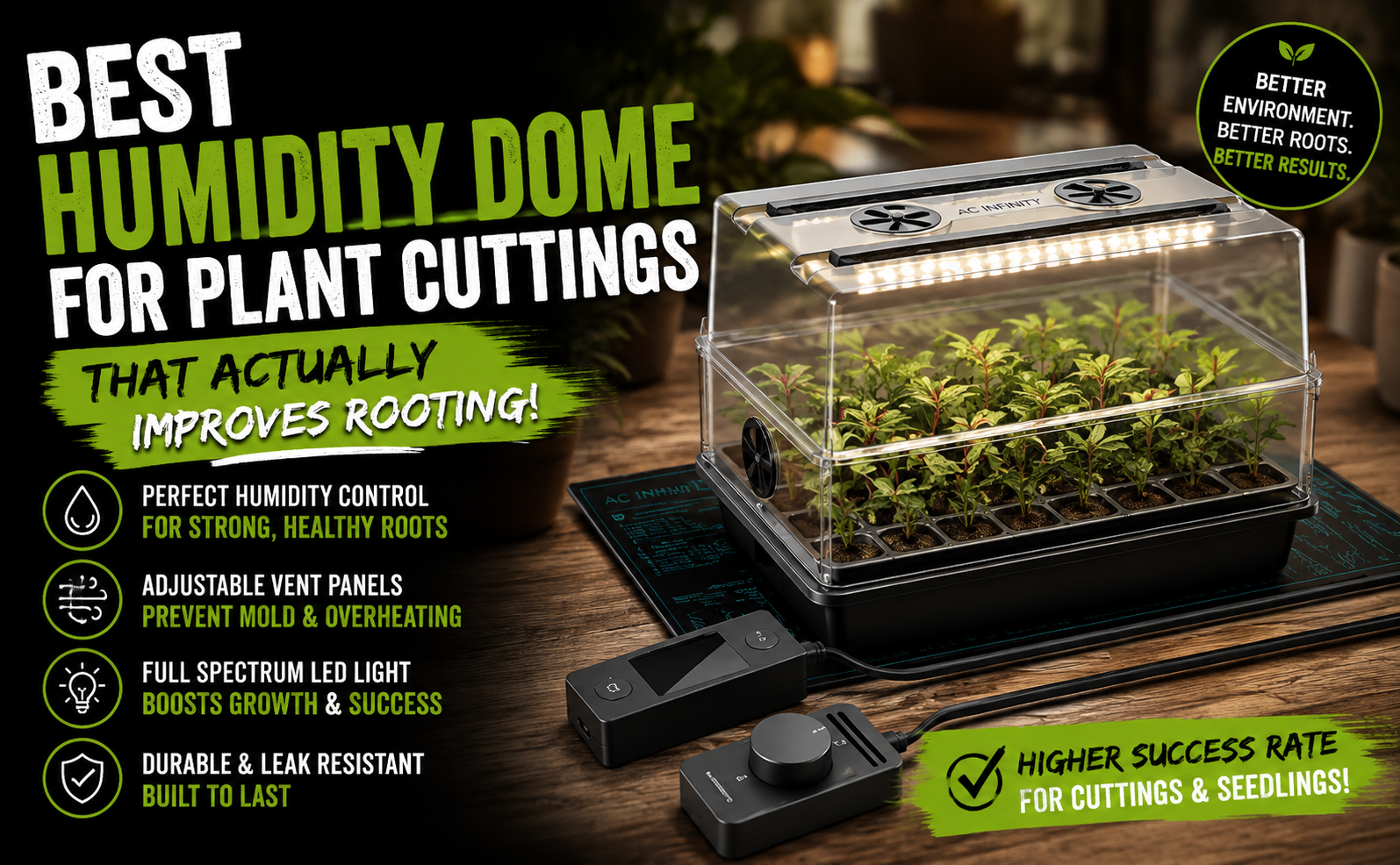
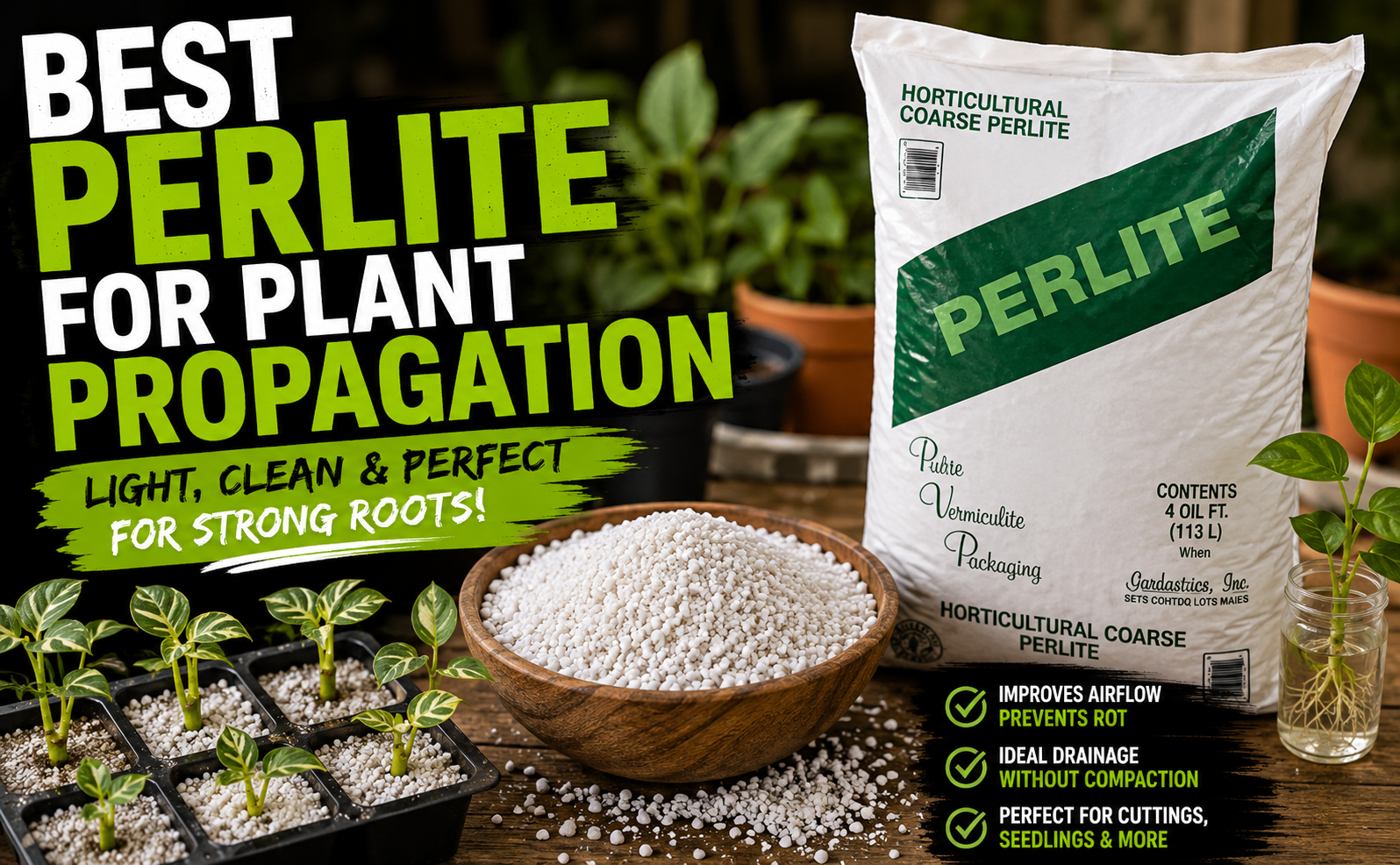
Many woody shrubs and trees naturally root much more slowly and often perform better in propagation media like perlite, coarse propagation mix, or aeroponic cloners.
Examples include:
- Blueberries
- Roses
- Hydrangeas
- Fruit trees
- Dogwoods
- Magnolias
- Camellias
Some of these plants may eventually produce roots in water, but success rates are generally lower than with other propagation methods.
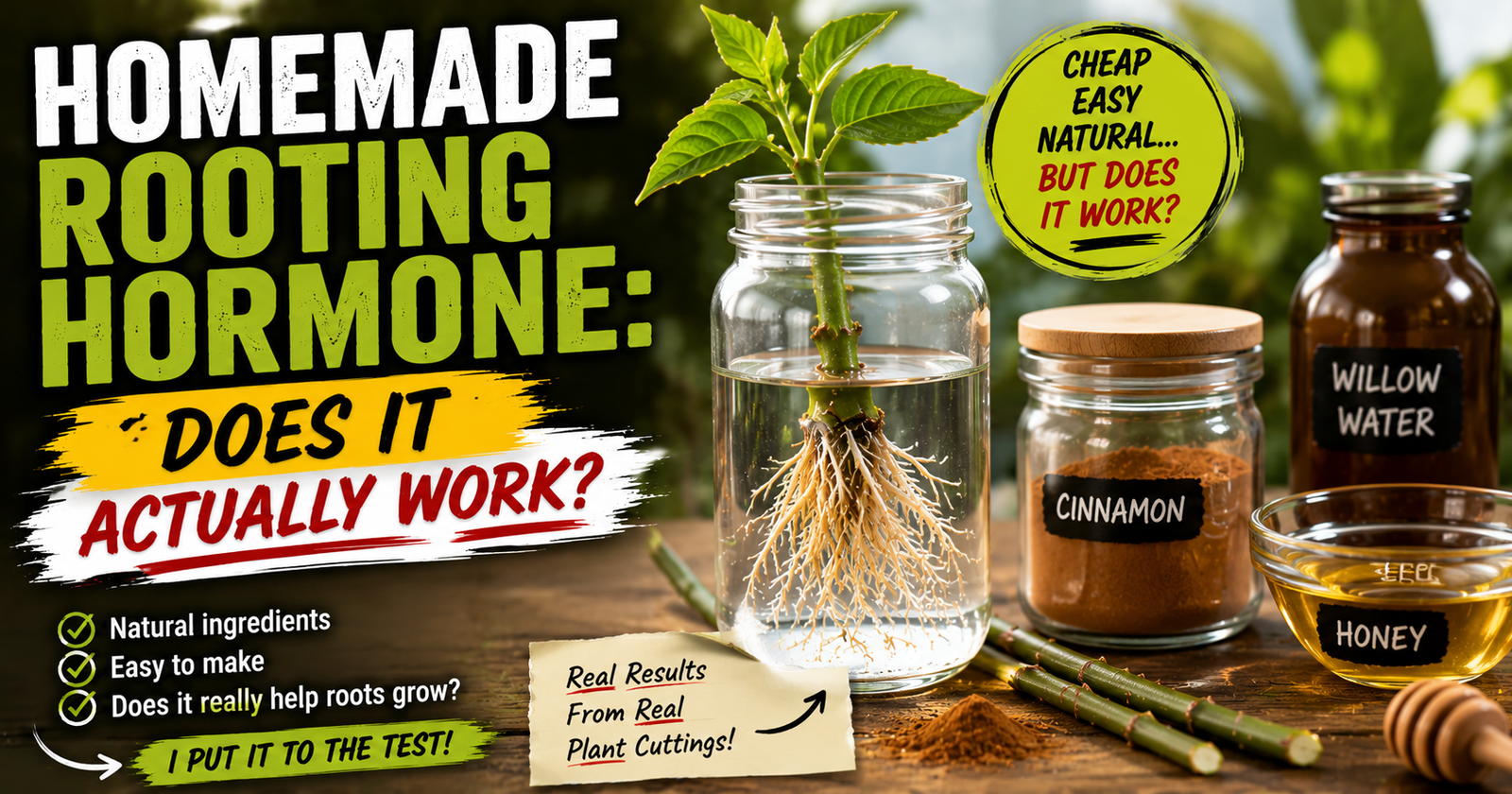
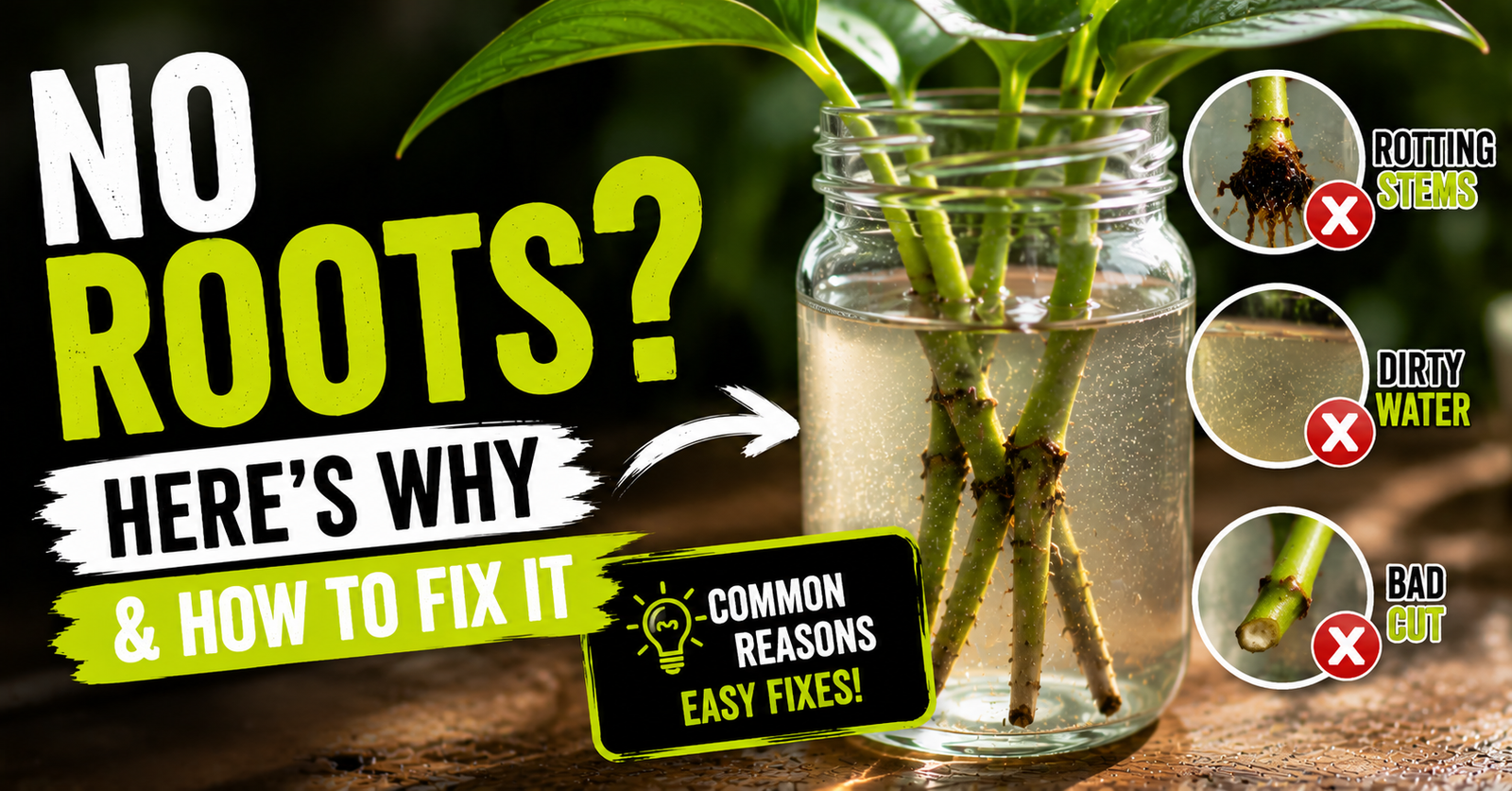
Do You Need Rooting Hormone?
Usually…
No.
Many plants that root easily in water don’t require rooting hormone at all.
However, that doesn’t mean rooting hormone is useless.
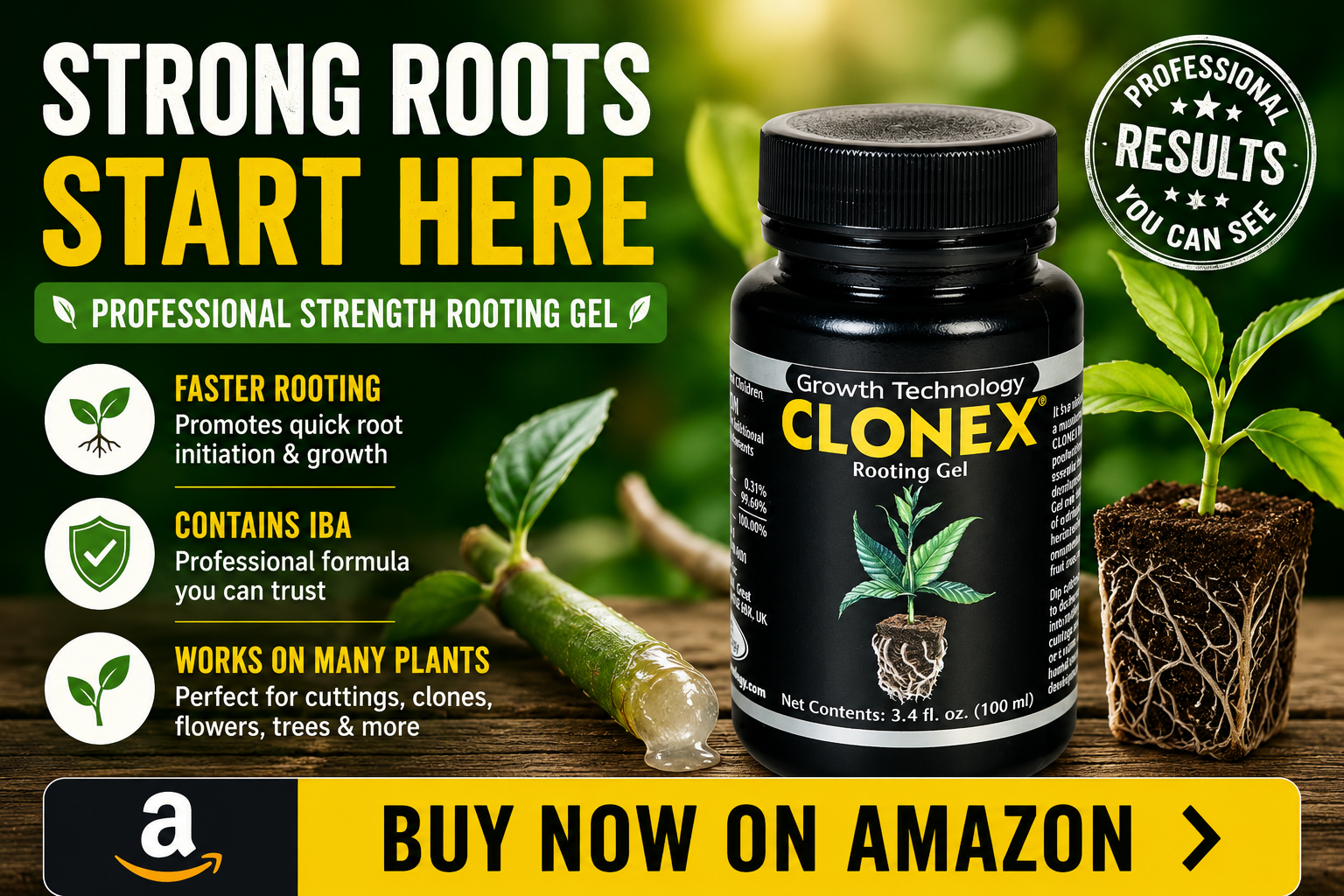
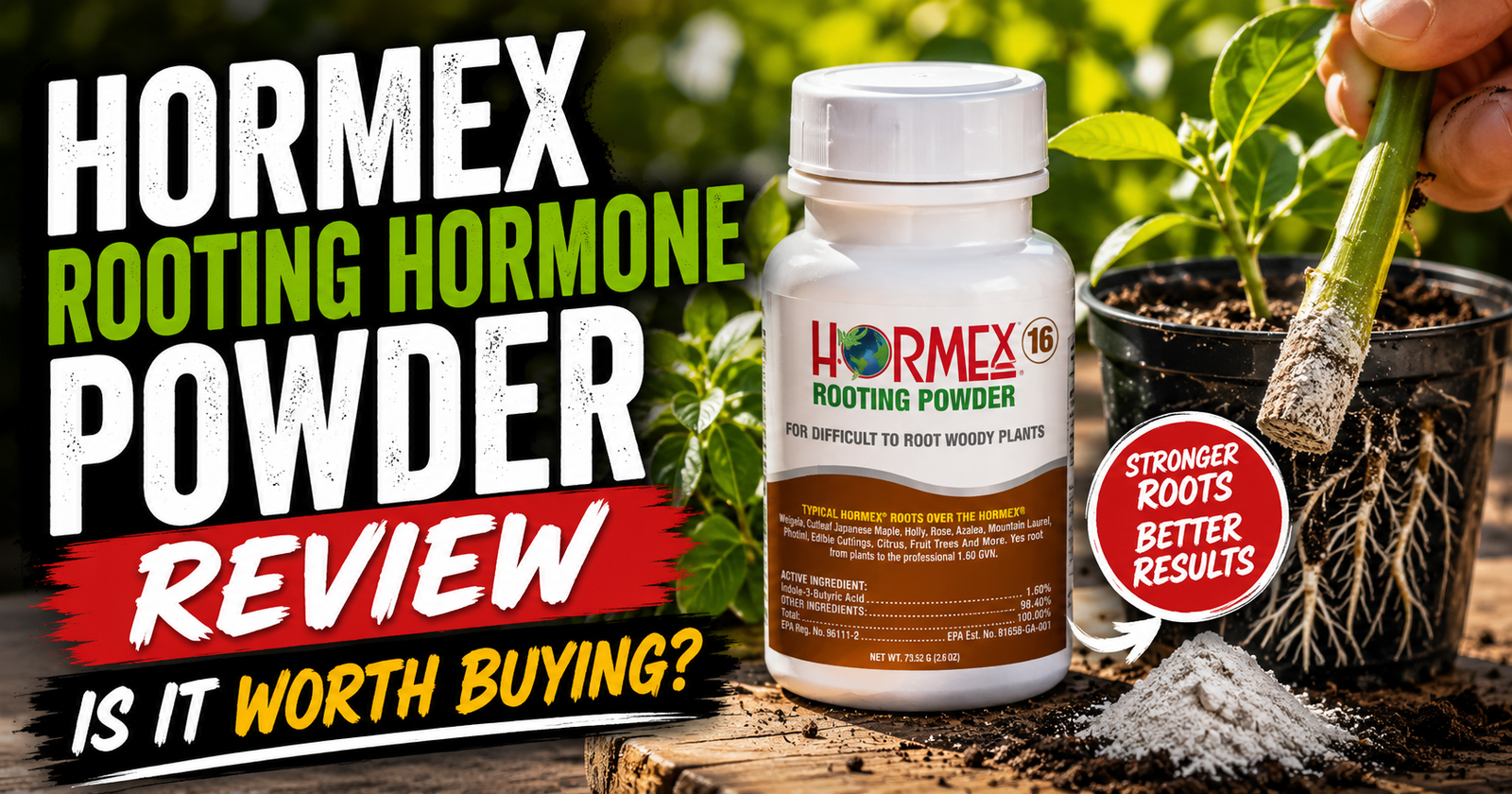
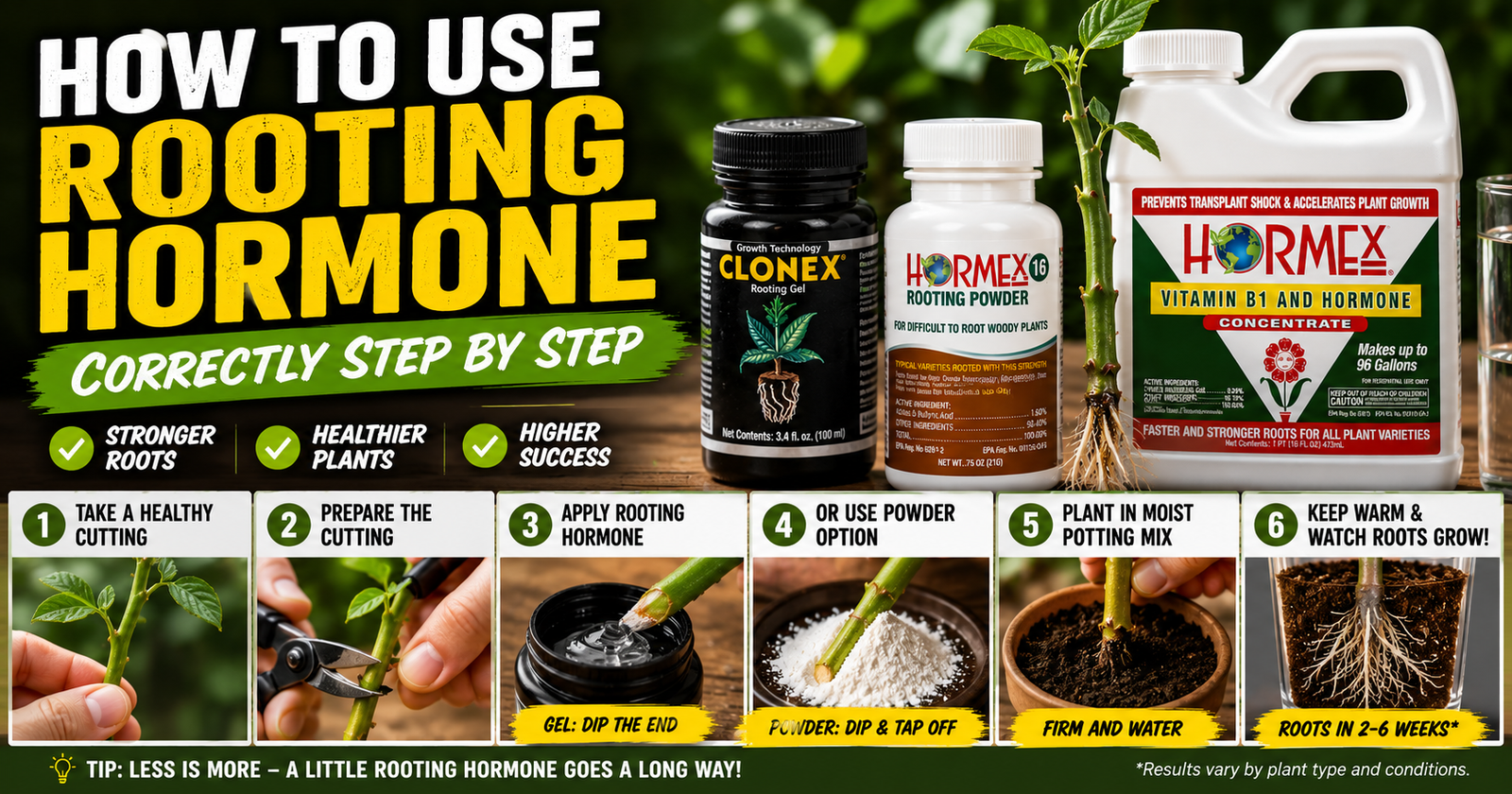
When you’re propagating more difficult species, applying rooting hormone before placing the cutting into water may improve your chances of success. For difficult-to-root species, Clonex rooting gel is one rooting-hormone option to consider before placing the cutting in water.
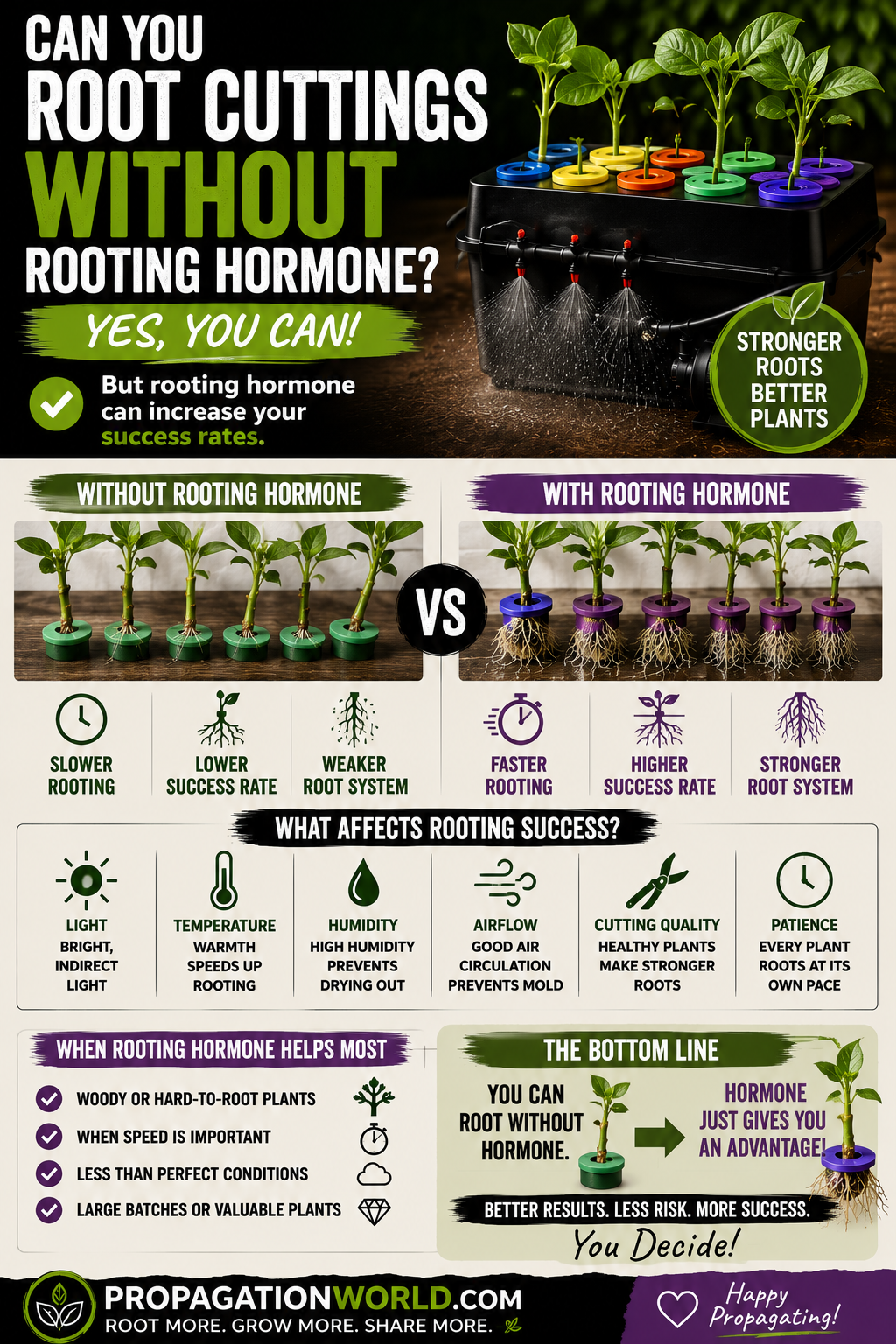
If you’ve been wondering whether it’s actually necessary, I answer that in Can You Root Cuttings Without Rooting Hormone?.
For a deeper explanation of how these products work, you may also enjoy Does Rooting Hormone Really Work? What Every Gardener Should Know.
How to Root Plant Cuttings in Water
Water propagation doesn’t require expensive equipment, but following a few simple steps can greatly improve your success rate.
1. Choose a Healthy Parent Plant
Healthy plants produce healthier cuttings.
Avoid stems that are diseased, damaged, or heavily stressed.
2. Take a Fresh Cutting
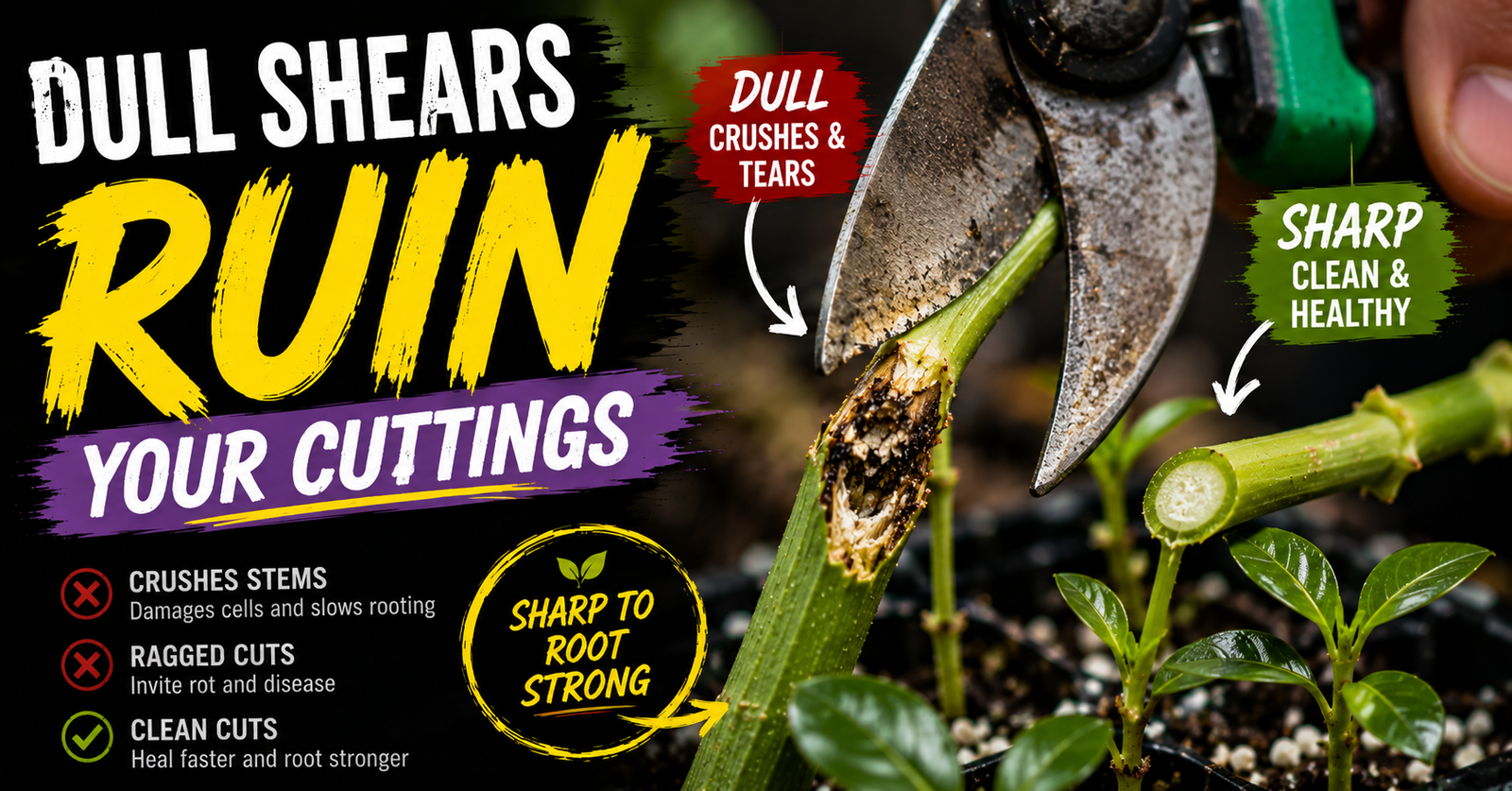
Using clean pruning shears, cut just below a leaf node. A suitable pair of pruning shears can help make clean cuts just below the node.
Most plants naturally produce roots from these nodes.
3. Remove the Lower Leaves
Any leaves that sit below the water line should be removed.
Submerged leaves quickly rot and can foul the water, increasing the risk of bacterial growth.
4. Place the Cutting in Clean Water
Use a clean glass, jar, or propagation vase.
Make sure at least one node remains underwater, since this is where new roots will usually develop.
5. Provide Bright, Indirect Light
Avoid placing the cutting in intense afternoon sun.
Bright, indirect light encourages healthy growth without overheating the water or stressing the cutting.
How Often Should You Change the Water?
One of the biggest advantages of water propagation is its simplicity, but that doesn’t mean you can completely ignore the cutting once it’s in the jar.
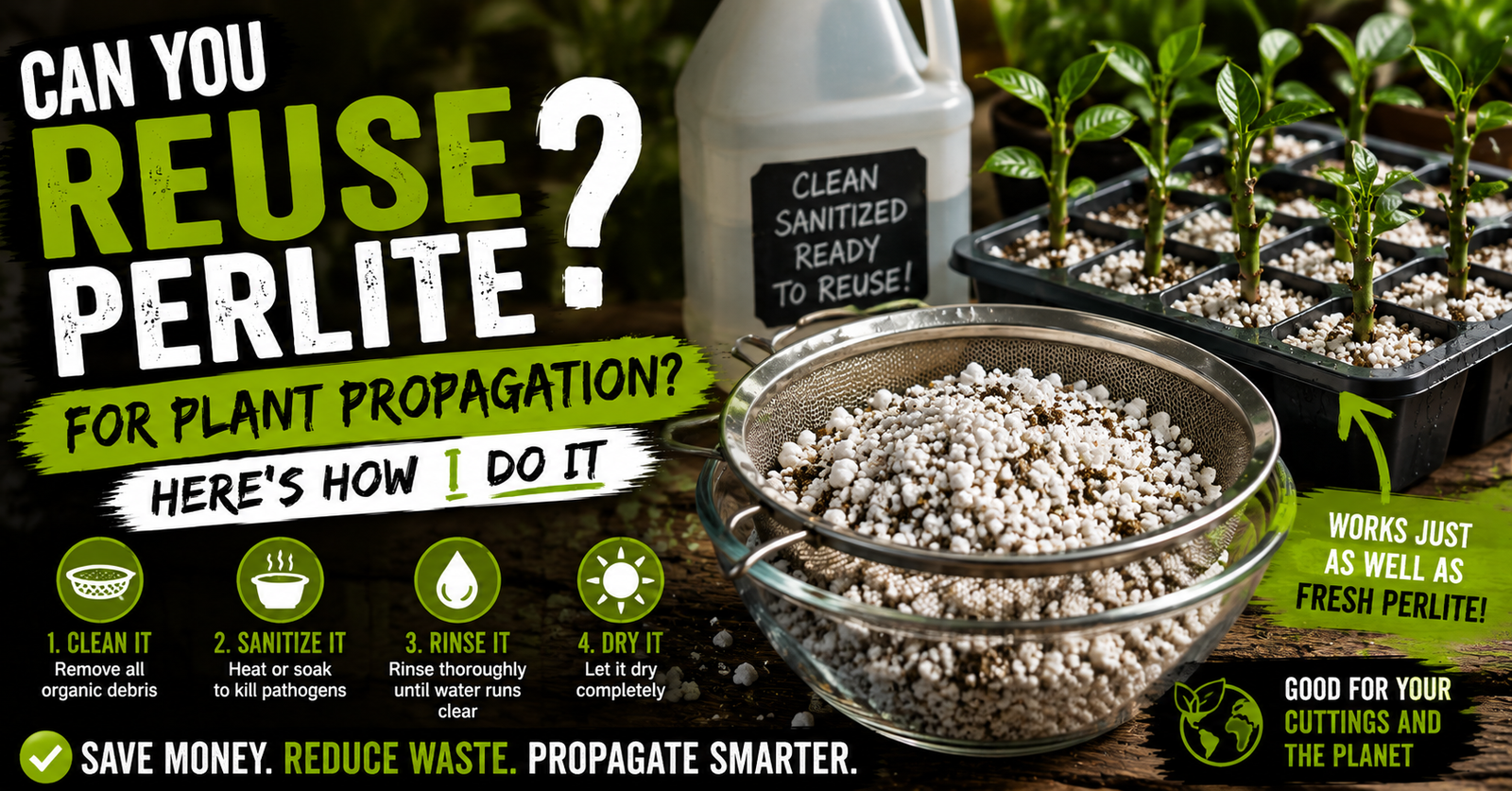
Over time, the water loses dissolved oxygen and can begin collecting bacteria, algae, or decaying plant material.
I usually recommend replacing the water every 3 to 7 days.
If the water becomes cloudy, develops an odor, or starts turning green, change it immediately and rinse the container before refilling it with fresh water.
Fresh, clean water helps create a healthier environment for developing roots and reduces the chances of stem rot.
What Kind of Water Is Best?
Most gardeners have good success using ordinary tap water.
However, if your tap water contains unusually high levels of chlorine or is heavily softened, you may get better results by letting the water sit overnight before using it or by using filtered water.
Rainwater can also work well, provided it’s collected in a clean container.
The most important thing isn’t choosing the “perfect” water.
It’s keeping the water clean and replacing it regularly.
How Long Does It Take to Root Cuttings in Water?
Every plant develops roots at its own pace.
Some cuttings surprise you within a week.
Others may need several weeks before you notice anything happening.
Typical timelines look something like this:
- Easy houseplants: 1–3 weeks
- Herbs: 1–3 weeks
- Softwood shrubs: 2–6 weeks
- Hardwood cuttings: 4–12 weeks or longer
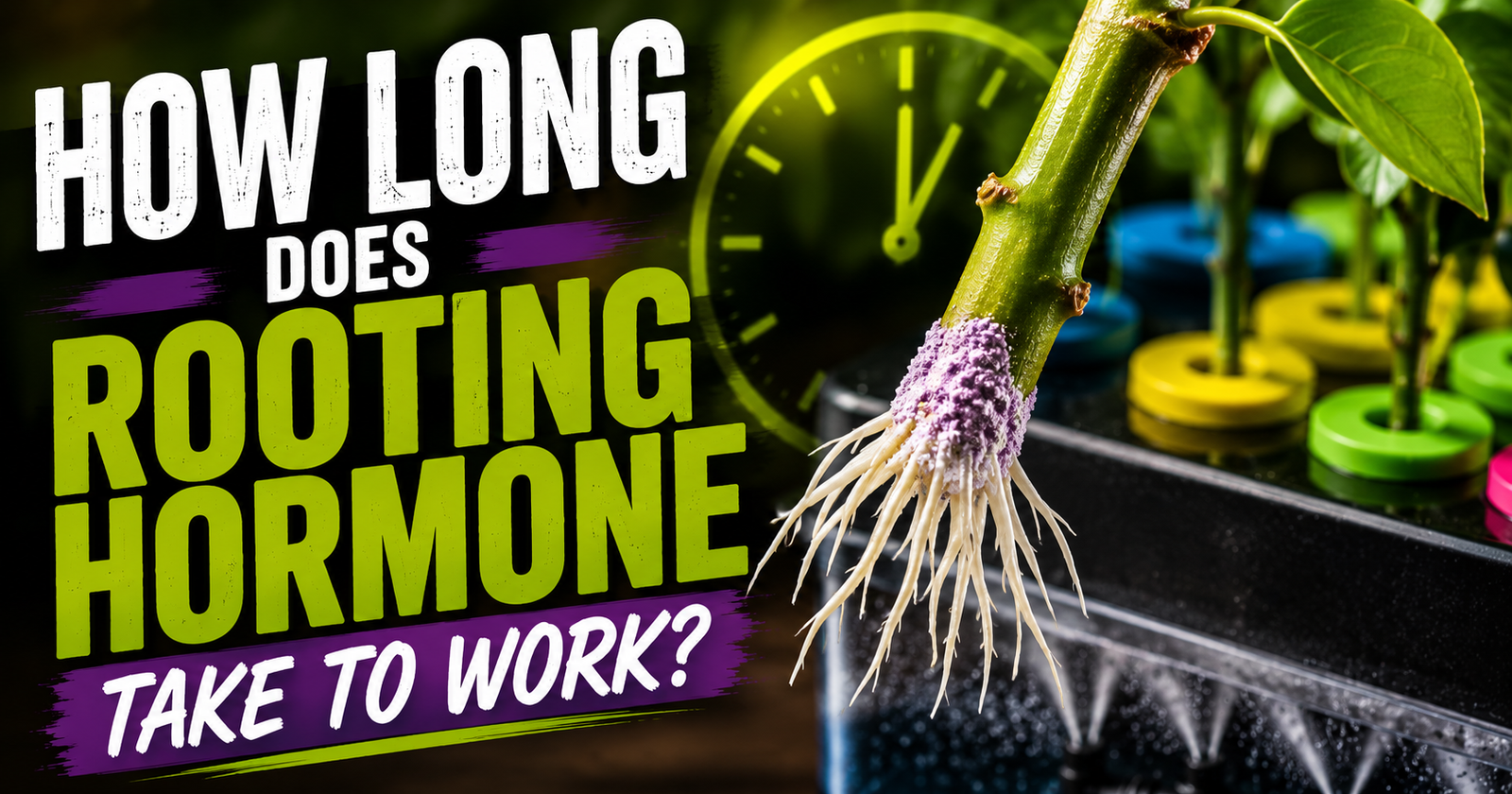
If you’re wondering why some cuttings seem to take forever, my article How Long Does Rooting Hormone Take to Work? explains what happens inside the stem before roots become visible.
Common Water Propagation Mistakes
Most failures aren’t caused by bad luck.
They’re usually the result of a few simple mistakes.
Using Unhealthy Cuttings
A weak cutting rarely becomes a strong plant.
Always start with vigorous, disease-free stems whenever possible.
Leaving Too Many Leaves
Large numbers of leaves increase moisture loss.
Removing the lower leaves also prevents them from rotting underwater.
Forgetting to Change the Water
Old water contains less oxygen and allows bacteria to build up.
Fresh water is one of the easiest ways to improve success.
Too Much Direct Sunlight
Warm water combined with intense sunlight can stress the cutting and encourage algae growth.
Bright, indirect light is usually the better choice.
Constantly Checking the Roots
It’s tempting to pull the cutting out every day.
Try not to.
Tiny new roots are surprisingly delicate and can easily be damaged by unnecessary handling.
When Should You Move Water-Rooted Cuttings to Soil?
This is another question almost every beginner asks.
There’s no exact root length that’s perfect for every plant, but I generally wait until several healthy roots have developed before transplanting.
Waiting too long isn’t ideal either.
Plants that remain in water for extended periods often develop roots that are well adapted to life in water but take longer to adjust once planted in soil.
After transplanting, keep the soil evenly moist for the first week or two while the plant adapts to its new growing conditions.
Is Water Propagation Better Than Soil?
Neither method is automatically better.
Each has its strengths.
Water propagation makes it easy to watch root development and is ideal for many common houseplants.
Soil propagation usually produces roots that adapt to potting mix immediately after rooting, reducing transplant shock.
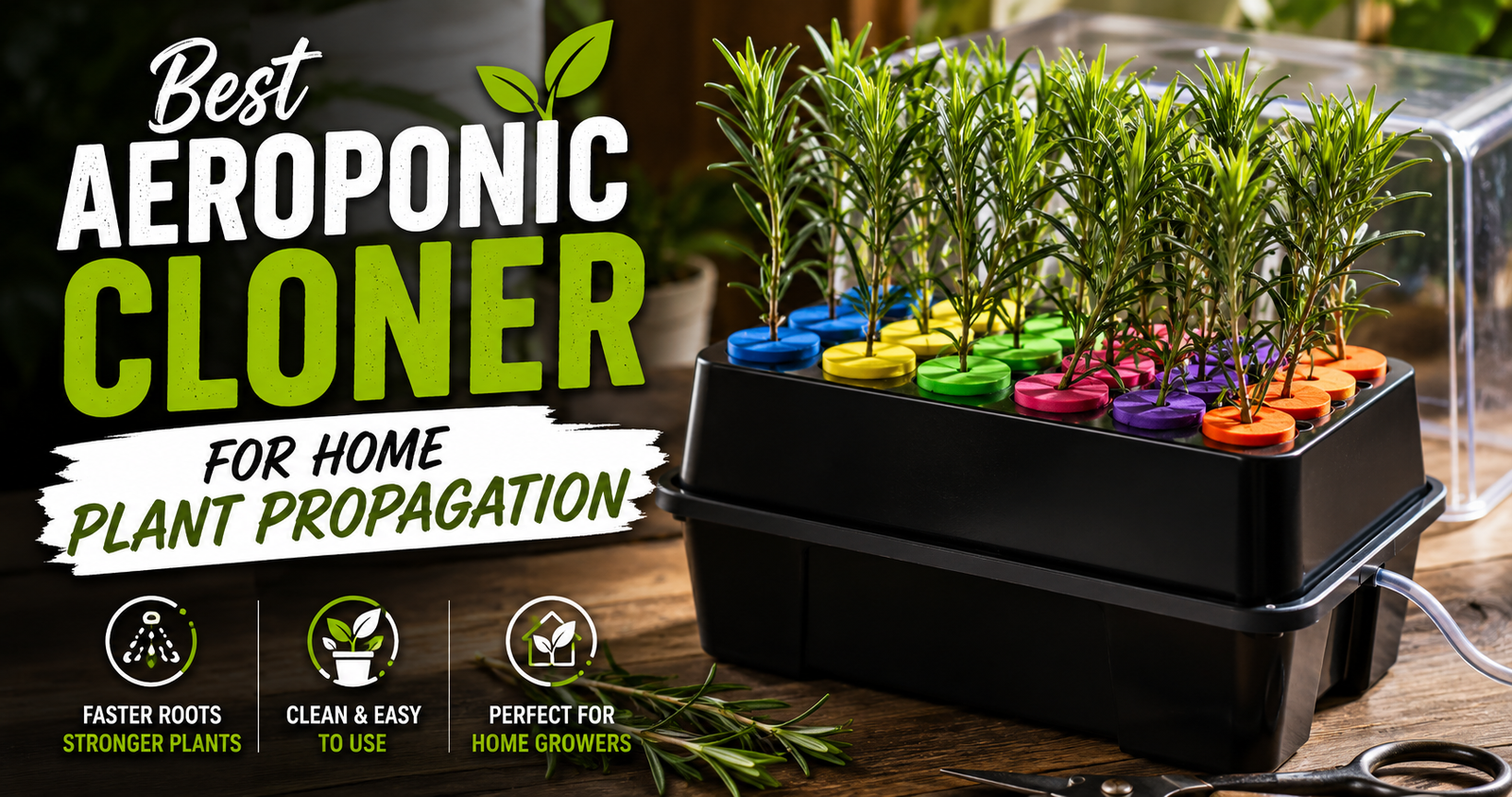
For woody shrubs and more difficult species, many gardeners also choose aeroponic cloners because they combine constant moisture with excellent oxygen availability.
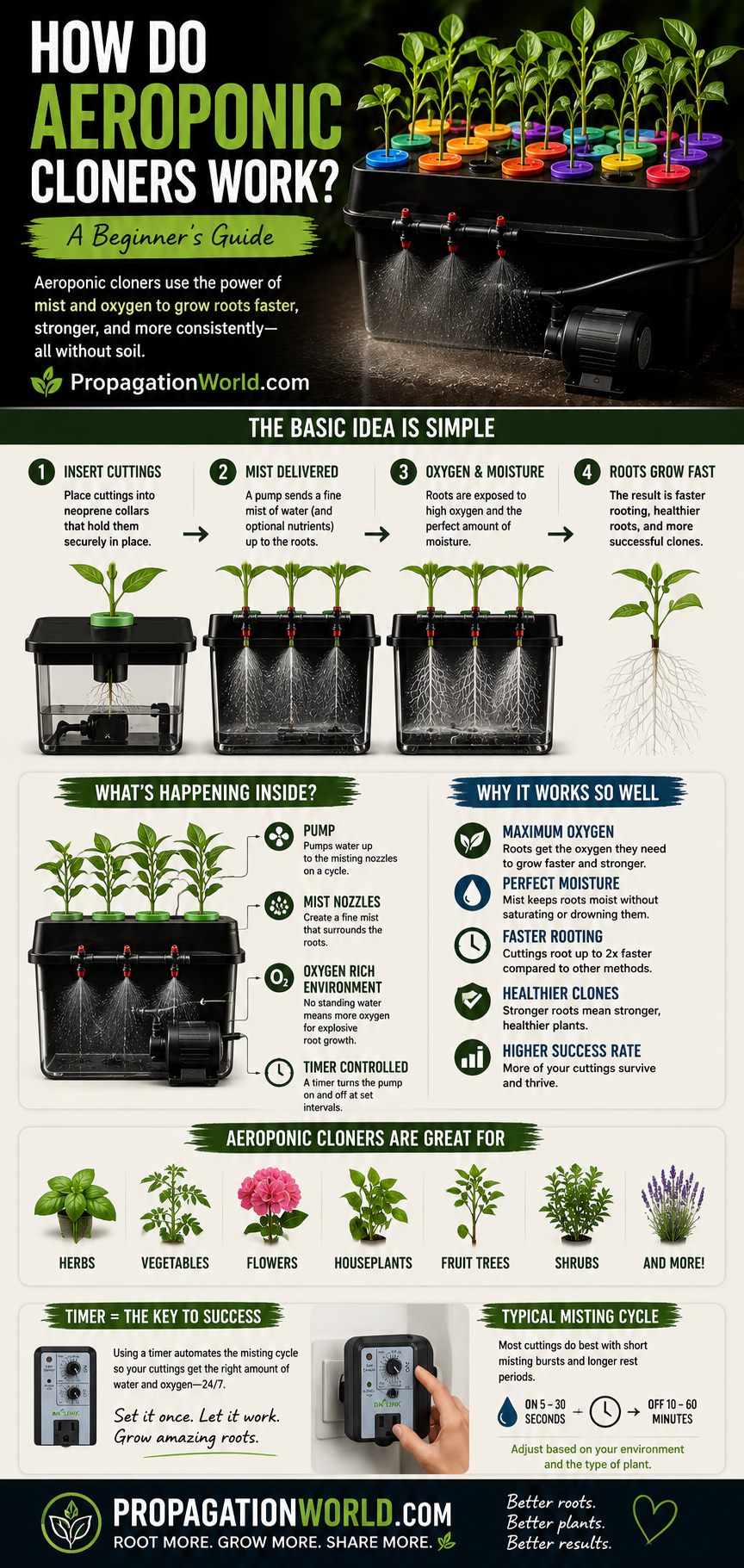
If you’d like to learn more about that approach, my guide How Do Aeroponic Cloners Work? A Beginner’s Guideexplains why they’ve become so popular for propagating cuttings.
Water Propagation Isn’t the Right Choice for Every Plant
Water propagation has earned its popularity because it’s simple, inexpensive, and rewarding.
For many houseplants and herbs, it’s one of the easiest ways to create new plants at home.
At the same time, it’s important to recognize its limitations.
Some woody shrubs, fruit plants, and trees simply perform better when propagated in a well-draining medium or an aeroponic cloner. Choosing the right propagation method for the plant you’re growing often makes a bigger difference than any rooting hormone or fertilizer you could buy.
Understanding the needs of the plant—not just the propagation method—is one of the best ways to improve your success.
Frequently Asked Questions
Can all plants root in water?
No. Many plants root well in water, but others—especially woody shrubs and trees—usually have better success in soil, perlite, or other propagation systems.
Can I add rooting hormone directly to the water?
Most commercial rooting hormones are designed to be applied to the cutting before it’s placed into the propagation medium. Always follow the manufacturer’s instructions for the specific product you’re using.
Why is my cutting rotting in water?
Rot is commonly caused by dirty water, submerged leaves, poor sanitation, or unhealthy cuttings. Changing the water regularly and removing leaves below the water line can help reduce the risk.
Should I use clear or colored containers?
Either can work. Clear containers let you monitor root growth easily, while opaque containers reduce light reaching the water and may slow algae growth.
Can I propagate plants in water year-round?
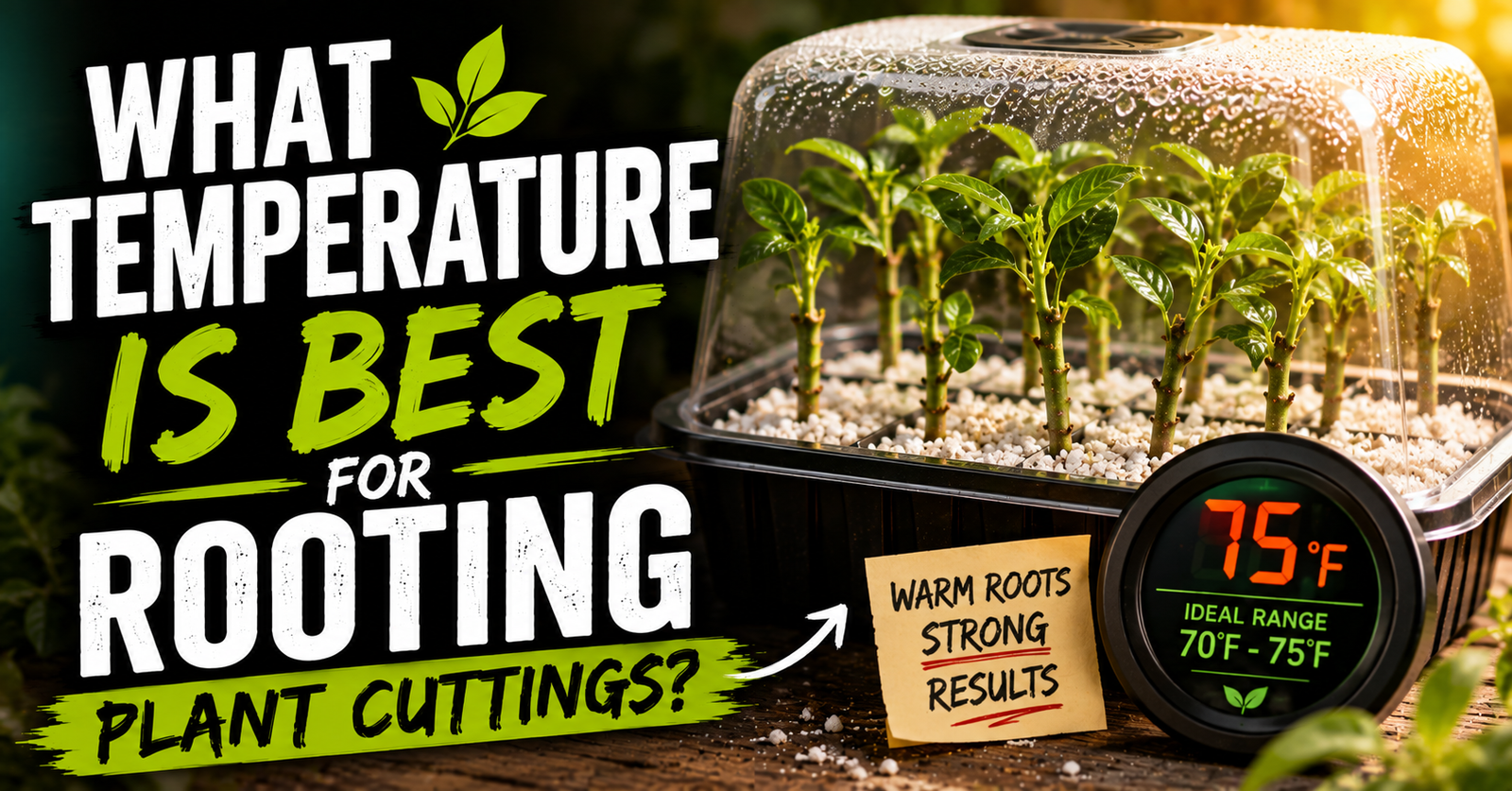
Yes. As long as your cuttings receive adequate warmth and bright, indirect light, water propagation can be done indoors throughout the year.
Author: Dax Weaver
Dax Weaver is the founder of PropagationWorld, where he shares practical propagation techniques, honest equipment reviews, and science-backed gardening advice to help home gardeners root healthier plants with confidence.