
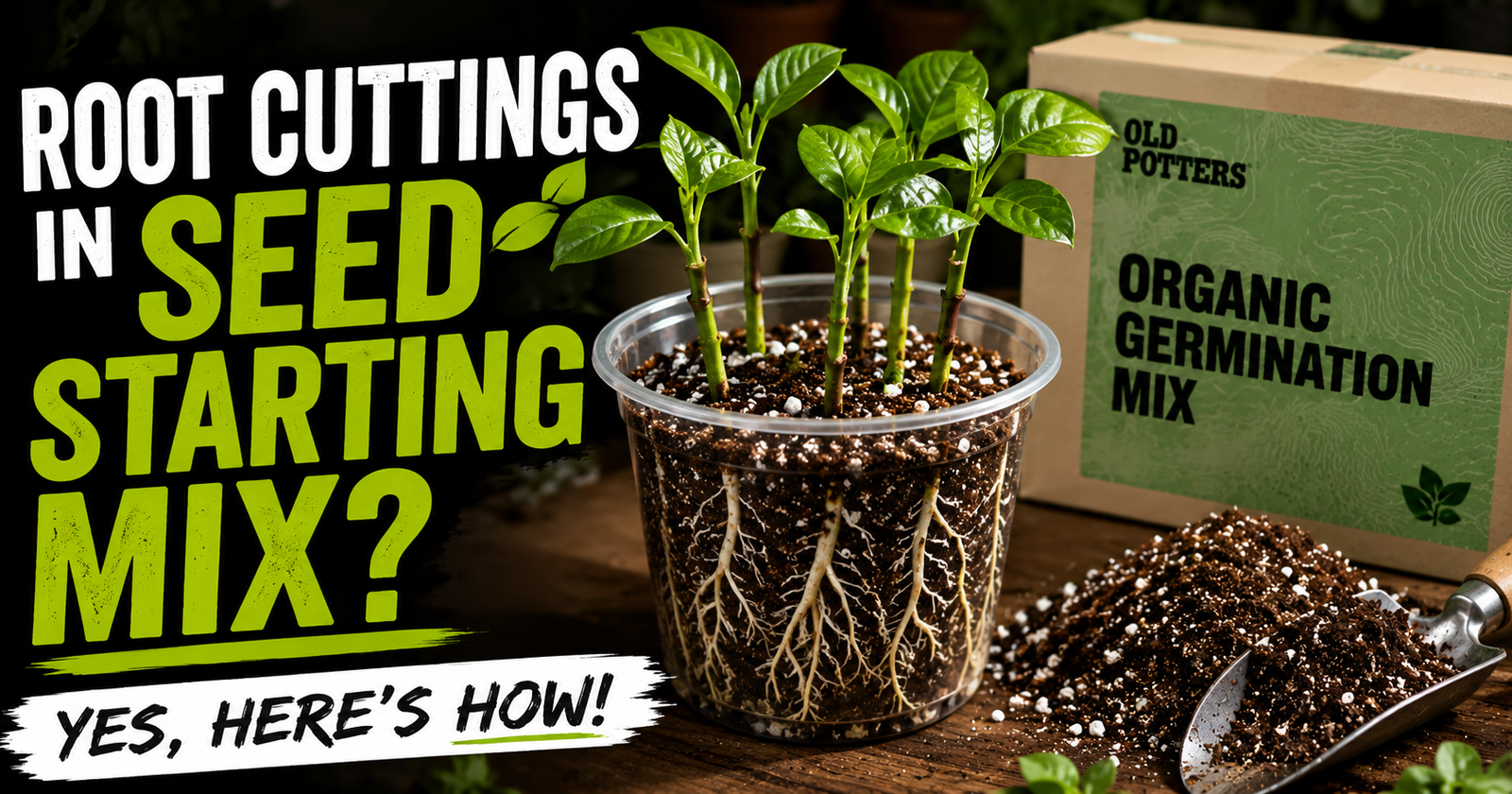
One of the biggest surprises for new gardeners is learning that the same mix used to start seeds can also be excellent for rooting plant cuttings. If you want to compare this traditional medium with equipment-based propagation, an a different way to root cuttings offers another approach.
At first, it sounds a little strange.
Seeds and cuttings seem like completely different things.
One is growing an entirely new plant.
The other is trying to convince a stem to grow roots.
But when you stop and think about what both of them actually need, it starts making sense.
Neither one benefits from heavy garden soil.
Neither one likes compacted growing media.
Both perform best in a light, airy mix that stays evenly moist while allowing plenty of oxygen to reach developing roots.
That’s exactly why I use seed starting mix for many of my propagation projects.
After propagating thousands of cuttings over the years, I’ve found that a quality seed starting mix creates a forgiving environment that’s easy for beginners and experienced gardeners alike.
Does that mean it’s the only option?
Not at all.
But it’s definitely one of the most dependable.
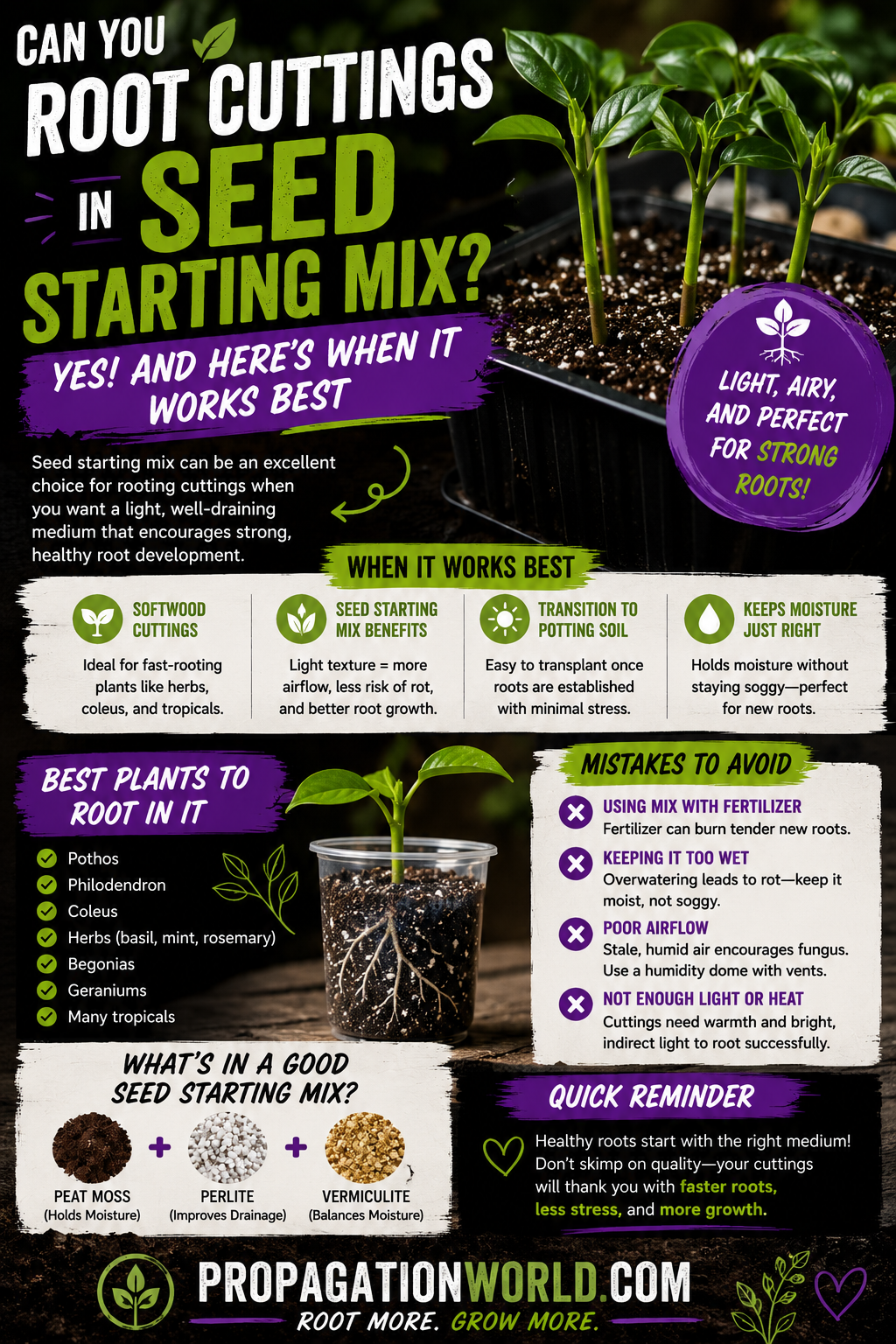
Why Seed Starting Mix Works So Well
Fresh cuttings aren’t looking for nutrients.
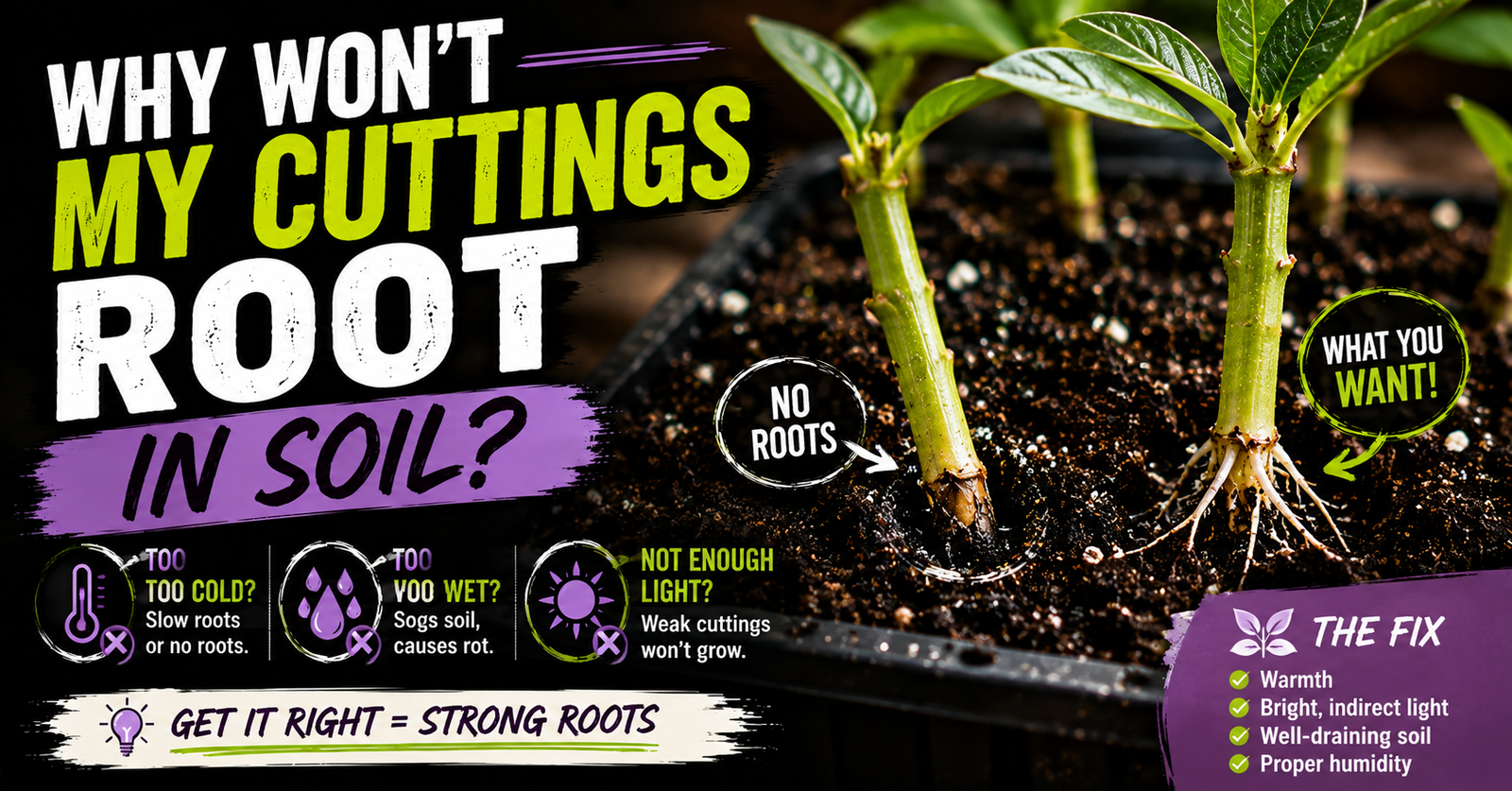
They’re looking for an environment where roots can begin forming without rotting first.
A good seed starting mix provides exactly that.
It’s much lighter than ordinary potting soil.
It drains more freely.
It stays moist without becoming dense and compacted.
Those qualities are incredibly important during the first few weeks after taking a cutting.
Healthy roots need both moisture and oxygen.
If one of those is missing, rooting success usually suffers.
That’s one reason I’ve gradually moved away from heavy potting mixes whenever I’m propagating plants.
The Mix I Usually Recommend
Over the years I’ve mixed plenty of my own propagation media.
Sometimes I still do.
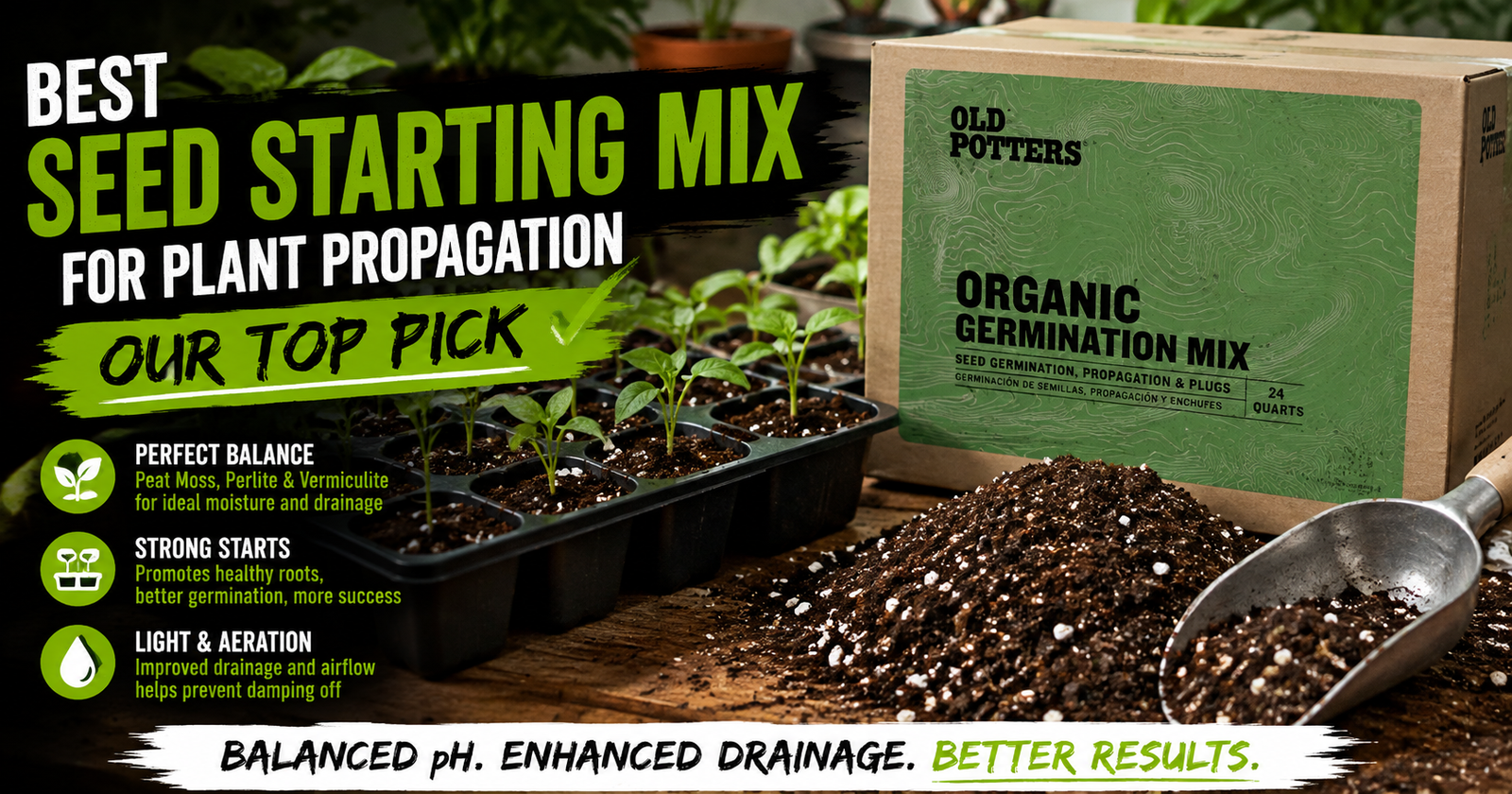
But if someone asked me for one ready-to-use product that works well for both seed starting and rooting cuttings, I’d point them toward the seed starting mix I recommend for plant propagation.
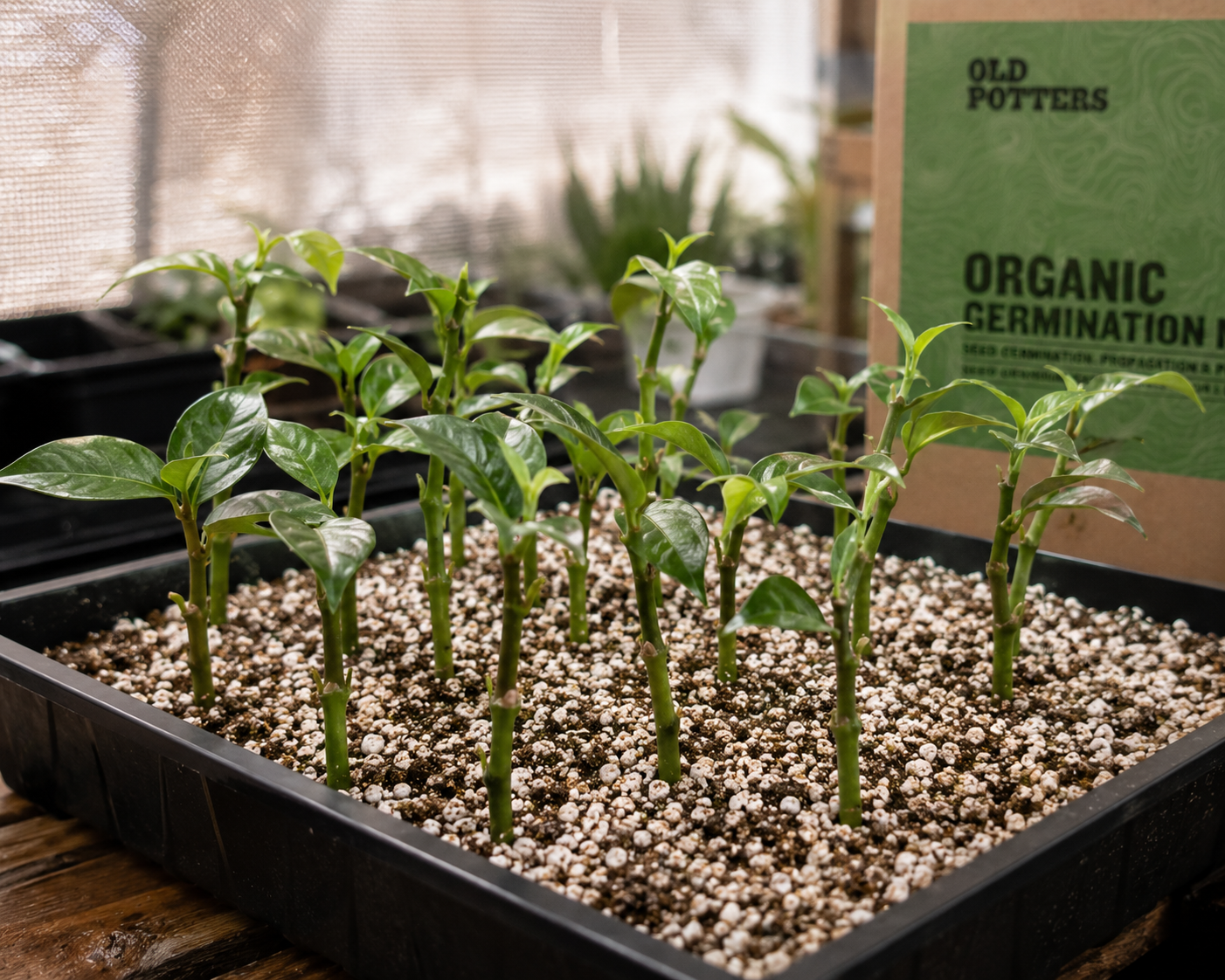
I like it because it combines peat moss, fine perlite, and vermiculite into a balanced mix that drains well while still holding enough moisture for developing roots.
Instead of buying multiple ingredients and trying to create your own blend, it’s ready to use right out of the bag.
That makes it especially helpful for gardeners who want consistent results without spending time experimenting with different recipes.
Which Plants Root Well in Seed Starting Mix?
I’ve successfully rooted a wide variety of plants in seed starting mix over the years.
Some of the ones I’ve had especially good luck with include:
- Hydrangeas
- Roses
- Blueberries
- Elderberries
- Grapes
- Fig trees
- Lavender
- Rosemary
- Mint
- Basil
- Pothos
- Philodendrons
Some root more quickly than others, but the propagation mix has consistently provided a healthy environment for developing roots across many different species.
That’s one reason I keep a bag on hand throughout the year instead of only during seed-starting season.
One Mistake I Made Early On
When I first started using seed starting mix, I treated it exactly like potting soil.
Every time the surface looked dry, I watered.
Looking back, I was paying attention to the wrong thing.
The surface often dries first while the lower portion of the container is still holding plenty of moisture.
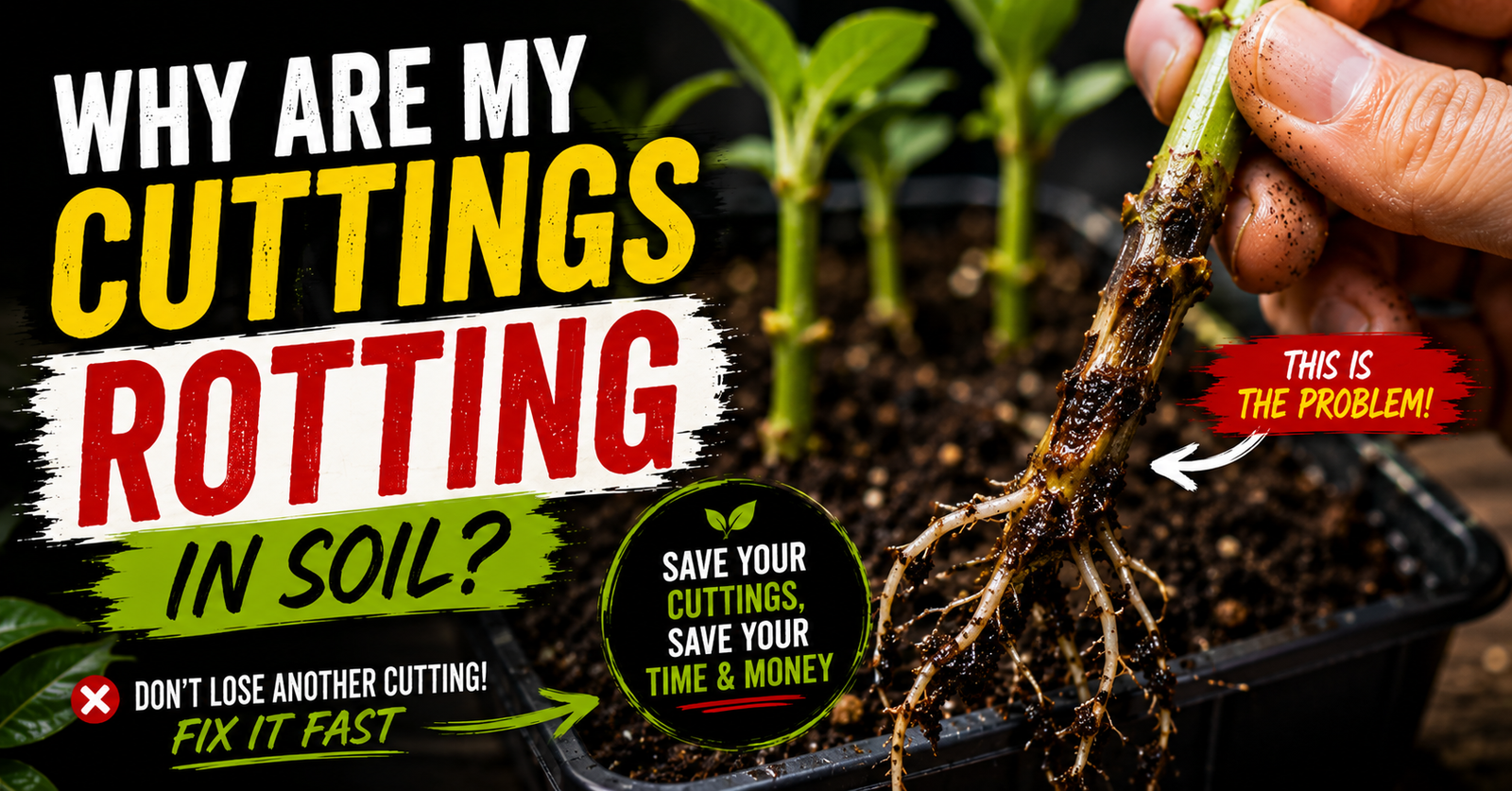
By constantly watering the top, I was creating conditions that stayed wetter than necessary around the stem.
Once I started checking below the surface before watering, my results became much more consistent.
That simple habit probably improved my propagation success more than switching to a different propagation mix ever did.
A Good Mix Is Only Part of the System
One lesson propagation has taught me is that products work together.
No single bag of propagation mix can overcome poor growing conditions.
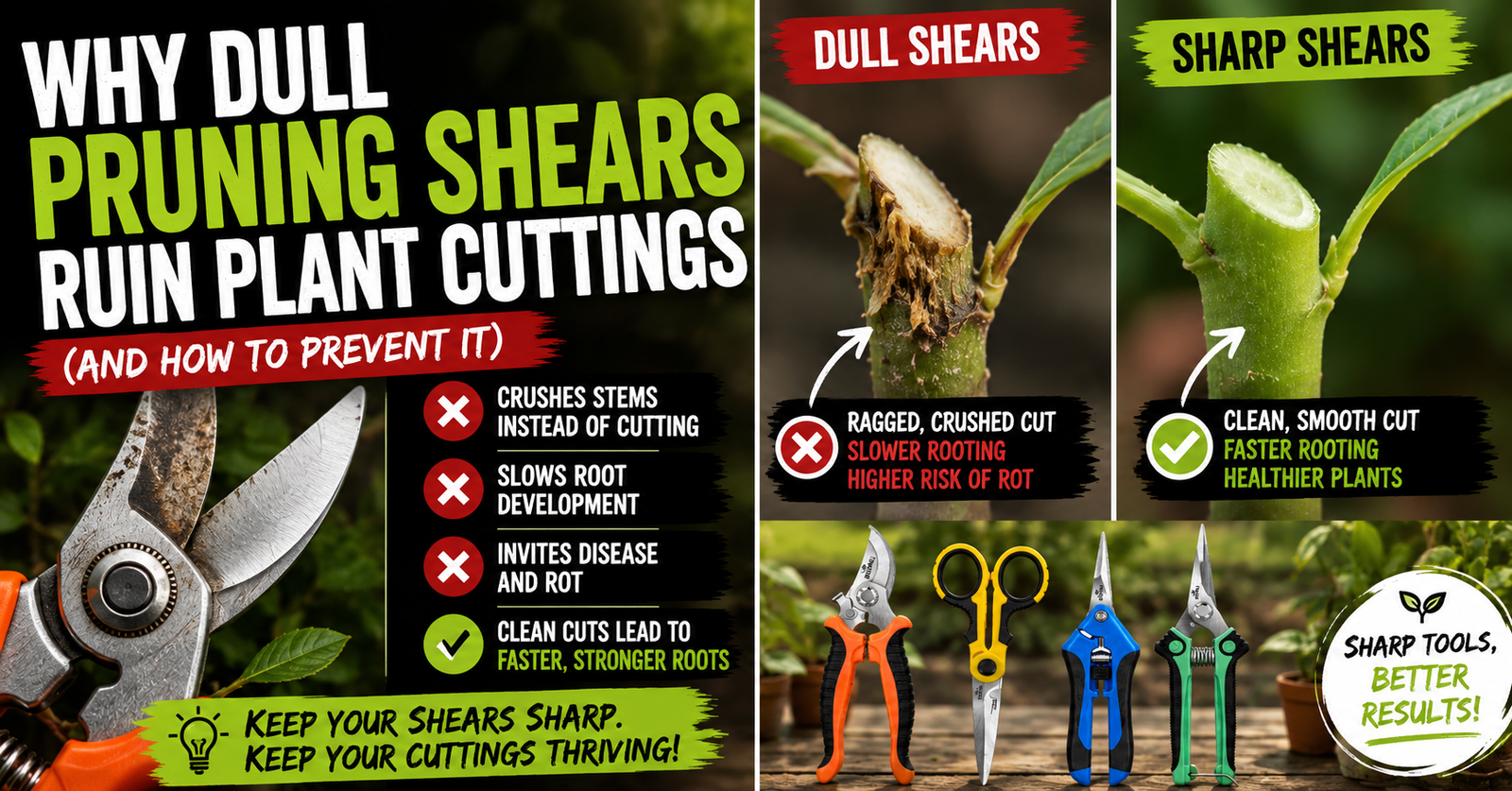
Healthy cuttings still need clean tools.
They still benefit from proper temperatures.
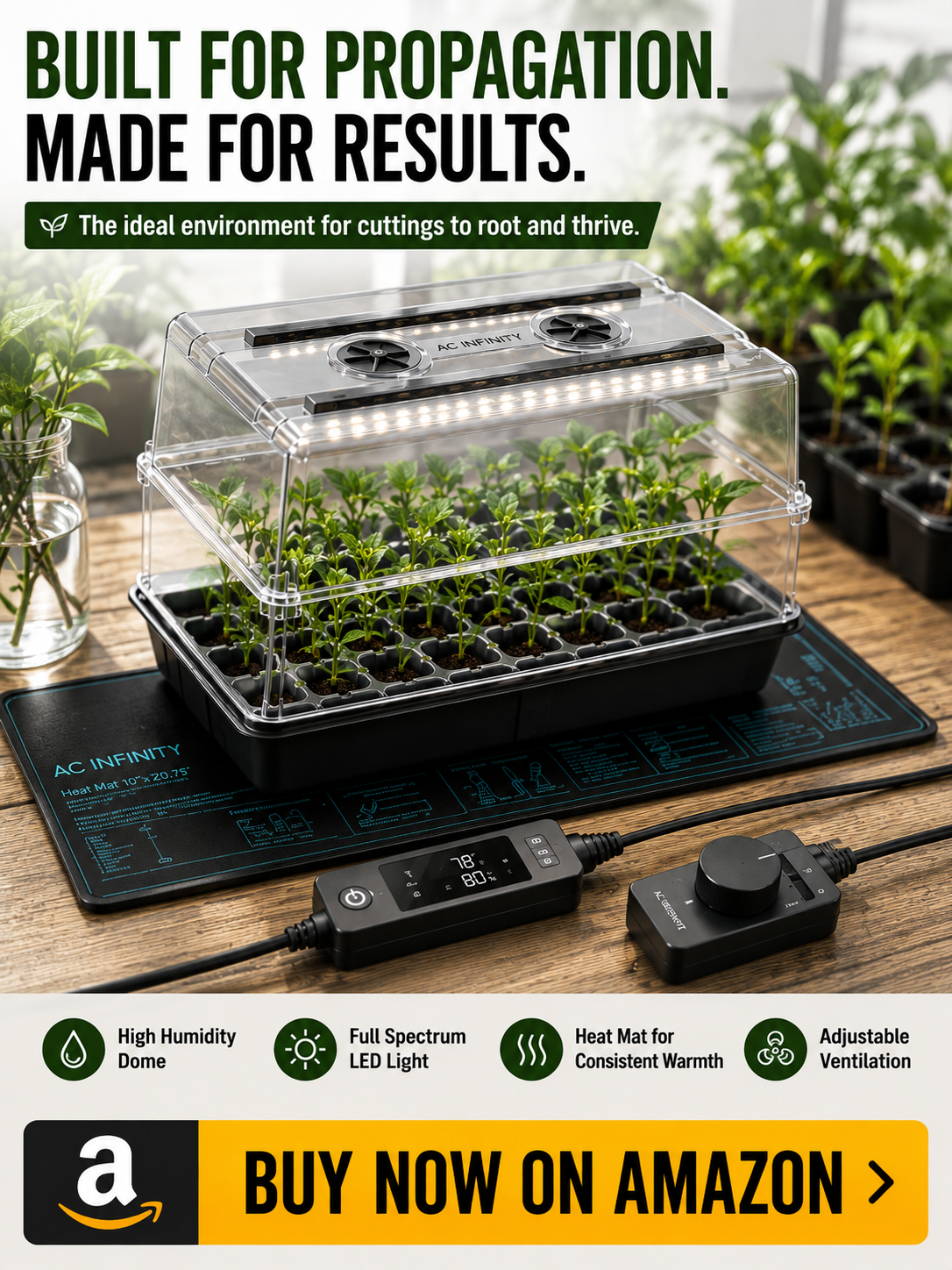
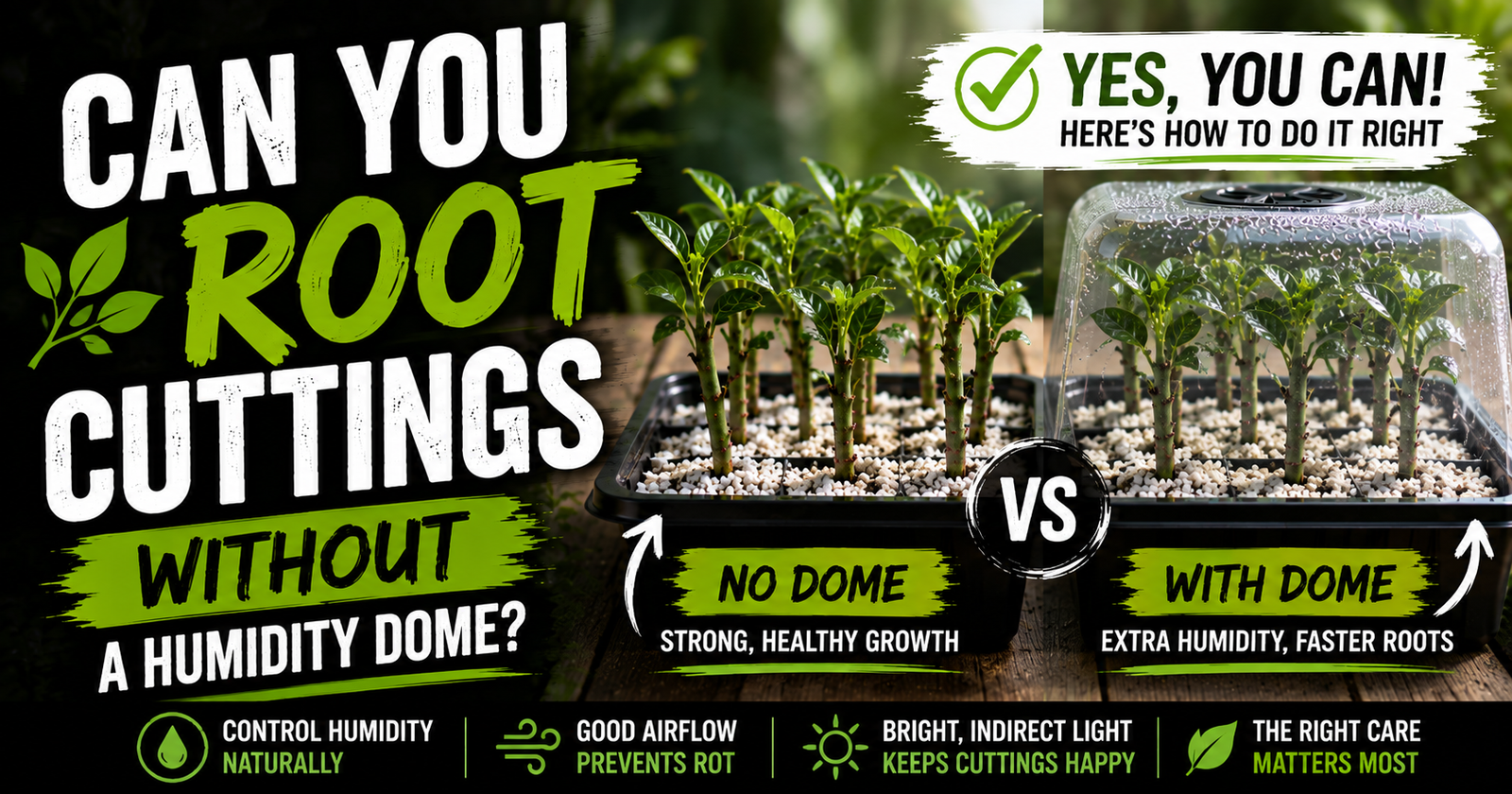
Many species still appreciate high humidity while roots are forming. A controlled environment such as an adjustable humidity dome can help maintain the humidity many cuttings need while they root.
That’s why I think of propagation as a complete system instead of a collection of unrelated supplies.
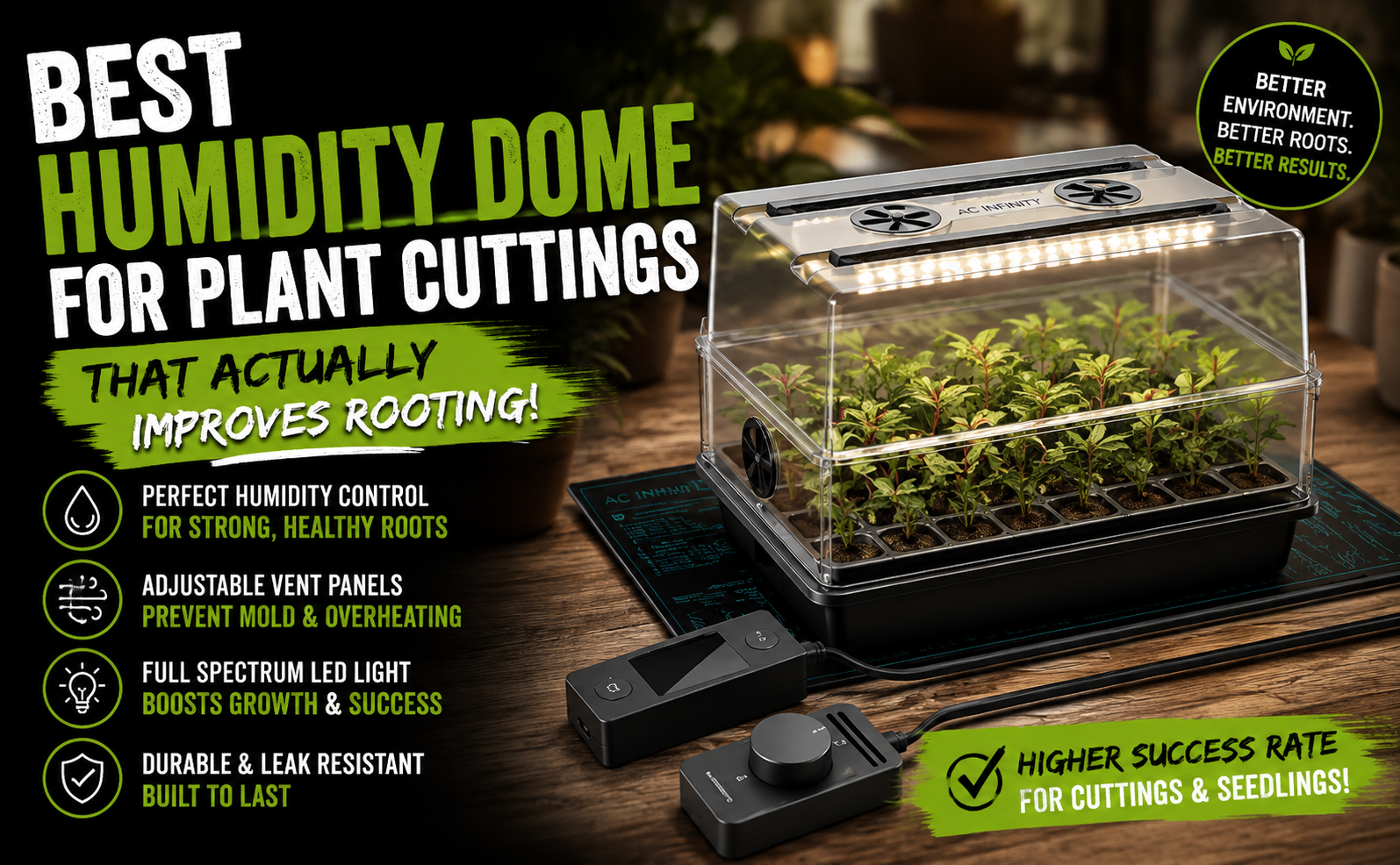
If I’m propagating slower-rooting shrubs or fruit plants, I’ll often combine a quality propagation mix with the humidity dome system I rely on most to reduce moisture loss while the cuttings establish roots.
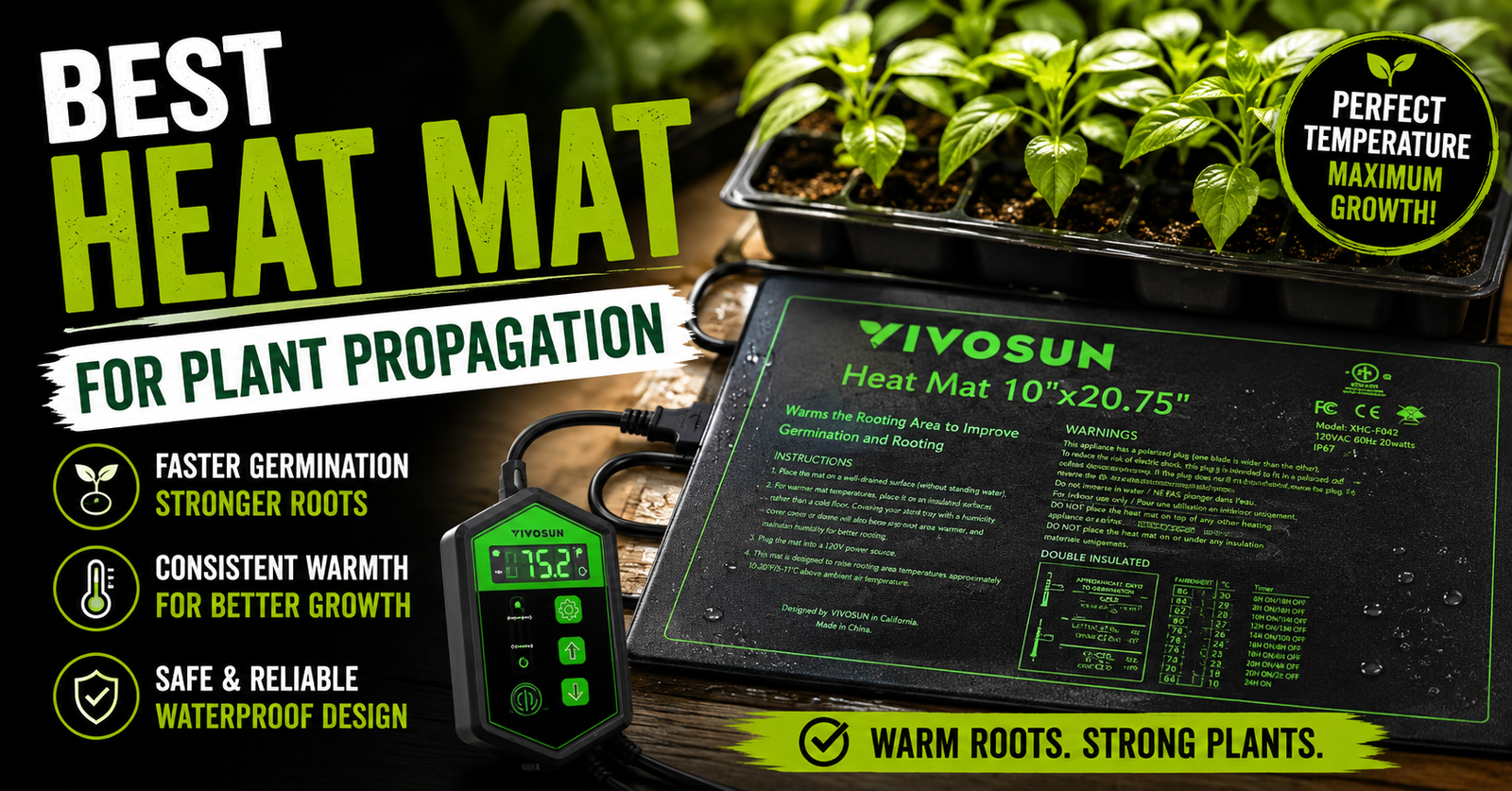
During cooler months, I’ll usually place the tray on the propagation heat mat that’s become one of my most-used toolsto keep the rooting medium at a more consistent temperature.
Those pieces work together, and that’s one reason my propagation success is much more consistent today than it was years ago.
Should You Add More Perlite?
Sometimes I do.
One thing I’ve learned over the years is that there’s no rule saying you have to use a propagation mix exactly as it comes out of the bag.
If I’m rooting plants that are especially sensitive to excess moisture, I’ll often add a little extra perlite before filling my propagation trays.
That gives me even more drainage and improves airflow around the developing roots.
For many woody shrubs and fruit plants, I’ve found that extra aeration is worth the few minutes it takes to mix everything together.
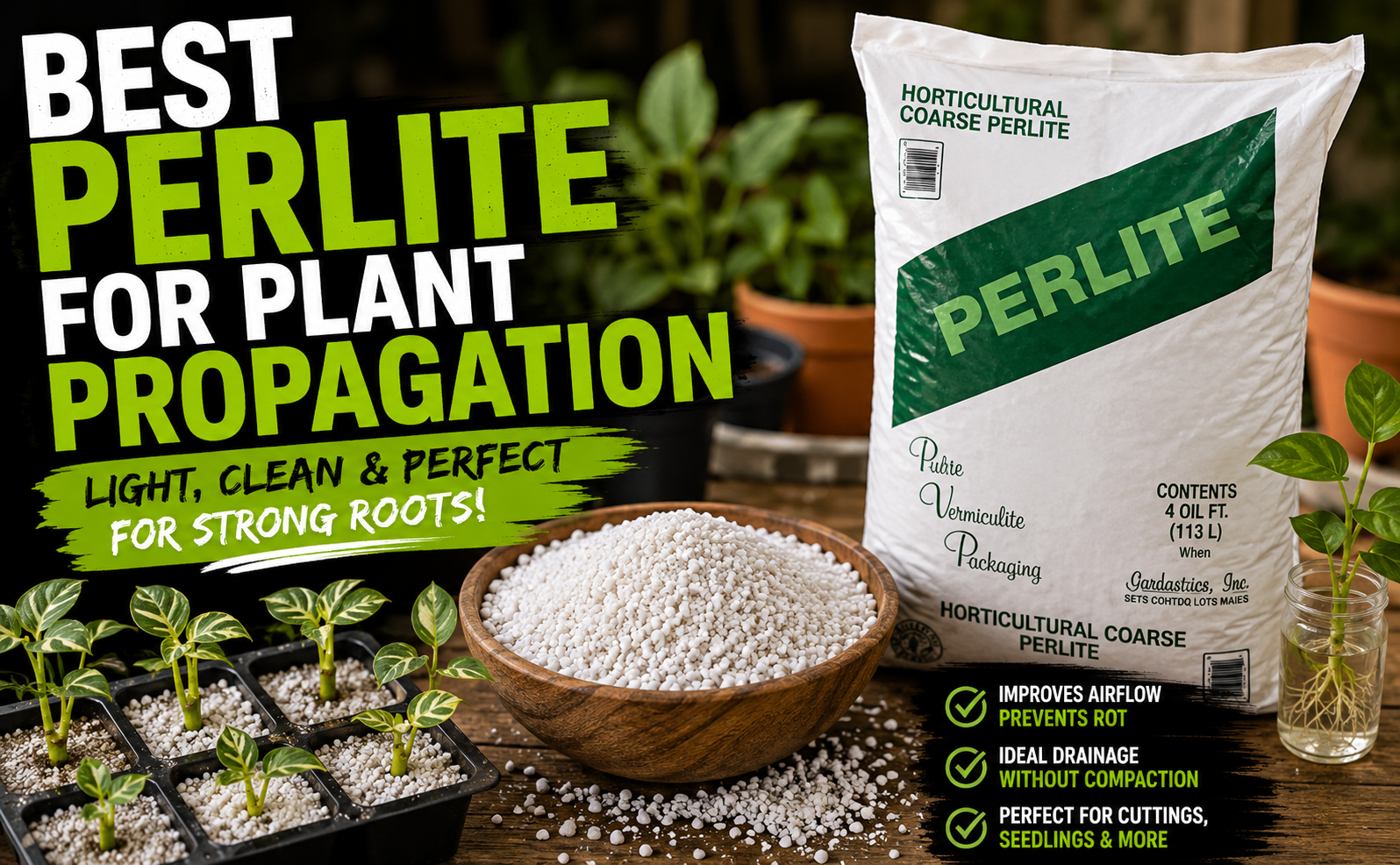
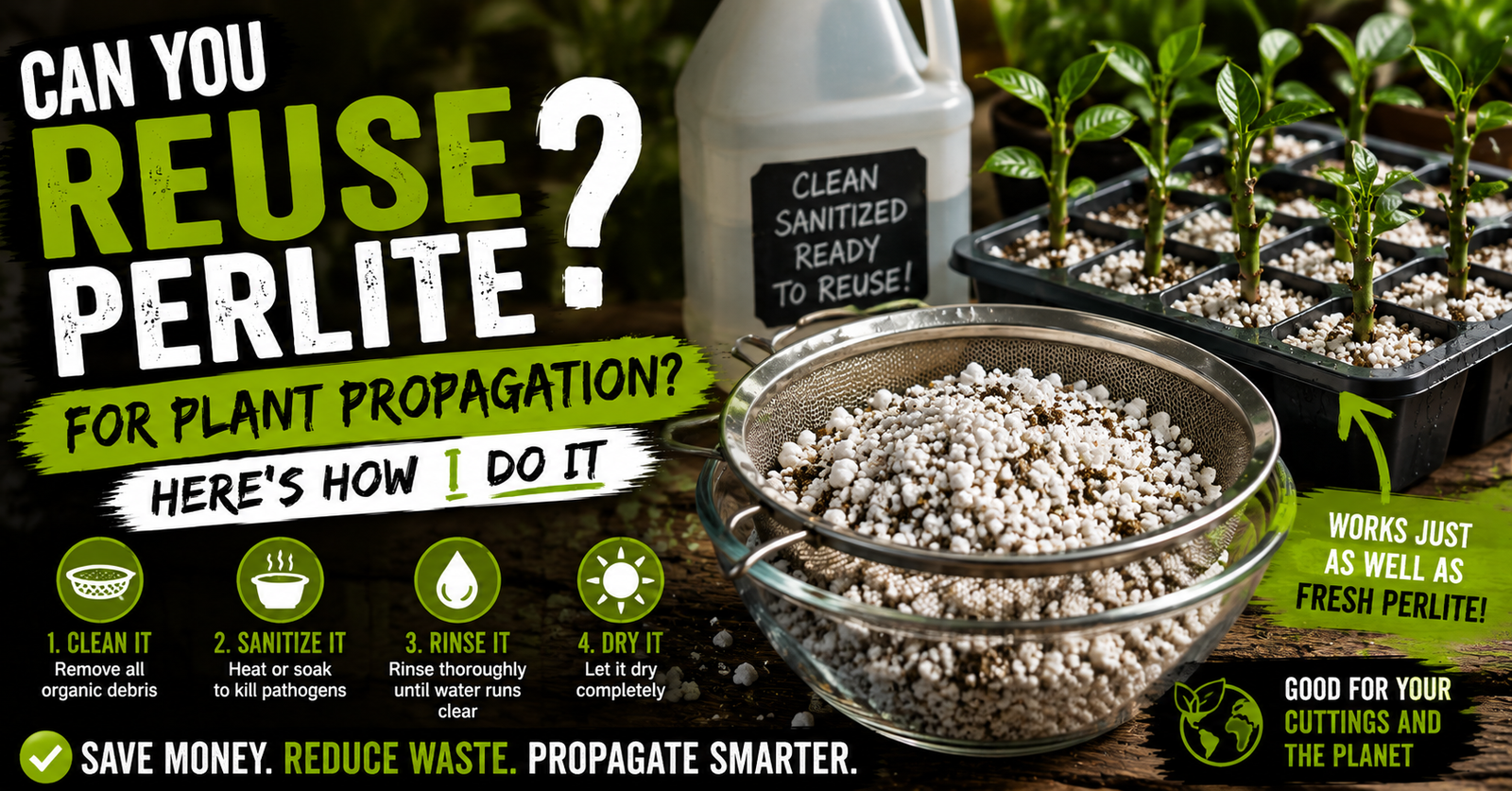
If you’re interested in why I rely on perlite so heavily, I explain it in my guide to the best perlite for plant propagationand also share when I prefer using straight perlite for plant cuttings instead of a blended propagation mix.

Can Seed Starting Mix Replace Potting Soil?
Not permanently.
Seed starting mix is designed to help plants through their earliest stage of life.
Once your cuttings have developed a healthy root system and begin producing new growth, they’ll eventually need a richer growing medium that provides long-term support.
Think of seed starting mix as a temporary home.
Its job is to help roots develop.
Once that job is finished, it’s time to move the plant into an appropriate potting mix where it can continue growing.
Trying to grow mature plants in seed starting mix forever usually leads to disappointing results because the mix simply wasn’t designed for that purpose.
Why I Like Ready-Made Propagation Mixes
There was a time when I mixed every propagation medium myself.
Peat moss here.
Perlite there.
A little vermiculite.
Sometimes the results were excellent.
Other times I ended up with a mix that held too much water or dried out faster than expected.
Eventually I realized I wasn’t saving much money, and I certainly wasn’t saving time.
That’s one reason I don’t mind buying a quality propagation mix that’s already balanced correctly.
It gives me a consistent starting point every single time.
If I decide a particular plant needs slightly more drainage, I can always add a little extra perlite.
But most of the time, I’m happy opening the bag and getting to work.
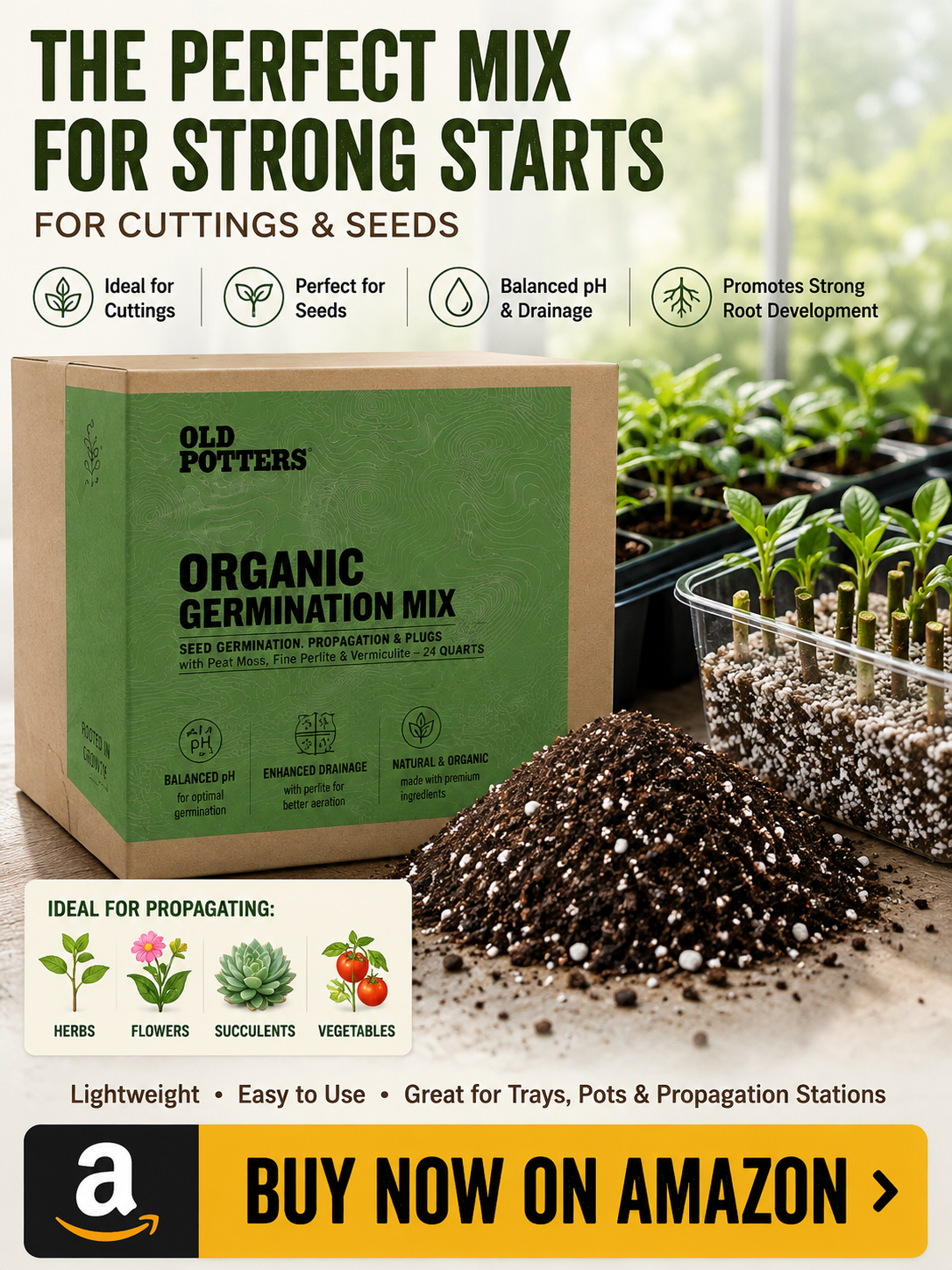
If you’re looking for a propagation mix that’s ready to use without mixing your own ingredients, I’d recommend taking a look at the seed starting mix I use for both seedlings and cuttings on Amazon. It’s become one of those supplies I reorder because it works well across so many different propagation projects.
Every Plant Teaches You Something
One reason I enjoy propagation so much is that every batch of cuttings teaches me something new.
Sometimes I learn that a particular shrub roots much faster than I expected.
Other times I realize a plant needs a little more humidity or slightly better drainage than I’d been providing.
Those lessons add up over time.
The propagation mix I use today isn’t based on something I read once in a gardening book.
It’s based on years of watching cuttings succeed, watching others fail, and gradually paying attention to the small details that made the biggest difference.
That’s also why I encourage new gardeners to experiment.
Root a few cuttings in your favorite mix.
Try another batch in a different medium.
Compare the results.
The more observations you make yourself, the more confident you’ll become in choosing the right propagation method for each plant.
Frequently Asked Questions
Is seed starting mix enough by itself for propagation?
For many plants, yes.
I’ve rooted countless cuttings using nothing more than a quality seed starting mix.
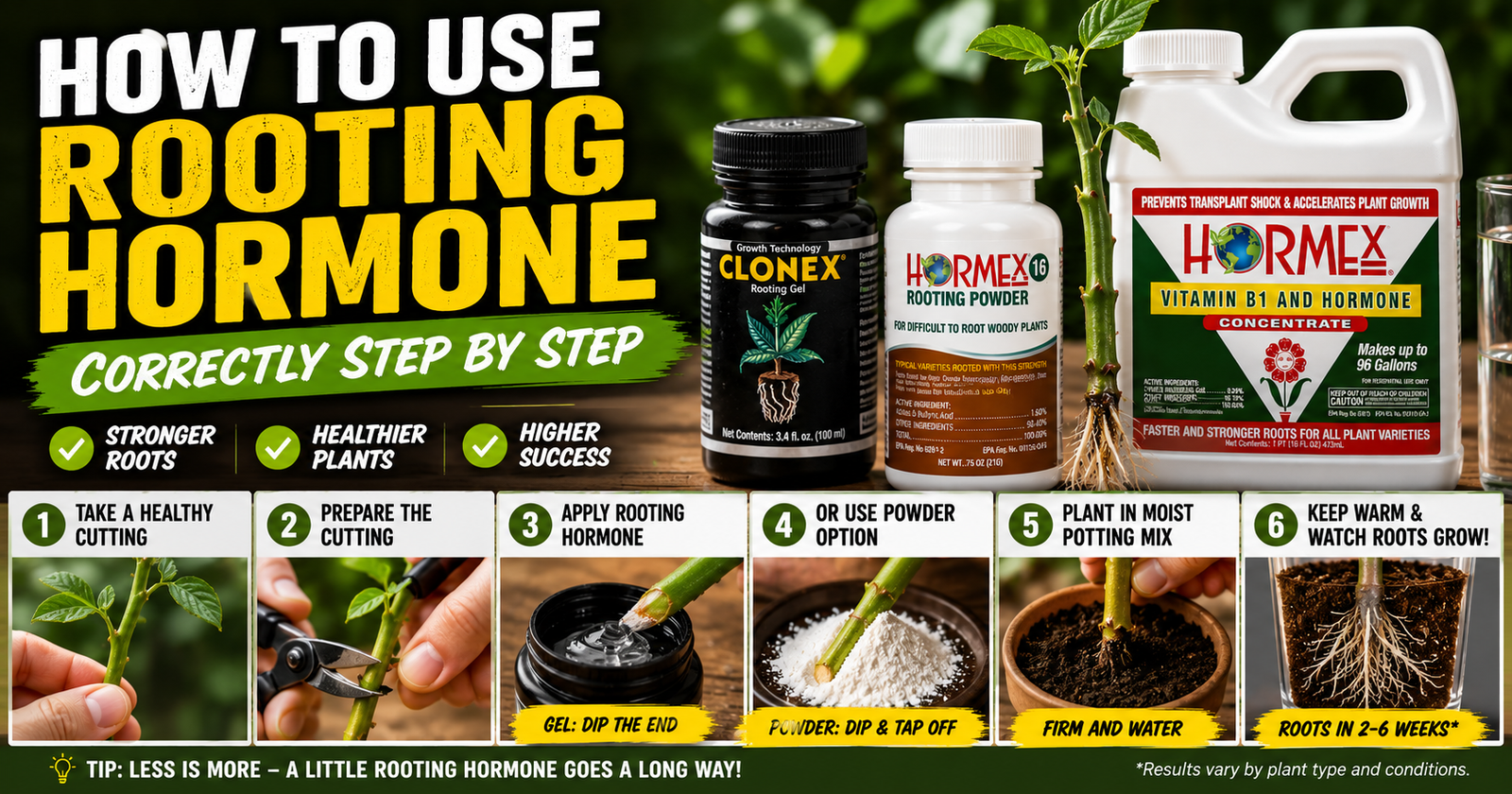
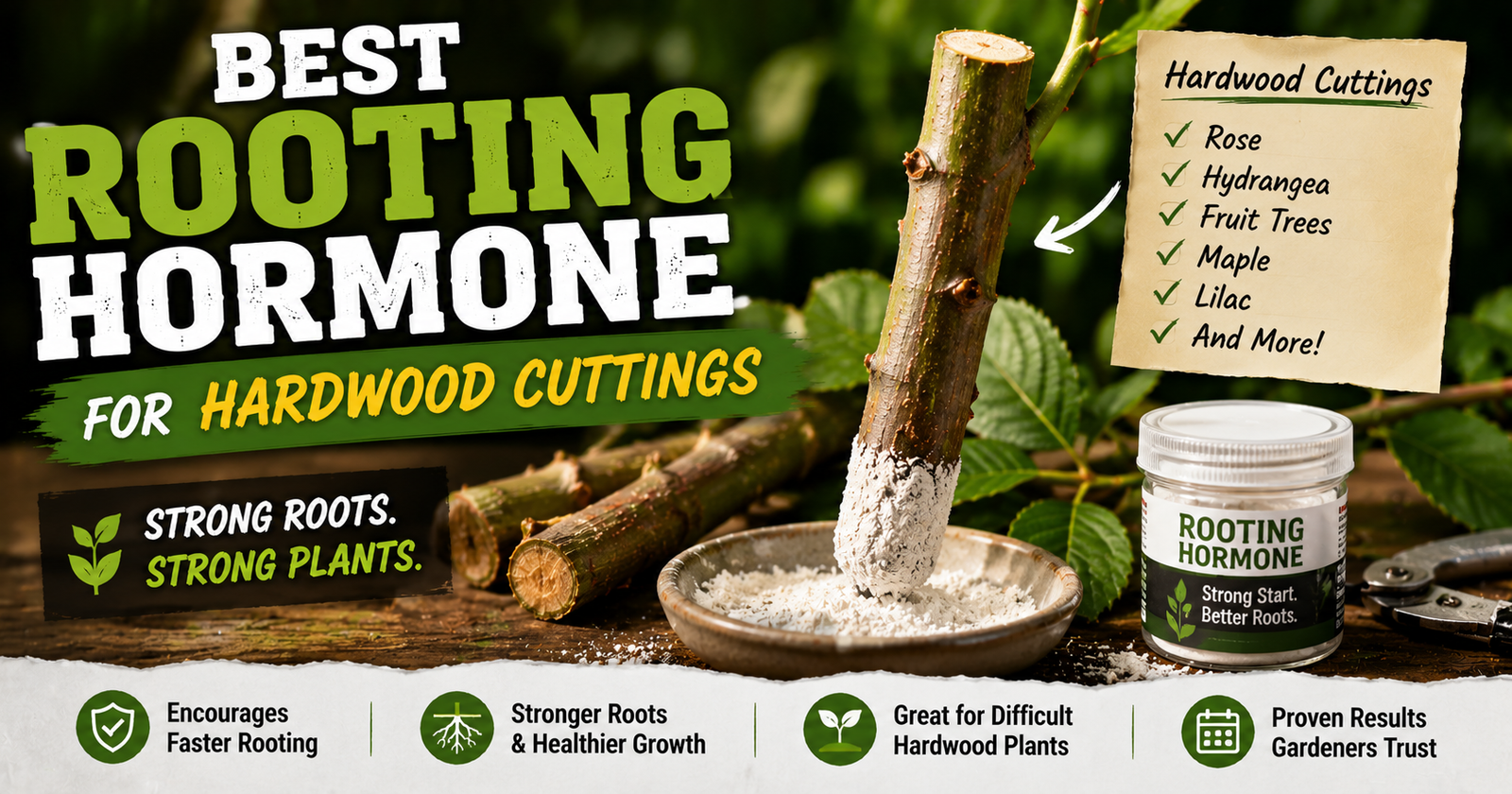
For slower-rooting species, I often combine it with rooting hormone, bottom heat, and a humidity dome to create even better conditions.
The mix provides the foundation.
Everything else simply improves the environment around it.
Can I use seed starting mix indoors?
Absolutely.
In fact, that’s where I use it most often.
Its light texture, good drainage, and consistent moisture make it ideal for indoor propagation trays, seed-starting shelves, and greenhouse benches.
Just remember that indoor conditions are often drier than people realize, so monitoring moisture regularly is still important.
Frequently Asked Questions
Does seed starting mix contain fertilizer?
Many quality seed starting mixes contain very little fertilizer or none at all.
That often surprises beginners, but it’s actually intentional.
Fresh cuttings don’t need large amounts of nutrients while they’re trying to produce roots.
Their energy comes from the stored carbohydrates inside the stem.
Adding a lot of fertilizer too early doesn’t usually improve rooting and can sometimes create unnecessary stress.
Once I see a healthy root system and new growth, that’s when I begin thinking about moving the plant into a more nutrient-rich potting mix.
Should seed starting mix stay wet all the time?
No.
One of the easiest mistakes to make is confusing “moist” with “soaking wet.”
I aim for a mix that feels evenly damp without becoming saturated.
If you squeeze a handful and water pours out, it’s probably wetter than it needs to be.
Healthy roots need oxygen just as much as they need moisture.
Finding that balance is one of the biggest keys to successful propagation.
Can I make my own seed starting mix?
Absolutely.
I’ve mixed my own propagation media for years.
Many gardeners enjoy experimenting with different combinations of peat moss, perlite, vermiculite, coco coir, and other ingredients.
The advantage of making your own is flexibility.
The advantage of buying a quality ready-made mix is consistency.
Neither approach is wrong.
Personally, I use both depending on how many cuttings I’m rooting and how much time I have available.
Can I use seed starting mix for houseplant propagation?
Definitely.
I’ve used it successfully for pothos, philodendrons, monsteras, tradescantia, begonias, herbs, and many other common houseplants.
As long as the mix stays evenly moist and drains well, many houseplants root beautifully in it.
Is it worth buying a larger bag?
If you enjoy propagating plants regularly, I think so.
At first I only bought small bags because I assumed they would last a long time.
I couldn’t have been more wrong.
Between rooting cuttings, starting vegetables, growing flowers from seed, and mixing propagation media, I found myself going through far more than I expected.
Now I usually keep a larger bag available because I know it’ll get used throughout the year.
The Right Mix Gives Every Cutting a Better Start
One thing I’ve learned after propagating thousands of plants is that success usually comes from stacking small advantages together.
Healthy parent plants.
Clean cuts.
A propagation mix that drains well.
Consistent moisture.
Proper temperatures.
Good humidity.
None of those things guarantee success on their own.
Together, they create an environment where healthy roots are much more likely to develop.
That’s exactly why I continue using a quality seed starting mix.
It gives every cutting a strong foundation from the moment it goes into the tray.
If you’re tired of guessing whether your propagation mix is helping or hurting your cuttings, I’d encourage you to start with a product that’s specifically designed for the job.
See the Seed Starting Mix I Trust for Healthier Cuttings on Amazon
I think you’ll notice the difference long before it’s time to transplant your first batch of rooted cuttings.
About the Author
Daxon Weaver is the founder of PropagationWorld and has propagated thousands of plants ranging from common houseplants and herbs to fruit trees, berry bushes, and ornamental shrubs. Through years of hands-on propagation experience, he enjoys testing gardening products, refining propagation methods, and sharing practical advice that helps gardeners grow healthier plants with greater confidence.