When gardeners struggle with propagation, they usually blame the wrong thing.
They blame the rooting hormone.
The water.
The light.
The humidity.
Almost nobody blames the tool that touched the cutting first.
After propagating thousands of plants over the years, I’ve learned that every successful cutting starts long before it reaches water, perlite, sphagnum moss, or an aeroponic cloner.
It starts with a clean cut.
That first cut determines how much damage the stem has to recover from before it can begin producing roots.
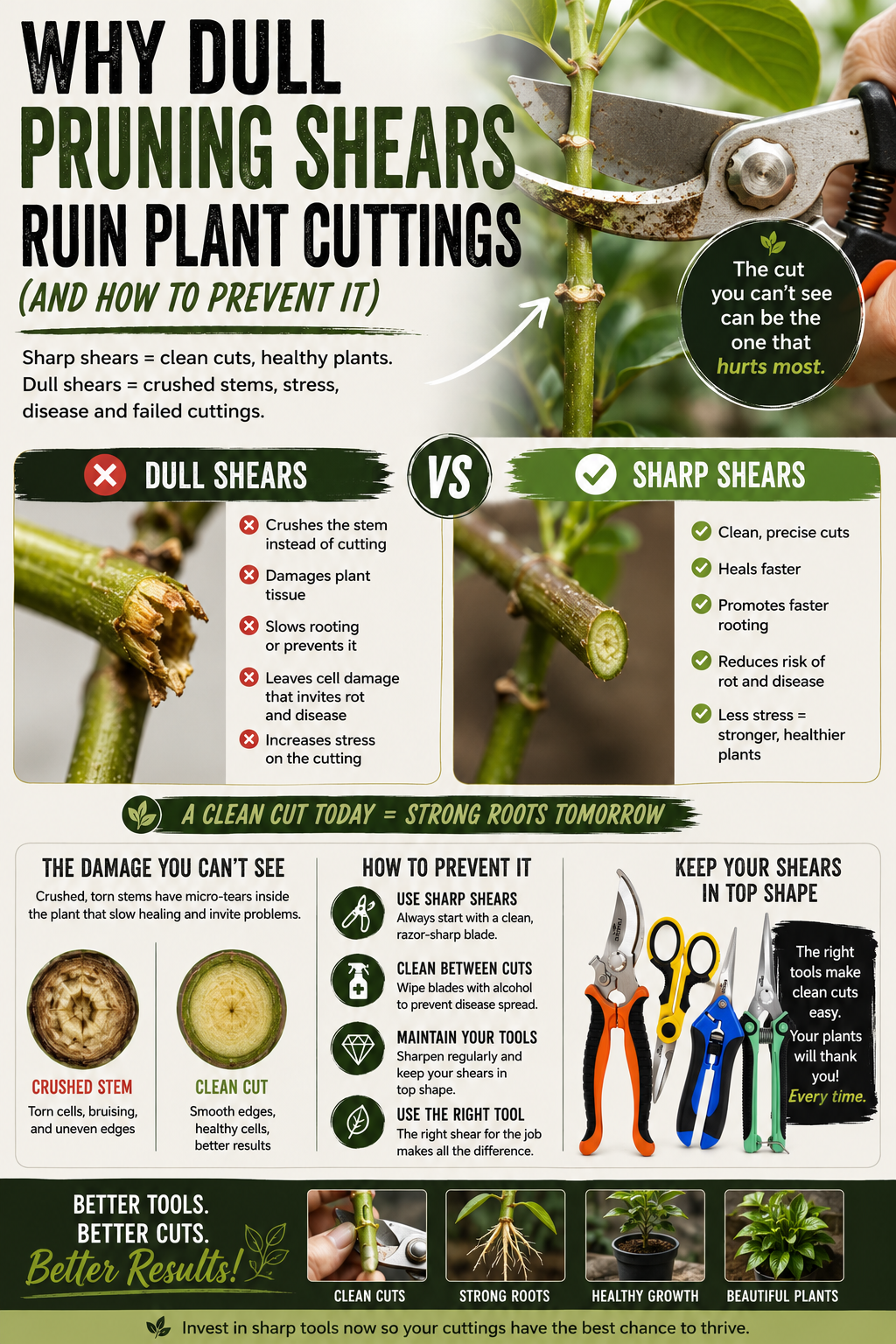
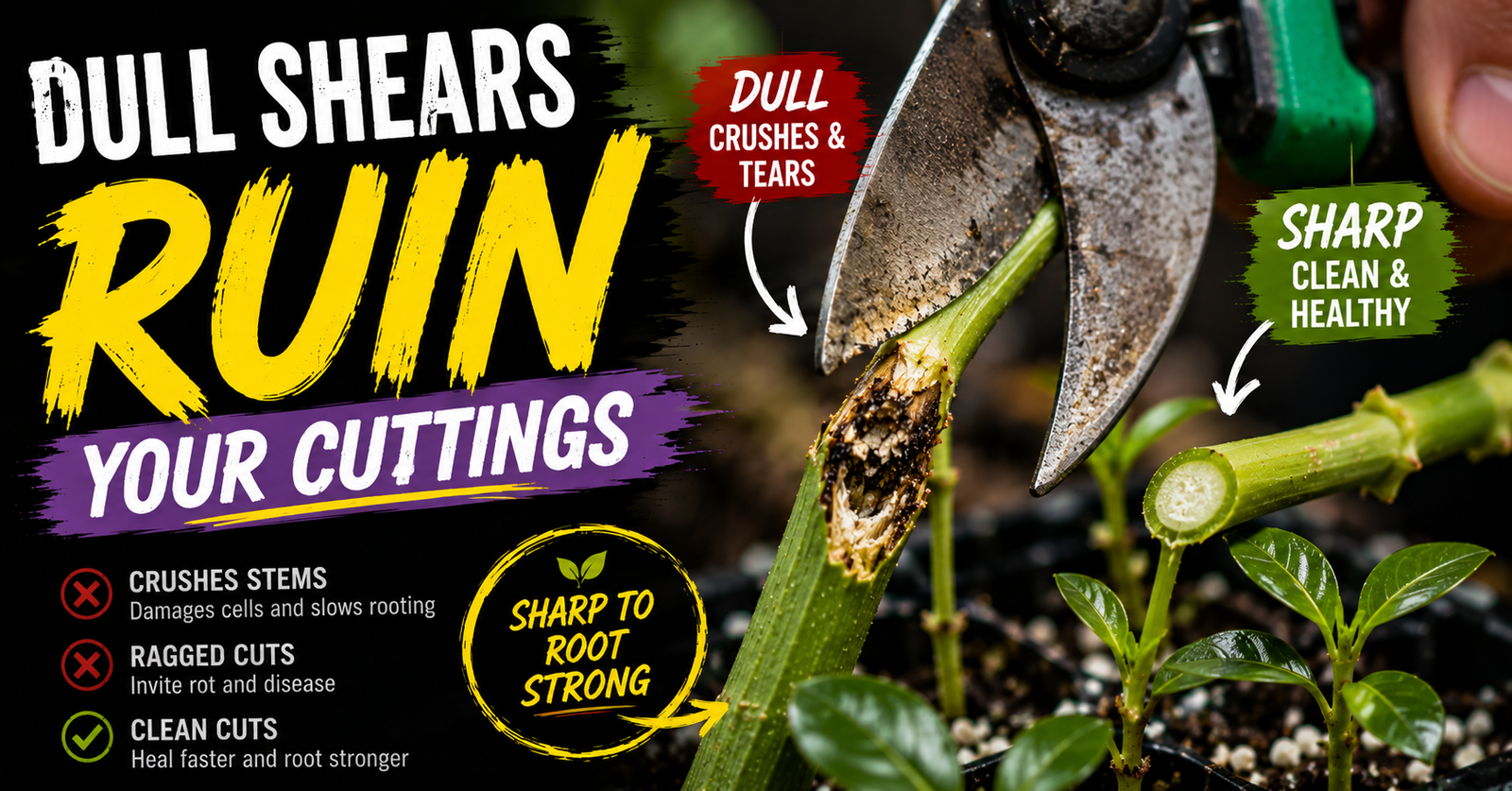
A sharp blade slices cleanly through plant tissue.
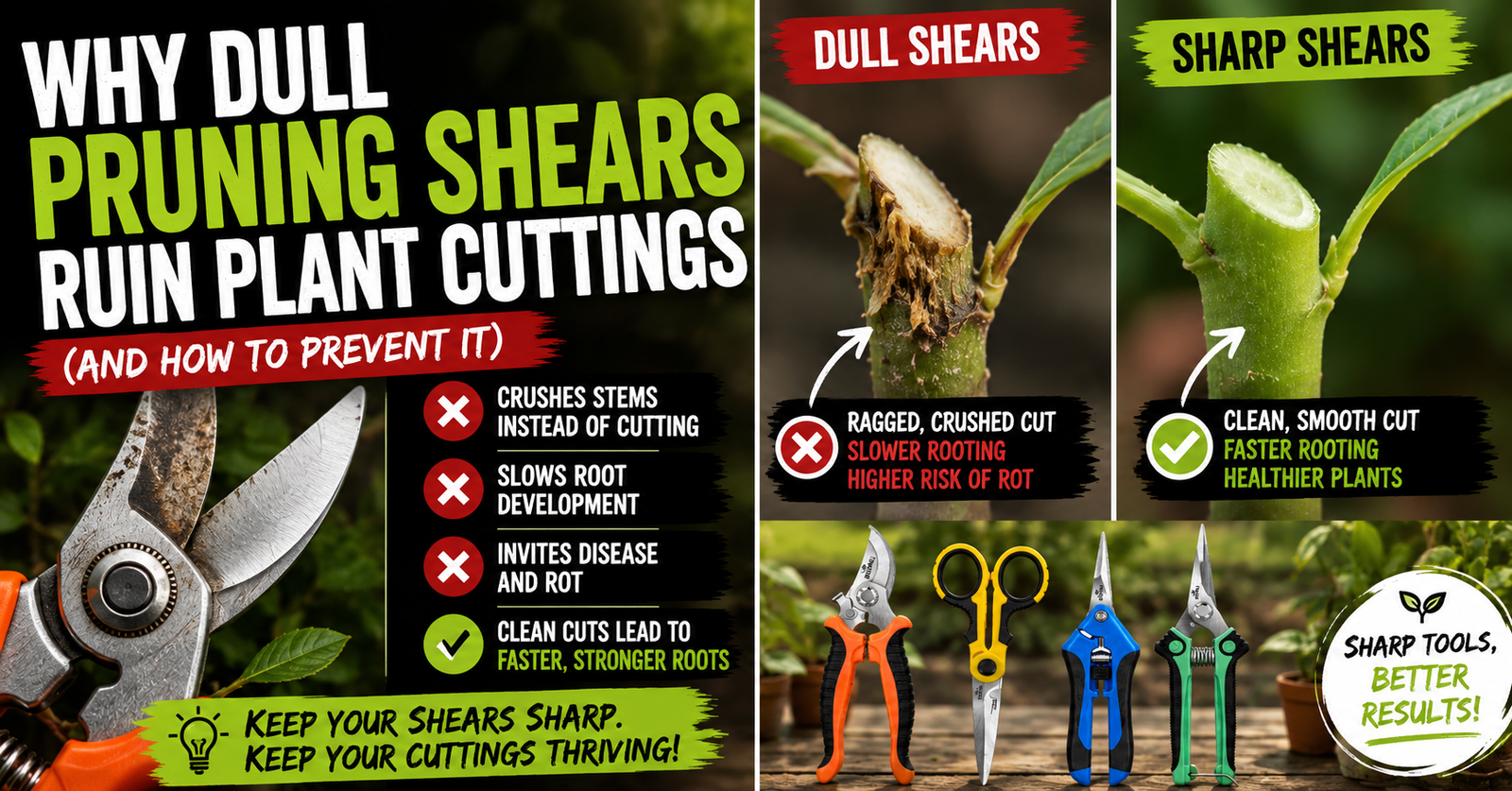
A dull blade crushes it.
That may sound like a small difference, but it can absolutely affect how quickly a cutting heals and how likely it is to root successfully.
If you’ve never considered your pruning shears as part of your propagation success, you might be surprised how much difference they can make.
The Short Answer
Yes.
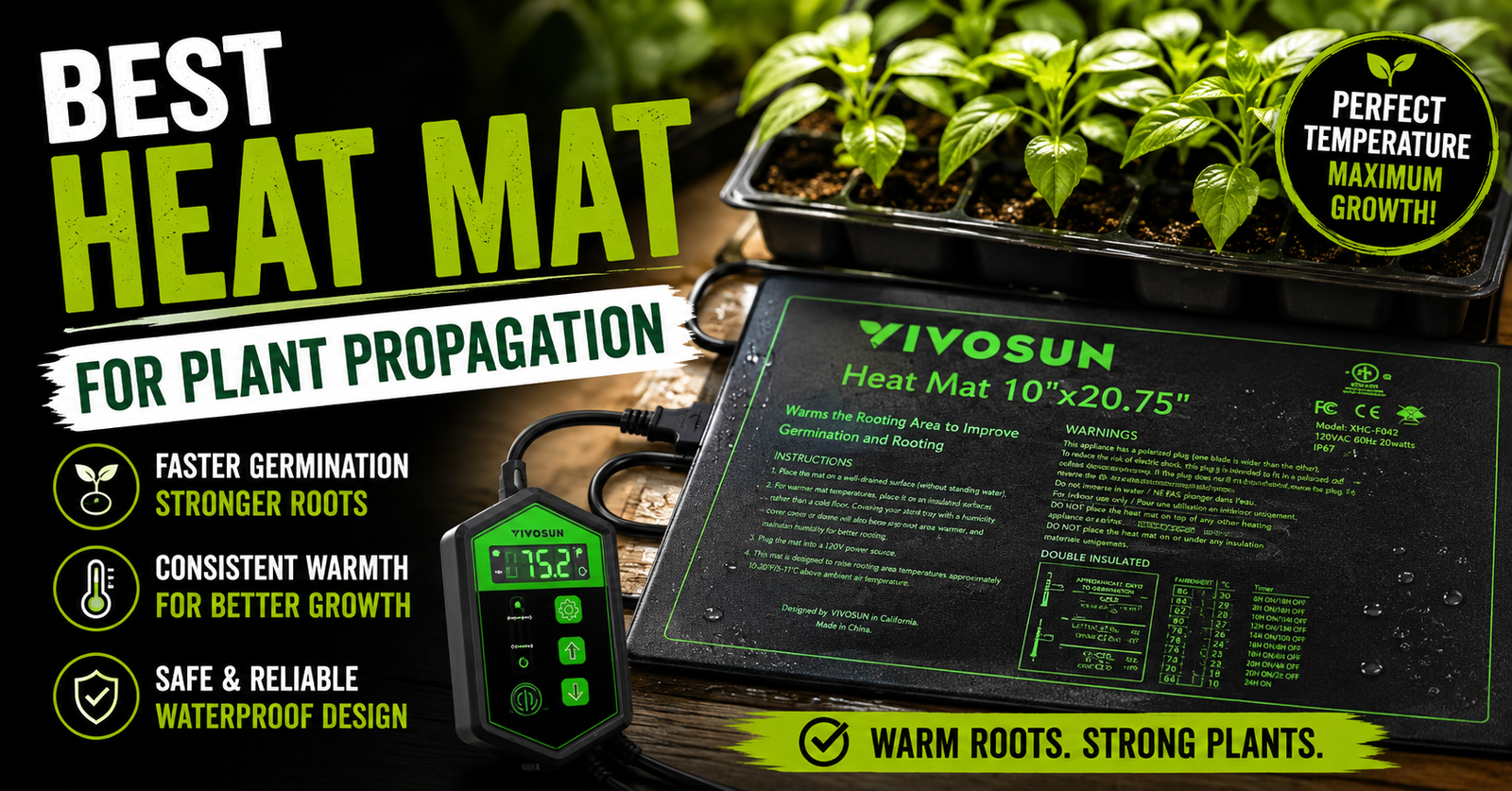
Dull pruning shears can reduce your chances of successful propagation by crushing stems instead of making a clean cut. Damaged tissue loses moisture more quickly, heals more slowly, and gives bacteria and fungi more opportunities to enter the cutting. After making a clean cut, reducing moisture loss after cutting can further reduce the stress caused by moisture loss before roots form.
Why Healthy Roots Start With a Healthy Cut
Before a cutting can grow roots, it has to survive.
The moment you remove a stem from the parent plant, it immediately begins losing moisture.
It has no roots to replace that water.
Its stored energy becomes extremely valuable.
If the cutting has also been crushed by a dull blade, the plant now has to repair unnecessary damage before it can even begin producing roots.
I’ve noticed this firsthand over the years.
Whenever I switch from older worn-out shears to freshly sharpened ones, my cuttings consistently look healthier during those first few days.
The stems stay cleaner.
The cuts seal more quickly.
And I simply lose fewer cuttings.
It’s one of those small improvements that quietly increases your success without requiring any extra work afterward.
What a Dull Blade Actually Does
Many people picture a dull blade simply cutting more slowly.
That’s only part of the story.
A dull blade usually squeezes the stem before it finally cuts through it.
Instead of a smooth slice, the plant tissue becomes pinched, crushed, and torn.
Sometimes the damage is obvious.
The cut end may look flattened.
Fibers may stick out instead of looking smooth.
The stem may even split slightly under pressure.
Every bit of that damage creates extra work for the cutting while it’s trying to stay alive.
That’s exactly why I prefer replacing worn tools before they become a problem instead of trying to squeeze one more season out of them. Choosing pruning tools that work well can help prevent rough cuts before they affect your propagation results.
One Upgrade That Made a Bigger Difference Than I Expected
Several years ago I stopped grabbing whatever scissors happened to be nearby and started keeping dedicated pruning shears at my propagation bench.
It made a noticeable difference.
Not only were my cuts cleaner, but I also stopped wasting time hunting for tools every time I wanted to take a few cuttings.
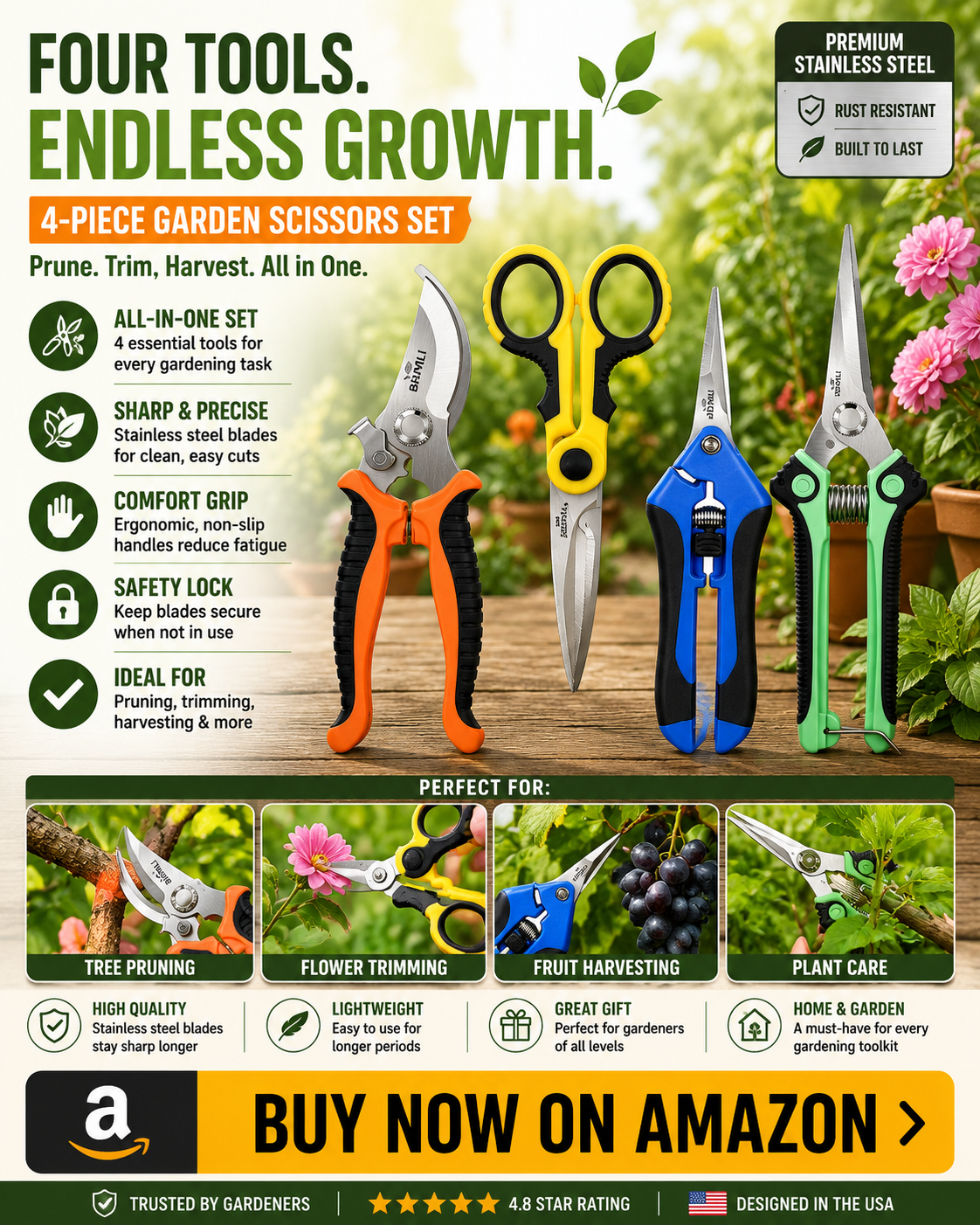
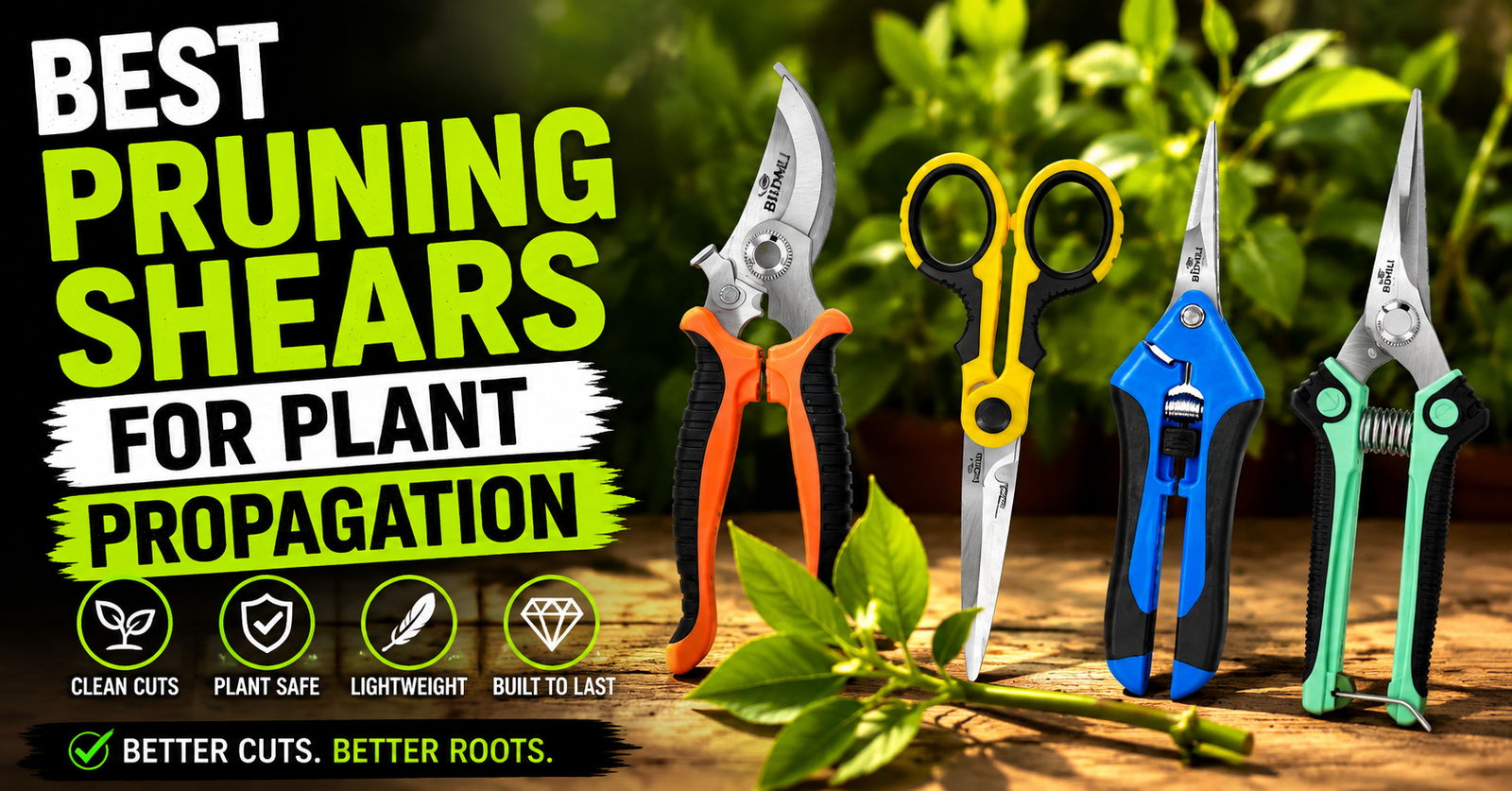
Lately I’ve been using these affordable pruning shears for plant propagation because the four-pack lets me keep one pair indoors, one in the greenhouse, one in the garden, and another as a backup.
For the price, they’ve been surprisingly good for houseplants, herbs, flowers, and most softwood cuttings.
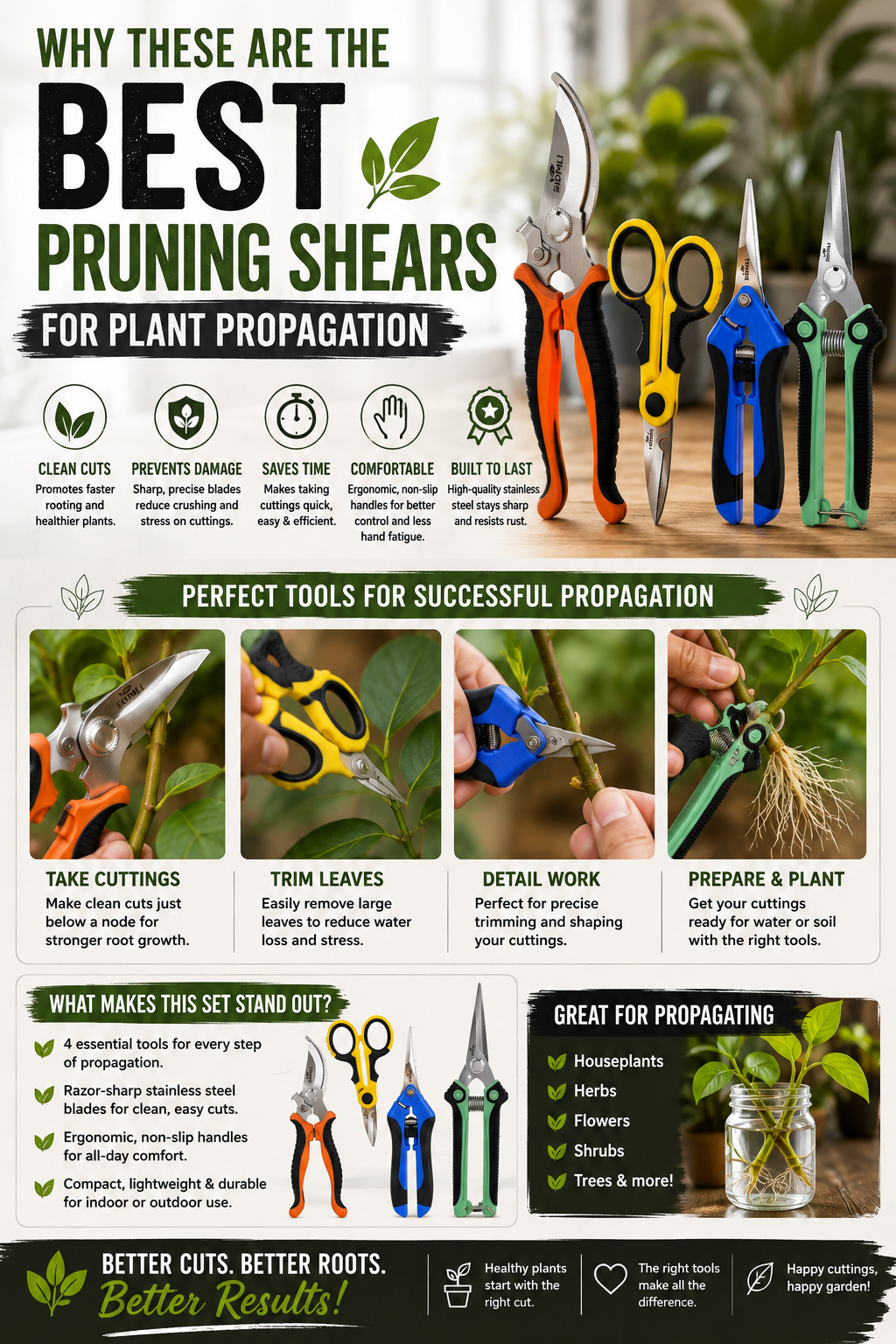
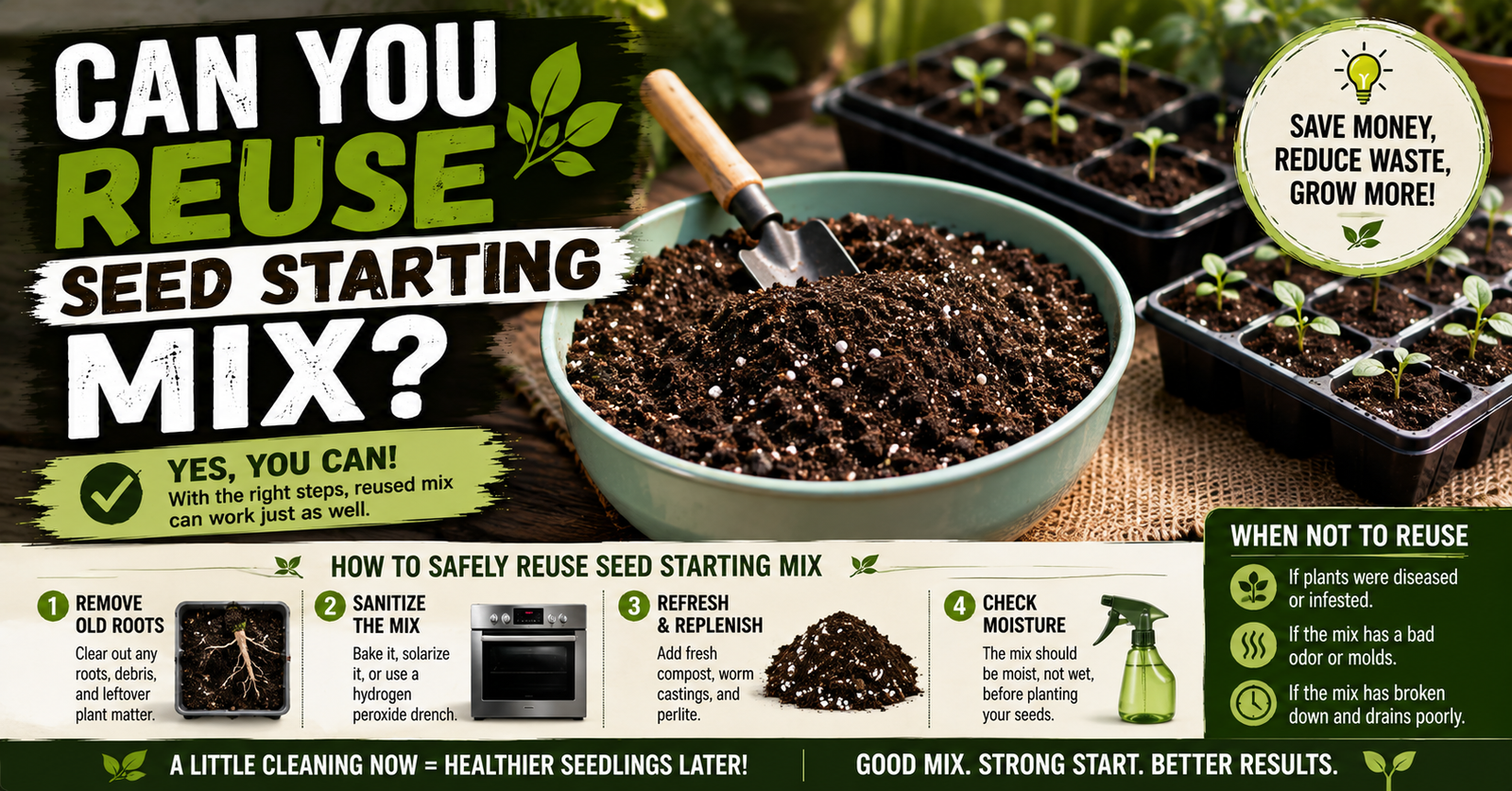
If you’re trying to decide between different styles of pruners, I also put together my complete guide to the best pruning shears for plant propagation where I compare bypass pruners, precision snips, heavy-duty models, and explain which ones I reach for depending on the type of plant I’m propagating.
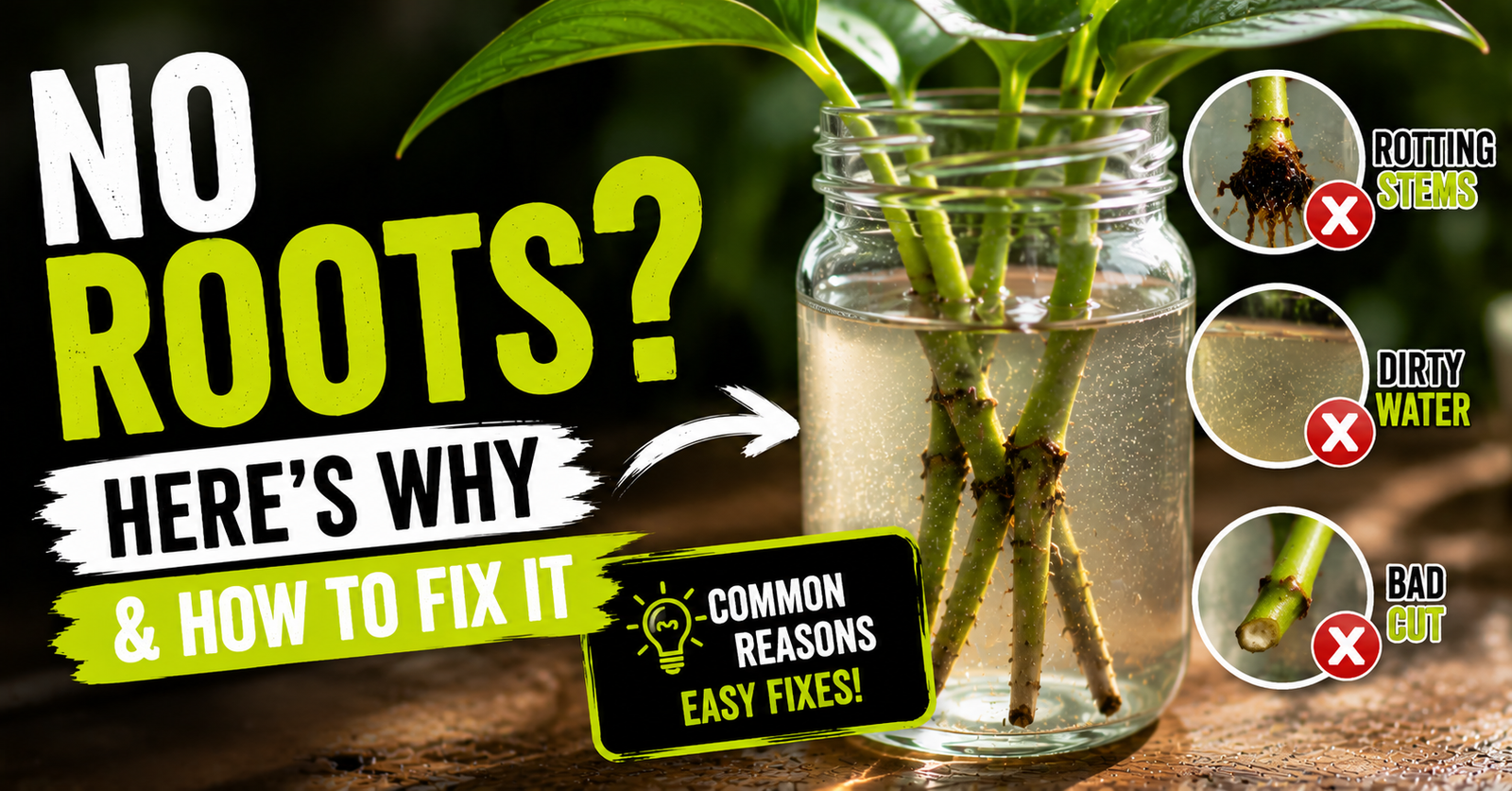
Signs Your Pruning Shears Need to Be Sharpened or Replaced
One mistake I made early on was waiting until my pruning shears were almost unusable before doing anything about them.
Now I pay attention to the little warning signs long before they become a problem.
If you notice any of these, it’s probably time to sharpen your blades or start shopping for a replacement.
- The stem bends before it’s cut.
- You have to squeeze much harder than usual.
- The cut looks rough instead of smooth.
- The blades leave crushed or flattened stems.
- Rust is beginning to appear along the cutting edge.
- The blades no longer meet cleanly when they close.
Sharp pruning shears should glide through healthy stems with very little effort.
If every cut feels like a struggle, your plants are struggling too.
Should You Sharpen Your Shears or Buy New Ones?
That depends on the condition of the tool.
If the blades are still in good shape and simply aren’t as sharp as they used to be, sharpening them is usually all they need.
I sharpen my favorite pruning shears several times throughout the year because it’s quick, inexpensive, and keeps them performing like new.
On the other hand, some tools simply reach the end of their life.
If the blades are chipped, badly rusted, won’t hold an edge, or the pivot has become loose and sloppy, replacing them is often the better investment.
A dependable pair of pruning shears will last for years with proper care, so buying a quality replacement is money well spent.
Bypass Pruners vs. Anvil Pruners
People often ask whether bypass or anvil pruners are better for propagation.
For me, the answer is easy.
Bypass pruners win every time.
They work like a pair of scissors, with one blade sliding cleanly past the other.
That creates a smooth cut with very little damage to the stem.
Anvil pruners work differently.
The blade closes against a flat surface, which can crush softer plant tissue before cutting through it.
They’re excellent for removing dead branches around the yard, but they aren’t my first choice for taking propagation cuttings.
Whenever I’m preparing stems for rooting, I always reach for bypass-style pruning shears.
Clean Tools Are Just as Important as Sharp Ones
Even the sharpest pruning shears can spread problems if they’re dirty.
Plant sap, bacteria, fungi, and even viruses can move from one plant to another if the blades aren’t cleaned regularly.
Whenever I’m taking cuttings from several different plants, I keep a bottle of isopropyl alcohol nearby.
A quick wipe only takes a few seconds, but it helps prevent spreading diseases throughout my propagation bench.
It’s one of those habits that seems small until it saves an entire batch of cuttings.
Great Propagation Starts Before You Add Rooting Hormone
People often ask me which rooting hormone I recommend.
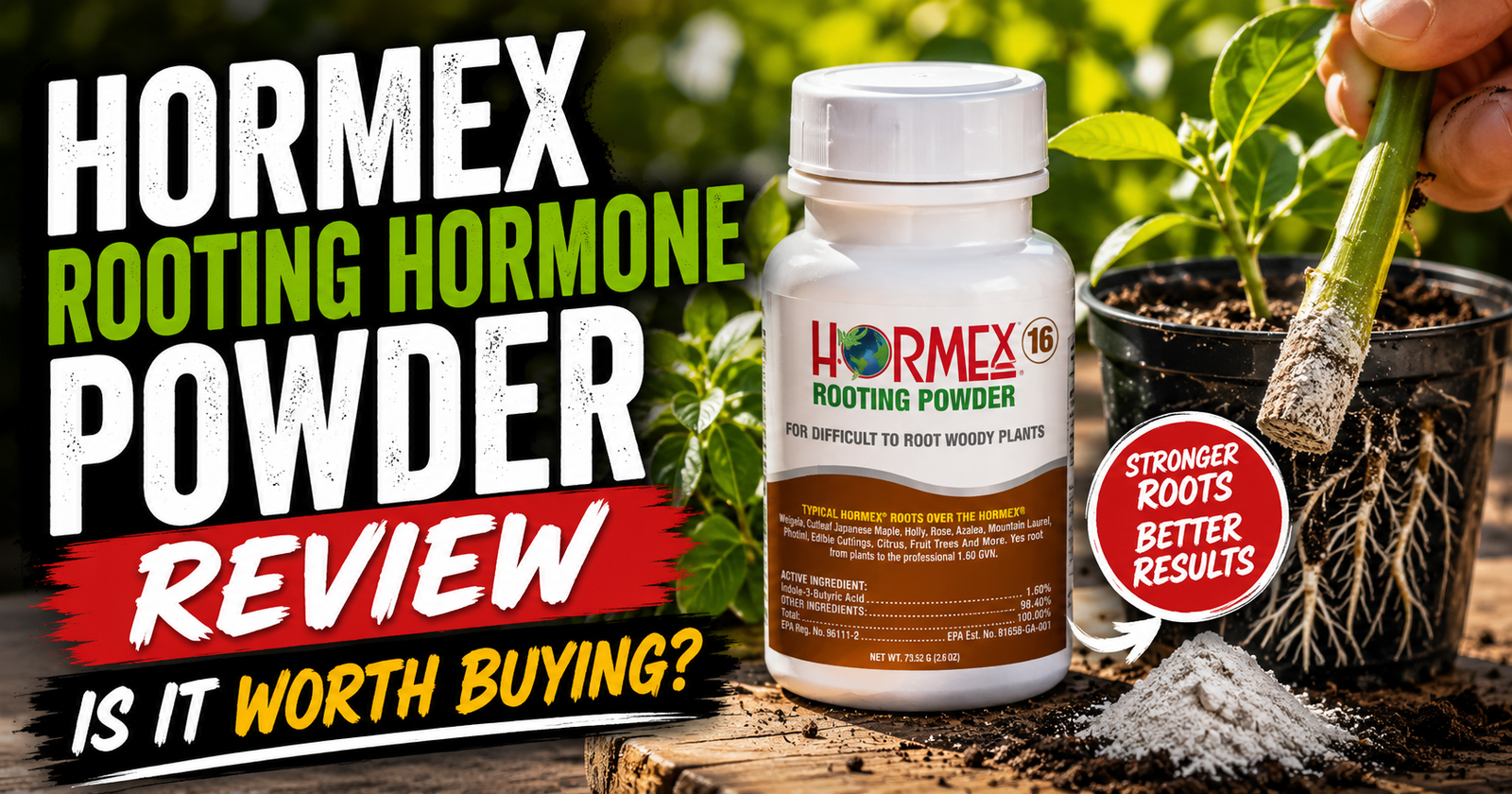
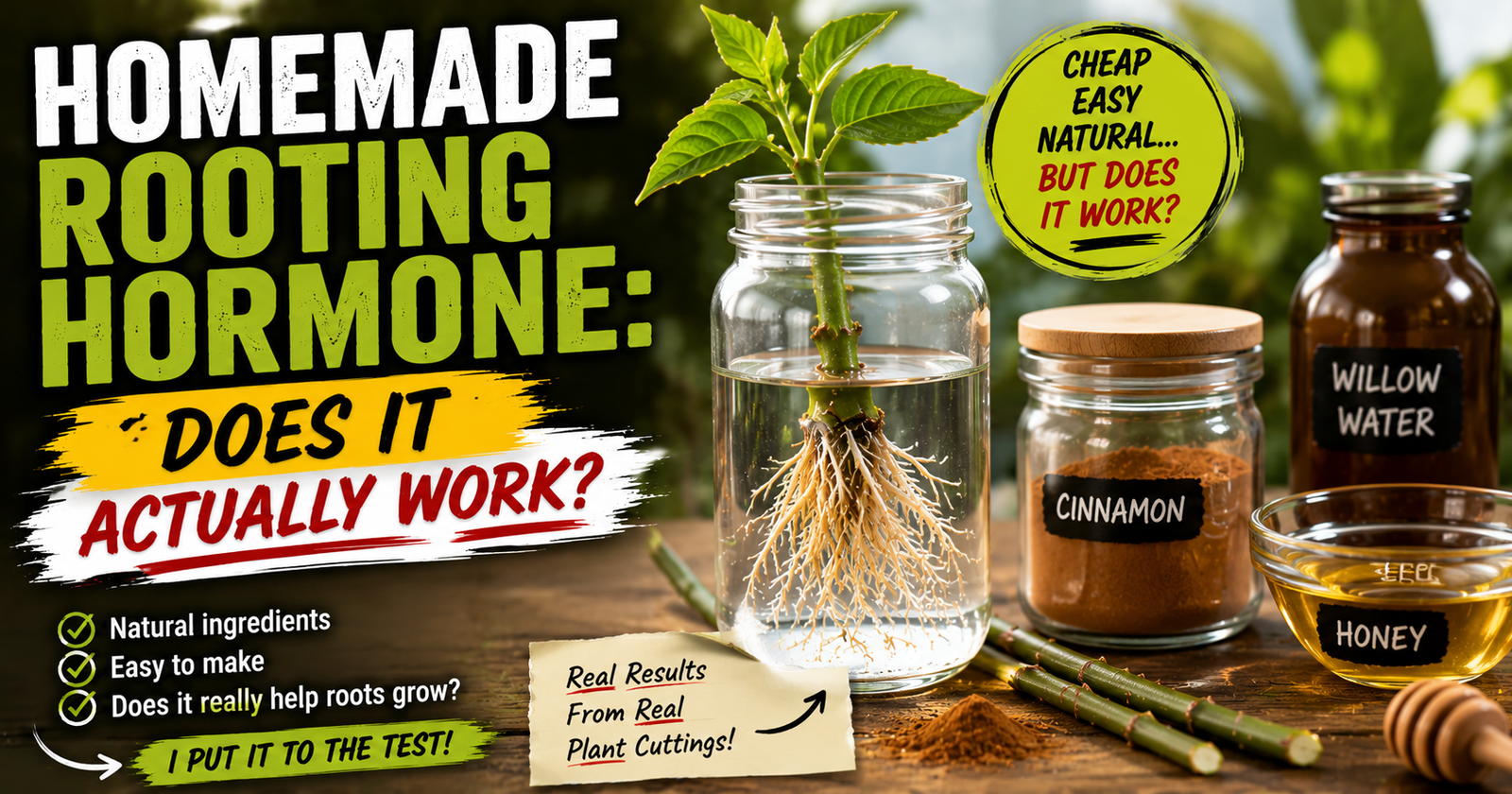
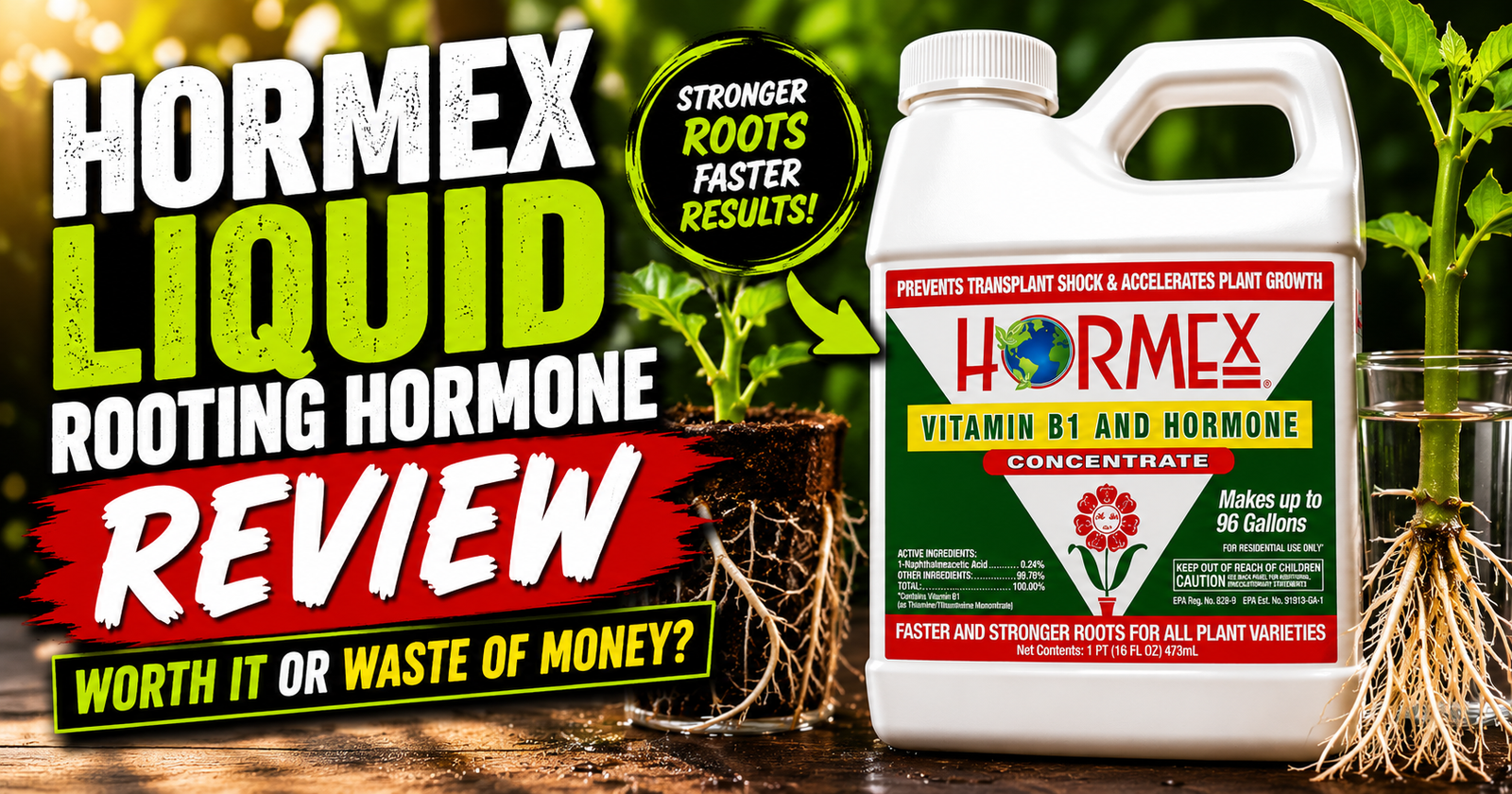
The funny thing is that rooting hormone isn’t even the first thing I think about. Once the cutting has a clean start, Hormex #16 powder can be another tool to consider for difficult stems.
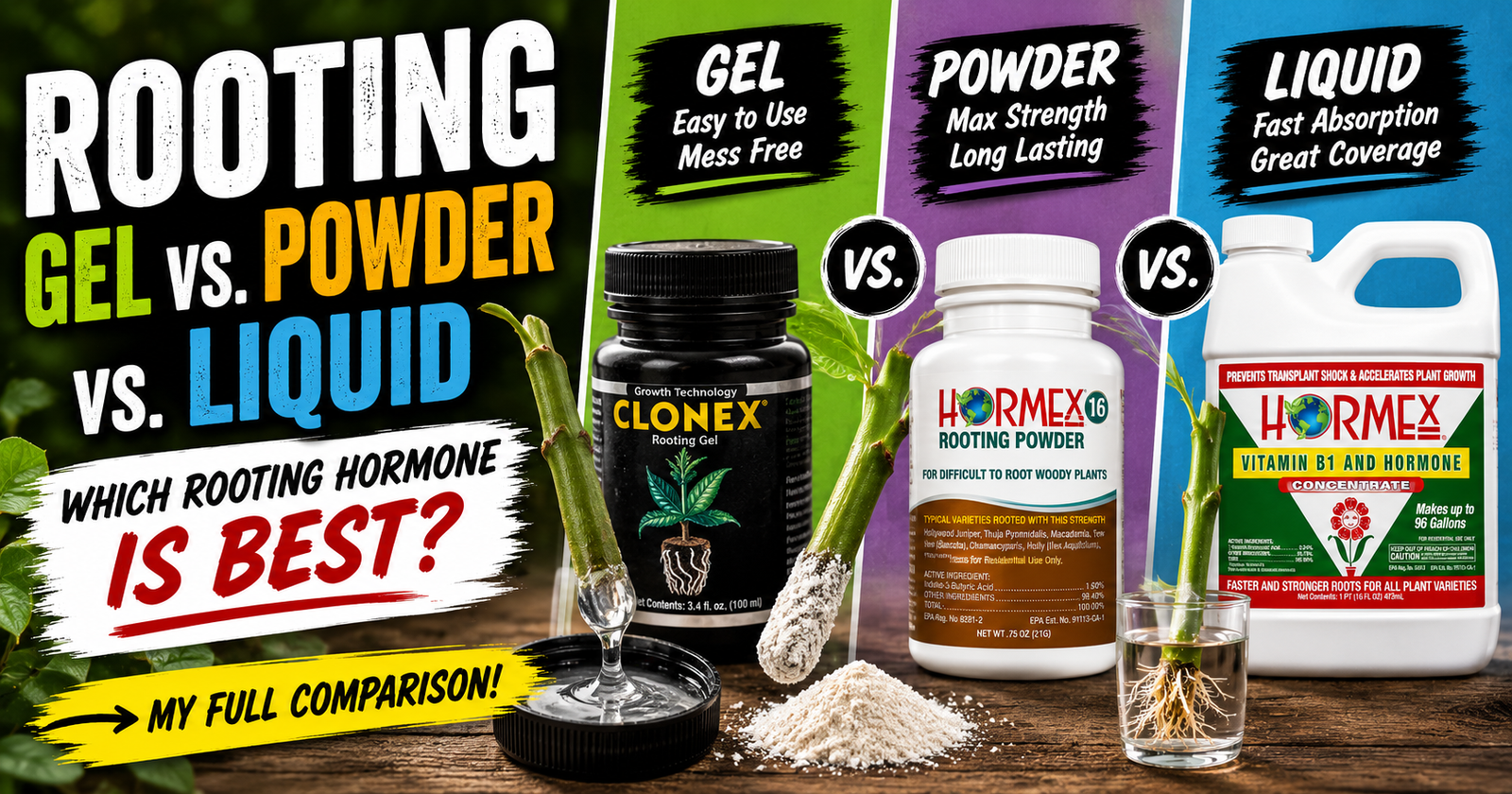
Before I ever dip a cutting into rooting gel or powder, I ask myself a few questions. Those questions are also useful when weighing gel, powder, and liquid options for different propagation situations.
Is this a healthy stem?
Did I cut directly below a node?
Did I make a clean cut?
Are my pruning shears clean?
Only after those questions are answered do I reach for rooting hormone.
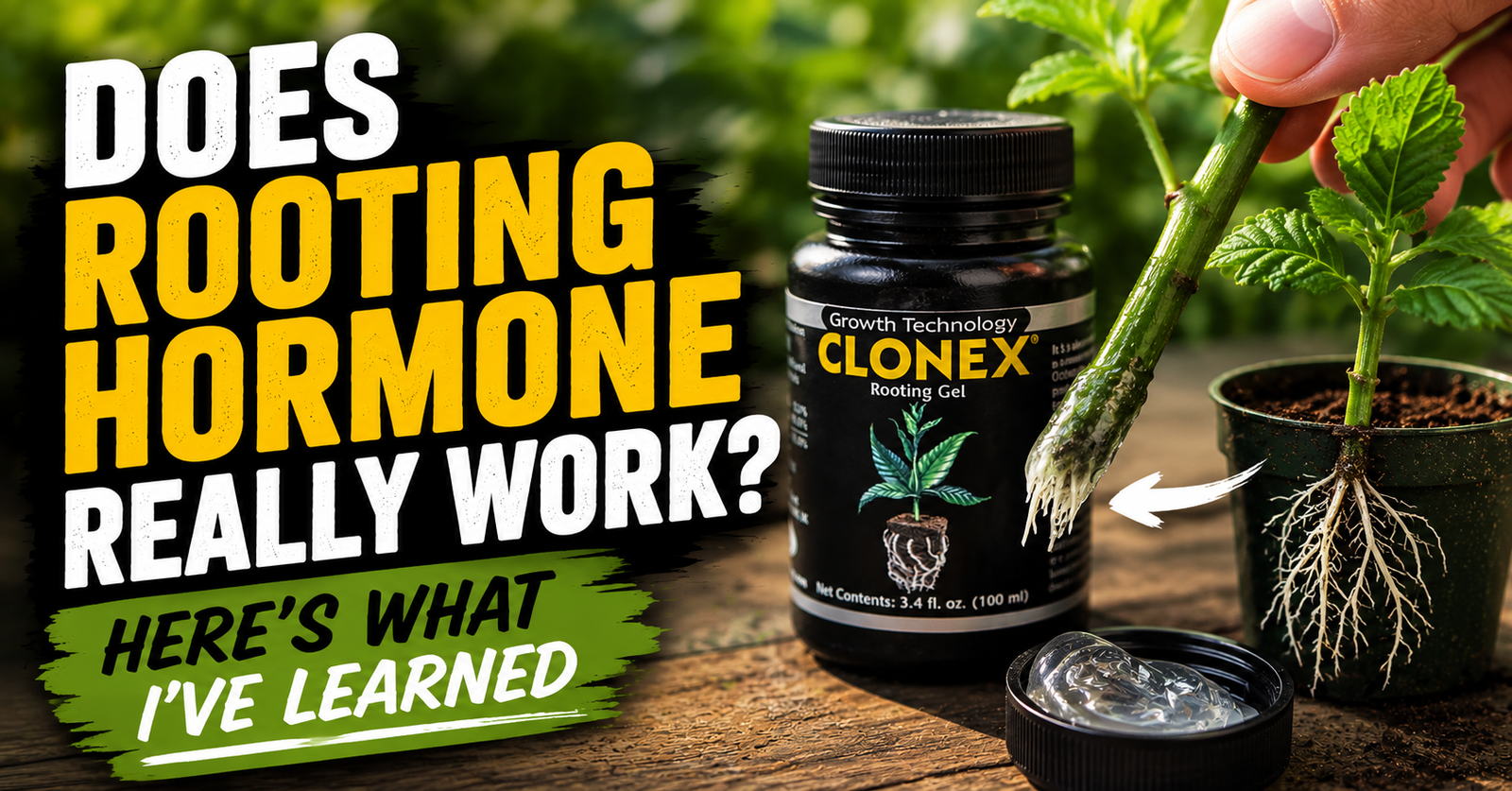
If you’re still deciding whether rooting hormone is worth using, my guide on Does Rooting Hormone Really Work?explains when it makes a noticeable difference and when it usually doesn’t.
Frequently Asked Questions
Can dull pruning shears stop cuttings from rooting?
They certainly can reduce your chances.
A damaged stem has to spend valuable energy repairing crushed tissue before it can begin producing roots.
While many cuttings will still survive, I’ve consistently seen healthier, stronger results after switching to sharp pruning shears.
Do I need expensive pruning shears?
Not at all.
I’ve used everything from premium professional pruners to inexpensive garden snips.
What matters most is that the blades are sharp, clean, and comfortable to use.
A quality budget pair that’s properly maintained will outperform an expensive pair that’s dull and neglected.
How often should pruning shears be sharpened?
It depends on how often you use them.
For most home gardeners, sharpening once or twice each year is usually enough.
If you’re propagating plants every week, you’ll probably want to sharpen them more often.
I simply pay attention to how easily they cut.
When the blades stop slicing cleanly, it’s time.
What’s the best pruning tool for houseplants?
For pothos, philodendrons, monsteras, hoyas, peperomias, herbs, and other soft-stemmed plants, I prefer lightweight precision pruning snips.
They’re easier to control around tight nodes and make cleaner, more accurate cuts than larger bypass pruners.
Should I disinfect pruning shears every time?
Whenever I move from one plant to another, especially if I’m unsure about the plant’s health, I do.
It only takes a few seconds and greatly reduces the risk of spreading diseases through your collection.
Every Successful Cutting Begins With the First Cut
After years of propagating everything from common houseplants to woody shrubs, I’ve become convinced that propagation success starts much earlier than most people realize.
Before rooting hormone.
Before the propagation jar.
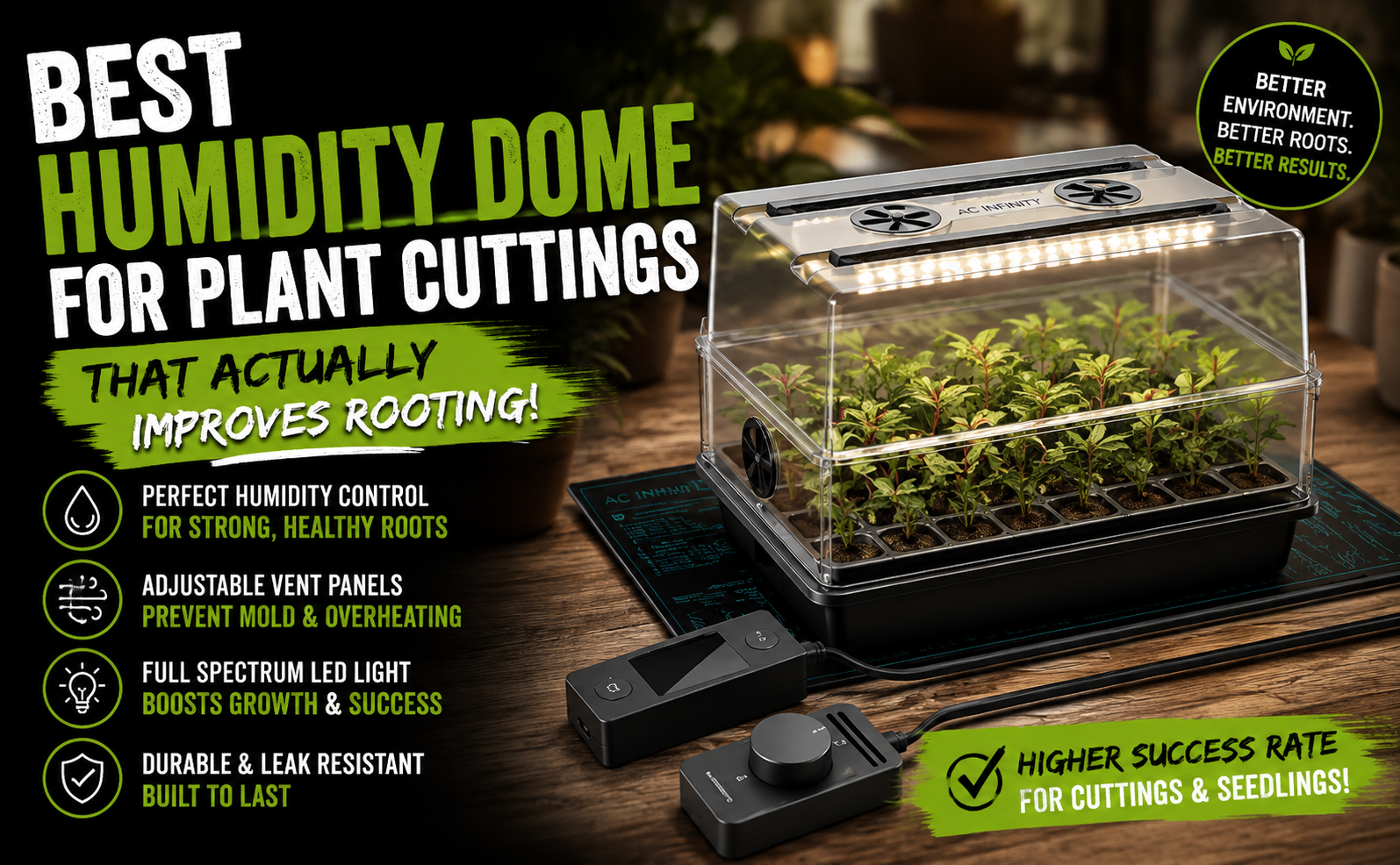
Before the humidity dome.
Before the aeroponic cloner.
It starts the moment the blade touches the stem.
A clean, healthy cut gives every propagation method a better chance of succeeding.
That’s why I never think of good pruning shears as just another garden tool.
They’re one of the most important pieces of propagation equipment I own, and they’re a purchase that continues paying for itself every time I take another cutting.
About the Author
Daxon Weaver is the founder of PropagationWorld and has propagated thousands of plants ranging from easy houseplants and herbs to fruit plants, ornamental shrubs, and trees. He enjoys testing propagation tools, comparing products, and sharing practical techniques that help gardeners root more cuttings with greater success.