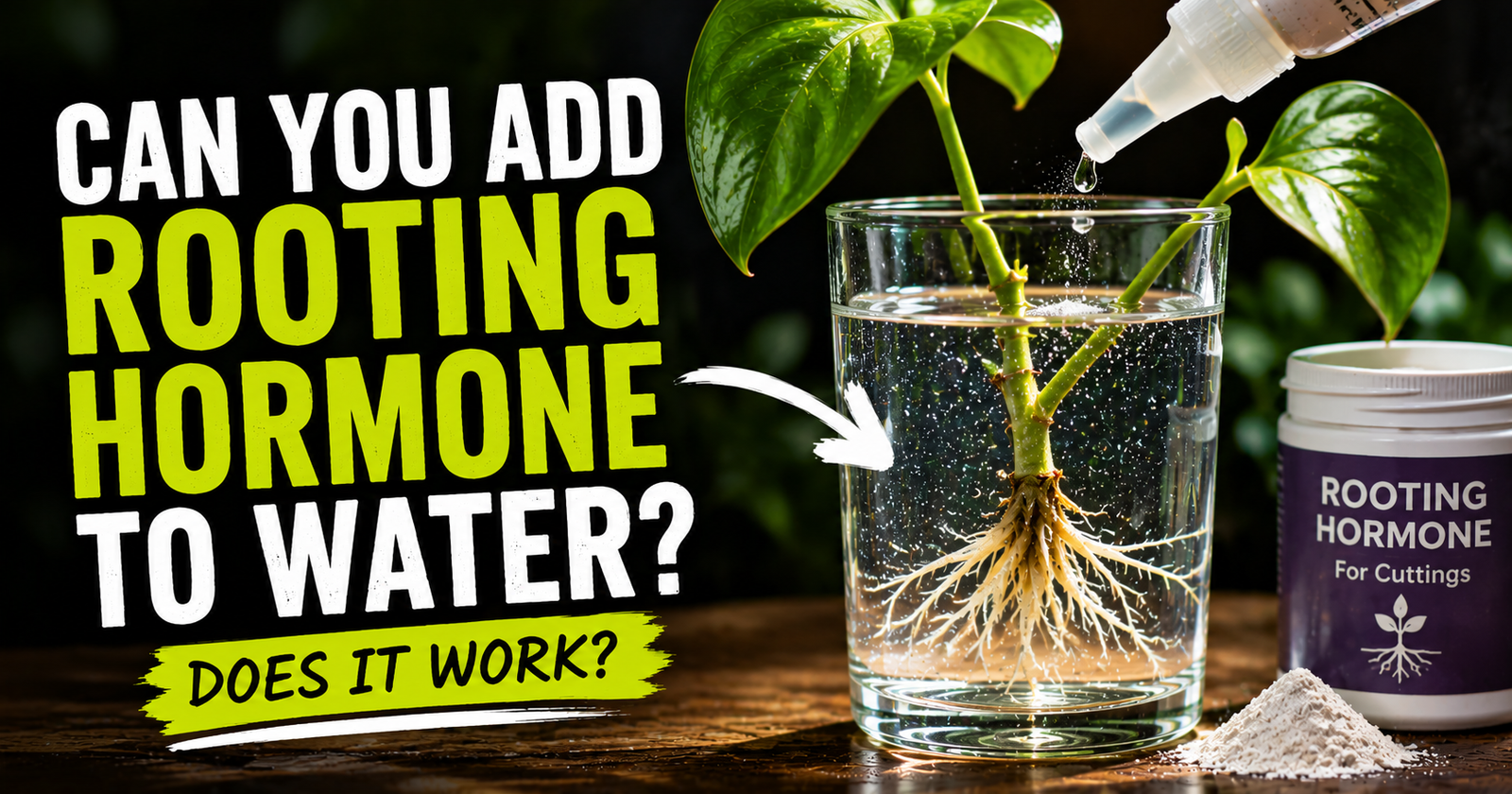
If you’ve ever started rooting cuttings in a glass of water, you’ve probably wondered if adding rooting hormone directly to the water would make them root even faster.
On the surface, it seems like it should.
If rooting hormone helps produce roots, wouldn’t mixing it into the water give the cutting constant exposure?
It’s a logical idea, but in most cases, that’s not how rooting hormone is designed to work.
Over the years, I’ve experimented with powders, gels, liquids, water propagation, soil propagation, and just about every combination in between.
Here’s what I’ve learned.
The Short Answer
Generally, no.
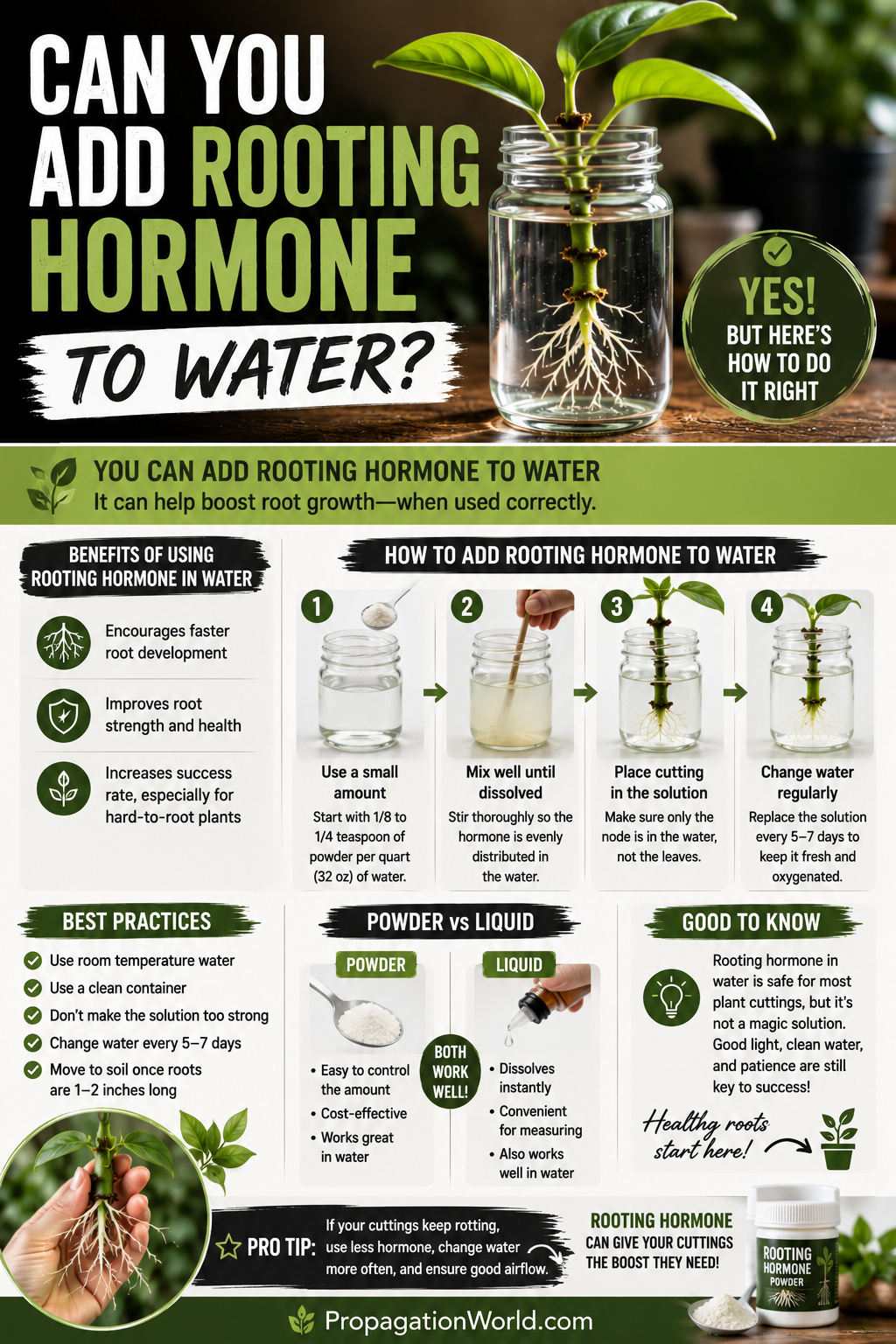
I don’t recommend dumping rooting hormone directly into your propagation water.
Most commercial rooting hormones are meant to be applied to the freshly cut stem, not dissolved into an entire container of water. Powders often settle to the bottom instead of dissolving, while gels are formulated to cling to the stem rather than disperse through the water.
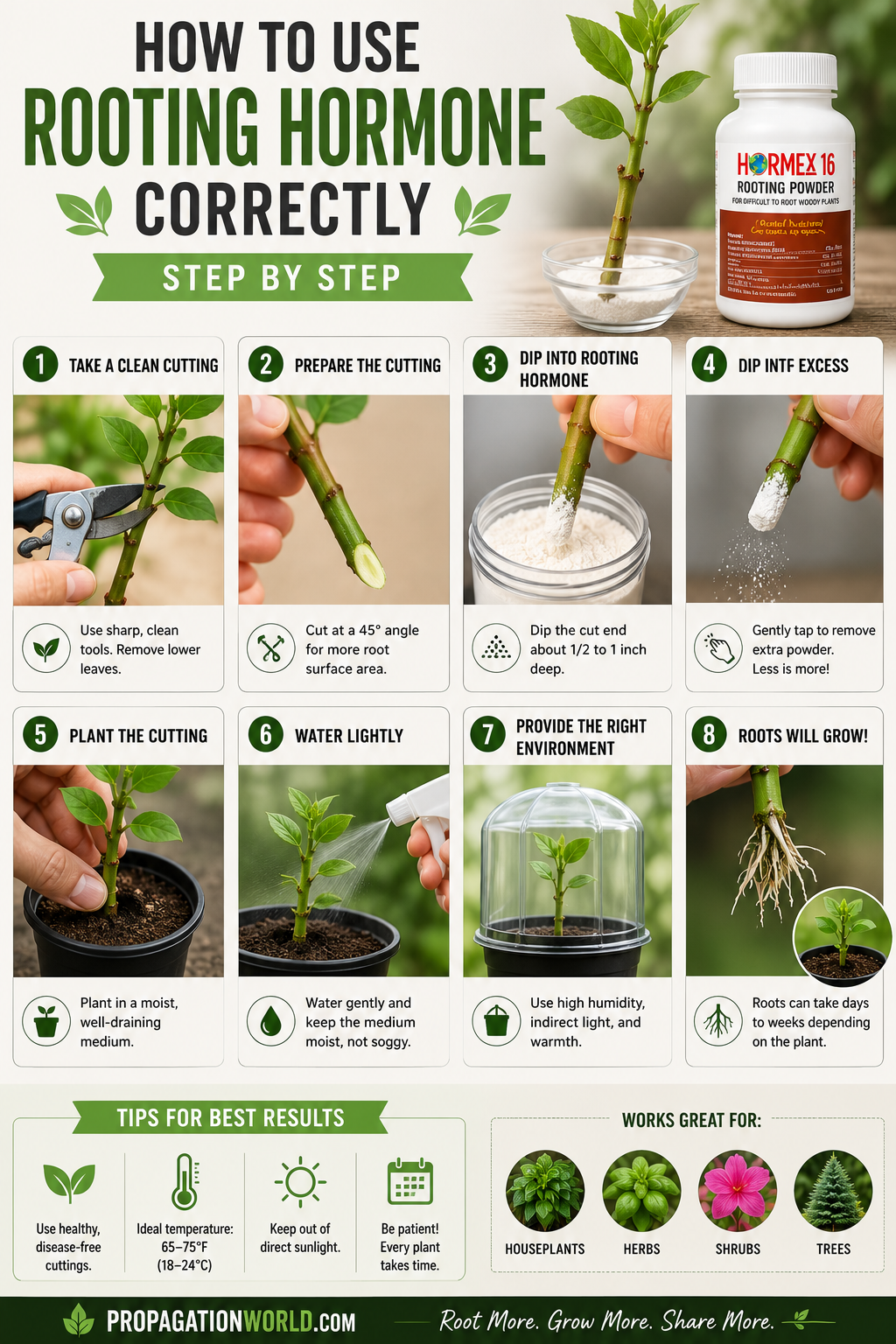
If you’re propagating in water, the best approach is usually to apply the rooting hormone to the cutting first—if the product directions allow—and then place the cutting into clean water. The correct application method matters just as much in water propagation, and How to Use Rooting Hormone Correctly Step by Step explains the process step by step.
Why Rooting Hormone Works in the First Place
Rooting hormone isn’t fertilizer.
It doesn’t feed the plant.
Instead, it supplies or mimics auxins, natural plant hormones that encourage cells near the cut end of the stem to begin forming roots instead of new shoots.
When you coat the fresh cut with rooting hormone, you’re concentrating that signal exactly where new roots need to develop.
That’s very different from trying to spread the hormone throughout an entire jar of water.
Most Rooting Hormones Aren’t Made to Be Mixed Into Water
This is where many beginners get confused.
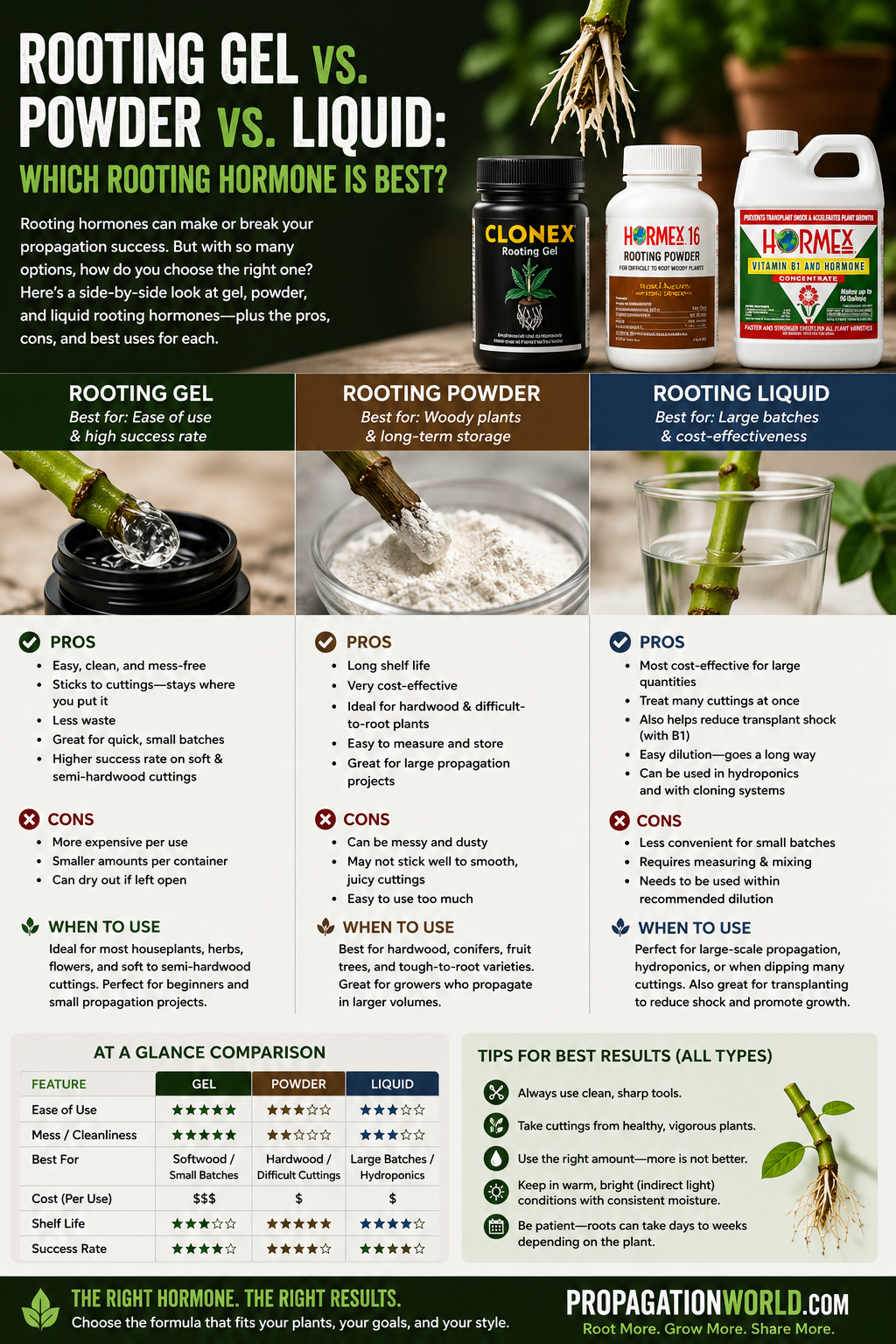
There are three common types of commercial rooting hormone: The differences between these formulations are explained in this comparison of Rooting Gel vs. Powder vs. Liquid: Which Rooting Hormone Is Best?.
- Powder
- Gel
- Liquid concentrate
Although they’re all designed to encourage root formation, they aren’t intended to be used the same way.
Powders are made to stick to the moist cut surface.
Gels coat the stem and remain in contact with the cutting.
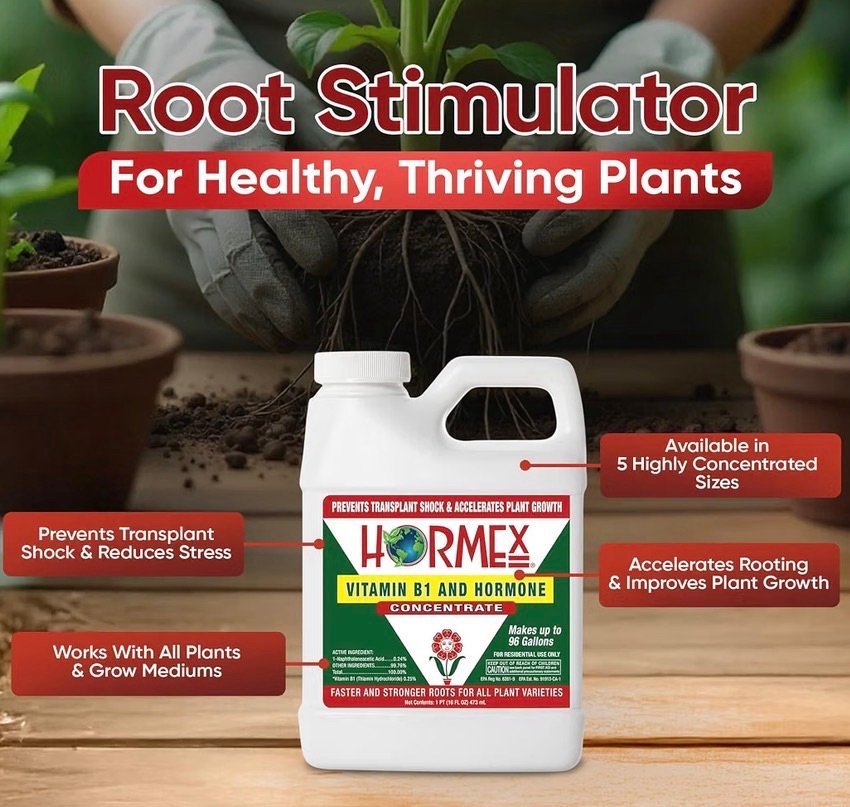
Many liquid concentrates are intended for specific dilution or quick-dip applications—not simply pouring into a propagation jar. Always follow the manufacturer’s instructions for the product you’re using.
When people simply dump powder into the water, most of it sinks to the bottom where it does very little to help the cutting. Some formulations can also make the water cloudy, which isn’t ideal for clean water propagation.
What About Liquid Rooting Hormones?
This is where things get a little more confusing.
Some liquid rooting hormones are designed to be diluted before use, while others are meant to be used as a quick dip.
That doesn’t necessarily mean they’re intended to sit in a propagation jar for weeks.
Always read the directions for the specific product you’re using.
Some products are formulated for soaking cuttings briefly before planting, while others are designed for immediate application and then discarded.
Using a product differently than the manufacturer recommends doesn’t usually improve your results.
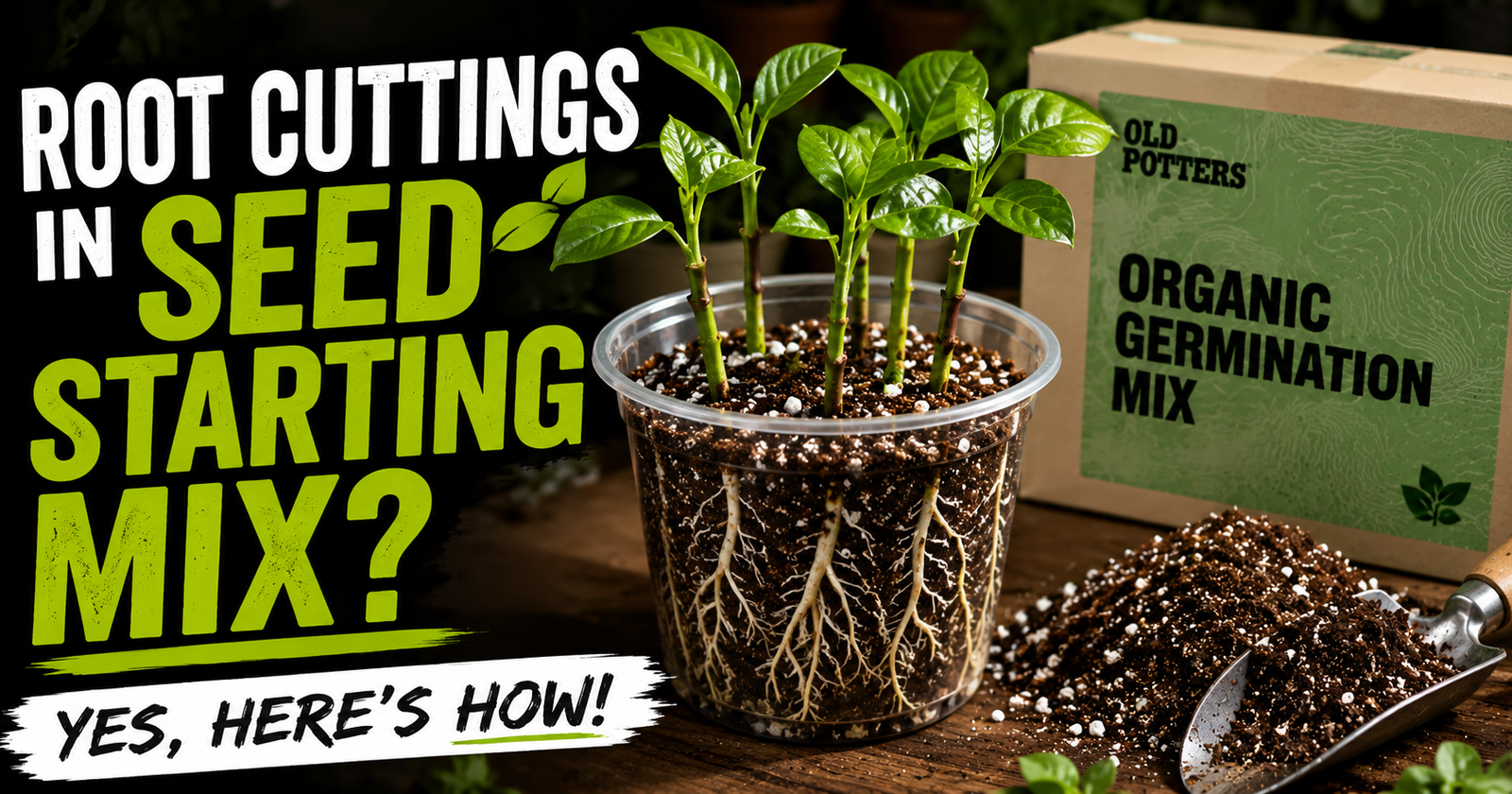
I Usually Don’t Use Rooting Hormone for Easy Water Propagation
One thing that surprises many gardeners is that I don’t automatically reach for rooting hormone every time I propagate in water.
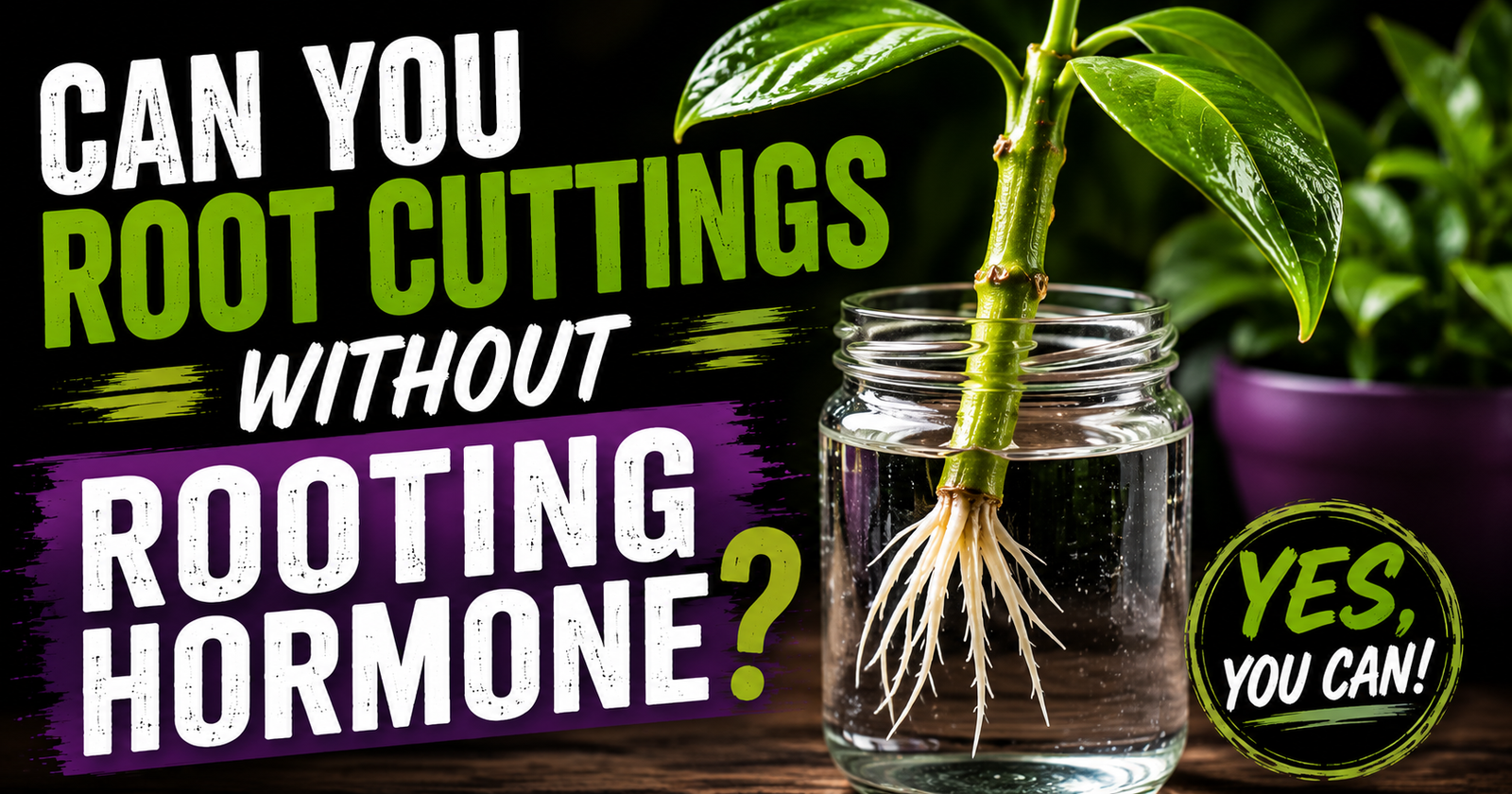
Plants like pothos, philodendron, tradescantia, coleus, basil, and mint often root incredibly well without any added hormone. These easy-to-root plants are good examples of situations covered in Can You Root Cuttings Without Rooting Hormone?.
In many cases, they begin producing roots within a couple of weeks using nothing more than clean water, bright indirect light, and a healthy cutting.
If I’m propagating one of these easy plants, I usually save the rooting hormone for projects that actually benefit from it.
When Rooting Hormone Can Be Worth Using
Some plants are much slower and more stubborn. Elderberry is one example where rooting elderberry cuttings in water can work, although soil may still produce a healthier plant.
Woody shrubs, fruit plants, vines, and certain ornamental species often respond much better to rooting hormone than soft houseplants.
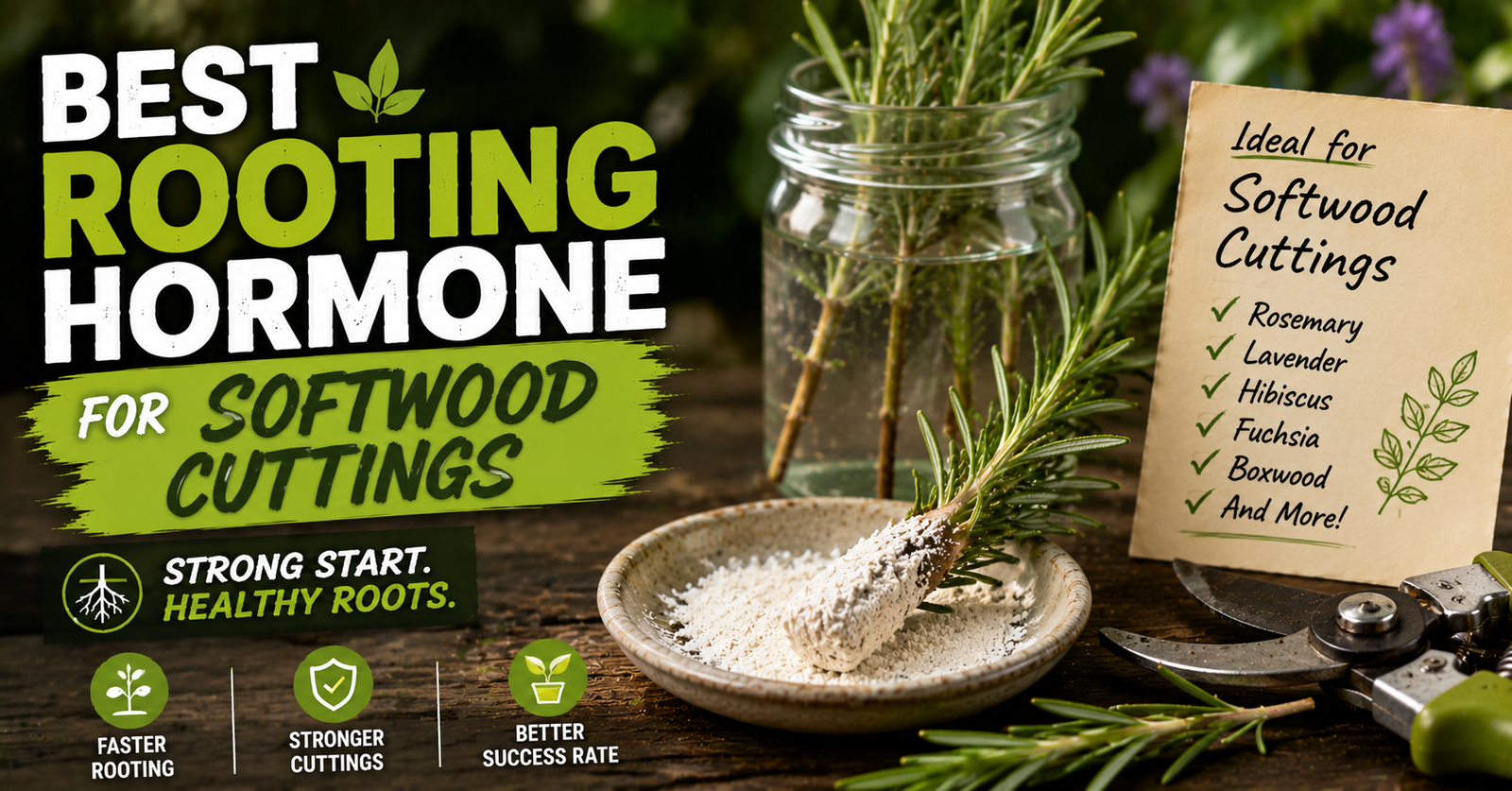
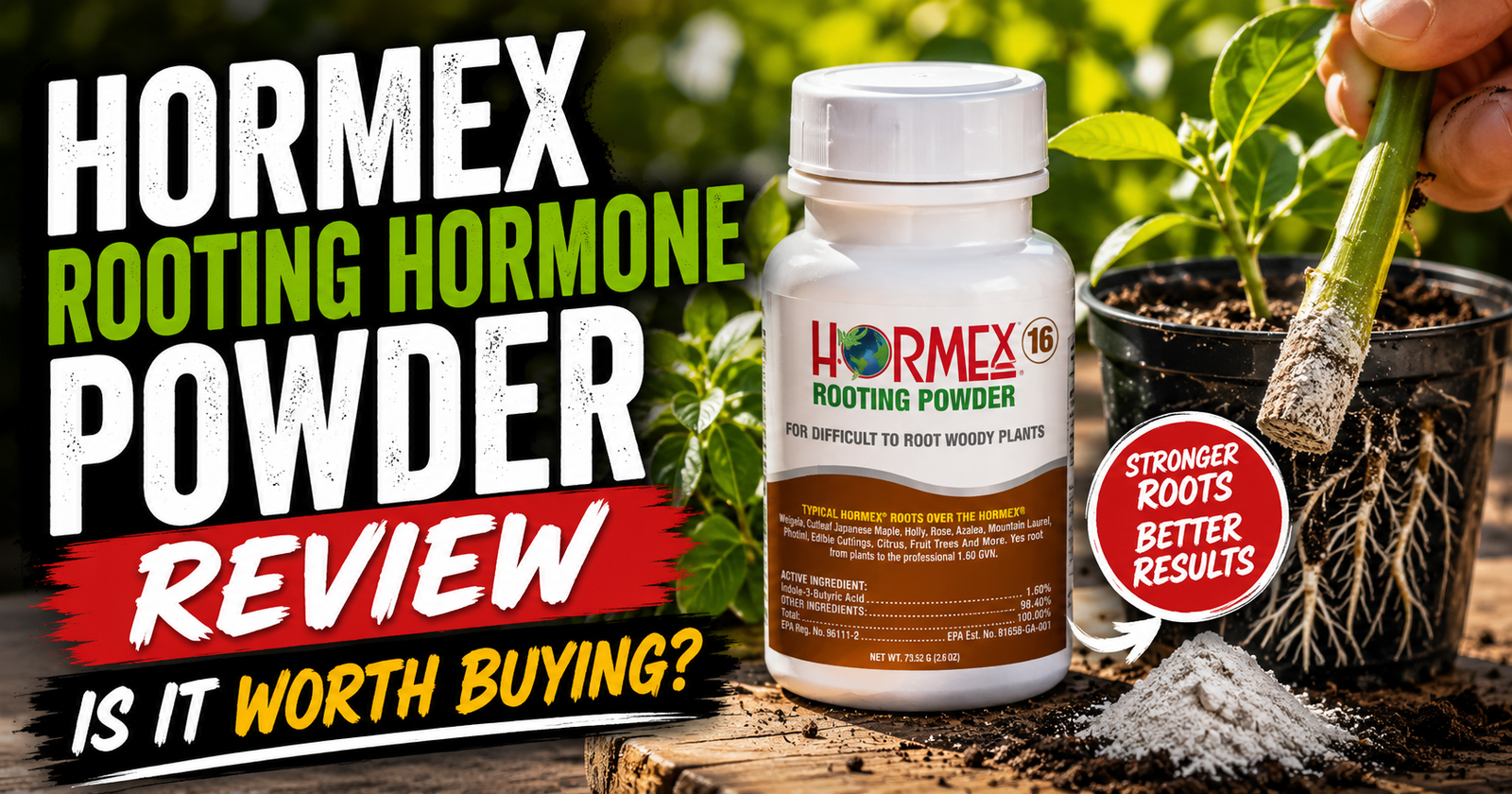
For those plants, applying rooting hormone directly to the freshly cut stem can improve the chances of successful rooting.
That doesn’t necessarily mean water propagation is the best method, though.
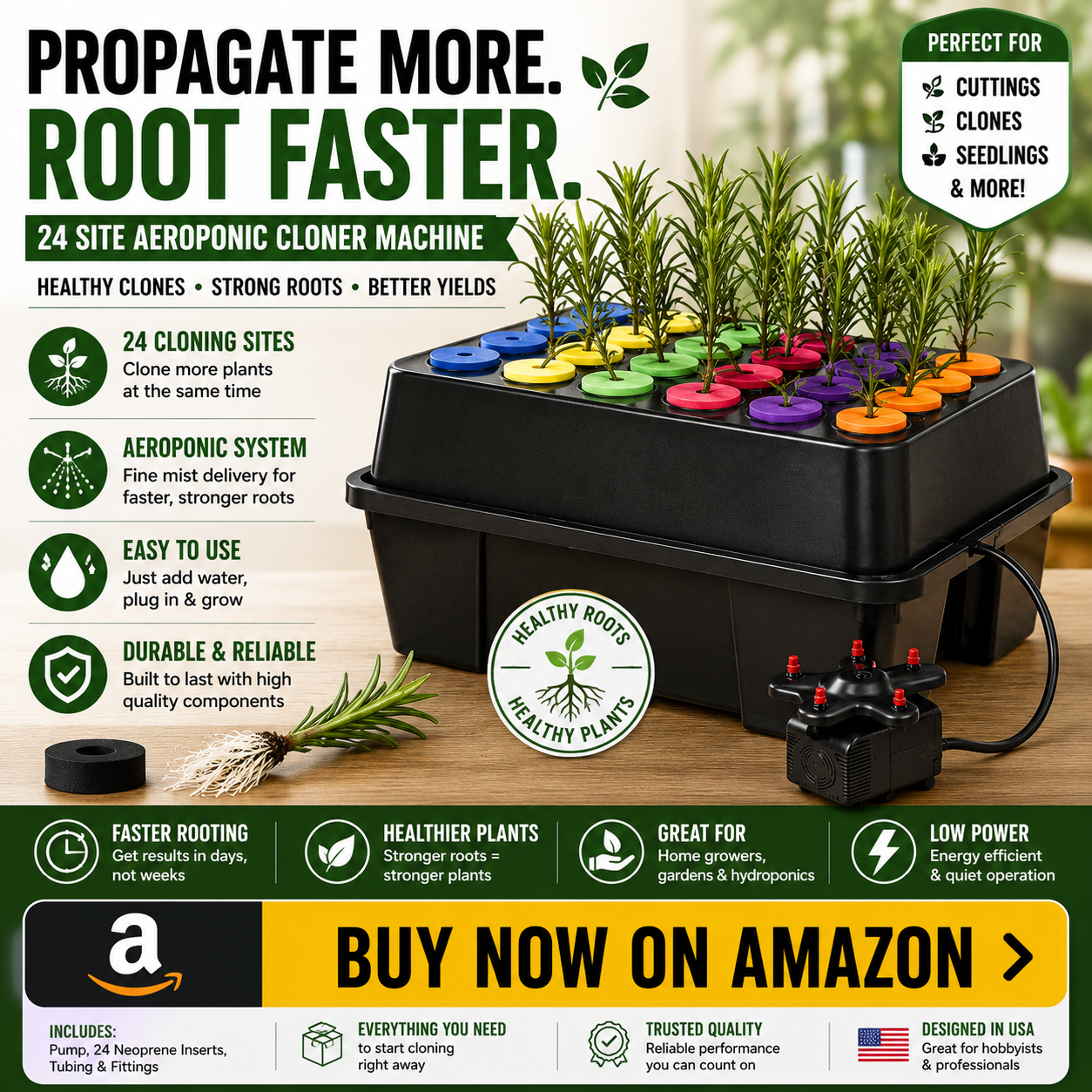
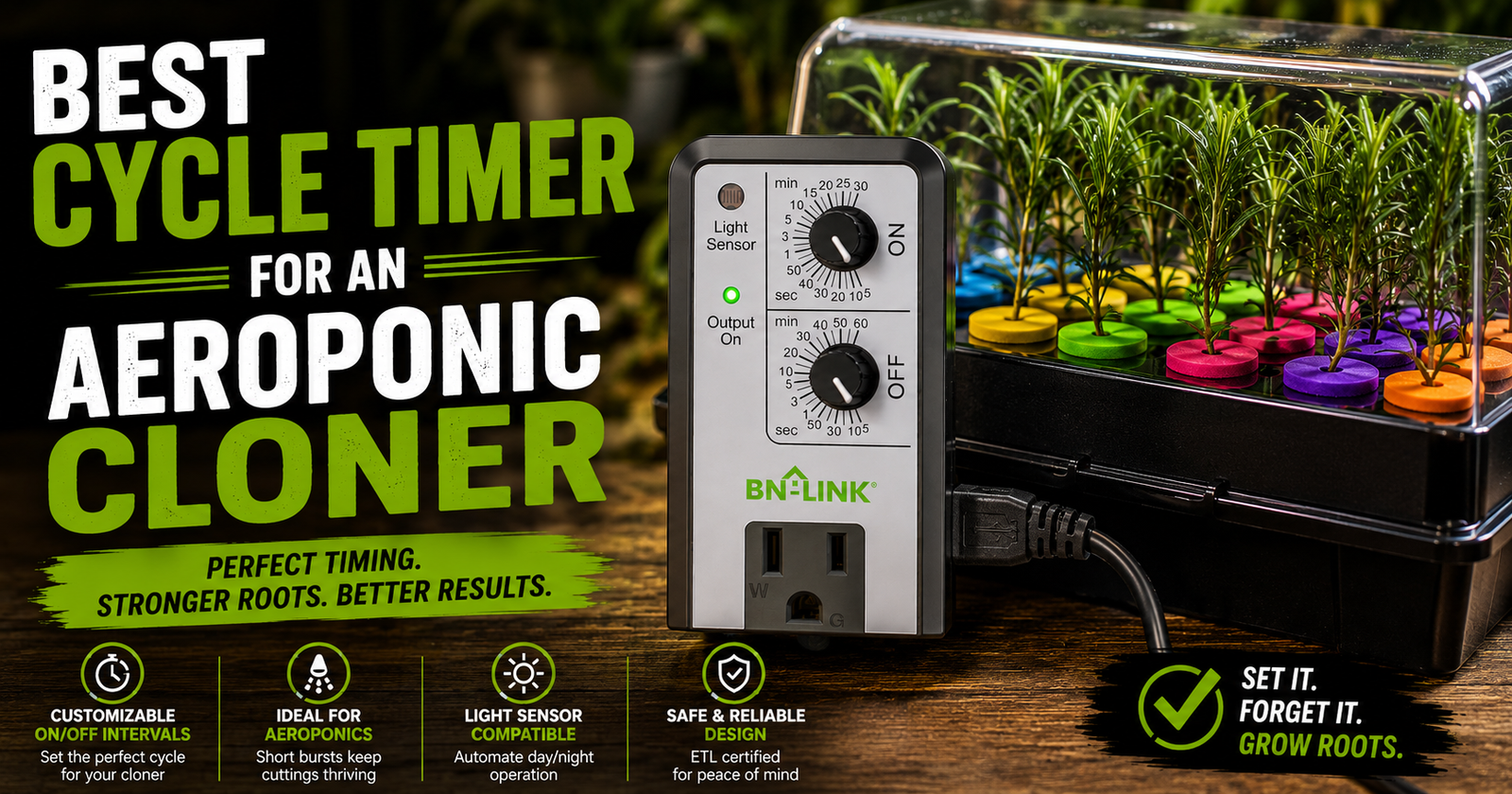
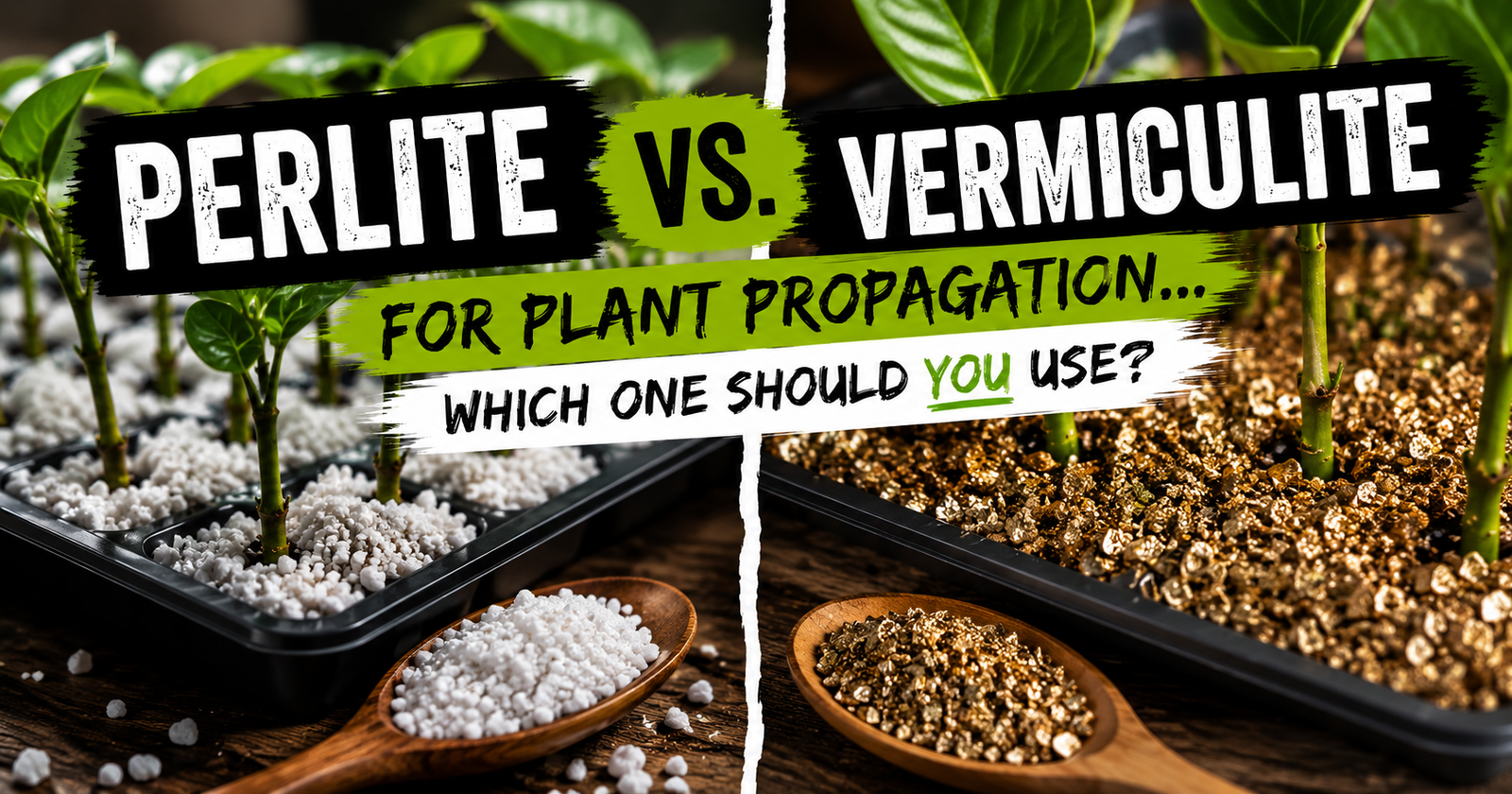
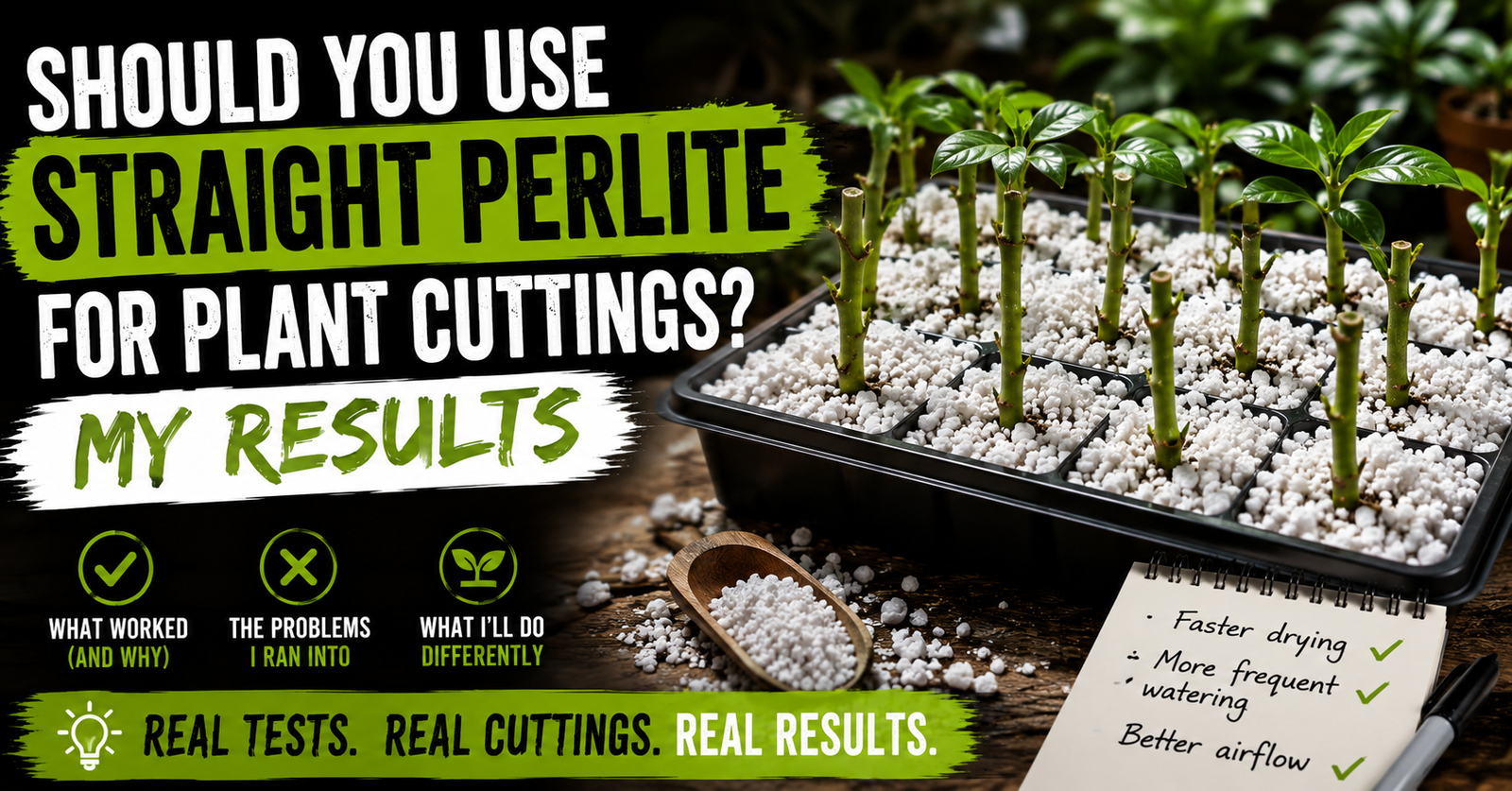
Many difficult-to-root species perform better in perlite, propagation mix, sand, or an aeroponic cloner where oxygen levels around the stem remain much higher.
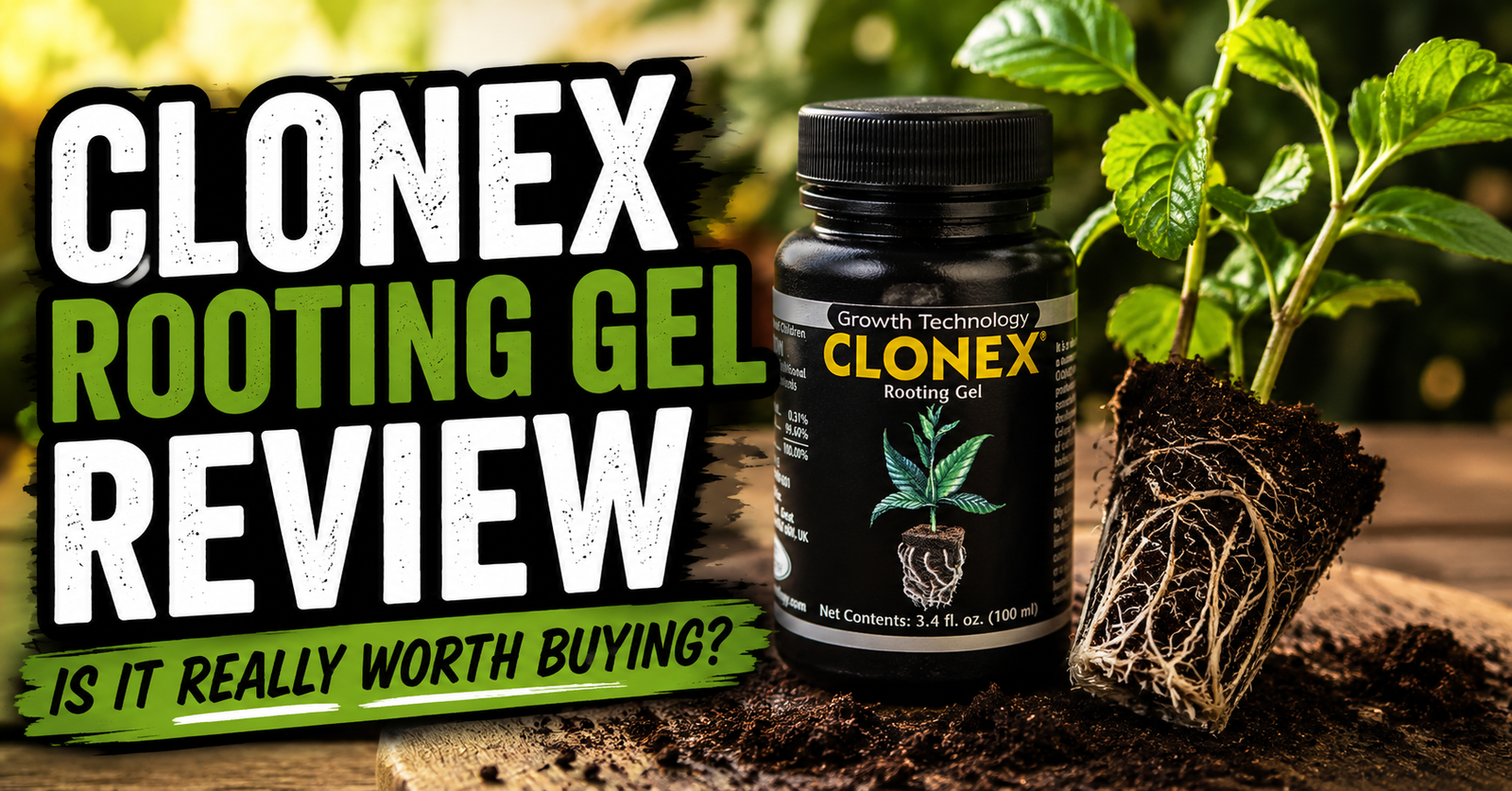
What Happens If You Add Powder to Water?
I’ve seen plenty of gardeners try it.
Usually one of two things happens.
The powder sinks to the bottom of the container.
Or it floats around in clumps before eventually settling.
Either way, very little of it actually remains attached to the stem where it’s needed.
Instead of improving rooting, you’ve simply made the water cloudy and more difficult to keep clean.
That’s one reason I don’t recommend this approach.
What About Rooting Gel?
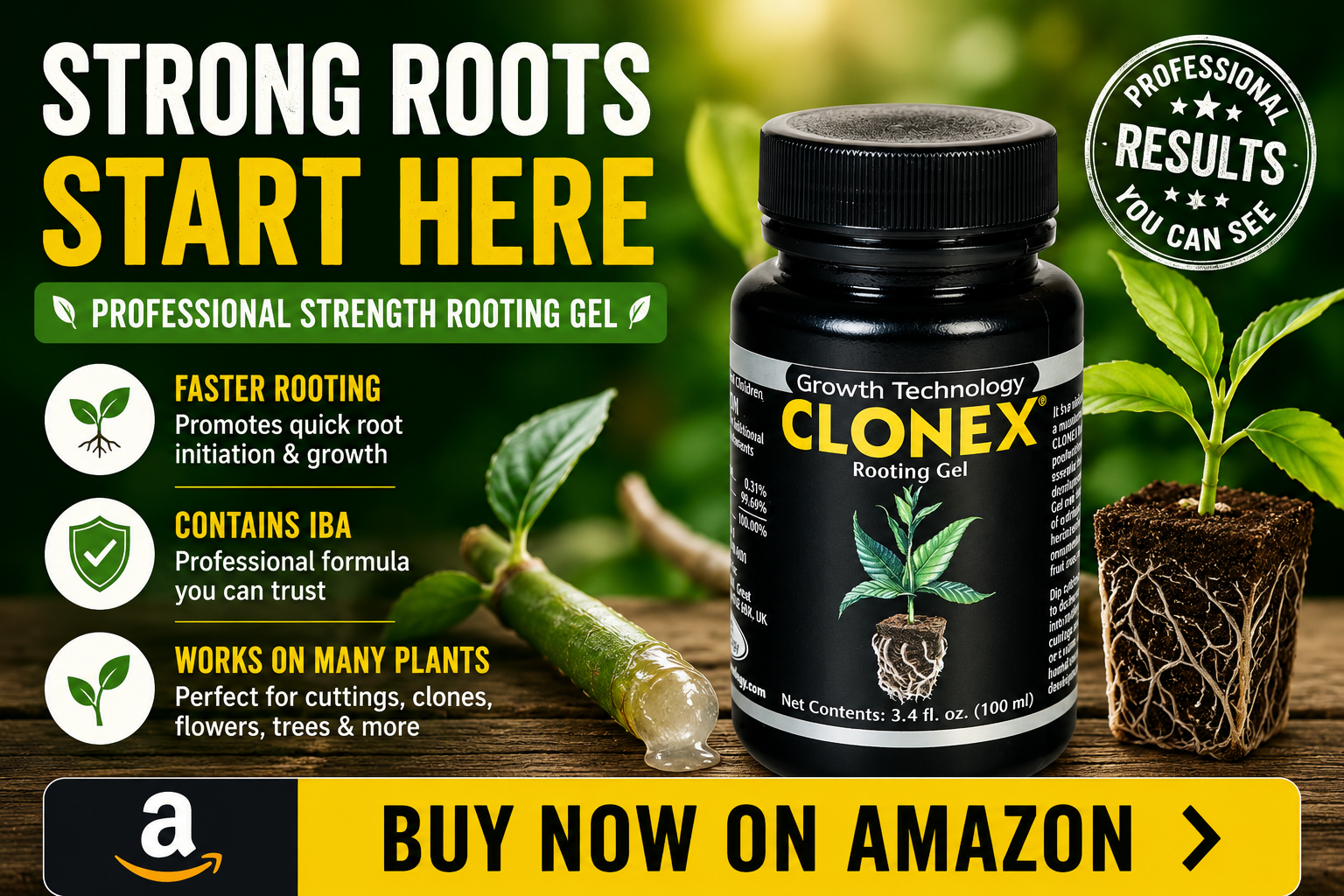
Rooting gels behave differently than powders.
They’re specifically designed to cling tightly to the cut end of the stem.
When you dip a fresh cutting into the gel before placing it into water, much of the product stays where it’s belongs.
This gives the cutting an opportunity to benefit from the hormone during those first critical days when root formation begins.
If you simply squeeze gel into the water instead, it quickly disperses and loses the advantage of coating the cutting.
Will the Hormone Wash Off?
This is another common concern.
Fortunately, not usually.
Once you’ve dipped the fresh cutting into a powder or gel and immediately placed it into water, most of the hormone has already adhered to the stem.
Changing the propagation water every few days doesn’t usually remove all of that initial treatment.
That’s another reason I recommend changing the water whenever it becomes cloudy instead of worrying that you’re washing away the rooting hormone.
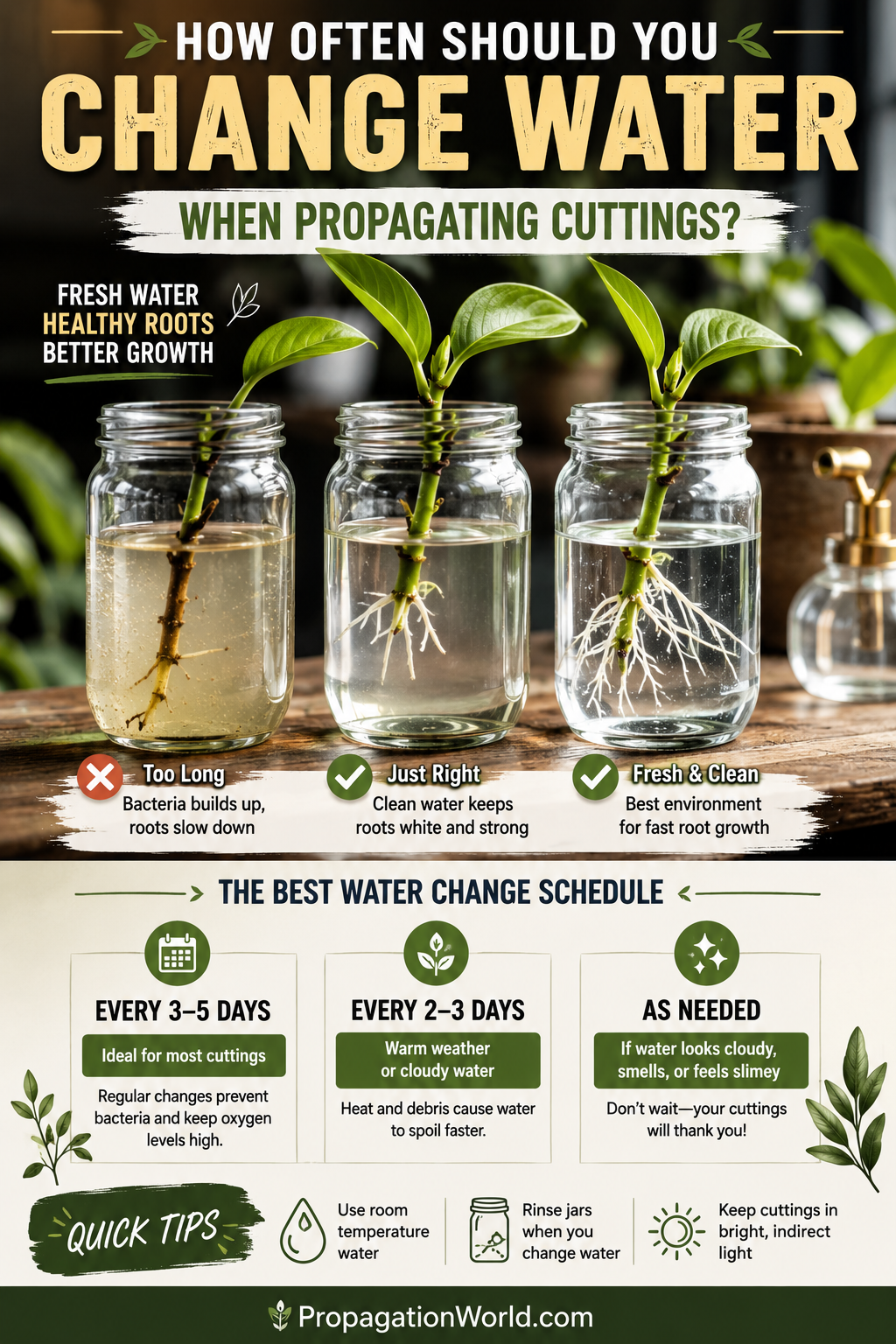
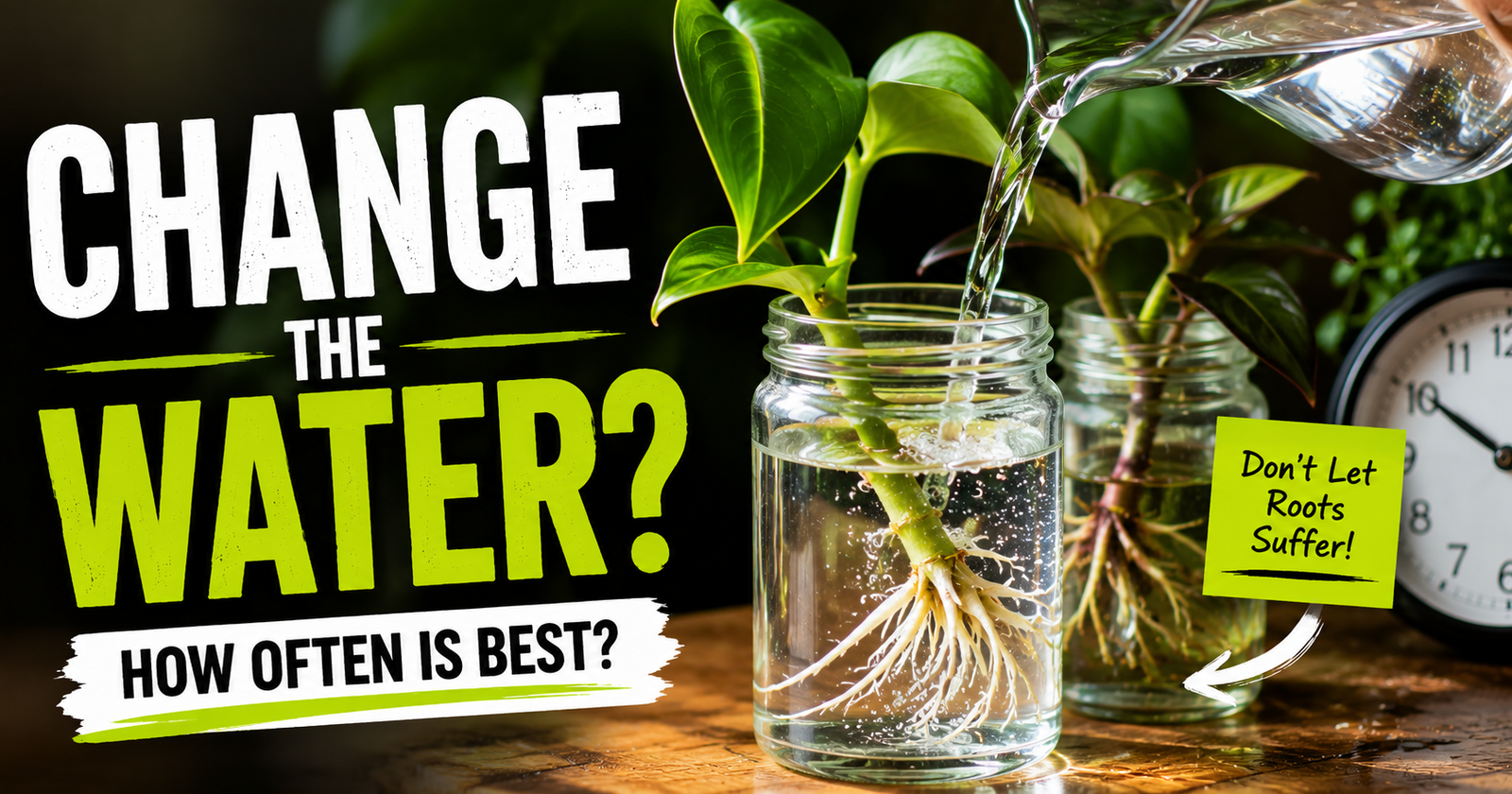
If you’re wondering how often that should be, my guide on How Often Should You Change Water When Propagating Cuttings? covers the ideal schedule.
Does Rooting Hormone Speed Up Water Propagation?
Sometimes.
Sometimes not.
It depends almost entirely on the plant.
Fast-rooting plants often show little noticeable difference because they naturally root very quickly.
Harder-to-root plants may develop roots sooner or produce a larger root system when rooting hormone is used correctly.
The important thing to remember is that rooting hormone isn’t magic.
It can’t compensate for:
- An unhealthy parent plant
- A cutting without a node
- Dirty propagation water
- Poor lighting
- Stem rot
- An unsuitable plant species
Good propagation practices still matter much more than any bottle of rooting hormone.
Better Ways to Improve Rooting Success
If someone asked me how to increase their success rate, adding rooting hormone to the water wouldn’t even make my top five recommendations.
Instead, I’d focus on the basics:
- Start with a healthy parent plant.
- Make a clean cut just below a node.
- Remove leaves that would sit underwater.
- Keep the cutting in bright, indirect light.
- Replace the water every 3 to 7 days.
- Move rooted cuttings into soil before they become overly adapted to water.
Those simple habits consistently produce better results than experimenting with hormone-filled propagation jars.
Don’t Overcomplicate Water Propagation
One thing I’ve learned over the years is that propagation is often much simpler than people make it.
It’s easy to assume there’s a secret ingredient or special additive that guarantees success.
Usually there isn’t.
Healthy cuttings, clean water, patience, and good growing conditions solve the vast majority of propagation problems.
Rooting hormone can certainly be helpful for the right plants, but it works best when it’s used the way it was designed—not by mixing it into the propagation water.
Frequently Asked Questions
Can I dissolve rooting hormone powder in water?
I don’t recommend it. Most rooting powders are designed to coat the cut end of the stem, not dissolve into a propagation jar.
Can I dip a cutting in rooting hormone before putting it in water?
Yes, if the product instructions allow that method. Many gardeners successfully dip fresh cuttings before placing them into water.
Will changing the water remove the rooting hormone?
Generally, no. Most of the hormone has already adhered to the cutting shortly after application.
Does rooting hormone work better in soil than water?
In many cases, yes. Difficult-to-root plants often respond better when rooting hormone is used with propagation media such as potting mix, perlite, or an aeroponic cloner instead of plain water.
Is rooting hormone necessary for water propagation?
Not always. Many common houseplants root readily in water without any hormone at all.
Author: Dax Weaver
Dax Weaver is the founder of PropagationWorld, where he shares practical propagation techniques, honest product reviews, and years of hands-on experience rooting everything from easy houseplants to challenging woody shrubs. His goal is to help gardeners propagate healthier plants with simple, proven methods rather than unnecessary shortcuts.