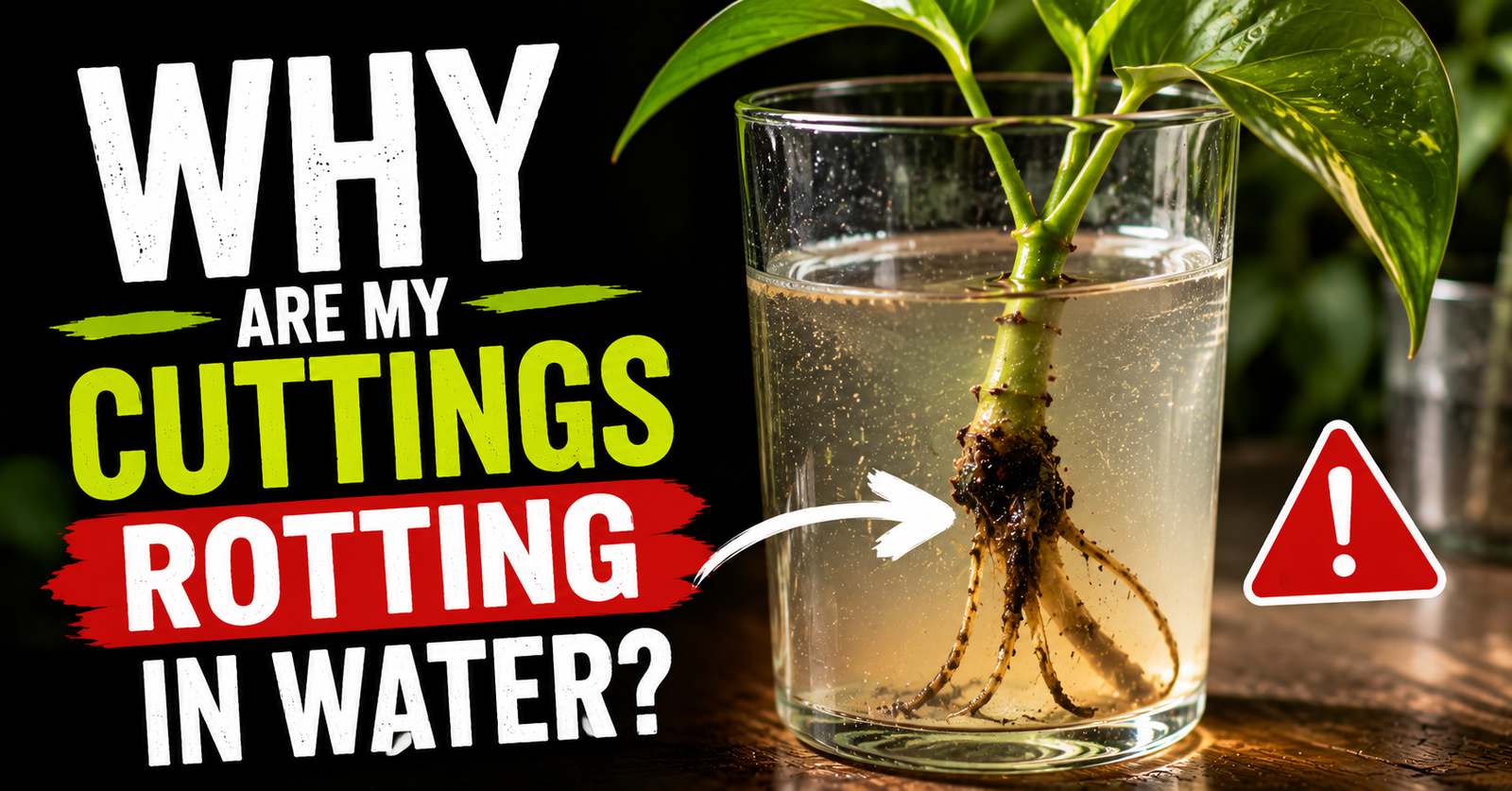
There’s nothing more frustrating than checking on a cutting you’ve been excited about only to find the stem has turned brown, become mushy, or started smelling unpleasant.
Most gardeners assume they did something terribly wrong. If the problem appears to involve the roots rather than only the stem, Why Are My Water Propagation Roots Turning Brown? helps distinguish normal discoloration from developing rot.
The truth is, almost everyone who propagates plants in water loses a few cuttings along the way.
I’ve certainly had my share over the years.
The good news is that stem rot usually isn’t random. Once you understand why it happens, it’s surprisingly easy to prevent.
In this guide, I’ll walk through the most common reasons cuttings rot in water, how to tell if a cutting can still be saved, and the simple habits that dramatically improve success rates.
The Short Answer
Most cuttings rot because bacteria and fungi begin breaking down damaged plant tissue before the cutting has a chance to produce healthy roots.
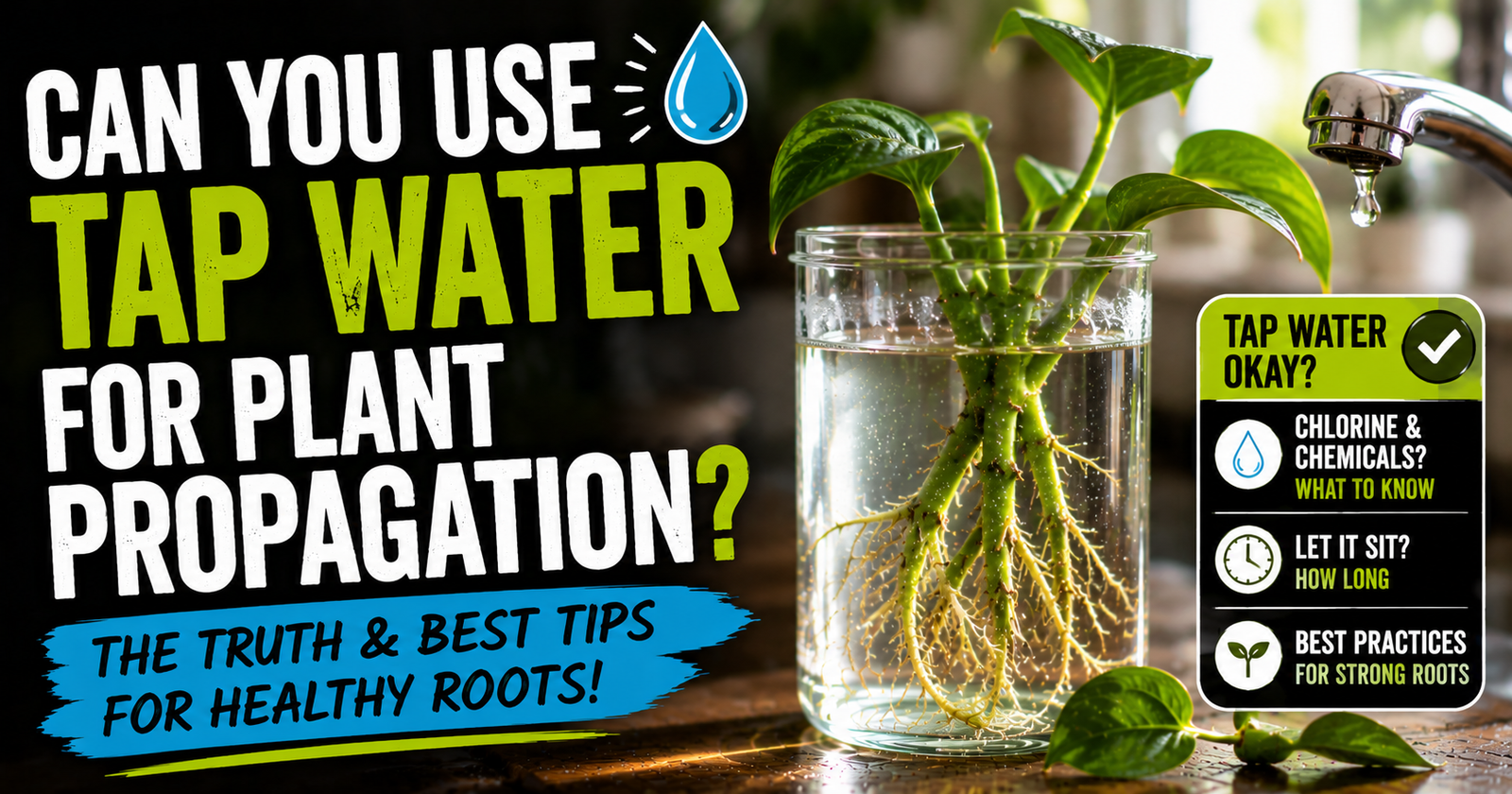
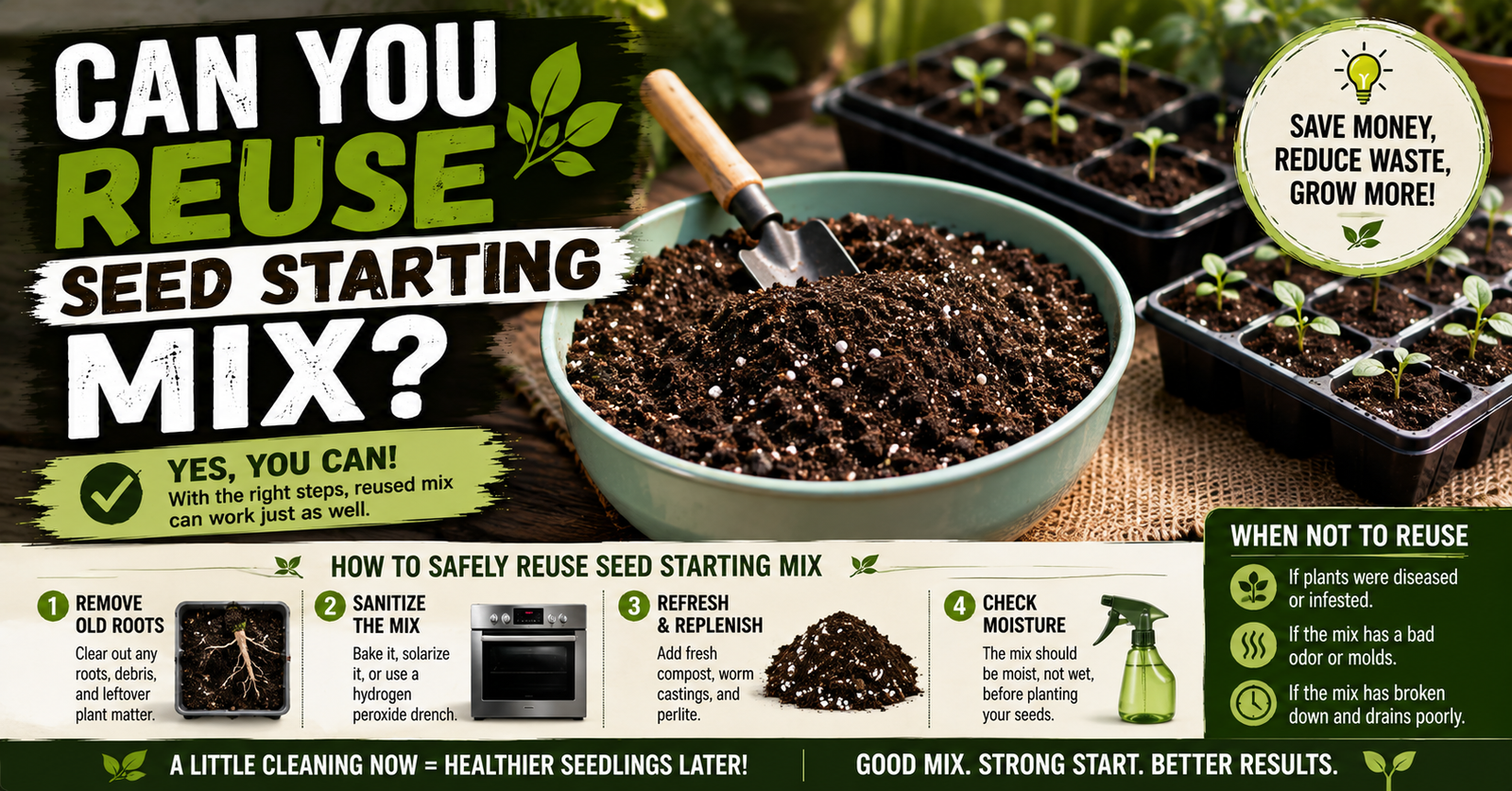
Poor water quality, low oxygen levels, submerged leaves, dirty containers, and unhealthy cuttings all increase the chances of this happening. Before blaming the water itself, it helps to understand when tap water is generally suitable for propagation in water quality for propagation.
The good news is that most of these problems are completely preventable.
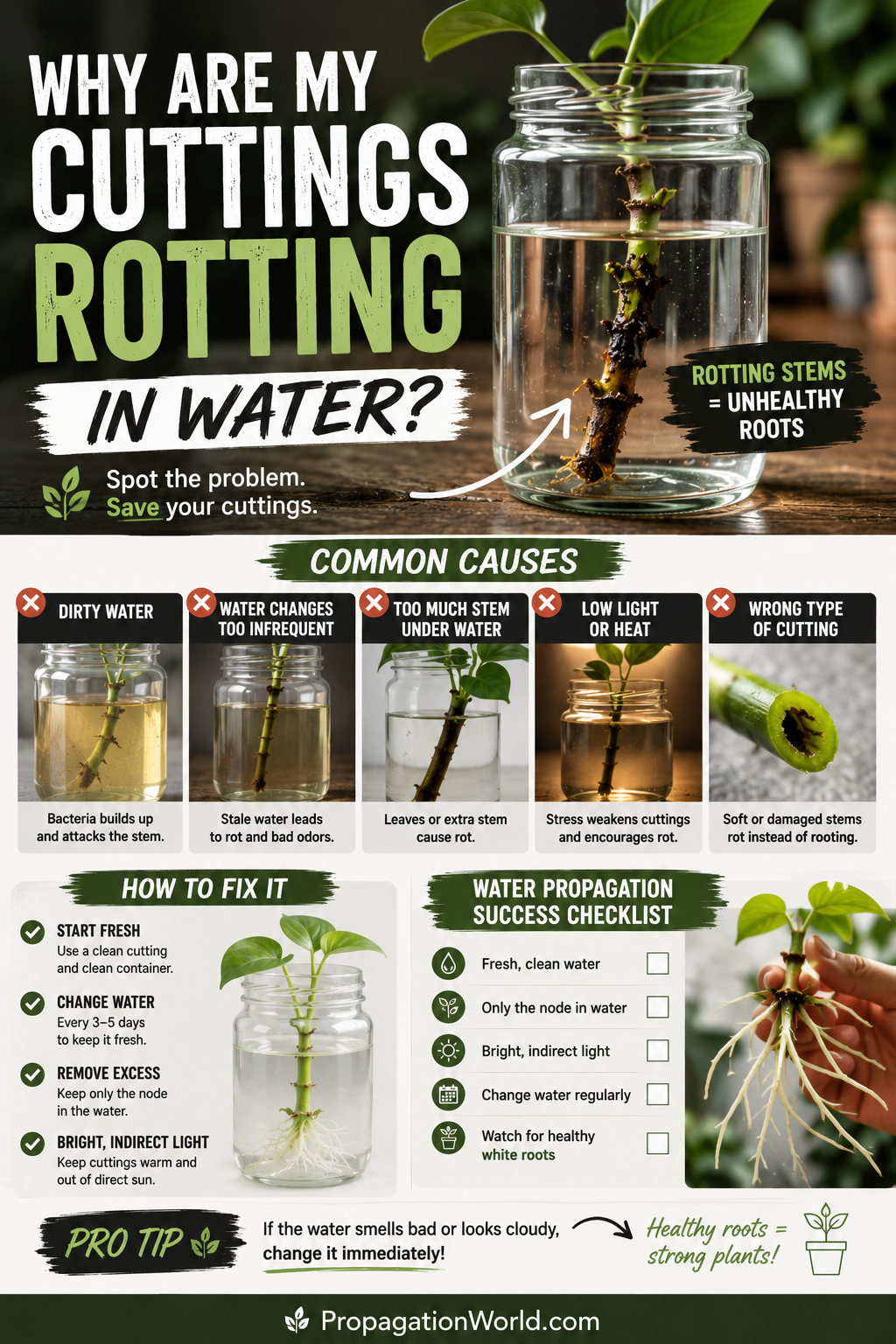
What Does Rot Actually Look Like?
Healthy stems usually stay firm and green.
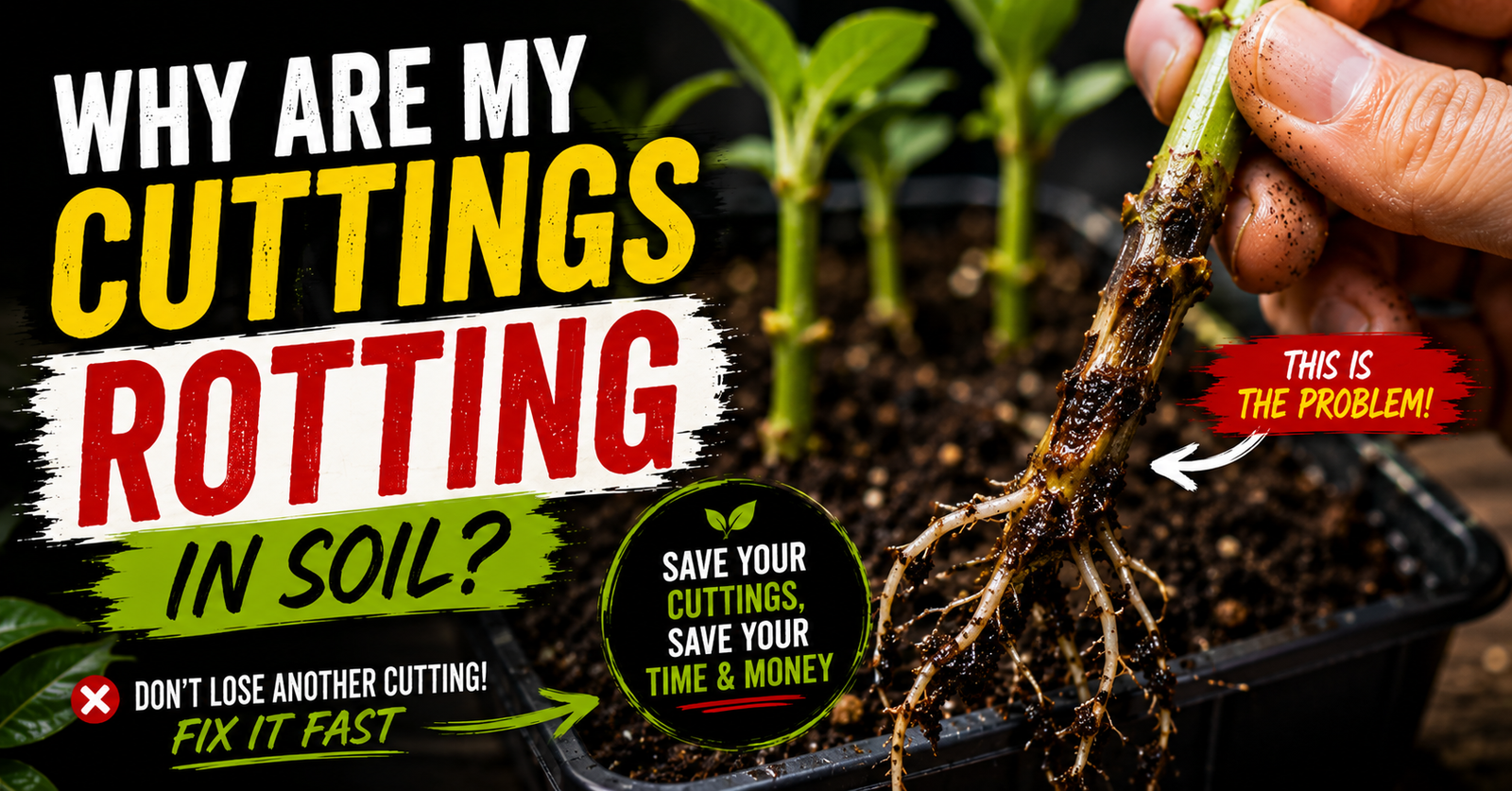
As rot begins developing, you’ll often notice changes like:
- Brown or black discoloration
- Soft, mushy stems
- Slimy surfaces
- Foul odors
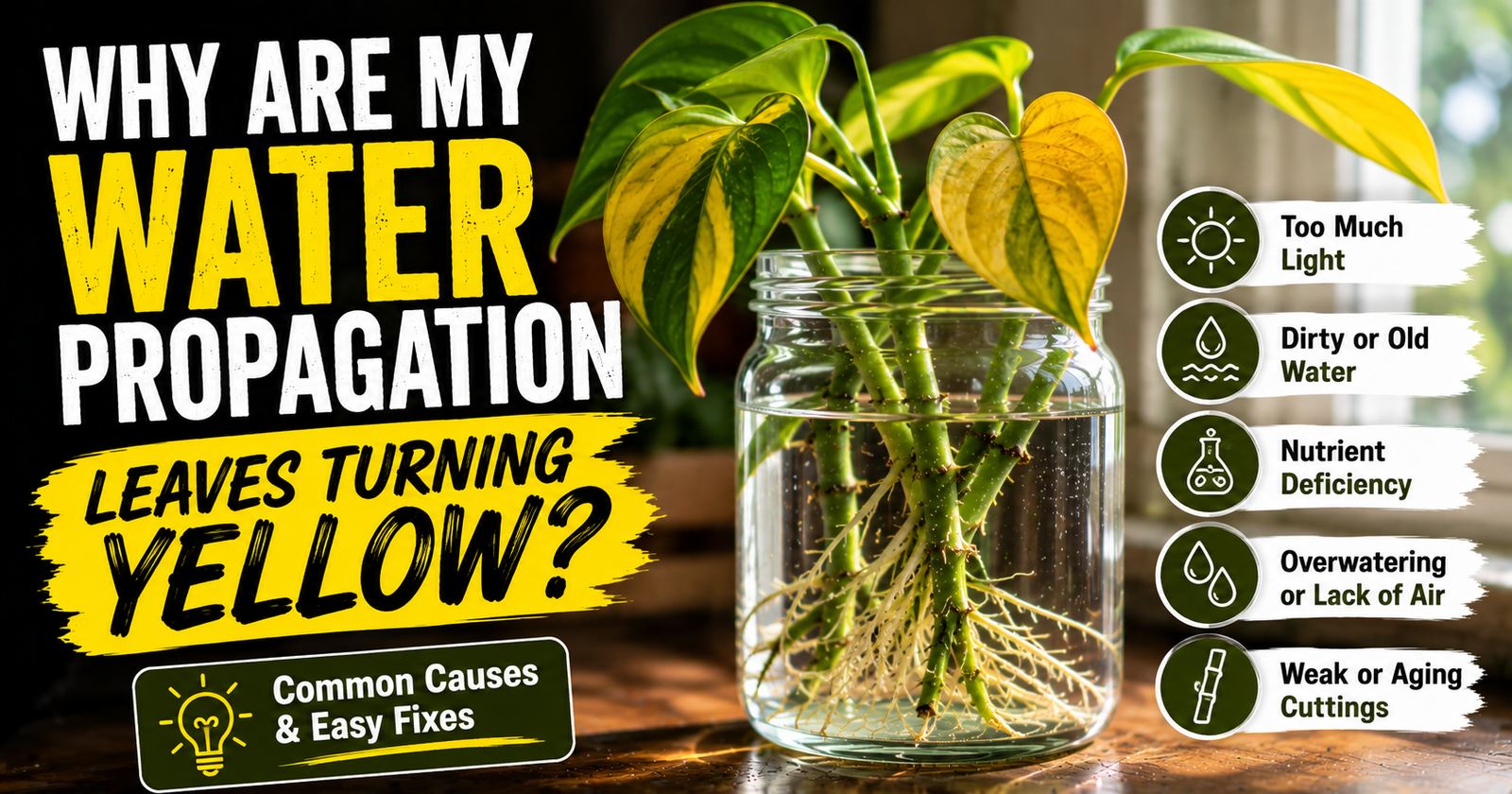
- Yellowing leaves
- Water becoming cloudy very quickly
Once the stem feels soft instead of firm, the damaged tissue usually won’t recover.
The goal becomes stopping the rot before it spreads farther up the cutting.
Rot Usually Starts Before You Even Put the Cutting in Water
One mistake I see quite often is assuming the water caused the problem.
In reality, many issues begin the moment the cutting is taken.
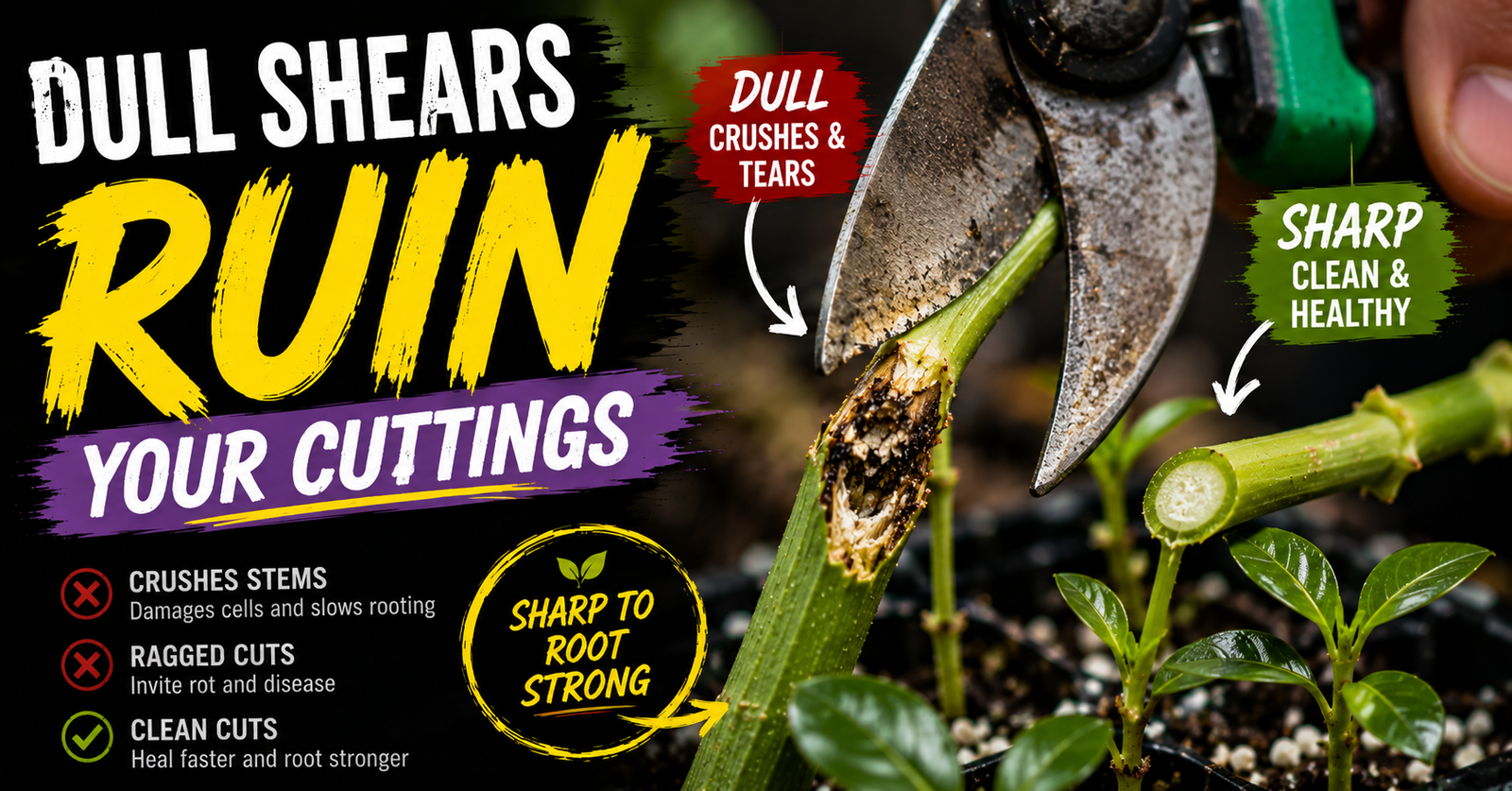
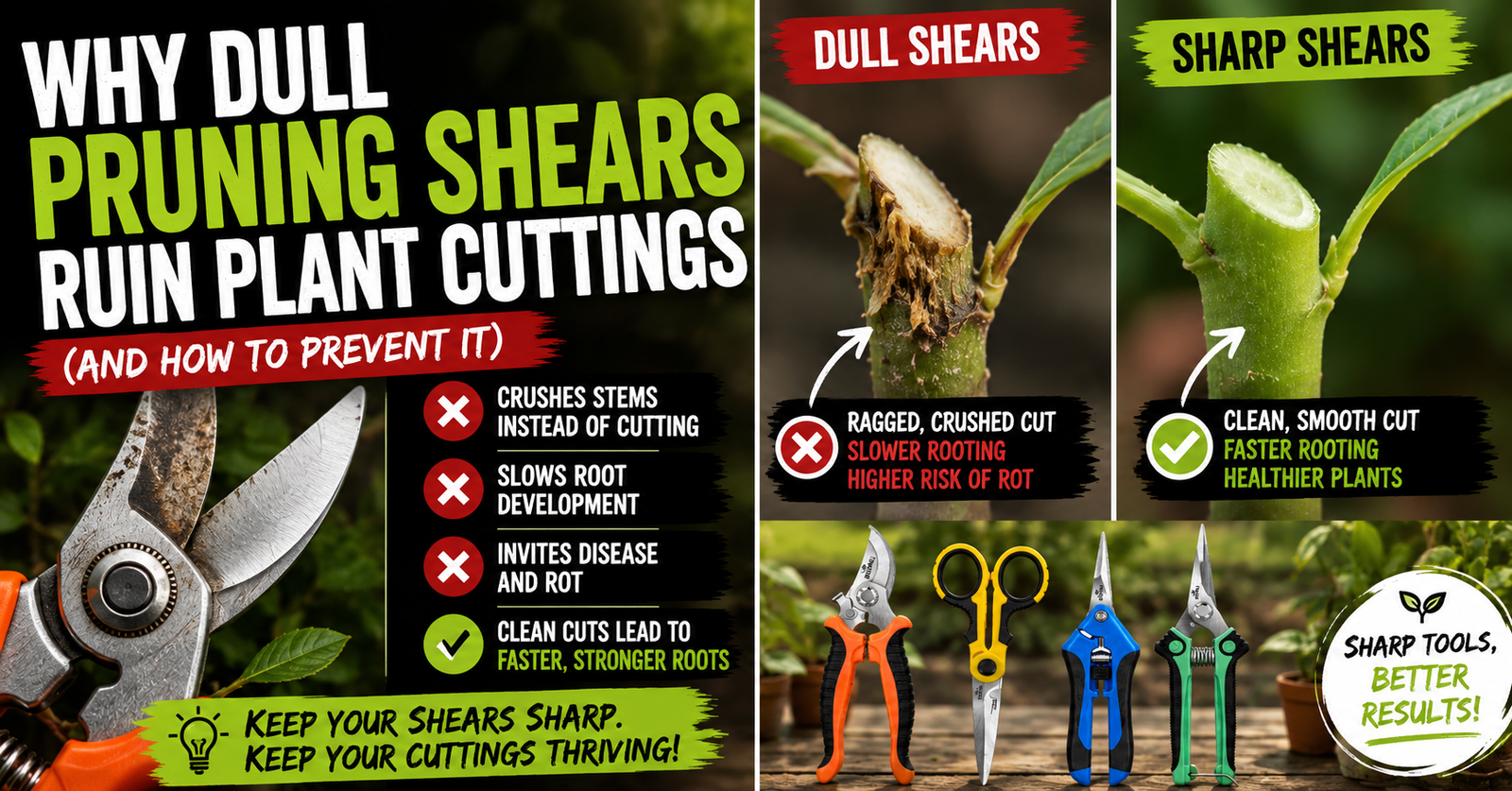
Using dull pruners can crush plant tissue.
Taking cuttings from stressed or diseased plants makes them less able to heal.
Even leaving a fresh cutting sitting in the sun for twenty minutes before placing it into water can increase stress.
Starting with a healthy parent plant and making a clean cut below a node gives you a much stronger foundation.
Dirty Containers Are a Bigger Problem Than Most Gardeners Realize
I’ve seen people carefully sterilize their pruning shears and then place the cutting into a jar that still has algae residue from the last propagation project.
That completely defeats the purpose.
Bacteria love warm, damp environments.
If the container isn’t clean, those microorganisms already have a head start before the cutting ever goes inside.
I always rinse propagation jars thoroughly before using them again.
It’s one of the easiest habits you can develop.
Leaving Leaves Underwater
This is probably the most common beginner mistake.
Any leaves sitting below the water line eventually begin breaking down.
As they decompose, bacteria multiply rapidly and water quality declines.
I always remove every leaf that would sit beneath the surface.
Only the stem node needs to remain underwater.
The leaves should stay dry above the water where they can continue producing energy for the cutting.
Not Changing the Water Often Enough
Water doesn’t stay fresh forever.
As oxygen levels fall and bacteria increase, the environment becomes much less favorable for root development.
That’s one reason I recommend replacing the water every few days instead of simply topping it off.
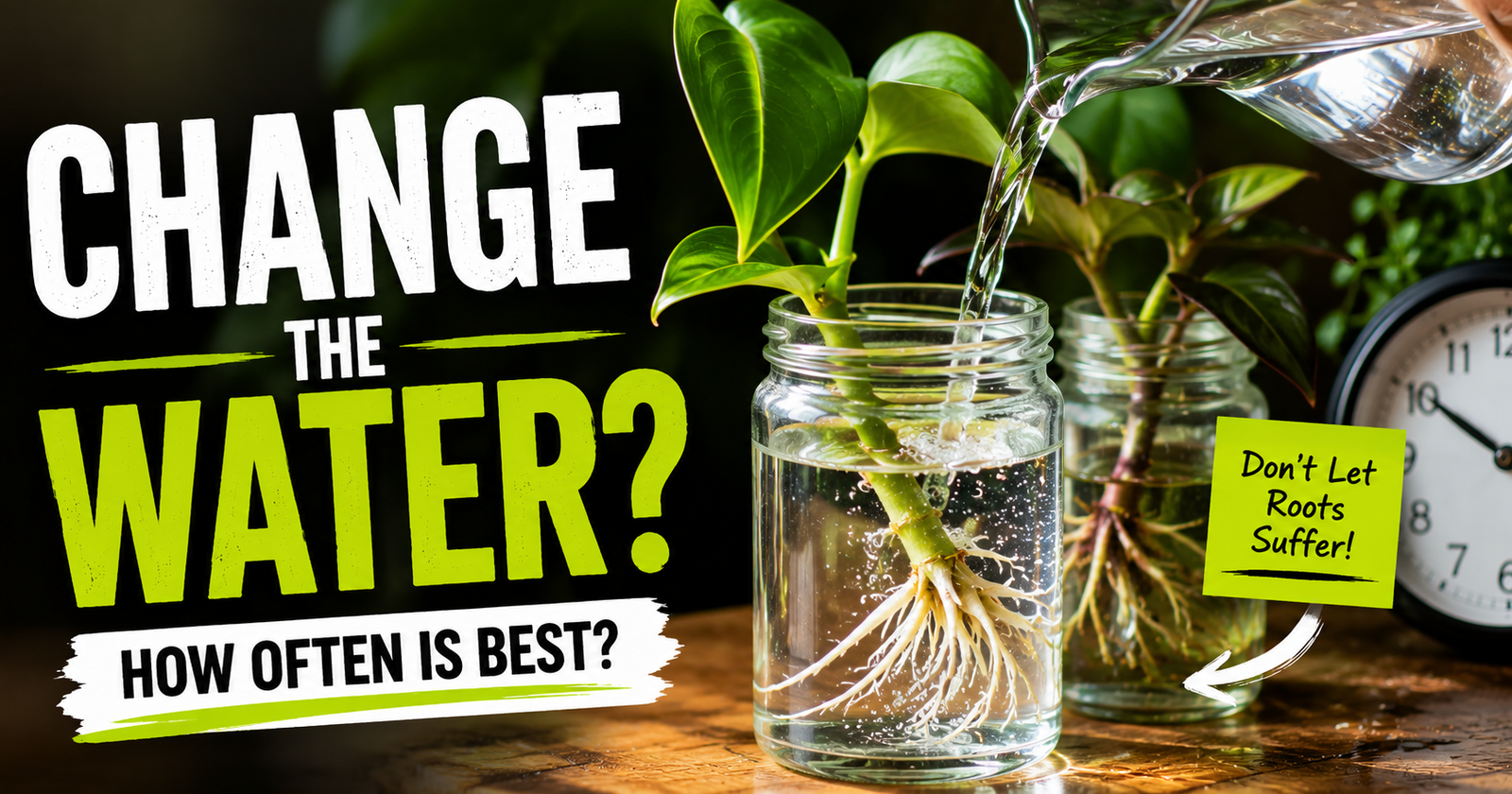
If you’d like a detailed schedule, I cover it in How Often Should You Change Water When Propagating Cuttings?.
Fresh water won’t guarantee success, but it removes one of the biggest causes of rot.
Some Plants Simply Don’t Like Water Propagation
This surprises many beginners.
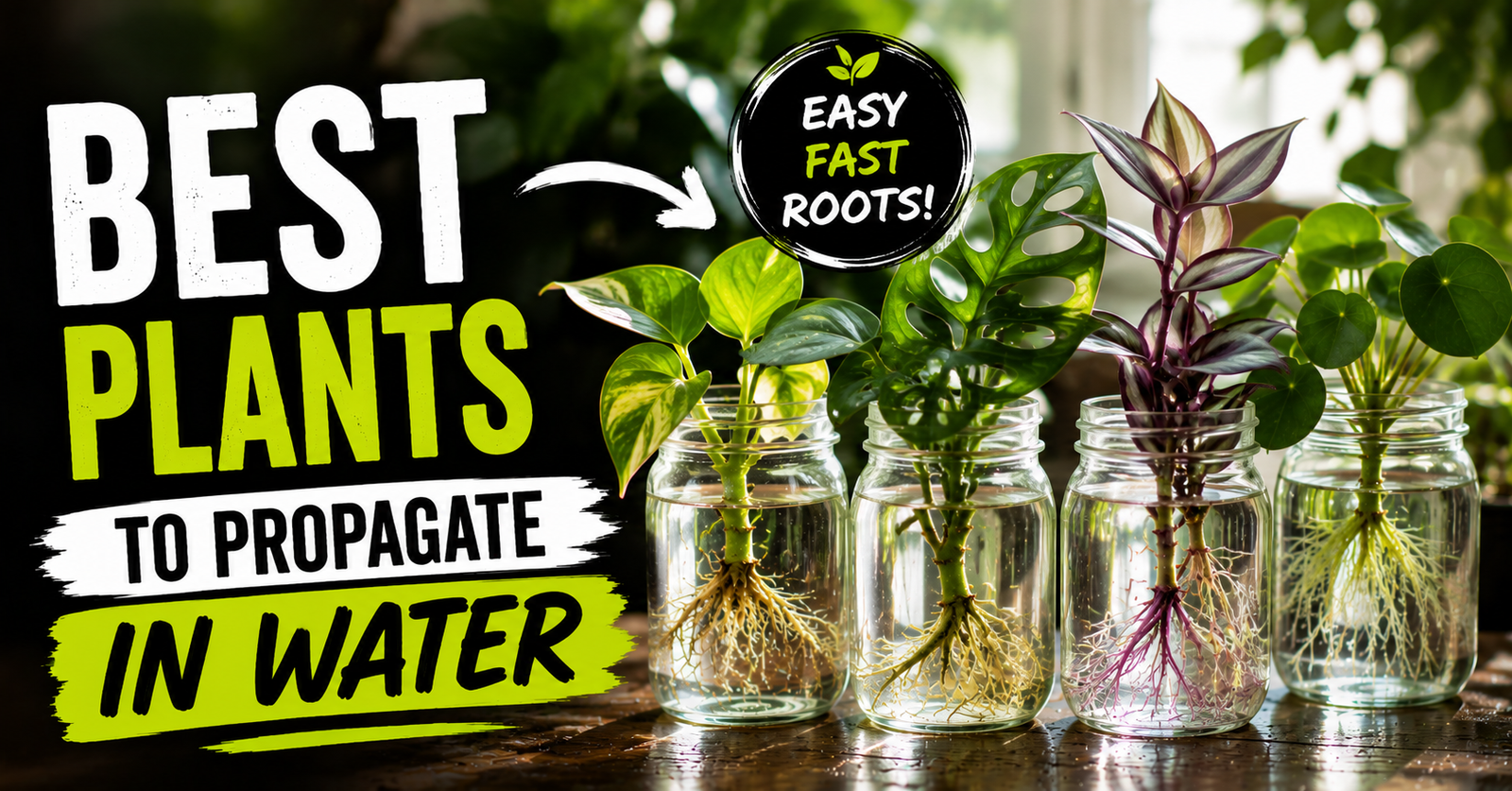
Water propagation works wonderfully for pothos, philodendrons, basil, tradescantia, and many other soft-stemmed plants.
Woody shrubs and trees are a different story.
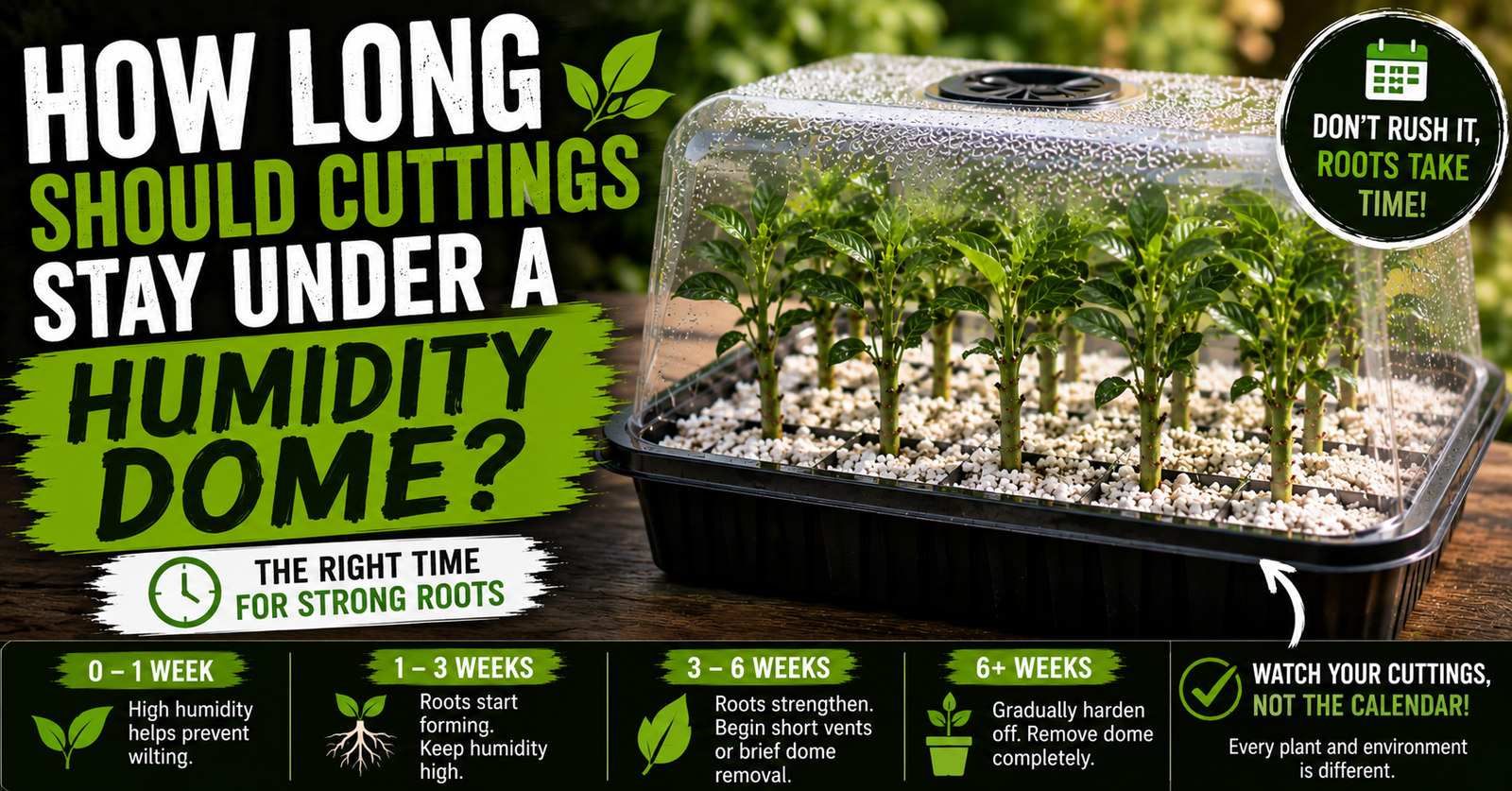
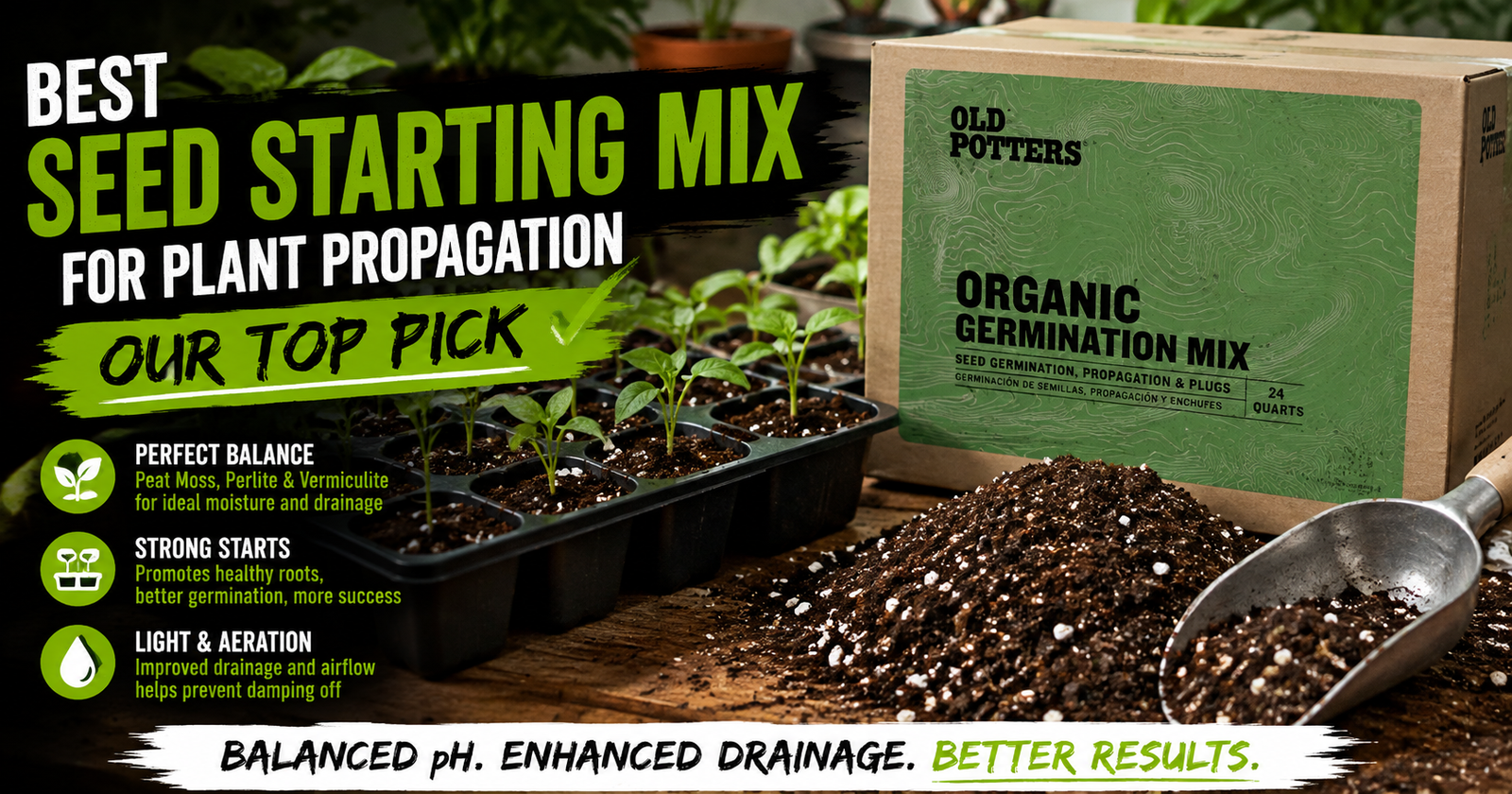
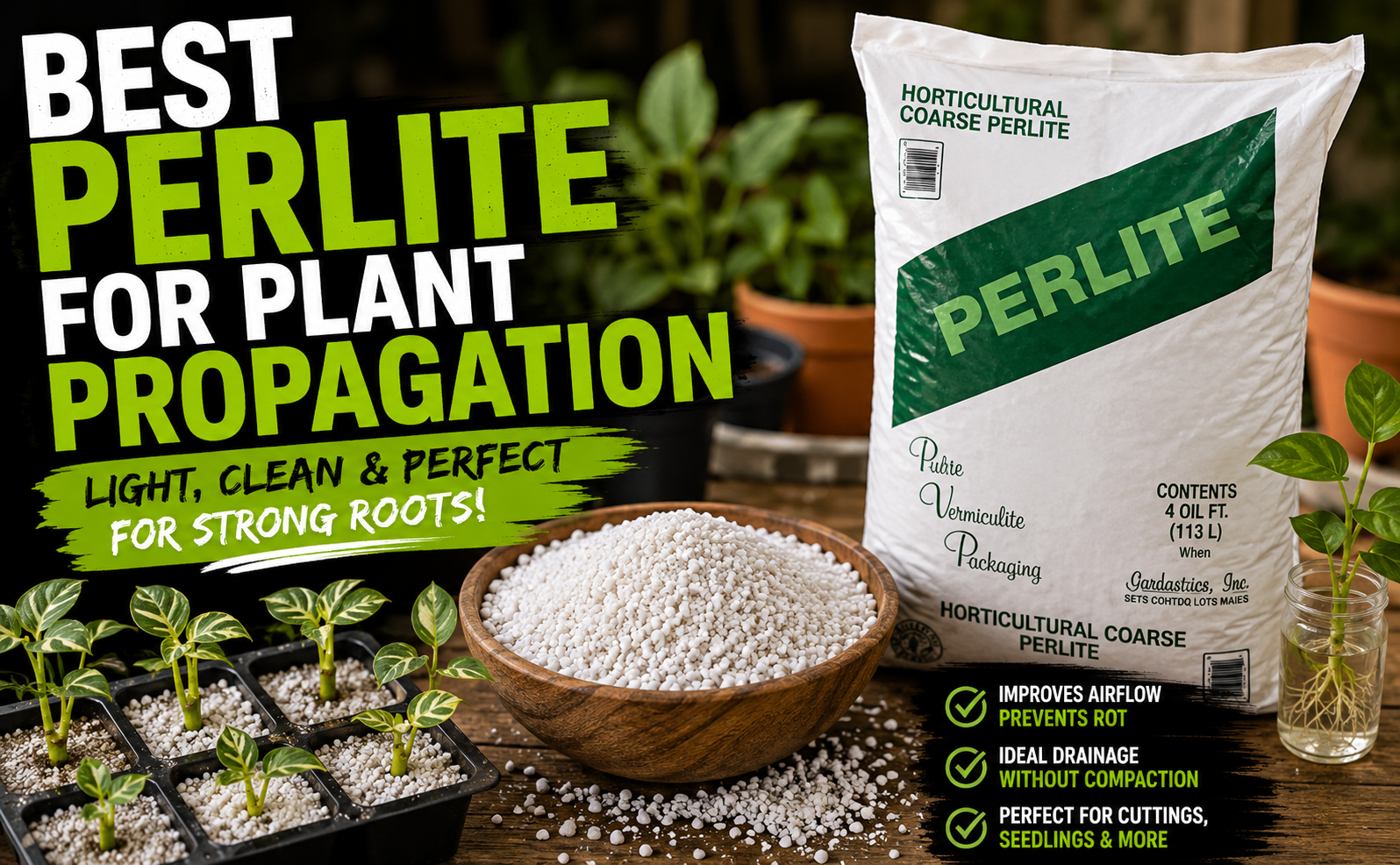
Plants like blueberries, roses, hydrangeas, and many fruit trees often root more reliably in propagation mix, perlite, or aeroponic cloners instead of sitting in a jar of water.
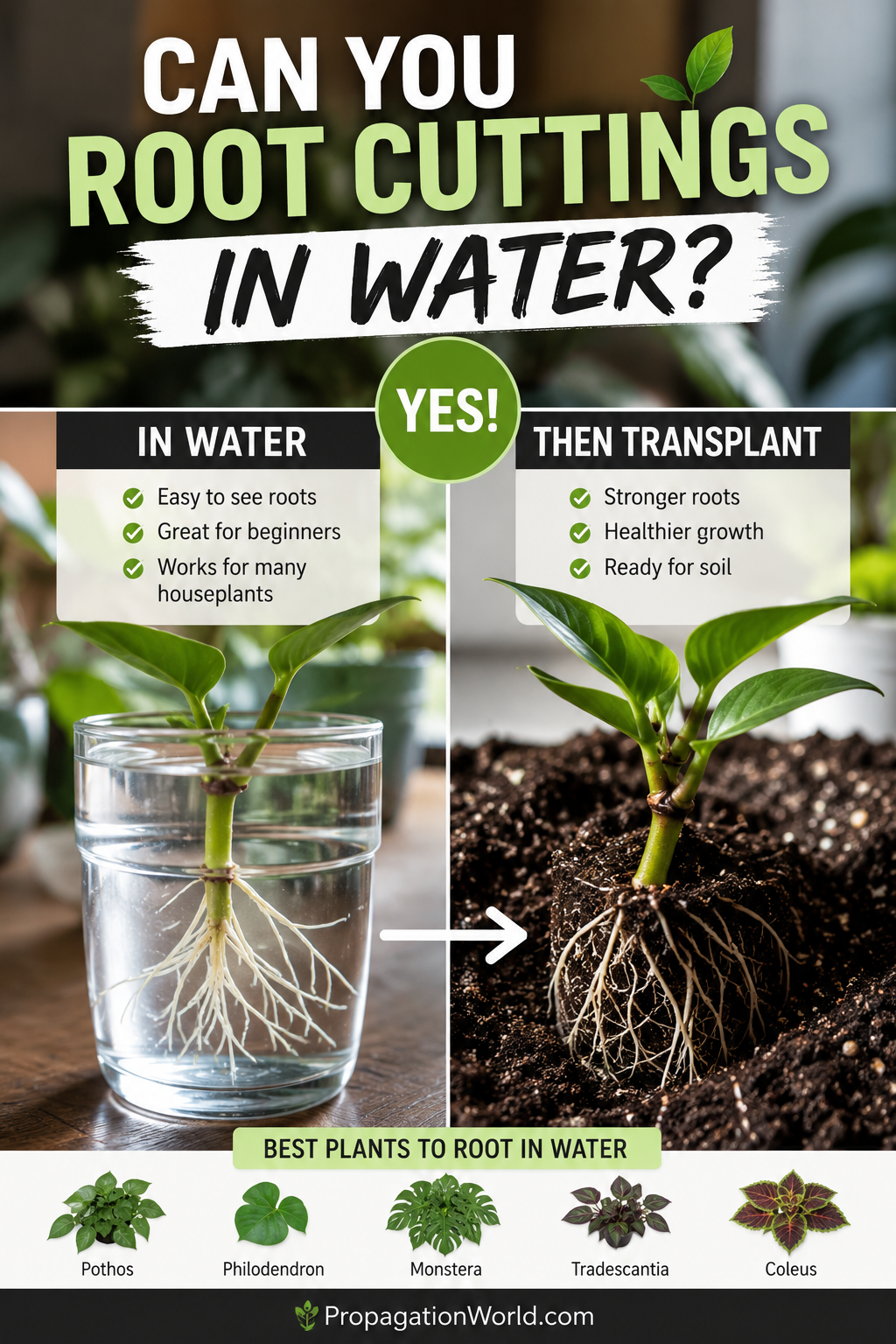
If you’re unsure whether your plant is a good candidate, Can You Root Plant Cuttings in Water? explains which plants are best suited for this propagation method.
Too Much Sun Can Speed Up Rot
It seems backward, but placing a jar of cuttings in direct afternoon sun can actually increase the chances of rot.
The water heats up quickly, especially in clear glass containers sitting on a sunny windowsill.
Warm water holds less oxygen than cool water, and bacteria multiply much faster as temperatures rise.
That’s why I usually recommend keeping water-propagated cuttings in bright, indirect light rather than intense, direct sunlight.
You’ll still get plenty of light for photosynthesis without creating conditions that encourage bacteria.
Oxygen Matters More Than Most People Think
Roots need oxygen just as much as they need water.
Fresh water naturally contains dissolved oxygen, but over time those levels decline.
When oxygen becomes limited, harmful bacteria have an easier time taking over, and the cutting has a harder time producing healthy roots.
That’s another reason regularly changing the water is so beneficial.
It isn’t just about clean water—it’s also about restoring oxygen to the rooting environment.
Can You Save a Rotting Cutting?
Sometimes.
It depends on how far the rot has spread.
If only the very bottom of the stem has become soft, you may still be able to save the cutting.
Here’s what I do:
- Remove the cutting from the water immediately.
- Sterilize a pair of sharp pruning shears or scissors.
- Cut the stem well above all soft, brown, or black tissue.
- Rinse the container thoroughly.
- Refill it with fresh water.
- Place the healthy portion of the cutting back into the clean container.
If all of the stem has become mushy or the rot has spread above the remaining healthy nodes, it’s usually better to discard the cutting and start over.
Should You Use Rooting Hormone?
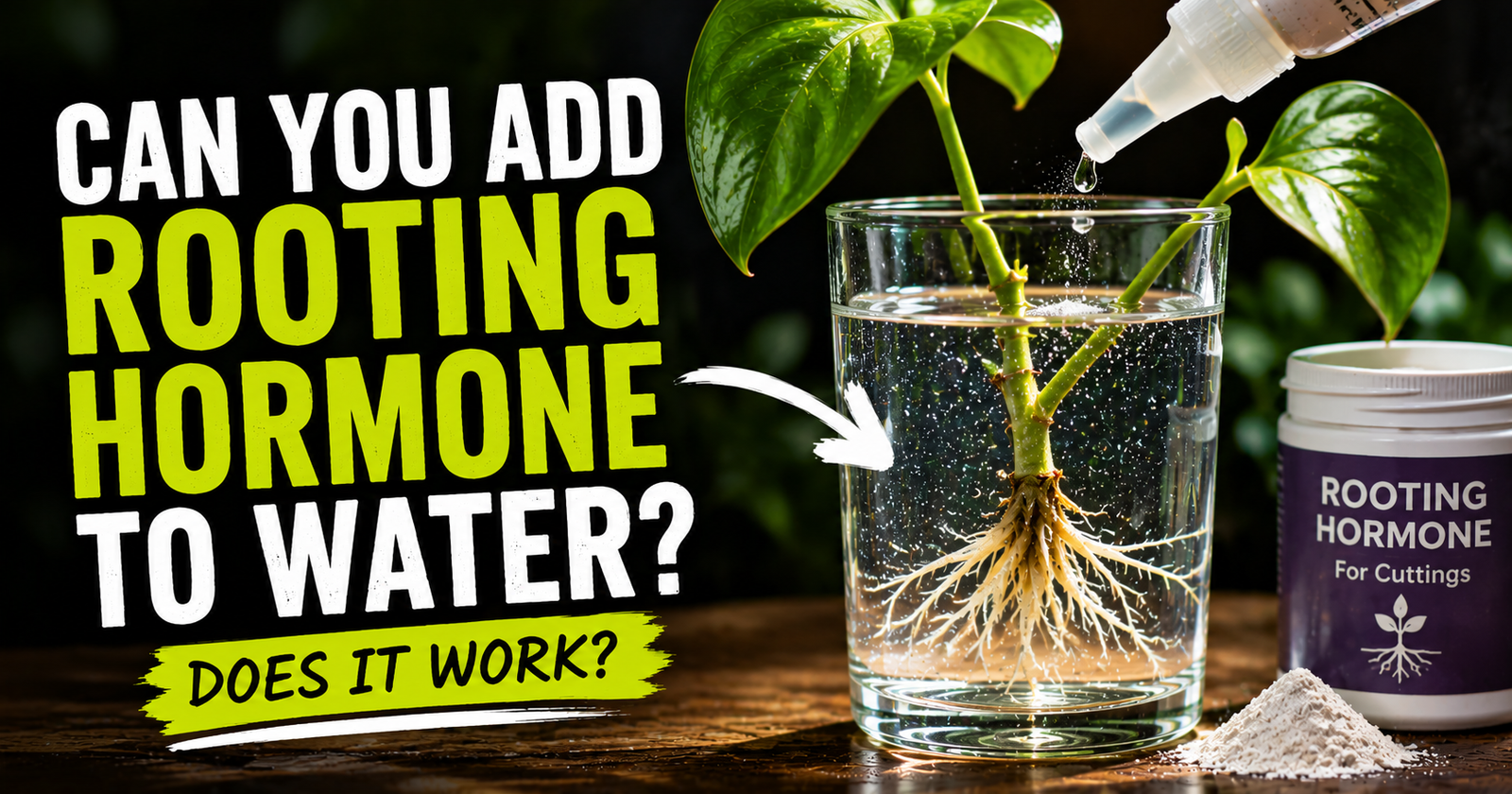
Rooting hormone doesn’t prevent rot.
That’s an important distinction.
Its purpose is to encourage root development, not kill bacteria or fungi.
However, getting roots to form more quickly can sometimes reduce the amount of time a cutting spends vulnerable in water.
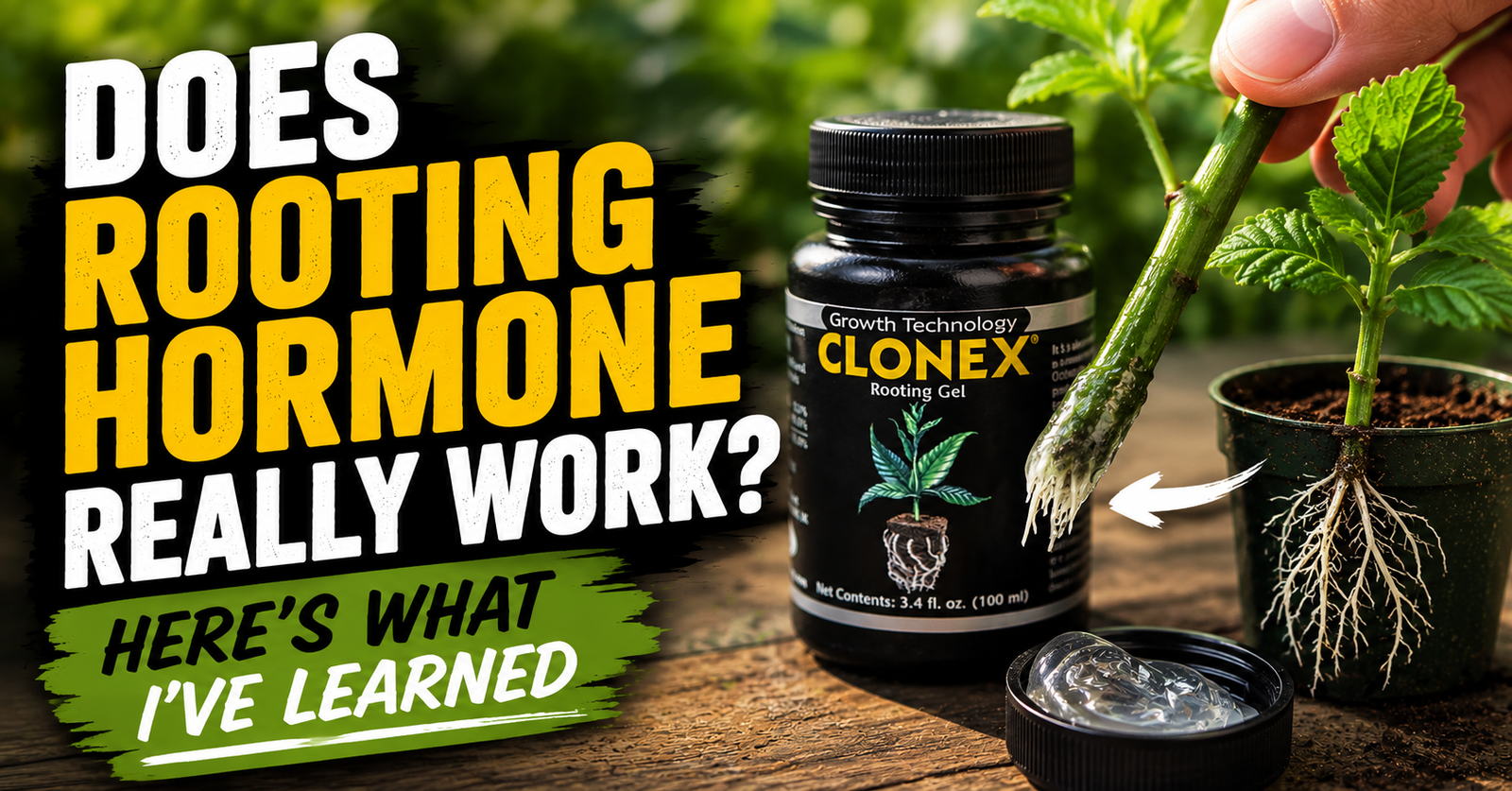
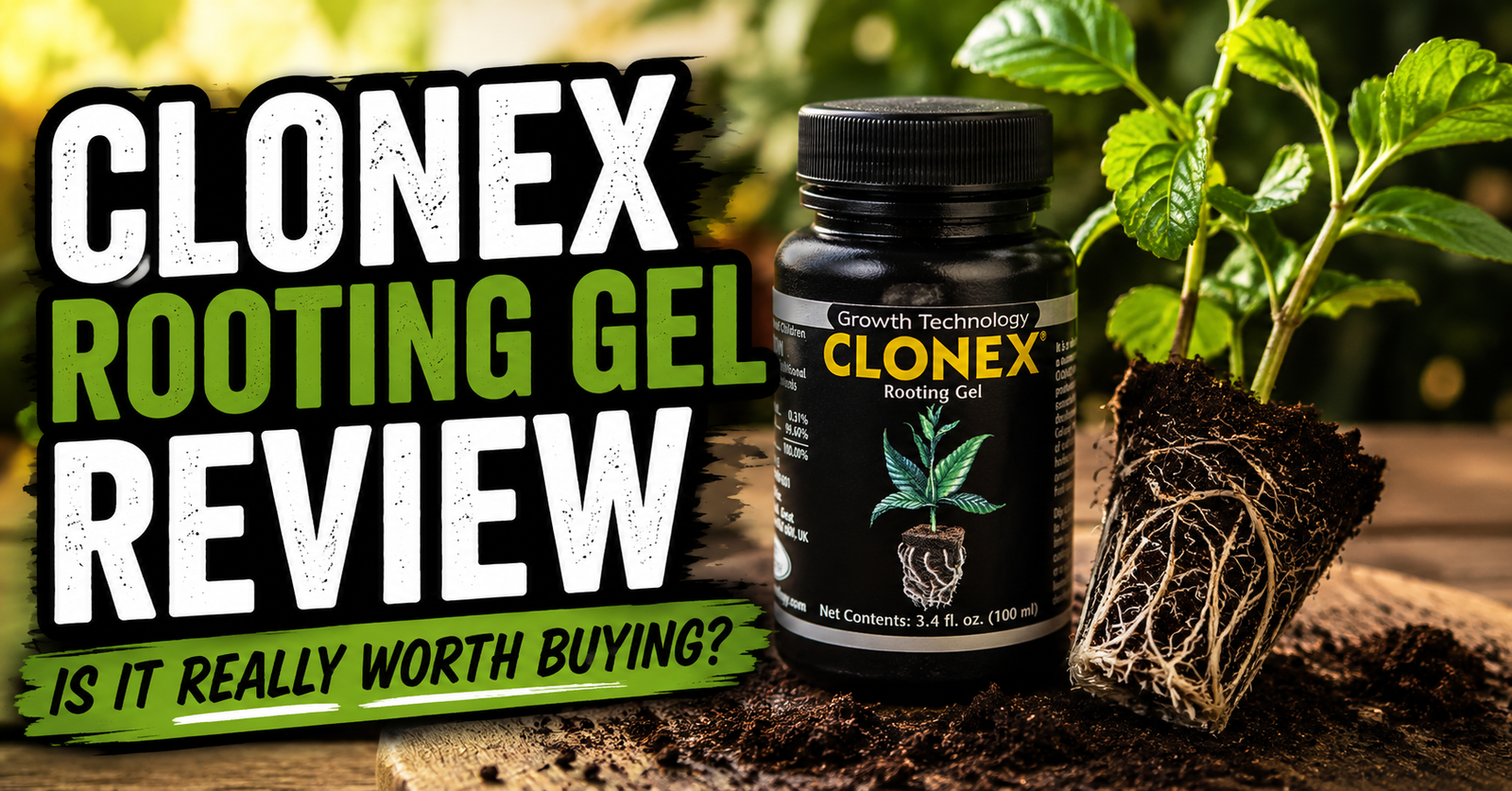
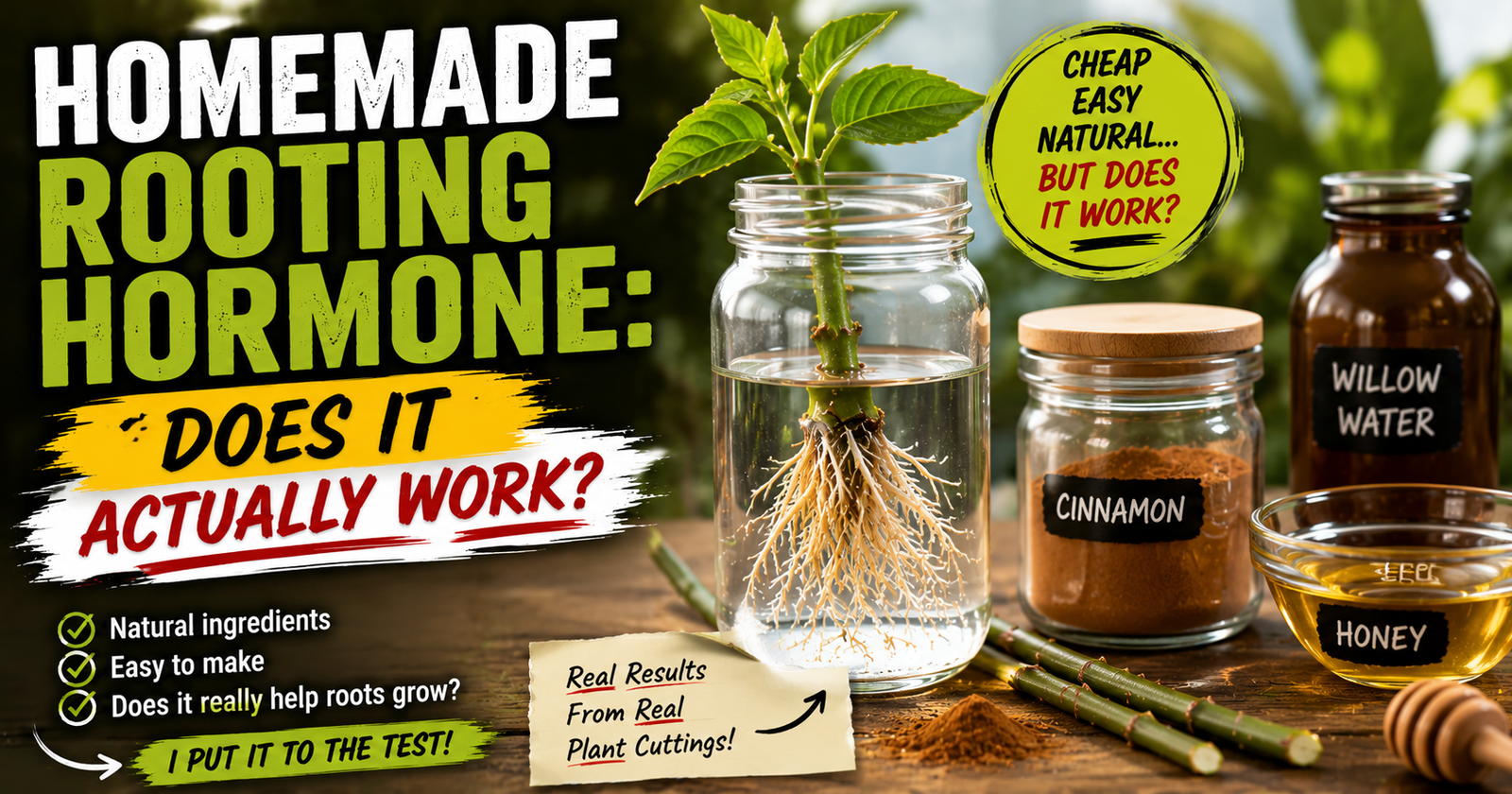
If you’re wondering whether rooting hormone is worthwhile, my guide Does Rooting Hormone Really Work? What Every Gardener Should Know explains when it actually helps and when it doesn’t.
Does Cloudy Water Always Mean the Cutting Is Rotting?
Not always.
Cloudy water is usually a warning sign, but it doesn’t automatically mean you’ve lost the cutting.
Sometimes the water becomes cloudy because bacteria are beginning to multiply before the stem shows any visible damage.
If you notice cloudy water but the stem still feels firm and healthy:
- Replace the water immediately.
- Wash the container.
- Remove any leaves below the water line.
- Check the stem daily.
Many cuttings recover just fine if you catch the problem early.
Can the Type of Container Make a Difference?
It can.
Glass jars are popular because they’re inexpensive and let you watch the roots develop.
The downside is that clear containers allow more light into the water, which can encourage algae growth over time.
This doesn’t automatically cause rot, but algae can reduce water quality if it’s allowed to build up.
If algae becomes a recurring issue, try:
- Cleaning the container more often.
- Moving it out of direct sunlight.
- Using an opaque propagation container.
The cleaner the environment stays, the lower your chances of losing a cutting.
How to Prevent Rot Before It Starts
After propagating hundreds of cuttings, I’ve found that preventing rot is much easier than trying to fix it.
My routine is simple:
- Start with a healthy parent plant.
- Make a clean cut using sharp, sanitized pruners.
- Remove any leaves that would sit underwater.
- Use a clean propagation jar.
- Keep the cutting in bright, indirect light.
- Replace the water every 3 to 7 days.
- Watch for cloudy water or soft stems.
- Transplant the cutting once it has developed a healthy root system instead of leaving it in water indefinitely.
None of these steps are difficult on their own, but together they dramatically improve your success rate.
Don’t Assume Every Failed Cutting Was Your Fault
This is something I wish someone had told me when I first started propagating plants.
Sometimes a cutting simply wasn’t going to make it.
The parent plant may have been stressed.
The stem may have had hidden damage.
The variety you’re propagating may simply be difficult to root in water.
Even experienced gardeners occasionally lose cuttings.
Rather than getting discouraged, treat each failed propagation as feedback.
The more cuttings you propagate, the easier it becomes to recognize which stems are likely to succeed and which ones probably won’t.
Healthy Cuttings Rarely Rot Overnight
One thing I’ve noticed over the years is that rot almost always gives you warning signs before a cutting completely fails.
Cloudy water.
A slight odor.
A small dark spot near the cut end.
A leaf turning yellow much earlier than expected.
Paying attention to these early clues allows you to act before the damage becomes severe.
A quick water change or trimming away a small section of damaged stem is often enough to keep the propagation on track.
Frequently Asked Questions
Why do my cuttings turn black in water?
Black stems usually indicate rot caused by bacteria or fungi. Once the tissue becomes soft and black, it’s often best to cut back to healthy tissue or start with a new cutting.
Can I use hydrogen peroxide to stop rot?
A small amount of diluted hydrogen peroxide is sometimes used by gardeners to increase oxygen levels temporarily and reduce microbes, but it isn’t a cure for severe stem rot. Preventing rot through proper sanitation and fresh water is usually far more effective.
Why do my cuttings smell bad?
A foul smell is usually a sign that bacteria are breaking down plant tissue. Replace the water immediately, clean the container, and inspect the stem for soft or discolored areas.
Should I throw away a rotting cutting?
If the rot has spread through most of the stem, it’s usually best to discard it. If only the very end is affected, cutting back to healthy tissue may save it.
Does changing the water prevent rot?
Regular water changes don’t eliminate every problem, but they significantly reduce bacterial buildup, improve oxygen levels, and create a healthier environment for new roots to develop.
Author: Dax Weaver
Dax Weaver is the founder of PropagationWorld, where he shares practical propagation methods, honest product reviews, and real-world gardening experience to help gardeners root healthier plants with greater confidence. After propagating thousands of cuttings over the years, he enjoys simplifying the science behind successful plant propagation for growers of every experience level.