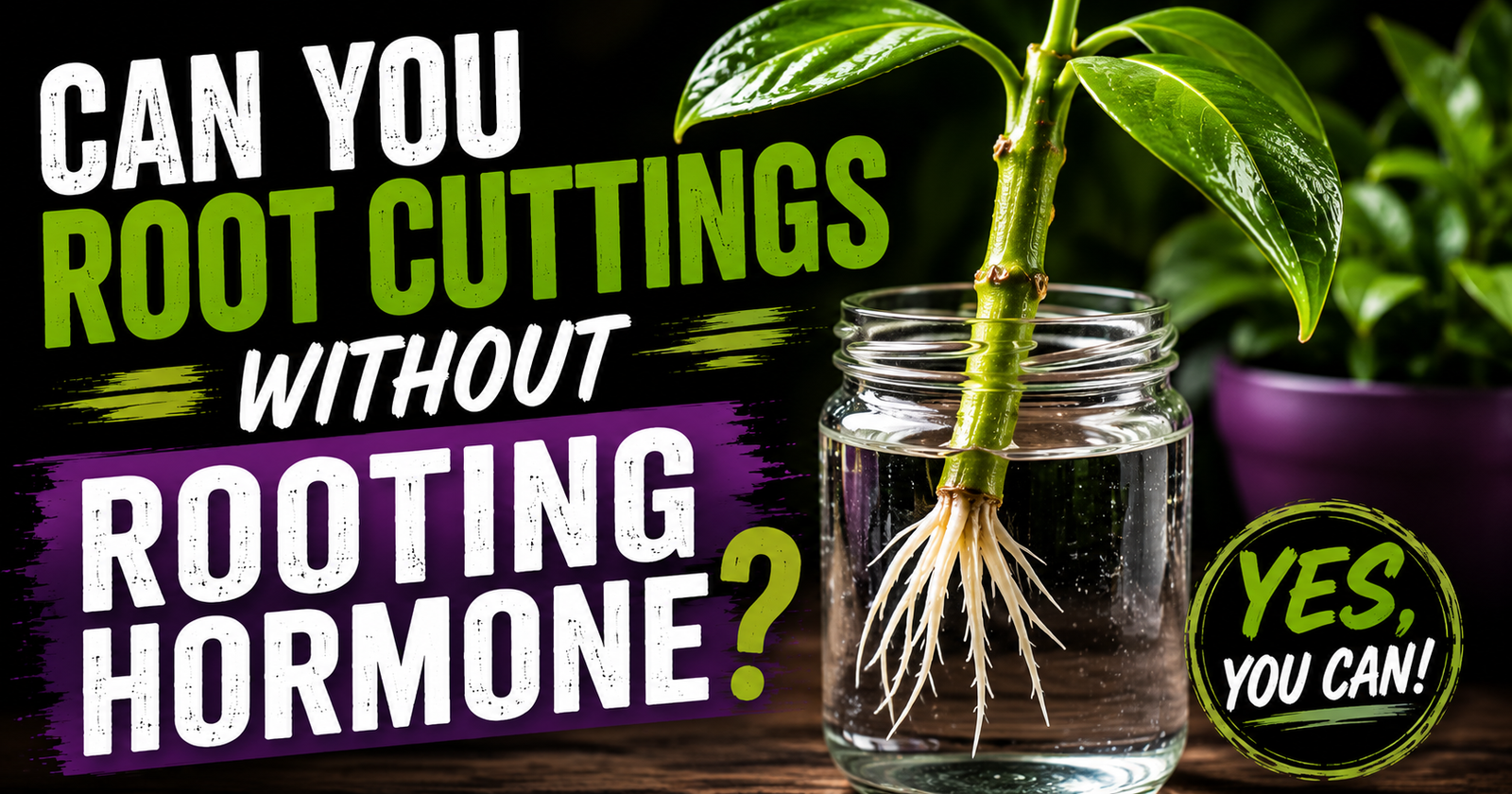
If you’ve never propagated a plant before, it’s easy to assume rooting hormone is required.
After all, every garden center seems to sell it, experienced gardeners often recommend it, and you’ll find countless videos showing people dipping every cutting before they plant it.
So what happens if you don’t use it?
Will your cutting fail?
Not necessarily.
The truth is that millions of plants are successfully propagated every year without a single drop of rooting hormone. Some species naturally produce roots with very little encouragement, while others benefit greatly from the extra boost that rooting hormone provides.
The key isn’t asking whether rooting hormone is required.
It’s understanding which plants need the extra help and which ones don’t.
The Short Answer
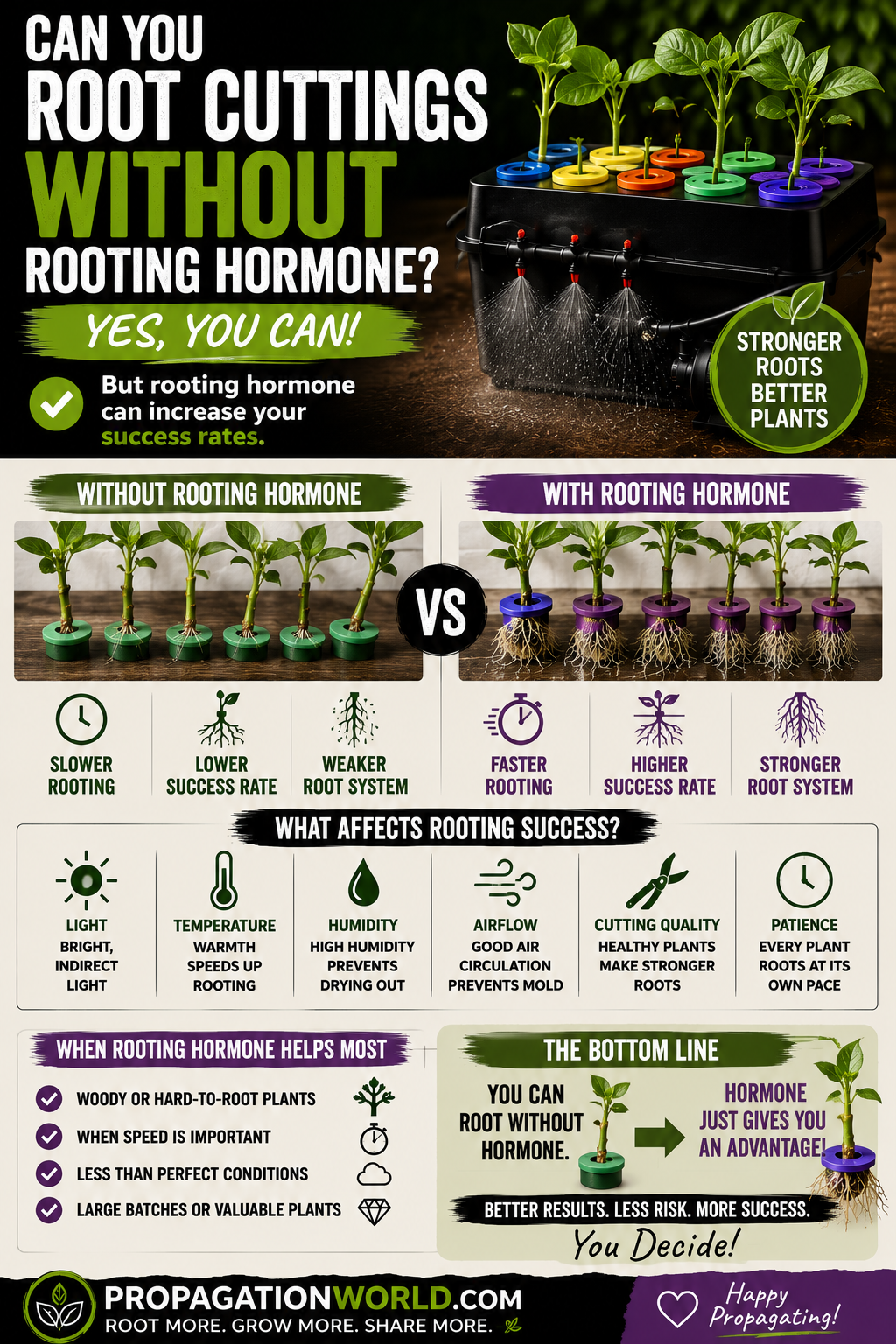
Yes.
Many plant cuttings root perfectly well without rooting hormone.
Plants naturally produce their own hormones called auxins, which help stimulate root development after a stem has been cut.
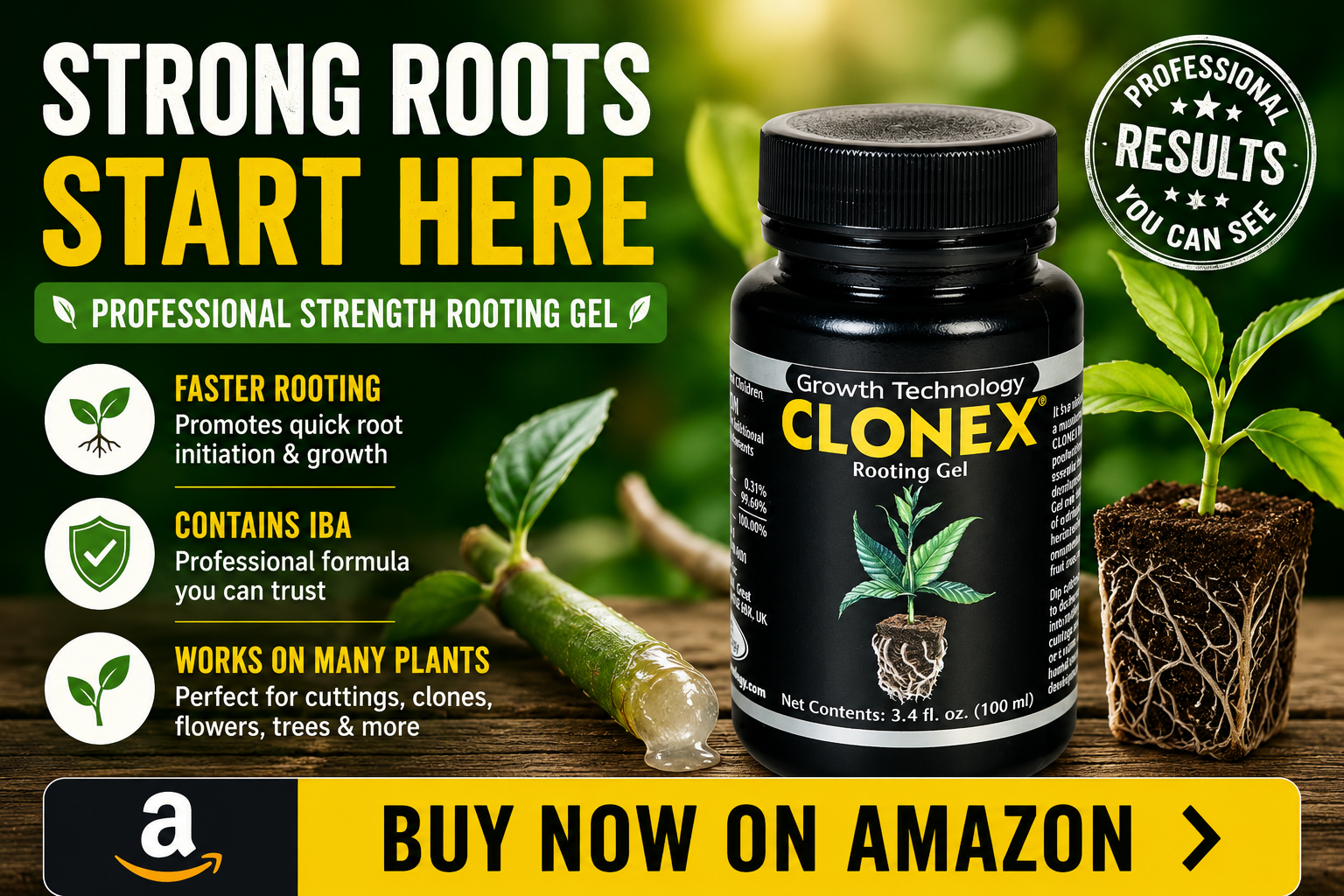
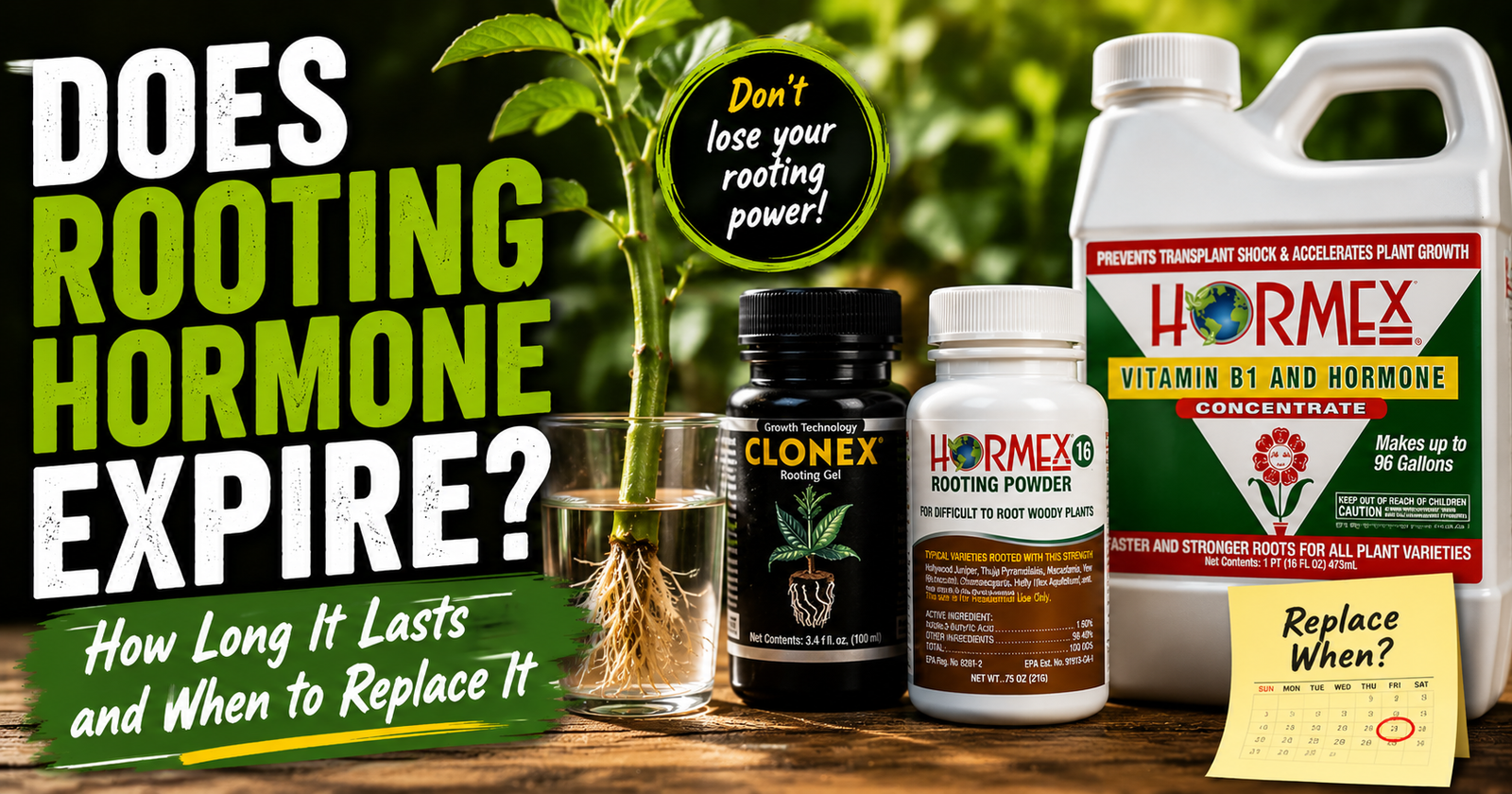
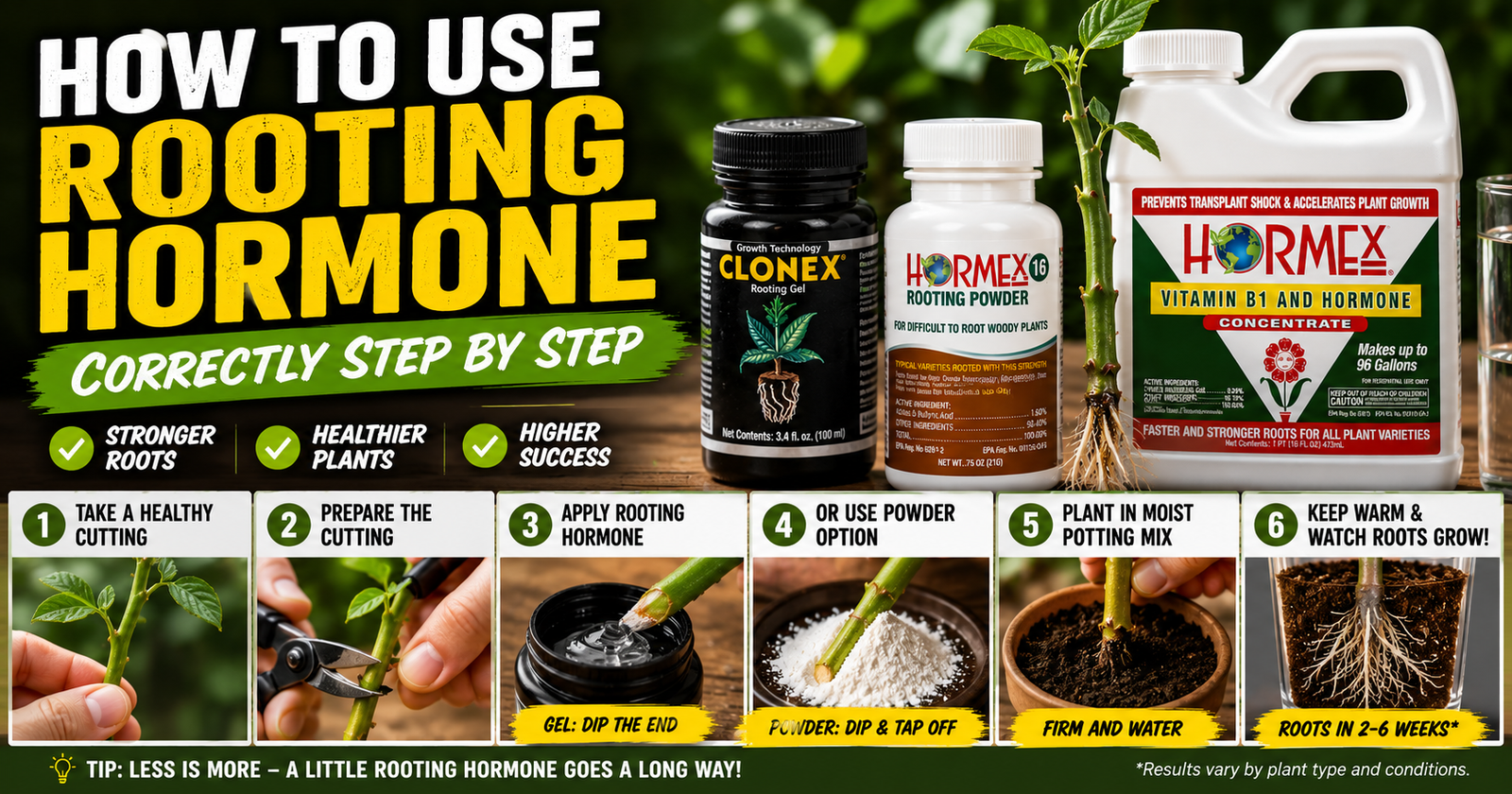
Commercial rooting hormones simply supplement that natural process. If you decide to supplement natural auxins, Clonex rooting gel is one option to consider.
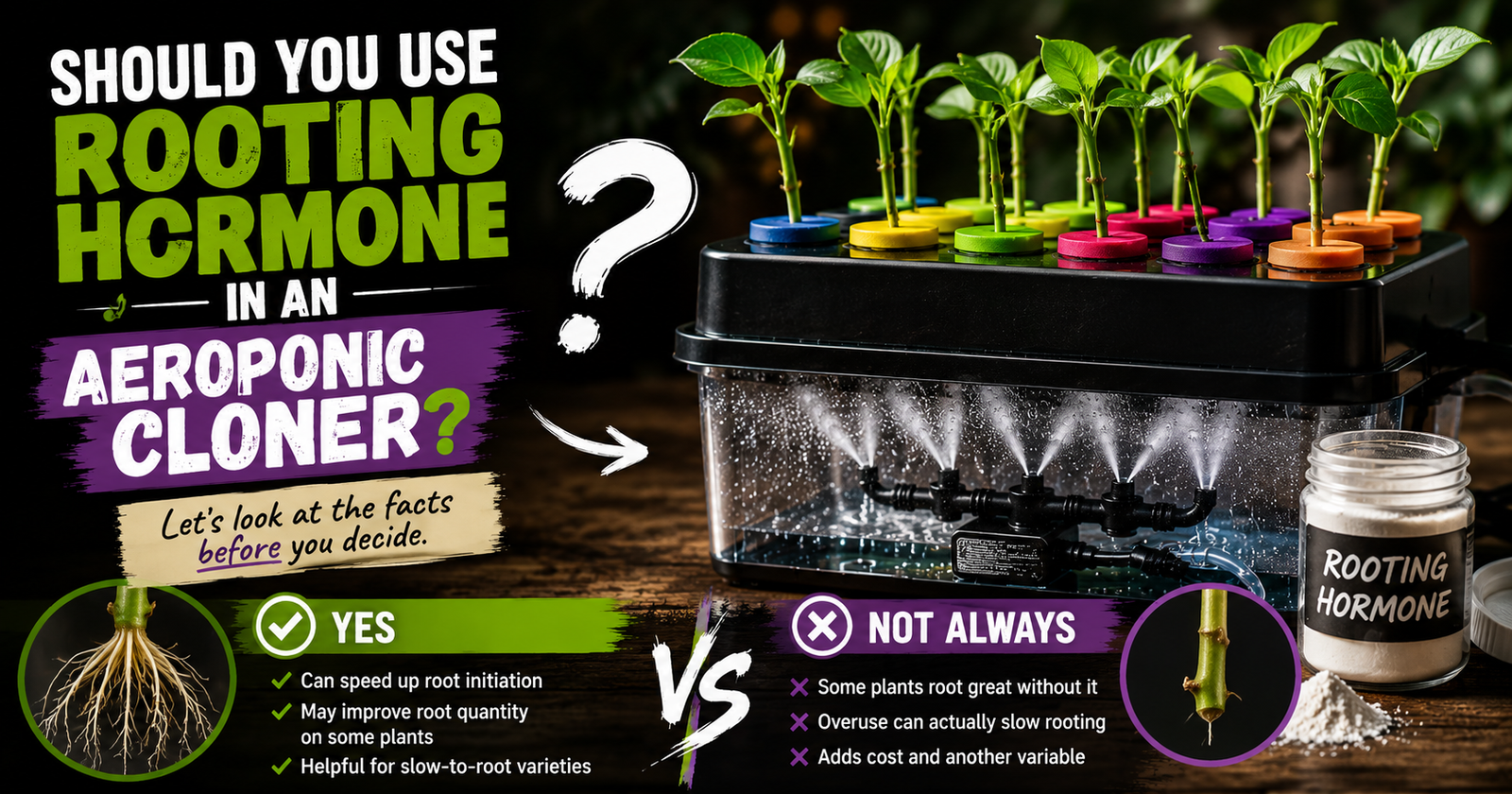
Think of rooting hormone as a tool—not a requirement. Its role can change when you are using specialized equipment, as explained in Should You Use Rooting Hormone in an Aeroponic Cloner?.
It often improves rooting speed and consistency, but it isn’t magic, and it isn’t necessary for every plant.
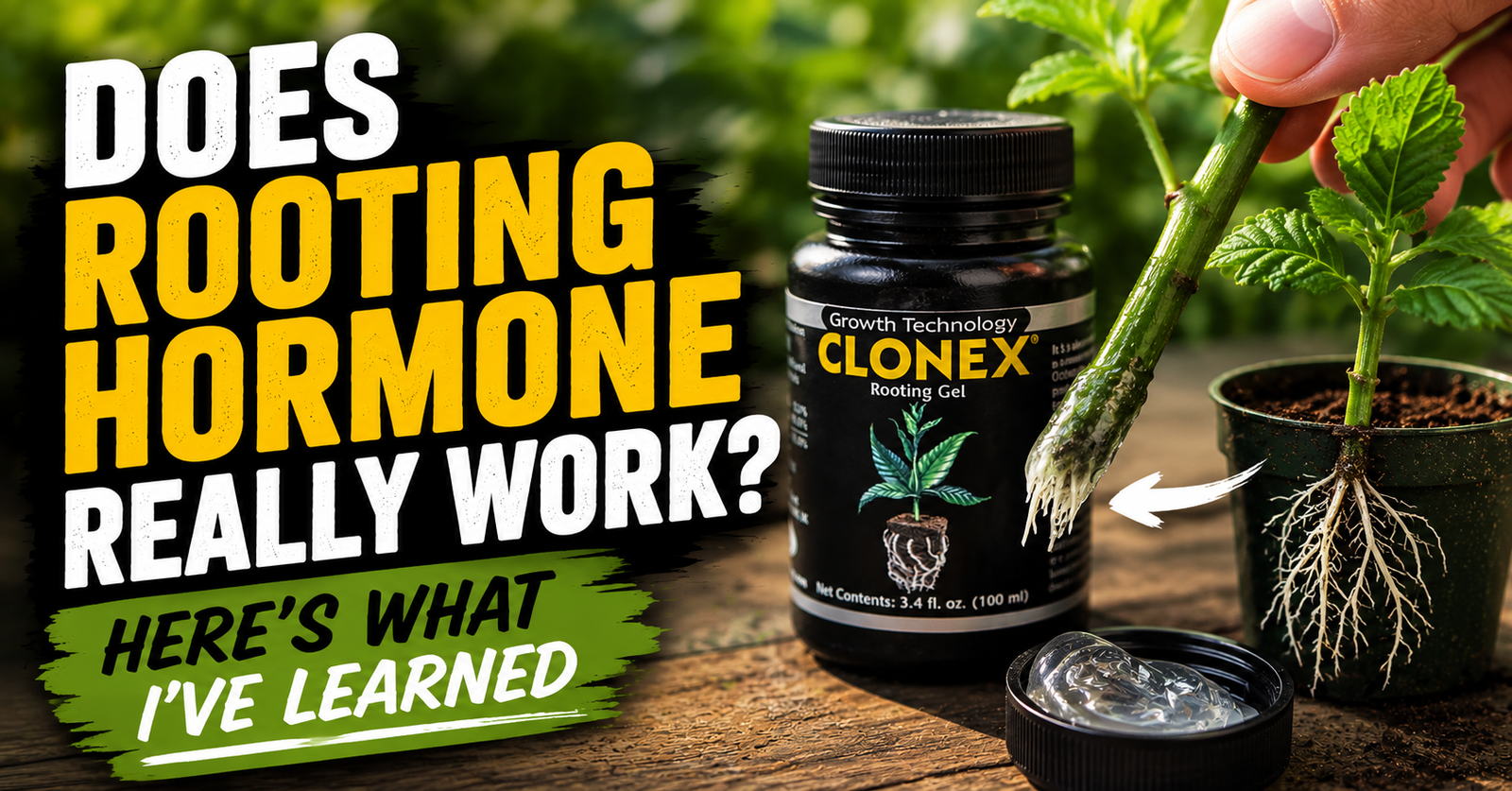
If you’ve ever wondered how these products actually work, I explain the science in Does Rooting Hormone Really Work? What Every Gardener Should Know.
Why Some Plants Root So Easily
Some plants seem determined to survive.
When a healthy stem is cut from the parent plant, it quickly begins trying to replace the missing root system.
Species that evolved to spread naturally by broken stems often root with little effort.
That’s why certain houseplants can develop roots in nothing more than a glass of clean water.
These plants already contain everything they need to begin producing roots under favorable conditions.
Adding rooting hormone may still help, but it’s often unnecessary.
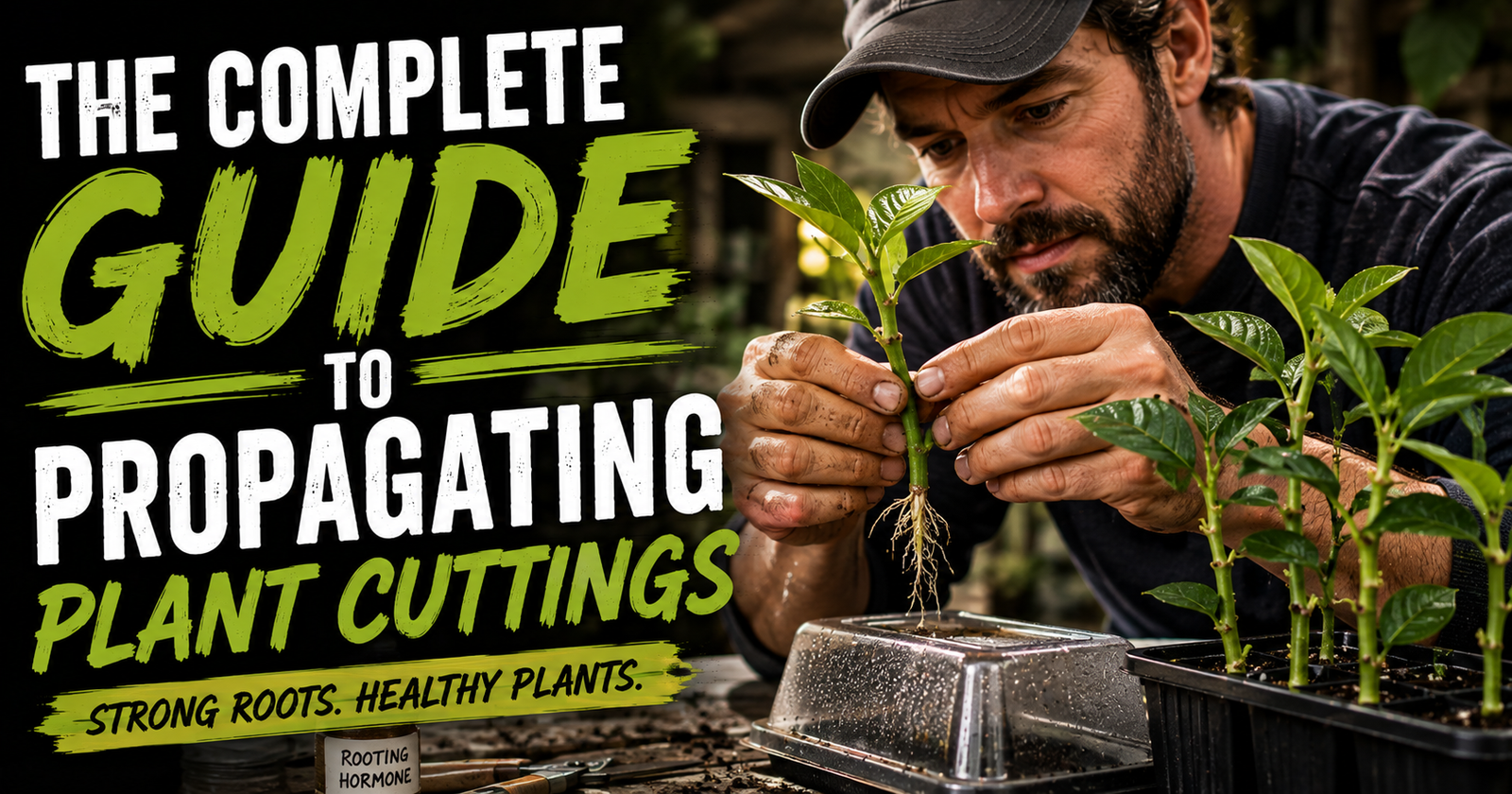
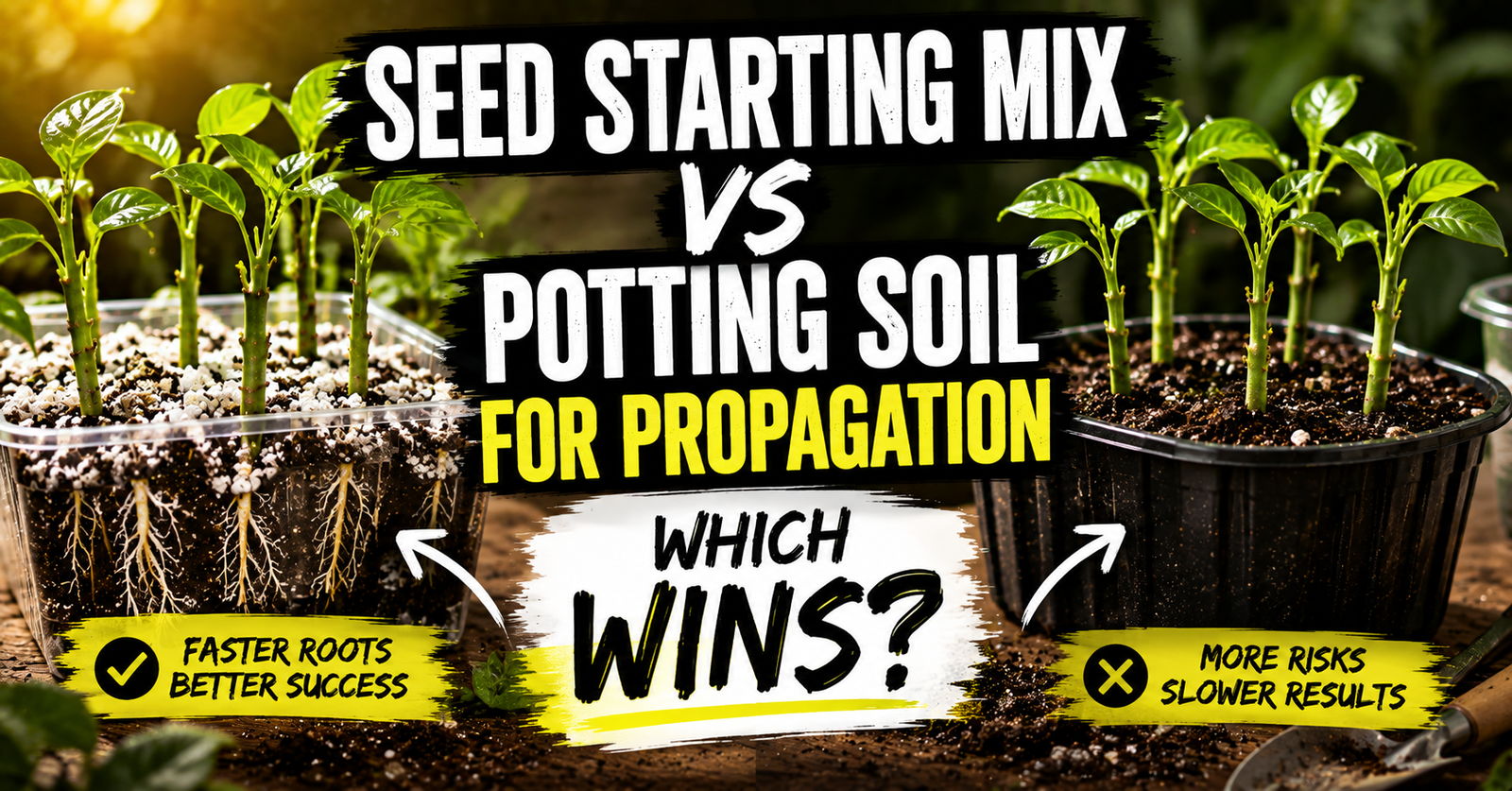
Plants That Usually Root Without Rooting Hormone
Many common plants root successfully using only water, moist potting mix, perlite, or another suitable propagation medium. Elderberries are one example of a fruiting plant that can be started through elderberry propagation from cuttings.
Some of the easiest include:
- Pothos
- Tradescantia
- Spider Plant
- Coleus
- Mint
- Basil
- Swedish Ivy
- Philodendron
- Monstera
- English Ivy
These plants are excellent choices if you’re just learning how to propagate because they tend to forgive beginner mistakes.
Plants That Usually Benefit From Rooting Hormone
Not every plant is so cooperative.
Many woody shrubs, fruiting plants, and ornamental trees naturally take much longer to develop roots.
Some may still root without hormone, but success rates are often lower and the process usually takes longer.
Examples include:
- Roses
- Hydrangeas
- Blueberries
- Elderberries
- Grapes
- Figs
- Camellias
- Azaleas
- Fruit Trees
- Dogwoods
- Magnolias
For plants like these, rooting hormone often provides a noticeable advantage by encouraging faster and more consistent root initiation.
What Rooting Hormone Actually Changes
One common misconception is that rooting hormone creates roots.
It doesn’t.
The cutting creates the roots.
Rooting hormone simply encourages the cells near the cut to begin forming roots more efficiently.
Think of it like giving the plant a head start rather than doing the work for it.
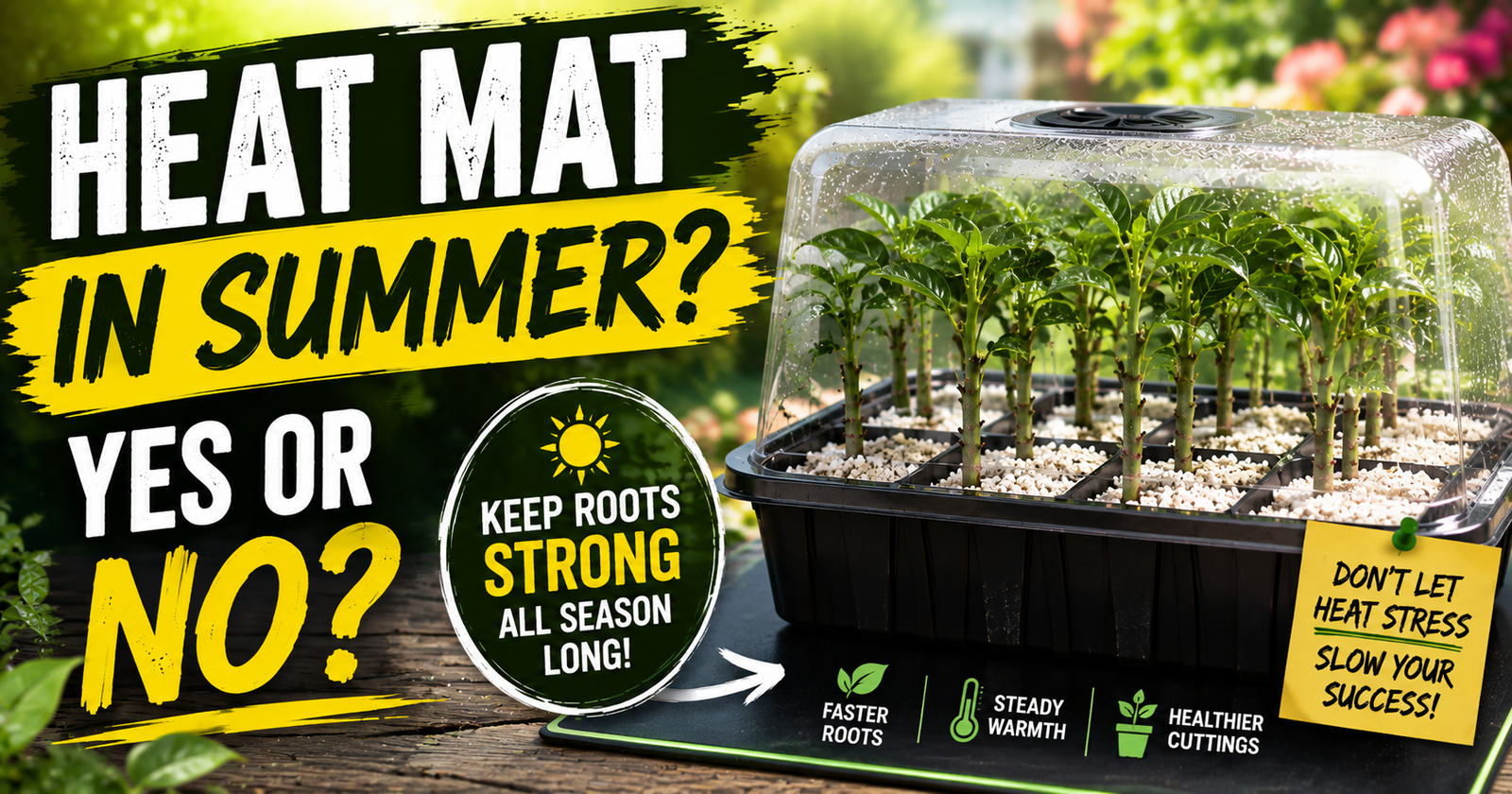
Healthy cuttings, proper temperatures, adequate humidity, and good propagation practices remain much more important than the rooting hormone itself.
Can Rooting Hormone Improve Success Rates?
In many situations, yes.
While easy-to-root plants may not show much difference, slower-rooting species often benefit from the extra encouragement.
Gardeners commonly notice:
- More consistent rooting
- Faster root initiation
- Better survival rates
- Stronger early root systems
- Fewer failed cuttings
The biggest improvements usually occur with woody plants rather than fast-rooting houseplants.
What Happens If You Skip It?
Sometimes…
Absolutely nothing.
Your cutting roots just fine.
Other times, you’ll simply wait longer before seeing roots appear.
For more challenging plants, you may notice fewer cuttings survive or produce healthy roots.
That doesn’t necessarily mean the rooting hormone caused the success or failure.
Propagation is influenced by many factors, including temperature, humidity, light, sanitation, and the overall health of the parent plant.
Rooting hormone is only one piece of the puzzle.
Are Homemade Rooting Hormones Good Enough?
Many gardeners enjoy experimenting with homemade alternatives.
You’ve probably heard recommendations like:
- Honey
- Cinnamon
- Willow water
- Aloe vera
- Apple cider vinegar
Some of these may provide minor benefits or help protect cuttings from certain problems, but the scientific evidence supporting them as true replacements for commercial rooting hormones is mixed.
If you’re interested in trying natural alternatives, I take a closer look at what’s supported by research and what isn’t in Homemade Rooting Hormone.
Does the Propagation Method Matter?
Absolutely.
The environment surrounding the cutting often has just as much influence on rooting success as the rooting hormone itself.
A healthy cutting placed into ideal conditions can sometimes outperform a poorly maintained cutting that was treated with the best rooting hormone available.
Here are a few of the most common propagation methods.
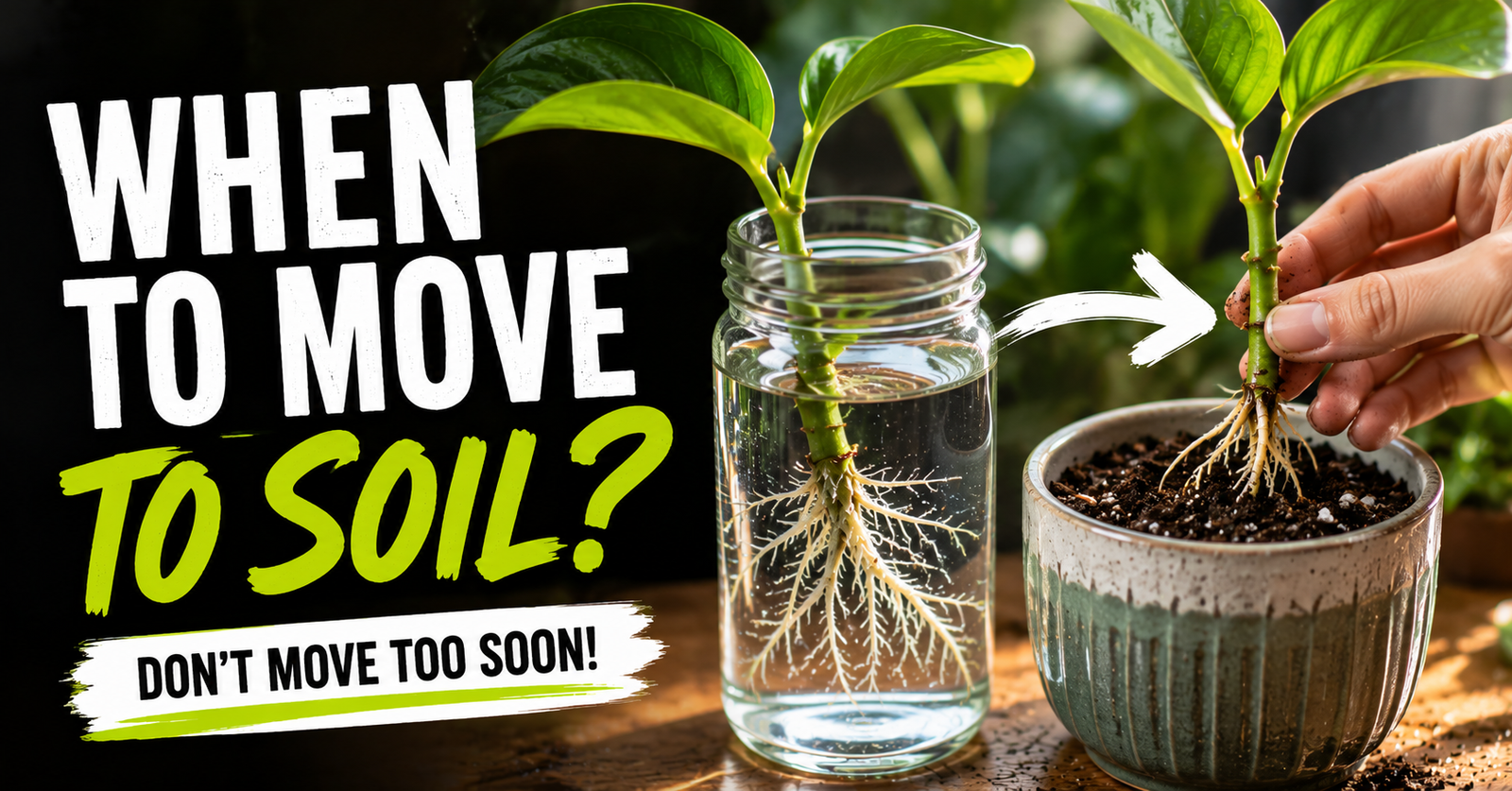
Water Propagation
Water propagation is one of the easiest methods for beginners because it’s simple to set up and allows you to watch roots develop.
Many houseplants root exceptionally well this way, although some woody plants struggle without additional support.
Soil or Potting Mix
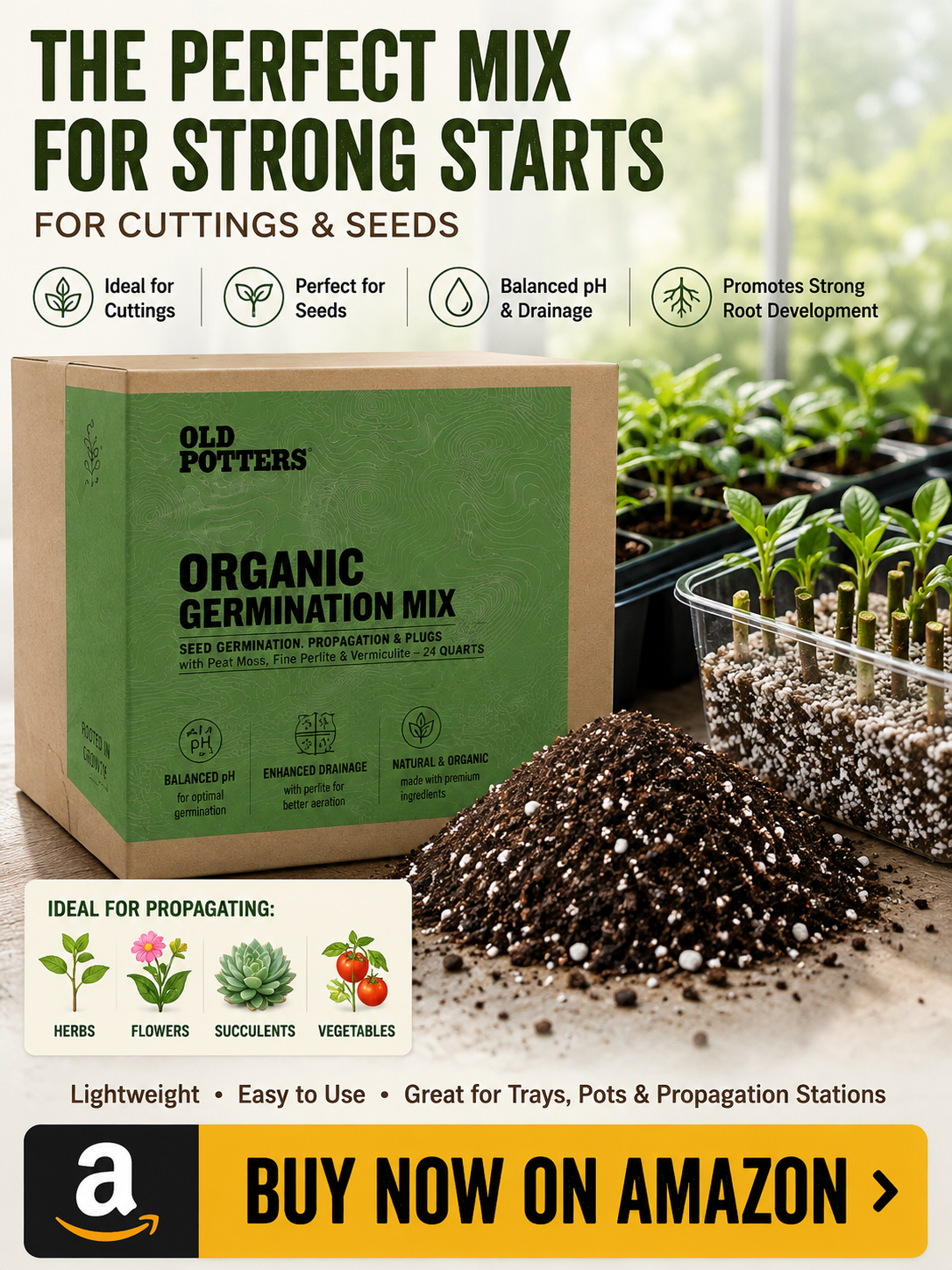
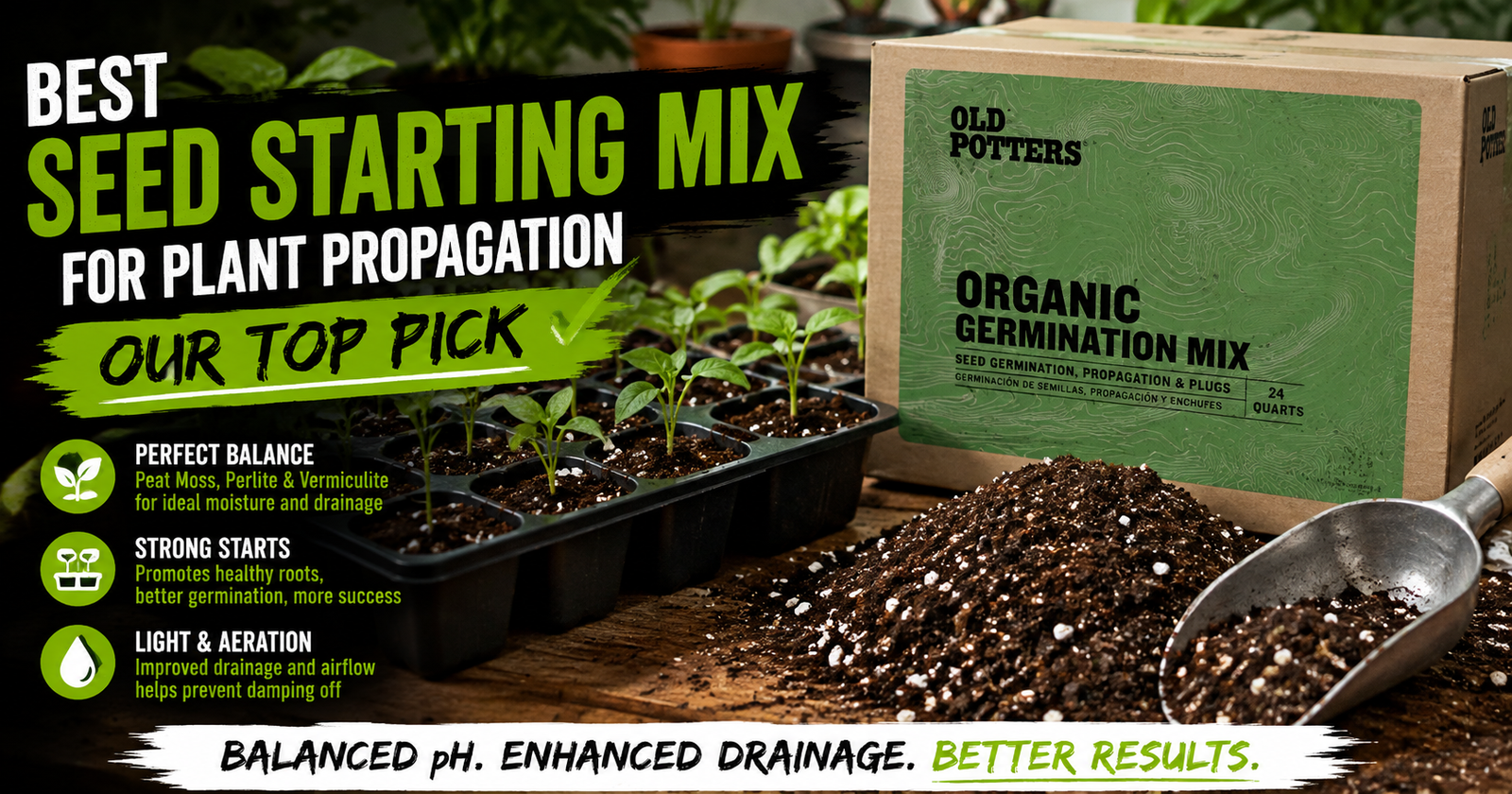
Using a light, well-draining propagation mix provides good moisture while allowing oxygen to reach the developing roots. Readers using this method can also compare the propagation mix I trust for both seeds and cuttings on Amazon when choosing a medium for cuttings.
This remains one of the most popular methods for shrubs, trees, and ornamental plants.
Perlite or Vermiculite
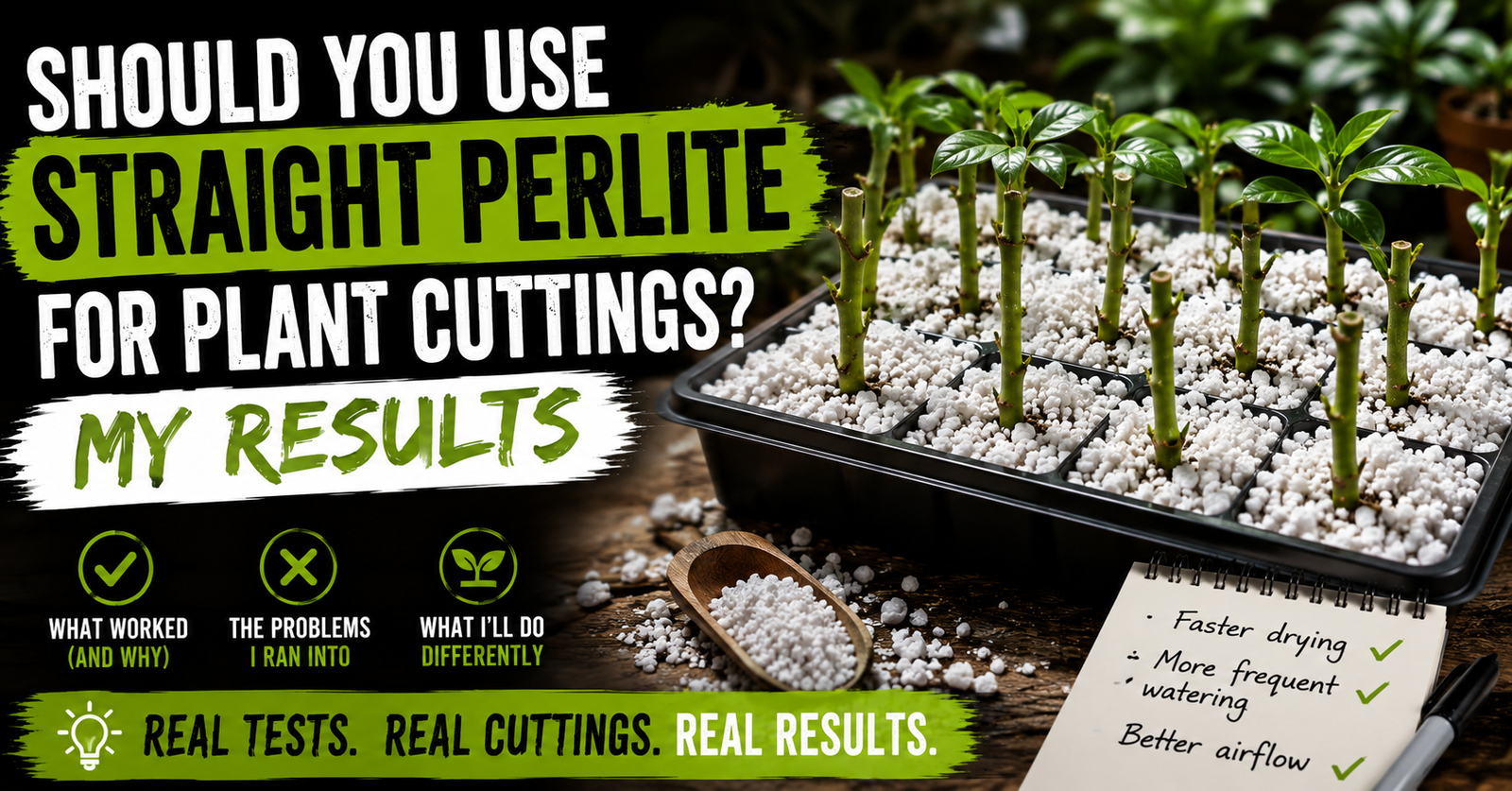
Many gardeners prefer propagating in perlite, vermiculite, or a combination of the two because they hold moisture while still providing excellent drainage and airflow around the cutting.
Aeroponic Cloners
Aeroponic cloners suspend the cutting while repeatedly spraying the lower stem with water. This creates an oxygen-rich environment that many plants thrive in.
Even though these systems provide excellent growing conditions, they don’t replace rooting hormone. Instead, the two often work together to improve your chances of success.
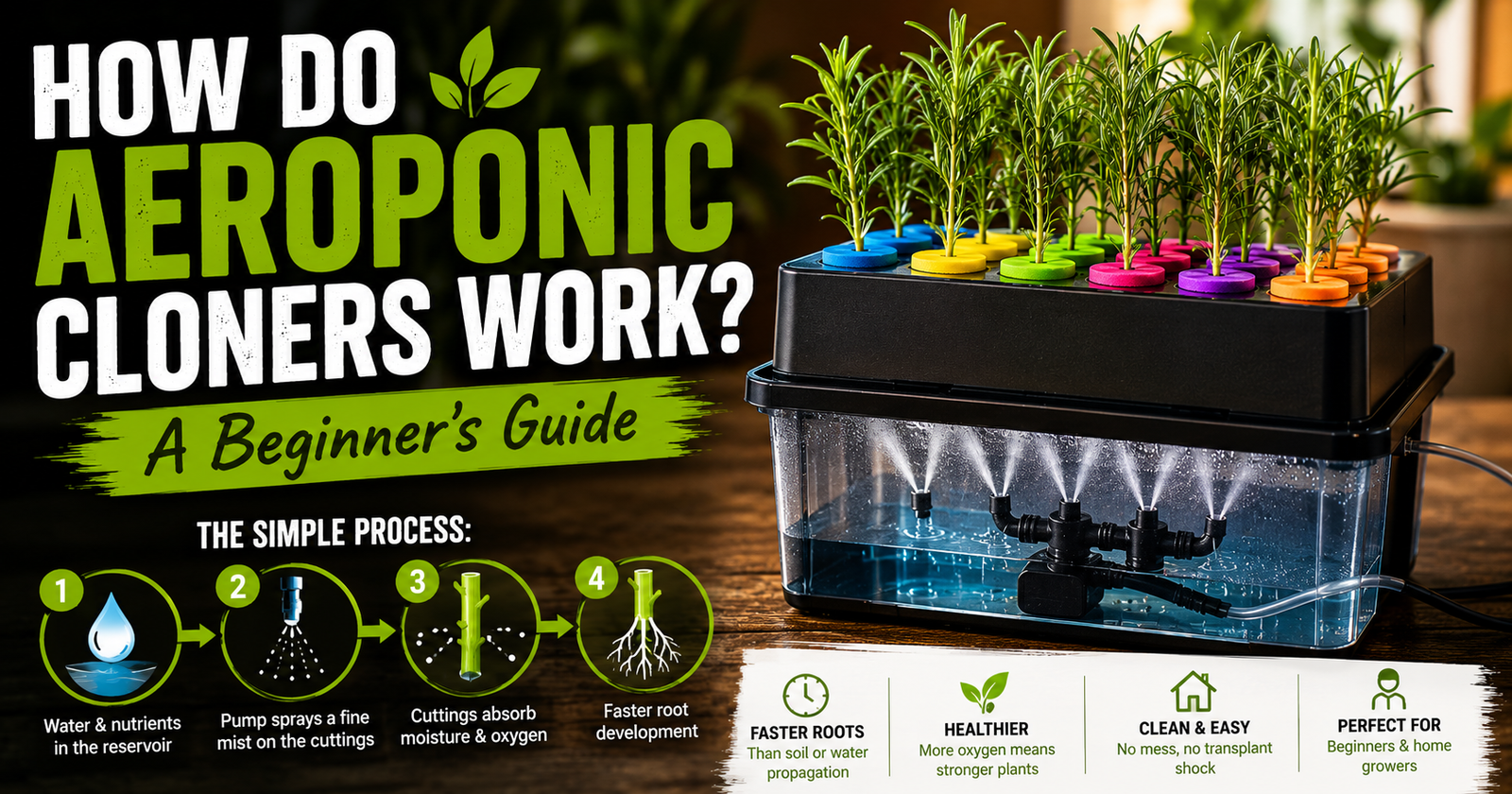
If you’re curious about how they work, check out How Do Aeroponic Cloners Work? A Beginner’s Guide.
Should Beginners Buy Rooting Hormone?
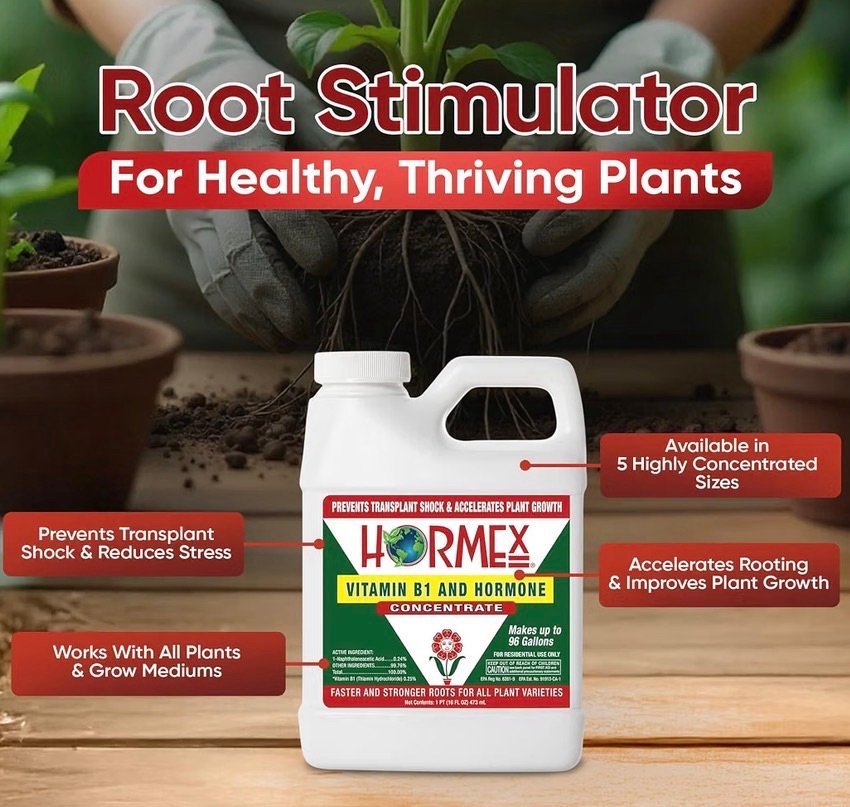
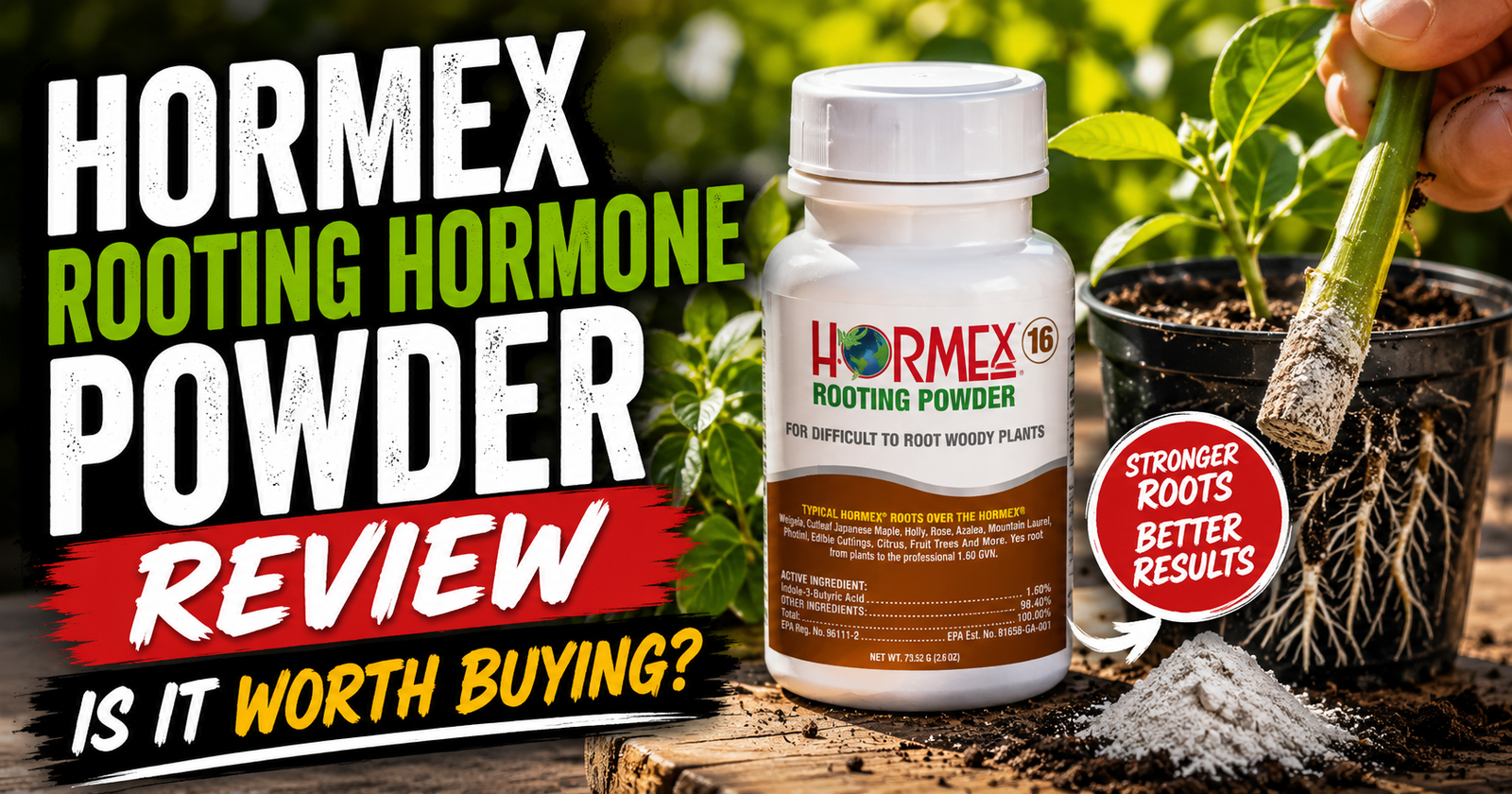
I usually recommend keeping a bottle on hand. For gardeners who want a liquid option for more challenging cuttings, Hormex liquid rooting concentrate may fit into their propagation supplies.
Not because every cutting needs it.
Because it’s inexpensive, lasts a long time when stored properly, and can noticeably improve results with many plants.
If you’re only propagating pothos, tradescantia, or basil, you may never need it.
But if you eventually try propagating roses, blueberries, hydrangeas, grapes, or other woody plants, you’ll probably be glad you have it available.
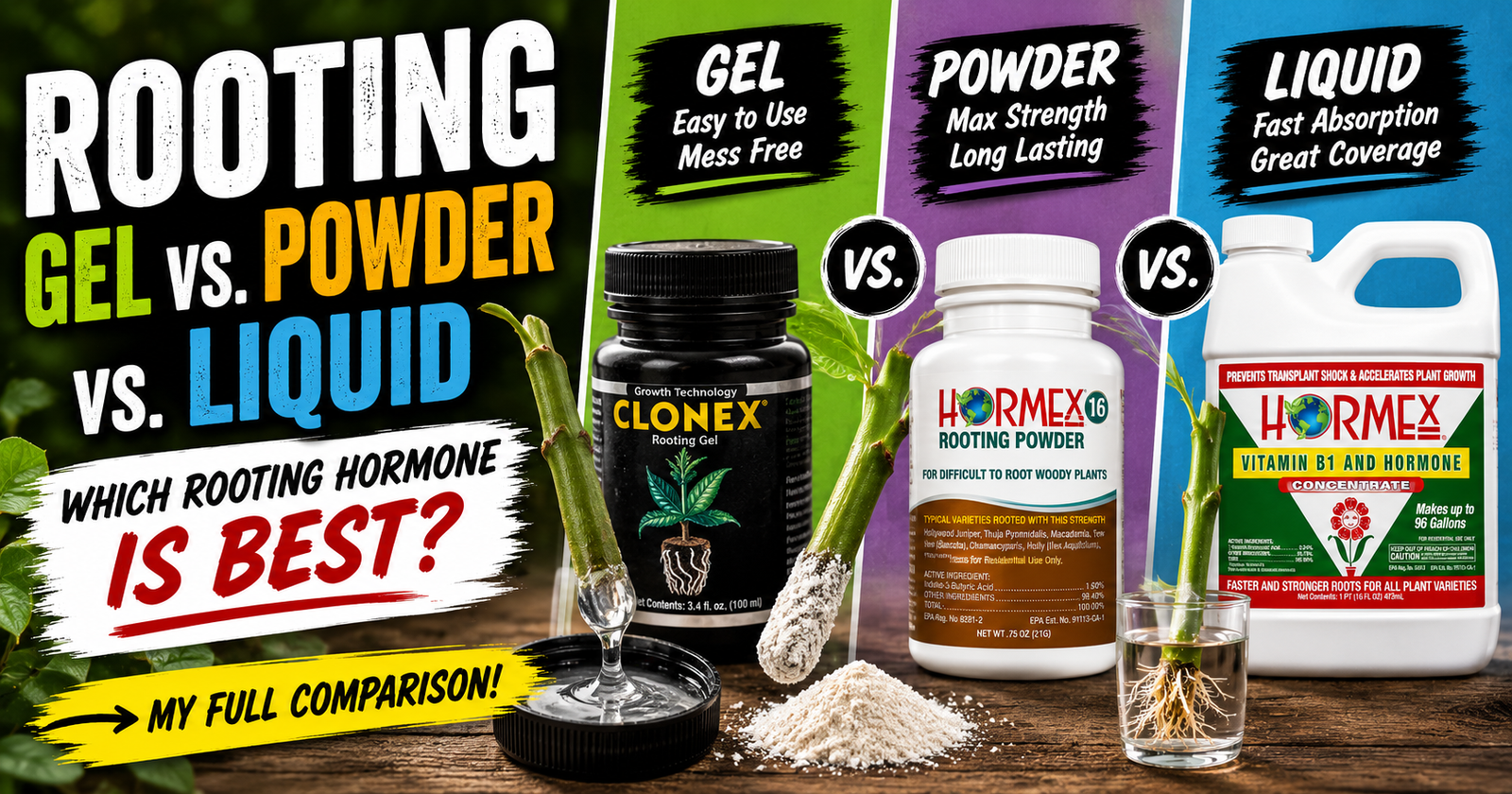
If you’re unsure which type to buy, my comparison Rooting Gel vs. Powder vs. Liquid – Which Rooting Hormone Is Best? can help you decide.
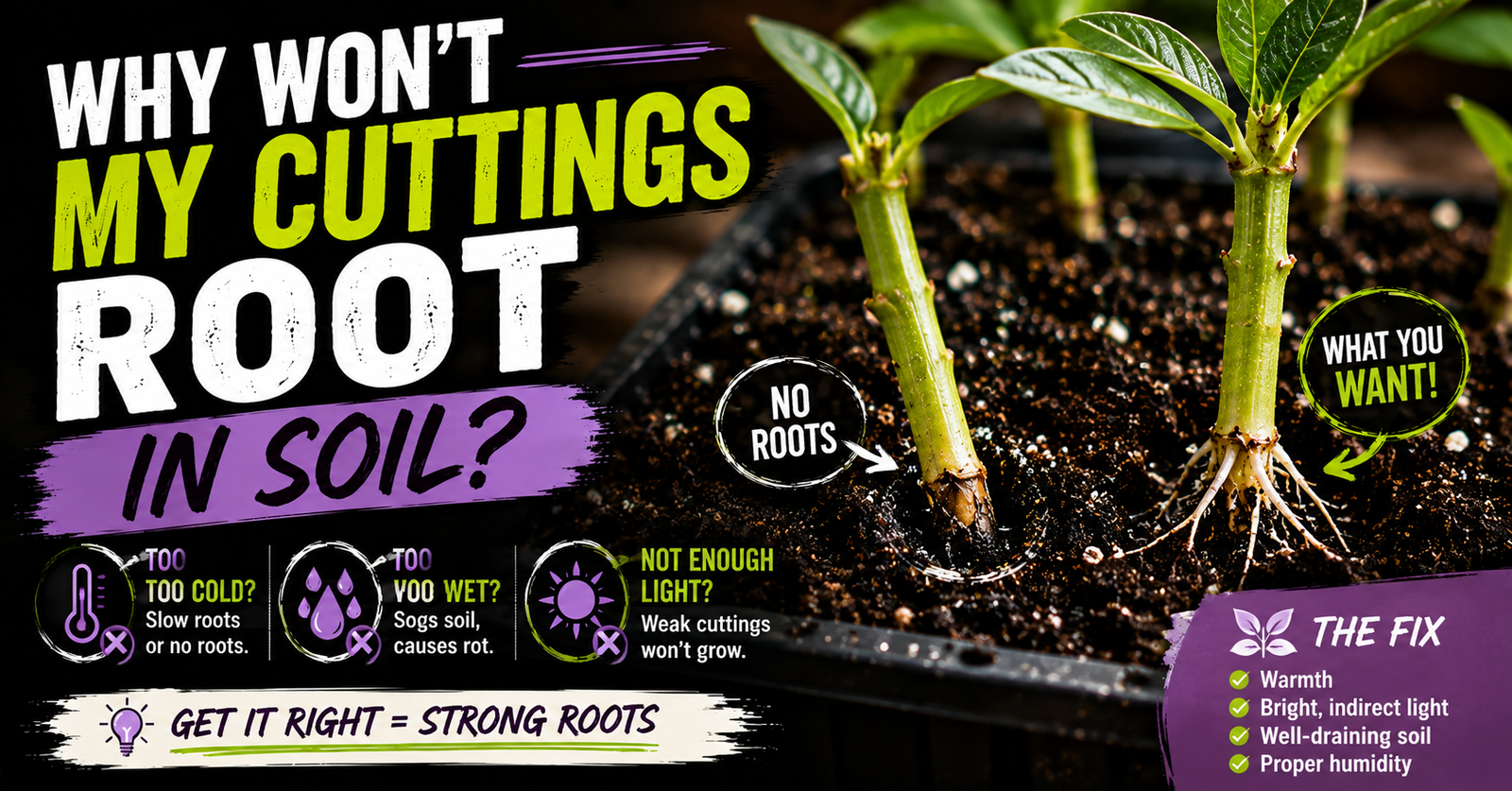
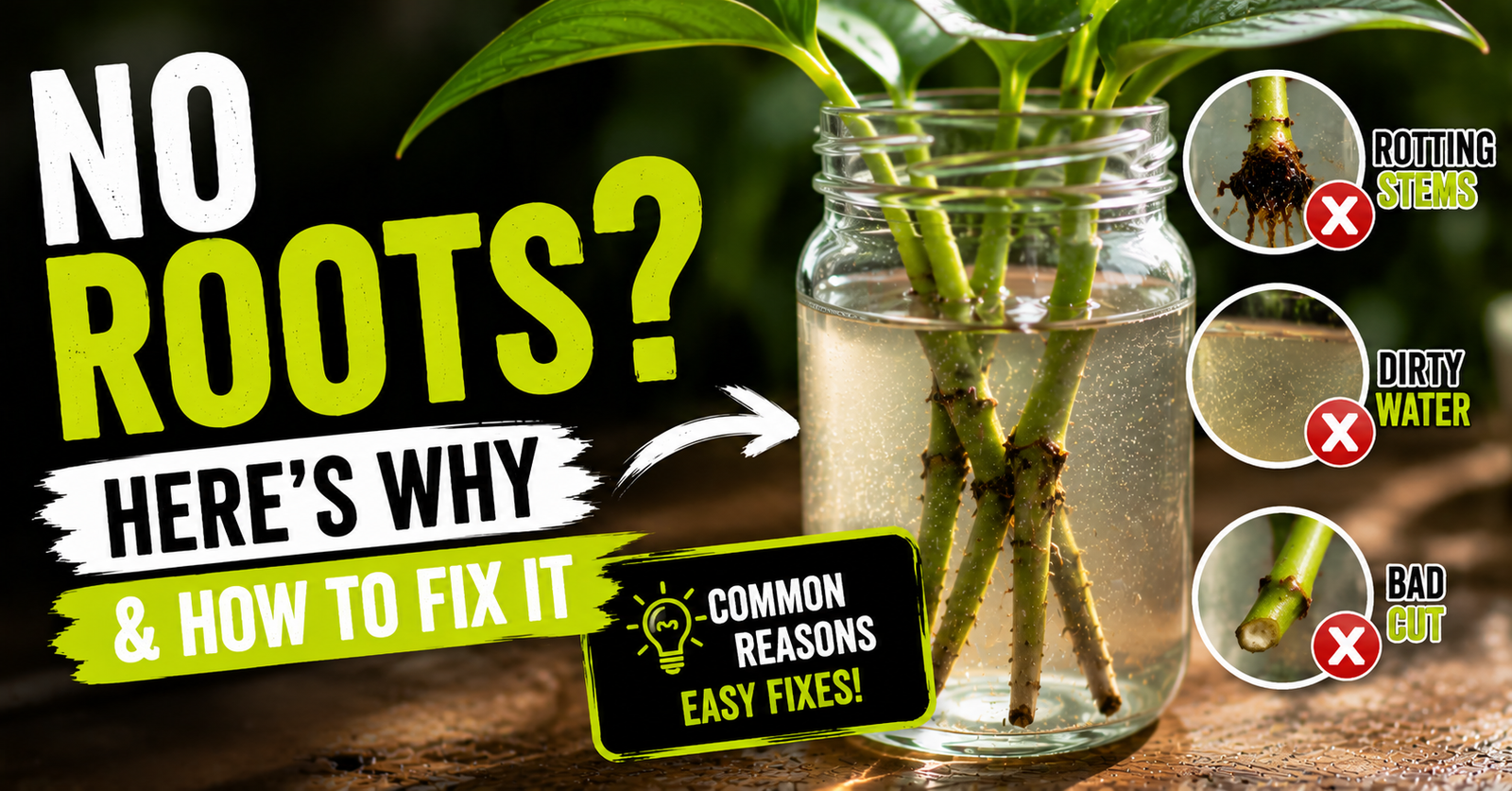
Common Mistakes When Rooting Without Hormone
Many failed cuttings have nothing to do with skipping rooting hormone.
Instead, they’re caused by simple propagation mistakes.
Some of the most common include:
- Taking cuttings from unhealthy parent plants.
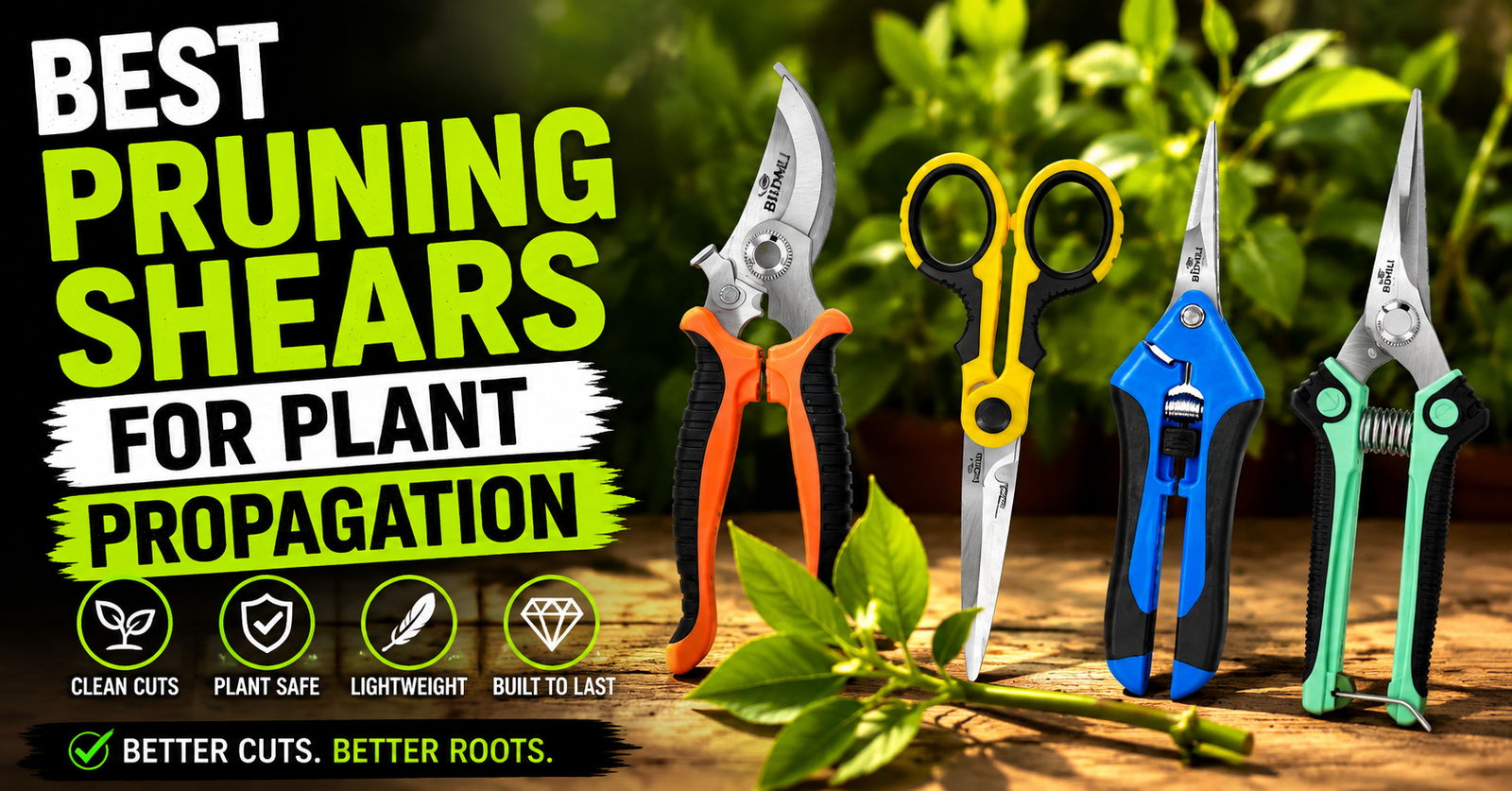
- Using dull or dirty pruning tools.
- Allowing the cutting to dry out before planting.
- Placing cuttings in direct afternoon sunlight.
- Keeping the propagation medium too wet or too dry.
- Disturbing the cutting too often to check for roots.
- Expecting roots to appear within just a few days.
Improving these basic techniques usually has a much bigger impact than switching to a different rooting hormone product.
When Rooting Hormone Is Worth Using
There are times when I think using rooting hormone is an easy decision.
I almost always recommend using it when you’re propagating:
- Hardwood cuttings
- Semi-hardwood cuttings
- Expensive ornamental shrubs
- Rare plants
- Slow-rooting fruit plants
- Plants with a history of inconsistent rooting
In situations like these, spending a few extra seconds applying rooting hormone can significantly improve your chances of success.
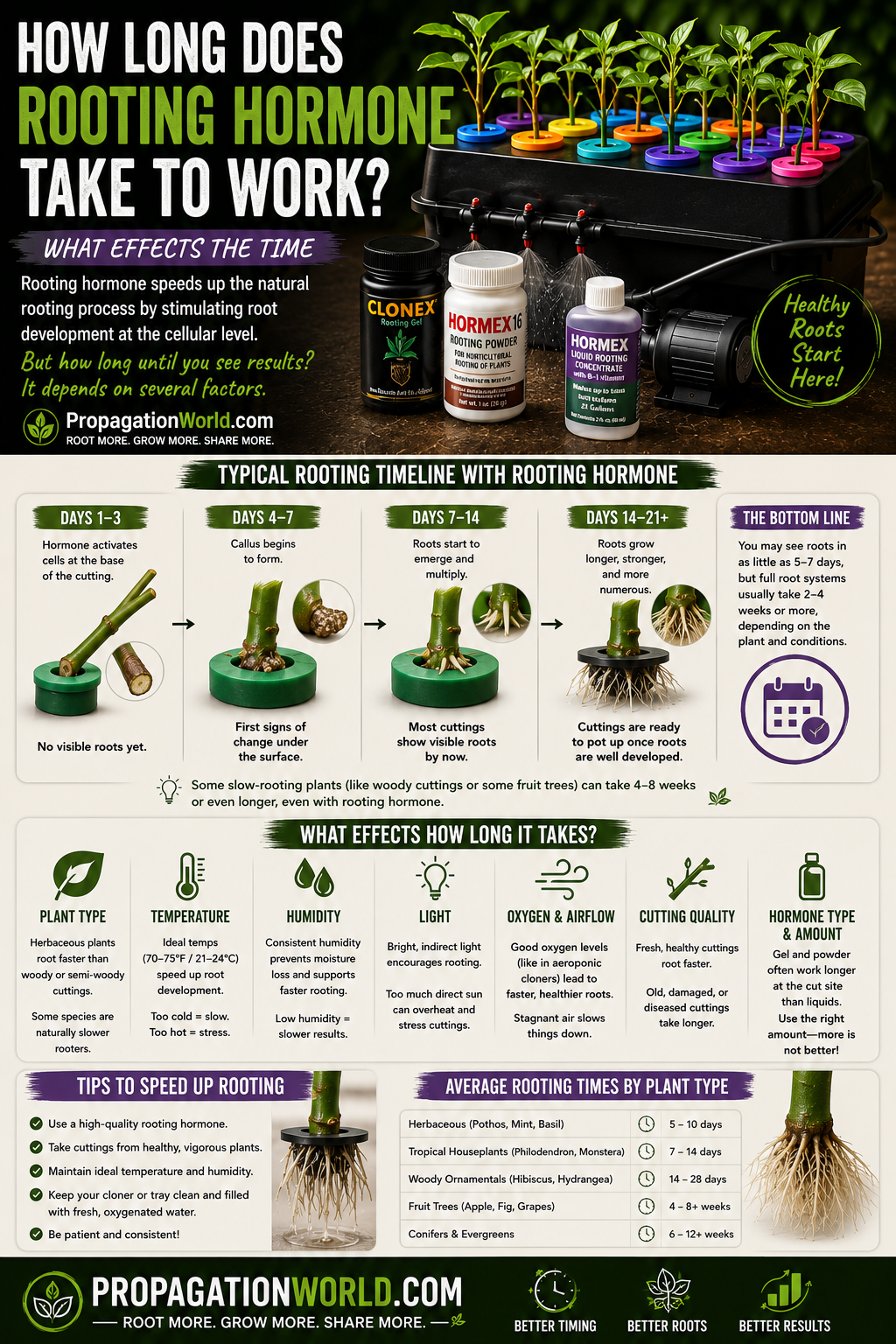
If you’re wondering how long it takes before you start seeing results, my guide on How Long Does Rooting Hormone Take to Work? explains what happens after application and what you can realistically expect.
The Bottom Line
Yes, you can absolutely root many plant cuttings without rooting hormone.
In fact, countless gardeners successfully propagate easy-to-root plants every year using nothing more than clean water, a suitable growing medium, and a little patience.
Where rooting hormone really earns its place is with plants that naturally root more slowly or have lower success rates. It won’t perform miracles, but it can improve consistency and give more challenging cuttings a better chance to develop healthy roots.
Rather than thinking of rooting hormone as something every cutting must have, I think it’s better to view it as another useful tool. Some projects won’t need it, while others can benefit enough that it’s well worth the small extra step.
Frequently Asked Questions
Can all plants root without rooting hormone?
No. While many plants can root without it, some species are much more difficult to propagate successfully and often benefit from using a commercial rooting hormone.
Will rooting hormone guarantee success?
No. Rooting hormone can improve your chances, but healthy cuttings, proper temperatures, adequate humidity, and good propagation practices are still essential.
Is rooting hormone better than water propagation?
They’re not really comparable. Rooting hormone is a product that encourages root formation, while water propagation is a propagation method. Many gardeners successfully use rooting hormone with water, soil, perlite, or aeroponic cloners.
Can I use homemade rooting hormone instead?
Some homemade alternatives may offer limited benefits, but they generally don’t provide the same consistency as commercial products formulated specifically for root initiation.
Is rooting hormone worth buying?
If you only propagate a few easy houseplants each year, you may never need it. However, if you regularly propagate shrubs, fruit plants, roses, or other woody species, it’s a worthwhile addition to your propagation supplies.
Author: Dax Weaver
Dax Weaver is the founder of PropagationWorld, where he helps home gardeners propagate more plants through practical techniques, honest equipment reviews, and science-backed growing advice. With years of hands-on experience rooting everything from houseplants to fruiting shrubs, he enjoys sharing methods that make propagation simpler and more successful.