When I first started propagating plants, I had a simple theory.
If a little rooting hormone helps produce roots…
Then a lot must produce even more roots.
It sounds logical.
Unfortunately, that’s not how rooting hormone works.
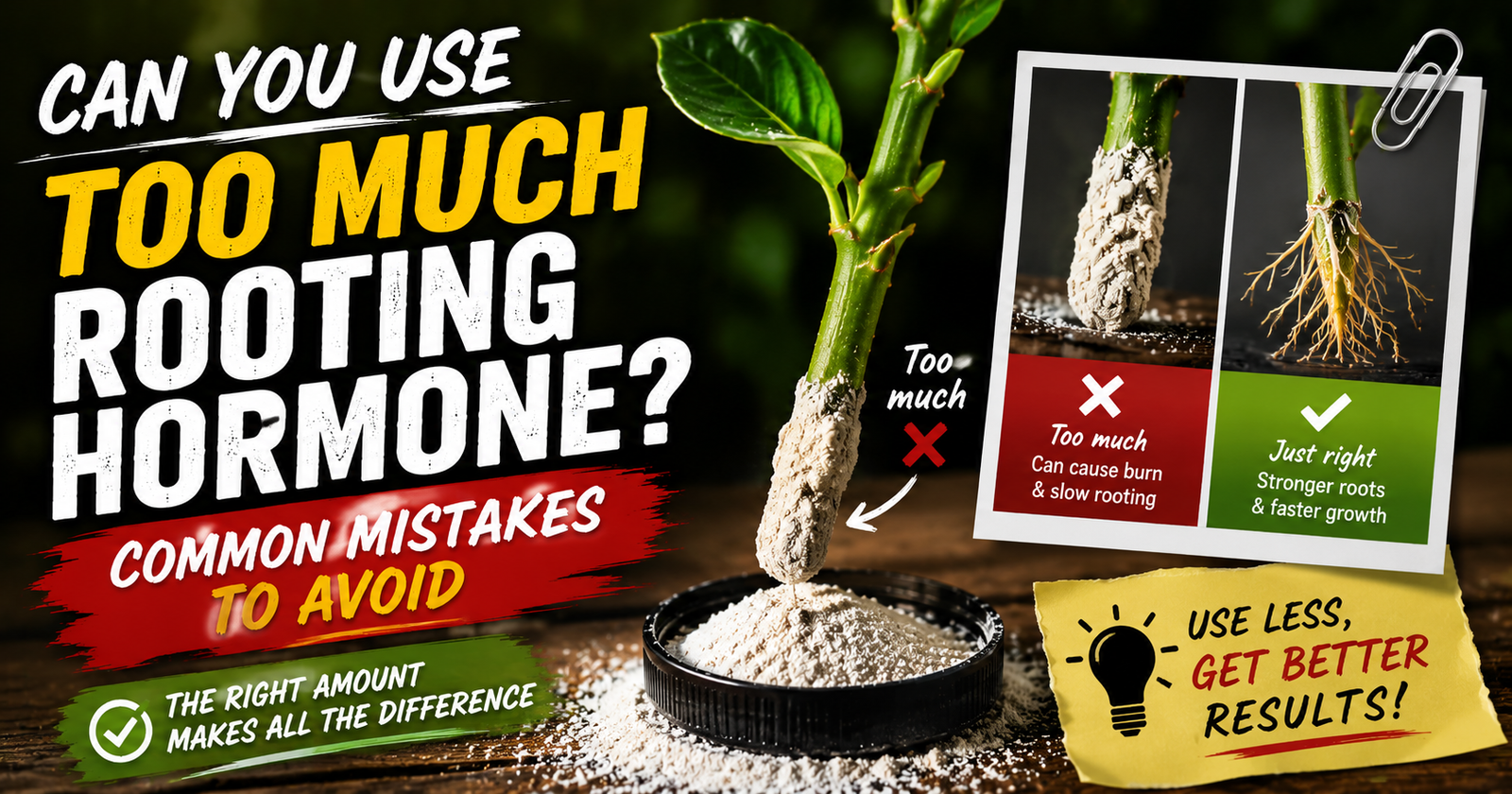
In fact, using too much rooting hormone is one of the easiest mistakes beginners make, and depending on the plant, it can actually reduce your chances of successful propagation.
The goal isn’t to use the most rooting hormone possible.
The goal is to apply just enough to encourage root development without overwhelming the cutting.
Here’s what I’ve learned about using the right amount—and why more isn’t always better.
My Quick Answer
Yes.
You can absolutely use too much rooting hormone.
Applying a thick layer won’t produce faster rooting or larger root systems. Instead, excessive amounts may interfere with normal root development, increase the chance of rot, or simply waste product.
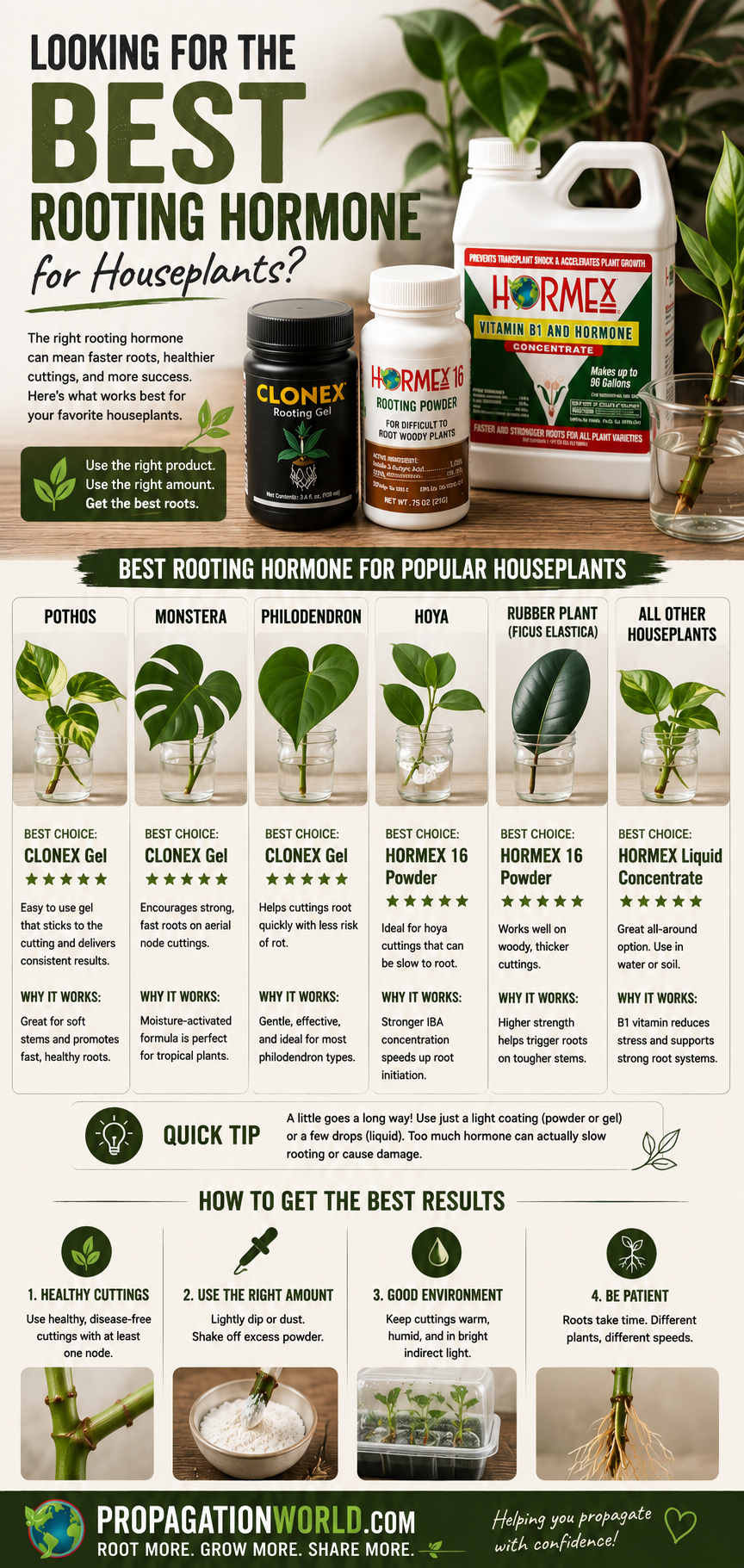
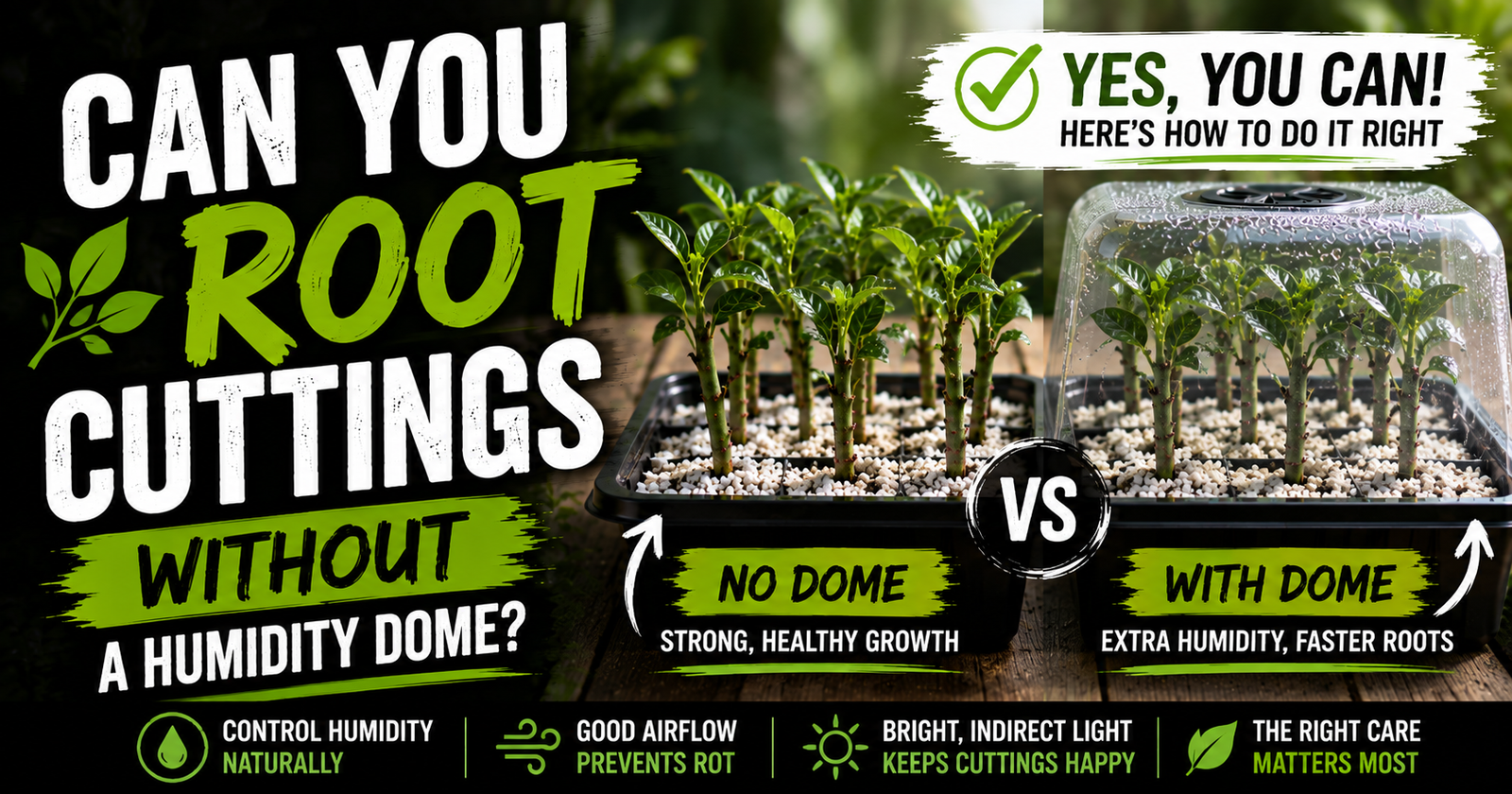
For almost every propagation project, a thin, even coating is all you need. For indoor cuttings specifically, Best Rooting Hormone for Houseplants compares the options worth considering.
Following the manufacturer’s directions will almost always produce better results than trying to “supercharge” your cuttings.

Why More Isn’t Better
Rooting hormone contains plant growth regulators that encourage cells near the cut end of a stem to begin forming roots. That biological response is the foundation of Does Rooting Hormone Really Work? What Every Gardener Should Know.
Those compounds work best within a certain range.
Once you go beyond that range, adding more doesn’t continue increasing the effect.
Think about watering a plant.
Giving a thirsty tomato the right amount of water helps it grow.
Flooding it every day doesn’t make it grow twice as fast.
Rooting hormone works in a similar way.
The proper amount encourages root formation.
Too much simply isn’t beneficial.
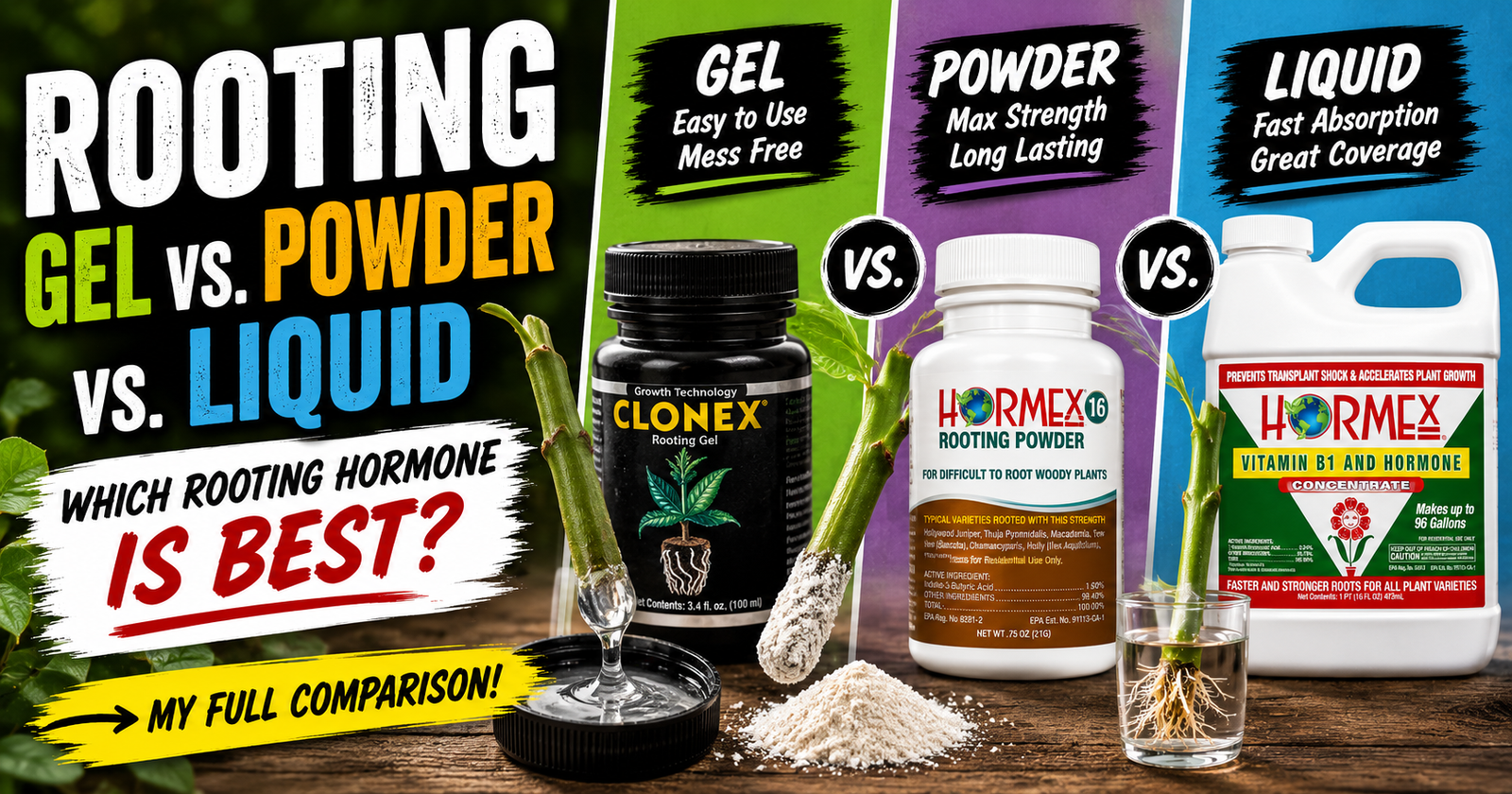
The good news is that avoiding this mistake is simple. Whether you’re using a powder, gel, or liquid concentrate, a light, even application is almost always the goal. If you’re still deciding which type fits your propagation style, my comparison of Rooting Gel vs. Powder vs. Liquid Which Rooting Hormone Is Best? explains where each one works best.
What Can Happen If You Use Too Much?
Depending on the plant and the product, several things can happen.
Slower Root Development
Many gardeners assume they’ll get roots sooner by applying extra hormone.
Ironically, the opposite can happen.
Excessive amounts may delay normal root formation instead of speeding it up.
Burned Plant Tissue
Some plants are especially sensitive.
Applying far more rooting hormone than recommended can damage the freshly cut stem instead of helping it heal.
Healthy tissue is always the foundation of successful propagation.
More Stem Rot
A heavy coating can sometimes trap excess moisture around the cut end of the stem.
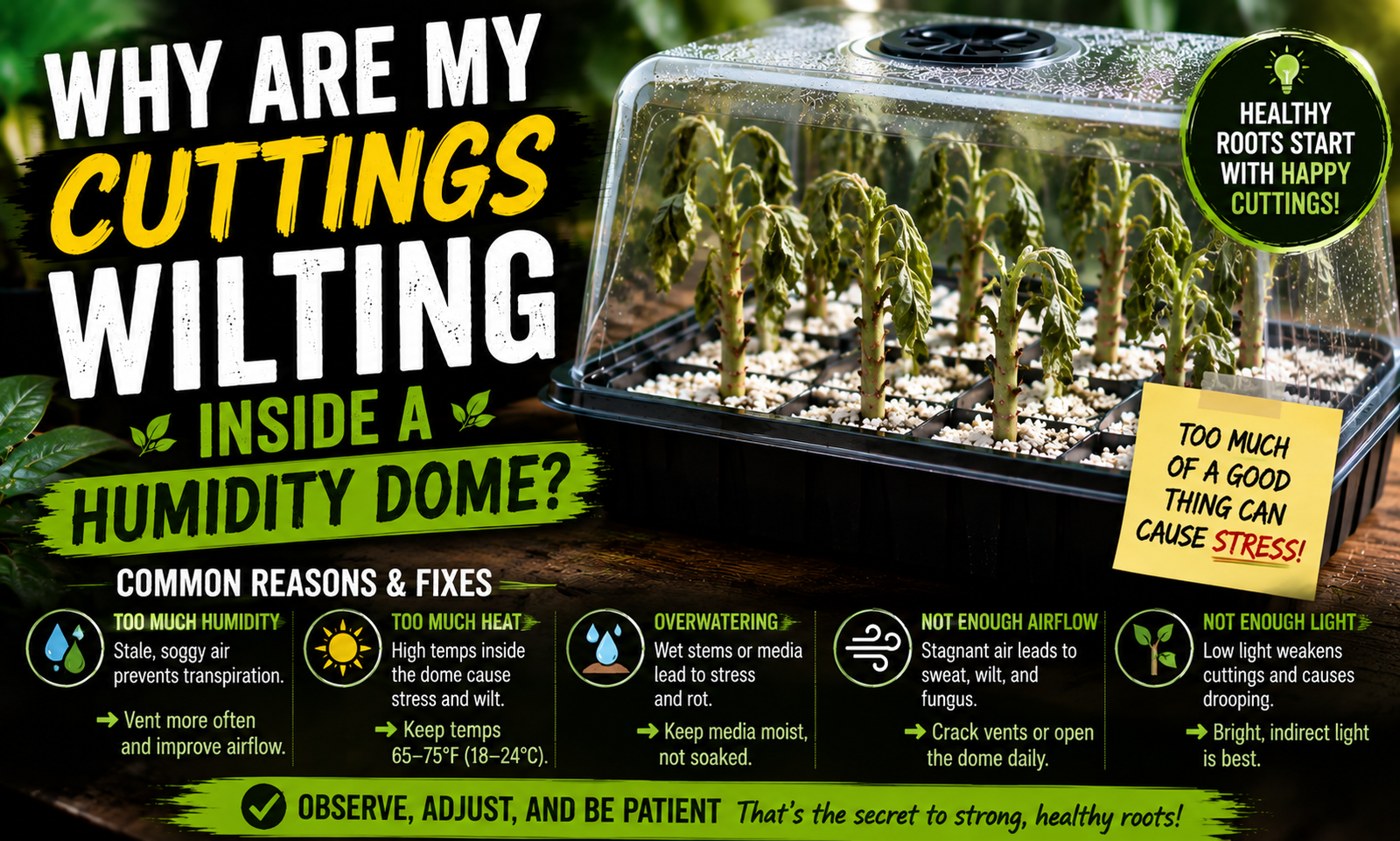
Combined with poor airflow or overly wet propagation media, that can increase the likelihood of rot before roots ever have a chance to develop.
Wasted Product
This is probably the most common outcome.
Most gardeners simply use far more rooting hormone than necessary.
The excess falls off, stays in the propagation tray, or never contributes to rooting in the first place.
Using only what you need makes one container last much longer.
How Much Rooting Hormone Should You Actually Use?
The answer is refreshingly simple.
Just enough to lightly coat the cut end of the stem.
That’s it.
You shouldn’t see thick clumps of powder or globs of gel hanging from the cutting.
Instead, aim for a thin, even layer covering the portion of the stem where new roots are expected to develop.
If you’re using a liquid concentrate, always mix it according to the manufacturer’s instructions.
Adding extra concentrate won’t make it stronger in a helpful way.
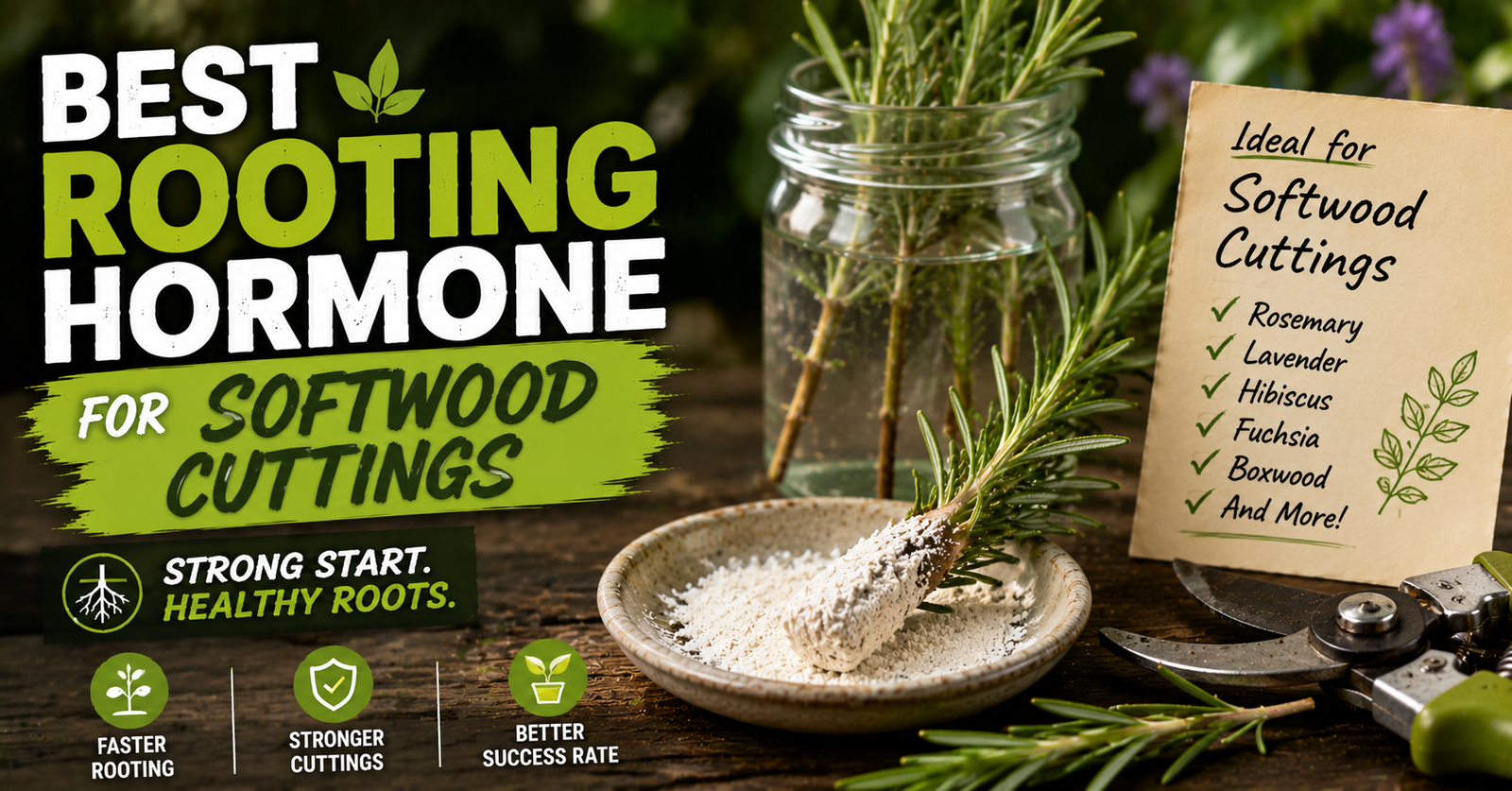
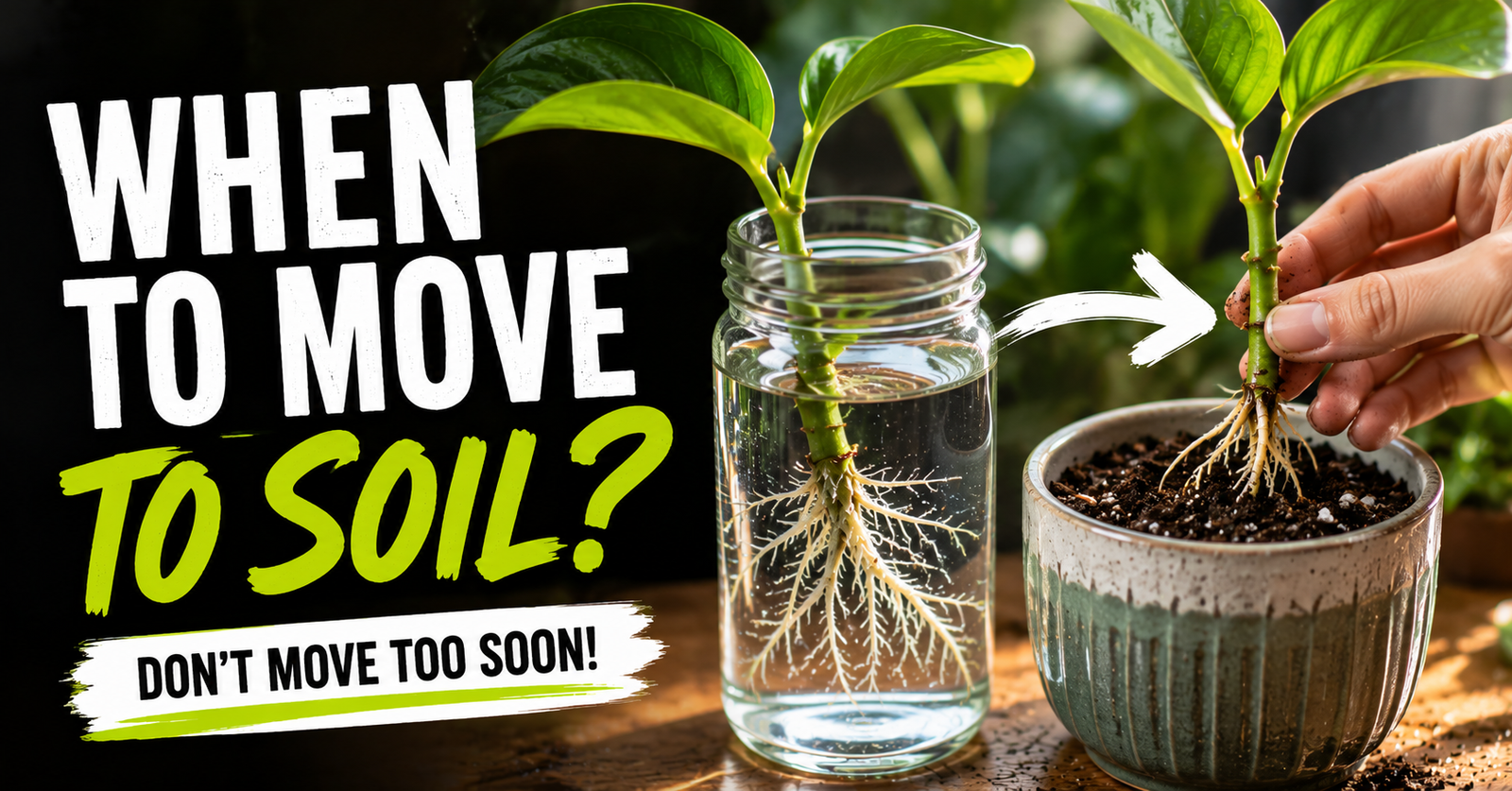
Powder vs. Gel vs. Liquid
Each type is applied a little differently, but the same principle applies to all of them.
Rooting Powder
Dip the cutting into the powder and gently tap off the excess.
If powder is falling everywhere, you’ve probably used too much.
Rooting Gel
Coat the lower portion of the stem evenly.
The stem should be covered, but it shouldn’t look like it’s dripping with gel.
Liquid Rooting Hormone
Liquid concentrates should always be mixed according to the label before use.
Using a stronger dilution than recommended isn’t likely to improve your results.
If you’re still deciding which type is right for you, my guide comparing rooting gel, powder, and liquid rooting hormone explains where each one shines.
Signs You’re Probably Using Too Much
Over the years, I’ve noticed a few clues that tell me someone is probably overdoing it.
- Thick white powder coating the stem
- Large globs of gel hanging from the cutting
- Extra product falling into the propagation tray
- Mixing liquid concentrates stronger than directed
- Assuming “more equals better”
If any of those sound familiar, try using less on your next batch of cuttings.
You may be surprised that your results stay the same—or even improve.
Why Following the Directions Matters
Every rooting hormone is formulated a little differently.
Some contain different active ingredients.
Others contain different concentrations.
That’s why it’s important to follow the instructions provided for the specific product you’re using rather than assuming every rooting hormone should be applied the same way.
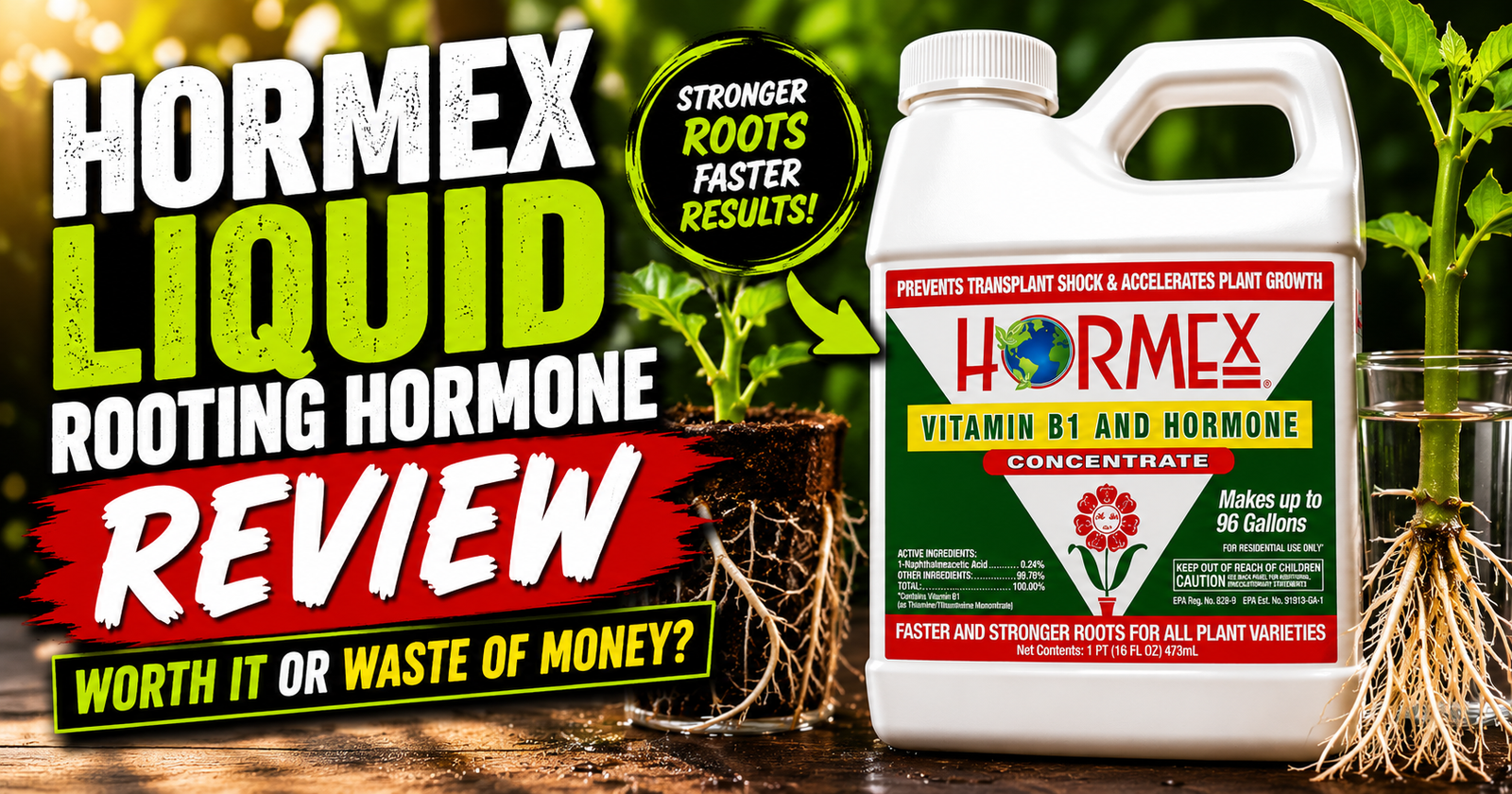
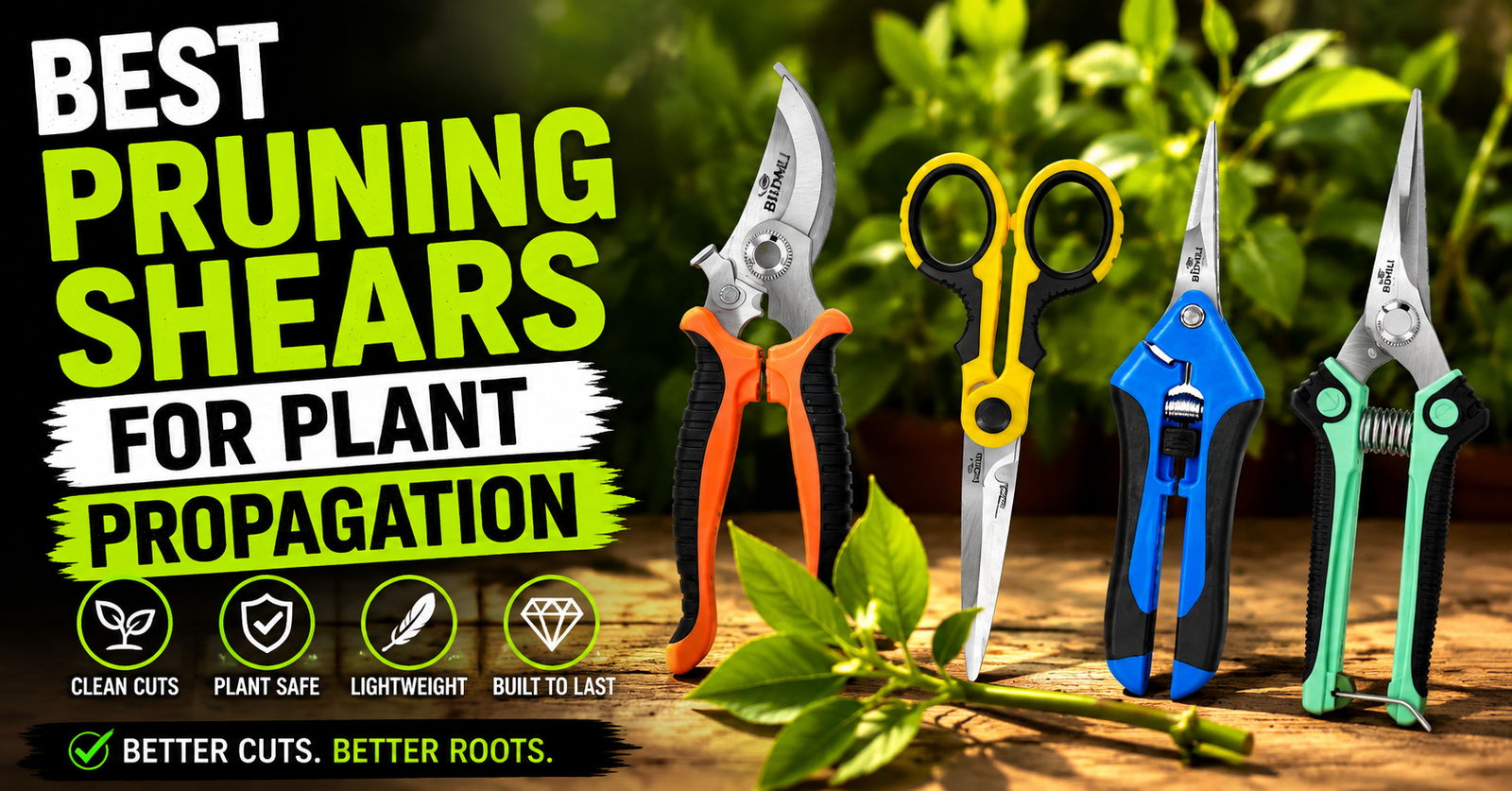
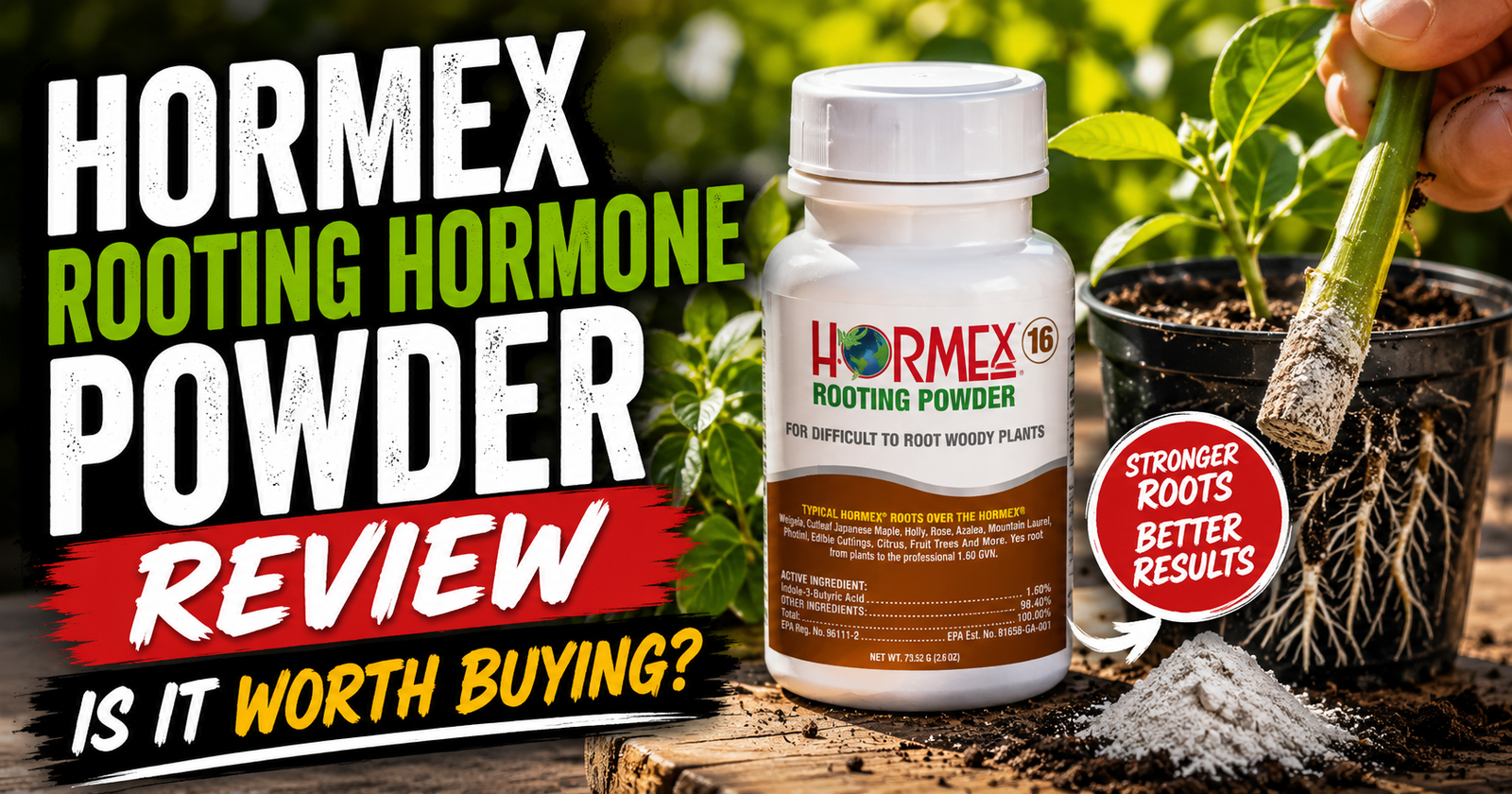
For example, I recently reviewed:
Each works well, but each is designed to be used according to its own directions.
Other Mistakes That Matter Even More
Ironically, using too much rooting hormone usually isn’t what causes a cutting to fail.
In my experience, these mistakes have a much bigger impact.
Taking Weak or Unhealthy Cuttings
Rooting hormone can’t fix a cutting that’s already struggling.
Always start with healthy, disease-free stems from a vigorous parent plant. Strong cuttings have far more stored energy to support new root growth.
Planting Into the Wrong Medium
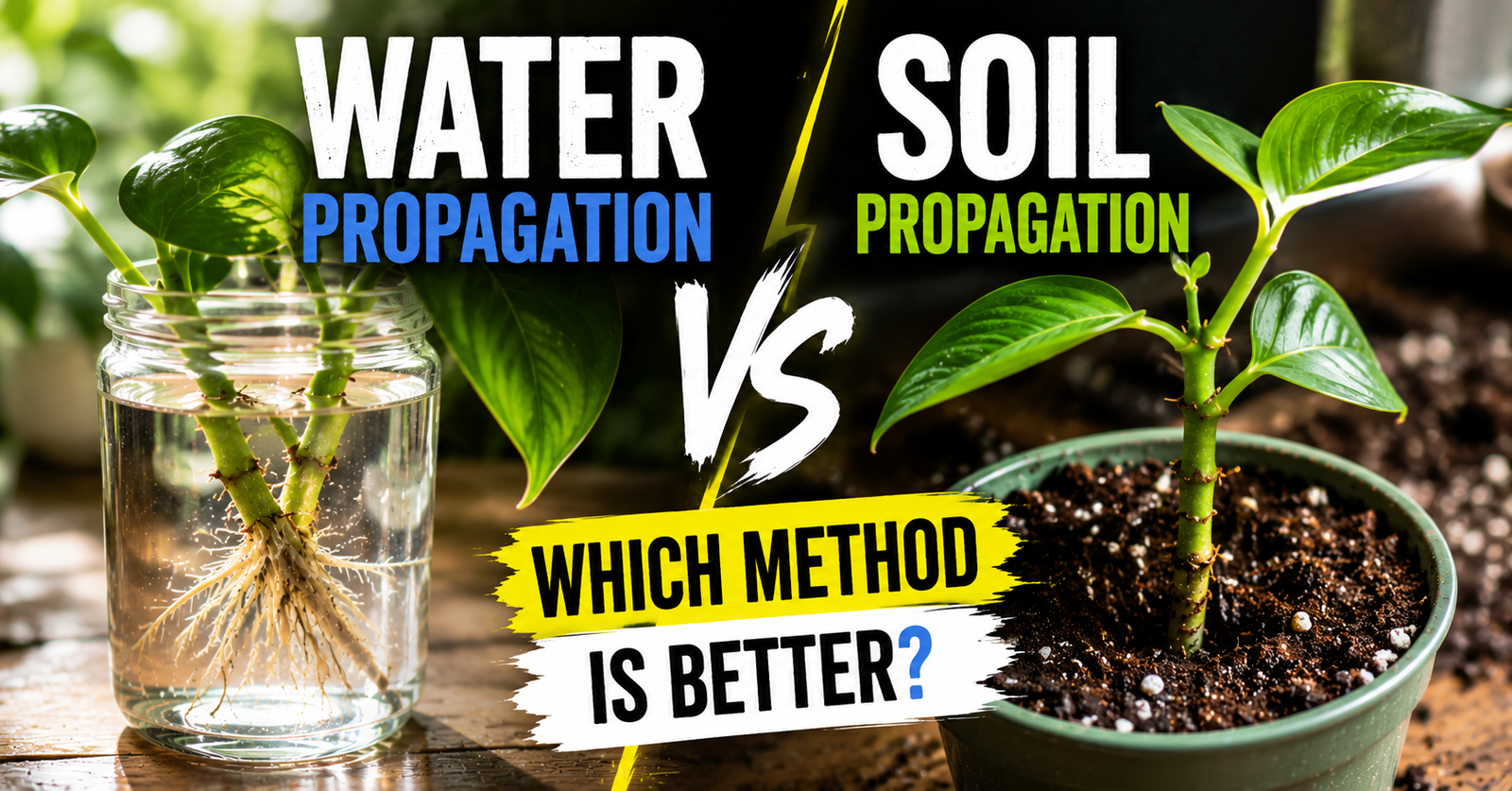
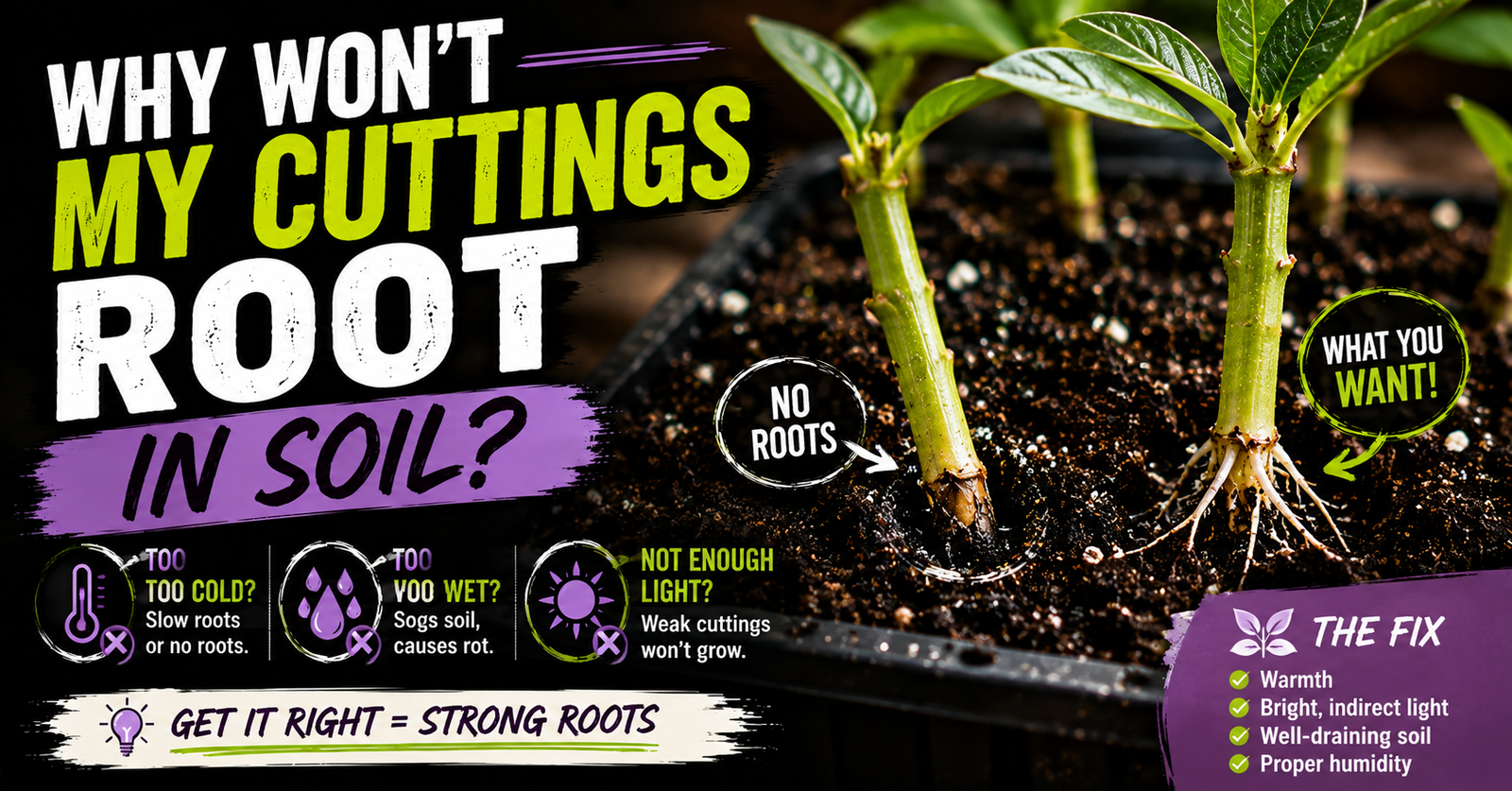
The propagation medium needs to hold enough moisture to keep the cutting hydrated while still allowing plenty of oxygen around the stem.
Heavy garden soil is rarely a good choice because it stays wet for too long and can encourage rot.
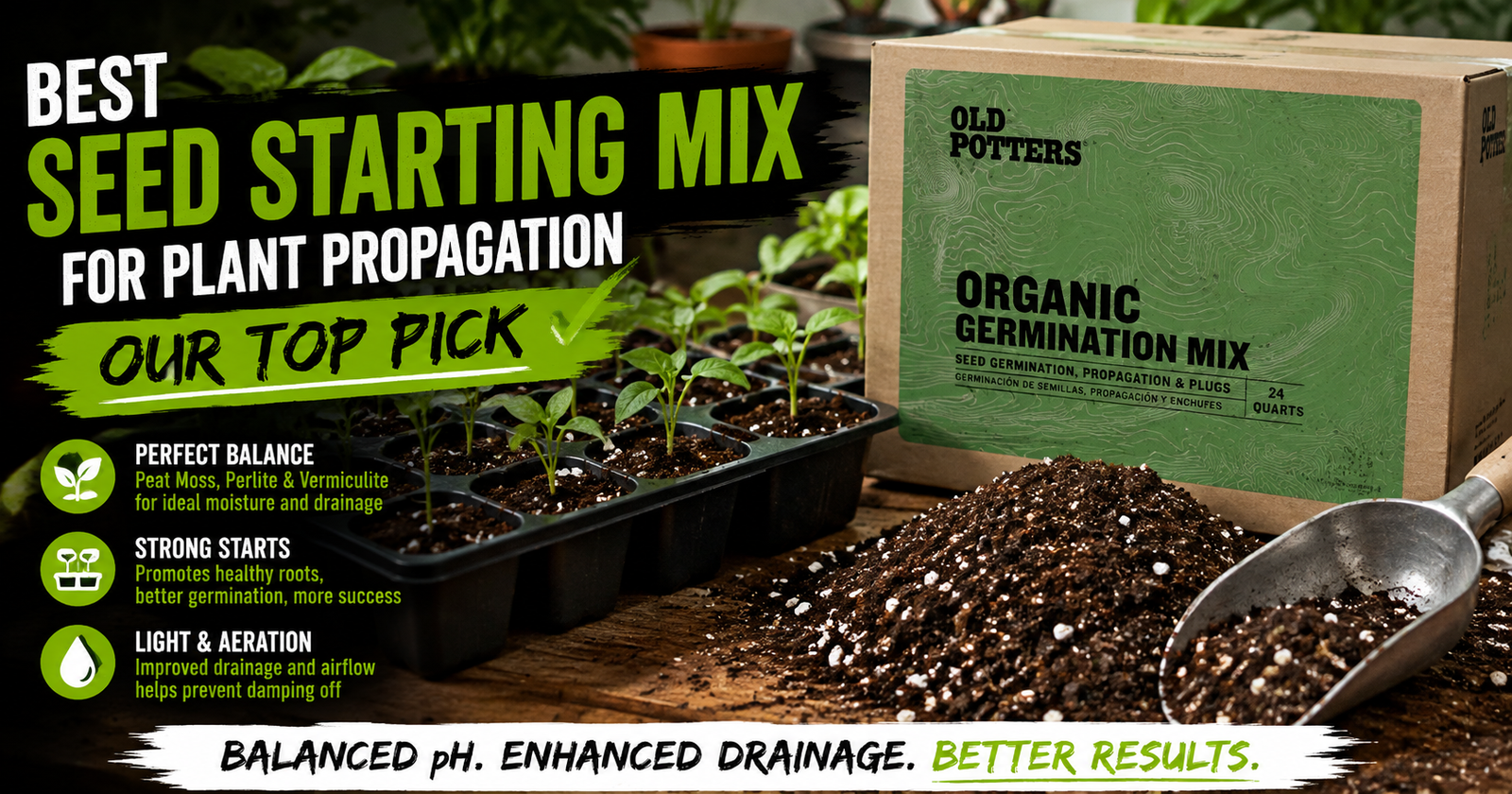
Instead, use a light, well-draining propagation mix that’s appropriate for the type of plant you’re rooting.
Skipping the Pilot Hole
This is one of those small details that can make a surprisingly big difference.
After applying rooting hormone, don’t force the cutting directly into the soil.
Doing so often scrapes much of the product back off.
Instead, use a pencil, dibber, or similar tool to create a planting hole first.
Then gently insert the cutting and firm the propagation medium around it.
Keeping the Medium Too Wet
One of the quickest ways to lose cuttings is by overwatering.
The propagation medium should stay evenly moist, but it shouldn’t be saturated.
Roots need oxygen just as much as they need moisture.
If the stem stays constantly waterlogged, rot can develop before new roots ever have a chance to form.
Constantly Checking for Roots
This is a mistake almost every gardener makes at least once.
It’s tempting to tug gently on the cutting every few days to see if roots have formed.
Unfortunately, tiny new roots are extremely fragile.
Repeatedly disturbing the cutting can break those new roots and slow the entire process.
I usually leave my cuttings alone and watch for new leaves or fresh growth instead.
Can Different Plants Need Different Amounts?
Yes—but not in the way most people think.
Different species respond differently to rooting hormone, and some are naturally much easier to propagate than others.
Easy-to-root plants like pothos, coleus, mint, and many philodendrons often need very little encouragement.
Woody shrubs, fruit trees, roses, and hardwood cuttings generally benefit more from rooting hormone because they’re naturally slower to develop roots.
The important thing to remember is that using more product isn’t the solution.
The right rooting hormone and good propagation practices will always outperform simply applying a thicker coating.
What If You Accidentally Used Too Much?
Don’t panic.
If you’ve just applied a heavy layer of powder, gently tap the stem to remove the excess before planting.
If you’re using gel and applied much more than necessary, wiping away some of the excess is usually enough.
For liquid concentrates, the best solution is prevention.
Always mix only the amount you need using the dilution recommended on the product label.
A small measuring cup or syringe can make this much easier and helps ensure consistent results every time.
The Right Technique Matters More Than the Product
People often spend hours trying to decide which rooting hormone to buy.
In reality, your technique will usually have a much bigger influence on success.
Healthy cuttings, clean tools, proper humidity, a quality propagation medium, and patience all work together.
The rooting hormone simply gives the process a helpful boost.
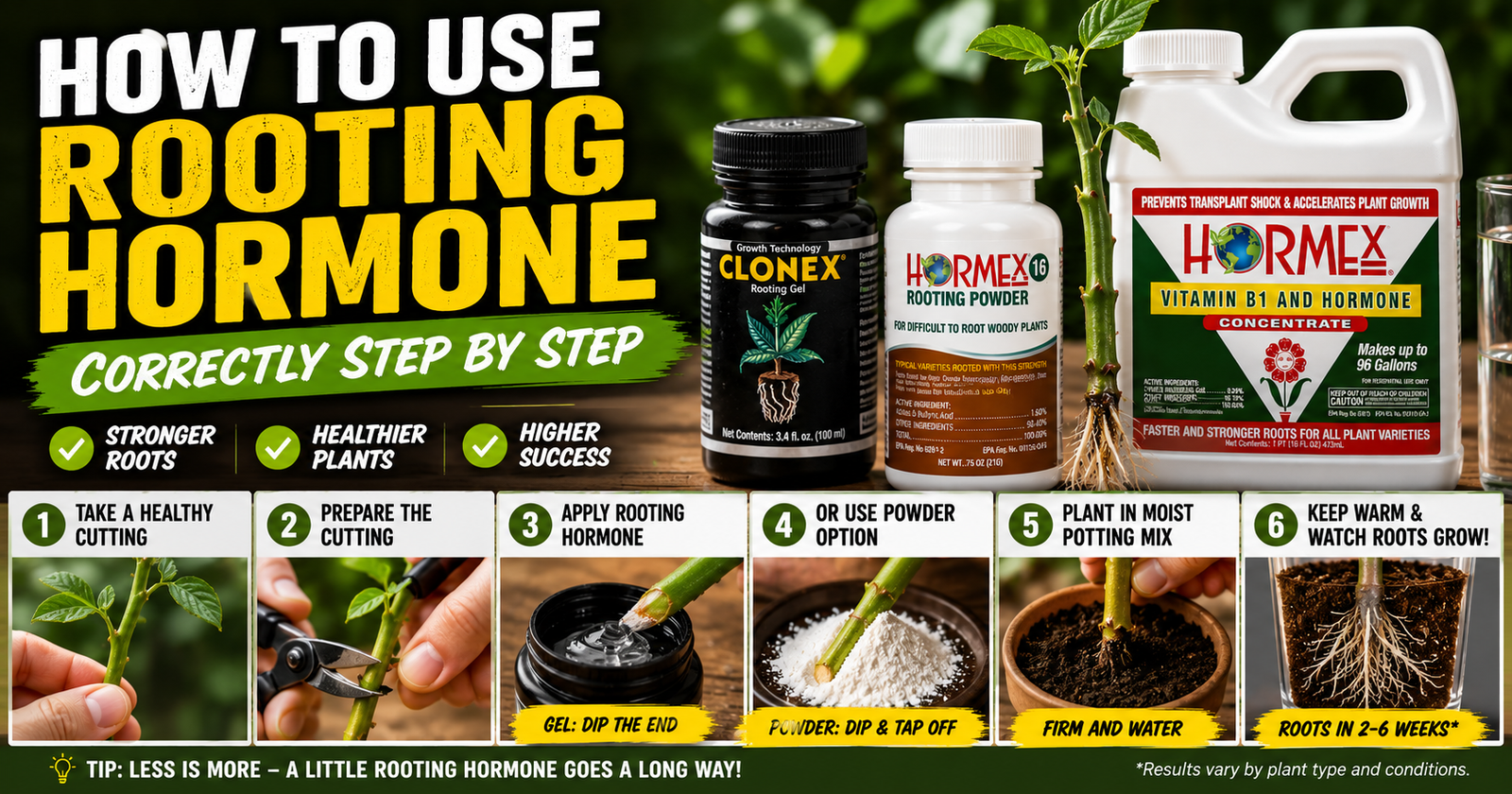
If you’re new to propagation or want a complete walkthrough, my guide on how to use rooting hormone correctly covers the entire process from taking the cutting to caring for it afterward.
More Rooting Hormone Doesn’t Fix Other Problems
One thing I’ve learned over the years is that rooting hormone often gets blamed—or praised—for things that have very little to do with the product itself.
If a cutting was taken at the wrong time, allowed to dry out, planted in heavy soil, or kept too wet, simply adding more rooting hormone won’t solve those problems.
Healthy cuttings, proper moisture, good sanitation, and patience will almost always have a bigger impact on your success than applying extra rooting hormone.
If you’re just getting started, my guide on How to Use Rooting Hormone Correctly Step by Step walks through the entire process from taking the cutting to planting it.
Rooting Hormone Isn’t the Only Factor That Matters
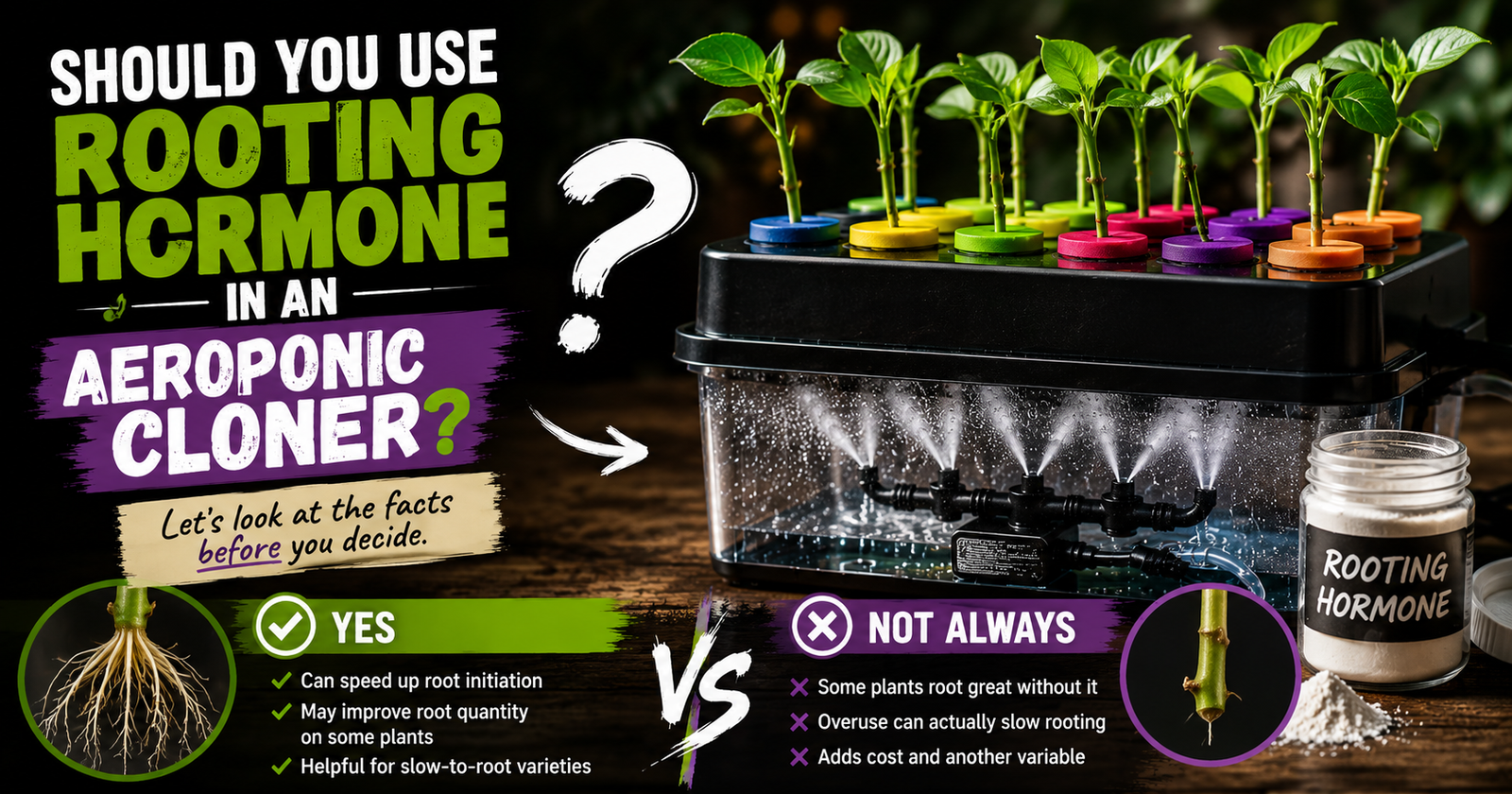
Applying the correct amount of rooting hormone is important, but it’s only one piece of successful propagation. Once your cutting has been treated, the environment around the stem becomes just as important. Proper moisture, oxygen, temperature, and sanitation all play major roles in encouraging healthy root development.
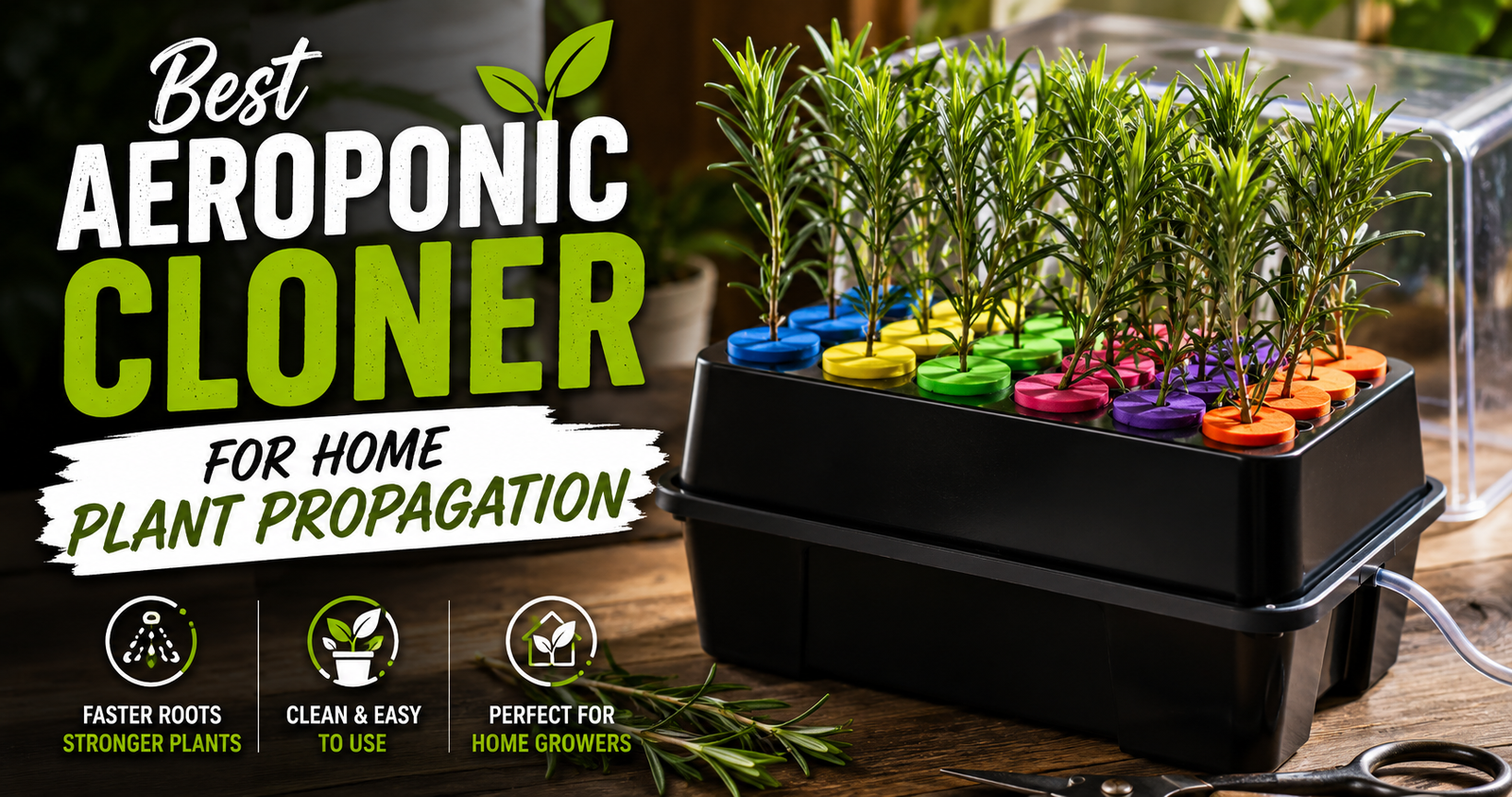
That’s why many gardeners choose to root cuttings in an Aeroponic Cloner. Instead of relying on soil or standing water, the cloner provides a consistent misting environment that’s ideal for many types of plants.
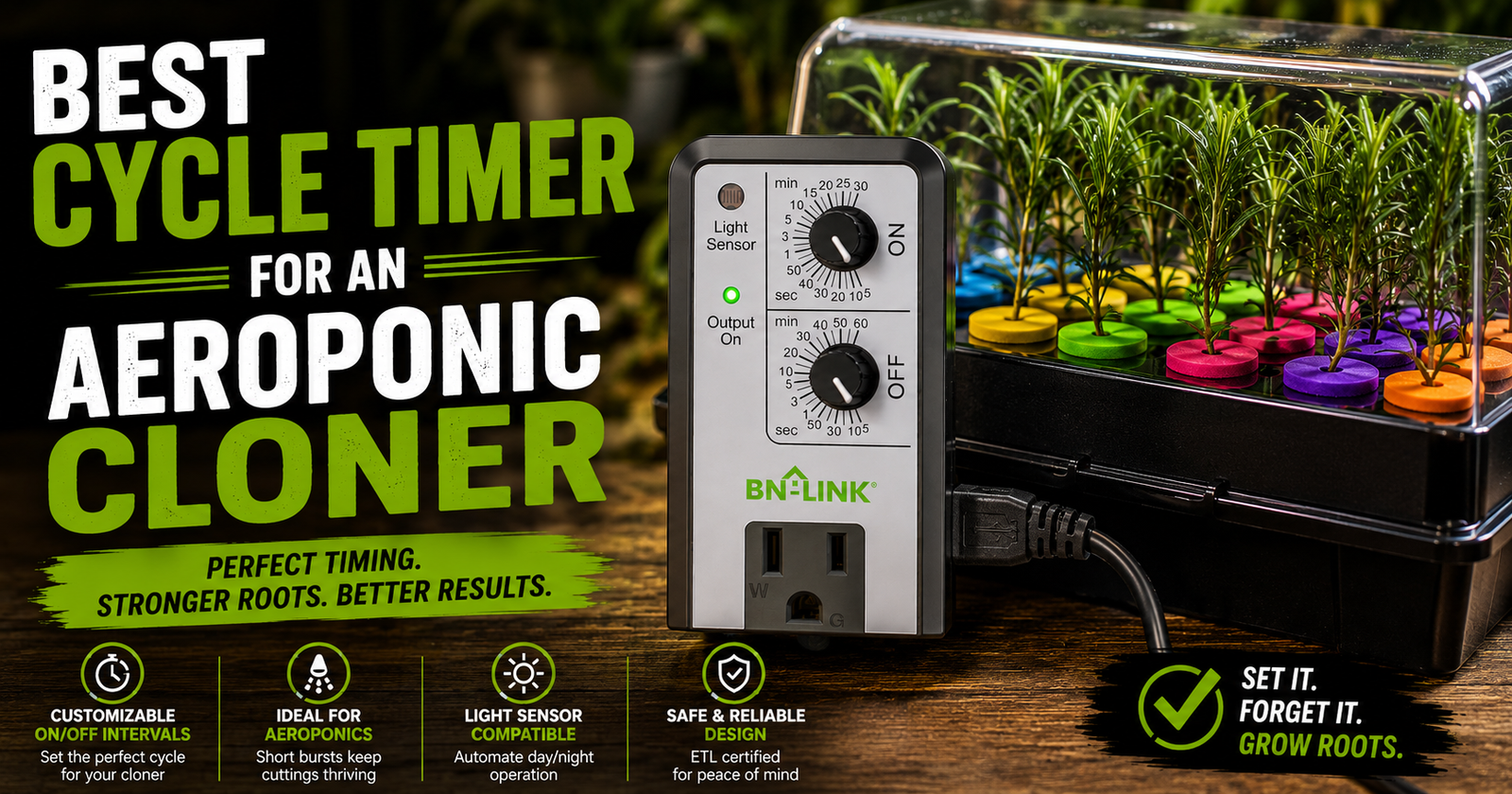
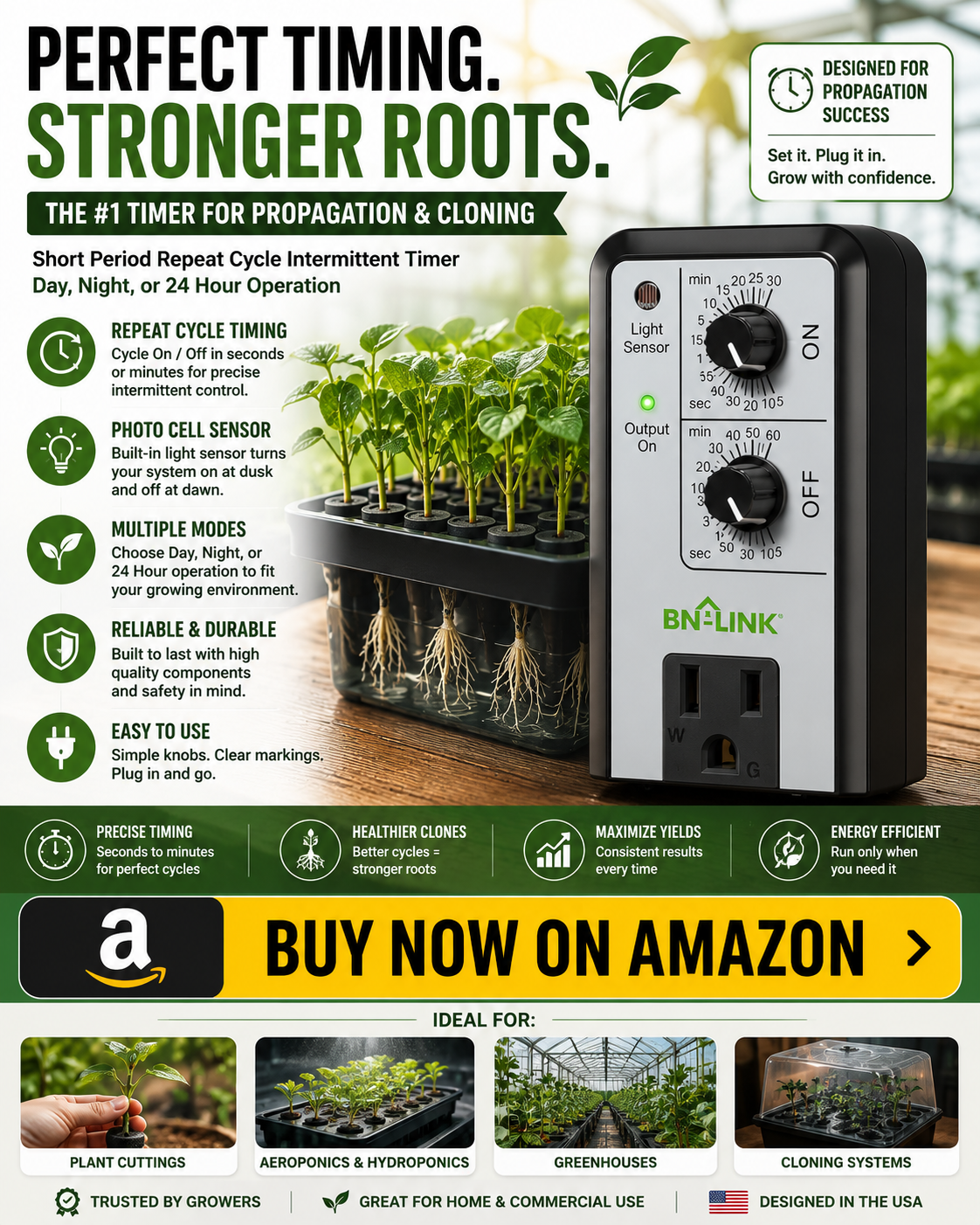
For even greater control, I recommend adding the BN-LINK Short Period Repeat Cycle Timer. It lets you experiment with intermittent spray cycles rather than running the pump continuously. I explain how these timers work and why I think they’re worth adding in my guide to the Best Cycle Timer for an Aeroponic Cloner.
Frequently Asked Questions
Can too much rooting hormone kill a cutting?
It can contribute to problems, especially on sensitive plants, but it’s usually not the only cause. Poor drainage, overwatering, unhealthy cuttings, or improper growing conditions are often bigger factors.
Should I dip the entire stem?
No.
Only the lower portion of the stem that will produce roots should be treated.
Coating leaves or the entire stem doesn’t improve rooting success.
Can I apply rooting hormone more than once?
Generally, no.
Rooting hormone is intended to be applied when the cutting is first prepared.
Adding more after planting won’t normally increase rooting success.
Is rooting gel easier to overapply than powder?
Not necessarily.
It’s easier to see how much gel you’ve applied, while powder can sometimes build up without you noticing.
In either case, the goal is the same—a thin, even coating rather than a thick layer.
My Advice
If there’s one thing I’d encourage every gardener to remember, it’s this:
Rooting hormone isn’t a “more is better” product.
A light application, healthy cuttings, and good propagation conditions will consistently outperform using excessive amounts of even the most expensive rooting hormone.
Don’t focus on using more.
Focus on using it correctly.
You’ll save product, improve your success rate, and develop better propagation habits that will pay off with every cutting you take.
About the Author
Dax Weaver is the founder of Propagation World and has spent years propagating thousands of plants at his family’s nursery. His hands-on experience includes rooting hardwood and softwood cuttings, grafting fruit trees, dividing perennials, and producing healthy nursery stock for landscapes and home gardens. Through Propagation World, he shares practical propagation techniques, honest product reviews, and straightforward advice to help gardeners propagate with confidence.