When I first started propagating plants, I thought sharp pruning shears were all that mattered.
If they made a clean cut, I figured I was doing everything right.
It took a few disappointing propagation projects before I realized I was overlooking something just as important.
Clean tools.
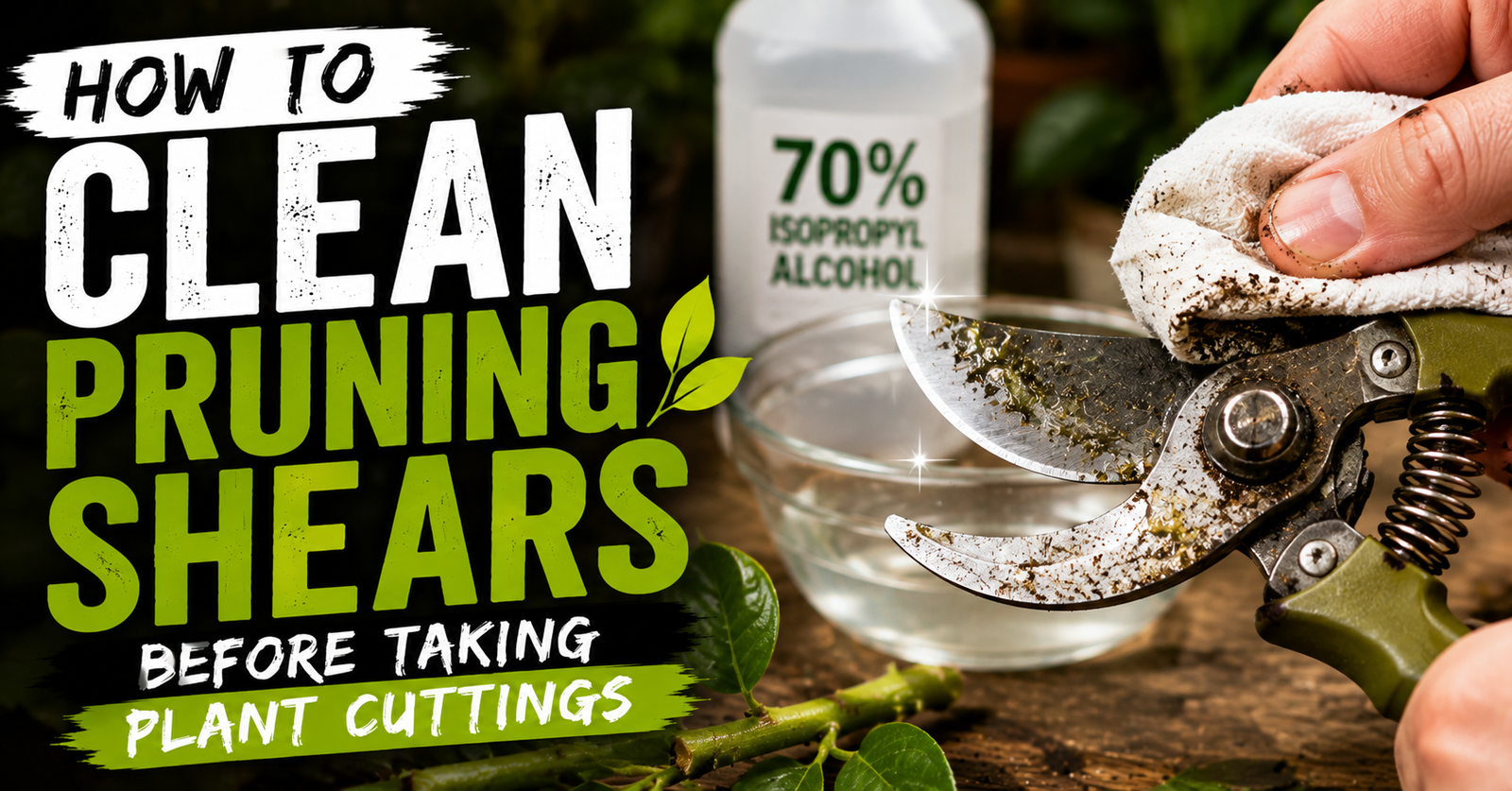
Every time you make a cut, your pruning shears come into contact with plant sap, moisture, bacteria, fungi, and sometimes diseases you can’t even see.
If those same blades are used on another plant without being cleaned, there’s a chance you’re carrying those problems right along with you.
Is it guaranteed to happen?
No.
But after spending weeks or even months waiting for valuable cuttings to root, I’ve learned it’s not a risk worth taking.
Cleaning pruning shears only takes a minute or two, yet it’s one of the simplest ways I know to improve the odds of healthy, successful propagation.
Why It Matters More Than Most Gardeners Think
Healthy cuttings begin long before they ever touch the rooting medium.
They begin with the cut itself.
Every fresh cut creates an open wound.
That’s exactly where roots will eventually begin developing.
It’s also where bacteria and fungi have an opportunity to enter the stem if your tools aren’t clean.
Many propagation failures get blamed on the wrong thing.
People assume the rooting hormone didn’t work.
Or the propagation mix stayed too wet.
Sometimes those things are true.
Other times, the problem started before the cutting ever left the parent plant.
That’s why cleaning my pruning shears has become part of my routine instead of something I only do once in a while.

What I Use
The good news is that you don’t need expensive equipment.
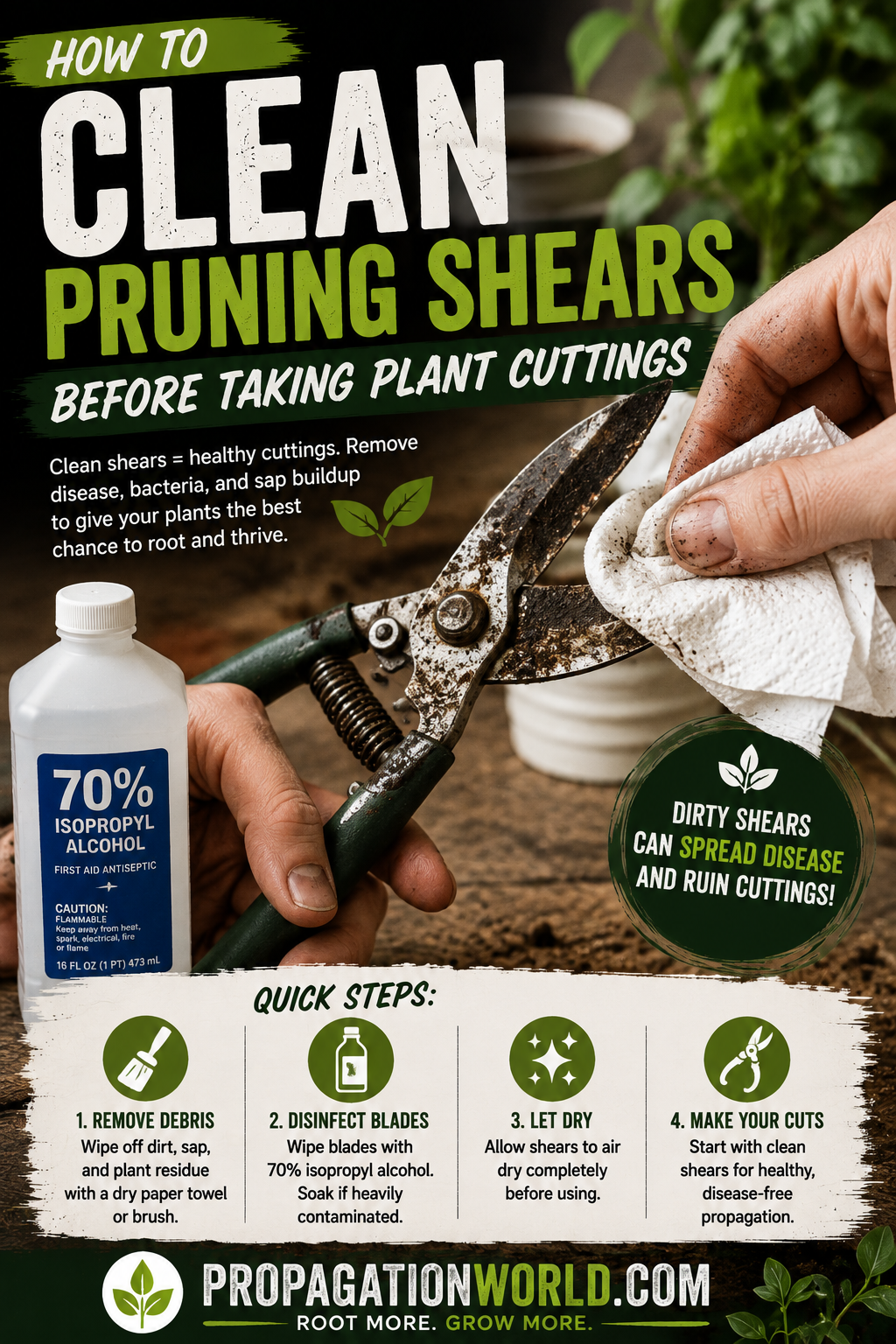
Most of the time I simply use isopropyl alcohol and a clean cloth or paper towel.
If the blades have dried sap stuck to them, I’ll wipe everything clean before disinfecting them.
The important thing is removing both visible debris and anything microscopic that may still be clinging to the blade.
Once the alcohol evaporates, the shears are ready to use again.
Simple.
Fast.
And well worth the effort.
Sharp and Clean Go Together
I’ve noticed something interesting over the years.
Gardeners often focus on one or the other.
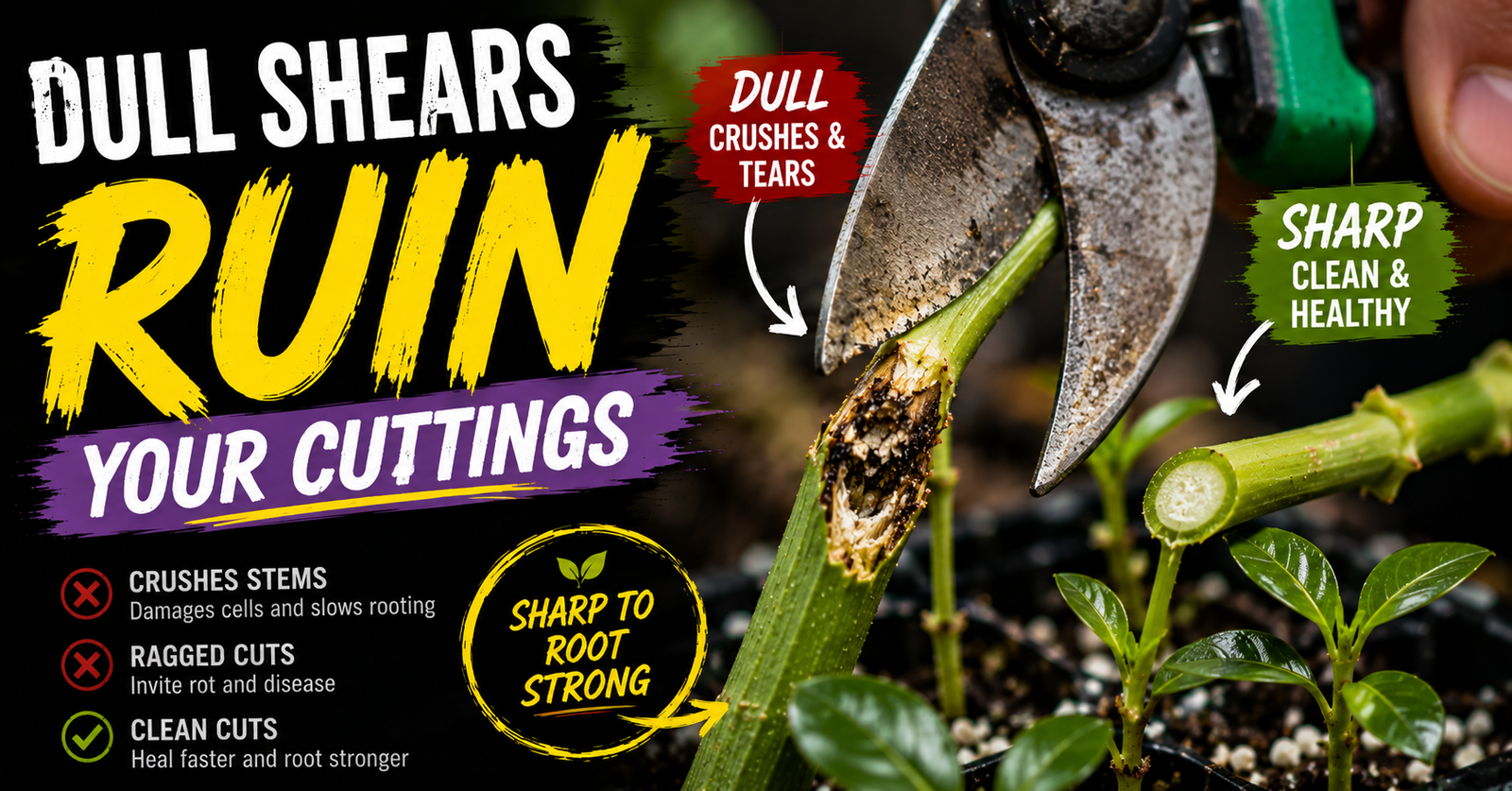
They either buy a sharp pair of pruning shears and never clean them, or they carefully disinfect dull blades that crush stems instead of slicing through them. The cutting quality behind that distinction is explained in why sharp shears matter.
Healthy cuttings need both.
A sharp blade creates less damage to the stem.
A clean blade reduces the chance of introducing unwanted pathogens into that fresh wound.
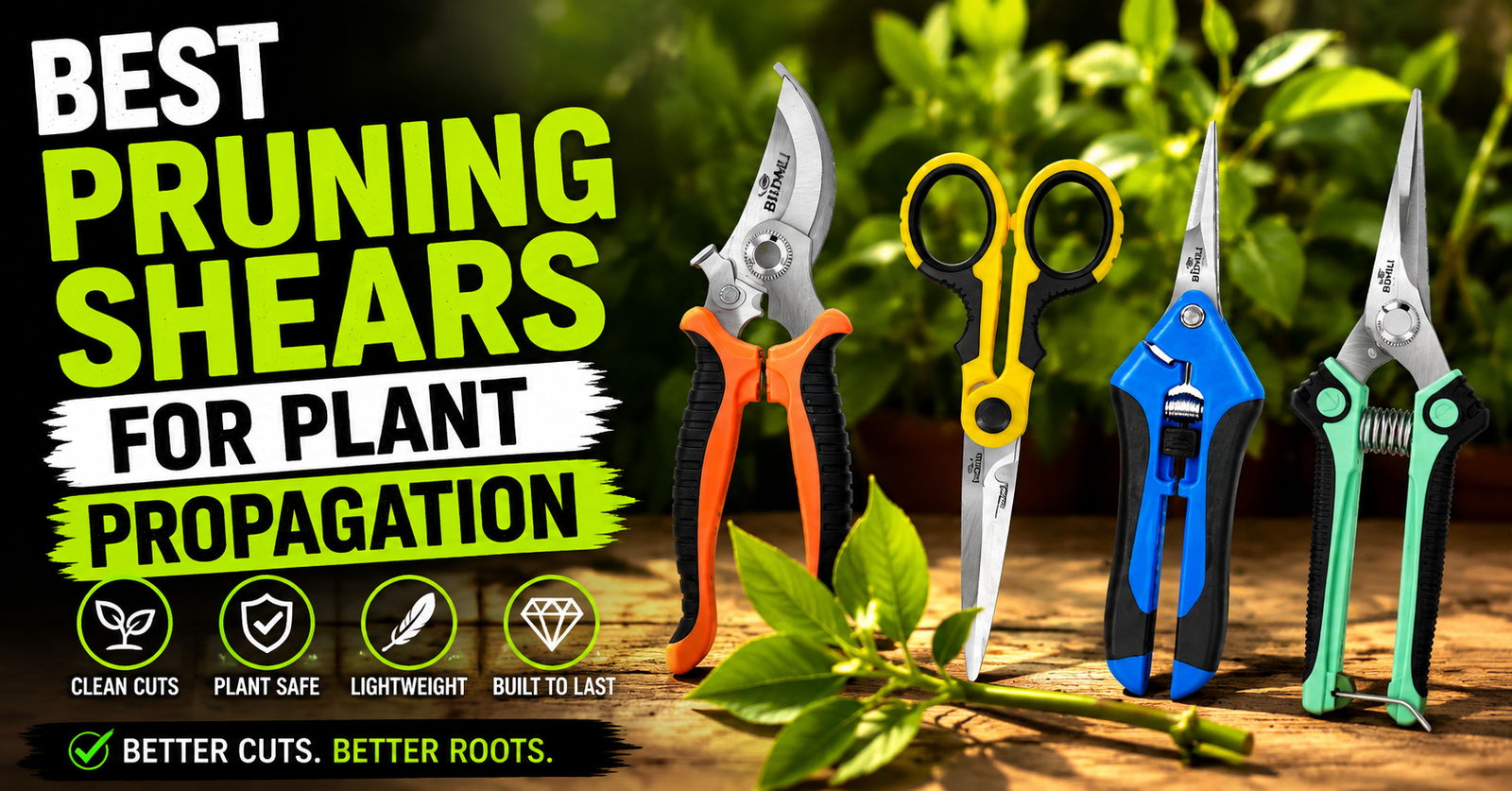
That’s one reason I recommend the pruning shears I personally use for plant propagation.
They stay sharp, feel comfortable during long propagation sessions, and are easy to clean between plants.
I Learned This Lesson the Hard Way
Years ago, I spent an afternoon taking dozens of cuttings from several different shrubs.
Everything looked healthy.
The cuttings were taken at the right time.
The propagation mix was good.
The temperatures were right.
Yet a surprising number of those cuttings failed before they ever started producing roots.
I can’t say dirty pruning shears were definitely the cause.
Propagation rarely works that way.
But I also realized I hadn’t cleaned my tools once during the entire afternoon.
Since then, I’ve made disinfecting my shears part of the process instead of an afterthought.
It’s one of those small habits that costs almost nothing but gives me far more confidence every time I start a new propagation project.
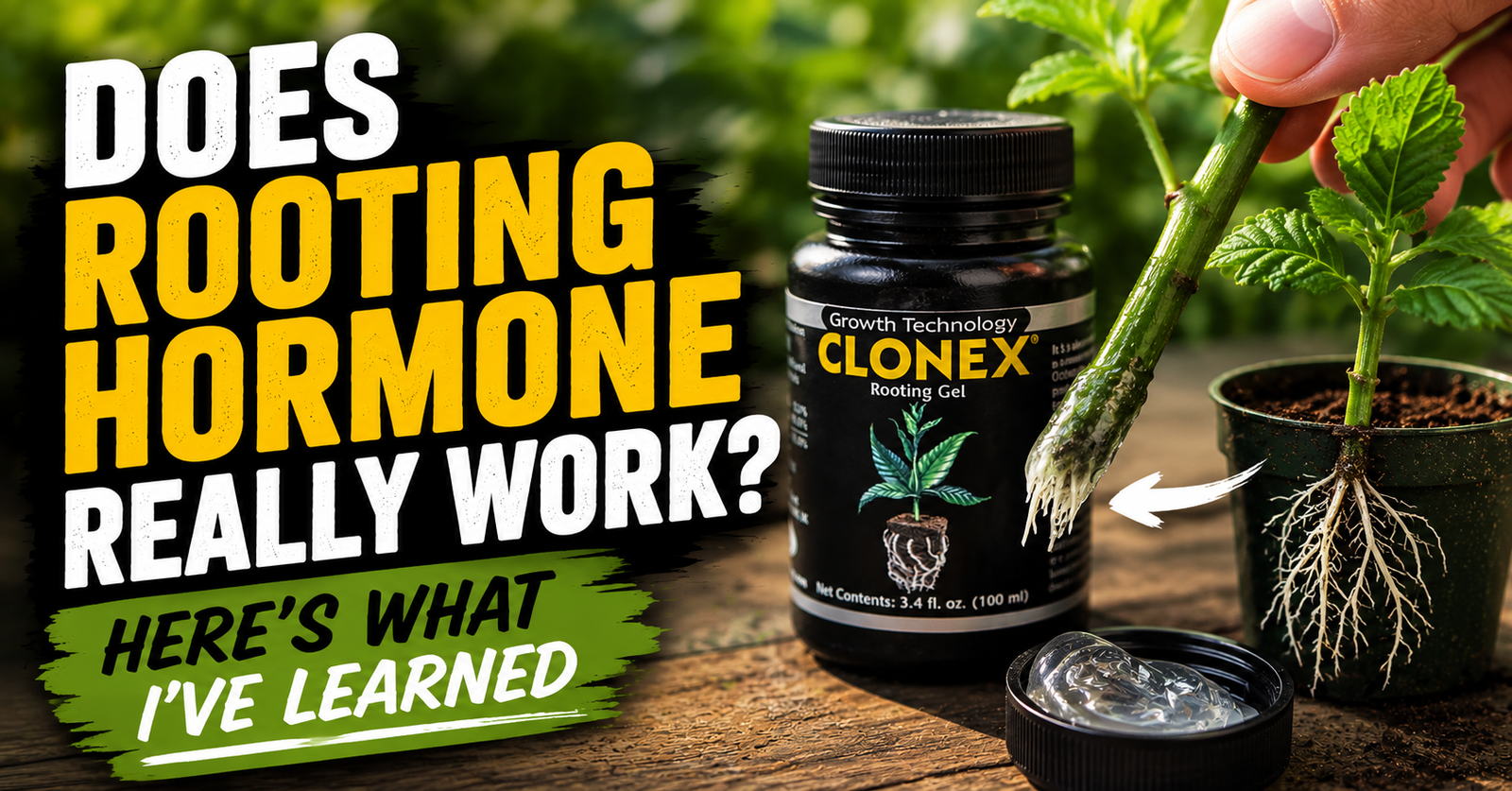
How Often Should You Clean Your Pruning Shears?
If I’m only taking a few cuttings from one healthy plant, I’ll usually clean the blades before I begin and again when I’m finished.
If I’m moving from one plant to another, especially different species, I disinfect the blades between plants.
That might sound excessive.
It really isn’t.
It only takes a few seconds, and it greatly reduces the chances of transferring diseases from one plant to another.
If I ever suspect a plant has fungal problems, bacterial disease, or a virus, I clean the blades immediately before making another cut.
Those few extra moments are much easier than dealing with an entire tray of failed cuttings later.
Don’t Forget About Dried Sap
One thing I didn’t appreciate when I first started propagating was how much sap builds up on pruning shears.
Even if the blades still look sharp, dried sap can make them stick, reduce cutting performance, and create places where dirt and microorganisms collect.
Every so often, I spend a few extra minutes giving my shears a more thorough cleaning instead of simply wiping them with alcohol.
The blades cut more smoothly, they’re easier to disinfect properly, and they stay in better condition over the long run.
Taking care of your tools usually means they’ll take better care of your plants.

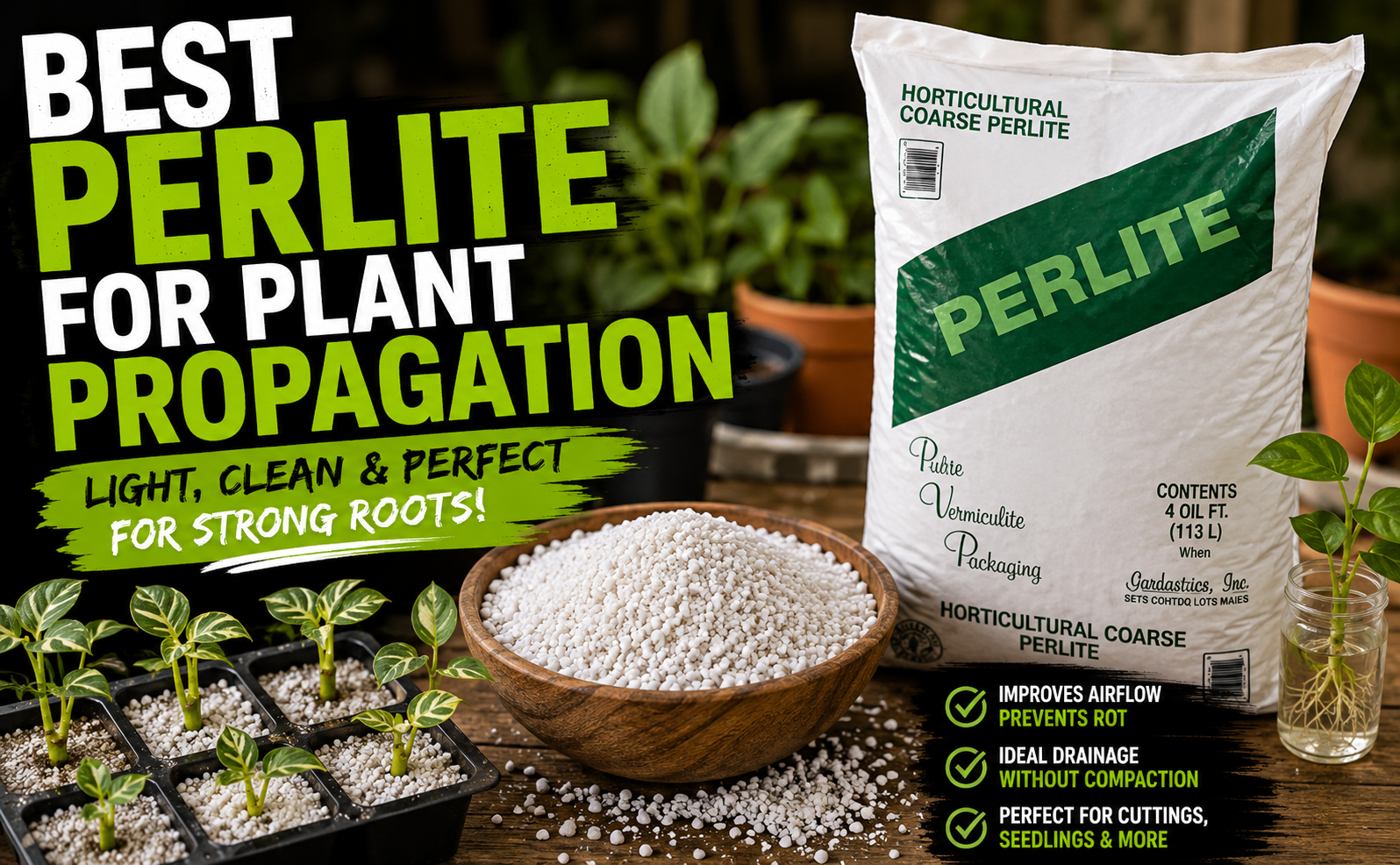
A Clean Cut Helps the Rest of the Process
Once the cutting leaves the parent plant, everything else begins.
The rooting medium.
The humidity.
The temperature.
The waiting.
I want that cutting to start with the best chance possible.
That’s why I pay so much attention to the very first step.
A clean cut made with clean shears gives me confidence that I’m not creating unnecessary problems before the cutting even reaches the propagation tray.
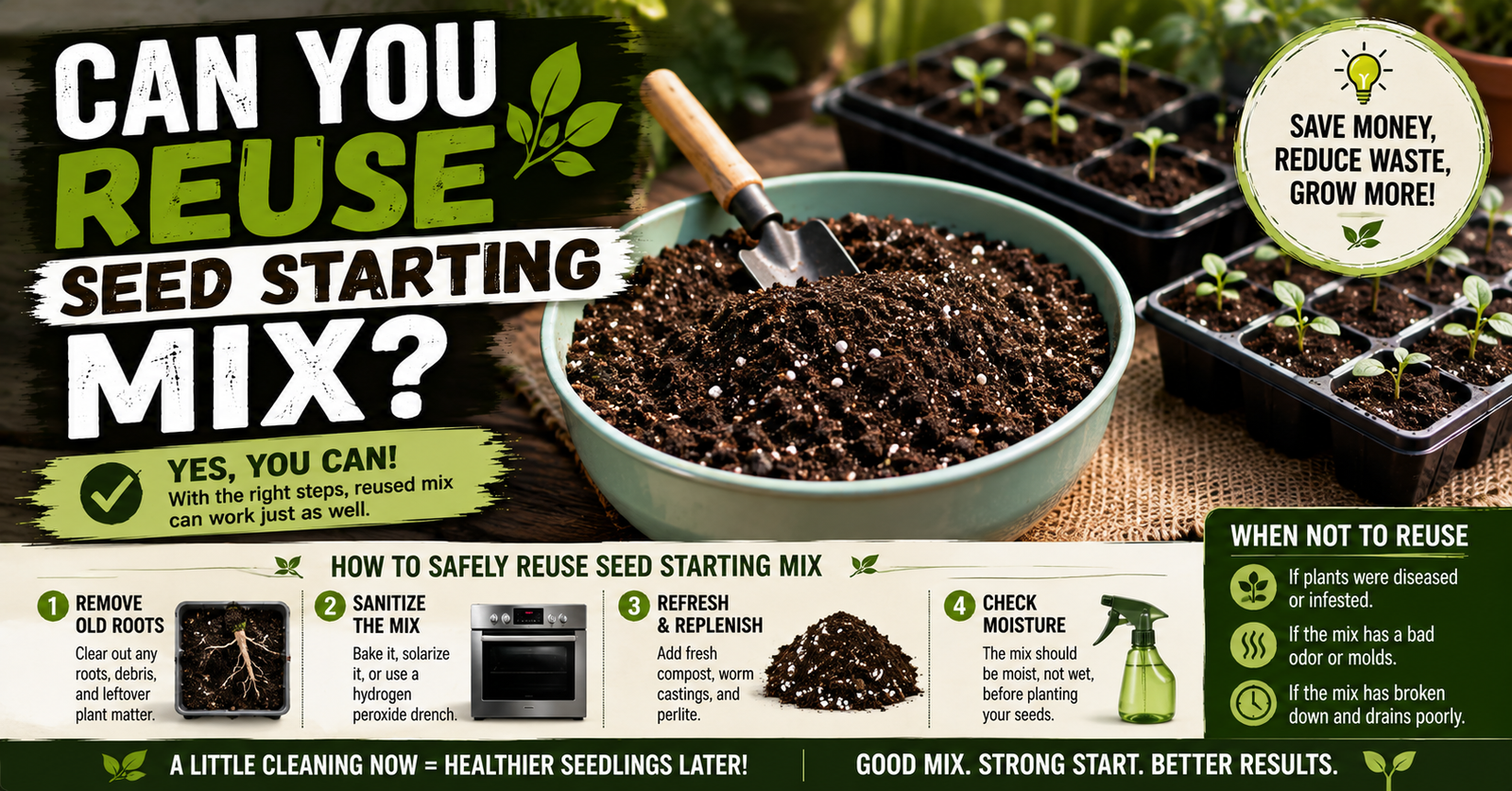
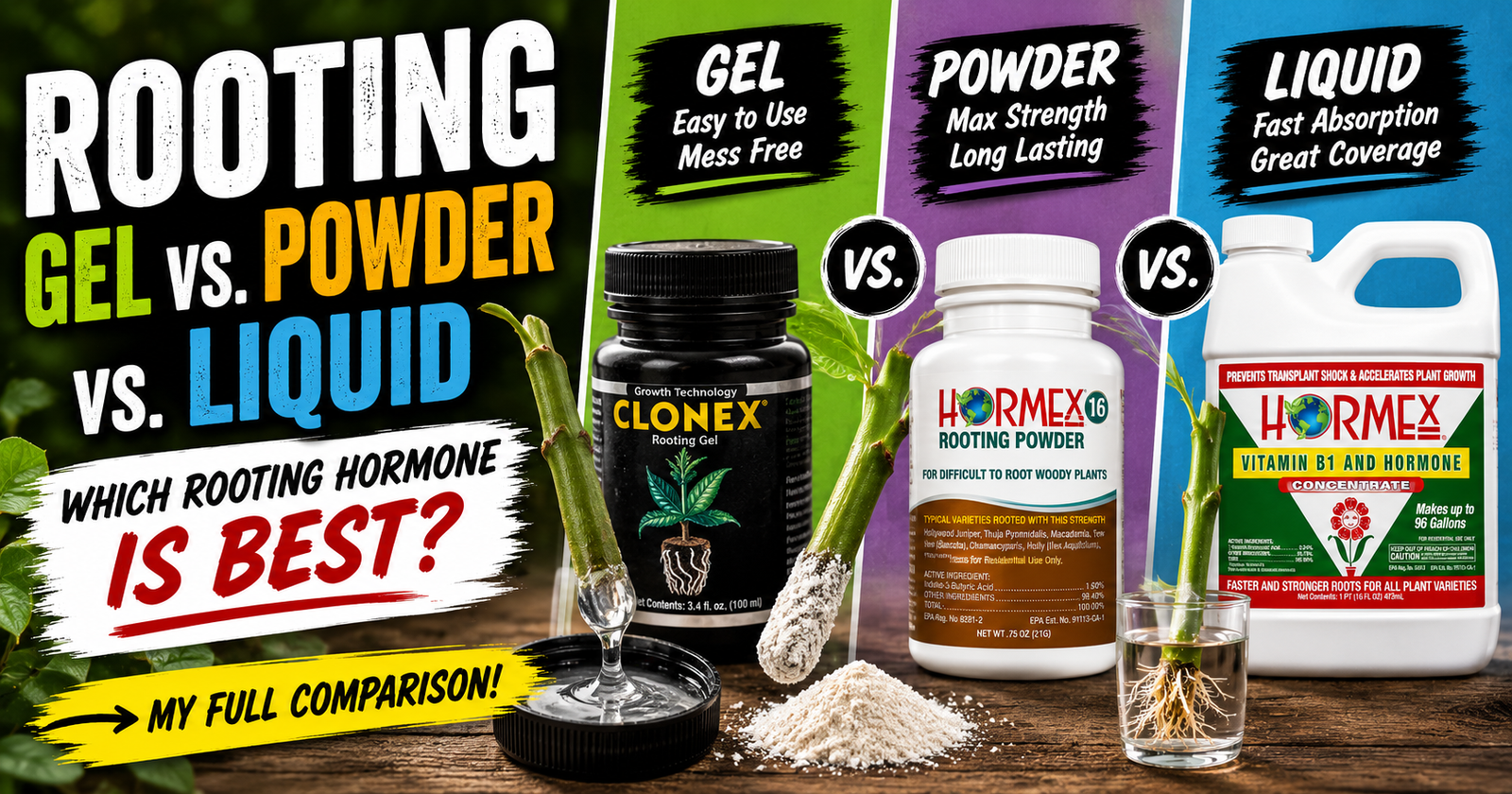
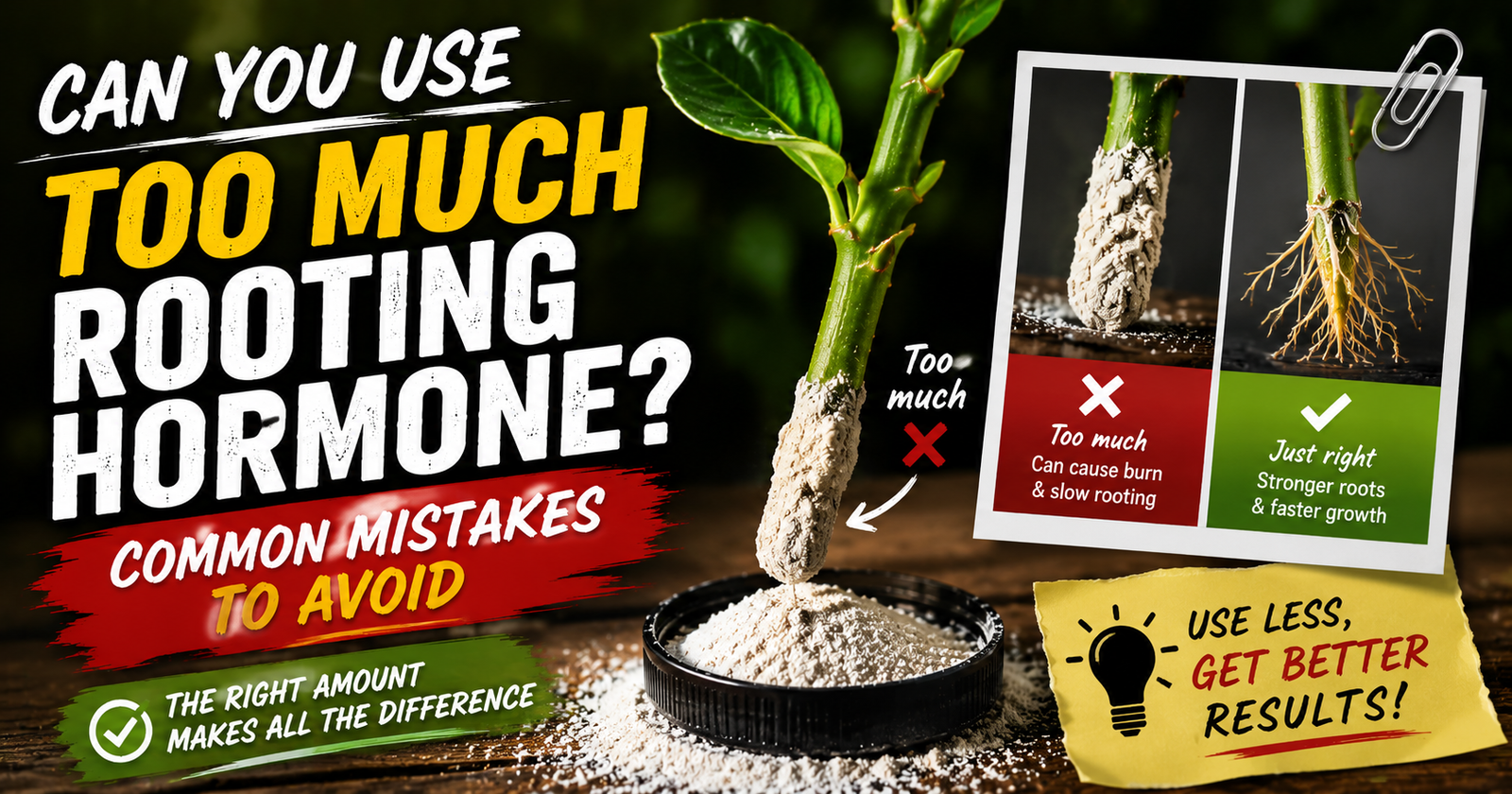
After making the cut, I usually dip the stem into rooting hormone if the plant benefits from it, then place it into a light propagation mix. The right medium can sometimes be prepared for another project, but only after checking whether it remains clean and structurally sound: evaluating used seed starting mix.
Those few simple steps have become the foundation of almost every propagation project I do.
My Propagation Routine Today
People sometimes ask whether I have a routine before taking cuttings.
I do, and it’s become almost automatic.
First, I inspect the parent plant and only take cuttings from healthy growth.
Next, I clean my pruning shears.
After that, I make clean, confident cuts instead of crushing the stem with dull blades.
Only then do I prepare the cuttings for rooting.
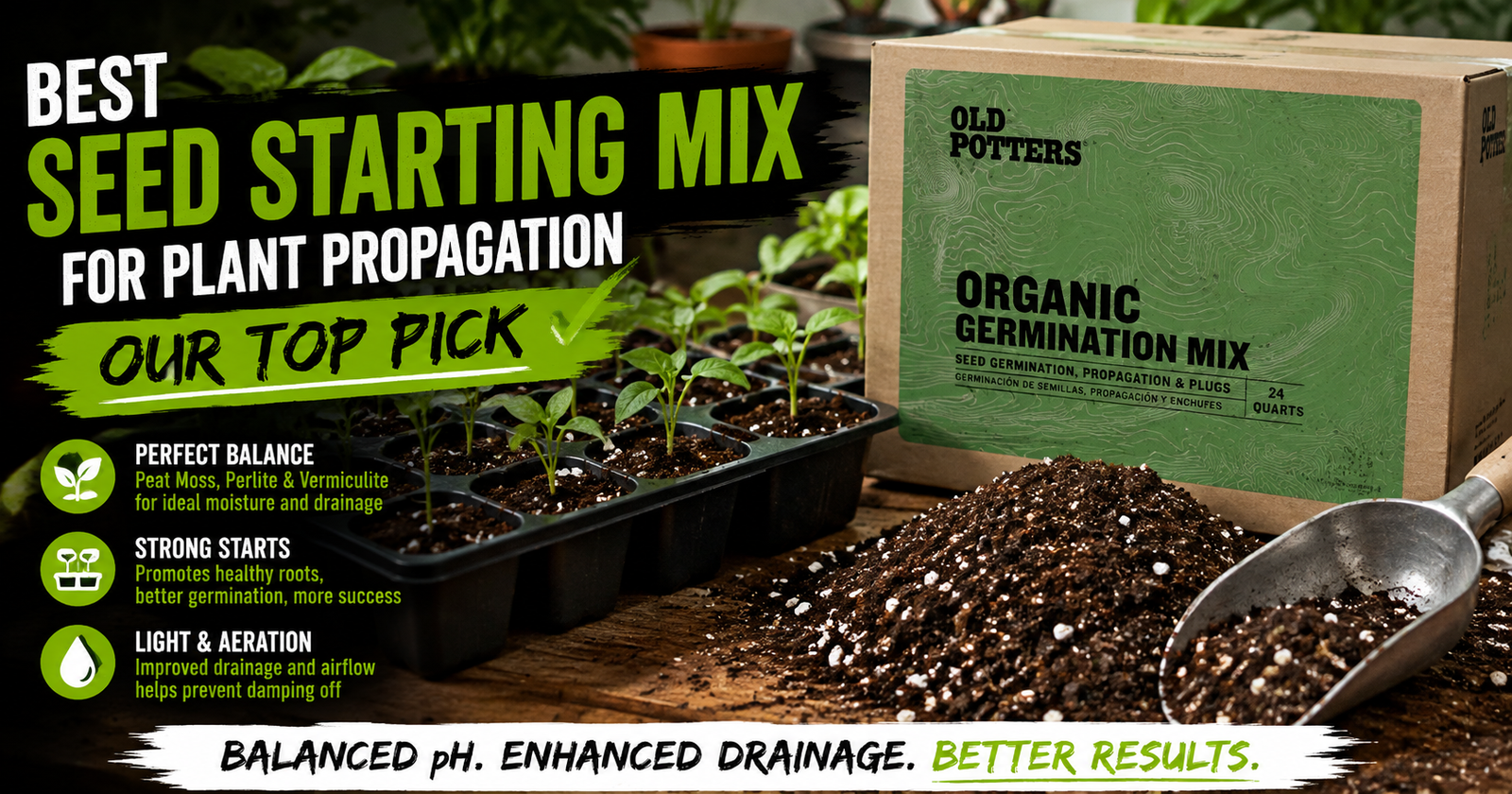
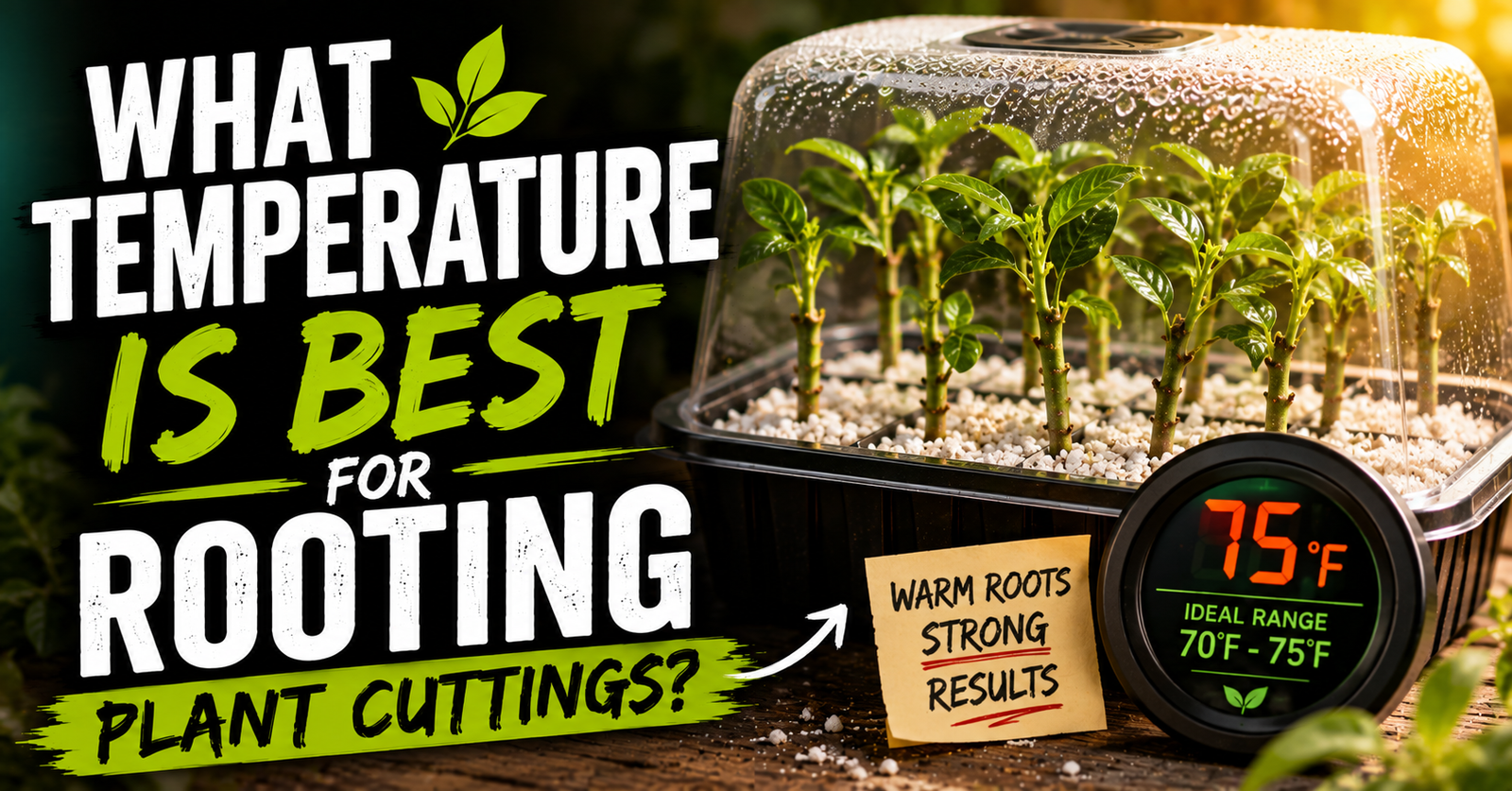
For many shrubs and fruit plants, I also use the seed starting mix I trust for propagation because I’ve found it creates a much better environment for young roots than ordinary potting soil.
That routine has evolved over years of trial and error, and it’s far more consistent than the shortcuts I used to take.
Good Habits Beat Fancy Equipment
I’ve seen gardeners produce beautiful rooted cuttings with inexpensive tools because they paid attention to the basics.
I’ve also seen expensive equipment produce disappointing results because simple habits were overlooked.
Propagation is often like that.
The small details matter.
Clean blades.
Healthy cuttings.
Proper moisture.
Patience.
When you consistently get those things right, the expensive gadgets become much less important.
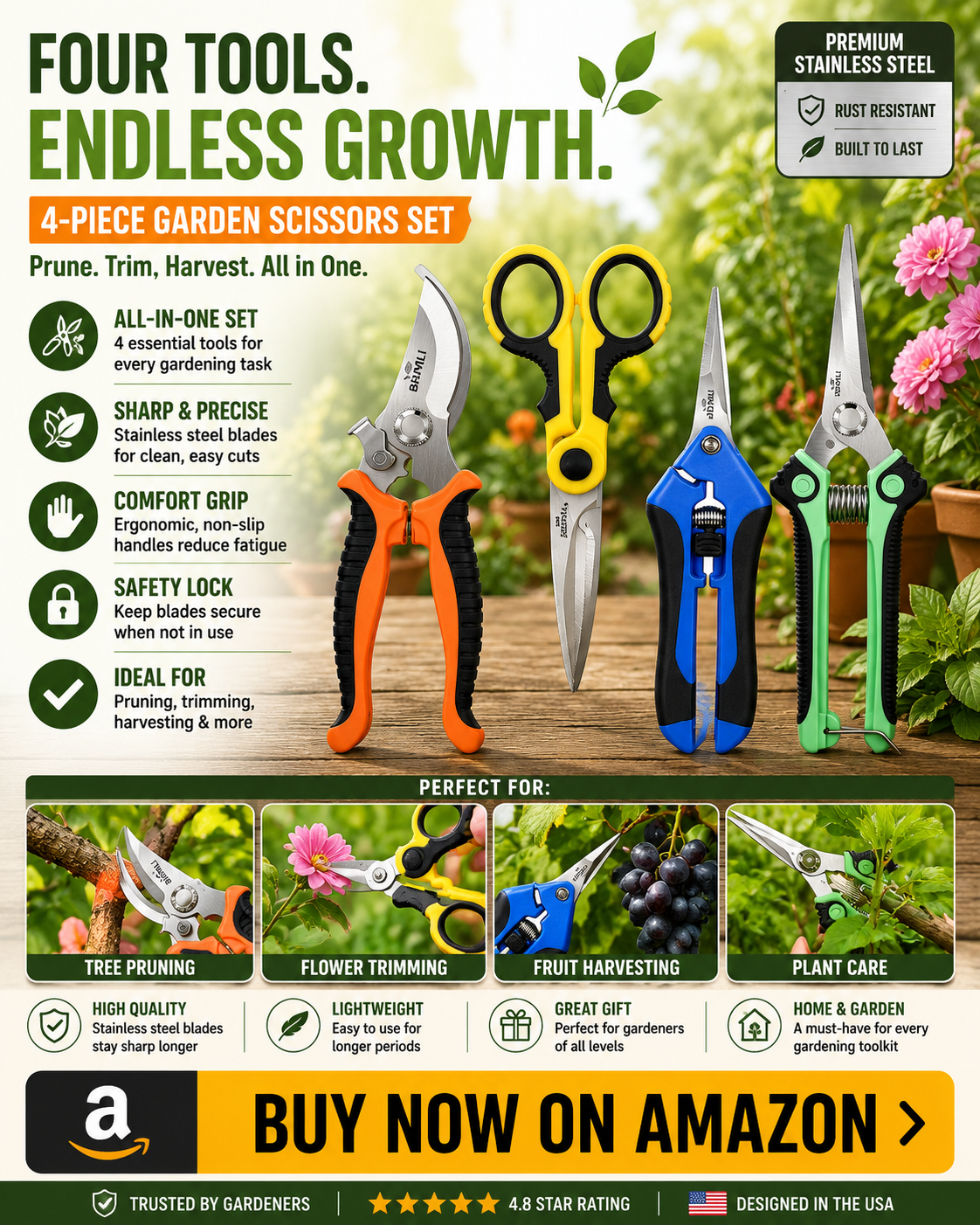
If you’re looking for a dependable pair of shears that are comfortable to use and easy to keep clean, I’d recommend checking out the pruning shears I use on Amazon.
They’re one of those gardening tools I reach for almost every day during propagation season, and they’ve held up extremely well through thousands of cuttings.
Frequently Asked Questions
Is rubbing alcohol enough to disinfect pruning shears?
For routine propagation work, yes.
That’s what I use most often because it’s fast, inexpensive, and evaporates quickly.
The important thing is making sure the blades are actually clean first.
If they’re covered with dried sap or plant residue, wipe that off before disinfecting.
You’re trying to clean the blade, not just wet it.
Can dirty pruning shears spread plant diseases?
Unfortunately, they can.
Bacteria, fungi, and some plant viruses can be transferred from one plant to another on contaminated blades.
That’s why I make it a habit to disinfect my shears whenever I move between different plants, especially if I’m working with valuable shrubs or fruit plants.
It’s one of the simplest preventative steps I take in the garden.
Should I sharpen pruning shears before taking cuttings?
If they’ve become dull, absolutely.
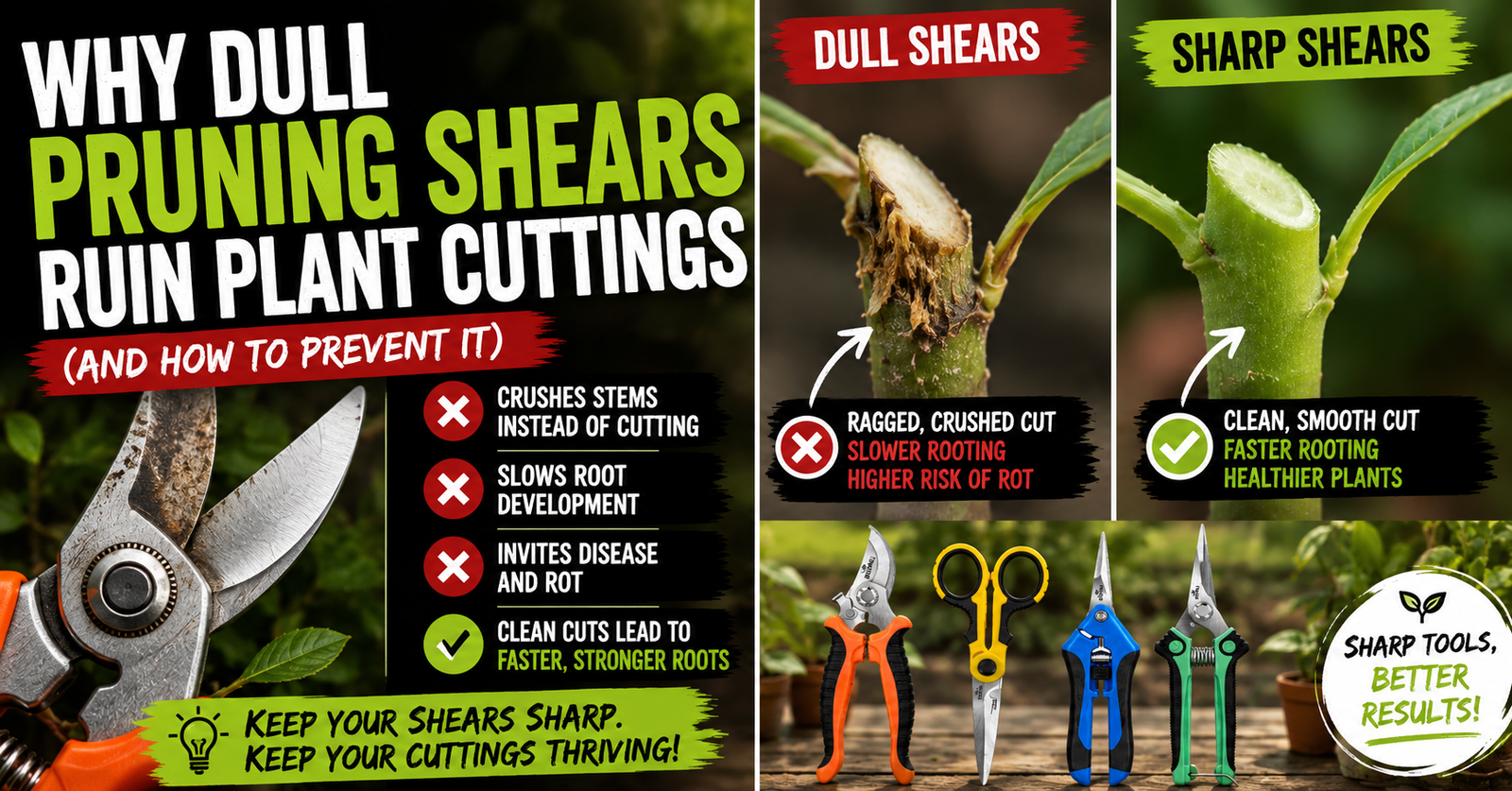
A sharp blade slices cleanly through the stem instead of crushing the plant tissue. Sharpness is only part of protecting the stem, and keeping cutting tissue intact explains why keeping cutting tissue intact begins with the blade.
That cleaner cut generally gives the cutting a healthier starting point and makes the entire propagation process easier.
I check the edge several times throughout the growing season instead of waiting until it’s obviously dull.
Can I clean pruning shears with soap and water?
Soap and water are great for removing dirt and sticky sap.
However, they don’t disinfect the blades the same way rubbing alcohol does.
When I’m preparing to propagate plants, I usually clean the shears first if they’re dirty and then disinfect them before taking cuttings.
Using both steps gives me the best results.
Do I really need to clean them between every plant?
If the plants are healthy, you may not need to clean the blades after every single cutting.
Between different plants, though, I think it’s a smart habit.
The extra minute it takes is tiny compared to the time you’ll spend waiting for those cuttings to root.
For me, it’s simply become part of the propagation routine.

It’s One of the Easiest Ways to Improve Your Results
Propagation can feel overwhelming when you’re first getting started.
There are rooting hormones to choose from.
Propagation mixes.
Humidity domes.
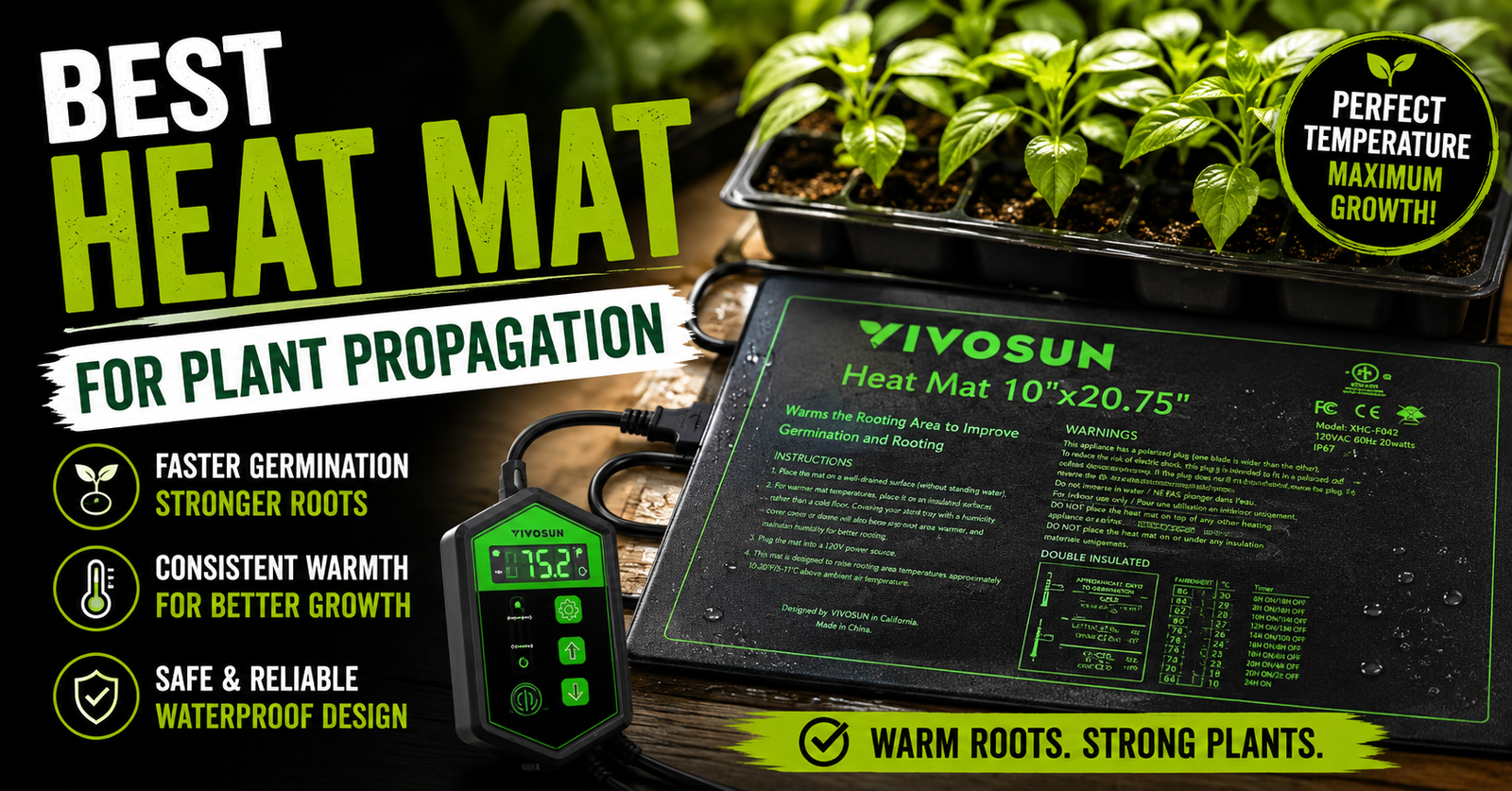
Heat mats.
Lighting.
Containers.
With so many things to think about, it’s easy to overlook something as simple as cleaning your pruning shears.
Ironically, that’s one of the easiest improvements you can make.
It costs almost nothing.
It only takes a minute.
And it helps every cutting begin with a clean, healthy start.
That’s a habit I’ve never regretted building into my propagation routine.
About the Author
Daxon Weaver is the founder of PropagationWorld and has propagated thousands of houseplants, fruit trees, berry bushes, herbs, and ornamental shrubs. Through years of hands-on experience, he has learned that successful propagation often comes down to mastering the small details, and keeping pruning shears clean is one of the simplest habits that consistently pays off.