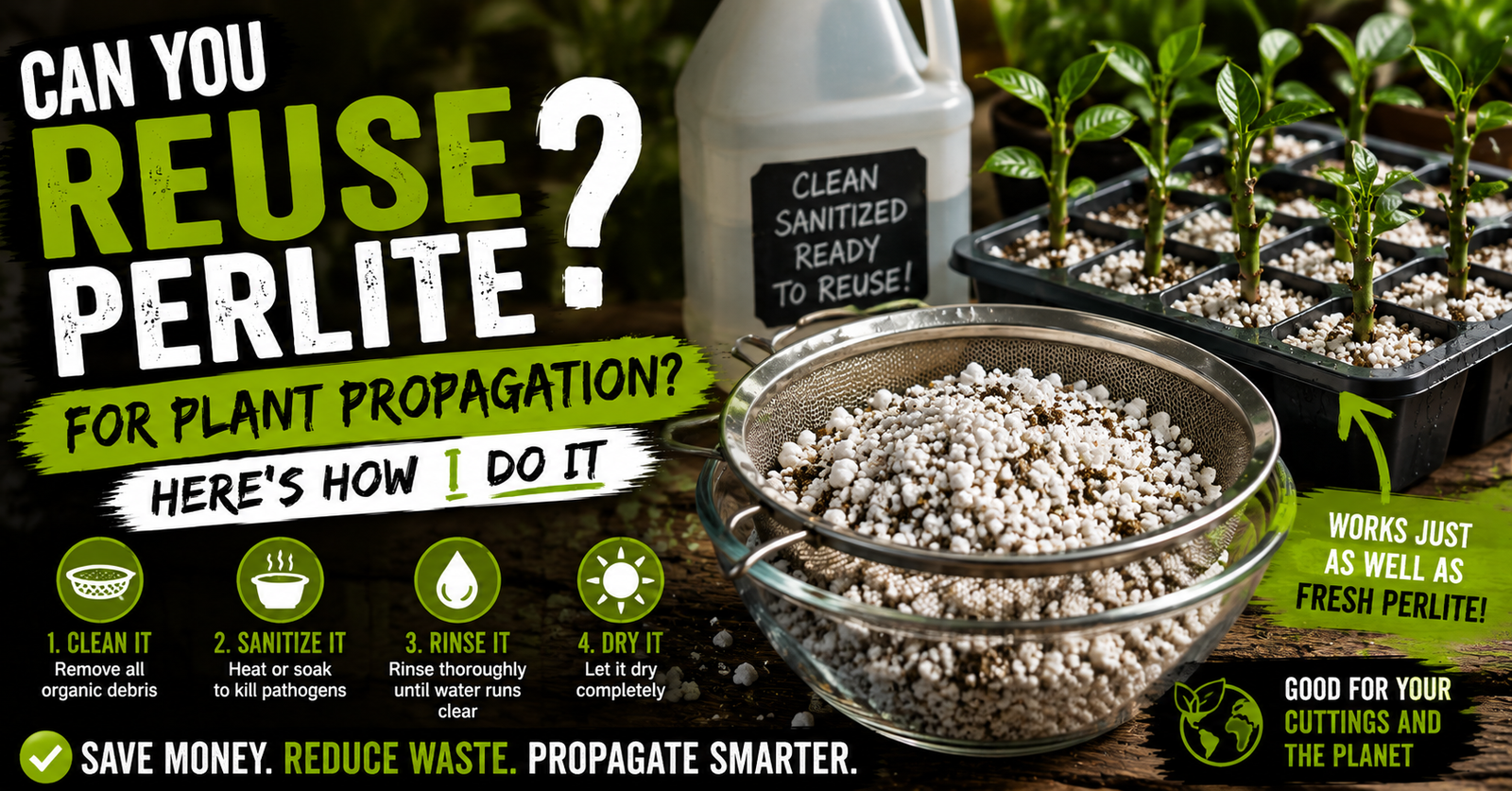
The first time I rooted a tray full of cuttings in perlite, I had the same question most gardeners do.
“Am I really supposed to throw all of this away?”
The tray looked almost brand new.
The perlite was still white.
It wasn’t breaking down.
It seemed like a waste to dump it into the trash after using it once.
So I didn’t.
Instead, I cleaned it, let it dry, and used it again.
Over the years I’ve repeated that process many times.
Sometimes it worked perfectly.
Other times I learned an important lesson about when reusing perlite is actually a bad idea.
The truth is, there isn’t a simple yes or no answer.
Perlite itself doesn’t really wear out very quickly.
The problem isn’t the perlite.
The problem is everything the perlite may be carrying after your last propagation project.
If you know when it’s safe to reuse and when it’s smarter to start fresh, you can save money without increasing the chances of disease or failed cuttings.
Why I Started Reusing Perlite
When you’re only propagating a few plants each year, replacing perlite every time probably isn’t a big deal.
But once I started rooting dozens and eventually hundreds of cuttings, I realized just how much perlite I was going through.
The material itself still looked perfectly usable.
It wasn’t falling apart.
It wasn’t turning into mud.
It was simply dirty from the previous batch of cuttings.
That’s when I began experimenting with cleaning it instead of automatically throwing it away.
For healthy propagation projects, I found there was often no reason the perlite couldn’t be used again.
That simple habit has probably saved me hundreds of dollars over the years.
When I Reuse It Without Hesitation
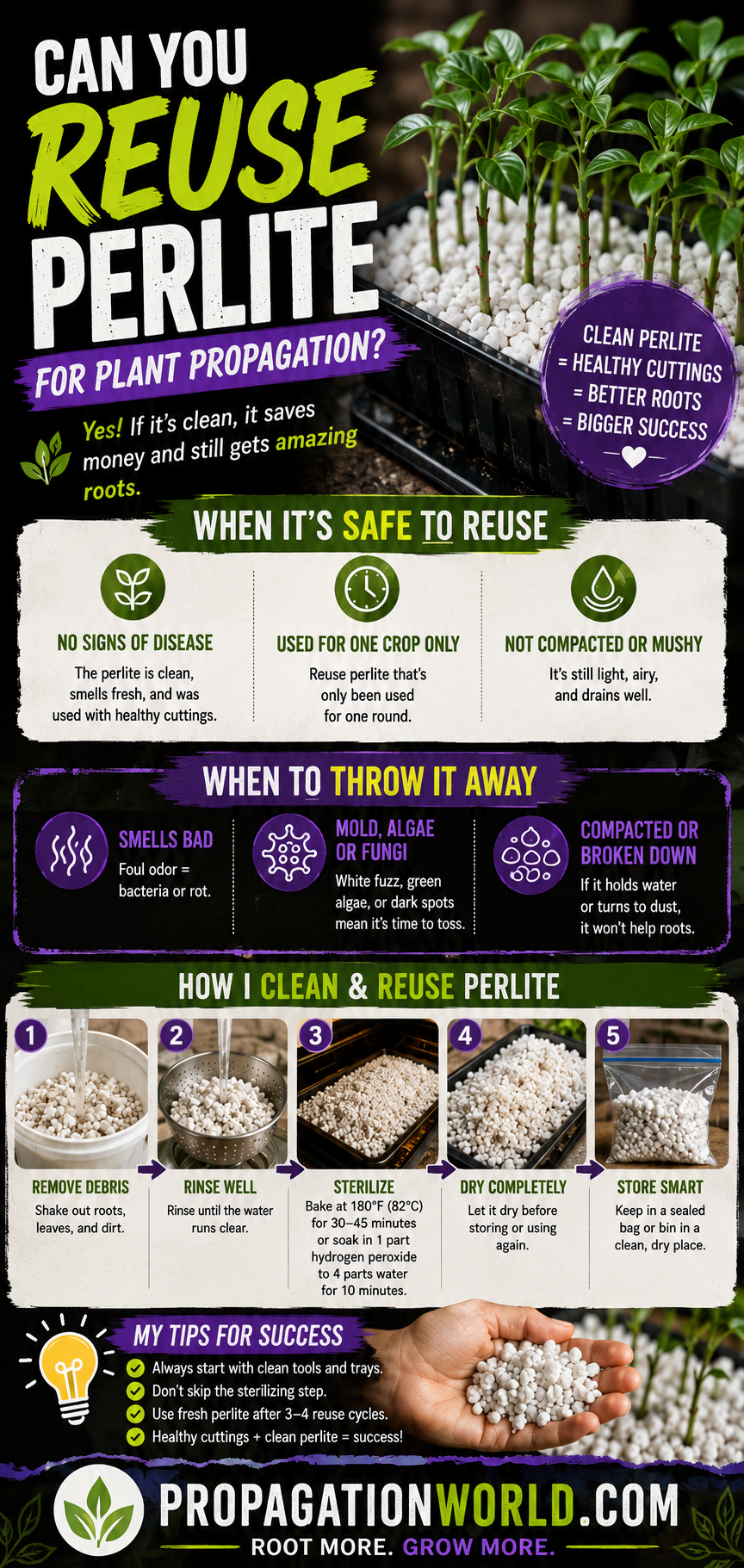
If the previous batch of cuttings rooted well and showed no signs of disease, I’m usually very comfortable reusing the perlite.
Healthy cuttings.
Healthy roots.
No mold.
No stem rot.
No fungus gnats.
No strange odors.
Those are all good signs.
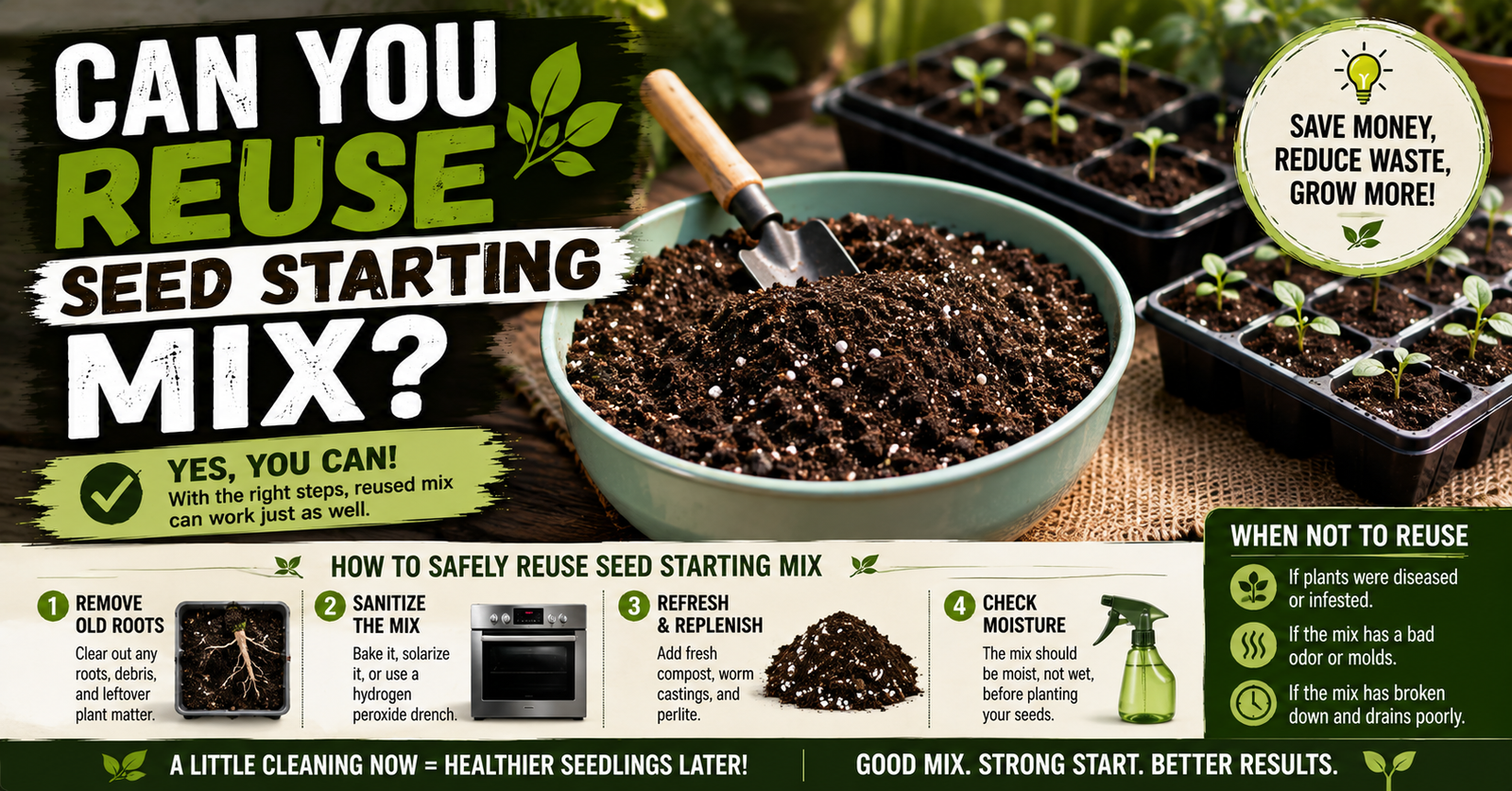
In those situations, I simply separate the old roots from the perlite, rinse away loose debris, allow it to dry if needed, and use it again.
I’ve done that many times with excellent results.
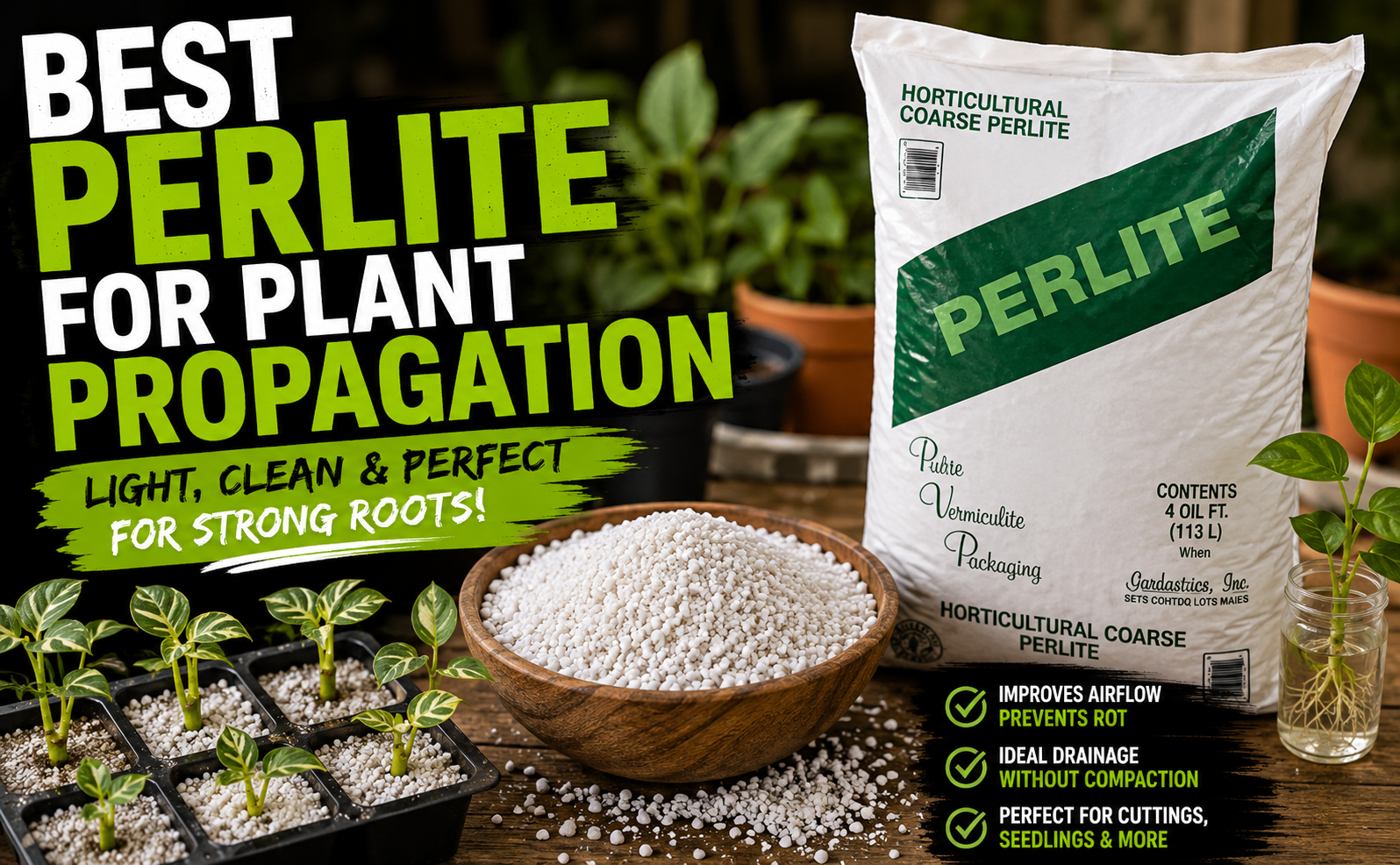
One reason I continue buying the horticultural perlite I recommend for propagation is because the larger bag lasts a long time, even with frequent propagation projects. Reusing healthy perlite stretches that investment even further.
When It Goes Straight Into the Trash
This is where I don’t try saving money.
If a propagation tray experienced stem rot, fungal disease, bacterial problems, or a serious insect infestation, I don’t reuse the perlite.
It’s simply not worth the risk.
One bag of fresh perlite costs far less than replacing valuable hydrangea, blueberry, fig, or rose cuttings that took months to grow.
Over the years I’ve become much more selective about what I reuse.
Healthy projects get recycled.
Questionable projects don’t.
That simple rule has served me well.
My Cleaning Routine
I don’t use anything complicated.
After removing the old cuttings and picking out as many roots as possible, I rinse the perlite thoroughly with clean water.
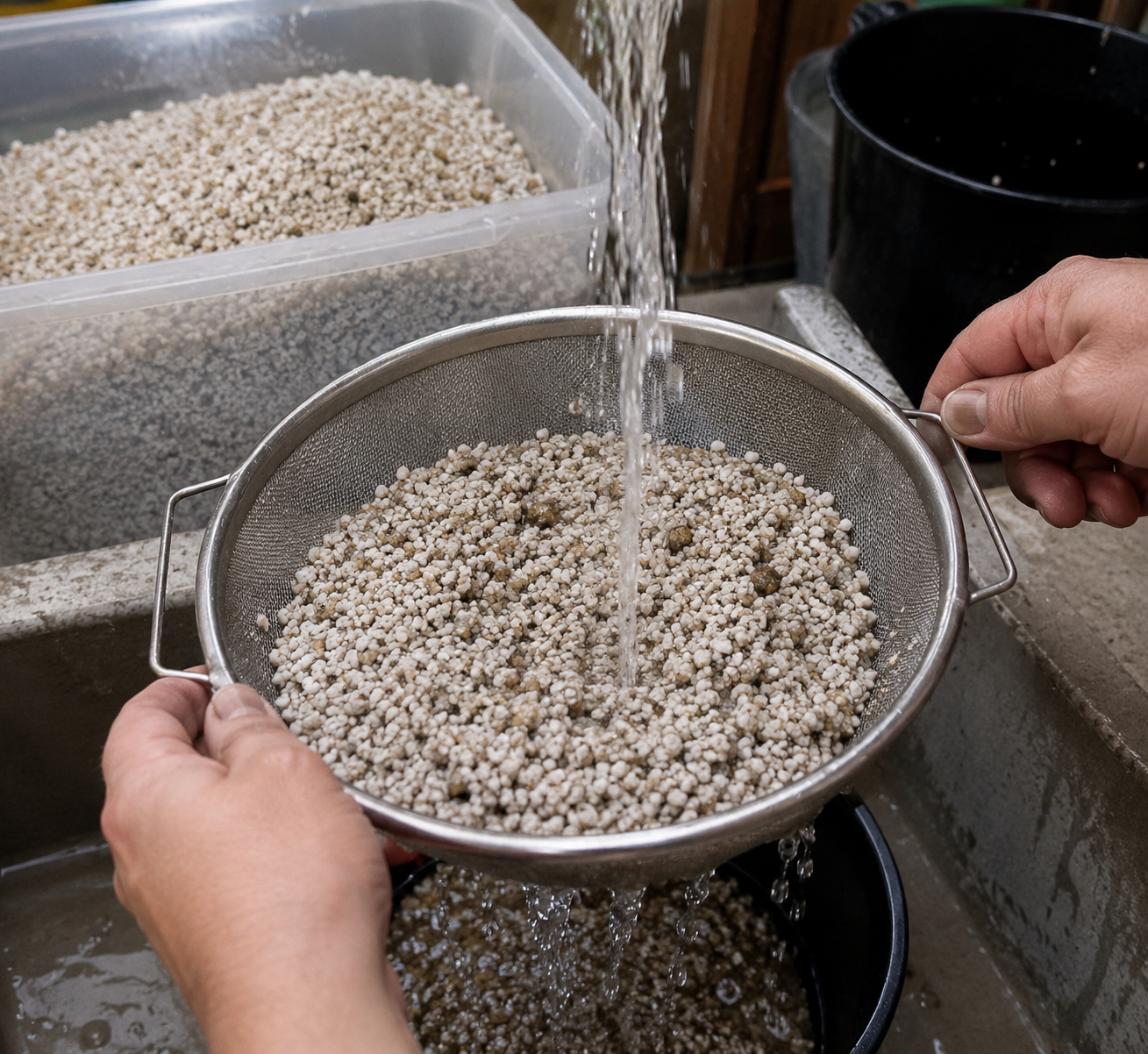
The goal isn’t making it look brand new.
The goal is removing dead roots, old plant material, algae, and other debris that could create problems later.
Once it’s clean, I spread it out so excess moisture can drain away before storing it or using it for the next propagation project.
Simple.
Quick.
And effective.
Later in this article I’ll explain the few situations where I go beyond a simple rinse and actually disinfect the perlite before using it again.
It’s Still One of the Most Useful Propagation Supplies I Own
One reason I don’t mind buying larger bags of perlite is because almost nothing goes to waste.
Fresh perlite gets used for new propagation trays.
Clean reused perlite goes into future propagation projects.
Older perlite often gets mixed into potting soil for container plants, houseplants, or outdoor planters where perfect cleanliness isn’t nearly as critical.
Very little ever ends up being thrown away.
That’s one reason I recommend buying quality horticultural perlite in the first place.
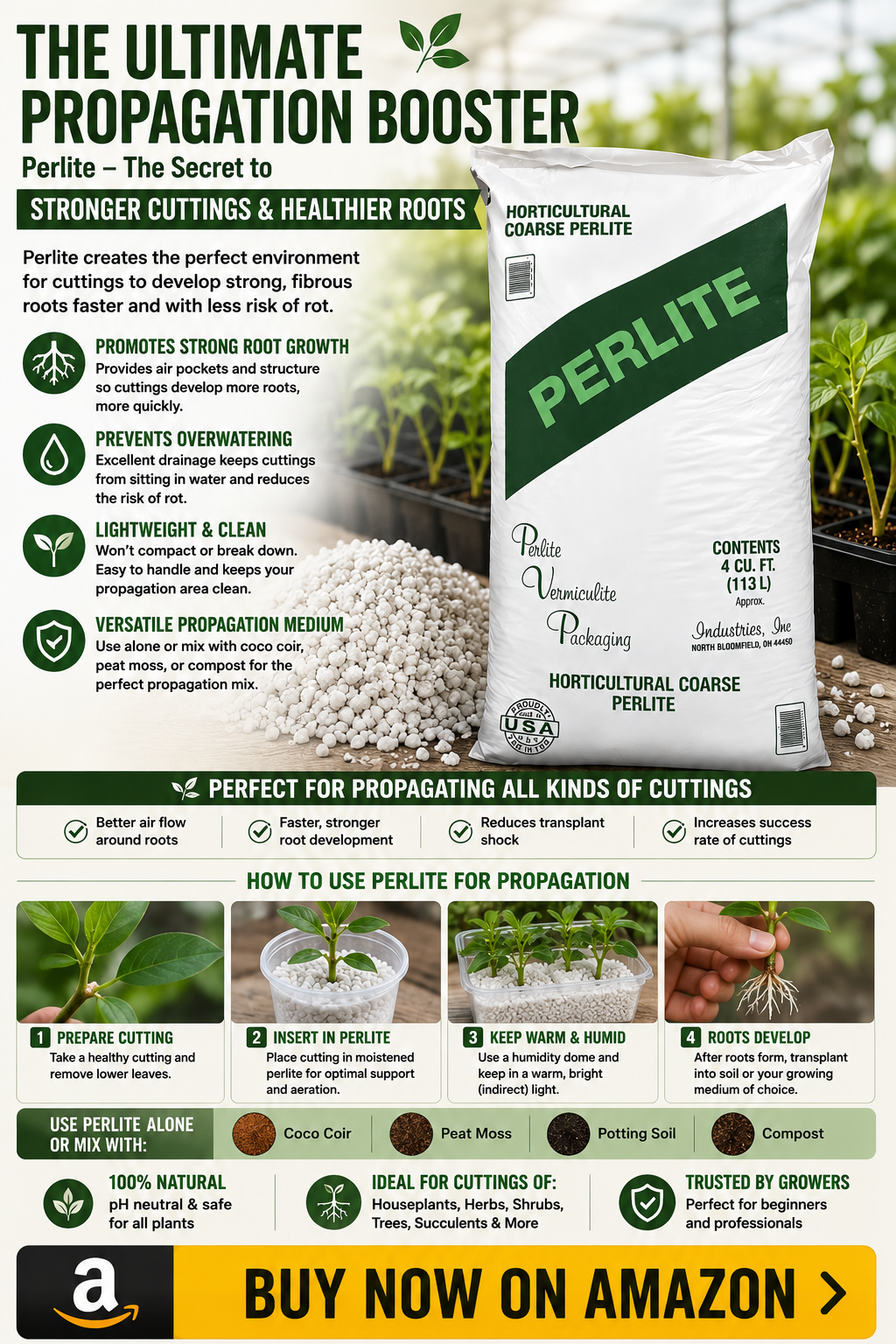
See the Horticultural Perlite I Use Throughout My Propagation Area on Amazon
It’s one of the few gardening supplies that seems to find a use in almost every corner of my greenhouse and nursery.
Is Reused Perlite Just as Good as New?
Most of the time, I’ve found the answer is yes.
If the perlite came from a healthy propagation project and was cleaned properly, I honestly don’t notice much difference in rooting performance.
The perlite still drains well.
It still creates plenty of air space.
It still supports healthy root development.
Where I do notice a difference is after the same batch has been reused many times.
Eventually, small particles begin breaking off.
Bits of roots and organic matter become harder to remove.
The mix gradually becomes finer than it originally was.
When that starts happening, I’ll usually retire it from propagation and mix it into potting soil for established plants instead.
That way it still gets used, just not for the jobs where cleanliness matters most.
One Mistake I Made Early On
Years ago, I thought rinsing perlite meant spraying the top with a garden hose for a few seconds.
That wasn’t enough.
Tiny pieces of roots stayed mixed throughout the tray.
Old leaves broke down between the particles.
The next batch of cuttings didn’t perform nearly as well as I expected.
Now I take a little more time.
I separate as much old plant material as possible.
I rinse thoroughly until the water runs clear.
If I have any doubts about whether the previous tray was completely healthy, I simply don’t reuse it.
That small amount of extra caution has probably saved me far more cuttings than the cost of replacing a little perlite.
Should You Sterilize Reused Perlite?
Sometimes.
Most healthy batches only need a thorough rinse.
If the previous cuttings rooted well and showed no signs of disease, that’s usually all I do.
However, if I’m planning to use the perlite for valuable or difficult-to-replace plants, I’ll occasionally disinfect it as an extra precaution.
Some gardeners use diluted hydrogen peroxide.
Others use diluted bleach solutions followed by a thorough rinse.
The important thing isn’t choosing one specific method.
It’s understanding why you’re doing it.
You’re trying to reduce the chance of carrying disease organisms into your next propagation project.
Personally, I don’t sterilize every batch.
I save that extra step for situations where I think the added insurance is worthwhile.
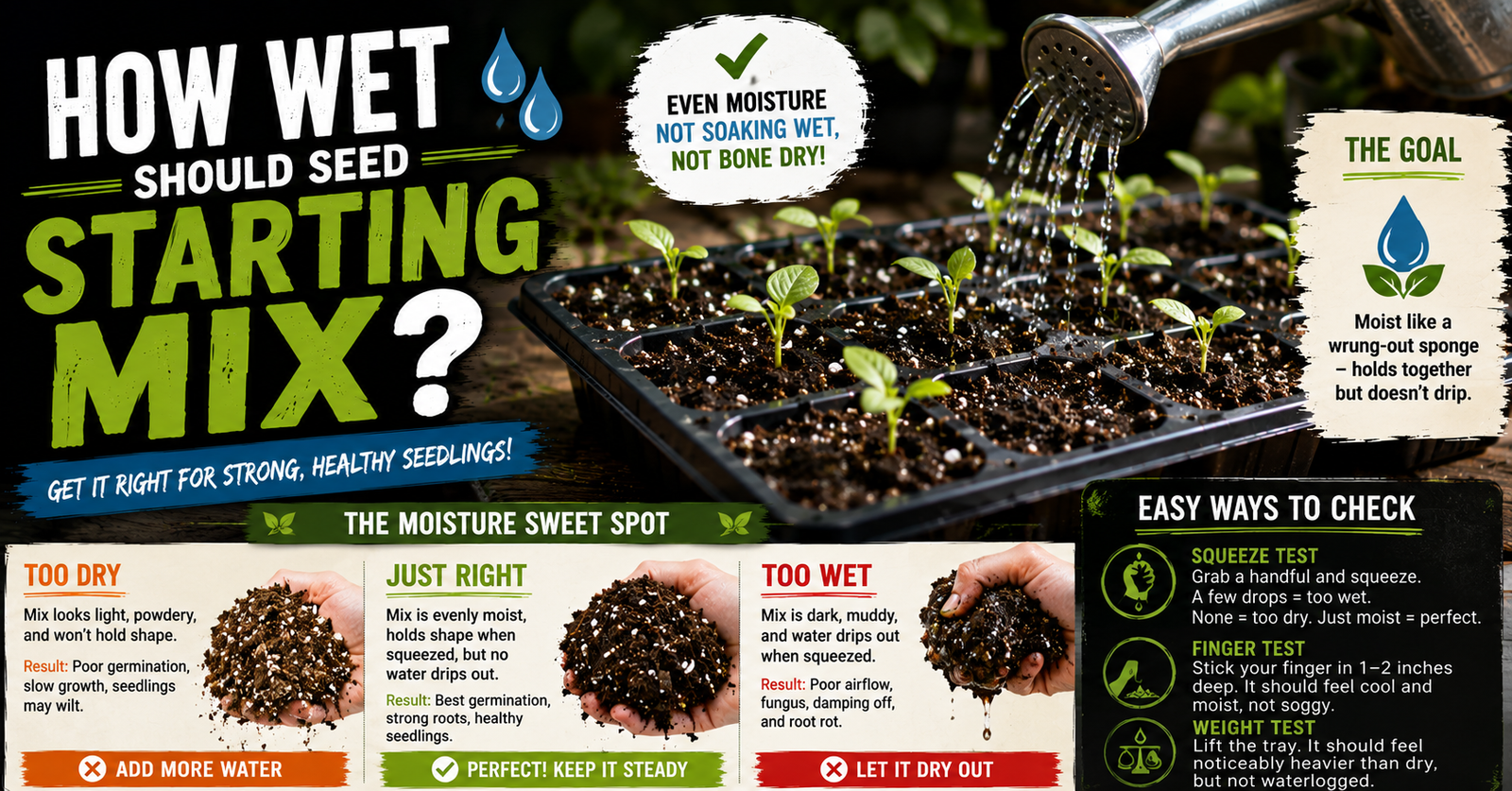
Reused Perlite vs. Fresh Perlite
If I were propagating a single, rare plant that took years to find, I’d probably start with fresh perlite.
Why?
Because eliminating even a small amount of risk is worth it.
For everyday propagation, though, I have no problem reusing clean perlite from healthy trays.
I’ve done it for years with excellent results.
It’s simply another example of matching your approach to the situation instead of following one rigid rule.
That’s one reason I enjoy propagation so much.
There’s almost always room to adapt based on the plants you’re growing and the experience you’ve gained along the way.
Reusing Perlite Doesn’t Mean Ignoring the Rest of Your Setup
Even perfectly clean perlite can’t overcome poor propagation habits.
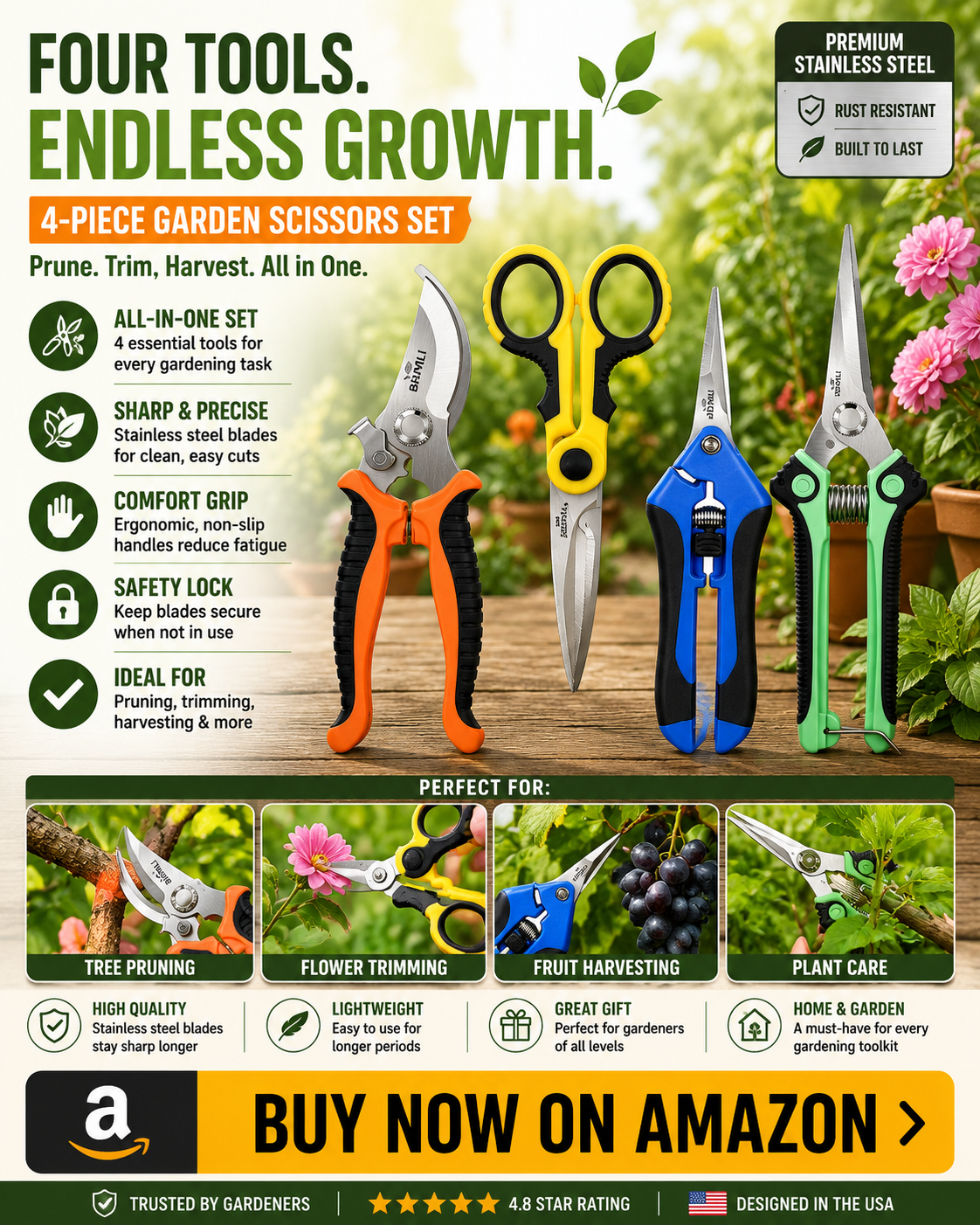
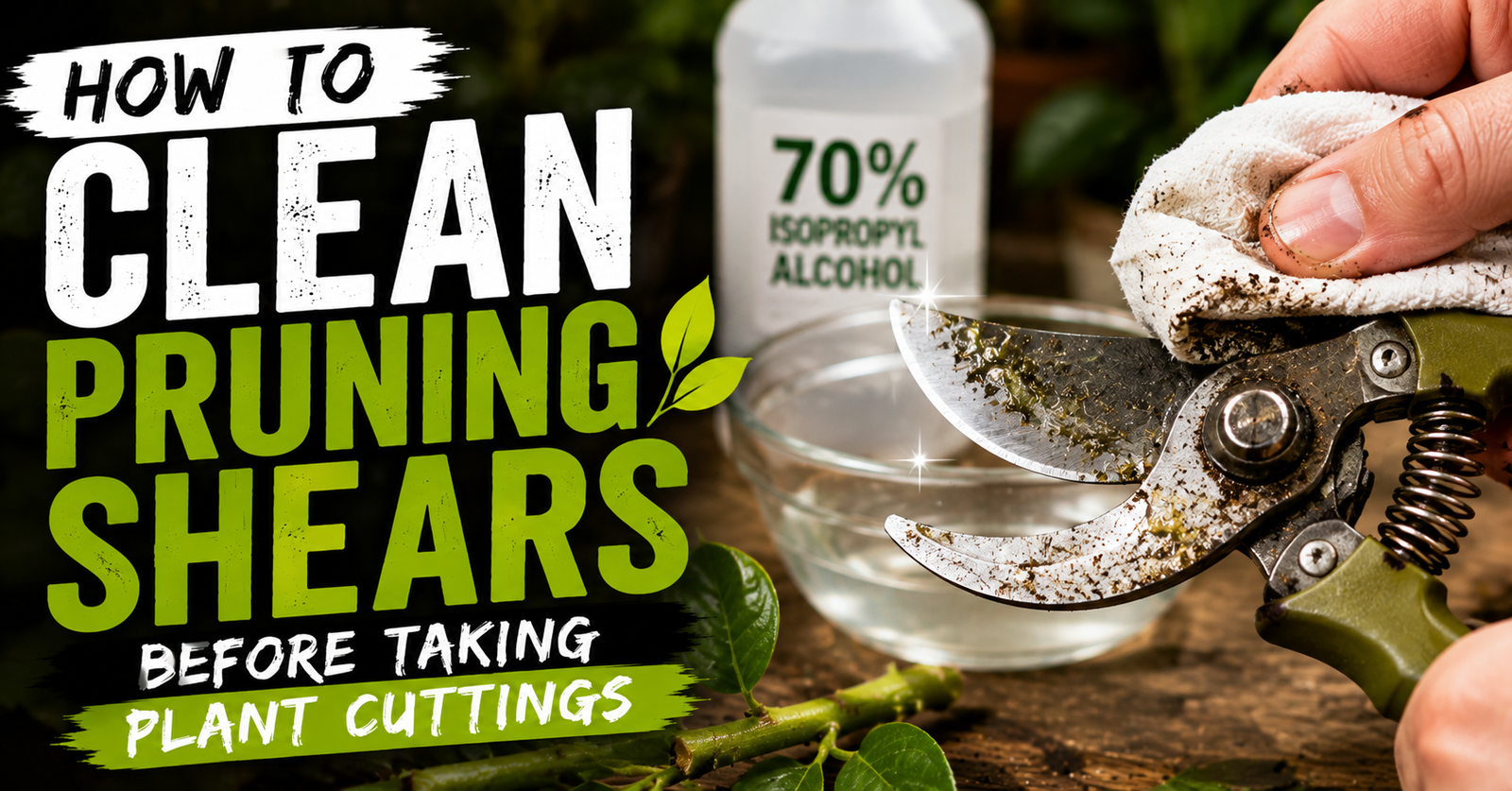
Healthy cuttings still need clean tools. A dedicated a propagation tool set can support the clean-tool routine used for propagation.
They still benefit from proper temperatures.
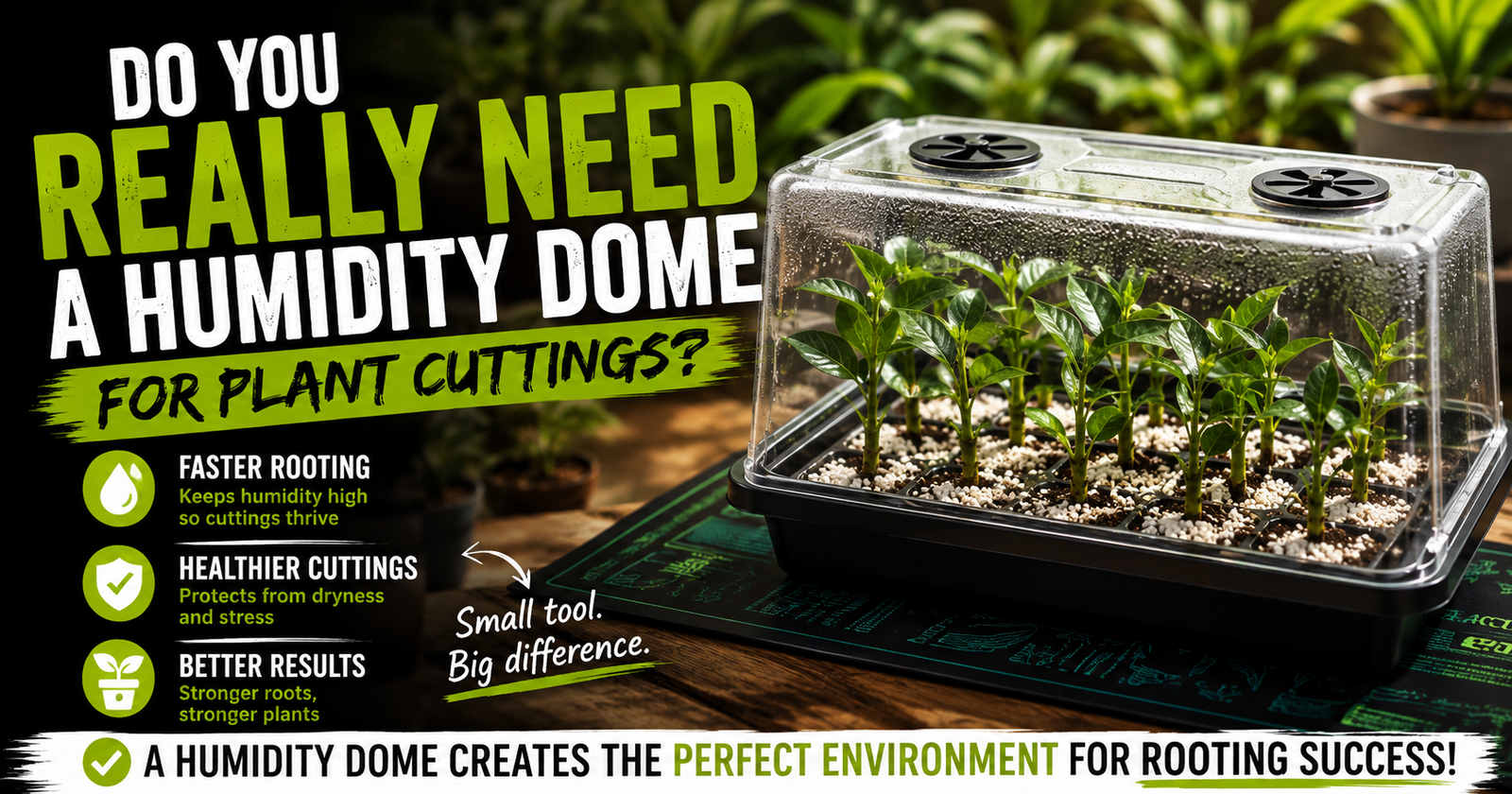
Many woody plants still appreciate higher humidity while waiting for roots. For more context on that need, see using humidity for woody cuttings.
That’s why I think about the entire propagation setup instead of focusing on just one material.
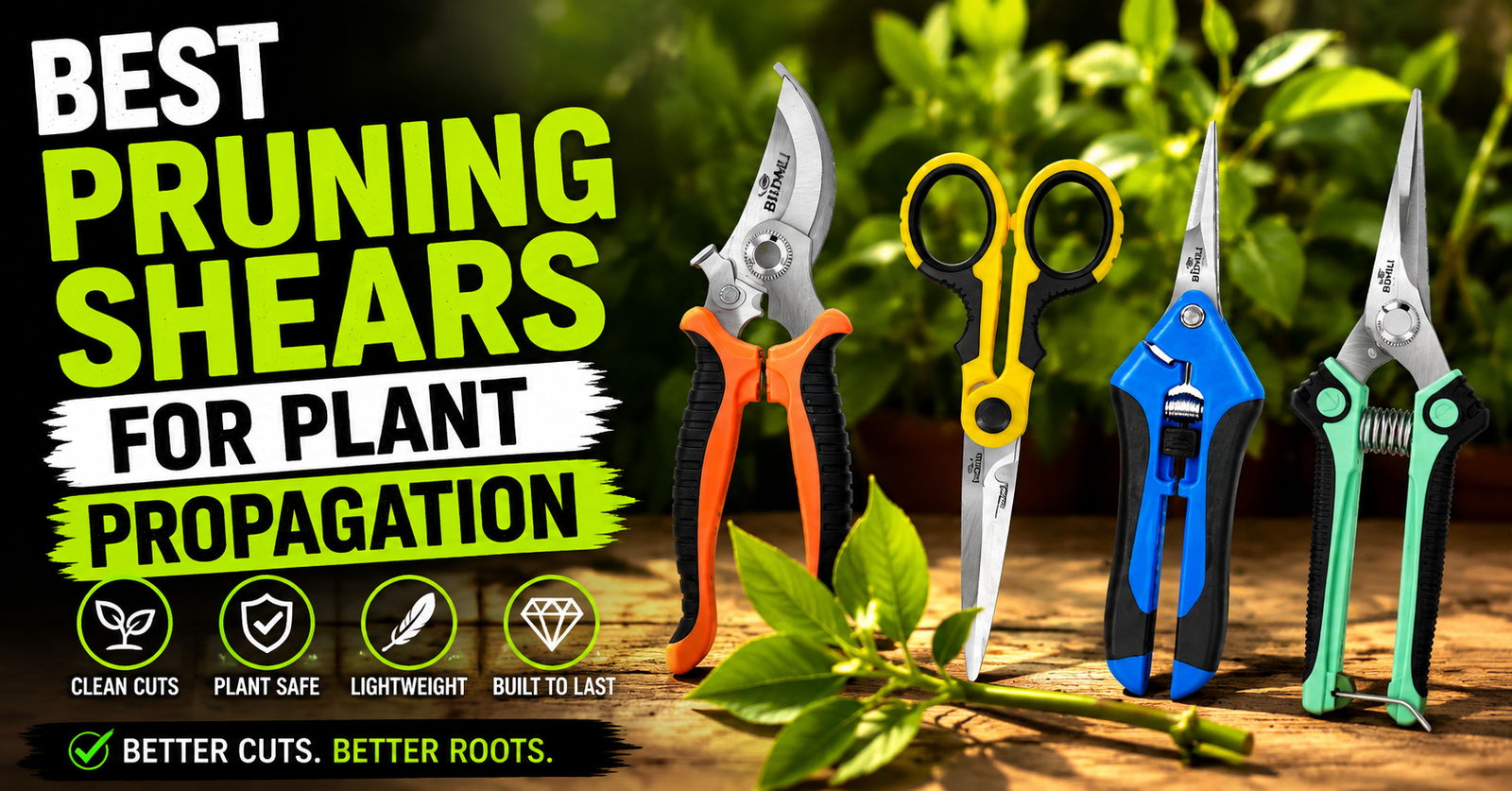
Before taking cuttings, I always start with the pruning shears I trust for propagation because healthy roots begin with a clean, undamaged stem.
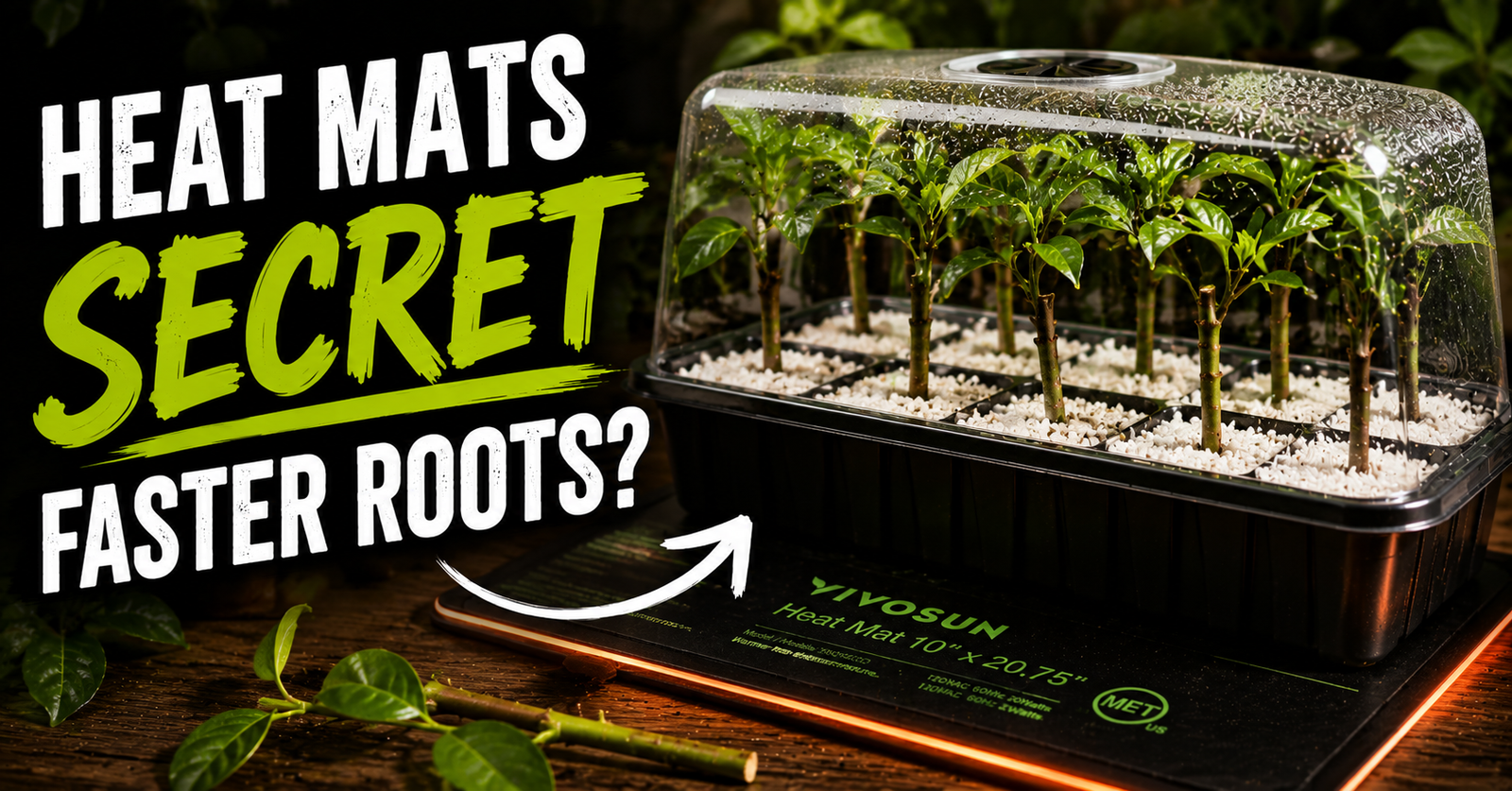
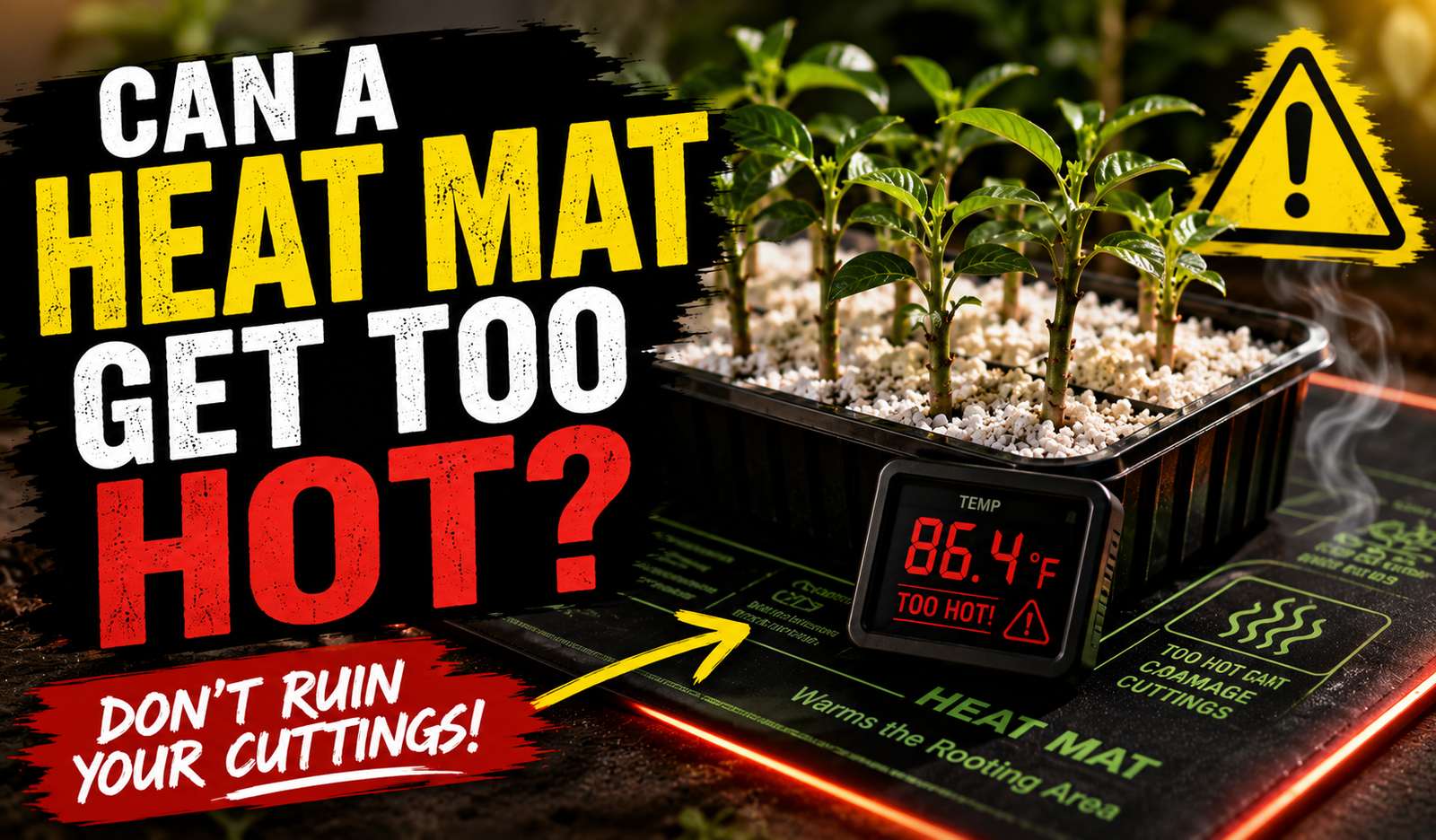
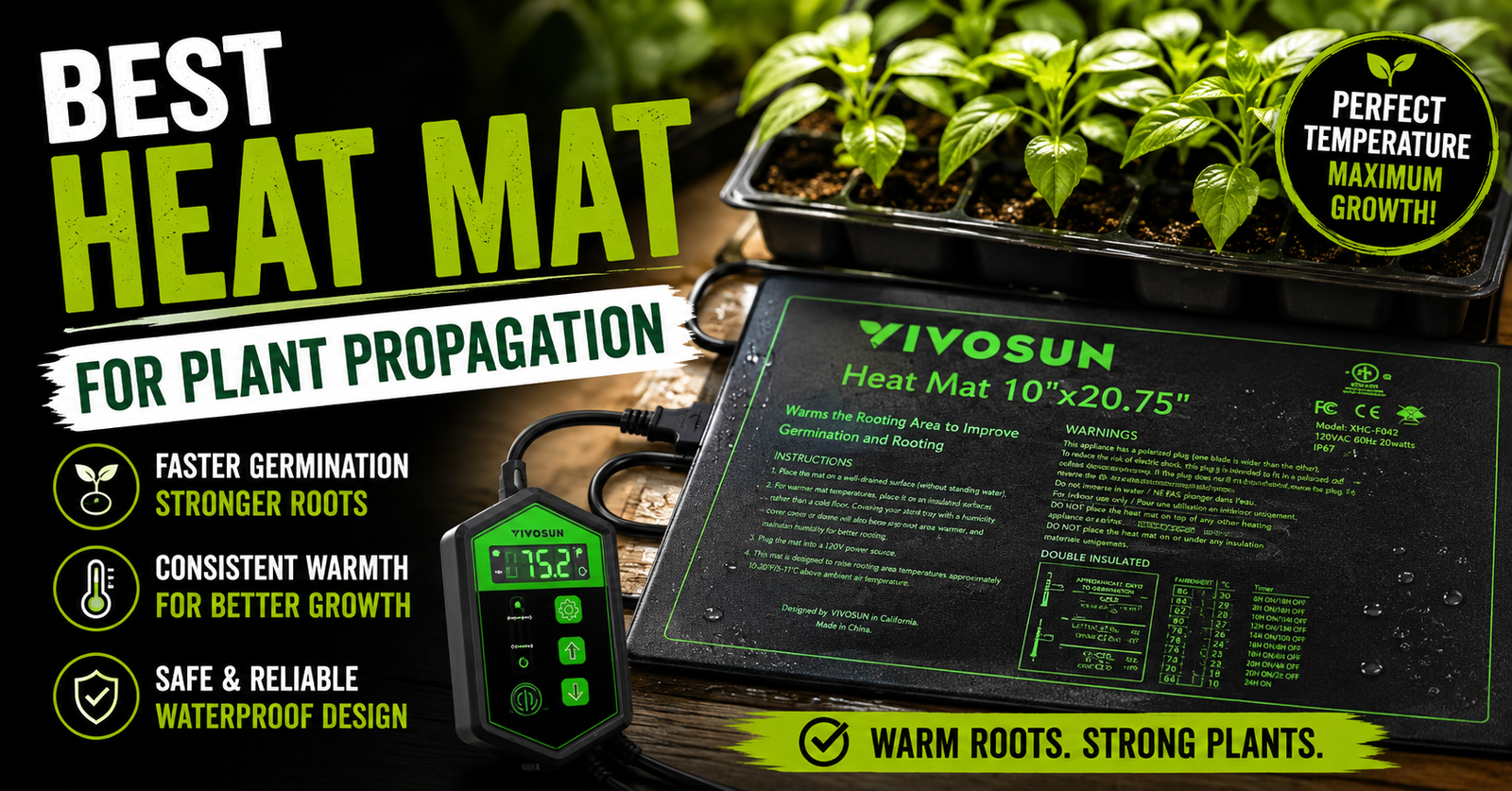
If I’m rooting slower species, I usually place the tray on the propagation heat mat that’s always on my bench to encourage steady root development.
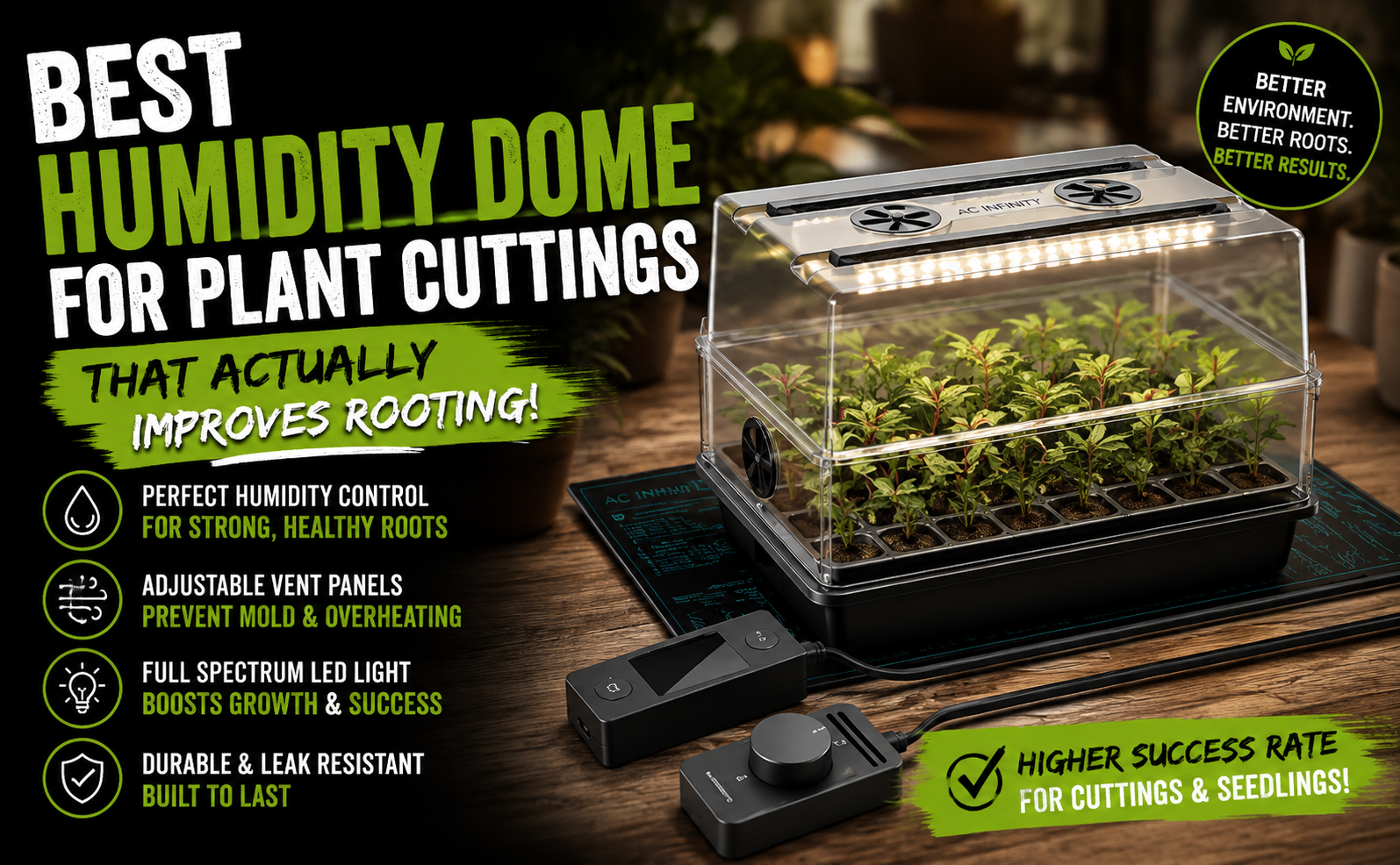
For shrubs, berry bushes, and many fruit plants, I often cover everything with the humidity dome system I rely on for difficult cuttings to reduce moisture loss while the roots are forming.
Reusing perlite is simply one part of a much bigger propagation system.
When all the pieces work together, your chances of success improve dramatically.
Frequently Asked Questions
How many times can you reuse perlite?
There isn’t a magic number.
I’ve reused the same batch several times when it came from healthy propagation trays and still performed well.
Eventually, though, the particles begin breaking down, fine debris builds up, and it simply isn’t as effective for rooting cuttings.
When I notice that happening, I retire it from propagation and mix it into potting soil for established plants instead.
That way it still serves a purpose instead of going to waste.
Can diseases live in reused perlite?
Unfortunately, yes.
Perlite itself doesn’t become diseased, but fungi, bacteria, algae, and other organisms can survive on old roots and organic debris left behind.
That’s why I never judge a tray by appearance alone.
A tray can look perfectly clean while still containing material you don’t want around fresh cuttings.
If I have any reason to suspect disease was involved, I don’t reuse that batch.
Fresh perlite is simply too inexpensive to justify taking the risk.
Can you reuse perlite after root rot?
I don’t.
Root rot is one of the situations where I immediately throw the old perlite away.
The cost of replacing the perlite is tiny compared to the value of healthy cuttings.
I’ve learned over the years that trying to save a few dollars isn’t worth risking the next batch of plants.
Does reused perlite hold less water?
Not immediately.
When it’s properly cleaned, reused perlite behaves very similarly to fresh perlite.
After repeated use, however, the particles gradually become smaller.
As the structure changes, drainage and airflow aren’t quite as good as they were when the perlite was new.
That’s usually my signal that it’s time to replace it.
Is it worth buying a large bag of perlite?
For anyone who propagates regularly, absolutely.
I originally wondered whether I’d ever use a large bag.
Now I can’t imagine buying the tiny bags.
Between propagation trays, homemade potting mixes, repotting houseplants, and refreshing container soil, I end up using far more perlite each year than I ever expected.
That’s one reason I recommend buying the larger horticultural perlite I use for propagation instead of constantly replacing small bags.
My Rule Is Pretty Simple
People sometimes expect propagation to have strict rules that work every single time.
After years of rooting plants, I’ve found it’s usually much more practical than that.
If the previous batch of cuttings was healthy, the perlite is clean, and everything looks and smells normal, I’m perfectly comfortable using it again.
If anything makes me question its condition, I don’t try talking myself into saving it.
I replace it.
That simple decision has removed a lot of unnecessary guesswork from my propagation routine.
Perlite is inexpensive.
Healthy cuttings are not.
When those two priorities conflict, I choose protecting the cuttings every single time.
About the Author
Daxon Weaver is the founder of PropagationWorld and has propagated thousands of houseplants, shrubs, berry bushes, fruit trees, and ornamental plants using a wide range of propagation methods. He enjoys testing propagation supplies, refining techniques through hands-on experience, and sharing practical advice that helps gardeners root healthier plants with greater confidence.