
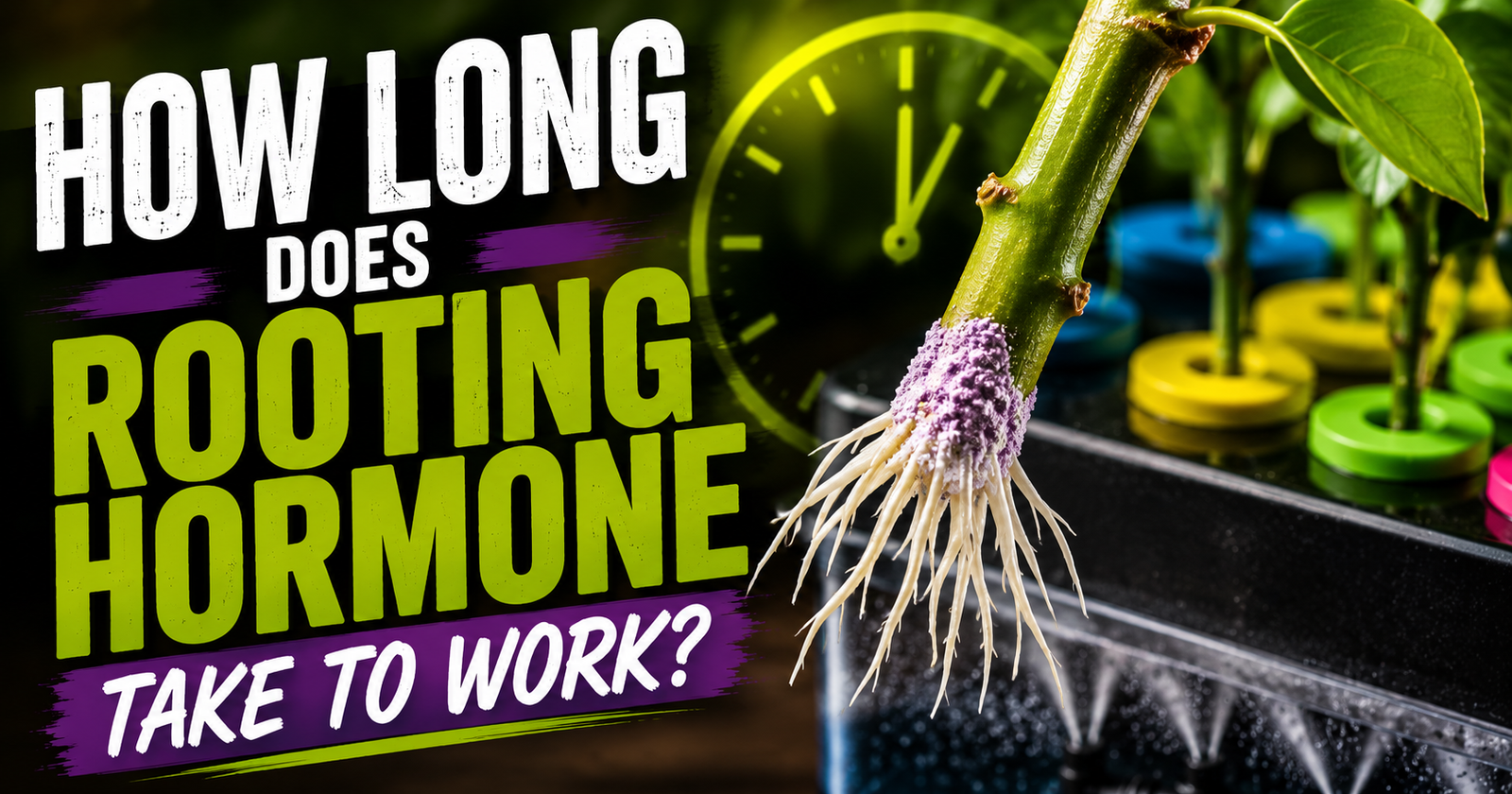
After dipping your cutting into rooting hormone, it’s tempting to start checking for roots every day.
I know the feeling.
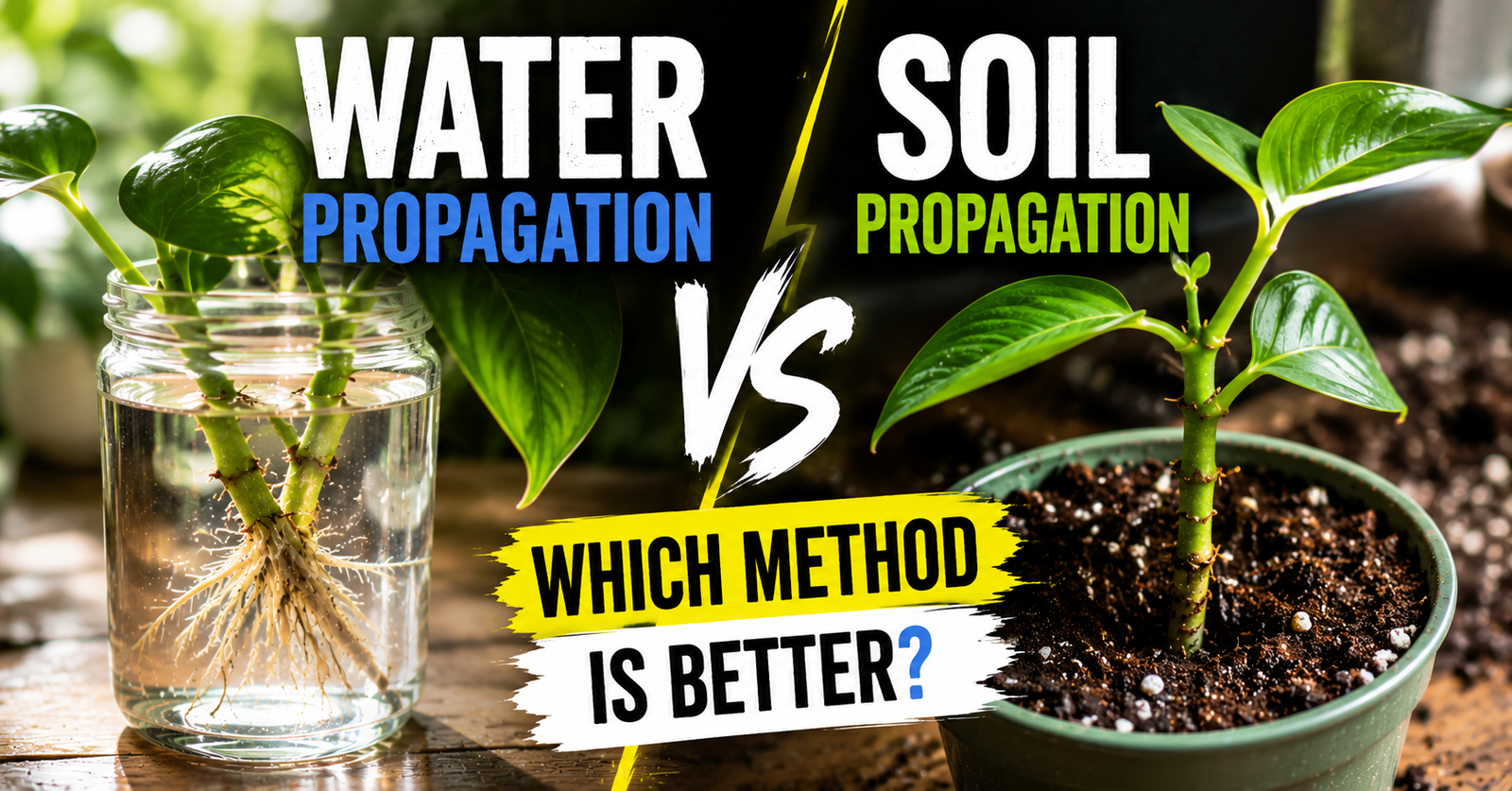
You take a healthy cutting, carefully apply the rooting hormone, place it into water, soil, perlite, or an aeroponic cloner, and then…nothing seems to happen. If you're using water as your propagation medium, Can You Root Plant Cuttings in Water? explains what to expect from this simple method.
That often leads to questions like:
Did I use enough rooting hormone?
Should I try again?
Is this cutting dead?
The truth is that rooting hormone doesn’t work instantly, and it doesn’t guarantee success. Instead, it encourages the plant to begin forming roots more efficiently. How quickly you actually see those roots depends on several factors, including the type of plant, the growing conditions, and the propagation method you’re using. Using the product correctly is just as important as waiting for results, and Can You Use Too Much Rooting Hormone? Common Mistakes to Avoid covers a common application mistake.
The good news is that most healthy cuttings begin responding long before you ever see visible roots.
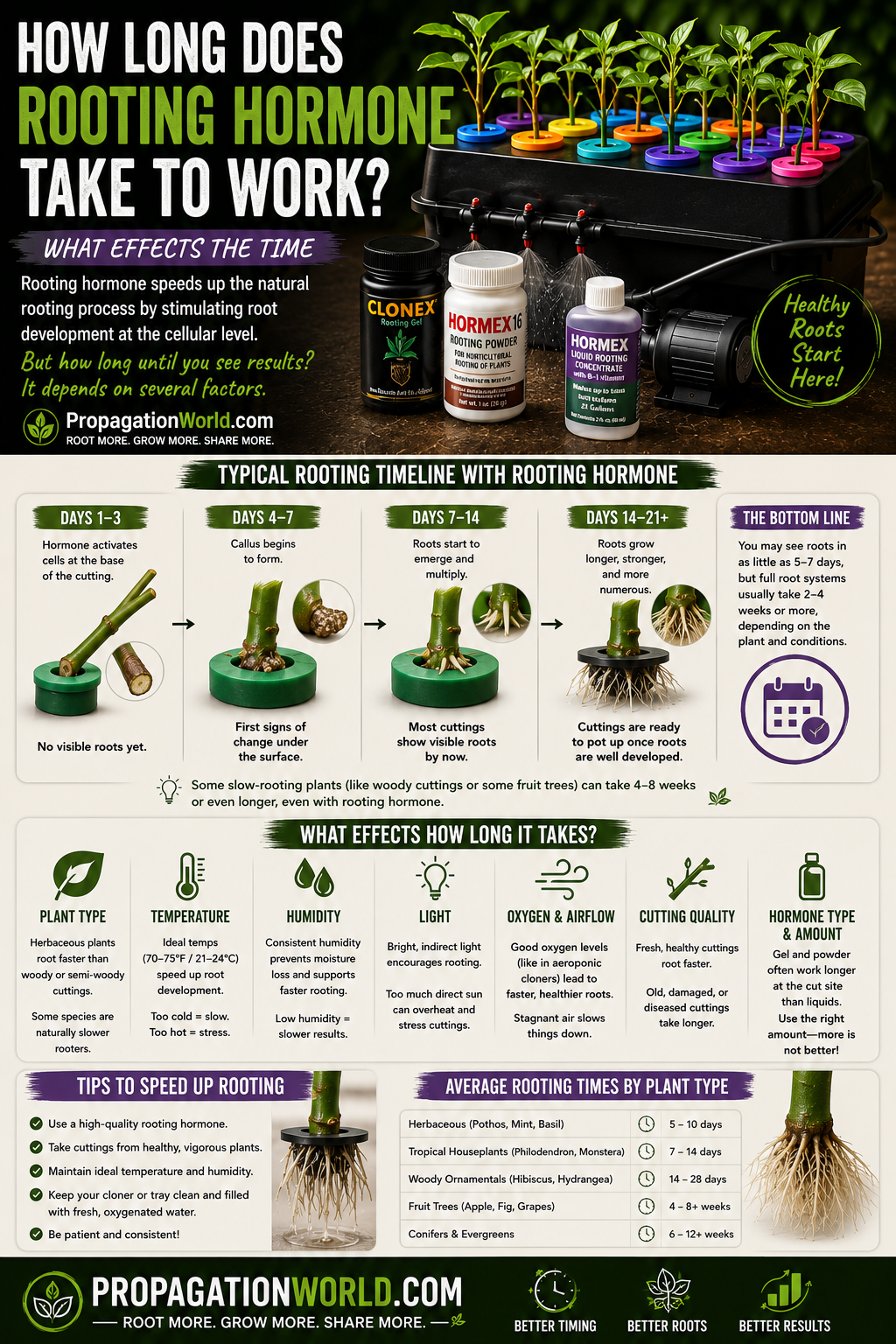
Rooting Hormone Starts Working Almost Immediately
One of the biggest misconceptions is that rooting hormone sits on the stem for days before doing anything.
That’s not how it works.
As soon as the hormone comes into contact with the freshly cut stem, it begins interacting with the plant tissue. The synthetic auxins found in most commercial rooting hormones help stimulate the cells near the cut to begin developing into root-producing tissue.
This process begins within hours.
What takes time is the plant actually growing visible roots.
In other words, the hormone starts working quickly, but the results take patience.
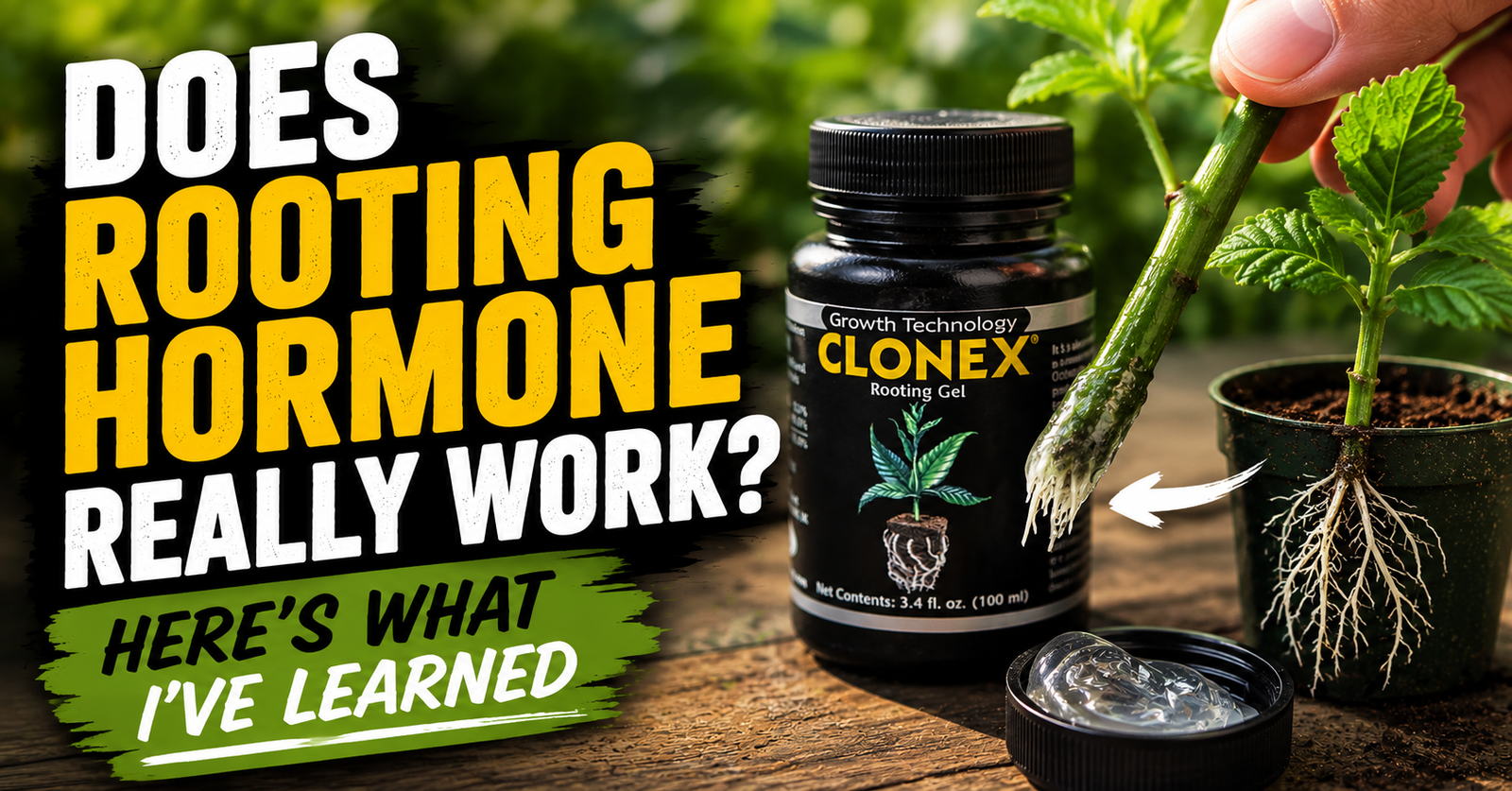
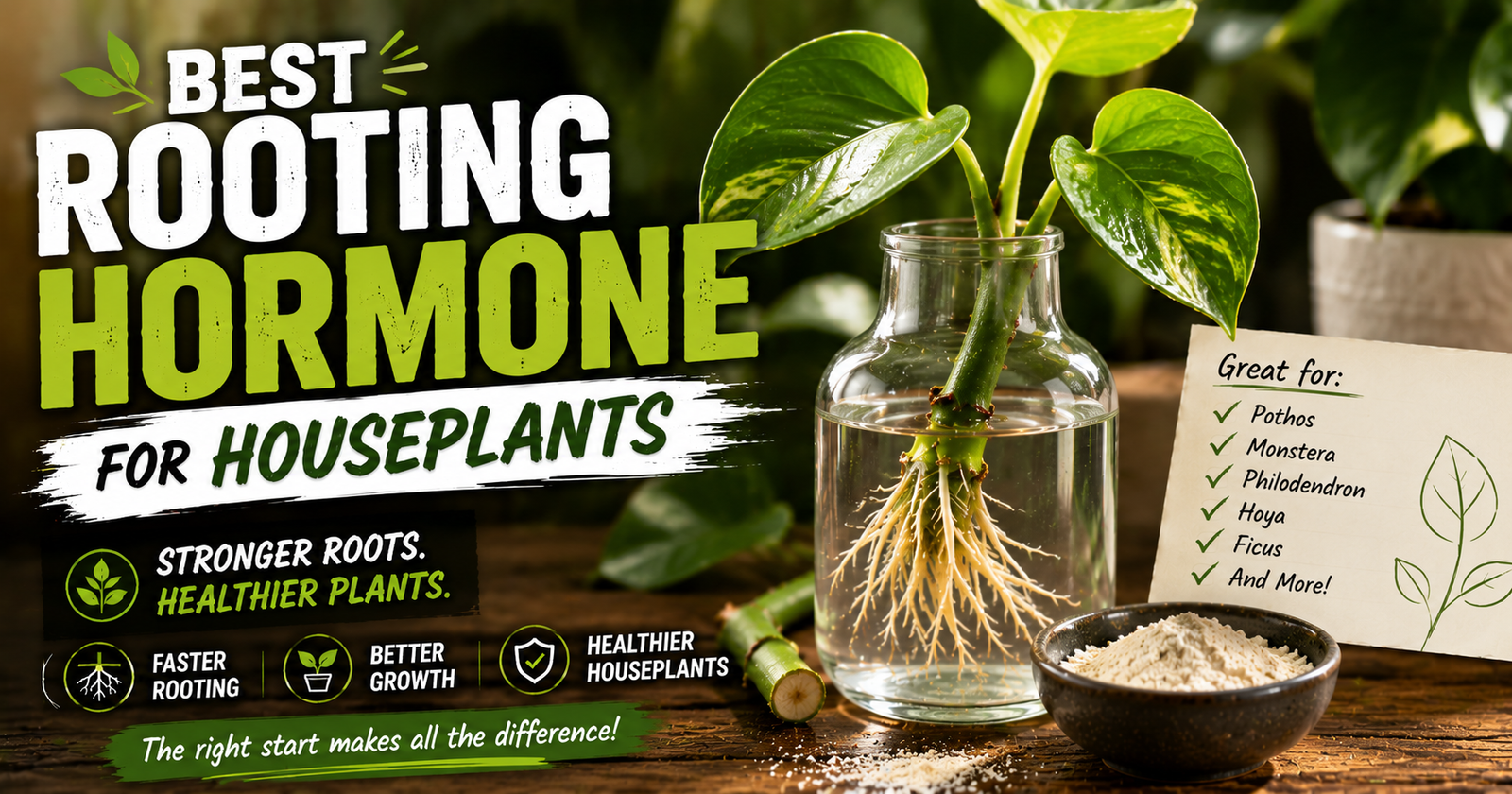
If you’re curious about how these products actually function, my article Does Rooting Hormone Really Work? explains the science behind why they can improve propagation success.
What Happens Before You See Roots?
Even though you can’t see much happening, your cutting is surprisingly busy during the first several days.
First, the cut end seals itself to reduce moisture loss and protect against disease.
Next, specialized cells near the cut begin dividing rapidly.
As those cells multiply, they form what’s known as a callus—a small mass of tissue that often develops before new roots emerge.
Finally, tiny root initials begin growing from that tissue before eventually becoming the white roots you can actually see.
This entire process usually happens before most gardeners notice any visible changes.
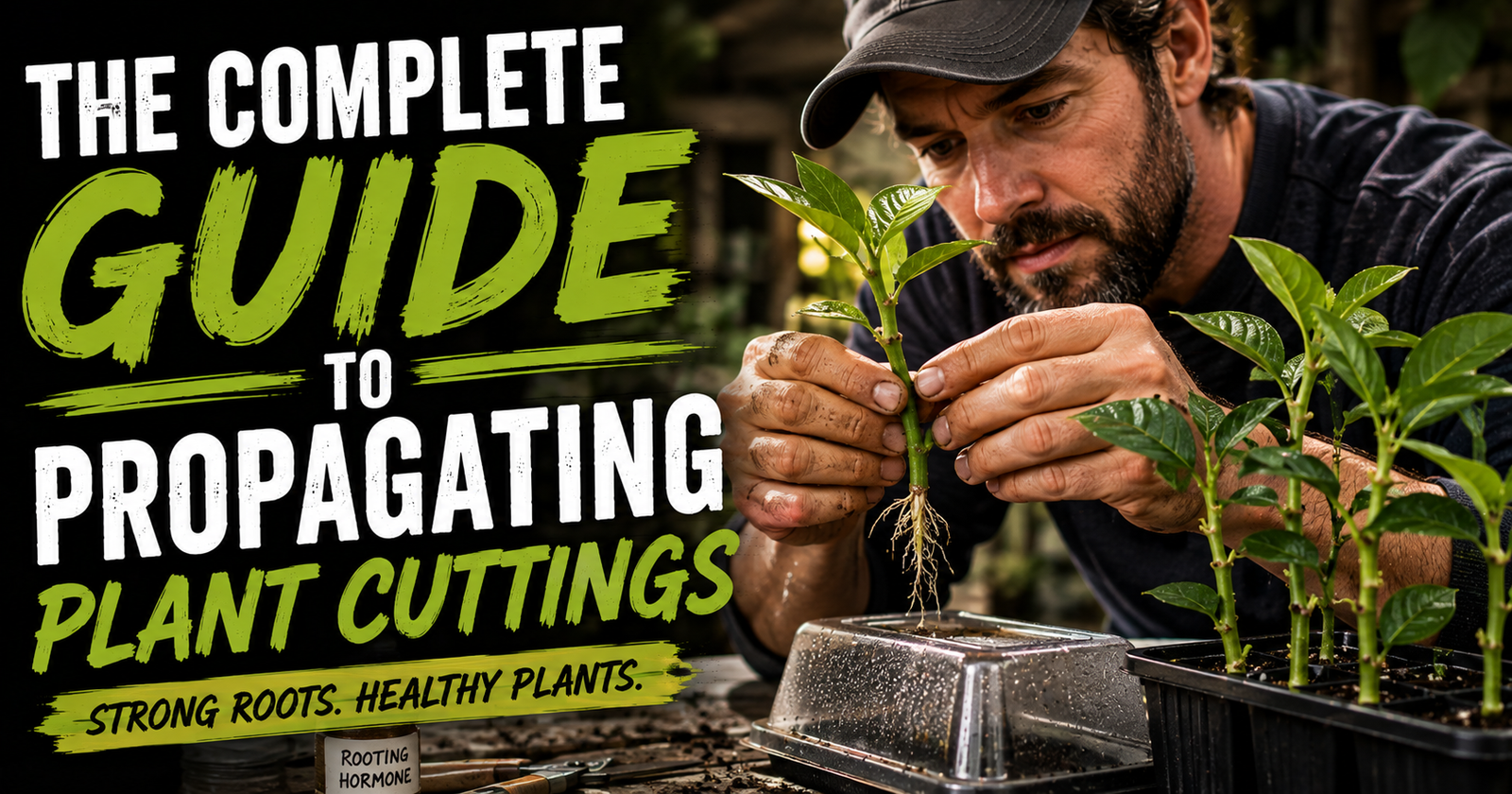
That’s why pulling the cutting out every day to check for roots can actually slow your progress.
Typical Rooting Timelines
Every plant is different, but these general timelines provide a good idea of what to expect.
Easy Houseplants
Many common houseplants begin producing roots within:
- 7–14 days
Examples include:
- Pothos
- Tradescantia
- Coleus
- Mint
- Basil
Some may even root sooner under ideal conditions.
Softwood Cuttings
Softwood cuttings from actively growing shrubs and ornamental plants often root within:
- 2–4 weeks
Hydrangeas, many roses, and numerous landscape shrubs fall into this category.
Semi-Hardwood Cuttings
These slightly more mature stems generally require:
- 3–6 weeks
Success depends heavily on temperature, humidity, and the overall health of the cutting.
Hardwood Cuttings
Hardwood cuttings are usually the slowest.
Many require:
- 6–12 weeks
Some species can take even longer.
This doesn’t necessarily mean anything is wrong.
Many woody plants simply develop roots at a slower pace.
What Affects How Fast Rooting Hormone Works?
Rooting hormone is only one part of the equation.
Several other factors often have a much larger impact on rooting speed.
Plant Species
Some plants naturally produce roots with very little encouragement.
Others are notoriously stubborn.
The hormone helps, but it can’t completely overcome the biology of the plant itself.
Temperature
Most cuttings root faster when temperatures stay warm without becoming excessively hot.
Cold temperatures usually slow cell growth considerably.
Humidity
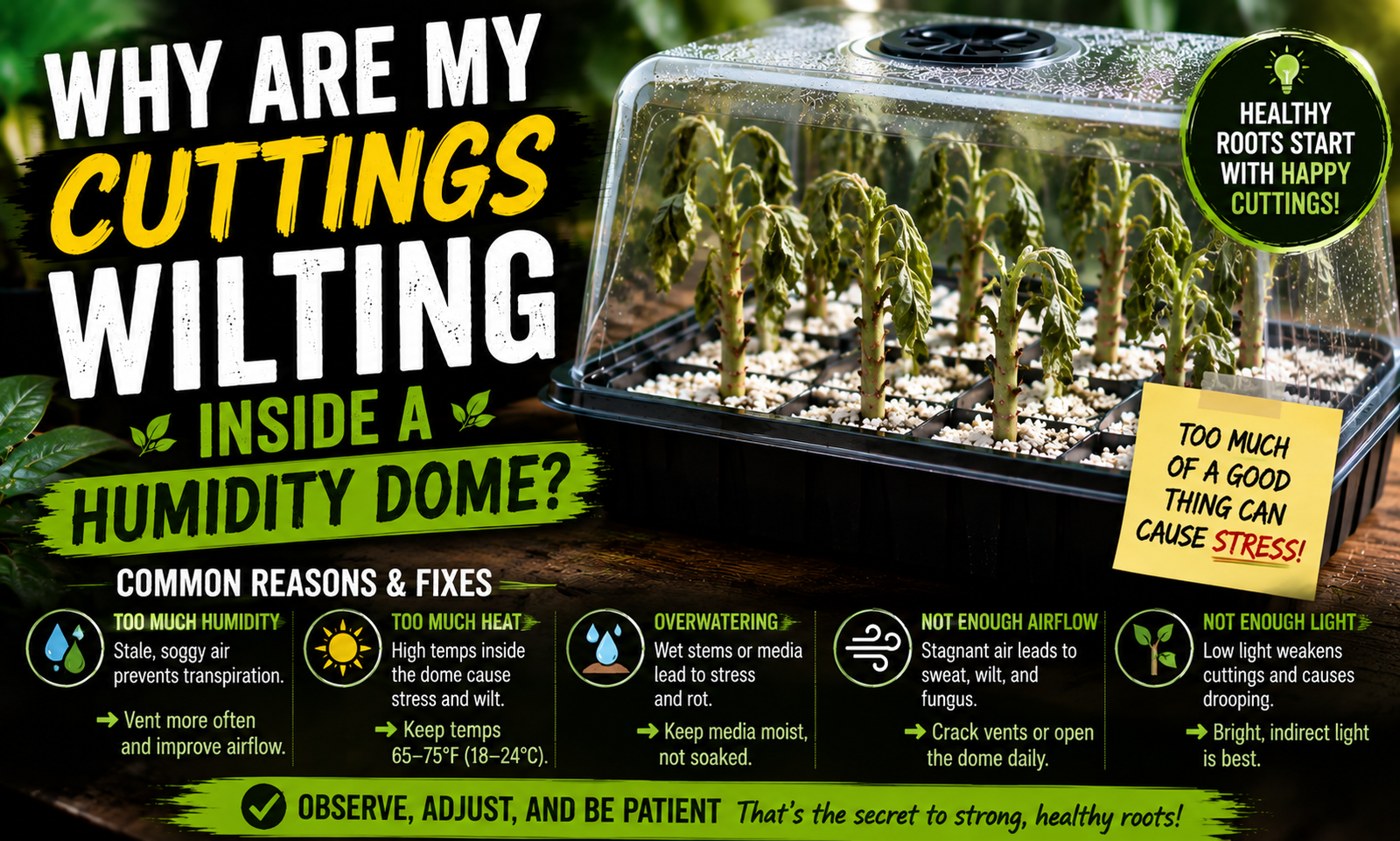
High humidity helps prevent the cutting from drying out while it has no roots to replace lost moisture.
That’s one reason humidity domes and aeroponic cloners often improve success rates.
Light
Bright, indirect light is usually ideal.
Strong afternoon sun can stress cuttings before roots have a chance to develop.
Healthy Parent Plants
Healthy plants almost always produce healthier cuttings.
Weak, diseased, or nutrient-deficient plants generally take longer to root and have lower success rates.
Does More Rooting Hormone Make Roots Grow Faster?
This is one of the most common mistakes beginners make.
It’s easy to assume that if a little rooting hormone helps, using more must be even better.
Unfortunately, that’s not how it works.

Commercial rooting hormones are formulated to be used in very small amounts. Applying a thick coating of gel or powder doesn’t speed up root formation. In some cases, it can actually reduce your success rate by interfering with the plant’s natural healing process. For gardeners using gel formulations, Clonex rooting gel is a relevant option to consider alongside correct application technique.
The goal isn’t to completely cover the stem.
The goal is to lightly coat the freshly cut portion that’s most likely to produce new roots.
If you’ve ever wondered whether you can overdo it, I cover the signs and common mistakes in Can You Use Too Much Rooting Hormone?.
Does the Type of Rooting Hormone Change How Fast It Works?
Not necessarily.
Gel, powder, and liquid rooting hormones all contain plant growth regulators designed to encourage root development.
The biggest differences usually come down to convenience and application rather than speed.
Rooting Gel
Gel products cling well to freshly cut stems, making them especially popular for delicate cuttings and aeroponic cloners.
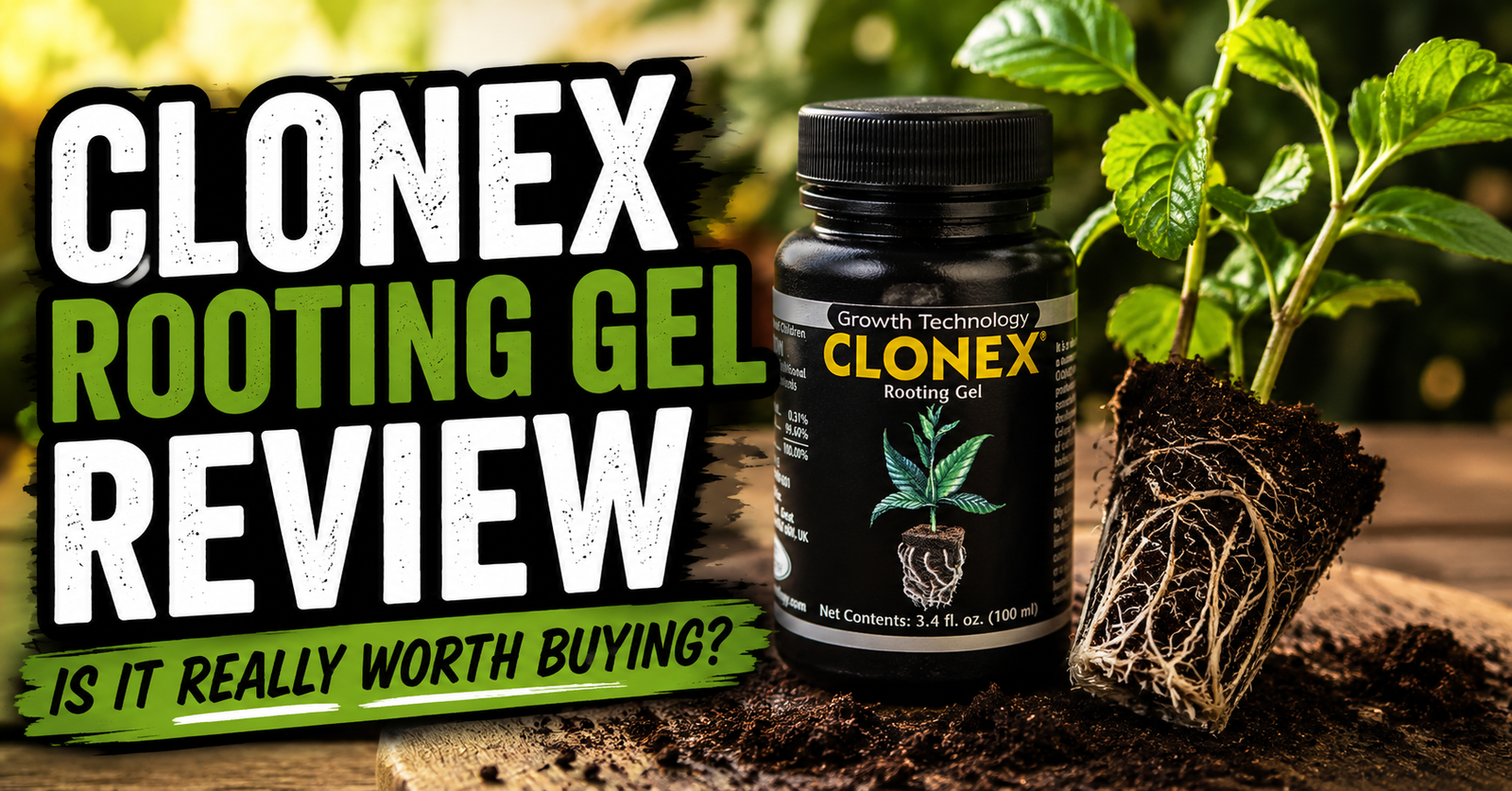
If you’re considering a gel, my review of Clonex Rooting Gel – Is It Really Worth Buying? explains why it’s one of the most trusted options available.
Rooting Powder
Powder is affordable, easy to store, and works well for many ornamental shrubs, trees, and woody plants.
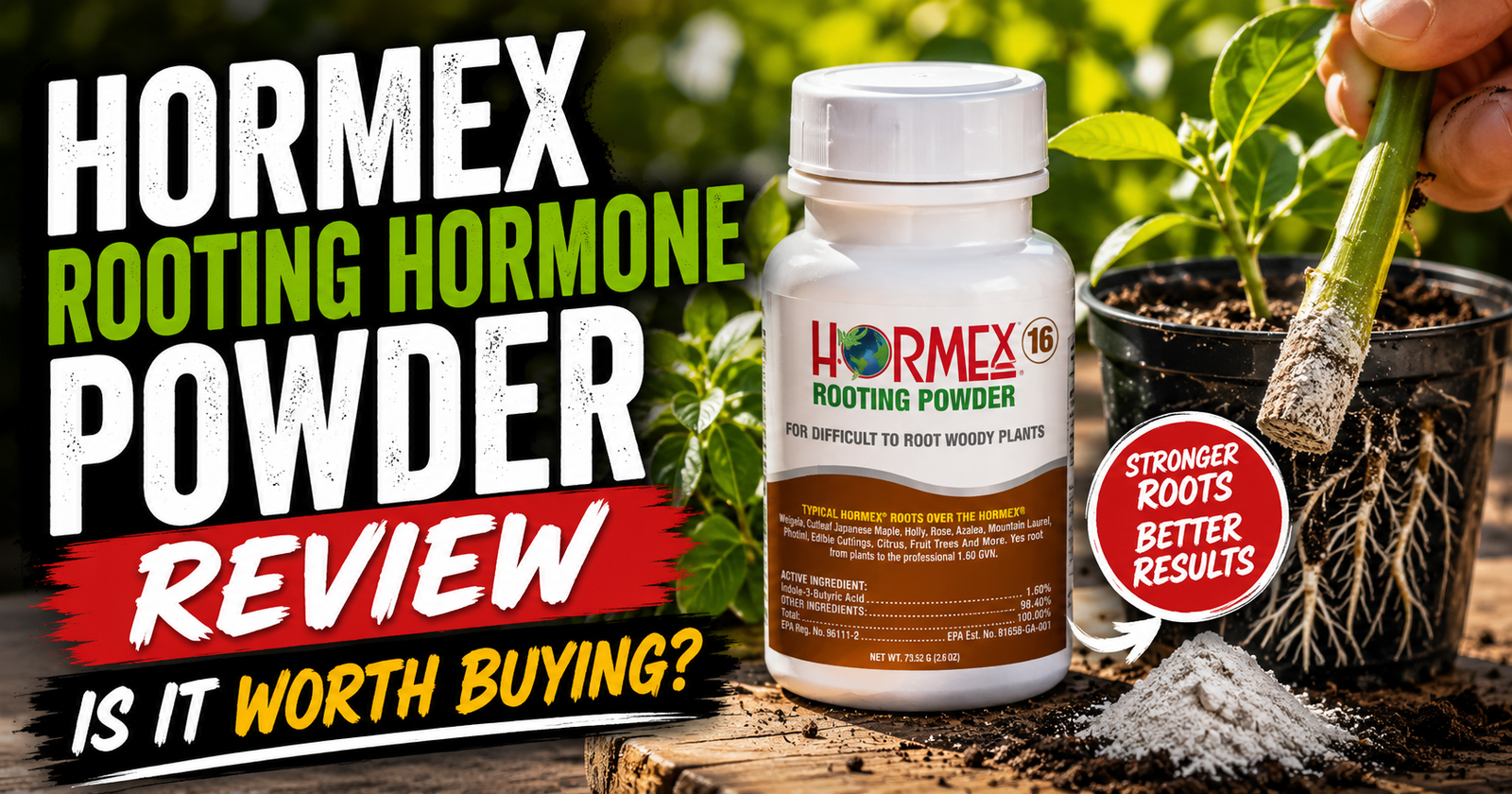
I reviewed one of the most popular options in my Hormex Rooting Hormone Powder Review.
Liquid Rooting Hormone
Liquid products are convenient when preparing a large number of cuttings because they allow quick dipping or soaking, depending on the product directions.
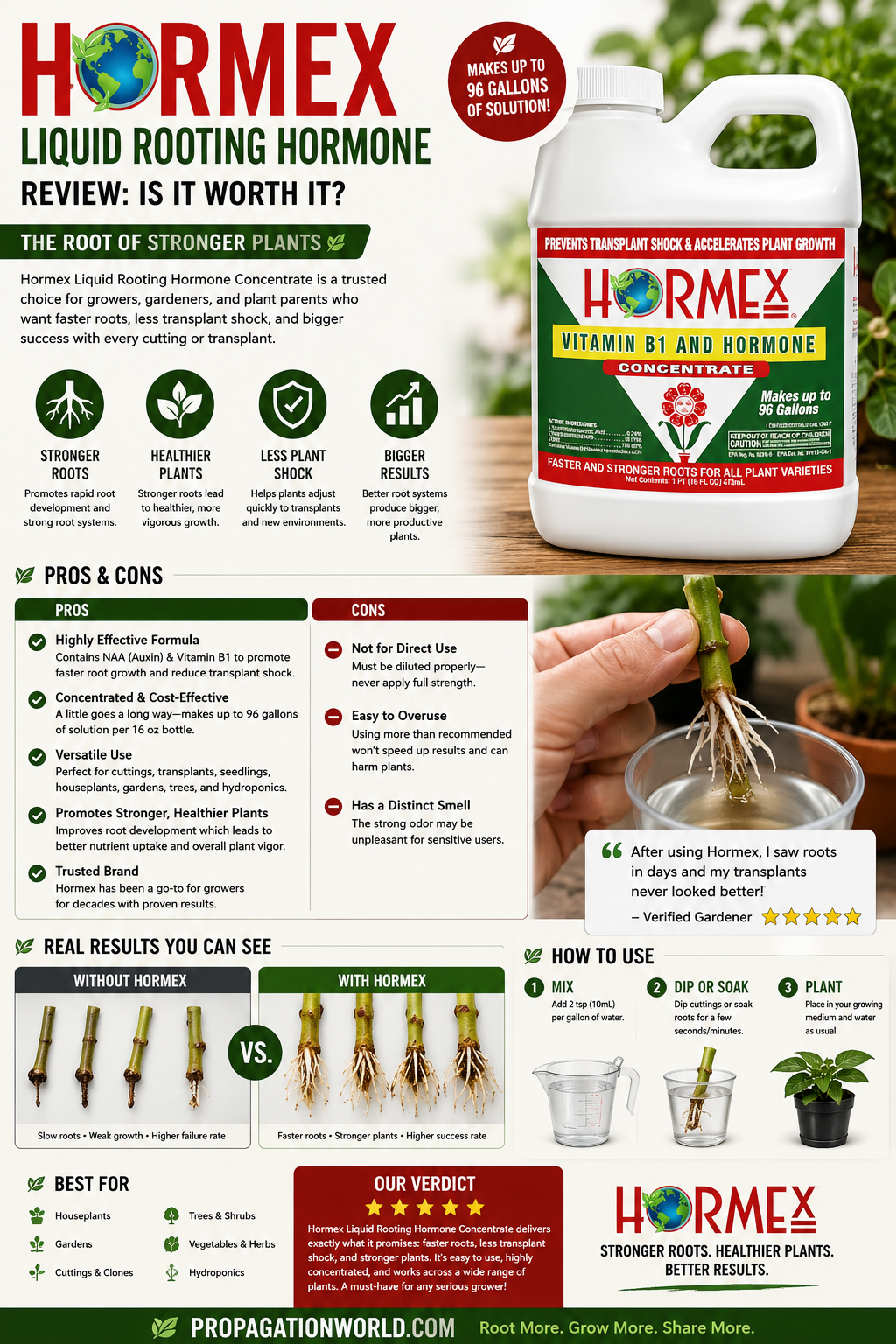
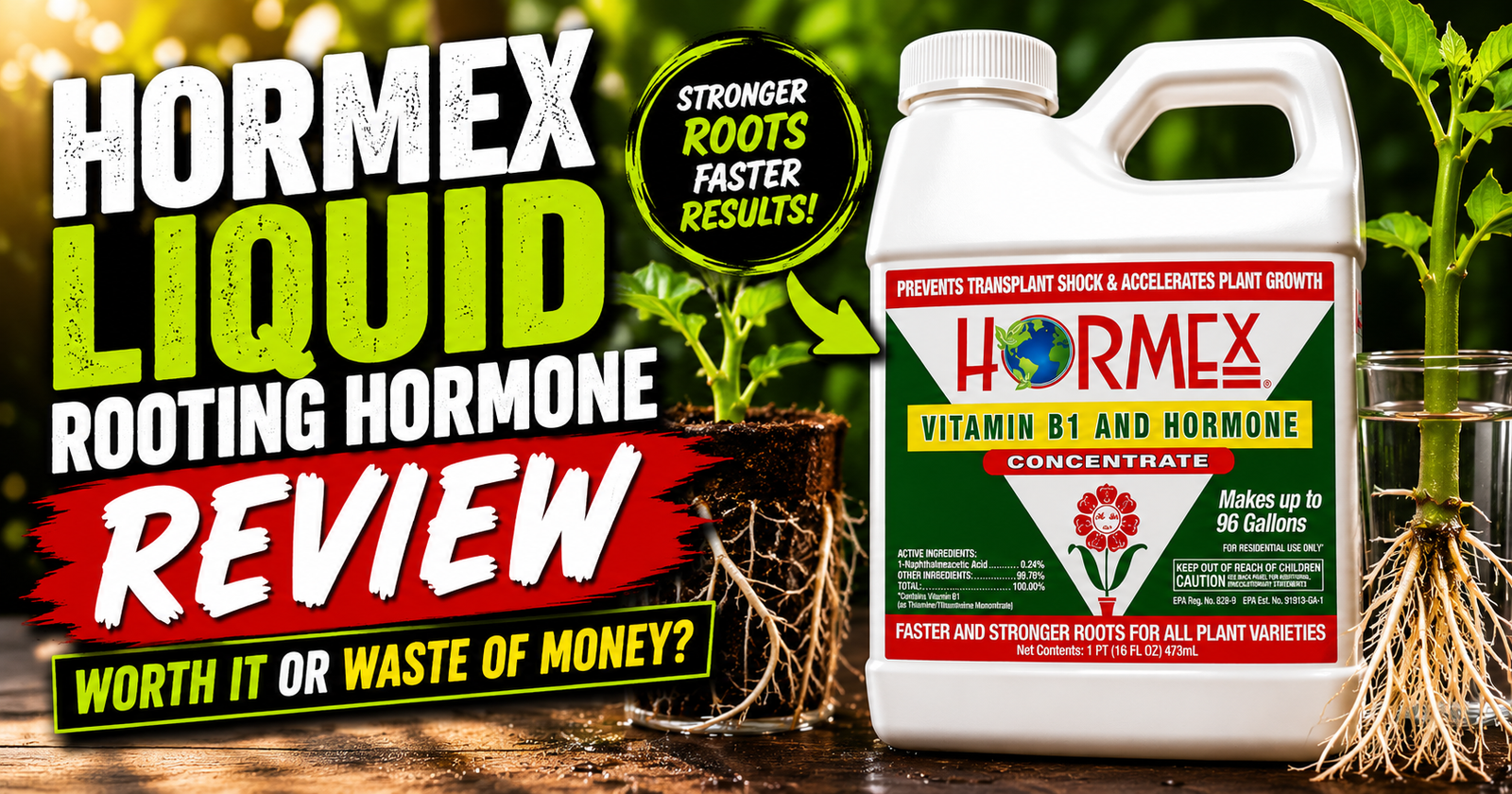
You can learn more in my Hormex Liquid Rooting Hormone Review.
For most home gardeners, choosing the right type is less important than using it correctly.
If you’re still deciding between them, my comparison of Rooting Gel vs. Powder vs. Liquid – Which Rooting Hormone Is Best? breaks down the advantages of each.
Can an Aeroponic Cloner Speed Up Root Development?
In many cases, yes.
While rooting hormone helps encourage new root formation, the environment surrounding the cutting also plays a major role.
Aeroponic cloners continuously provide moisture while exposing the lower stem to abundant oxygen. That combination often creates ideal conditions for root growth.
For gardeners who propagate frequently, they can be one of the easiest ways to improve consistency.
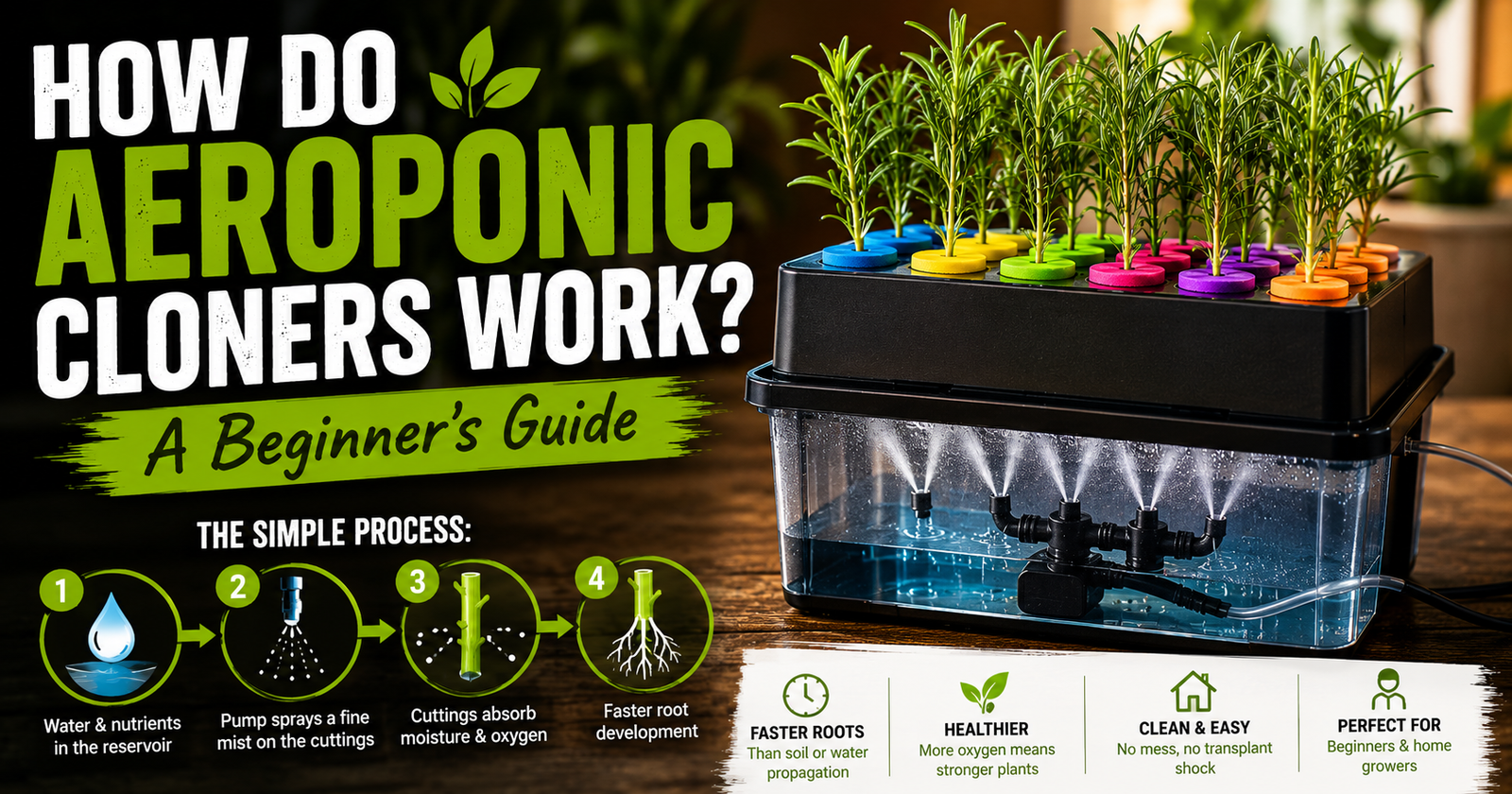
If you’re curious about how these systems work, I explain the entire process in How Do Aeroponic Cloners Work? A Beginner’s Guide.
If you’re considering buying one, my guide to the Best Aeroponic Cloner for Plant Cuttings covers the model I recommend most.
Signs Your Rooting Hormone Is Working
The first signs usually aren’t roots.
Instead, watch for subtle changes that show your cutting is staying healthy.
Good signs include:
- Leaves remain firm and hydrated.
- The stem stays green rather than turning brown or black.
- New buds begin swelling.
- Small leaf growth appears.
- A white callus forms at the cut end.
- Tiny white root tips eventually emerge.
Remember that different plants develop these signs at different speeds.
Patience is one of the most important parts of successful propagation.
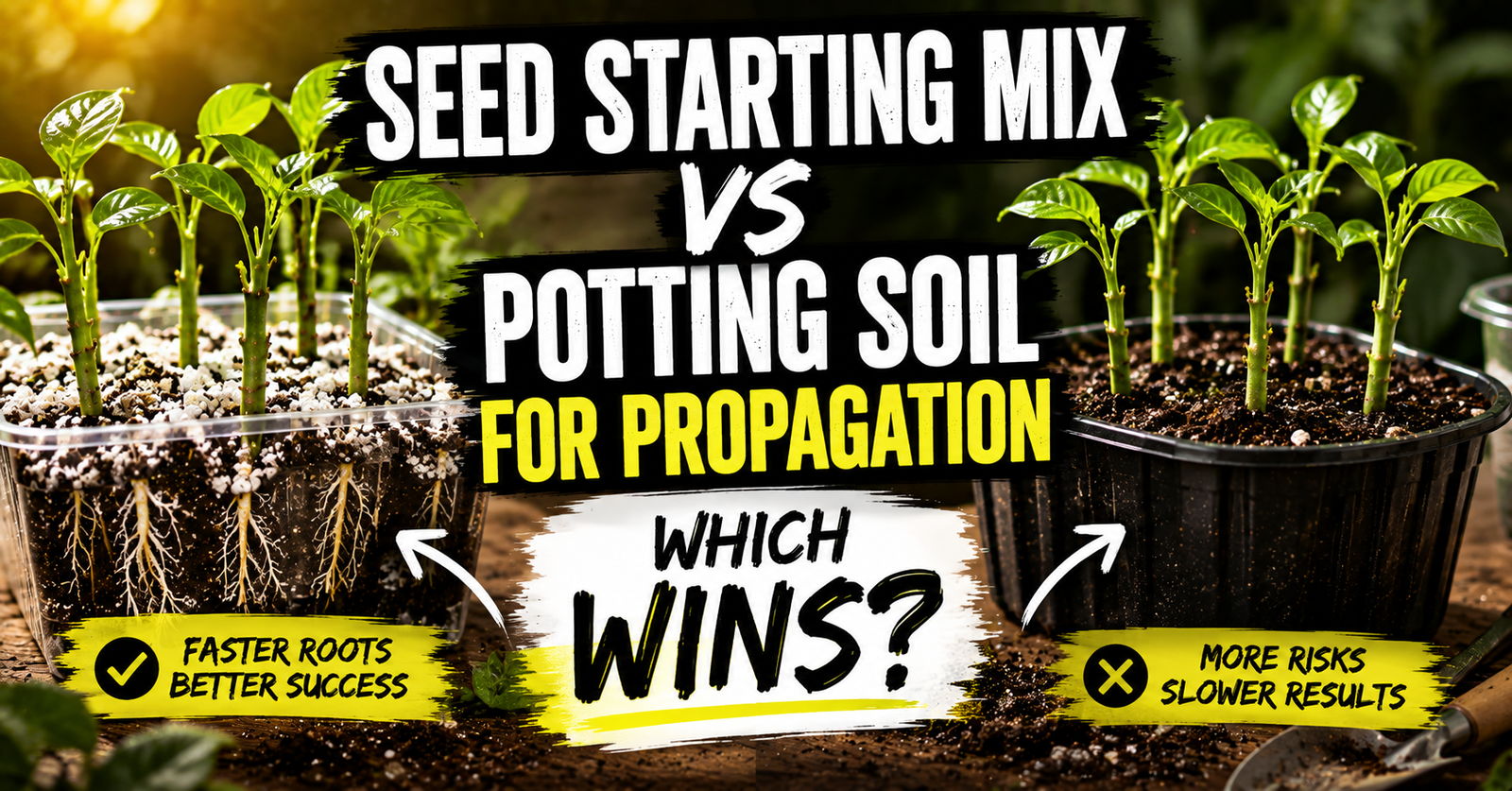
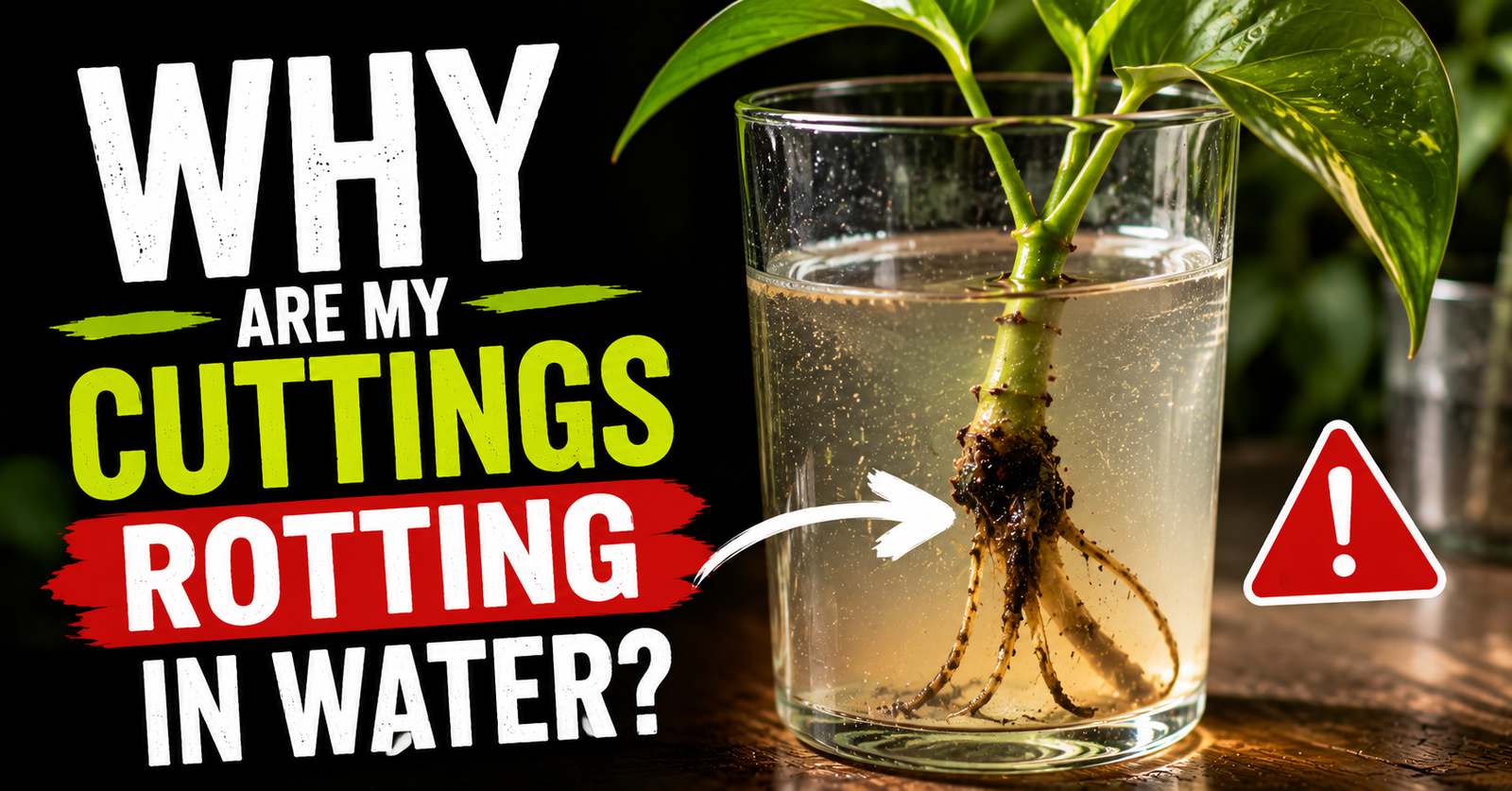
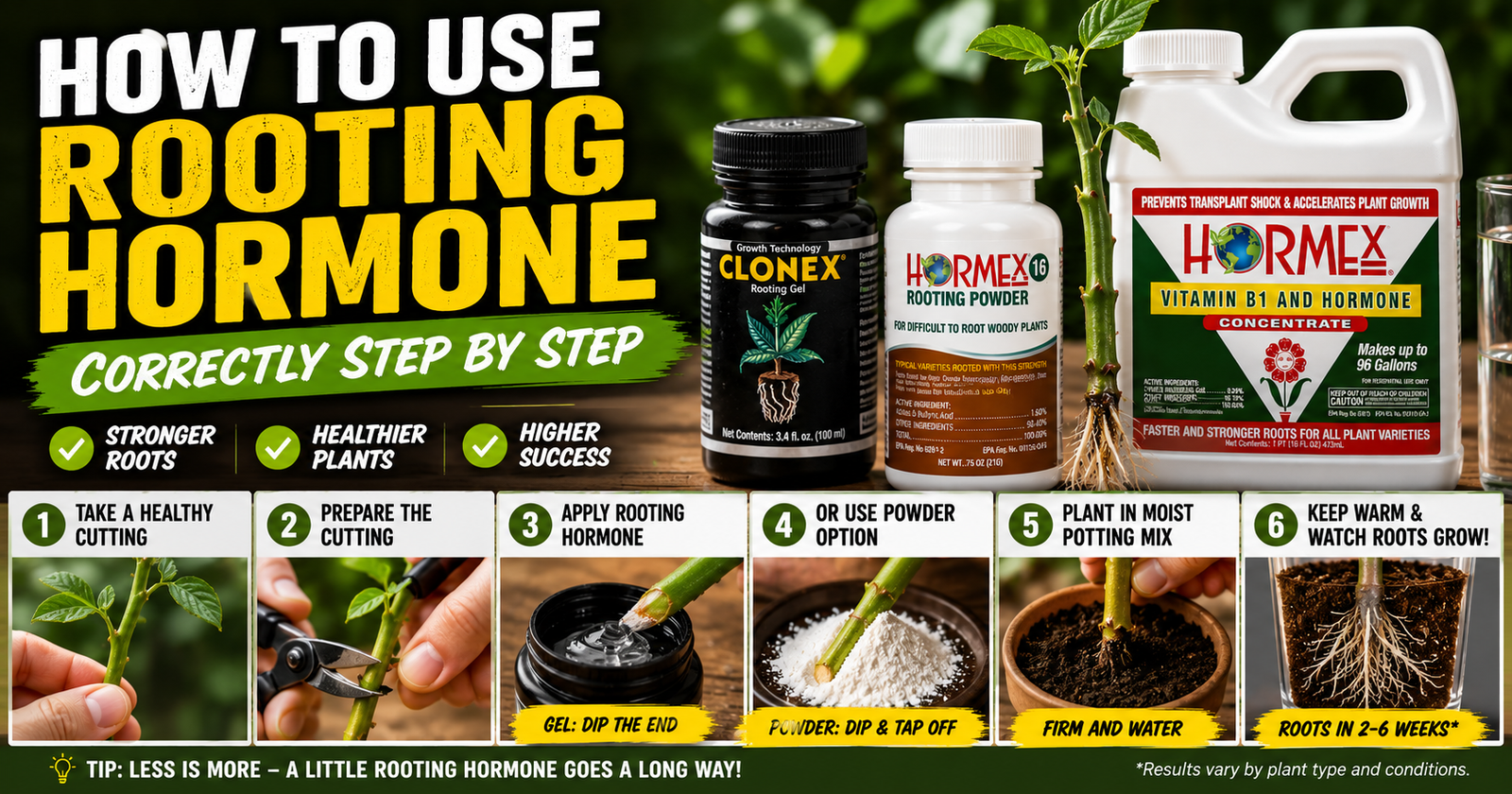
When Should You Give Up on a Cutting?
There’s no universal deadline.
Some cuttings root in a week.
Others need two months or more.
Instead of watching the calendar, pay attention to the condition of the cutting.
It’s usually worth continuing if:
- The stem is still green.
- Leaves remain healthy.
- There’s no foul smell.
- The cutting feels firm.
- No signs of rot are present.
On the other hand, it’s probably time to start over if the cutting has turned black, become mushy, developed mold throughout the stem, or completely dried out.
Tips to Help Rooting Hormone Work Better
While rooting hormone can improve your chances of success, the rest of your propagation technique matters just as much.
I recommend:
- Start with healthy, disease-free parent plants.
- Always make fresh cuts using clean, sharp pruners.
- Apply only the recommended amount of rooting hormone.
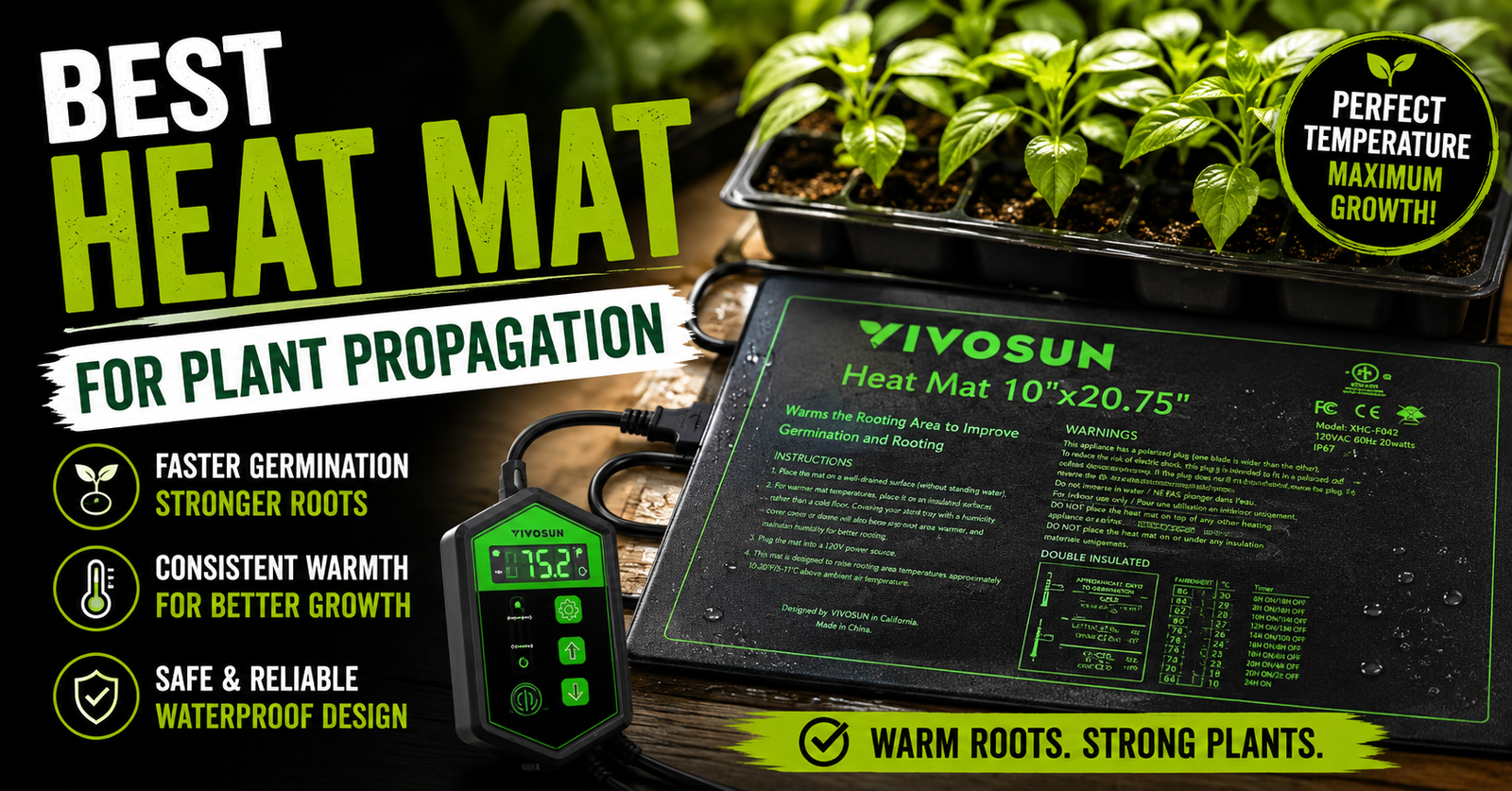
- Keep cuttings warm but not overheated.
- Provide bright, indirect light.
- Maintain consistent humidity.
- Avoid disturbing cuttings while roots are developing.
- Be patient and resist checking for roots every day.
Small improvements in technique often have a bigger impact than switching rooting hormone brands.
My Recommendation
One of the hardest parts of propagation is simply waiting.
It’s easy to assume nothing is happening because you can’t see roots yet, but root development begins long before those first white roots become visible.
Rooting hormone starts doing its job almost immediately after it’s applied, but the plant still needs time to heal, produce callus tissue, and develop new roots.
If you’ve given your cutting the right environment, used healthy plant material, and applied the rooting hormone correctly, the best thing you can do is leave it alone and let nature work.
Successful propagation rewards patience just as much as good technique.
Frequently Asked Questions
How quickly does rooting hormone start working?
Rooting hormone begins interacting with the freshly cut stem within hours of application. While the hormone starts working almost immediately, visible roots usually take days or weeks to appear depending on the plant.
Can I speed up rooting?
You can’t force a plant to root overnight, but you can improve your chances by using healthy cuttings, maintaining warm temperatures, providing high humidity, and using the proper propagation method.
Why don’t I see roots yet?
Many cuttings spend days or even weeks developing callus tissue before producing visible roots. This is a normal part of the rooting process.
Does rooting hormone expire?
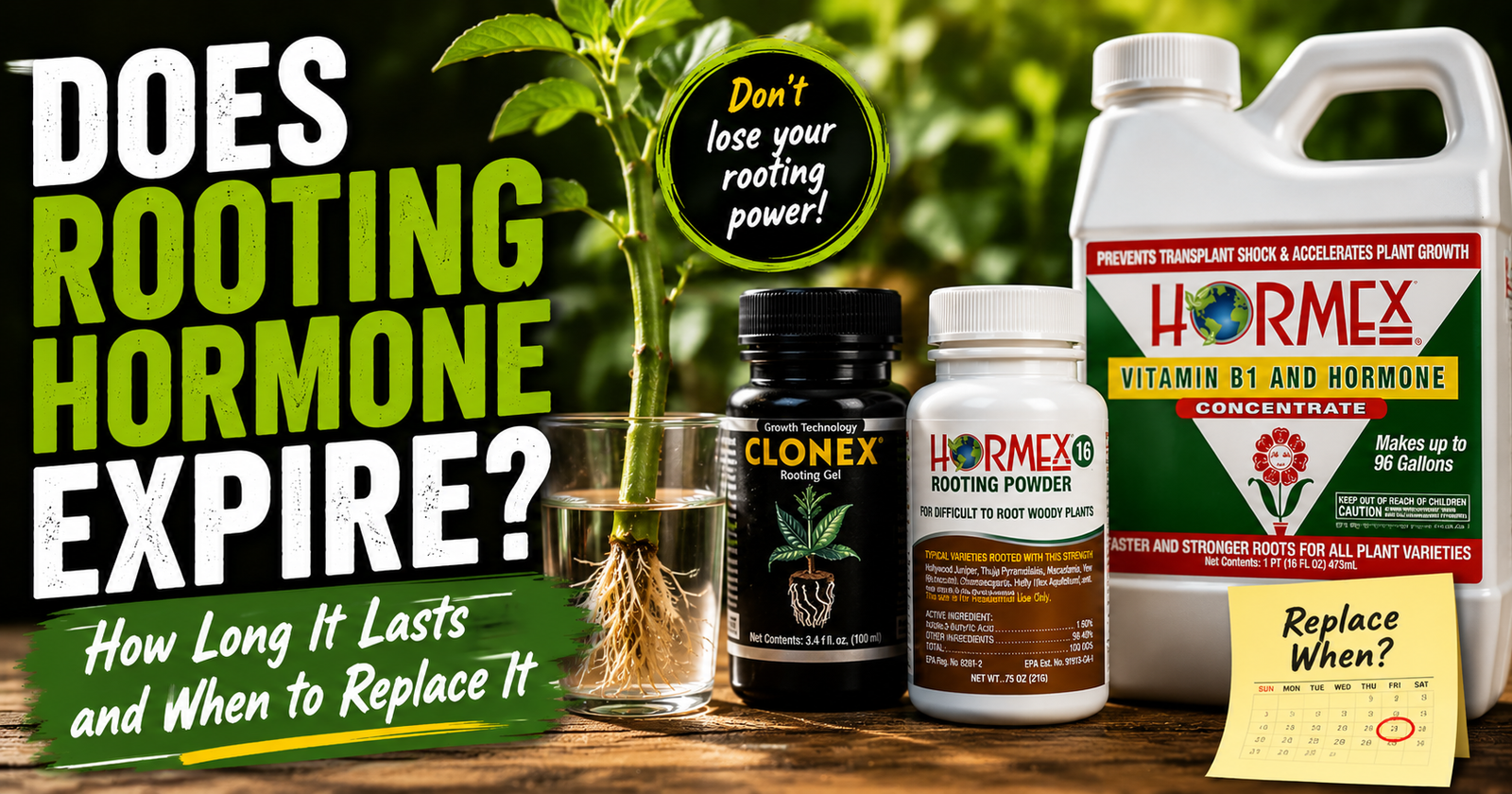
Yes. Over time, the active ingredients can lose effectiveness. If you’re unsure whether yours is still good, read Does Rooting Hormone Expire? How Long It Lasts and When to Replace It.
Should I keep checking for roots?
No. Repeatedly removing or disturbing a cutting can damage delicate new roots and slow the propagation process. It’s usually best to leave the cutting undisturbed until you have a good reason to inspect it.
Author: Dax Weaver
Dax Weaver is the founder of PropagationWorld, where he helps home gardeners propagate more plants through practical techniques, honest equipment reviews, and science-backed growing advice. Drawing from years of hands-on propagation experience, he shares easy-to-follow advice that helps gardeners root more cuttings with confidence.