
For years I thought rooting failures were mostly caused by bad cuttings.
Sometimes they are.
But eventually I realized I was overlooking something sitting right underneath the stem.
The propagation mix.
A cutting can be perfectly healthy.
You can take it at exactly the right time.
Use rooting hormone correctly.
Provide great lighting.
Even maintain ideal humidity.
Yet if the rooting medium stays too wet, becomes compacted, or doesn’t allow enough oxygen around the stem, your chances of success drop quickly.
That realization completely changed how I approach propagation.
Today, I spend just as much time thinking about what I’m rooting cuttings in as I do thinking about the cuttings themselves.
After years of propagating hydrangeas, roses, blueberries, grapes, elderberries, figs, herbs, houseplants, and countless other plants, I’ve found that a quality propagation mix makes the entire process much more forgiving.
Healthy roots almost always begin with a healthy rooting environment.
The Mix I Continue Coming Back To
I’ve experimented with homemade propagation mixes for years.
Some worked well.
Some were too heavy.
Others dried out faster than I wanted.
Eventually I realized there are times when buying a professionally blended propagation mix simply saves time while delivering consistently good results.
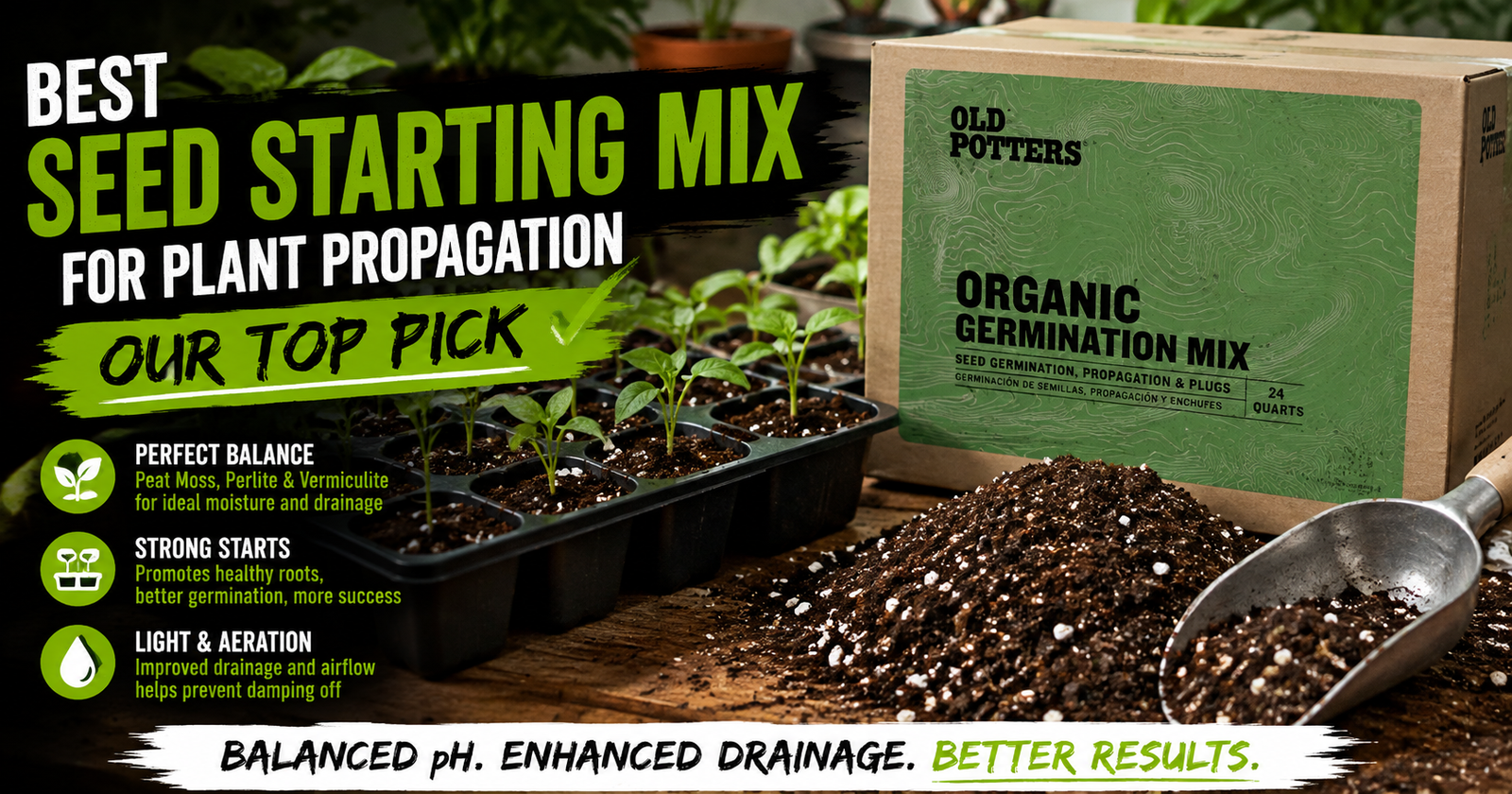
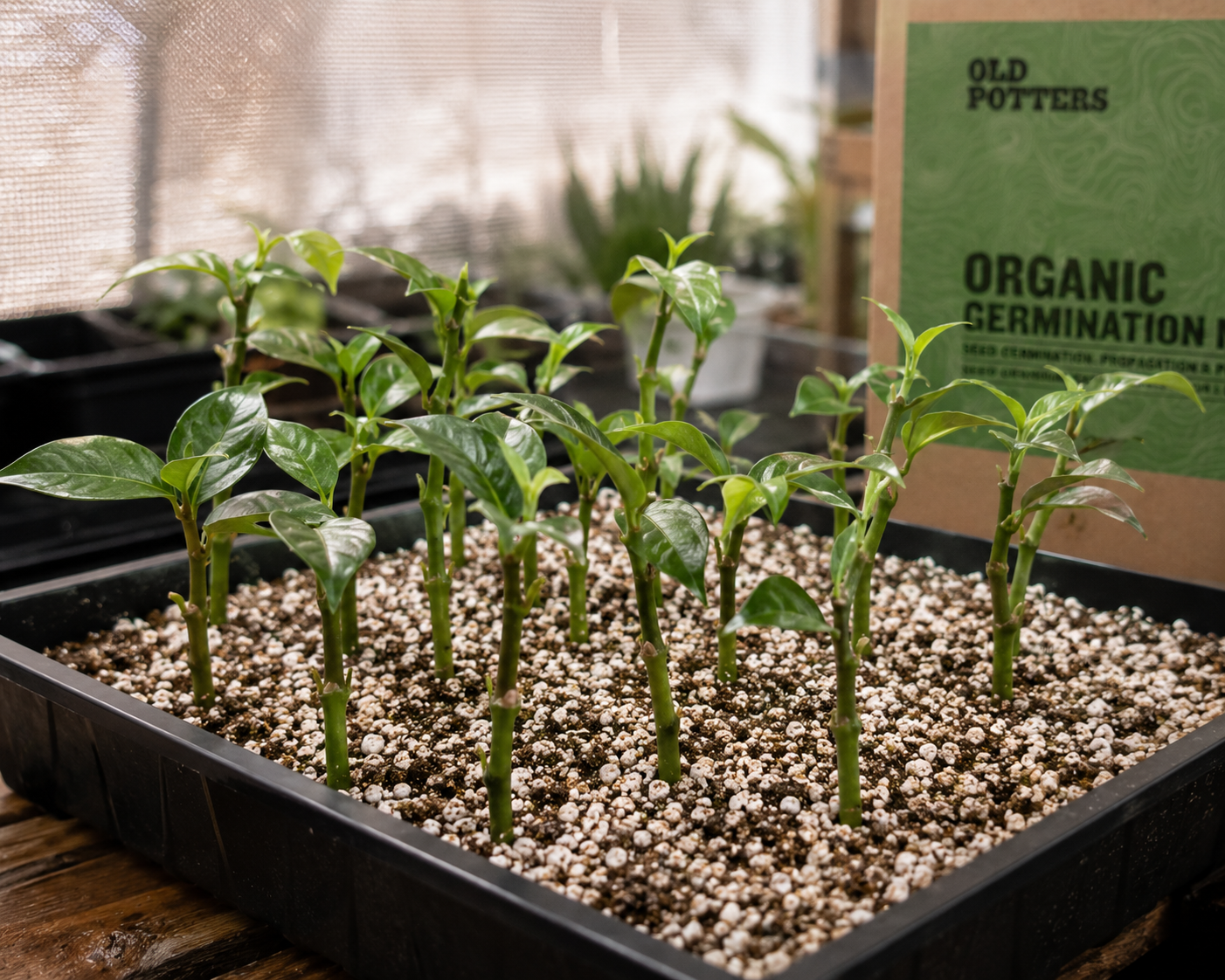
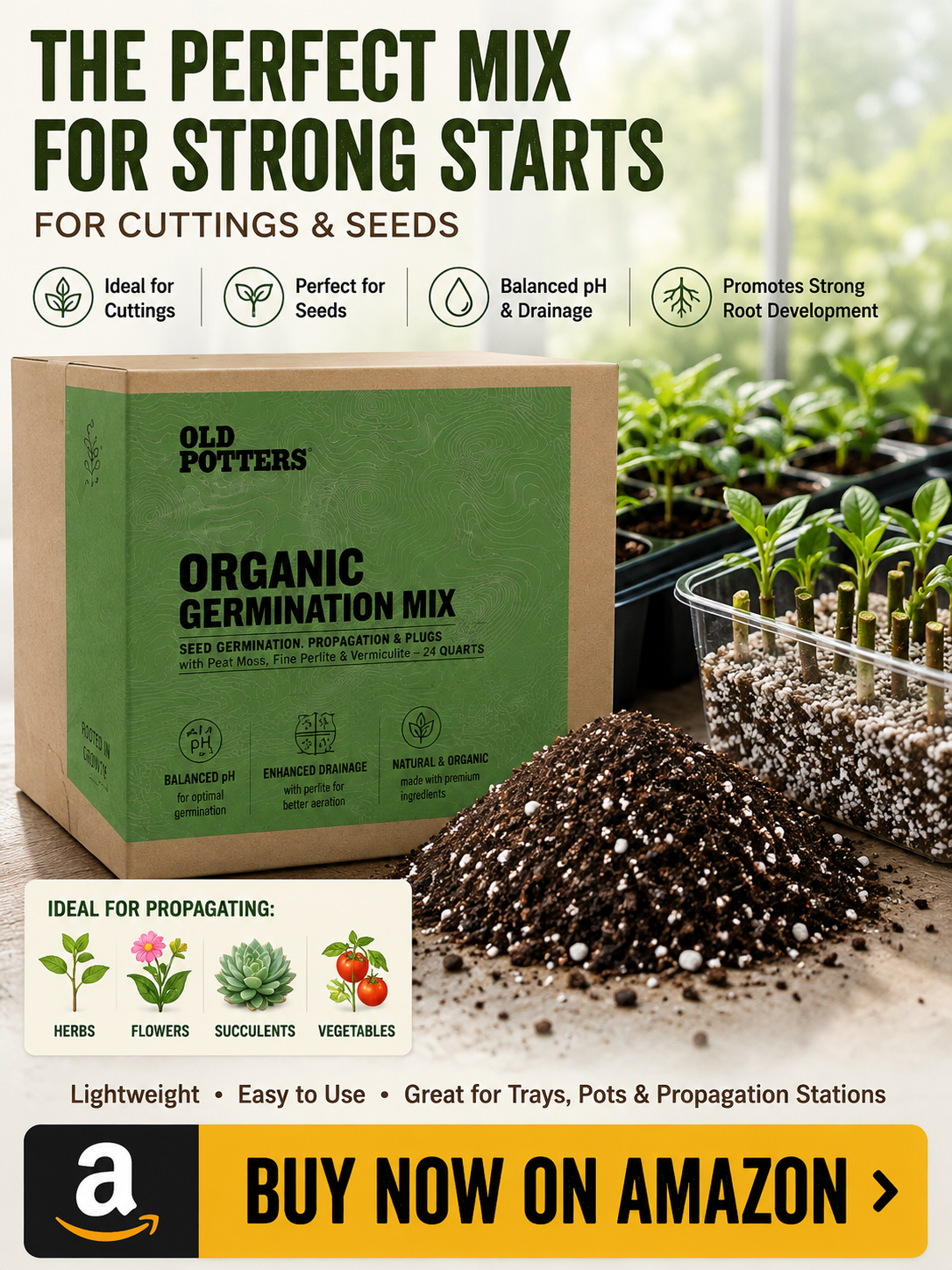
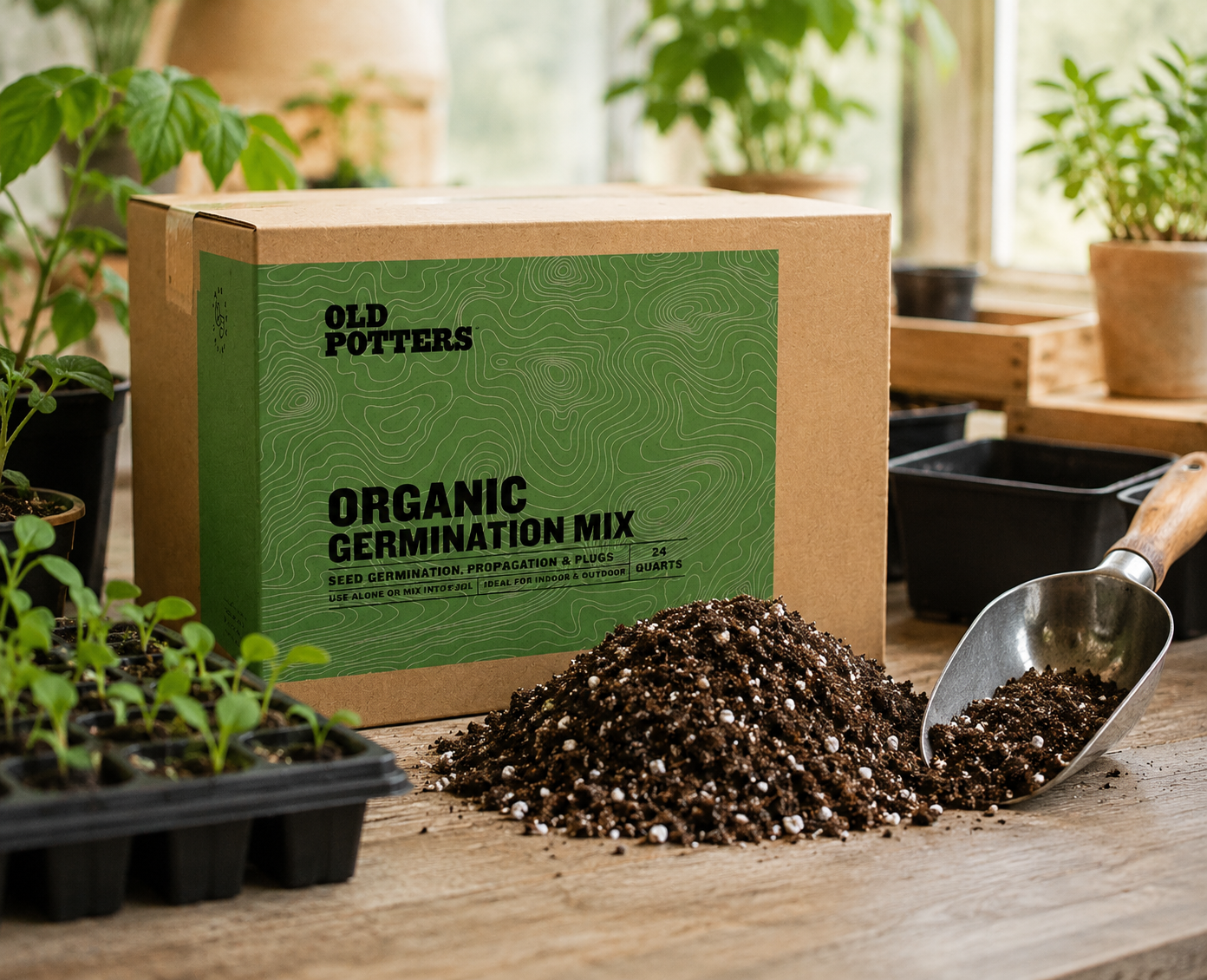
One mix I’ve been impressed with combines peat moss, fine perlite, and vermiculite in a balanced blend that’s specifically designed for seed germination and cutting propagation.
It already contains the ingredients I usually look for.
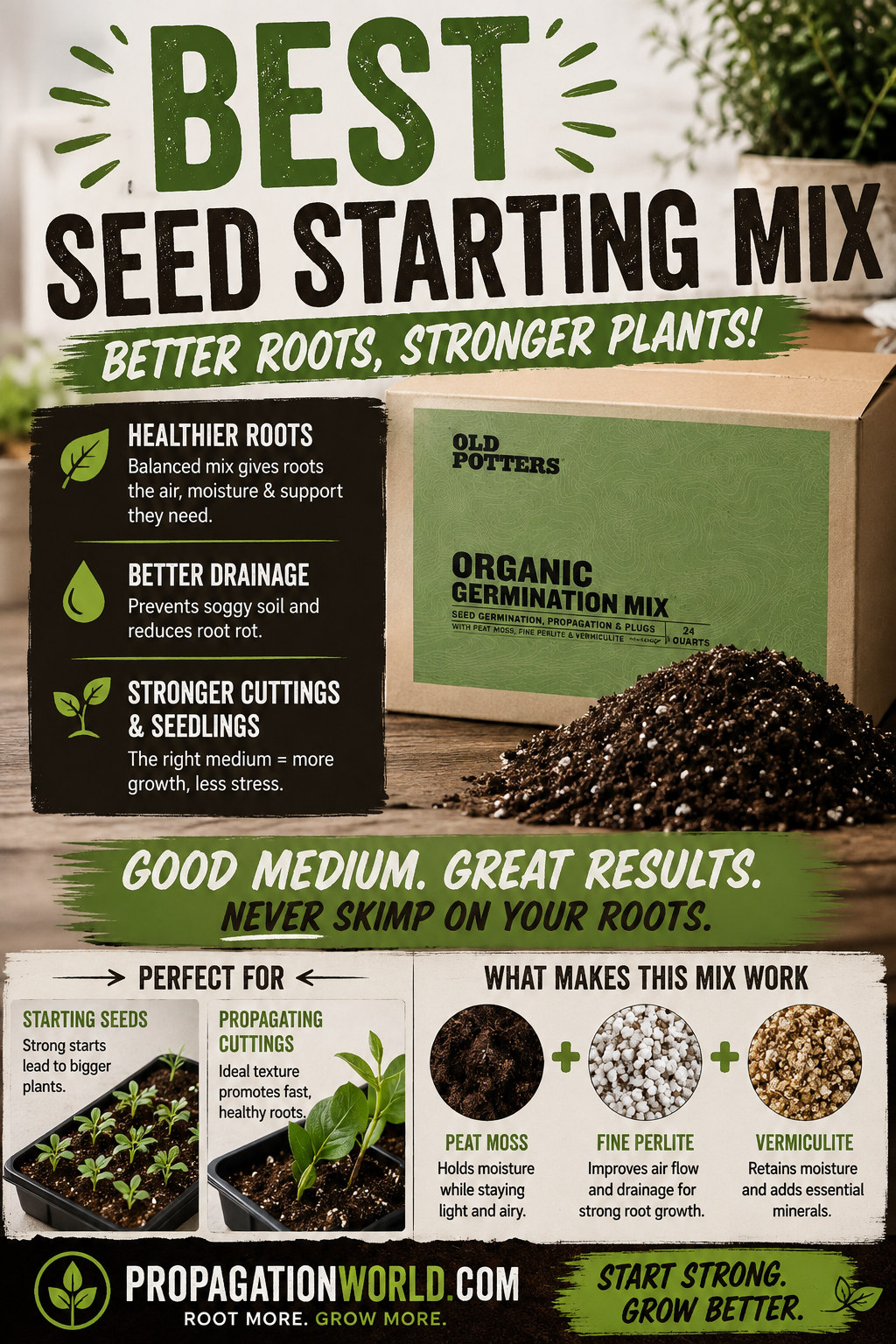
Peat moss helps maintain even moisture.
Fine perlite improves drainage and aeration.
Vermiculite contributes additional moisture retention without making the mix feel excessively heavy.
The result is a propagation medium that’s light, easy to work with, and suitable for many different types of cuttings.
If you’re looking for an easy way to improve your propagation setup without mixing everything yourself, I think it’s an excellent place to start.
See the Seed Starting Mix I Recommend for Plant Propagation on Amazon
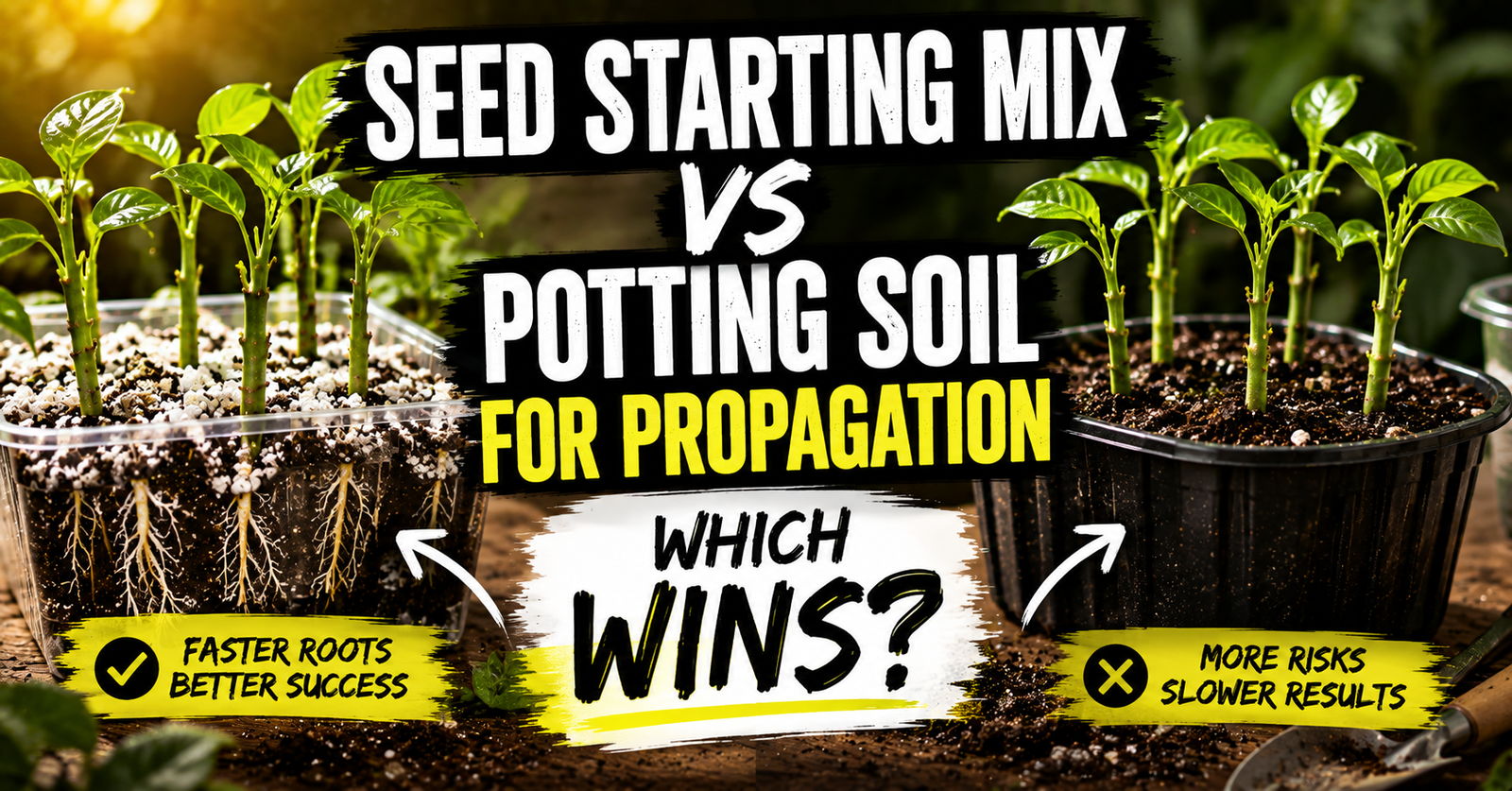
Why I Don’t Root Most Cuttings in Potting Soil
This is probably one of the biggest misconceptions I see.
Many gardeners assume fresh cuttings should be planted directly into ordinary potting soil.
After all, that’s eventually where they’ll live.
The problem is that freshly cut stems and established plants have completely different needs.
Established plants already have healthy root systems pulling oxygen and moisture from the soil.
Fresh cuttings don’t.
Before roots develop, they’re incredibly vulnerable to excess moisture and poor drainage.
Heavy potting mixes often stay wetter than necessary, especially in small propagation containers.
That’s why I prefer lighter propagation media that create plenty of air space around the stem while still maintaining consistent moisture.
That balance has produced much healthier root systems for me over the years.
One Lesson I Wish I Learned Earlier
When I first started propagating plants, I was constantly trying to fix the wrong problem.
If a cutting looked stressed, I assumed it needed more water.
If rooting seemed slow, I watered again.
Eventually I realized I wasn’t dealing with a lack of moisture.
I was dealing with a lack of oxygen.
Once I started using lighter propagation mixes instead of dense potting soil, everything became more consistent.
I lost fewer cuttings to stem rot.
Root systems developed more evenly.
Transplanting became easier because the roots were healthier from the beginning.
That lesson probably improved my propagation success more than any single product I’ve ever purchased.
Homemade Mix or Ready-Made Mix?
I honestly use both.
If I’m propagating a handful of plants, buying a quality ready-made propagation mix saves time and removes the guesswork.
If I’m filling dozens of trays in the nursery, I’ll often mix my own because it’s more economical at larger volumes.
Neither approach is wrong.
The important thing is understanding what makes a good propagation medium in the first place.
It should drain well.
It should stay evenly moist without remaining saturated.
It should allow oxygen to reach developing roots.
Whether you achieve that by mixing your own ingredients or opening a professionally blended bag really comes down to your budget, the number of cuttings you’re rooting, and how much time you want to spend preparing your propagation media.
What Makes a Good Propagation Mix?
People sometimes ask me for the perfect propagation recipe.
I don’t think one exists.
What works beautifully for rooting a fig cutting might not be exactly what I’d use for lavender.
A tropical houseplant may appreciate something slightly different than a hardwood blueberry cutting.
Instead of chasing one “perfect” recipe, I focus on a few characteristics that almost every successful propagation mix has in common.
First, it needs excellent drainage.
If water sits around the stem for long periods, you’re inviting stem rot before roots even have a chance to develop.
Second, it should hold enough moisture that the cutting doesn’t dry out every few hours.
That’s where ingredients like peat moss and vermiculite help.
Finally, it needs plenty of air space.
Developing roots require oxygen just as much as they need water.
When a propagation mix checks all three of those boxes, I’m usually off to a good start.
Why This Blend Makes Sense
One reason I like this particular germination mix is because the ingredients complement each other instead of competing.
The peat moss acts like a moisture reservoir, helping keep the mix evenly damp.
The fine perlite creates tiny air pockets that improve drainage and oxygen movement around the stem.
The vermiculite helps hold moisture a little longer, which is useful when propagating indoors where trays can dry faster than expected.
Balanced pH is another advantage.
Fresh cuttings already have enough challenges while they’re trying to produce roots.
I don’t want them struggling because the rooting medium itself is working against them.
Using a quality propagation mix removes one more variable from the equation.
I Still Modify My Mixes Sometimes
Even though I like using ready-made propagation mixes, I don’t treat them as untouchable.
If I know I’m propagating plants that are especially prone to stem rot, I’ll sometimes add a little extra perlite to increase drainage even more.
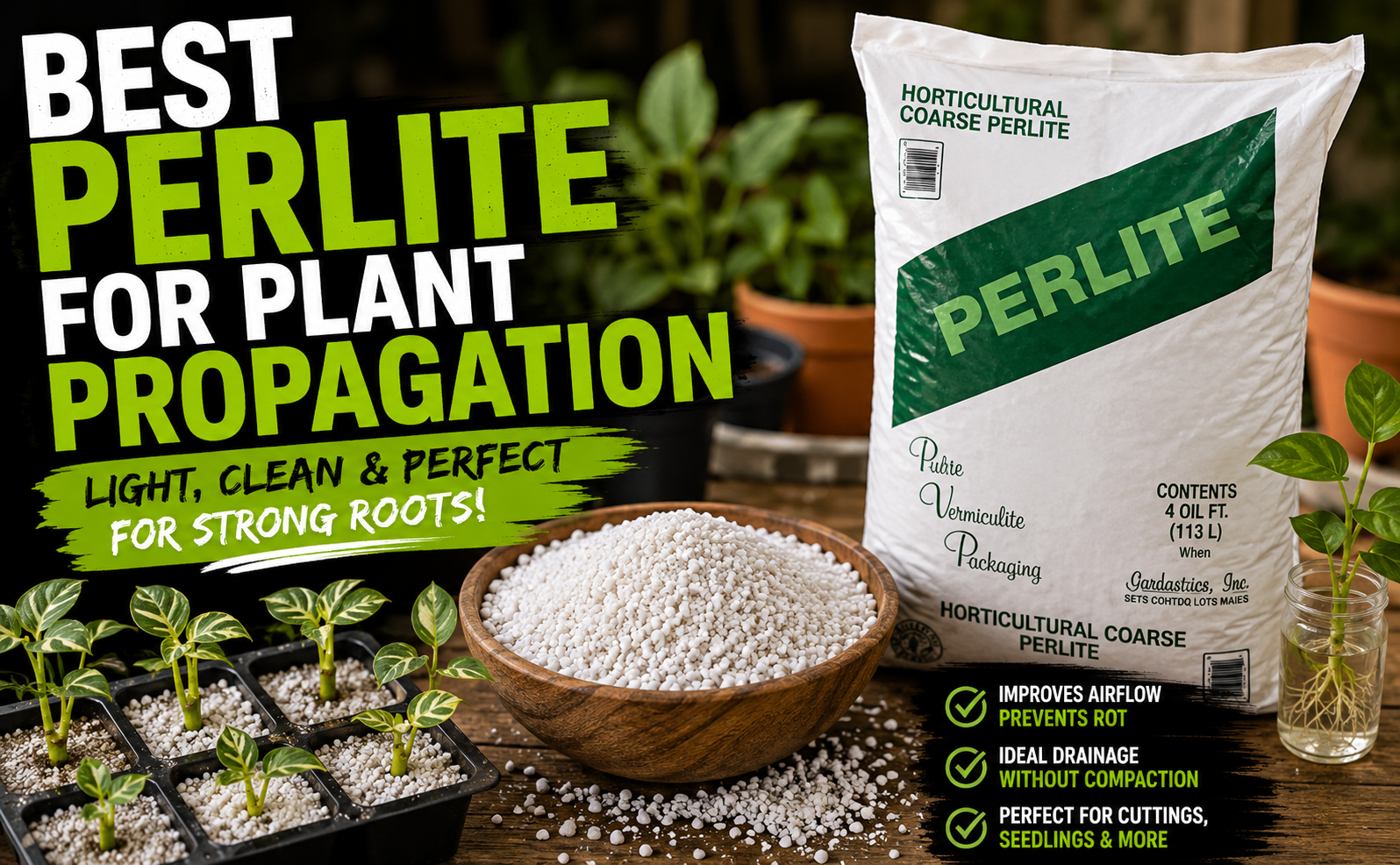
That’s one reason I always keep the horticultural perlite I use for propagation nearby.
It’s incredibly easy to customize a mix by adding a little more airflow whenever I think a particular plant would benefit from it.
On the other hand, if the propagation mix already feels perfect for the plants I’m rooting, I simply use it straight from the bag.
Experience has taught me that propagation doesn’t have to be overly complicated.
Sometimes leaving a good product alone is the best decision.
Don’t Forget the Environment Around the Mix
The propagation mix is important.
But it isn’t working alone.
A great rooting medium can’t overcome poor lighting, unhealthy cuttings, or constantly changing temperatures.
I try to think about the entire propagation environment.
The mix supports the roots.
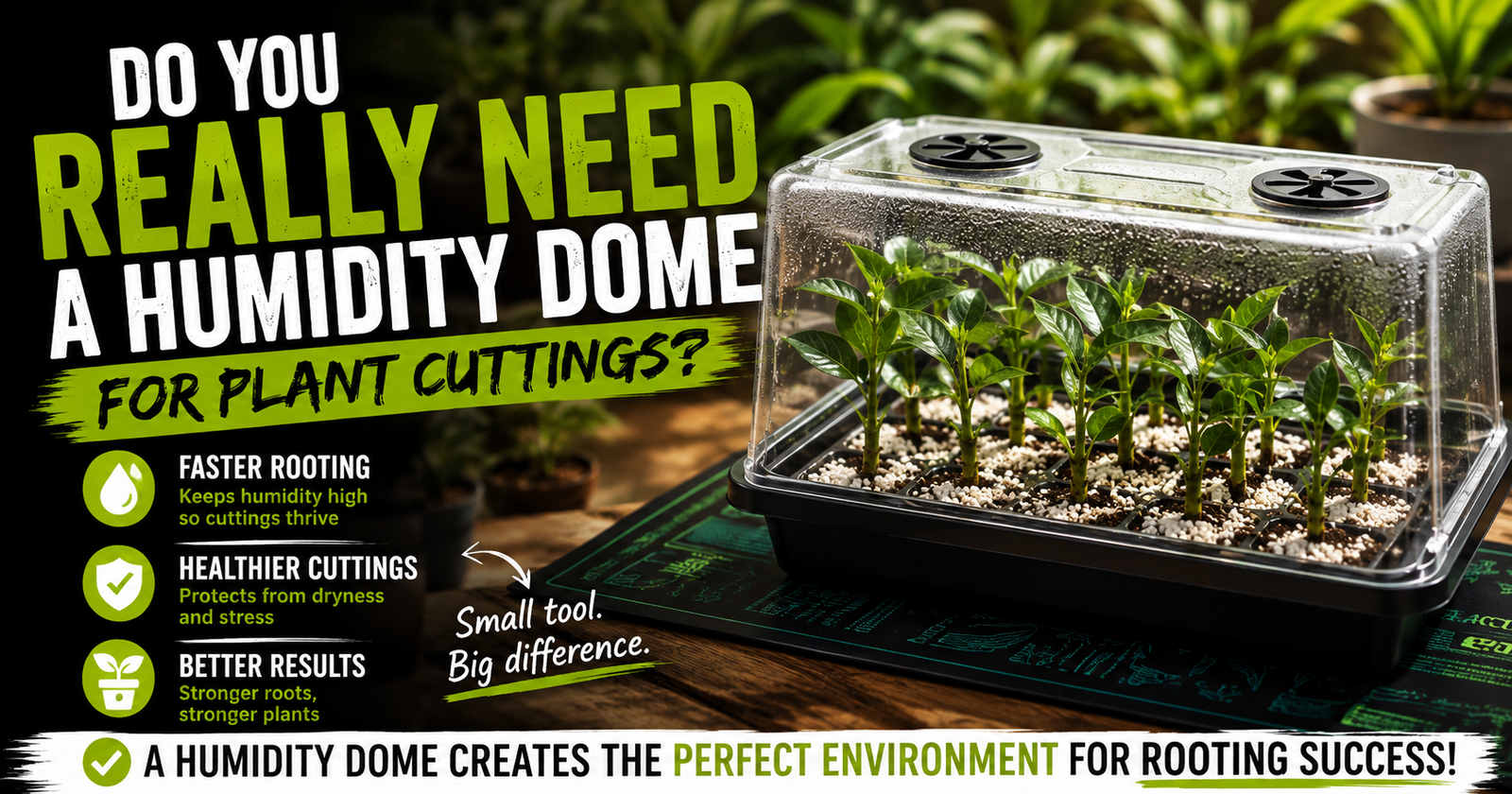
Humidity protects the leaves.
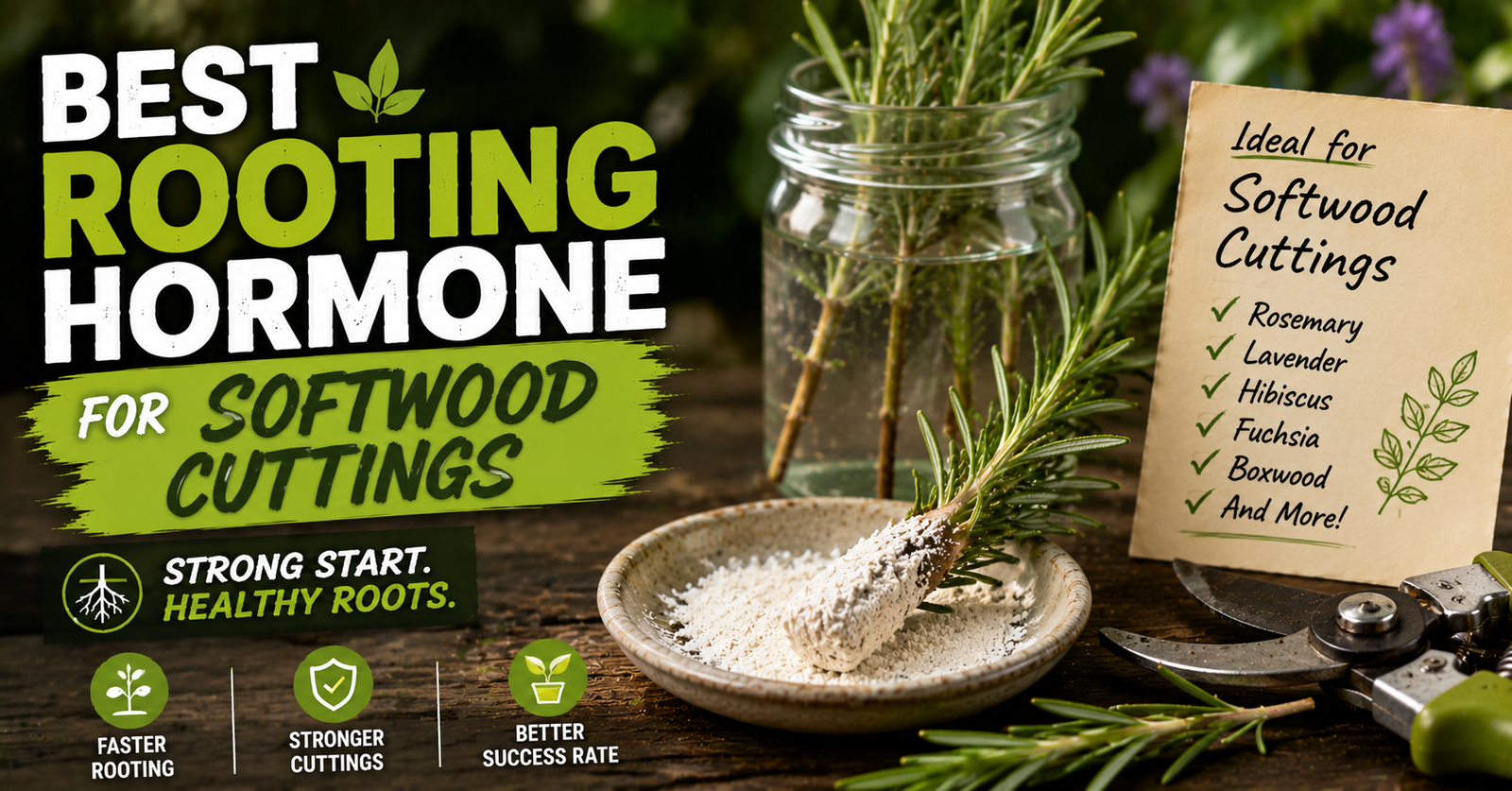
Bottom heat encourages root development.
Sharp pruning shears create clean cuts that heal more efficiently.
Every part of the system contributes something.
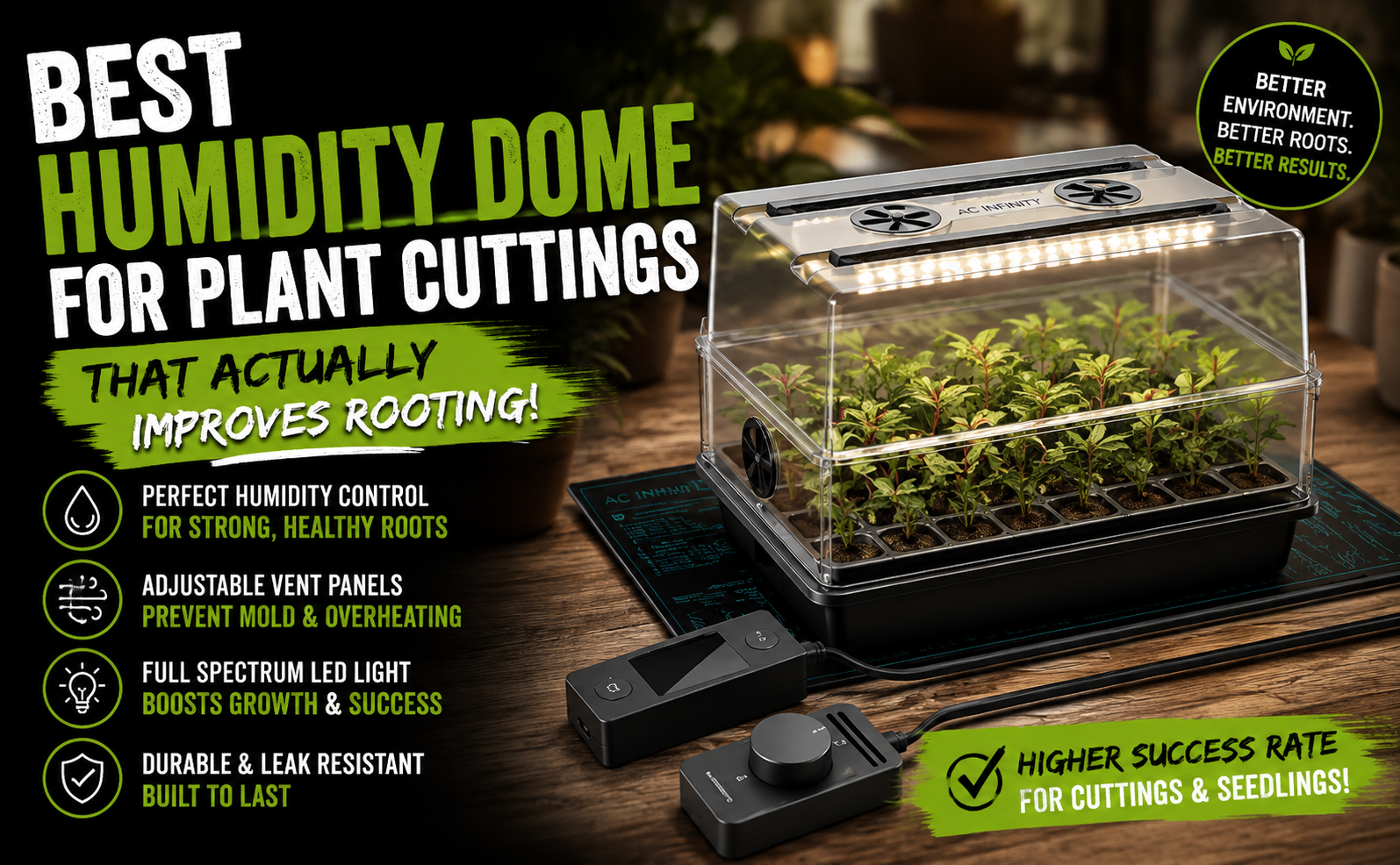
For slower-rooting shrubs and fruit plants, I often pair my propagation mix with the humidity dome system I use most often to reduce moisture loss while the roots are developing.
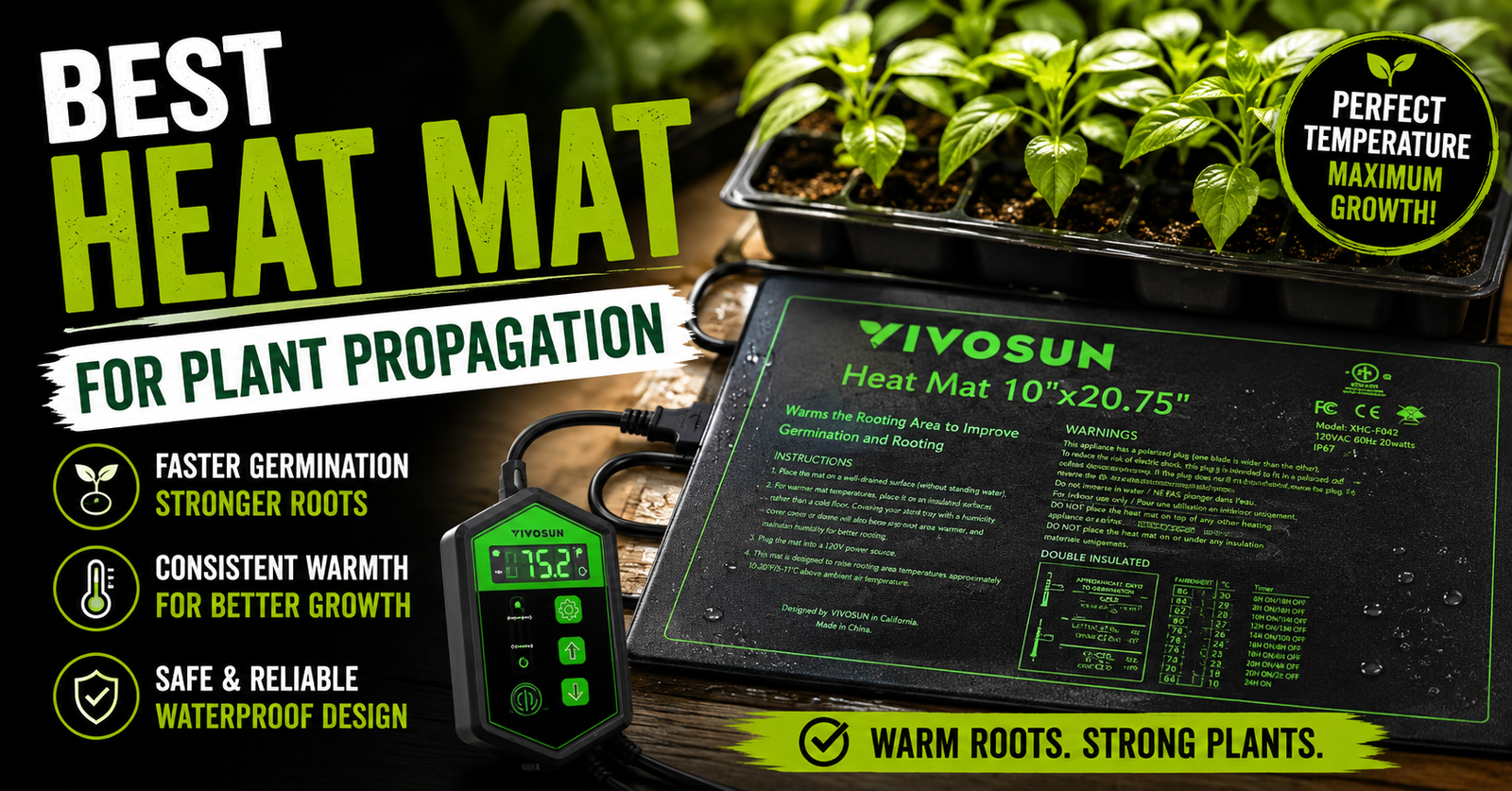
During cooler months, I’ll also use the propagation heat mat that’s always on my bench because warm root-zone temperatures often make a noticeable difference.
Thinking about propagation as a complete system instead of a single product has probably improved my success more than anything else.
Is a Premium Mix Worth the Extra Cost?
For me, it usually is.
Could I buy the cheapest bag on the shelf?
Sure.
Sometimes I’d probably get away with it.
But when I’m propagating a favorite hydrangea, a rare houseplant, or fruit cuttings I’ve waited all season to collect, saving a few dollars on the rooting medium isn’t where I want to cut corners.
I’ve learned that a dependable propagation mix gives me one less thing to worry about.
Instead of wondering whether the soil is too heavy or draining properly, I can focus on monitoring moisture, checking for new growth, and patiently waiting for roots to appear.
That peace of mind is worth quite a bit when you’ve invested time into collecting healthy cuttings.
And honestly, one bag of quality propagation mix goes a lot farther than most people expect.
A single bag can fill multiple propagation trays, root dozens of cuttings, and even help with seed starting once the propagation season slows down.
Frequently Asked Questions
Can I use seed starting mix for plant cuttings?
Absolutely.
In fact, that’s one of the reasons I like quality seed starting mixes so much.
They’re designed to be light, well-draining, and easy for young roots to grow through.
Those same characteristics make them an excellent choice for many types of plant cuttings.
Not every seed starting mix is created equal, though.
Some are much heavier than others, which is why I pay close attention to the ingredients before buying.
Is seed starting mix better than potting soil?
For propagation, I usually think so.
Potting soil is designed for established plants that already have healthy root systems.
Fresh cuttings don’t.
They benefit from a lighter rooting medium with better aeration and drainage.
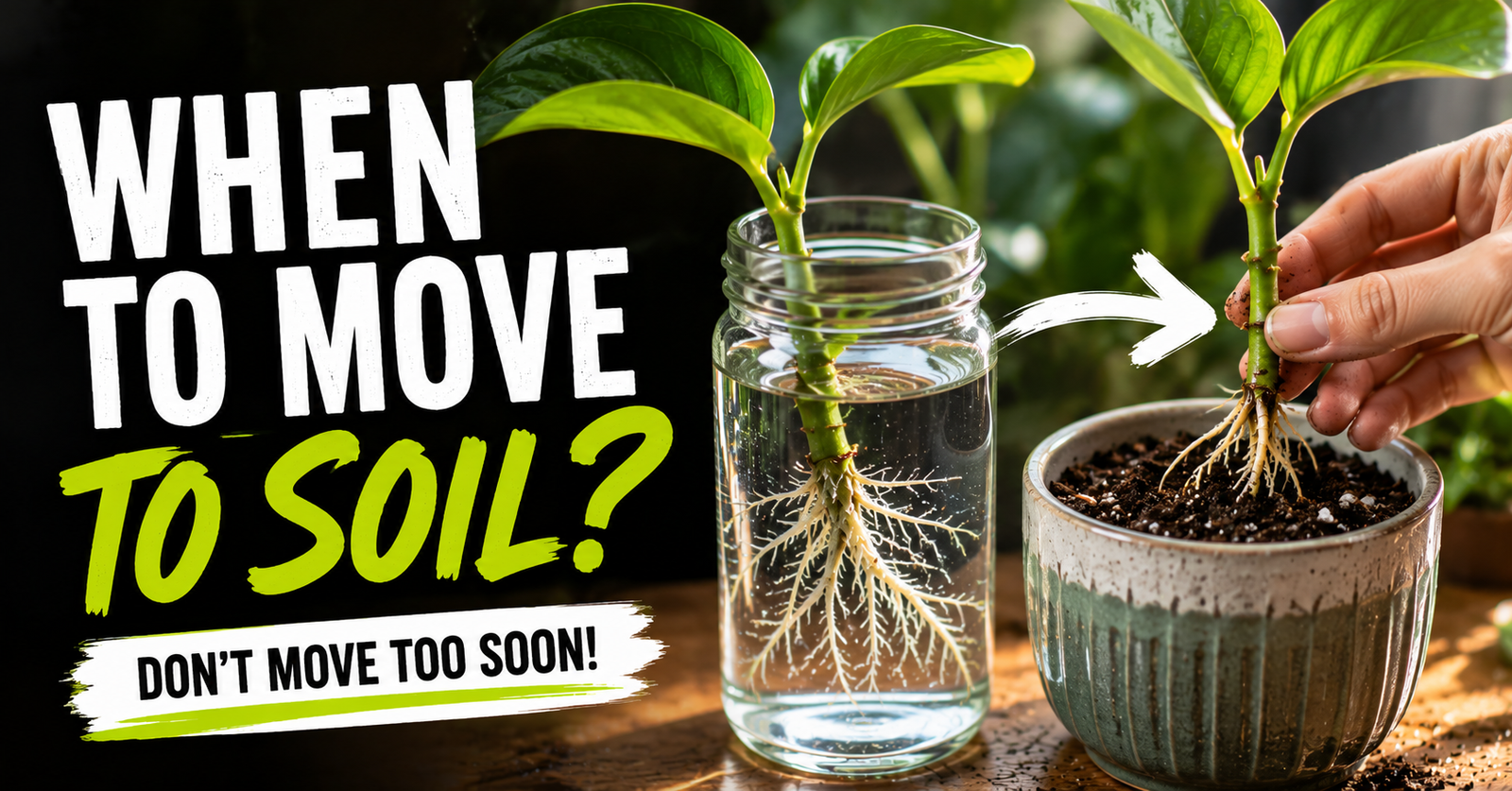
Once the cuttings develop strong roots, I transplant them into a more appropriate potting mix. The same principle applies to water propagation, where the right time to transplant cuttings can affect how smoothly they adjust.
Trying to skip that first step has cost me plenty of cuttings over the years.
Should I add more perlite to seed starting mix?
Sometimes I do.
It depends on the plants I’m propagating.
If I’m rooting woody shrubs, fruit plants, or anything that’s particularly sensitive to excess moisture, I’ll often mix in a little extra perlite.
That additional drainage gives me more confidence, especially during long rooting periods.
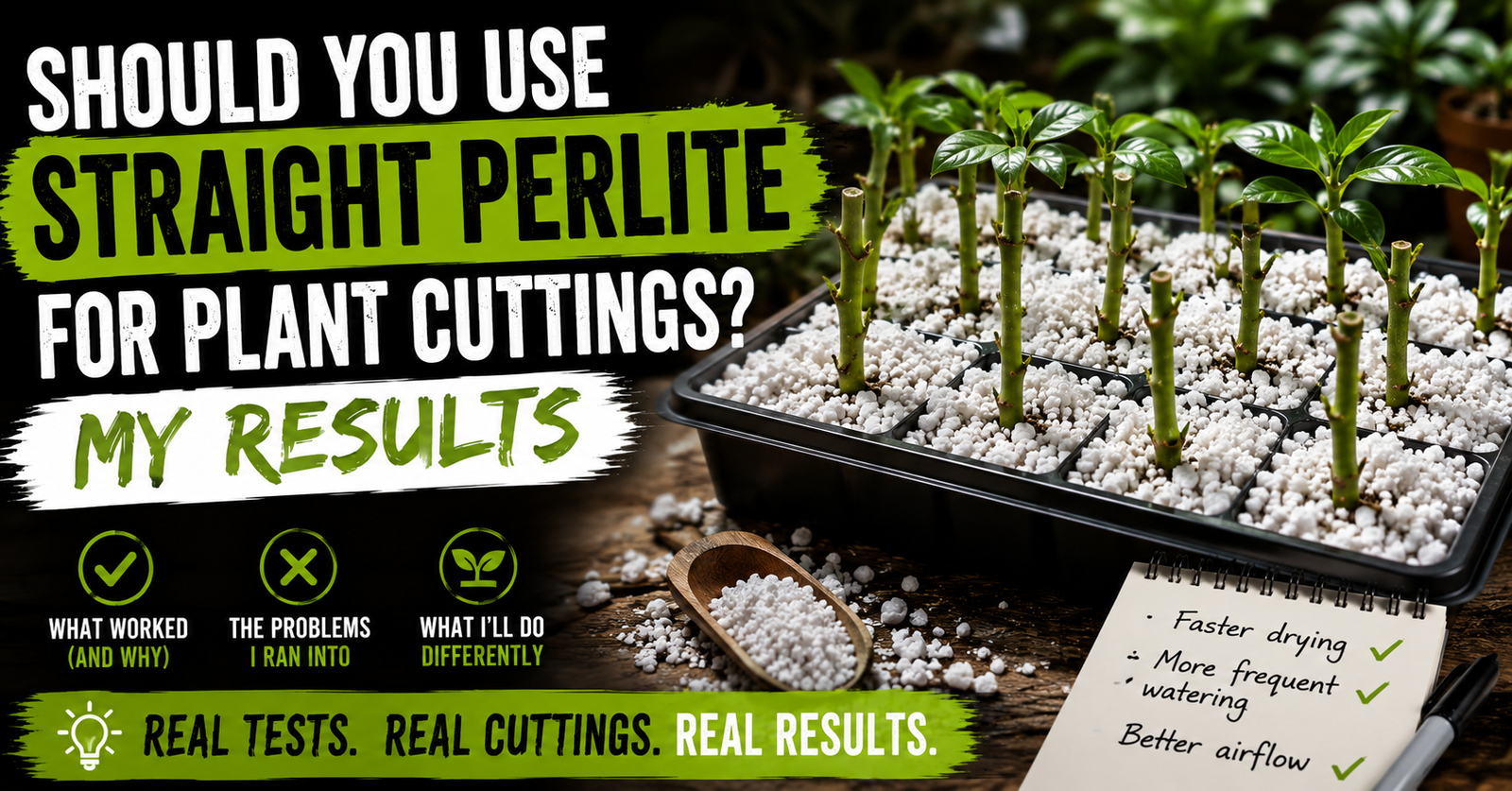
If you’re curious why I use so much perlite, I explain my reasoning in my guide to using straight perlite for plant cuttings.
Can you reuse seed starting mix after propagation?
Personally, I don’t.
Unlike perlite, seed starting mix contains organic ingredients that gradually break down and are much harder to clean thoroughly.
Once I’ve finished a propagation project, I’ll usually spread the old mix around established plants in the garden or add it to my compost pile.
Then I start the next batch of cuttings with fresh propagation mix.
The cost of replacing the mix is minor compared to the value of healthy, disease-free cuttings.
Do I still use rooting hormone with a quality propagation mix?
Very often, yes.
The propagation mix and the rooting hormone do two completely different jobs.
The mix provides the physical environment where roots develop.
The rooting hormone helps encourage many species to begin producing those roots in the first place.
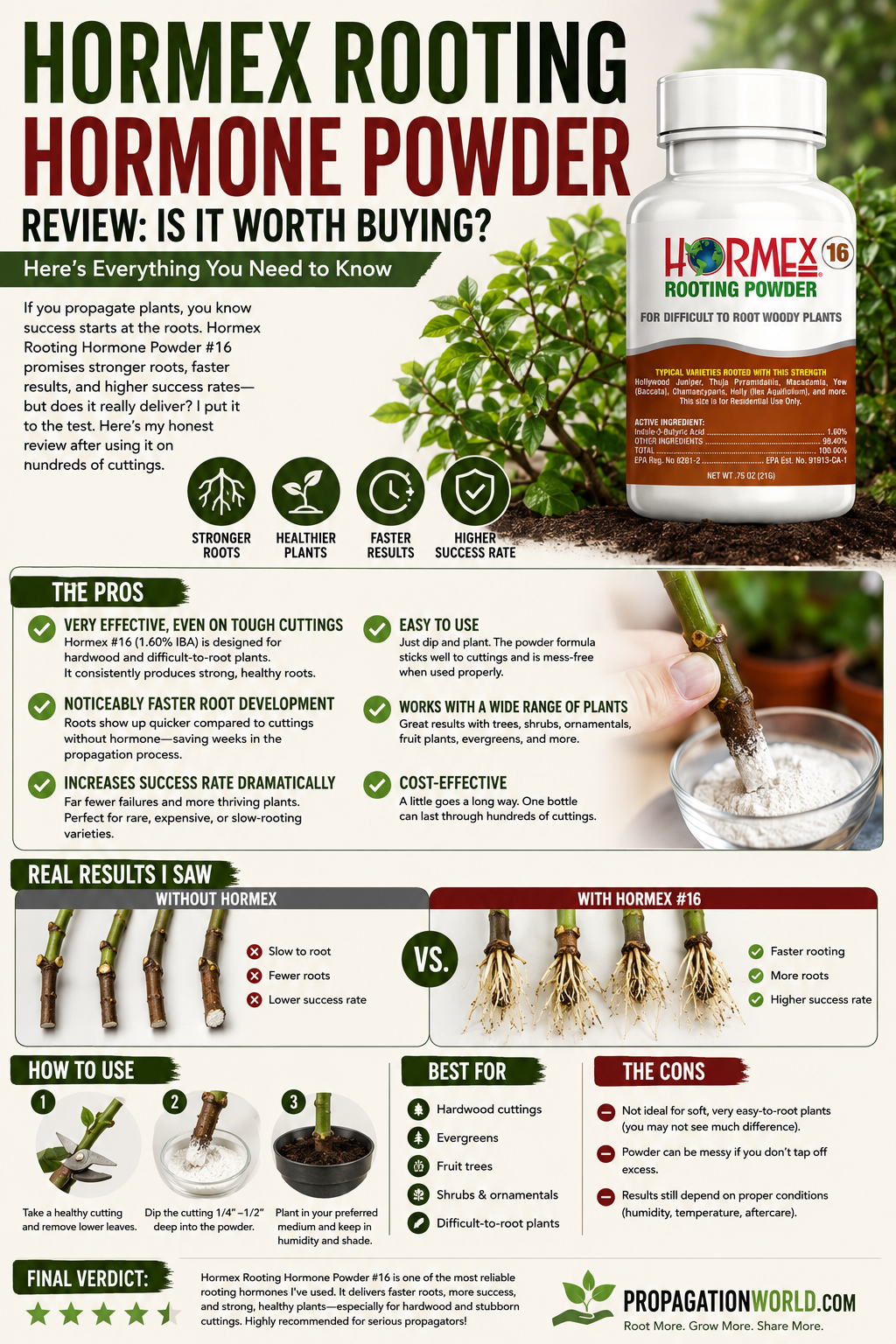
For slower-rooting plants, I generally use both together because they complement each other extremely well. The rooting hormone I use for this combination is a reliable rooting powder, particularly when working with slower-rooting cuttings.
My Advice After Years of Mixing My Own Media
If there’s one thing I’ve learned, it’s that gardeners often make propagation much more complicated than it needs to be.
I’ve spent years experimenting with homemade mixes.
Some worked beautifully.
Some were complete failures.
Eventually I realized that consistency matters more than constantly chasing a new recipe.
A dependable propagation mix gives every cutting the same healthy starting point.
From there, success comes down to taking healthy cuttings, providing the right environment, and being patient enough to let the plant do what it naturally wants to do.
That’s exactly why I don’t mind spending a little more on a propagation mix I trust.
It removes one variable from the equation and lets me focus on the parts of propagation I can actually control.
If you’re looking for a propagation mix that’s ready to use right out of the bag, I’d have no problem recommending the one I’ve been using.
Check the Current Price of the Seed Starting Mix I Use for Propagation on Amazon
I’ve found it works well for everything from vegetable seedlings to woody shrub cuttings, and it’s become one of those supplies I always try to keep on hand before propagation season begins.
Learn the Entire Propagation Process
Choosing the right seed starting mix gives your cuttings a strong foundation, but it’s only one part of producing healthy roots. If you’d like to learn how professional-looking propagation trays come together from beginning to end, check out The Complete Guide to Propagating Plant Cuttings where I cover every stage of the process.
About the Author
Daxon Weaver is the founder of PropagationWorld and has propagated thousands of houseplants, fruit trees, berry bushes, ornamental shrubs, and herbs over the years. Through extensive hands-on experience, he enjoys testing propagation products, refining rooting techniques, and helping gardeners build healthier plants from the very beginning.