
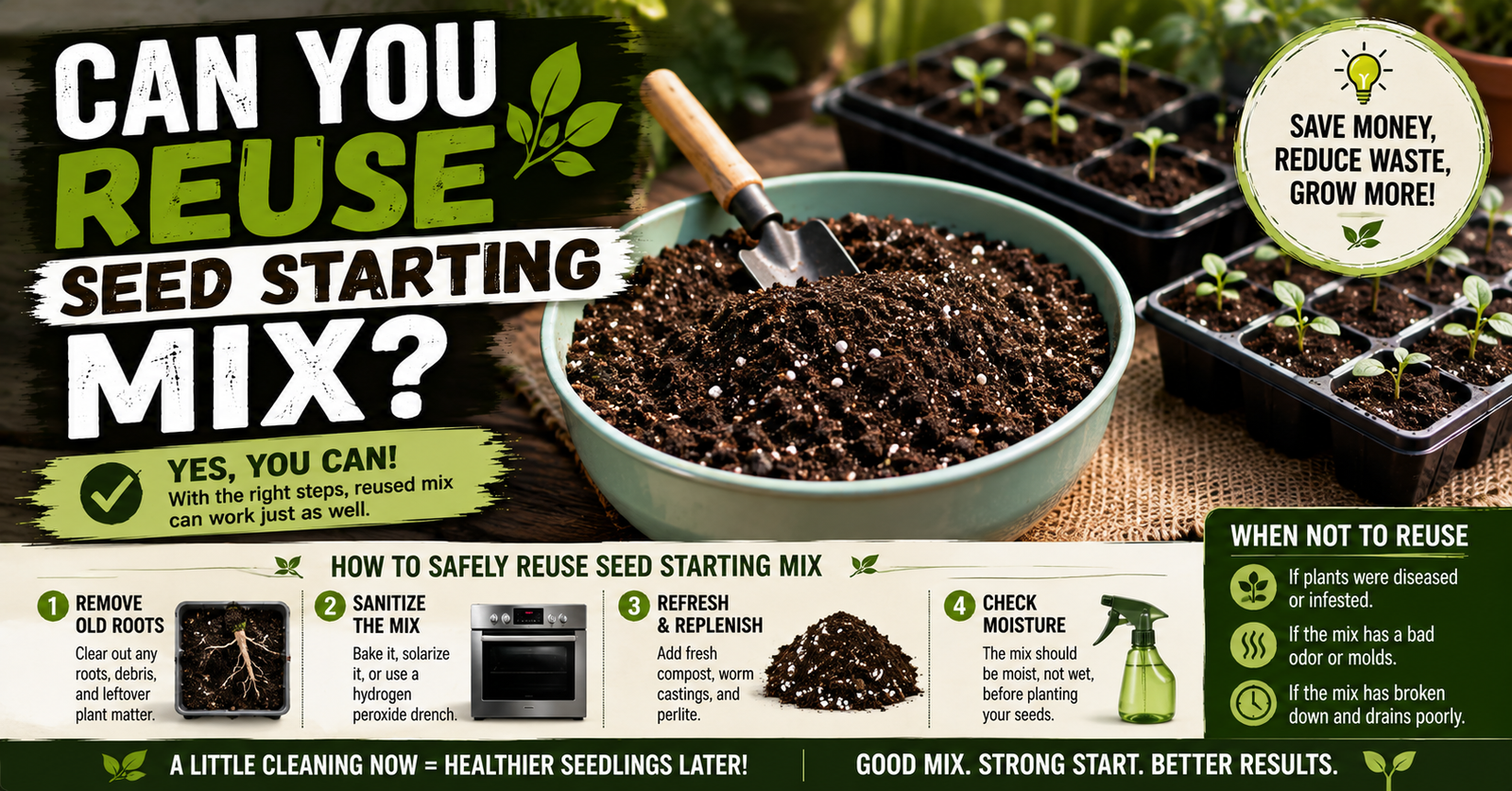
Throwing away an entire tray of seed starting mix after every propagation project has never felt right to me.
After all, the mix often looks perfectly usable.
It still feels light.
It still drains well.
At first glance, it seems wasteful to toss it into the compost pile after only one batch of cuttings.
The answer, however, isn’t simply yes or no.
I’ve reused propagation mix many times over the years.
I’ve also thrown plenty away without hesitation.
The difference comes down to understanding what happened while that mix was being used.
A tray that held healthy cuttings for a few weeks is very different from one that spent months supporting diseased plants or became saturated with algae and mold.
Learning the difference has saved me money while helping me avoid carrying problems into the next propagation project.
I Never Judge It by Appearance Alone
Fresh-looking seed starting mix isn’t always healthy.
Likewise, mix that looks a little worn isn’t automatically ready for the trash.
Before I decide whether to reuse it, I ask myself a few simple questions.
Did the cuttings stay healthy?
Did I have any fungal problems?
Did stems begin rotting?
Has the mix become compacted?
Has it lost the light, airy texture that helps new roots develop?
Those questions tell me much more than color alone.
Healthy Mix Can Often Be Used Again
If the previous propagation project went well, I’m often comfortable reusing the mix.
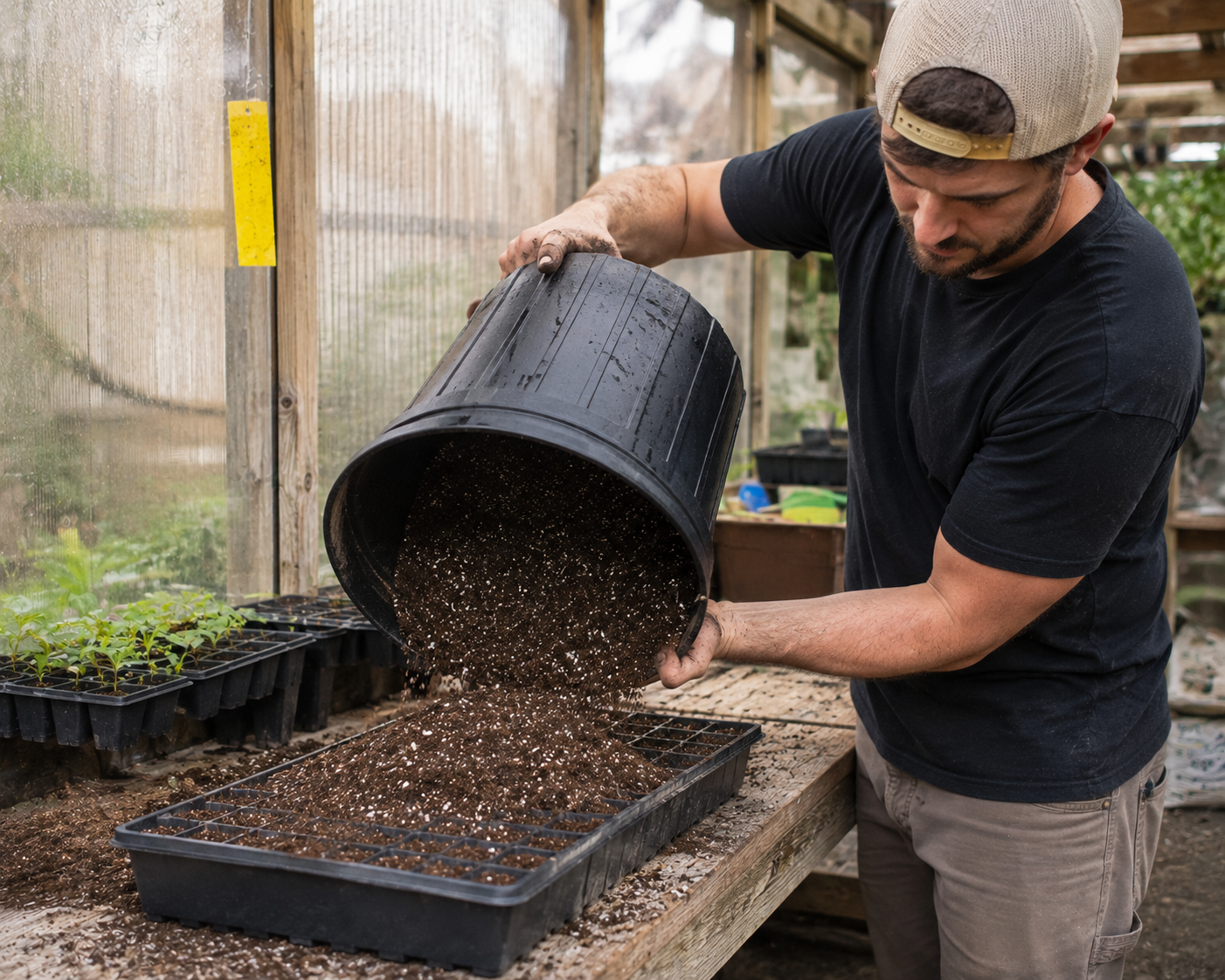
I’ll remove old roots, stems, and leaves, then fluff everything by hand before using it again.
If it still drains well and hasn’t broken down into a dense, muddy material, there’s often plenty of life left in it.
That said, I don’t keep reusing the same batch forever.
Organic ingredients slowly decompose.
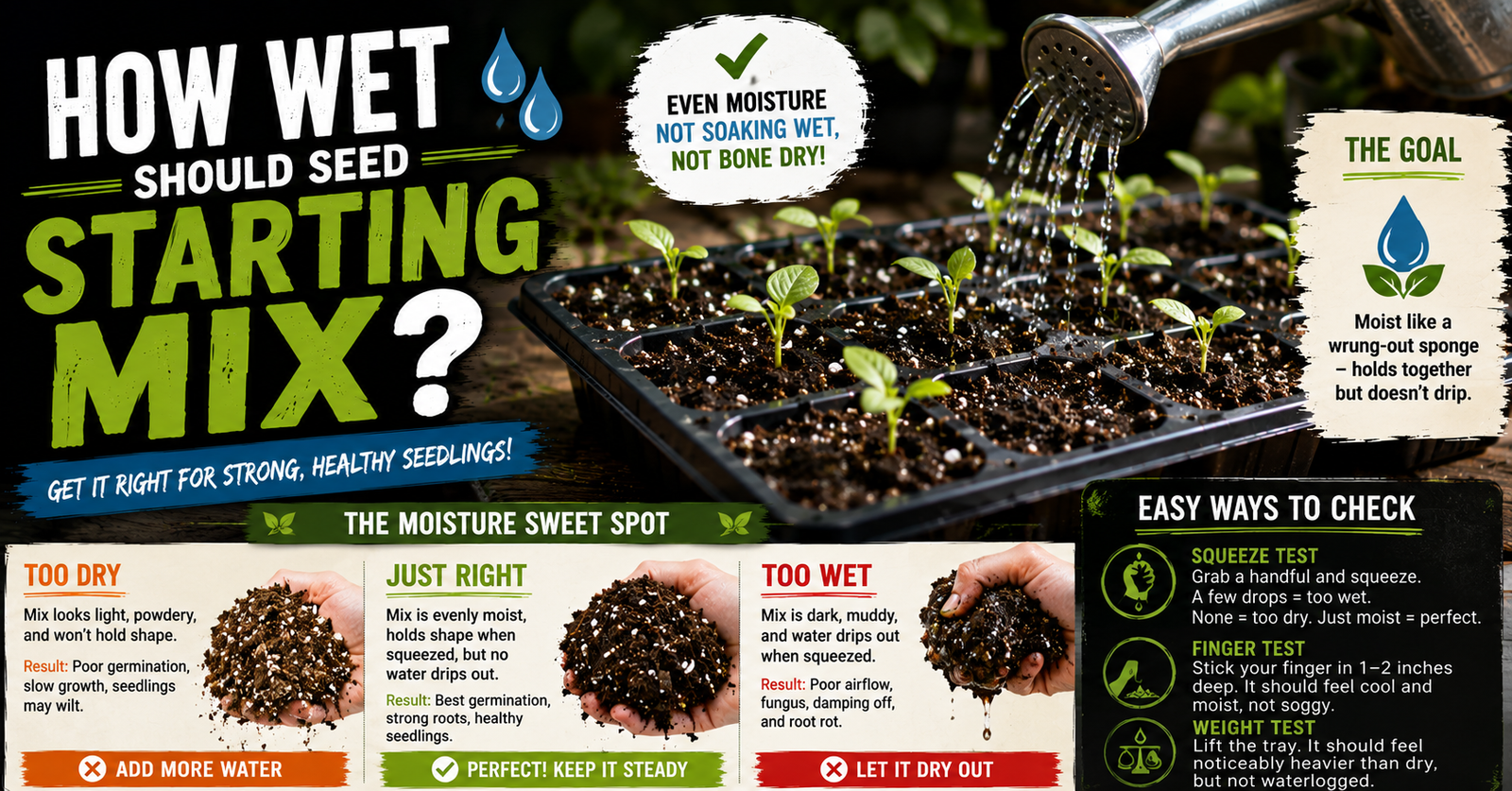
Over time, the mix naturally becomes finer and holds more water than it did when it was fresh. That change makes managing moisture in seed starting mix especially important when older media is used for new cuttings.
Eventually, replacing it simply produces better propagation results.
When I Replace It Without Thinking Twice
There are situations where I don’t even consider reusing it.
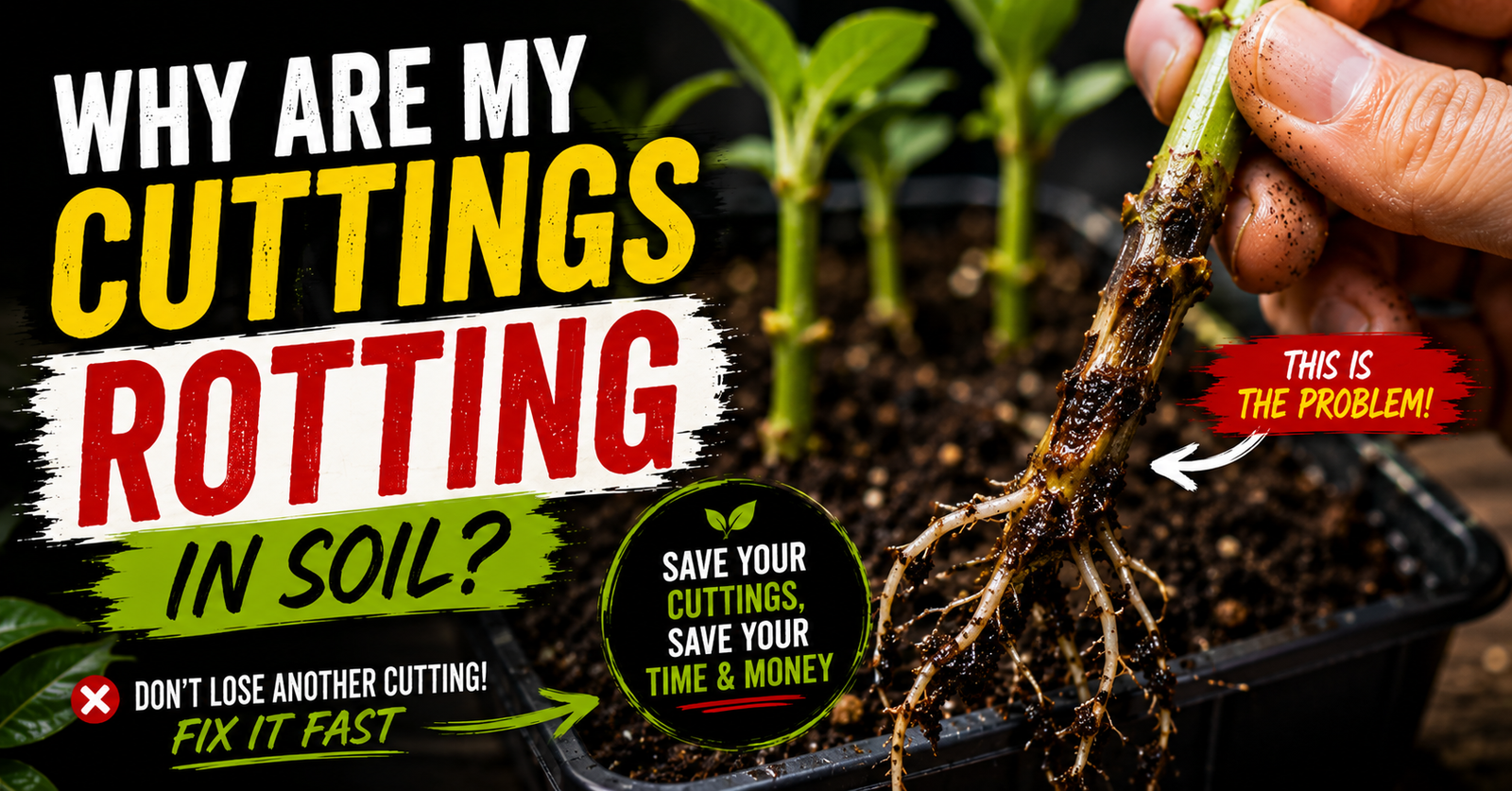
If I dealt with stem rot, mold, fungal problems, or diseased plants, the old propagation mix goes straight to the compost pile. Reusing contaminated media can complicate rot problems in propagation soil, especially when the previous batch already had disease or mold.
The cost of replacing the mix is tiny compared to risking another tray of valuable cuttings.
I’ve learned that propagation is usually much less expensive than replacing rare plants.
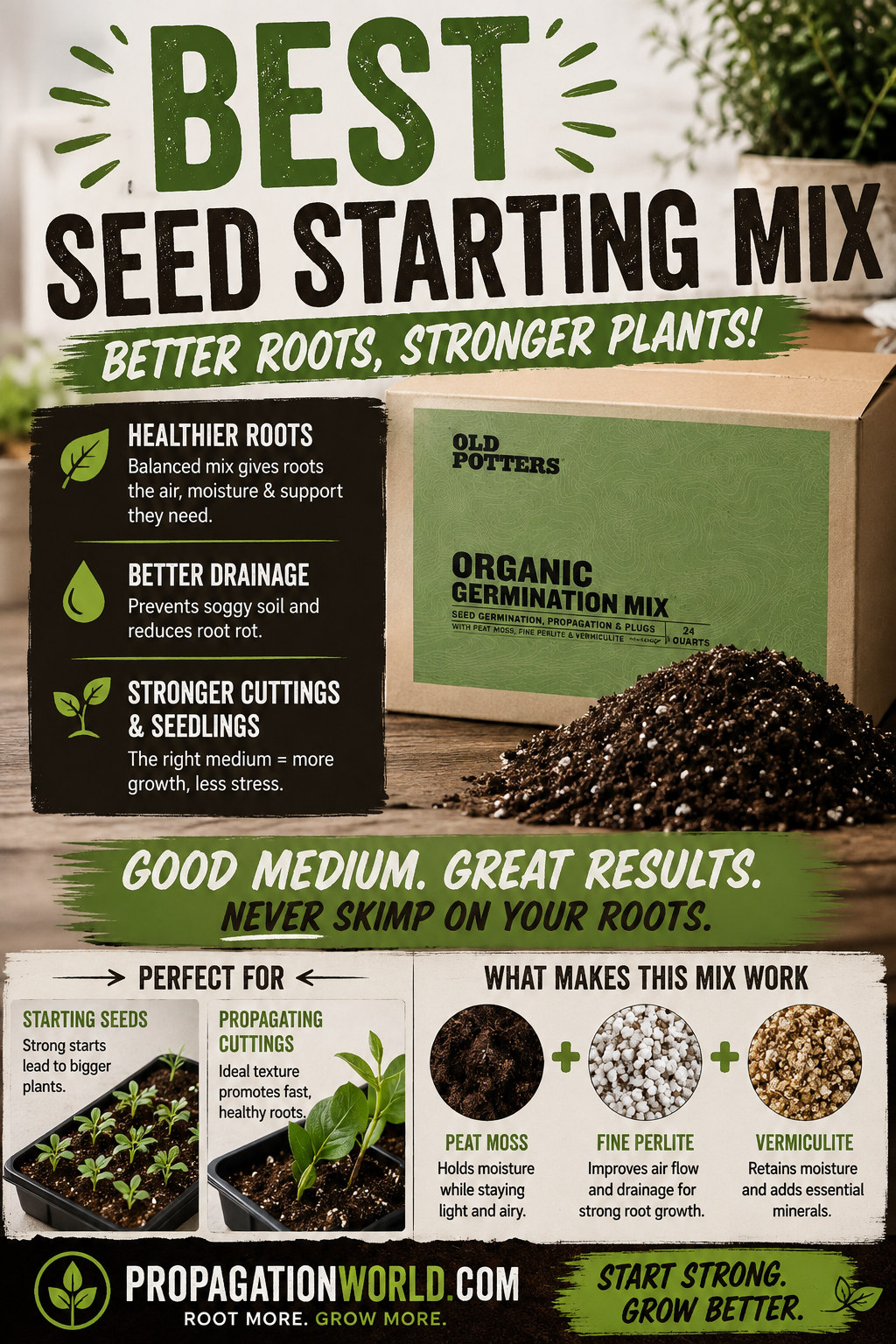
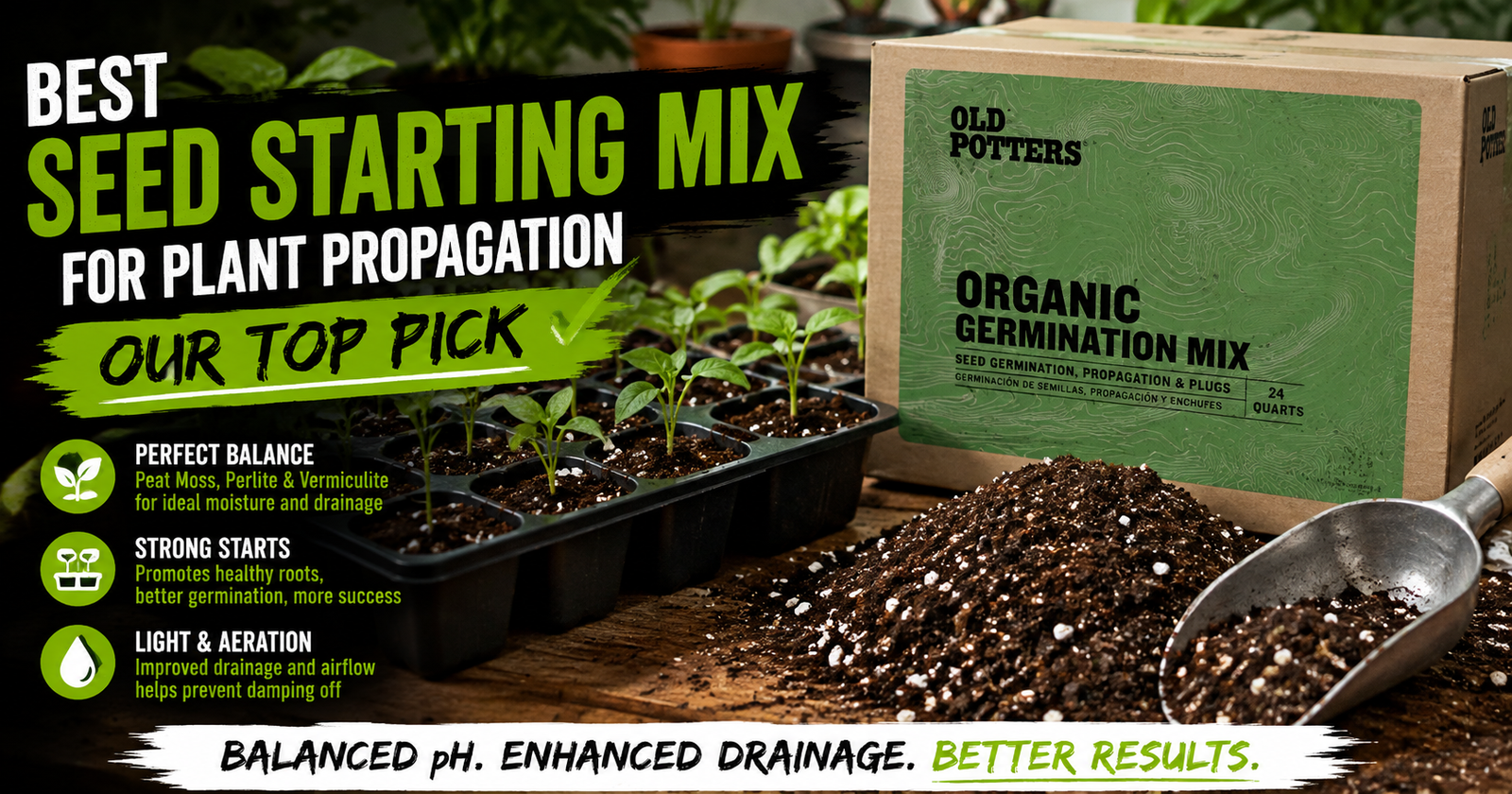
That’s one reason I always keep the seed starting mix I recommend for propagation on hand.
Starting with clean, fresh media is sometimes the smartest decision you can make.
I Think About Risk More Than Cost
Seed starting mix isn’t the most expensive part of propagation.
The plants usually are.
If I’m propagating common herbs from my own garden, I’m perfectly comfortable taking a few chances.
If I’m rooting rare cultivars, slow-growing shrubs, or fruit plants that I’ve waited months to collect, my thinking changes completely.
In those situations, saving a few dollars on propagation media simply isn’t worth the added risk.
I’d much rather begin with fresh, clean growing media and give those cuttings every possible advantage.
Reusing Mix Doesn’t Mean Ignoring It
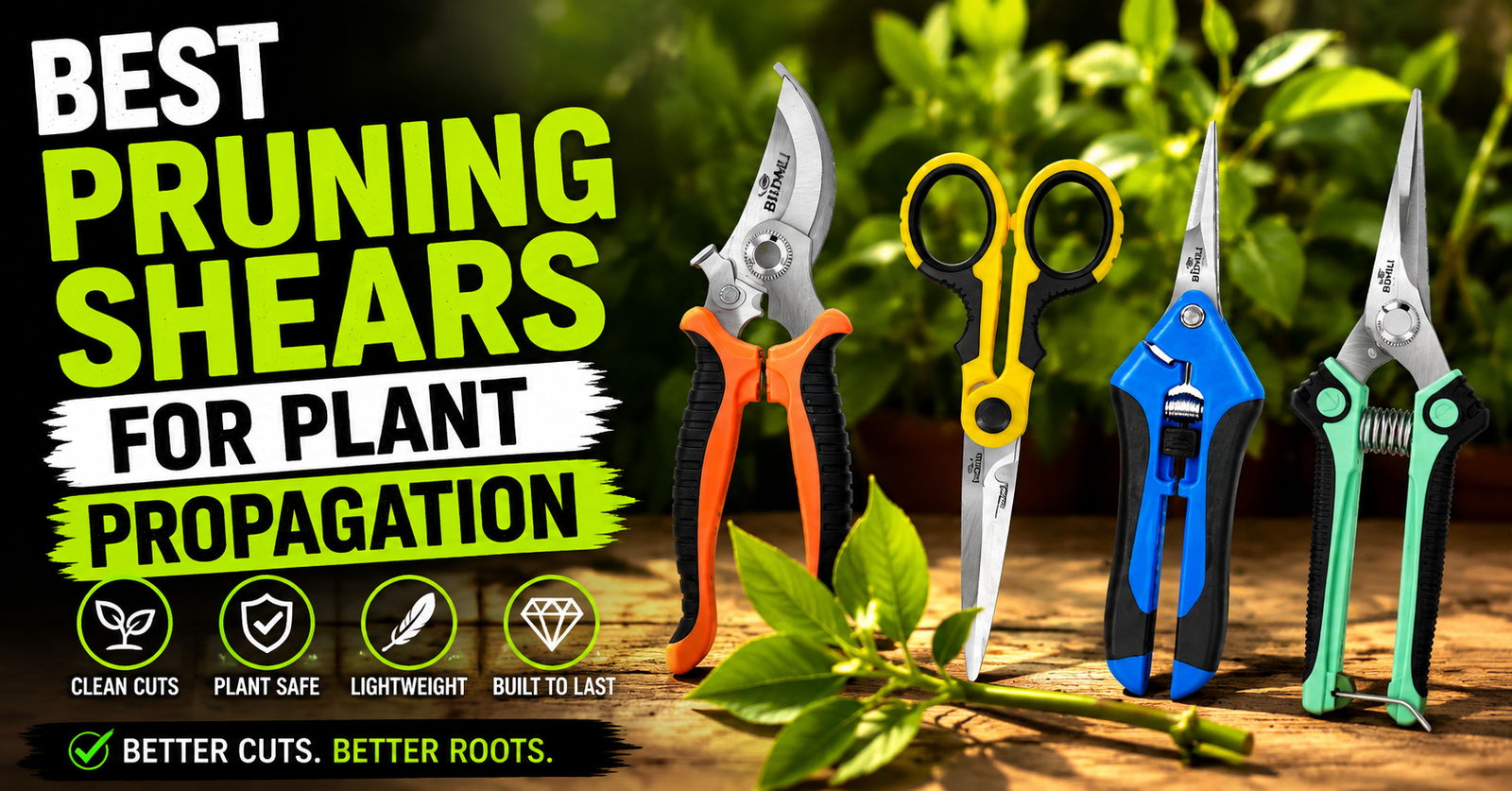
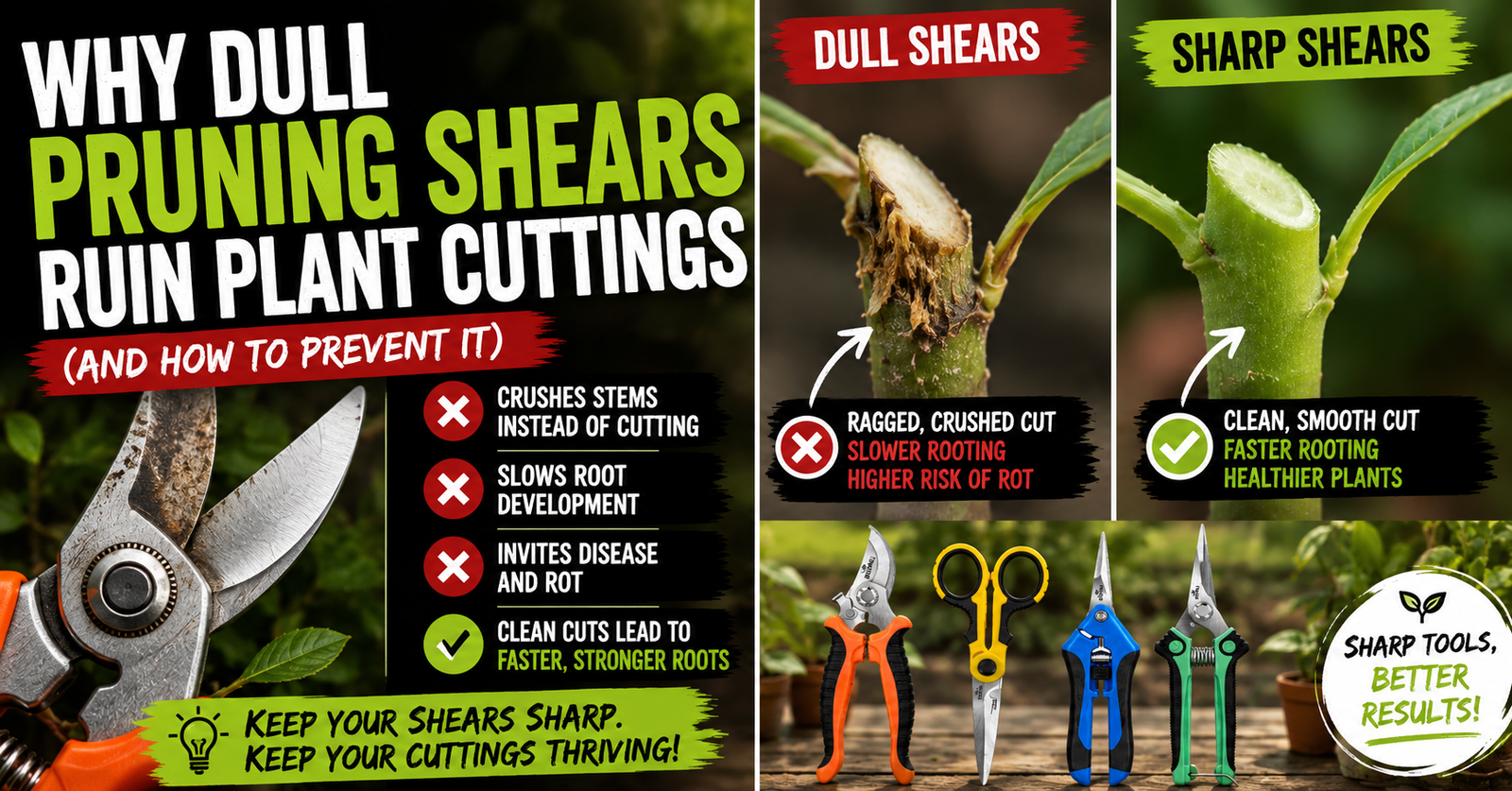
Whenever I decide to reuse seed starting mix, I treat it almost like I’m inspecting a used tool before putting it back to work. That same careful approach is useful when choosing reliable propagation shears for making clean, precise cuts.
I break apart any compacted areas.
I remove old roots and stems.
I look for mold, algae, fungus gnats, or anything else that doesn’t belong.
If something seems off, I don’t try convincing myself it’ll probably be fine.
Fresh cuttings are simply too valuable for that gamble.
Propagation has taught me that small problems have a way of becoming much bigger after the dome goes back on and the humidity increases.
Sometimes I Refresh the Mix
One habit that’s worked well for me is refreshing older propagation mix instead of relying on it exactly as it came out of the tray.
If it still looks healthy but has started breaking down a little, I’ll often blend in a small amount of fresh seed starting mix.
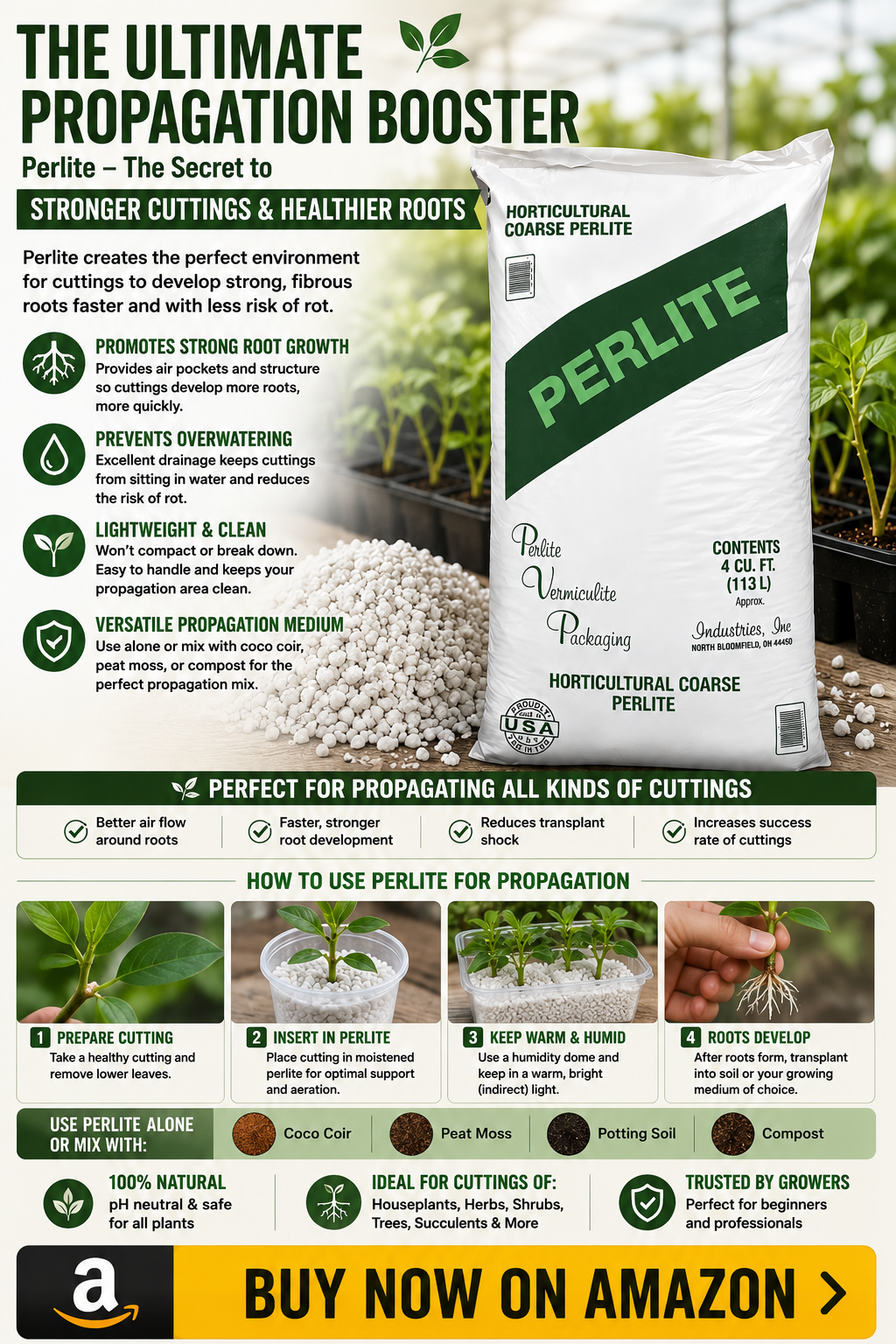
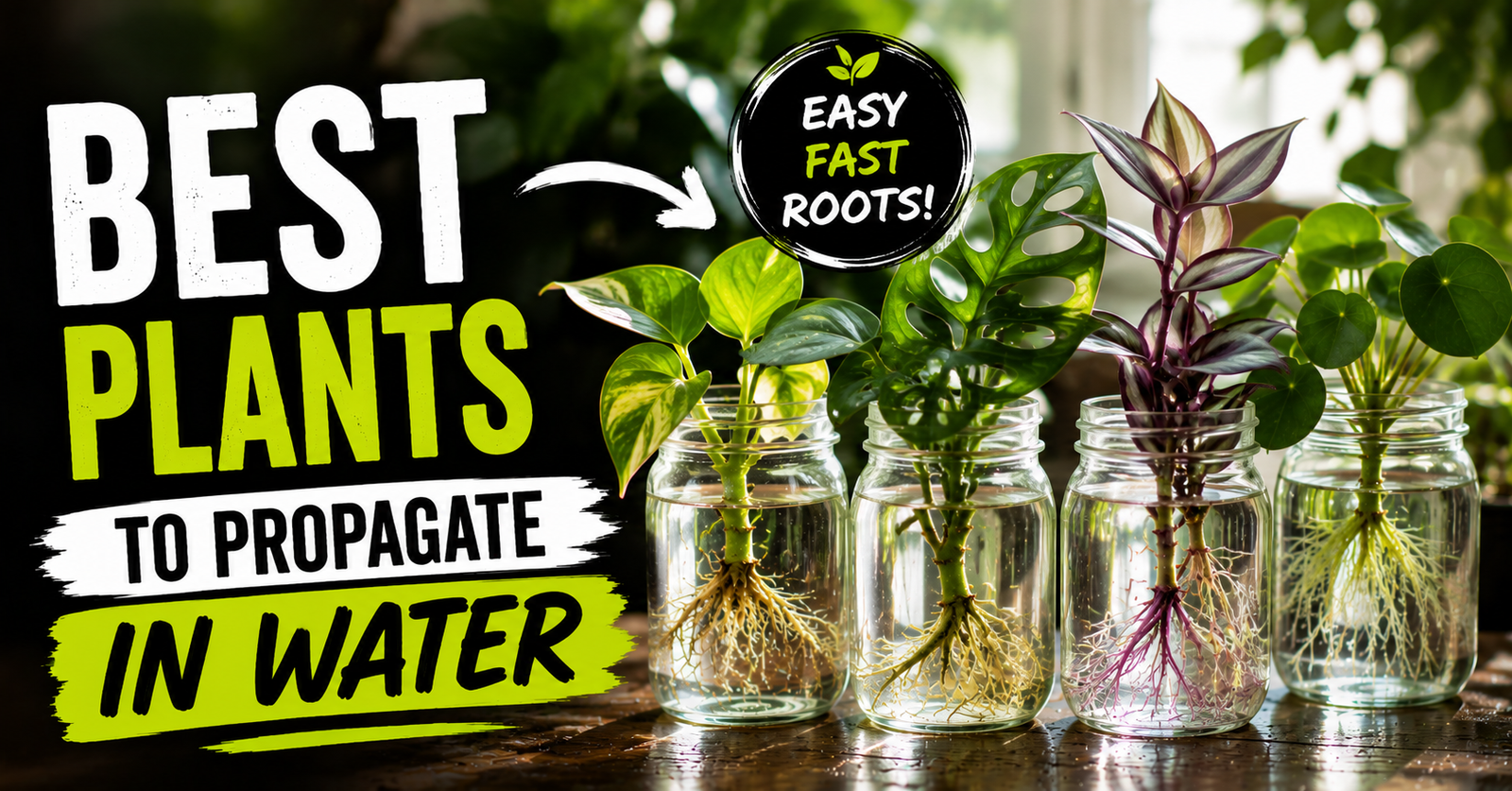
Depending on the plants I’m propagating, I may also mix in additional perlite to improve drainage and restore some of the air pockets that naturally disappear over time.
That simple step helps the mix feel much closer to new again.
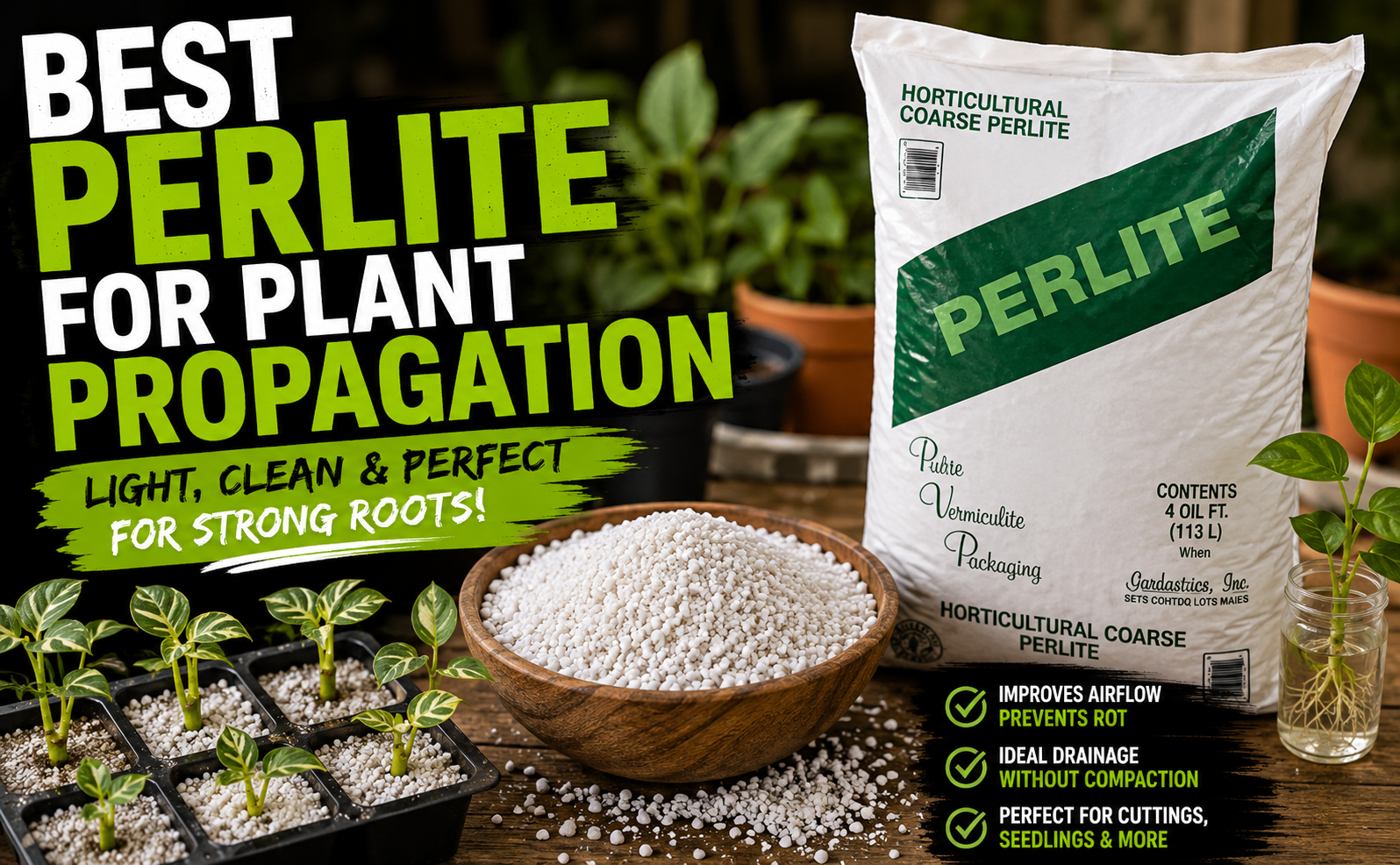
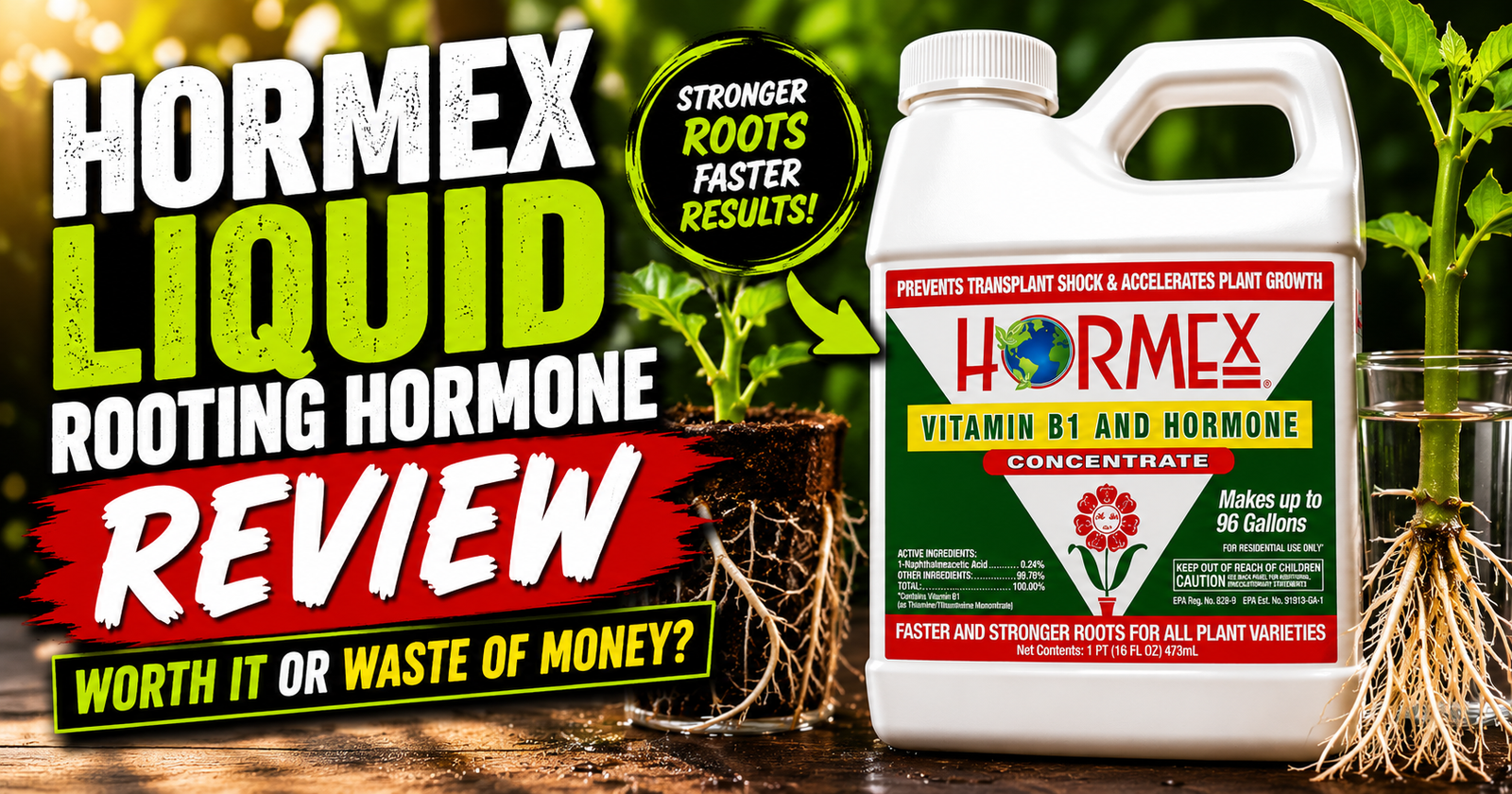
If you’ve never experimented with that approach, my favorite propagation perlite has made a noticeable difference over the years because it keeps older propagation mixes from becoming too dense after repeated use.
Every Batch Has a Life Span
Even well-cared-for propagation media eventually reach the point where replacement makes more sense than reuse.
Organic ingredients continue breaking down every time they’re watered.
The texture changes.
Drainage slows.
Airflow decreases.
None of those changes happen overnight, which is why many gardeners don’t notice them until rooting success starts slipping.
I’ve found it’s much easier to replace propagation media before it becomes a problem than to troubleshoot poor rooting afterward.
What I Usually Do After a Successful Propagation Project
When a tray of cuttings has rooted successfully and everything stayed healthy, I don’t automatically throw the propagation mix away.
I’ll inspect it carefully, remove leftover plant material, fluff it back up, and decide whether it’s worth using again.
Sometimes it is.
Sometimes it isn’t.
The decision depends entirely on the condition of the mix rather than how long I’ve had it.
That approach has helped me avoid wasting perfectly good materials while still giving new cuttings a clean, healthy place to grow.
Fresh Mix Is Sometimes the Best Investment
If I’m starting a propagation project that really matters, valuable fruit trees, rare shrubs, or plants that only give me one chance each season, I don’t overthink it.
I start with fresh media.
It’s a relatively small investment compared to the time and effort that goes into collecting and rooting those cuttings.

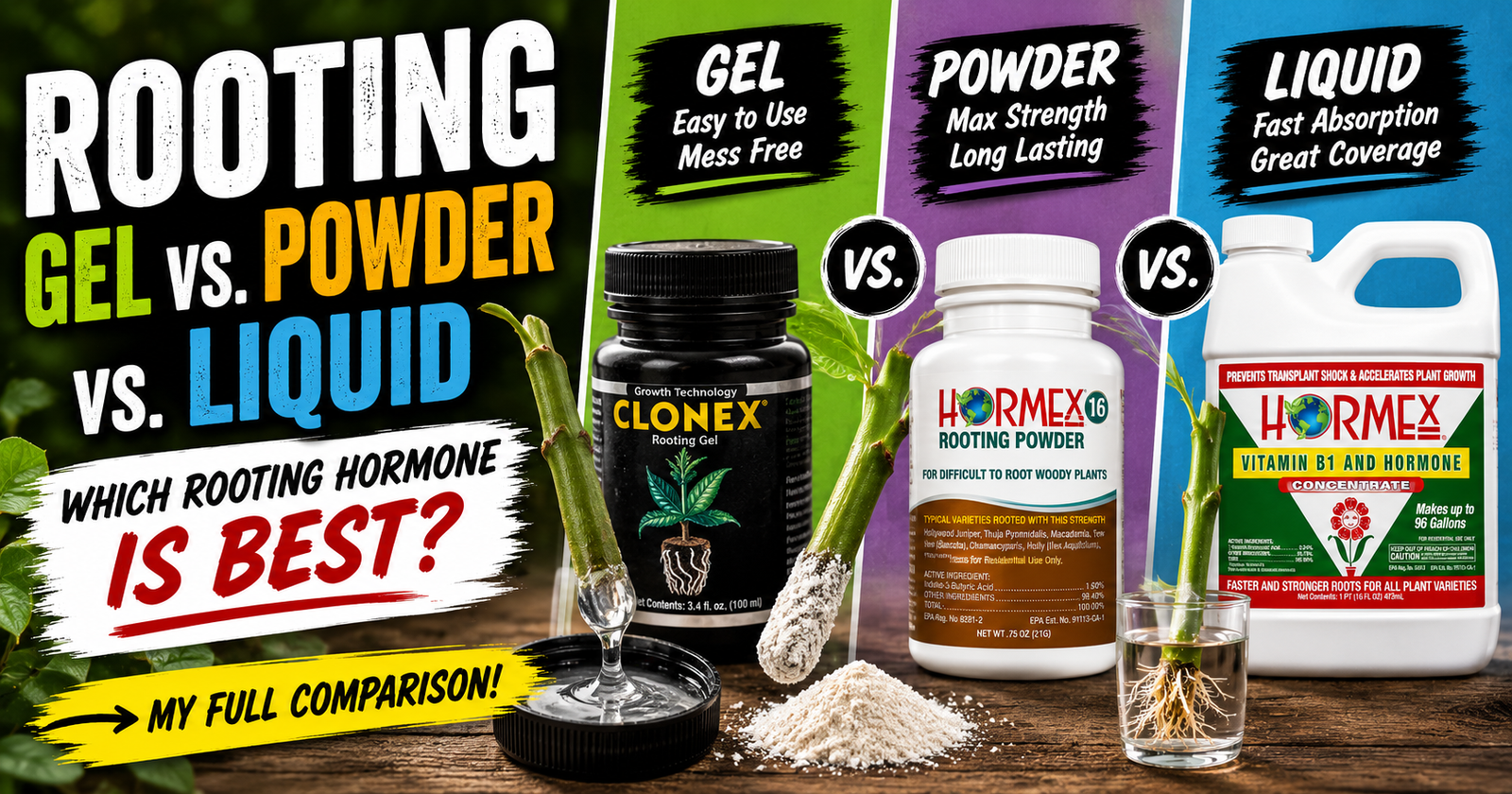
If you’re ready to refresh your propagation supplies, I’d recommend taking a look at the seed starting mix I keep on hand for rooting cuttings on Amazon.
For me, it’s one of those purchases that pays for itself by helping eliminate one more variable from the propagation process.
Frequently Asked Questions
How many times can you reuse seed starting mix?
There isn’t a set number.
I’ve reused some batches once and others several times.
It depends on how well the mix has held up.
As long as it remains light, drains well, and came from healthy plants, it may still have plenty of value.
Once it becomes compacted or starts breaking down, I replace it.
Can diseases stay in old seed starting mix?
Yes.
That’s why I’m cautious about reusing media that held diseased plants or cuttings that developed stem rot.
Some plant pathogens can survive in organic growing media.
If I have any doubts about what was growing in the tray previously, I don’t risk using that mix for another propagation project.
Should I add fertilizer before reusing seed starting mix?
Not usually.
Fresh cuttings aren’t trying to produce lots of new top growth yet.
Their first priority is developing roots.
Most seed starting mixes are intentionally low in nutrients, and that’s perfectly fine during the early rooting stage.
Once the cuttings have established a healthy root system and are transplanted into pots, that’s when I begin thinking more about fertilization.
Can I mix old and new seed starting mix together?
Absolutely.
I’ve done that many times.
Blending healthy older media with fresh seed starting mix is an easy way to restore texture while reducing waste.
If the older mix still drains well and has no signs of disease, combining the two often works very well.
What should I do with seed starting mix I can’t reuse?
I rarely throw it in the trash.
Instead, I’ll usually add it to the compost pile, spread it through garden beds, or mix it into landscape areas where I’m not using it for delicate propagation work.
Even when it’s no longer ideal for rooting cuttings, it can still provide value elsewhere in the garden.
Reuse It Wisely, Not Automatically
I’ve found there’s a big difference between being frugal and being stubborn.
Saving propagation media is great when the mix is still healthy.
Trying to squeeze one more use out of media that’s clearly breaking down usually ends up costing far more in lost cuttings than the price of replacing it.
That’s why I let the condition of the mix make the decision for me.
If it’s clean, airy, and healthy, I’ll often reuse it.
If something doesn’t seem right, I don’t hesitate to start fresh.
That simple approach has given me much more consistent propagation results over the years.
About the Author
Daxon Weaver is the founder of PropagationWorld and has propagated thousands of houseplants, herbs, berry bushes, fruit trees, and ornamental shrubs. Through years of hands-on propagation, he has learned that successful rooting often comes from paying attention to the small details, including knowing when propagation media deserves a second life and when it’s time to replace it.