
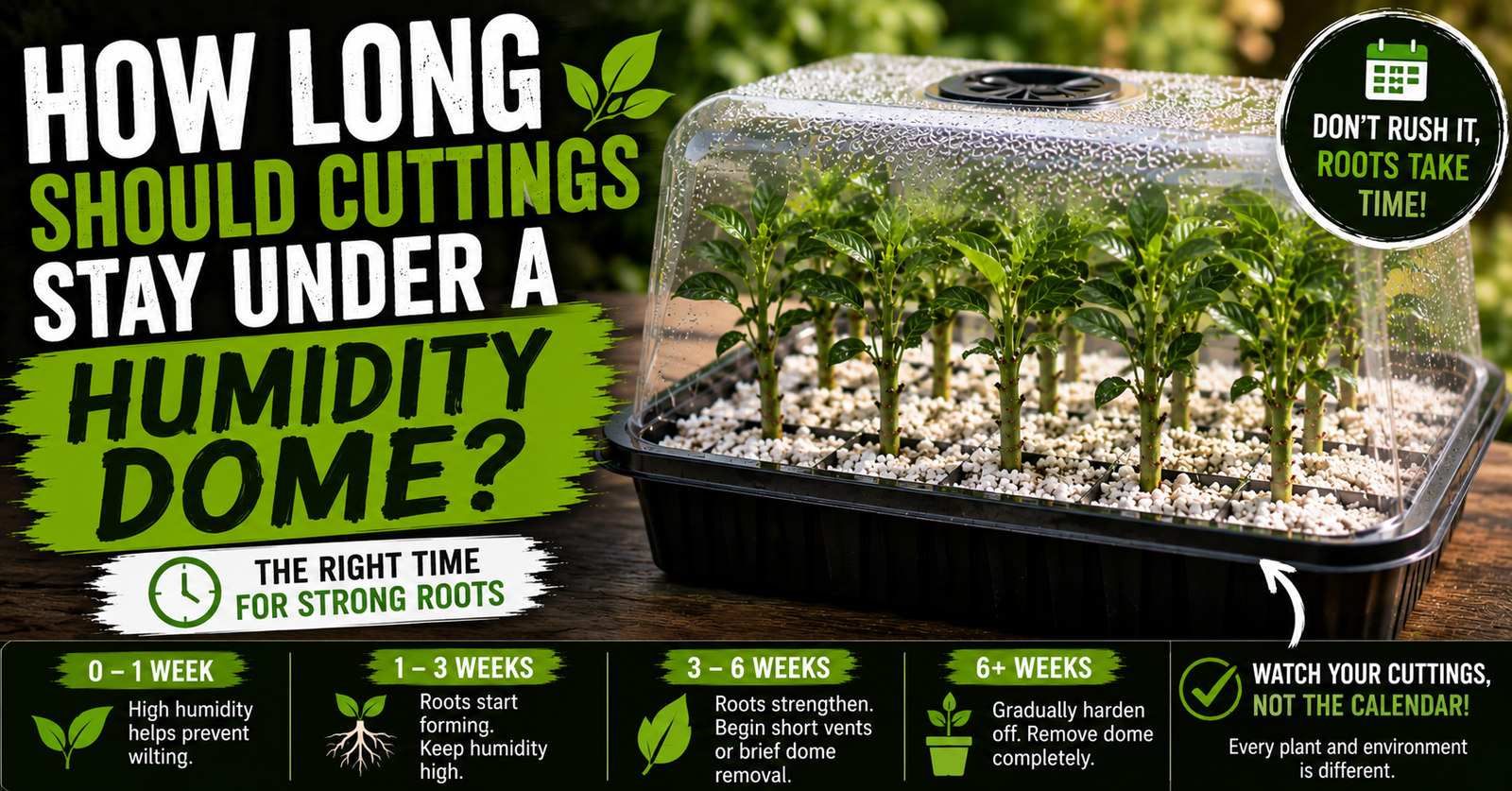
One of the most common propagation mistakes doesn’t happen when people first place a humidity dome over their cuttings.
It happens when they take it off.
Remove the dome too early, and the cuttings may wilt within hours because they still haven’t developed enough roots to replace the moisture they’re losing through their leaves. If wilting continues even with the dome in place, use this guide to start troubleshooting wilted cuttings.
Leave it on too long, and you can create an environment that’s overly humid with limited air exchange.
Neither extreme is ideal.
Over time, I’ve found that successful propagation isn’t about following a certain number of days on the calendar.
It’s about paying attention to what the cuttings are telling you.
That’s ultimately what decides when the dome comes off.
There’s No Magic Number
I wish propagation were as simple as saying, “Leave the dome on for exactly two weeks.”
Unfortunately, plants don’t work that way.
Some easy houseplants begin rooting surprisingly quickly.
Woody shrubs and fruit plants may need several weeks before they’re ready for less humid conditions.
Temperature, lighting, humidity, and the type of plant all influence how quickly roots develop.
That’s why I almost never decide based on time alone.
Instead, I watch the progress of the cuttings themselves.

Healthy New Growth Is a Great Sign
One of my favorite indicators is fresh growth.
When a cutting begins producing healthy new leaves or obvious new shoots, it’s often a sign that roots are becoming established.
That doesn’t necessarily mean I remove the humidity dome immediately.
It tells me the plant is getting close.
From there, I begin introducing more fresh air gradually instead of making one sudden change.
That transition has given me much better results than removing the dome all at once.
I Prefer Adjustable Humidity Domes
This is one reason I like adjustable vents so much.
Instead of removing the entire dome on day one, I can slowly increase airflow over several days.
The cuttings have time to adapt.
The leaves begin functioning under more normal humidity.
Everything feels much less stressful for the plant.
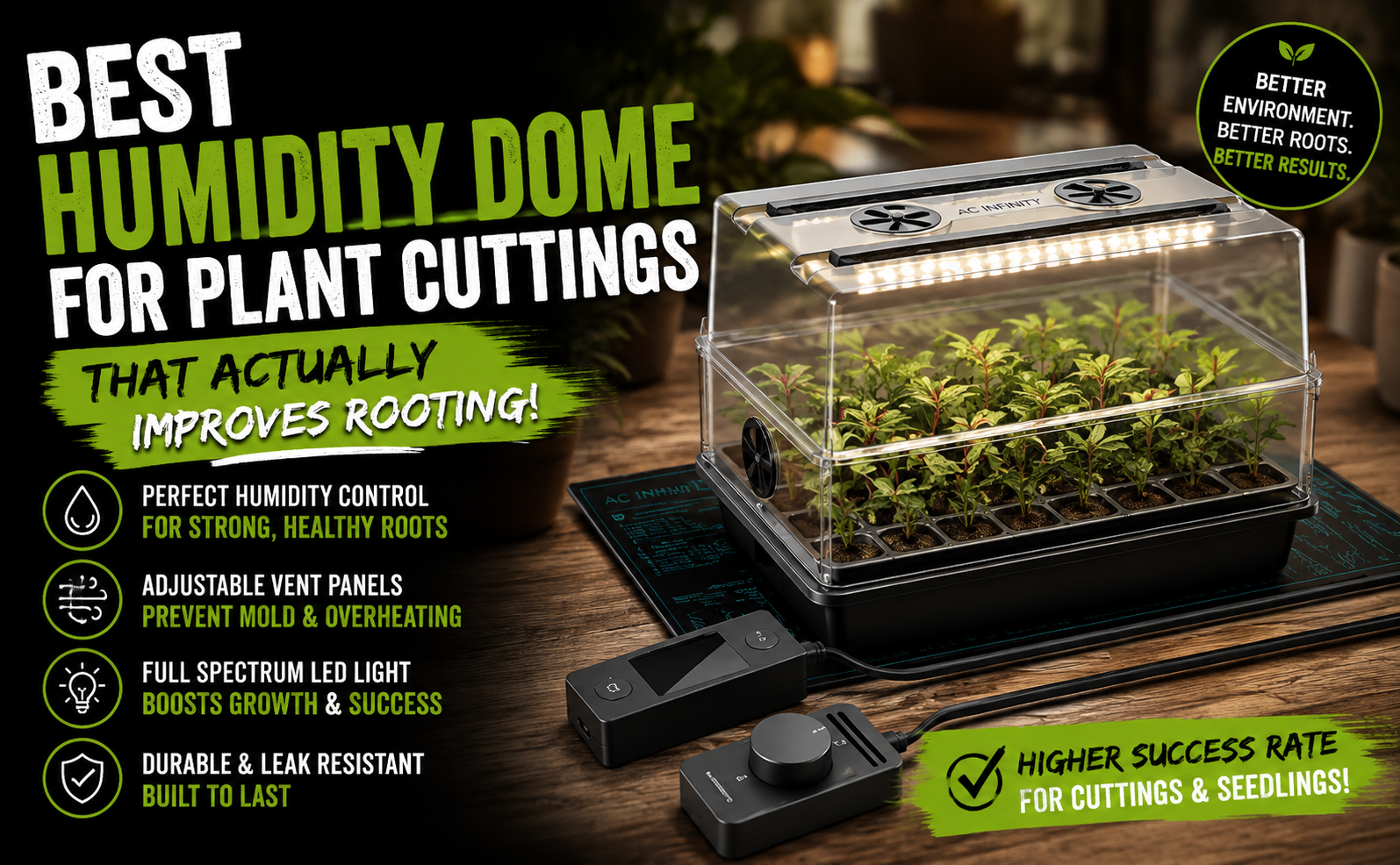
That’s exactly why I continue using the humidity dome system I recommend for propagation.
Being able to fine-tune the environment has made the transition from high humidity to normal growing conditions much smoother than simply lifting the dome off and hoping for the best.
I Think of It Like Hardening Off Seedlings
Many gardeners are familiar with hardening off vegetable seedlings before planting them outdoors.
I approach humidity domes in a similar way.
Instead of exposing the cuttings to a dramatic change all at once, I let them adjust gradually.
Each day, they spend a little more time in normal air.
That slow transition gives the developing root system time to catch up with the moisture demands of the leaves.
I’ve found the plants handle that process much better than making an abrupt change that forces them to adapt overnight.
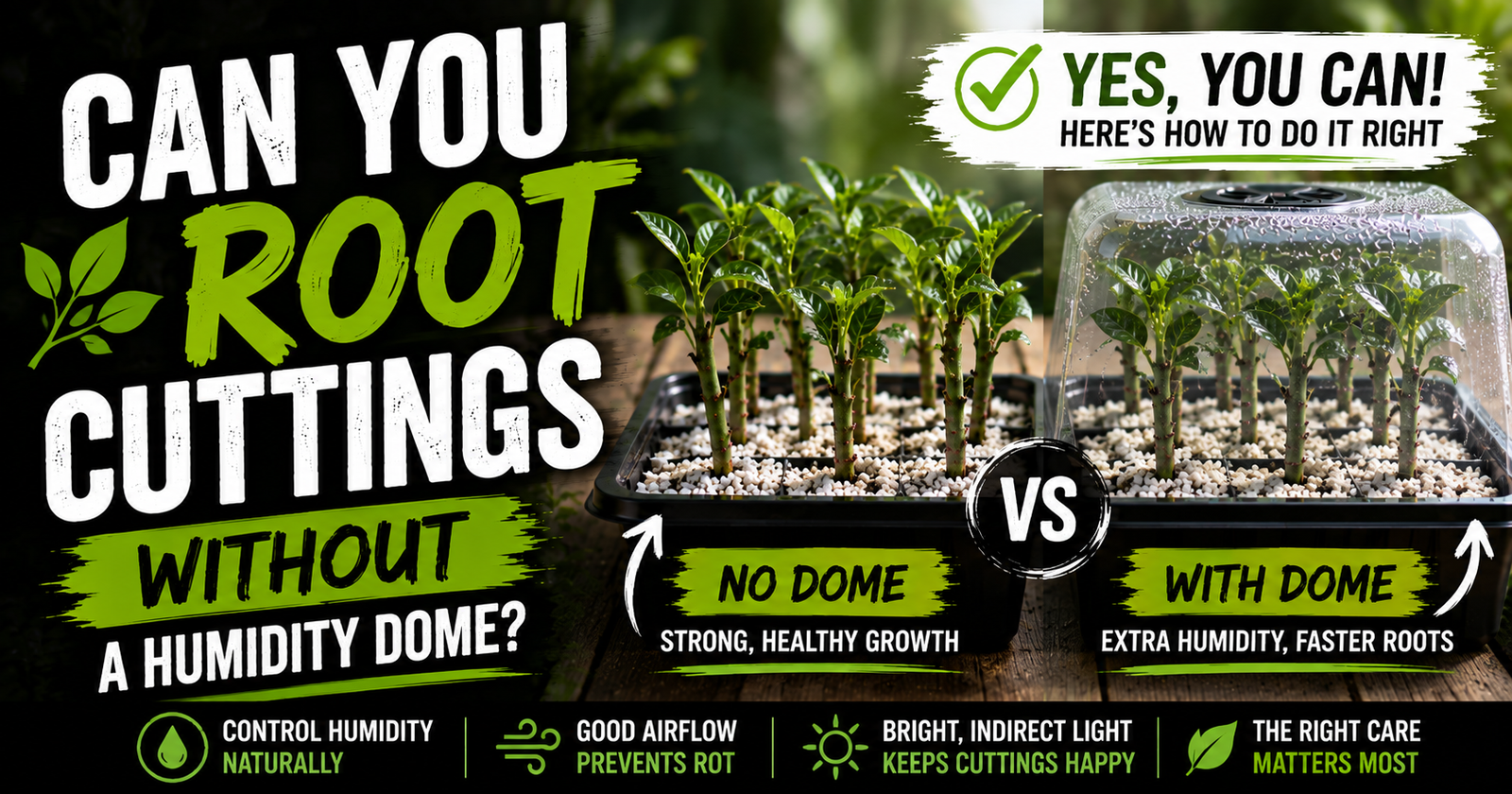
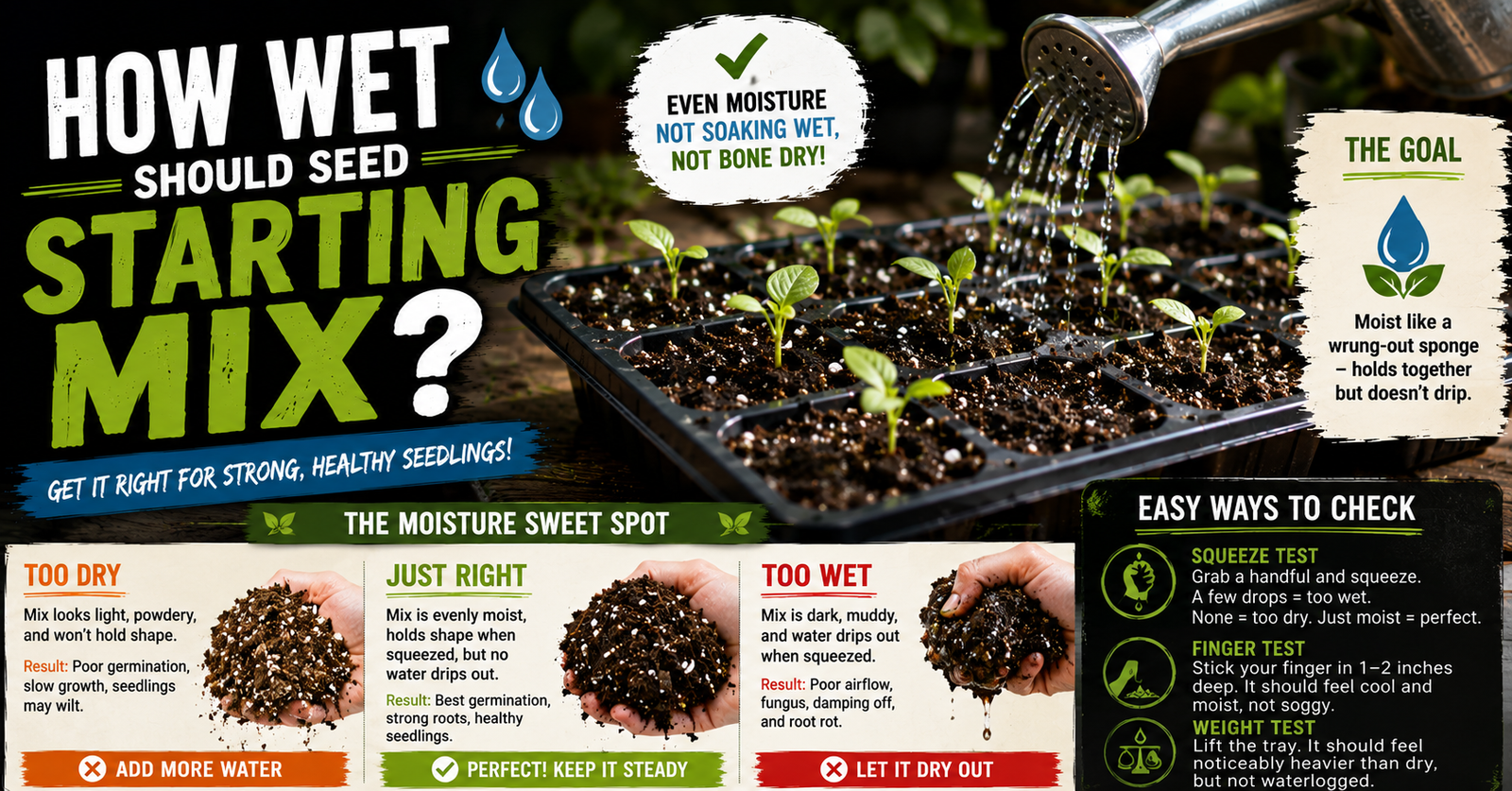
What Happens If You Remove the Dome Too Early?
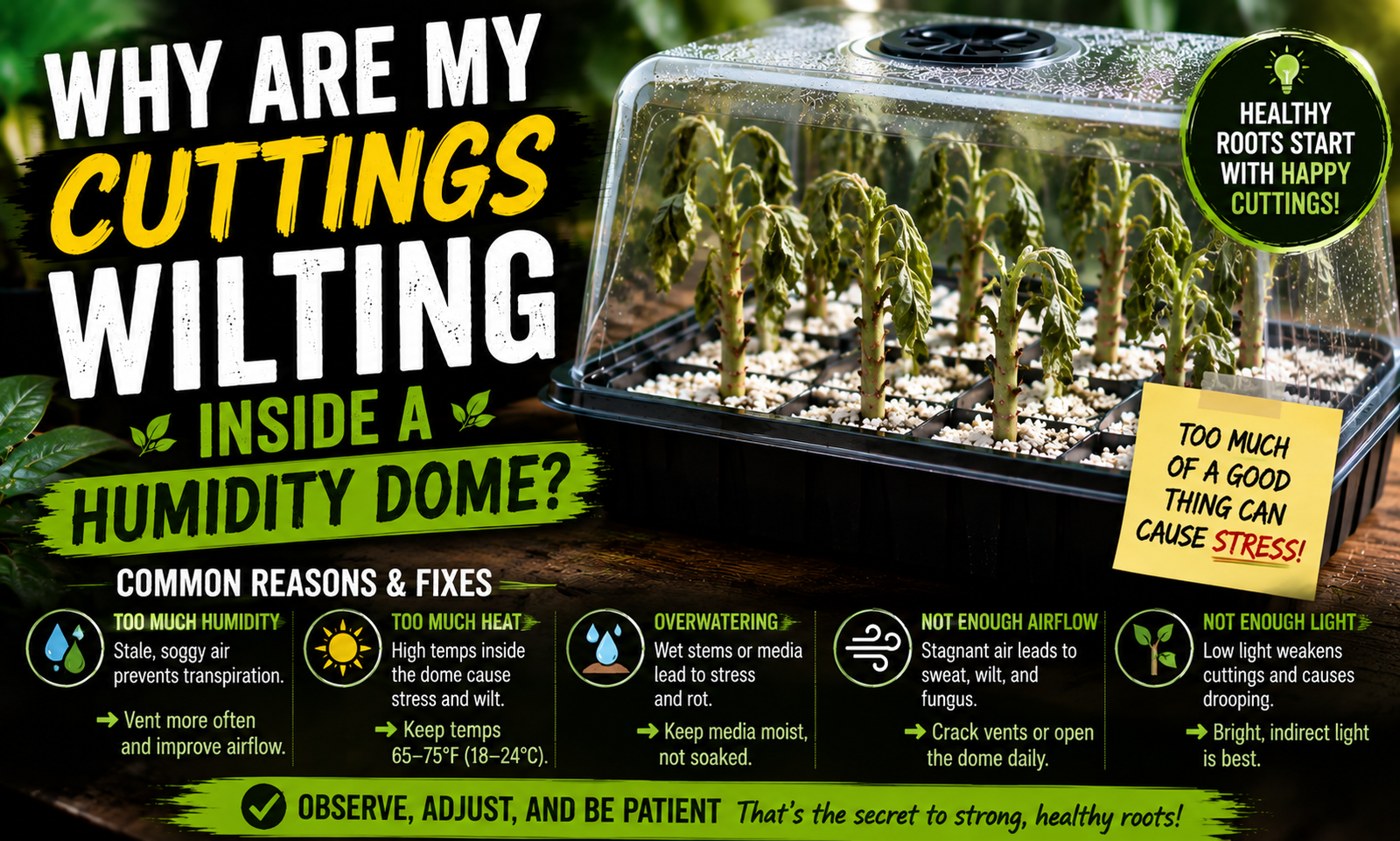
The first sign is usually wilting.
Everything may have looked perfect while the humidity dome was in place.
Then, a few hours after removing it, the leaves suddenly become limp.
That doesn’t always mean the cutting has failed.
It often means the roots simply aren’t developed enough yet.
Without a strong root system, the cutting can’t replace the moisture escaping through its leaves.
If I notice that happening, I’ll usually increase the humidity again and give the cutting a little more time before trying another gradual transition.
Patience is almost always a better solution than forcing the process.
Leaving It On Too Long Isn’t Ideal Either
The opposite mistake is forgetting about the humidity dome altogether.
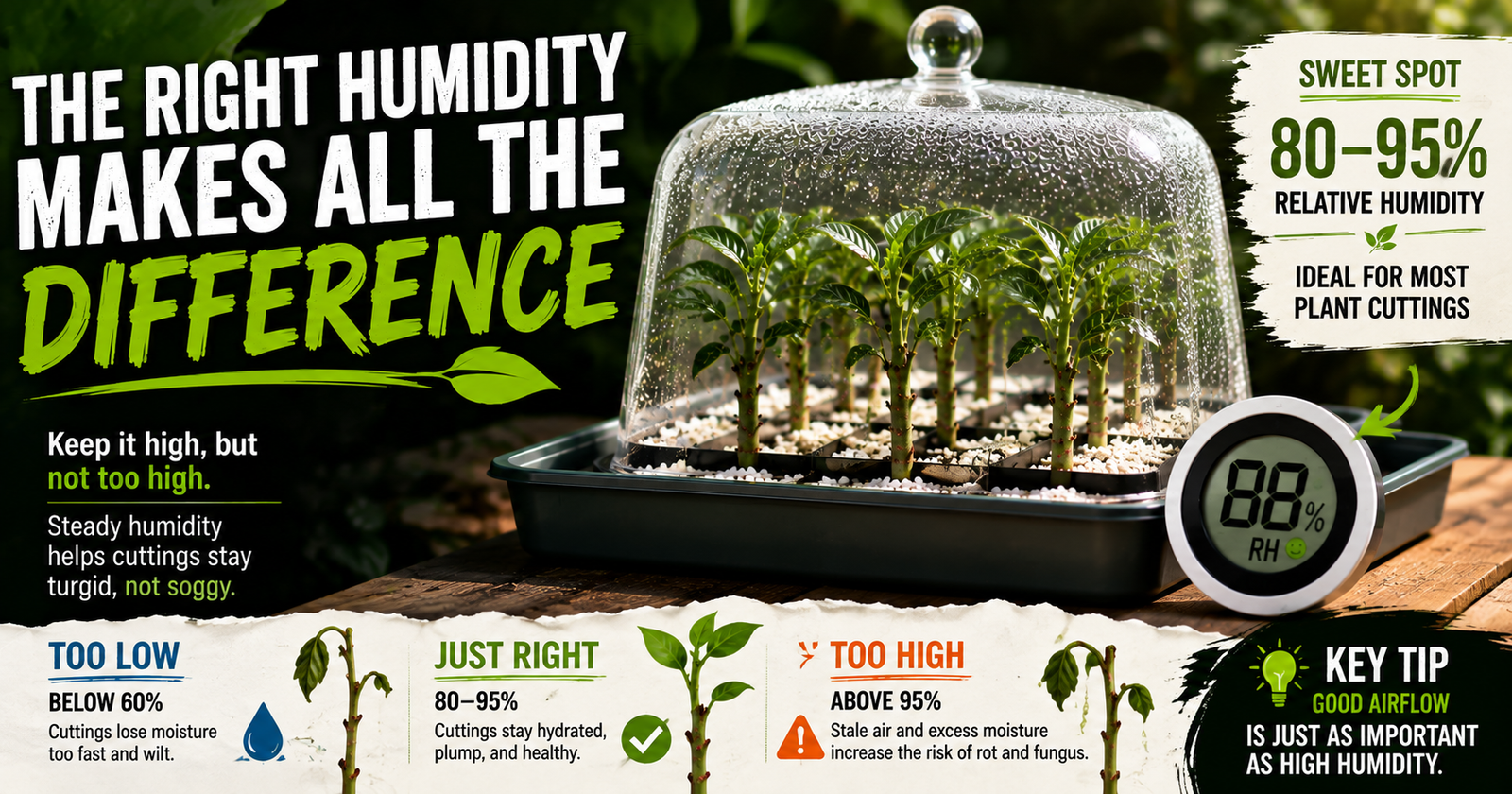
If cuttings remain in extremely humid conditions long after they’ve developed healthy roots, they may have a harder time adapting to normal air later. A better transition starts with managing humidity around cuttings rather than leaving rooted plants in saturated conditions indefinitely.
I’ve also found that constantly saturated conditions increase the chances of mold, algae, and other moisture-related problems appearing around the propagation tray.
That’s why I like checking my cuttings regularly instead of treating the humidity dome as something I can simply ignore for weeks.
Good propagation is usually more about small observations than big adjustments.

Every Plant Moves at Its Own Pace
One tray might contain cuttings that are ready for fresh air after two weeks.
Another may need another ten days.
I’ve even had different varieties growing side by side where one rooted noticeably faster than the other.
That experience taught me not to force every propagation project into the same schedule.
The plants decide when they’re ready.
My job is simply to pay attention and respond to what they’re showing me.
My Routine for Removing a Humidity Dome
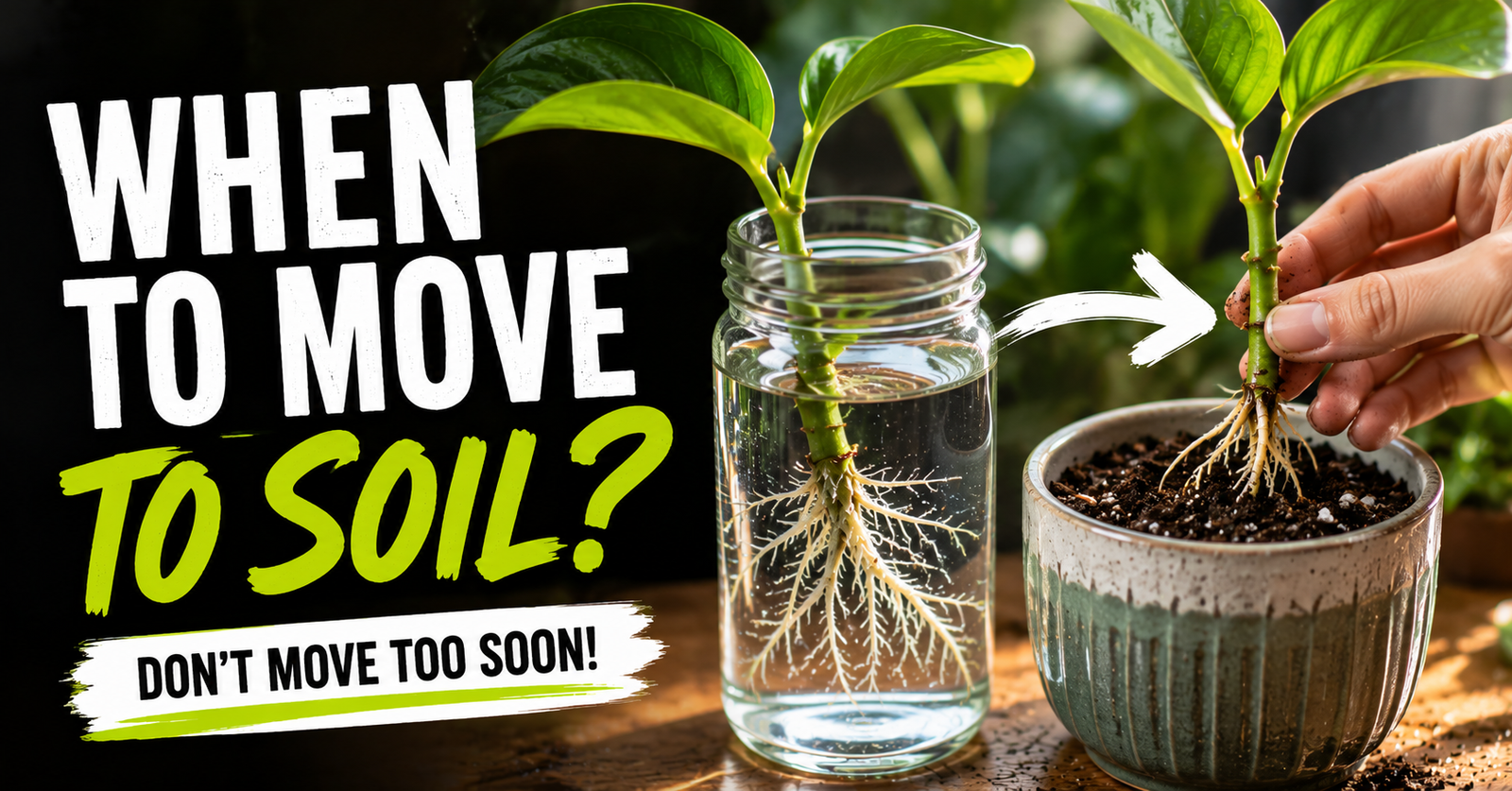
Once I believe the cuttings have established a healthy root system, I don’t remove the dome permanently all at once.
Instead, I gradually increase ventilation over several days.
Then I’ll leave the lid slightly open.
Later, I may remove it for an hour or two before replacing it.
Eventually, the dome comes off completely.
That gradual approach has produced much healthier plants than making one sudden change.
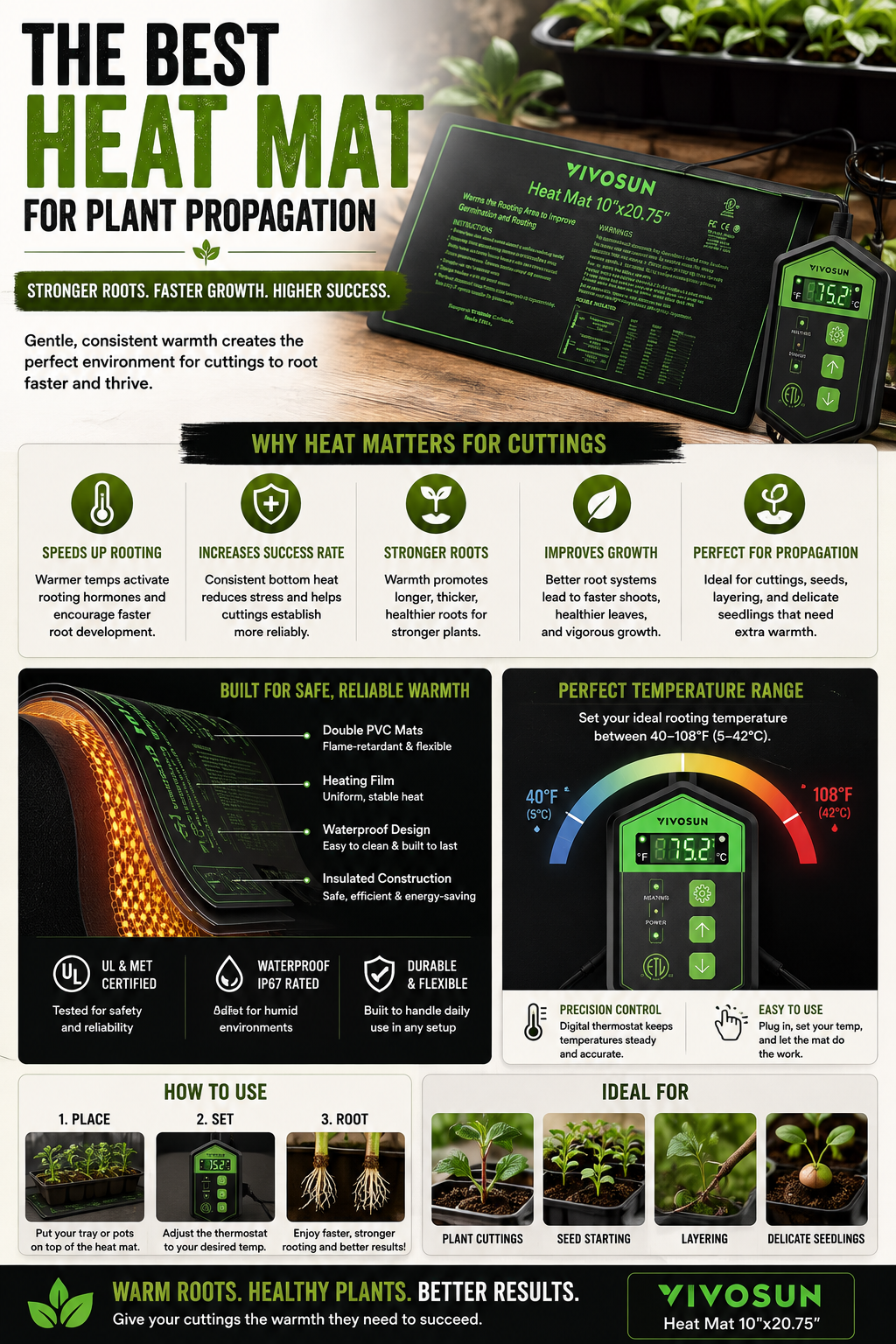
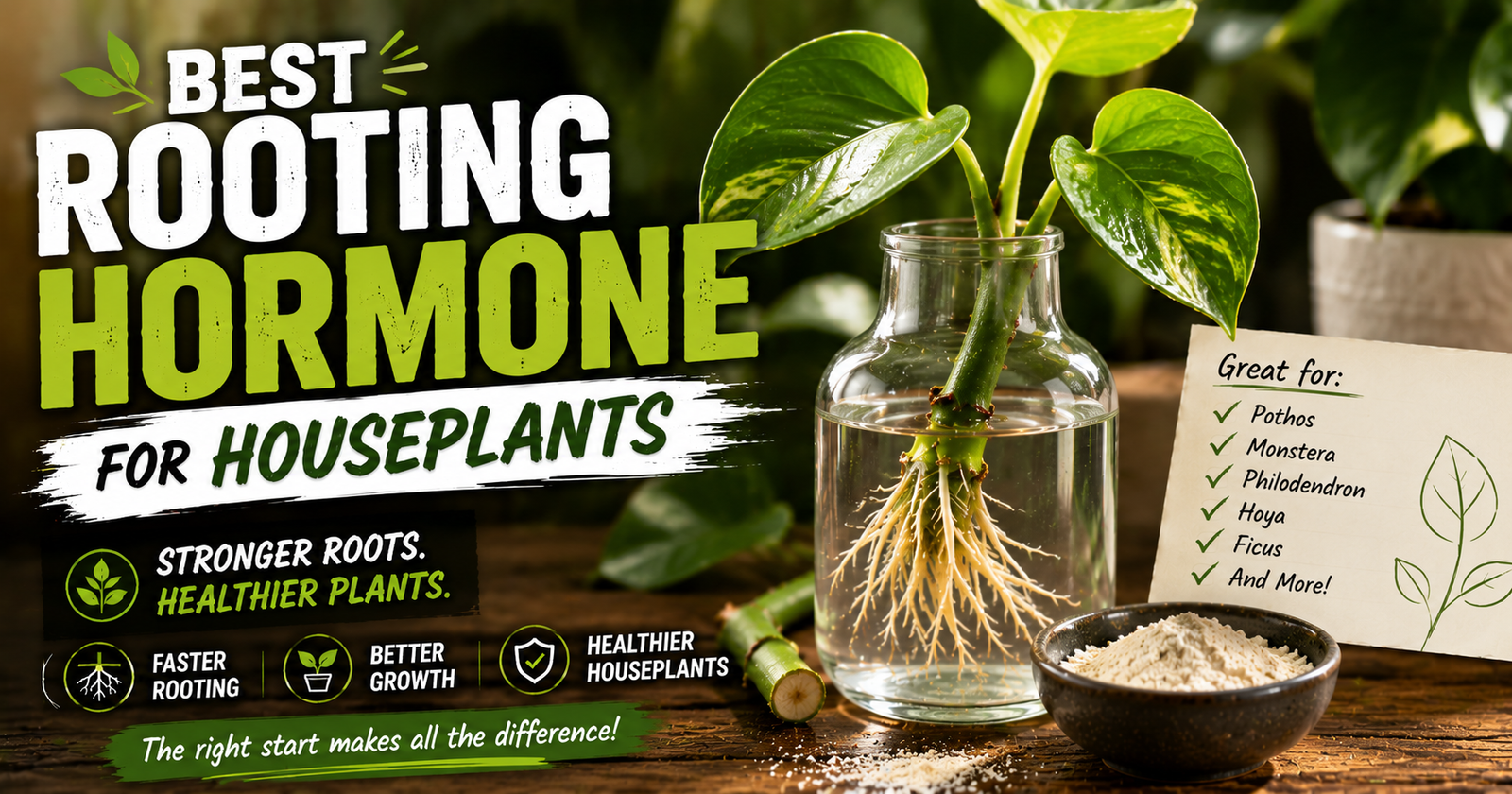
During cooler months, I often continue using the propagation heat mat I rely on most throughout this transition because steady root-zone temperatures help reduce stress while the plants adjust to lower humidity.

Let the Cuttings Tell You When They’re Ready
Propagation becomes much easier once you stop looking for exact timelines.
Every plant is a little different.
Every growing area is a little different.
Instead of asking, “Has it been long enough?”
I now ask a better question.
“Do these cuttings look ready?”
That simple change has prevented me from removing humidity domes too early countless times.

If you’re looking for a propagation setup that makes this gradual transition easier, I’d recommend checking out the adjustable humidity dome I use on Amazon.
Being able to slowly increase airflow instead of making one dramatic change has become one of my favorite features, especially when rooting slower-growing shrubs and fruit plants.
Frequently Asked Questions
How do I know when my cuttings have rooted?
The easiest clue is healthy new growth.
Fresh leaves, new buds, or steady growth usually indicate the cutting has started developing a root system.
Some gardeners gently tug on the cutting to feel for resistance.
I do that occasionally, but very carefully.
A light resistance can suggest roots are beginning to anchor the cutting.
Pulling too hard isn’t worth the risk.
I’d rather wait a few extra days than damage tender new roots.
Can I open the humidity dome a little each day?
Yes, and that’s actually the approach I prefer.
Rather than removing the dome all at once, I gradually increase ventilation over several days.
That gives the cuttings time to adjust to lower humidity without shocking them.
If your dome has adjustable vents, this process becomes even easier.
Should the humidity dome stay on at night?
Usually, yes.
During the early rooting stage, I leave the dome in place day and night.
The goal is maintaining a stable environment while roots are forming.
Once the cuttings are clearly established, that’s when I begin increasing ventilation and eventually removing the dome altogether.
What if my cuttings wilt after removing the dome?
Don’t panic.
I’ve had it happen before.
If the cuttings wilt quickly but still look healthy otherwise, they’re often telling you they simply weren’t ready yet.
Increasing the humidity again and giving them a little more time is usually a much better approach than assuming the propagation project has failed.
Can hardwood cuttings stay under a humidity dome?
Sometimes, but many hardwood cuttings don’t need one at all.
Because they’re often propagated without leaves, they lose much less moisture than leafy softwood cuttings.
Whether I use a dome depends more on the plant, the surrounding humidity, and the propagation environment than whether the cutting is technically hardwood or softwood.


Think of the Dome as Temporary Training Wheels
One comparison I’ve always liked is thinking of a humidity dome as training wheels on a bicycle.
Its purpose isn’t to stay there forever.
It’s there to provide extra support while the cutting develops what it needs to succeed on its own.
Once the roots are strong enough to supply the leaves with water consistently, the dome has done its job.
Removing it gradually helps the plant become independent without unnecessary stress.
That’s exactly the role I want every humidity dome to play in my propagation setup.
About the Author
Daxon Weaver is the founder of PropagationWorld and has propagated thousands of houseplants, herbs, berry bushes, fruit trees, and ornamental shrubs. Through years of practical experience, he has learned that successful propagation often comes from making small adjustments at the right time, including knowing when a humidity dome has finished its job.