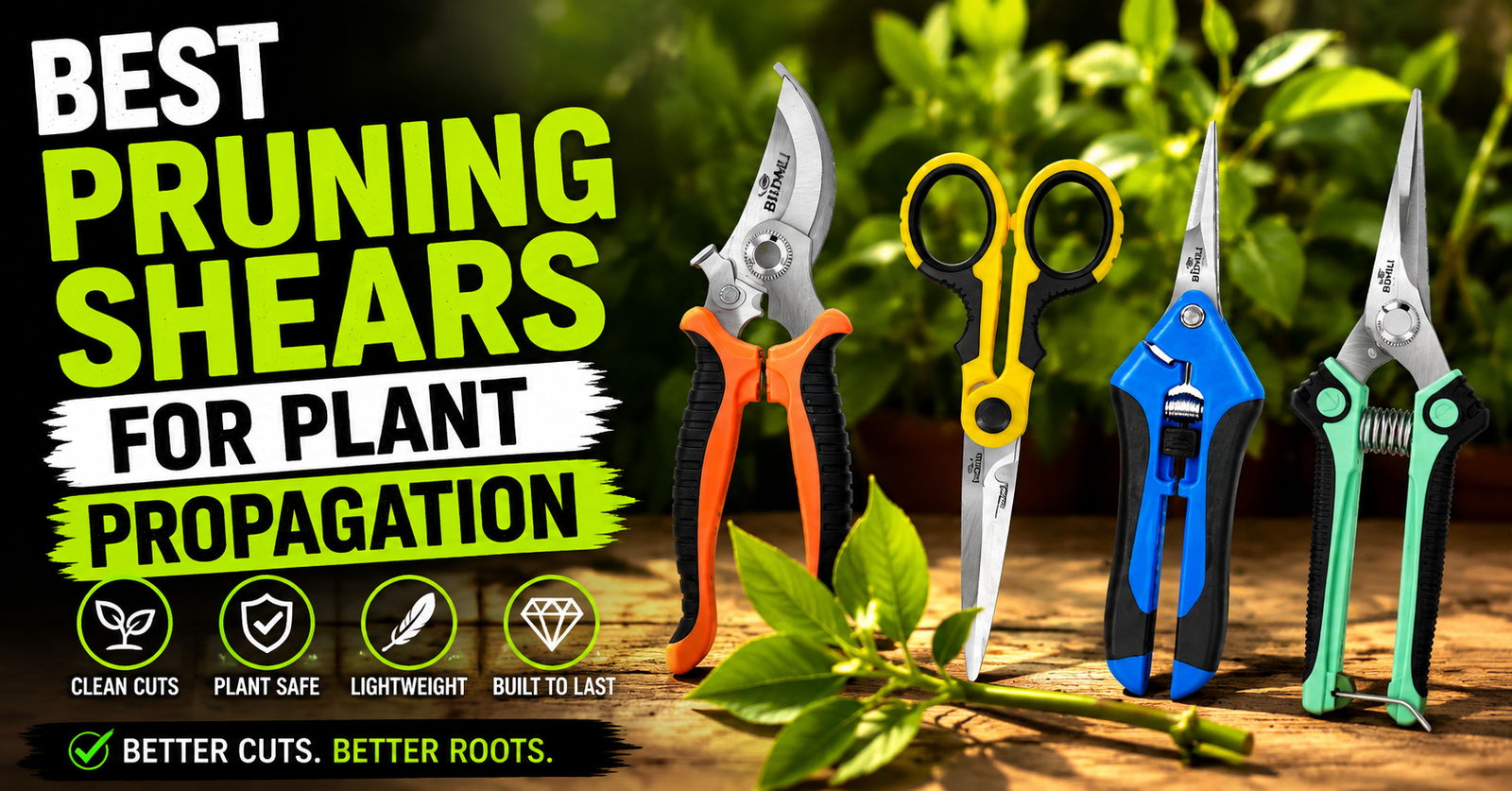
If there’s one propagation tool I refuse to compromise on, it’s my pruning shears.
I’ve experimented with expensive shears, cheap discount-store scissors, pocket knives, and even ordinary kitchen scissors when I was first getting started.
One thing became obvious pretty quickly.
A clean cut gives your cutting a much better chance of rooting than one that’s crushed, torn, or splintered. The next step is understanding how dull shears damage cuttings before they ever reach water or propagation mix.
Every cutting starts with that very first cut.
If the stem is damaged before it ever reaches water, perlite, sphagnum moss, or a rooting mix, you’ve already lowered your chances of success. Once you have a clean cutting, comparing perlite and vermiculite can help you choose a medium that supports successful rooting.
That’s why sharp, clean pruning shears are one of the best investments you can make if you enjoy propagating plants.
Fortunately, you don’t have to spend a fortune.
Some of my favorite propagation snips are surprisingly affordable and work extremely well for everything from delicate houseplants to softwood shrubs.
In this guide I’ll share the pruning shears I think are worth buying, what I use each type for, and the features I look for before making a recommendation.
The Short Answer
The best pruning shears for plant propagation make clean, precise cuts without crushing the stem. For most gardeners, a sharp pair of lightweight bypass snips is all that’s needed for houseplants, herbs, and softwood cuttings, while heavier bypass pruners are better suited for woody shrubs and thicker branches.
What I Look for in Propagation Shears
After making thousands of cuttings over the years, I’ve found that a few features matter much more than flashy marketing.
The first is sharpness.
A razor-sharp blade slices cleanly through stems with very little effort.
The second is comfort.
When I’m taking dozens of cuttings, I don’t want my hand cramping after ten minutes.
Weight also matters.
Lightweight snips are much easier to control when working around delicate stems and closely spaced nodes.
Finally, I want stainless steel blades that clean easily and resist rust.
Propagation tools spend plenty of time around water, humidity, and damp growing media, so corrosion resistance is important.
My Favorite Budget Pick
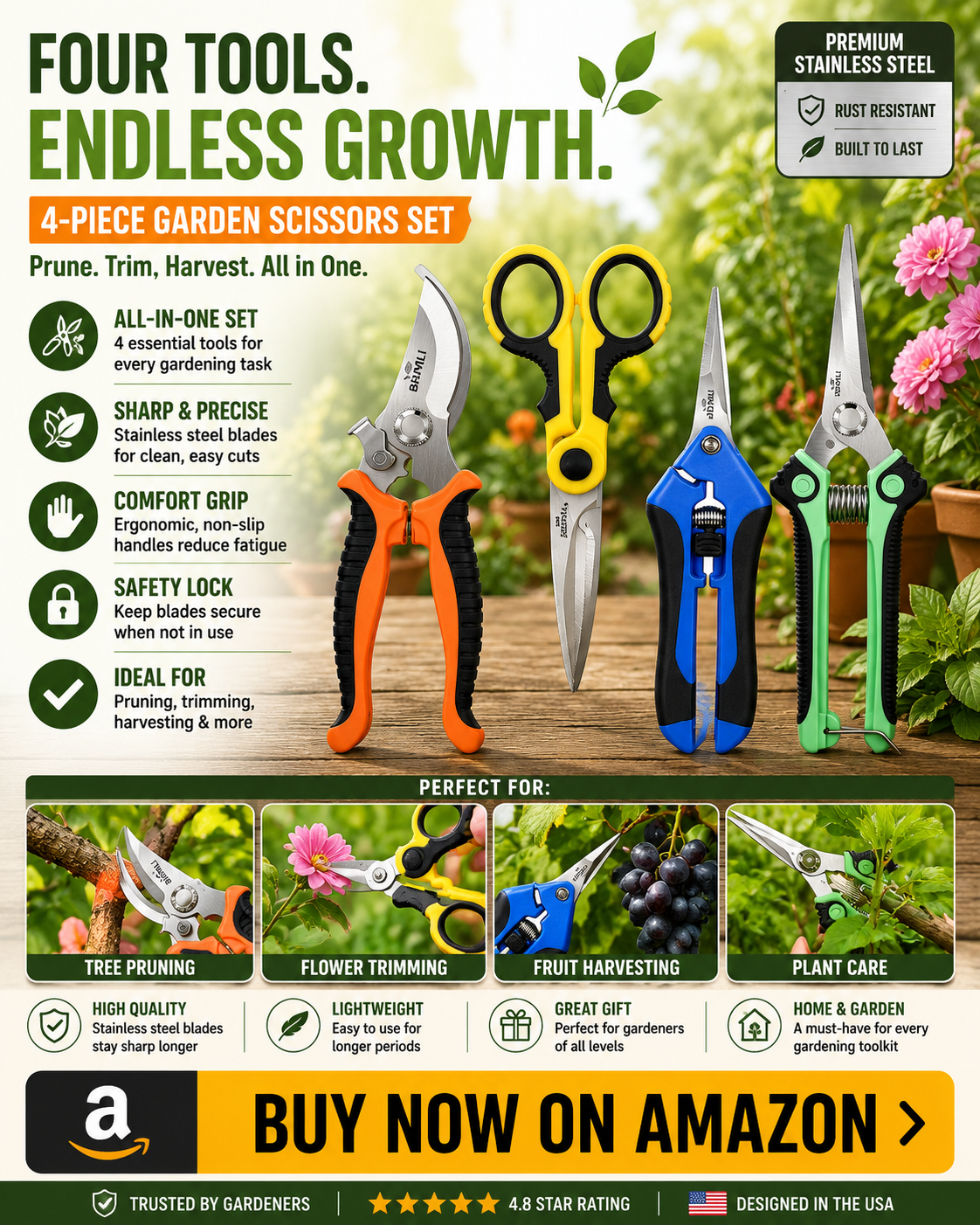
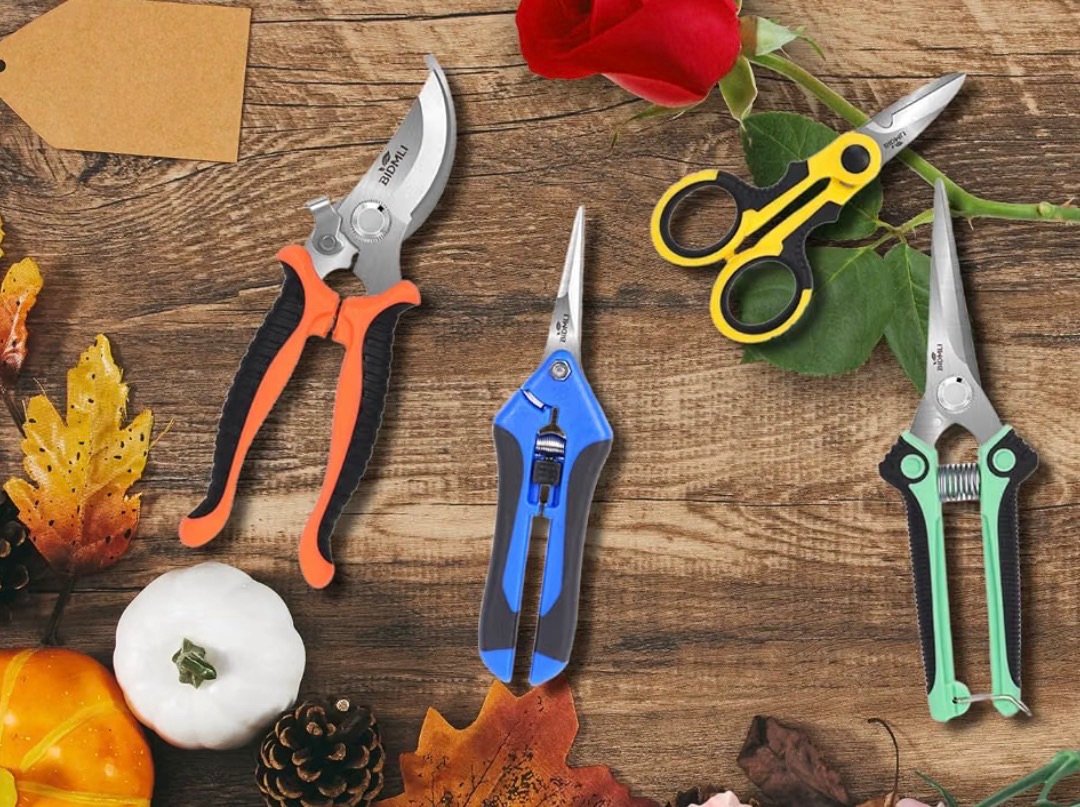
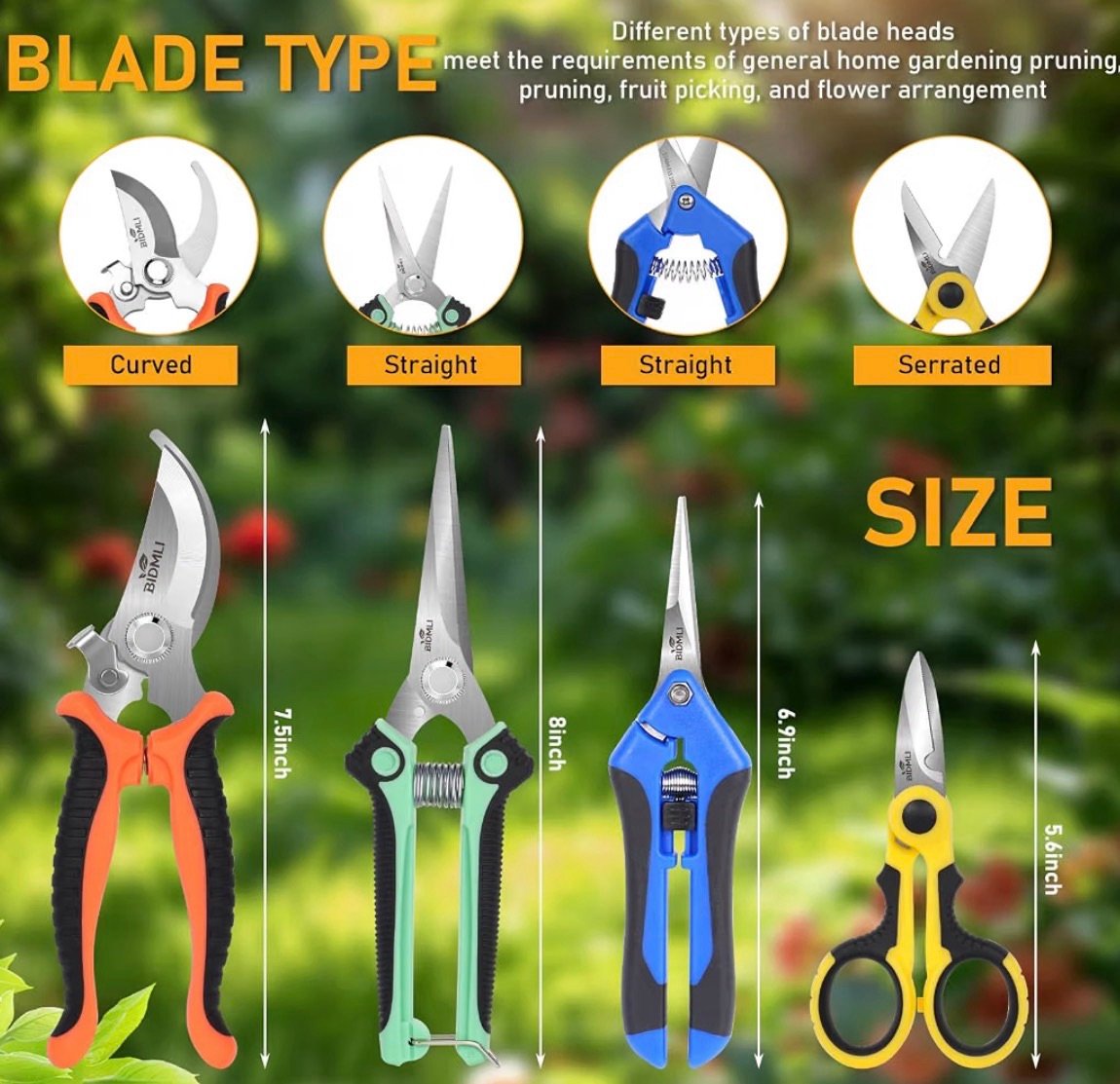
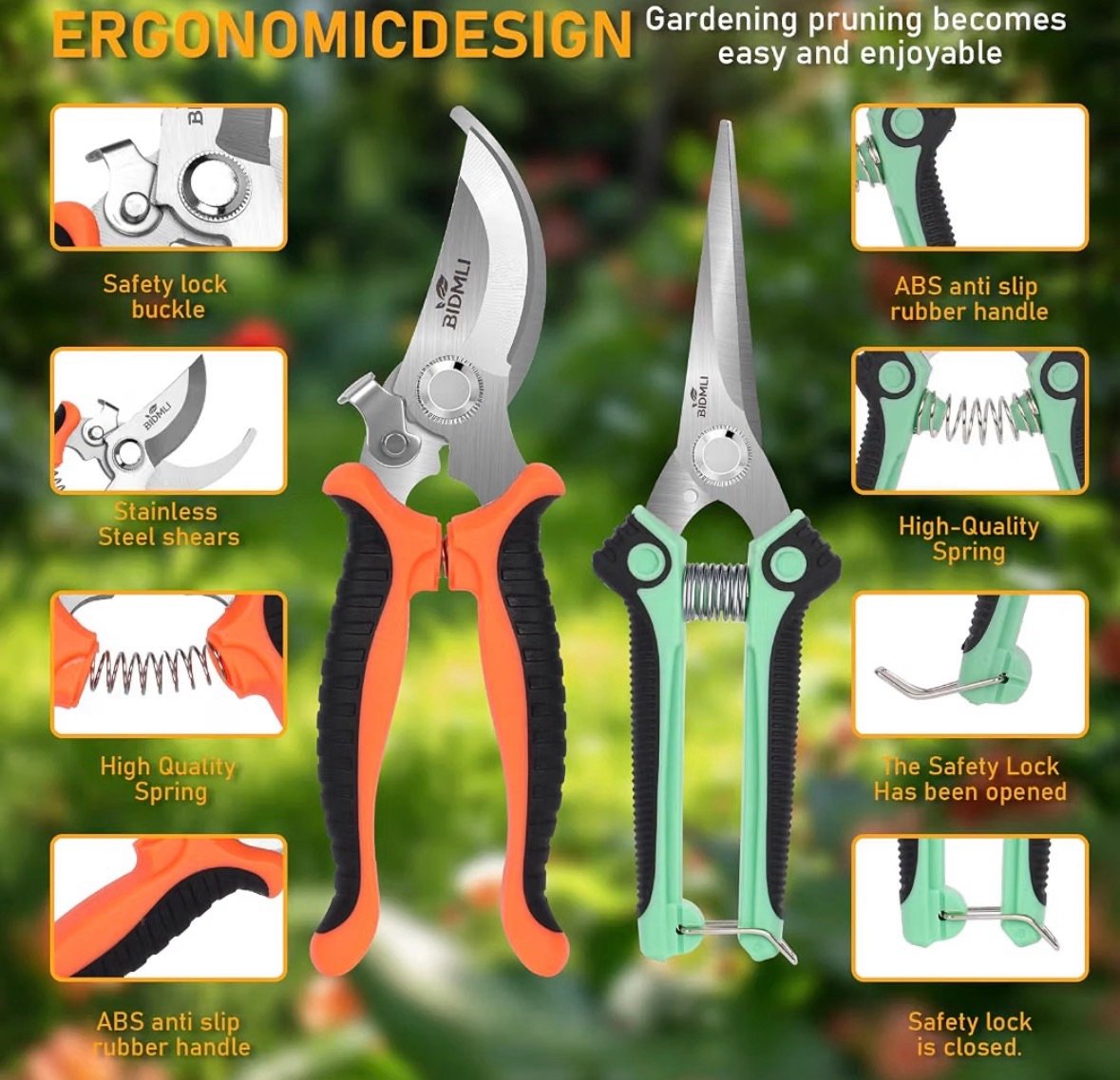
4-Pack Multifunctional Garden Scissors Set
If someone asked me for an affordable propagation tool kit, this is one I’d gladly recommend. For a broader setup, an affordable garden tool set can cover pruning alongside basic planting and weeding.
My favorite budget pruning shears for propagation: https://link.amazon/B00uRMitI
One reason I like this set is that it includes multiple pairs instead of a single tool.
That may not sound like a big deal until you start propagating different types of plants.
I often keep one pair at my propagation bench, another in the greenhouse, another near my houseplants, and one outside in the garden.
Having several dedicated pairs means I’m not constantly hunting for my scissors.
The stainless steel blades stay sharp for everyday propagation work, and the pointed tips make it much easier to cut close to a node without damaging nearby growth.
For beginners, it’s honestly one of the best values I’ve found because it covers almost every light-duty propagation task.
Best For
- Houseplants
- Herbs
- Softwood cuttings
- Flowers
- Annuals
- General pruning around the home
Why Sharp Cuts Matter So Much
People often focus on rooting hormone.
Or water quality.
Or humidity.
Those things certainly matter.
But none of them happen until after you’ve already made the cutting.
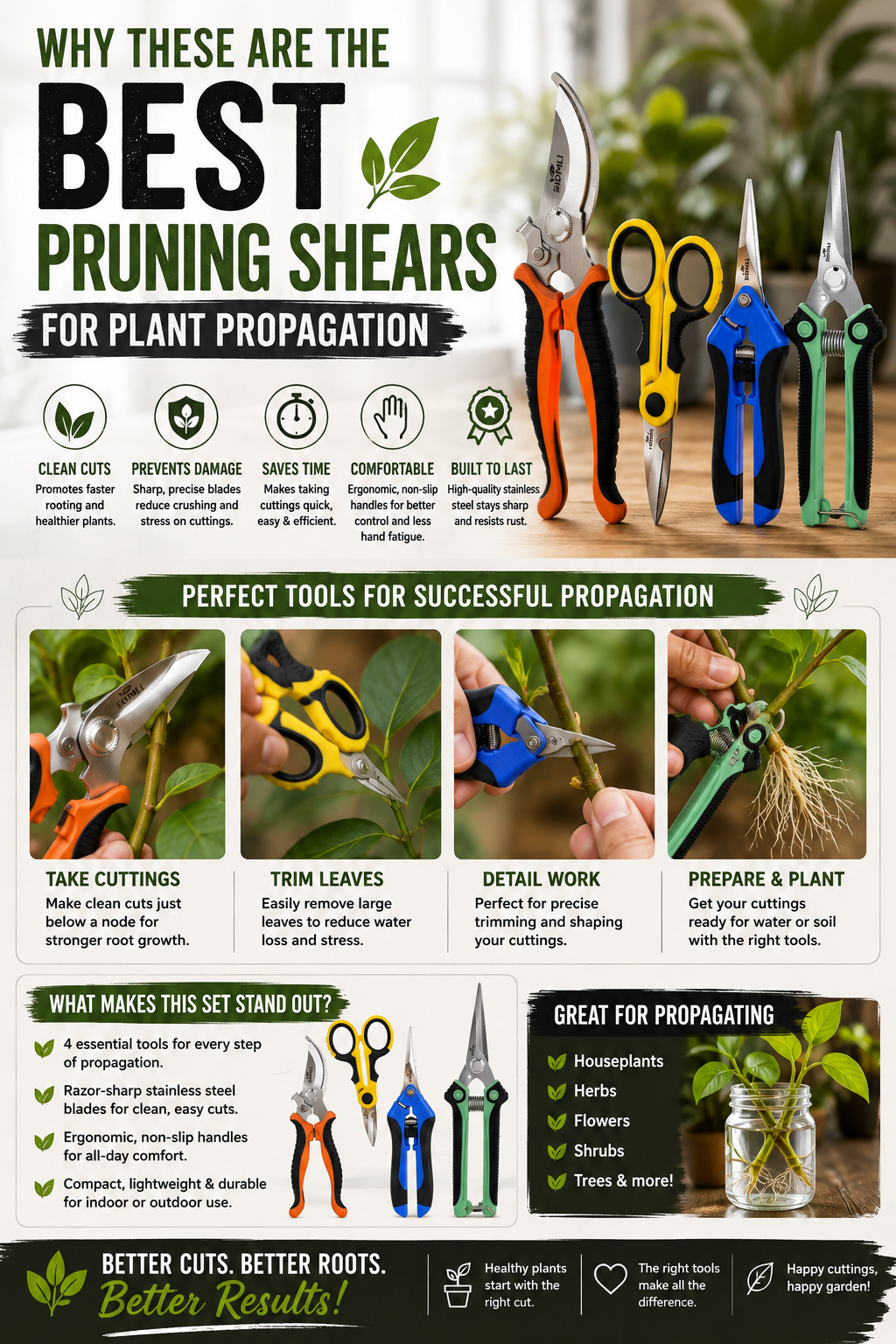
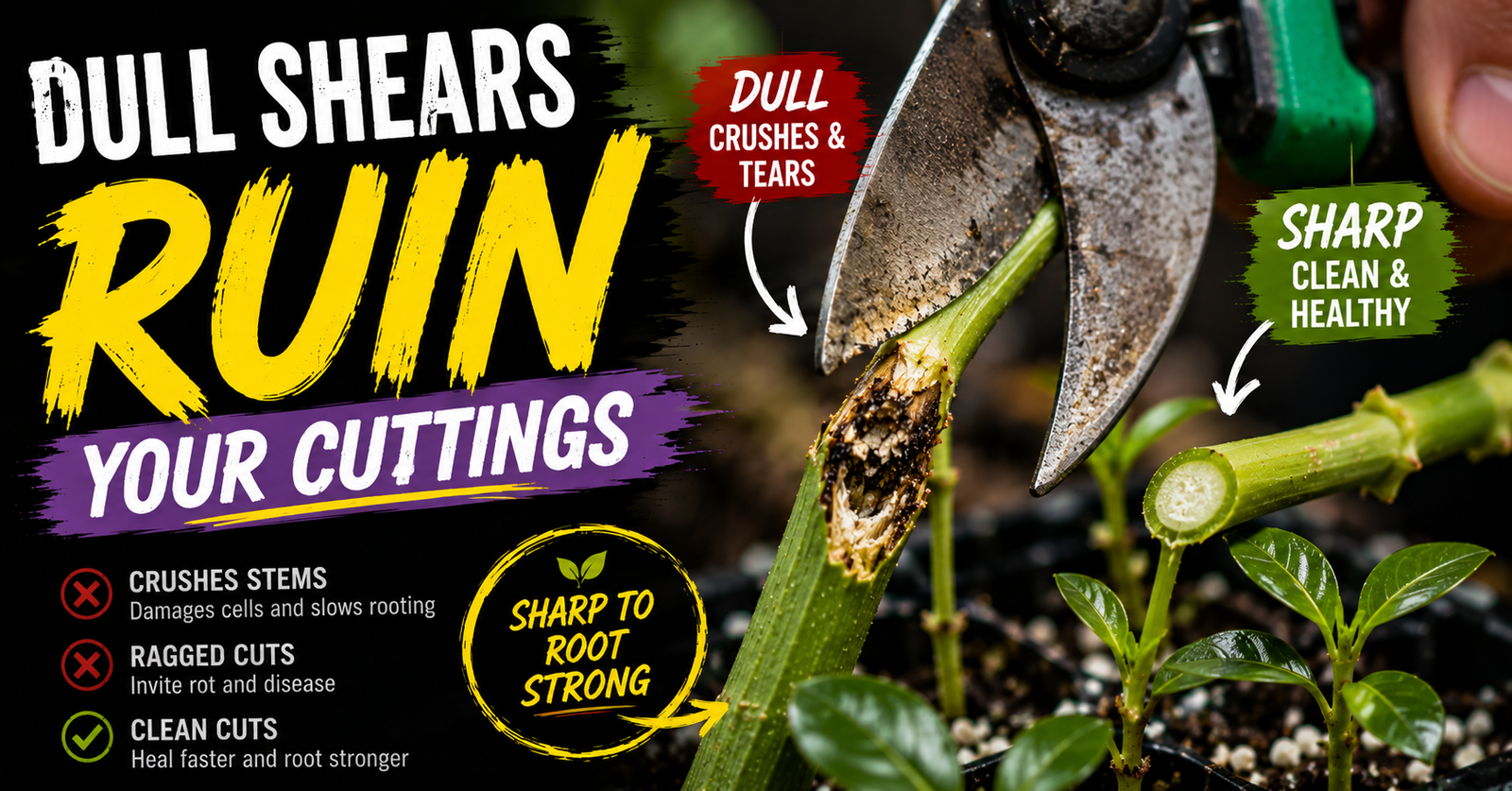
A dull blade crushes plant tissue instead of slicing through it cleanly.
Damaged stems take longer to heal, lose moisture more quickly, and create more opportunities for bacteria and fungi to enter the cutting.
That’s one reason I always inspect my blades before starting a propagation session.
A sharp pair of shears gives every cutting a better start.
I’ve found that simple habit improves my success rate more than many gardeners realize.
I Clean My Shears Between Plants
One habit that’s become second nature is cleaning my pruning shears whenever I move from one plant to another.
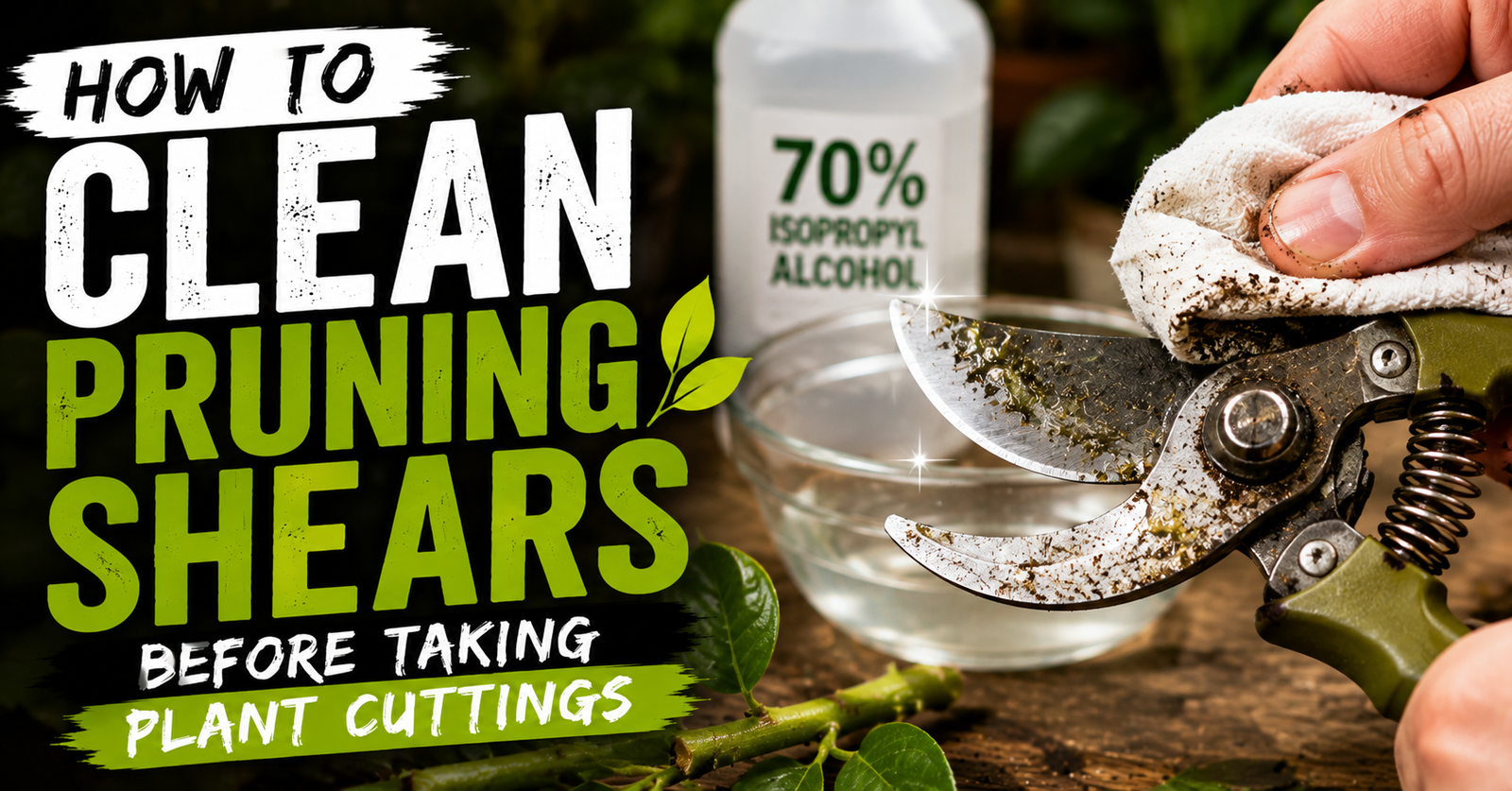
It only takes a few seconds, but it greatly reduces the chances of spreading bacteria, fungi, or plant diseases. Those few seconds are even more effective when you follow a consistent routine for how to clean pruning shears between plants.
I usually wipe the blades with isopropyl alcohol before making the next cut.
If I’m working with a plant that shows signs of disease, I clean the blades even more frequently.
Healthy cuttings deserve clean tools.
It’s one of the easiest ways to prevent problems before they start.
Best Overall Pruning Shears
If I could only own one pair of pruning shears for propagation, I’d choose a quality bypass pruner.
Bypass blades work like a pair of scissors, sliding past one another to make an incredibly clean cut. That clean cut is exactly what you want when taking plant cuttings because it minimizes damage to the stem.
I use bypass pruners whenever I’m working with:
- Roses
- Hydrangeas
- Blueberries
- Grapes
- Elderberries
- Fig trees
- Fruit trees
- Larger ornamental shrubs
Once stems become thicker than a pencil, small propagation snips start feeling undersized. A quality bypass pruner makes the job easier while producing cleaner cuts.
If you regularly propagate woody plants, this is one tool I wouldn’t skip.
Best Professional Choice
Professional growers often spend hours pruning and taking cuttings.
That changes what matters.
Comfort.
Blade quality.
Durability.
Replacement parts.
A professional-grade pair of pruning shears costs considerably more, but it’s also designed to last for years with proper care.
If you’re propagating hundreds or even thousands of cuttings every season, investing in a premium pair starts making a lot more sense.
For the average home gardener, though, I honestly think a quality mid-range bypass pruner provides nearly everything you’ll need.
Best Precision Snips
Some plants simply require more accuracy.
When I’m taking cuttings from pothos, philodendrons, hoyas, orchids, peperomias, African violets, or other smaller houseplants, I often reach for precision snips instead of larger pruning shears. Many of these are also useful options when looking for small houseplants to propagate in water to start with.
The narrow blades let me cut extremely close to a node without damaging nearby leaves or stems.
That extra control becomes especially useful when the plant has short spaces between nodes.
Trying to use oversized pruning shears on tiny stems often creates more problems than it solves.
Best Heavy-Duty Pruners
Every propagator eventually runs into older woody stems.
Trying to force lightweight snips through thick hardwood isn’t good for the plant or the tool.
For hardwood cuttings, I prefer heavier bypass pruners designed for thicker branches.
They provide much better leverage while still making a clean cut.
I use heavier pruners most often on:
- Mature roses
- Grapevines
- Fruit trees
- Large shrubs
- Thick hydrangea stems
- Older blueberry canes
Using the right tool for the thickness of the stem makes propagation easier and helps protect your equipment from unnecessary wear.
Features I Always Look For
After using countless pruning tools over the years, these are the features I appreciate most.
Stainless Steel Blades
Propagation involves constant exposure to moisture.
Stainless steel blades resist rust, stay cleaner, and require less maintenance than lower-quality steel.
Comfortable Handles
A few cuttings won’t reveal much.
A hundred cuttings certainly will.
Comfortable handles reduce hand fatigue and give me better control throughout longer propagation sessions.
Spring-Loaded Design
A good spring automatically opens the blades after each cut.
That sounds like a small feature until you’ve spent an hour taking cuttings.
It makes repetitive pruning much more comfortable.
Safety Lock
I always store my pruning shears with the blades locked closed.
It’s safer, protects the cutting edge, and prevents accidental damage while they’re stored in a toolbox or garden bag.
Easy-to-Clean Blades
Plant sap builds up surprisingly quickly.
I prefer smooth blades that wipe clean in just a few seconds with rubbing alcohol before moving on to another plant.
Common Mistakes When Buying Pruning Shears
One mistake I see fairly often is people buying the biggest pruners they can find.
Bigger isn’t better.
Large pruners designed for tree branches aren’t ideal for taking delicate houseplant cuttings.
The opposite mistake also happens.
Tiny floral snips work beautifully on herbs and pothos but struggle with thick hydrangea or grape stems.
Another common mistake is ignoring blade quality.
A cheap tool that crushes stems instead of slicing them cleanly usually ends up costing more in failed cuttings than you saved at checkout.
Finally, don’t overlook maintenance.
Even the best pruning shears need occasional cleaning and sharpening.
A well-maintained pair can easily last for many years while continuing to produce clean, healthy cuts.
Why I Think Every Propagator Needs More Than One Pair
Over time, I’ve found myself using different shears for different jobs.
I keep precision snips near my indoor houseplants.
A heavier bypass pruner stays in the garden.
Another inexpensive pair lives beside my propagation bench for everyday use.
That’s one reason I like the 4-pack set so much.
Instead of constantly carrying one pair all over the property, I can leave tools exactly where I use them most.
It saves time, and more importantly, it means I’m always reaching for a sharp, clean pair instead of whatever happens to be nearby.
Do Expensive Pruning Shears Actually Make Better Cuttings?
This is one of those questions that’s easy to overthink.
Can a $100 pair of professional pruning shears make cleaner cuts than a $20 pair?
Absolutely.
Will they suddenly double your propagation success?
Probably not.
I’ve rooted thousands of cuttings over the years, and I’ve learned that the condition of the blade matters far more than the price tag.
I’d rather use a sharp, well-maintained budget pair than an expensive pair that’s dull, dirty, or damaged.
For most home gardeners, spending a fortune simply isn’t necessary.
A quality pair of sharp bypass pruners and a good set of precision snips will handle nearly every propagation project you’ll encounter.
How I Care for My Pruning Shears
Good pruning shears can last for years if you spend just a few minutes maintaining them.
After every propagation session, I wipe the blades clean to remove plant sap and debris.
If I’ve been working with a diseased plant, I disinfect the blades with rubbing alcohol before putting them away.
Every so often, I’ll add a drop of light machine oil to the pivot point to keep everything moving smoothly.
When the blades begin feeling less sharp, I touch them up with a sharpening stone rather than waiting until they become difficult to use.
Those simple habits keep my tools cutting cleanly and help prevent problems before they start.
Good Pruning Shears Are Only the Beginning
Making a clean cut is the first step toward successful propagation, but it’s only one part of the process. Once the cut is made, the full rooting hormone process covers the remaining rooting hormone steps.
After taking a cutting, I immediately start thinking about the environment it’s going into.
Will it root best in water?
Would perlite give better results?
Should I use sphagnum moss?
Would rooting hormone improve my chances?
Those questions often matter just as much as the pruning tool itself.
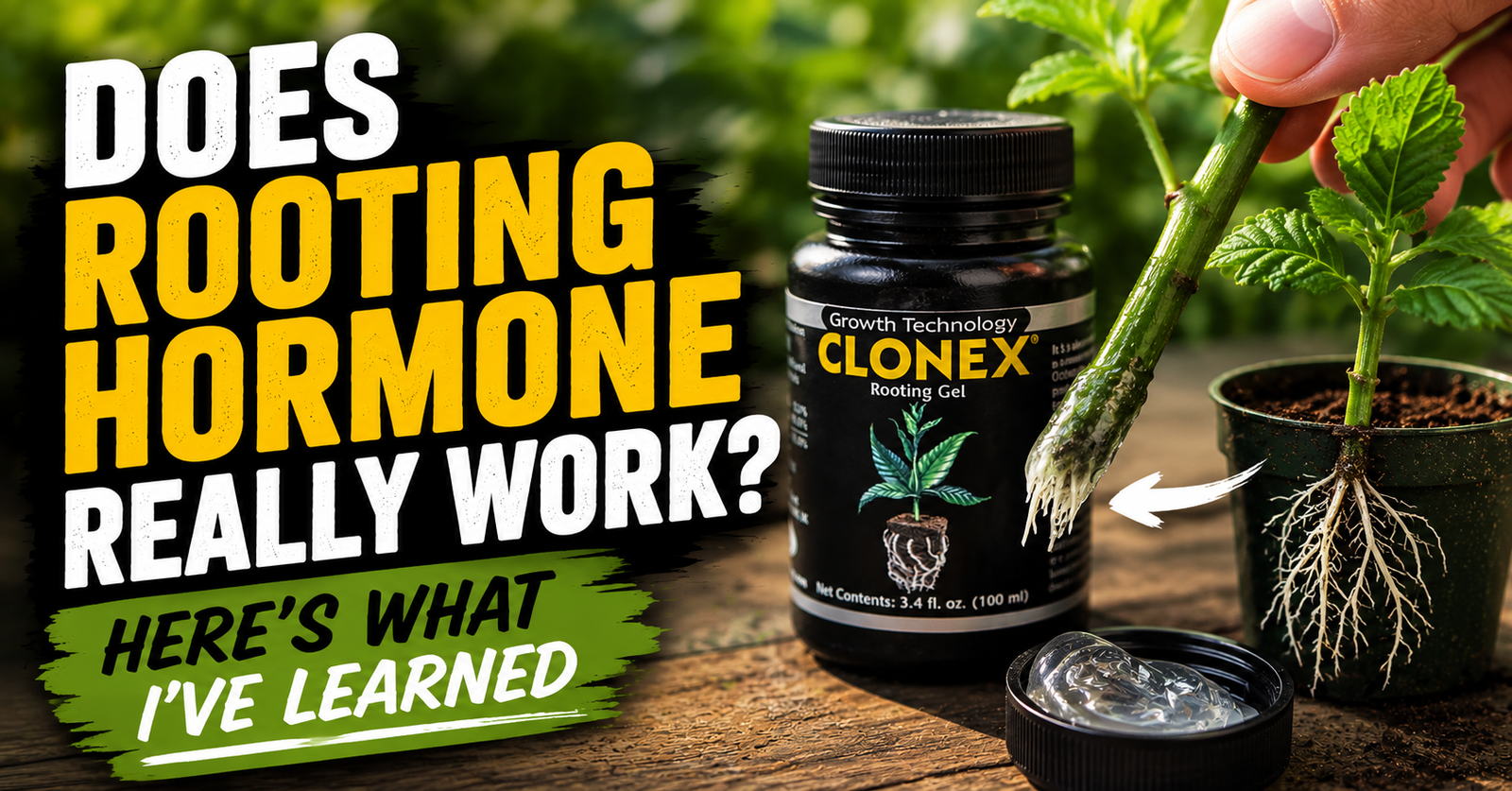
If you’re new to rooting hormone, I recommend reading Does Rooting Hormone Really Work? before buying one.
If you’ve already decided to use it, my comparison of Rooting Gel vs. Powder vs. Liquid explains when I reach for each type.
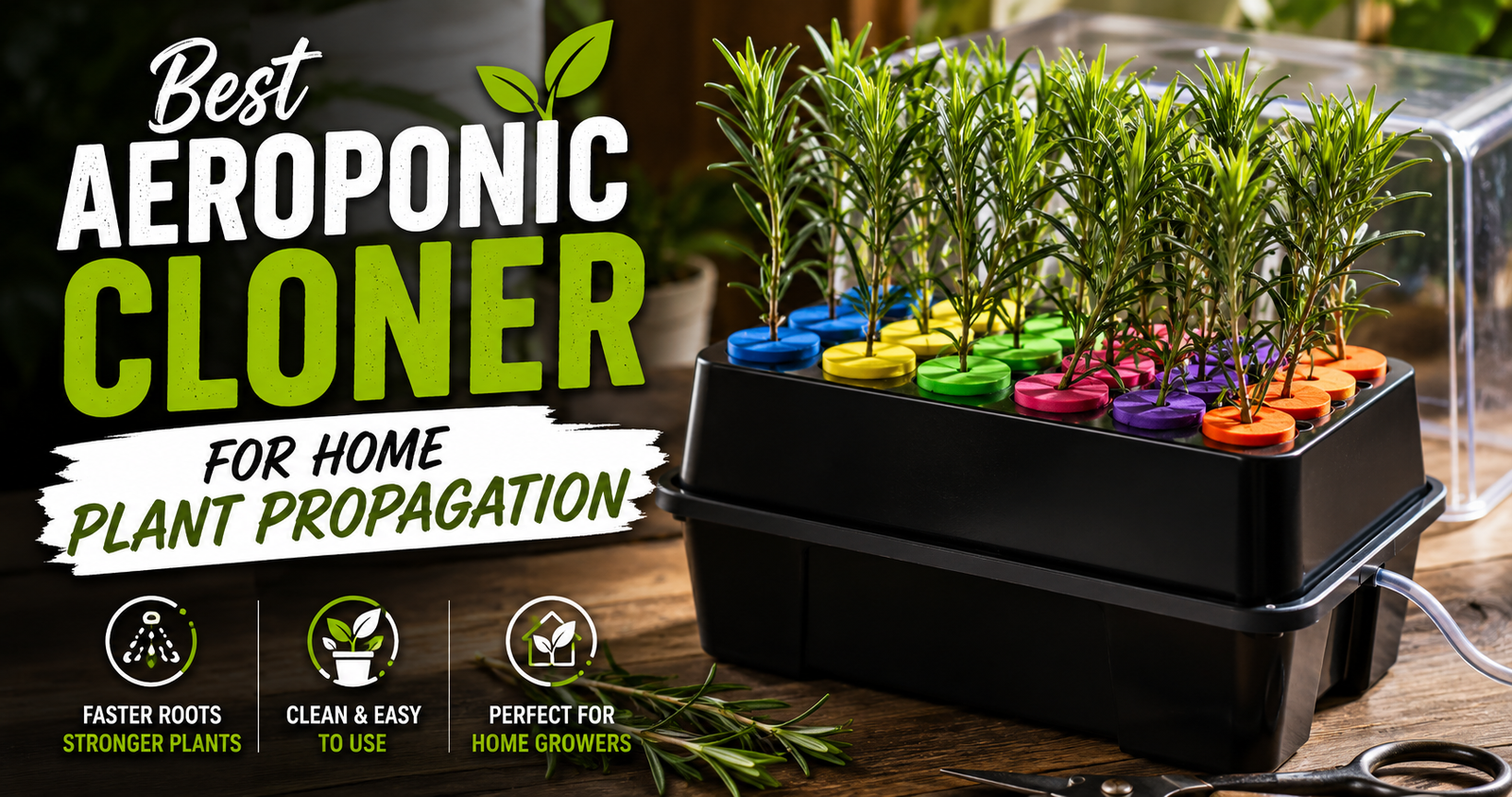
For gardeners propagating dozens of cuttings at once, I also recommend taking a look at my favorite aeroponic cloner for plant cuttings. It has become one of my favorite ways to root larger batches while keeping moisture levels much more consistent.
Frequently Asked Questions
Should I use scissors or pruning shears?
For most propagation work, I recommend pruning shears.
Ordinary household scissors tend to squeeze stems before cutting them, especially on thicker growth.
A quality pair of pruning shears produces a cleaner cut with much less damage to the plant.
Are bypass pruners better than anvil pruners?
For propagation, yes.
Bypass pruners make a slicing cut that leaves the stem cleaner and healthier.
Anvil pruners press the stem against a flat surface before cutting, which can crush softer plant tissue.
That’s why I almost always reach for bypass-style tools when taking cuttings.
Should I disinfect pruning shears between plants?
Absolutely.
It’s one of the easiest ways to prevent spreading bacteria, fungi, and plant diseases.
I simply wipe the blades with isopropyl alcohol before moving to another plant.
It only takes a few seconds and has become part of my normal propagation routine.
How often should pruning shears be sharpened?
That depends on how often you use them.
For most home gardeners, sharpening once or twice a year is plenty.
If you’re propagating large numbers of plants throughout the season, you may need to touch them up more frequently.
I sharpen mine whenever I notice the blades starting to crush stems instead of slicing cleanly.
Can dull pruning shears prevent cuttings from rooting?
They certainly can reduce your chances.
A crushed stem has to recover from much more damage before it can begin producing roots.
While a dull blade doesn’t guarantee failure, I’ve consistently seen cleaner cuts produce healthier cuttings.
Keeping your shears sharp is one of the easiest improvements you can make.
What’s the best tool for houseplant propagation?
For houseplants, I still prefer lightweight precision pruning snips.
Their narrow blades make it easy to cut directly below a node without damaging nearby stems or leaves.
For thicker outdoor shrubs, I switch to a quality bypass pruner instead.
The Right Tool Gives Every Cutting a Better Start
I’ve learned over the years that successful propagation doesn’t begin with rooting hormone or the propagation container.
It begins with the first cut.
A clean, healthy stem has a much better chance of producing strong roots than one that’s been crushed by a dull blade.
Fortunately, you don’t need professional greenhouse equipment to make those clean cuts.
A dependable pair of sharp pruning shears, a few minutes of routine maintenance, and good propagation habits will take you much further than buying the most expensive tool on the shelf.
Whether you’re rooting a single pothos cutting on a kitchen windowsill or propagating dozens of shrubs in the garden, investing in quality pruning shears is one of those purchases you’ll appreciate every time you make a cut.
From the First Cut to New Roots
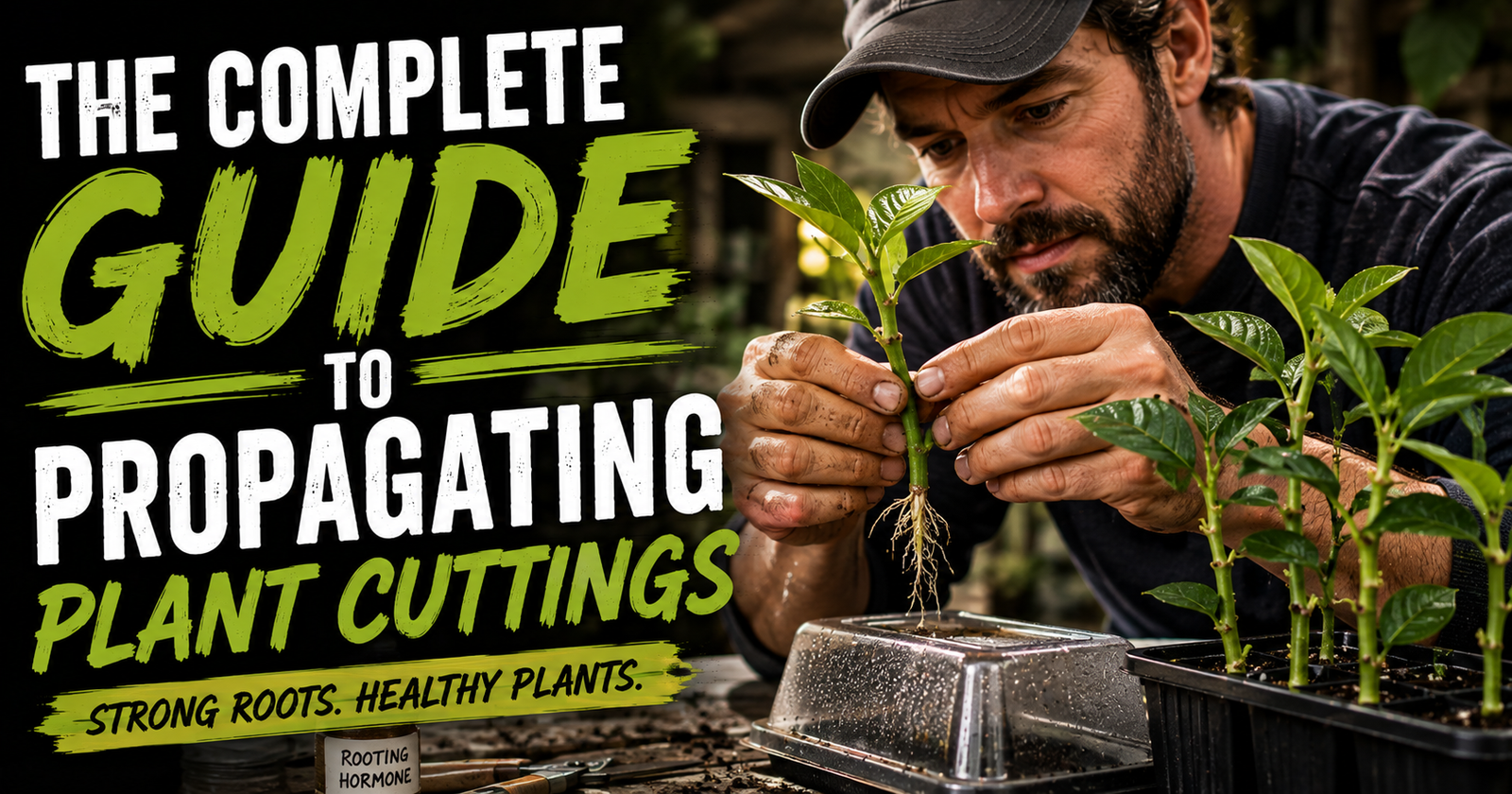
Clean cuts are where successful propagation begins, but they’re only the first step. Once the cutting is taken, everything from rooting hormone to humidity, watering, temperature, and patience plays a role in the outcome. If you’re looking for the complete picture, my Complete Guide to Propagating Plant Cuttings walks through the entire process from start to finish.
About the Author
Daxon Weaver is the founder of PropagationWorld and has spent years propagating houseplants, herbs, shrubs, fruit plants, and ornamental trees. After rooting thousands of cuttings using everything from simple jars of water to aeroponic cloners, he enjoys testing propagation products and sharing practical advice that helps gardeners achieve healthier plants and better rooting success.