
A bundle of fig cuttings can look perfectly healthy when you put it into storage and be completely unusable a few months later.
Sometimes the stems dry out until the wood becomes brittle. Other times, you open the storage bag and find fuzzy mold growing around the ends.
And then there’s the opposite problem: cuttings that start pushing out green buds in the refrigerator before you’re ready to root them.
That’s what makes storing fig cuttings a little trickier than simply wrapping branches in plastic and forgetting about them until spring.
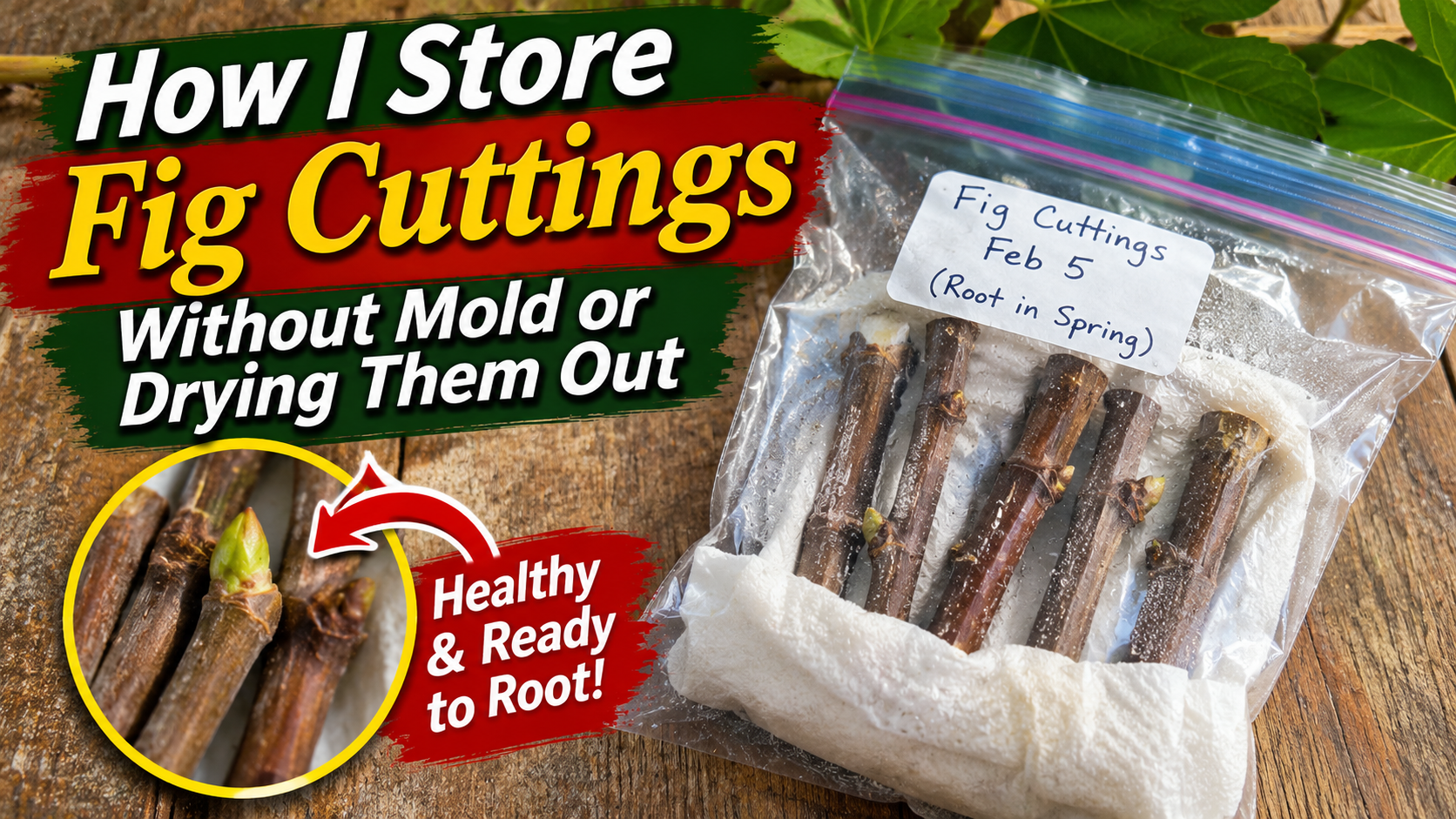
The goal is to keep dormant fig cuttings cool enough to remain dormant, moist enough to stay alive, and dry enough on the surface to discourage mold.
Those three things need to work together.
Fortunately, you don’t need an expensive propagation refrigerator or specialized nursery equipment to do it.
A household refrigerator, clean storage bags, a little labeling, and some attention to moisture can go a long way.
But there are several details worth getting right before you put those cuttings away.
Why Store Fig Cuttings Instead of Rooting Them Immediately?
Fig trees are commonly propagated from dormant hardwood cuttings, which means winter is an excellent opportunity to collect propagation material.
Once a fig tree has dropped its leaves and entered dormancy, you can collect mature wood for future propagation.
The challenge is that the best time to collect cuttings isn’t always the best time to start growing new plants.
Maybe you’re pruning your fig trees in December, but you don’t have enough indoor space or lighting to support young plants until spring.
Maybe someone mailed you a bundle of cuttings, and you weren’t expecting them to arrive so early.
Or perhaps you want to wait until late winter before starting an entire batch.
That’s where proper storage becomes useful.
Instead of encouraging the cuttings to produce roots immediately, you’re temporarily preserving the living wood until you’re ready to begin.
I think of it as protecting the opportunity to grow another fig tree.
You’re not trying to make anything happen during storage.
You’re trying to prevent the cutting from losing its ability to grow later.


What Happens Inside a Dormant Fig Cutting?
A dormant fig branch might look like an ordinary stick, but there’s still living tissue inside.
The buds are alive.
The cambium, the thin layer of living tissue beneath the bark, is alive.
The wood contains stored carbohydrates and moisture that can help support new growth when conditions become favorable.
Dormancy slows the plant’s activity, but it doesn’t make the cutting indestructible.
If the wood dries out too much, living cells can become damaged.
If the cutting becomes excessively warm, buds may begin developing before you’re ready.
And if moisture accumulates around damaged tissue, mold and decay can become problems.
That’s why temperature and moisture are the two things I would pay the most attention to.

The Best Temperature for Storing Dormant Fig Cuttings
For dormant hardwood cuttings, a refrigerator temperature around 34°F to 40°F is a useful target.
That range is cold enough to help maintain dormancy without intentionally freezing the wood.
A refrigerator set near 37°F is a reasonable starting point, provided the actual storage location stays consistently above freezing.
I wouldn’t rely entirely on the temperature displayed on the refrigerator.
Some refrigerators have cold spots near the back wall where temperatures can fall lower than expected.
A small refrigerator thermometer can help you check the actual conditions.
Why I Wouldn’t Store Them in a Warm Garage
A garage might seem like the perfect storage location during winter.
But garages can experience enormous temperature swings.
On a mild afternoon, the temperature may rise enough to encourage activity inside the cutting.
During a cold Missouri night, the same garage might drop below freezing.
That unpredictability is exactly what I’m trying to avoid.
If a garage remains consistently cool without freezing, it may work for dormant cutting storage.
But I wouldn’t assume it’s suitable simply because it’s winter.
I’d measure the temperature first.
Should You Wrap Fig Cuttings in Wet Paper Towels?
This is where gardeners sometimes create problems without realizing it.
A damp paper towel seems like a logical way to keep cuttings from drying out.
And lightly moistened wrapping materials can be useful.
The problem begins when the paper towel is soaking wet.
Imagine wrapping a dozen dormant fig cuttings in dripping paper towels, sealing everything inside a plastic bag, and leaving that bundle untouched for two months.
You’ve created an enclosed environment with plenty of moisture and very little opportunity for drying.
That can encourage mold, especially if the cuttings weren’t clean or healthy when they went into storage.
My preference would be to start with clean, healthy wood and avoid unnecessary free water inside the storage bag.
If I use a paper towel or other moisture-retaining material, I want it barely damp rather than saturated.
The cuttings need protection from dehydration, not a wet blanket.



How I’d Prepare Fig Cuttings Before Refrigerating Them
I would start by sorting the cuttings before putting anything into storage.
Damaged, soft, diseased, or obviously unhealthy stems don’t belong in the same bundle as healthy propagation material.
I’d also keep different fig varieties separated and clearly labeled.
There’s nothing more frustrating than collecting cuttings from several varieties and discovering later that you have no idea which is which.
Keep the Variety Names With the Cuttings
A simple label can prevent a surprisingly expensive mistake.
If you’re storing Chicago Hardy, Celeste, Brown Turkey, and another variety together, make sure every bundle is identifiable.
I prefer labels that won’t become unreadable if they get damp.
A waterproof plant label or clearly written plastic tag inside each bag is much more dependable than writing on paper that may deteriorate.
I’d also record the collection date.
That gives you a useful reference when deciding how long the cuttings have been stored and when to begin rooting them.
Don’t Cut Everything Into Tiny Pieces
Longer branches can sometimes be stored intact and divided into individual cuttings closer to rooting time.
That reduces the number of exposed cut ends during storage.
If space is limited and you need to prepare individual cuttings immediately, that’s fine too.
Just make sure each cutting has suitable nodes and enough healthy wood to support rooting.
I wouldn’t sacrifice cutting quality simply to fit more pieces into a storage bag.
How Long Can Fig Cuttings Stay in the Refrigerator?
This is one of the questions that deserves a careful answer because there isn’t a guaranteed expiration date.
Properly stored dormant cuttings can remain viable for weeks and sometimes several months.
But survival depends on the original condition of the wood, storage temperature, moisture control, and how well the cuttings remain dormant.
A cutting stored for six weeks in good conditions may be in better shape than one stored for two weeks in a warm, wet bag.
That’s why I wouldn’t automatically discard cuttings based on the calendar.
I’d inspect them.
Are the stems still firm?
Is the bark reasonably intact?
Are the buds healthy?
Is there visible mold or decay?
Have they started growing prematurely?
Those observations matter more than an arbitrary storage deadline.

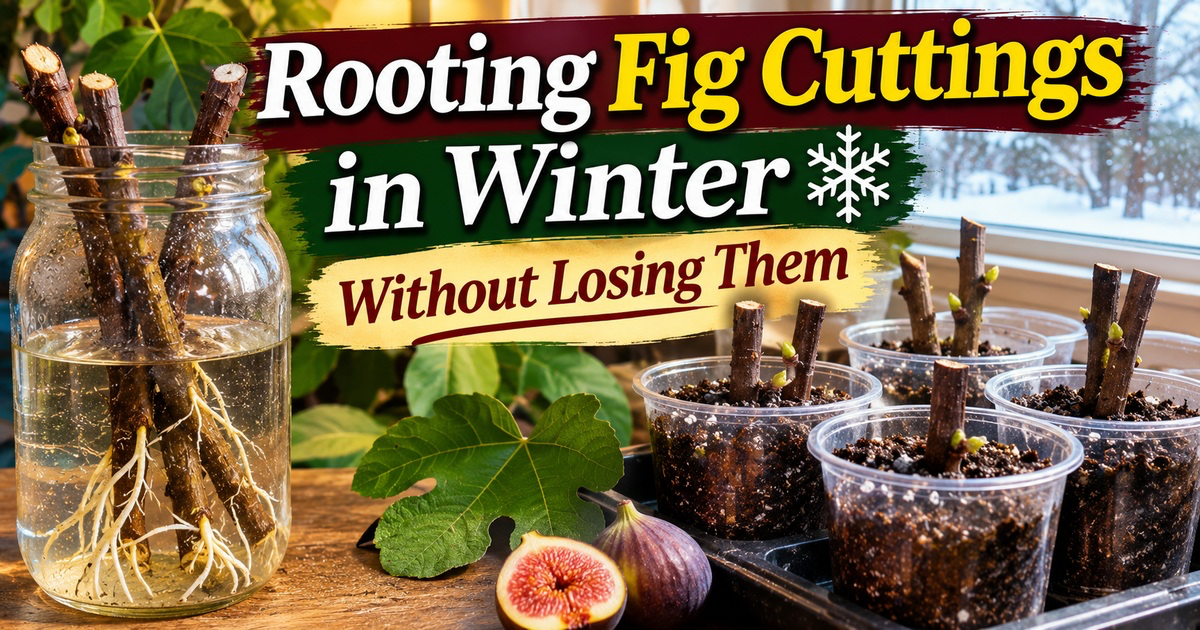
If you’re planning to root your cuttings soon, my complete guide to rooting fig cuttings without losing them to rot covers the next stage, including choosing healthy wood and avoiding excessive moisture.
Storage is only the beginning. The goal is to preserve healthy cuttings until you can give them the conditions needed to produce roots.

What If You Find Mold on Your Stored Fig Cuttings?
Opening a bag of dormant fig cuttings and discovering mold doesn’t automatically mean every cutting is ruined.
But it does mean something needs attention.
Mold can develop when moisture accumulates inside the bag, especially around damaged tissue or exposed cut ends.
Sometimes it’s nothing more than a small patch of surface growth.
Other times, it’s a warning that the wood has started deteriorating.
The important thing is knowing the difference.
White Mold on the Bark
A little white or gray fuzzy growth on the surface of a cutting doesn’t necessarily mean the entire branch is dead.
I would remove the affected cutting from the bundle and inspect it separately.
Does the stem still feel firm?
Is the bark intact?
Are there any soft or sunken areas?
Does the wood smell rotten?
If the cutting is firm and the mold appears limited to the surface, it may still be viable.
I’d gently remove visible growth, inspect the wood for damage, and move it into a clean storage bag with fresh wrapping material if continued storage is necessary.
I wouldn’t automatically put it back into the original bag.
The other cuttings deserve a clean storage environment too.
For valuable propagation material, a horticulturally appropriate disinfecting treatment may be worth considering, but I’d follow a product’s specific instructions rather than experimenting with household chemicals that could damage living tissue.
Black, Soft, or Mushy Wood Is Different
A cutting that’s turning black and becoming soft deserves much more concern.
Healthy dormant fig wood should feel reasonably firm.
If the bark is slipping away, the stem is collapsing under light pressure, or the wood has a rotten smell, decay may already be advanced.
I wouldn’t try to rescue every questionable cutting.
Sometimes the best decision is to discard badly damaged wood before it creates problems for the rest of the bundle.
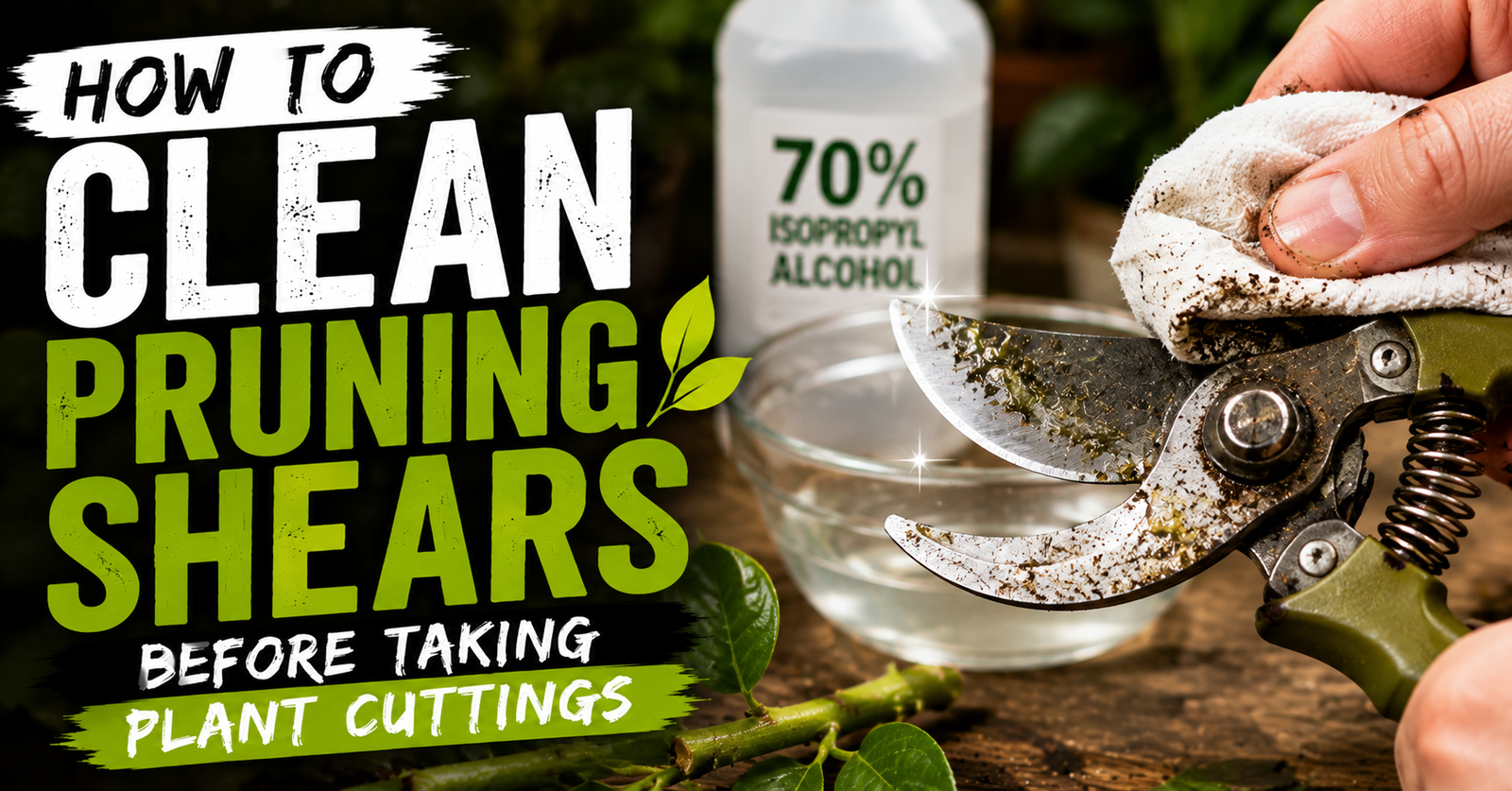
If only one end is damaged and plenty of healthy wood remains, you may be able to trim back to sound tissue with clean tools.
But if discoloration or softness extends through much of the stem, I would start with a healthier cutting.
How to Check Whether a Stored Fig Cutting Is Still Alive
One of the most frustrating things about dormant propagation material is that living and dead cuttings can look surprisingly similar.
Both may be brown.
Both may have bare branches.
Neither is actively growing.
So how do you tell whether a cutting is still worth rooting?
I would look for several signs instead of relying on just one.
Check the Firmness of the Wood
Healthy dormant wood should generally feel firm rather than hollow, brittle, or mushy.
If a cutting bends slightly without snapping and still has reasonably smooth bark, that’s encouraging.
If the entire stem has shriveled badly or breaks apart like dry kindling, dehydration may have caused serious damage.
Firmness alone doesn’t guarantee viability, but it’s a useful starting point.
Look Beneath a Tiny Section of Bark
A small scratch can sometimes reveal whether living tissue remains beneath the bark.
Using a clean blade, carefully remove a tiny amount of outer bark from an inconspicuous area.
Healthy cambial tissue is often greenish or pale and moist.
Brown, dry tissue throughout the cutting is less encouraging.
I wouldn’t make large scratches or peel away unnecessary bark.
Every wound creates another place where the cutting can lose moisture or become damaged.
And remember that a green scratch is only one clue. It doesn’t guarantee the cutting will successfully produce roots.
Inspect the Buds
Healthy dormant buds are another encouraging sign.
If the buds remain firm and intact, the cutting may still be in good condition.
Shriveled, damaged, or rotting buds suggest the cutting has experienced stress.
However, I wouldn’t discard an otherwise healthy fig cutting simply because one bud looks questionable.
Several nodes may still be viable.
The overall condition of the wood matters more than any single bud.
What If Your Fig Cuttings Start Growing in the Refrigerator?
This is a problem that catches gardeners off guard.
You put dormant cuttings into storage expecting them to remain quiet until spring.
Then one day you open the bag and discover small green shoots emerging from the buds.
The cuttings have started waking up.
That doesn’t necessarily mean they’re ruined.
But it does change what I would do next.
Why Fig Cuttings Break Dormancy During Storage
Several factors can contribute to premature growth.
The refrigerator may be warmer than expected.
The cuttings may have already received enough chilling to satisfy their dormancy requirements.
They may have been collected late in the dormant season when the buds were already close to becoming active.
Even at cool temperatures, dormant plant tissue doesn’t remain completely unchanged forever.
Eventually, some cuttings may begin growing.
Should You Remove the New Leaves?
I wouldn’t automatically remove healthy new growth.
Those buds contain stored energy that the cutting has already invested in developing.
Repeatedly removing shoots can exhaust limited reserves.
However, a cutting producing leaves without roots is vulnerable because those leaves begin losing moisture.
If a cutting is actively growing in storage, I would evaluate whether it’s time to begin rooting it rather than leaving it inside the refrigerator indefinitely.
The goal is to give it an opportunity to establish roots before the new foliage becomes too demanding.
Don’t Move Sprouting Cuttings Into Hot Conditions
A cutting that’s been sitting near 37°F shouldn’t suddenly be placed in direct sunlight or against a hot window.
That creates a dramatic environmental change.
Instead, I’d prepare the rooting medium first and move the cutting into a protected propagation environment with suitable light and controlled temperatures.
Bright indirect light or appropriate grow lighting is generally preferable to intense direct sunlight.
The important thing is avoiding unnecessary stress while the cutting transitions from storage to active growth.
Should You Store Fig Cuttings in Water?
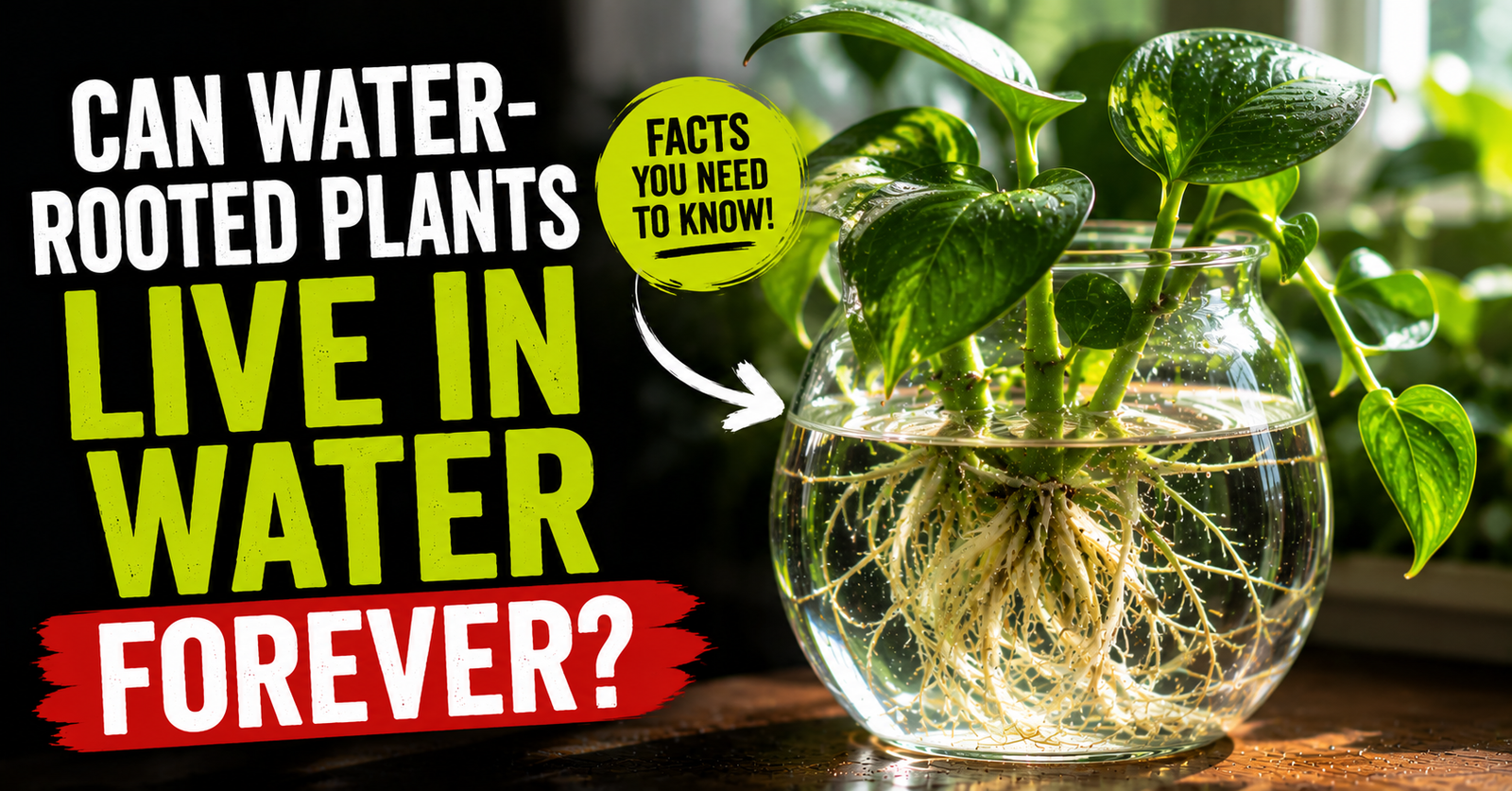
I wouldn’t recommend keeping dormant fig cuttings submerged in a jar of water for long-term storage.
There’s an important difference between water propagation and dormant cutting storage.
Water propagation is an active rooting method.
Dormant storage is intended to preserve the cutting without encouraging growth.
Keeping dormant wood submerged for extended periods can create oxygen and decay problems, especially if the water becomes stagnant.
For storage, I’d much rather use a clean bag and carefully controlled moisture.
When you’re ready to begin rooting, you can decide whether to use water or a growing medium based on the particular propagation method.

Can You Freeze Dormant Fig Cuttings?
I wouldn’t intentionally freeze dormant fig cuttings in a household freezer.
Some dormant woody plants can tolerate freezing temperatures under natural conditions, but their tolerance depends on species, variety, acclimation, and tissue condition.
A detached cutting in a freezer is not the same as a dormant branch attached to an established tree outdoors.
Freezing can damage living cells, particularly if the wood hasn’t properly acclimated or experiences unsuitable freezing and thawing conditions.
For ordinary home propagation, refrigerator storage above freezing is the more practical choice.
There’s little reason to introduce freezing risk when cool, nonfreezing storage can preserve dormant wood.
When Should You Take Fig Cuttings Out of Storage?
I prefer thinking about this decision in terms of readiness rather than one exact date.
Are you ready to provide the conditions needed for rooting?
Do you have a suitable propagation medium?
Can you maintain reasonable temperatures?
Will the cuttings receive appropriate lighting once buds begin growing?
Do you have room for the young plants after they root?
Those questions matter because rooting is only the first stage.
A fig cutting that produces roots indoors during January may still need several months of protected growing before outdoor conditions become suitable.
Here in Missouri, spring weather can be unpredictable.
A warm stretch in March doesn’t mean the danger of freezing temperatures has passed.
If you’re rooting cuttings indoors during winter, you’ll need a plan for keeping the young trees healthy until they can safely move outside.
Late Winter Can Be a Convenient Time to Start
For gardeners who have indoor propagation space, late winter can be a practical time to begin rooting stored fig cuttings.
It gives the cuttings time to develop roots before the outdoor growing season.
However, starting earlier isn’t automatically better.
If you don’t have adequate lighting or room for growing plants indoors, waiting a little longer may produce healthier young trees.
I’d rather start a cutting at the right time for my setup than produce a weak, stretched-out plant because I rushed the process.
Moving Refrigerated Fig Cuttings Into Rooting Medium
When it’s finally time to root the stored cuttings, I would prepare everything before removing them from storage.
That includes the containers, rooting medium, labels, and growing location.
I don’t want dormant wood sitting on a warm counter for hours while I search for supplies.
Inspect Each Cutting Again
Before planting, check for mold, softness, severe shriveling, or other damage that may have developed during storage.
Discard cuttings that are clearly decayed.
If the ends have dried or become damaged, a fresh cut into healthy tissue may be appropriate, provided enough length and healthy nodes remain.
Use clean, sharp tools.
Rehydrate Carefully if Necessary
Some growers briefly soak dormant hardwood cuttings before rooting, particularly if the wood appears slightly dehydrated.
A short soak in clean water may help restore moisture, but I wouldn’t leave cuttings submerged for days.
Excessive soaking isn’t a substitute for healthy storage.
If the wood has dried beyond recovery, water won’t magically bring dead tissue back to life.
Choose a Light Rooting Medium
For fig cuttings, I would favor a medium that balances moisture retention with good airflow.
Perlite, coco coir blends, and suitable propagation mixes can all work.
What I want to avoid is a heavy, constantly saturated medium that encourages the buried portion of the cutting to decay.

If you’re putting together a rooting setup, I’ve covered the seed starting mix I recommend for plant propagation and why its texture can be useful for developing roots.
The exact medium matters less than managing moisture and drainage properly.
Plant the Cutting in the Correct Direction
Place the basal end downward, with suitable nodes below the surface and at least one viable bud above the medium.
The appropriate depth depends on cutting length, container size, and the rooting method.
Firm the medium gently around the cutting so it stays upright without compacting everything into a dense mass.
Then place the container in a protected growing environment.
From that point forward, you’re no longer storing the cutting.
You’re actively trying to grow roots.
What I Would Avoid During the First Week After Storage
The transition from dormant storage to rooting is not the time to start changing everything repeatedly.
I wouldn’t move the container from one window to another every day.
I wouldn’t keep pulling the cutting out to inspect the base.
I wouldn’t water simply because nothing appears to be happening.
And I wouldn’t assume a bud opening means roots have formed.
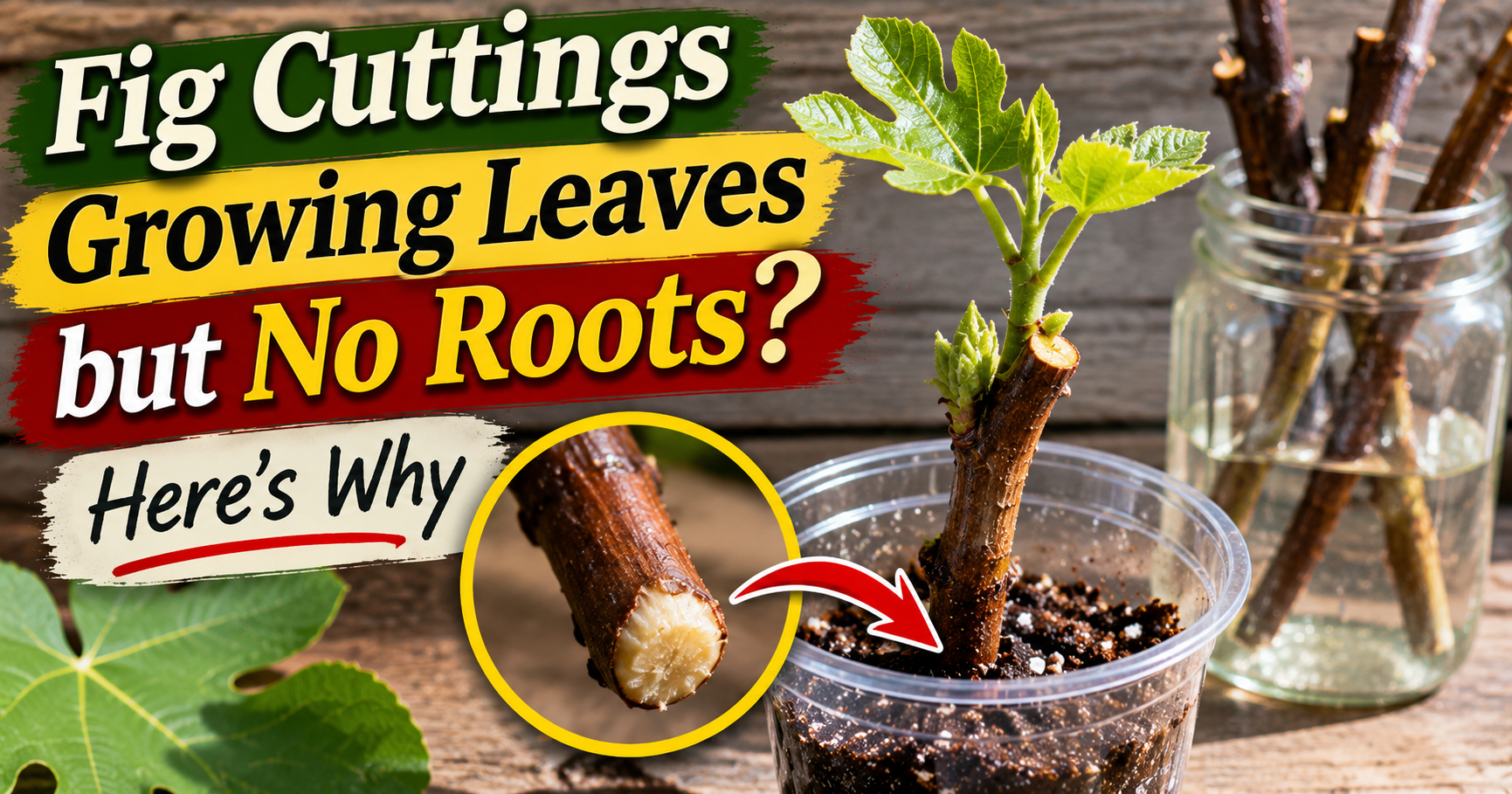
A fig cutting may begin growing above the surface before its roots are ready to support that growth.
That’s why the early rooting period requires patience.
The cutting needs a stable environment where it can gradually develop roots without unnecessary disturbance.
A Simple Storage Checklist I Would Follow
Before putting dormant fig cuttings away, I would make sure I’ve covered the essentials.
- Collect healthy, mature wood while the tree is dormant.
- Keep each fig variety clearly labeled.
- Remove damaged or diseased material.
- Use clean storage bags and avoid excess moisture.
- Keep cuttings cool, ideally around 34°F to 40°F, without freezing.
- Check periodically for mold, drying, or premature bud growth.
- Prepare the rooting environment before removing cuttings from storage.
- Begin rooting when you can properly care for the developing plants.
None of these steps is especially complicated.
The challenge is remembering that dormant cuttings are still living plant material.
They need protection even when they aren’t actively growing.
Frequently Asked Questions
Can I store fig cuttings in the refrigerator for three months?
Potentially, yes.
Healthy dormant cuttings can sometimes remain viable for several months under suitable storage conditions.
However, success isn’t guaranteed.
Temperature, moisture, wood quality, and dormancy all affect how well the cuttings survive.
I would inspect them periodically instead of assuming they’ll remain healthy indefinitely.
Should fig cuttings be completely dry before storage?
No.
The wood needs to retain enough internal moisture to stay alive.
The goal is preventing dehydration without surrounding the cuttings with excessive free water.
A clean storage bag and lightly controlled moisture can help maintain that balance.
Is white mold always a reason to throw fig cuttings away?
Not necessarily.
Small amounts of surface mold don’t automatically mean the entire cutting is dead.
However, mold deserves attention.
Inspect the wood carefully, isolate affected cuttings, and discard material showing signs of serious decay.
Can I store several fig varieties in one bag?
You can, but I prefer separating varieties whenever practical.
At minimum, each variety should be clearly labeled.
Keeping them separate reduces confusion and makes it easier to inspect individual bundles without disturbing everything.
Should I use rooting hormone before putting fig cuttings into storage?
I wouldn’t.
Rooting hormone is intended for the active rooting stage, not long-term dormant storage.
If I decide to use rooting hormone, I would apply it according to the product instructions when preparing the cutting for propagation.
Can I root fig cuttings immediately after removing them from the refrigerator?
Yes, provided they’re healthy and your rooting setup is ready.
There’s generally no need to leave dormant cuttings sitting around for several days before planting.
Prepare your containers and growing medium, inspect the wood, and begin the rooting process.
What Happens After Storage?
Getting dormant fig cuttings through winter is an accomplishment, but the most rewarding part comes afterward.
Watching the buds swell.
Seeing the first leaves open.
Eventually discovering healthy roots beneath the growing medium.
That’s when a dormant branch begins turning into an independent fig tree.
If you’re planning to take cuttings from your own trees or have received some from another grower, I’d encourage you to understand the entire rooting process before you begin.
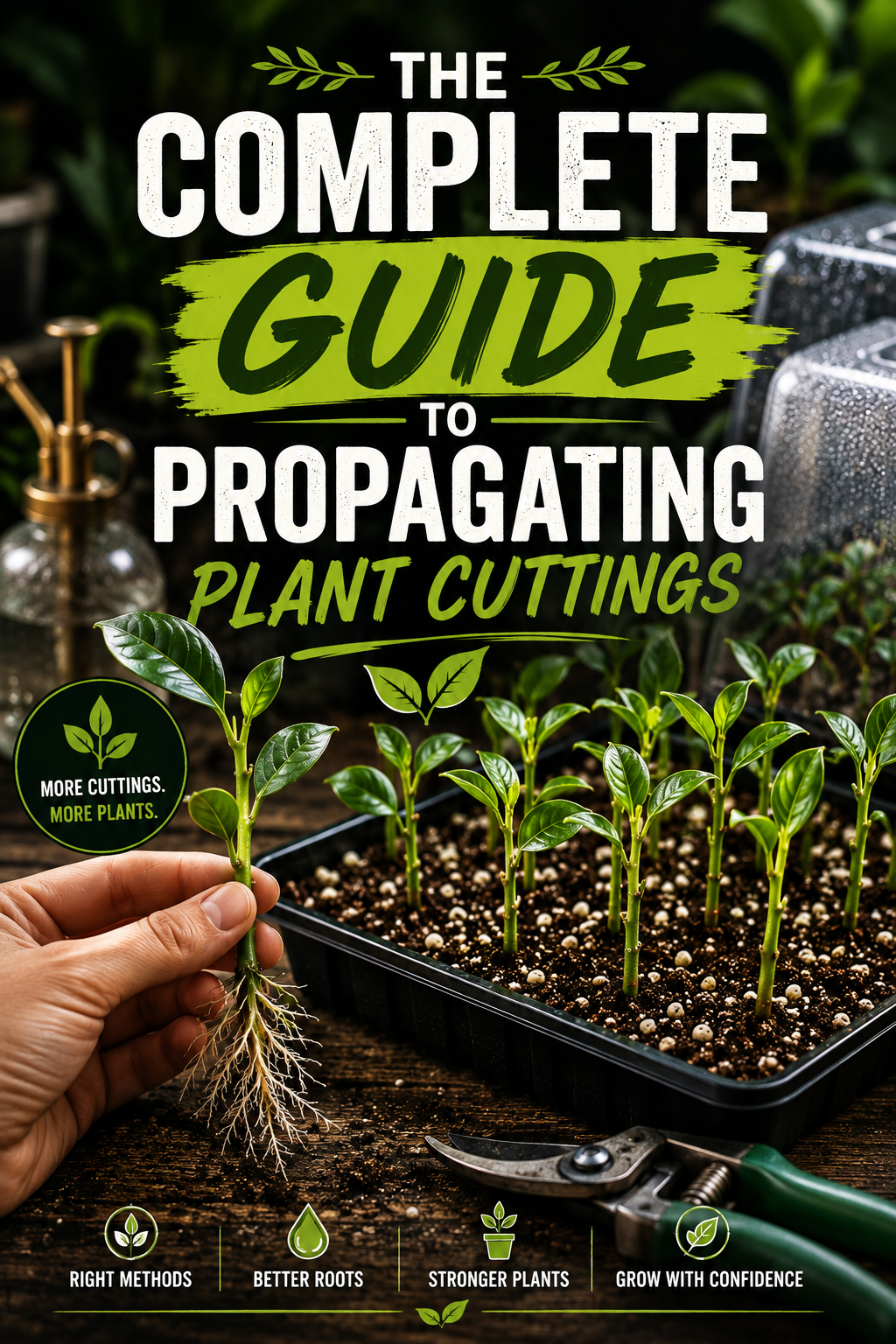
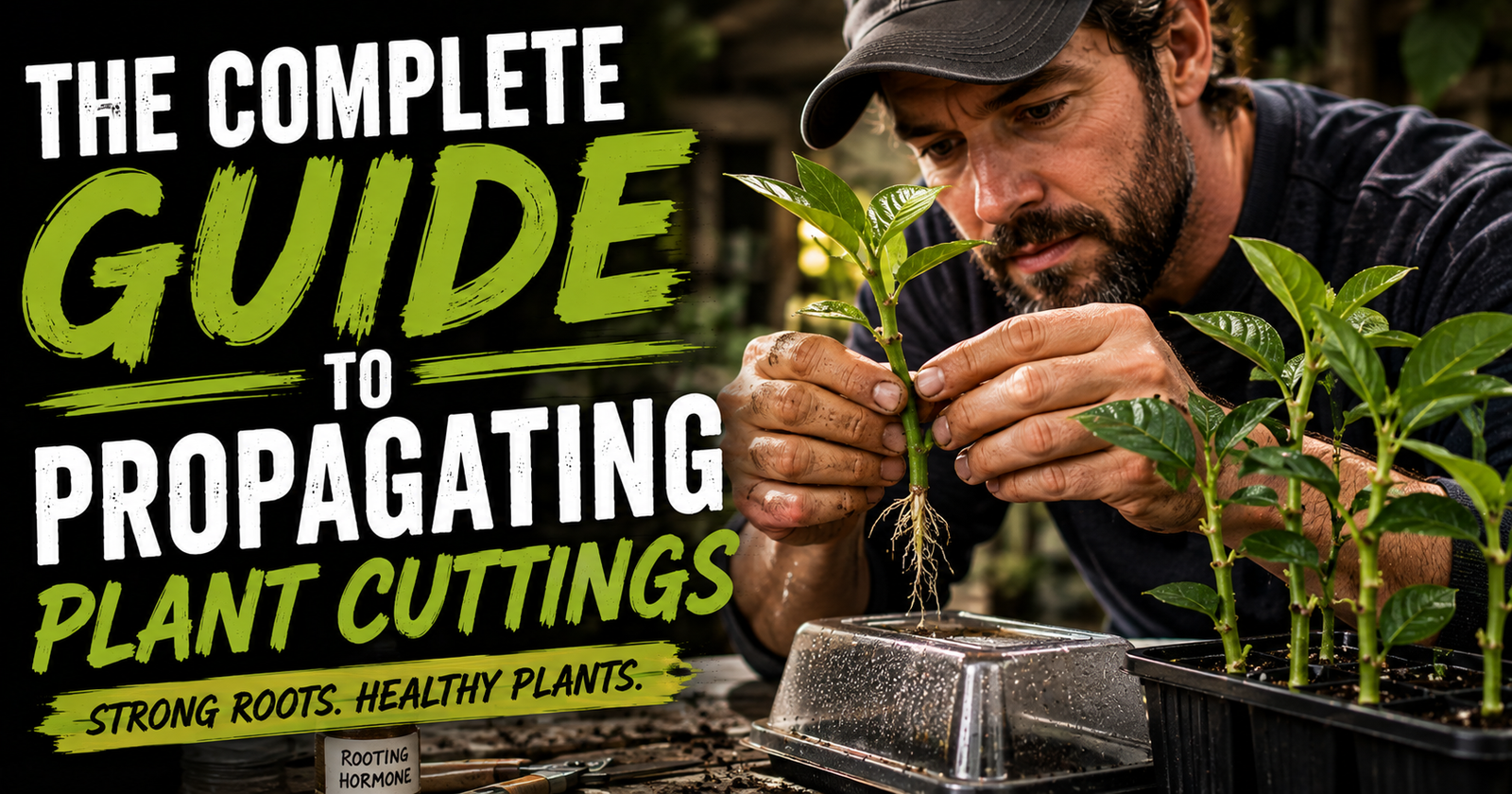
My complete guide to propagating plant cuttings covers the fundamentals of choosing healthy material, preparing cuttings, managing moisture, and caring for new roots.
A little preparation during storage can make the next stage much easier.
About the Author
Dax Weaver is the founder of PropagationWorld and has years of hands-on experience growing and propagating plants, including fruit trees, berry bushes, and ornamental shrubs. Through PropagationWorld, he shares practical growing advice, propagation methods, and research-backed guidance to help gardeners grow more plants successfully.