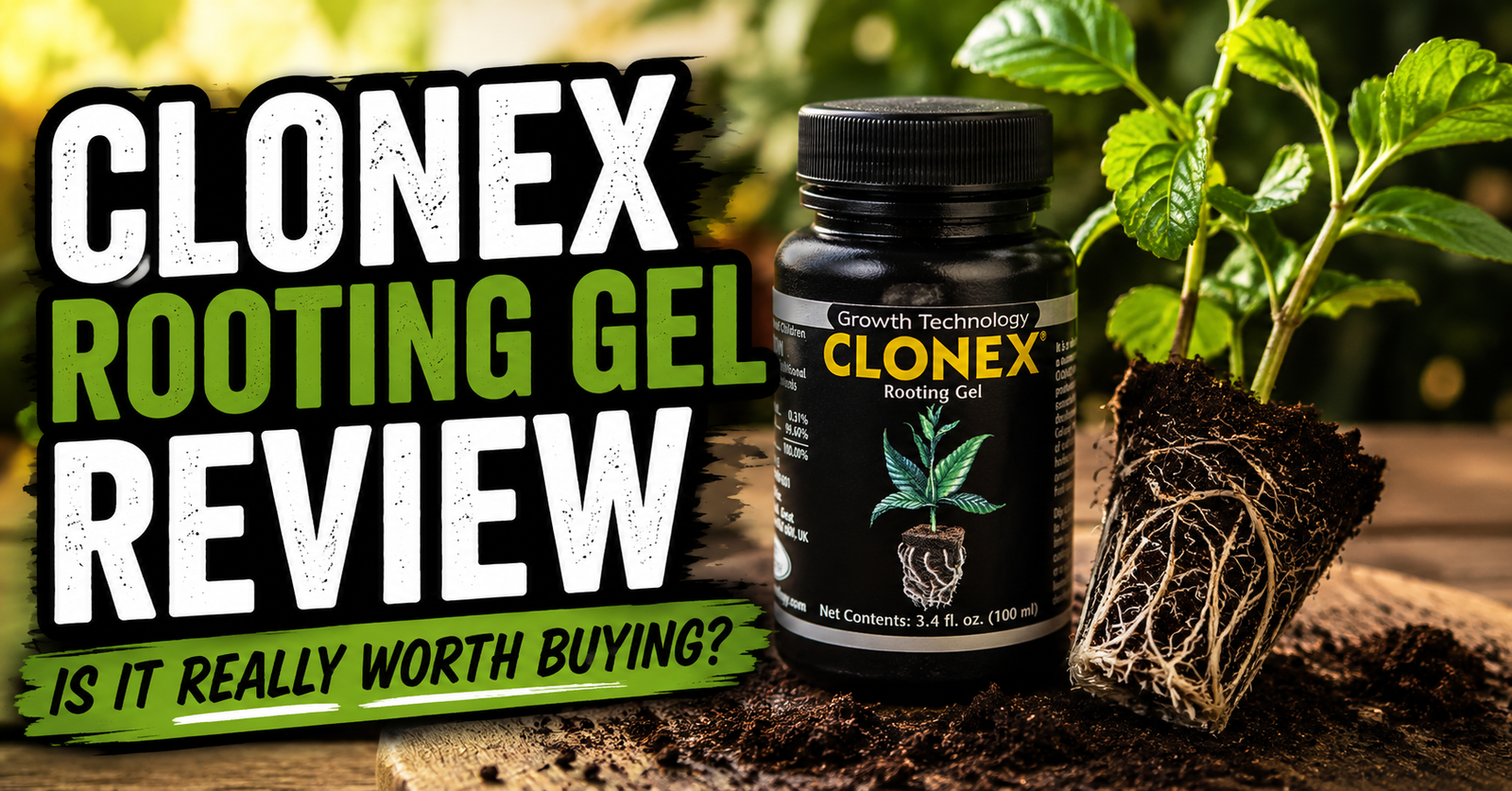
I’ve tried enough gardening products over the years to know that fancy packaging doesn’t always mean better results. Every season, it seems like there’s another “must-have” product promising faster growth, bigger harvests, or miracle results. Most of them end up being disappointing.
So when I kept hearing people rave about Clonex Rooting Gel, I was skeptical.
It wasn’t because I doubted rooting hormones worked. We know they can absolutely improve propagation success under the right conditions. I just wondered whether Clonex was genuinely better than the cheaper powders sitting beside it on the store shelf.
After spending a lot of time researching how Clonex works, reading experiences from hobby gardeners and commercial growers, and comparing it with other rooting hormones, I came away understanding why this little bottle has earned such a loyal following.
Does that mean it’s perfect?
No.
Does it deserve its reputation?
I honestly think it does.
If you’re wondering whether Clonex Rooting Gel is worth buying, here’s everything I learned before deciding whether I’d recommend it.
My Quick Answer
If you regularly propagate plants from cuttings, I think Clonex Rooting Gel is one of the easiest upgrades you can make to your propagation setup.
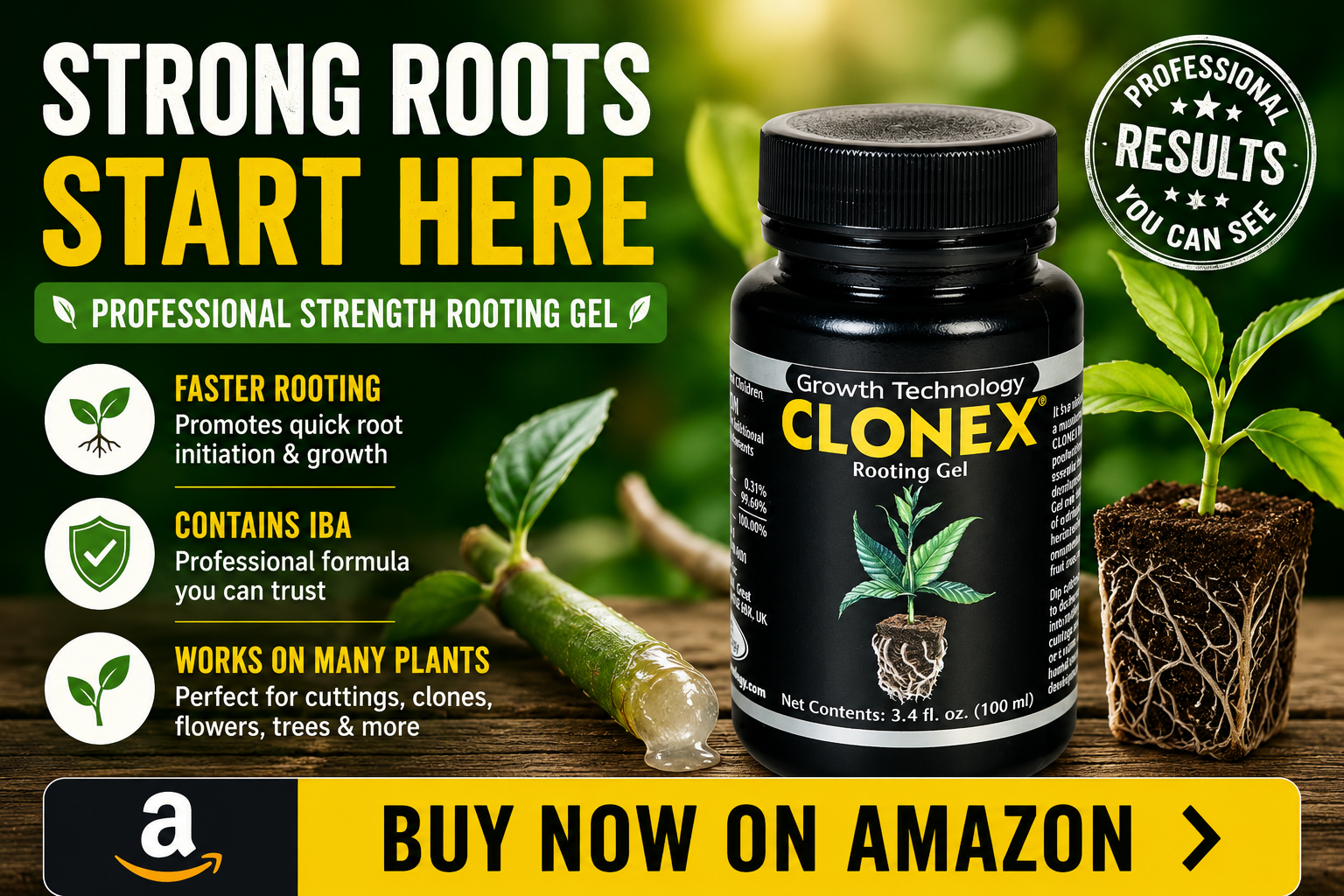
The gel stays on the cutting better than traditional powders, it’s incredibly simple to use, and it’s trusted by professional growers all over the world for good reason.
That doesn’t mean it performs miracles.
Healthy cuttings, clean tools, proper humidity, good temperatures, and patience are still far more important than any rooting hormone.
But when you’re already doing everything else correctly, Clonex gives your cuttings another advantage during the stage where they’re most vulnerable.
If you enjoy propagating shrubs, fruit plants, trees, vines, or even houseplants on a regular basis, I think it’s money well spent.
Check today’s price for Clonex Rooting Gel on Amazon
What Is Clonex Rooting Gel?
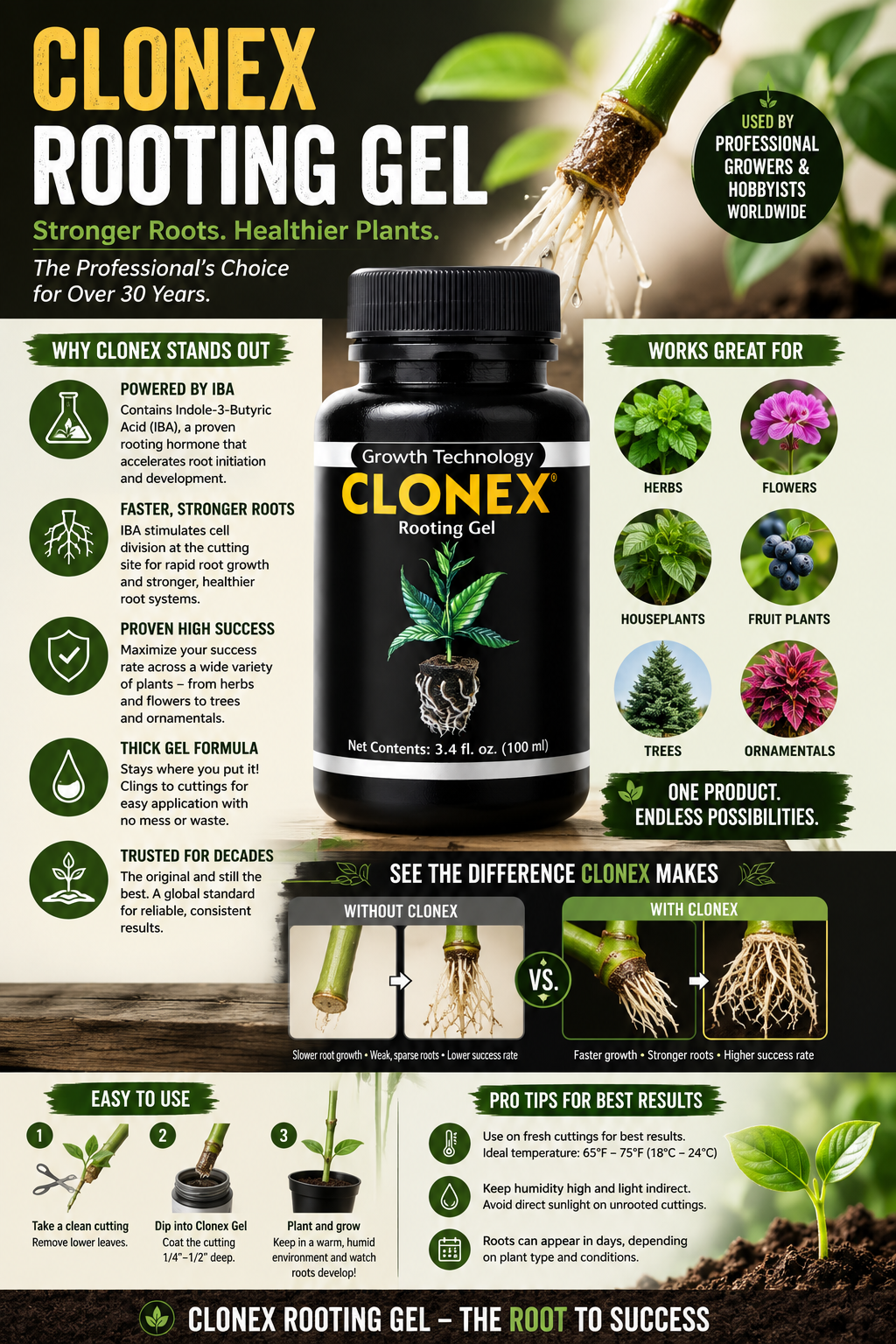
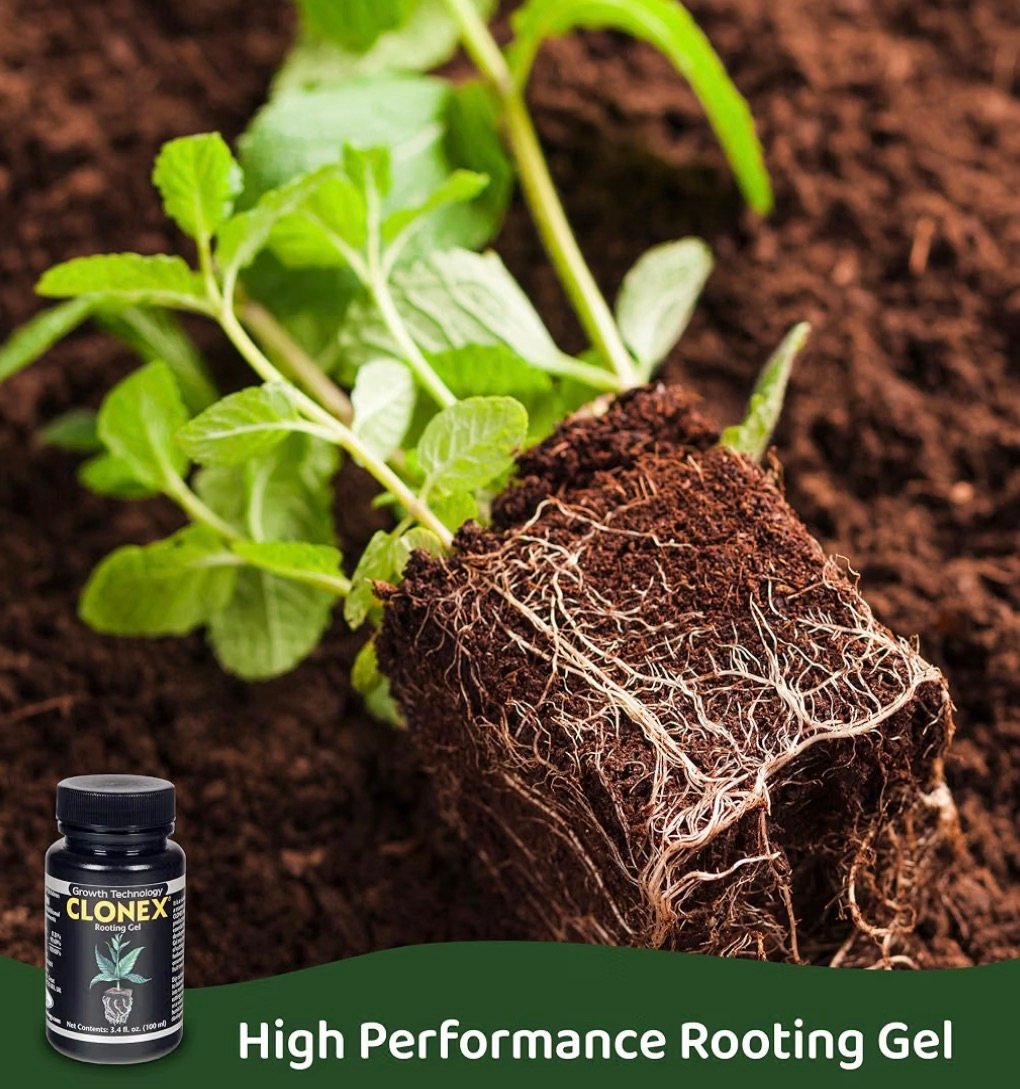
Clonex Rooting Gel is a professional-grade rooting hormone designed to encourage plant cuttings to develop new roots more quickly and consistently.
Unlike traditional rooting powders, Clonex uses a thick gel that completely coats the freshly cut stem. That simple difference turns out to be one of its biggest advantages.
Instead of brushing or shaking off while you plant the cutting, the gel stays exactly where you applied it.
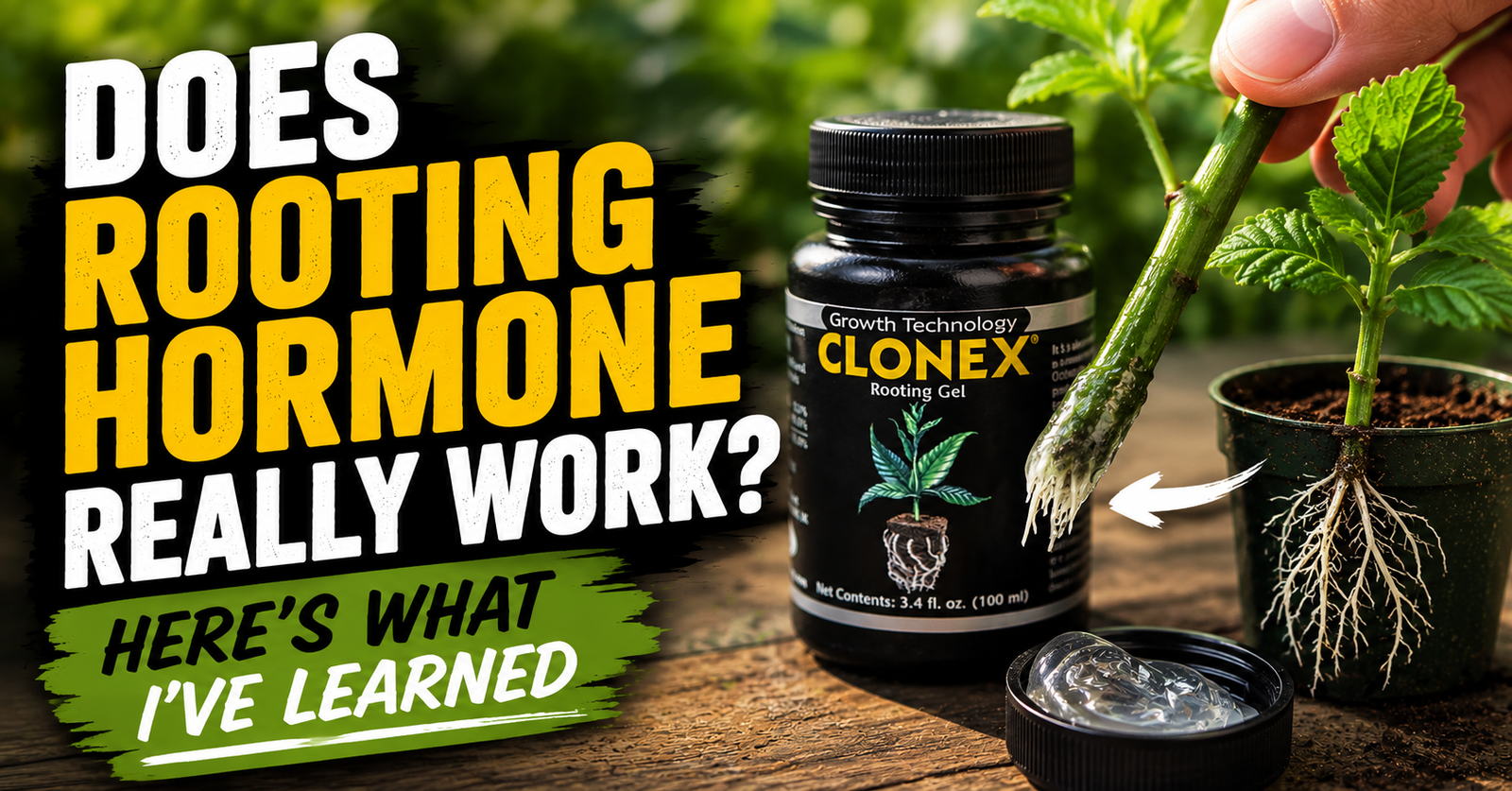
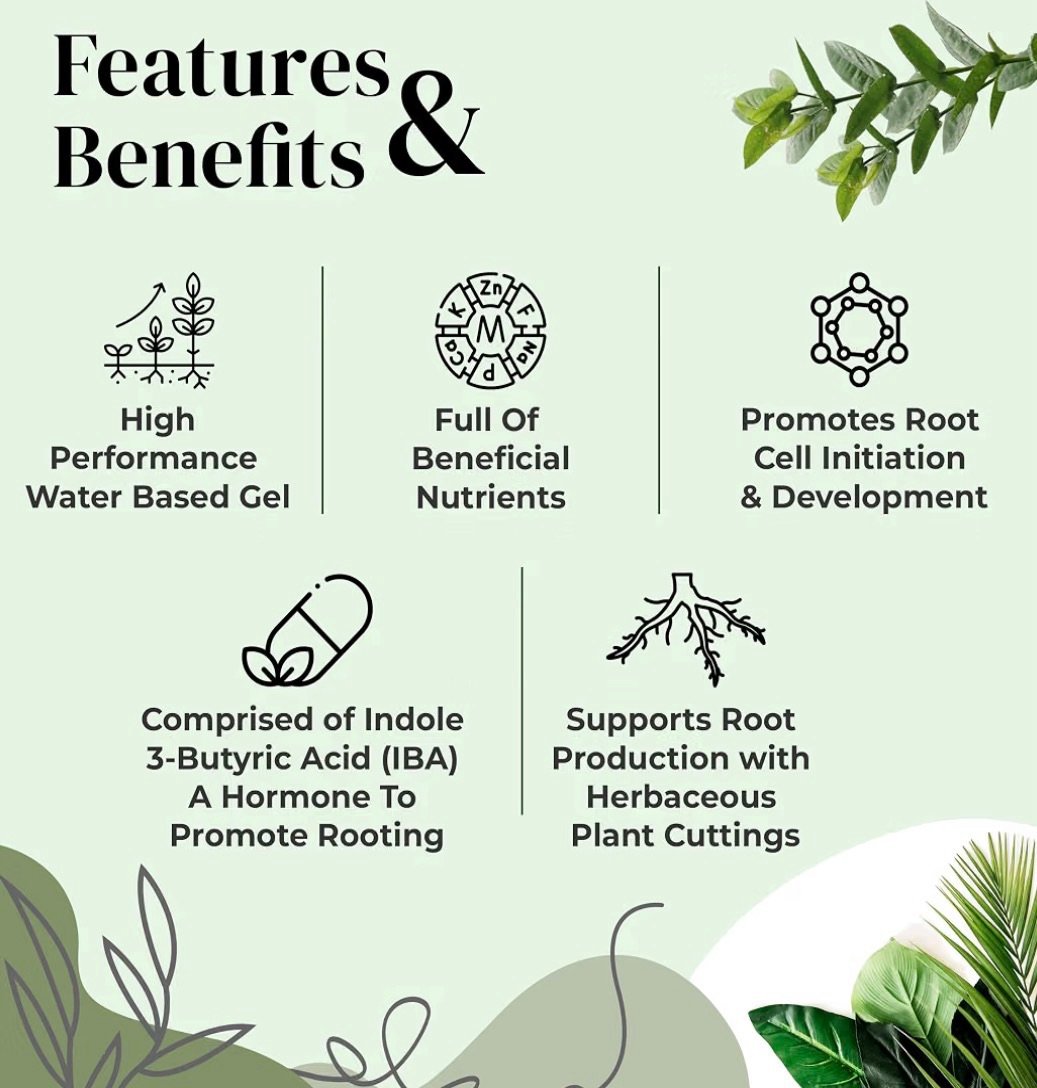
Inside that gel is Indole-3-Butyric Acid (IBA), one of the most widely used synthetic rooting hormones in commercial horticulture. IBA encourages cells near the cut surface to begin forming roots, giving difficult cuttings a better chance of establishing themselves. For a broader explanation of the science behind IBA and rooting success, see Does Rooting Hormone Really Work? What Every Gardener Should Know.
Clonex also contains nutrients and protective ingredients that help support the cutting during those first critical days before roots begin supplying water and nutrients on their own.
It’s been trusted by commercial nurseries for decades, but it’s just as easy for beginners to use at home.
Why Rooting Hormone Isn’t Just Marketing
One thing I see all the time is people saying rooting hormone is unnecessary because “plants know how to grow roots naturally.”
They’re right.
Plants absolutely do.
But that’s only part of the story.
When you remove a stem from a plant, you’ve interrupted its water supply and essentially created a survival situation. The cutting now has one job—produce roots before it runs out of stored energy.
Some plants do this incredibly well.
Others struggle.
A rooting hormone doesn’t force roots to grow where they otherwise couldn’t. Instead, it encourages the plant’s natural rooting process by increasing the concentration of hormones responsible for root initiation.
Think of it like giving the plant a head start instead of asking it to do all the work on its own.
If everything else is done correctly—healthy cuttings, proper moisture, suitable temperatures, and good sanitation—that small advantage can often be the difference between success and failure.
Why So Many Growers Prefer a Gel Instead of Powder
Before I looked into Clonex, I honestly assumed rooting gels were mostly a marketing gimmick.
After learning how they’re used, I changed my mind.
The biggest problem with powdered rooting hormones is that they’re easy to knock off while planting the cutting.
You carefully dip the stem into powder…
Then you push it into soil…
And much of that powder stays behind on the surface instead of remaining on the stem where it actually matters.
A gel solves that problem.
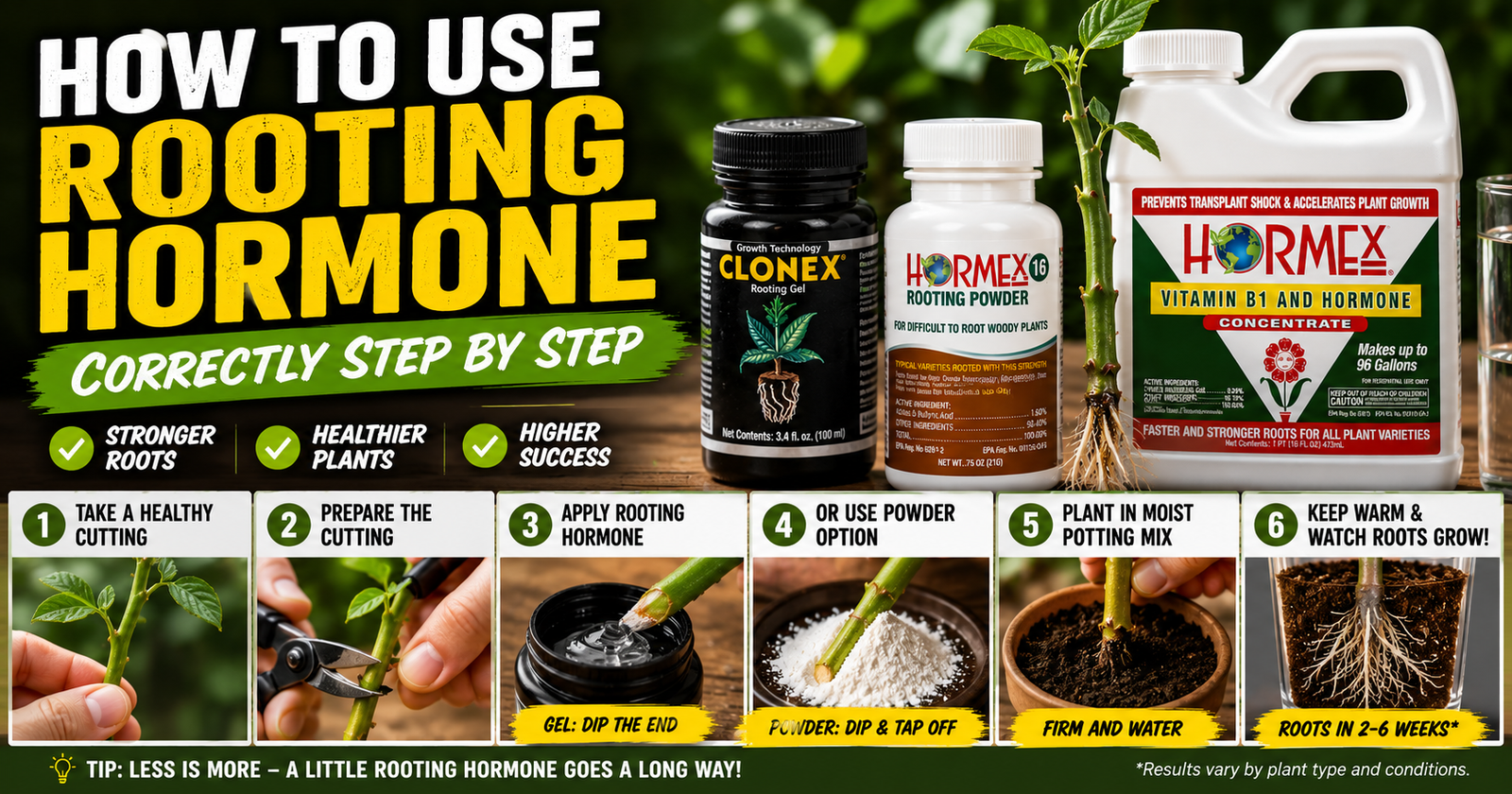
The entire cut end becomes coated with a layer of rooting hormone that stays attached while you place the cutting into its propagation medium. For a complete walkthrough of preparation and application, see apply rooting hormone properly.
That means better contact between the hormone and the plant tissue where new roots are actually forming.
It also creates a much cleaner application process.
There’s no tapping off excess powder.
No clouds of dust.
No wondering whether enough remained on the cutting.
Just dip, plant, and you’re finished.
What Makes Clonex Different From Other Rooting Hormones?
There are dozens of rooting hormones available today, so why has Clonex managed to remain one of the most recommended products for so many years?
I think it comes down to consistency.
Instead of trying to reinvent propagation, Clonex focuses on doing a few things extremely well.
Some of the features that stood out to me include:
- Thick gel that stays on the cutting.
- Professional-strength IBA rooting hormone.
- Added nutrients to support early growth.
- Protective ingredients that help keep the fresh cut healthier.
- Easy application with very little mess.
- Suitable for hundreds of plant species.
None of those features sound revolutionary on their own.
Together, though, they create a product that’s dependable enough that commercial growers continue buying it year after year.
That says a lot.
Professional nurseries don’t spend extra money on products that don’t improve results.
Which Plants Benefit the Most From Clonex?
This is where I think Clonex really shines.
If you’re propagating pothos once every couple of years, you probably don’t need professional rooting gel.
Those plants practically root themselves.
But not every cutting is that cooperative.
I’ve found Clonex makes the most sense when propagating plants that naturally root more slowly or have lower success rates.
Some excellent candidates include:
- Hydrangeas
- Roses
- Blueberries
- Elderberries
- Grapevines
- Fig trees
- Camellias
- Azaleas
- Forsythia
- Fruit trees
- Ornamental shrubs
- Many evergreen species
These are exactly the types of plants where every little advantage matters.
When you’re waiting six or eight weeks for roots to develop, improving your success rate by even a small amount can save a lot of frustration.
See why so many gardeners choose Clonex Rooting Gel
When I Probably Wouldn’t Buy Clonex
As much as I like what Clonex offers, I also don’t think it’s the right product for everyone.
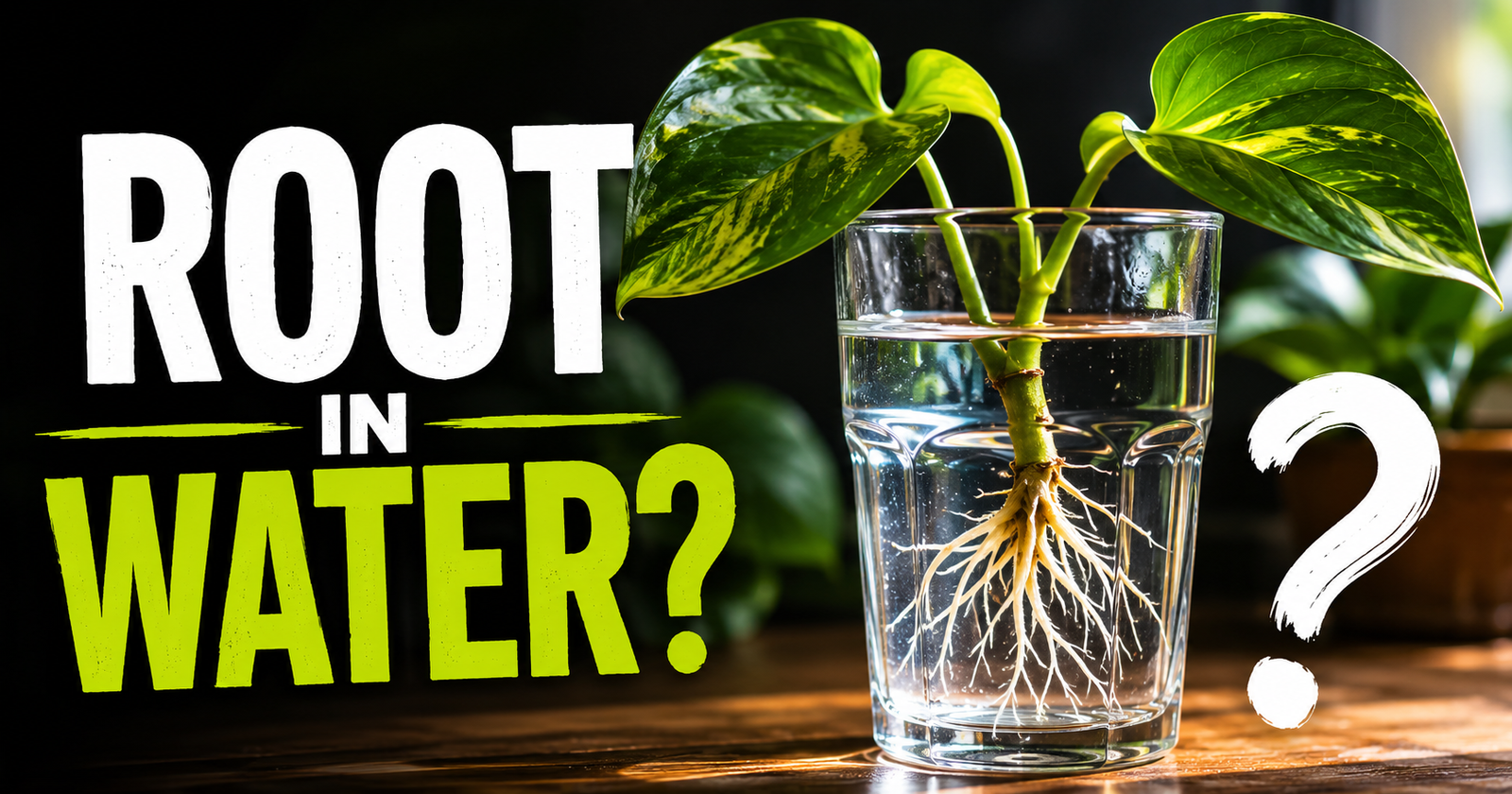
If you’re only taking a couple of pothos cuttings every few years or propagating spider plants for fun, there’s a good chance you’ll never notice much of a difference. For these easy-to-root plants, rooting cuttings in water may be all the equipment you need.
Those plants are naturally eager to root.
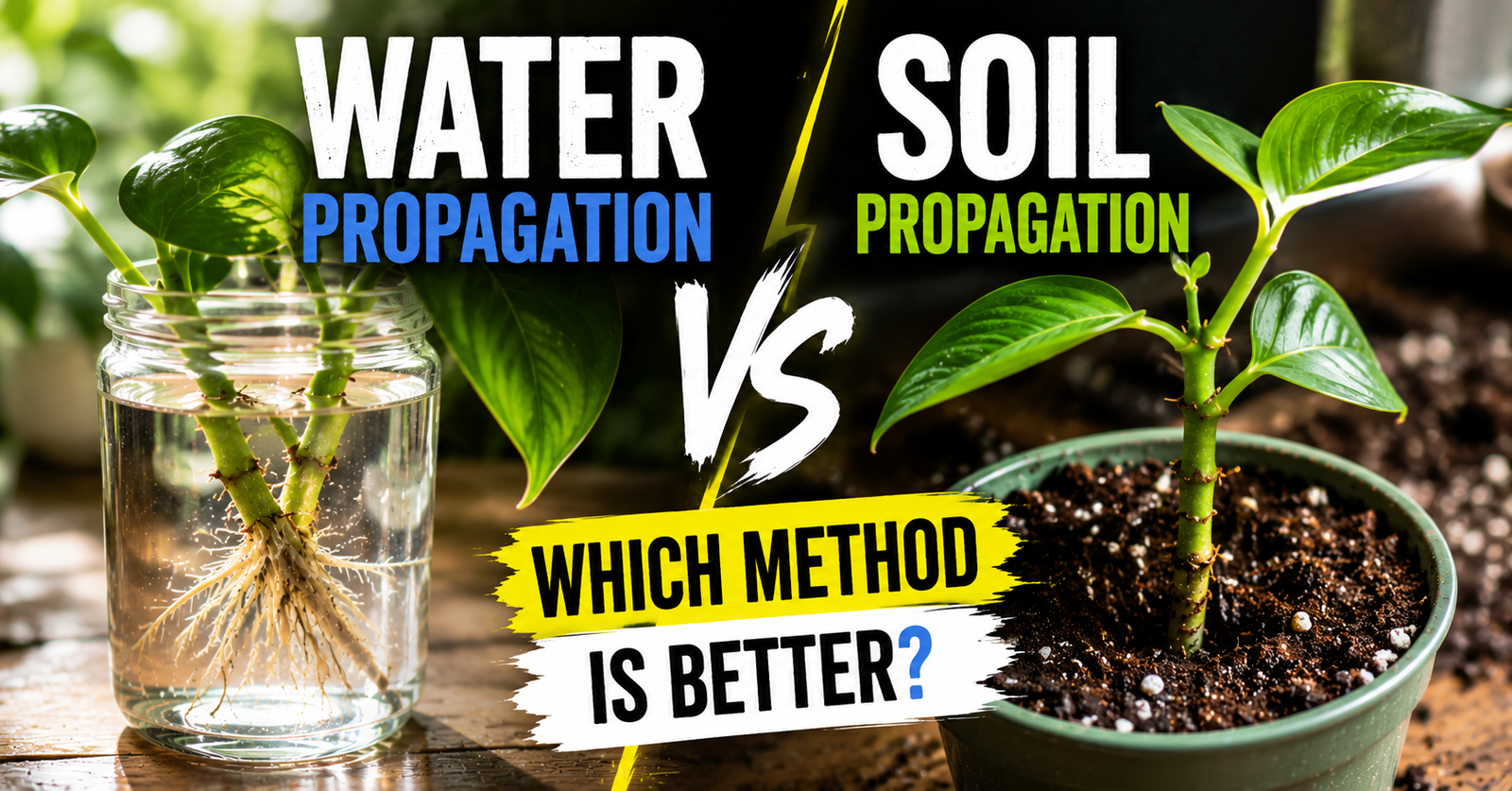
In fact, many common houseplants will happily produce roots in nothing more than a glass of clean water. If you're deciding how to root one of these easy cuttings, water versus soil for houseplants explains when each approach is most practical.
Buying a professional rooting hormone for those situations is a little like buying racing tires for a bicycle. It won’t hurt anything, but you’re probably spending money you don’t need to spend.
Where Clonex begins making a lot more sense is when you’re propagating plants that are slower, woodier, or simply more valuable.
If you’re trying to root twenty blueberry cuttings, a rare Japanese maple, or several rose bushes you’ve been wanting to duplicate, improving your odds becomes much more important.
For me, that’s where Clonex earns its place on the shelf.
How I Would Use Clonex Rooting Gel
One thing I appreciate about Clonex is how simple the entire process is.
There’s no complicated mixing, measuring, or waiting.
Here’s the basic process I recommend.
1. Start With Healthy Cuttings
No rooting hormone can rescue unhealthy plant material.
Always take cuttings from vigorous plants that are actively growing and free from disease or insect damage.
A healthy cutting has far more stored energy available for producing new roots.
2. Make a Fresh, Clean Cut
Use a sharp pair of pruning snips or a clean knife to make the cut.
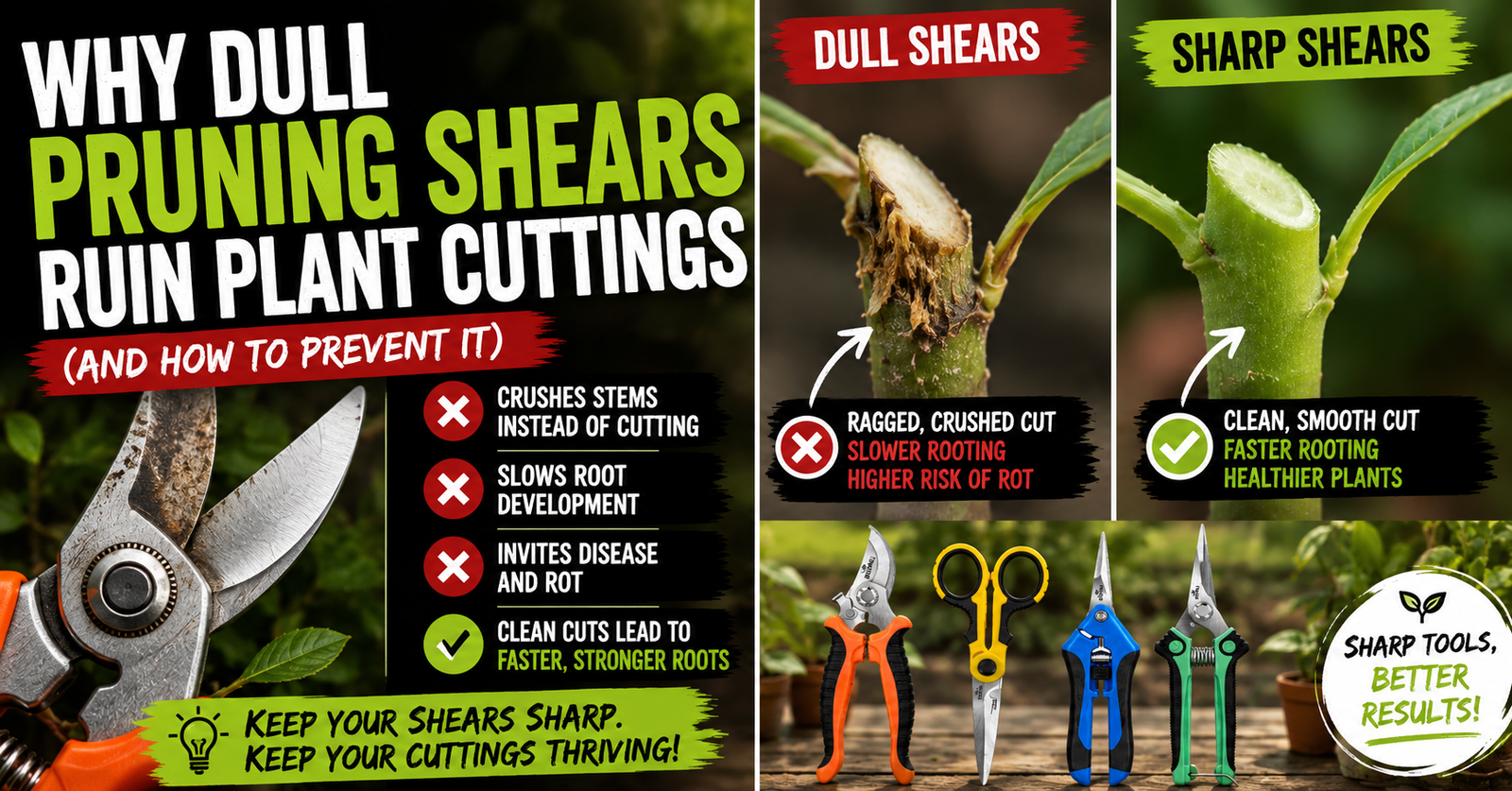
A smooth cut exposes healthy plant tissue, while a crushed stem can actually slow down rooting. This distinction is why smooth versus crushed stems deserves attention before relying on rooting hormone.
If you’ve been pruning multiple plants, it’s also a good idea to disinfect your tools between plants to avoid spreading diseases.
3. Pour Out a Small Amount of Gel
This is one of the biggest tips you’ll hear from experienced growers.
Instead of dipping every cutting directly into the Clonex bottle, pour a small amount into a separate disposable container.
Why?
Once a cutting touches the gel, tiny bits of plant tissue and bacteria can contaminate what’s left behind.
Throw away any unused gel afterward rather than pouring it back into the original bottle.
It may seem wasteful, but it helps keep the remaining product clean for future use.
4. Dip the Cutting
Coat the bottom inch or so of the stem with Clonex.
The thick consistency makes this incredibly easy.
Instead of falling off like a powder, the gel forms a smooth coating around the fresh cut.
5. Place the Cutting Into Your Propagation Medium
Immediately insert the cutting into your prepared propagation medium.
Depending on the plant, that might be:
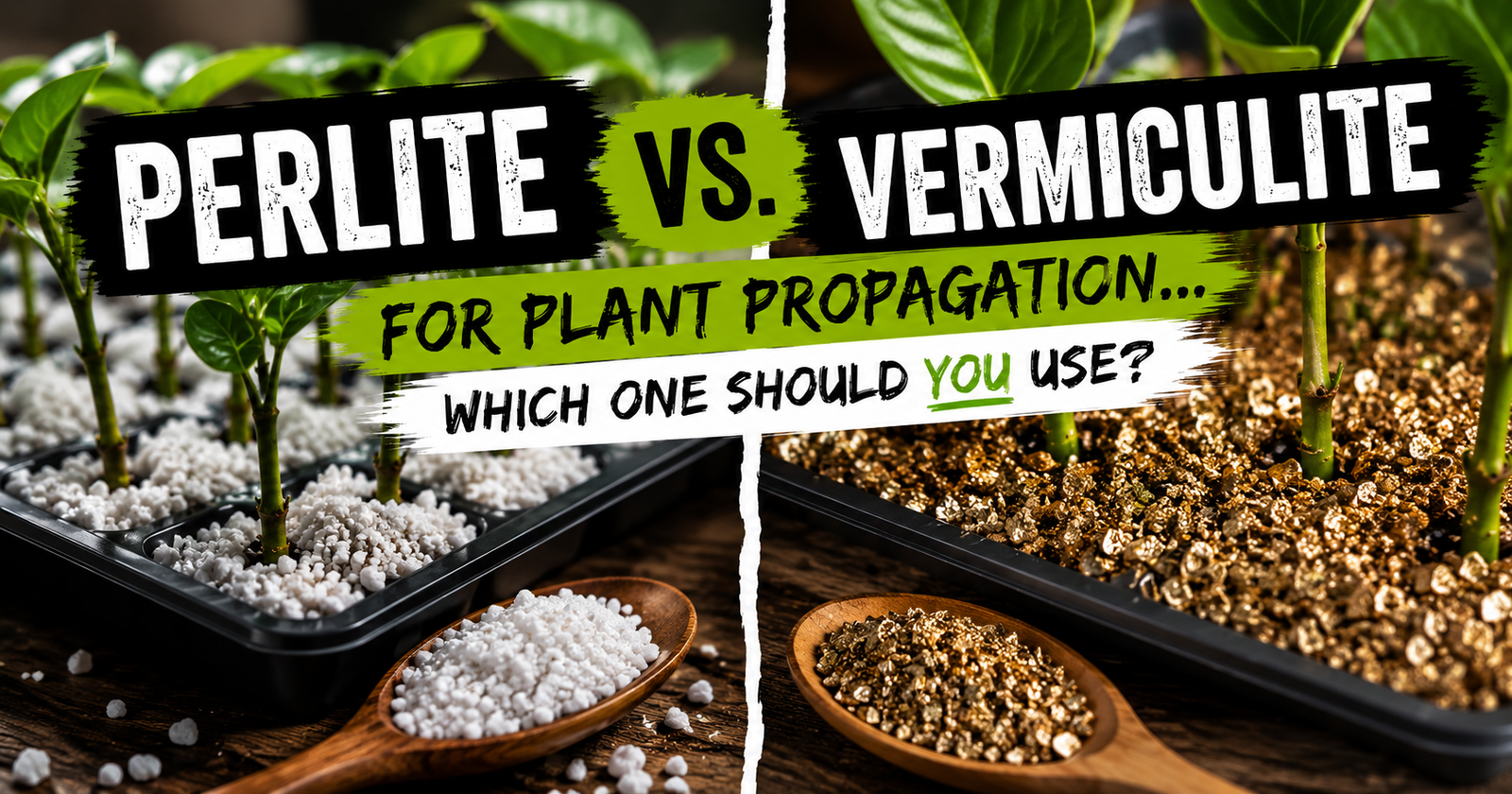
- Perlite
- Seed-starting mix
- Coco coir
- Sphagnum moss
- A propagation plug
Avoid scraping the gel off while inserting the cutting.
If you’re using a dense growing medium, I like making the planting hole first with a pencil or dibber so the coated stem slides in without rubbing off the gel.
6. Provide the Right Environment
This is the part many beginners overlook.
The rooting hormone has already done its job.
Now it’s up to you.
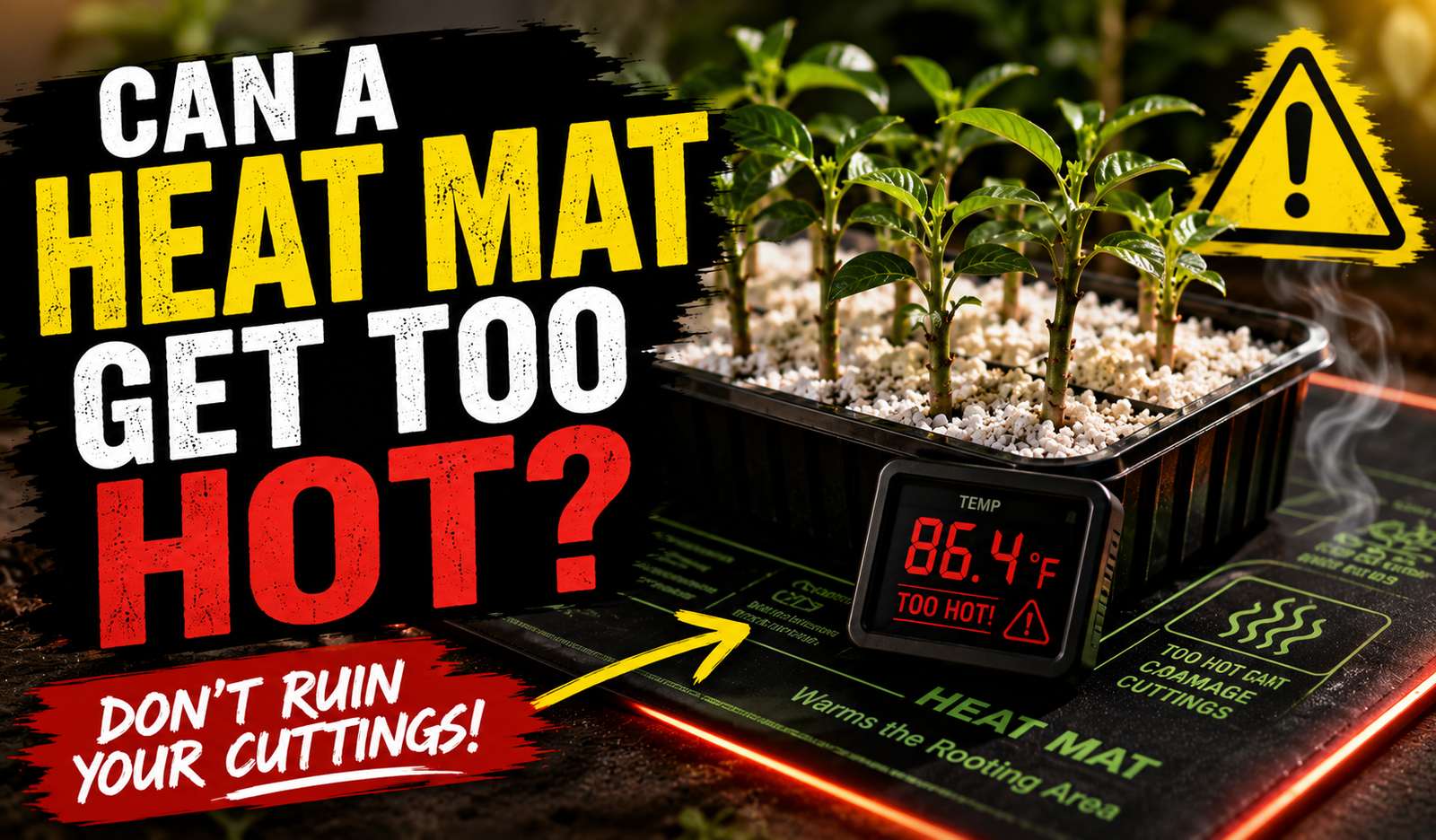
Keep the growing medium lightly moist—not soaking wet.
Provide bright, indirect light instead of intense afternoon sun.
Maintain humidity if the plant benefits from it.
Then leave the cutting alone as much as possible.
Checking for roots every couple of days usually causes more harm than good.
Common Mistakes That Can Ruin Your Results
I’ve noticed that when people say a rooting hormone “doesn’t work,” the problem usually isn’t the product.
It’s something else in the propagation process.
Here are some of the most common mistakes I see.
Using Weak or Stressed Cuttings
Rooting begins with the cutting itself.
If the parent plant is unhealthy, drought-stressed, or suffering from disease, even the best rooting hormone won’t perform miracles.
Healthy cuttings almost always outperform weak ones.
Overwatering
This may be the biggest mistake beginners make.
Fresh cuttings don’t have roots yet.
They can’t use large amounts of water.
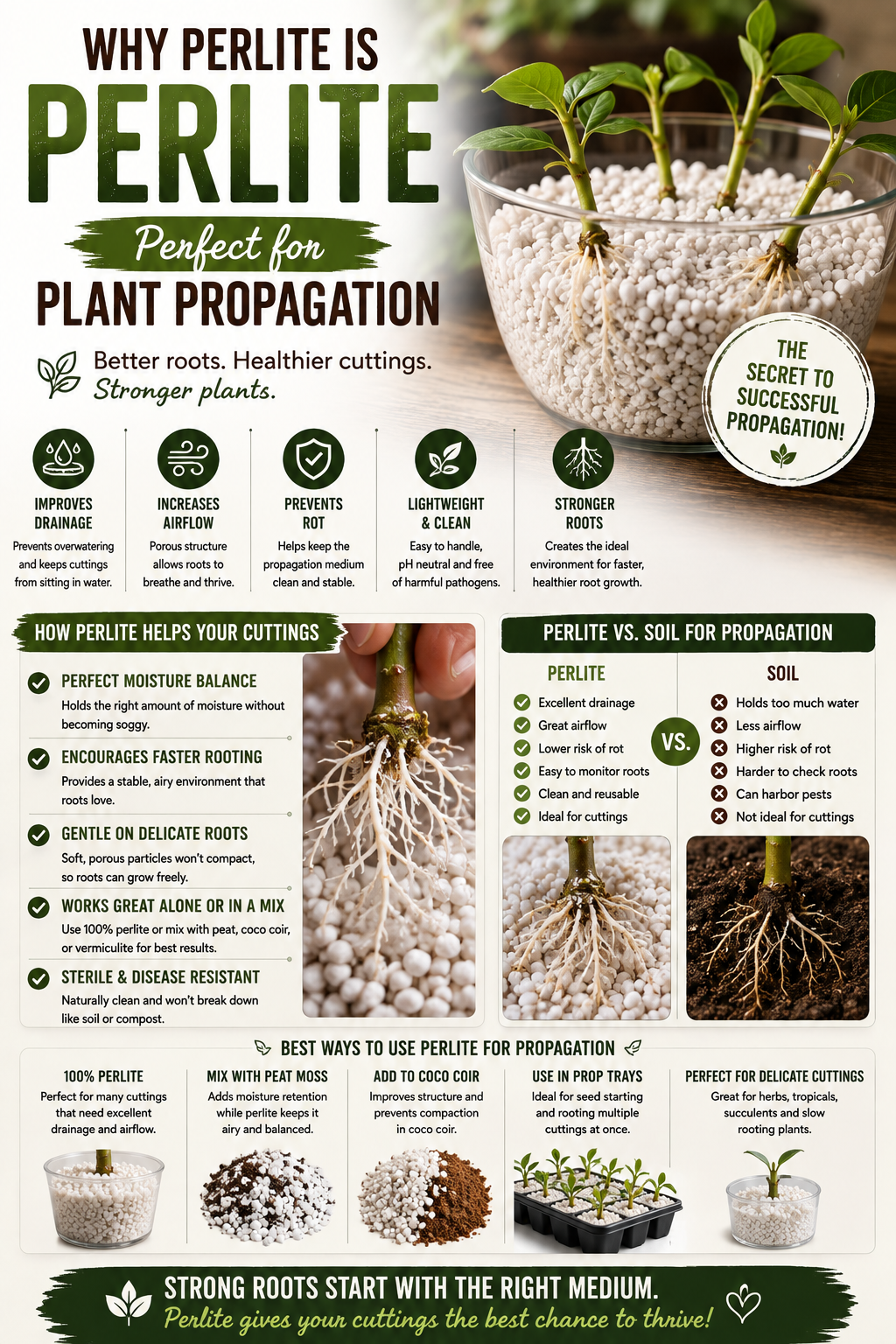
Keeping the propagation medium constantly saturated often leads to stem rot long before roots have a chance to develop. Using a better-draining propagation medium can help create a healthier balance of moisture and airflow around developing roots.
Moist is good.
Soggy is not.
Too Much Sun
Bright light helps.
Direct afternoon sunlight usually doesn’t.
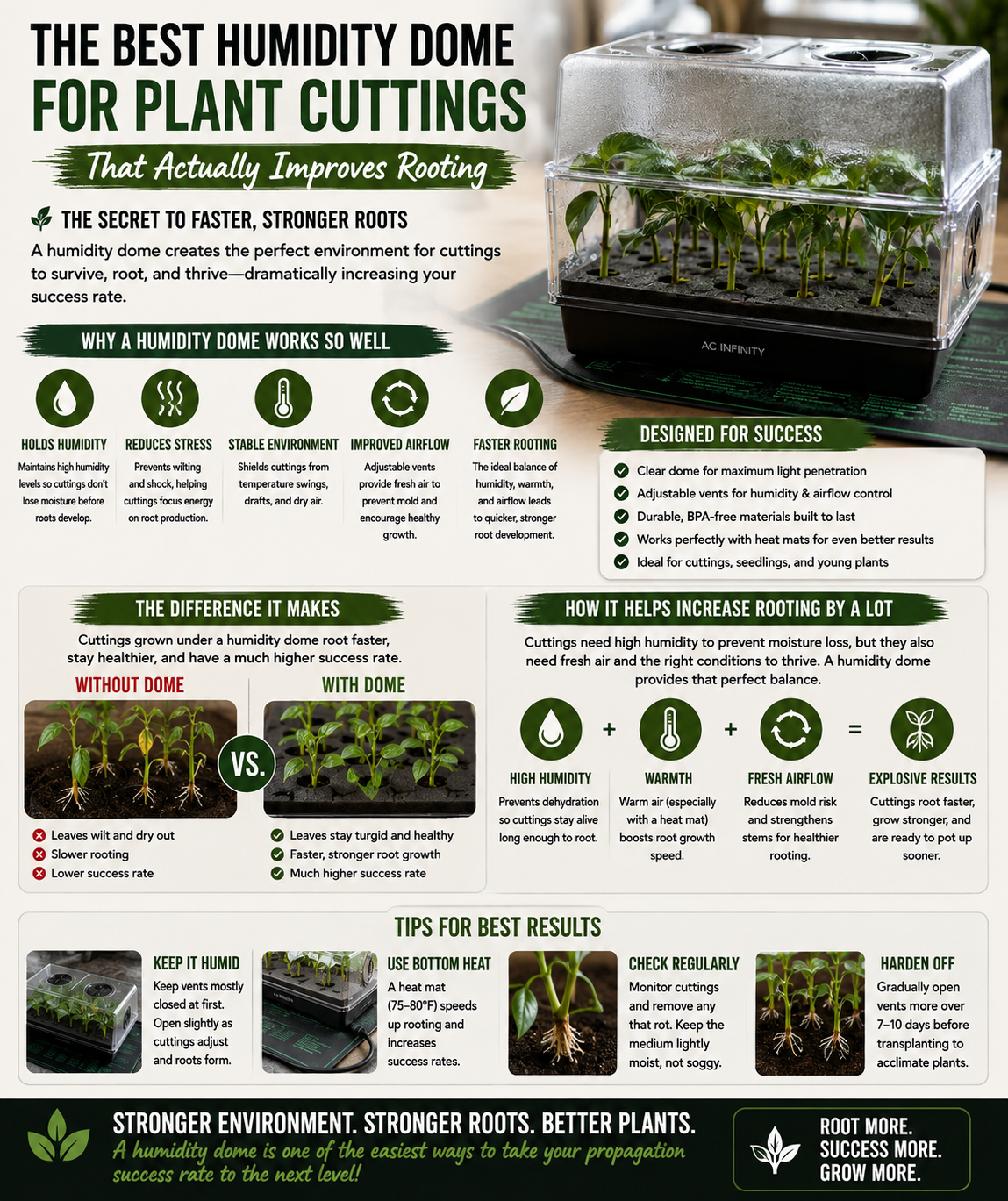
Without roots, the cutting can’t replace the moisture it’s losing through its leaves. That is why humidity support while rooting can be just as important as rooting hormone during the early stages of propagation.
Too much sun can quickly dry out or stress the cutting before roots have time to form.
Touching or Moving the Cutting Too Often
I know it’s tempting.
Everyone wants to see if roots are forming.
Unfortunately, pulling the cutting out every few days interrupts the very process you’re trying to encourage.
Once it’s planted, let it stay there.
Patience really is part of successful propagation.
Contaminating the Bottle
This is another reason I recommend pouring a small amount into a separate container.
It only takes one diseased cutting to contaminate the remaining gel.
Keeping the original bottle clean helps extend its shelf life and protects future cuttings.
How Long Does Clonex Take to Work?
One question I see asked all the time is how quickly Clonex produces roots.
The honest answer is that it depends far more on the plant than the rooting hormone.
Some soft-stemmed houseplants may begin producing roots in as little as one to two weeks.
Woody shrubs often need four to eight weeks.
Certain trees can take several months.
Clonex doesn’t eliminate those timelines.
Instead, it helps encourage the plant to begin the rooting process more efficiently.
The goal isn’t instant roots.
The goal is stronger, healthier root development with a better overall success rate.
That’s an important distinction.
Many gardeners buy rooting hormone expecting dramatic overnight results.
Propagation simply doesn’t work that way.
Good cuttings still require time, proper care, and a little patience.
Check the latest price for Clonex Rooting Gel on Amazon
Clonex vs. Rooting Powder: Which One Would I Choose?
This is probably the biggest comparison people make before buying Clonex.
After looking at both options, I don’t think either one is “bad.” They simply solve the same problem in different ways.
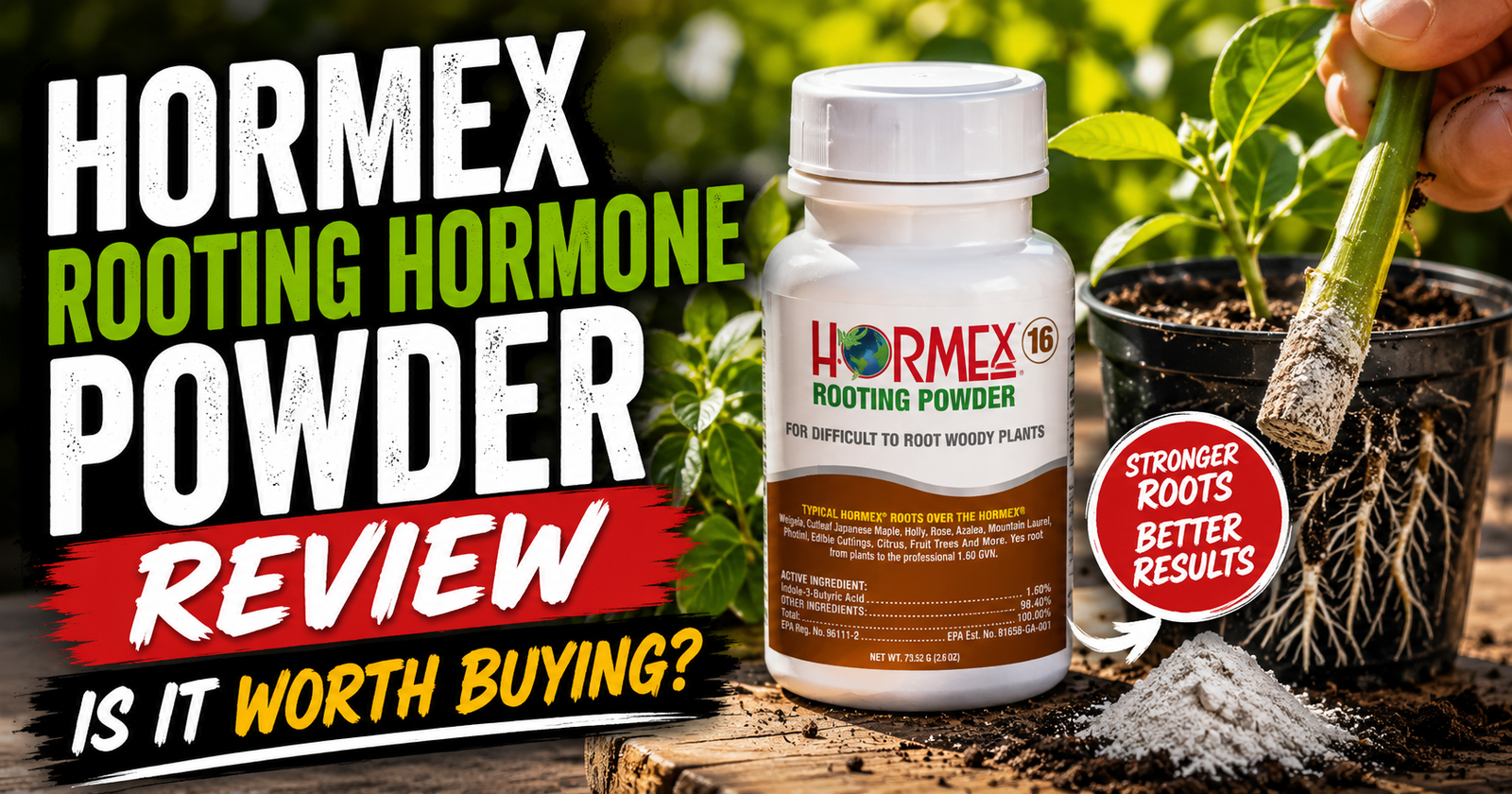
Traditional rooting powders have been around for decades, and they can absolutely help improve rooting success. They’re inexpensive, easy to find, and have helped gardeners propagate millions of plants over the years. If you want to compare a specific powder option with gel-based products, traditional rooting powder offers a detailed look at its strengths and limitations.
The downside is that powders don’t always stay where you want them.
It’s surprisingly easy to rub much of the hormone off while inserting the cutting into the growing medium. If you’ve ever dipped a cutting into powder only to see most of it left behind on the surface of the soil, you know exactly what I mean.
That’s where Clonex has a clear advantage.
The thick gel coats the stem evenly and remains in contact with the cut surface while you plant it. That means more of the rooting hormone stays exactly where it’s intended to work.
Would I still use rooting powder if that’s all I had?
Absolutely.
But if I had both products sitting on my workbench, I’d reach for Clonex first.
Can You Use Clonex for Water Propagation?
This is another question I see asked fairly often.
Technically, yes.
But I don’t think it’s where Clonex really shines.
Many plants that are commonly propagated in water—like pothos, philodendrons, and wandering dude—already root incredibly well without any rooting hormone at all.
Adding Clonex isn’t likely to hurt anything, but it also may not provide much of an advantage because the gel quickly disperses once submerged in water.
Where Clonex really earns its reputation is with cuttings that are planted directly into a rooting medium such as:
- Perlite
- Seed-starting mix
- Coco coir
- Sphagnum moss
- Propagation plugs
That’s where the gel can remain in direct contact with the cut stem during those important first days after planting.
If most of your propagation happens in jars of water, Clonex probably isn’t a necessity.
If you root directly into growing media, it’s a much more valuable tool.
Is Clonex Safe for Every Plant?
One thing I appreciate is that Clonex isn’t designed for only one type of plant.
People successfully use it on everything from tropical houseplants to fruit bushes, flowering shrubs, ornamental trees, herbs, vines, and many perennial plants.
That said, not every species responds exactly the same.
Some naturally root with very little encouragement.
Others remain difficult no matter what product you use.
A rooting hormone should always be viewed as one part of a successful propagation system—not the entire system.
The healthier the cutting and the better the growing conditions, the more likely you’ll see the benefits.
Is Clonex Worth the Extra Cost?
Let’s be honest.
Clonex costs more than many rooting powders.
For some gardeners, that’s enough reason to skip it.
I think the better question is whether the extra cost actually matters.
A single bottle goes a surprisingly long way.
You’re only coating the bottom inch or two of each cutting, so even a small bottle can handle a large number of propagation projects.
When you spread that cost across dozens—or even hundreds—of cuttings, the price difference becomes much easier to justify.
If you’re only rooting one cutting every few years, I’d save the money.
If propagation is something you genuinely enjoy, I think the additional cost is relatively small compared to the potential improvement in success.
Considering how much time goes into caring for cuttings over several weeks, I’d rather invest a little more upfront than wonder whether I could have improved my chances.
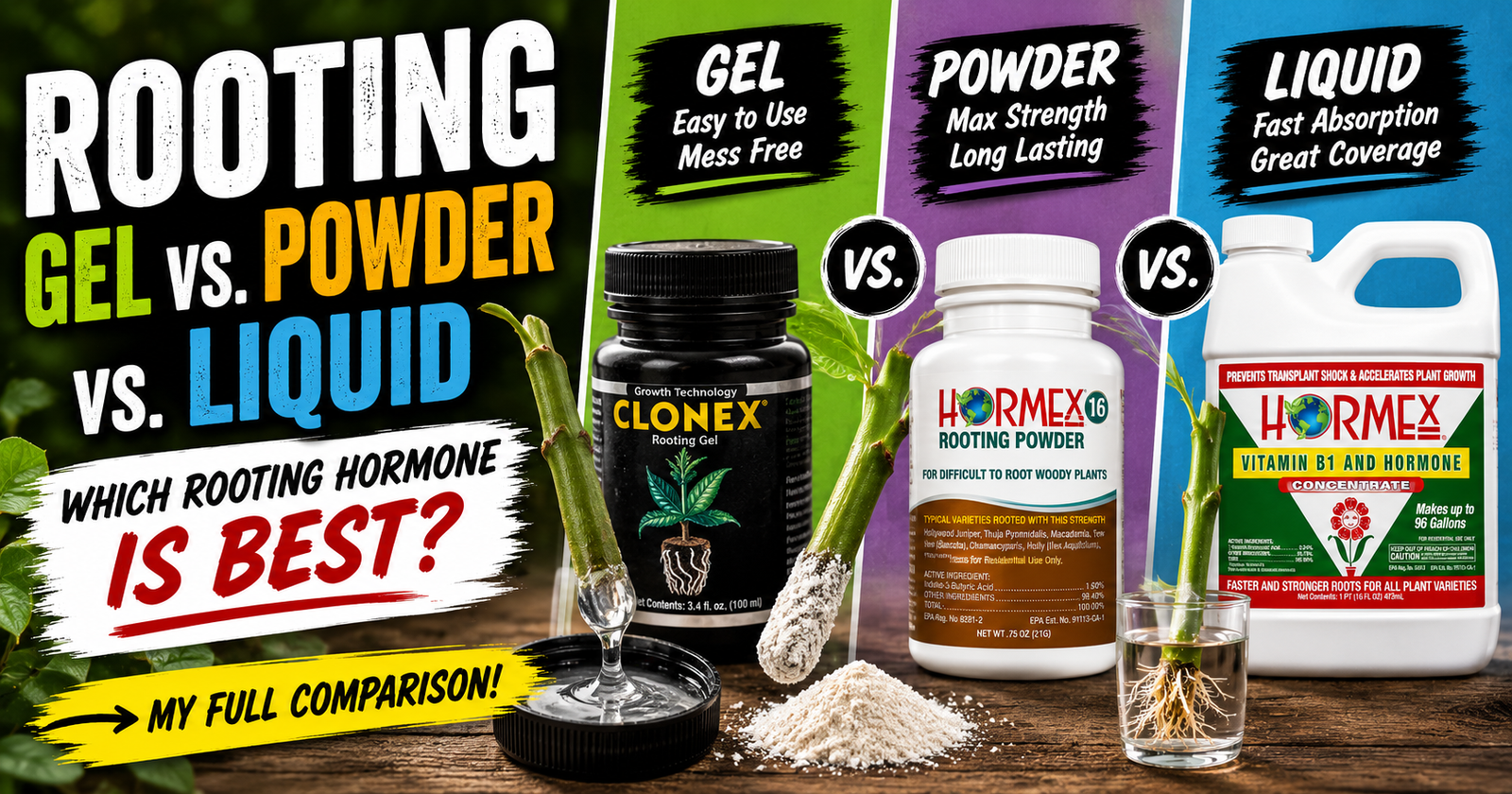
If you’re still comparing the different types available, my article Rooting Gel vs. Powder vs. Liquid Which Rooting Hormone Is Best? walks through the advantages of each.
Who I Think Should Buy Clonex Rooting Gel
After looking at everything Clonex offers, I think it’s an excellent fit for several types of gardeners.
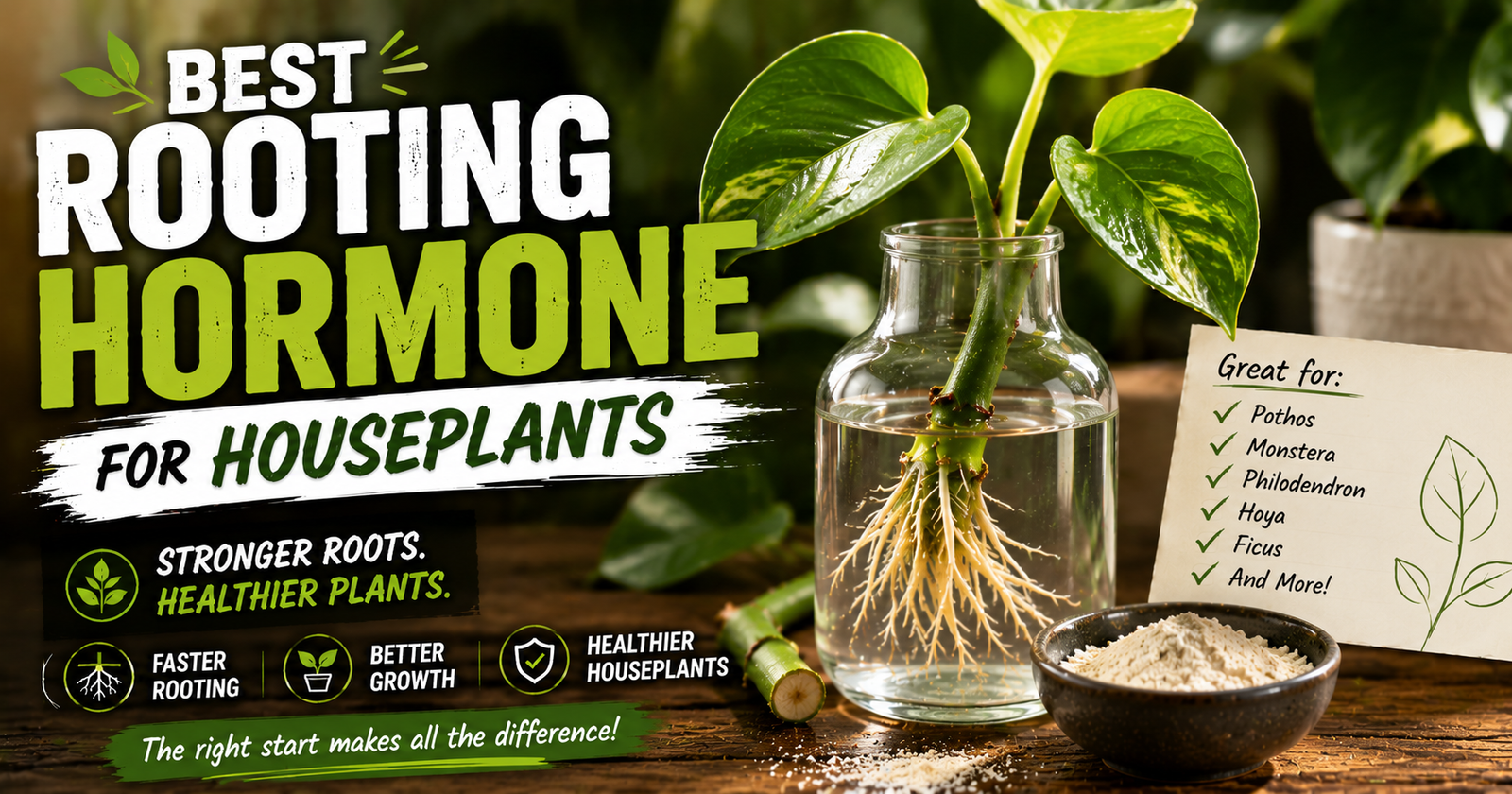
Clonex is also an excellent option for many indoor gardeners because it’s clean, simple to apply, and works well on soft green stems. If your propagation mostly happens inside the house, my guide on Best Rooting Hormone for Houseplantsexplains why gel is often my first recommendation.
I’d recommend it if you:
- Regularly propagate shrubs or ornamental plants.
- Grow fruit bushes like blueberries, elderberries, or raspberries.
- Enjoy rooting roses or flowering plants.
- Take lots of cuttings throughout the growing season.
- Want a cleaner alternative to rooting powders.
- Simply want to improve your overall propagation success.
On the other hand, you probably don’t need it if you:
- Only propagate easy houseplants occasionally.
- Almost always root plants in plain water.
- Rarely take cuttings during the year.
There’s nothing wrong with keeping propagation simple.
But once it becomes a regular hobby—or part of your nursery or gardening routine—having a dependable rooting hormone makes a lot of sense.
One reason Clonex has become so popular is how well it works on fresh, tender cuttings. The thick gel coats soft stems evenly and stays in place while planting, making it a great choice for many spring propagation projects. If that’s primarily what you’re working with, you’ll probably enjoy my guide on Best Rooting Hormone for Softwood Cuttings.
Frequently Asked Questions
Does Clonex expire?
Like most gardening products, Clonex has a shelf life. Keeping the bottle tightly sealed, stored in a cool location, and avoiding contamination by pouring out only what you need will help it remain effective longer.
Can you use too much Clonex?
More isn’t better.
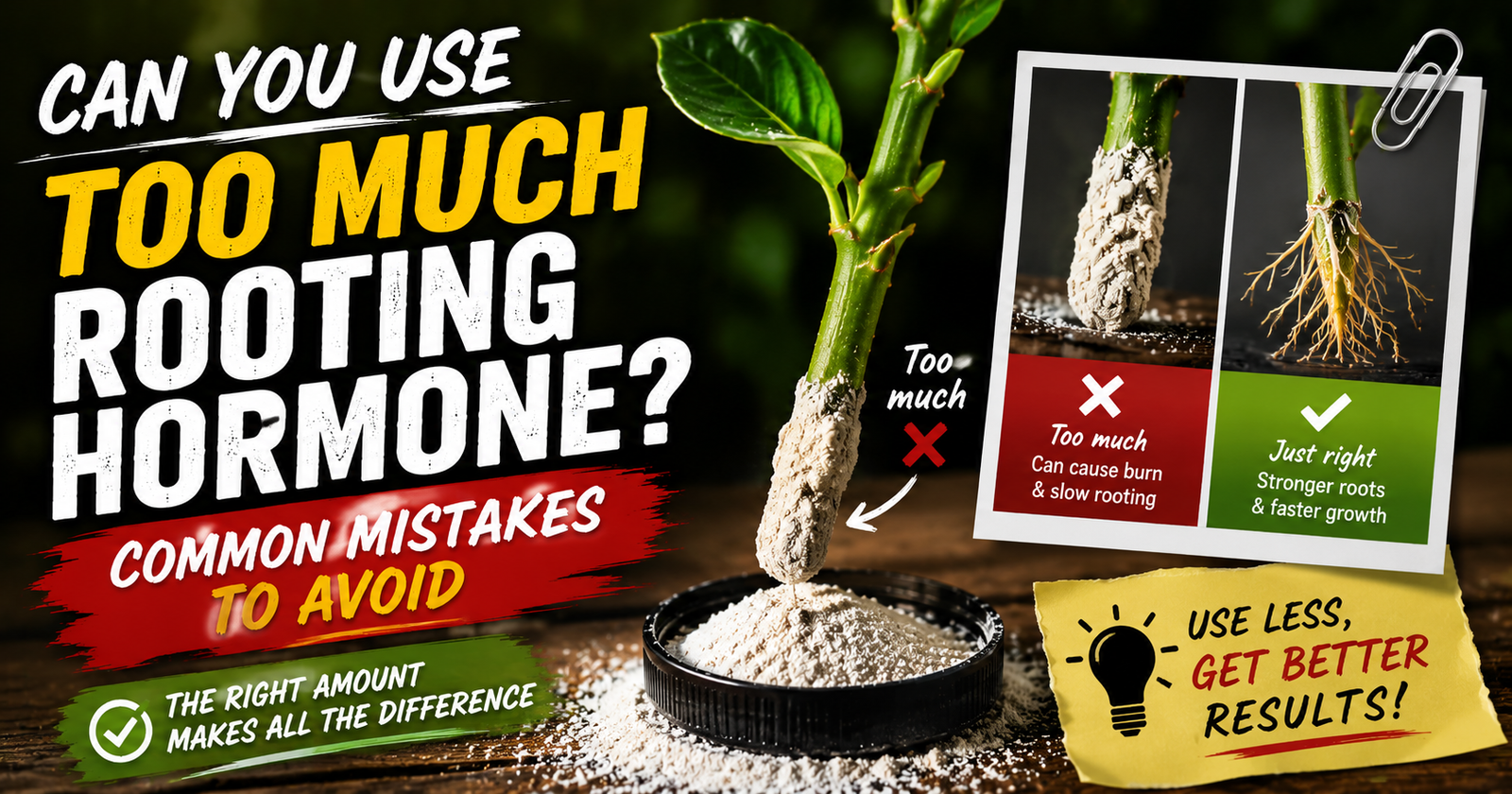
A thin, even coating on the cut end of the stem is all that’s needed. Applying excessive amounts won’t make roots grow faster and simply wastes product. This practical guide explains why using the right amount of hormone matters and what can happen when you apply too much: using the right amount of hormone.
Does Clonex work on hardwood cuttings?
Yes. In fact, many gardeners choose Clonex specifically because they’re propagating woody shrubs, fruit plants, and ornamental trees that tend to be more challenging than soft-stemmed houseplants.
Should I use Clonex on every cutting?
Not necessarily.
If you’re propagating plants that root effortlessly, you may not notice much difference.
For more difficult plants, though, it’s one of the easiest ways to improve your chances of success.
Does Clonex expire?
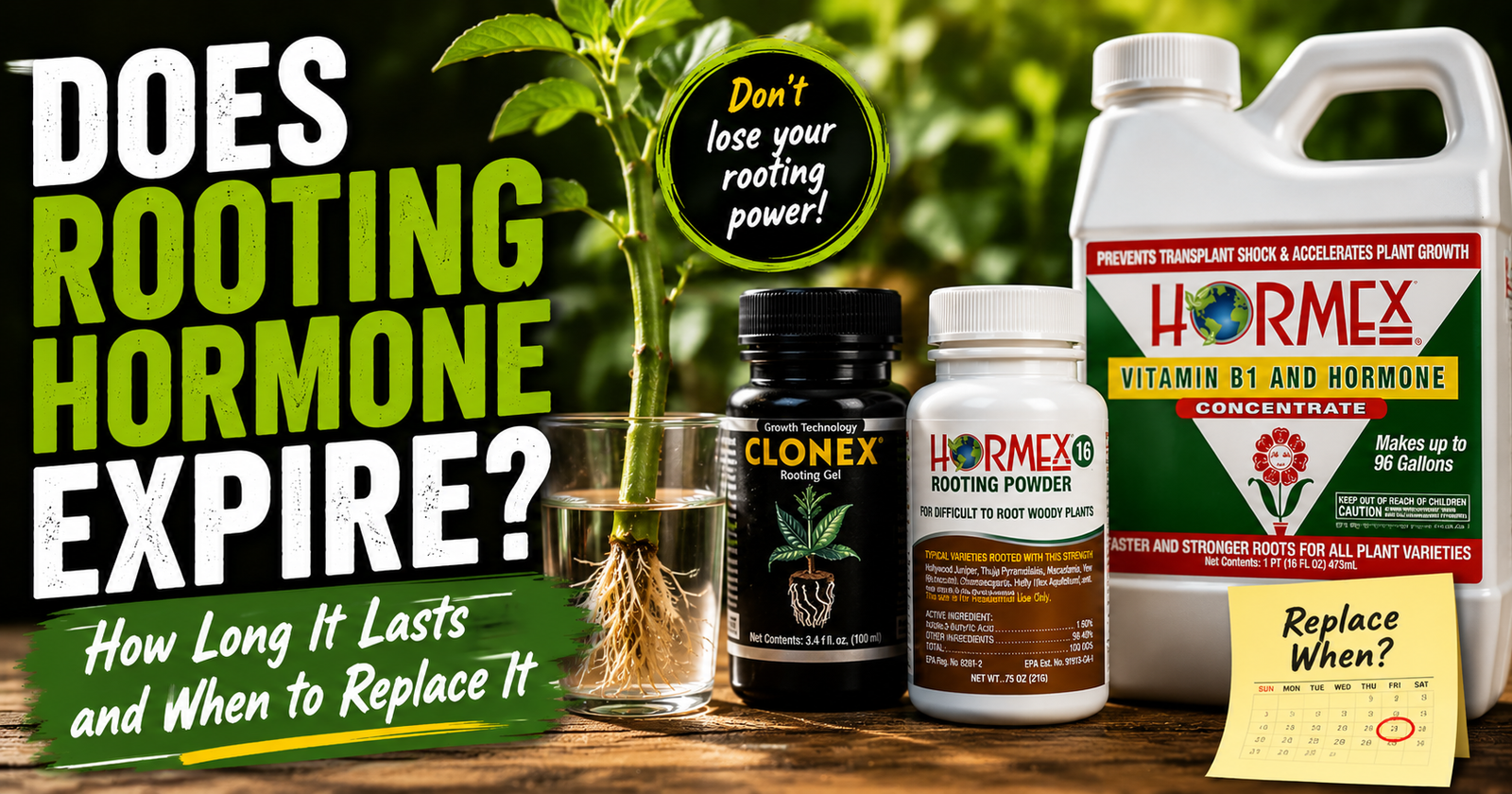
Yes. Like other rooting hormones, Clonex has a shelf life and should be stored according to the manufacturer’s recommendations. If you’re unsure whether an older bottle is still worth using, read Does Rooting Hormone Expire? How Long It Lasts and When to Replace It.
My Final Thoughts
After researching Clonex Rooting Gel from every angle, I understand why it has remained one of the most trusted propagation products on the market for so many years.
It doesn’t promise unrealistic results.
It doesn’t claim to root impossible plants overnight.
Instead, it focuses on doing one job extremely well—giving healthy cuttings the best possible start.
For gardeners who regularly propagate shrubs, trees, vines, fruit plants, or other valuable cuttings, I think that’s a worthwhile investment.
It’s easy to apply, less messy than traditional powders, and backed by decades of use from both home gardeners and professional growers.
Could you successfully propagate plants without it?
Absolutely.
Will it improve your odds when combined with good propagation practices?
I believe it can, and that’s exactly why Clonex continues to be one of the first products I would recommend to anyone looking to take their propagation success to the next level.
Ready to give your cuttings the best possible start? Check the latest price and reviews for Clonex Rooting Gel on Amazon
About the Author
Dax Weaver is the owner of a family-run plant nursery and has spent years propagating thousands of trees, shrubs, berries, flowering plants, and ornamentals. His experience includes rooting cuttings, grafting fruit trees, growing plants from seed, dividing perennials, and testing propagation methods across a wide variety of species. Through Propagation World, Dax shares practical, real-world propagation advice to help gardeners achieve better success with every cutting they take.