One of the reasons I enjoy propagating houseplants is that it’s one of the easiest ways to grow your collection without spending more money.
A single healthy pothos vine can become several plants.
A philodendron that’s getting too long can be trimmed and rooted.
Even larger houseplants like rubber trees and fiddle leaf figs can often be propagated with a little patience.
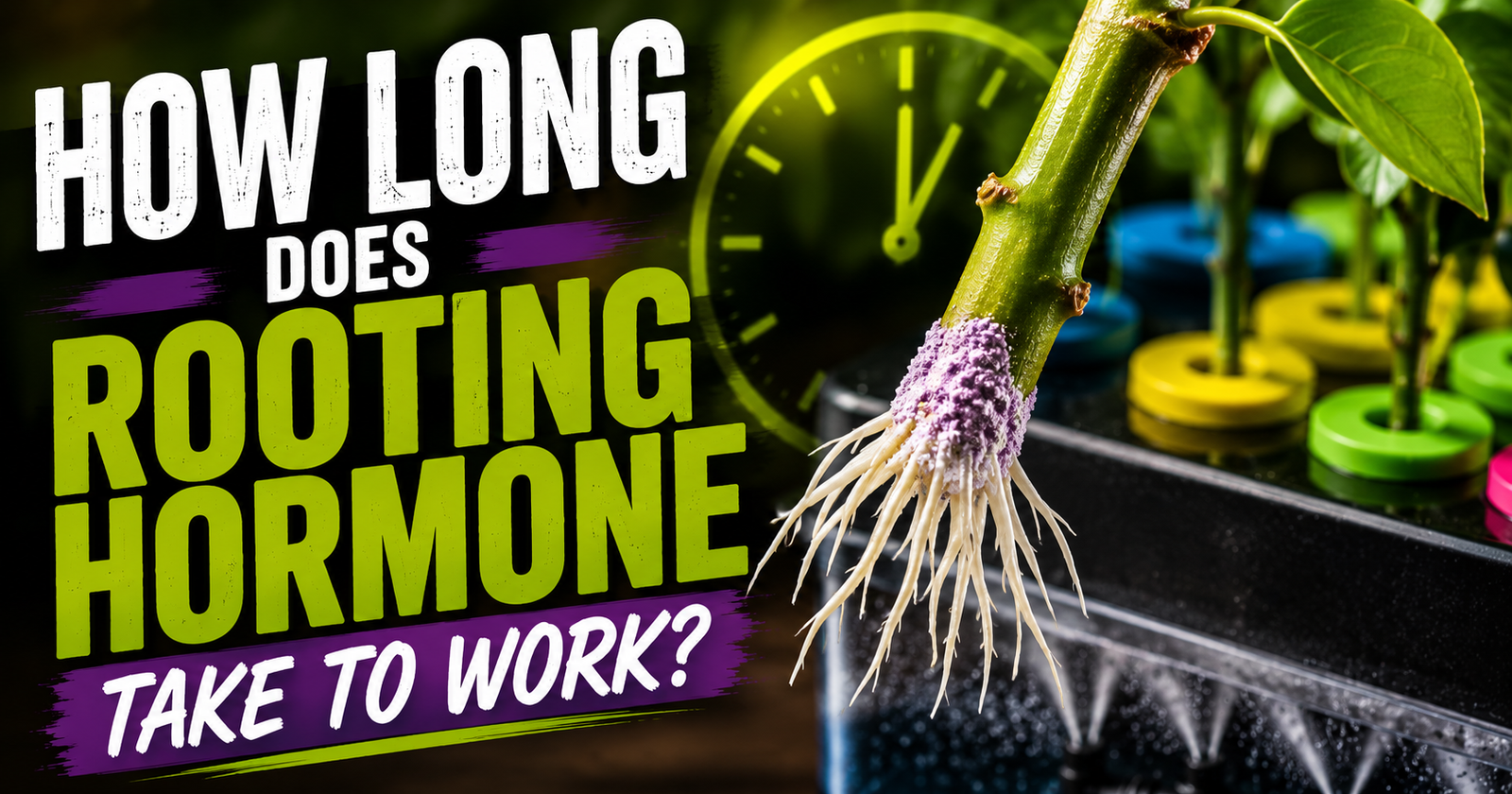
The question I hear most often is whether rooting hormone is actually necessary. The science behind Does Rooting Hormone Really Work? What Every Gardener Should Know can help explain why some houseplants benefit from it while others root readily without it.
The answer depends on the plant.
Many common houseplants root so easily that they’ll happily grow roots in nothing more than a glass of water. The guide to Can You Root Plant Cuttings in Water? covers which plants are good candidates for this simple method.
Others are slower, more stubborn, or simply root more consistently with a little extra help.
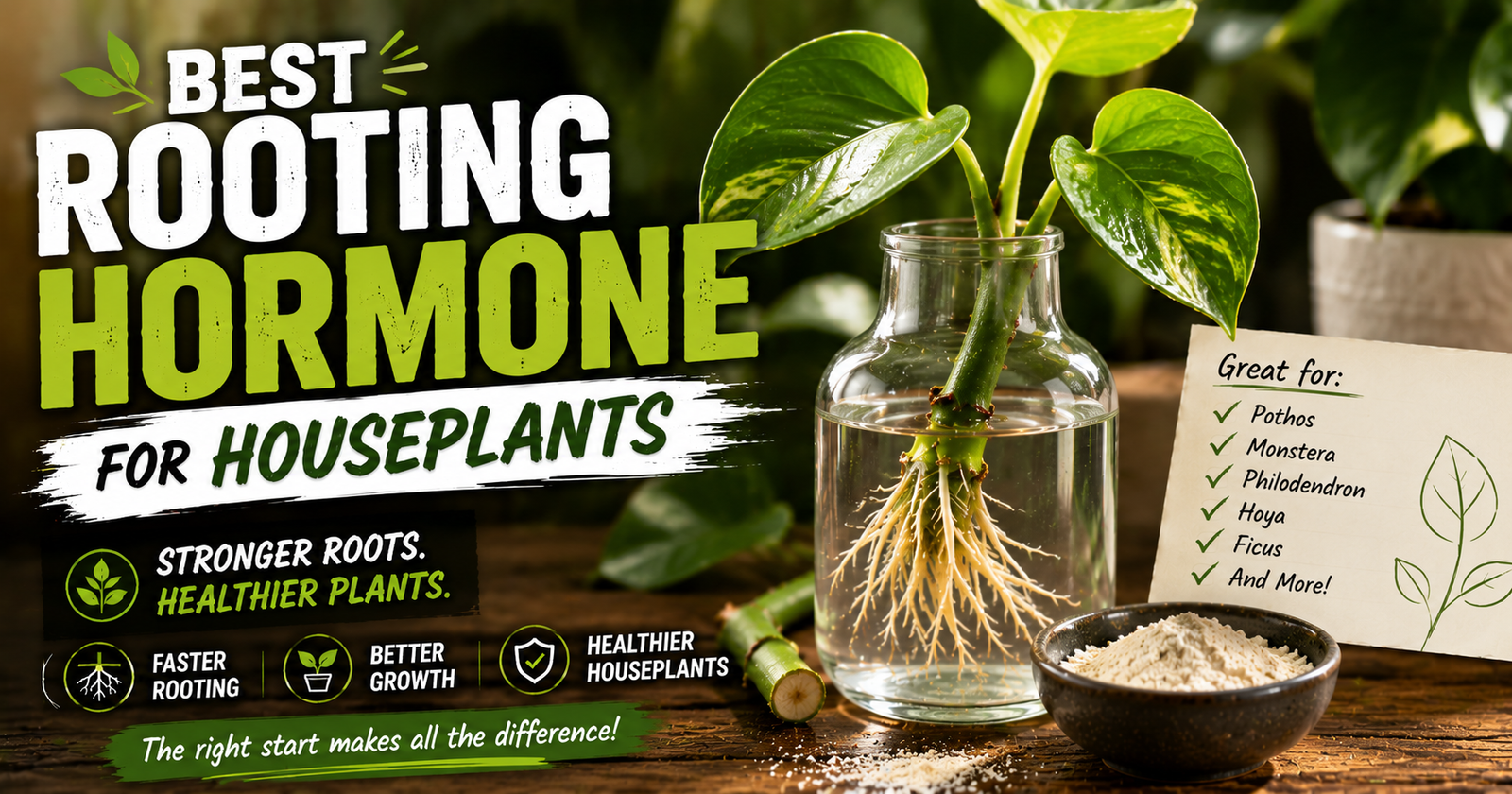
If you’re going to buy one rooting hormone for indoor plants, here’s what I’d recommend.
My Quick Answer
For most houseplant owners, I’d recommend a quality rooting gel.
It coats the stem evenly, stays in place while planting, and is incredibly simple to use.
If you propagate only occasionally, it’s hard to beat.
If you’re propagating dozens of plants throughout the year or also work with outdoor plants, a rooting powder or liquid concentrate can make just as much sense.
The good news is that all three types can work well when used properly.
Do Houseplants Even Need Rooting Hormone?
Not always.
That’s one of the biggest misconceptions.
Some houseplants naturally produce roots with very little encouragement.
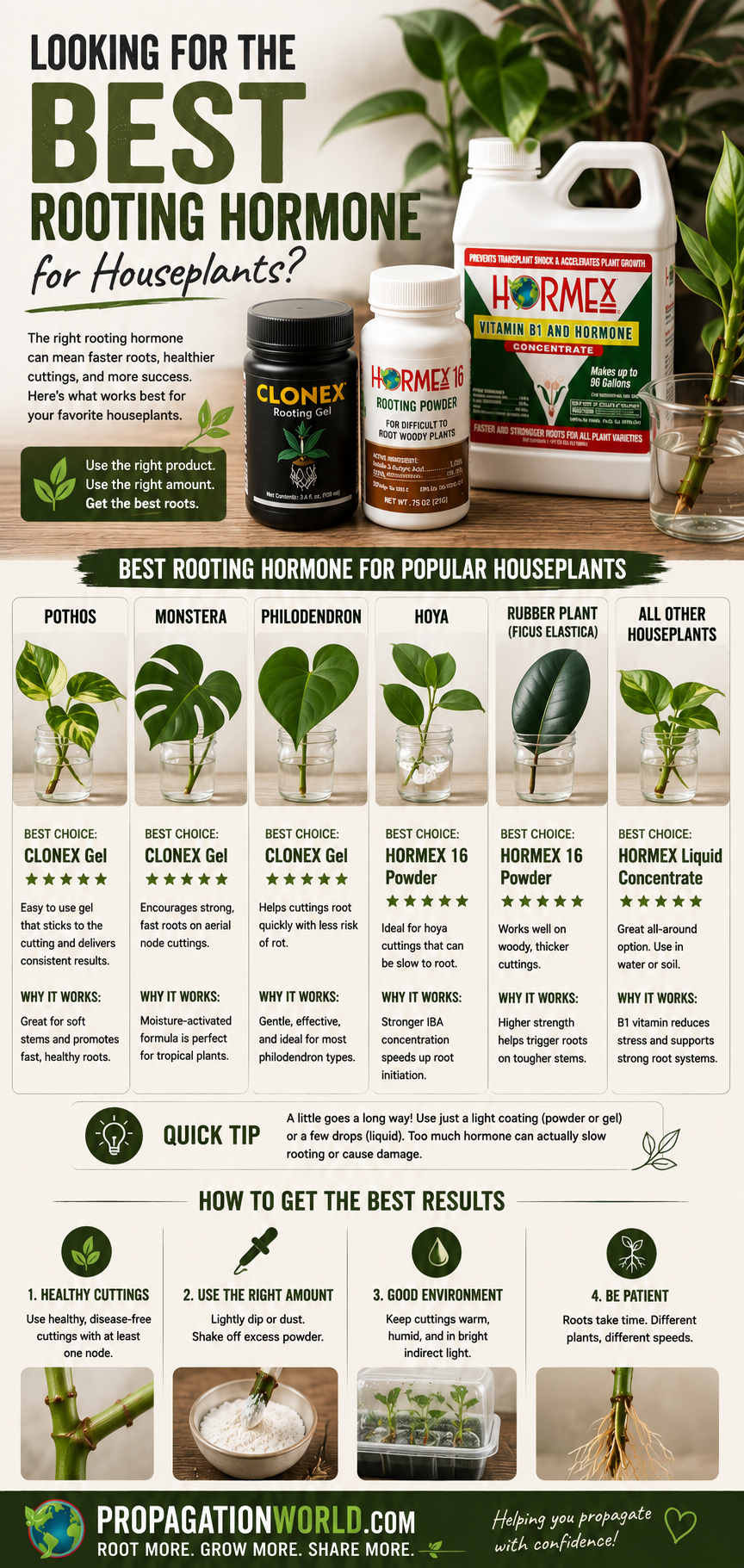
Pothos, heartleaf philodendrons, spider plants, tradescantia, and many begonias often root successfully without any rooting hormone at all.
More challenging plants, however, can benefit from the extra boost.
Rubber plants, fiddle leaf figs, crotons, some hoyas, and woody indoor plants generally require more patience and often root more consistently when rooting hormone is used. Rooting hormones can improve rooting percentage and speed for more difficult species, while many easy houseplants root readily without them.
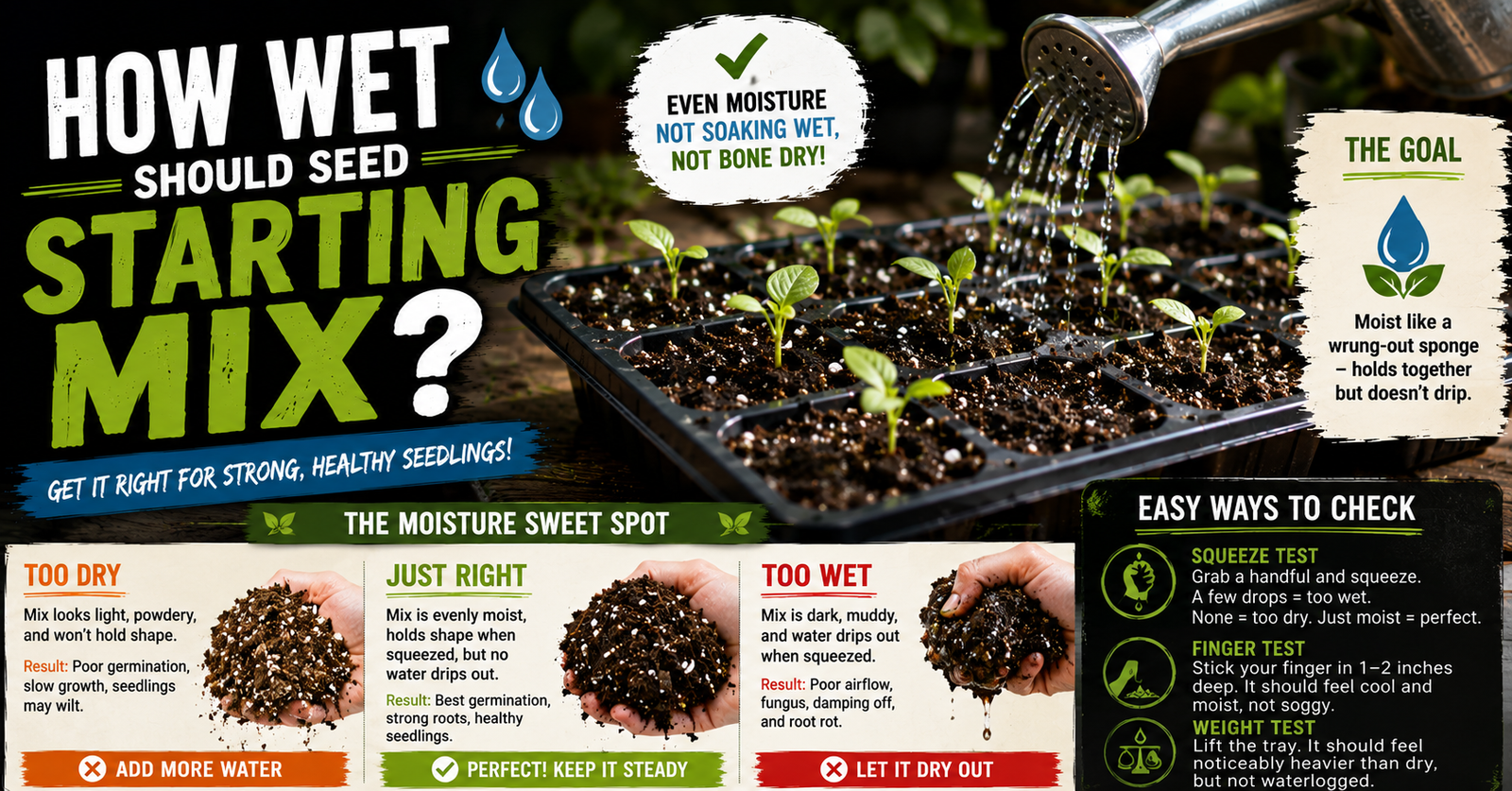
My Favorite Choice for Most Houseplants
If someone asked me to recommend just one product, I’d probably point them toward a rooting gel.
The biggest advantage is that it stays attached to the stem.
When you’re working with soft green cuttings, very little of the gel rubs off as you place the cutting into your propagation mix.
That gives me confidence that the rooting hormone remains exactly where I want it.
It’s also incredibly beginner friendly.
There’s no measuring.
No mixing.
Just dip the cutting and plant it.
The Rooting Gel I Recommend
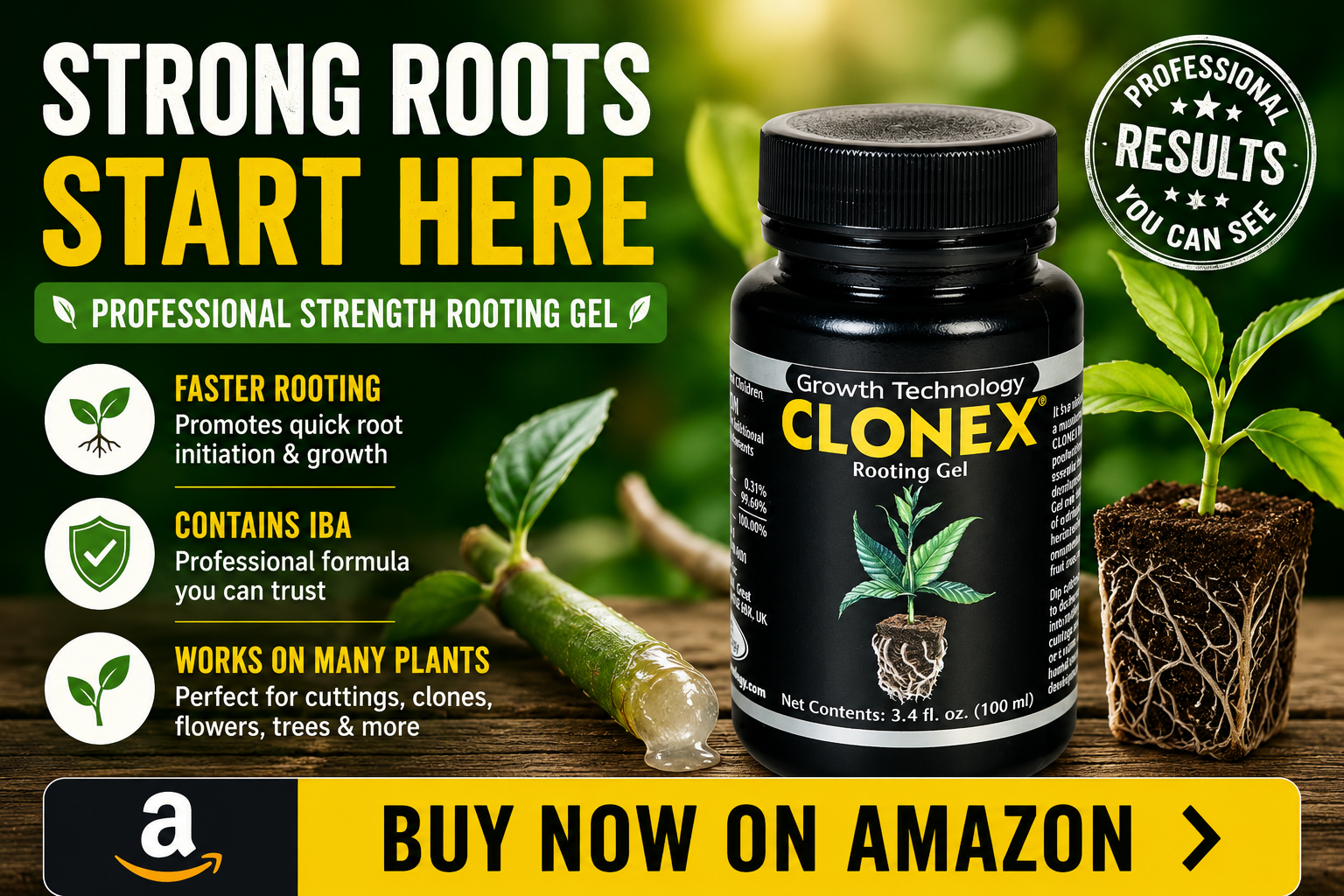
After comparing several options, Clonex continues to stand out for indoor plant propagation. For readers choosing a gel, Clonex rooting gel is the specific option discussed here.
Its thick consistency makes it easy to apply evenly, and it’s become one of the most widely used rooting gels among hobby gardeners and commercial propagators alike.
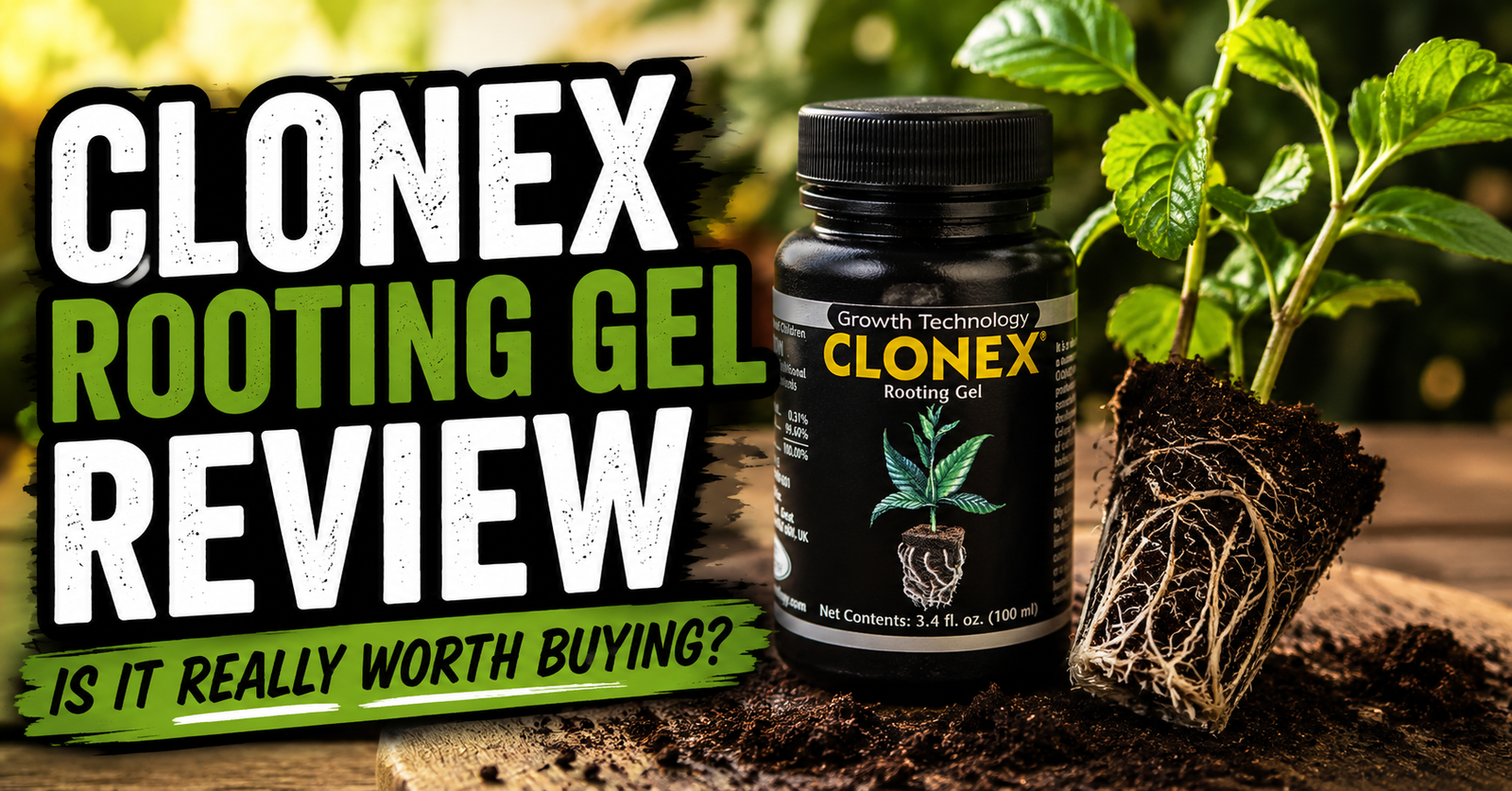
If you’d like a closer look, I wrote a complete Clonex Rooting Gel review where I cover its strengths, weaknesses, and who I think should buy it.
Don’t Overlook Rooting Powder
Even though gel is my first recommendation, rooting powder deserves plenty of credit.
It’s affordable, lasts a long time, and works extremely well for many indoor plants.
One small container can last for years if you only propagate houseplants occasionally.
Just remember not to dip cuttings directly into the original bottle.
Pour a small amount into a separate container first so you don’t contaminate the remaining powder.
Liquid Rooting Hormone Is Better for Serious Gardeners
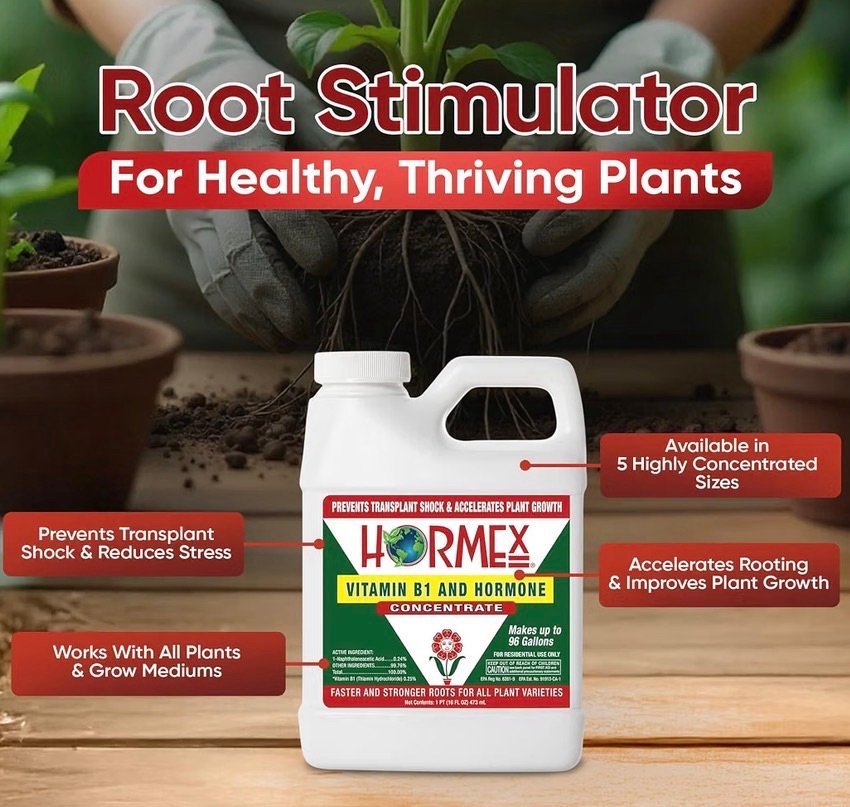
Liquid concentrates are excellent products, but I don’t think they’re the first thing most houseplant owners need. For gardeners who also propagate outdoor plants, Hormex liquid rooting hormone is a concentrate option to consider.
Where they really shine is versatility.
If you also propagate shrubs, fruit trees, outdoor perennials, or transplant a lot of plants, one concentrate can serve multiple purposes throughout the growing season.
For someone with a growing indoor collection and an active garden outside, that’s a nice advantage.
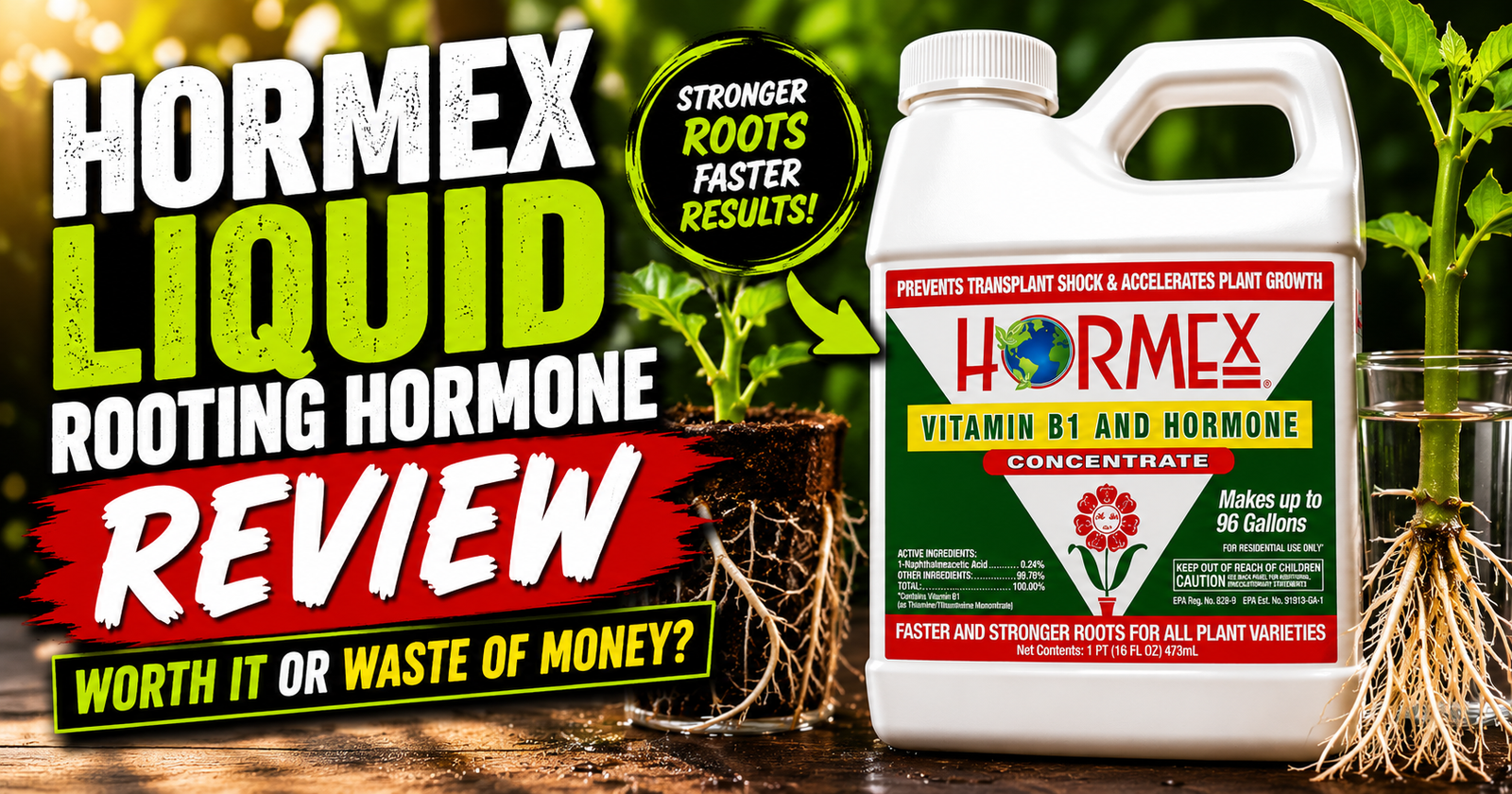
If you’re curious about that option, I also reviewed Hormex Liquid Rooting Hormone and explain why so many experienced growers keep a bottle on the shelf.
Some Houseplants Benefit More Than Others
One thing I’ve learned over the years is that not every houseplant responds the same way to propagation.
Some seem eager to grow roots no matter what you do.
Others require a little more patience and the right conditions before they’ll cooperate.
Here are a few examples.
Easy to Propagate
These plants usually root readily and often don’t require rooting hormone, although using it certainly won’t hurt.
- Pothos
- Heartleaf philodendron
- Spider plant
- Tradescantia
- Coleus
- Swedish ivy
- Christmas cactus
Moderately Difficult
These plants generally root well but may take longer or benefit from using rooting hormone.
- Monstera
- Hoya
- String of Pearls
- ZZ Plant (from stem or leaf propagation where applicable)
- Peperomia
- Begonia
More Challenging
These are the plants where I think rooting hormone becomes much more worthwhile.
- Rubber plant
- Fiddle leaf fig
- Croton
- Dracaena
- Schefflera
- Woody indoor shrubs
The more difficult the plant is to root, the more I appreciate giving it every possible advantage.
An Aeroponic Cloner Makes Houseplant Propagation Easier
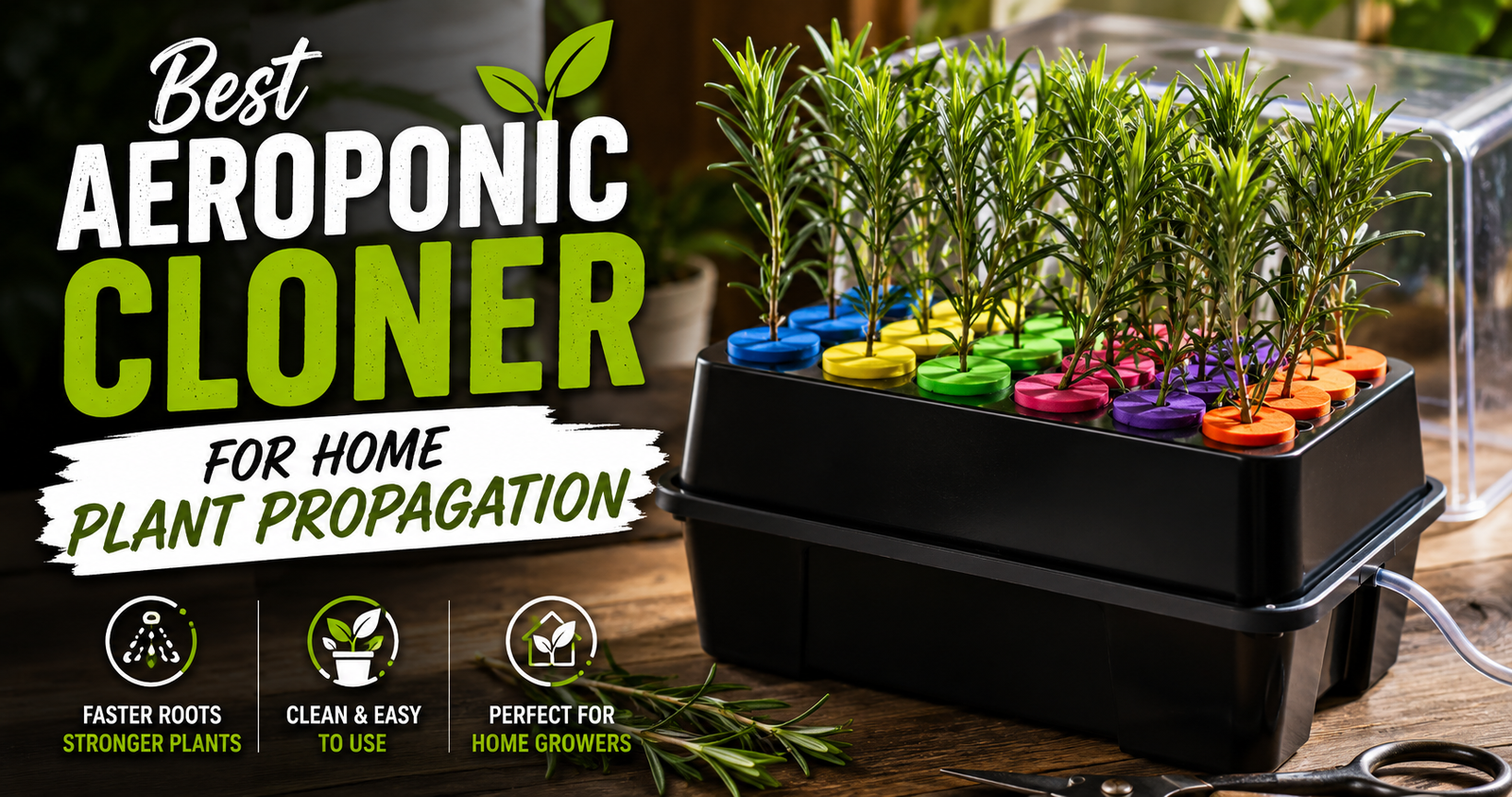
If you regularly propagate pothos, philodendrons, monsteras, begonias, tradescantias, or other popular houseplants, an Aeroponic Cloner can make the process much more efficient. Instead of managing multiple jars of water or propagation trays, you can root dozens of cuttings in one organized system while keeping the stems consistently hydrated and well oxygenated.
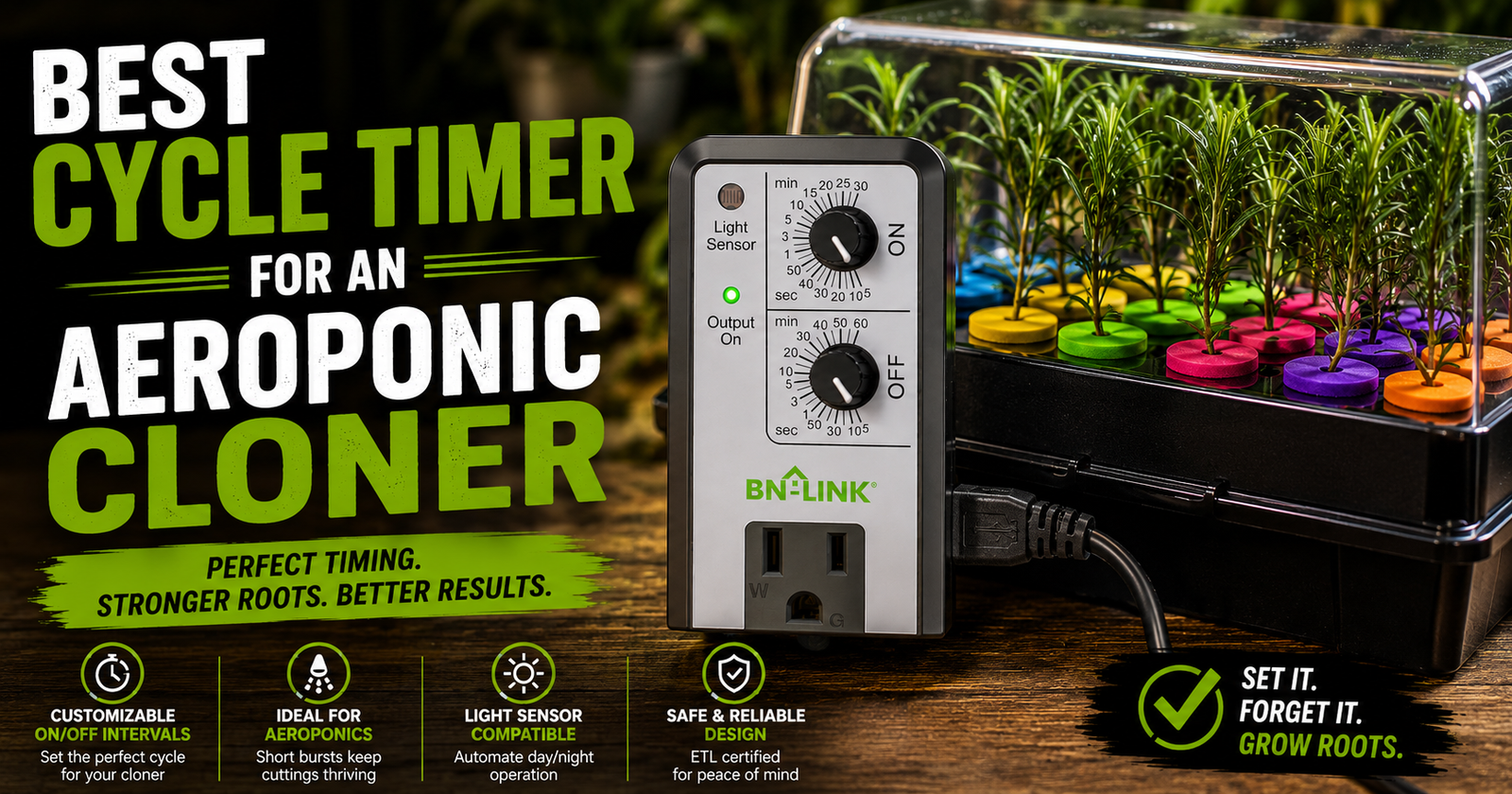
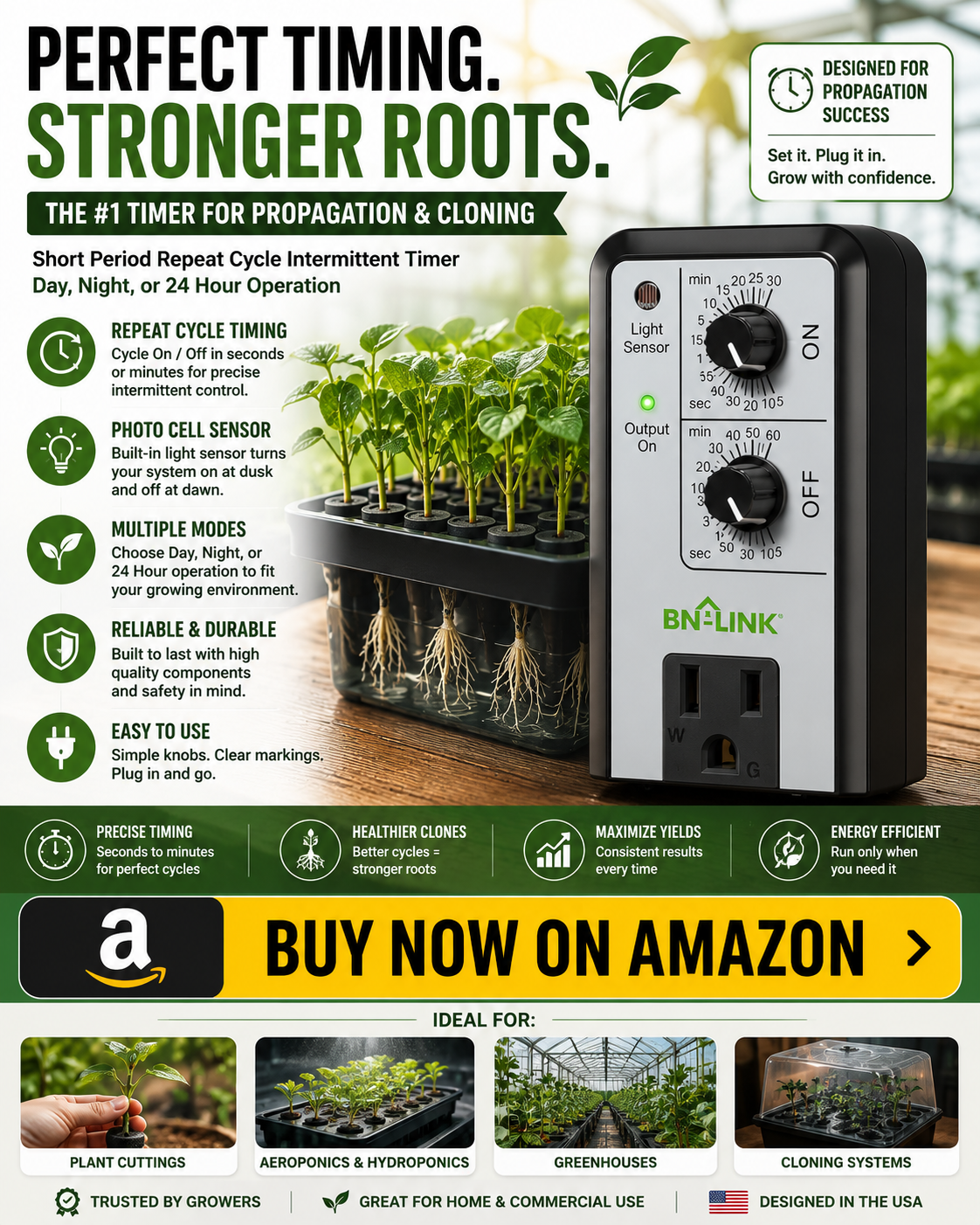
For even better control over your setup, I recommend using the BN-LINK Short Period Repeat Cycle Timer. It allows you to customize your misting schedule for different plants and growing conditions instead of relying on continuous operation. If you’d like to learn more, be sure to read my guide on the Best Cycle Timer for an Aeroponic Cloner, where I explain how repeat cycle timers work and why I consider them one of the best accessories for any home propagation setup.
Water Propagation or Soil Propagation?
This is another question I hear all the time.
For many houseplants, water propagation works extremely well.
It’s fun to watch the roots develop, and it’s a great way to monitor progress.
The downside is that water roots aren’t exactly the same as soil roots.
When you eventually move the cutting into potting mix, it often needs a little time to adjust.
Soil propagation skips that transition.
The roots develop directly in the medium where they’ll continue growing.
Both methods can be successful, and neither is universally better.
The best choice often depends on the plant you’re propagating and which method you enjoy using.
More Rooting Hormone Doesn’t Mean More Roots
This is probably the biggest mistake beginners make.
They assume that if a small amount helps, then a larger amount must work even better.
That’s simply not how rooting hormone works.
A light coating on the lower end of the cutting is all that’s needed.
Excess powder or gel should be gently tapped off before planting.
Using more product won’t create extra roots, and on some plants it may actually slow the rooting process.
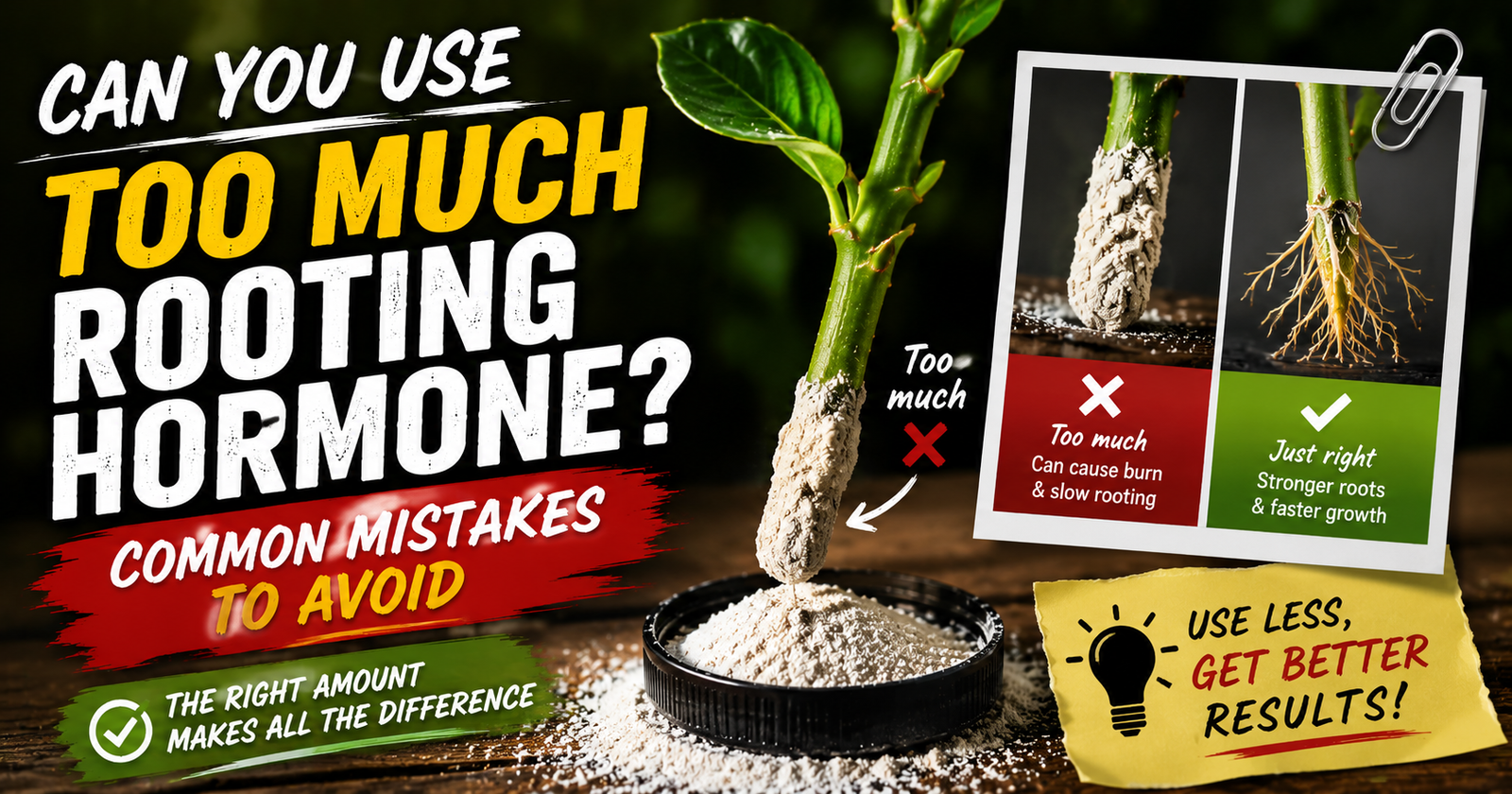
If you’ve ever wondered whether that’s true, I cover it in more detail in Can You Use Too Much Rooting Hormone? Common Mistakes to Avoid.
Which Type Should You Buy?
If I were recommending products to different gardeners, it would look something like this.
Choose Gel If…
- You mostly propagate houseplants.
- You like simple, mess-free application.
- You want the rooting hormone to stay on the cutting.
Choose Powder If…
- You want the best overall value.
- You only propagate occasionally.
- You want a product with an excellent shelf life.
Choose Liquid If…
- You propagate throughout the year.
- You also grow outdoor plants.
- You want one product for several gardening jobs.
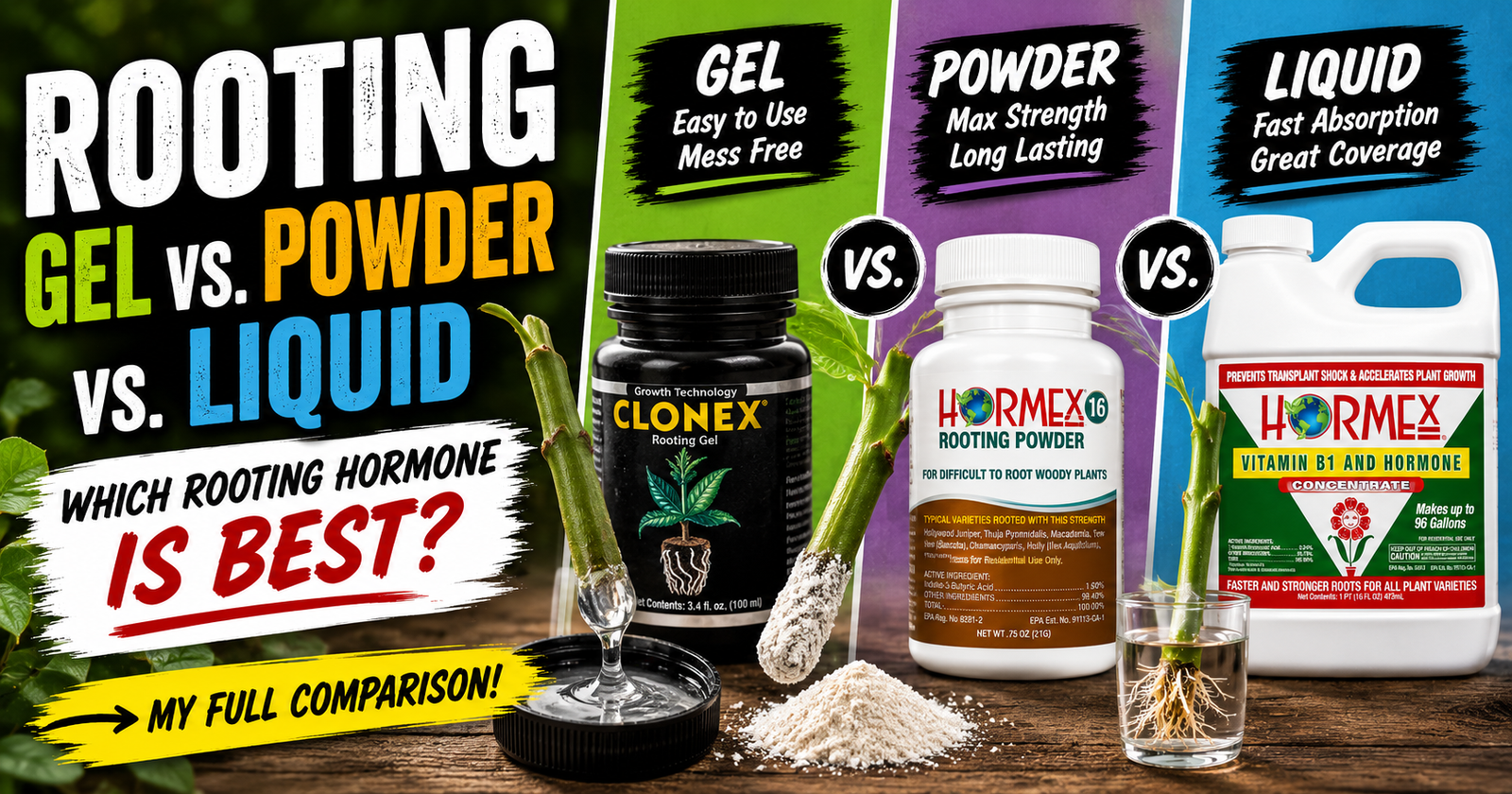
If you’re still comparing them, I put together a detailed guide explaining rooting gel vs. powder vs. liquid and which rooting hormone is best for different situations.
Common Houseplant Propagation Mistakes
Sometimes the rooting hormone isn’t the problem at all.
A few simple mistakes can dramatically lower your success rate.
Taking Unhealthy Cuttings
Always start with healthy stems from a vigorous plant.
Weak, diseased, or damaged growth is much less likely to root successfully.
Skipping the Node
Many popular houseplants produce roots from nodes.
If your cutting doesn’t include one, it may never develop roots no matter which rooting hormone you use.
Learning where those nodes are is often more important than choosing between gel or powder.
Keeping the Soil Too Wet
Fresh cuttings like consistent moisture, but they don’t like sitting in soggy potting mix.
Too much water often leads to rot before roots have a chance to develop.
A light, well-draining propagation mix usually gives much better results.
Expecting Immediate Results
Some houseplants root in a week or two.
Others can take a month or much longer.
It’s tempting to keep pulling cuttings out to check for roots, but doing so often causes more harm than good.
Patience is one of the most valuable tools any plant propagator can have.
Frequently Asked Questions
Can I use rooting hormone when propagating pothos?
Absolutely.
Pothos usually roots very easily without it, but using rooting hormone certainly won’t hurt and may speed up root development in some situations.
Does monstera need rooting hormone?
Not necessarily.
Many monstera cuttings root well on their own, especially when they include a healthy node.
Rooting hormone can still be helpful if you’re trying to maximize your chances of success.
Is gel better than powder for houseplants?
I generally prefer gel for indoor plants because it stays attached to soft stems so well.
That said, rooting powder is also an excellent choice and often costs less.
Can I reuse rooting hormone?
It’s best not to.
If you’ve poured powder or liquid into a separate container for dipping cuttings, discard the leftover product afterward rather than returning it to the original bottle.
Doing so helps prevent contamination.
My Recommendation
If I were buying one rooting hormone specifically for houseplants today, I’d choose a quality rooting gel.
It’s clean, simple to use, and works well across a wide variety of indoor plants.
That doesn’t mean powder or liquid are poor choices.
In fact, all three can produce excellent results.
The most important thing is choosing the product that matches how you garden, taking healthy cuttings, and giving them the proper environment to develop strong new roots.
About the Author
Dax Weaver is the founder of Propagation World and has propagated thousands of plants through his family’s nursery. His experience includes rooting hardwood and softwood cuttings, grafting fruit trees, dividing perennials, growing plants from seed, and producing healthy nursery stock for home gardeners and landscapes. Through Propagation World, he shares practical propagation techniques, honest product reviews, and practical advice to help gardeners propagate more plants with confidence.