
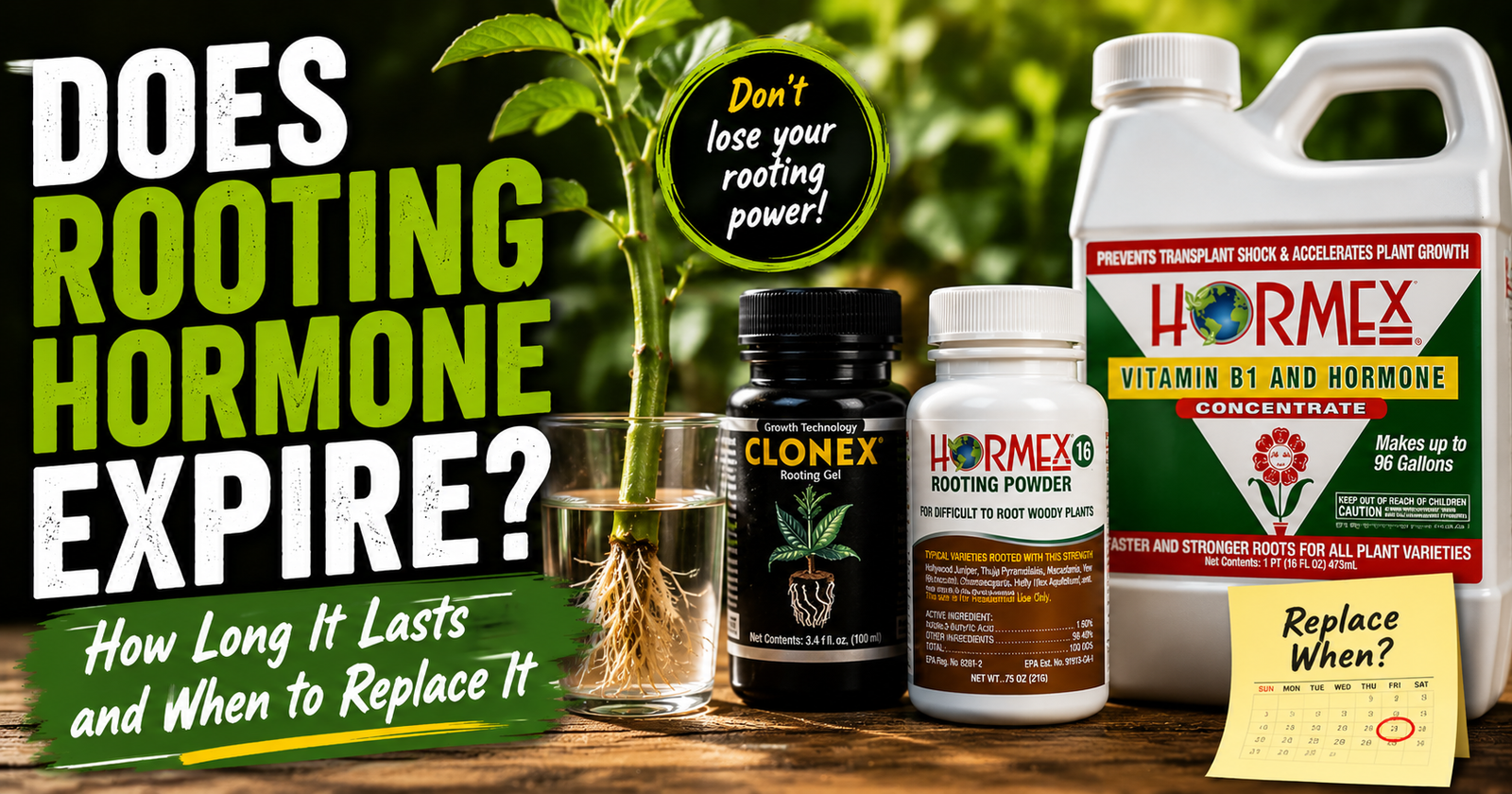
If you’re anything like me, you’ve probably found an old bottle of rooting hormone tucked away on a garage shelf or buried in the back of a gardening cabinet.
The first question that comes to mind is usually pretty simple:
Can I still use it?
The answer is yes…sometimes.
Like most gardening products, rooting hormone doesn’t stay at peak quality forever. While it doesn’t suddenly become useless the day it reaches an expiration date, age, heat, moisture, and improper storage can all reduce how well it performs. Its effectiveness also depends on understanding what the product is designed to do, which Does Rooting Hormone Really Work? What Every Gardener Should Know explains.
The good news is that many rooting hormones last much longer than people expect when they’re stored correctly.
Here’s what I’ve learned about how long rooting hormone lasts and how to tell when it’s time to replace it.
One thing I’ve noticed is that many gardeners don’t even think about expiration until they’re ready to propagate again. A bottle of rooting hormone might sit on a garage shelf for several years before it’s used again, making it easy to forget that storage conditions can affect how well it performs.
My Quick Answer
Yes, rooting hormone can expire.
However, expiration doesn’t usually mean it instantly stops working.
If it’s been stored in a cool, dry place with the lid tightly sealed, many rooting hormones remain usable well beyond their printed expiration date.
On the other hand, products that have been contaminated with moisture, exposed to excessive heat, or stored improperly may lose effectiveness much sooner.
When in doubt, it’s usually better to replace an old container than risk wasting valuable plant cuttings.
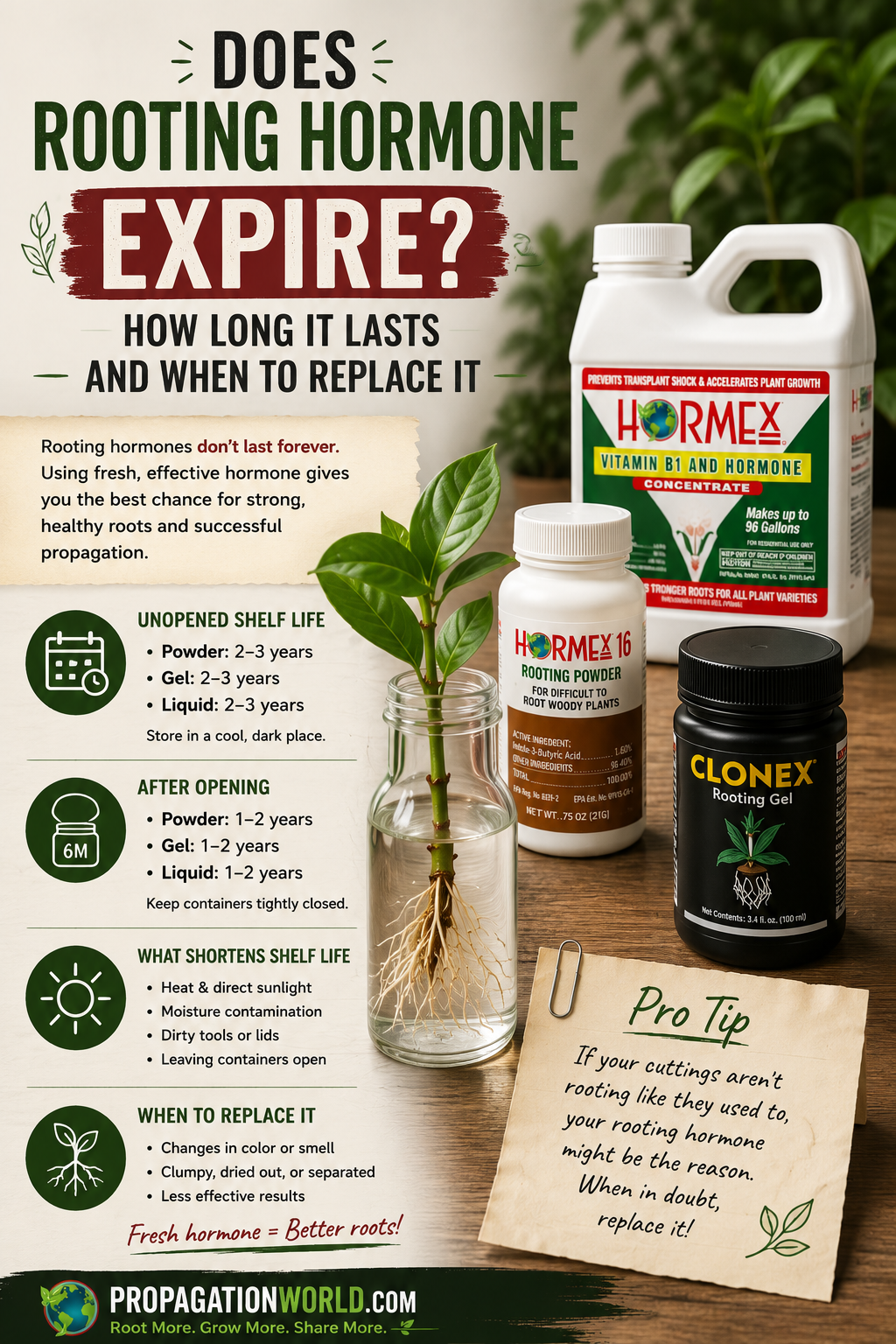
Why Rooting Hormone Doesn’t Last Forever
Rooting hormones contain active ingredients that encourage new root development.
Over time, those ingredients slowly break down.
How quickly that happens depends on several factors, including:
- Temperature
- Exposure to sunlight
- Moisture
- Air exposure
- The type of rooting hormone
- How often the container has been opened
That’s why two identical bottles purchased on the same day may have very different shelf lives depending on how they’ve been stored.
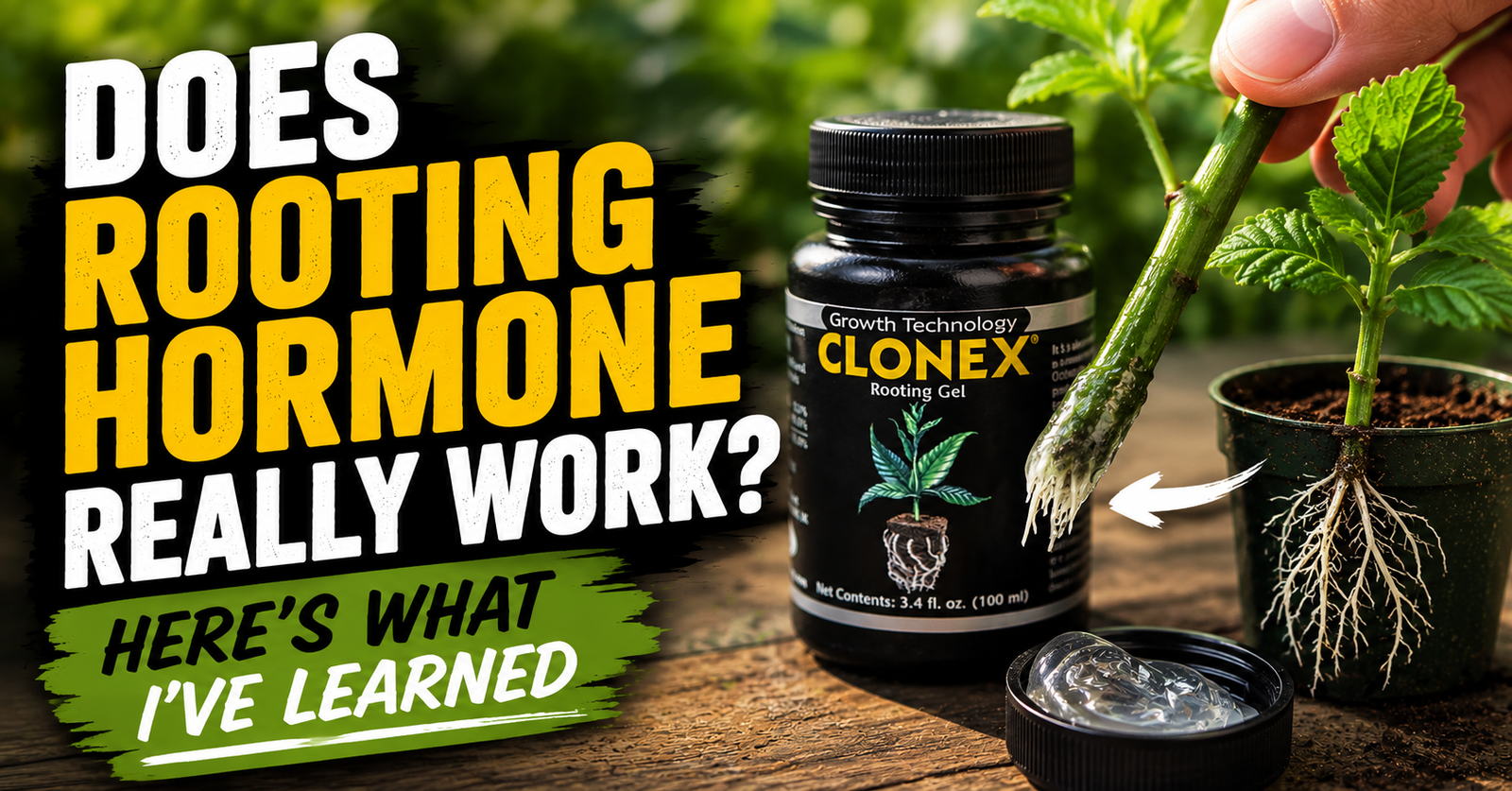
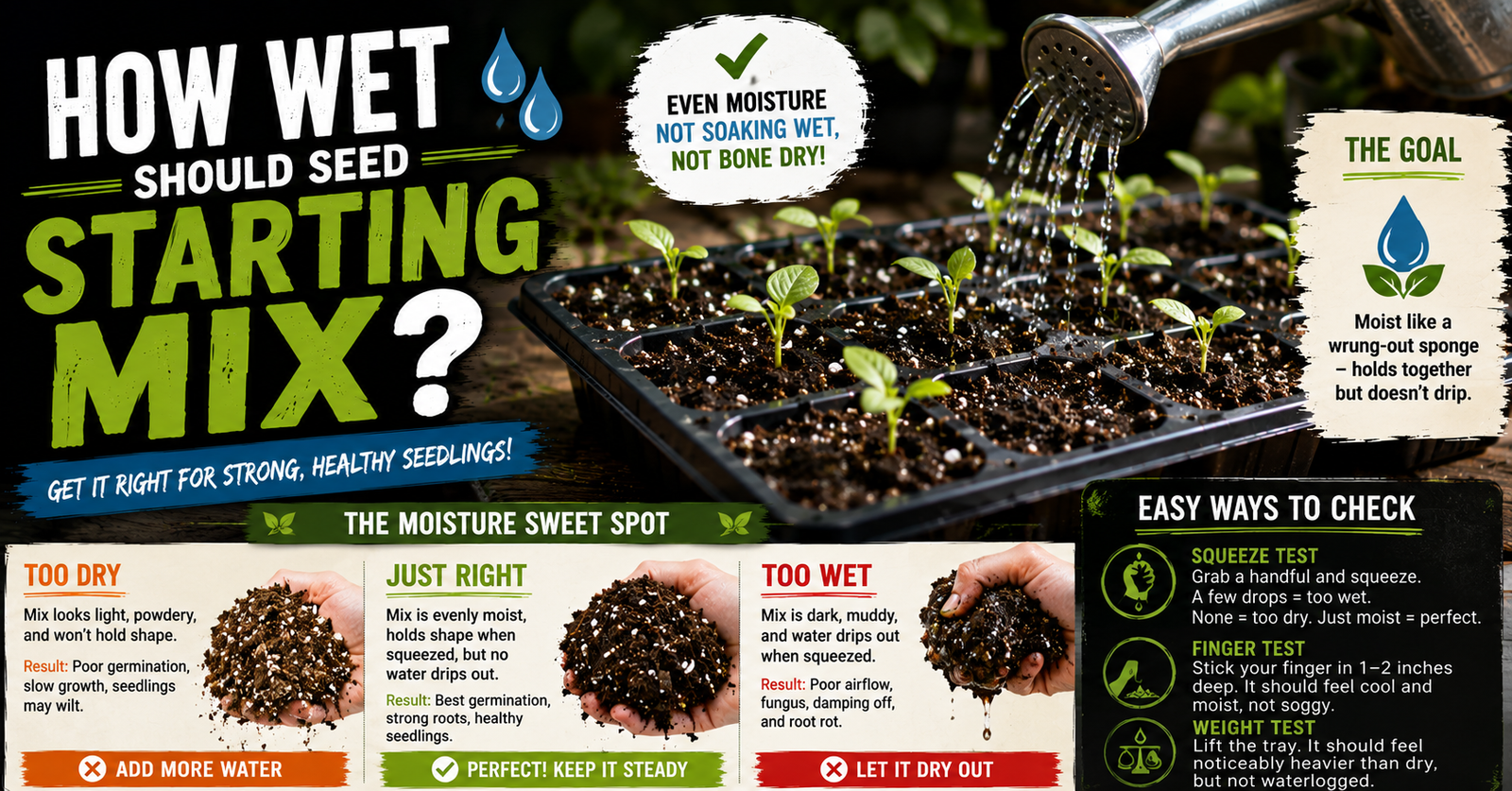
Do Powder, Gel, and Liquid Expire at the Same Rate?
Not exactly.
Each type has its own strengths and storage considerations.
Rooting Powder
Rooting powder generally has the longest shelf life of the three.
Because it’s dry, there are fewer opportunities for the active ingredients to break down quickly.
As long as moisture stays out of the container and it’s stored in a cool location, powder can remain usable for quite a long time.
One of the biggest threats to rooting powder isn’t age.
It’s contamination.
Repeatedly dipping fresh cuttings directly into the original bottle introduces moisture and tiny pieces of plant tissue that can shorten its lifespan.
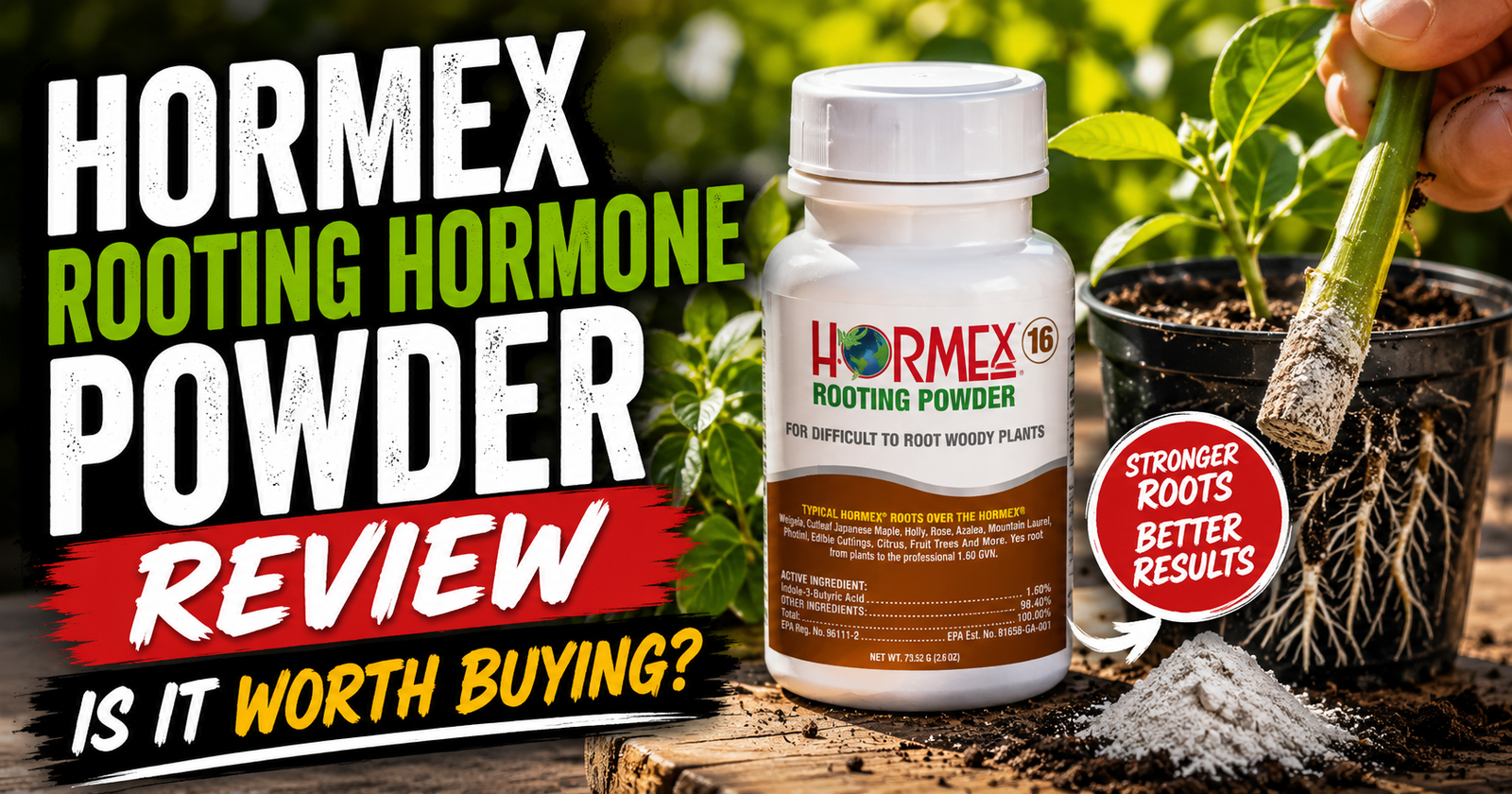
If you’re looking for a quality powder, I recently reviewed Hormex Rooting Hormone Powder and was impressed by its value and ease of use.
Rooting Gel
Rooting gel tends to require a little more attention.
Because it contains moisture, it’s generally more sensitive to contamination than powder.
Every time a cutting is dipped into the original container, bacteria, fungi, and plant material can be introduced.
That’s why many experienced gardeners pour a small amount into a separate cup before beginning.
Unused gel should be discarded rather than poured back into the original bottle.
This simple habit can dramatically extend the life of the remaining product.
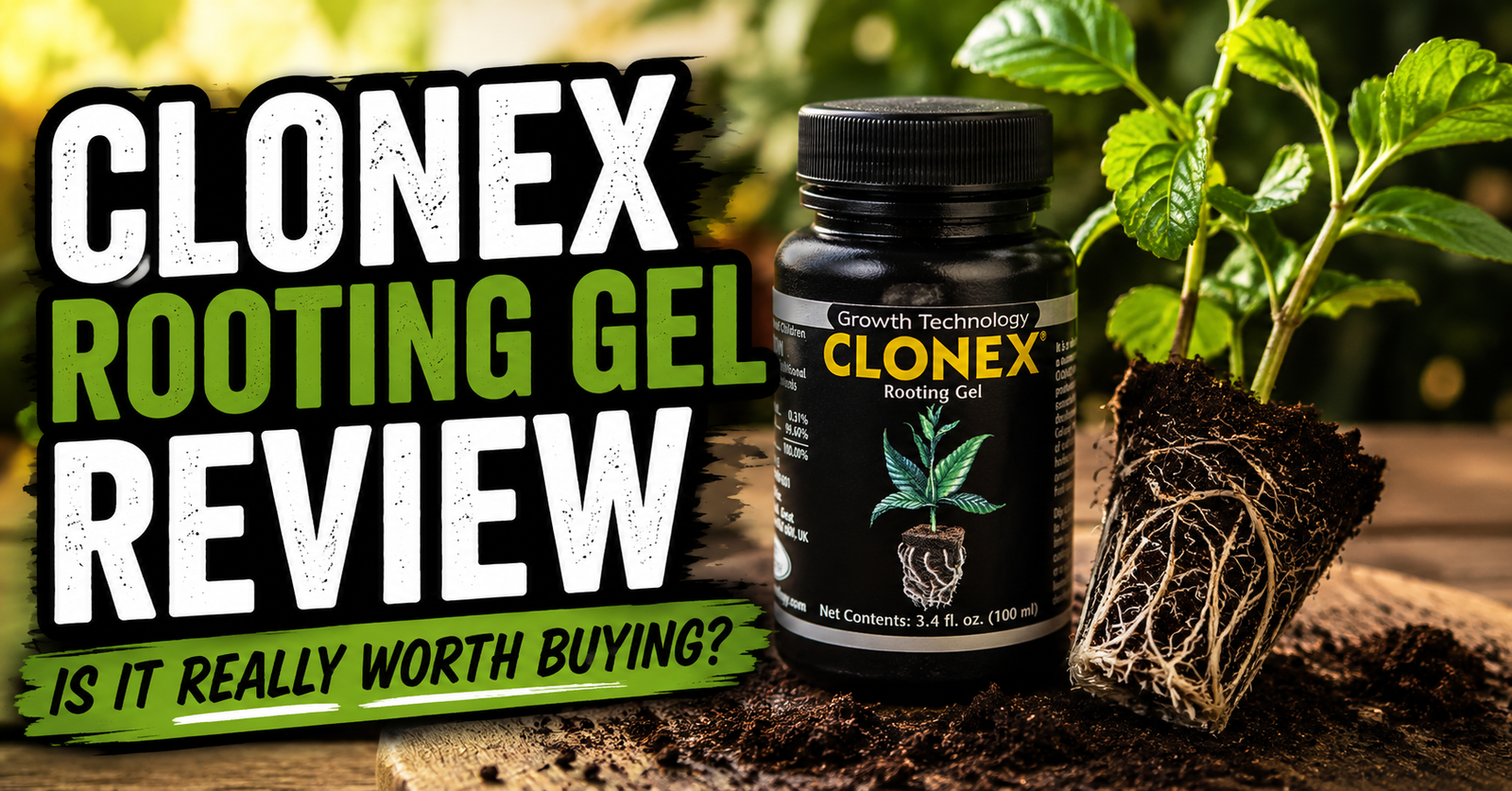
If you’re considering a gel, my Clonex Rooting Gel review covers its strengths in more detail.
Liquid Rooting Hormone
Liquid concentrates usually have an excellent shelf life when they’re stored properly.
Because they’re diluted only when needed, one bottle can often last for years for the average home gardener.
The biggest mistake is mixing more solution than you’ll actually use.
Once diluted, it’s generally best to use the solution promptly rather than storing it for extended periods.
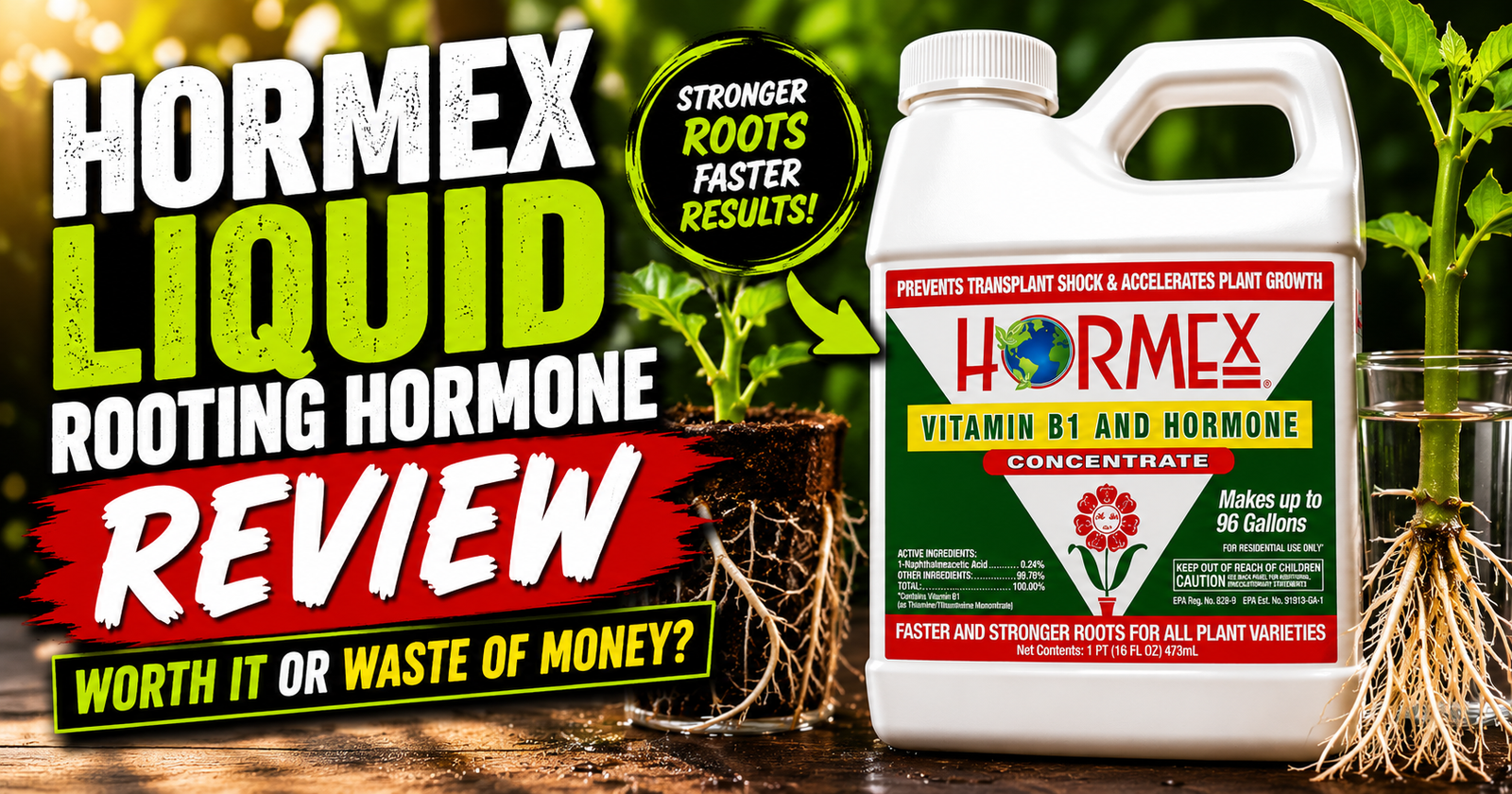
I also reviewed Hormex Liquid Rooting Hormone Concentrate if you’re considering a liquid option.
How to Make Rooting Hormone Last Longer
The good news is that extending the life of your rooting hormone is surprisingly easy.
I follow a few simple habits every time I propagate plants.
Keep the Lid Tightly Sealed
Air exposure slowly affects many gardening products.
Closing the container immediately after use helps protect the active ingredients.
Store It Somewhere Cool and Dry
A climate-controlled storage area is usually much better than a hot shed or greenhouse.
Excessive heat speeds up the breakdown of many products over time.
Avoid storing rooting hormone where temperatures regularly become extremely hot or where freezing conditions may occur repeatedly.
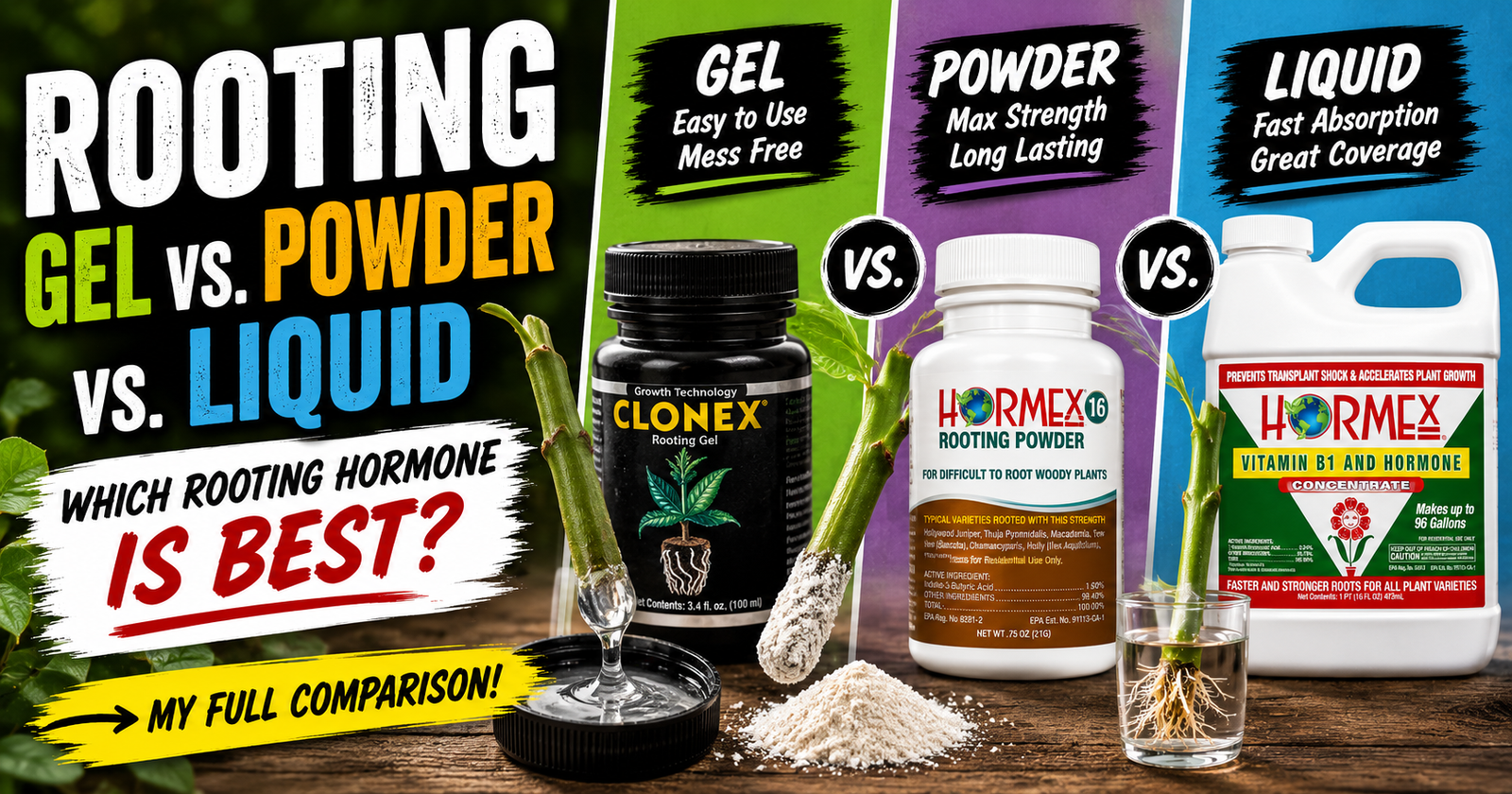
No matter which type you buy, storing it correctly is one of the easiest ways to extend its usable life. Powders, gels, and liquid concentrates all have slightly different storage needs, so it’s worth understanding the differences before putting them away for the season. I compare each type in Rooting Gel vs. Powder vs. Liquid Which Rooting Hormone Is Best?.
Never Dip Into the Original Container
This is probably the best tip I can give.
Whether you’re using powder or gel, pour a small amount into a separate container first.
Once you’re finished, throw away the leftover product.
It feels wasteful at first, but sacrificing a teaspoon of rooting hormone is much cheaper than contaminating an entire bottle.
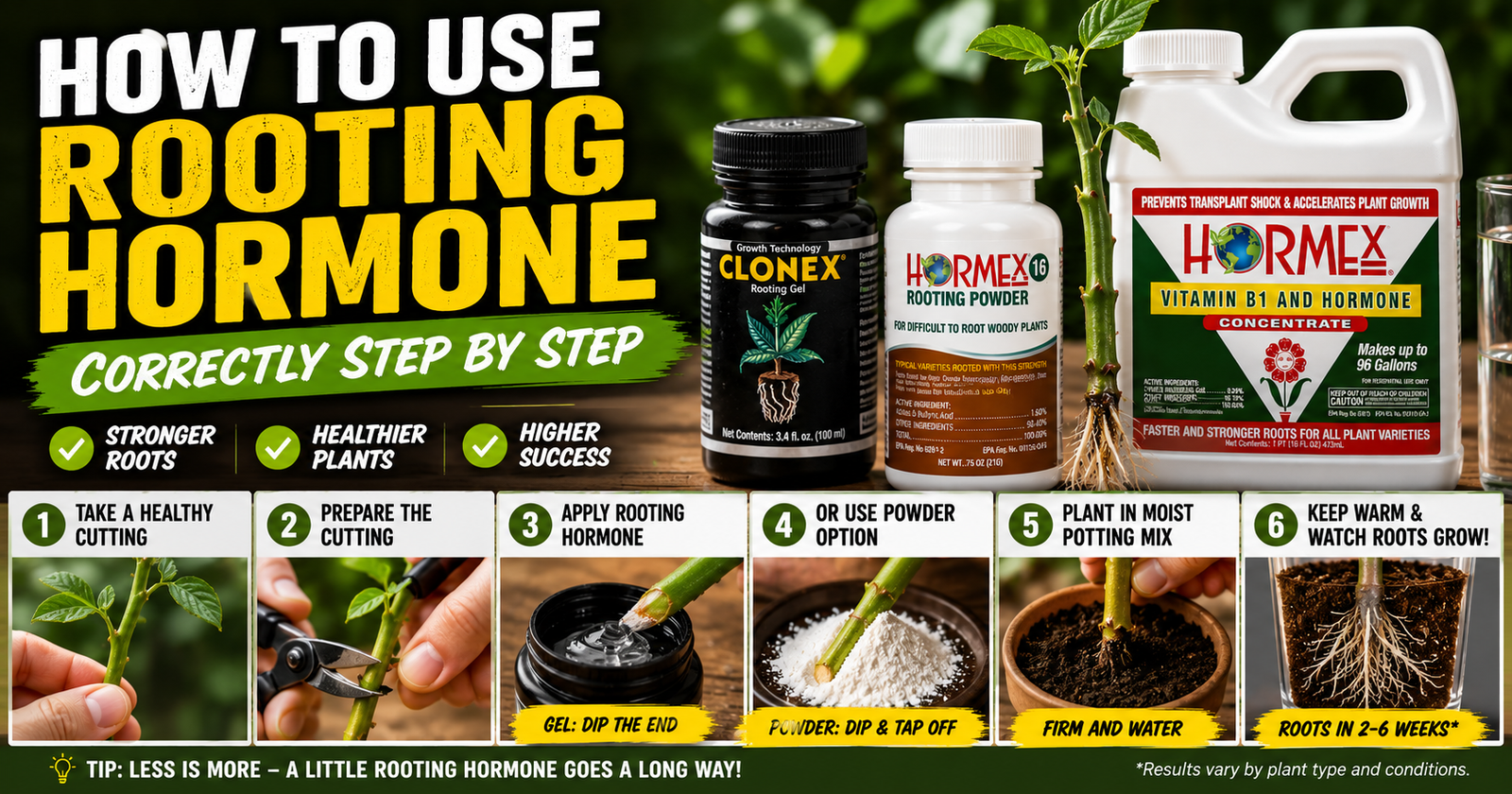
One habit that helps prevent contamination is pouring a small amount of rooting hormone into a separate container before dipping your cuttings. That way, you avoid introducing moisture or plant material into the original bottle. If you’re unsure of the proper application method, my guide on How to Use Rooting Hormone Correctly Step by Step walks through the process.
How Can You Tell if Rooting Hormone Has Gone Bad?
Sometimes it’s obvious.
Other times, it’s much harder to tell.
Here are a few warning signs I look for before using an older container.
The Color Has Changed
If the product looks dramatically different than when it was new, that’s worth paying attention to.
Some slight changes can happen over time, but significant discoloration may indicate the product has deteriorated or become contaminated.
It Smells Strange
Most rooting hormones have very little odor.
If you notice a sour, musty, moldy, or otherwise unusual smell, I wouldn’t risk using it on valuable cuttings.
The Texture Has Changed
Each type of rooting hormone has its own normal consistency.
- Powder should remain dry and free-flowing.
- Gel should stay smooth and uniform.
- Liquid concentrate should remain well mixed without unusual clumps or separation that doesn’t resolve after gently shaking (if the label says shaking is appropriate).
If the product has hardened, developed mold, formed unexpected lumps, or looks noticeably different than normal, it’s probably time to replace it.
You Can’t Remember How It Was Stored
Sometimes the biggest clue isn’t the product itself.
It’s your memory.
If you found an old bottle in a shed that’s been through years of hot summers and freezing winters, I’d have a hard time trusting it—even if it still looks fine.
The cost of replacing the rooting hormone is usually much less than the frustration of losing cuttings you’ve been trying to propagate.
Is It Safe to Use Expired Rooting Hormone?
In many cases, older rooting hormone isn’t dangerous.
The bigger concern is effectiveness.
An expired product may simply not perform as well as it once did.
That can mean:
- Lower rooting success
- Slower root development
- More failed cuttings
- Wasted time during propagation
If you’re propagating something that’s difficult to replace or has sentimental value, I’d much rather start with fresh rooting hormone than wonder whether an old bottle is still doing its job.
What Happens If You Use Old Rooting Hormone?
Usually, one of two things happens.
If the product has been stored properly and has only aged a little, your cuttings may root just fine.
If the active ingredients have broken down significantly, the rooting hormone may provide little benefit compared to using no rooting hormone at all.
That’s why it’s impossible to give a simple “yes” or “no” answer.
Storage conditions often matter more than the date printed on the label.
Should You Throw It Away After the Expiration Date?
Not necessarily.
I don’t automatically throw away rooting hormone the moment it reaches its expiration date.
Instead, I ask myself a few questions.
- Has it been stored in a cool, dry place?
- Has the container stayed tightly sealed?
- Does it still look normal?
- Does it smell normal?
- Has it avoided contamination?
If the answer is yes to all of those, I’d probably feel comfortable using it on less valuable cuttings first.
If I had any doubts, though, I’d replace it.
Fresh rooting hormone is inexpensive compared to the time invested in growing and caring for plants.
Does Homemade Rooting Hormone Expire Faster?
Yes.
Homemade rooting hormone recipes—such as willow water, aloe vera mixtures, or honey-based solutions—generally have a much shorter shelf life than commercial products.
Because they’re made from natural ingredients and don’t contain the same preservatives or packaging, they should usually be used relatively soon after they’re prepared.
I’ll be covering homemade options in much more detail in an upcoming guide comparing natural rooting hormone alternatives with commercial products.
Should You Use Old Rooting Hormone?
Just because a container has reached its estimated shelf life doesn’t automatically mean it’s useless.
If the product has been stored correctly, looks normal, and hasn’t been contaminated, it may still perform reasonably well.
However, if you’re propagating valuable plants or difficult-to-root cuttings, I usually recommend starting with a fresh container rather than risking lower success rates.
Considering how long most bottles last, replacing an old one is often inexpensive insurance for an important propagation project.
If you’re planning to replace an older product, it may also help to read my reviews of Clonex Rooting Gel and Hormex Rooting Hormone Powder to see which one best fits the way you propagate.
Frequently Asked Questions
Can rooting hormone still work after it expires?
Yes, it can.
If it’s been stored properly, rooting hormone may still be effective after the printed expiration date. However, there’s no guarantee it will perform as well as a fresh product.
Does rooting powder last longer than gel?
In general, yes.
Because it’s dry, rooting powder is typically less prone to contamination and often has a longer shelf life than gels when stored correctly.
Can I keep rooting hormone in the garage?
It depends on your garage.
If it stays relatively cool and dry year-round, it may be fine.
If temperatures become extremely hot in the summer or freezing cold in the winter, a climate-controlled storage area is usually a better choice.
Should I refrigerate rooting hormone?
Unless the manufacturer specifically recommends refrigeration, it’s usually unnecessary.
A cool, dry indoor storage location away from direct sunlight is generally the better option.
Does unopened rooting hormone last longer?
Generally, yes. An unopened container that’s stored in a cool, dry place will usually maintain its quality longer than one that’s been opened repeatedly. Once the seal is broken, proper storage becomes much more important for preserving the product.
Does homemade rooting hormone expire too?
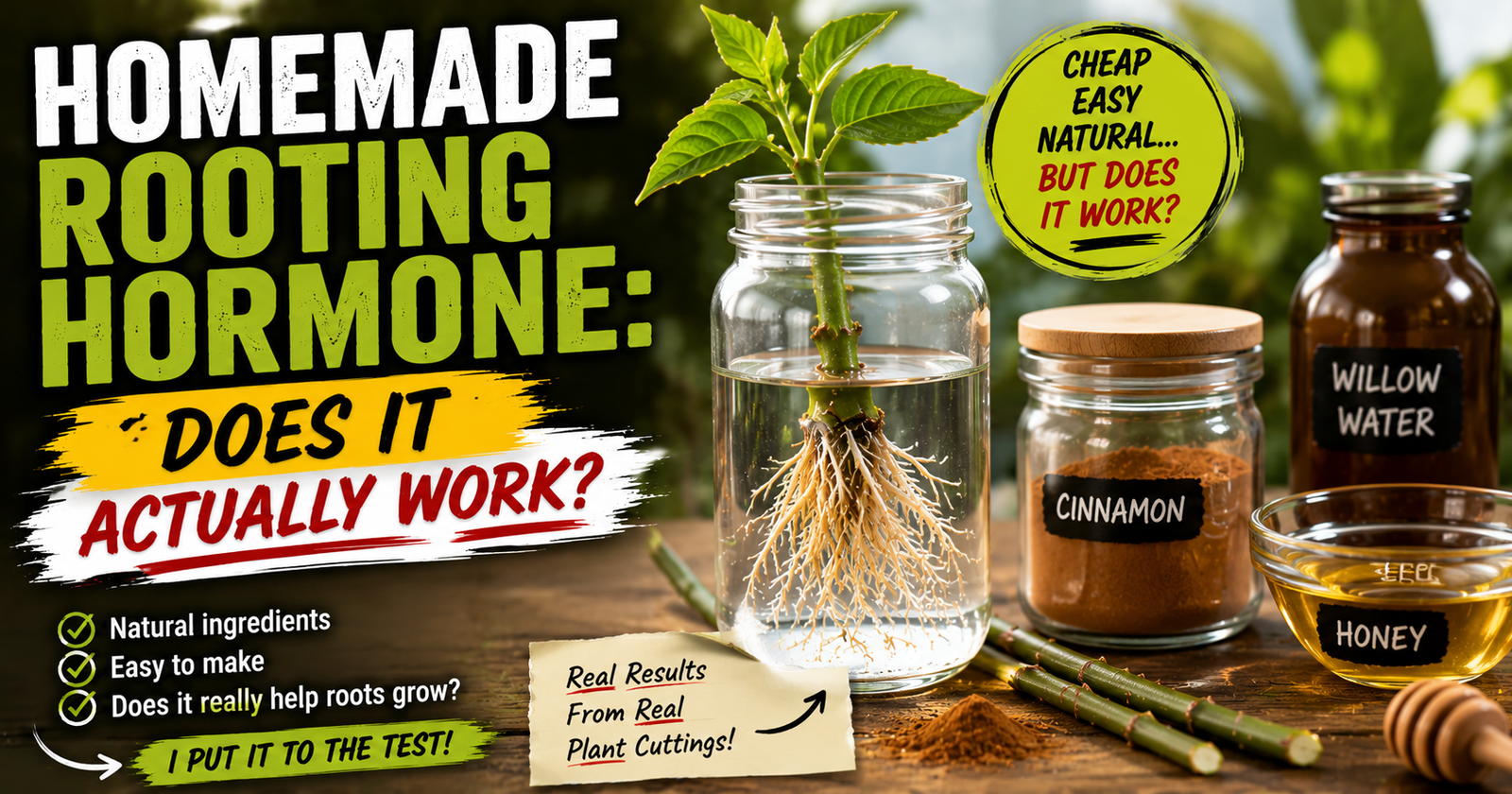
Homemade mixtures like willow water or aloe vera don’t usually have the same shelf life as commercial rooting hormones. Many should be used fairly quickly after they’re prepared. If you’re considering making your own, my article Homemade Rooting Hormone Does It Actually Work? explains the pros and cons of the most common homemade options.
My Advice
I’ve learned that rooting hormone isn’t something you should replace every gardening season just because the calendar says so.
If it’s been stored properly and still looks and smells normal, it may continue working well for quite a while.
At the same time, I don’t like gambling with valuable cuttings.
If I’m propagating a rare plant, an heirloom fruit tree, or a shrub I’ve been waiting months to trim, I’d rather start with a fresh container than spend weeks wondering whether an old bottle is the reason my cuttings failed.
A little preventative thinking now can save a lot of disappointment later.
Fresh Rooting Hormone Deserves the Right Equipment
Using fresh rooting hormone is an important step toward successful propagation, but it’s only part of the equation. Even the highest-quality rooting hormone performs best when your cuttings are kept in an environment with consistent moisture, good oxygen exposure, and clean conditions.
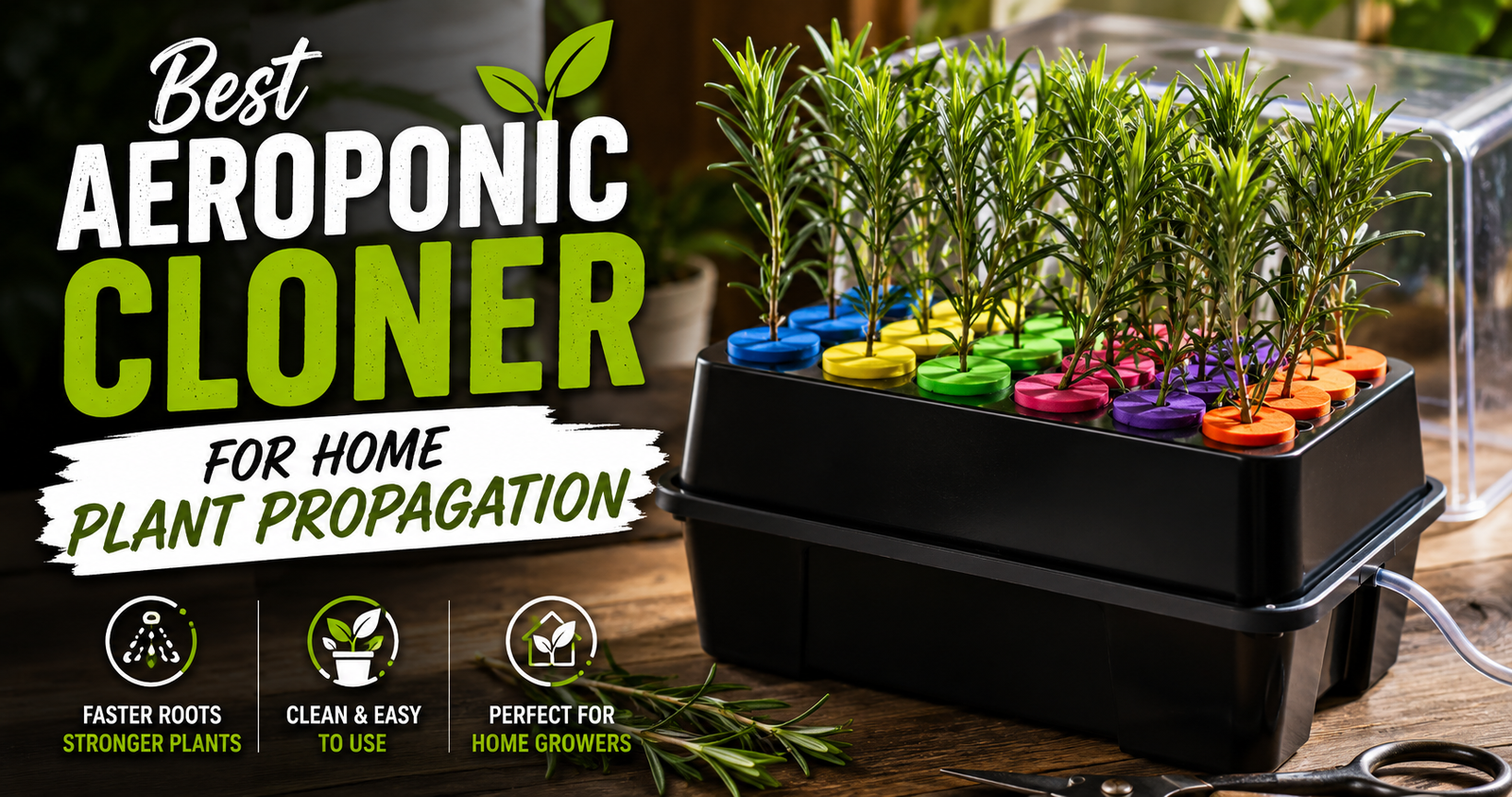
If you’re propagating more than just a few cuttings, consider upgrading to an Aeroponic Cloner. It provides an excellent environment for developing roots while eliminating much of the guesswork involved with traditional propagation methods.
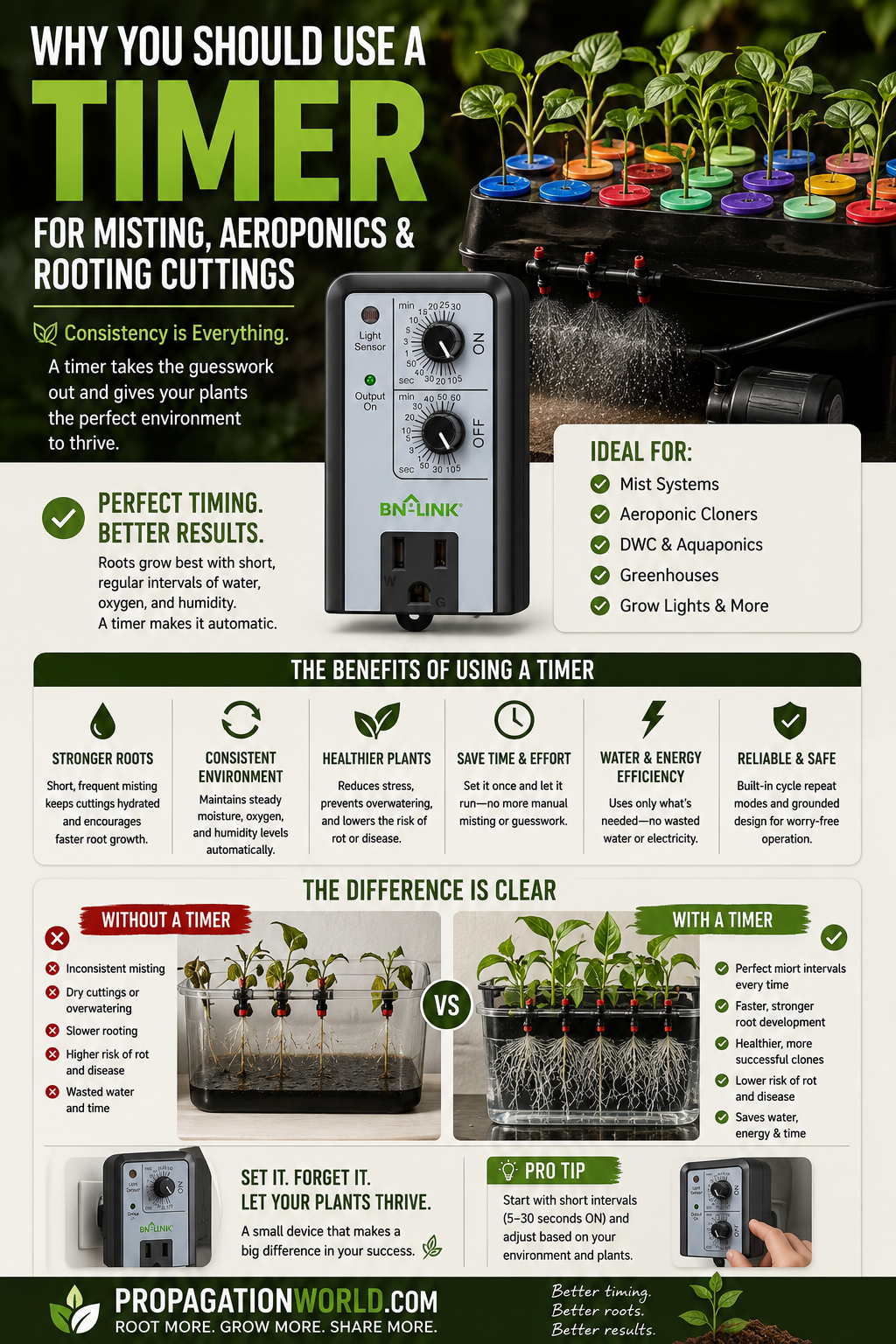
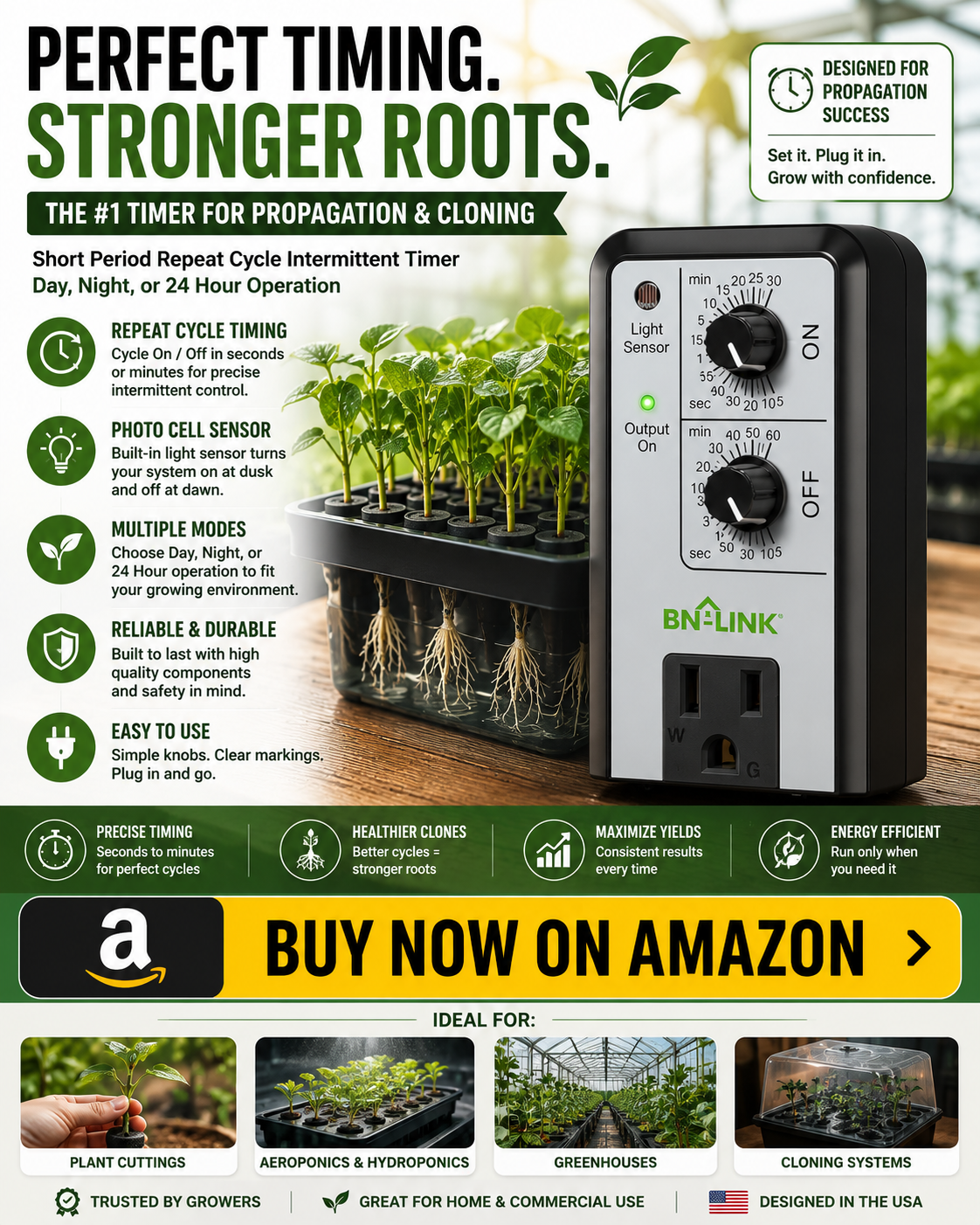
I also recommend pairing it with the BN-LINK Short Period Repeat Cycle Timer so you can fine-tune your misting schedule. You can learn more about recommended settings, common mistakes, and why I recommend this timer in my article on the Best Cycle Timer for an Aeroponic Cloner.
About the Author
Dax Weaver is the founder of Propagation World and has spent years propagating thousands of plants at his family’s nursery. His experience includes rooting hardwood and softwood cuttings, grafting fruit trees, dividing perennials, growing plants from seed, and producing healthy nursery stock for landscapes, orchards, and home gardens. Through Propagation World, he shares practical propagation methods, honest product reviews, and straightforward advice to help gardeners grow more plants with confidence.