If you’ve ever tried rooting plant cuttings, you’ve probably discovered that keeping them alive is often harder than actually taking the cutting.
Too little moisture and the cutting dries out before roots ever have a chance to form. Too much moisture and the stem may soften, rot, or develop fungal problems. Even when everything seems right, some cuttings simply refuse to root because the conditions aren’t consistent enough.
I’ve rooted plants in water, potting soil, perlite, peat moss, coco coir, propagation trays, and humidity domes. Every method has its place, and every one has produced healthy plants for me over the years.
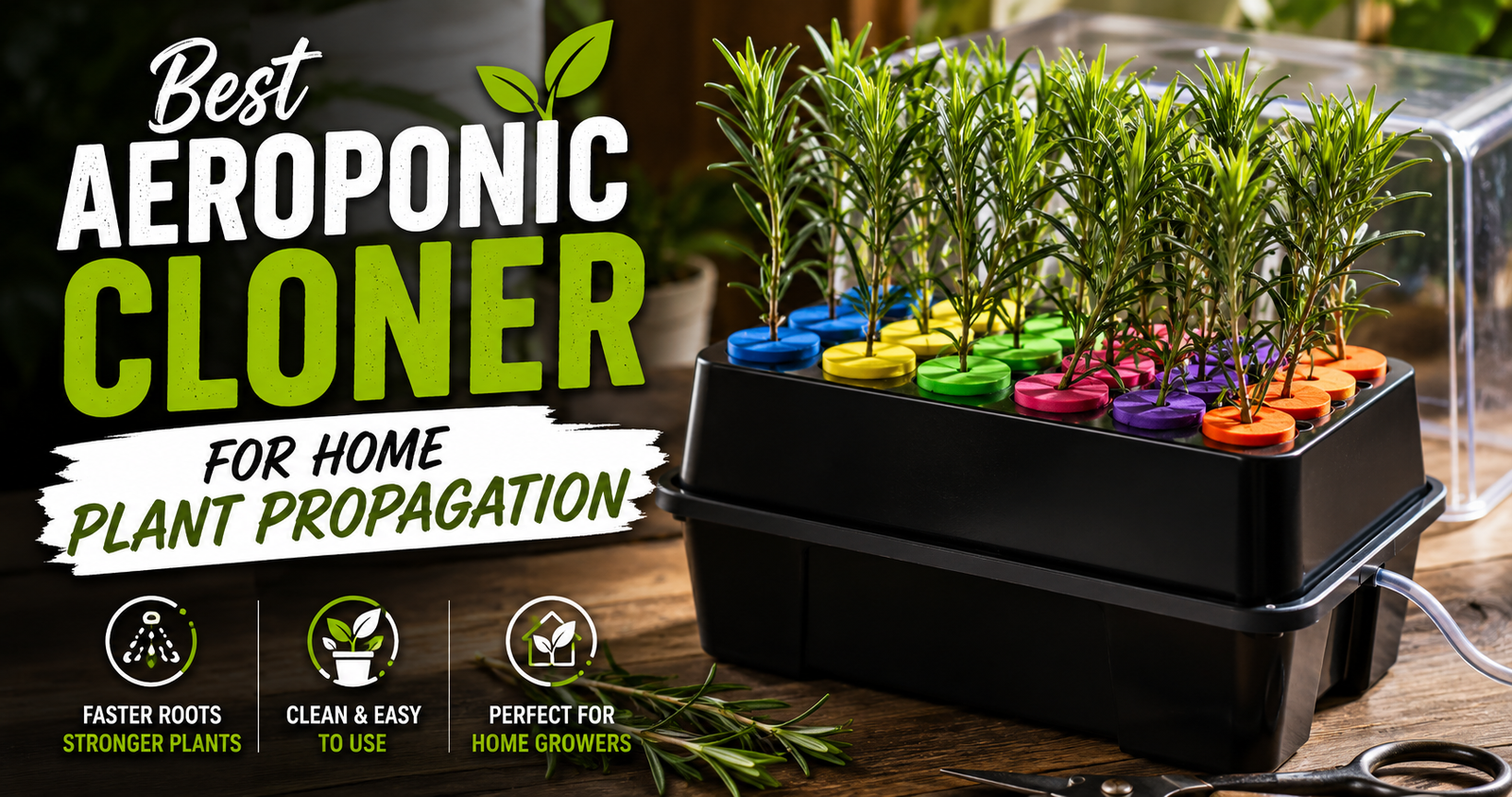
But when I need to root a larger number of cuttings quickly while giving them consistent moisture and excellent oxygen around the stem, I almost always reach for an aeroponic cloner.
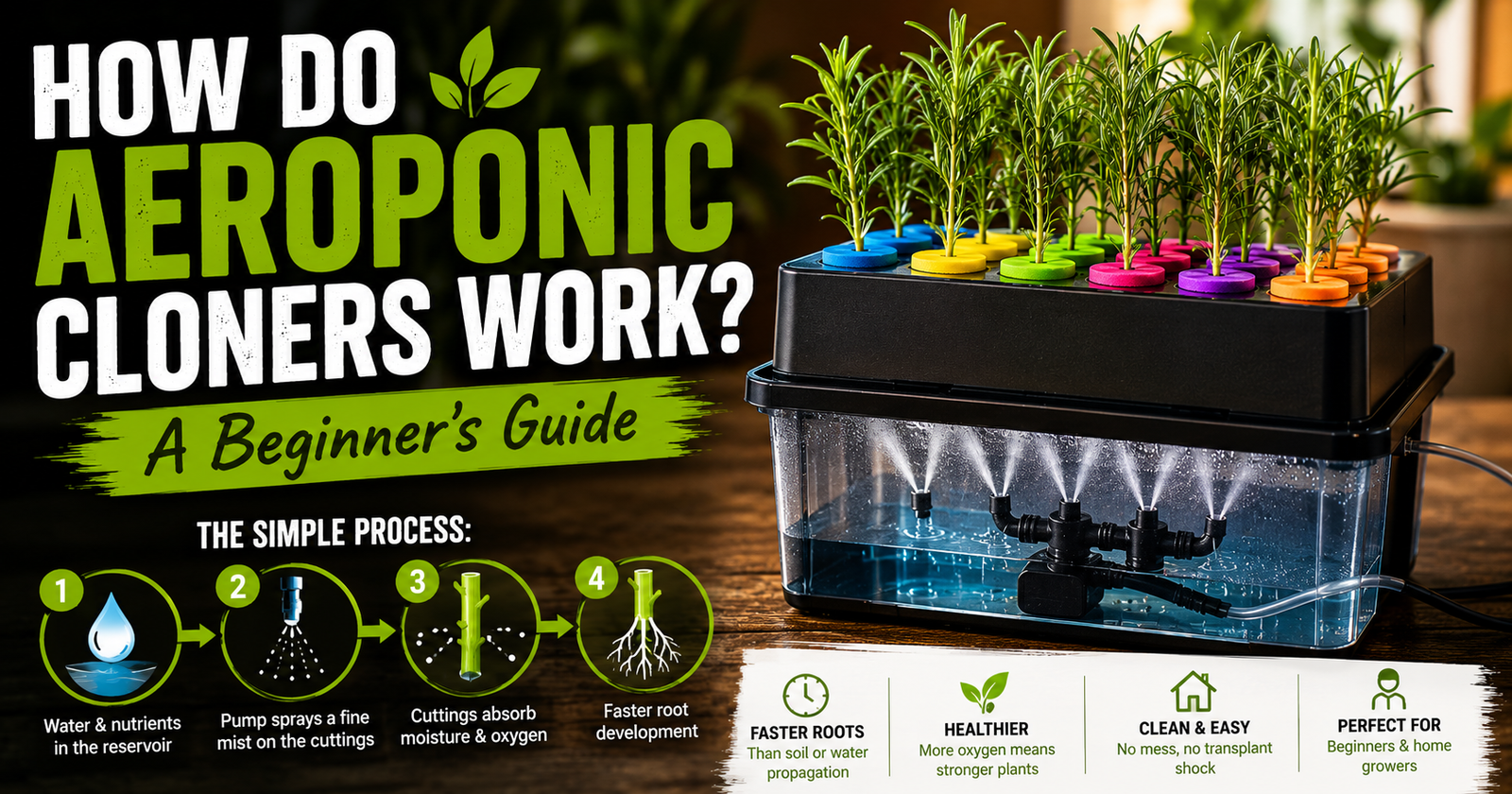
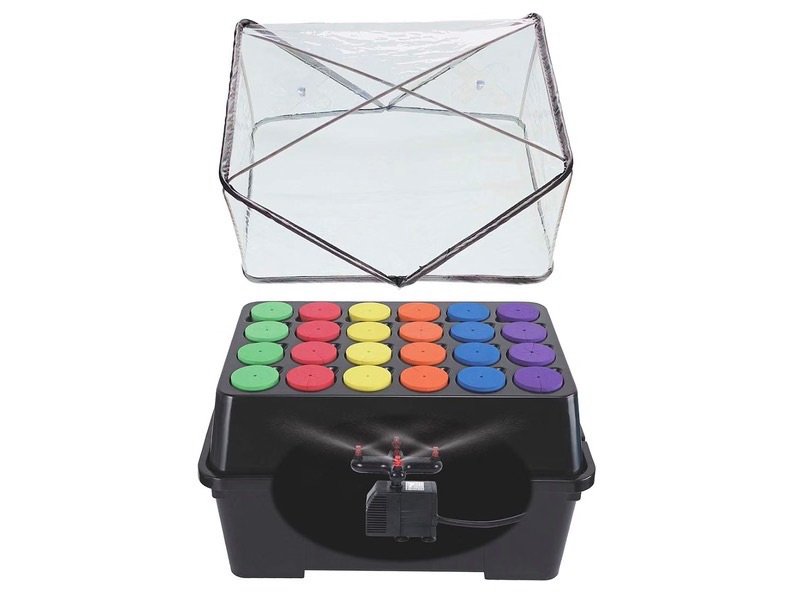
These machines take much of the guesswork out of propagation. Instead of sitting in wet soil or standing in water, each cutting is suspended in a neoprene collar while the stem is sprayed from below with oxygen-rich water. The cutting stays moist without remaining submerged, creating excellent conditions for root development on many different kinds of plants.
If you regularly propagate houseplants, fruit plants, shrubs, berries, ornamental trees, or perennial flowers, an aeroponic cloner can become one of the most useful tools in your propagation area.
My Favorite Aeroponic Cloner for Home Gardeners
After comparing numerous machines designed for home propagation, the one I recommend for most gardeners is the 24-Site Aeroponic Cloner Machine.
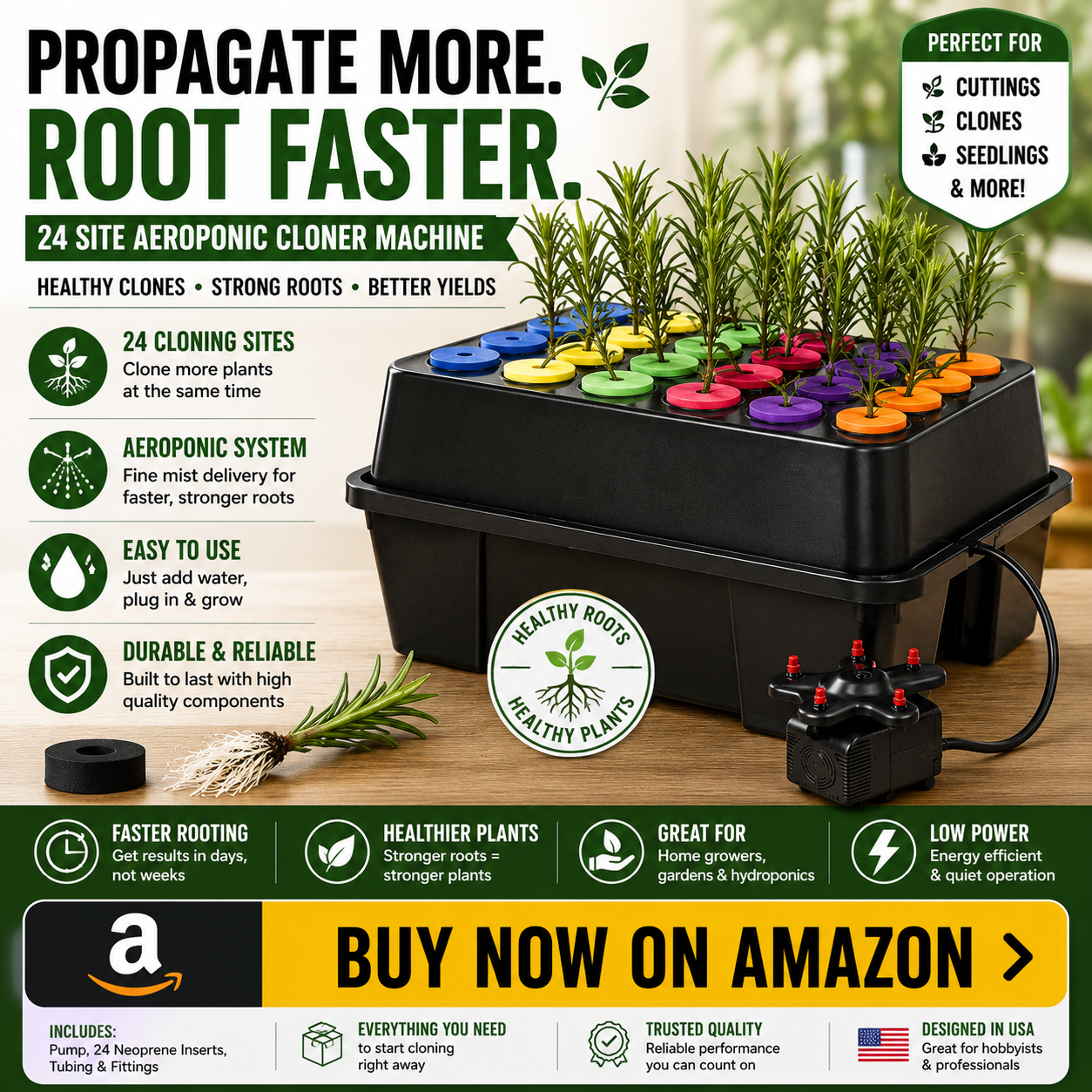
What I like most is that it strikes an excellent balance between capacity, ease of use, and price. It has enough room to root dozens of cuttings at once without becoming so large that it takes over an entire grow room or workshop.
Some of the features that stand out include:
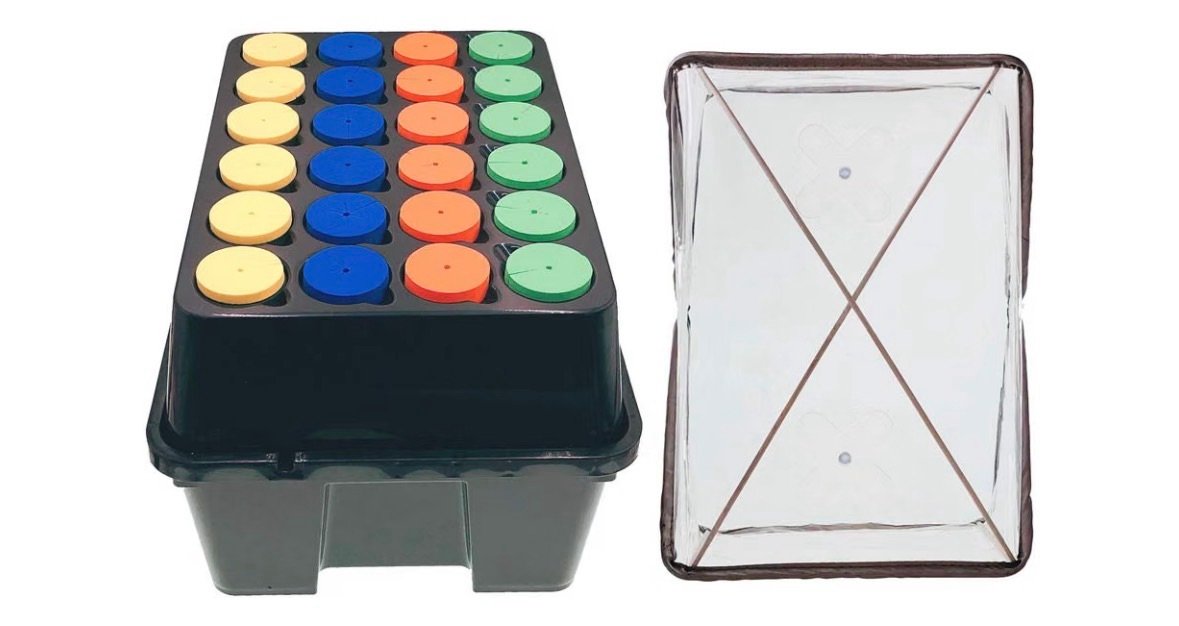
- Twenty-four rooting sites
- Reusable 2-inch neoprene clone collars
- Compact footprint for home gardeners
- Internal spray manifold
- Quiet water pump
- Easy assembly
- Easy cleaning
- Suitable for many different plant species
Whether you’re rooting pothos for friends, multiplying hydrangeas around your landscape, starting more blueberry bushes, or propagating your favorite perennial flowers, this machine gives you plenty of room to work without feeling oversized.
What Is an Aeroponic Cloner?
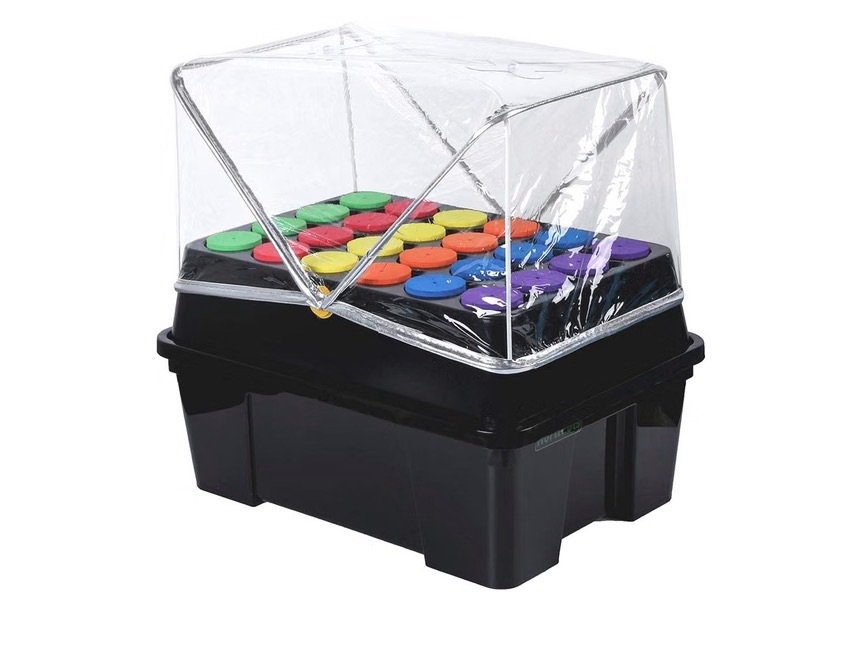
An aeroponic cloner is a machine designed specifically to root plant cuttings.
Unlike traditional propagation methods that use soil or containers of water, aeroponic systems suspend each cutting above a water reservoir.
The stem passes through a soft neoprene collar while the leaves remain above the machine.
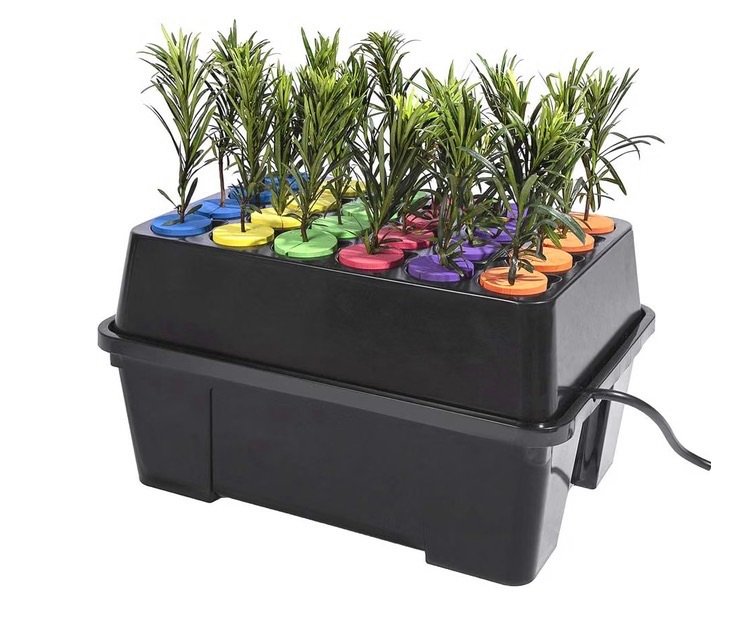
Inside the reservoir is a small water pump connected to several spray nozzles.
When the pump runs, those nozzles continuously spray fine droplets of water upward toward the bottom of every cutting.
Instead of sitting in soggy soil or standing in water, the stem receives constant moisture while remaining surrounded by fresh oxygen.
That combination of moisture and oxygen is one of the biggest reasons aeroponic systems are so effective.
Roots need both.
Many beginners focus only on keeping cuttings wet, but healthy roots actually require oxygen just as much as they require water.
An aeroponic cloner provides both at the same time.
Why Aeroponic Propagation Works So Well
People often ask why these machines root plants so quickly.
The answer isn’t magic.
It’s consistency.
Every cutting receives nearly identical conditions.
The moisture level stays extremely consistent.
Fresh oxygen is constantly available around the stem.
Temperatures remain fairly stable inside the reservoir.
Instead of repeatedly drying out and becoming wet again, the stem stays in an environment that’s ideal for producing new roots.
When you compare that to a small nursery pot that can dry out by afternoon or a glass of water sitting in a sunny window, it’s easy to see why aeroponic systems often produce faster and healthier root development.
Who Should Buy an Aeroponic Cloner?
I don’t think every gardener needs one.
If you only root two or three pothos cuttings each year, a mason jar on the windowsill will probably serve you just fine.
However, I think an aeroponic cloner makes a lot of sense if you:
- Regularly propagate houseplants.
- Root shrubs for landscaping.
- Grow fruit bushes from cuttings.
- Propagate grapes, figs, or blueberries.
- Enjoy multiplying perennial flowers.
- Like experimenting with different propagation methods.
- Want to root dozens of cuttings at once.
- Get frustrated trying to maintain the right moisture level in propagation trays.
The more often you propagate plants, the more valuable a machine like this becomes.
Who Probably Doesn’t Need One
Even though I really like aeroponic cloners, they’re not for everyone.
I probably wouldn’t recommend buying one if you:
- Only propagate a few plants each year.
- Primarily grow plants from seed.
- Have very limited indoor growing space.
- Prefer simple water propagation.
- Don’t want another piece of equipment to maintain.
There’s absolutely nothing wrong with rooting cuttings in soil, perlite, or even a glass of water.
Those methods still work extremely well.
An aeroponic cloner simply makes propagation easier, more consistent, and much more efficient for gardeners who propagate on a regular basis.
What Types of Plants Can You Root?
One of the biggest strengths of these machines is versatility.
I’ve seen gardeners successfully root everything from common houseplants to ornamental trees.
Some plants that generally perform well include:
Houseplants
- Pothos
- Monstera
- Philodendron
- Hoya
- Scindapsus
- Syngonium
- Tradescantia
Fruit Plants
- Blueberries
- Elderberries
- Figs
- Grapes
- Blackberries
- Raspberries
Shrubs
- Hydrangeas
- Weigela
- Butterfly Bush
- Boxwood
- Forsythia
- Viburnum
Perennials
- Bee Balm
- Salvia
- Lavender
- Russian Sage
- Coreopsis
- Many native flowers
Trees
- Willow
- Poplar
- Some ornamental maples
- Numerous deciduous landscape trees
Of course, every plant species behaves a little differently.
Some root within a week.
Others may need a month or more.
The nice thing is that the machine provides consistent conditions regardless of what you’re trying to propagate.
What Makes This 24-Site Machine Stand Out?
There are dozens of aeroponic cloners on the market.
Some cost several hundred dollars.
Others are little more than a plastic tote with a cheap water pump.
I think this particular model hits the sweet spot because it focuses on the things that actually matter.
Plenty of Space
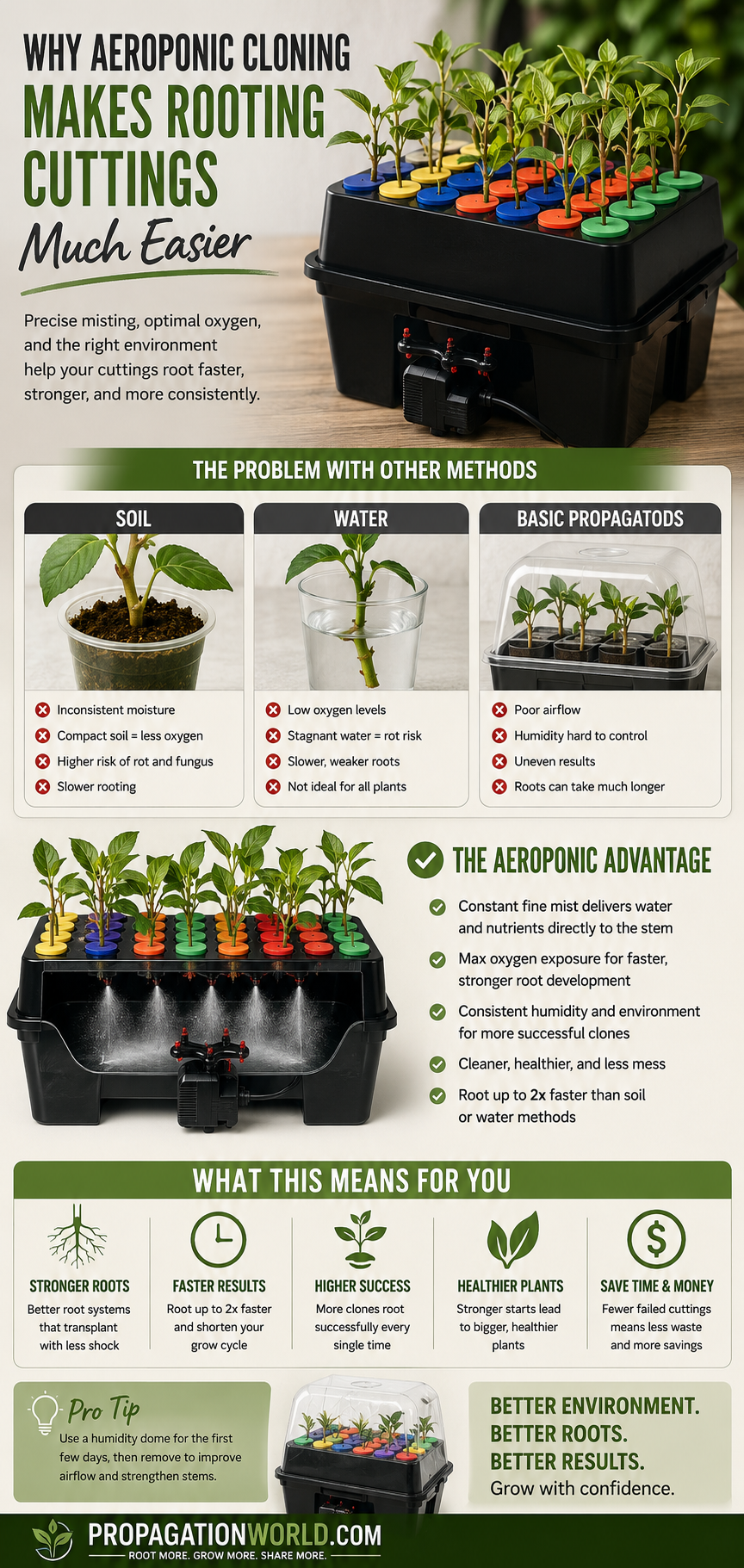
Twenty-four sites give you enough room to root multiple varieties at the same time.
For example, you might have:
- Six hydrangeas
- Four blueberries
- Eight pothos
- Six elderberries
all rooting together without overcrowding.
Neoprene Collars
I strongly prefer neoprene collars over foam inserts.
They gently grip the stem without crushing it, they’re reusable, and they’re easy to clean between propagation projects.
The 2-inch size also fits many common replacement collars if you ever need extras.
Good Airflow
Because the stems hang freely inside the chamber instead of being buried in a propagation medium, they’re surrounded by humid, oxygen-rich air while receiving frequent sprays of water.
That combination often encourages vigorous root development.
Easy to Clean
Cleaning matters more than many gardeners realize.
Old plant material, algae, and mineral deposits can eventually reduce performance.
This style of cloner is easy to empty, rinse, and sanitize before starting another batch of cuttings.
Why I Like It Better Than Traditional Water Propagation
I still root plenty of plants in jars.
It’s inexpensive.
It’s fun.
It’s easy for beginners.
But there are several advantages to using an aeroponic cloner instead.
First, I don’t have to worry about water levels dropping every few days.
Second, I can root twenty-four cuttings in the same amount of space that might normally hold only a handful of jars.
Third, I can inspect root growth simply by lifting the lid rather than pulling cuttings in and out of water.
Finally, the stems receive much more oxygen than they would if they were submerged in a container of water all day.
Those advantages add up, especially when you’re propagating dozens of plants each season.
How to Set Up an Aeroponic Cloner
One of the reasons I recommend this style of cloner is that it doesn’t take long to get running. Most of the setup can be completed in just a few minutes.
Here’s the basic process I follow.
Step 1: Clean Everything First
Even if the machine is brand new, I like to wash the reservoir, lid, collars, spray manifold, and any other removable parts with warm water before using it.
This removes dust from manufacturing and gives you a clean starting point.
If I’m reusing the machine after a previous batch of cuttings, I’ll sanitize everything with a mild bleach solution or hydrogen peroxide solution before rinsing thoroughly.
Clean equipment reduces the chances of bacteria, algae, and fungal problems developing later.
Step 2: Fill the Reservoir
Add clean water to the recommended fill line.
I usually prefer filtered water or rainwater if it’s available, especially if my tap water contains a lot of minerals.
The cleaner the water, the cleaner your spray nozzles tend to stay.
Step 3: Install the Pump
Attach the water pump according to the manufacturer’s directions.
Make sure the tubing is firmly connected to the spray manifold.
A loose connection can reduce spray pressure and create uneven coverage.
Step 4: Install the Neoprene Collars
Place the neoprene collars into each opening.
The slit in each collar allows you to gently slide the cutting into position without damaging the stem.
The collar should hold the cutting securely while leaving the lower portion hanging freely inside the chamber.
Step 5: Test the Spray Pattern
Before inserting all your cuttings, plug the machine in and let it run for a minute.
Lift the lid carefully and check that every spray nozzle is producing a strong, even spray.
If one nozzle appears clogged, it’s much easier to clean now than after twenty-four cuttings have already been installed.
Taking the Best Cuttings
Even the best aeroponic cloner can’t save poor cuttings.
Healthy propagation starts before the cutting ever enters the machine.
I always look for:
- Healthy disease-free plants
- Firm stems
- Active growth
- No insect damage
- No signs of stress
- Multiple leaf nodes
Using clean pruning shears is equally important.
Dirty blades can introduce bacteria directly into a fresh cut.
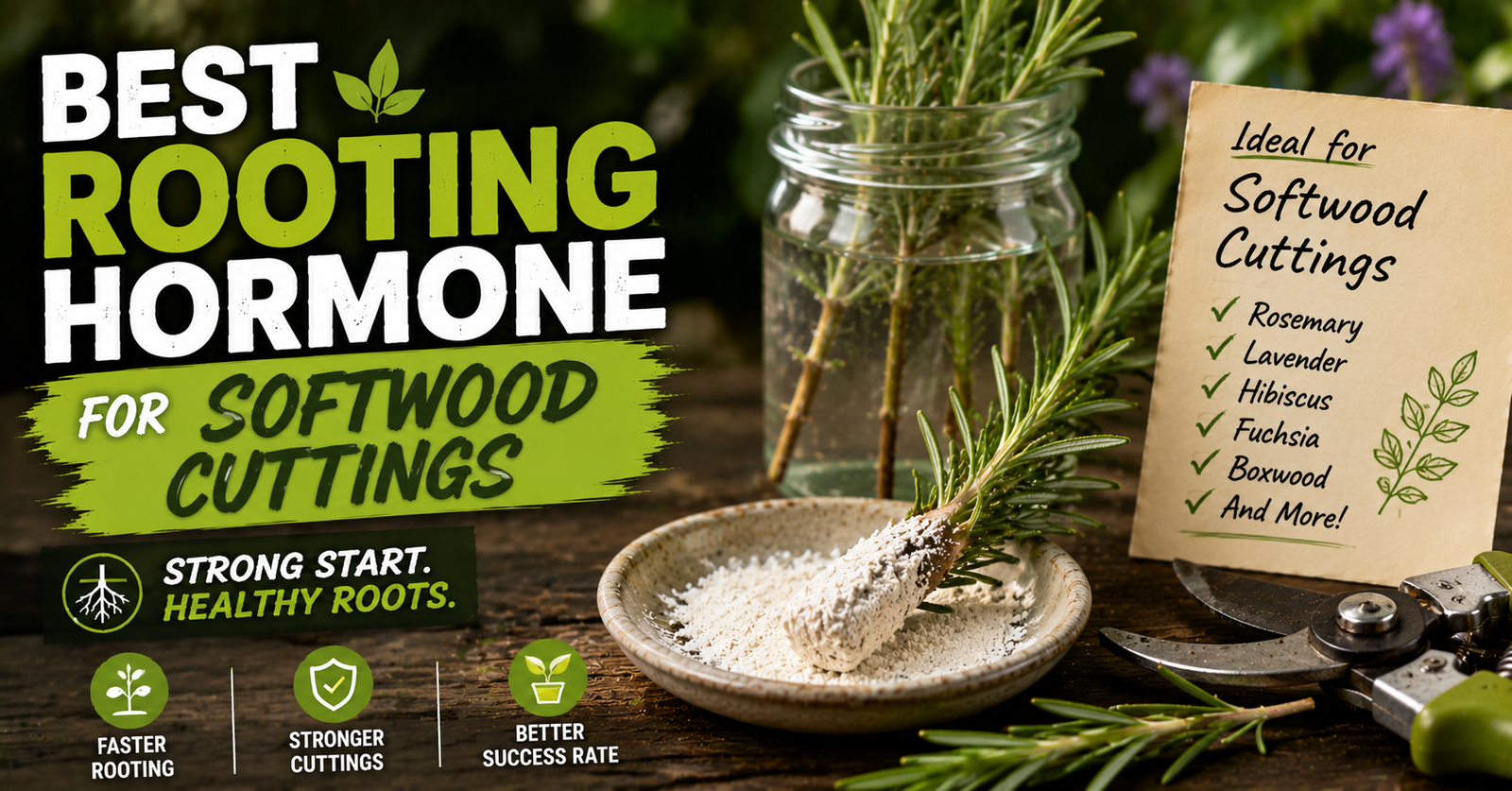
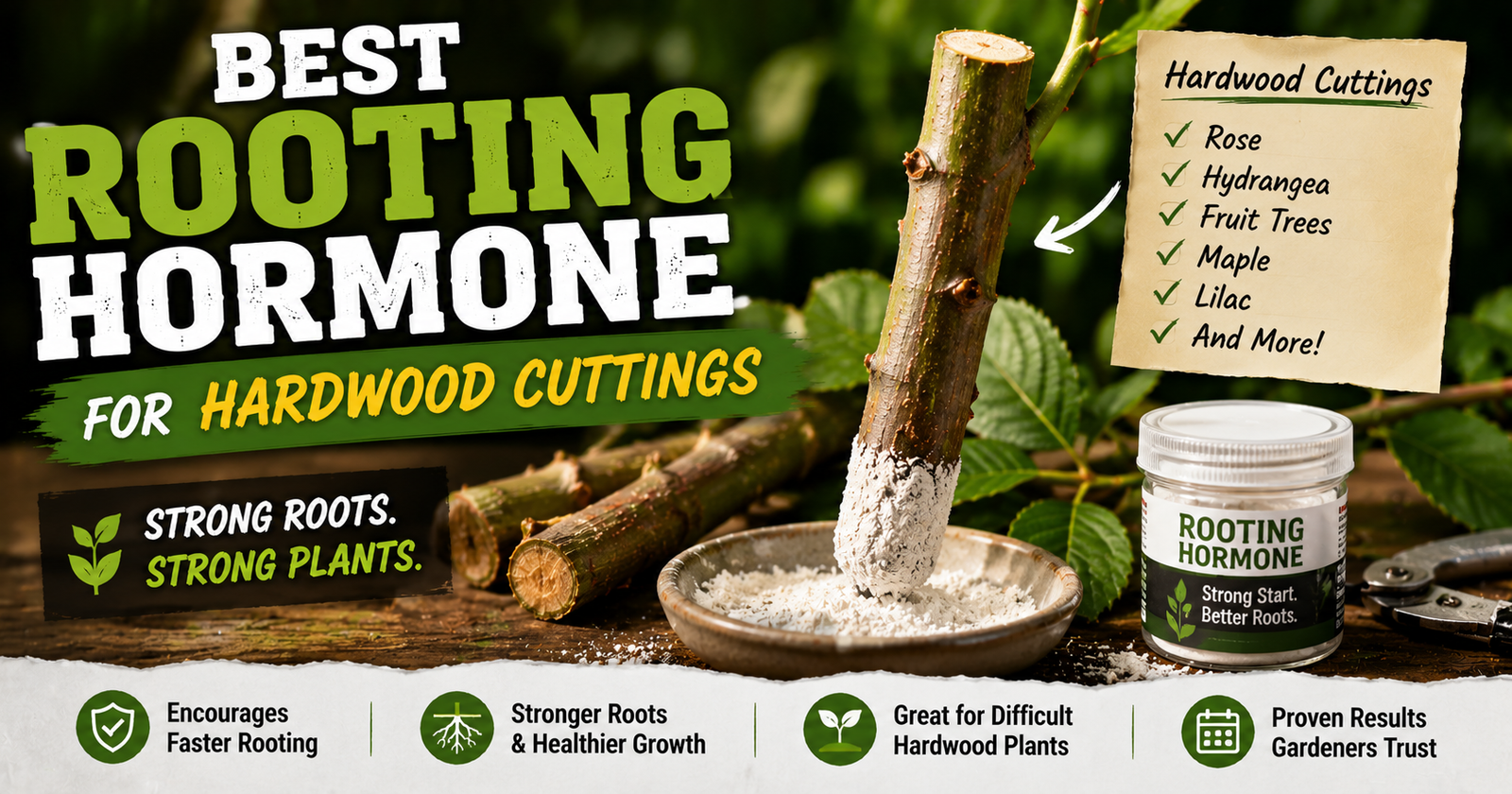
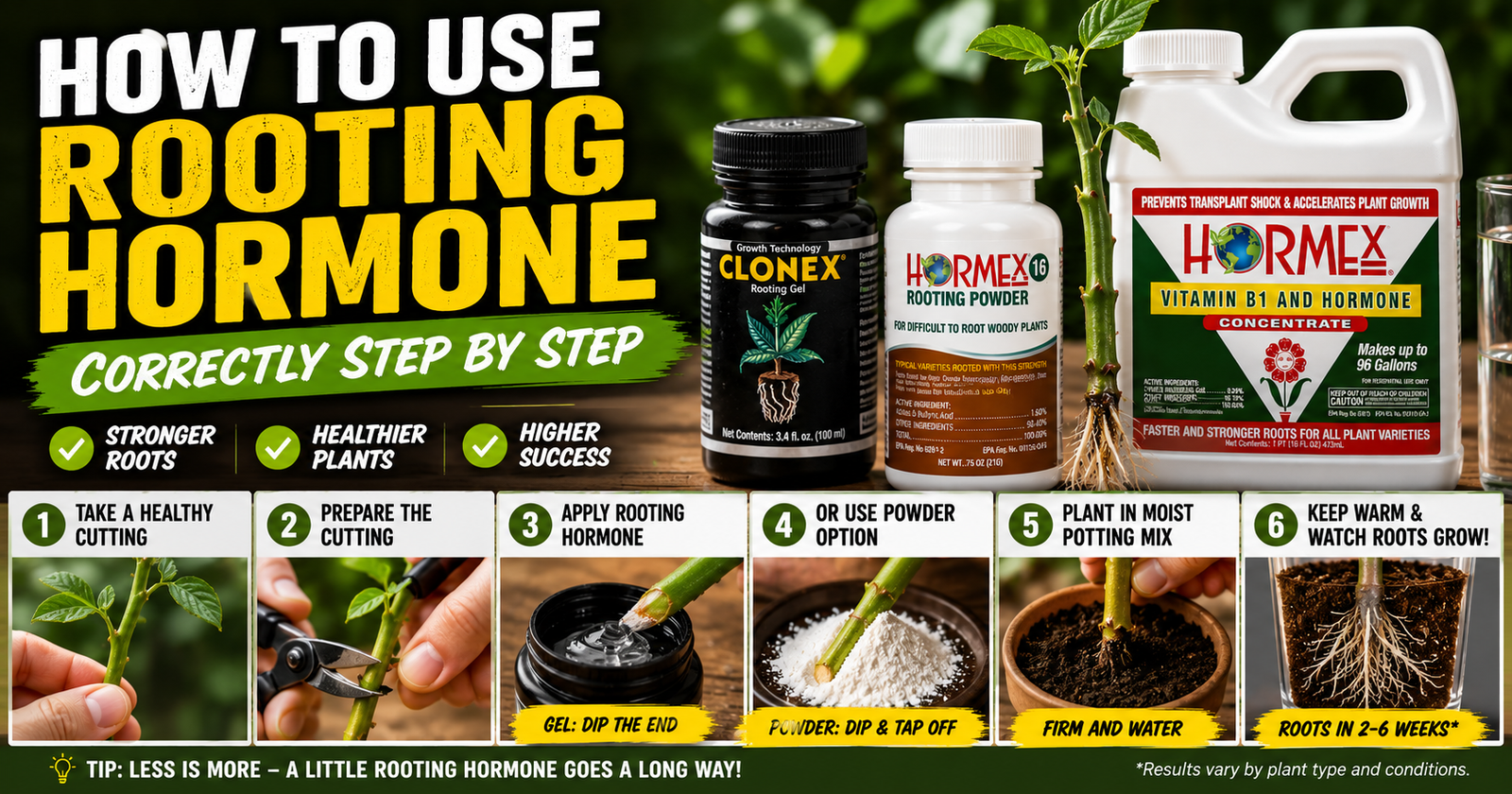
If you’re new to propagation, I recommend reading How to Use Rooting Hormone Correctly Step by Step before preparing your first batch of cuttings.
Should You Use Rooting Hormone?
Yes—at least for many plants.
One misconception I hear fairly often is that aeroponic cloners eliminate the need for rooting hormone.
That really isn’t true.
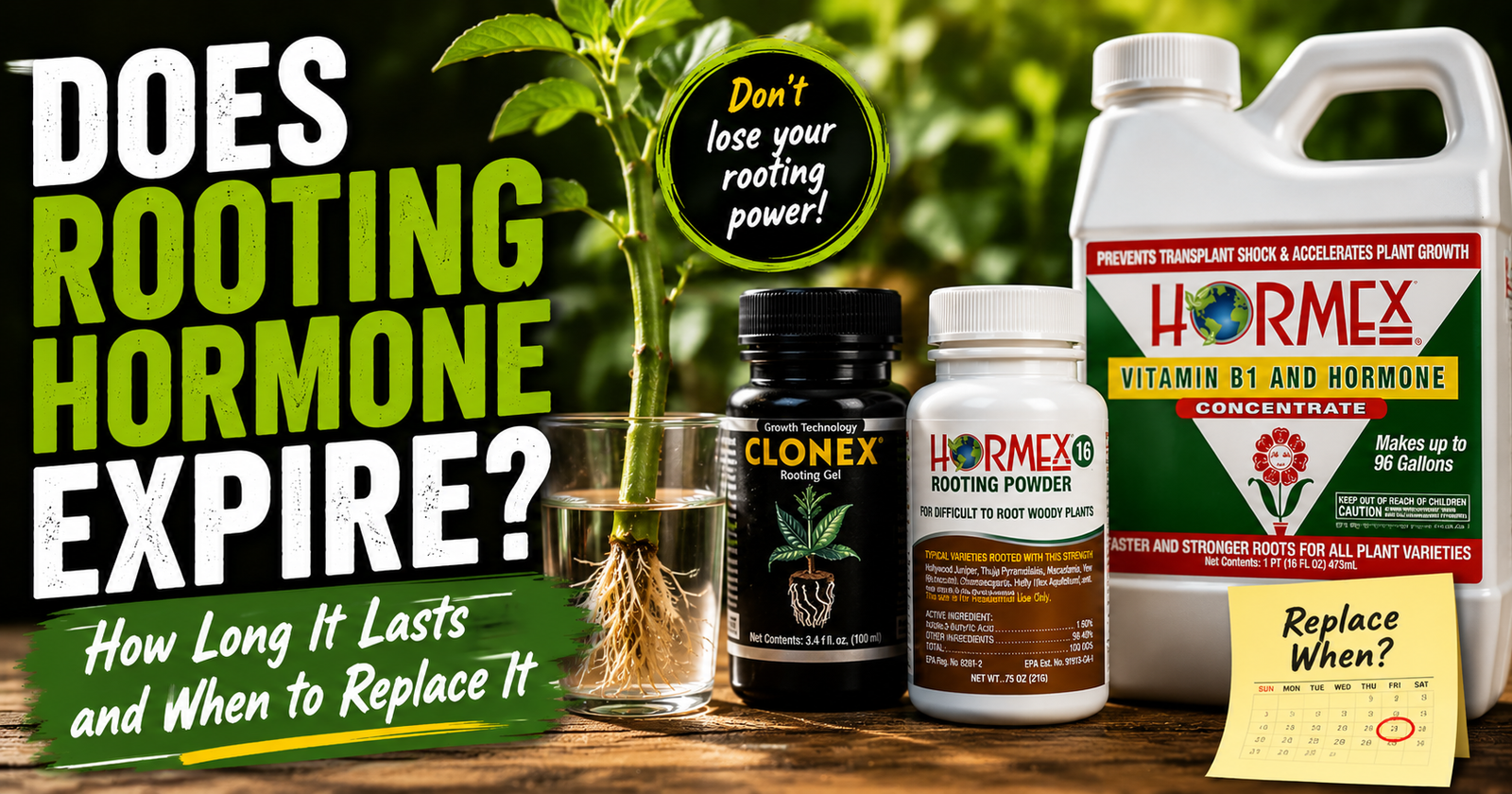
The machine creates an outstanding environment for roots to develop.
Rooting hormone encourages the cutting to begin producing those roots in the first place.
Those are two completely different jobs.
For plants that root very easily, like pothos or wandering dude, you may not notice much difference.
For hardwood cuttings, woody shrubs, blueberries, roses, hydrangeas, figs, and many fruit plants, I still recommend using rooting hormone whenever appropriate.
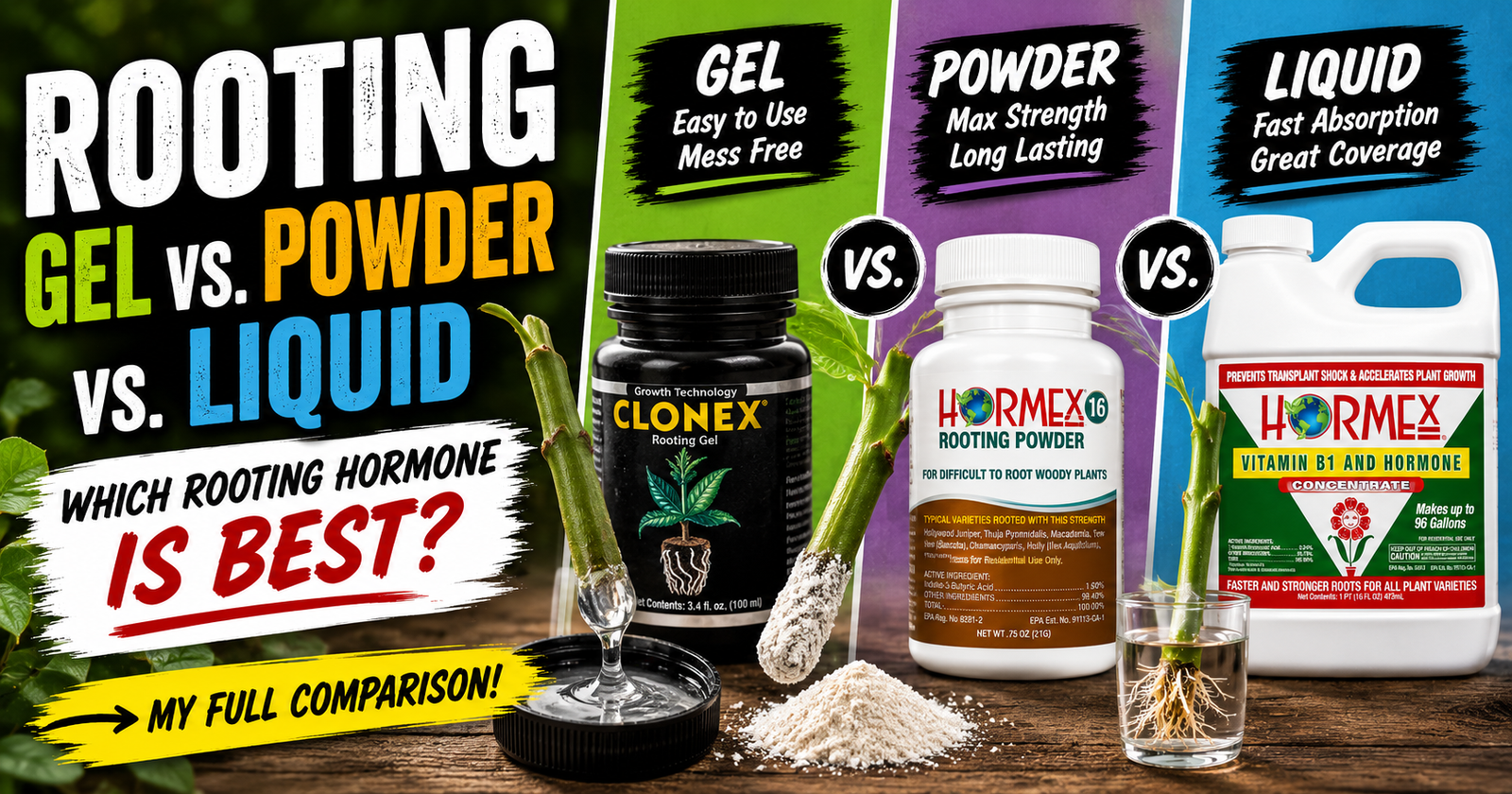
If you’re unsure which type to buy, my article Rooting Gel vs. Powder vs. Liquid Which Rooting Hormone Is Best?explains the strengths of each option.
One Change I’d Make Immediately
This is probably the biggest piece of advice I can give anyone buying one of these machines.
Most affordable aeroponic cloners are designed to run continuously.
That means the water pump sprays the cuttings twenty-four hours a day without stopping.
While that certainly keeps the stems moist, I don’t actually think continuous operation is ideal for every plant.
I’ve found that some species seem to perform better when they receive short breaks between spray cycles.
Those brief dry periods allow additional oxygen to circulate around the stems while still maintaining plenty of humidity inside the chamber.
For certain plants, this can help reduce the chance of stem rot while still encouraging excellent root development.
Why I Recommend Adding a Cycle Timer
Instead of allowing the pump to run non-stop, I recommend plugging the cloner into a cycle timer.
A timer allows you to alternate between spraying and resting.
Some common schedules include:
- 15 minutes on / 15 minutes off
- 10 minutes on / 10 minutes off
- 5 minutes on / 15 minutes off
The ideal schedule depends on:
- The plant species
- Air temperature
- Humidity
- Water temperature
- The age of the cuttings
I don’t think there’s one perfect setting for every situation.
Part of propagation is learning how your particular plants respond.
If you’re using an aeroponic cloner, adding a repeat cycle timer is one of the simplest upgrades you can make. Instead of running the water pump continuously, a cycle timer automatically turns it on and off at repeating intervals throughout the day. This gives you the flexibility to experiment with different spray schedules based on the plants you’re propagating and your growing environment. While continuous operation works well for many cuttings, having the option to fine-tune your misting cycle gives you much more control over the rooting process.
For my own setup, I recommend the BN-LINK Short Period Repeat Cycle Timer. Unlike a standard household outlet timer, it’s specifically designed for short repeating intervals, making it an excellent match for aeroponic cloners, hydroponic systems, and propagation misting setups. It’s easy to program, reliable, and allows you to test different on-and-off cycles until you find what works best for your particular plants.
If you’d like to learn more about why intermittent spray cycles can be beneficial, how to choose timer settings, and why I recommend this particular model, take a look at my in-depth guide on the Best Cycle Timer for an Aeroponic Cloner. I cover everything from beginner-friendly timer settings to common mistakes and how to get the most out of your aeroponic propagation system.
Water Temperature Matters More Than Most People Realize
Most beginners focus on lighting.
Others focus on rooting hormone.
Very few pay attention to water temperature.
That’s a mistake.
If the reservoir becomes too warm, oxygen levels begin to drop.
Warm water also creates a better environment for algae and harmful microorganisms.
On the other hand, extremely cold water can slow root development.
For most home propagation projects, I like keeping the water cool rather than warm.
If your propagation area becomes very hot during the summer, simply moving the machine into a cooler room can noticeably improve results.
Should You Add Nutrients?
This is another question that comes up often.
When rooting fresh cuttings, I generally keep things simple.
Clean water.
Healthy cuttings.
Rooting hormone when appropriate.
That’s usually enough.
Cuttings without roots can’t absorb significant amounts of fertilizer anyway.
Adding nutrients too early often creates more problems than benefits.
Once a healthy root system develops and the cutting is transplanted into its growing medium, that’s when I begin thinking about fertilization.
Keeping the Machine Clean
One advantage of this particular cloner is that it’s fairly easy to maintain.
Between propagation batches, I recommend:
- Emptying the reservoir.
- Rinsing away any plant debris.
- Cleaning the pump screen.
- Flushing the spray manifold.
- Checking each spray nozzle for buildup.
- Washing the neoprene collars.
- Sanitizing the reservoir before the next use.
Taking fifteen minutes to clean everything now can prevent hours of frustration later.
Common Mistakes to Avoid
Even a great propagation machine can’t overcome poor technique.
Here are the mistakes I see most often.
Taking Weak Cuttings
Always begin with healthy parent plants.
Weak cuttings rarely become strong new plants.
Forgetting Sanitation
Dirty tools and dirty reservoirs create unnecessary disease pressure.
Clean equipment is one of the simplest ways to improve success.
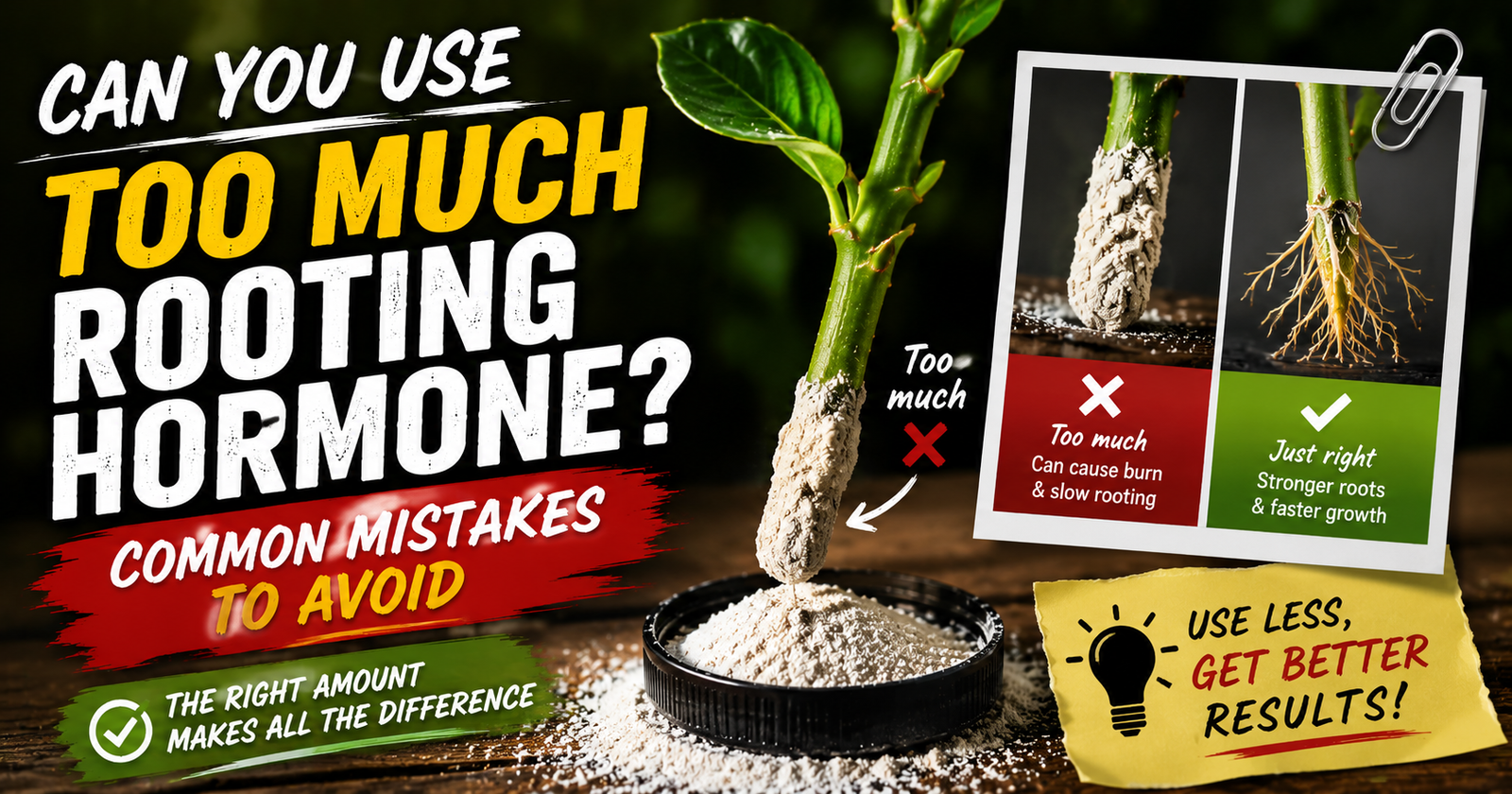
Using Too Much Rooting Hormone
More isn’t better.
A light coating is usually all that’s needed.
If you’ve ever wondered whether using extra rooting hormone helps, read Can You Use Too Much Rooting Hormone? Common Mistakes to Avoid.
Ignoring Water Quality
Hard water, algae, and dirty reservoirs all make life harder than it needs to be.
Fresh clean water gives cuttings their best chance to succeed.
Leaving the Pump Running Forever Without Experimenting
Continuous spraying works.
But don’t assume it’s automatically the best approach.
Adding a cycle timer gives you far more control over moisture levels, and I think it’s one of the smartest upgrades you can make to an aeroponic cloner.
Aeroponic Cloner vs. Water Propagation
If you’ve ever rooted pothos or philodendrons in a mason jar, you already know that water propagation works. It’s inexpensive, simple, and satisfying because you can watch the roots develop every day.
So why spend money on an aeroponic cloner?
For me, it comes down to consistency and capacity.
A glass of water is great for one or two cuttings. An aeroponic cloner is designed to root dozens at the same time while providing the same conditions to every cutting.
Another advantage is oxygen.
When roots are completely submerged, the amount of available oxygen is much lower than when they’re surrounded by humid air and regularly misted. Aeroponic systems take advantage of that by keeping the stem moist without keeping it underwater.
I still use water propagation for quick projects around the house, but if I’m rooting multiple varieties or working with more valuable plants, I usually choose the aeroponic cloner.
Aeroponic Cloner vs. Soil Propagation
Soil propagation has worked for generations, and it still has a place in my propagation routine.
One of its biggest advantages is simplicity. Once a cutting develops roots, it’s already growing in the same medium where it will continue to live.
That means less transplant shock compared to moving rooted cuttings out of water.
The downside is moisture management.
Keeping propagation media consistently damp without making it waterlogged takes practice. Let it dry too much and tender cuttings wilt. Keep it constantly soaked and rot becomes a real possibility.
An aeroponic cloner removes much of that balancing act by delivering moisture automatically.
Neither method is “better.”
They’re simply different tools for different situations.
Aeroponic Cloner vs. Propagation Trays
Traditional propagation trays filled with perlite, vermiculite, seed-starting mix, or coco coir remain one of the most affordable ways to root cuttings.
They’re inexpensive, easy to find, and don’t require electricity.
However, they also require more monitoring.
You’ll need to regularly check moisture levels, maintain humidity, and avoid overwatering.
An aeroponic cloner handles much of that automatically, making it especially appealing if you propagate frequently or simply want a more hands-off system.
How Long Does It Take Cuttings to Root?
One question I hear all the time is:
“How long before I see roots?”
The honest answer is:
It depends.
Several factors influence rooting speed:
- Plant species
- Time of year
- Age of the cutting
- Temperature
- Humidity
- Water quality
- Whether rooting hormone was used
- Overall plant health
Some easy houseplants begin producing roots in less than a week.
Woody shrubs and fruit plants may take several weeks.
The important thing is not to rush the process.
Just because roots aren’t visible yet doesn’t mean nothing is happening. During those first several days, the cutting is repairing tissue and preparing to produce new roots.
Patience is often rewarded.
Troubleshooting Common Problems
Even with an aeroponic cloner, you’ll occasionally run into problems. Fortunately, most of them are easy to fix.
My Cuttings Are Wilting
Slight wilting during the first day isn’t unusual.
However, severe wilting usually points to one of these issues:
- Cuttings were taken during the hottest part of the day.
- Too many leaves were left on the stem.
- The parent plant was already stressed.
- Humidity around the foliage is too low.
Removing a few lower leaves and increasing humidity around the tops of the cuttings often helps.
I’m Not Seeing Any Roots
Before assuming something is wrong, consider how long the cuttings have actually been in the machine.
Some species naturally take much longer than others.
Also check:
- Are the spray nozzles working properly?
- Is the water pump operating?
- Is the reservoir clean?
- Are the stems healthy?
- Did you cut just below a node?
Sometimes the machine isn’t the problem at all.
The plant simply needs more time.
The Water Looks Dirty
Cloudy water usually means it’s time for a cleaning.
Drain the reservoir.
Rinse the system thoroughly.
Inspect the pump and spray manifold.
Refill with clean water.
Keeping everything clean goes a long way toward preventing future problems.
Some Spray Nozzles Aren’t Working
Mineral deposits occasionally clog the tiny openings.
Remove the affected nozzle and soak it according to the manufacturer’s recommendations before rinsing thoroughly.
Using filtered or lower-mineral water can help reduce buildup over time.
Is an Aeroponic Cloner Worth the Money?
For some gardeners, probably not.
If you only propagate a handful of cuttings each year, there are much cheaper methods that work perfectly well.
A simple container of water, a propagation tray, or even a small pot of perlite can produce excellent results.
But if you’re the type of gardener who is constantly taking cuttings, experimenting with new plants, or growing extras to share with friends and family, I think an aeroponic cloner quickly earns its place.
The time savings alone are significant.
Instead of managing multiple jars, trays, and containers, everything is organized in one compact system.
You spend less time worrying about moisture and more time enjoying the propagation process.
My Last Thoughts on This 24-Site Aeroponic Cloner
After looking at dozens of home propagation systems, I think the 24-Site Aeroponic Cloner Machine offers one of the best combinations of value, capacity, and ease of use for the average home gardener.
It has enough room to handle serious propagation projects without becoming unnecessarily large or complicated. The neoprene collars securely support a wide variety of cuttings, the spray system keeps stems consistently hydrated, and the compact design fits well in most indoor growing spaces.
If I were buying my first aeroponic cloner today, this is the one I’d choose.
The only upgrade I’d recommend making from day one is adding a quality cycle timer so you can experiment with spray intervals instead of running the pump continuously. That small addition gives you much more control over the rooting environment and can be especially helpful for plants that don’t appreciate constant moisture.
Once my timer review is published, I’ll link it here because I think those two products complement each other extremely well.
If you’re ready to take propagation more seriously, this cloner is an investment I believe you’ll appreciate every time you start a new batch of cuttings.
Frequently Asked Questions
Can I use an aeroponic cloner indoors?
Yes. Most home aeroponic cloners are designed specifically for indoor use and fit well in a basement, garage, grow room, spare bedroom, or other protected area with adequate lighting.
Do I need rooting hormone with an aeroponic cloner?
Not always, but I recommend it for many plants. Easy-to-root species may perform well without it, while woody shrubs, fruit plants, roses, and many ornamentals often benefit from a quality rooting hormone.
Can I root different plants at the same time?
Absolutely. One advantage of a 24-site machine is that you can propagate several different plant varieties in a single batch. Just keep in mind that some species root much faster than others.
How often should I clean the machine?
I recommend cleaning the reservoir, pump, collars, and spray manifold after every propagation batch. Regular cleaning helps prevent algae, bacteria, and mineral buildup that can reduce performance.
How long should cuttings stay in the cloner?
Most cuttings are ready to transplant once they’ve developed a healthy root system measuring roughly 1 to 3 inches long. The exact timing depends on the species and growing conditions.
Can I reuse the neoprene collars?
Yes. They’re designed to be reusable. Simply wash and sanitize them between batches so each new set of cuttings starts in a clean environment.
Author: Dax Weaver
Dax Weaver is the founder of PropagationWorld.com and has spent years propagating trees, shrubs, fruit plants, houseplants, and perennial flowers through cuttings, layering, grafting, and other propagation methods. His goal is to help home gardeners achieve higher success rates by sharing practical techniques, honest equipment reviews, and real-world propagation advice.
As an Amazon Associate we earn from qualifying purchases through some links in our articles. Learn more.