Walk into a commercial greenhouse or plant nursery, and you’ll notice something interesting.
While many home gardeners reach for small bottles of rooting powder or gel, professional growers often have a bottle of concentrated liquid rooting hormone sitting on the propagation bench.
That isn’t because powder and gel don’t work.
They absolutely do.
The difference is that commercial growers usually aren’t rooting five cuttings.
They’re rooting fifty.
Or five hundred.
Sometimes thousands.
When you’re propagating that many plants—or constantly transplanting trees, shrubs, and perennials—you start looking for products that can do more than just coat the end of a cutting.
That’s exactly where concentrated liquid rooting hormones shine.
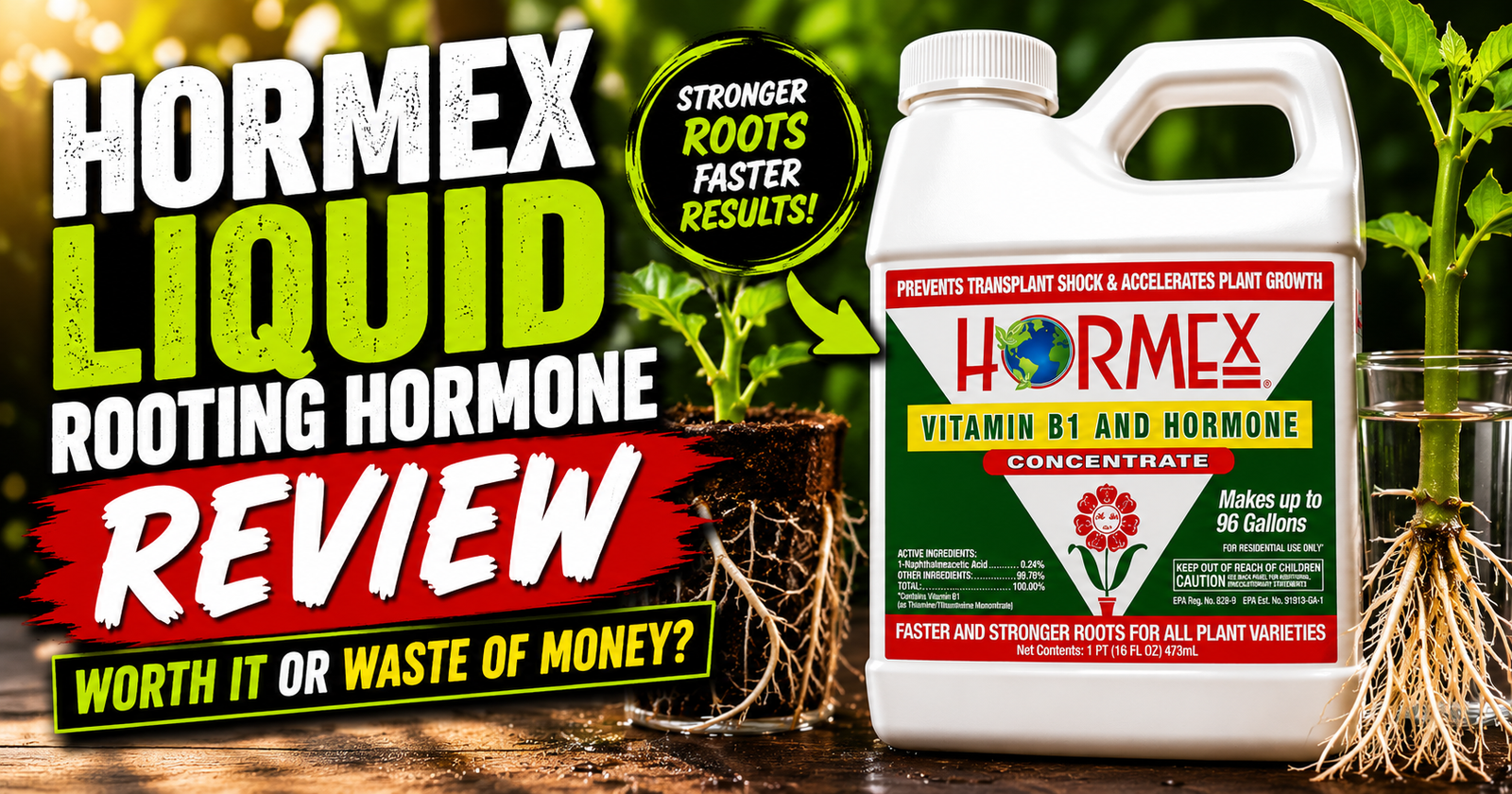
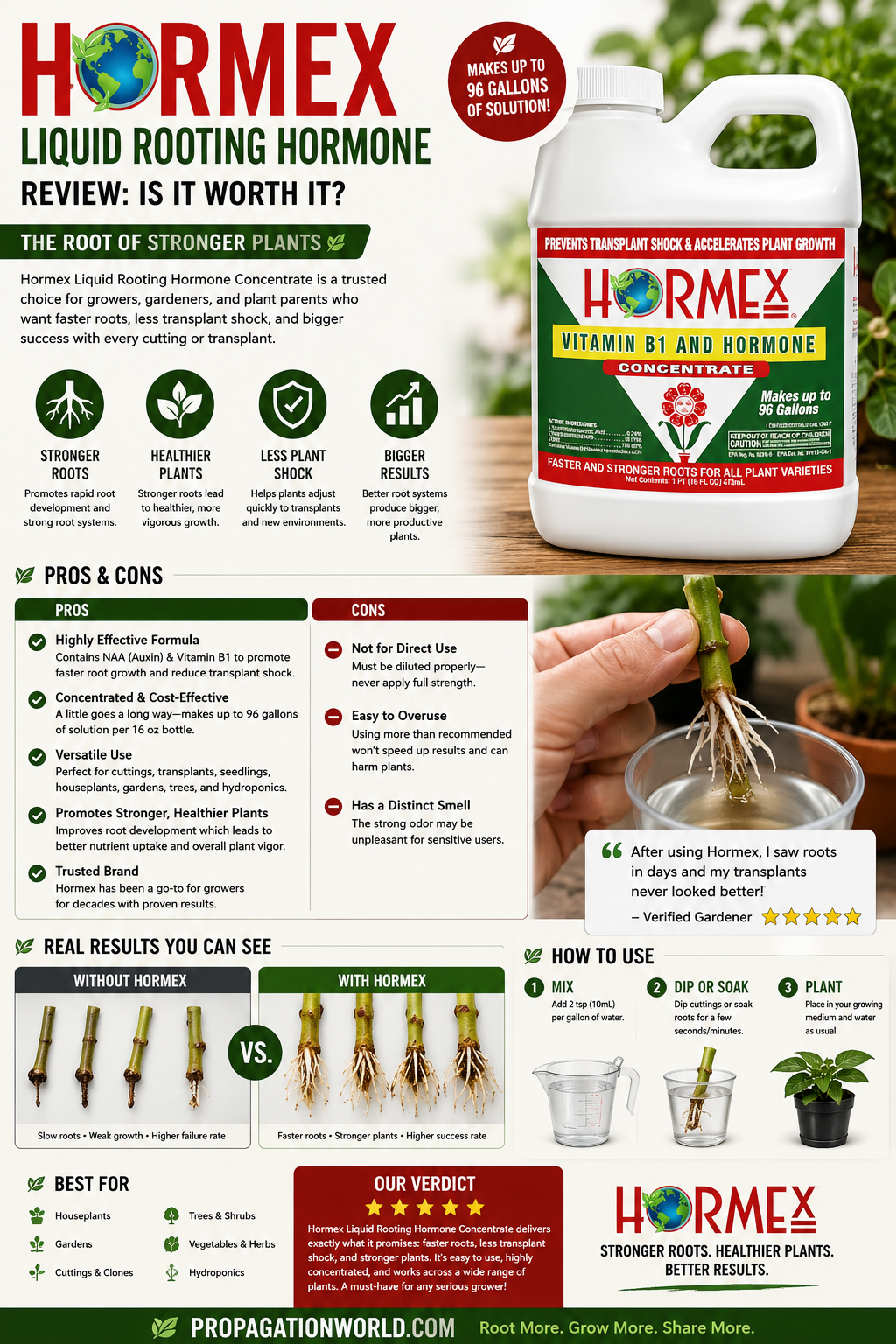
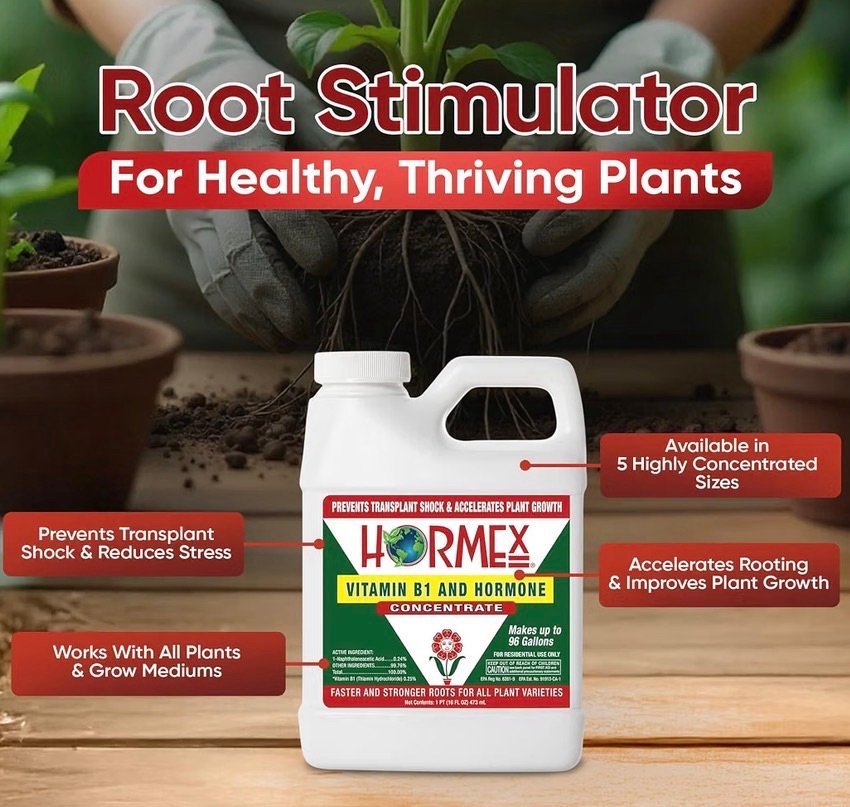
One product that continues to stand out is Hormex Liquid Rooting Hormone Concentrate with Vitamin B1. It’s designed for propagation, transplanting, hydroponics, and many other gardening applications, making it one of the most versatile rooting products I’ve researched.
So is it worth paying more than a traditional powder or gel?
I think it depends entirely on how you garden.
My Quick Answer
If you only root a handful of houseplant cuttings every year, this product is probably more than you need.
But if you regularly propagate plants, transplant shrubs, start fruit trees, grow nursery stock, or maintain a hydroponic system, I think Hormex Liquid Rooting Hormone Concentrate is one of the best long-term values available.
The bottle costs more upfront.
But because it’s a concentrate, you’re only using small amounts at a time.
For many gardeners, one bottle can last for years.
If you’d like to see the current price, you can check today’s price for Hormex Liquid Rooting Hormone Concentrate on Amazon.

What Makes Liquid Rooting Hormone Different?
At first glance, liquid rooting hormone might not seem much different from powder or gel.
All three are designed to encourage root development.
The difference is how they’re used.
Rooting powder is designed to coat freshly cut stems.
Rooting gel does the same thing while sticking more securely to the cutting.
Liquid concentrates can certainly be used for propagation, but that’s only one part of what they do.
Depending on how they’re diluted, they can also be used for:
- Propagating cuttings
- Reducing transplant shock
- Bare-root trees and shrubs
- Houseplants
- Hydroponic systems
- Aeroponic systems
- Container gardens
- Nursery production
That’s a level of flexibility powders and gels simply don’t offer.
Why Commercial Growers Like Concentrates
When you’re propagating plants every day, convenience starts to matter just as much as performance.
A concentrated liquid allows you to mix exactly the amount you need for the job.
Instead of buying separate products for propagation and transplanting, many growers simply keep one bottle on the shelf.
Over time, that can simplify the entire process.
It’s also economical.
Although the purchase price is higher, concentrates typically produce many gallons of usable solution.
Spread over hundreds of cuttings or transplant jobs, the cost per plant becomes surprisingly low.
That’s one reason professional nurseries continue using liquid rooting hormones year after year.
One Bottle Goes Much Further Than You Might Expect
One thing I don’t think many first-time buyers realize is just how concentrated this product actually is.
When you first see the price, it can seem expensive compared to a small container of rooting powder.
But you’re not buying a ready-to-use solution.
You’re buying a concentrate.
That means you’re mixing small amounts with water depending on what you’re trying to accomplish.
Whether you’re rooting cuttings or helping newly transplanted shrubs establish faster, a little goes a surprisingly long way.
For gardeners who propagate regularly, that makes the higher upfront cost much easier to justify.
The Addition of Vitamin B1
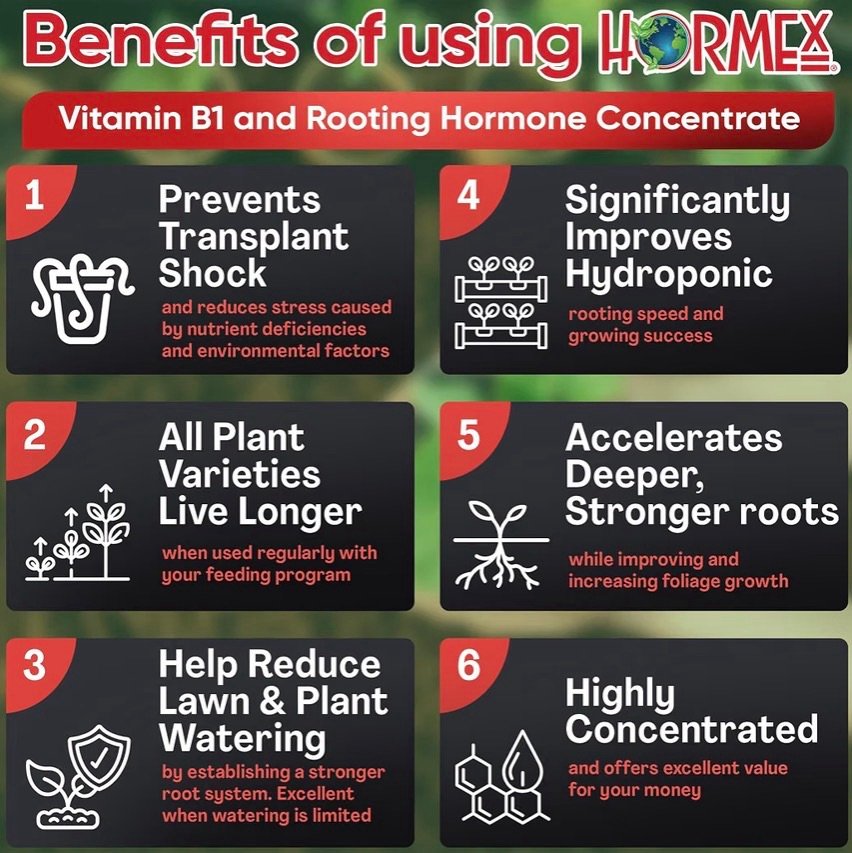
One feature that separates this product from many rooting hormones is the addition of Vitamin B1.
Gardeners have long used Vitamin B1 products during transplanting because they’re believed to help plants recover from stress.
While rooting hormone remains the primary feature, the added Vitamin B1 makes this feel more like an all-purpose root stimulant than simply a propagation product.
That’s another reason many gardeners continue using it long after their cuttings have rooted.
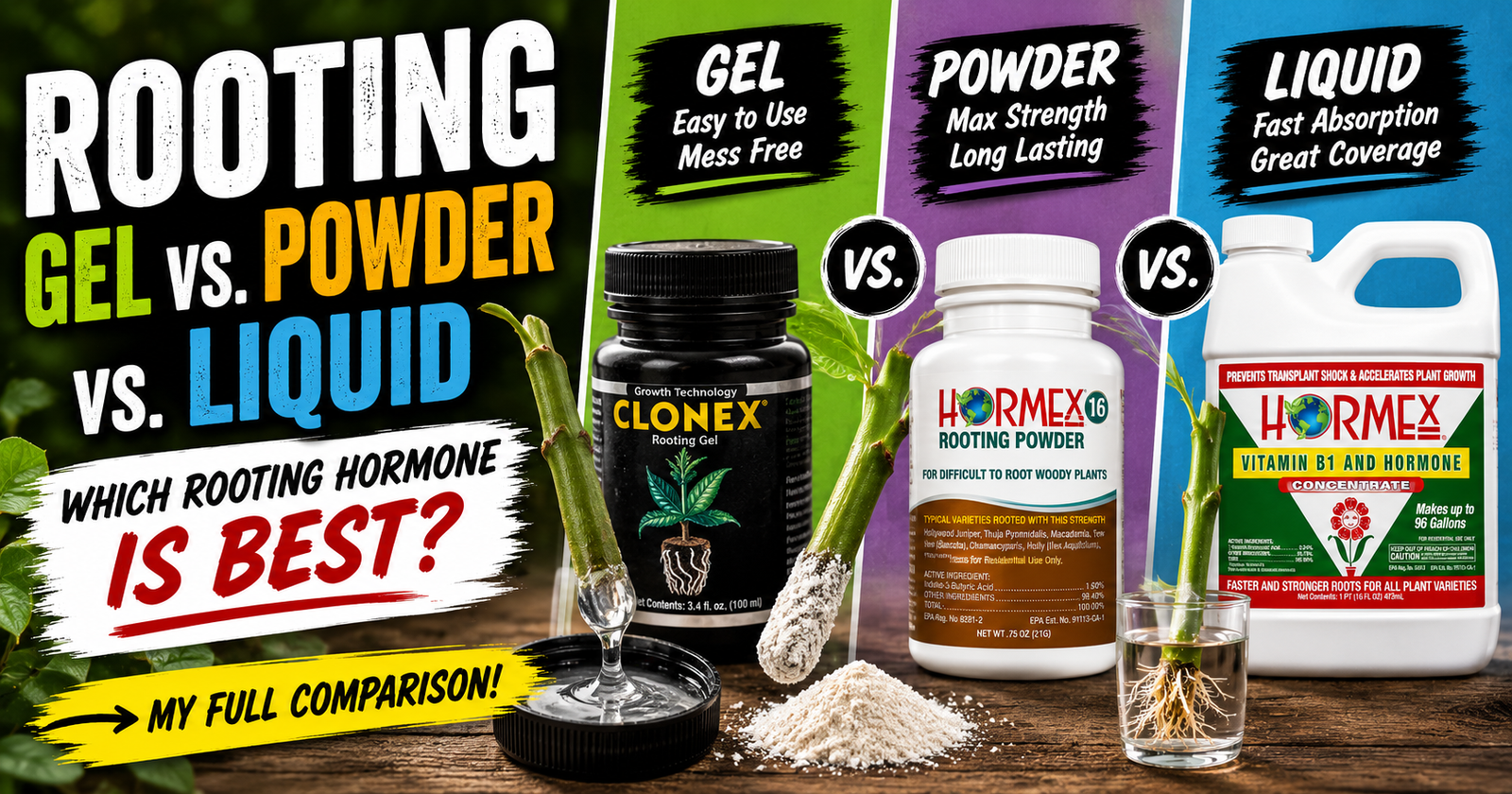
If you’re still trying to decide whether a liquid, gel, or powder makes the most sense for your propagation projects, I recommend reading Rooting Gel vs. Powder vs. Liquid Which Rooting Hormone Is Best? before making your decision.
Where I Think This Product Really Shines
Every rooting hormone has situations where it performs best.
For Hormex Liquid Concentrate, I think those situations include:
- Large propagation projects
- Rooting hardwood cuttings
- Fruit tree propagation
- Shrub production
- Bare-root tree planting
- Transplanting nursery stock
- Hydroponic growing
- Serious home gardeners who propagate throughout the year
If you’re constantly working with plants, you’ll likely appreciate how many different jobs one bottle can handle.
When I Probably Wouldn’t Buy It
As much as I like the versatility, I don’t think this product is the right choice for everyone.
If your entire propagation routine consists of rooting a pothos cutting in a glass of water once or twice a year, you’re unlikely to get your money’s worth.
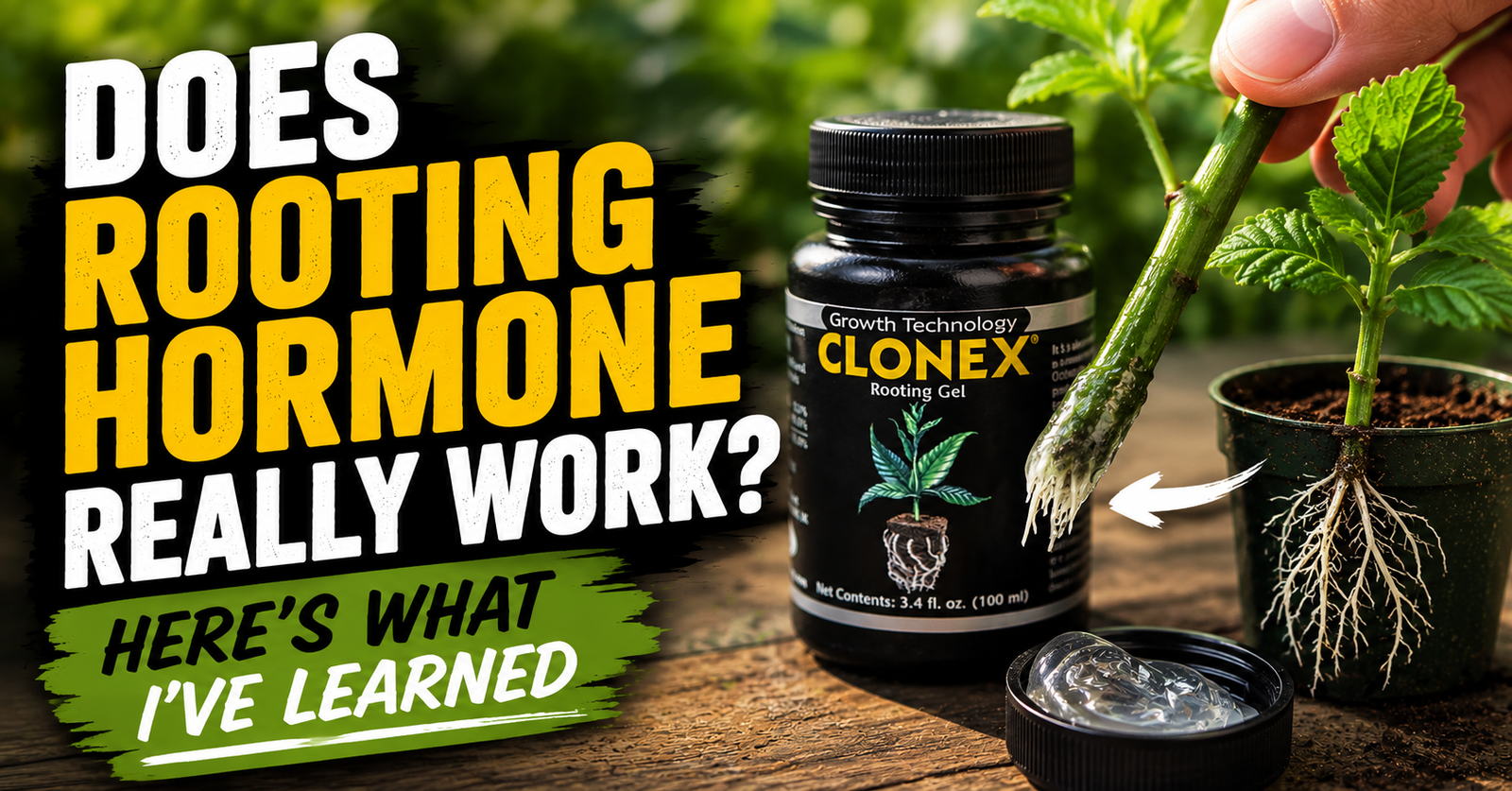
A simple rooting powder—or even no rooting hormone at all—may be perfectly adequate for easy-to-root plants. A practical guide to when plants need rooting hormone can clarify when a stronger product is unnecessary.
That’s one reason I don’t automatically recommend the most expensive product.
The best rooting hormone is the one that matches how you actually garden.
How It Compares to Powder and Gel
People often ask which type of rooting hormone is “best.”
I don’t think there’s a universal answer.
Each one has strengths.
Powder is affordable and stores exceptionally well.
Gel stays attached to the cutting during planting.
Liquid concentrate offers the greatest flexibility because it can be used for much more than propagation alone.
If your main goal is simply rooting a few cuttings, either powder or gel may be all you need.
If you’re caring for plants year-round and regularly transplanting, propagating, and maintaining a collection, liquid concentrate becomes much more attractive.
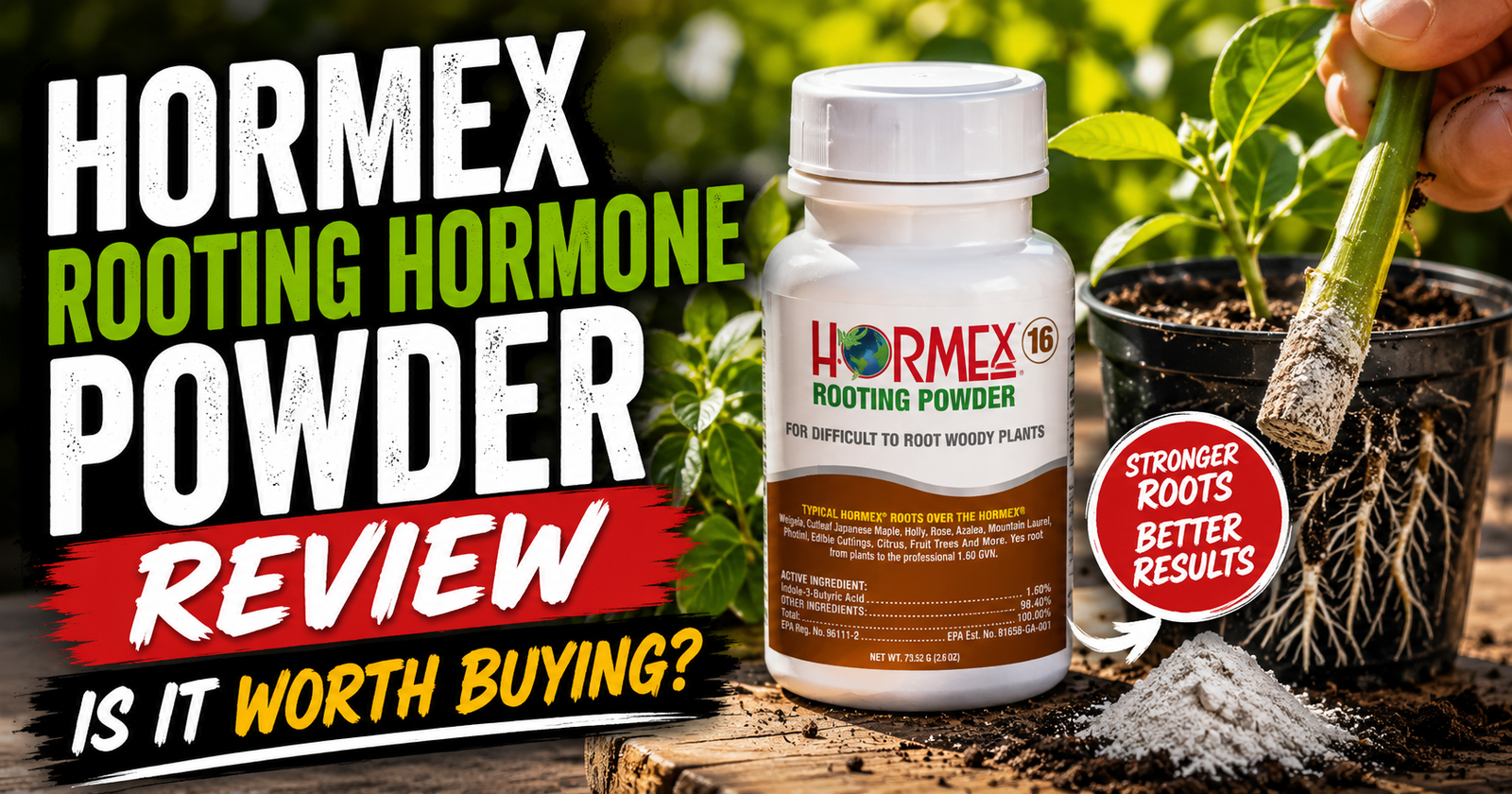
If you’re curious about the other options, I’ve also reviewed Hormex Rooting Hormone Powder and Clonex Rooting Gel so you can see where each product fits best.
How I Would Use Hormex Liquid Rooting Hormone
One thing I really like about this product is that it isn’t limited to one type of gardening.
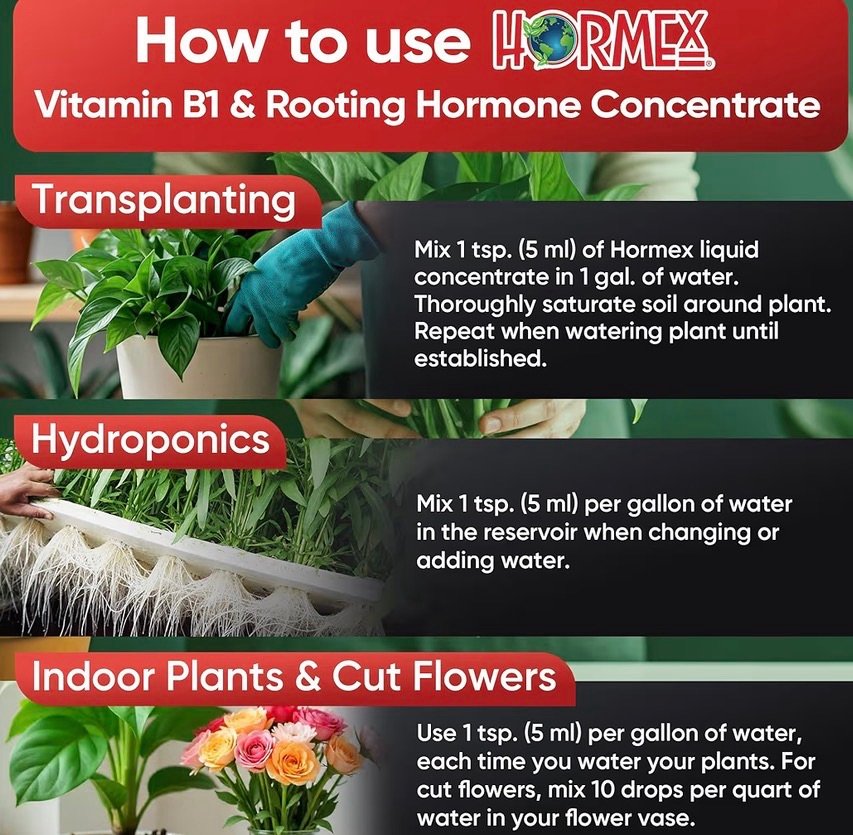
The exact mixing ratio depends on what you’re trying to accomplish, so I always recommend following the directions on the bottle for your specific application.
Generally speaking, I would use it for:
- Rooting plant cuttings
- Transplanting trees and shrubs
- Newly planted perennials
- Houseplants after repotting
- Hydroponic growing
- Bare-root plants before planting
That’s a lot of versatility from a single bottle.
Instead of buying separate products for every job, you have one concentrate that can be mixed for multiple purposes.
Does Stronger Always Mean Better?
Since this is a concentrated product, it’s easy to assume stronger must mean better.
That’s actually one of the biggest mistakes gardeners make.
Plants respond best to the proper concentration—not necessarily the highest one.
Using more rooting hormone than recommended won’t magically create more roots.
In some cases, excessive concentrations can actually reduce rooting success.
That’s why I always suggest mixing only as directed for the type of plant or project you’re working on.
The goal isn’t using the most rooting hormone.
The goal is using the right amount.
Who Gets the Most Value From It?
After researching this product, I think there are certain gardeners who will get far more value from it than others.
Small Home Gardeners
If you only propagate a handful of plants each year, this concentrate is probably more than you need.
A rooting powder or gel will likely accomplish everything you’re after while costing less upfront.
Serious Plant Collectors
Once you start propagating dozens of plants every season, the value starts becoming much more obvious.
Since the concentrate lasts so long, the cost per use becomes surprisingly low.
Nursery Growers
This is where I think Hormex Liquid really shines.
If you’re rooting cuttings every week, transplanting shrubs, potting up trees, or managing greenhouse production, having one concentrated product that serves multiple purposes simply makes sense.
The higher purchase price is spread across hundreds—or even thousands—of plants.
Hydroponic Gardeners
Not every rooting hormone is intended for hydroponic growing.
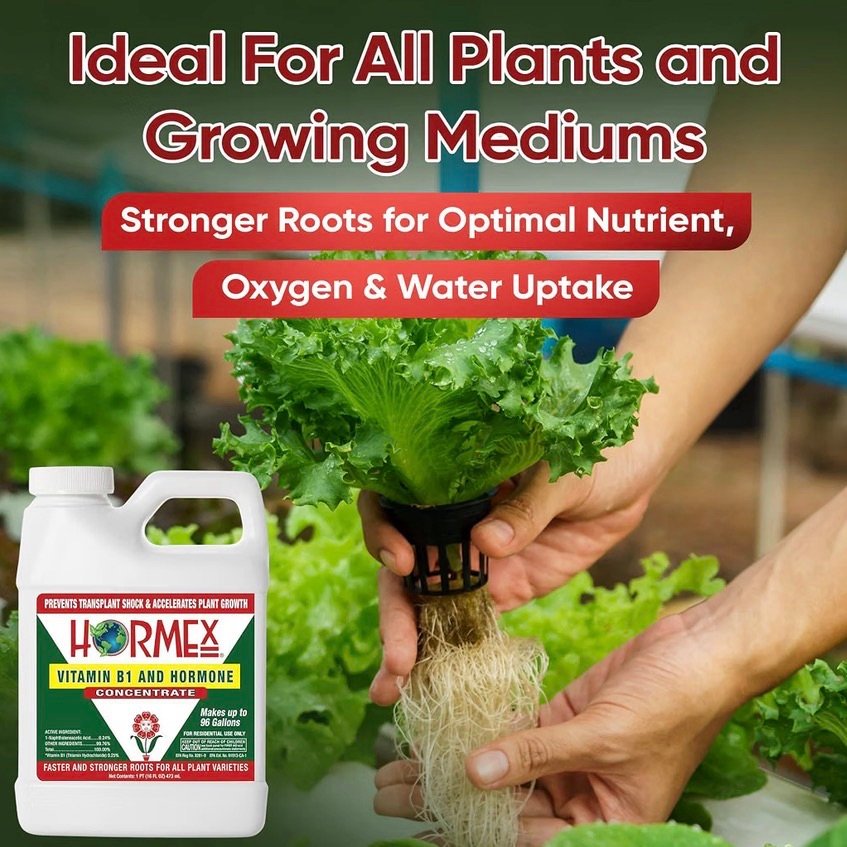
One reason this product stands out is that it can be incorporated into hydroponic propagation and transplant routines when mixed according to the label directions.
That makes it useful beyond traditional soil-based gardening.
My Favorite Thing About This Product
Oddly enough, it isn’t the rooting hormone itself.
It’s the versatility.
Most gardening products solve one problem.
This one solves several.
Instead of having separate bottles for propagation, transplanting, and root stimulation, you have one concentrate that can be adapted to different situations throughout the growing season.
For gardeners who are constantly working with plants, that’s incredibly convenient.
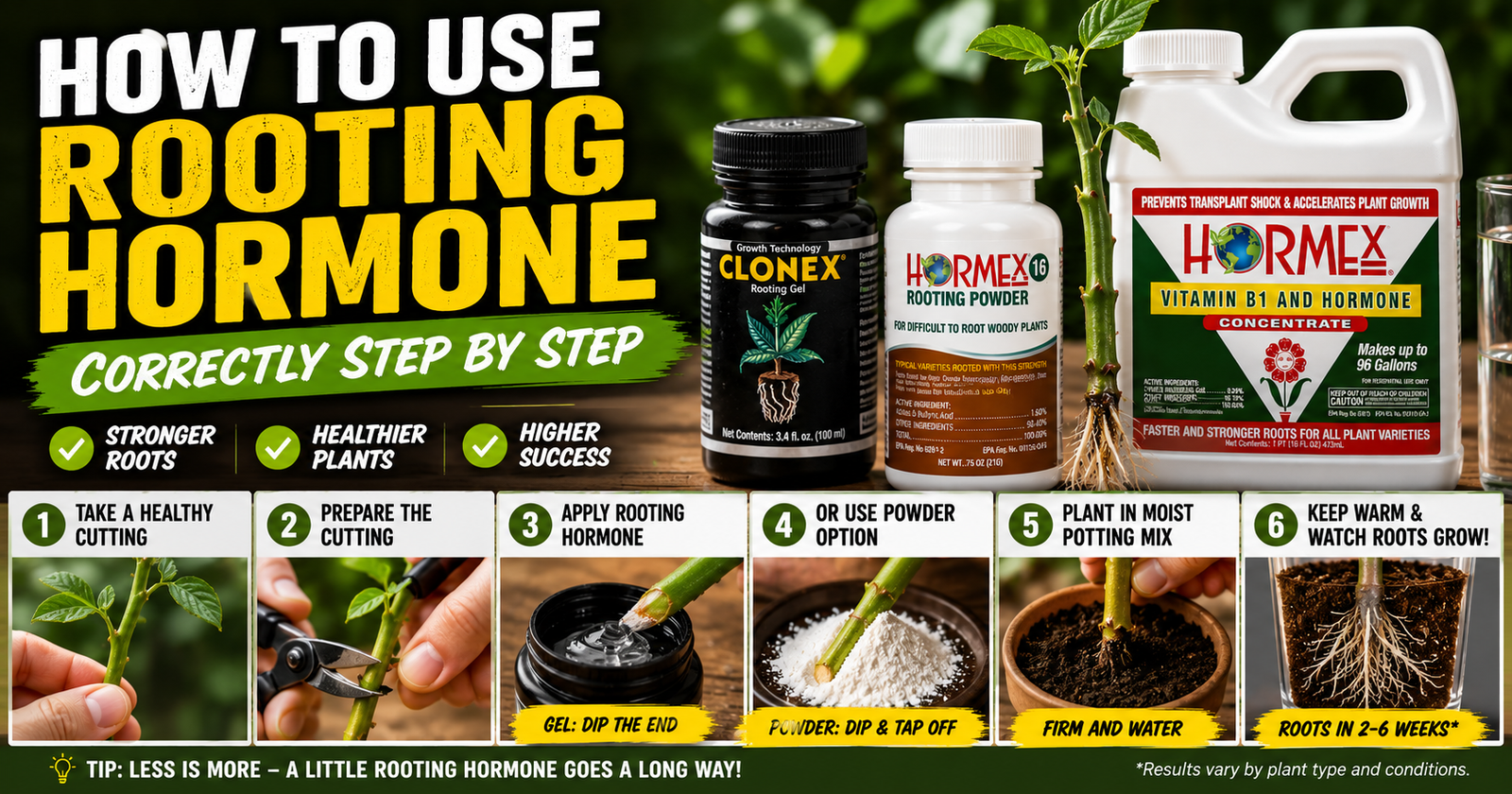
If you’re new to propagation, my guide on How to Use Rooting Hormone Correctly Step by Step covers the basic process from start to finish.
The Biggest Drawback
The biggest downside isn’t performance.
It’s the initial price.
If you’ve never used a concentrate before, seeing the price tag can cause a little sticker shock.
But I think it’s important to look beyond the purchase price.
Because the product is diluted before use for many applications, one bottle can last an incredibly long time.
When you divide the cost across months—or even years—of gardening, it becomes much easier to justify.
Still, if you only propagate occasionally, there’s no shame in choosing a simpler rooting powder or gel instead.
Buy the product that matches how often you’ll actually use it.
Using Hormex Liquid With an Aeroponic Cloner
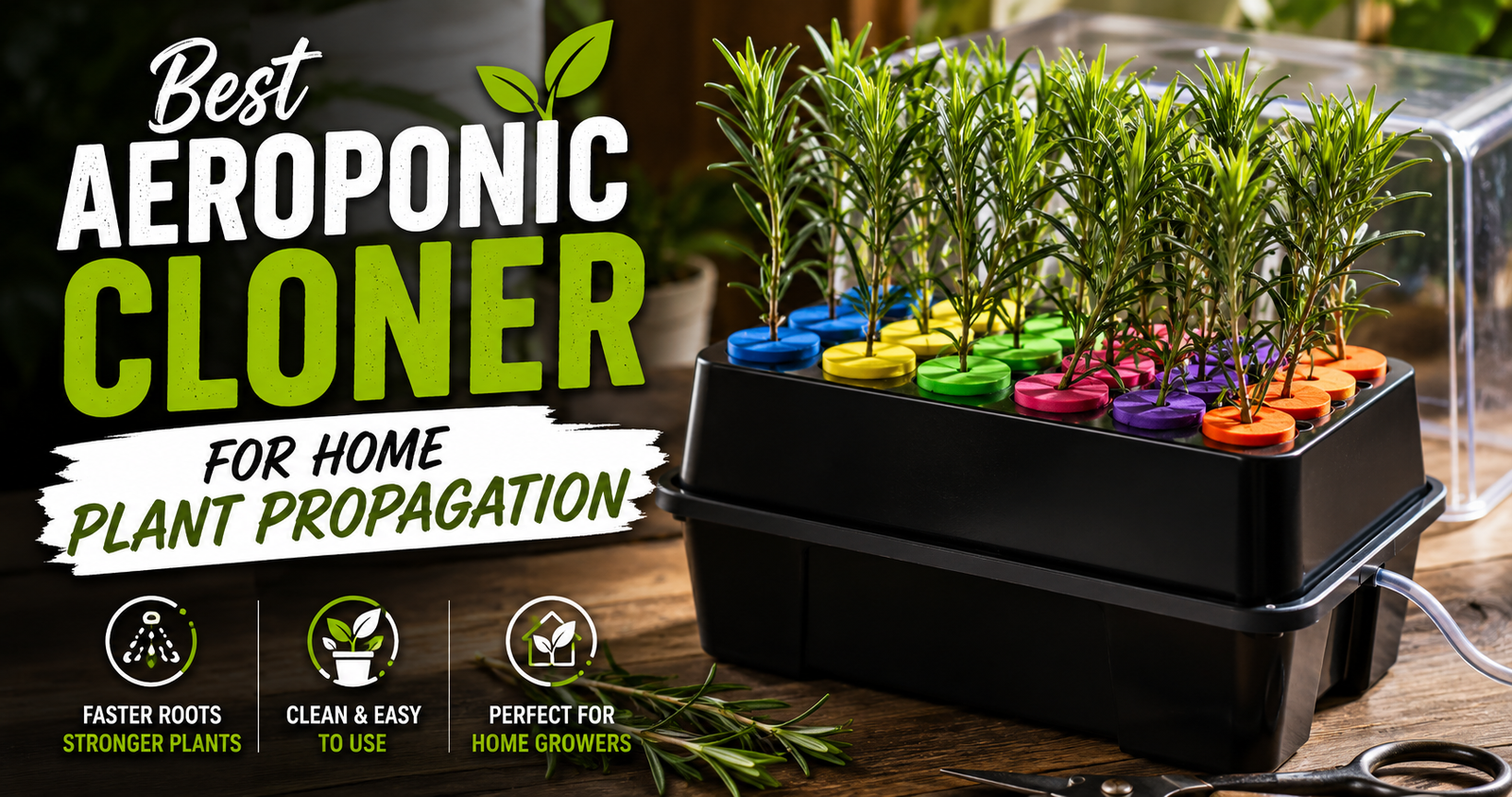
One of the advantages of Hormex Liquid Rooting Hormone is how easy it is to incorporate into an aeroponic propagation setup. After treating your cuttings according to the product directions, they can be placed directly into an Aeroponic Cloner, where the stems receive a continuous supply of moisture and oxygen while they begin developing roots. It’s a simple combination that works well for everything from houseplants to shrubs and many woody ornamentals.
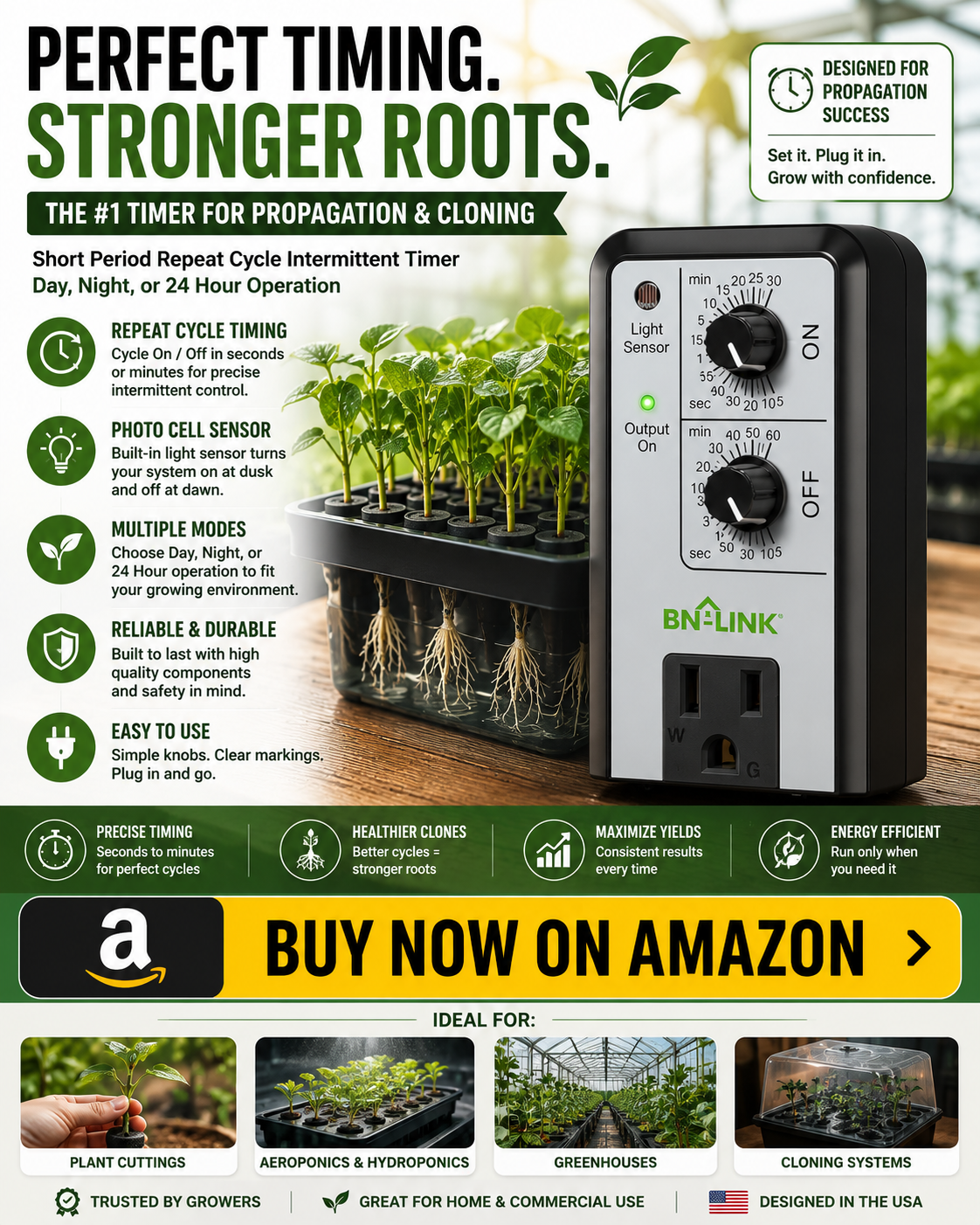
To make your setup even more versatile, I recommend pairing your cloner with the BN-LINK Short Period Repeat Cycle Timer. Rather than running the pump nonstop, a repeat cycle timer lets you test different spray intervals to see what works best for your plants and growing environment.
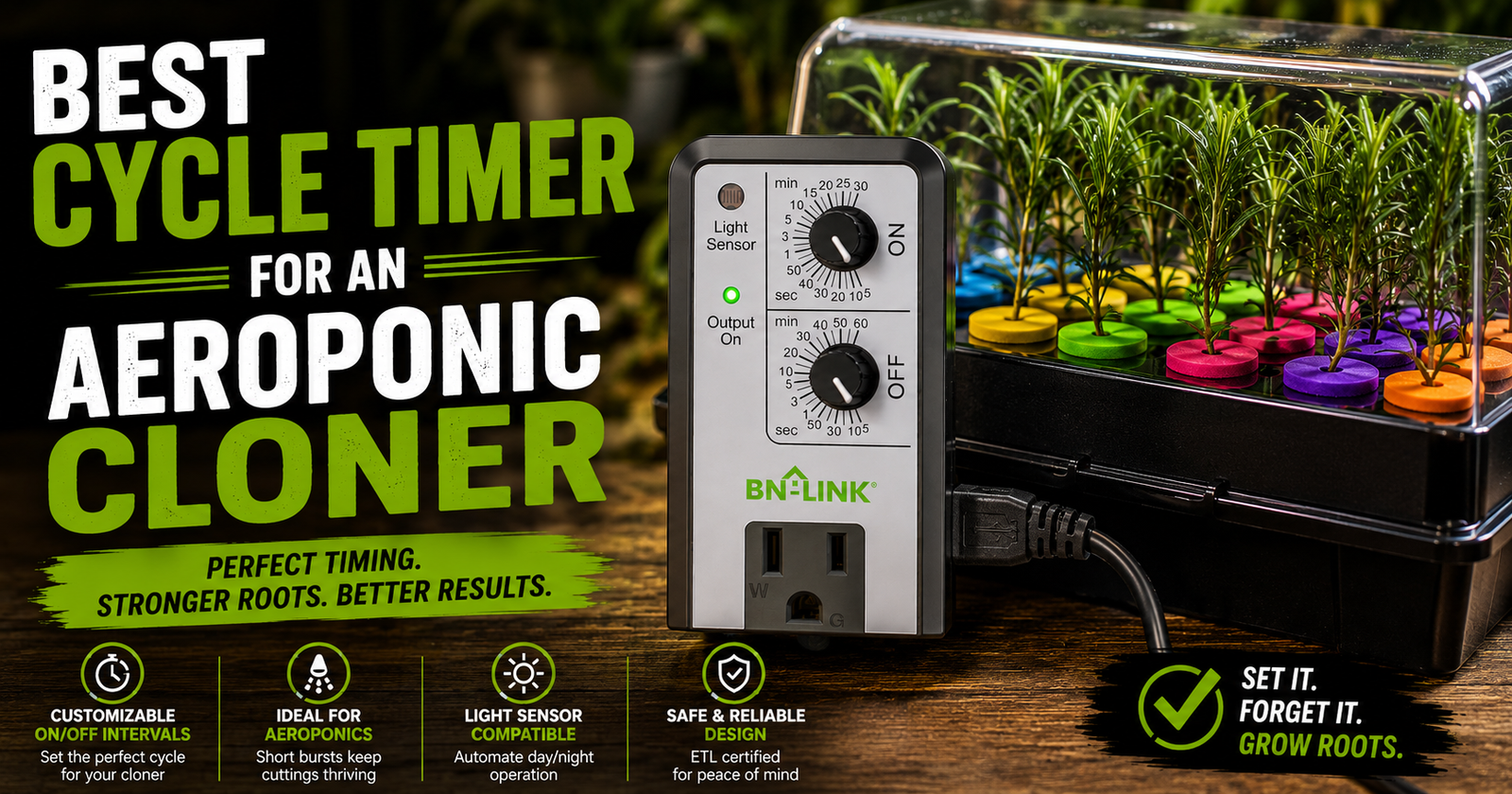
If you’d like to learn more about choosing timer settings and why I recommend this particular model, read my guide on the Best Cycle Timer for an Aeroponic Cloner.
Frequently Asked Questions
Can Hormex Liquid be used on cuttings?
Yes. That’s one of its primary purposes. It can be used during the propagation process when mixed according to the product directions.
Can it help reduce transplant shock?
Many gardeners use it when transplanting trees, shrubs, flowers, and houseplants because it’s formulated for both rooting and transplant applications.
Is one bottle really enough to last a long time?
For most home gardeners, yes.
Because it’s a concentrate, you’re using relatively small amounts compared to ready-to-use products.
If you only garden seasonally, one bottle may last much longer than you expect.
Is it better than rooting powder?
Not necessarily.
Rooting powder is less expensive and extremely simple to use.
Liquid concentrate offers much greater flexibility for gardeners who regularly propagate and transplant plants.
The better choice depends on how you garden.
Can liquid rooting hormone go bad?
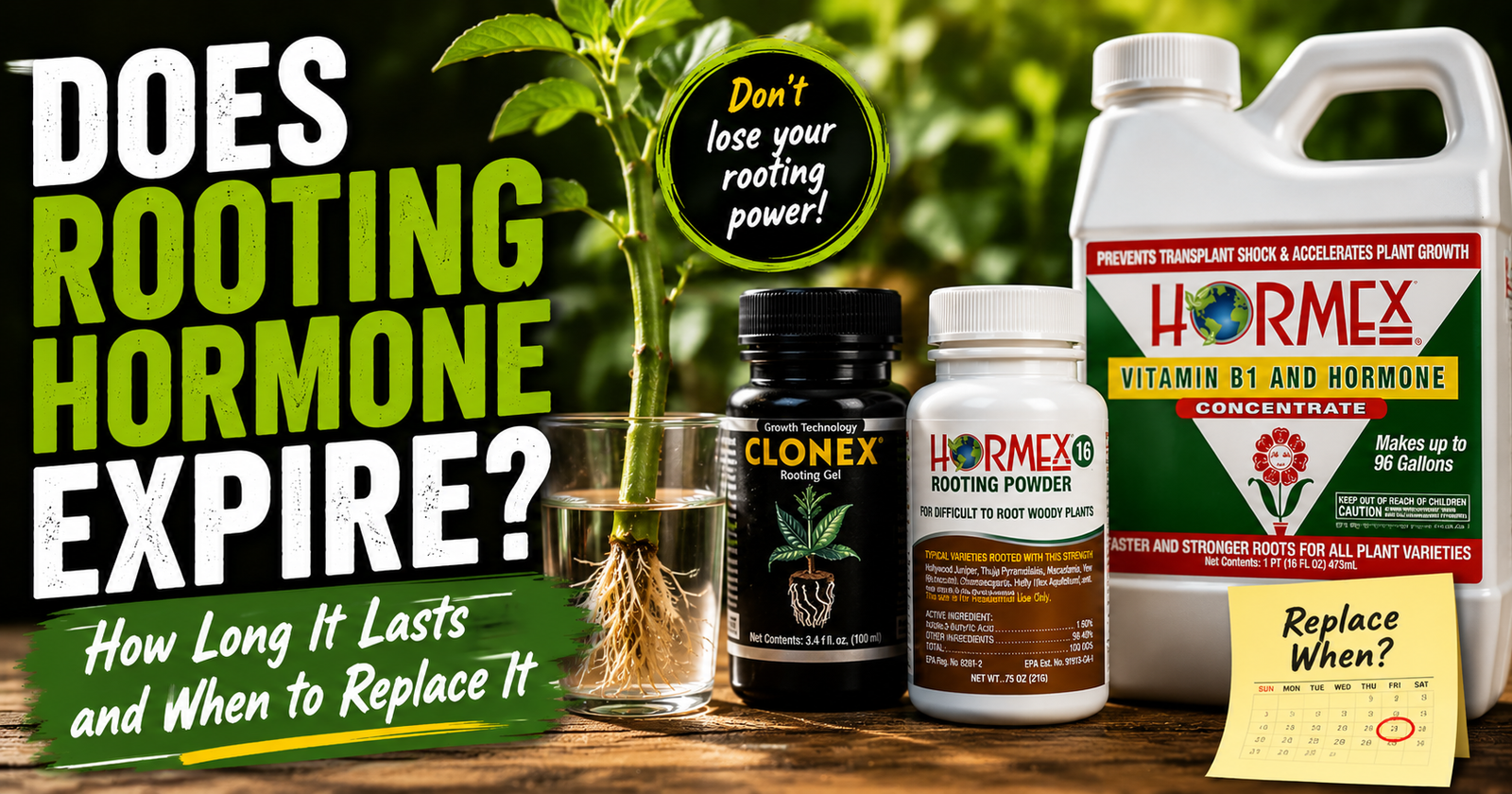
Yes. Like any rooting hormone, liquid products have a shelf life and should be stored according to the manufacturer’s recommendations. If you’re unsure whether an older bottle is still usable, read Does Rooting Hormone Expire? How Long It Lasts and When to Replace It
Is It Worth Buying?
I think Hormex Liquid Rooting Hormone Concentrate fills a different role than most rooting products.
It’s not just something you buy for one afternoon of taking cuttings.
It’s a product that can stay on your shelf and become part of your regular gardening routine.
If you’re serious about propagation, frequently transplant trees and shrubs, or simply enjoy growing a wide variety of plants, I think the higher upfront cost is easy to justify because one bottle lasts such a long time.
For gardeners who only propagate once in a while, you may be happier saving some money with a traditional powder or gel.
But if versatility matters to you, this is one of the most capable rooting products I’ve researched.
If you’d like to add it to your propagation supplies, you can check today’s price for Hormex Liquid Rooting Hormone Concentrate on Amazon.
About the Author
Dax Weaver is the founder of Propagation World and has spent years propagating thousands of plants at his family nursery. His hands-on experience includes rooting softwood and hardwood cuttings, grafting fruit trees, dividing perennials, growing plants from seed, and producing healthy nursery stock across a wide variety of species. Through Propagation World, he shares practical propagation techniques, honest product reviews, and real-world gardening advice to help others achieve better propagation success.