When I first started propagating plants, I thought watering was the biggest challenge.
It wasn’t.
Keeping the cuttings alive long enough to grow roots was.
Fresh cuttings don’t have roots yet.
That means they can’t replace the moisture they’re constantly losing through their leaves.
Even if the rooting medium is perfectly moist, the cutting can still slowly dry out because it simply can’t absorb enough water.
That’s where a humidity dome completely changes the game.
Instead of allowing moisture to escape into the surrounding air, a humidity dome traps humidity around the cuttings.
The leaves lose far less moisture.
The stems stay healthier.
The cuttings experience less stress while they focus on producing new roots.
After propagating thousands of cuttings over the years, I honestly consider a humidity dome one of the most valuable propagation tools you can own.
For many plants, it makes the difference between struggling cuttings and consistently healthy ones.
The Short Answer
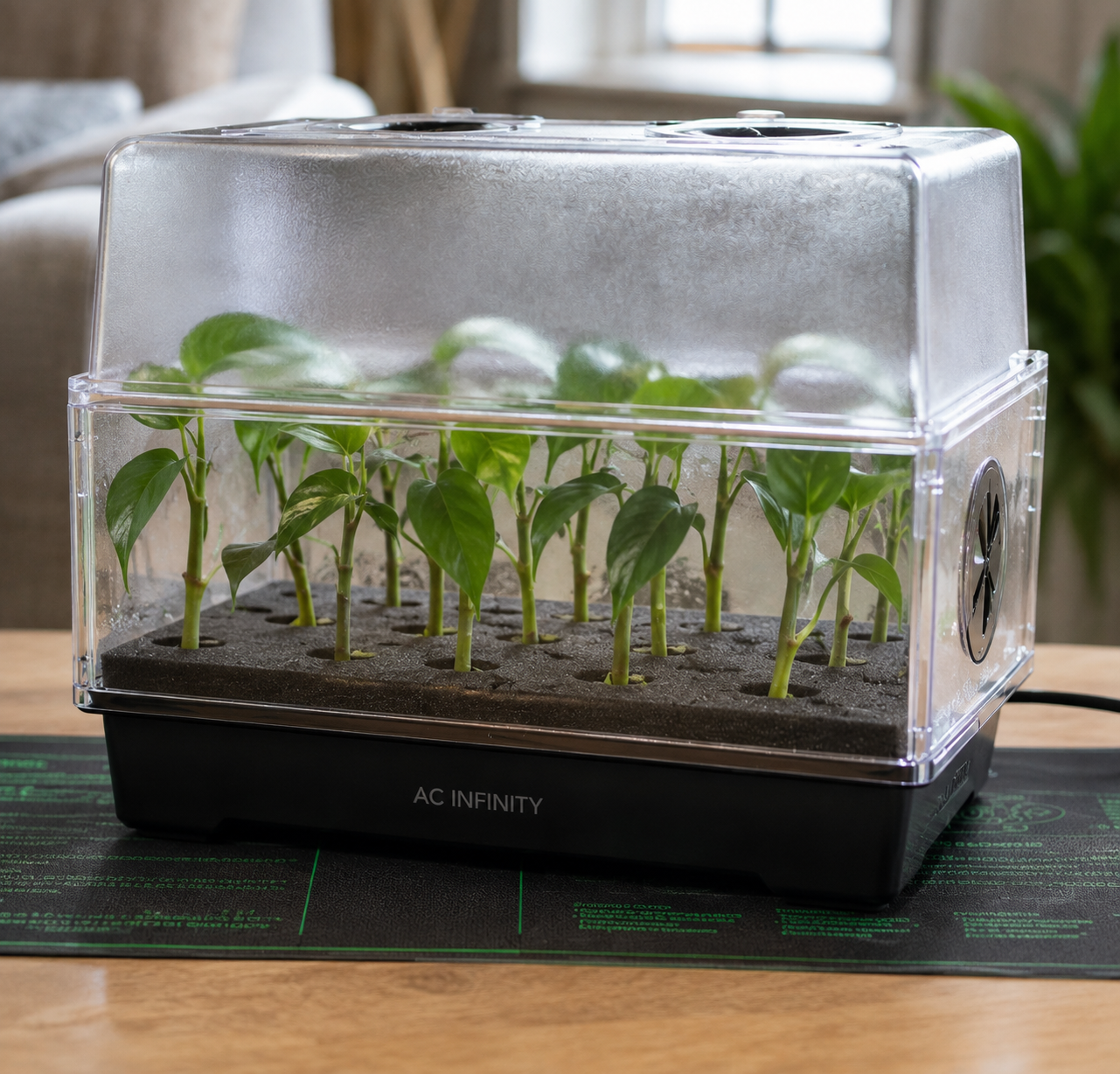
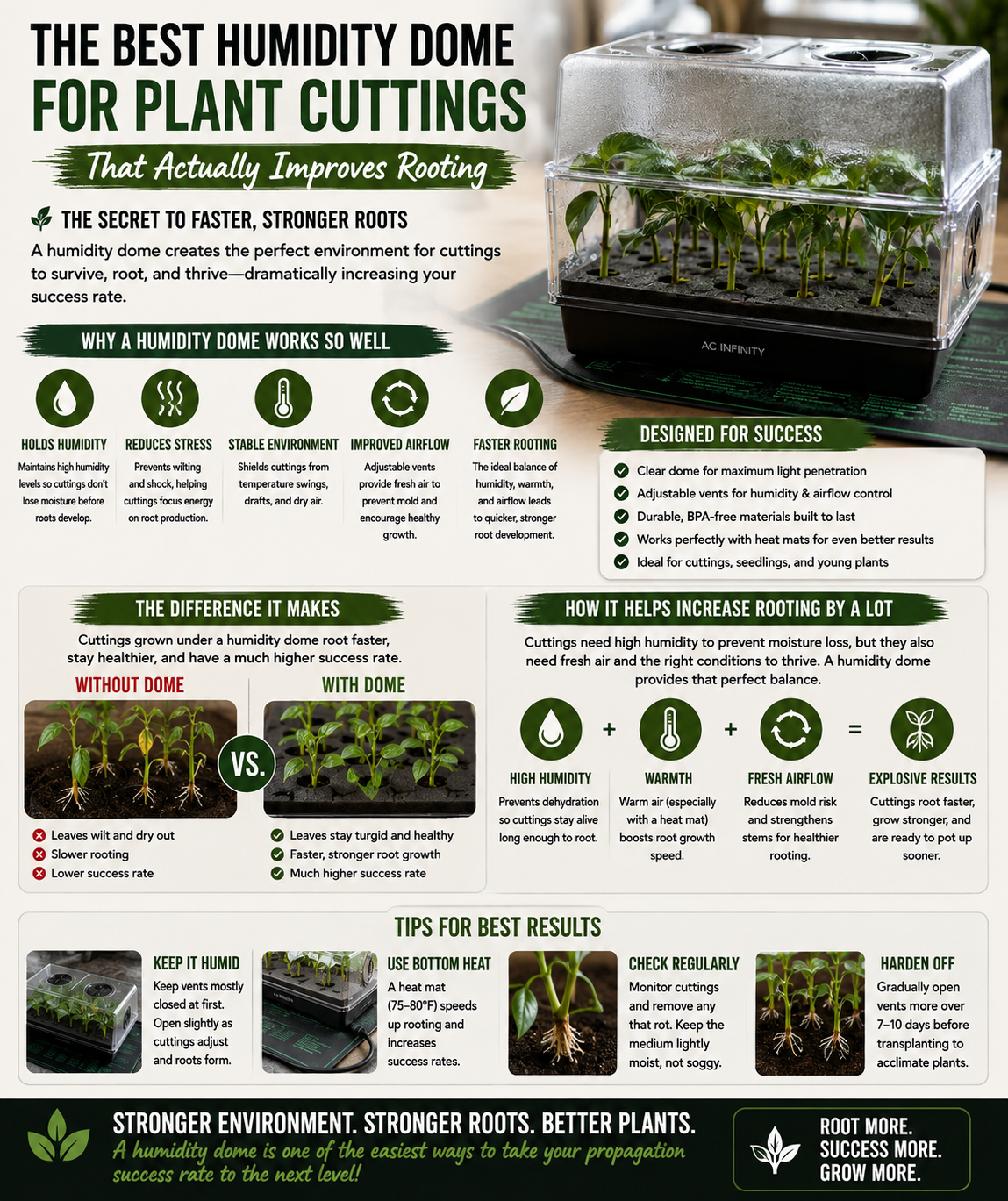
A humidity dome helps plant cuttings retain moisture by surrounding them with humid air while they develop roots. This reduces stress, slows dehydration, and often improves rooting success, especially with woody shrubs, fruit plants, and other slower-rooting species. The practical question is knowing when a humidity dome is necessary for your particular cuttings and growing conditions.
My Favorite Humidity Dome
After using several different propagation trays over the years, one system stands out above the rest.
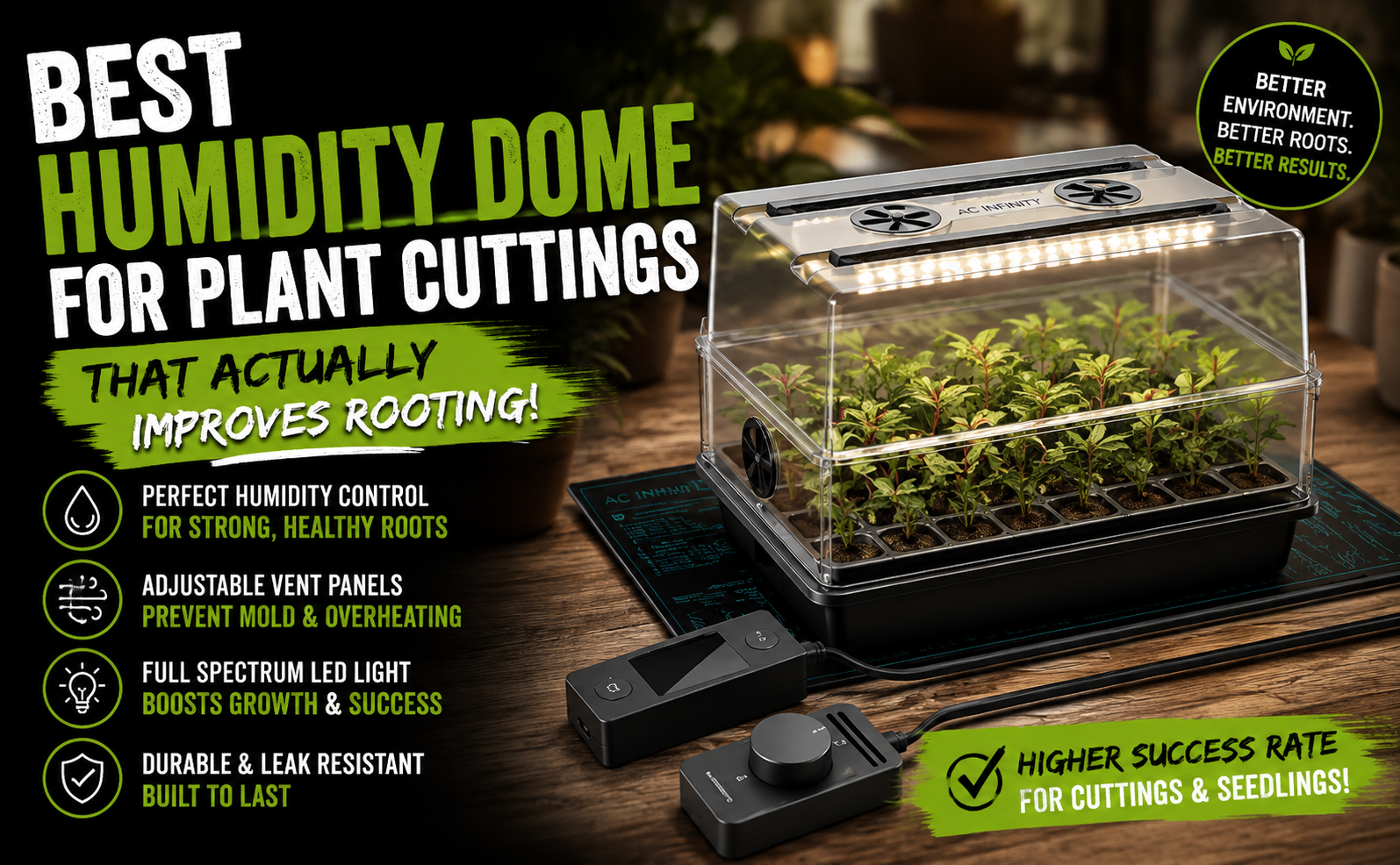
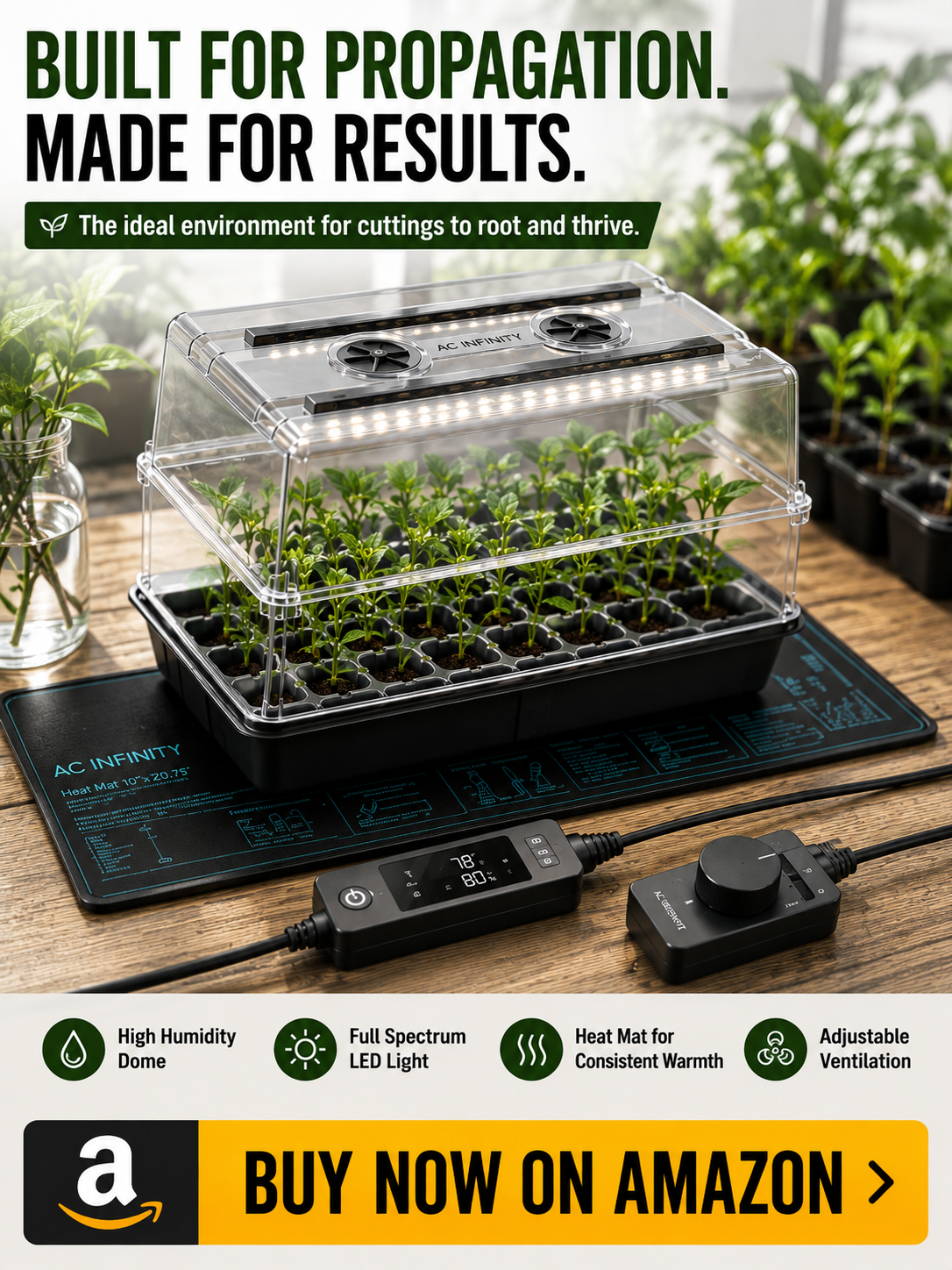
The AC Infinity Heavy-Duty Humidity Dome Germination Kit.
Calling it “just” a humidity dome honestly doesn’t do it justice.
It’s really a complete propagation system.
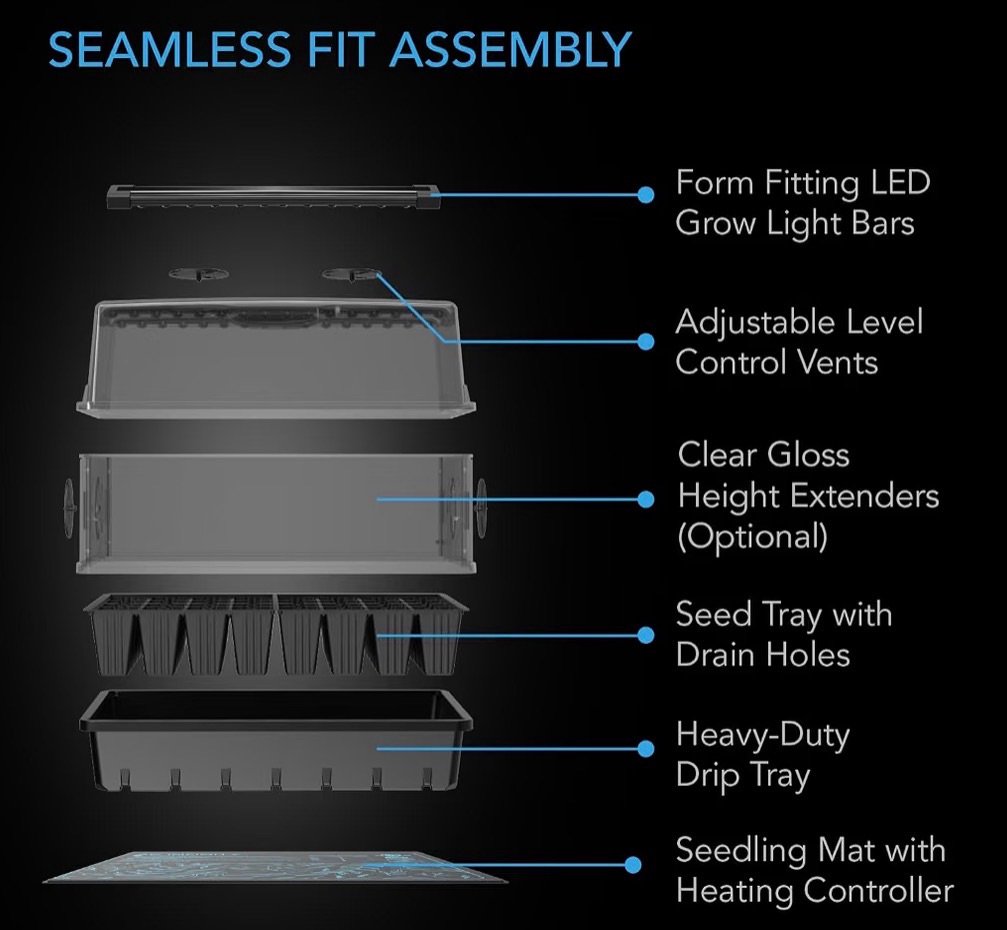
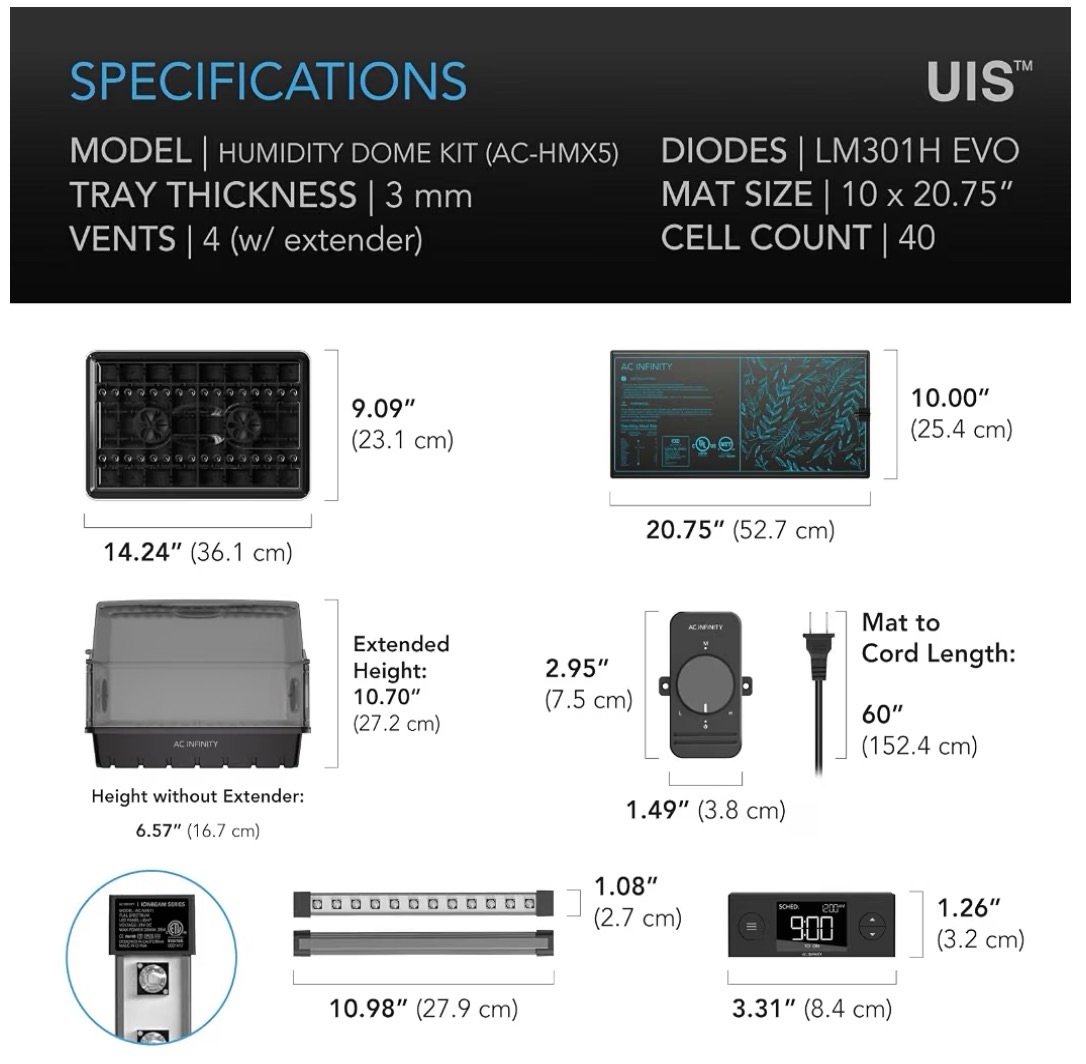
Along with the heavy-duty humidity dome, it includes a quality heat mat, full-spectrum Samsung LM301H EVO LED grow lights, adjustable ventilation panels, propagation trays, and a waterproof base.
Instead of buying each component separately, everything works together right out of the box.
That makes propagation much simpler, especially for gardeners who plan to root plants throughout the year.
It’s become one of my favorite setups for rooting cuttings indoors because I can easily manage humidity, temperature, and lighting from one organized system.
See the Humidity Dome System I Recommend for Plant Propagation
Why Humidity Matters So Much
People often focus on the roots.
That makes sense because roots are the goal.
But before roots ever appear, the leaves are fighting to stay alive.
Every day, they lose moisture through tiny openings called stomata.
Normally, an established plant replaces that moisture through its roots.
Fresh cuttings don’t have that luxury.
If moisture leaves the foliage faster than the stem can replace it, the cutting begins wilting.
Eventually it becomes too stressed to produce healthy roots.
A humidity dome dramatically slows that moisture loss.
Instead of sitting in dry household air, the cuttings remain surrounded by humid air that allows them to stay hydrated while new roots develop.
I’ve found this especially important with woody shrubs that naturally require more time to root.
Which Plants Benefit the Most?
Although almost any cutting can benefit from higher humidity, I notice the biggest improvements with slower-rooting species.
Some of the plants where I almost always use a humidity dome include:
- Hydrangeas
- Roses
- Blueberries
- Elderberries
- Grapes
- Fig trees
- Gardenias
- Camellias
- Citrus
- Azaleas
- Rosemary
- Lavender
These plants often spend several weeks producing roots.
Maintaining high humidity during that time helps reduce stress while the cutting develops a healthy root system.
I Like Adjustable Air Vents
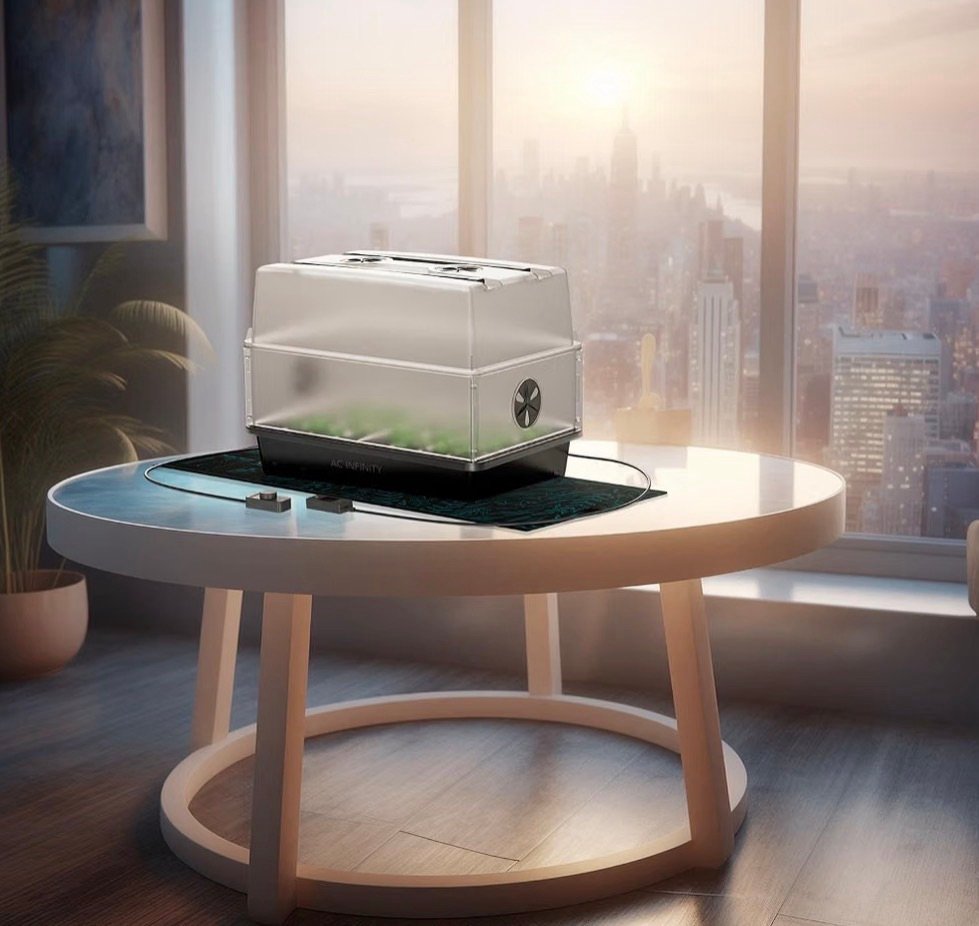
One feature I specifically look for is adjustable ventilation.
Many inexpensive humidity domes are completely sealed.
That works for a while, but eventually fresh air becomes just as important as humidity.
Being able to gradually increase airflow helps harden the cuttings as roots develop while also reducing the chances of mold and fungal growth.
That’s one of the reasons I like the AC Infinity system so much.
The adjustable vents give me much better control instead of forcing me to remove the dome completely all at once.
Pair a Humidity Dome With the Right Propagation Supplies
A humidity dome is one of my favorite propagation tools, but it works even better when it’s part of a complete setup.
Every piece of equipment plays a different role.
The humidity dome keeps moisture around the leaves.
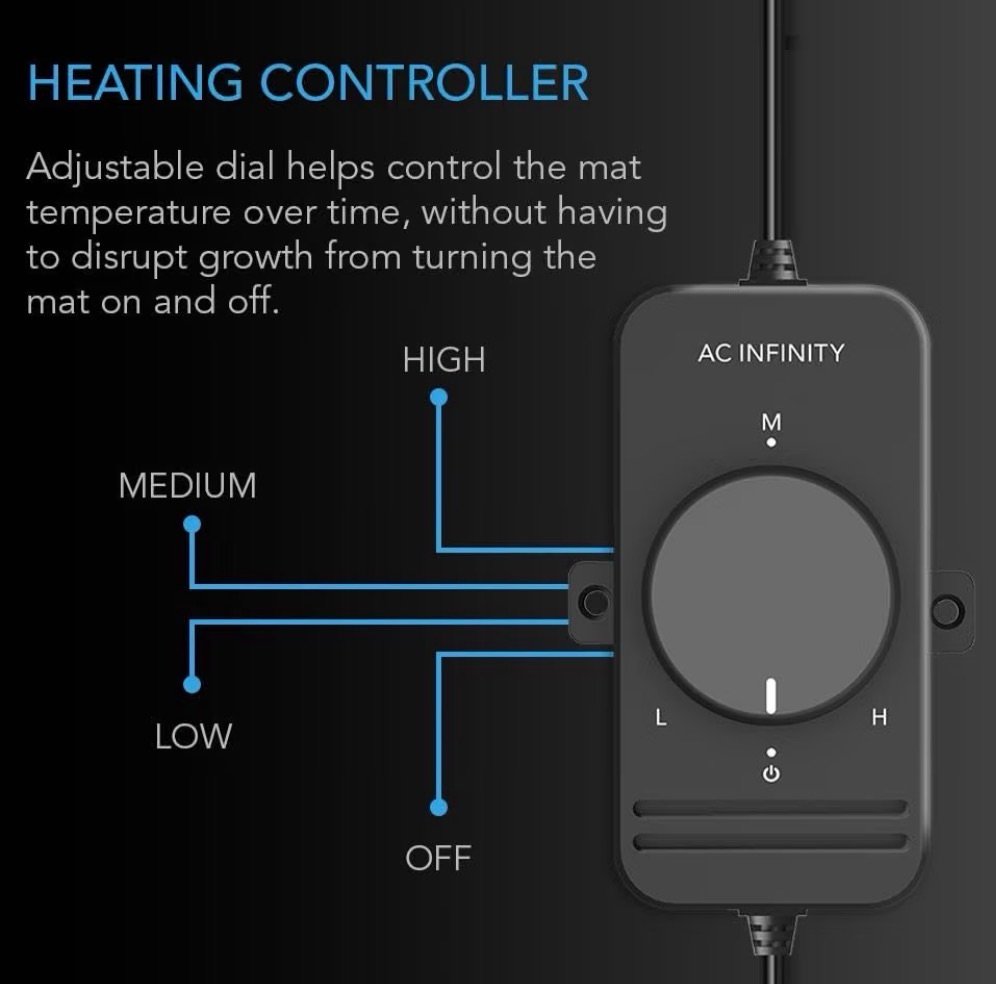
A heat mat keeps the rooting medium at a consistent temperature.
Perlite improves drainage and increases oxygen around developing roots.
Sharp pruning shears make clean cuts that heal more efficiently.
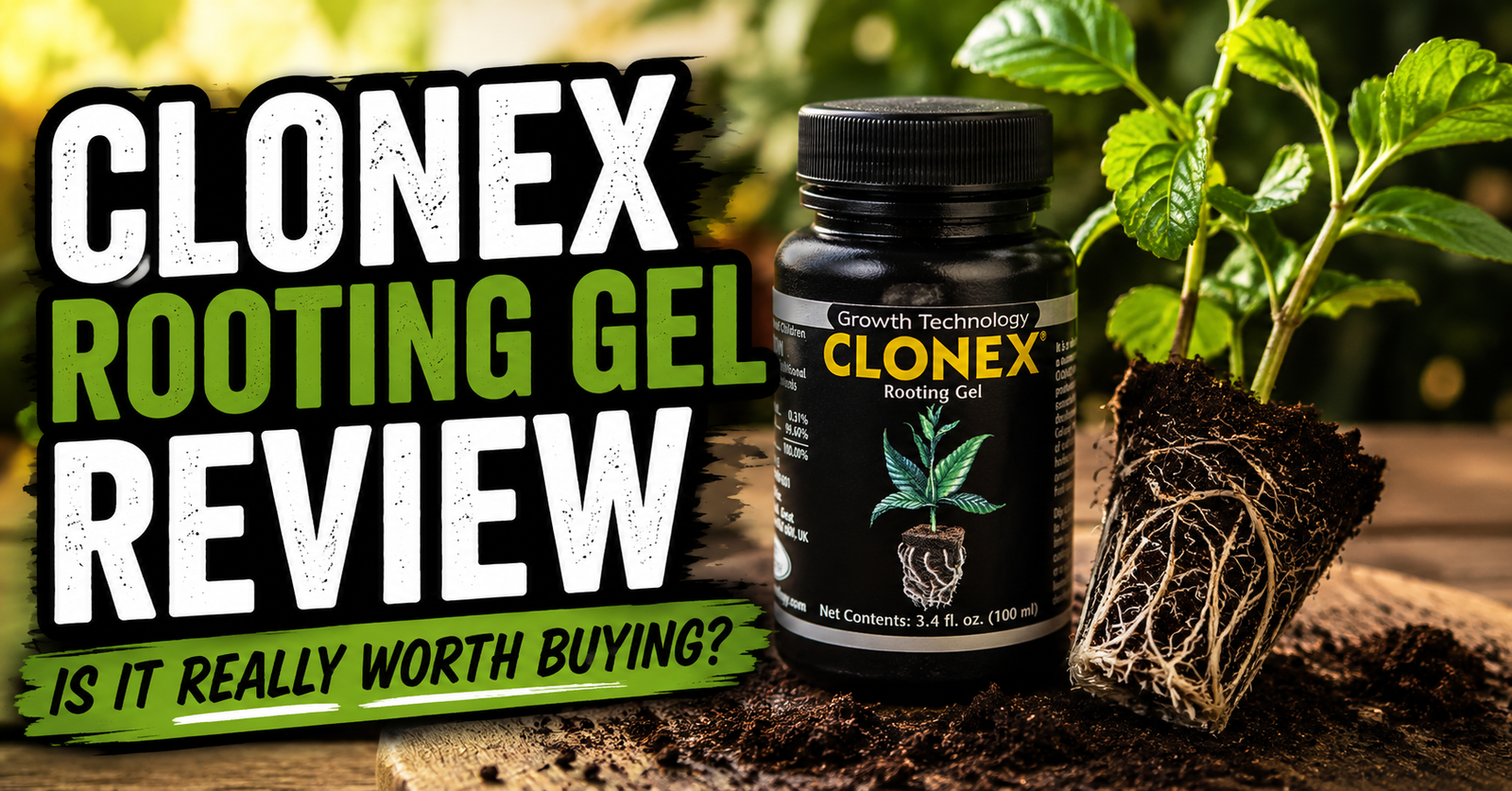
Rooting hormone encourages many difficult plants to develop roots more quickly. If you are considering a gel rather than a powder, gel-based rooting hormone examines how Clonex performs and whether it justifies the cost.
When those pieces work together, propagation becomes much more predictable.
That’s one reason I recommend building your propagation supplies over time instead of buying random tools that don’t work well together.
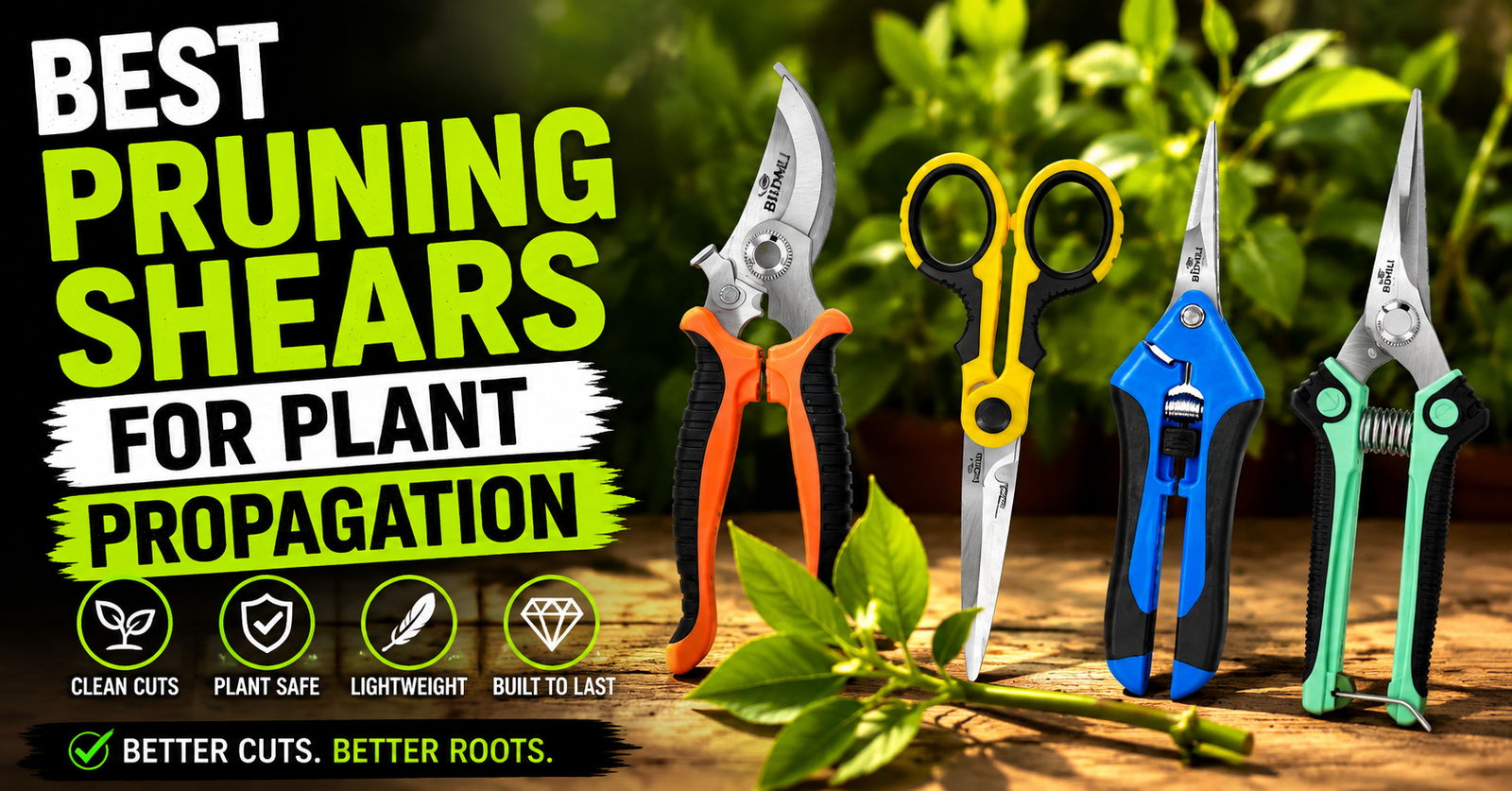
Before taking your next cutting, I’d also recommend looking at the pruning shears I use for plant propagation. Healthy propagation starts with a clean cut.
For woody shrubs and slower-rooting plants, I often combine the humidity dome with my favorite propagation heat matto keep both humidity and root-zone temperatures consistent.
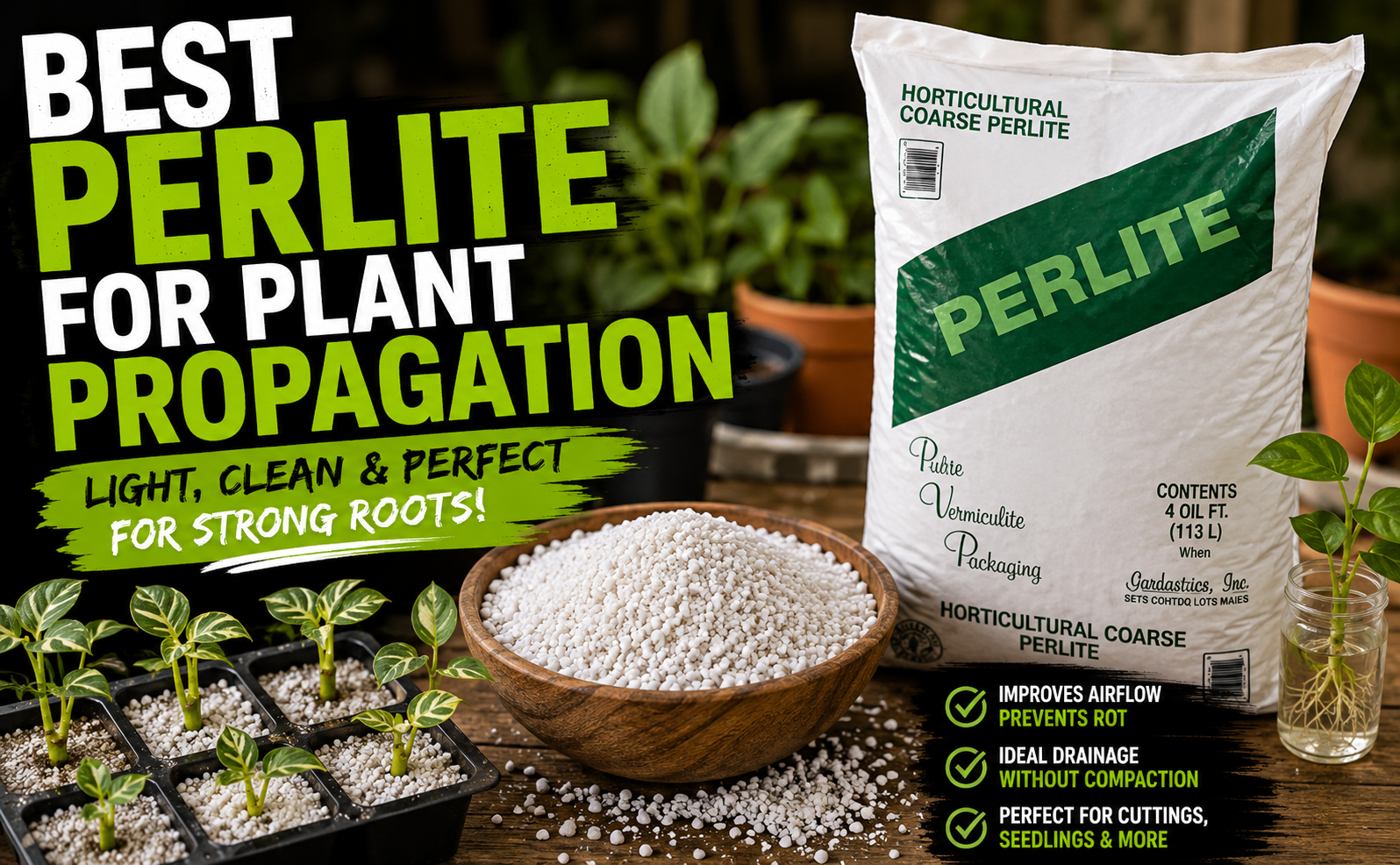
I also root many cuttings in a propagation mix containing the horticultural perlite I recommend because the additional airflow around the stem greatly reduces the chances of rot.
Those four products have become the foundation of almost every propagation project I take on.
Common Humidity Dome Mistakes
Owning a humidity dome doesn’t automatically guarantee better results.
I’ve seen gardeners make a few simple mistakes that actually create more problems than they solve.
Never Opening the Vents
Humidity is important.
Fresh air is too.
Leaving the vents completely closed for weeks can encourage mold, fungal growth, and stale air around the cuttings.
I gradually increase airflow as roots begin forming.
Forgetting to Check Moisture
A humidity dome slows evaporation.
That’s a good thing.
But it also means the propagation medium stays moist much longer.
I always check the rooting medium before watering instead of automatically adding more water every day.
Overwatering is still one of the quickest ways to lose healthy cuttings.
Using It in Direct Sunlight
This mistake surprises a lot of beginners.
A clear plastic dome sitting in direct afternoon sun can heat up very quickly.
Instead of helping your cuttings, it can easily overheat them.
I place my propagation trays in bright, indirect light or under quality grow lights where temperatures stay much more stable.
Removing the Dome Too Early
One of the biggest mistakes I made years ago was taking the dome off as soon as I saw the first roots.
Young roots are still developing.
The foliage has become accustomed to extremely humid conditions.
Removing the dome all at once can cause the cutting to wilt almost immediately.
Instead, I slowly increase ventilation over several days before removing the dome completely.
The plants transition much more smoothly that way.
Do You Need a Humidity Dome for Every Plant?
No.
There are plenty of plants that root so easily they rarely need one.
I’ve rooted pothos, tradescantia, spider plants, mint, basil, and several philodendrons without using a humidity dome at all.
But once I start propagating hydrangeas, blueberries, roses, grapes, elderberries, citrus, figs, or other woody plants, the dome comes out almost every time.
Those species often spend several weeks producing roots.
Keeping humidity high during that period gives them a much better chance of staying healthy until the new root system takes over.
For me, it isn’t about making easy plants easier.
It’s about giving more difficult plants the best possible chance to succeed.
Why I Prefer Complete Propagation Systems
Over the years, I’ve pieced together plenty of propagation setups.
One tray from one company.
A separate heat mat.
Different grow lights.
Another humidity dome.
Eventually I realized I spent more time trying to make everything fit together than actually propagating plants.
That’s one reason I like complete systems like the AC Infinity kit.
Everything is designed to work together.
The tray fits the heat mat.
The dome fits the tray.
The lights fit the dome.
The vents are already built in.
Instead of wondering whether different parts are compatible, I can focus on what actually matters… growing healthy roots.

Frequently Asked Questions
Do humidity domes really help plant cuttings root?
In my experience, absolutely.
A humidity dome doesn’t force a cutting to grow roots, but it creates a much better environment while those roots are developing.
Because the leaves lose moisture much more slowly, the cutting can spend more of its energy producing roots instead of simply trying to stay hydrated.
I’ve seen a noticeable improvement with many woody shrubs and slower-rooting plants after adding a humidity dome to my propagation setup.
How long should cuttings stay inside a humidity dome?
That depends on the plant and how quickly it develops roots.
I don’t remove the dome based on the calendar.
I remove it based on the plant.
Once the cutting has developed a healthy root system and starts producing fresh new growth, I begin opening the vents a little more each day.
After several days of gradually lowering the humidity, I remove the dome completely.
That slow transition helps prevent unnecessary stress.
Can you have too much humidity?
Yes.
Humidity is important, but airflow matters too.
That’s why I prefer propagation domes with adjustable vents instead of completely sealed containers.
Fresh air helps reduce mold, fungal problems, and stagnant conditions while still maintaining plenty of humidity around the cuttings.
Finding the right balance is much more important than trying to keep humidity as high as possible.
Should I mist cuttings inside a humidity dome?
Sometimes, but not nearly as often as many people think.
A properly functioning humidity dome already traps a large amount of moisture.
If the leaves remain firm and healthy, I usually leave them alone.
If humidity begins dropping or the foliage starts looking slightly dry, a light misting can help.
The goal isn’t soaking the leaves.
It’s maintaining a consistently humid environment.
Can I use a humidity dome without a heat mat?
Absolutely.
The two tools do different jobs.
A humidity dome slows moisture loss from the leaves, while a heat mat warms the rooting medium.
Many easy-to-root plants only need the humidity dome.
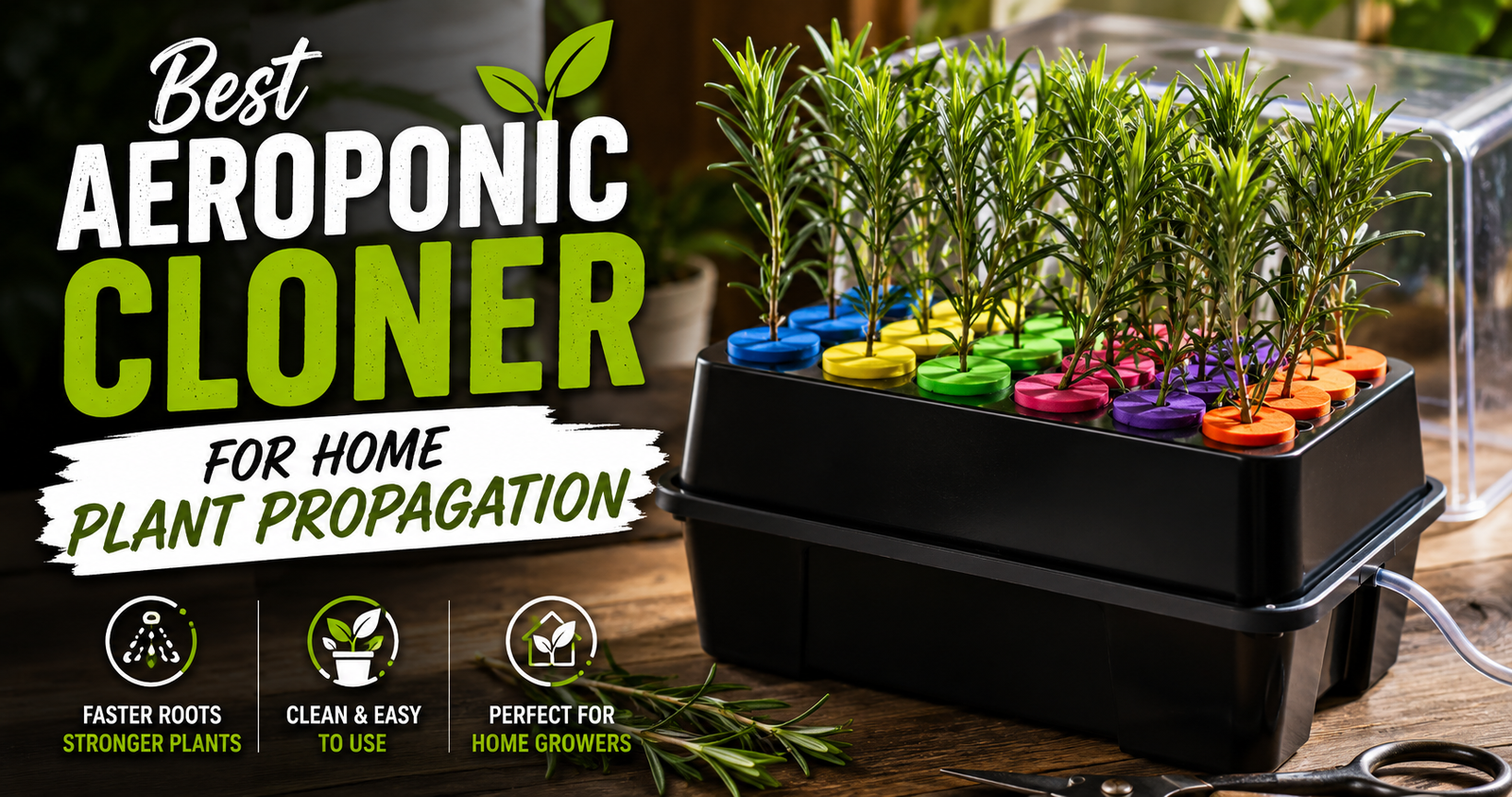
For slower-rooting shrubs and fruit plants, I often use both together because they complement each other so well. Pairing a humidity dome with an aeroponic cloner for cuttings can provide both a moist atmosphere and consistent moisture at the stem.
Are homemade humidity domes just as good?
They can certainly work.
I’ve seen gardeners use clear storage totes, plastic containers, and even large plastic bags with surprisingly good results.
If you’re only propagating a few cuttings once in a while, a homemade solution may be perfectly adequate.
However, once I started propagating regularly, I found myself appreciating the convenience of a purpose-built system with adjustable vents, sturdy trays, quality lighting, and a proper heat mat.
Everything simply worked better together.
A Humidity Dome Is One Tool I Never Regret Using
Over the years I’ve experimented with countless propagation methods.
Some made very little difference.
Others completely changed the way I propagate plants.
A quality humidity dome definitely falls into the second category.
It’s one of those tools that quietly improves your success rate without requiring extra effort every day.
The cuttings stay healthier.
They wilt less often.
They experience less stress while roots are forming.
For slower-rooting plants, that’s often exactly what they need.
If you’re serious about propagating shrubs, fruit plants, herbs, or houseplants on a regular basis, I think a quality humidity dome is money well spent.
It’s a tool I continue reaching for every propagation season, and I don’t see that changing anytime soon.
See the Humidity Dome System I Trust for Healthier Plant Cuttings
Master Every Step of Plant Propagation
Humidity is one of the biggest factors affecting fresh cuttings, but it’s far from the only one. Understanding how humidity works alongside temperature, rooting media, lighting, and healthy plant material will help you become a much more successful propagator. My Complete Guide to Propagating Plant Cuttings brings every stage of the process together into one detailed resource.
About the Author
Daxon Weaver is the founder of PropagationWorld, where he shares practical propagation techniques, honest product reviews, and years of hands-on experience rooting houseplants, shrubs, fruit plants, and ornamental trees. After propagating thousands of cuttings, he enjoys testing propagation equipment and helping gardeners build simple systems that produce healthier roots and more reliable results.